EHR vs Practice Management Software: Key Differences, Features & Benefits Technology has continued to define the core of healthcare in this era, allowing doctors to deliver quality patient care at affordable rates. The most crucial digital tools are Practice Management Software (PMS) and Electronic Health Records (EHR). Both applications have transformed the operations of clinics, hospitals, and private practices. Both are used concurrently but separately from one another. Every small and big healthcare practice needs to understand the distinction between EHR and a practice management system. Though EHRs are focused more on the enablement of clinical operations, PMS supports operations and administration. This article presents an elaborate comparison of EHR and practice management systems, the Difference between EHR and practice management software, outlines their advantages and disadvantages, and analyzes how integration will unlock the complete potential of a healthcare practice. What is an Electronic Health Record (EHR)? An Electronic Health Record (EHR) is not a computerized copy of the patient’s record. It is a single system that brings together all of the patient information into a system that can be accessed. EHRs are utilized by providers to: Capture patient demographics, history, and diagnoses Track medications, allergies, and immunizations Store laboratory test results and radiology images in one location Develop treatment plans and prescriptions Provide clinical decision support, i.e., drug interaction alerts According to practice management software capacity, EHRs are clearly miles ahead in terms of clinical care capacity. What is Practice Management Software (PMS)? Practice Management Software (PMS) makes medical centers operate smoothly from a functional perspective. It can also be referred to as the business engine of a practice as it enables everyday operations without interruption or glitch. A few of the key functionalities of PMS are: Scheduling and Appointments: Automatically sends reminders and reduces no-shows. Billing and Claims: Sends claims electronically to payers, tracks denials, and accelerates payments. Patient Registration: Automates check-in and updates demographics in the proper order. Reporting and Analytics: Provides financial reporting, productivity reporting, and performance metrics. Insurance Verification: Validates coverage before patient visits to minimize denied claims. PMS has a completely different role in the EHR and practice management system comparison debate, it is less about clinical records and more about practice efficiency. While EMRs and EHRs are doctor-centric, PMS brings the financial and business aspects of medicine into alignment. Key Differences Between EHR and PMS Though EHR and PMS complement each other, both serve to solve one unique problem. Let us examine Workflow differences in EHR and practice management differences a bit deeper: Core Purpose EHR: Stores and maintains patient health info for diagnosis and treatment. PMS: Managed by billing, scheduling, and administrative productivity. End Users EHR: Used primarily by clinicians, nurses, pharmacists, and lab techs. PMS: Managed by front-desk, billing, and administrative managers. Data Types EHR: Clinical information such as medical history, test results, and medication. PMS: Insurance, demographic, and financial information. Impact on Workflow EHR: Direct impact on the quality of patient care. PMS: Maintains business operations in a smooth running. Benefits of EHR The benefits of EHR software are numerous, and most go beyond patient documentation. Care organizations adopt EHRs for a plethora of reasons: Improved Patient Safety Embedded reminders alert practitioners about allergies or toxic drug interactions, preventing errors in medical practice. Improved Clinical Outcomes Having complete patient histories available, physicians can make well-informed decisions, leading to proper diagnosis and treatment plans. Provider Interoperability EHRs simplify data sharing between networks, and therefore, patients are not required to be re-run for tests or redo data. Efficiency in Record Maintenance EHRs are accessible and can be altered in real time, and are different from paper records. Patient Engagement Patient portals are standard in most EHRs, where one can receive lab test results, schedule appointments, or even interact with providers face-to-face. Advantages of Practice Management Software (PMS) Advantages of practice management software are financial inclined, and if effectively adopted, it can transform the productivity of a practice. Smooth Scheduling and Check-In Email or text reminders minimize no-shows and enhance patient flow. Efficient Billing and Revenue Cycle Management PMS reduces claim denials and increases reimbursement to practices. Administrative Effectiveness Administrative staff have fewer hours on monotonous work, free to spend more time attending to patient satisfaction. Improved Patient Experience Patients get quicker scheduling, quicker billing, and a smoother process in general. Data-Driven Insights Financial and operations reporting with PMS helps practices prepare for growth. Book Your Free Marketing Consultation EHR + PMS: Why Integration Is Important Having the two systems integrated is one of the best options to enhance practice operations. EHR and practice management integration bridges the communication gap between clinical and administrative processes. Advantages of Integration: Single Data Entry: Patient data keyed once into the PMS rolls forward into the EHR, saving time and minimizing errors. Quick Billing: Clinical documentation in the EHR can automatically populate billing codes in the PMS. Optimized View of Practice Performance: Financial and clinical results are measurable by providers. Improved Patient Experience: Patients enjoy continuous communication from scheduling to follow-ups. Choosing the Right Software for Your Practice Choosing the correct system is not easy. Some of the selection determinants are as follows: Practice Size and Specialty A sole practitioner may initially concentrate on EHR or billing and practice management software. Large hospitals require a complete, system EHR solution. Budget Implications EHR and practice management software is based on licensing fees, implementation, training, and support. Cost of EHR and practice management software. Long-term return on investment has to be calculated. Integration Capabilities Integrated offerings are offered by certain vendors or otherwise separate EHR and PMS offerings are designed to be integrated by others. Ease of Use Employee acceptance is key. The systems have to be easy to use and need minimal training. Vendor Reputation When selecting the Best EHR and practice management software, look for vendors who exhibit high customer support, compliance credentials, and successful scaling. Real-World Examples and Use Cases In a comparison of Practice management software vs EMR vs EHR, consider how each application

Dental Clinic Billing Software: Effective Invoicing & Payment Reminders Dental clinics today aren’t just where better patient care is provided, businesses; they must also be well at being well at acting like business enterprises. Billing, for example, can be tiresome, error-prone, and time-consuming when done manually. That’s when dental clinic billing software comes in. Whether you have a single dentist office or an entire chain of offices, specialist dentist billing software can turn your finances around. From creating bills to issuing Automated billing reminders and automatically submitting insurance claims, dental software with a bill module simplifies it all, getting you paid quicker and improving patient satisfaction. What is Dental Billing Software? Dental billing software is a computer application that can manage the sophisticated financial operations of a dental office. It is different from general billing packages in that it natively connects to patient records, calendars, and treatment planning to provide an end-to-end hassle-free process of billing. This can be a stand-alone single application or an integral part of an enterprise dental clinic management application with scheduling, charting, inventory management, and marketing features. It’s special in that it knows the billing codes, insurance protocols, and practice workflows of the dental practice. In plain terms, Dental software with a billing module implies quicker, quicker, and more efficient billing at the expense of reduced paperwork for your staff. Common Billing Problems Dental Clinics Encounter Billings in a dental clinic can look simple enough, but complications can spiral out of control and severely affect cash inflows. Such complications typically come from manual or antiquated systems. Some of the frequent billing headaches are highlighted below: Periodic Payment Delays: Payments for bills are made by patients after receiving treatments, particularly when reminders are not automated. Hand Errors: Billing mistakes in bill creation, i.e., improper billing codes or failed charges, miss revenue. System Errors: In the absence of appointment and billing coordination, front office personnel have to recreate items, and thus, there is wastage. Paper Billing: Paper invoices not only waste time and money but can very easily be misplaced and damage the environment. Ineffective Follow-Up Practices: Clinics are unable to follow up on late payments when they lack a special dental reminder system. With proper dental billing software, all such problems get eliminated and aid in achieving smoother runs and healthier cash flow. Key Features Of Dental Billing Software That Make Invoicing Easy Modern dental billing software is based on efficiency and precision. Below are five of the most salient characteristics of Dental software for invoicing, which make payment processes easy: Automated Invoice Production: After treatment, the system will then automatically produce bills with everything included in the treatment details, codes, and patient information, all without requiring typing. SMS and Payment Reminders via Email: The strong dental reminder system automatically sends follow-ups via email and SMS to remind patients of pending or due payments, enabling you to cut down on missed payments at dental clinics or Clinic software for patient follow-ups. Appointment and Billing Integration: This module combines the appointment module with billing, in that each appointment is a rightful, timely bill, which enhances patient experience. Insurance Claim Automation: Preauthorization, submission, and reimbursement notification are quicker and more precise with in-built functionalities of insurance claim automation. Secure Payment Gateways: Provide various modes of payment through secure, mobile-friendly payment gateways. Patients can pay online in real-time through debit cards, credit cards, e-wallets, or UPI modes. They are not only easy to implement from the internal perspective but also enhance patient convenience, resulting in increased patient satisfaction and loyalty. Book Free Demo Best Dental Billing Software Features Billing automation for dentists does more than provide convenience. It provides tangible benefits that directly affect the bottom line and efficiency of your practice. 1. Better Cash Flow Management Computerized reminders and billing ensure faster payments. Practices are paid on time, with greater liquidity and financial soundness. 2. Greater Accuracy and Fewer Billing Errors Automation ensures the elimination of errors like misplaced treatment or miscalculated fees. Reduce missed payments in a dental clinic, billing fosters trust and reduces conflict with patients. 3. Improved Patient Communication SMS billing reminders for dentists ensure timely patient communication. Email reminders can be accompanied by service breakdowns and payment alternatives for ultimate transparency. 4. Improved Staff Efficiency Front office and billing employees save hours weekly by eliminating manual entry and collections pursuit. Reducing time can be used to enhance the service for patients and to provide care. 5. Paperless and Centralized Workflow Patient, appointment, and billing information are stored in one database. Green business practice-compliant Paperless billing in dental clinics provides secure, lasting records. Why Dental Practices Today Need Billing Automation The business of dental healthcare is changing day by day. Patients today no longer require slow, analogue, and touch-based experiences. Clinics that are not willing to change from traditional billing methods will be out of the race. With the implementation of advanced dental practice software features, clinics can revolutionize their business and gain market advantage. Additionally, medical billing regulatory requirements are changing constantly. Automation of your billing stream assists in maintaining compliance, enhances audit preparedness, and decreases the possibility of claim denials. Selecting the Proper Software: What to Consider When choosing a clinic software for a dental practice with a billing module, the following should be your priority: Cloud-based access with updates Seamless integration with EHR, scheduling, and reporting software Simple setup and user-friendly interface Secure data storage and adherence to privacy Customer-friendly support and training resources Be sure to demo a few options and select one that best suits the size and workflow of your practice. The goal is not merely automation, but

Expiry Alerts in Clinic Management Software: Why They’re Crucial for Safe Healthcare Technology is no longer a nicety in today’s healthcare, it’s a necessity. Perhaps the most underappreciated but necessary feature of clinic management software is the medicine expiry notice system. What this feature does is allow medical supplies, vaccines, and medications to expire at the optimal time so clinics avoid health hazards and monetary loss. What Are Expiry Alerts in Clinic Management Software? An expiry reminder system operates based on tracking stock and providing reminders when a product is nearing expiry. These automatic expiry alerts in healthcare software can be set to provide reminders weeks, months, or even days ahead of time based on the configuration setup. If a Drug expiry notification feature or vaccine expiry remind is used, these reminders enable clinics to take preventive action before an issue occurs. The Risks Involved in Disregarding Expiry Dates in the Healthcare Industry Disregarding monitoring and maintenance of expiration dates has disastrous implications in healthcare units. Patient safety and expired medications go hand in hand; delivery of expired drugs lessens treatment efficacy or, worse still, induces toxic reactions. A few of the primary risks involved in disregarding expiry dates are: 1. Patient Safety Compromised Older medicines lose effectiveness or form toxic substances. They can cause treatment failure, allergic responses, or toxic side effects. 2. Legal and Regulatory Problems Medical facilities have a legal responsibility of adhering to usage and storage procedures for drugs. Noncompliance with Expiry date management for medicines may attract fine, prosecution, or license revocation. 3. Monetary Losses Wasted resources are expired drugs. Accurate Inventory expiry tracking in clinics would help avoid situations where stocks end up unused, leading to a build-up of financial losses. 4. Reputational Damage Trust underpins healthcare. Issuing expired medications would be severely damaging to a clinic’s reputation, with patients seeking alternative options elsewhere. These threats indicate the increased necessity for an expiry stock clinic software that guarantees a timely response and openness in handling medical stocks. Advantages of Expiry Warnings to Clinics Having an expiry notice system in your clinic processes brings immense advantages, ranging from process efficiency to enhanced patient care. 1. Enhances Patient Safety By discouraging expired drugs or vaccines from being used, inventory alerts ensure that all that is used during treatment is safe and effective. This is particularly important in pediatric and geriatric treatment, where drug reaction and immunity differ. 2. Simplifies Inventory Management Effective medication stock management software enables improved stock rotation. This prevents clinics from over-ordering and ensures first-expiry-first-out (FEFO) usage, reducing wastage. 3. Eliminates Human Error Manual tracking of inventories consumes a lot of time and is likely to be ignored. Expiry reminders in clinic software make it quicker, more effective, and less based on human memory. 4. Maintains Compliance with Regulations Regulatory agencies conduct expiry date and inventory audits at regular intervals. Pharmacy inventory reminders ensure clinics are audit-ready at any given time. 5. Maximizes Use of Resources Understanding when drugs are near expiry allows clinics to utilize them effectively, provide discounts, or donate them before they expire. Such control of drug expiry times enhances financial planning and ethical efficiency. Book Free Demo What to Look for in Expiry Alert Systems? It is important to have the right health IT expiry alert tools for proper implementation. The below are the functionalities making an Alert system for expiring supplies highly effective: 1. Real-Time Notifications The software must produce drug expiry reminders in real time when stock is approaching its expiry date. These must be displayed on dashboards, or even via email, or even as SMS alerts. 2. Timelines for Customizable Alerts Every clinic varies. Some will require a 30-day notice before expiration, others sooner. A decent system has the capacity for customization to suit your treatment cycle and turnover of inventory. 3. Batch-Level Tracking Batch-level expiry tracking is mandatory, particularly with vaccines or controlled substances. This identifies and dispenses only the affected batch, avoiding wastage. 4. Purchase & Billing Integration An ideal integrated medicine expiry notification system would seamlessly integrate with purchase orders, billing modules, and patient prescriptions of patients. The integrated system eliminates gaps in the process flow. 5. Simple Reporting and Audit Trails Being able to create reports on stock expiry alert clinic software is critical for auditing, internal examination, and supply chain refinement. 6. Mobile Accessibility Most clinics are more than one site or rely on staff working from the road. Cloud-based products with mobile access to expiry reminders provide greater mobility. How to Use Expiry Alert Systems for Maximum Effect Any system is only as good as its implementation. Here is how to implement clinic software expiry reminders within your clinic in an effective manner: 1. Conduct Inventory Analysis Start by charting your current inventory: what drugs you have, turnover, and how you’re currently tracking expiration. Mark gaps and areas for improvement. 2. Install the Right Software Choose software which has inherent expiry date monitoring of drugs and is suitable to the size and requirements of your clinic. Place it at the top with usability and with expandability. 3. Train Your Staff Even when there are automated systems, there will still be a need for monitoring. Educate your pharmacy and administration personnel to read alert notices, restock, and react on time based on alerts. 4. Set Alert Intervals Strategically Collaborate with suppliers and pharmacists to establish pragmatic notice periods. For instance, Expiry notification for vaccines may require notice time because of strict demands on cold storage. 5. Monitor and Audit regularly Take advantage of the reports and analysis produced by your clinic and use Expired stock alerts clinic software to track performance. Track expired stock trend analysis, staff response, and patient safety events involving expired stock. 6. Foster Open Communication Ask your staff to come forward with issues regarding alert reliability or system integration. Open communication will find its way to enhance the system ultimately. Conclusion Outdated stock must never be a case of chance within the current disorderly medical setting.
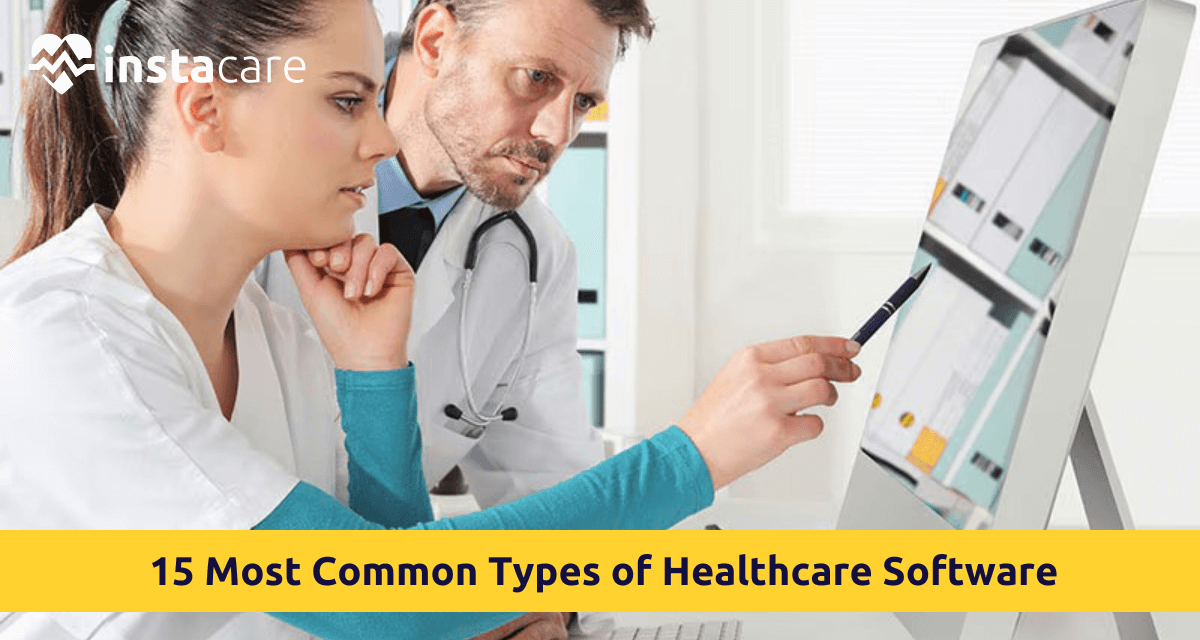
15 Most Common Types of Healthcare Software The aspect of health industry is fast changing and technology is at the centre of this change. Since bettering patient care to simplifying administrative processes, contemporary health care is dependent on software solutions. As the expectation levels of the patients increase and with the compliance demands also growing and the necessity for being efficient, the hospitals and clinics are coming increasingly to relying on the digital facilities. Whether managing patient data or facilitating teleconsultation, healthcare software is creating the future of medicine. What is Healthcare Software? Healthcare software refers to specific digital products created to assist the medical field in clinical, administrative, and operational functions. Such tools support healthcare professionals in diagnosing, treating, and monitoring patients and facilitate internal workflow management in institutions. Healthcare software has a huge variation, from storage and scheduling software to much more intricate systems that include diagnostics, imaging, and decision support. Importance of Healthcare Software in the Medical Sector Getting software tools for healthcare in 2021 is not an option anymore – it is now a necessity. It enhances the precision of diagnostics; it improves the availability of the data, and optimizes patients’ experiences. In addition, healthcare software helps minimize manual errors, reduce operational costs as well and meet healthcare regulations. This technology also facilitates data-driven decisions that would result in better outcomes for the treatment process as well as efficient resource management. Types Of Healthcare Software You Must Know Let’s get into the top 15 most common types of healthcare software systems changing things up in the medical world nowadays: 1. Electronic Health Records (EHR) Software In the core of modern healthcare systems lays the Electronic Health Records (EHR) software, which contains the complete medico-history for patients. It enables access to such information by authorised personnel such as previous treatments, allergies, lab results, and imaging. EHR software helps to coordinate between departments, reduces paper work and allows doctors to make better clinical decisions with real time access to data. 2. Practice Management Software Practice Management Software is a special software system for facilitating management of everyday administrative activities for clinics and hospitals. This entails appointment scheduling, billing and reporting, tracking of patients’ related information. It makes operations easy, eliminates much of the manual labor and guarantees the medical professionals concentrate on the patients leaving them with less of back-end logistics. 3. Medical Billing Software Effective billing in healthcare is very important, and Medical Billing Software is a solution for automatic invoicing and the claim process. This software makes fewer mistakes in cash flow and precise financial records. It also upholds several health insurance laws, as well as dictates regarding health insurance. 4. Telemedicine Software Remote consultations are becoming the standard; therefore, Telemedicine software contributes to video calls, remote diagnostics, and patient monitoring. It is now essential for healthcare access in rural or underserved areas. With this software, the patients can gain medical advice without having to go to a clinic physically, hence convenience and provision of services via book internet is enhanced. 5. e-Prescribing Software A doctor can send prescriptions electronically to pharmacies through the use of e-Prescribing software. This extinguishes handwritten inaccuracies and hastens the prescription process so customers can get prescriptions faster. It also assists in tracking patient drug history and warns providers against any potential drug interactions. 6. Hospital Management Software Hospital Management Software is a comprehensive hospital operation solution including, but not limited to, modules such as patient registration, billing, inventory, pharmacy, and HR. It simplifies all processes and smooth flow of departmental communication. Such systems increase hospital efficiency and affect patient experience. 7. Laboratory Information Management System (LIMS) For clinical laboratories, Laboratory Information Management System (LIMS) software is meant to monitor samples, as well as wanting to store test results, control inventory, and manage quality. LIMS increases a lab’s efficiency; reduces error, hence improves conformity to the regulatory measures, which is vital in the case of diagnostic and research labs. 8. Radiology Information System (RIS) The point, in this case, is to use a Radiology Information System (RIS) for controlling medical imagery and data. Such software is utilised by radiologists in monitoring imaging orders, keeping reports, among other workflow management. It is typically integrated with PACS and EHR systems to see all the patients’ records in full and make diagnoses more expeditious. 9. Picture Archiving and Communication System (PACS) Picture Archiving and Communication System (PACS) archives and retrieves certain medical images, including X-rays, MRI, and CT scans. It eliminates use of film-based storage hence enabling healthcare providers view, share and analyse images in digital format. The PACS also interoperates with RIS and EHR for increased accuracy and efficiency of diagnosing. 10. Clinical Decision Support System (CDSS) The Clinical Decision Support System (CDSS) is a powerful piece of software intended to assist the clinician in making well-informed decisions. It works with the data of patients and alerts and reminds them, as well as offers treatment. CDSS will enhance outcomes and compliance with best practices as errors by humans will be eliminated as well and there is a standard level of care provided by CDSS. Book Free Demo 11. Pharmacy Management Software Pharmacy Management Software supports pharmacists with drug inventory, which automates refilling and answers billing and compliance with regulations. It enhances safe medication by alerting about potential interaction, contraindications and it frequently integrates with EHRs and billing systems to the purpose of making the functionality, as easy as possible. 12. Healthcare CRM Software Healthcare CRM software is aimed at enhancing patient interaction, communication and services. It captures and manages patient data, preferences and communication history. This assists healthcare providers in providing individualized services and send reminders as well as long term relationships with patients. 13. Healthcare Analytics Software Healthcare analytics Software sifts through stupendous amounts of clinical, operational, and financial data to create insights. Hospitals use this software to enhance the delivery of care and cost management, as well as cost projection. It facilitates predictive analytics, population health management, and performance benchmarking.

How to Get More Repeat Bookings with Clinic Management Software? In today’s competitive healthcare environment, private clinics and practices have to not only gain new clients but also retain established ones. Boosting the patient return rate through repeat bookings is one of the core elements of maintaining patients and running a sustainable, long-term business. The modern clinic software can be one of the most potent ways to provoke this. With integrated functionalities like auto-reminders, communication management, and follow-up scheduling, it ensures ease-to-access communication for healthcare professionals while keeping their operations lean. Understanding Repeat Bookings Repeat bookings mean the patients visiting a clinic for a Follow-up appointment system, continued treatment, or prevention. It is a sign of trust, satisfaction on the part of the patient, and an eventual continuation of the patient-clinician relationship. It ensures consistent revenue for the practice and aids in enhancing the health outcome of the patient due to continuity of care. Why Repeat Booking Matters? Follow-up patients are easier to get through the treatment protocol, are good referral sources, and spread the word about your practice. They are also cheaper to keep than to acquire, hence they are vital organs for the success and well-being of any medical cash flow. Therefore, clinics must maintain a balance between maintaining existing patients and attracting new ones. Moreover, frequent patient visits allow healthcare providers to deliver better personalized care and track progress effectively. In the long run, this increases trust and contributes to better community health outcomes. Common Barriers to Repeat Bookings Before diving into how to enhance repeat bookings, it’s important to identify what might prevent them: Long waiting times Poor follow-up communication Forgetting appointments Inconvenient scheduling process Lack of engagement or motivation These are challenges that have a negative impact on patient experience in clinics and result in lost opportunities for follow-up treatment. Book Free Demo Key Features in Clinic Management Software That Drive Repeat Bookings Current clinic management software advantages go well beyond the convenience of administrative tasks. They encompass dedicated tools that directly affect repeat bookings: Online Appointment Scheduling: Patients appreciate Online appointment scheduling for clinics. A system that provides online appointment booking for clinics enables patients to schedule follow-ups at any time, from anywhere. This self-service option is particularly appealing to younger, technology-savvy patients. Automated Reminders: No-shows are frequent, but usually accidental. With appointment reminder software for physicians, repeat bookings through automated SMS, email, or app reminders can minimize no-shows and prompt early bookings. Built-in Communication Tools: Successful follow-up will frequently rest upon continuous communication. EMR with built-in communication tools allow clinicians to deliver updates, lab results, and reminders—all patient-keeping opportunities. Scheduling for Follow-up and Recall: Staff can be reminded by clinic software or even auto-schedule the next appointment using diagnosis or treatment plans to keep a solid follow-up appointment process in place. Patient History and Integration of Data: Integrated records facilitate individualized care, which informs patients that the clinician remembers and cares about their health history. It can prove to be an immense driver for repeat bookings. How does Clinic Management Software help Increase Repeat Bookings? Let’s see in depth how this software can improve patient return directly. Automates Follow-Up and Recall One of the biggest strengths of automated patient recall systems is that they eliminate human error and provide timely contact. Whether chronic illness reviews, vaccinations, or follow-up post-treatment, automating the process means no one falls through the cracks. For instance, dental offices frequently employ this to remind patients of cleanings every six months. Automating the recall process means clinics don’t have to manually track patients to bring them back regularly. Enhances Loyalty and Experience To increase patient loyalty in private practice, personalization is key. Health education content, frequent updates, and chat features help build confidence and bonds. They are part of a wider Patient engagement solutions strategy that enhances communication, stimulates feedback, and establishes long-term relationships. An active patient is more likely to feel looked after and thus more likely to book their next appointment. Reduces No-Shows No-shows interrupt timetables and waste time. Clinic management software dramatically minimizes this problem by using intelligent reminders. One study demonstrated that reminders by SMS cut no-shows by more than 25%. With repeated bookings via automated SMS, practices can remind, reschedule, and follow up—all without staff interaction. This dependability improves working efficiency and patient satisfaction, both of which lead to repeat visits. Increases Loyalty and Experience To build patient loyalty in private practice, customization is the key. With full access to patient histories, communication logs, and preferences, practitioners can provide personalized care. This makes patients satisfied and more likely to book an appointment in the future. Moreover, software solutions make it easy to conduct post-visit surveys. These assist in finding areas for improvement and make patients feel that their voices are heard, enhancing loyalty. Enables Strategic Marketing Effective digital marketing for private clinics can be integrated with the software, using email campaigns or SMS to notify patients about health tips, new services, or appointment openings. When patients regularly hear from their clinic in useful and non-intrusive ways, they stay connected and are more likely to return. Supports Growth Strategies A strong booking and follow-up system facilitates medical practice growth strategies through retaining existing patients, while also allowing for the ability to service new ones efficiently. Clinic software can provide reporting on booking patterns, patient testimonials, and campaign performance, allowing clinics to make informed decisions to grow and expand. How Clinic Management Software Facilitates? The following is a combined list of how Clinic management software benefits repeat bookings: Streamlines scheduling and rebooking Reduces no-shows with automated reminders Increases engagement with personalized communication Automates follow-up recalls Facilitates feedback gathering and service enhancements Increasing patient return rate with clear and consistent communication Syncs with AI healthcare innovations for predictive scheduling Facilitates real-time drug safety monitoring for patients on complicated medications Streamlines healthcare data integration with AI for enhanced patient tracking Supports telemedicine and

How Healthcare Software Bridges the Gap Between Patients and Providers? Healthcare software has emerged as an essential solution which tackles existing challenges concerning communication and care coordination, as well as care continuity problems in the healthcare field. The rapidly evolving healthcare sector has narrowed the physical gap between patients and healthcare professionals through digital methods. The medical industry adopted modern connectivity and access alongside enhanced efficiency after healthcare software became available. The digital transformation is impacting healthcare delivery by creating patient-focused care approaches that utilise data to improve treatment. This blog examines the patient-provider connection facilitated by healthcare software and its positive impact on healthcare services and key performance indicators for patients and providers. Understanding the Communication Gap in Healthcare The digital revolution introduced significant changes to patient-provider interactions, as they previously relied on personal encounters and phone chats, supplemented by written medical documents. Under the previous healthcare system, patients faced problems due to delayed care, disrupted communication, and diminished transparency. Patients felt uninformed and disengaged regarding their health, while providers faced administrative burdens, including manual record maintenance and limited access to external clinic health information. The approach to healthcare shifted from proactive to reactive due to these measures. Healthcare software systems emerged to address the continuous care needs of providers, who sought enhanced communication and more effective coordination between offices through computerised medical applications. What is Healthcare Software? Healthcare software features various digital tools and platforms that help support medical service delivery while ensuring service management. Computer applications in healthcare span simple appointment management systems to advanced AI-driven systems. These tools work together to strengthen communication, enhance accessibility, and enable providers and patients to access instant data for more informed and empowered care. Most Commonly Used Healthcare Software Electronic Health Records (EHR) Electronic Health Record (EHR) represents the most influential healthcare software system currently available. An Electronic Health Record system unifies all patient clinical records into a single digital system, including medical data such as history, test outcomes, images, and therapeutic plans. EHR systems enable provider staff to access key medical information in a streamlined process, which simultaneously decreases documentation work and minimises medical mistakes. Through EHRs patients avoid relaying their medical history at each visit they make and receive care that is both timely and individualised. The standardised structure of electronic health records allows healthcare workers to team up for patient care, which enhances continuity while decreasing possibilities for misunderstandings between providers. Telemedicine Healthcare delivery experienced revolutionary changes through telemedicine solutions and software, which provide virtual care solutions and consulting opportunities between healthcare providers and patients. Patients access medical consultations through protected video sessions from their residences. The technology enables better healthcare accessibility to patients while decreasing their travel expenses and diminishing their journey durations. Healthcare providers achieve better flexibility, and their system allows remote patient monitoring while managing patient queues in an optimised way. Telemedicine platforms link with EHRS and appointment systems, which deliver a unified service experience to health providers and patients. Patient Portals The healthcare connection relies heavily on patient portals as essential elements for communication excellence. Patients can access their health information through secure, structured web-based portals that operate 24 hours a day. Patients can: Healthcare technology users access medical documentation along with their laboratory test results through the portal system. Schedule or cancel appointments Request prescription refills Communicate directly with providers Telehealth platforms and solutions allow patients to pay medical expenses and maintain coverage records. The system delivers higher levels of transparency that increase both patient-provider communication and provider accountability. Patients who enjoy open access to their records and health providers demonstrate increased health journey participation, which results in better treatment results. Mobile Health Apps The mobile health apps transform how individuals handle their daily medical routines. Mobile applications provide users with customised functions that assist in improving patient outcomes and routine medical care practices. Most applications enable wearable devices to track multiple metrics simultaneously. Heart rate Blood sugar levels Blood pressure Sleep patterns Physical activity Healthcare providers gain access to real-time data, which enables them to make better decisions and find medical issues in an early stage. Remote Patient Monitoring RPM systems use technological devices to monitor patients at home outside regular hospital settings. Digital thermometers and blood pressure monitors along with glucose meters, gather patient vital signs which healthcare providers receive during real-time transmissions. Developing the remote patient monitoring system works best in managing chronic diseases because it enables these three key benefits: Early detection of complications Reduced hospital readmissions Personalised treatment adjustments RPM promotes better patient compliance with their prescribed healthcare plan. For patients, RPM offers peace of mind. Through RPM, providers implement preventive measures rather than responding to situations. Practice Management and Billing Software Healthcare facilities need operational efficiency as a priority to run efficiently, but they must focus mainly on delivering clinical care. Practices that implement management tools automate their daily operations, which include: Appointment scheduling Patient registration Insurance verification Billing and claims management The systems cut down paper-based work, resulting in more time available for healthcare personnel to tend to their patients directly. These healthcare systems reduce billing mistakes while expediting reimbursements, and they strengthen operational longevity for medical practices. Challenges in Adopting Healthcare Software Organizations face different obstacles when deploying healthcare software, although they yield positive results. The sensitive health data management must meet all requirements set by HIPAA and GDPR, alongside privacy and security needs. Numerous systems maintain limited connectivity because they fail to operate and exchange data properly. Small practices encounter obstacles to funding and operating sophisticated software systems that handle implementation costs. Healthcare providers, along with their patient engagement experience varying degrees of comfort using digital technology. To succeed with these barriers, one needs to invest in infrastructure development alongside training programs and user-friendly interface development. Conclusion Clinic Management Software is reaching its modern-day importance as an essential healthcare technology. From enabling telemedicine to facilitating real-time health tracking and simplifying administrative processes, it has significantly transformed patient-provider relationships and improved access to

AI for Medical Diagnosis: How Artificial Intelligence Is Transforming Disease Detection and Treatment Artificial Intelligence (AI) is transforming medicine in ways people’s imaginations a decade ago could not possibly conceive. No longer science fiction, AI is indeed transforming detection, diagnosis, and disease treatment by physicians. Medical AI diagnosis is the most thrilling development in medicine today, and real-world applications are already transforming lives globally. Let us discuss how artificial intelligence is revolutionising medical diagnosis and the future of medicine. Early Detection Saves Lives One of the best reasons why AI has been applied so extensively to the medical diagnostic process is that it identifies disease early. Early identification is a big determining factor in treatment success. The sooner a condition is identified, the more treatments are available to doctors to treat it, and the better the patient will heal. AI can analyse vast quantities of patient data, lab tests, imaging studies, and genetic markers, faster and more accurately than doctors. To give an example, AI computer algorithms trained on thousands of mammograms can identify fine textures in breast tissue that a radiologist cannot see, such as cancers when they are in stage one. Such precision can enable potentially life-threatening illnesses to be detected before the point at which it is too late to treat. Outside of cancer, AI also diagnoses diabetic retinopathy, heart disease, pneumonia, and even mental illness by interpreting patterns of scans or patient behaviour. Its true value lies in its learning and adapting over time and improving with each iteration. AI in Diagnostic Imaging One of the fields where AI has left an enormous mark is medical imaging. X-rays, MRI, and CT scans are expensive diagnostic machines, but they take time, expertise, and frequency to read. Step into AI. Now, medical computers can also read medical scans with incredible precision. The computers were trained on hundreds of thousands of radiology exams and can identify diseases such as tumors, bone fractures, and internal bleeding in organs. AI in Medical Diagnostics is also utilized occasionally, identifying areas of interest even before a radiologist lays eyes on them. It does this with a reduced turnaround time, allowing doctors to treat critical cases more quickly and efficiently. In neuroimaging, AI has been detecting neurological diseases like Alzheimer’s and Parkinson’s years before conventional means. Algorithms detect subtle differences in brain anatomy or perfusion that the human brain might not be able to detect. In cardiology, AI helps diagnose blocked arteries and arrhythmias, leading to heart attack or stroke. Through Image review faster and with reduced diagnostic errors, Image enhancement is improving outcomes and patient safety. Decision Support for Doctors Doctors today are more inundated than ever. But information will not be enough—information must be properly interpreted and in timely relevant. Clinical Decision Support Systems (CDSS) based on AI help doctors make improved decisions by taking into account medical history, signs and symptoms, test results, and treatment in real-time at the same time. These systems are a second brain, reading vast medical databases and studies in real time to give likely diagnoses. This isn’t replacing physicians, it’s providing them with a tool they can use to double-check, confirm suspicions, or even diagnose obscure diseases they may not have otherwise thought of. By taking the chance of human error out of the equation and removing diagnostic delay, AI is becoming an indispensable business partner for today’s clinics. Book Free Demo Real-World Application in Hospitals Hospitals and clinics across the globe are already reaping the benefits of AI-powered diagnostic technology. Leading institutions like the Mayo Clinic, Mount Sinai, and Stanford Medicine have integrated AI into business-as-usual operations. For example, Mount Sinai uses an AI system to anticipate which ICU patients will get sepsis—a potentially fatal disease, before they ever present themselves with symptoms, hours in advance. It lets doctors act and save lives. In cancer clinics as well, AI is being used to help decide the best treatment for a tumor based on its genes so that patients are treated as unique individuals. Hospitals are utilizing AI to provide automated administrative diagnoses, i.e., quick abnormal laboratory test results for timely examination. Such applications, besides improving care, also eliminate the physicians’ workload, bringing it down to burnout. Challenges and Concerns Healthcare AI does have some serious concerns to tackle, however. Privacy is one of them. AI systems handle a lot of patient data, and it must be secure, anonymized, and responsibly used. Bias in machine learning algorithms is a problem as well. Training data to which an algorithm is being trained, unless representative, will not allow the algorithm to generalize over populations. Such a system for diagnosing skin cancer trained on mostly light-skinned patients, for instance, will perform poorly with dark skin. Developers need to make training data representative across all segments. Doctors and patients are rebelling as well. AI technology becomes more reliable, but for others, concerns that too much reliance on computers will mean errors in diagnosis persist. Human management and control must be established in place to place trust. Where AI Excels? Although AI is useful in all fields, there are some diagnostic specialties in which AI is far better than the conventional way. Let us find out where AI works best: Radiology: Identification of lung nodules, fractures, or intra-abdominal hemorrhage. Dermatology: Identification of skin cancer from photographs. Ophthalmology: Identification of diabetic eye disease and glaucoma. Pathology: Identification of abnormally growing cells in biopsy tissue. In each of these fields, AI pattern recognition technology is boosting speed and diagnostic confidence. Rather than substituting for doctors, it allows them to focus on patient care and complex decision-making. How AI Empowers Patients and Providers? AI places very high importance in the providers’ and patients’ hands if used ethically: Faster Turnaround Time: AI allows quicker turnaround time. More Accuracy: Less misdiagnosis equals improved outcomes. Cost-Effectiveness: Prevention through early detection saves expensive end-stage treatment. Fair Care: Where there is a deficiency in poorer societies, AI fills the gap

What Are Healthcare SaaS Solutions and How Do They Benefit Healthcare Providers? Healthcare SaaS Solutions have transformed the processing, storage, and retrieval of patient information in medical centers, leading to overall operational efficiency. With web-based software, healthcare businesses can install applications within the internet domain without being bound to costly, traditional IT infrastructure. Though rapid access to patient information, security, and scalability remain the major concerns for healthcare businesses, SaaS has been a game-changer. They function as a budget-friendly and adaptable off-site software that surpasses on-location software in improving both administrative automation and clinical outcomes. What are Healthcare SaaS Solutions? Clinics, hospitals, and other healthcare facilities use web-based software that runs through cloud hosting systems. Users obtain access to programs through their web browser instead of installing software on each device. This saves money in the initial phase and allows for software updates in real time, thereby making SaaS Solutions for Health IT more responsive and scalable. What are SaaS Solutions in Healthcare? Simply put, they are computer software and services that run on cloud infrastructure and are supplied on subscription terms to healthcare organizations. They are being widely adopted across all segments of the healthcare ecosystem, from small-sized practices to large-sized hospital groups. Some examples include: EHR SaaS Platforms for management of electronic patient records. Telehealth SaaS Platforms for remote consultations. Medical Billing SaaS Software for simplification of revenue cycle management. Patient Management SaaS Solutions for appointment scheduling, communication, and workflow management. Key EHR SaaS Platform Features Centralized electronic records and remote access Smooth integration with lab and imaging devices Simplified data entry forms and enhanced accuracy Role-based access to facilitate greater data security Interoperability with health information exchanges (HIE) All these features allow the clinical space to be more efficient and coordinate patient care better. Healthcare SaaS Trends Healthcare SaaS Trends mirror increasing interest in: Integration of artificial intelligence (AI) and machine learning Predictive patient outcome analytics Voice-activated digital note-taking assistants Wearable health device integration Blockchain secures patient data sharing All these advancements are a testament that SaaS healthcare is not a transitory process but a natural progression in health technology. Advantages of Healthcare SaaS Solutions The use of healthcare cloud solutions has a plethora of advantages. The most essential Benefits of Healthcare SaaS Solutions are discussed in brief below: Scalability: Add services as and when necessary without hardware modifications or upgrades. Accessibility: Access by authorized individuals from anywhere. Cost Savings: Subscription instead of investing colossal sums of money initially. Automated Upgrades: No user guide or software installations or upgrades are necessary. Higher Collaboration: Teams of people collaborating in real time, department or location-based. Advantages of Healthcare SaaS Solutions also involve greater healthcare regulatory compliance, like HIPAA, due to strong security. Use Cases: SaaS for Hospitals and Clinics Hospitals and clinics increasingly utilize SaaS for Hospitals and Clinics to enhance operating efficiencies. Healthcare SaaS Solutions assist in managing a range of functions: Patient intake and scheduling Clinical documentation and diagnostics Billing and insurance claims Inventory and pharmacy management By using SaaS platforms to replace traditional legacy systems, healthcare professionals can keep better records, engage with patients more effectively, and have a smoother administrative process. How Cloud-Based Healthcare Software Revolutionizes Healthcare? Cloud-based healthcare Management Software involves some variation from legacy on-premise systems: Remote Access: Physicians and personnel can access information at home, mobile, or remote access points. Real-Time Data Synchronization: The information synchronizes in real time between all devices. No Disruption for Updates: Updates are conducted without causing process disruptions. Also, backup and disaster recovery procedures are supported by cloud-based platforms, which are strongly imperative in healthcare, where data integrity is the principal requirement. Adding Security: Data Security in Healthcare SaaS One of the most significant issues with electronic health systems is data security. All the best: Data Security in Healthcare SaaS is a top concern with developers. These solutions deploy robust encryption, access controls, and audit trails to protect patient-sensitive information confidentiality. Most healthcare SaaS solutions integrate compliance with healthcare data policy under HIPAA, GDPR, and HITRUST, which assures healthcare professionals. Personalization with SaaS Customizable for Healthcare Providers Indeed, the most attractive feature of such solutions is their flexibility. Customizable SaaS for Healthcare Providers can be designed so that clinics can customize it based on their unique workflow, patient pool, and operational needs. SaaS’s flexibility, from adding new modules to utilizing third-party software, makes it a perfect solution for dynamic healthcare environments. SaaS vs On-Premise: Comparison For comparing SaaS vs On-Premise Healthcare Software, SaaS certainly has an advantage over the following: Cost (low initial cost) Deployment time (quicker deployment) Maintenance (Vendor support) Flexibility (ease of remote access and scalability) On-premise solutions remain available to some large organizations that have specialist IT staff, but SaaS is the choice of most healthcare providers today. Role of AI in AI-Powered SaaS in Healthcare AI-powered SaaS in Healthcare is empowering physicians to diagnose and treat patients quickly and precisely. Such tools can: Process vast amounts of information to identify patterns Automate administrative routine tasks Enabling clinical decision-making through informed decisions Artificial intelligence enhances SaaS and turns it into an engaged tool instead of a passive system. Enhancing Operations with Patient Management SaaS Tools Reminders and scheduling of appointments Secure messaging among providers and patients Integrated billing and claims Automation of workflows and tasks Custom care coordination dashboards

Telehealth for Elderly: A Modern Shift in Senior Healthcare Telehealth for Elderly is transforming how elderly people are treated medically. Using technology, elderly people can get treated at home, reducing hospital visits. Telehealth facilitates virtual consultations, regular check-ups, medication management, and round-the-clock monitoring, all from the comfort of their own homes. In recent years, especially after the COVID-19 pandemic, the healthcare industry has experienced an overnight boom in virtual care solutions for elderly individuals. Ranging from home-based to mobile health applications, older individuals are gradually adopting digital healthcare solutions for chronic condition management, specialty care, and well-being. The Advantages of Telehealth for Seniors The Benefits of Telehealth for Seniors are numerous and contribute to their overall well-being. By minimizing travel time and providing quicker access to medical consultation, elderly people have both comfort and improved healthcare. Less stress and travel expense Quicker consultation for chronic conditions Less exposure to infectious diseases Easy access to experts Improved medication compliance with digital reminders The main advantage is regular contact with primary care practitioners. Regular contact allows for case following up on medical trends, recording early signs of deterioration, and preventing emergencies, particularly among the elderly with multiple states of illness or living alone. Principal Telemedicine Services to Older Patients Older patient telemedicine care has expanded exponentially. They include virtual consultation, online counseling of the mind, physical rehabilitation guidance, and monitoring of chronic diseases. The following are the Telemedicine Services for Elderly Patients: Video call-based first care visits Post-hospital discharge follow-ups Treatment of anxiety and depression remotely for mental health Electronic management of prescriptions Tracking vital signs with wearable technology Telemedicine facilitates greater care coordination among specialists, caregivers, and family members. Doctors can share electronic notes on the same platform and refer patients to physical therapists or nutritionists as needed. How Seniors Can Use Telehealth? We must realize How Seniors Use Telehealth to develop systems ideally suited to their requirements. Older persons primarily utilize telehealth via smartphone, tablet, or desktop computers to call physicians, ask for medication refills, or attend therapy. Today’s older population increasingly makes appointments online, receives follow-up test results via telehealth portals, and even consults a dietician remotely to ensure nutrition. Others utilize devices connected to telehealth systems, which allow physicians to analyze health in real time. Proper training and technical assistance make seniors capable telehealth users. Technology Barriers in Elderly Telehealth One of the biggest challenges in the growth of technology barriers in elderly telehealth is the digital divide. Most elders have trouble with: No access to high-speed internet Lack of familiarity with smartphones or computers Physical disability (hearing, vision, dexterity) Concerns regarding privacy and data security Technophobia is another significant barrier. Sure, seniors are unwilling to accept telehealth because they are unfamiliar with it, leading to frustration or avoidance. This can be addressed with easy-to-use sites, guides, and quick technical support. Steps are also taken to provide low-cost or subsidized internet plans and easy-to-use devices to seniors. Caregiver support and community education classes also facilitate seniors’ use of Telehealth for Elderly equipment. Senior-Friendly Telehealth Sites To be used optimally, telehealth sites utilized by seniors must be easy to use. Easy-to-use features with fewer complexities are: High-contrast color and large print Easy one-click scheduling Captions and audio cues Technical support via phone or chat HIPAA-safe secure connections A good platform is not merely interested in appearances; it also considers seniors’ motor skills and brain processes. Simplification, reducing the number of steps, and using graphical icons rather than textual menus are examples of usability. Some health practitioners now have senior helplines and tutorial videos specifically for seniors. These provide seniors with the capability to receive Telehealth for the Elderly easily. Remote Healthcare for Older Adults Remote Healthcare for older adults isn’t a band-aid; it’s an effective model for continuing care. Physicians can detect early signs of declining health by conducting continuous remote checks and adjusting care plans accordingly. Remote medicine also enhances chronic disease management, such as: Hypertension Diabetes Arthritis Heart disease COPD It improves patient outcomes and decreases hospital readmission. Seniors no longer need to wait for signs and symptoms to worsen before visiting a physician; timely care via digital is now available. Home-Based Telehealth for Seniors: Bringing Care Close Home-based telehealth for Seniors brings medical services to their doorsteps virtually. They no longer have to take the highway to clinics for all those minor complaints. The advantages of Senior-Friendly Telehealth Platforms are: Off-site diagnosis through mobile applications Regular follow-ups conducted through video consultations Home-based drug delivery according to prescription Health counseling and lifestyle counselling This model is useful, particularly for elderly individuals living in rural or dispersed environments. It offers level access to quality service and avoids excluding them on geographic grounds. In addition, home care is economic. It keeps ambulatory treatment, ER usage, and unwarranted admission to a minimal level. It also maintains minimal stress and an environment conducive to peaceful healing. Telehealth Solutions for the Aging Population Creating effective Telehealth Solutions for the Aging Population requires a combination of medical expertise and technology based on user experience. The solutions tend to include: Easy-to-use personalized apps 24/7 virtual nurse phone helplines Telehealth-connected emergency alert systems Live health monitoring using smartwatches Coordination between experts, caregivers, and family members These technologies, including tools like a Clinic Management System, bridge the gap in medical care for elderly people who need regular consultations with a physician. They also empower older adults
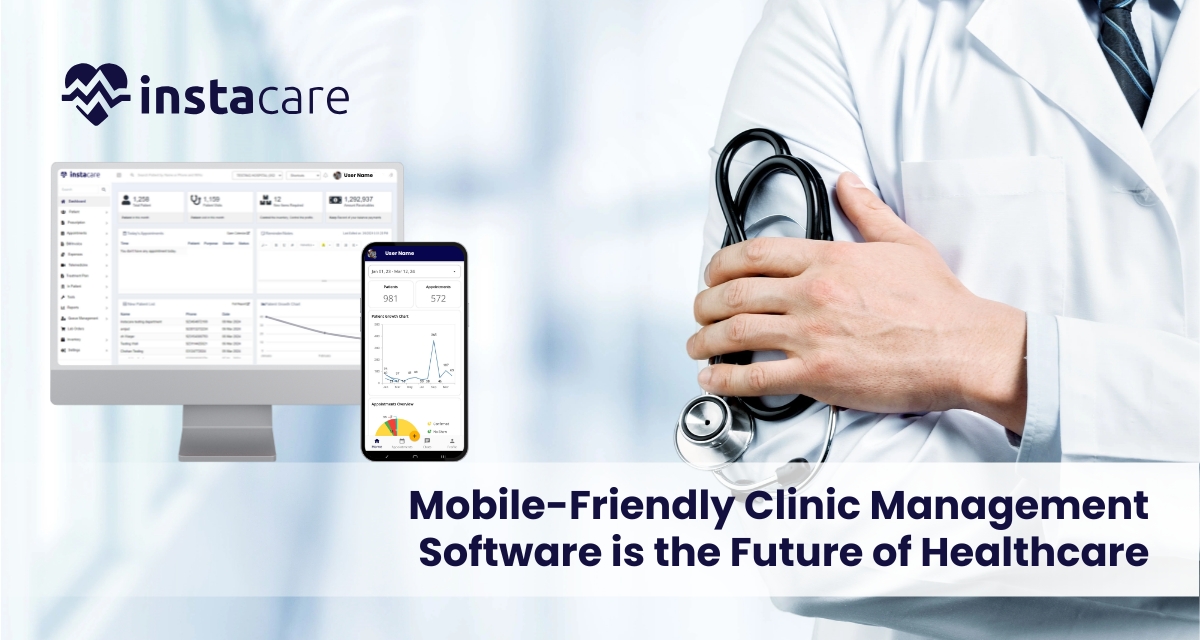
Technology dominates the management of healthcare needs in the ever-competitive environment because it supports efficiency, patient satisfaction, and generally the delivery of services. Closer to our topic, among the most remarkable trends that have emerged in the recent years can be noted the appearance of the clinic management software designed for mobile devices. Convenience has been on the foreground as healthcare providers realize the problems of accessibility, and more clinics now require mobile solutions. The following article looks at why clinics need mobile-friendly clinic management software, the advantages, elements, and implications for patient care. The Need for Mobile-Friendly Solutions Changing Patient Expectations It’s today when the most tech-savvy patients, better than ever, are shown more access to smartphones and tablets. It is their expectation that the availability of healthcare should be even easier and more convenient like other services they use each day. The patient desires to book an appointment with the health care providers as well as view his/her medical records and communicate all at his fingertips. A clinic management software that is mobile friendly addresses the above demand in terms of features that support patient engagement and satisfaction. Boosting Efficiency in Operations It is becoming a constraint to healthcare centers since they are being asked to deliver quality services with limited time and costs. With mobile compatible systems, the employees obtain the ability to schedule and coordinate appointments, update records, and collaborate remotely. These are enlightening since flexibility decreases the number of formalities to be filled and time spent on documentation limiting the time healthcare providers spend with patients. Key Features of Mobile-Friendly Clinic Management Software 1- Appointment Scheduling The mobile clinic management software allows the easy scheduling of appointments for patients using intuitive interfaces. Patients can thus choose their preferred times and receive reminders for their appointments, and even reschedule if needed. This is not only a patient-satisfaction improvement but also a calendar management optimization of the clinic. 2- Telemedicine Abilities Telemedicine has become more popular during the COVID-19 pandemic as well as many other innovations in the sphere of health care. Since many of its features are incrust within the mobile-friendly software that some healthcare providers use to offer consultations virtually, the tool enhances easy access and use of care wherever-again, created and used, especially for the patients in the remote areas or with restricted mobility. 3- EHR Accessibility The access of patient records anytime and anywhere by healthcare providers using mobile-friendly software will ensure that providers are always up-to-date, which means they can make more informed decisions and help patients achieve better outcomes. 4- Billing and Payments Mobile clinic management software allows for the smooth running of billing, where patients can pay their bills online. This helps the clinics have improved cash flow and, more importantly, enhances the patient experience with convenient payment options. 5- Patient Communication Effective communication is a key factor in patient satisfaction. Most mobile-friendly software includes messaging features that enable secure communication between patients and healthcare providers. This allows for fast responses to inquiries from patients, confirmations of appointments, and instructions for follow-up care. 6- Reporting and Analytics Mobile software will help in generating reports and analytics on the performance of the clinics, which will enable clinics to make data-driven decisions. Patient demographics, appointment trends, and revenue streams are key indicators of areas of improvement for healthcare providers, optimizing their operations. Book Free Demo Benefits of mobile-friendly clinic management software 1- Patient engagement is increased By adopting mobile access features, the software increases patient’s overall involvement in view of the fact that they can readily access their information as well as interact with providers. When a patient has a good feeling that they are part of the decision making process, they are most likely to follow the set treatment regimens and come for review. 2- Improved Workflow Efficiency Mobile solutions automate most of the administrative tasks and, therefore, free up more time for the staff for the core purpose: the patients. So, the general outcome would lead to a reduction in wait times or better patient experience. 3- Cost Savings Implementation of a mobile-friendly clinic management saves the clinic huge costs over some time. With automation of the administrative process and operation optimization of the clinic, one will incur less overhead while raising maximum revenue through better patient retention and satisfaction rates. 4- Data Security Improvement Modern mobile-friendly solutions focus much on data security, offering encryption and secure access controls of patient information. This feature helps the clinics adhere to HIPAA compliance, protecting their sensitive patient data. 5- Scalability With growing healthcare facilities, the management of them evolves. Mobile-friendly clinic management software is often scalable; this means that clinics can add features or accommodate more users as needed. This ensures that the software grows with the practice. The Future of Healthcare with Mobile Solutions The introduction of mobile-friendly clinic management software into healthcare systems marks a significant step forward in the direction of patient-centered care. Further development in technology will also be an important factor in enhancing the capabilities of such platforms to provide even more features that enhance patient experiences and operations. Embracing Innovation This world calls for becoming innovativeness if health service providers wish to survive. So doing the mobile-friendly solution not only helps clinics in filling their needs but also presents avenues for growth and survival further ahead. Role of the Healthcare Provider Healthcare providers play a great role in making this transition as smooth as possible. They need to invest in training and resources that will make the employees feel comfortable with mobile-friendly software. Thus, a well-trained team can exploit the whole potential of such tools toward better patient care. Conclusion Mobile-friendly clinic management software undoubtedly is the future of health care. Patient expectations are increasing, and a demand to run the system efficiently is inevitable. Thus, clinics would have to adapt to all these changes through technology. Thus, investment in mobile-friendly solutions can engage patients better and streamline workflow with the goal of health care