

AI for Medical Diagnosis: How Artificial Intelligence Is Transforming Disease Detection and Treatment Artificial Intelligence (AI) is transforming medicine in ways people’s imaginations a decade ago could not possibly conceive. No longer science fiction, AI is indeed transforming detection, diagnosis, and disease treatment by physicians. Medical AI diagnosis is the most thrilling development in medicine today, and real-world applications are already transforming lives globally. Let us discuss how artificial intelligence is revolutionising medical diagnosis and the future of medicine. Early Detection Saves Lives One of the best reasons why AI has been applied so extensively to the medical diagnostic process is that it identifies disease early. Early identification is a big determining factor in treatment success. The sooner a condition is identified, the more treatments are available to doctors to treat it, and the better the patient will heal. AI can analyse vast quantities of patient data, lab tests, imaging studies, and genetic markers, faster and more accurately than doctors. To give an example, AI computer algorithms trained on thousands of mammograms can identify fine textures in breast tissue that a radiologist cannot see, such as cancers when they are in stage one. Such precision can enable potentially life-threatening illnesses to be detected before the point at which it is too late to treat. Outside of cancer, AI also diagnoses diabetic retinopathy, heart disease, pneumonia, and even mental illness by interpreting patterns of scans or patient behaviour. Its true value lies in its learning and adapting over time and improving with each iteration. AI in Diagnostic Imaging One of the fields where AI has left an enormous mark is medical imaging. X-rays, MRI, and CT scans are expensive diagnostic machines, but they take time, expertise, and frequency to read. Step into AI. Now, medical computers can also read medical scans with incredible precision. The computers were trained on hundreds of thousands of radiology exams and can identify diseases such as tumors, bone fractures, and internal bleeding in organs. AI in Medical Diagnostics is also utilized occasionally, identifying areas of interest even before a radiologist lays eyes on them. It does this with a reduced turnaround time, allowing doctors to treat critical cases more quickly and efficiently. In neuroimaging, AI has been detecting neurological diseases like Alzheimer’s and Parkinson’s years before conventional means. Algorithms detect subtle differences in brain anatomy or perfusion that the human brain might not be able to detect. In cardiology, AI helps diagnose blocked arteries and arrhythmias, leading to heart attack or stroke. Through Image review faster and with reduced diagnostic errors, Image enhancement is improving outcomes and patient safety. Decision Support for Doctors Doctors today are more inundated than ever. But information will not be enough—information must be properly interpreted and in timely relevant. Clinical Decision Support Systems (CDSS) based on AI help doctors make improved decisions by taking into account medical history, signs and symptoms, test results, and treatment in real-time at the same time. These systems are a second brain, reading vast medical databases and studies in real time to give likely diagnoses. This isn’t replacing physicians, it’s providing them with a tool they can use to double-check, confirm suspicions, or even diagnose obscure diseases they may not have otherwise thought of. By taking the chance of human error out of the equation and removing diagnostic delay, AI is becoming an indispensable business partner for today’s clinics. Book Free Demo Real-World Application in Hospitals Hospitals and clinics across the globe are already reaping the benefits of AI-powered diagnostic technology. Leading institutions like the Mayo Clinic, Mount Sinai, and Stanford Medicine have integrated AI into business-as-usual operations. For example, Mount Sinai uses an AI system to anticipate which ICU patients will get sepsis—a potentially fatal disease, before they ever present themselves with symptoms, hours in advance. It lets doctors act and save lives. In cancer clinics as well, AI is being used to help decide the best treatment for a tumor based on its genes so that patients are treated as unique individuals. Hospitals are utilizing AI to provide automated administrative diagnoses, i.e., quick abnormal laboratory test results for timely examination. Such applications, besides improving care, also eliminate the physicians’ workload, bringing it down to burnout. Challenges and Concerns Healthcare AI does have some serious concerns to tackle, however. Privacy is one of them. AI systems handle a lot of patient data, and it must be secure, anonymized, and responsibly used. Bias in machine learning algorithms is a problem as well. Training data to which an algorithm is being trained, unless representative, will not allow the algorithm to generalize over populations. Such a system for diagnosing skin cancer trained on mostly light-skinned patients, for instance, will perform poorly with dark skin. Developers need to make training data representative across all segments. Doctors and patients are rebelling as well. AI technology becomes more reliable, but for others, concerns that too much reliance on computers will mean errors in diagnosis persist. Human management and control must be established in place to place trust. Where AI Excels? Although AI is useful in all fields, there are some diagnostic specialties in which AI is far better than the conventional way. Let us find out where AI works best: Radiology: Identification of lung nodules, fractures, or intra-abdominal hemorrhage. Dermatology: Identification of skin cancer from photographs. Ophthalmology: Identification of diabetic eye disease and glaucoma. Pathology: Identification of abnormally growing cells in biopsy tissue. In each of these fields, AI pattern recognition technology is boosting speed and diagnostic confidence. Rather than substituting for doctors, it allows them to focus on patient care and complex decision-making. How AI Empowers Patients and Providers? AI places very high importance in the providers’ and patients’ hands if used ethically: Faster Turnaround Time: AI allows quicker turnaround time. More Accuracy: Less misdiagnosis equals improved outcomes. Cost-Effectiveness: Prevention through early detection saves expensive end-stage treatment. Fair Care: Where there is a deficiency in poorer societies, AI fills the gap

What Are Healthcare SaaS Solutions and How Do They Benefit Healthcare Providers? Healthcare SaaS Solutions have transformed the processing, storage, and retrieval of patient information in medical centers, leading to overall operational efficiency. With web-based software, healthcare businesses can install applications within the internet domain without being bound to costly, traditional IT infrastructure. Though rapid access to patient information, security, and scalability remain the major concerns for healthcare businesses, SaaS has been a game-changer. They function as a budget-friendly and adaptable off-site software that surpasses on-location software in improving both administrative automation and clinical outcomes. What are Healthcare SaaS Solutions? Clinics, hospitals, and other healthcare facilities use web-based software that runs through cloud hosting systems. Users obtain access to programs through their web browser instead of installing software on each device. This saves money in the initial phase and allows for software updates in real time, thereby making SaaS Solutions for Health IT more responsive and scalable. What are SaaS Solutions in Healthcare? Simply put, they are computer software and services that run on cloud infrastructure and are supplied on subscription terms to healthcare organizations. They are being widely adopted across all segments of the healthcare ecosystem, from small-sized practices to large-sized hospital groups. Some examples include: EHR SaaS Platforms for management of electronic patient records. Telehealth SaaS Platforms for remote consultations. Medical Billing SaaS Software for simplification of revenue cycle management. Patient Management SaaS Solutions for appointment scheduling, communication, and workflow management. Key EHR SaaS Platform Features Centralized electronic records and remote access Smooth integration with lab and imaging devices Simplified data entry forms and enhanced accuracy Role-based access to facilitate greater data security Interoperability with health information exchanges (HIE) All these features allow the clinical space to be more efficient and coordinate patient care better. Healthcare SaaS Trends Healthcare SaaS Trends mirror increasing interest in: Integration of artificial intelligence (AI) and machine learning Predictive patient outcome analytics Voice-activated digital note-taking assistants Wearable health device integration Blockchain secures patient data sharing All these advancements are a testament that SaaS healthcare is not a transitory process but a natural progression in health technology. Advantages of Healthcare SaaS Solutions The use of healthcare cloud solutions has a plethora of advantages. The most essential Benefits of Healthcare SaaS Solutions are discussed in brief below: Scalability: Add services as and when necessary without hardware modifications or upgrades. Accessibility: Access by authorized individuals from anywhere. Cost Savings: Subscription instead of investing colossal sums of money initially. Automated Upgrades: No user guide or software installations or upgrades are necessary. Higher Collaboration: Teams of people collaborating in real time, department or location-based. Advantages of Healthcare SaaS Solutions also involve greater healthcare regulatory compliance, like HIPAA, due to strong security. Use Cases: SaaS for Hospitals and Clinics Hospitals and clinics increasingly utilize SaaS for Hospitals and Clinics to enhance operating efficiencies. Healthcare SaaS Solutions assist in managing a range of functions: Patient intake and scheduling Clinical documentation and diagnostics Billing and insurance claims Inventory and pharmacy management By using SaaS platforms to replace traditional legacy systems, healthcare professionals can keep better records, engage with patients more effectively, and have a smoother administrative process. How Cloud-Based Healthcare Software Revolutionizes Healthcare? Cloud-based healthcare Management Software involves some variation from legacy on-premise systems: Remote Access: Physicians and personnel can access information at home, mobile, or remote access points. Real-Time Data Synchronization: The information synchronizes in real time between all devices. No Disruption for Updates: Updates are conducted without causing process disruptions. Also, backup and disaster recovery procedures are supported by cloud-based platforms, which are strongly imperative in healthcare, where data integrity is the principal requirement. Adding Security: Data Security in Healthcare SaaS One of the most significant issues with electronic health systems is data security. All the best: Data Security in Healthcare SaaS is a top concern with developers. These solutions deploy robust encryption, access controls, and audit trails to protect patient-sensitive information confidentiality. Most healthcare SaaS solutions integrate compliance with healthcare data policy under HIPAA, GDPR, and HITRUST, which assures healthcare professionals. Personalization with SaaS Customizable for Healthcare Providers Indeed, the most attractive feature of such solutions is their flexibility. Customizable SaaS for Healthcare Providers can be designed so that clinics can customize it based on their unique workflow, patient pool, and operational needs. SaaS’s flexibility, from adding new modules to utilizing third-party software, makes it a perfect solution for dynamic healthcare environments. SaaS vs On-Premise: Comparison For comparing SaaS vs On-Premise Healthcare Software, SaaS certainly has an advantage over the following: Cost (low initial cost) Deployment time (quicker deployment) Maintenance (Vendor support) Flexibility (ease of remote access and scalability) On-premise solutions remain available to some large organizations that have specialist IT staff, but SaaS is the choice of most healthcare providers today. Role of AI in AI-Powered SaaS in Healthcare AI-powered SaaS in Healthcare is empowering physicians to diagnose and treat patients quickly and precisely. Such tools can: Process vast amounts of information to identify patterns Automate administrative routine tasks Enabling clinical decision-making through informed decisions Artificial intelligence enhances SaaS and turns it into an engaged tool instead of a passive system. Enhancing Operations with Patient Management SaaS Tools Reminders and scheduling of appointments Secure messaging among providers and patients Integrated billing and claims Automation of workflows and tasks Custom care coordination dashboards

Telehealth for Elderly: A Modern Shift in Senior Healthcare Telehealth for Elderly is transforming how elderly people are treated medically. Using technology, elderly people can get treated at home, reducing hospital visits. Telehealth facilitates virtual consultations, regular check-ups, medication management, and round-the-clock monitoring, all from the comfort of their own homes. In recent years, especially after the COVID-19 pandemic, the healthcare industry has experienced an overnight boom in virtual care solutions for elderly individuals. Ranging from home-based to mobile health applications, older individuals are gradually adopting digital healthcare solutions for chronic condition management, specialty care, and well-being. The Advantages of Telehealth for Seniors The Benefits of Telehealth for Seniors are numerous and contribute to their overall well-being. By minimizing travel time and providing quicker access to medical consultation, elderly people have both comfort and improved healthcare. Less stress and travel expense Quicker consultation for chronic conditions Less exposure to infectious diseases Easy access to experts Improved medication compliance with digital reminders The main advantage is regular contact with primary care practitioners. Regular contact allows for case following up on medical trends, recording early signs of deterioration, and preventing emergencies, particularly among the elderly with multiple states of illness or living alone. Principal Telemedicine Services to Older Patients Older patient telemedicine care has expanded exponentially. They include virtual consultation, online counseling of the mind, physical rehabilitation guidance, and monitoring of chronic diseases. The following are the Telemedicine Services for Elderly Patients: Video call-based first care visits Post-hospital discharge follow-ups Treatment of anxiety and depression remotely for mental health Electronic management of prescriptions Tracking vital signs with wearable technology Telemedicine facilitates greater care coordination among specialists, caregivers, and family members. Doctors can share electronic notes on the same platform and refer patients to physical therapists or nutritionists as needed. How Seniors Can Use Telehealth? We must realize How Seniors Use Telehealth to develop systems ideally suited to their requirements. Older persons primarily utilize telehealth via smartphone, tablet, or desktop computers to call physicians, ask for medication refills, or attend therapy. Today’s older population increasingly makes appointments online, receives follow-up test results via telehealth portals, and even consults a dietician remotely to ensure nutrition. Others utilize devices connected to telehealth systems, which allow physicians to analyze health in real time. Proper training and technical assistance make seniors capable telehealth users. Technology Barriers in Elderly Telehealth One of the biggest challenges in the growth of technology barriers in elderly telehealth is the digital divide. Most elders have trouble with: No access to high-speed internet Lack of familiarity with smartphones or computers Physical disability (hearing, vision, dexterity) Concerns regarding privacy and data security Technophobia is another significant barrier. Sure, seniors are unwilling to accept telehealth because they are unfamiliar with it, leading to frustration or avoidance. This can be addressed with easy-to-use sites, guides, and quick technical support. Steps are also taken to provide low-cost or subsidized internet plans and easy-to-use devices to seniors. Caregiver support and community education classes also facilitate seniors’ use of Telehealth for Elderly equipment. Senior-Friendly Telehealth Sites To be used optimally, telehealth sites utilized by seniors must be easy to use. Easy-to-use features with fewer complexities are: High-contrast color and large print Easy one-click scheduling Captions and audio cues Technical support via phone or chat HIPAA-safe secure connections A good platform is not merely interested in appearances; it also considers seniors’ motor skills and brain processes. Simplification, reducing the number of steps, and using graphical icons rather than textual menus are examples of usability. Some health practitioners now have senior helplines and tutorial videos specifically for seniors. These provide seniors with the capability to receive Telehealth for the Elderly easily. Remote Healthcare for Older Adults Remote Healthcare for older adults isn’t a band-aid; it’s an effective model for continuing care. Physicians can detect early signs of declining health by conducting continuous remote checks and adjusting care plans accordingly. Remote medicine also enhances chronic disease management, such as: Hypertension Diabetes Arthritis Heart disease COPD It improves patient outcomes and decreases hospital readmission. Seniors no longer need to wait for signs and symptoms to worsen before visiting a physician; timely care via digital is now available. Home-Based Telehealth for Seniors: Bringing Care Close Home-based telehealth for Seniors brings medical services to their doorsteps virtually. They no longer have to take the highway to clinics for all those minor complaints. The advantages of Senior-Friendly Telehealth Platforms are: Off-site diagnosis through mobile applications Regular follow-ups conducted through video consultations Home-based drug delivery according to prescription Health counseling and lifestyle counselling This model is useful, particularly for elderly individuals living in rural or dispersed environments. It offers level access to quality service and avoids excluding them on geographic grounds. In addition, home care is economic. It keeps ambulatory treatment, ER usage, and unwarranted admission to a minimal level. It also maintains minimal stress and an environment conducive to peaceful healing. Telehealth Solutions for the Aging Population Creating effective Telehealth Solutions for the Aging Population requires a combination of medical expertise and technology based on user experience. The solutions tend to include: Easy-to-use personalized apps 24/7 virtual nurse phone helplines Telehealth-connected emergency alert systems Live health monitoring using smartwatches Coordination between experts, caregivers, and family members These technologies, including tools like a Clinic Management System, bridge the gap in medical care for elderly people who need regular consultations with a physician. They also empower older adults
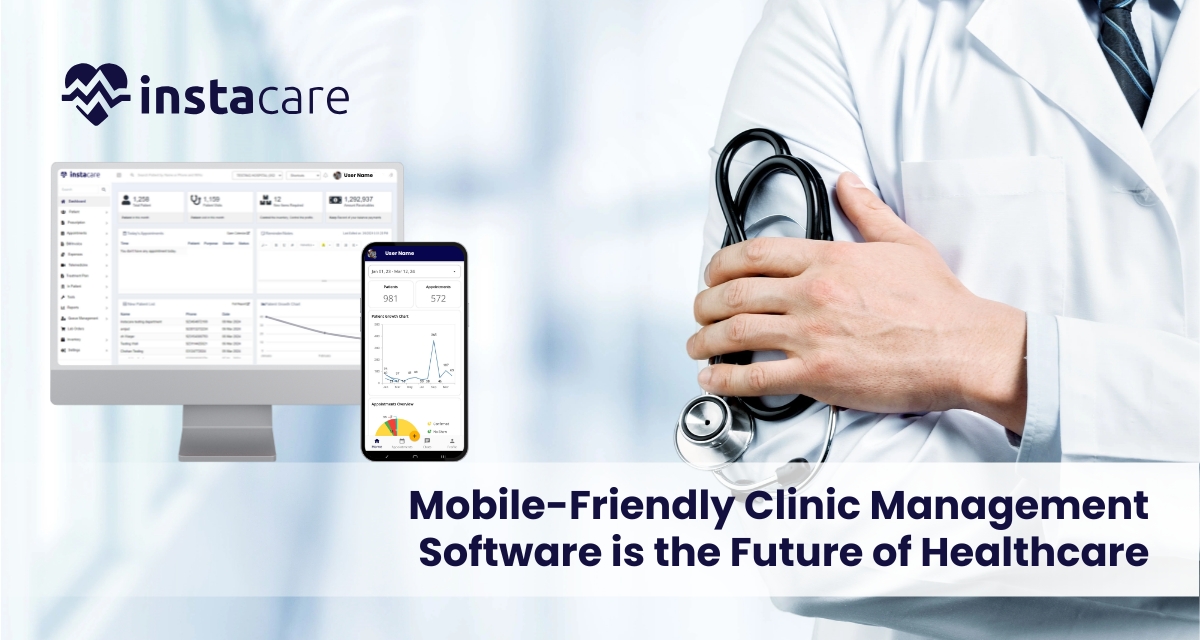
Technology dominates the management of healthcare needs in the ever-competitive environment because it supports efficiency, patient satisfaction, and generally the delivery of services. Closer to our topic, among the most remarkable trends that have emerged in the recent years can be noted the appearance of the clinic management software designed for mobile devices. Convenience has been on the foreground as healthcare providers realize the problems of accessibility, and more clinics now require mobile solutions. The following article looks at why clinics need mobile-friendly clinic management software, the advantages, elements, and implications for patient care. The Need for Mobile-Friendly Solutions Changing Patient Expectations It’s today when the most tech-savvy patients, better than ever, are shown more access to smartphones and tablets. It is their expectation that the availability of healthcare should be even easier and more convenient like other services they use each day. The patient desires to book an appointment with the health care providers as well as view his/her medical records and communicate all at his fingertips. A clinic management software that is mobile friendly addresses the above demand in terms of features that support patient engagement and satisfaction. Boosting Efficiency in Operations It is becoming a constraint to healthcare centers since they are being asked to deliver quality services with limited time and costs. With mobile compatible systems, the employees obtain the ability to schedule and coordinate appointments, update records, and collaborate remotely. These are enlightening since flexibility decreases the number of formalities to be filled and time spent on documentation limiting the time healthcare providers spend with patients. Key Features of Mobile-Friendly Clinic Management Software 1- Appointment Scheduling The mobile clinic management software allows the easy scheduling of appointments for patients using intuitive interfaces. Patients can thus choose their preferred times and receive reminders for their appointments, and even reschedule if needed. This is not only a patient-satisfaction improvement but also a calendar management optimization of the clinic. 2- Telemedicine Abilities Telemedicine has become more popular during the COVID-19 pandemic as well as many other innovations in the sphere of health care. Since many of its features are incrust within the mobile-friendly software that some healthcare providers use to offer consultations virtually, the tool enhances easy access and use of care wherever-again, created and used, especially for the patients in the remote areas or with restricted mobility. 3- EHR Accessibility The access of patient records anytime and anywhere by healthcare providers using mobile-friendly software will ensure that providers are always up-to-date, which means they can make more informed decisions and help patients achieve better outcomes. 4- Billing and Payments Mobile clinic management software allows for the smooth running of billing, where patients can pay their bills online. This helps the clinics have improved cash flow and, more importantly, enhances the patient experience with convenient payment options. 5- Patient Communication Effective communication is a key factor in patient satisfaction. Most mobile-friendly software includes messaging features that enable secure communication between patients and healthcare providers. This allows for fast responses to inquiries from patients, confirmations of appointments, and instructions for follow-up care. 6- Reporting and Analytics Mobile software will help in generating reports and analytics on the performance of the clinics, which will enable clinics to make data-driven decisions. Patient demographics, appointment trends, and revenue streams are key indicators of areas of improvement for healthcare providers, optimizing their operations. Book Free Demo Benefits of mobile-friendly clinic management software 1- Patient engagement is increased By adopting mobile access features, the software increases patient’s overall involvement in view of the fact that they can readily access their information as well as interact with providers. When a patient has a good feeling that they are part of the decision making process, they are most likely to follow the set treatment regimens and come for review. 2- Improved Workflow Efficiency Mobile solutions automate most of the administrative tasks and, therefore, free up more time for the staff for the core purpose: the patients. So, the general outcome would lead to a reduction in wait times or better patient experience. 3- Cost Savings Implementation of a mobile-friendly clinic management saves the clinic huge costs over some time. With automation of the administrative process and operation optimization of the clinic, one will incur less overhead while raising maximum revenue through better patient retention and satisfaction rates. 4- Data Security Improvement Modern mobile-friendly solutions focus much on data security, offering encryption and secure access controls of patient information. This feature helps the clinics adhere to HIPAA compliance, protecting their sensitive patient data. 5- Scalability With growing healthcare facilities, the management of them evolves. Mobile-friendly clinic management software is often scalable; this means that clinics can add features or accommodate more users as needed. This ensures that the software grows with the practice. The Future of Healthcare with Mobile Solutions The introduction of mobile-friendly clinic management software into healthcare systems marks a significant step forward in the direction of patient-centered care. Further development in technology will also be an important factor in enhancing the capabilities of such platforms to provide even more features that enhance patient experiences and operations. Embracing Innovation This world calls for becoming innovativeness if health service providers wish to survive. So doing the mobile-friendly solution not only helps clinics in filling their needs but also presents avenues for growth and survival further ahead. Role of the Healthcare Provider Healthcare providers play a great role in making this transition as smooth as possible. They need to invest in training and resources that will make the employees feel comfortable with mobile-friendly software. Thus, a well-trained team can exploit the whole potential of such tools toward better patient care. Conclusion Mobile-friendly clinic management software undoubtedly is the future of health care. Patient expectations are increasing, and a demand to run the system efficiently is inevitable. Thus, clinics would have to adapt to all these changes through technology. Thus, investment in mobile-friendly solutions can engage patients better and streamline workflow with the goal of health care
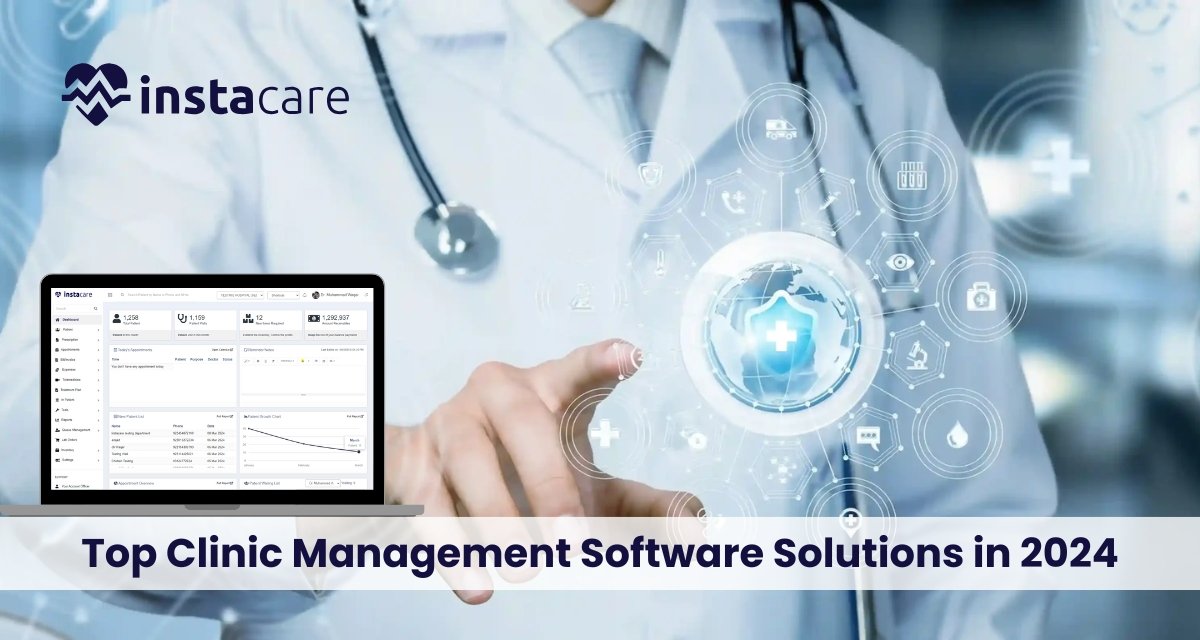
In this healthcare landscape, clinic management software helps in optimizing operations, enhancing the quality of care provided to patients, and simplifying administrative tasks. As the year progresses into 2024, different clinic management software solutions meet the distinct needs of clinics – from very small practices to large healthcare centers. The following guide discusses the top clinic management software available this year and their respective features, benefits, and what puts them at the forefront of the competitive market. 1- InstaCare InstaCare offers a cutting-edge solution for the management of healthcare operations in clinics of all sizes. InstaCare is a user-friendly clinic management platform that bundles rich functionalities for streamlining clinical and admin workflows. The software will fit practices looking forward to enhancing operational efficiency and patient engagement. Key Features Patient Management: All tools managing patient records, medical history, and treatment plans. Appointment Scheduling: Convenience features of appointments that means the choice of appointments that can be achieved online including appointments booking, changing or cancellation without any difficulties. Besides, it has default alerts to help reduce no-show instances in appointments. Billing and Financial Management: It has an integrated billing solution, making invoicing easier and streamlining the processes of payment and insurance claims management. Telehealth: Secure telehealth functionality includes video visits, so a patient’s care isn’t interrupted. Reporting and Analytics: Extremely feature-rich for tracking performance metrics and reporting on patient outcomes to guide decision-making. Pros Provides with additional free time for human management, because it reduces the administrative work It is convenient to get information in health and telehealth-related things. It provides with the cost-effective solution; price structure transparent and clear Clinics are scalable to grow. 24/7 customer service to help deal with any issues. Cons Smaller systems might miss some advanced features. In comparison to “all-inclusive” and comprehensive packages, customizations may be fewer. 2- Kareo Kareo is considered as one of the best practices management tools for practices of small to the mid-size medical concern. It has incorporated a generous amount of different functions, all of which seem to essentially minimize tasks relating to clinical and administrative procedures; thus it is ideal for use in a practice that aims to maximize on productivity. Key Features Patient Management: streamlined scheduling, reminders, electronic health records (EHR). Billing and Revenue Cycle Management: Billing tools are very well-integrated in order to reduce claims denials and increase revenue. Telehealth Capabilities: HIPAA-compliant video consulting. Pros User-friendly interface. Good customer support. Extensive training. Cons Limited flexibility. Potentially pricey for added functionality. 3- Athena health Athena health is a cloud-based service vendor that streamlines the management of clinical, administrative, and financial workloads. This solution is very suitable for larger practices and hospitals. Key Features EHR and Practice Management: Fully integrated EHR solutions to improve clinical workflow functionalities. Patient Engagement: Online appointment scheduling, reminders, and portals. Analytics and Reporting: Analytics are quite advanced to track practice performance and patient outcomes. Benefits A deep emphasis on interoperability. Flexible pricing plans Profound regulation compliance support. Cons Steep learning curve for new users May need additional training for more complex features 4- Cerner Cerner has been one of the forerunners in health information technology offering solutions mainly to large healthcare organizations. Their rich ecosystem is capable of carrying out a broad range of functionality, hence ideal for a highly complex environment. Key Features Population Health Management: Tools to manage and improve community health outcomes. Interoperability: Seamless data sharing with other healthcare systems. Data Analytics: Ability to harness advanced analytics to inform an appropriate decision Strengths Highly customizable to meet specific needs of any organization Extensive reporting capability Strong support for large-scale implementations. Cons More expensive than other smaller solutions. Implementation may be very time-consuming. Book Free Demo 5- NextGen Healthcare Meant for ambulatory care settings, NextGen Healthcare provides an array of functionalities to enhance both clinical and administrative work flows. Key Features Fully Integrated EHR and Practice Management: All-encompassing tools for managing patients and creating clinical documentation. Patient Portal: Interactive interface of the patient to access their medical information. Telehealth Services: Secure telemedicine services that allow for remote consultations. Pros For specialty practices with special needs. Support for robust customization options. Built-in billing and reporting features. Cons Not that easy to grasp and navigate for first-time users. The customer support strictly depends upon the tier of service. 6- Practice Fusion Practice Fusion is one of the cloud-based EHRs, designed specifically for medium-size and small practices. The system is relatively easy to use and is priced affordably. Key Features EHR and Patient Scheduling: User-friendly interface for maintaining patient information and scheduling. Billing and Insurance Verification: Appliances for making billing and insurance verification smoother. Health Information Exchange: You can exchange information with other providers. Pros Core EHR product free for eligible practices. The interface is very easy to use. Effective patient engagement tools. Cons Has fewer advanced modules than large systems. Customer service varies. 7- Meditech Meditech is one of the most recognized healthcare IT companies. It supports hospitals and health systems and aims at improving care for patients and operational efficiency. Key Features EHR: This software has a fully functional module for electronic health record support and clinical documentation. Patient Engagement Tools: Practice that enables appropriate communication among patients and, therefore, treatment. Mobile Access: Healthcare provider applications that allow a glance at patient data from mobile. Benefits Renowned brand and reliability factor Huge library of training Patient-centered care Cons Too costly for small clinics Rather old-fashioned user interface when compared with contemporary peers 8- eClinicalWorks eClinicalWorks is a well-established brand in the healthcare software market which offers a single tool that can be used by clinics of any sizes Key Features EHR and PM Solutions: An integrated system for handling patient records and practice management. Telehealth Services: Secure and user-friendly telemedicine capabilities. Patient Portal: Engaging patient communication and access to health records. Strengths Has several functionalities. High interoperability emphasis. Good customer service and training. Cons Initial setup is complicated. Users have complained of a few bugs in the system. 9- Simple Practice Simple Practice
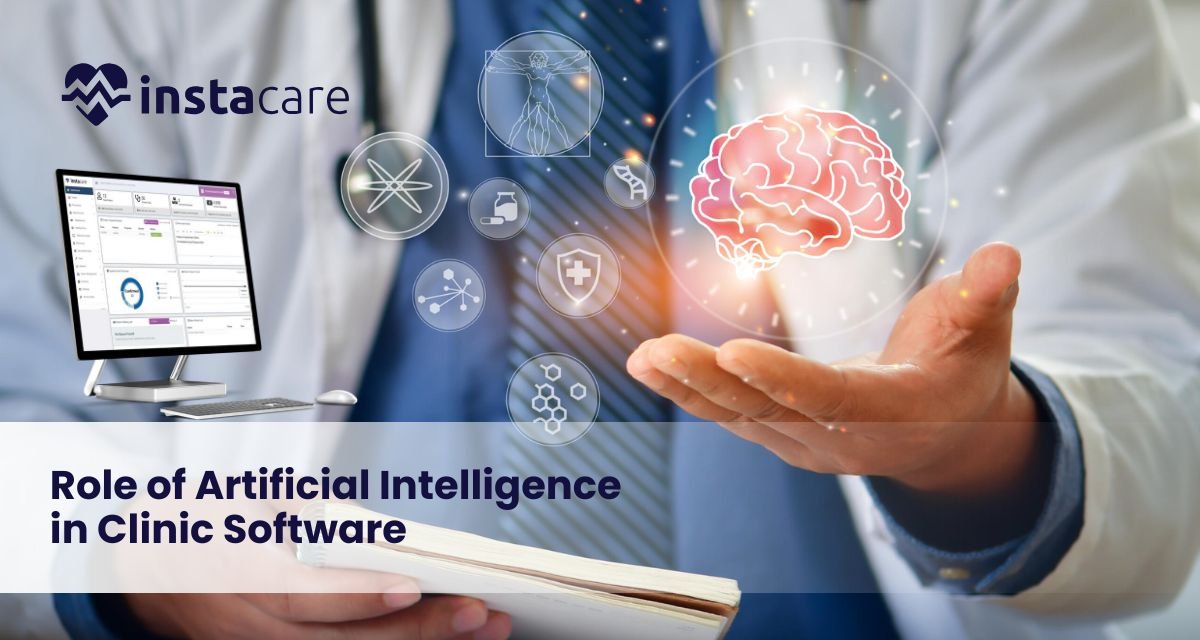
Artificial Intelligence (AI) is transforming so many aspects of life, and healthcare cannot stay behind. Artificial Intelligence in clinic software shifting landscape regarding how health providers approach their management of care for the patients, organization of their operations, and decision-making processes. This article gives an overview of how AI affects clinic software in the benefits, challenges, and future perspectives. Understanding AI in Healthcare AI is the process of simulating human intelligence with machines, particularly computer systems. In the healthcare sector, AI encompasses a broad scale of technologies, like machine learning, natural language processing, and robotics. All these technologies have given a new dimension to the methods of analyzing complex data related to medical care and have automated processes for improving better clinical outcomes. Key Components of Artificial Intelligence in Clinic Software Machine Learning Natural Language Processing (NLP) Robotic Process Automation (RPA) Advantages of Artificial Intelligence in Clinic Software Better Care to the Patients: The AI-based clinic software will be able to greatly enhance the care offered to the patients as the health care providers have access to the decision-making tools. For example, predictive analytics can identify people who might be in danger of certain diseases and follow-up on them early so that the conditions do not advance into dangerous lethal conditions. Streamlined Operations AI frees most routine administrative tasks, which would then give staff more time to pay attention to other aspects that are crucial. For instance, AI can free up work on appointment scheduling, insurance verification, and billings out of its non-value-adding activities. Improved Diagnostic Accuracy AI algorithms can read medical images and data with a high precision rate, which can help healthcare service providers to classify the condition. For example, AI systems have been developed for early disease detection in cancer and diabetic retinopathy through medical imaging, mostly with an accuracy equal to that of human experts. Personalized Treatment Plans With AI analysis of such enormous patient data, including genetic, lifestyle, and medical history, it will be easier to give personalized treatment plans to a patient, which may have a high chance of success and a very satisfied patient. Data Analytics and Insights Clinic software equipped with AI is able to generate valuable insights from patient data; thus, healthcare providers will make intelligent data-driven decisions, optimize the allocation of resource, and thereby improve clinic performance as a whole. Applications of Artificial Intelligence in Clinic Software Clinical Decision Support Systems: The AI-based CDSS is going to alert healthcare providers with evidence-based recommendations both for diagnostic and treatment purposes. These analyze patient data as well as the relevant medical literature to provide appropriate personalized recommendations that enhance the quality of care. Telemedicine and Virtual Health Assistants The virtual AI assistant is an automated means of a virtual health assistant guiding the patient through symptom assessment, scheduling of appointments, and follow-up care. It is also able to answer basic health queries to increase engagement for patients. Predictive Analytics for Patient Management AI can utilize past patient data to predict the outcomes of health in the future. In turn, this enables clinics to identify and eventually intervene with patients who are at risk, thus lowering the admission rate of readmitted patients into the hospital and enhancing the management of patients. Natural Language Processing in Documentation NLP can help ease documentation as speech is converted into written notes; it minimizes the administrative burden of the healthcare provider. This allows for better and more trustworthy recording of interactions with a patient. Billing and coding can be automated by AI because it can deeply analyze patient records and provide correct insurance codes for claims. This automatically reduces errors and brings down the revenue cycle time. Book Free Demo Challenges to Integrating Artificial Intelligence in Clinic Software Data privacy and security: Clinic software with AI also raises concerns with regards to data privacy and security. In this respect, healthcare providers have the responsibility of protecting the data against its breaches in relation to such compliance as HIPAA. In the Case of Existing Systems The legacy systems in clinics might not be compatible with new, modern AI tools. Integrating AI-driven software with existing systems can even be complex and costly. Much time and resources need to be invested in this process. Training and Adaptation Healthcare workers should be trained to use AI tools properly. Resistance to change may often act as a barrier, and clinics need to spend on trainings to make the staff friendly with new technologies. Cost of Implementation Implementing AI in the software of clinic can turn out to be expensive, at least to the small practices. The cost of software, the cost of training, and the maintenance costs may prove to be a barrier to many entry stages for healthcare providers. Ethical Issues There will be ethical issues due to AI usage. This includes biased algorithms and little interaction from the human-to-human side in the care of the patient. The bottom line for developing trust in healthcare is keeping the AI system transparent and fair. Future Use of Artificial Intelligence in Clinic Software The future of AI in clinic software is pretty promising. The most significant improvement in AI from now will be an evolution in its capabilities through fast developing technology. Further developments that are expected include: More Personalized Care With data collection increasingly being improved, AI systems will generate more personalized healthcare experiences. As such increases in the amount of available data, AI systems will take into account more factors when presenting a plan of treatment. Greater Interoperability Future AI systems will have to be seamlessly integrable with the legacy healthcare technologies. Interoperability will ensure better data sharing among providers and contribute to improved care coordination. Increased Use of Robotics The clinic’s operations will heavily rely on robotic technologies: from enhancing surgery support to routine automated workflow. This will enable healthcare providers to interact with more patients. Real-Time Analytics This will enable analysis of data in real time, hence quick and well-informed decisions by healthcare providers. It will be a
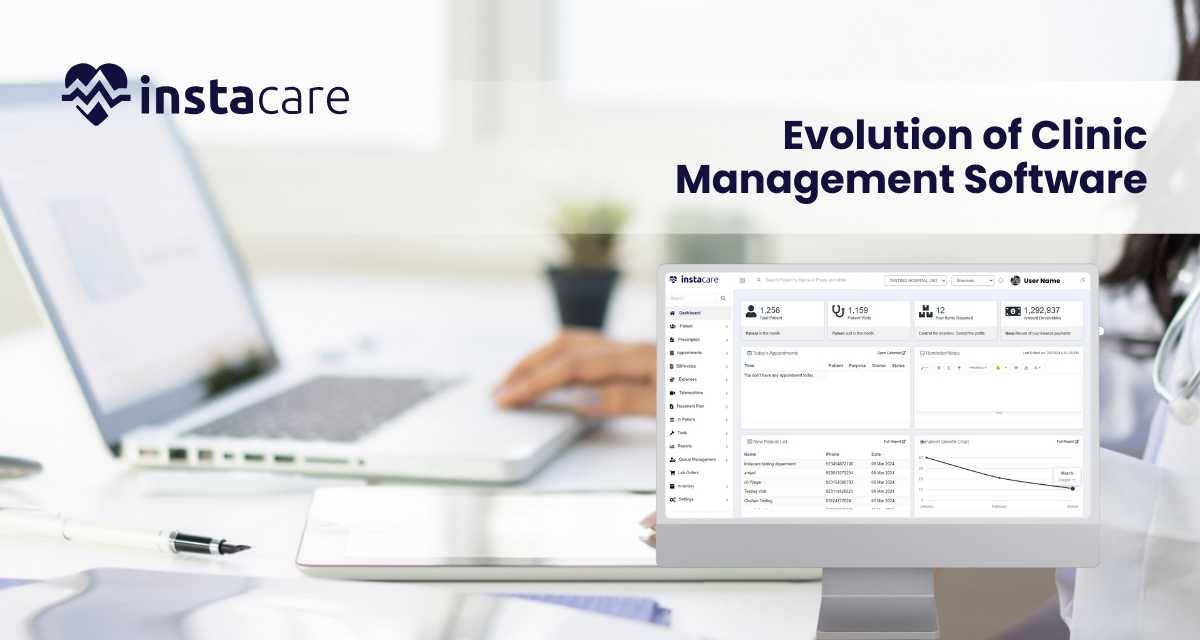
Clinic management and interaction with the patients have always been one of the most prioritized tasks in the medical field. CMS experienced drastic changes from simple scheduling tools to advanced, AI-based platforms enhancing better care for the patients and operation efficiency over the years. This review is a general overview of the progress of development of clinic management software, key features, and future trends in healthcare technology. Birth of Clinic Management Software The clinics management software came into place at the start of the 20th century as the providers began to feel that clinics were not yet organized in their methods of handling patients. These systems were still undeveloped, incorporating basic functions such as scheduling and record-keeping. Most of the clinics used the systems of using papers and calls to handle the information of the patients and scheduling appointments. Simple Characteristics of Early Systems The scope of the first-generation clinic management software was pretty narrow. Some important features included the following: Appointment Scheduling: Compared with paper calendars, clinics could keep track of patient appointments much more efficiently. Basic Patient Records: Some began to digitize patient information, making it easier to gain access to a patient’s medical history. Billing Functions: Most of the early software featured basic billing functions, from generating invoices to tracking payments. Although the first systems were efficient, they were not at all advanced, providing less functionality and integration capabilities. The clinics used to face the problem with the usage of data sharing, and thus the fragmented care was given to the patients. Integrated Comprehensive Solution Integration and Interoperability As technology shifted, the need for full clinic management technologies increased. Over time, clinics got integrated systems that managed many aspects of patient care under one roof. Interoperability was also presented where various healthcare providers would share information across the system. Key Features of Modern CMS The next generation of clinic management software developed several key features that revolutionized how clinics have been run: Electronic Health Records (EHR): The new CMS technology implemented EHR capability that contained all the patient’s information, like medical histories, laboratory results, and treatment plans. Patient Portals: This technology provided secure online access to patient information, scheduling, and communication with their healthcare providers, making the patients themselves more involved. Billing and Insurance Management: Enhanced billing capability reduced the time and errors in claims, made revenue cycle management easier and more efficient. Reporting and Analytics: Clinics could provide reports according to a number of parameters, including patient demographics, appointment trends, and financial performance, in order to make decisions and have strategic planning. This was a huge leap towards more patient-centered care and efficient management of clinics. Book Free Demo The Emergence of Cloud-Based Solutions Advantages of Cloud Computing Cloud-based clinic management software revolutionized the healthcare administration industry as its data storage on the cloud allowed access to the systems from any location through an internet connection. The benefits of this benefit were obvious to both multi-site and telehealth services. Key Benefits of Cloud-Based CMS Cost Effectiveness: With most cloud-based solutions, one pays as one uses. This usually eschews upfront costs associated with installation of traditional software. Automated Upgrades: The providers would be offered an endless stream of current updates and enhancements due to automatic installations. This way, they can have constant access to the new features of their disposal. Sensitive patient information: The best cloud providers embrace appropriate security measures, such as encryption, coupled with scheduled backup. Clinic management software on the cloud enabled clinics to increase the scale of their service without compromising the standards in their care of patients. Deployment of Artificial Intelligence AI Powered Features The latest clinic management software is developed by integrating AI technologies. AI-based tools transform the operations of clinics in totally unthought-of ways and efficiencies. Advanced AI-driven features available at clinics include the following: Predictive Analytics: AI algorithms analyze historical data to forecast patient trends, which may be appointment no-shows or fluctuations in the volume of patients coming to the clinics. Such information helps optimize scheduling and resource allocation in clinics. NLP: The use of NLP tools would help in transcribing and interpreting the conversations with the patient-providers and hence easy documentation of interactions, capturing critical information. Chat bots and Virtual Assistants: These AI-based technologies can engage patients better by timely response to frequently posed questions, scheduling of appointments, and reminders for medicines. Improving Patient Care AI-based clinic management software not only simplifies the administrative processes but it also helps improve care for patients. With this data-driven insight, clinics can personalize treatment, improve patient outcomes, and form stronger bonds with patients. The Future of Clinic Management Software Technological advancements are going to always have trends that shape future developments in clinic management software. Some of these trends that dictate the face of the clinic management software industry are discussed here: Telehealth Integration: It is telehealth services that the COVID-19 pandemic brought forward. The future CMS solution should thus integrate the telehealth features seamlessly to allow remote care of patients while retaining total records. Interoperability Standards: Connected care within the sphere of health care dictates that interoperability between different systems would be highly necessary. Later, future CMS has to live up to the standards that are created in order to share data with other systems. Personalized Patient Experience: With AI and data analytics, clinics will offer more customized experiences following the needs, preferences, and medical history of individual patients. Improved Security: Cyber attacks will improve. The management software for the clinics needs security features not only to protect patients’ information but also to maintain compliance with the likes of HIPAA. Future clinician management software will be more towards enhancing engagement for patients. Through the provision of tools empowering patients to take an active role in health, clinics will be able to foster better health outcomes and improved satisfaction. Such features as personalized health assessment as well as educational resources coupled with gamification elements shall encourage patients to work more efficiently on their health. Conclusion The clinic management software revolution
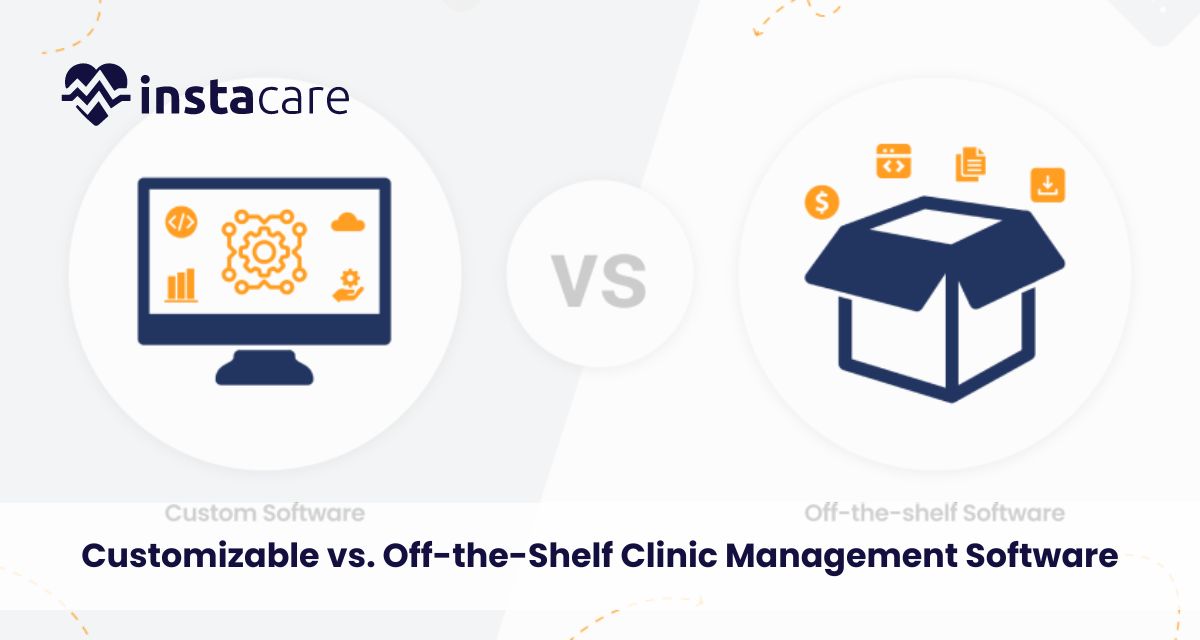
It is extremely important to choose the proper clinic management software these days as such a choice is about being effective, improving patient care, and speeding up administrative work. Among the biggest decisions facing practices these days is whether to choose software that one can customize or opt for an off-the-shelf solution. Before one decides on either, they need to weigh the pros and cons against their own requirements. Here, we are going to present both options and at the end of it, you will have the answer as to which one is better suited for your practice. What Is Clinic Management Software? To discuss how customization or off-the-shelf software is, firstly, there is a need to define what a clinic management system is. Clinic management systems are designed for the administration of a health care facility. It involves scheduling and holding electronic health records, billing, patient communication, among many others. Therefore, through automation, clinics become much more efficient, reduce errors, and also assure better satisfaction for patients. Off-the-Shelf Clinic Management Software Off the shelf software are those readymade systems which can be purchased off the shelf for buying immediately and for use. Thus, these systems support the wide range of practices, hence it carries the standard features supporting all sorts of specialties. Examples of a very popular system are Practice Fusion and Athenahealth . Advantages Of Off-The-Shelf Software The Advantages Of Off-The-Shelf Software Include: Cost-Effective: Off-the-shelf packages are less expensive than customized packages because the development expense is distributed over many users and the expenses of maintaining them are also spread out since they are mass produced. Fast Implementation: The fastest possible implementation for such a system can be developed and brought into action relatively quickly, and it allows practices to be able to begin working on them shortly after that. It is helpful for a new practice or for one wishing to convert over to a paper-based system. Off-the-shelf software providers, most of the times than not, update and supports it regularly. Therefore, users are constantly updated on the latest features and current legislations. Solutions with a proven record will most probably be available with off-the-shelf systems because they were tried and perfected over time to produce a more stable and reliable product. Reviews by other users and their stories can assist in analyzing its usability. Disadvantages of Off-the-Shelf Software Limited Customization: Off-the-shelf solutions cannot be modulated to an extent that is required by a particular practice. Features may not fit the workflows as good and that leads to inefficiency. Generic Features: They service such a large audience that they typically will not be able to provide specialized features that might be required for a particular specialty medicine, such as pediatrics or orthopedics. Integration Issues: Off-the-shelf software packages rarely have integration capabilities built into them or with the other systems and third-party applications used in your practice, which may create information silos. Scalability Issues: A change in the size or nature of your practice, that off-the-shelf systems cannot keep up, may mean you must change systems entirely. Book Free Demo Customizable Clinic Management Software Customizable software may be developed to fulfill specific needs of a given practice. These systems can be developed from scratch and tailored to fulfill specific needs in terms of workflow. A few companies, such as AdvancedMD and DrChrono, offer customizable solutions as well. Benefits of Customizable Software Office-specific functionalities: Customized software has features that have particular selections, in which case the selected features are according to the requirements of the practices. This helps the customized software increase productivity and smoothen out the workflows. Seamless integration: One may design customized software that integrates well with other systems of the practice, so all elements work together very smoothly. Scalability: Even as your practice grows, so can this custom software, with new features and capabilities when needed-but not by being limited by the form and shape of a prepackaged solution. Better User Interface: This type of software can be developed to have the right user experience that respective users need. This will make it more accessible and easier for employees to navigate and work with the system. Disadvantages of Customizable Software Higher Cost of Implementation: As all these development and design costs are included in this, a custom software is generally more expensive than its non-custom counterpart. This can be a very high investment for a small practice. Longer Implementation Period: Tailor-made solutions may take more time to develop and implement than a ready-made system. Transition processes of the implementation practices do need to have some preparation time. Maintenance Requirements: Customized solutions will require continuous maintenance and support, an added cost in the long run. The practices have to be ready to commit them with sufficient staff. Over-Customization Risk: The risk is that practices may over customize software to develop complexities to an extent that the system becomes more and more difficult to handle or even impossible to upgrade sometime later. Determinants on the Right Choice of the Software Developing one’s own custom or buying an off-the-shelf management clinic software involves making some considerations. Some of these considerations include; 1-Practice Size and Specialty For instance, a large practice or even one that requires unique, custom-made software packages, on the other hand, a smaller-sized practice would be fine with off-the-shelf kind. Think about your specialty and what unique features you might need that may not be available in the off-the-shelf products. 2-Budget Determine how much you can afford for your software. Any of shelf software packages have a lesser investment at the onset, compared to made-to-order. You should also think about future costs such as support and upgrades. 3-Implementation Timelines Off-the-shelf may be your only option in a crunch. The customized solution will most probably take more time for implementing. 4-Integration into Existing Systems Determine how far each solution is going to be compatible with your existing systems. In case integration is required, then customizable solutions have better possibilities of doing so. 5-Future Growth You must consider
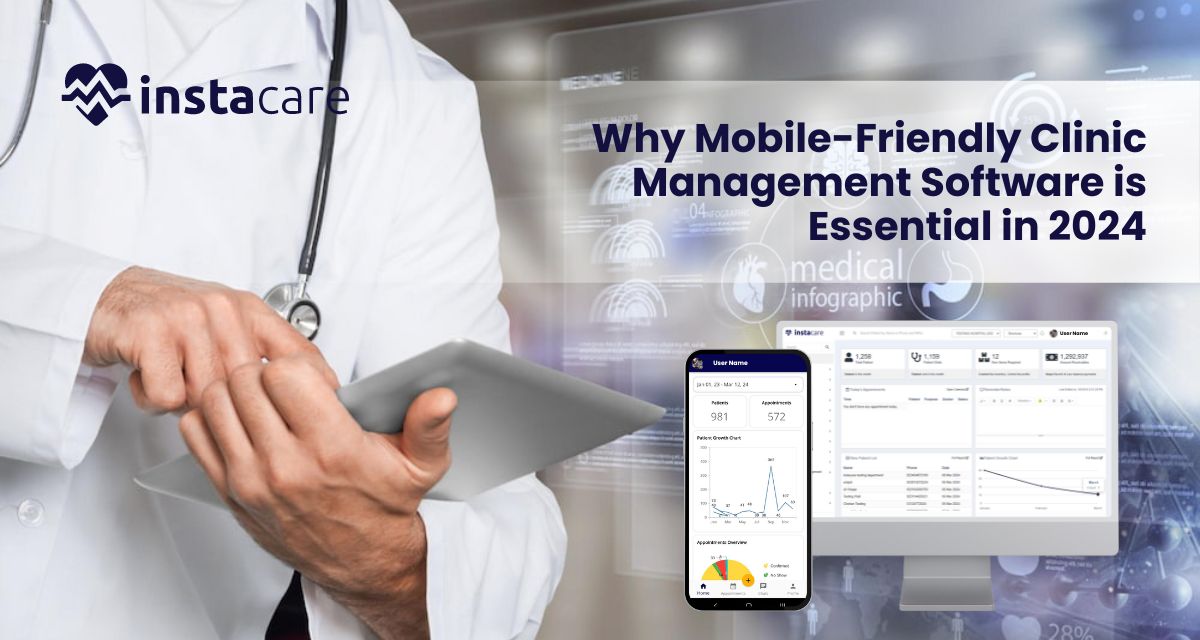
Why is Mobile-Friendly Clinic Management Software is Essential in 2024? With the sands moving in the health-care arena, never before have the calls for effective and accessible solutions for clinic management been so strong. As we now enter 2024, mobile-friendly clinic management software has come to play the very important role of being in the toolkit for healthcare providers. This article discusses why clinics need to embrace such software, enhancing operational effectiveness and also improving the quality of care of patients. 1-The Rise of Mobile in Health Care 1.1 Changing Expectation of the Patient Current patients are more ‘tech-savvy’ than ever, having convenience and accessibility expectations from health care services. Where these patients have increased with smartphone and mobile applications, they wish to communicate with their healthcare providers through digital interfaces. With mobile-friendly clinic management software, patients can now schedule appointments and access their medical records from their devices while communicating with healthcare providers. 1.2 Increasing Adoptation of Telehealth Service The COVID-19 pandemic has made telehealth services more mainstream; support for virtual consultations has been needed in terms of mobile solutions. Telehealth is a lifeline today, 2024. A clinic management software that is mobile-friendly enables users to carry out the smoothest and most readily available virtual visits required by any patient anywhere in the world for timely care. 2-Efficient Operations 2.1 Appointment Scheduling streamlined Another very important thing that clinic management software does is to help in scheduling. Mobile-friendly solutions allow patients to book, reschedule, or cancel appointments through an easy-to-use interface, therefore reducing administrative burdens on staff and minimizing no-show rates, which really optimize the clinic’s resources. 2.2 Better Communication Effective communication is an essential feature in healthcare. Mobile-friendly software typically features an integrated secure messaging function in which patients and providers communicate directly with each other. This allows for better engagement because questions are resolved quickly, adding to improved patient results. 2.3 Automated Reminders and Notifications For instance, automated reminders concerning upcoming appointments, medication refills, or follow-up visits can work wonders as far as patient compliance is concerned. Using mobile-friendly clinic management software, one can create SMS or push notifications in reminders, which, consequently minimizes the instances of no-show appointments and accordingly brings about a very significant improvement to the experience directed toward the patient. 3-Detailed Patient Management 3.1 Easy Accessibility of Medical Records Patients would like to see more access to both their clinical information and their treatment plans. The clinic management software must be mobile-friendly, so that patients can log-in to a secure portal to view their clinical records, their test results, and even their treatment plans. This level of transparency and how it increases patient confidence is more likely to motivate patients to engage better with their healthcare providers. 3.2 Customized Patient Profiles Each patient is unique and with portable friendly software, the clinics can create personalized profiles of patients containing history, allergies, and treatments. The information will be readily available to healthcare providers to provide more personalized care, thus improving patient relations. 3.3 Better Data Security As cyber threats rise, information security in healthcare is vital, and by norms, clinician-friendly clinic management software employs heavy-duty encryption and security protocols to safeguard possibly sensitive in nature patient information. It ensures that compliance of regulations will be covered, such as HIPAA for this, and it also enhances patient trust. Book Free Demo 4-Analytics and Reporting 4.1 Data-Driven Decision Making Data analytics is yet another key optimization step for running clinics in 2024. On its own, mobile-friendly clinic management software often tends to come along with analytics tools which will enable the provider to follow KPIs, patient satisfaction scores, and efficiency of doing operations. It makes clinics highly informed in decisions about improving service delivery. 4.2 Financial Management It can be a very complicated process to manage the clinics, but with the help of a mobile-friendly software system for the billing process as well as payment tracking and generating real-time financial reports, the cash flow has significantly improved, and powerful insights into the financial health of the clinic can be obtained. 5-Integration with Other Systems 5.1 Interoperability with EHR Systems Seamless integration with Electronic Health Records is common with most mobile-friendly clinic management software. This will allow the exchange of information by ensuring interoperation and, therefore, assures a comprehensive collection of patient data available to clinical decision makers. 5.2 Third-party Applications Connectivity Third-party application access will become a really hot topic in 2024. Most mobile-friendly clinic management software integrates well with any third-party tool, such as telehealth platforms, lab systems, and billing software. This makes operations more efficient and improves patient care in general. 6-Cost-Effectiveness 6.1 Lowered Administrative Fees Automating administrative work helps reduce the cost of running a mobile-friendly clinic management software: appointment scheduling, billing, and patient communication, among others, are streamlined, thus allowing staff to have more time for high-value activities. 6.2 Improved Revenue Cycle Management Efficient revenue cycle management can be a difference-maker in the financial sustainability of any clinic. A mobile-friendly software manages billing more efficiently for moving collections forward and less likely to deny it. In this way, cash flow and health improve for the clinic. 7-Future-Proofing Healthcare Operations 7.1 Market Trend Adaptation With the clinic evolving over time, clinics should adapt to the latest trends happening around them. In a mobile-friendly platform, the clinics are in a better position to switch anytime related to changes in patient needs, regulatory requirements, and technological issues. 7.2 Patient Engagement With patient engagement being the top priority in 2024 for healthcare providers, mobile-friendly solutions ensure constant communication and engagement, building deeper relationships between clinics and patients with improvement in overall satisfaction. 8-Patient Outcome Improvement 8.1 Personalized care plans Mobile-friendly clinic management software provides health care providers with the ability to create and implement customized, patient-specific care plans for clients. Based on information in the profiles of the patients, medical history, and patients’ preferences, clinicians can design treatment options that suit the individual’s needs. This tailored approach means improved levels of patient adherence to the
How is Cloud-Based Clinic Management Software is Revolutionizing Healthcare? The healthcare sector has witnessed a transformation in recent years, especially due to technology. Among such innovations is the clinic management software implemented through the cloud game-changer. Overall, by leveraging cloud technology, healthcare providers can refine business processes, improve patient care, and increase efficiency. This blog post addresses the methods through which cloud-based clinic management software is changing healthcare, its benefits, and the future of the technology in medical practice. Understanding Cloud-Based Clinic Management Software Cloud-based clinic management software is a digital solution that enables healthcare providers to manage various administrative chores and patient information from a central, web-accessed platform. It’s not at all similar to the traditional software that could only work on an on-premises basis with maintenance. These systems are housed on secured servers that enable real-time updating as well as remote access. Important Features of Cloud-Based CMS Patient Scheduling: Appointments can be scheduled easily, rescheduled, or even canceled in advance using cloud-based systems which avoid no shows, optimizing the clinician’s workflow. Electronic Health Records: The electronic record provides aggregated information on patient records like medical history, treatment plans, and medications to avoid delays in access of crucial information. Billing and Invoicing: Automated billing processes help in smooth financial transactions; it becomes easy to raise invoices, collect payments, and deal with insurance cases. Telehealth Integration: Most cloud-based CMS systems have telehealth functionalities. Which means that providers can virtually consult and are very important to healthcare providers and patients in the last couple of years. Benefits of Cloud-Based Clinic Management Software 1-Improved Accessibility Access is one of the most beneficial advantages of a cloud-based CMS. Patient data and administrative tools are available anytime, anywhere with an Internet connection on any device. This allows for the following: Remote Work: Health care professionals can work from home and other locations, remotely, to improve work-life balance and continued delivery of health care services. Mobile Accessibility: The health care professional will be able to access the patient’s history or update information from a mobile device on the move, thus leading to quicker decision-making and better patient care. 2-Better Collaboration Cloud computing systems ensure that members of the health care team are collaborating better with each other. Many users can access and update patient information in real-time; thus, redundant data entry is avoided, and communication among departments improves. This collaborative approach leads to: Care Coordinated by Others: Collaboration among different specialists has the ability to be done with much ease, which essentially means a lot in the treatment process. Interdisciplinary Communication: Teams can discuss cases much more efficiently and will have better outcomes with the patient. 3-Cost Efficiences Saving big money on the expenses: Taking the clinic management software through the cloud saves big for health organizations when considering the expenses. With traditional systems, one has to incur high expenditure on hardware and installation costs, in addition to maintenance costs. With cloud solutions, the services can be deployed based on a subscription system, thereby allowing for: A lower initial investment: the providers can start with their minimal upfront expenses, and this makes it friendly to small practices adopting the technology. Lower IT Costs: Upgrades and maintenance are handled by the cloud service providers hence the clinic will save on employing skilled IT staff and other support. 4-Enhanced Data Security In health sectors, security of data is always of great importance since any information in relation to patients are secrets. The CMS solutions based on cloud usually include robust security features such as: Data Encryption: The patient’s data will be encrypted during both transit and storage to minimize unauthorized access. Regular Backups: Automated backups will support saving the data in case a system crashes or in case of cyber-attacks. Compliance with Regulations: Many providers of the cloud hold the compliance as per HIPAA, which helps you ensure patient records and other health data are handled safely. 5-Streamlined Workflow Cloud-based clinic management software automates the majority of administrative tasks, thus managing workflows more efficiently. Features, including appointment reminders and automated billing, enhance workflow for staff and reduce the administrative burden that consequently can enable more time to be spent with patients. Some of the benefits include: Higher Productivity: With routine tasks automated, staff dedicate more time to interacting with the patient and providing care. Lower Errors: The chances of a human making a mistake in billing and data entry are reduced by automation. Book Free Demo Role of Telehealth The rise of telehealth has been perhaps the most impactful trend in healthcare. It really came to a head during the COVID-19 pandemic. Cloud-based clinic management software typically has telehealth capabilities, allowing providers to see patients remotely. Some benefits include the following: Challenges and Considerations Even though cloud-based clinic management software has several benefits, some challenges and considerations should be regarded as essential in its implementation and usage: 1-Implementation and Training Another change required to transition into a cloud-based system may include adjustments in workflow and processes. Staff training and proper support are essential for implementing this transition process. Providers must have considerable blocks of time and resources set aside to train and reduce resistance to change. 2-Internet Connectivity Cloud-based systems require reliable connectivity in terms of the internet. Poor connectivity in areas might be an underlying factor that affects the access of the system to the clinic, which will eventually impact the patient care. Clinics must assess their internet infrastructure before moving to such a system. 3-Data Privacy Issues Cloud technology has its weaknesses, and that is data privacy. Cloud service providers and healthcare providers must ensure that the said provider has complied with the regulatory requirements and ensures the protection of patient information. The Future of Cloud-Based Clinic Management Software Cloud-based clinic management software promises a bright future. As technology evolves, we see the following aspects: Interoperability Coordination of care requires effective communication and easy data exchangeability between various healthcare systems. Future cloud-based CMS solutions will probably highlight interoperability as the core focus of sharing