

Investing in Clinic Management Software vs. Traditional Management In the current high-speed healthcare scenario, clinics are constantly looking for avenues through which they can make their operations more efficient, improve patient care, and function smoothly. Managers of such clinics have to often take significant decisions in regards to whether the clinic should embrace management software or invest in traditionally used management practices. It is this cost-benefit analysis that guides clinic managers and owners into understanding the complete advantages and disadvantages of the two management options, thereby enhancing informed decision-making. What is Clinic Management Software? The CMS is otherwise known as Clinic Management Software is an electronic system designed for automating a wide range of management and clinic-level activities in the health facility setting. Such tasks may include appointment scheduling, managing patient records, preparing bills, and reporting. The software integrates well with the Electronic Health Records, thus providing an all-inclusive toolset for clinic operation management. Key features of Clinic Management Software Appointment scheduling: This software allows patients to make an Online Appointment, thus reducing administrative work. Patient management: It can aggregate data about the patient and thus be ready available to healthcare providers. Bill and collect processing: It provides for automated billing, insurance claims, and related payment processing. Reporting and analytics: It provides for analytics of clinic performance and population demographics Telehealth capabilities: It can host virtual consultations and thereby expand patient reach. Conventional Management Methods Most legacy management practices utilize manual methods that involve paper-based documentation, scheduling in person, and billing face-to-face. In so far as these have served for centuries, they are labor intensive and error-prone. Key Characteristics of Legacy Management Paper-Based Patient Records: It takes time to retrieve information on these paper files. In-Person Scheduling: Patients schedule appointment with one another through call or in-person messages. In-Person Billing: The billing is done in person. Limited Data Analysis: Acquiring insight into the performance clinic takes immense efforts if one does it without machines. Cost Analysis Clinic Management Software: The start-up costs for CMS are quite high and range based on the type of features and the scale of software. It may consist of costs for software licensing fees, hardware if needed, and implementation services. An average clinic would expect to pay between $5,000 and $30,000 for a full-fledged solution. Traditional Management: The initial set up for a traditional management system like paper supplies and employees is cheap. Only over time do these costs pile up due to inefficiency. Ongoing Cost CMS: Ongoing costs for traditional systems will include subscription fees for cloud-based options, plus updates and user training on software maintenance. These may range between $200 to $2,000 per month, depending on the clinic, in terms of size and complexity of the software. Traditional Management: Ongoing costs include mostly labour as more people time is needed in a manual process. This can spread over time in payroll expense, mainly when the clinic lacks in real efficiency. Cost Savings Clinic management software brings the possibility of great cost savings. Automated billing and scheduling reduce administrative hours so that staff can tend more time to the patients. Also, the probability of accuracy for collected data reduces the number of billing mistakes and claim denials. Traditional Management: Although traditional methods are the cheapest to set up, inefficiencies usually mean a high cost in the long run. Administrative errors, lost documents, and scheduling conflicts would add up to increased operational costs. Book Free Demo Benefit Analysis Efficiency and Productivity CMS: One of the major advantages of CMS is efficiency. It attempts to reduce the time spent on administration and permits more patients to be seen by health providers and more care to be provided. For example, an appointment schedule can be set through online portals, which minimizes calls over the phone to manage the process, thus, freeing up time for the staff to engage in other work. Traditional Management: This has been described to take much time, hence reducing productivity. Employees are said to spend too much time on tasks that can be automated, thereby diverting from quality care of patients. Patient Experience Clinic Management SoftwareCMS : Features made available to the patients help in the better management of patient expectations, such as online scheduling of appointments, reminders, and access to their medical records. This helps the patient in easy scheduling, on time or even prior to visit the doctor, and transparency of their medical record-in hand which increases the satisfaction level among patients. Traditionally Managed: The patients have a longer wait; frustrations related to scheduling and miscommunications in the process with manual work may lead to errors, and therefore the patient experience, overall is affected. Data Management and Compliance CMS: CMS has robust data management capabilities where all information regarding the patients will be maintained properly, securely, and can be made available in quick time. Most of the systems support compliance with regulatory standards like HIPAA, which requires compliance. Traditional Management: Paper-based records are more vulnerable to human errors, losses, and confidentiality breaches. Compliance is also very resource and time consuming without the automated systems. Scalability CMS: It also scales so easily to meet growing patient volumes and more services added for larger clinics. Most the software, on the other hand, provides different levels of pricing and allows customized options that allow clinics to expand with few adverse dislocations. Traditional Management: Expansion of a traditional management system, however may demand more employees or physical sources. This can be expensive and inefficient. Potential Drawbacks Clinic Management Software Initial Costs: Initial Costs of the software may be a significant barrier to entry for some of the clinics, particularly smaller ones. Training Requirements: The staff would be required to be retrained to effectively use the new software, which would disrupt the operations. Technical System Failure: With reliance on technology, outages or other technical failures make their clinics unable to service clients. Traditional Management Inefficiencies: Labor-intensive, there is a possibility of human error, and it is slow. Limited Data Insights: Clinics may not gain insight
Integrating Clinic Management Software with EHR Systems: Challenges and Solutions Clinic management software integrated with electronic health record systems is fundamentally important to increase efficiency, care, and streamline health operations. However, it offers enormous challenges. An appreciation of these challenges and formulation of appropriate solutions may better healthcare delivery. Understanding Clinic Management Software and EHR Systems Clinic management software (CMS) is actually engineered to make the process of automation of various administrative tasks possible in a healthcare setting, such as scheduling appointments, billing, and managing patients. In a nutshell, clinics can handle their practices in the best manner possible, thus ensuring healthcare providers focus their attention where it matters most-taking better care of their patients. EHRs are digital replacements for a patient’s paper charts. In real-time, patient-centered records provide access to this information instantly and securely to anybody authorized to have it. EHRs are important because they would ensure that there are permanent records of patient interactions, treatment plans, and outcomes, which would generally improve clinical decision-making. Integration of CMS with the EHRs will ensure smooth communication between administrative and clinical functions, thereby contributing to improved patient care and operational efficiencies. Challenges Involved in the Integration of CMS with EHR Systems 1-Data Interoperability Data interoperability is the major issue involved in the integration of CMS and EHR systems. The main reason for this discrepancy is that different software vendors usually use different formats and standards of data. In this case, diversity in formats and standards leads to problems of compatibility, and if the data shared or interpreted between different systems is not correct, then there is a lapse in patient information that prevents care delivery. Solution: Organizations need to use standardized formats such as HL7 or FHIR (Fast Healthcare Interoperability Resources) and ensure data exchange is much easier between the systems for proper communication. Moreover, proper vendor assessment can help in identifying solutions that prioritize interoperability, which can save time and resources in the long run. 2-Resistance to Change Healthcare providers and workers may be reluctant to adopt new systems because of a fear of change or a lack of training, or perhaps even feeling that the combined system may not be necessary. This resistance can make the optimum use of the combined CMS and EHR systems inefficient or prone to errors. The transition process becomes easier with comprehensive training programs. The participation of end-users during the selection process may also contribute to the feelings of ownership and acceptance. The same healthcare providers, if they agree that this integration reduces the administrative burden and can improve patients’ outcomes, are likely to accept the change. 3-Cost Considerations Indeed, this may be too heavy for many healthcare organizations, particularly small clinics that have very minimal budgets, as the cost implication of integrating CMS with EHR systems could become unbearably high due to costs encompassed in the purchase of software, implementation, training, and maintenance. Solutions: Long-term investment for integration, rather than an immediate cost item, should be taken. A cost-benefit analysis will have the employee determine the ROI of integrating systems. Cloud-based approaches may decrease front-end costs, allow for scalable growth, and then grow with the organization. 4-Data Security and Compliance In general, integrating CMS with EHRs has increased the concern over the need to secure data and be specifically compliant with HIPAA. The higher the number of systems involved, the higher the risk of breaches or even compliance violations. Solution: Strong security protocols in place. These include encrypting data in transit through to regular security audits, but also adequately training staff on the best practices of data protection. This also goes a long way with regards to vendor choice, where compliance and security-minded vendors would help avoid most integration-related risks. 5-Workflow Interruptions While the integration of CMS with EHR may result in temporary inefficiencies in relation to workflow disruptions, that is not any grounds for not going through the integration process. Another reason for not using integrated CMS is that it can change how things are done, and some time will be required to learn these new changes. Solution: In order to avoid disruptions in workflow, the integration process should be tested on a few users before it is set on a full scale. That way, the organization will be able to identify any potential problems, and by the time the entire staff is bothered, adjustments will have been made. Ongoing user feedback will also help the organization fine-tune their workflows while integrating. Book Free Demo Solutions for Success Integration 1-Needs and Goals Assessment Health care organizations should assess their specific needs and goals before embarking on an integration journey. Knowing in precise terms what they wish to achieve by integrating, whether it is better patient care, improved operational efficiency, or better data management shall serve as a roadmap for the choices of relevant solutions by vendors. 2-Choose an Appropriate Vendor So critical is the choice of CMS and EHR vendors. The organizations must seek such vendors that have shown previous experience of success in integration and give excellent support services. Demonstrations and reference exchanges will reveal much about a vendor’s capabilities. 3-Collaboration Integration success is underpinned by involving both IT teams and clinical staff with administrative personnel. Establishing a cross-functional team promotes communication to ensure that all perspectives are taken into account at every stage of integration. 4-Monitoring and Evaluation Following the completion of integration, organizations must stay vigilant and monitor processes in a bid to find ways to enhance their improvements. Through taking feedback from users and analyzing performance metrics, organizations will perfect their systems and processes overtime. 5-Set up Clearly Defined Channels of Communication Effective communication is an important part of the integration process. Open and transparent communication channels among all parties-including IT teams, clinical staff, and administrative personnel-can help ensure that each is receiving relevant information and kept in the loop throughout the process. Meetings and updates are a great time to have discussions about challenges, progress, and feedback. Conclusion Clinics face challenges with EHR systems on
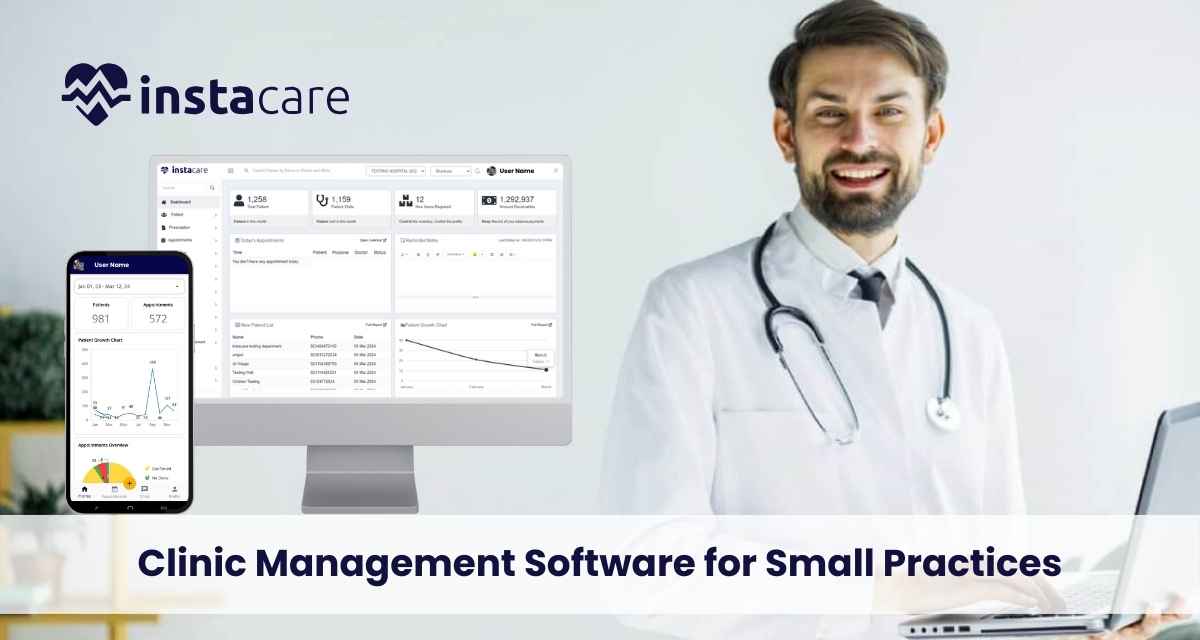
Guide to Choosing the Right Clinic Management Software for Practices As the health world keeps changing, small medical practices continue to adopt technologies that help them streamline their activities and improve patient care, therefore generally raising overall efficiency. Clinic management software acts as one important tool through which a small practice can manage everything from scheduling and billing to EHR and telemedicine. Choosing the appropriate clinic management software is a well-thought-out decision, perhaps, which will determine the functionality and success of the practice. This comprehensive guide is in place to outline the core factor for consideration and steps that are to be undertaken while choosing an appropriate clinic management software for small practices. Understanding Clinic Management Software The clinic management software was basically designed to manage, automate, and integrate various facets of operations concerned with clinics. It normally consists of modules related to the management of the patient, appointment scheduling, billing, electronic health records, and other advanced functions such as telemedicine and practice analytics. The main intention behind this type of software is to ease administrative tasks, minimize manual errors, and enhance the care provided to the patients. Key Features to Consider Patient Management The core function of any clinic management software is patient management. It should enable users to perform all-purpose management, creation, and maintenance of patient information: demography, medical history, allergies, treatment plans, and so on. Find ease of use in software with a user-friendly interface where viewing and updating of patient records is an easy task. It must be integrated with EHRs so that the exchange of patient data goes smoothly between them. Appointment Scheduling It is necessary for the system to provide for efficient appointment scheduling to ensure that there is good workflow and satisfaction for the patients. Therefore, the software should have a user-friendly scheduling system in which staff would easily book, reschedule, and cancel appointments. In relation to this, features to look at include: automated reminders through email or SMS, options for self-scheduling by the patient, and calendar integration that may help avoid double-booking. Billing and Coding In effect, correct billing and coding are essential for sound financial health and compliance. The software should provide electronic submission of claims, auto-suggestions for coding, and integrated relations with insurance providers. Furthermore, strong reporting functionality will allow you to track revenue, manage claims denials, and ensure timely reimbursement. Electronic Health Records (EHR) EHR functionality is a cornerstone of modern clinic management software. It needs to allow the creation, storage, and management of patient records in digital format, with facilities for custom templates, integrations with other health systems, and recording means for clinical notes, prescription, and lab results. The module also needs to be compliant with relevant regulatory standards, such as HIPAA. Practice Management and Analytics Advanced practice management may afford a wider view of critical insight into the functions of a clinic. Analytics software may allow for tracking of key performance indicators, or KPIs, such as patient volume, revenue per visit, and appointment no-show rates. This provides insights toward well-informed decisions and points out areas where improvement needs to be done. Book Free Demo Telemedicine Integration Telemedicine has increasingly become an important aspect of healthcare delivery. If your practice is offering or intending to offer telehealth services, then select software that is compatible with the working of telemedicine platforms. The feature list should include video conferencing, remote patient monitoring, and secure lines of communication. User Interface and Support A user-friendly interface means that staff will be able to work with the software without much training. Besides, consider the extent of customer support provided by the vendor. Good support can become irreplaceable in solving technical problems and ensuring flawless operation. Customization and Scalability Every clinic has different needs, and the software should be able to be adjusted as necessary to meet the needs of your practice. Another factor is scalability: you need a solution that will grow with your practice and give the practice an opportunity to adjust to changes in the volume of patients and/or services offered. Data Security and Compliance Security should be as strong as possible since the information on the patients is very sensitive. The software should be compliant with all regulations regarding data on patients, for instance, the United States should ensure they areHIPAA compliant. The features that shall be employed are data encryption, users’ authentication in a secure manner, and frequent updating of the software for patching security concerns. Integration with Other Systems Integration capability is key to seamless integration of clinic management software with other systems at use in your practice. This would include laboratory systems, imaging systems, pharmacy systems, and any other tool that forms a part of your ecosystem. Seamlessness in data flow between the systems reduces manual data entry and enhances efficiency for all stakeholders involved. Evaluating Software Options The following steps should be considered when evaluating various clinic management software options to get the best fit for your practice: Understand Your Needs and Priorities Begin with an analysis of precisely what your practice needs. Think about the size of your clinic, the number of staff members, services you provide, and any particular issues you have. Based on these, draw up a list of things you really need versus those you would like to have. Research and Compare Software Vendors Find out as much as possible about the various software vendors available. Read product reviews, ask other practices for their recommendations, and do research about the reputation of the vendors. Compare the options from each vendor based on their features, pricing, and customer support. Most vendors have a free trial or demo that can be taken advantage of for more hands-on comparison. Cost and Pricing Models Evaluate software costs, considering the setup cost, license fees, and other recurring maintenance costs. The pricing models vary; hence some vendors provide subscription-based models, whereas others offer options to purchase once in a lifetime. Keep in mind the budget you set and look out for solutions that guarantee value for money.
How AI is Transforming Clinic Management Software? AI causes a change in many aspects of life, and it cannot be otherwise with healthcare. In clinic management software, AI technologies drive serious changes toward making clinics highly efficient, improving patient care, and smoothing administrative tasks. The article discovers how AI is becoming a game changer for modern clinic management software by exploring its benefits, applications, and the prospective future of AI-driven solutions. Understanding AI in Clinic Management Software Clinic Management Software to use clinic management software, the software is also going to be powered with Artificial Intelligence. AI is a combination of Machine learning, Natural language processing, Predictive analytics among other complex algorithms-techniques that has the capability to handle a vast amount of data, perform an operation without help and provide results with the potential to be used. Some of the applications of AI in clinic management software includes; scheduling, patient communication, organization of office operations, and clinical recommendation. Key AI-Driven Features in Clinic Management Software Enhanced Scheduling and Resource Management Predictive analytics for Scheduling AI algorithms analyze data on appointment history, no-show patterns of patients, and availability of staff to make predictions and build a good schedule. This will reduce gaps in appointments, better handle peak times, and thereby bring general efficiency to the clinic. Automate Rescheduling AI-enabled systems auto-suggest dates for appointments in cases of conflict or when anyone of the participants needs rescheduling. It reduces administrative overload while handling such activities and helps in keeping the appointment running with no manual interference. Resource Planning AI can plan and manage such resources as examination rooms, medical equipment, and staff within clinics. The recommendations of AI in resource planning that will minimize idle time and increase productivity can analyze resource utilization with respect to patient flow. Book Free Demo Improved Patient Communication and Engagement Patient Personalization AI processes data regarding patients and presents personalized recommendations and interactions. Example: AI-driven Chatbot, for instance, can respond to various patient inquiries about appointments, health tips, and so on for different issues based on the history of a patient. Virtual Health Assistants AI-powered virtual assistants help patients in performing routine tasks such as appointment setting, answering frequently asked questions, and health information. With that, virtual assistants might enable 24/7 services for patients, which could offer them more engagement and support than what may be provided during office hours. Sentiment Analysis AI will analyze patient feedback and interactions for sentiment and satisfaction. AI will process natural language information from surveys, reviews, and other forms of communications to enable clinics to take preliminary steps to assure patient satisfaction. Smoothening Administrative Processes Automation of Documentation and Coding: AI technologies, like NLP, can automate clinical documentation regarding physician notes while simultaneously coding these into suitable formats. This reduces manual data entry and hence facilitates more accurate and efficient billing and coding. Claims Processing and Denial Management AI automates claims submission, manages denials by analyzing claim data, and lists the most frequent reasons it gets rejected. This may help the clinics to fix up the problems much faster, reduce claim denials, and hence improve revenue cycle management. Optimization of Billing and Payment The AI-powered system would have the ability to optimize billing processes in terms of predictions about patient payment behavior, identification of errors in billing, and most suitable plans for the presentation of payments. This improves financial management and enhances cash flow in clinics. Data-Driven Decision Making AI-Based Predictive Analytics for Patient Outcomes AI enables the viewing of a patient’s data for predicting health outcomes with possible risks. This way, immense historical data and complex machine learning algorithms will eventually assist healthcare providers in being more effective in decisions regarding patient care and treatment plans. Clinical Decision Support AI-enabled decision support systems may also support health professionals by providing evidence-based recommendations and alerts. These systems analyze data from patients, medical literature, and clinical guidelines to provide support in real time for the care of patients. Population Health Management AI makes sense of massive volumes of data regarding the trends and patterns of the patient population. The extracted knowledge will contribute to the clinic in appropriately devising targeted interventions aimed at better management of chronic conditions for an improvement in the overall population health outcomes. Enhanced Security and Compliance Anomaly Detection AI ensures better data security by detecting any patterns and anomalies in the way systems are gaining access and using data. To this end, it identifies potential security breaches and fraudulent activities that in turn protect patient data. Regulatory Compliance AI helps in promoting compliance with regulations in health through the automation of activities related to monitoring and reporting on compliance matters. These are going to involve document management, monitoring changes in laws and regulations, data protection standards, among others. Future of AI and Their Potential in Clinic Management SoftwareIntegration with Internet of Things (IoT) Artificial intelligence integrated into the functioning of devices combined with the concept of the Internet of Things is expected to further strengthen clinic management. These IoT devices, such as wearable health monitors and smart medical equipment, generate big volumes of data that can be analyzed by AI for real-time insight into improvements in patient care. Enhanced Natural Language Processing NLP technologies keep on evolving, which provides greater scope for AI systems to understand human languages and act accordingly. More sophisticated NLP capabilities would also engrain in future clinic management software, thus allowing better documentation, improved communication with patients, and advanced data analysis. AI-Powered Personalized Medicine In the not-so-distant future, AI will also play a very serious role in personalized medicine through analysis of data from genetics, lifestyle, and environment for creating particular protocols of treatment. Indeed, such an approach promises great improvement in the treatment results, as therapies will be much more focused and, therefore, highly effective. AI-Enhanced Telemedicine AI will be increasingly integrated into such telemedicine platforms to offer higher levels of functionalities, such as virtual triage, symptom-checking, and real-time decision support of virtual consultations, thus improving quality and efficiency in
Top Features to Look for in Clinic Management Software in 2024 The Healthcare sector has grown so much with time that these days, heavy reliance is given to the clinic management software to ease and enrich patient care with deep efficacy at the clinics. As such, with trundling through 2024, the demands from the software have been manifold for more advanced functionality, catering precisely to the challenging aspects of modern-day healthcare providers. This paper intends to describe what features one is looking for in the clinic management software of 2024 and will give a full overview of what constitutes this system effective and efficient. Key Features of Modern Clinic Management Software Comprehensive Patient Management Patient Records In any modern clinic management system, the patient management system should be strong enough, fully updated, maintaining records concerning patients. These include personal information related to the patient, medical history, allergic conditions, medication, and treatment plans. The system should designate a method by which information related to the patients can be accessed easily and updated for their proper and timely care. Appointment Scheduling The major feature of any clinic is appointment scheduling. You need to get software that will provide you with online booking, automated reminders, and real-time scheduling updates. Integration of calendar views and multi-provider scheduling management are other great features that will further ease your appointments. Integrated Electronic Health Records (EHR) EHR Integration This is the integration with electronic health records, one of the standard inclusions in modern clinic management software that allows for the proper recording of patient information for accessibility by different departments/service providers. EHR integration enhances care coordination and supports data-driven decisions. Clinical Documentation It shall facilitate the facility of clinical documentation effectively through note, chart, and prescription templates. Facilities for voice recognition or handwriting recognition may save a lot of time from the documentation burden and divert it to administrative functions. Data Security and Compliance Security and compliance of the patient data are very important. It should be able to comply with regulations such as HIPAA, with security measures in place like encryption, control of access, and frequent audits, so that the sensitive information of the patients is well protected. Billing and Financial Management Automated Billing This could automate the billing process through the clinic management software, which would easily be able to generate invoices and send them via email or by post. It would include support for multiple modes of payment processing, integrated insurance providers for direct claims, and automated claims processing to reduce paperwork. Insurance Verification It should provide means of verification for a patient’s insurance coverage and benefits in real time. This is important in minimizing denials of claims and also ensures that the patients will know what they owe ahead of their appointments. Financial Reporting: At the very heart of monitoring revenues, expenses, and overall clinic health will be comprehensive financial reporting tools. You will be looking for software capable of custom reports, analytics, and dashboards that, by turns, will keep track of key financial metrics for you to make decisions more effectively. Practice Management and Workflow Optimization Automation of Task Management Perhaps the compelling feature is assigning and tracking tasks in a clinic workflow optimization. Such tasks may pertain to follow-up calls, test results, and administrative duties. This way, such a feature will not allow any issues to fall through the cracks and will assure timely completion of the tasks. Book Free Demo Automation of Workflows Workflow automation can increase efficiency in clinics by automating routine tasks, such as appointment reminders, billing processes, and document management. Automation lessens the manual work, reduces errors, and frees up staff time toward more patient-centric activities. Reporting and Analytics Ensure the software will provide deep insights into clinic performance through advanced reporting and analytics functionality. Look for customized reports with data visualization tools that help track key performance indicators, patient outcomes, and operational efficiency. Patient Portal and Self-Service Features Patient Portal The portal to the patient is the add-on advantage to see the health information, schedule a meeting, ask for prescription refills, and communicate with healthcare. This should be user-friendly, very secure, and handy for the patients in accessing their medical records and clinic services. Mobile Accessibility Mobile access is a matter of everyday importance, both for patients and clinic staff. It needs to provide access on mobile-friendly interfaces and apps for the purpose of accessing information about the clinic and performing their tasks on either smartphones or tablets. Integration with Telemedicine Virtual Consultation With the advent of telemedicine, this feature is a must-have in clinic management software. This module should have interfaces with EHR systems that will ensure continuity of care. This module should possess secure video conferencing and appointment scheduling for virtual visits. Telemedicine Compliance The software must support telemedicine regulations and standards on information security and consent from the patients. Virtual consultations will, thus, certainly be carried out in a secure and legal manner. Customizability and Scalability Customization Options Each clinic may vary in needs and peculiarities. It is, therefore, important that such software allows for customization. One will be better off checking for systems with features that one can allow, customize templates, and even those open to customization to fit what the clinic might actually want. Scalability It would mean that the software must, therefore, be able to upscale with the growth or expansion of services at the clinics. You should, therefore, consider picking a system that can handle more patients, users, and functionalities without having to institute an overhaul. Integration with Third-Party Systems Seamless integration of the software with third-party systems and applications for enhanced functionality in moving towards a seamless workflow, including but not limited to lab systems, radiology systems, and external billing platforms. Conclusion With constant improvement in the year 2024, upgrades to clinic management software will contain up-to-date features, therefore helping one through the rise in the complexities of care nowadays. Stressing aspects of comprehensive patient management, integrated EHR systems, proficient billing, and optimization of workflow would keep

Find Best Affordable Clinic Software for Your Practice Finding the right affordable clinic software for your healthcare practice can feel overwhelming. With so many options out there, it’s difficult to know which one is best suited for your particular needs and budget. That’s why we have compiled some key information on affordable clinic software that will make it easier to narrow down the choices until you find the right fit for your practice. This comprehensive guide outlines what features to look for in a successful system as well as tips on where to find quality clinic software on a tight budget. Keep reading to level up your healthcare practice with cost-effective and reliable technology! Identify What Features You Need in a Clinic Software Provider When searching for a affordable clinic software provider, one of the most important factors to consider is affordability. The last thing anyone wants is to select a software provider that leaves them financially strapped. In addition to affordability, it’s also important to identify the features that your clinic requires. Consider what programs you will be using most frequently, and what features will work best for your specific needs. Ultimately, finding the perfect software provider means balancing cost-effectiveness with all the necessary tools to keep your clinic running smoothly. Book Free Demo Compare Different Providers and Prices For Affordable Clinic Software When it comes to finding the right affordable clinic software for your business, comparing different providers and prices is key. With so many software options out there, it can be overwhelming to know which one to choose. But by doing your research and considering factors such as cost, features, and ease of use, you can ultimately find the most cost-effective clinic software that best fits your needs. By comparing different providers and their offerings, you can ensure that you not only find the right software for your business but also get the most bang for your buck. With the right software in place, you can streamline your processes, improve patient care, and ultimately increase revenue for your clinic. Consider Cloud-Based Solutions for Simplified Management In today’s fast-paced, digital world, finding ways to simplify practice management while staying within budget is more important than ever. Cloud-based solutions have emerged as an attractive option for those looking to streamline their operations without breaking the bank. Not only do cloud-based solutions offer real-time access to information from anywhere, they also eliminate the need for costly hardware and software upgrades. By investing in affordable, budget-friendly practice management software hosted in the cloud, teams can efficiently manage tasks and improve communication, all while achieving optimal productivity. Say goodbye to outdated, time-consuming management practices and embrace the ease and accessibility of cloud-based solutions. View More: Simplifying Record-Keeping with a Patient Record Management System Take Advantage of Free Trials to Test Software Options Affordable patient management tools are essential for healthcare facilities of all sizes. However, with so many options available, it can be challenging to determine which tool is the best fit for your practice. This is where free trials come in handy. By taking advantage of free trials, you can get a feel for different software options without committing to long-term contracts or payment plans. Free trials are an excellent way to test a tool’s features, user interface, and overall effectiveness before making a decision. Additionally, you can also assess whether the software integrates with your current system and team workflow. Therefore, free trials allow you to make informed decisions and ultimately choose the best affordable clinic software software option for your practice and patients. Ensure Your Chosen Software is Compatible with Existing Systems In today’s era, technology has revolutionized healthcare, making it easy to manage patient data, thus leading to better patient care. However, while striving for improvement and efficiency, it is essential to ensure that new affordable clinic software is compatible with existing systems. This is especially important when searching for affordable patient management tools that meet the needs of the healthcare center. While affordable software sounds like an excellent solution, it can quickly become an expensive nightmare if it fails to integrate with other systems. Therefore, medical practitioners should take the necessary time and effort to analyze potential compatibility issues that might arise before making the final decision on the ideal software to invest in. Read Online Reviews to Find the Right Vendor for Your Practice When it comes to choosing the right vendor for your practice, the search can seem daunting. You want to ensure that the software solution you invest in is reliable, efficient, and affordable. One way to help you make an informed decision is to read online reviews. Doing so can give you valuable insight into the product and the customer experience. By taking some time to research and compare affordable clinic software vendors, you’ll be able to find the perfect fit for your practice. Remember, it’s always better to invest in a quality software solution that will save you time and energy in the long run. Conclusion Finding the right affordable clinic software for your practice is essential to ensure your team is up-to-date on all the latest standards and trends. With so many options available, it can be overwhelming to determine the best solution for your clinic. Taking the time to evaluate the different available software platforms, considering price, additional features, scalability, and customer support will help you find a platform that meets your specific needs at an affordable price. Ultimately, selecting the right affordable clinic software can be one of the most efficient ways to improve patient experience while maintaining a high standard of care in your medical facility. Keeping these strategies in mind can lead you to finding an effective yet economical clinic software solution for your practice!
How to Streamline Your Practice with Smart Clinic Management Software? Keeping a healthcare practice running smoothly is no easy task. It takes careful planning, organized systems and reliable software to ensure patient care comes first. Smart clinic management software can be the solution you’re looking for to help streamline your operations from appointment scheduling, billing and documentation to analytics and reporting – helping you maximize efficiency while delivering the best quality of care to patients. Learn how this innovative technology can have an impact on day-to-day operations in men’s health, women’s clinics or any medical office setting. Identify the biggest challenges in managing a clinic Clinic management is marred by various challenges that require attention to enhance the quality of care. The biggest challenges are the effective organization of patient data, patient scheduling, and managing financial transactions. These are some of the obstacles that tend to bog down clinic operations. While traditional paper-based systems may have worked in the past, the digital era has seen an introduction of smart clinic software solutions, and it now more than ever, healthcare professionals need to leverage technology. Clinic management software offers a comprehensive solution that simplifies complex healthcare workflows, minimizes human error, and therefore saves healthcare professionals more time to focus on patient care. Additionally, smart clinic software benefits include tools to gather data and compile reports that help improve overall practice management. Understand the benefits of using automated clinic management software In today’s fast-paced world, clinics need to streamline their processes to ensure they provide the best possible care to their patients. The use of clinic management software delivers a cost-effective solution that streamlines administrative tasks, such as patient scheduling, billing, and record-keeping. Using smart clinic software offers many benefits, such as increased efficiency, reduced paperwork, and greater accuracy when managing patient data. Automated clinic management software can also help manage workflows effectively, allowing healthcare professionals more time to focus on their core responsibilities. The benefits of using such software ultimately translate into optimal patient care and satisfaction while safeguarding the medical facility’s administration. Explore features like appointment scheduling and patient records storage Introducing Smart Clinic Software, the innovative tool that revolutionizes the way healthcare services are provided. With advanced features like appointment scheduling, patient records storage, and clinic management, Smart Clinic Software takes the hassle out of managing a clinic. This state-of-the-art technology provides healthcare professionals with the opportunity to deliver exceptional patient care while improving efficiency and productivity. From automating administrative tasks to providing seamless patient care, the benefits of Smart Clinic Software are undeniable. With a streamlined approach to clinic management, healthcare professionals can focus on what matters most – their patients. So, if you’re looking for a competitive edge in the healthcare industry, look no further than Smart Clinic Software. View More: Streamline Your Medical Billing with Medical Billing Software Analyze how to engage staff more effectively with improved communication tools Effective communication is crucial in engaging staff and improving overall productivity. With the utilization of advanced communication tools like Smart Clinic Software and Clinic Management Software, healthcare facilities can enhance operational efficiency, reduce errors and increase collaboration among team members. These tools streamline the flow of information, making it easier for staff to access essential data and communicate effectively in real-time. With benefits such as automated appointment scheduling, patient tracking, and electronic medical records, these software solutions create a more organized and efficient workplace environment, ultimately leading to increased job satisfaction and retention rates. By utilizing these communication tools, healthcare providers can better engage their staff and ultimately provide better patient care. Examine ways to reduce paperwork and increase efficiency with clinical data tracking As the healthcare industry continues to evolve, so do the demands for efficient clinical data tracking. The traditional approach of handling vast amounts of paperwork is cumbersome and time-consuming. Fortunately, with the advent of Smart Clinic Software and Clinic Management Software, healthcare providers can streamline their operations, reduce paperwork, and increase efficiency. These innovative tools offer numerous benefits, such as seamless patient information management, real-time data tracking, appointment scheduling, and billing automation, just to mention a few. Smart Clinic Software and Clinic Management Software are user-friendly, adaptable, and scalable, and with a secure, centralized database that ensures all information is accessible anytime, anywhere. These software solutions are indeed a game-changer for healthcare providers on the quest to improve clinical data tracking, reduce errors, and enhance patient outcomes. Discover how analytics help you better monitor and analyze patient care progress In today’s world, where healthcare has become more complex than ever, clinics need something more than manual data analysis. This is where Smart Clinic Software comes into play. With its advanced analytics capabilities, it helps users better monitor and analyze patient care progress. Clinic Management Software offers numerous benefits, including detailed patient history, efficient patient flow management, physician management, and much more. From appointment scheduling to medication management, analytics have become an essential component of healthcare that benefits both clinics and patients alike. By embracing Smart Clinic Software, clinics can lead the way in providing better care to their patients and setting new standards of excellence. Conclusion With the right clinic management software working on your side, you can have confidence that your practice or clinic is operating at its best. By streamlining operations and automating mundane tasks like scheduling and billing, you can focus more of your time and attention on what really matters – providing the best care for your patients. Smart clinic management software makes it easier to manage daily operations without taking up too much of consistent staff time. By investing in user-friendly technology you are showing that you are serious about improving patient experience and providing quality care. With comprehensive solutions dedicated to supporting small or large healthcare organizations, now is the time to give your practice the leg-up it needs to stay competitive in an ever-changing healthcare market.

8 Tips To Attract More Patients To Your Clinics As the healthcare industry continues to grow, the competition in our field is becoming more fierce. To stay ahead of your competitors and ensure that you consistently attract new patients to your clinics, it’s important to have a detailed strategy in place. By utilizing techniques like cultivating relationships with local partners or encouraging word-of-mouth referrals from past patients, you can increase patient traffic and provide quality care for those who visit your centers. In this blog post, we’ll give you 8 tips on how you can start growing your patient base today using clinic management software! 1- Improve Your Online Presence As we continue to shift towards a digitalized world, having an online presence is now essential as clinic management software. Your online presence is a reflection of your brand and what you can offer to the world. So how can we improve our online presence? First and foremost, establish yourself on various social media platforms and post regularly. Interact with your audience by responding to comments and messages. Ensure that your website is user-friendly and easily navigable. Create valuable content that is relevant and informative to your target audience. Invest in SEO techniques to drive traffic to your website and increase your visibility. With consistent effort and dedication, improving your online presence using clinic management software will undoubtedly increase your chances of success in the digital world. 2- Leverage Social Media In today’s digital age, businesses have the opportunity to connect with their audience on a personal level like never before. Social media platforms have turned into a huge part of our daily communication, and leveraging them can mean the difference between being seen and being forgotten. By creating a strong social media presence, companies can engage with their customers, build brand loyalty, and even generate leads. You can use clinic management software. Whether it’s Facebook, Twitter, Instagram, or LinkedIn, the key to leveraging social media is understanding your audience and delivering valuable content consistently. With the right strategy, social media can help boost your business’s visibility and take your brand to the next level. 3- Offer Online Appointment Scheduling In today’s fast-paced world, convenience is key. That’s why we’re excited to offer online appointment scheduling for all of our services. Whether you’re in need of a routine check-up or a complex procedure, you can now book your appointment from the comfort of your own home or on-the-go. No more waiting on hold or playing phone tag with receptionists. With our user-friendly system, you can easily select a time and day that works best for you. Plus, you’ll receive automatic reminders so you never have to worry about forgetting your appointment. We’re committed to making your experience as seamless and stress-free as possible. Give our online scheduling a try and see the difference for yourself. View More: How Hospital Management Systems are Revolutionizing Healthcare 4- Use Patient Referral Programs Patient referral programs can be a powerful tool for growing any healthcare practice. By tapping into the trusted relationships that already exist between patients and their friends and family, doctors and other medical professionals can quickly expand their reach and build valuable new relationships. However, it’s important to approach these programs strategically, with an eye towards ensuring that they are both effective and ethical. By offering incentives that are genuinely valuable to patients, carefully tracking referral sources and results, and staying committed to providing the highest level of care to all patients, healthcare providers can use referral programs to create a virtuous cycle of growth and success. You should consider clinic management software for better experience. 5- Provide Excellent Patient Care As healthcare providers, providing excellent patient care should always be at the forefront of our minds. Patients entrust us with their well-being and it is our responsibility to deliver the best care possible. To achieve this, we must have a deep understanding of each patient’s unique needs and concerns. It is important to listen to them, communicate clearly, and show empathy. We must also be skilled in our craft, constantly updating our knowledge and techniques to provide the most effective treatments. From the moment a patient walks through our doors, our primary focus should be to provide the best possible experience. This means addressing their questions and fears, easing their pains, and respecting their privacy. By providing excellent patient care using clinic management software, we not only improve their health outcomes, we also build lasting relationships that benefit everyone involved. 6- Utilize EMR/EHR Software Electronic Medical Records (EMR) and Electronic Health Records (EHR) are rapidly becoming must-have tools for healthcare providers. These software systems are designed to streamline the patient record-keeping process and eliminate inefficient paperwork. With EMR/EHR software, clinic management software, medical professionals can easily track patient medical history, manage appointments, and access lab results securely and remotely. Additionally, these systems can increase office efficiency, reduce errors, and improve patient care. Healthcare organizations of all sizes are adopting EMR/EHR systems as the benefits of utilizing these software tools continue to be recognized. If you’re a healthcare provider, it’s important to stay up-to-date with current technologies like clinic management software to provide the best care to your patients and maintain an edge in the competitive healthcare industry. Book Free Demo 7- Offer Telehealth Services Telehealth services have become increasingly important in the realm of healthcare, especially in light of recent events. With the ability to connect patients with healthcare providers virtually, telehealth services offer convenience, accessibility, and affordability. Patients no longer have to wait in long lines or make appointments months in advance to see a healthcare provider. Instead, they can simply log onto their computer or smartphone and connect with their provider from the comfort of their own home. Telehealth services also provide a swift response for healthcare providers, allowing them to diagnose and treat patients more effectively. Overall, telehealth like clinic management software services have revolutionized the way healthcare is practiced and it’s important for healthcare providers

5 Tips To Improve Clinic With Clinic Management System Software Are you looking for ways to make your clinic more efficient? Use clinic management system. Are you tired of inefficient workflow and long wait times, or are you new to managing a medical office and looking for ways to streamline the process? Either way, there’s never been a better time than now to start improving clinic efficiency. In this blog post, we’ll explore five tips for making your healthcare facility run smoother and faster. From improved patient communication strategies to smarter staff scheduling practices, these suggestions will help make sure that every visit is as timely and comfortable as possible. Read on to discover how implementing small changes can lead to big improvements in your clinic operations with clinic management system! Tips To Improve Clinic Efficiency Streamline Patient Registration By Using Electronic Forms Patient registration can be a long and frustrating process, especially for healthcare providers who may be overwhelmed with paperwork. But there is a solution – electronic forms. By using electronic forms, patients can complete their information online before arriving for their appointment, saving time and reducing errors. Electronic forms also allow for easy integration and storage of patient data, making it readily accessible for providers during appointments and ensuring accuracy in patient records. With the growing use of technology in healthcare or clinic management system, electronic forms are becoming more widely adopted and are a valuable tool for improving the patient experience and streamlining administrative tasks for healthcare providers. Book Free Demo Utilize A Secure Electronic System To Store And Access Patient Records In today’s fast-paced world, healthcare providers must be able to access their patient’s records quickly and securely. The utilization of a secure electronic system for patient record storage and access is an excellent way to ensure that patient information is accurate and up-to-date. Not only does an electronic system allow for easy access to patient records, but it also ensures that sensitive patient information is kept private and confidential. This type of system also allows for more efficient communication between healthcare providers, leading to better overall patient care. By utilizing a secure electronic system, healthcare providers can ensure that their patients receive the best care possible while maintaining the highest level of confidentiality. Schedule Appointments Online To Reduce Waiting Times As our lives become increasingly busy, the traditional method of scheduling appointments by phone can be a hassle. Fortunately, you can now schedule appointments online, saving you both time and energy. By utilizing this technology, you can circumvent long wait times on hold or on the phone, and instead quickly find availability that works with your schedule. This efficient system not only benefits you, but it also helps businesses by reducing the burden on administrative staff. So, the next time you need to schedule an appointment, consider using an online system like clinic management system and enjoy the ease of booking at your convenience. Develop Workflow Templates To Help Staff Quickly Complete Routine Tasks Wouldn’t it be nice if your team could complete their routine tasks in half the time it currently takes them? Creating workflow templates can do exactly that. These templates can serve as a guide for employees to follow step-by-step, ensuring they don’t miss important steps. It’s a simple solution that has the potential to greatly increase productivity and save valuable time. By taking the time to develop and implement these templates, you’re setting your team up for success. Not only will they be able to complete their tasks quicker, but they’ll also be more consistent and accurate in their work. Overall, investing in workflow templates is a smart move for any organization looking to streamline their processes. View More: Why Your Clinic Needs A Clinic Management System Invest In Technology That Automates Administrative Tasks Investing in technology like clinic management system that automates administrative tasks can be a game-changer for medical practices. With the latest advancements in technology, billing, document preparation, and follow-up communication with patients can be streamlined and simplified. The benefits of automation go beyond just saving time and reducing errors. It can also lead to improved patient satisfaction and better patient outcomes. Patients value receiving timely and accurate information and having a smooth and timely payment process. By implementing automation, medical practices can focus on delivering high-quality patient care and leave administrative tasks to machines. Overall, investing in technology for administrative tasks is a win-win for both the practice and the patients such as clinic management system. Conclusion After reading through the five tips to improve clinic efficiency, you’ve learned how critical it is to create systems that streamline communication, reduce unnecessary tasks, and make use of process automation. You now understand the importance of having visibility into your data as well as managing staff and patient expectations. Ultimately, these tips can help you get the most out of every minute in your day. By increasing efficiency, you can stay on top of new growth opportunities while maintaining top-notch customer service at all times with the clinic management system. Whether it’s eliminating redundant workflows or ensuring patient safety, implementing processes for clinic efficiency is essential for success. With the right strategies in place and a top-down attitude toward building an efficient clinic, you should be well on your way to achieving long-term financial and operational triumphs!
The Benefits Of Using A Clinic Management System In Pakistan Are you a healthcare provider in Pakistan looking for ways to make running your clinic more efficient and cost-effective? If so, then implementing a clinic management system in Pakistan might be the right solution for you. A CMS is beneficial for health care providers as it provides an all-in-one, centralised database that stores patient information such as medical records and billing data. This complete electronic record allows clinicians to quickly access and manage patient files with ease; reducing operational costs, errors and paperwork. Not only does this improve the overall efficiency of the practice but also delivers better quality of care to patients by streamlining the appointment booking process, tracking treatment plans and providing real time communication between different departments. In this post we’ll explore how a clinic management system in Pakistan can benefit clinics operating in Pakistan. Streamlines administrative tasks In today’s fast-paced world, clinics need to keep up with the times to ensure efficient and effective healthcare delivery. Implementing a clinic management system is a step in the right direction. Not only does it streamline administrative tasks, but it can also assist in managing appointments, billing, and patient records. The benefits of a clinic management system in Pakistan are particularly relevant in Pakistan, where the healthcare system is often overburdened and understaffed. With a system in place to manage routine tasks, doctors and nurses can focus more on the care and treatment of their patients. In addition, patients themselves can benefit greatly from a more organized system, as it will result in reduced wait times and shorter processing times. All in all, the implementation of a clinic management system can ultimately lead to better healthcare outcomes for everyone involved. Improves patient care A clinic management system in Pakistan can significantly improve patient care in many ways. With the implementation of a system, healthcare professionals can easily access patient records, including medical history, allergies, and medication. This system can also efficiently manage appointment scheduling, reducing waiting times and improving patient flow. Moreover, a clinic management system can aid clinicians in providing accurate diagnoses and treatments by providing real-time access to patient data. As a result, patients can receive faster and more efficient healthcare services that significantly improve their quality of life. With the help of technology, healthcare providers can focus more on delivering high-quality care while reducing administrative tasks. In turn, this allows them to devote more time to their patients and provide better patient care. Enhances communication With the increasing demand for healthcare services in Pakistan, the need for effective communication channels within the healthcare system becomes crucial. Fortunately, the implementation of clinic management systems has made it possible to streamline communication processes in healthcare institutions. By offering a centralized platform for healthcare professionals to share patient information, treatment plans, and test results, clinic management systems minimize the risk of miscommunication and errors. In turn, this has helped healthcare professionals to provide more efficient and accurate diagnoses and treatment plans to their patients. Therefore, it is essential for healthcare institutions to embrace the use of clinic management systems to enhance communication, improve patient outcomes, and ultimately, save lives. Book Free Demo Increases efficiency Investing in a clinic management system can bring forth a myriad of benefits for healthcare providers in Pakistan. One of the most notable advantages is the increase in efficiency. With a clinic management system, medical practitioners can streamline various processes, from appointment scheduling to patient data management, with ease. This eliminates any manual tasks that could slow down the clinic’s operations and ensures that the focus remains on the patients’ needs. Additionally, the system can generate reports, monitor inventory, and streamline billing, saving the clinic staff valuable time and resources. Ultimately, implementing a clinic management system can go a long way in boosting the overall efficiency of a healthcare facility in Pakistan. Improves financial management A clinic management system in Pakistan can bring about numerous benefits for the healthcare sector in Pakistan. An essential advantage that comes with such a system is improved financial management. With a clinic management system, all financial transactions can be recorded and tracked accurately with minimal errors. This reduces the possibility of any financial discrepancies and improves cost-effectiveness. The system can generate reports that enable healthcare providers to measure the performance of their business, such as revenue and expenses. Such data can help in making informed decisions about future investments or cost-saving measures. Thus, adopting a clinic management system can go a long way in streamlining financial management and allowing healthcare providers to focus on delivering the best possible care to their patients. View More: What is Best Medical Software For Doctors In Pakistan? Provides data analysis Implementing a clinic management system in Pakistan can bring numerous benefits that can streamline and optimize the healthcare delivery process. One of the most significant advantages is the ability to gather data and perform analysis. With digital systems in place, clinics can capture and store patient data, administrative files, test results, and more. This information can be used to create detailed reports and insights, allowing healthcare providers to identify trends and patterns. In turn, this analysis can lead to better decision-making and informed strategy planning for efficient resource allocation. By taking advantage of the power of data analytics, clinic management system in Pakistan can improve their operational efficiency and ultimately provide better care for patients. Conclusion Overall, it is important for clinic management system in Pakistan to understand the benefits of using a clinic management system. Such systems can help to automate common processes, from bookings and appointments to orders, invoices, and payments in Pakistani facilities. By managing these various components more efficiently, clinics benefit from reduced costs, enhanced performance and data accuracy, better patient care and convenience overall. In addition, clinic managers are able to assess the needs and wants of their customers with greater speed through data analytics offered by modern medical software providers. Clinics that employ such systems observe