
The Future of API Integrations in Healthcare Technology is changing the landscape of health. In technological advancement today, API integration of EHR systems is cited as the most important and the biggest impact of technological advancement in creating new chances for delivering quality care and improving operations as well as service provision. APIs are application programming interfaces that connect various healthcare systems for easy communication among hospitals, clinics, pharmacies, and laboratories, and payers, making it simple for all of them to share data. Unison of communication extends from the interfacing across the different platforms, allowing healthcare professionals to access all patient information in real-time, which is likely to affect developing better-informed and better quality services. As healthcare data evolves, and becomes increasingly complex, the demand for Health tech APIs, which can manage and work with high volumes of patient data, is exploding. Specifically, FHIR healthcare APIs have arisen as a strong tool for making this process easier. FHIR ensures the easy sharing of all kinds of medical data between different healthcare systems by promulgating standardized formats of sharing medical data interchange. Understand the Current Landscape of API Usage in Healthcare APIs or application programming interfaces are the things which connect different software applications, which allows good communication and exchange of the data between those applications or pieces of software. APIs for health care allow different systems like electronic health records and lab information systems to connect to billing systems more easily, even with health systems in insurance. One of the most promising developments is the FHIR Healthcare API trends (Fast Healthcare Interoperability Resources), which are helping in the standardization of data formats and Interoperability in healthcare. FHIR is a health information exchange (HIE) framework designed to facilitate data exchange and understanding from system to system under the auspices of HL7. Furthermore, integration of third-party health applications has expanded the scope of healthcare systems and is considered to uplift patient engagement and personalized care. When incorporated through APIs, these apps can access and add to patient records and are capable of scheduling appointments, sending medication reminders, and tracking health. Some Benefits of API Integrations in Healthcare The optimization of healthcare systems through integrating APIs into them brings a multitude of benefits: Enhanced Data Exchange: APIs allow patient information to be shared in real time over several different healthcare platforms, thus allowing better coordination between the providers. This results in better and more timely decisions, hence, delay in care is reduced and better care outcomes are achieved. By making sure that all the healthcare workers involved will have the same current information at their disposal, API integration reduces the chances of misunderstanding. Improved Patient Engagement: Through patient data APIs, it is possible for a patient to get hold of health records, lab test results, prescriptions, and their treatment plans with ease. This flexibility allows patients to become agents in their health management and establish a partnership with their medical caregivers. It encourages them to stick more closely to treatment plans and has better long-term health outcomes. Operational Efficiency: By automating administrative procedures, e.g., appointment scheduling, verification of insurance, and handling the billing cycle, the burden of manual workload is reduced on healthcare staff. Not only does this reduce people’s errors, but it also increases the rate at which administrative procedures are carried out, subsequently, the healthcare organizations will spend fewer resources and can concentrate more on looking after patients. Innovation and Flexibility: APIs set the infrastructure on which continuous innovation in healthcare is based. They enable Healthcare organizations to rapidly develop and incorporate new applications/services which would respond to the emergent needs. Whether it’s a telemedicine platform or a new mobile health application, or an AI-enabled diagnostic equipment, APIs provide the ability to change according to the changing dynamics of the industry. Secure Data Handling: The patient-sensitive nature of healthcare data calls for strong protocols for the security of patient privacy. The use of secure API healthcare techniques would allow healthcare entities to guarantee that data is encrypted and safely transmitted according to industry standards such as HIPAA. This is useful in protecting the patient information from cyber-attacks, building a relationship of trust between the patient and his/her healthcare provider, as well as adherence to legal and regulatory requirements. Adding these benefits results in more productive healthcare operations and higher satisfaction ratings for the patient, along with easier application of innovative solutions aimed at addressing the ever-changing needs of the sector. Book Free Demo Emerging Trends Of API Integration in Healthcare Shaping the Future Multiple tendencies are forming the future of API integrations in healthcare: Real-Time Data Access: The escalating demand for real-time healthcare data enables providers to make quick, knowledge-based inferences in case of emergencies or normal care, thus enhancing patient outcomes. Personalized Medicine: Now, APIs are facilitating the integration of genomics data, biometric readings, and history of a patient to form highly customized treatment plans with advances in personalized medicine. Telehealth Expansion: With increased mainstreaming of telemedicine, APIs become important to link everything, make the EMR API integration smooth, and ensure data sharing is secure between doctors and patients. This continuity of care improves accessibility of care, especially for remote populations. Integration with Wearables: As smartwatches and fitness trackers become popular, health data exchange APIs are now capturing real-time information such as heart rate, sleep patterns, and activity levels, providing a wider perspective into patients’ health. Artificial Intelligence and Machine Learning: APIs are making AI-powered tools be integrated into the healthcare system. This integration boosts the quality of predictive analytics, helps in early diagnosis, and also boosts the support of clinical decision-making. Systems can provide more accurate evaluations and tailored treatment suggestions by interfacing with algorithms in the form of APIs. Challenges Ahead Related to API Integration in Healthcare However, several obstacles keep APIs from being well-integrated in healthcare systems: Data Standardization: It is still a major barrier to getting uniform data formats on different systems, which affects the efficiency of the health
Big Data in Healthcare – Benefits and Challenges for Better Patient Care Big Data in Healthcare has revolutionized the medical industry as a revolutionary force that has changed how healthcare professionals administer services and maintain patient records. With each step of advancing technology, the healthcare sector gains volumes of data resulting from EHRs, medical images, wearable devices, and even social determinants of health. Such volumes of information have created tremendous opportunities to improve patient outcomes, increase operational efficiency, and drive innovation in Big Data in Medical Research. This blog will cover many advantages and disadvantages related to applying Big Data to healthcare to create an enhanced relationship with patient care and operational effectiveness. Advantages of Big Data in Healthcare Big Data in healthcare brings many benefits to its practice. One significant impact that would result from it is improving patient outcomes. Providers can detect trends and patterns that inform clinical decisions by analysing vast healthcare data. Through such Data-Driven Healthcare Decisions and approaches, healthcare professionals can provide personalized treatment plans based on the individual histories of patients and their genetic information. For instance, a patient’s genetic makeup can guide the type of treatment necessary to avoid relying on trial and error, the hallmark of old medicine. Hence, the medical team can manage care for a vulnerable patient with greater coordination for better health results. Big Data also increases the efficiency of healthcare operations. This Healthcare Data Analytics helps an organization streamline processes, reduce costs, and utilize resources wisely. For example, predictive analytics would minimize the number of tests and procedures that patients are exposed to since an organization would know who not to expose them to, thus saving time and resources while lowering the risk involved in treating such patients. Real-time data will provide better management of the supply chain, and with the actual use of data, in this case, patient volume, resources and equipment will be ensured to reach health facilities within adequate time. Conversely, actual patient volume-based data applied in staff control will comprise all the health provisions implemented without wasting much time before patients obtain actual service to satisfy them. Applications in Healthcare Healthcare encompasses enormous and diverse fields of applications concerning Big Data innovation. In medical research, Big Data Applications in Healthcare enable researchers to analyze massive data sets that can uncover connections impossible to achieve with conventional means. This would accelerate drug development by monitoring patients’ responses in real-time towards treatments and upgrade clinical trial designs by leveraging large cohorts of patients. For example, Big Data can be applied to determining the precise patient demographics that respond better to a specific treatment type so that more focused Big Data in Clinical Trials. Hence, new medicines are approved more quickly. Lastly, Big Data for Predictive Healthcare is another area where analytics differs in patient care. Healthcare providers can utilize a prediction of their patient’s needs and outcomes through the machine learning algorithm to diagnose diseases early and efficiently manage chronic conditions. Patient history analysis supported by family medical reports helps identify people at high risk of developing diabetes so healthcare providers can implement prevention strategies. The method aims to improve healthcare delivery to patients before health departments can develop strategies that reduce stress on healthcare systems. Challenges of Big Data in Healthcare Despite the high benefits, numerous challenges of big data in healthcare exist that prevent its actual potential. One pressing issue is Big Data and the security of healthcare data. The defense of patient information takes precedence because medical data volumes and sensitivity escalate. Healthcare organizations must follow HIPAA regulations since the security threats in healthcare keep evolving. Healthcare organizations must deploy safe cyber security protocols and conduct employee training that teaches data protection protocols. Organizations maintaining healthcare services must resolve data accessibility dilemmas with privacy requirements as their primary workplace management obstacle. It also involves the integration and interoperability of different systems. Most healthcare organizations have several systems that do not talk to each other; hence, the data is siloed. This lack of integration may result in incorrect patient records and high operational inefficiencies due to duplicated data entry. For example, if a patient goes for appointments in many clinics, different practitioners might have various systems that do not exchange information with others, leading to the dispersion of care. All these are crucial areas to address so that healthcare organizations can benefit maximally from Big Data in healthcare. Book Free Demo Data-Driven Health Care Decisions Healthcare providers increasingly use analytics, hence the growth in data-driven healthcare decisions. Using big data and healthcare management strategies can enhance the decision-making process in organizations. As a result, this allows healthcare organizations to make clinical decisions based on an analysis of complete data. For example, healthcare providers can analyze historical data to predict what treatments are more effective for particular patient populations, leading to enhanced health outcomes. Improved patient engagement through personalized care plans also stems from data-driven decisions in that patients will comply more with treatment regimens that fit their unique needs. Therefore, Big Data and Personalized Medicine are significant developments in the health sector. Providers can now individualize the treatment of every patient based on genetics, environment, and lifestyle information, thus enhancing the effectiveness of therapies and reducing side effects. This further enhances patient outcomes and compliance with medical treatment plans. Personalized medicine is indicative of Healthcare Data Security, and Big Data can lead to more effective and efficient care provision, transforming patient experiences. Big Data and Electronic Health Records (EHR) Big Data and Electronic Health Records (EHR) are essential for modern healthcare. Data from the EHR can provide a long view of a patient’s history that can be mined to provide excellent insights. Integrating EHR data sources with other sources can help healthcare organizations identify and monitor population health trends for public health initiatives. For example, using EHR data, an organization may determine and trace patterns of disease outbreaks to respond more promptly and effectively. Furthermore, using Big Data in Healthcare Predictions is revolutionizing
Telemedicine is transforming the Pakistan health care landscape because more people need access to health care. Among its main factors of transformation are data management of patients and coordinating care, which EHR software helps in. However, there are many challenges involved in the implementation of EHR software in Pakistan’s telemedicine sector that may affect its efficiency. Challenges have been developed in this text and deployed for the purpose of deriving an understanding of constraints toward successful EHR integration and its implications for healthcare delivery in Pakistan. 1- Infrastructure Limitations 1.1 Internet Connectivity One of the major obstacles that would be faced in the introduction of EHR software in Pakistan is the lack of reliable internet connectivity especially in rural and remote settings. Most telemedicine operations rely on internet connectivity to function effectively. Where internet infrastructure is weak, health professionals will face difficulties accessing and updating patient records in real-time. Effects Disturbances in Services Poor internet connectivity creates disturbances to telemedicine services, and the care of the patient gets delayed further and affects the overall health outcomes also. Data Management Issues: Inadequate connectivity will not allow uploading, retrieval, and sharing of data with patients, which then creates a complication in further coordination with healthcare providers. 1.2 Inadequate Hardware and Software Resources Installation of EHR software should be accompanied by proper hardware infrastructure, for example, computers, servers, and network equipment. In most health facilities in Pakistan, especially the smaller clinics, this setup has yet to be implemented. Consequences Cost Barriers: The cost that is incurred in achieving and maintaining hardware as well as software makes it out of reach for many care providers, especially those not so well-funded facilities. Misapplication: Due to inappropriate tools, more providers will not embrace using EHRs while patient data use will continue being fragmented and inconsistent. 2- Training and Skill Issues 2.1 Technological Skills The training of healthcare workers is one of the significant issues other than applying the EHR software. Therefore, several providers will know nothing about the EHR systems as well as their use. Telemedicine will be disintegrated if the providers are not provided with adequate education regarding how to effectively use the EHR systems. More Errors: The misuse of the EHR software can introduce errors in the entry of data, and it can jeopardize the safety of the patients and the quality care. 2.2 Fear of Change Healthcare practitioners who are used to the old ways of maintaining records will find it difficult to embrace new systems. This may be fear of technology, job loss, or a general misunderstanding of what EHRs will do for them. Consequences Cultural Barriers: The unwillingness to embrace new technologies creates a culture barrier in health organizations that hinders their efforts at modernizing. Inefficient Processes: The use of paper records leads to inefficiency, and information about a patient is difficult to access. Telemedicine eliminates this. 3- Regulatory and Legal Obstacles 3.1 Lack of Standardization Telemedicine is in its infancy in Pakistan. There is no standard rule set for the implementation of EHRs. A lack of guidelines brings confusion on the aspects of compliance and best practices among healthcare providers. There is a risk of violating the privacy laws, or not being able to provide adequate data security, considering there is no standardized set of rules followed up till now by health care services. Disintegrated Systems: A lack of standard would even mean disintegrated, isolated EHR systems incapable of communicating among themselves as is with the complication in managing the care and sharing information. 3.2 Privacy and Security Concerns EHR software is always known to raise serious issues of privacy and security concerns particularly when it deals with patients’ data. In Pakistan where cyber threats are rampant, patient data would be the first consideration for safeguards. Implications Trust Issues: Patients will not disclose sensitive health information unless they feel that their data would not be at risk or not secure in the opinion of a concerned patient that may just negate the entire purpose of telemedicine. Potential Data Breaches: Lack of security measures can lead to data breaches, which can compromise patient confidentiality and cause severe reputational damage to healthcare organizations. 4- Financial Constraints 4.1 High Implementation Costs EHR software requires substantial front-loaded investments in terms of purchasing software licenses, hardware, and training. Many health care providers in Pakistan, especially in the public sector, have limited budgets and are unlikely to afford investments of this magnitude. Implications Delayed Adoption: Financial constraints may delay the adoption of EHR systems, meaning that health care providers will miss out on the benefits of telemedicine. Resource Allocation: The tight budgetary constraint may encourage an organization to prioritize their current needs and allocate as much as possible on short-term technological investment rather than long-term, that may limit their EHR implementation. 4.2 No Financial Incentives Most of the regions do not have enough financial incentives that would encourage healthcare providers to adopt EHR systems. Compared to other countries, in which the government offers subsidies or supports on digital health initiatives, such schemes are not found in Pakistan, hence less attractive to providers for investment in EHR technology. Implications Limited Growth: Lacking good financial incentives, telemedicine services are likely to grow limitedly and thus limit access to the care of the underserved. Access Difficulties: A lack of support makes smaller healthcare providers inadequate in competing with larger facilities that can fund investable technology. Book Free Demo 5- Integration Challenges 5.1 Interoperability Challenges Seamless communication with other technologies used in healthcare should be accomplished by EHR systems while achieving data exchange. Most the prevalent systems in Pakistan are developed keeping in mind non-interoperability with others, creating interoperability issues. Interoperability Consequences Solitary Care: EHR systems that do not exchange data create silos affecting coordinated patient care and thus making treatment decisions more troublesome. Redundant Testing: Data sharing is not done, hence redundant testing and procedures. The healthcare costs increase and the delay in care is enhanced. 5.2 Interoperability with other Systems The healthcare systems consist of several packages
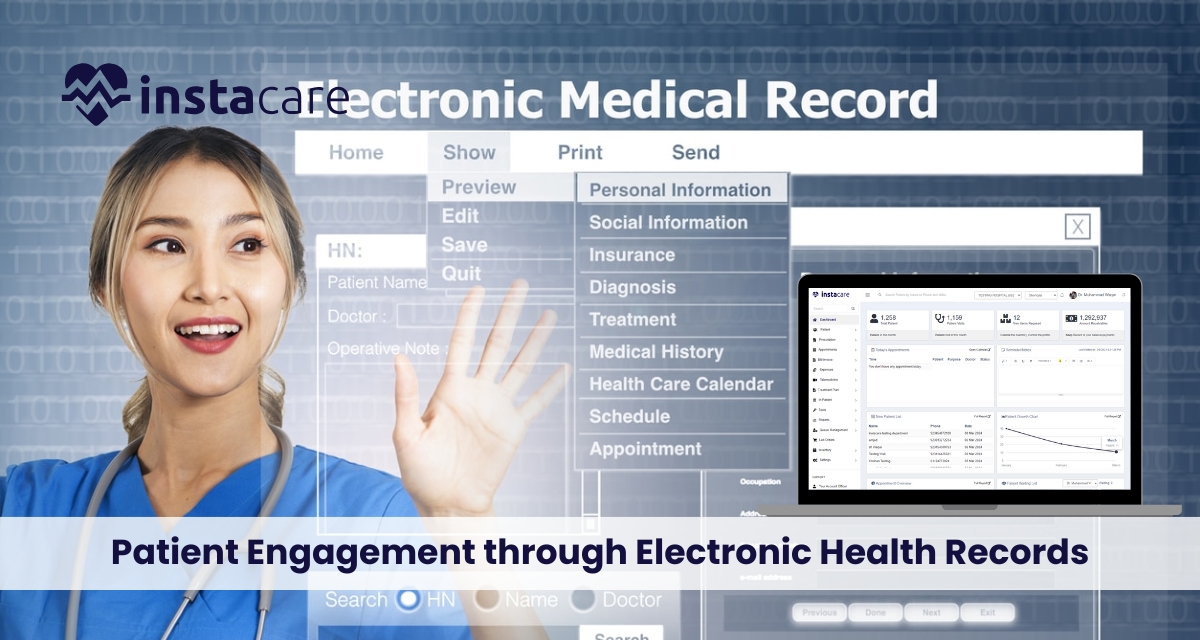
It is quite visible that there have been widely drastic changes in the health sectors due to Electronic Health Records over the last couple of decades. The change has simply been towards the way a patient’s record is filed, kept, and read. This, in this respect, brings so much transformation as far as impacts on the level of engaging patients in health care goes. However, though there are many advantages of this change, there are some limitations that have to be considered. This article explains the benefits and limitations of patient engagement through EHRs. What are Electronic Health Records? An EHR is an electronic version of the paper chart of a patient. The information which includes diseases, medications, treatments, immunizations, allergies, radiology images and lab test results is also stored in EHRs. Generally, EHRs are viewed by many providers and thus this improves the issue of continuity of care. Advantages of Patient Engagement through EHRs 1- Enhanced Access to Health Information Easier access to patient’s information is one of the biggest things that come with EHRs. There are those patient portals that enable the patient to view the patient’s history, laboratory results, and even the treatment options for him or her, online. This open attitude makes patients more receptive about their care. It has been observed that such persons accessing health data are more proactive with their health care providers in discussing, questioning, and planning the best course for treatment. 2- Enhanced Communication with Providers of Health Care EHRs enable better communication between patients and healthcare providers. Most EHR systems have safe messaging, which enables patients to have direct communication with their physicians. Patients can use it to ask questions, obtain prescription refills, or discuss other issues without visiting a healthcare provider. It would mean faster resolution of problems and a more customized experience for the patient. 3- Empowerment through Health Management Some of the benefits that are identifiable out of EHRs are that; EHRs enable patients to be more self-reliant when managing their health. Web technologies may give patient attributes including appointment making, and could also help the patient take medicine, and further help the patient learn about chronic diseases or any other diseases or conditions that affect the patient. In this regards, such features among others will enable patients with chronic illnesses manage their conditions better and strictly follow the laid down treatment regimens. Since patients become more empowered through active participation, an improvement of health outcomes can be achieved because more patients participate actively in managing their condition. 3- Better Care Coordination EHRs encourage care coordination because many providers can have access to the same information on a patient. This is particularly useful for patients who have complicated health issues and have to receive care from different specialists. This way, the more providers who can have access to the same records, the lesser is the chance of errors, duplication of tests, and conflicting treatments. Better coordination will help in enhancing the experience of the patient as well as health outcomes. 4- Data-Driven Insights EHRs gather and process patient information that is useful in patient care. Care providers would identify trends and patterns associated with the health status of the patients and thus intervene earlier. For instance, healthcare providers may identify those patients with a risk for certain conditions through data analytics, and so they can have early intervention and preventive measures for care. Thus, a data-driven approach brings about improved clinical results and efficiency in delivering healthcare services. 5- Patient Satisfaction Active patients appear satisfied. EHRs make this happen by allowing the patient to have access to the information and also involve the patient in the communication process. Happy patient is more compliant and compliant patient means that it is going to adhere to the programs, appointments etc. for follow up and associations with the practitioners. Book Free Demo Limitations of Patient Engagement through EHRs 1- Digital Divide Perhaps one of the major limitations of EHRs is the digital divide: those having easy access to digital technology and those without it. People with no access to the Internet, no digital literacies, or minimal devices cannot efficiently use health records in any meaningful way. Thus, disparities in health outcomes may arise because other people, lacking accessibility, cannot access vital information and support. 2- Privacy and security issues There are very grave concerns relating to the issue of patient privacy and security about EHRs. An EHR system may be made safe in design but break through the defenses and breach when it should not do so. A patient who thinks that their personal health information is vulnerable to breeching will probably not take too kindly to the trust in the safety of records. Thus, the sine qua non for the patient engagement culture to emerge is patient trust in the security of the EHR system. 3- Information Overload While access to health information enables patients, it also becomes overly complex. The EHRs contain complex medical data, which the patients may not grasp easily. A patient could misinterpret health information because they are not guided as to what is being delivered in the absence of direction by the healthcare providers. Therefore, healthcare providers need to be adequately prepared to direct the patient on how to handle the EHR and what the information provided is 4- Technical Issues Technical issues may undermine patient engagement with Electronic Health Records. This includes system crashes and slow operation, as well as problematic user interfaces, by which patients may become frustrated about using the EHR portal. Making sure an EHR system is not only patient-friendly but reliable is important in the promotion of a patient engagement. 5- Limited Personalization Electronic health records will probably make use of standardized forms that are applied in both recording as well as presentation of the data for the patient. In most cases, this usually leads to reduced personalization because the systems cannot catch the subtleties associated with the different experiences by different patients. A patient may feel he
Electronic Health Record systems basically revolutionize the delivery of health care services in a vast number of countries, including Pakistan. The digitization of patient records improves efficiency, accuracy, and quality of care delivered at hospitals. This blog examines EHR Software implementations in Pakistani hospitals, discussing their strategies and fruitful results and challenges. Introduction to EHR Systems: Electronic health records are computerized versions of patients’ paper charts. It comprises all the details related to the medical history, diagnoses, drugs, treatment plans, dates of immunization and test results. EHR systems will pave the way for enhanced healthcare services as they offer better data management hence giving easy access to the information about the diseases of patients to the health care providers. Significance of EHR in Pakistan There are several issues that the current health care system faces in Pakistan today; these include inefficiencies, problems related to miscommunication, and data management. EHR Software systems will help eradicate all these issues in the following ways: Patient Safety: Patient Safety by Making Medication Errors of Treatment Complicated Coordination of Care: Coordination of Care through Efficient Communication among the Physicians Administrative Simplification: Have all the administrative procedures simplified using less paper work and other administrative operations Data Analysis: Stream data analysis to improve public health management in making better decisions over policies. Case Study 1: Shifa International Hospital, Islamabad Background Shifa International Hospital is among the best in Pakistan; it is well-known for practice on quality care. In 2018, SIH thought of implementing the EHR Software system to improve operational efficiency and look after patients. Implementation Strategy SIH followed a step-by-step implementation of EHR. Needs Analysis: SIH conducted a comprehensive needs analysis that covered all the stakeholders; to be precise, physicians, nurses, and the IT staff. This ensured that the new system would cater to the peculiar needs of its users. Vendor Selection: From a wide array of EHR Software vendors, SIH selected one that could be customized easily and was user-friendly. The vendor provided comprehensive training and support. Phased Rollout: The rollout was phased. In the first instance, the hospital focused on outpatient services. Subsequently, the rollout to inpatient services was transitioned where the staff adapted and changed gradually. Training and Support: All the staffers were involved and given in-depth training on the new EHR system. During and even after the transition, continuous support was granted. Challenges Encountered Despite the planning done at SIH, the organization still managed to face some of the following challenges: Resistance to Change: Some of the employees were not willing to change their ways and opted to continue with their previous ways. Technical Problems: The technical problems in the system made it temporarily paralyze the work, and people became tired of the package. Book Free Demo Results EHR package in SIH led to; Streamlining of the administrative activities to ensure fast delivery service and less patient waiting time. It reduced medication errors and ensured overall patient safety in general. Quality information management: Accurate and timely patients’ information enhanced the efficiency and quick response of healthcare providers. Case study 2: Liaquat University of Medical and Health Sciences (LUMHS), Jamshoro Background The Liaquat University of Medical and Health Sciences is Jamshoro, and it is the most dominant academic and healthcare institution in the province of Sindh. In 2020, the university initiated a project to establish the EHR system to improve the healthcare at its teaching hospital. Implementation Strategy The LUMHS took a holistic approach to implementing their EHR. Stakeholder Involvement: It should have been brought into confidence all the faculty members, students, and administrative staff to ensure on-board support and all potential issues could be addressed beforehand. Tailor-made Solutions: It was in fact designed and customized to suit the teaching hospital of the university with which should be both academic and clinical functionality. Pilot Testing: The EHR system was tested under a controlled environment with pilot testing, even before full roll-out. Experience at the testing phase further informed the adjustments and improvement. Continuous Education: Continuous training programs were implemented to make sure that the user was knowledgeable about the functions of the system. Challenges Faced LUMHS was not left behind with its levels of challenges during the implementation: Funding Constraints: The budget initially constrained the provision of essential hardware and software. Infrastructure Issues: The IT infrastructure did not stand at par and therefore reflected technical issues that should have been met before the full implementation. Results The study indicates that LUMHS EHR implementation brings about the following results. Patient Care: The EHR system enhanced better communication and coordination among the service providers, yielding better patient outcomes. Research Opportunities: The digitized patient data opened new avenues for research opportunities and academic study. Increased Productivity: The administrative operations were streamlined thus enabling increased free time for the health care workers to concentrate their efforts on directing patient care. Case Study 3: Punjab Institute of Cardiology, Lahore Background Punjab Institute of Cardiology (PIC) is a speciality cardiac hospital that caters to the population of Lahore. In 2019, PIC determined that an EHR system would be implemented in order to enhance patient management and care delivery. Comprehensive Planning: PIC made comprehensive planning that explained timelines, responsibilities, and resource assignments. Collaboration with IT Experts: The hospital collaborated with IT experts to ensure that the EHR system was strong and safe. User-Centric Design: The system had a user-centric design in place so that all ease is ensured for the healthcare providers Mechanism of Giving Feedback: A mechanism of giving feedback has established continually to get more input from users in adjusting accordingly Issues Encountered Problems PIC faced with its EHR implementation were: Employee Education: Some employees had to be trained until they were proficient with the application of the new system. Interoperability Issues: It was technologically challenging to connect EHR with other application systems and databases. Outcomes The results of the implementation of the PIC’s EHR included some of the following: Improved Operations: The process of flow became streamlined which reduced some of the waiting time for
Understand The Significance Of Telemedicine and Patient Privacy This Year In the landscape of healthcare, two pivotal aspects stand out in 2024: the potential of telemedicine and patient privacy rights. That is why as a growing utilization of technologies to present and access health services is established, these concepts become more essential. Telemedicine, the broad use of telecommunication and information technologies to deliver healthcare, has become one of the new industry shapers of the years. Geographically, its importance is that it outlines the delivery of a number of health care facilities with no consideration of the distance or geographical location. Healthcare Facilities With No Consideration Of The Distance And Location!! 1-Convenience and Accessibility The primary advantage of telemedicine, which is rather obvious, is the fact that through it, one can save a lot of time. People are no longer very restricted when it comes to places of destination and time they need to spend waiting in a hospital to be attended to. In a way of telemedicine, consultations can take time via online, thus saving time to make the efforts. 2-Improved Healthcare Outcomes Since it involves the use of technology to diagnosis and treat the patient over a distance, telemedicine helps to administer timely prevention and follow-up continually. This saves time, as patients can get their diagnosis, treatment, and continued monitoring and care for their conditions, improving overall treatment outcomes. In addition, telemedicine can similarly increase the access by the provider to a broader population than it would otherwise be able to see in traditional care setting while avoiding cases where some individuals are left behind with no access to necessary services. 3-Enhanced Confidentiality and Security Recognizing the importance of telemedicine and patient privacy ensures that individuals’ confidential medical information is protected and secure. By understanding the significance of patient privacy measures, healthcare providers can implement robust security protocols, such as encryption technologies and secure data storage practices, to safeguard sensitive patient data during telemedicine consultations. This enhanced confidentiality instills trust and confidence in patients, encouraging them to engage in telemedicine consultations knowing that their privacy is prioritized and protected. Book Free Demo 4-Efficient Healthcare Delivery With an understanding of telemedicine’s significance, healthcare providers can streamline healthcare delivery processes. Telemedicine allows for quicker access to medical consultations and reduces waiting times for patients. By embracing telemedicine and patient privacy optimizing its use, healthcare providers can increase the efficiency of their practices, leading to better patient satisfaction and improved healthcare outcomes. 5-Telemedicine And Patient Privacy in the Electronic Environment Conversely, employee productivity could be a weak link since telecommunication brings the office setting into the home, where patient privacy is more of a concern than in the workplace. Currently, due to advancement in healthcare provision or delivery most of the important data regarding patients can be easily accessed and shared through the use of the internet hence making it more difficult to protect the data than before yet very essential to do so. 6-Compliance with Regulations As a result of the typical nature of these records, along with many others, there are federal guidelines that healthcare providers need to follow in order to safeguard patient’s privacy such as the Healthcare Information Portability and Accountability Act (HIPAA). It describes the mode of handling, either in paper or electronically, of patients’ details and the measures we undertake to maintain their privacy and confidentiality. 7-Data Encryption and Security Measures Ensuring that patients’ information is safe is a critical aspect that requires effective implementation of various secure code encryption technologies and security features. Secure video conferencing, various messaging, and collaboration platforms help adhere to HIPAA rules and protect the patient’s data. 8-Informed Consent Telemedicine and Patient privacy is relevant to patient care, and there must be transparency and informed consent on the part of the patient. Telemedicine consultations need to provide patients with information regarding the ways their data will be utilized as well as shared, so that the patient could make satisfactory decisions regarding the healthcare process. Virtual Healthcare Services And Patient Rights To Privacy Telemedicine grows continuously and, in the year 2024, patient privacy concerns increase and are closely related to each other than ever before. With telemedicine being one of the fast-growing areas in the practice of medicine, patient privacy is emerging as a critical concern for care providers and government authorities. View More: Streamline Your Medical Billing with Medical Billing Software 1-Balancing Innovation with Ethics On personal note, despite the technological advancement that telemedicine presents in the delivery of healthcare services, patient privacy cannot be an option for a toss. Many hospitals and care practitioners continue to investigate ways to use technology in order to enhance patient care, while at the same time protect the patient’s right to privacy. 2-Education and Awareness: In expanding the knowledge of telemedicine, it has to be communicated to both the healthcare provider and consumers of the services that patient privacy is sacrosanct. By ensuring that every member of the team understand what good and bad practices of telemedicine are and what the guidelines of patient’s privacy are, we can make a positive change regarding telemedicine use. Conclusion Indeed, the application of telemedicine and patient privacy in 2024 could be described as critical. Because technology is increasingly becoming an integral part of the governing processes in the healthcare industry, the protection of the rights of patients is very important in every administrative process. From those arguments, we can infer about the subject of telemedicine and patient privacy as the foundation of a more convenient and efficient healthcare environment. FAQS What telemedicine actually is and how does it function? Telemedicine means to deliver health care services through the application of technology including telecommunication technology e.g. video conferencing and even home monitoring devices. Patients can ask doctors and other health care professionals questions, get a diagnosis, and even get prescriptions over the internet without the necessity to come in personally. Telemedicine can be defined as timely exchange of information between patients and healthcare providers while accomplishing healthcare
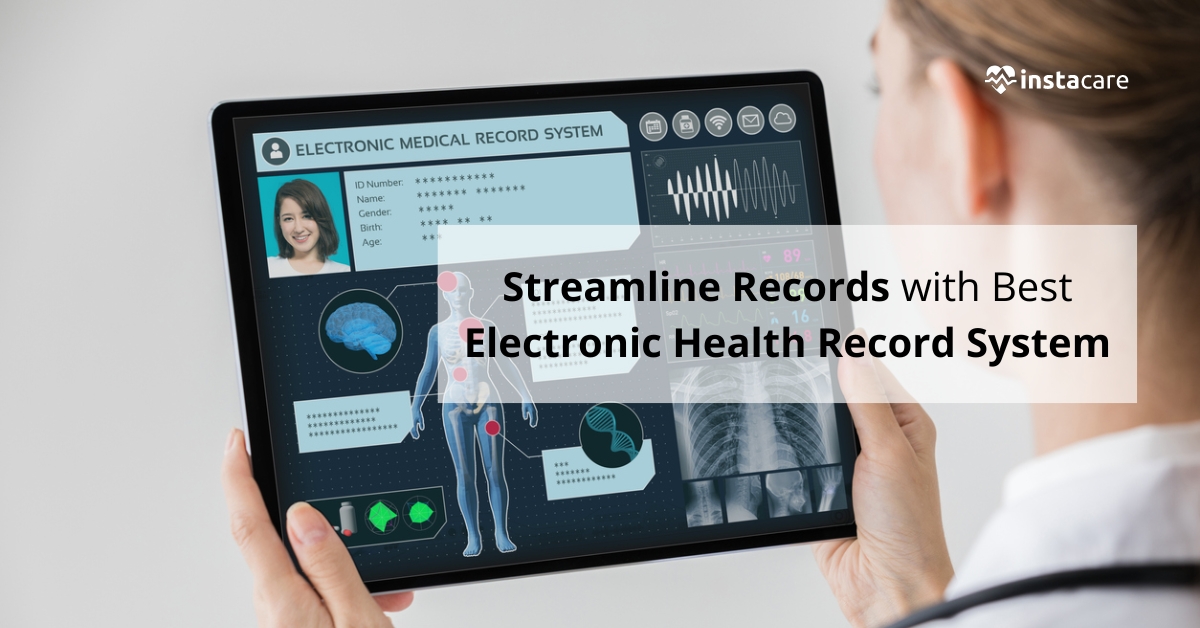
Streamline Records with Best Electronic Health Record System When it comes to health, nothing can compare to the quality of record delivery by the Electronic Health Record system. While traditional paper filing systems may have been reliable in the past, they are now overwhelmed with details and paperwork that can be hard to keep up with. To manage these large volumes of information in a way that is safe, fast, and organized, many medical institutions are turning to electronic health systems – tools designed specifically for streamlining their records management processes. In this blog post, we’ll explore how a modern electronic health system can simplify record-keeping and improve patient care. We’ll look at why these solutions are becoming increasingly popular within the healthcare industry as well as discuss some best practices for implementing them effectively. So if you’re ready to make your day-to-day operations smoother while improving patient satisfaction – read on! What is an Electronic Health System (EHS) and why is it important for streamlining records An Electronic Health System (EHS) is a digital platform used by healthcare providers to manage patient information, streamline records, and improve patient care. At its core, an EHS is essentially an electronic health record (EHR) that provides a platform for real-time access and exchange of information between different providers. One major advantage of an EHS is the ability to improve communication and collaboration between different healthcare stakeholders, including doctors, nurses, pharmacists, and other care providers. This not only improves efficiency and reduces errors, but also helps to improve the overall quality of care. Thus, an EHS is a vital tool for healthcare providers seeking to improve quality of care and offer streamlined services to patients. Book Free Demo How EHS helps reduce paperwork and streamline processes The Electronic Health Record Software has revolutionized the way healthcare institutions store and manage patient data. With Electronic Health Records systems, EHS has now become a powerful tool to help reduce paperwork and streamline processes. EHS gives healthcare providers with instant access to a patient’s medical information, allowing for quick medical diagnoses and reducing the need for paper-based methods. This not only saves time but also reduces the likelihood of human error, making patient care more efficient and effective. By utilizing Electronic Health Record Software, healthcare providers can focus more on providing exceptional care to their patients, while EHS handles the administrative tasks behind the scenes. Benefits of using EHS to access patient records quickly In this fast-paced world, time is of the essence. With electronic health record implementation, doctors and healthcare professionals can access patient records quickly and efficiently, which translates to better patient care. EHS provides a streamlined approach to accessing health records while also offering real-time updates on patients’ treatment progress. This has made it possible for healthcare providers to collaborate effectively and come up with more personalized treatment options for patients, leading to faster recovery times and improved overall health outcomes. Additionally, EHS helps reduce administrative costs by eliminating paperwork, allowing healthcare providers to focus more on improving patient care. It’s easy to see why electronic health record implementation has become a crucial part of modern healthcare, delivering better results in the most efficient way possible. View More: Simplifying Record-Keeping with a Patient Record Management System Steps to create an efficient EHS system in your practice When it comes to creating an efficient EHS system in your practice, one important step is electronic health record adoption. By implementing electronic health records, you can streamline your healthcare operations and improve patient care. With EHRs, your practice will no longer have to rely on paper records, which can be time-consuming and prone to errors. Additionally, EHRs can help you to provide more personalized care to your patients by allowing you to easily access and analyze patient information. With all of these benefits, it’s clear that electronic health record adoption should be a key component of any effort to create an efficient EHS system in your practice. Strategies to ensure patient data is secure within the Electronic Health Record System In today’s digitized healthcare landscape, electronic health record (EHR) systems have become a cornerstone of modern medicine. While they have revolutionized the way healthcare providers store and access patient data, there is no escaping the fact that EHRs are still prone to data breaches and cyber-attacks. That’s why implementing strategies to ensure patient data is secure within the EHR system is critical. From advanced authentication protocols to data encryption and employee education, there are a number of proactive approaches that organizations can take to safeguard sensitive patient data from unauthorized access or theft. By investing in robust security measures and training their staff on best practices, healthcare organizations can help mitigate the risks and protect the privacy of their patients. Conclusion To summarize, an electronic health system is the perfect way to streamline records and enhance patient care. It offers a multitude of benefits, from eliminating paper-based storage and record keeping to ensuring timely availability of medical history for healthcare providers. Additionally, it helps ensure that data is securely guarded, as all information is encrypted and stored in a cloud environment; this allows for increased security standards and policies, resulting in greater privacy control. With its streamlined features, an electronic health system makes it easier to manage records and patient care effectively. The long-term use of this system boosts efficiency and creates better outcomes for both patients and healthcare providers alike. Overall, making the switch to an electronic health system is a worthwhile investment for any medical organization looking to increase productivity while providing superior patient care.
Benefits of Cloud-based EHR for Healthcare With the rapid advancement of technology in healthcare, cloud-based EHR has been gaining unprecedented popularity among medical practitioners. Cloud-based EHR systems provide increased flexibility and accessibility to health information while also improving overall patient care. As such, it’s no wonder why many doctors are choosing this platform for their practice’s record system – but what other benefits does it bring? In today’s blog post, we’ll discuss how cloud-based EHR can help healthcare providers deliver better outcomes for patients. Learn how Cloud-based EHR systems can improve data security As medical practices and hospitals increasingly rely on electronic health records (EHRs), it’s essential to prioritize data security to protect sensitive patient information. Cloud-based EHR systems can be a powerful tool in this regard, improving security measures in several ways. First, cloud-based storage is typically more secure than on-premise infrastructure due to advanced encryption and firewalls. Additionally, cloud-based EHRs enable authorized personnel to easily access patient records from anywhere, while multi-factor authentication helps prevent unauthorized access. By processing and storing data in the cloud, healthcare providers can reduce the risk of data theft or loss, improving patient privacy and peace of mind. Discover how to save time and money through cloud-based storage for patient records Are you tired of the hassle that comes with traditional methods of storing patient records? Say hello to cloud-based storage! With electronic health records (EHRs), you can securely and efficiently store all patient information in one place. Not only does this save time spent on file organization and retrieval, but it also eliminates the need for physical storage space, reducing costs and improving accessibility. Plus, with cloud-based storage, medical professionals can easily share information and coordinate care across multiple facilities. Embrace the benefits of technology and streamline your practice with EHRs today! Book Free Demo Explore the benefits of integrating multiple data sources into a single platform With the vast amount of digital information available in today’s world, integrating multiple data sources into a single platform has become a critical aspect of managing data effectively. This is especially true in the healthcare industry, where relevant, up-to-date information can mean the difference between life and death. By combining various cloud-hosted health information sources, healthcare professionals can access a more comprehensive view of patients’ medical histories, lab results, and other critical information. This integration not only saves time and reduces the potential for errors but can also lead to better diagnoses, more efficient treatments, and improved patient outcomes. Overall, the benefits of integrating multiple data sources into a single platform are undeniable, particularly in the realm of health information management. Understand the value of using analytics to make more informed decisions quicker In today’s fast-paced world, making informed decisions quicker is crucial to stay ahead of the game. Using analytics can significantly impact the decision-making process, especially in the healthcare sector with the emergence of virtual medical records. With this innovative technology, healthcare professionals can gather vast amounts of data, providing insight into the patient’s health history, medications, and overall care. The use of analytics allows for a quicker diagnosis, more efficient treatments, and ultimately, better outcomes. By leveraging analytics, healthcare professionals can make informed decisions quickly, leading to improved patient care, reduced healthcare costs, and more time for treatment innovation. View More: Maximizing Efficiency with Smart Clinic Software Learn how cloud-based EHR systems can enable remote patient monitoring Rapid advancements in technology have revolutionized healthcare in numerous ways, and the digitization of medical records is one of them. Electronic medical documentation, or EHR, has simplified record-keeping and data management for practitioners. The benefits extend beyond the clinic and into remote patient monitoring, allowing medical professionals to track vital signs, medication intake, and other health metrics without in-person visits. Cloud-based EHR systems cater to this need by hosting patient data securely online, accessible to medical personnel anytime, anywhere. The ease and flexibility of remote patient monitoring offered by cloud-based EHR makes healthcare more efficient, effective, and accessible. Find out how to leverage Cloud-based EHRs to create better patient engagement In today’s healthcare industry, patient engagement is more important than ever. With the rise of cloud-based Electronic Health Records (EHRs), healthcare providers now have an opportunity to leverage this technology to provide a more personalized and engaged experience for their patients. Cloud-based EHRs allow for secure access to patient information from anywhere, at any time, which means that providers can collaborate, share and access vital data in real-time. This also allows for better communication between providers, patients, and their families, leading to a more efficient and accurate diagnosis and treatment plan. By embracing this technology, healthcare providers can create a more patient-centric approach to care that not only improves the quality of care but also contributes to better health outcomes. Conclusion Cloud-based EHR is revolutionizing the healthcare industry and unlocking extraordinary benefits for both physicians and patients alike. By greatly streamlining the workflow process, cloud-based EHR make it easier to securely store patient data, cut down on administrative duties, improve communication between staff members, better manage drugs and medical supplies, as well as helping to reduce medical errors. With such valuable benefits, it’s understandable why so many healthcare organizations are now shifting towards digital health solutions. Furthermore, with new advancements in eHealth technology being released each year such as sophisticated predictive analytics and machine learning capabilities, it’s clear that cloud-based EHR is only going to become even more advantageous in the years to come. Ultimately, we’ve reached a tipping point in the development of cloud-based EHR technology; one that will undoubtedly shape the healthcare landscape for generations to come.
7 Reasons Why Electronic Health Records Is Better Than Paper Records Leadership in your medical organization has likely concluded that moving to Electronic Health record is the best course of action because there are more drawbacks than advantages to maintaining paper-based records. Even if certain practices can get by using outdated paper, the adverse effects can no longer be disregarded. Paper records are too unsecured, and it is getting harder to defend, continuing to store patient files in this antiquated manner. In actuality, having considerably more control over information security is one of the benefits of using an electronic health record system or EHR software in Pakistan. Here are seven reasons Electronic Health records are more secure than paper records to assist you in persuading your team to move forward with an EHR. Authorized Users Can Only access EHRS Paper files are readily lost or forgotten, which could later result in significant issues for the patient. Even the most careful workers often make errors, such as missing a file during a hectic day or leaving it at the copier. These files cannot be changed back to their original format without a decryption key or password. Therefore seamless EHR software in Pakistan helps keep your data secure. Paper Records Are Modifiable Or Can Be Tempered Paper records can be changed in ways that can be challenging to spot. For instance, someone could provide a copy that has been edited or delete sheets from a report to replace the actual data. Encryption and robust login and password protection for electronic health records make it far more difficult for someone to also make unauthorized changes to the patient’s chart and other data. Using EHR software in Pakistan enables you to keep spotless records. Book Free Demo Information Is Kept Secure By Encryption A paper record is readily accessible, making it possible for anyone to view it, record details, create a copy, or even scan or fax the data to a third party. Contrarily, robust encryption techniques can be used to secure electronic records, protecting sensitive patient data from snoopers. Electronic Health records are more dependable than paper records in this regard, and your firm already has to take every precaution to adhere to HIPAA and other privacy laws. The robust security that an EHR automatically offers you and your patients is not available with paper records. On An EHR, Data Can Be Backed Up You need to consider security and backup storage while keeping sensitive patient information. You can use an offsite backup to restore private data onto your EHR in a natural disaster or cybercrime. However, this would not be viable if your clinic software in Pakistan only employs a paper-based system. Good Time Management By implementing an EHR, healthcare professionals can save time on tiresome administrative activities in eclinic software in Pakistan. To make the most of this cutting-edge technology, you must ensure you give your personnel the most excellent training on EHR best practices. Untrained personnel may spend more time navigating the system than they would be using paper files. View More: 5 Benefits Of Using Mobile App Technology In The Healthcare Industry EHRs Are More Environmentally Friendly Your use of paper and trash will be significantly reduced when you switch to EHRs, which is one of the most obvious advantages. Switching to EHRs is a no-brainer if you work to make your practice more environmentally friendly. With An EHR, You May Create An Audit Trail A secure record called an EHR audit trail keeps track of who viewed a file, when they looked at it, where they looked at it, and whether they made any changes to the data. Similar audits on paper records are nearly impossible to perform. Paper files are still susceptible to errors and adjustments, even if you could adequately construct an audit trail to utilize them. Conclusion We have seen the significant benefits of EHRs, and for the best software, InstaCare provides quality products to eclinic software in Pakistan. To get the best software applications, visit https://instacare.com.pk/ or contact them.

The electronic medical record software is a system that keeps the record of all the ongoing activities and helps with its management. It serves as a complete directory of the patient that contains their name, age, gender, disease history, medication history, documented allergies, and all the other health conditions. With its use, healthcare providers can easily access the records of the patients with only a medical record number. This software has made keeping and managing information about the patient much simple and easy. Thereby, enabling you in increasing overall clinical productivity. Moreover, you can also save the cost you would invest in hiring people for different activities. The software would let you store all the details of the patient without any hassle. It also enables you to transform your business activities into digital means. With it, you do not need to create tokens, bills, or documents by yourself. It will create all the documents digitally and you can share them with your clients as well. Hence, making it easy to interconnect with each other. Electronic health records are better than paper records in many ways. Some of them are as follows. Authorized users can access only With paper records, anyone can access them. But with an electronic health record system, only authorized personnel who have access can reach the records. The administration gives certain login details to each person, and they can only login with a designated IP address. More secure With the paper record system stealing them is easy. One can fetch the records and discard them or keep them somewhere else. Whereas with an electronic health record system, the records remain safe and secure. Stealing them is not easy at all. No one can access the records without your permission. Insurance Paper records can be easily lost or stolen. If your organization catches fire, all your paper records will be lost forever. Whereas with an electronic health record system, you can get them back with ease. Only you need to set up your system again. One-click back up To make other copies of a paper record system is hard. You can do that by making multiple photocopies of your record. But with an electronic health record system, you can back it up with a single click. You do not need to worry about the safety and backup of the data. Less space For paper records, you will need to have a particular separate space like a proper room to keep the records safely. But with an electronic health record system, you will not lose your space. Everything will remain and be stored on a cloud-based system without the need for a single inch of your room or hall. Eventually, you can utilize that space for something better. Easily to fetch To fetch paper records, you will have to spend a lot of time because you will be finding a single file in hundreds of them. But with electronic health record software, you can fetch the same records in minutes, all by a medical record number. Thereby, making your life easy. Saves the overall cost To fetch the paper records and to manage them, you will require a separate person. Maybe you need more than one person for its management and proper record keeping. But with an electronic health record system, you will not need a separate person just for the management of records. With it, a single person can manage many operations simultaneously. Encryption Making changes to a paper record system is easy. Since many people have access to it. If anyone made changes to them, it will be hard to know who has done that. But with an electronic health record system, whenever, however, whoever makes the changes, will be recorded. It will be on record that a particular person made the particular changes at a designated time. It makes it easy to trace the person who has made some changes to it. Record tampering Someone can easily take off papers from the file or mix them in a paper record system. But with an electronic record system, no one can remove or tamper with the data. Not everyone has the access to change the records and whenever the authorities make a change, it will be recorded. Improved patient care The electronic record system gives its suggestion of diagnosis and treatment according to the history that the healthcare provider uploads. This feature helps in improving patient care by making an early and right diagnosis. Moreover, it makes sure that the right dose has been prescribed to the person according to the body mass index and comorbidities. These features are nowhere available with a paper record system.
- 1
- 2