

What Is ERP? Understanding Enterprise Resource Planning Systems In the present-day day fast-paced, and data-driven business world, organizations are adopting integrated systems within their operations in order to be efficient in running business operations. With the growth of the business, there is no easy way to manage departments like finance, human resources, supply chain, sales, and inventory independently. Enterprise Resource Planning systems are also instrumental in this. ERP systems can assist the organization centralize data, automate their processes and make better decisions. An ERP system helps companies achieve a more efficient, cost-effective, and productive operation by allowing the adaptation of several business functions into one platform. What Is ERP? ERP is an acronym that refers to Enterprise Resource Planning, software, which is used to coordinate and administer fundamental business activities in an organization. ERP enables all functions to be run on a single database as opposed to separate systems used by different departments. With an ERP software system, data within various business regions is collected, stored and processed in real time. This will guarantee uniformity, precision and availability of information throughout the organization. ERP systems are popular among small, medium, and large enterprises to automate the processes and improve working together. ERP, at its simplest, is a way of utilizing organizational resources, be it people and processes, better to accomplish organizational objectives through the use of technology. Key Features of ERP Systems The contemporary ERP systems have broad features that cater to the functions of the business in various departments. These ERP software features are meant to enhance efficiency, transparency and control. Key features include: Database that is centralized to access real-time data. Routine business process automation. Unified financial management and accounting. Supply chain and inventory tracking. Payroll management and human resource. Reporting and analytics dashboards. ERP modules are ready to be customized by modular design to suit the demands of various industries and business scales. Types of ERP Systems Types of ERP systems come in various forms which are tailored to suit different business needs, financial constraints and preferences of deployment. On-Premise ERP On-premise ERP solutions get installed and supported on the own servers of a firm. They are very controllable and customizable but demand a large outlay and IT. Cloud-Based ERP Cloud ERP systems are stored on those of the vendor and are accessed through the internet. Such systems are affordable, expandable and less technical to maintain and have become popular with the current business world. Hybrid ERP Hybrid ERP integrates cloud and on-premise platform and enables businesses to store sensitive data in-house and enjoy the flexibility of cloud computing. Industry-Specific ERP Other ERP solutions are targeted at particular industries including manufacturing, healthcare, retail and education providing specialized ERP modules and workflow, such as Lab Management Software designed for diagnostic centers and medical laboratories. Benefits of Implementing ERP Adopting ERP system has many benefits that facilitate business development in the long term. The ERP benefits are not limited to the efficiency of operations but also to strategic planning and customer satisfaction. Major benefits include: Enhanced proper data quality and consistency. Improved interdepartmental cooperation. Automation leads to increased productivity. Decision-making and reporting in real time. Low operation and administrative expenses. Better compliance and risk management. ERP solutions for enterprises help organizations have more visibility of the operations and thus proactively make plans and responsive operations to changes in the market. Challenges of ERP Implementation Although ERP has benefits, it also has its own challenges. The ERP implementation process may give delays, overruns on budget and resistance to change by users in case the implementation process has not been laid out properly. Common challenges include: Expensive first-mover expenses. System complexities in customization. Opposition to change by employees. Data migration issues Training and skill gaps In a bid to address these challenges, organizations should invest in adequate planning, involvement of stakeholders, and continued support. Book Your Free Marketing Consultation How to Choose the Right ERP System? The choice of appropriate ERP solution is essential in attainment of desirable business results. Organizations ought to be keen in analysing their requirements then selecting an ERP platform. Using the following as the main factors to be considered: The size of the business and industry demands. Necessary ERP modules and scalability. Preference to deploy (cloud, on-premise or hybrid) Total cost of ownership and budget. Customer service and reputation of the vendor. Intuitiveness and integration. The right ERP software solution helps to match the business objectives and provides future expansion without the complexity that should not exist. Conclusion ERP systems have become a necessity for all organizations that aim to gain efficiency in their operations and strategic leveraging. ERP systems enhance accurate and transparent business operations and interdepartmental cooperation by removing business processes as isolated entities. Even though the ERP implementation process is complicated, the long-term advantages greatly exceed the obstacles, provided they are adequately implemented. ERP can change the way enterprises use resources, make decisions, and grow with the appropriate planning and solution. FAQs Why is an ERP system important? An ERP system is primarily aimed at unifying and automating the key business procedures to supply one location of precise information to enhance effectiveness and decision-making. Does ERP software apply to large organizations only? No, small and medium-sized businesses can also use modern ERP software, which has scalable solutions depending on the needs of organizations. What is the time the ERP implementation takes? Depending on the complexity of the systems, customization and the preparedness in the organization, ERP implementation may be completed in few months to more than one year. What are ERP modules? ERP modules are specific parts of an ERP system (finance, HR, inventory, or sales) that can be implemented in a business jointly or separately, depending on the business requirements.
Virtual Reality in Medicine: Transforming Healthcare Through Immersive Technology The medical field is experiencing the digital revolution, and the idea of immersive technology in medicine is the focal point of the revolution. VR has not been restrained to entertainment anymore, but is currently being implemented in hospitals, medical schools, and therapy centers. VR is transforming healthcare delivery, whether it is creating more accurate surgery or making the procedure more comfortable. The use of modern medical virtual reality applications can provide healthcare workers with the opportunity to train in a safe manner, treat patients better, and increase clinical results thanks to real simulations. What Is Virtual Reality? Virtual reality refers to a three-dimensional environment and is a simulated environment created by computers and experienced by users through VR headsets and motion tracking devices. The major features of VR are: Complete involvement in an online world. Live communication with virtual objects. A great deal of visual and sensory stimulation. Augmented reality vs virtual reality in healthcare is a common comparison in healthcare-related discussions. Whereas AR is used to overlay digital objects on the physical one, VR is more preferable for training, therapy, and simulation-based care as it is fully immersive. How is Virtual Reality Used in Medicine? Virtual reality has clinical uses in many spheres of healthcare and has been used to benefit both the practitioners and the individuals receiving care. VR is commonly used for: VR in medical training and skill building. Treatment and therapy of patients. Virtual reality surgery simulation and planning. Physical recovery and rehabilitation. These applications indicate the way that VR for patient care enhances safety, accuracy, and involvement in the medical environment. VR in Medical Training and Education Medical training VR has altered the way medical workers understand complicated practices. Virtual reality medical education allows students to practice again and again without any risk in the real world. Perks to education include: Interactive 3D learning of anatomy. Simulation of emergency response. Procedural accuracy in a virtual reality simulation of surgery. Less use of cadavers and live patients. This simulative method enhances self-esteem, decision-making and technical ability. Virtual Reality in Patient Treatment The use of VR therapy in healthcare as a therapeutic tool is gaining more and more use. In the healthcare sector, VR therapy is used to control physical and mental health. Some typical uses of the therapy include: Virtual reality for pain management. Lessening anxiety and stress. Diversion therapy of chronic pain. Preoperative emotional preparation. The patients feel more comfortable, less dependent on medications, and their recovery is more successful. VR in Surgery and Clinical Practice VR promotes planning and execution in surgical settings. Virtual reality surgery simulation enables surgeons to practice complicated surgeries using patient-specific information. Clinical benefits include: Higher accuracy of surgery. Less risk of complications. Greater comprehension of the patients through graphic explanations. Improved cooperation between teams of medical workers. The developments enhance credibility and overall quality of care. Book Your Free Marketing Consultation Benefits of Virtual Reality in Medicine The benefits of virtual reality in the healthcare systems include: Increases learning experiences. Enhances the level of patient engagement and satisfaction. Embraces VR rehabilitation therapy. Reduces medical errors. Makes the process of treatment personalized. Increases medical education. VR is transforming the field of modern medicine through its ability to bring together innovation and empathy. Challenges and Limitations Although it has potential, VR adoption has a number of obstacles: Expensive initial costs of setup and maintenance. Training and technical complexity. Dizziness or eye strain to others. Data security and privacy issues. These limitations would have to be tackled in order to increase the use of medical virtual reality applications. Future of Virtual Reality in Healthcare The future of virtual reality in medicine is bright. VR will be combined with wearables, telemedicine platforms, and artificial intelligence with the advancement of technology. Possible future developments are: AI-based simulated personalized treatments. Remote VR-based medical training. High-level exposure to virtual reality therapy. More extensively used in mental and physical rehabilitation. Such innovations will turn VR into a commonplace feature of healthcare provision. Real-World Examples Virtual reality is already changing patient outcomes across the globe. Examples include: VR in PTSD and anxiety Phobia virtual reality exposure therapy. Stroke rehabilitation therapy using VR. Immersive distraction programs for pain management. These practical applications indicate the increased clinical effects of VR. When VR Is Most Effective in Medical Settings? VR would be best applied in a situation where simulation, visualization or emotional involvement is needed. It works best in: Healthcare education and training. Pain and anxiety management. Mental health therapy. Physical rehabilitation. Preoperative preparation and rehearsal. Immersive and controlled digital experiences are very useful in such environments. Conclusion VR is revolutionizing the medical field by contributing to better education, patient outcomes, and clinical efficiency. Immersive technology in medicine is transforming the medical field with VR in medicine training, therapy, and surgical uses. With an increasing number of issues addressed with virtual reality and increased accessibility, patient care, education, and clinical practice will remain redefined worldwide. FAQs What is the application of virtual reality in medicine? Medical training, surgery simulation, pain management, rehabilitation, and mental health treatment are some of the areas where medical virtual reality applications are applied. Does virtual reality work in the management of pain? Yes, virtual reality for pain management is useful in decreasing the perception of pain, which distracts the brain and decreases anxiety. What becomes of virtual reality in healthcare? The future of virtual reality in medicine involves AI-driven simulations, customized therapy, and broader application in everyday clinical use.
Hospital Information Management System (HIMS): A Complete Guide for Modern Healthcare The world’s healthcare systems are changing fast as a result of digital transformation and the necessity to provide efficient patient-centred care. Manual processes are currently virtually impossible and prone to errors in hospitals that deal with huge amounts of clinical, administrative and financial data. This is where a Hospital Information Management System is required. HIMS assists healthcare professionals in streamlining operations in hospitals by implementing technology in daily practices, decision support, and patient outcomes within a modern healthcare information system. What Is a Hospital Information Management System (HIMS)? A Hospital Information Management System (HIMS) is a complete online tool, which is meant to coordinate every side of hospital work. It integrates clinical, administrative, financial and operational operations into a single hospital information system. HIMS enables the hospitals to store, process and access patient information electronically as opposed to paper-based systems. It helps in registering patients, making appointments, diagnostics, billing, reporting, and compliance. Simply put, it can be described as the backbone of the digital world of the modern hospitals, functioning as advanced hospital management software that facilitates communication within the departments. Key Components of a Hospital Information Management System Strong hospital information system comprises a number of inter-linked modules, whose functions within the hospital activities are: Patient Registration and Admission Module: The module that handles the demographics of the patients, the details of their admission and their discharge, supporting a reliable patient information management system. EMR Stores: Holds clinical information including diagnoses, treatment plans, laboratory results and physician notes within an electronic hospital management system. Clinical Information System: Assists the doctors and the nurses with access to real-time data about the medical information, which enhances the clinical decision making as part of a structured clinical information system. Billing and Financial Management: Automates billing, insurance claims, payments and financial reporting. Pharmacy and Inventory Management: Tracks medications, stock levels, and usage to prevent shortages and wastage. Hospital ERP Software: Integrates into one system the human resources, procurement, payroll, and asset management through hospital ERP software. The Hospital Workflow Management System: Organizes work in different departments to ensure efficiency and minimization of delays using a comprehensive hospital workflow management system. These elements combined form an all inclusive electronic hospital management system supported by a centralized hospital data management system. How HIMS Works in a Hospital Environment? HIMS is a digital ecosystem that is centralized. Every time a patient comes, he or she is keyed into the system and immediately available in all departments. In real time, doctors can access medical histories, nurses can update on the progress of treatment, the labs can post test findings, and the billing departments can create the bill. This continuous flow of data enhances coordination and gets rid of duplication. The hospital data management system will guarantee accuracy and consistency in information and secure access to information, allowing staff to dedicate more time to the patient, as opposed to the administrative aspect, through integrated hospital IT systems. Benefits of Implementing HIMS Implementation of a hospital management software has many benefits: Better Efficiency: Automated processes save on paper work and administration overheads. Improved Data Accuracy: Digital records reduce mistakes that come about due to recording by hand. Enhanced Clinical Decision-Making: Real-time patient access helps in proper diagnoses and treatment plan. Cost Reduction: Improved operations and rationalized resource use reduced the cost of operation. Regulatory Compliance: Ensures that there is proper documentation and reporting in line with the healthcare regulations. Centralized Hospital IT: Systems forms a single point of all operations of the hospital. In general, HIMS enhances productivity at the same time with high care standards using a secure medical information management system. Book Your Free Marketing Consultation Role of HIMS in Improving Patient Experience One of the healthcare performance indicators is patient satisfaction. HIMS is essential in improving the patient experience through the reduction of wait time, enhancement of communication and continuity of care. Having a stable patient information management system, patients can be registered faster, have timely test results, correct billing, and easier follow-ups. Digital documentation also facilitates tailored care, since the medical history is available to the health practitioners. Moreover, billing and treatment plans promote transparency that fosters trust between the patient and health care provider. Challenges in Implementing HIMS Notwithstanding its positive side, HIMS has challenges: The cost of High Initial Investment: Infrastructure, software licensing, as well as training, may be expensive. Resistance to Change: The staff might be hard to adjust to the digital systems replacing the manual systems. Data Safety and Privacy Implications: Assure confidentiality of medical records. System Integration: Problematic with existing system may be complicated. Training Requirements: On-going employee training is also necessary to make good use of it. Nevertheless, these challenges could be managed with the help of appropriate planning and support of vendors. HIMS vs Other Healthcare Information Systems HIMS is not to be confused with other systems, however, it is broader in its scope: Electronic Medical Records (EMR): Only clinical information. Laboratory Information Systems (LIS): Laboratory operations. Radiology Information Systems (RIS): Processes imaging information. HIMS is more comprehensive and involves all these functions in a single medical information management system as compared to standalone solutions. Future of Hospital Information Management Systems The future of HIMS is strongly related to new technologies. The operations in hospitals are being changed by artificial intelligence, machine learning, cloud computing, and big data analytics. The future systems will be predictive, diagnostics based on automation, integration of telemedicine, and interoperability. The postmodern hospitals will be based on the enhanced hospital workflow management systems that will enable hospitals to provide quicker, safer, and more individualised care. HIMS will also be more innovative, safer, and patient-centred and yet again, healthcare will be becoming more digital. Conclusion A Hospital Information Management System is more than a luxury, nowadays, it is a necessity in healthcare institutions. HIMS is also an efficient approach that helps to improve patient care, promote long-term sustainability, and integrate clinical, administrative, and
Electronic Nursing Record Software (ENR Software): The Future of Nursing Documentation The field of healthcare is quickly becoming digitised, and nursing documentation is not an exception. Nurses are at the front line in providing care to the patients and in most cases, the traditional paper-based records and the divided systems tend to slow them down and thus prone to make errors. ENR software has become an effective tool that allows one to document appropriately, in real-time, and patient-centred. ENR software is changing the way nurses in healthcare facilities document, communicate and provide care through the simplification of workflows and access to clinical data. What Is Electronic Nursing Record (ENR) Software? Electronic Nursing record software is a dedicated healthcare record system that was developed and intended to be used by nurses in easy access, management, and recording of patient care information electronically. In contrast to the general electronic health record for nurses, ENR is built around such nursing-specific data as assessment, care plans, medication administration, vital signs and progress notes. Electronic nursing records enable nurses to record patient details in an instant with structured templates and standardised terminologies. This software is a component of an ENR system in healthcare and functions well with the larger systems of the hospital to provide continuity in care and accuracy of data throughout the patient experience. Key Features of ENR Software The current nursing documentation software has a vast spectrum of functions capable of supporting clinical efficiency and patient safety. Common features include: Assessment, interventions, and outcomes: customisable nursing charting software. Automated time stamps and real time documentation. Computerized patient care records that are available in different departments. Medication, vitals, and care reminders and clinical alerts. Development of care plans and revision depending on the state of the patient. Laboratory/ pharmacy/ physician systems integration. Support of mobile and bedside documentation. Role-based access control to data storage. All these characteristics make the digital nursing documentation both extensive and convenient in the fast-paced clinical setting. Benefits of ENR Software Implementation of ENR software provides tremendous benefits to both nurses, health institutions and patients. In the case of nurses, it saves them time that would otherwise be associated with paperwork and manual charting and direct patient care can be given more attention. In the case of healthcare organisations, it enhances the accuracy of documentation, standardisation, and compliance with regulations. Better communication between care teams promotes safer and more coordinated care to patients. The other advantages are: Minimized documentation errors. Greater efficiency on nursing workflow management software. Quicker patient data accessibility. Greater interdisciplinary cooperation. More quality improvement data analytics. In general, ENR software helps to maintain a more effective and responsible healthcare documentation system. How ENR Software Supports Quality Patient Care? Timely, accurate, and comprehensive documentation is the key to high-quality nursing care. This is facilitated by ENR software which allows nurses to document patient assessment, intervention and reactions in real time. This will guarantee that the impact of a patient in his or her health is seen instantly by the whole treatment team. Nurse-specific electronic health records facilitate standardised care delivery with the aid of evidence-based templates and clinical pathways. This minimizes variability in care, and serves to aid in making informed clinical decisions. Also, there are inbuilt warnings and verification systems that can eliminate medication mistakes and omissions in interventions, thus directly affecting patient safety. Implementation: What Healthcare Facilities Should Know? The use of hospital nursing software should be properly planned and coordinated. Starting with evaluating clinical needs, current infrastructure, and staff preparedness, healthcare facilities should start with it. Implementation can be achieved successfully by choosing a system that can fit the nursing processes and not by interfering with them. Key considerations include: Training of staff and managing change. Integration of the system with the current electronic medical records for nurses. Paper/legacy system data migration. System scalability and technical support. The adoption and the success in the long term require leadership involvement and nurse involvement in the implementation. Common Challenges and Solutions With all these advantages, ENR software implementation is not easy. The opposition to change is not unique, particularly concerning the employees who are used to the paper-based documents. This can be taken care of by intensive training, continuous support and including nurses in designing the system. The complexity of the system, data overload and interoperability problems are other challenges. The obstacles can be overcome by selecting an easy-to-use nursing informatics software and making sure that it can be easily integrated with other systems. The usability can also be enhanced in the long run by regular system updates and feedback loops. Book Your Free Marketing Consultation Regulatory and Compliance Considerations ENR software should adhere to healthcare policies concerning patient privacy, data security and clinical documentation standards. Audit trails, secure access control, and encryption should be supported by systems to aid in secure storage of patient information. Observation of the national and international standards of healthcare shows that the electronic patient care records are legally sufficient and ethically controlled. Healthcare organisations should also be able to practice proper documentation in order to fulfil the accreditation and reporting requirements. Future Trends in ENR Software The development of the ENR software is directly related to the development of healthcare technology. There is an increased adoption of artificial intelligence and predictive analytics to aid in clinical decision-making and early detection of patient risks. Other current trends are: Nursing charting voice recognition software. Suggestions on AI-assisted documentation. Nursing outcome advanced data analytics. Mobile-first and cloud-based platforms. Complete integrated EHR and ENR systems. The innovations will further improve efficiency, accuracy and patient-centred care. Choosing the Right ENR Software Nursing care management software needs to be chosen with a clear grasp of the clinical requirements, as well as organisational objectives. The healthcare facilities must focus on intuitive, scaled and interoperative systems. The important evaluation criteria are: Ease of use for nursing staff Customisation options Connection with current clinical documentation software. Vendor support and training Meeting healthcare regulations. The selected ENR solution can
Information Management System: Definition, Types, Benefits & Uses In the digital environment we now live in, organizations receive and process large amounts of information every day. The management of such data is essential to decision-making, compliance and operational success. An Information Management System (IMS) is a framework of organizing of information collection, storage, processing, and use. Whether the information is on businesses, health facilities or government departments, a sound IMS makes sure that information is correct, readily available and safe. Modern solutions contribute to streamlined processes, enhanced productivity, as well as regulatory compliance of organizations, based on data governance frameworks as well as integrated information systems. What is an Information Management system? Information management system refers to tools, processes and technologies that resulted in the capture, management and dissemination of information within an organization. It enables orderly gathering, processing, storage, and retrieval of information, which will ensure that information, is available when required by the decision-makers. The information management software in use today usually incorporates the functionality of the document management systems, records management system and the content management systems (CMS) to provide a full service to the enterprises. The end vision is to make sure that the flow of information is effective between all organizational levels, in the support of strategic goals and operational activities. Key Components of an Information Management System An effective IMS has several important elements: Data Management System (DBMS): It will store and categorize structured information so that it is easily accessible. Document Management System: It is used to manage digital documents, which should be version-controlled and securely accessed. Content Management System (CMS): aids in content creation, publication, and cooperation. Records Management System: Archives and maintains records of the past within the regulations of the requirements. Information System Architecture: Determines the interaction of data, hardware, software, and processes. Information Security Management: Prevents sensitive information against unauthorized access and breach. Data Governance Framework: Signs the policies and sets of data quality, privacy, and compliance. These elements are used to aid in the lifecycle management of information, both creation and storage, retrieval and disposal, to guarantee data integrity and usability. Types of Information Management Systems In terms of data type and purposes to serve the organization, IMS may be divided into: Enterprise Information Management (EIM): A solution covering all the data in the organization, incorporating several digital information management systems. Database Management System (DBMS): It is dedicated to the structured storage and retrieval of data with the high level of query and reporting features. Document Management System: Manages Electronic documents, and is used to support version control, automation of workflows and secure access to the documents. Content Management System (CMS): Manages online material like web pages, web blogs, multimedia, and collaborative material. Records Management System: Provides the long term storing, compliance and retrieval of corporate records. Healthcare Information Management System: Hospital Management Systems or Hospital Information Management System are hospital- and clinic-specific platforms designed to manage patient records, laboratory reports, and core medical workflows efficiently. All of them respond to particular organizational needs, yet nowadays most IMS solutions are combined to provide more functionality and efficiency. How an Information Management System Works An IMS is executed in such a way that it simplifies the process of information flow: Data Collection: Data is recorded in different sources including sensors, databases or manually. Data Storage: It is stored in centralized repositories such as a data management system, making it easily accessible and secure. Data Processing: Data is arranged, processed, and classified into actionable information Data Distribution: Relevant Data is disseminated to stakeholders in form of reports, dashboards or notifications. Data Archiving and Disposal: Archiving or destroying data that is old or unnecessary is stipulated by information lifecycle management policies. By doing so, an IMS enhances decision-making, decreases redundancy, and promotes regulatory compliance. Book Your Free Marketing Consultation Benefits of an Information Management System The benefits of adopting a strong IMS are many: Increased Productivity: Faster access to correct information helps to minimize the time in search of information. Informed Strategic Decisions: Real-time insights are used to make informed strategic decisions. Accuracy of Data: Centralization will minimize replications and mistakes. Regulatory Compliance: Aids in the compliance of legal and industry standard. Information Security: ensures sensitive data is secured by controlling access and encryption. Cost Efficiency: This means less operational cost through the improvement of operations and the elimination of paper-based operations. Teamwork: Supports teamwork by sharing digital information management tools. Applications of Information Management Systems The application of IMS solutions is in industries: Business Information Systems: Control corporate information, customers and financial data. Information Management System: Manages patient records, appointments, and treatment records. Educational Institutions: student records, research data, and administrative records. Government Agencies: Deal with public records and licensing, and interdepartmental communication. Corporate Enterprises: Deploy enterprise information management (EIM) solutions to harmonize the global operations. Organizations get efficiency, compliance, and competitive advantage through such applications. Challenges in Implementing an IMS Nevertheless, organizations have IMS adoption challenges: Expensive initial cost of implementation. Employee resistance due to a lack of knowledge of new technology. Connection to legacy systems. Assuring data quality and consistency. Using information security management procedures. Staying abreast with the fast-changing technologies. These challenges need special planning, training, and constant monitoring in order to address them. Best Practices for Effective Information Management Organizations ought to adhere to best practices in order to maximize IMS efficiency: Create a powerful data governance initiative. Establish clear roles and responsibilities for handling information Install digital information management tools with having scalable architecture. Audit and clean data regularly to keep it accurate. Employee training on compliance and usage of IMS. Check the performance of the monitor system and update the software. The practices will provide a secure, reliable, and productive information management software environment. Future Trends in Information Management Systems The IMS technology is also changing in accordance with new trends: AI/ML: To have predictive analytics and machine learning data processing. Cloud-based Systems: Allow accessibility and scalability. Blockchain to Data Security: Improve information
How Could Doctors Use AI? Transforming Modern Healthcare The adoption of AI in healthcare is literally changing the manner in which physicians make diagnoses, treat, and manage patients. Progress in information processing, robots, and predictive modelling can enable clinicians to process more complex medical data more quickly and effectively. Medical artificial intelligence in medicine is not a substitute of the physician; it enhances the clinical knowledge, decreases administration, and enhances patient outcomes. With the transition to data-driven healthcare systems, AI is becoming a key instrument to contemporary healthcare. AI in Medical Diagnosis Diagnostic medicine is one of the most effective AI applications for doctors. Artificial intelligence (AI) systems examine big data collected in the form of clinical records, laboratory results, and images in order to detect patterns that cannot always be apparent to human clinicians. AI in medical diagnosis can induce better diagnostic accuracy by: Pattern recognition of disease early signs. Eliminating cognitive bias-related diagnosis errors. Enhancing quicker triage in emergency and outpatient care. Machine learning algorithms have the potential to match patient data with millions of historical cases to allow early diagnosis of diseases like cancer, cardiovascular disease, and neurological diseases. This evidence-based method improves the level of diagnostic confidence and can enable doctors to intervene at earlier phases of disease. AI for Personalized Treatment Plans AI is an important factor in personalized care using AI in treatment planning. The conventional treatment regimens tend to adhere to universal prescriptions, whereas AI allows custom-made approaches to be developed depending on a specific patient profile. Key benefits include: Genetic, clinical, and lifestyle data analysis. Treatment response and side effects prediction. Maximization of drug choice and dose. With machine learning in healthcare, artificial intelligence systems can constantly learn based on treatment results, improving their recommendations with time. This is an accurate methodology that facilitates more efficient interventions and minimizes unnecessary procedures. AI in Clinical Decision Support AI-driven clinical decision support systems are used to support physicians by making evidence-based recommendations at the point of care. The systems combine patient information and clinical regulations with the real-time research results. Decision support tools that are AI-based assist clinicians in: Identify high-risk patients Assess other types of treatment Minimize clinical practice variability Through data analysis of structured and unstructured data, AI improves the accuracy of decisions and does not limit physicians, who use all clinical control to make decisions. This integration enhances productivity without interfering with professional judgment. AI in Medical Documentation and Admin Tasks One of the greatest problems in healthcare is administrative workload. The solution to this problem lies in AI for administrative tasks in healthcare, which automates administrative operations and documentation. Key applications include: Speech recognition of medical records On-the-fly clinical note generation using automated medical documentation Billings automation and coding Record management and scheduling of appointments AI enables doctors to spend more time attending to patients because they are less involved in paperwork. Such efficiencies also reduce burnout and enhance operational productivity in healthcare systems. Book Your Free Marketing Consultation AI in Patient Monitoring and Remote Care The continuity of care, particularly with chronic and post-operative patients, is improved through AI-based monitoring technologies. AI for patient care can be used to collect data in real-time by use of wearables and remote sensors. Benefits include: Constant check of vital signs Preventive diagnosis of damage Practically no readmissions to the hospitals Predictive analytics in healthcare enables clinicians to foresee complications prior to their development. The AI systems are able to notify the health care provider of unusual trends so that they can take necessary action in time and enhance patient safety. AI in Surgery and Procedural Assistance AI helps in precision, planning, and safety in surgical settings. Technologies that are supported by AI improve accuracy in procedures and reduce the risk. Applications include: Premedical planning with the 3D model Surgical navigation in real-time AI-based robotic-assisted surgery supported by AI in medical imaging AI can also be useful in the interpretation of surgical results to enable surgeons to improve and perfect their methods. These inventions result in fewer complications and shortcomings. Ethical Considerations and Challenges In spite of the benefits, the implementation of AI is associated with ethical and operation challenges. The responsible use of AI in healthcare assumes paying attention to: Data privacy and security Fairness and algorithmic bias AI decision-making transparency Regulatory compliance Physicians need to learn about the limitations of AI and make sure that technology does not override clinical judgment and vice versa. Patient trust and safety rely on ethical systems of governance. The Future of AI for Doctors The future of artificial intelligence in medicine focuses on more integration and cooperation. The doctors will also be more and more dependent on AI systems as they become more sophisticated: Predictive diagnostics Preventive care planning Population health care AI will keep developing into a smart assistant, assisting doctors of various specialties. The emphasis will be made on data-driven, proactive care delivery and not on the reactive treatment. Conclusion The modern healthcare is being revolutionized through AI that gives physicians powerful tools to diagnose, plan treatment, and manage patients. AI improves clinical operational efficiency and decision making, which are achieved by AI in medical imaging and predictive analytics and in administrative automation. Although the issues of ethics and data control cannot be eliminated, responsible use of AI may make it even more powerful instead of taking medical expertise away. With the further development of technologies, AI will continue to be a part of innovative, patient-oriented healthcare. FAQs What are the benefits of AI in the everyday work of doctors? AI will help in diagnosis, treatment suggestions, documentation, and monitoring of patients. Is Artificial Intelligence a credible medical detector? Under the right conditions, AI can help to augment diagnostic accuracy. Can AI replace doctors? No, AI assists clinical decision-making, but cannot substitute human understanding and skills.
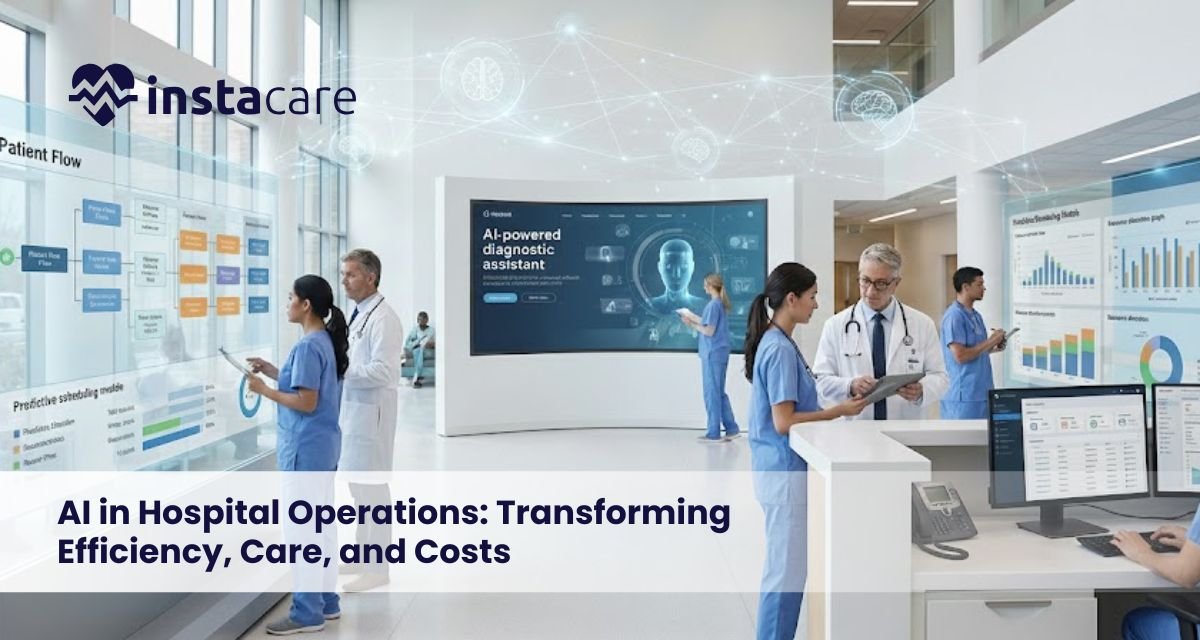
AI in Hospital Operations: Transforming Efficiency, Care, and Costs The current environment in which hospitals operate is highly complicated as it combines the volume of patients, regulatory requirements, shortage of staff, and cost constraints. The conventional models of hospital management cannot scale effectively in such conditions. The adoption of Artificial intelligence in the healthcare sector has been a transformational answer, as hospitals will increase operational effectiveness, clinical results, and regulate the increased spending through automation and intelligence, based on data. What Is AI in Hospital Operations? AI in hospital operations can be defined as the application of superior algorithms, machine learning models, and data analytics in order to optimize the clinical and non-clinical processes in the hospital. In AI in healthcare operations, it uses both structured and unstructured data to identify actionable insights in real-time, using electronic health records, imaging systems, and IoT devices, as well as administrative systems. On the operational level, AI systems act as decision-support engines by improving the planning, prediction, and execution of all hospital departments, allowing them to provide healthcare at a scale and in an intelligible way. Key Areas Where AI Improves Hospital Operations AI has effects on the performance of a hospital at various functional levels and these include: Patient throughput optimization and capacity planning. Scheduling and skillful staffing of the workforce. Computerization of financial operations and billing. Clinical diagnostics and clinical decision support. Supply chain, use of assets. With the help of AI hospital management, organizations will be able to shift to the active and foresight operational control instead of the reactive form. AI in Patient Flow and Resource Optimization When efficiency is poor in terms of patient flow, it causes overcrowding, delays in treatment, and poor use of hospital resources. The AI models can be used to examine the trends of admission, discharge, and the turnaround time of admission diagnoses and availability of staff to streamline inter-departmental flow. Predictive analytics in hospitals allows the prediction of surges, overcrowding of the emergency department, and demand in the ICU. This will enable the administrators to dynamically assign the bed, equipment and staff to enhance throughput without losing quality. Consequently, AI for hospital resource management minimizes waiting durations and idle capacity. AI for Administrative Automation The hospital operating budgets are significantly spent on administrative processes. The automation introduced by AI will deal with the inefficiencies in terms of scheduling, billing, documentation, and processing of claims. Key applications include: Auto-scheduling and reminders of appointment. Smart medical coding and billing validation Clinical documentation Natural language processing. Approval and compliance checks routing. Administrative workloads are decreased through Hospital workflow automation, mistakes are minimized and employees are able to focus on patient activities. Artificial intelligence in healthcare administration helps directly to contain costs and accuracy of compliance. Improving Clinical Decision Support Through AI The sphere of clinical decision-making is becoming more dependent on huge datasets that are beyond the human cognitive limits. AI-powered clinical decision support systems evaluate the history of patients, laboratory values managed through Lab Management Software, imaging outcomes, and clinical guidelines to support physicians in the diagnosis process and planning of treatment. AI for patient care improves the early detection of diseases, diminishes the uncertainty of the diagnosis, and promotes individual treatment courses. Machine learning in healthcare operations not only enhances accuracy in clinical practice but is also operationally efficient when installed in the hospital systems. Benefits of AI in Hospital Operations AI technology implementation provides quantifiable impacts on operations and clinical areas. Key advantages include: Better care coordination and less length of stay. AI-based real-time optimization of the Hospital. Reduced cost of operations through automation and future planning. Less clinician burnout through administrative workloads reduction. Better patient satisfaction and safety results. AI-powered hospital software empowers the performance and resilience of hospital ecosystems by making them data-driven. Book Free Demo Challenges and Limitations Although it has its beneficial aspects, AI implementation in hospitals has significant challenges. Common limitations include: Interoperability limitations and data quality. Complexity of integration with the old hospital systems. Data privacy and regulatory compliance issues. The problem of algorithm bias and model transparency Employee resistance and skills shortage. The absence of strong governance would mean that AI solutions will not be able to enhance operations. Thus, responsible AI in medical administration implementation should include close system validation and constant supervision. Future of AI in Hospital Operations The hospital of the future will trend more on Smart hospital technology, which incorporates AI in the field of clinical layers, operational layers, and infrastructure layers. The modernization of real-time analytics, edge computing, and autonomous systems will allow optimization of its operations at any moment. AI-based hospital optimization will move towards self-learning systems that would make adaptive decisions. AI will assist in predictive maintenance, incorporation of virtual care, and scale population health as part of the larger Digital transformation in hospitals. How Hospitals Can Successfully Implement AI? To effectively implement AI, there must be a plan and gradual process in line with organizational strategy. The major principles of implementation comprise: Creating high-quality data infrastructure that is interoperable. Focusing on use cases that create quantifiable operational impact. Ensuring staff and clinician engagement in deployment. Building AI governance, ethical considerations, and compliance systems. Collaborating with established technology providers and specialists. When applied strategically, AI hospital management will be a long-term service and not an independent technology investment. Conclusion It is no longer an experimental tool but it is an inherent part of contemporary hospital work. Through the incorporation of intelligence into workflows, decision-making, and resource allocation, hospitals will be able to make sustainable gains in Hospital efficiency with AI, quality and financial performance. With the next wave of healthcare systems becoming larger and more complex, AI-based models will characterize the next generation of resilient and patient-centered hospitals. FAQs What does AI do to enhance the efficiency of hospitals? AI enhances productivity by automating operations, streamlining resource allocation, patient demand forecasting, and administrative overload through intelligent data analysis and real-time operational feedback. Is AI safe to be used
Human Resource Management Software: Streamlining Workforce Management for Modern Businesses Human Resource Management Software (HRMS) is now a critical enterprise level technology, which organizations are looking to best automate, optimize and centralize their workforce related functions. Manual HR methods that are used as companies grow lead to inefficiencies like duplication of data, compliance risk, slow approvals, and false insights into the workforce. HRMS solutions address these problems by offering end-to-end digital ecosystems of employee lifecycle functions, real-time analytics, and policy-based automation. Today, companies need a system that can accommodate distributed teams, high volume data processing and compliance with strict regulation. HRMS solutions are able to offer this and at the same time maintain cost-effectiveness, data integrity, and operational efficiency. What Is Human Resource Management Software? An integrated digital platform that provides management of the entire employee lifecycle including recruitment and onboarding, payroll, attendance, and performance analytics. An HRMS is a central human resource system that consolidates data on the employees, automates the processes, and allows HR teams to work more precisely and with less manual intervention. Typical modules of comprehensive HRMS architecture are modules covering personnel management, document management, compliance management, time management, calculation of payroll, and benefits management. There are also cloud-native formations of remote accessibility, multi-location operation, and continuous scaling. Key Features of HRMS An effective HRM software has integrated several levels of functionality to facilitate the operations of the workforce. Key features include: Single-point Employee Information Management The company keeps employee records, contracts, digital documents and organizational structures in a safe database instead of paper methods of storage. Automation of Talent Acquisition and Onboarding of HR Companies automate formalities related to joining, documents submission, role allocation, and induction processes with the help of HR onboarding software, which saves time, and increases compliance accuracy. Biometric Integration and attendance HRMSs tend to incorporate HR attendance management that has time clocks, geofencing of field workers, and automated shift assignments. Payroll Generation and Compliance Since it has inbuilt HR payroll software, monthly payroll calculation encompasses overtime, deductions, insurance, EOS benefits, tax compliance and allowances. Performance Monitoring Structures HR performance management modules are the modules through which organizations monitor KPIs, OKRs, competencies, and appraisal cycles based on analytics and organized evaluation templates. Cloud Infrastructure Contemporary systems are implemented in the form of cloud-based HR software that guarantees their availability, portability, and low scalability. Personnel Management Analytics and Dashboards HRMS systems create real-time attrition, absenteeism, performance, training requirements, and workforce cost projection dashboard like. Benefits of Using HRMS Improved Operational Effectiveness In this way, the HR departments automate repetitive processes in employee management like attendance validation, leave approvals, contract renewals, and payroll by use of employee management software. Minimization of Compliance Risk and Red errors Digitized workflows guarantee that the rules of labor law, policy limits and organizational SLAs are followed in an uninterrupted manner. Data-Driven Decision Making HR software solutions provide embedded analytics that allow leaders to evaluate the performance of the workforce, staffing requirements, trends in overtime, skills gaps, and inefficiency by department. Better Employee Engagement Workforce management software has self-service portals through which employees request leave, upload documents, receive payslips, monitor performance scores and file grievances. Lean Recruitment and Retention The automation saves time to hire, enhances the hiring experience, and offers HR an insight into attrition trends. Growth Business Scaleability Cloud-based architecture will guarantee easy growth to a new location and department without limitations on the infrastructure. Book Your Free Marketing Consultation Choosing the Right HRMS When choosing an HRMS, it is necessary to consider the operational requirement as well as the long-term organizational strategy. Key Criteria: Functional Coverage See to it that the core services like payroll, attendance, performance and onboarding are not third-party add-ons. Integration Capabilities Systems will have to integrate with ERP, financial platforms, access control devices, biometric devices and external identity systems. Adaptability Flexibility Role-based workflows Approval matrices, leave policies, pay structures should be able to be customized to complex organizations. Compliance Alignment The HRMS should facilitate the regional labor laws, the visa renewal process, labor working hours, and insurance policies. Data Security Architecture Find ISO-certified hosting, password encryption, MFA, and role-based access controls. Automation & AI Layer Solutions This provides HR automation tools solutions that would greatly cut down the HR overhead through predictive alerts, automated onboarding and anomaly detection. Implementation Tips for Businesses A successful implementation must have an organized implementation roadmap: Conduct a Process Audit Mapping the existing HR functions to determine manual bottlenecks, redundant processes, and compliance lapses. Data Migration Strategy Clean up and harmony employee data formats and integrity checks completed prior to uploading the HRMS. Configure Custom Workflows Consistent and align the policies of leaves, wage structure, overtime arrangements, and approval lines with the HR governance model of the organization. Integration Phase Integrate the HRMS and the ERP systems, biometric systems, email systems, and document management systems. This is necessary to have a smooth environment for the HR management system. User Training Train HRs, heads, and employees to make sure that the employees know how to use the systems. Pilot Testing Practice soft-launch rollouts to discern the issues with the system, delays in the workflow, and challenges at the user level. Full Deployment & Monitoring Implement organization-wide go-live and observe the system regarding compliance obedience and processes efficiency. Future of HR Management Software HRMS systems will keep on developing with highly automatized systems, analytics and cognitive computers: Anticipatory Workforce Analytics The high-tech models to predict attrition, drops in productivity, and staffing needs will be based on advanced forecasting methods of predictive analytics applied to healthcare but with an HR twist. AI-Driven Recruitment The AI-based engines will filter the resumes, detect skill deficiencies, schedule interviews and rank shortlisted applicants with AI-based healthcare-like reasoning but adapted to the HR. Real-Time Decision Engines The systems in the future will incorporate the enhanced algorithms of real time scheduling, dynamic workload balancing, and the proactive performance interventions. Improved EHR-style Employee Profiles Similarly to the medical systems that have clinical profiles, the HRMS will
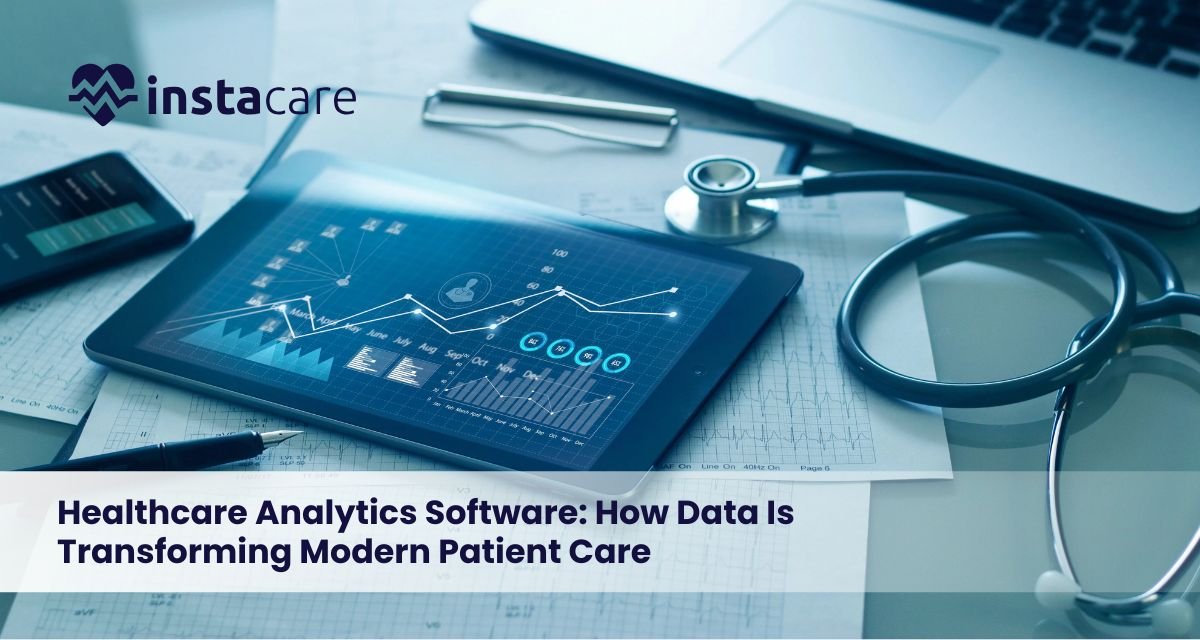
Healthcare Analytics Software: How Data Is Transforming Modern Patient Care In modern healthcare, results depend more on how data is used. Because of this, clinics and hospitals now apply analysis tools to support choices in treatment, cut delays, reduce waste, also lift service quality. These systems give live updates on patient patterns, staff workloads, and equipment needs, while forecasting risks before they grow serious. They turn unorganized information into practical steps for care teams. What Is Healthcare Analytics Software? Healthcare analytics tools gather patient and system information to support better choices. These systems analyze medical records, use forecasts, show reports, plus display insights through interactive screens. Data flows in from EMRs, labs, or wearables, enabling clinics to track treatment progress while spotting dangers early. Providers gain clearer oversight, helping them act ahead of time to improve results. Key capabilities: Data aggregation across multiple sources Display of client data alongside system performance measures Predicting how illnesses develop plus sorting patient risks Linking EMR or EHR platforms to support smooth daily operations Why Healthcare Analytics Matters Today Today’s medical system deals with more patients, widespread long-term illnesses, plus higher running expenses. Using data tools matters greatly because it helps manage these challenges effectively through better insights and planning over time Improving patient results by using data-driven choices instead of assumptions Lowering hospital readmission rates while cutting mistakes in treatment Improving how workers are assigned, alongside better handling of supplies Using shared data to help public health efforts through combined analysis Groups that apply data tools in healthcare see higher satisfaction from patients, fewer workflow issues, also stronger adherence to rules. Key Features of Healthcare Analytics Software Healthcare medical analytics platforms offer a range of specialized features tailored for clinical and operational needs: Live health data tracking: instant updates on vital signs, test outcomes, triggering faster care actions when needed. Healthcare Dashboard Software: healthcare dashboard software tools let users adjust views to show key data, patterns, or patient details, helping leaders and care teams check info fast through tailored layouts that improve clarity and decision speed by organizing inputs clearly. Predictive Analytics for Healthcare: predictive analytics for healthcare uses machine learning to forecast illness trends, estimate needed resources, while also sorting patient risks by likelihood. Population Health Analytics Tools: Population health analytics tools assess community patterns, helping spot vulnerable patients, so clinics can act early. These systems track outcomes while guiding prevention strategies through data use instead of guesswork. AI-Based Healthcare Capabilities: Use AI-based healthcare to spot issues automatically. Or streamline daily operations efficiently. Also assist doctors with smart tools for better choices. EMR/EHR Analytics Integration: EMR/EHR analytics integration combines patient records with lab outcomes through a single analytical platform, also linking imaging details efficiently. Types of Healthcare Analytics Healthcare clinical data analysis falls into four main kinds Descriptive Analytics: gives an overview of past information to notice trends in patient entries, recovery results, or how equipment is used, using insights from earlier records while focusing on practical observations rather than complex theories. Diagnostic analytics: looks into causes of results, like why readmissions are frequent or treatments don’t work well, by examining patterns from past data using logical review methods. Predictive Analytics: Leverages math-based tools to estimate health risks, track illness development, or anticipate workload needs. Prescriptive Analytics: Recommends actionable strategies, including optimized treatment plans, staffing schedules, or resource allocation. Every kind supports different goals, some help hospitals track data, while others improve community well-being. Benefits of Healthcare Analytics Software Implementing robust analytics software provides tangible benefits: Data-Driven Decision Making: Data-driven decision boost clinical choices by using actual patient information to guide actions, through this, accuracy increases while assumptions fade. Operational Efficiency: Streamlined operations improve bed use, staffing plans, or supply tracking, cutting down on excess. Each part works better when linked through clear processes instead of isolated fixes. Enhanced Patient Outcomes: Patient results improve when forecasts and risk checks support timely actions or prevention steps. Regulatory Compliance: Simplifies documentation for HIPAA alongside ICD-10, meeting key healthcare requirements efficiently. Cost Reduction: Pinpoints key expenses, cuts redundant steps, while improving how resources are used. Essential Integrations & Technologies To work best, healthcare hospital analytics solutions tools need to connect with current systems through seamless compatibility. EMR/EHR Systems: EMR or EHR Software are essential; they enable ongoing patient information access. Lab Information Systems (LIS): Lab Information Systems deliver test outcomes, enabling timely medical decisions through immediate data access. Imaging Systems (PACS): Combines radiology info with visual records to support full patient review. IoT & Wearable Devices: IoT and wearable tools track health signs nonstop, sending instant warnings when needed. Business Intelligence & Visualization Tools: Business intelligence tools help create reports for hospital leaders. These systems turn data into clear visuals. They assist decision-makers with up-to-date insights. Information is shared through dashboards tailored to management needs. Good integration allows smooth operations, correct reports, or shared data access. Book Your Free Marketing Consultation Challenges in Implementing Healthcare Analytics Even though the benefits are obvious, hospitals struggle with putting things into practice because of various obstacles. Data Quality & Standardization: Data quality varies between EMRs, lab results, or imaging records, which impacts analysis accuracy. Different formats from sources like clinics plus hospitals create mismatches that slow down processing. Uniform standards help align entries yet gaps remain common in practice. Expense to set up: Requires big initial spending on tools, equipment, or learning. Costs rise due to technology purchase, setup needs, also employee education. Compatibility problems: Challenges linking various platforms between teams or locations, due to mismatched standards. Systems often fail to communicate properly, creating delays, especially when software versions differ widely. Data Privacy & Security: Using secure systems that follow HIPAA rules, access is limited, sharing happens under strict checks, while storage stays protected through monitored protocols. Resistance to Change: Some clinicians resist shifting to data-based methods instead of familiar approaches. To tackle these issues, a careful strategy is needed along with a step-by-step rollout while preparing those involved. Future Trends in Healthcare Analytics The future of
Predictive Analytics in Healthcare: Transforming Patient Care with Data Healthcare is gradually moving into a new phase where medical decisions are becoming more of an active planning process as opposed to a reactionary one. The modern-day hospitals, clinics, and health systems contain colossal quantities of patient data, diagnostics reports and treatment histories to lifestyle trends. With smart healthcare data analysis, such information can be a potent tool that aids in forecasting diseases, the results of treatment, hospitalization, and preventive measures. This technology is called predictive analytics – a technology-based strategy that is revolutionizing patient outcomes, cost reduction, and enhancing efficiency in the operations of healthcare networks. What Is Predictive Analytics in Healthcare? Predictive analytics is the application of statistical modeling, data mining, and artificial intelligence to predict the future health of given the current data. The option is applied in the healthcare setting to discover trends and patterns in patient data to predict medical events as disease progression, response to treatment, readmission likelihood, or emergency risk. The main idea is basic, it is possible to use past and present information to create healthier possibilities in the future Medical prediction models help healthcare organizations to justify decisions, diagnose more accurately, and become less uncertain in medical planning. These systems neither substitute clinicians but empower them with scientifically supported evidence. How Predictive Analytics Works? The predictive analytics system starts by getting a considerable amount of patient data in the form of electronic medical records, diagnostic equipment, wearable health devices, clinical notes, and even genomic data. After collection, the information is cleaned and organized in order to make it true and useful. The data are then analyzed through advanced algorithms to identify the patterns that cannot be seen by the human eye. These algorithms are expected to take into account various factors, including age, lifestyle, previous history, vitals, and lab outcomes, to determine who is possibly at risk of particular health events. The results are presented in dashboards or clinical systems, which allow healthcare personnel to act in time – even prior to the manifestations of symptoms. Major Applications of Predictive Analytics in Healthcare Predictive analytics has become embedded in most spheres of medicine. Here are some key predictive analytics use cases in healthcare: 1. Early Detection of Chronic Diseases Such diseases as diabetes, hypertension and heart diseases are most likely to be forecasted months or even years ahead of complete development. Lifestyle changes and intervention care are more effective when the warning signs are detected early to minimize complications. 2. Prediction of Patient Readmissions Patients are usually readmission cases in hospitals. Predictive analytics can recognize those that have the greatest probability of returning to help doctors with the added monitoring, follow-up, or discharge planning. 3. Treatment Personalization Predictive devices develop personalized treatment regimens by analyzing the reaction of various patients to drugs and treatment. This has a tremendous effect in enhancing success rates and minimizing side effects. 4. Demand Forecasting Resource Management Forecast models enable healthcare systems to plan how they staff, availability of ICU, medicine stock in the system, and equipment placement with more precision, resulting in increased operational efficiency. 5. Public and Population Health Planning Predictive analytics provides an important contribution to the management of outbreaks, seasonal behavior, and health policy at the community level. All these are potent predictive analytics applications in healthcare, where information and technology drive more intelligent decisions. Book Your Free Marketing Consultation Benefits of Predictive Analytics in Healthcare The benefits of predictive healthcare are far reaching and ever-widening. Some core benefits include: Less hospitalization due to timely intervention. Quickly identified and precise clinical decisions. Improved patient satisfaction and care quality. Reduced spending on healthcare and efficient use of resources. Guaranteeing organization of future disease trends. Individualized therapy and response to drugs. Powerful evidence-based treatment of doctors and experts. All of these strengths reflect the increasing worth of predictive analytics benefits in healthcare, which is a change that can improve patient health and medical outcomes. Key Technologies Behind Predictive Analytics Predictive healthcare is driven by a number of digital solutions that are important in interpreting and forecasting data. These include: Neural networks and artificial intelligence. Pattern recognition software and data mining. EHRS integration systems. Real-time tracking and wearable data gathering. Clinician visualization dashboards. Cloud storage of data security. Automation and machine-guided processing assist healthcare teams in large datasets analysis in a short amount of time and to a high degree of accuracy. Such methods as healthcare predictive modeling, machine learning in healthcare, and big data analytics in healthcare collaborate and provide profound understanding of patient trends. Challenges and Limitations In spite of its impressive growth, predictive analytics has such difficulties as: Data Privacy & Security Concerns The data about patients is very confidential. There must be good cybersecurity and regulatory compliance. Technical Complexity Medical institutions do not necessarily have sophisticated digital infrastructure and qualified staff. Model Accuracy & Bias Algorithms also demand constant optimisation so that they would be precise, equitable, and impartial in a broad population. Integration Issues Linking various data resources, old systems, and clinical processes can be time and resources-consuming. Despite the challenges, adoption is still on the rise worldwide as hospitals appreciate the importance of using ai for medical prediction, clinical decision-making through predictive analytics for hospitals, as well as accurate healthcare forecasting models. Future of Predictive Analytics in Healthcare In the coming ten years, predictive analytics is going to be a fundamental support of modern medicine. The systems will evolve out of mere risk predictions into full automated decision support eliminating human error and increasing the speed of diagnosis. Hospitals across the globe will be dependent on cloud-based monitoring systems, wearable devices, and automated warning systems. There will be easier remote management of patients particularly in chronic cases. Early disease detection using analytics will lower the number of mortalities, and hospital predictive analytics will optimise workflow, ambulance routes, the availability of ICUs, and resource allocation. At a