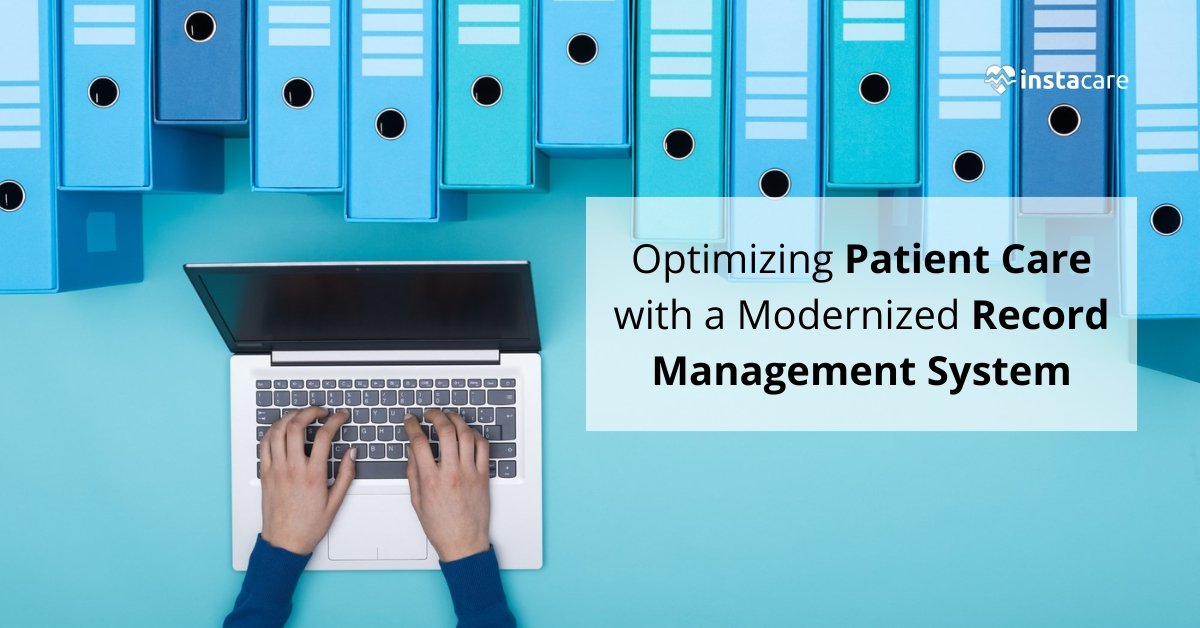
Optimizing Patient Care with a Modernized Record Management System As a doctor in this day and age, you understand how vital it is to manage patient records effectively. From tracking basic information securely to generating data that can be used for analytics, record management is an essential part of providing quality care. A modernized record management system such as Electronic Health Records (EHR) offers powerful tools to help support clinical workflow while protecting patient privacy. In this blog post, we’ll explore the importance of finding an effective solution for managing all types of health records and discuss some tips that can help streamline processes when utilized properly in any men’s or women’s healthcare facility. An Overview of Modernized Record Management Systems and Their Benefits Managing patient records in the healthcare industry can be an overwhelming task. However, with the advent of modernized record management systems, it has become easier to keep track of medical records, test results, and treatment plans. These patient record management systems have revolutionized the way healthcare providers store and manage patient information, improving the quality of care they offer. With these systems, physicians can access medical records remotely on any device, allowing for more efficient and effective patient care. The benefits of these record management systems extend beyond the medical field, as they can be utilized in any industry that requires the management of records. They enhance data security, reduce errors and eliminate paper-based records, ensuring that businesses remain compliant with regulations and promote sustainability. Adopting modernized record management systems is a step towards streamlining business operations and ensuring better outcomes for all involved. Understanding How a Modernized Record Management System Works As the healthcare industry becomes increasingly reliant on technology, it is important for healthcare providers to understand how modernized patient record management systems work. These systems help healthcare professionals keep track of patient information, including medical history, test results, and medication lists, in an electronic format that can be easily accessed and updated. Unlike traditional record management systems, which rely on paper files and can be difficult to navigate, modernized systems are designed to be user-friendly and efficient. They use a variety of tools, such as data visualization and automation, to make managing patient records more effective and streamlined. By taking the time to learn about these systems, healthcare providers can improve the quality of care they provide to their patients and enhance their overall experience. Book Free Demo Streamlining the Authentication Process with Automated Login Protocols Ensuring the security of patient records is crucial for healthcare providers, and this is where automated login protocols come in handy. With the increasing use of electronic patient record management systems, there has been a growing need to streamline the authentication process for authorized users. This is achieved through automated login protocols that verify the identity of healthcare providers and grant access to record management systems. This not only saves time but also reduces the risk of errors and fraud, making it an efficient and reliable solution to manage sensitive patient data. With the help of these protocols, healthcare providers can focus on delivering quality care while maintaining the confidentiality of their patients’ information. Improving Communication between Clinicians and Patients with Electronic Charts Electronic patient record management systems have revolutionized the way healthcare providers communicate with their patients. The use of record management systems makes it easier for clinicians to access patients’ medical histories and provide more personalized care. These systems can improve communication with patients by enabling providers to store and share important information instantly. Features like secure messaging and telehealth services allow patients to communicate with their healthcare providers in real-time, enhancing care coordination and patient satisfaction. Additionally, these systems can help clinicians identify trends, identify areas for improvement, and make more informed decisions. With electronic charting, patients receive better and more efficient care, allowing healthcare providers to allocate more time towards treating their patients. Enhancing Patient Care with Automated Logging and Reporting of Lab Results With advancements in technology, patient care has been revolutionized in healthcare. One particular aspect that has benefited is the way patient record management systems have been automated. This has greatly enhanced patient care by allowing for seamless logging and reporting of lab results. Through record management systems, healthcare providers can now track relevant data and utilize that information to make informed decisions about patient care. By using this technology, the right medication and treatments can be administered at the right time, leading to better outcomes. This innovative technology has changed the way healthcare providers deliver care and it’s clear that it has a positive impact on patient outcomes. The Impact of Improved Record Management on Healthcare Quality, Cost, and Efficiency The impact of improved record management on healthcare quality, cost, and efficiency cannot be overstated. Patient record management systems have revolutionized the way healthcare is delivered, enabling healthcare providers to keep accurate, up-to-date records on each patient in a secure and easily accessible manner. With record management systems, healthcare providers can quickly and easily retrieve patient information, reducing wait times for patients and streamlining workflow for healthcare professionals. Improved record management also reduces the risk of medical errors, as healthcare providers can easily identify any potential issues or inconsistencies in patient information. This ultimately leads to improved healthcare quality, reduced costs, and greater efficiency in healthcare delivery. Conclusion In conclusion, modernizing patient record management through the use of advanced technology can increase quality of care and reduce inefficiency. By streamlining the data management processes, medical professionals can spend less time managing records and more time on providing the best possible care for their patients. This will lead to reduced wait times; timely access to treatment plans, prescriptions and health history; improved accuracy of diagnoses; custom treatment plans tailored to each patient’s individual needs. And better overall patient outcomes. Although adopting new systems can be expensive upfront, the long-term cost savings associated with improved patient care far outweigh the costs associated with outdated record keeping systems. Ultimately, investing in
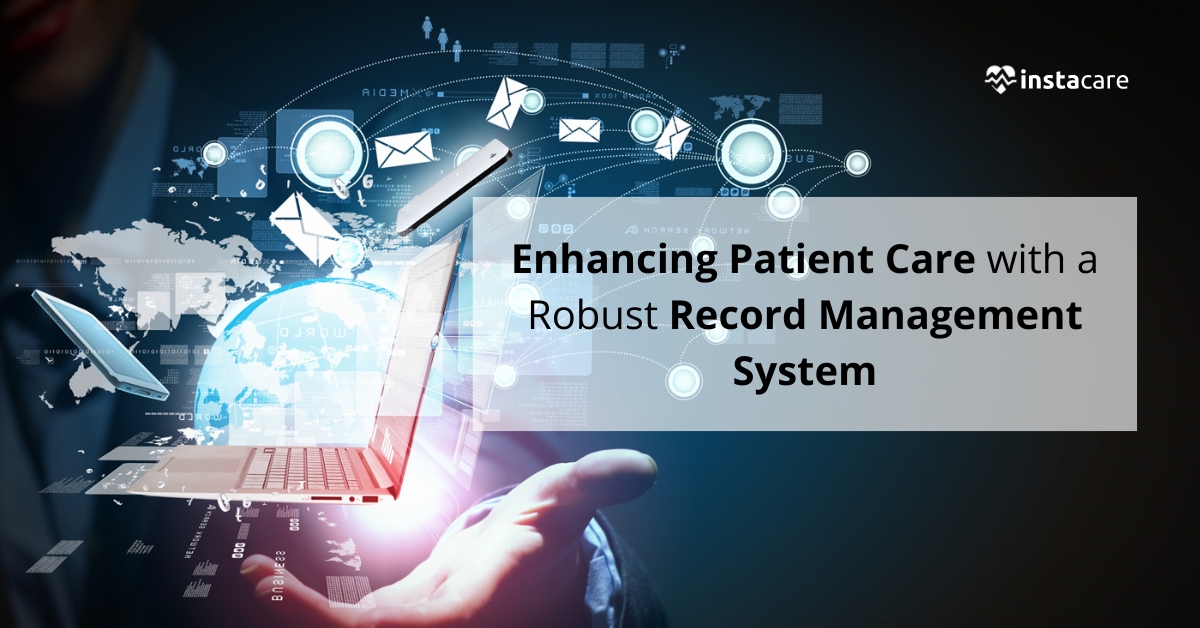
Enhancing Patient Care with a Robust Record Management System Maintaining a robust patient record management system is essential for providing quality health care. A reliable and efficient document storage, retrieval, and access process allows doctors to improve their diagnosis accuracy while also boosting overall patient outcomes. With effective record management solutions also come increased security measures that protect sensitive medical information from unauthorized access or manipulation. From secure storage of HIPAA-compliant documents to quick accessibility of records at the point-of-care, implementing an advanced record management system can greatly enhance your clinical workflow – ensuring better patient satisfaction levels with improved safety and privacy standards. Why a Record Management System is Necessary for Optimal Patient Care In the fast-paced world of healthcare, a comprehensive and efficient patient record management system is crucial for healthcare providers seeking to deliver optimal patient care. The use of record management systems allows medical professionals to efficiently store and organize patient health records, resulting in more accurate diagnoses, improved treatment planning, and enhanced patient safety. With an effective record management system, healthcare providers have access to the most up-to-date patient information, enabling them to make informed decisions regarding patient care. By implementing patient record management systems, healthcare providers can streamline their operations, reduce errors, and ultimately improve the overall quality of care that patients receive. Benefits of Implementing a Robust Record Management System A robust record management system can provide numerous benefits to organizations, especially when it comes to patient record management systems. The implementation of such systems can lead to increased efficiency and accuracy in record-keeping, which translates into improved patient care. Having well-organized and easily accessible records allows healthcare professionals to quickly access the information they need, enabling them to make informed decisions about patient treatment. In addition, record management systems can help prevent data breaches and ensure compliance with relevant regulations. Overall, investing in a robust record management system can streamline operations and enhance patient care, making it a smart choice for any healthcare organization. How to Ensure Accurate Documentation with a RMS In the medical field, accurate and detailed documentation is crucial for ensuring the best possible care for patients. That’s where patient record management systems come into play. These record management systems allow for easy and organized storage of patient information, including medical histories, medications, and past procedures. With the use of these systems, healthcare providers can access patient information quickly and efficiently, leading to improved decision-making and overall patient care. However, it’s important to understand how to properly use these systems to ensure accuracy and completeness of documentation. Through proper training and continued education, healthcare providers can ensure that patient record management systems are effectively utilized and updated, resulting in a higher level of care for all patients. How to Leverage Your RMS for Improved Quality and Efficiency Managing medical records efficiently is crucial for healthcare providers to deliver quality care. Patient record management systems (RMS) offer healthcare organizations a reliable way of tracking patient information from registration to discharge. However, most healthcare providers underutilize these systems, which results in wasted time and resources. By leveraging your RMS, you can reap significant benefits in terms of improved quality and efficiency. For instance, utilizing an RMS for patient scheduling can optimize appointment times and alleviate patient wait times. Additionally, utilizing the RMS to store patient health history can provide a comprehensive view of patient health status, which can assist healthcare providers in developing personalized care plans. Overall, maximizing the use of your RMS can be an efficient and cost-effective way of improving your healthcare organization’s performance. View More: How To Build A Powerful Clinic Brand? Best Practices for Implementing a Robust Record Management System In order to maintain efficiency, accuracy, and compliance in medical practice, it is imperative that healthcare providers establish a robust patient record management system. A record management system organizes patient data in a way that is easily accessible and secure, while also minimizing the risk of information breaches or loss. This can be achieved through implementing best practices such as regular data backups, training staff on proper use and security measures, and establishing clear protocols for record access and disposal. By prioritizing the establishment and maintenance of a strong record management system, healthcare providers can optimize patient care while reducing risk and enhancing overall operational efficiency. Tips for Maintaining an Effective RMS Patient record management systems are crucial for the efficient operation of healthcare facilities. These record management systems enable healthcare institutions to keep a record of patient data, which can be used to track patient progress, generate reports, and facilitate communication between healthcare providers. However, keeping an effective record management system can be challenging. It requires continuous efforts to keep the system up-to-date and functional. To maintain an effective RMST, it is essential to keep records secure, update patient records regularly, train staff on the system’s use, and conduct regular audits of the system. By incorporating these tips into daily operations, healthcare providers can ensure that their patients’ records are always accurate, secure, and easily retrievable. Conclusion We have seen from this blog post the many benefits of a robust record management system for enhancing patient care. It provides medical staff with a streamlined view of patient records and a simple way to access and store them quickly. It also allows them to access more information faster, more accurately diagnose conditions, enable clinicians to make informed decisions quicker, reduce administrative burden on healthcare teams and keep track of quality metrics. All these advantages ultimately lead to improved patient outcomes. The right record management platform can revolutionize patient care, so look out for software that meets all the criteria above when selecting one. With challenges such as cost constraints and privacy regulations, there are numerous considerations to be made – but with the right system in place you can be sure that your facility will always provide the highest standard of care possible.

Improving Patient Outcomes with an Efficient Record Management System As doctors, we know that managing a patient’s medical records is essential to improving outcomes. It’s a difficult challenge due to the sheer amount of information patients may have in their records and the difficulty of finding critical data quickly. Fortunately, an efficient record management system can help make this task easier while increasing accuracy and the potential for better patient care. In this blog post, we’ll discuss how you can use technology to improve patient outcomes with faster access to important health data. We’ll also explore how your team can work together more effectively when everyone has access to up-to-date patient history information and understands what procedures need to be taken at any given time. Introducing an Efficient Record Management System for Improved Patient Outcomes Managing patient records is an essential aspect of healthcare delivery. The effective implementation of patient record management systems can significantly improve patient outcomes, streamline medical processes, and enhance communication between healthcare professionals. In recent years, there has been increasing recognition of the importance of record management systems in healthcare. The use of electronic patient record management systems, for instance, has proven to be an efficient way of managing patient records within healthcare facilities. The system has revolutionized the way healthcare providers store and retrieve information, enabling them to access patient records instantly from any location. The benefits of electronic record management systems are limitless, and their use is certain to continue to grow in importance as healthcare facilities look to improve patient outcomes. Examining the Benefits of a Comprehensive System for Medical Records In today’s fast-paced world, managing a patient’s medical records can prove to be a daunting task. With advancements in technology, patient record management systems have become an indispensable tool for healthcare providers. These record management systems offer a comprehensive approach to patient healthcare by keeping all relevant medical information in one place. By utilizing a record management system, healthcare providers can improve patient safety, reduce human error, create efficient workflows, and ultimately save time and money. From a patient’s perspective, they have access to their medical information at any time and from anywhere, increasing their involvement in their own healthcare. In summary, it’s clear that a comprehensive system for medical records is essential in providing quality healthcare services. Discovering How to Streamline Data Collection Processes Data collection processes are critical in various fields, ranging from healthcare to education, customer service, and more. The medical sector, for instance, relies heavily on patient record management systems to keep track of the medical history of individuals. For this reason, healthcare providers are continually seeking ways to streamline the data collection process effectively. One way of achieving this is through the use of record management systems that capture, store, and retrieve data promptly and accurately. These systems eliminate the need for manual data entry that can be time-consuming and prone to errors. Consequently, healthcare providers can allocate more time to attending to patients, leading to improved healthcare outcomes. Improving Patient Well-Being with Automated Data Archiving As healthcare technology continues to advance, so does the need for efficient patient record management systems. Electronic health records (EHRs) have already replaced traditional paper records in many healthcare settings, but now we’re seeing a shift towards automated data archiving. This means that patient data is being automatically archived and organized, making it easier for doctors and nurses to access critical information quickly and seamlessly. With the implementation of such record management systems, healthcare professionals can focus their time and energy on delivering quality care and ensuring the well-being of their patients. By improving the quality and accessibility of patient data, we can create a more efficient and effective healthcare system for all. Book Free Demo Analyzing Options for Different Types of Records Storage Solutions In today’s digital age, record management is of utmost importance for companies and organizations. Especially in the healthcare industry, where patient record management systems are crucial for maintaining accurate and confidential patient records. When it comes to different types of records storage solutions, there are numerous options to choose from. Companies can opt for cloud-based record management systems, off-site storage facilities, or even physical file cabinets. It is essential to analyze and determine which approach works best for your business based on cost, accessibility, security, and efficiency. By carefully weighing these factors, you can find a solution that best fits your needs and ensures that your records are kept safe and organized. Exploring the Cost Savings from Implementing a Digital Record System The world is rapidly moving towards digitization, and the healthcare industry is no exception. By implementing patient record management systems, healthcare providers can save significantly on costs. Digital record management systems have numerous advantages over traditional paper-based ones, including decreased printing costs, reduced paper usage, and simpler record keeping. These systems also allow for multiple users to access a patient’s records simultaneously, which enhances collaboration amongst healthcare providers. Moreover, digital records are easier to access, as they are searchable, making it possible to quickly locate a patient’s records without having to sift through numerous paper documents. By transitioning to digital record management systems, healthcare providers are not only saving costs, but also improving the efficiency of healthcare delivery. Conclusion It is clear that implementing an efficient record management system improves patient outcomes. This can be seen through the ability to give providers better quality information and data which enables them to make more accurate decisions, as well as streamlining processes such as billing and scheduling. Furthermore, it helps reduce costs associated with maintaining records while allowing private information to remain secure. Lastly, the accessibility and convenience of record management systems allow healthcare professionals to provide a higher level of service without adding any additional time or effort into their day-to-day roles. It is apparent that utilizing an efficient record management system can have a significant impact on overall patient care and outcomes.
Is Patient Record Management Worth Using? One of the essential tasks during clinical practice is proper record keeping. You must have a detailed record of your patients when they visit your place. Managing records is a problematic task, but it can be made easier by using a patient record management system. This software helps you in storing essential information and the history of your patients. It is a part of the healthcare operation and is responsible for the whole life cycle of record keeping. The life cycle of record-keeping includes: Create/ recieve Use/ modify Maintenance/ protection Disposal/ destruction Archive/ preserve The answer to the question, that is patient record management is worth using is for efficient and reliable health care practice, a patient record system is necessary. A few benefits of the patient management system is as follows: Benefits of patient record management Fewer errors Imagine if you have placed two people’s files, having the same name together. There is a huge chance of mixing those files, hence resulting in a big medical blunder. If you would save the patient’s record in a patient record management software, you would assign a separate medical record number to each patient. No matter if they have the same names, the medical record number is unique for each person. Assigning a medical record number helps in reducing errors and lets the processes move smoothly. Errors in clinical practice can lead to fatalities, therefore it is important to recheck before doing anything during clinical practice. Easy access and time-saving How if a patient has visited your hospital four or five years back, and you have to take out their file from the stock of files. It would take a long time and a lot of effort to reach their medical records. While if you store their information in a patient record management system, you can access their record in minutes. Moreover, it will help save your time and energy. Furthermore, it saves the healthcare provider’s time as well. Since everyone can access the patient’s data with a single click, they do not need to wait for the file. They can evaluate and read the patient’s detail in a very short time. Also, they do not need to send someone in person to bring the file from a different department. Cost-saving You can save money by using electronic patient record management. You would be needing fewer types of equipment, papers, stationery, photocopies, fax, and printing. Since all these things cost money, you can save that amount by shifting your record to electronic management of data. Also, you would be needing a staff who would retrieve the file from the pile and bring it to you. If you would be using a patient record management system, you would not need that as well. Therefore, you can save the amount you would invest in hiring someone. Moreover, you would not need to devote a place for the storage of files, everything will be stored electronically, safely, and securely. You can utilize that space for some better purposes rather than record-keeping. Easy billing Electronic patient record management makes it much easier to check out for patients from the hospital. People do not need to wait for long hours for bill generation and payment. When everything is stored in an electronic system, a bill can be made with a single click. Otherwise, manual billing takes a lot of time and effort. Commonly, people have to wait many hours before getting discharged from hospitals because manual billing creates a lot of hassle and is time taking. Progress monitoring Through patient record management software, the patients can enter and update their day to day progress by themselves. In this way, healthcare providers can also get an insight into the patient’s progress. Moreover, they can also update the prescription and add notes that are vital for the patient’s health. A proper record is stored that helps in the future in making the diagnosis, ruling out causes of illness, prescribing medicines, etc. Conclusion Finally, patient record management software is worthy and a must-have tool nowadays. It keeps a complete detailed record of the patient’s history that is so important in clinical practice. Electronic medical record software has revolutionized clinical practice. Keeping records was never this easy and fast before its evolution. Now the healthcare providers can access their patient’s information from anywhere, anytime. Additionally, the patient can also access their records and make changes as they feel. In this way, the patient and the healthcare professionals keep connected with each other. The doctor can virtually monitor their patients and the patients feel satisfied and comfortable in being in touch with their consultant. InstaCare is providing a low cost and easy to use patient record management system. You should consider using it for making record keeping easier, faster, and hassle-free in your clinic or hospital. For more information, please contact InstaCare.