

The Future of Telemedicine in Pakistan: Integrating EHR Systems Telemedicine is dramatically changing the face of healthcare in Pakistan, which is bringing innovations to the long-standing problems with regard to access to medical care and patient care. Bright days lie ahead to improve the healthcare delivery of the entire nation as far as telemedicine is concerned with the integration of EHR systems. This paper will discuss the potential benefits, challenges, and implications of integrating EHR systems into the telemedicine services provided in Pakistan. Understanding Telemedicine Telemedicine is an ability or activity of providing healthcare assistance via information exchange with the use of telecommunications and it enables the opportunity for the patients to speak to health care everyone without getting to the actual healthcare center physically. The method is really useful, especially in a country like in Pakistan where geographical, physical and economical barriers have worked as hindrances to seek health care service. Need for Telemedicine in Pakistan The population of Pakistan is over 240 million, and a vast majority of those people live in rural or avalanche areas that have little to no access to healthcare. The major health challenges in the country are as follows: Healthcare professionals: There is a shortage of qualified healthcare providers, especially in rural areas. Infrastructure: Most of the health facilities are under-resourced and lack essential medical equipment. Geographical: Patients have to travel long distances to receive healthcare, and thus medical treatment will experience delays. Economic: Healthcare is expensive to most families, and hence important treatment will experience delays in accessing them. Telemedicine reduces burdens shown above, and patient care along with the health outcome of patients decreases the cost incurred in healthcare. Role of EHR Systems EHR stands for Electronic Health Records. EHR is the electronic version of a patient’s paper charts. From EHR, all details of the patient’s history, diagnosis, medicines, treatment plan, immunization dates, allergies, radiology images, and lab test results can be obtained. The quality of care toward the patient will increase drastically with the use of EHR in telemedicine platforms. Improved Patient Care with EHR As part of telemedicine, health providers can view comprehensive patient records during virtual consultations. This way, providers can make informed decisions and tailor treatments and patient progress over time. For example, if a patient has a history of chronic illness, the provider can review previous treatments applied to the patient and change the care plan accordingly. Eases easy data sharing among care providers. That is, the data can be shared easily between the care providers such that all the members of the patient’s care team access the same information. This is very vital since more than one specialist may be involved in a given patient’s care. Sharing of the information related to the patients will ease, for example referring will be easy and coordinated well for a specialist and a given primary care physician. EHR systems can automatically process most administrative tasks, such as scheduling appointments, billing, and prescription refills. It can free much of the burden of healthcare staff and allow them to spend more time with patients than on paper. Automated reminders of follow-up appointments or medication adherence can also improve compliance. With the collection and analysis of health data from EHR systems, track trends and patterns in connection to public health matters hence, it would ensure there is a data-based approach towards funding during an outbreak or more control during funding for diseases. For instance, infection cases caused by COVID-19 may traceable by following up from the cases information that have been captured in EHR. More Patient Involvement Patients are also enabled to have direct access to their health information using the patient portals that usually link the EHR system. Through the access, they tend to be proactive and, therefore, be more self-dependent in health management so that they are able to enhance their health outcomes. The portals offer patients to view test results, set appointments, and communicate with providers. Difficulties of Integrating EHR Despite all the benefits mentioned above, integrating EHR systems into telemedicine in Pakistan has the following challenges: 1- Infrastructure Limitations There is a lack of proper internet connectivity and infrastructure in many places of Pakistan. High-speed reliable internet, very important for proper telemedicine services, may not reach them. Issues related to infrastructures have to be addressed in order to promote telemedicine and EHR systems extensively. 2- Regulatory Framework EHRs and telemedicine require strict regulations to determine how they would be used, including issues of patients’ privacy and safety of information that would fall in line with compliance with regulations set by health laws. Well-defined policies, standards, and guidelines that explain the way in which Pakistan shall approach these systems do not exist now. 3- Training and Adoption Education of the healthcare provider on proper use of EHR systems and telemedicine platforms is paramount. Resistance to change as well as unfamiliarity with technology can delay the adoption of these systems. Thus, continuous education and training are necessary to enable a healthcare provider to take up these tools. 4- Constraints of Finance Overall, the deployment of EHR systems and telemedicine platforms may be highly capital-intensive. Most healthcare facilities are capable of affording the relevant technology and infrastructure upgrades-once again, especially in rural regions. This may require funding by government or private sectors. Book Free Demo Telemedicine and EHR Integration in Future With the advancement of telemedicine in Pakistan, EHR systems integration will significantly contribute to the country’s future healthcare delivery landscape. A number of initiatives and trends have shown positive momentum for telemedicine and EHR integration: 1- Government Initiatives The Pakistani government realized the importance of digital health services and thus started providing their support by having policies for telemedicine. This National Health Information System will allow management and integration of health services through an advanced central data base system in the health sector. 2- Public-Private Partnership Engagement Private investment in telemedicine and EHR solutions is on the rise. Startups and tech companies are innovating new platforms to meet
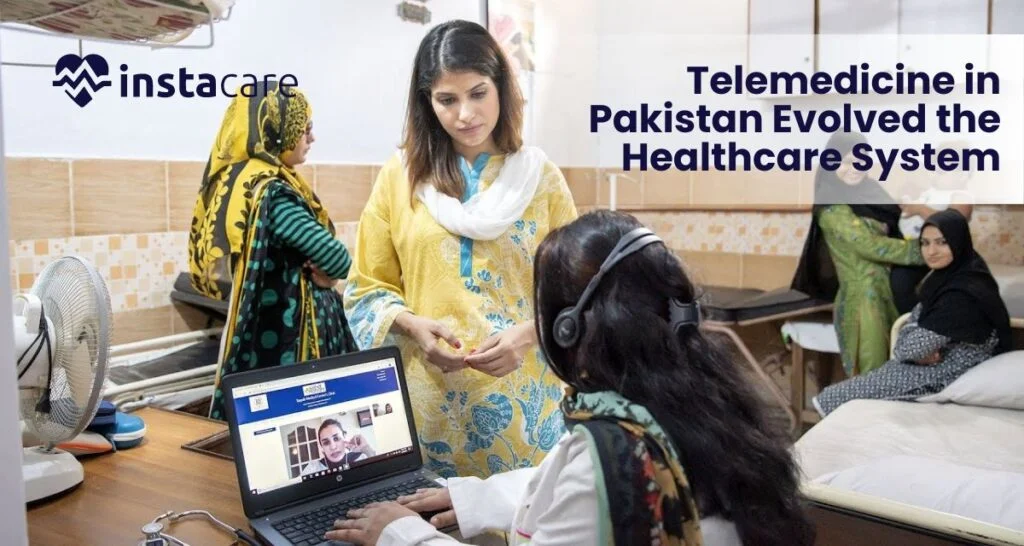
How Telemedicine in Pakistan Evolved the Healthcare System The distribution of health care as well as doctors in Pakistan has been a challenge for a long while, unfortunately widening the gap between rural and urban areas with limited resources. However, within the early 2000s, the country was pushed by the unquestioned force of technology to face the fact that technology can be utilized to address the gaps. And this is when the actual format of Telemedicine in Pakistan starts to come into existence.. At the beginning the main undertaking was the PTA Telemedicine Program that took place in 2005. for instance, it used ICTs to raise the standard of healthcare services; this involved making the services not only adequate but also affordable for everyone including the poor. A Pandemic-Driven Acceleration The COVID-19 pandemic actually become the biggest supporter for the rapid development of telemedicine in Pakistan. Along with the rest of the world, which was coping with the crises in healthcare, the urgency of leveraging telemedicine in the country was at the forefront. On the one hand, stayed-at-home orders, social distancing measures including the increase of telemedicine usage whereby patients were seeking healthcare services remotely without going to see healthcare facilities in person. In response to this up rise in demand, the government and regulations authorities have taken very beneficial steps in Pakistan to build a supportive environment for telemedicine. Improving Digital Infrastructure Observing that when it comes to the spread of telemedicine, having strong enough internet connections and stable telecommunication networks is one of the most vital factors, the government therefore made some efforts to improve the fundamental internet infrastructure as well as the telecom networks across the country. In 2018, the organization rolled out the Broadband for Sustainable Development (BSD) program that sought to broaden the internet network’s reach especially in rural and the underprivileged areas, which in turn would boost the number of people who can seek telemedicine services. Book Free Demo Increased Accessibility and Reach of Healthcare One of the remotely provided telemedicine’s greatest positive sides is a wide range of by an expert’s appointment. In the past, people, who lived in remote areas, had to travel far to visit a specialist of consultant. These patients can now consult with a medical expert in urban centers, thanks to the internet and video calling. This has not only diminish the congestion on major cities health sector infrastructure but also allowed patient’s to have their treatment needs attended in a timely manner by qualified experts , irrespective of their location. Addressing the Shortage of Healthcare Professionals Telemedicine, experts today have eradicated the burdens of workforce shortage to some extent in Pakistan. Through the facilitation of Tel-health, the country has now experienced an expansion in utilization of both domestic and foreign professionals’ fields, thus enhancing the available healthcare resources. Chronic Disease Management and Remote Monitoring Apart from that, telemedicine has been proven to be an effective instrument through which patients suffering with chronic illnesses are managed and remote patient monitoring is facilitated. The people living with health complications, such as diabetes, blood pressure problems, heart conditions, can now be monitored, receive guidance, and have their medication managed through only a visual contact, thus the need for countless hospital trips. Medical Lead to Better Patient Engagement and Empowerment Telemedicine in Pakistan has bought about health promotion and the participation of patients in the healthcare process. The doors to patient-centered care have been flung wide open. Now, patients no longer take a passive, back seat role in their healthcare, but instead become directly involved thanks to access to their medical records, communication with healthcare providers, and monitoring of health parameters via telemedicine platforms and mobile apps. It has increased the patients’ engagement in their own care which has resulted in better adherence to their drug regimens, better self-management of chronic illnesses and more informed healthcare choices among patients regarding their own health. Preventive Healthcare And Early Disease Detection While telemedicine has been present only a short period of time it has delivered not only the improved health care services to people but also promoted the preventive healthcare and the early disease detection as another means of doing this. By means of tele-consultations and digital health monitoring tools, health providers are now able to establish contact with their patients on a more frequent basis, to carry out timely preventive care and routine monitoring which may uncover underlying problems or complications. Overcoming Challenges The evolution of telemedicine in Pakistan has not been an easy walk; quite conversely, challenges have been (and consistently, are) the order of the day. Features like reduced digital literacy, higher prices for telemedicine devices, and the internet services, and the conservativeness of some healthcare professionals in accepting popular technology adoption strategies have persisted. To deal with this issue, the relevant bodies at the helm, and most notably the government and stakeholders in the healthcare field, have been looking for ways to develop the initiatives. Digital literacy and skills training sessions are being conducted among both healthcare workers and patients to empower them in their telemedicine usage and services. The government support has also been extended to subsidize and incentivize the technological tools for the provision of virtual care in the underserved and rural areas. This plan is going to be made up of programs to offer low-income homes internet subsidy and medical devices at discounted prices as well as training programs to uplift healthcare professionals in the use of telemedicine. The Future of Telemedicine in Pakistan Aiming at the future, telemedicine in Pakistan is bound to be an integral aspect as Pakistan shifts through the different stages in the rapid changing trends of health care. On the one hand, technology still continues to change in our modern life and to be integrated with such systems as artificial intelligence and machine learning to be applied to healthcare. On the other hand, healthcare professionals and treatment seekers become more and more ready to use this form of communication. Telemedicine in
Why Should You Put Trust On Remote Medical Consultation An ever-increasing number of individuals are turning to remote medical consultations for their medical care worries in today’s busy world. Patients can talk with specialists and medical consultants during these meetings — also called telemedicine or telehealth — without visiting a clinic or specialist’s office. What makes distant clinical meetings reliable? First, they are convenient. You can discuss with a medical consultation from the comfort of your home, removing the need to head to a facility and stand by in a pressed sitting area. Besides the fact that far-off meetings set aside cash, it also saves time and effort. To go to the doctor, you don’t have to worry about paying for transportation or missing work. Furthermore, you’re less inclined to contract illnesses or be presented to microbes from different patients since you’re not genuinely visiting a clinic. These discussions are protected and private also. You don’t need to be anxious about the possibility that somebody could hear you discuss your medical problems. Also, the technology used for online consultations is improving, so you can be sure you’re getting high-quality care. Sense Of Accessibility by Remote Medical Consultation Remote medical consultations are dependable since they’re easy to utilize and helpful. Patients can get healthcare services from any area with a web network or from the comfort of their own homes. The people who experience difficulty moving about or live in far-off places with little admittance to customary medical services offices will view this as being of specific use. Moreover, experts from different areas can be counseled from a distance. By removing the burden of movement, patients might talk with trained professionals, eliminating holding up times and working on clinical results. Patients and doctors alike benefit from the time savings provided by remote consultations. Arrangements can be made more helpful when there’s a compelling reason to go to a clinical organization, which limits holding up times and disrupts regular timetables. Considering everything, many individuals seeking healthcare services trust remote medical consultations due to their openness, accessibility of trained professionals, and efficiency. Book Free Demo Increased Patient Comfort and Privacy Protection and secrecy are vital in medical services, and remote medical consultations treat this seriously. When you have a distant arrangement, you can discuss individual stuff from your home. This implies you don’t need to stress over others’ hearing, which can cause you to feel more great and secure. Since you’re in a recognizable climate, you could find opening up to your healthcare providers more straightforward. This trust and transparency can prompt better correspondence and eventually improved results for your well-being. You are likelier to tell the truth about your health when you believe your privacy is respected. What’s more, that trustworthiness assists your PCP with giving you the most ideal consideration. In this way, remote medical consultations can be an extraordinary choice if you’re worried about security and privacy. They let you get your desired consideration without forfeiting your solace or security. Continuity of Care Remote medical consultations guarantee coherence of care by encouraging consistent correspondence among patients and medical services suppliers. Follow-up arrangements, medicine from the board, and observation of ongoing circumstances can be directed in every way from a distance, guaranteeing that patients get reliable and complete consideration. Through remote medical consultations, healthcare providers can keep tabs on patients’ development and make fundamental changes in their therapy plans, prompting further developed well-being results and patient fulfillment. Ease Of Monitoring and Follow-Ups Through remote medical consultation, healthcare professionals can monitor their patient’s health status and carry out follow-ups without visiting them in person. This is particularly useful for patients with constant circumstances or those recuperating from a medical procedure who need customary check-ups and changes in their therapy plans. With remote checking, medical care experts can remotely evaluate essential signs, drug adherence, and side effects, taking into account early mediation and customized care for the executives. Patients can get convenient criticism and backing from their healthcare providers, advancing better well-being results and improving, generally speaking, personal satisfaction. View More: Streamline Your Medical Billing with Medical Billing Software Elevated Quality of Service Contrary to common misconceptions, remote medical consultation provides high-quality healthcare services comparable to in-person consultations. Healthcare service providers make particular preparations to convey compelling remote consideration, guaranteeing that patients get precise conclusions, customized therapy designs, and humane help. Through telemedicine stages, patients can get to various medical services administrations, incorporating discussions with trained professionals, demonstrative tests, and drug executives, all from the solace of their own homes. This customized way of dealing with care advances patient fulfillment and commitment while further developing well-being results and diminishing medical services costs. Aspect Of Flexibility in Scheduling Remote medical consultations allow patients to plan arrangements whenever the timing is ideal. Unlike conventional in-person visits, distant discussions permit people to book arrangements without the limitations of available time or driving time. This adaptability is worthwhile for those with occupied plans or pressing clinical necessities beyond standard business hours. Patients can undoubtedly orchestrate discussions around their responsibilities, guaranteeing convenient admittance to medical care without upsetting their day-to-day schedules. Enhancing Healthcare Access in Rural Areas by Remote Medical Consultation A remote medical consultation is pivotal in adapting medical care variations in countries or underserved regions. It connects patients to healthcare providers regardless of location by utilizing telecommunications technology. This kills the hindrances presented by distance and restricted medical care foundations, guaranteeing impartial admittance to clinical benefits for people living in far-off locales. By bringing medical care straightforwardly to the patient’s doorstep, remote medical consultations overcome any issues among metropolitan and country medical care, advancing inclusivity and further developing well-being results for underserved populations. Patient Education and Empowerment The distant clinical meeting enables patients by giving admittance to an abundance of instructive materials, self-administration devices, and customized well-being data. Patients can dig into assets customized to their necessities, acquiring experiences in their circumstances and treatment choices. With this information, they become dynamic members in their medical
How to Provide Timely Care And Save On Costs Through Telemedicine? Are you looking for ways to provide timely healthcare services and reduce costs? In recent years, telemedicine has emerged as an important tool for providing medical care in a convenient and cost-effective manner. From primary care physicians to specialists, clinics, hospitals and beyond, the use of telemedicine has enabled health providers to expand their reach while maintaining patient engagement and improving overall outcomes. In this blog post we will explore how remote healthcare technology can make a difference in your practice by cutting down on treatment time and reducing costs. By offering timely care through automated processes like virtual consultations, video visits or chatbots you are sure to improve your patients’ experience while saving precious resources! Introducing the Benefits of Telemedicine Telemedicine is a revolutionary health care delivery system that is fast gaining popularity among patients and doctors alike. With telemedicine, patients can now access remote medical care from the comfort of their homes, without having to worry about the long waiting times and the high cost associated with traditional office visits. Thanks to telemedicine, patients living in remote areas or with mobility issues can also enjoy improved access to quality healthcare services. Additionally, telemedicine offers doctors the ability to improve patient outcomes, enhance their practice, and reduce overhead costs. With telemedicine, patients and doctors can communicate through video or phone calls, which allows doctors to diagnose, treat, and monitor their patients remotely. The benefits of telemedicine are numerous, and it is rapidly becoming an integral part of the healthcare delivery system. Exploring The Cost-Savings of Telemedicine Telemedicine has emerged as a cost-effective alternative to traditional healthcare in recent years. The use of telemedicine has shown significant results, reducing costs and saving time for both patients and healthcare providers. By connecting patients with their providers through telecommunication technology, healthcare services can be delivered remotely. Therefore, patients are no longer required to travel to medical facilities for routine checkups or appointments. This shift has been crucial, especially in rural communities where access to medical facilities is limited. Additionally, telemedicine has been proven to reduce hospitalizations and readmissions, thus making the healthcare delivery system more efficient. These cost-saving benefits are making telemedicine an essential part of healthcare delivery systems around the world. Understanding How Telemedicine Increases Access to Care Telemedicine is revolutionizing the healthcare industry, expanding access to care for people who may have previously struggled to receive medical attention. With telemedicine, patients can connect with healthcare professionals remotely, using technology like video conferencing and messaging systems. This eliminates barriers to care caused by distance, transportation, and other obstacles, making healthcare more accessible than ever before. Telemedicine is particularly useful in rural and remote areas, where access to care can be limited. It also provides a convenient and efficient option for patients with busy schedules or mobility issues who may find it difficult to attend in-person appointments. Overall, understanding the benefits of telemedicine can help us appreciate the vital role it plays in increasing access to care and improving health outcomes for patients. View More: 5 Benefits Of Technology In Healthcare Examining The Quality of Care Provided Through Telemedicine As telemedicine continues to grow in popularity, it is becoming increasingly important to examine the quality of care patients are receiving through these virtual visits. While telemedicine offers convenient access to healthcare for those who may not be able to leave their homes or live far from medical facilities, it is crucial that the quality of care is not compromised. Studies have shown that telemedicine can offer comparable outcomes to traditional in-person care, but this does not mean that all telemedicine services are equal. Ensuring that healthcare providers are following best practices and providing proper diagnoses and treatment is essential for maintaining the highest level of care possible. As the use of telemedicine continues to evolve, monitoring and evaluating its quality of care will remain a crucial aspect of its success. Gaining Insight into Patient Satisfaction With Telemedicine Telemedicine has revolutionized the way healthcare is delivered, especially in times of crisis. However, measuring patient satisfaction with this new approach can be challenging. That’s where gaining insight becomes paramount. By using both quantitative and qualitative data, healthcare providers can get a better understanding of their patient’s needs and preferences when it comes to telemedicine. For example, surveys can pinpoint which areas of the virtual care appointment went well and which could be improved. Open-ended questions can also provide more in-depth feedback, allowing doctors and nurses to build a better relationship with their patients and improve the overall telemedicine experience. With the insights gathered, healthcare providers become better equipped to provide patient-centered care and tailor their services to suit the needs of their patients. Reviewing The Regulatory Implications for Providers Using Telemedicine Telemedicine is a rapidly growing field that continues to challenge traditional healthcare practices. While the benefits are significant, such as increased access to care for underserved communities and reduced healthcare costs, the regulatory implications for providers cannot be overlooked. Providers using telemedicine must navigate a complex landscape of federal and state laws, license requirements, and reimbursement policies. Failure to comply with these regulations can result in penalties or even legal action. As telemedicine continues to revolutionize the healthcare industry, providers must stay up-to-date with the evolving regulatory landscape to ensure they are providing quality care while also protecting themselves and their patients. Conclusion Providing timely care through telemedicine has many undeniable benefits and can be the difference between life and death in some cases. It is a great way to save on costs while providing better access to health care, especially in rural areas where medical services may be limited or non-existent. Additionally, patients can avoid trips to the hospital as well as expensive emergency room visits – this not only saves them money but also precious time. Telemedicine can prevent minor issues from becoming chronic conditions, ultimately improving patient wellbeing. With greater access to quality care, people who may have
What Is Telemedicine? Future of Telemedicine in 2022 Telemedicine has emerged as a viable and secure substitute for in-person care as the pandemic progresses. It’s a simple, cost-effective way to access 24/7 care by phone or video. Patients can connect with a doctor in minutes for non-emergency, common ailments like a sore throat, a cold, or even dermatological problems like rashes or abrasions. Telemedicine In Pakistan reduces exposure to the COVID-19 virus and other contagions by seeing patients where they are and assisting them in avoiding germ-filled waiting areas. Offering and utilizing a telemedicine solution to employees and their loved ones has several benefits. The use of telemedicine in Pakistan has increased dramatically due to the epidemic since it keeps patients safe and is easy to access. Many people now depend on it and find relief from it. What Is Telemedicine Specifically? Unlike telehealth, this phrase has a more constrained definition. More specifically, it refers to connected knowledge and the distribution of remedial services using communications technology. Telemedicine is the practice of providing patients with treatments remotely through the use of information technology and electronic communications. Future Of Telemedicine In 2022 Patients Will Keep Utilizing Virtual Care The number of patients seeking out virtual care increased dramatically during the pandemic. And while telehealth use declined following the first uptick in 2020, 36% of patients did so in 2021, representing a nearly 420% increase over 2019. And more people than just millennials are choosing virtual care. All generations are using telehealth, and the majority say they’ll utilize it once more in 2022. In addition, telemedicine in Pakistan has been demonstrated to be more well-liked among women, accounting for 60% of telehealth patients. Convenience, quick access to care and safety from contracting other ailments are some of the main reasons patients adopt telehealth. Many experts believe that patients will continue to choose virtual care choices well into the future since these kinds of advantages are difficult to ignore. Book Free Demo Bringing Patients And Providers Together The reach of telemedicine will increase in the future, linking patients and clinicians across international borders as providers seek to become global. This will not only alleviate the physician shortage and unequal distribution but also give patients with uncommon diseases other options for accessing highly specialized care. Future benefits of telemedicine in Pakistan include its affordability, capacity to increase access to specialty care, and potential to lessen the impending physician shortage. Other drawbacks include issues with patient data protection, a lack of technology resources in some nations, and difficulties doing the standard patient assessment. New Specialties Will Be Added To Telehealth More specialties are effectively expanding their practice to offer telehealth services in the wake of the epidemic. It has benefited many things, including primary care, dermatology, behavioral health, oncology, and dentistry, and many more are employing it as part of their follow-up treatment. More excellent Focus On Mental Health Looking at the critical trends, we can see that chronic care management has become more popular recently, demonstrating the potential of telehealth to lower the cost of a treatment plan and boost patient participation and adherence to it. The importance of mental health has also increased. Many therapists, counselors, and medical professionals quickly turned to video conferencing to continue treating patients. Thus, teletherapy and telepsychiatry were developed, and as time goes on, they will probably become extensively used forms of treatment. Since patient demand has been the main factor influencing the expansion of telehealth, the user experience has significantly improved. In The End At the end of this topic, where we have seen the bright future of telemedicine in Pakistan as you can also bring the best lot toward you by choosing the right telemedicine company in Pakistan and we have the best in Pakistan known as Instacare as one of the best telemedicine company working amazingly, and you can get the best quality software by visiting the website as follow, https://instacare.com.pk/.

H.E Dr. Arif Alvi Appreciated The Efforts Of Top Digital Health Startup in Pakistan, InstaCare. The honorable President of Pakistan Dr. Arif Alvi, invited the founding team of Pakistan’s fast-growing digital health and Top EMR company ‘InstaCare’ for a one-on-one meeting at the President House, Islamabad. The delegation was lead by the CEO InstaCare, Mr. Bilal Amjad who was accompanied by the CMO Mr. Muhammad Ahmad, and COO Ms. Ayesha Siddiq. Representatives of the Ministry of National Health Services, Regulations & Coordination (NHSR&C), Dr. Sabrina Durrani, and Dr. Samra Mazhar were also invited to attend this productive session. A holistic briefing of the Existing Healthcare System, its challenges & Solutions As success and credibility greatly depend on saving the lives of millions in Pakistan, so the President of Pakistan and the CEO of InstaCare discussed the key challenges including reliability, accessibility, and efficiency of the current healthcare system. H.E. Dr. Arif Alvi and the CEO InstaCare, both shared their views on enabling digital health in Pakistan by creating the right framework to support digital health initiatives including Telemedicine Services, implementation of EMR Systems, and promoting the use of electronic prescriptions. During the one-on-one meeting, the path of growth and focused on the implementation of digital health solutions in the Public sector were also discussed. President of Pakistan expressed his contentment for the efforts being made by team InstaCare to transform Pakistan’s Healthcare Ecosystem to make it Efficient & Accessible. While advising the representatives of the Ministry of NHSR&C, H.E. President of Pakistan said: “These young people are doing great work and the government should explore the possibilities of working together to provide easy access to public healthcare services.” The representatives of NHSR&C showed their interest in working with InstaCare to offer accessible healthcare services to the people of Pakistan. The digital health solution offered by InstaCare has gained great acceptance locally and internationally over the past few months especially during the COVID-19 outbreak. The technology was widely implemented by provincial governments, private organizations including healthcare startups, clinics, medium and large-scale hospitals. InstaCare offers a wide variety of digital health solutions including: Electronic Medical Records (EMR) System Telemedicine System Smart Electronic Prescriptions The honorable President of Pakistan also appreciated the various national & international recognitions and awards received by the team InstaCare that includes The Commonwealth Award, P@SHA ICT Award, Top Foreign Company Award by the Turkish Presidency Office, and many more. InstaCare and The President of Pakistan, Dr. Arif Alvi have a common vision of accessible healthcare in Pakistan. This meeting is a building stone for creating a framework for the implementation of digital health solutions in the country.

Is Telemedicine EMR Software Face Health Care Challenges During Covid Pandemic Nowadays, when the coronavirus becomes a pandemic and is spreading rapidly in this situation telemedicine EMR software is the most useful tool. It enables you to consult with the doctor over the phone or computer and get your medicines prescribed online. Moreover, through it, you can buy medicines, and book your lab test. Telemedicine is the platform for patients to interact with the doctor through a video conference. Through it, healthcare providers can prescribe, diagnose, educate, and monitor the patient about their health. Influence of Coronavirus on Society We all know that coronavirus is a highly contagious virus and it spreads rapidly. We must try to protect ourselves by wearing a face mask and washing our hands frequently with soap and water. Moreover, we should also avoid exposure to unnecessary public places and crowds. The one who is suffering from it should isolate themselves from the healthy ones. If you are feeling any signs and symptoms of coronavirus which is discuss below then you have to take online consultation from a doctor. Signs and symptoms of coronavirus Fever Fatigue Cough Difficulty in breathing Sneezing What is the role of EMR software during the situation of COVID-19? With the telemedicine EMR software, you can discuss your health condition with your health care provider remotely or easily and you can manage yourself at home without going to the hospital. Telemedicine EMR software enables healthcare providers to ask relevant questions about the disease. The patient can discuss the signs, symptoms, and history with the doctor through a virtual visit. If the health of the patient concerns the doctor, they first send them to get their chest x-ray and blood test. After that, they can rule out the final diagnosis. Then the doctor takes a final decision either to let them stay at home or to get them admitted to the hospital. The hospitals cannot manage the heavy volume of patients in this state of panic. But they can do that with the help of telemedicine EMR software. It can play a role in preventing coronavirus spread because it helps reduce people’s exposure to each other. It reduces the physical contact of the patient with the doctors. Coronavirus spreads from people to people from airborne droplets, so you should be careful by going to overcrowded places. Like hospitals waiting areas are already busy and so overcrowded, that even if you are healthy and you go to crowded places then there is much chance you are affected by the virus or ant infection. If you are suffering from this virus then you also take prevention. The doctors are also at a high risk of affecting by the virus. If you take remote consultation by the doctor, it can reduce the risk of getting exposed and infected. InstaCare provides the facility of Telemedicine EMR software through which you can consult with the doctor in a safe environment. Through telemedicine, the doctor work by assessing the person remotely, who is facing the symptoms of coronavirus, and monitoring their progress. If deteriorated, they are shifted to hospitals. This technique helps in just shifting the patients who are having any complications. Also, it decreases the high volume of patients coming to the hospital’s emergency. The doctors and nurses also feel less stressed and can cope easily with the situation. You need not wait for the doctors in long queues to get yourself checked. If a hospital is far away from your home, you need not plan out things and travel a lot of distance. The telemedicine EMR software helps you to consult with your doctor with a single click from the comfort of your home. The InstaCare telemedicine EMR software enables you to buy medicines, get your lab test booked, reach your medical records, consult a doctor and read health articles to get knowledge regarding any disease and its treatment, all in one click online. InstaCare provides its services in all the cities of Pakistan, and it has collaborated with reputable institutes. You can find a long list of doctors with different specializations. By using the telemedicine EMR software, you can save others and yourself from catching the infection. It also helps conserve your energy, time, and efforts.
Regarding, the government’s response to coronavirus, on March 13, the first meeting of the National Security Council (NHC) took place. The Prime Minister of Pakistan chaired the NHC meeting which includes top military and civil leadership. The purpose of the meeting was to look at the alarming threat to the health system. So he asked the relevant persons to lay out a plan and likewise inform him on this matter. On the other hand, the first case of coronavirus registered on February 26th. The person visited Iran recently. His contacts traced and isolated quickly. In short, until March 12, the total number of cases was 21 in Pakistan. For live stats, visit here. But there is a need for a strict action plan. Imran Khan on his speech on March 17, asked,” While there is a need for caution but no need to panic (Ghabrana Nahi hai).” He said that we can not completely lock down the country. Because of doing this, daily wagers can die out of hunger instead of coronavirus. For instance, India completely locked down the country without taking the view of the people who are below the poverty line. But Pakistan has the largest number of cases in South Asia, far more than its neighbor, India. Before any registered case, Pakistan decided not to strand the 800 students in Wuhan, Chian returned to the country. 18th Amendment According to the 18th Amendment to the constitution of Pakistan, it gives semi-autonomous status to provinces to adopt a different course of action from the central government. As a result, we saw varying lockdowns intensity in Sindh, Pakistan’s largest province hit by Taftan visitors. The government kept the visitors in camps for 14 days and let them go after screening. After that, they were allowed to return back to their homes and villages. But a large number of people got positive in their reports when tested by local health care workers. However, health experts alleged that people were badly mishandled by authorities. This provides the place to call military aid “act in aid of civil powers” but not until formally invited. PM and President Steps The Prime Minister of Pakistan has approved an economic fund of 1 Trillion rupees for people to help them in crisis. Meanwhile, the President of Pakistan visited China to learn from them as they have declined the number of cases now. Beijing pledged to help Pakistan as they now dealt with reducing the number of cases. The team from China has also come to help out. Ministry of Health Services As a result of this pandemic, the Ministry of Health Service has laid out a plan which shows the intention go government to respond to this outbreak. Vision A national effort to respond to COIVD-19 emergency in Pakistan Minimal National Morbidity and Mortality Long term Developing a structure ensuring timely response and plan for all pandemics. Problems to Government Above all, the government is doing all its efforts to stop this pandemic. But people are not serious about taking precautions. They allow their kids to play on grounds. Upon closing the grounds, they go to the open area for playing. Their parents are unwilling to quarantine them to crowded homes. Pakistan is the world’s fifth populous country. Similarly, the clerical community is refusing to help the government. They have not stopped large gatherings and offering prayers. About 150,000 clerics from around the world helped spread the virus in a religious gathering. Pakistan’s cases have risen from 250, a few weeks before to 1098 after that. The officials canceled it but participants already scale, eating, sleeping and living in close quarters. Steps announced by Government Ten steps announced by the government to prevent this pandemic in Pakistan which are: National Coordination Committee for coronavirus (COVID-19) will make decisions on a daily basis. All educational institutions, both public and private, are closed till 31st May. Pakistan will completely seal its border with Afghanistan and Iran for travelers and trades. Katarpur will be closed for Pakistani but Indians pilgrims will keep visiting. Pakistan will departure international flights from Lahore, Karachi, and Islamabad for effective screens travelers. The government put a ban on all public gatherings and conferences. To prevent coronavirus, no visiting allowed in prisoners. The government will reach to religious leaders to work out the modalities for effective management of religious services. The government will devise a plan to avoid food supply shortcomings. National Disaster Management Authority (NDMA) will cooperate with the district and provincial for necessary implementations. A corona relief tiger force will be working with government and security agencies. The force will provide food to people if we forced to lockdown. In short, the government has taken many steps on its behalf to avoid the separation of the pandemic. It will be achieved by the mutual corporation of people and the government. Because if we forced to lockdown, many peoples will die out to hunger. It is only possible by the individual and collective efforts. We should not be a hurdle in the way of prevention. Instead, we should play our role in this. For instance, Instacre is providing free consultation for coronavirus.
How To Consult Doctor Online in Pakistan After the massive global outbreak of coronavirus human lives are at great risk. Especially the lives of our young and olds. People are advised to practice social distancing as well as self-isolation during this hard time. Most of us are in quarantine to protect ourselves and our loved ones. Now, what if you want to consult a doctor online or need medicines while there’s a deadly virus outside? Don’t worry you can still Consult Doctor Online with telemedicine. With telemedicine, you can have a virtual visit for an online checkup with the doctor. You can even convert the video consultation into audio as per your need. With this super useful technology, you can enjoy the comfort of your home without waiting in long queues and have a checkup with your favorite medical professional. InstaCare also offers online medicine delivery in Pakistan to help you get both live consultations as well as medication at your doorstep. So here’s how you can avail all these services: How to consult doctor online with Telemedicine We have made it very simple for you to consult doctor online. You can simply visit InstaCare.Pk or call our helpline numbers 03171777516 or 03354832273. Our male and female advisors will guide you about the whole process of telemedicine easily. With this service, you can immediately get online video checkups as well as book appointments with the doctor. So if you are practicing social distancing and protecting yourself and others from the deadly virus then our team at InstaCare is also making sure to give you the best care in your home by making healthcare services accessible and convenient. What about My Privacy in Online Checkup with Doctor? When you consult doctor online with telemedicine in Pakistan then your privacy is the first priority for InstaCare. We ensure you the safest experience. InstaCare’s platform is the safest healthcare platform in Pakistan that ensures complete privacy and security of your information. What are the Payment Method of Telemedicine? For online consultation with a doctor, you have to pay digitally or through the Internet. You can use the service of Easypaisa, jazz cash, internet fund transfer or even by using voucher codes. How doctors can join InstaCare to start telemedicine in Pakistan InstaCare is a pioneer of telemedicine services in Pakistan. We have built a strong technology platform to serve a large community nationally as well as internationally. You can join InstaCare by calling our onboarding team at 03354832273. If you want to buy the best telemedicine software in Pakistan to start practicing your own then we have wrote a brief article on how to start telemedicine in Pakistan here. Few Words from InstaCare Taking good care of yourself is really critical and important but taking care of others is called humanity. So it is important for us to stay home / stay safe during the pandemic. Give time to yourself, your loved ones and your mental strengths.