

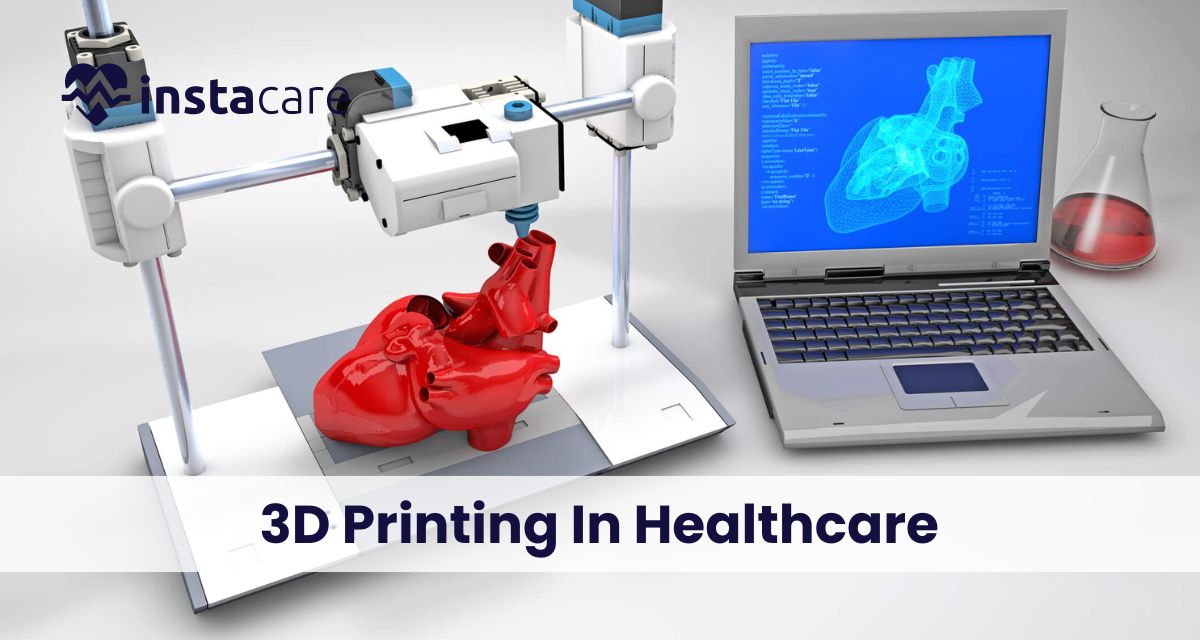
All You Must Know About 3D Printing In Healthcare Making It Personal First known term of 3D printing in Healthcare, or as it is authoritatively named, added substance producing, can be followed back to the 1980s. Since its development it has been placed in different applications in ventures, for example, the clinical and medical services industry where it has heaps of potential. It has even been applied in the growth of replacement organs, prosthetics and other medical equipment and applications. In this article I will explain more about the possibilities of using additive manufacturing in the sphere of medicine. Regarding this technology, let us consider the benefits, limitations and issues involving its deployment in this sector of the medical field; we shall also briefly look at FDA guidelines on the safety of products made from additive manufacturing for use in the medical sector. Finally, we will look into other uses of Additive manufacturing in the present and future. What Is 3D Printing In Health Care? Manufacturing is the process of transforming materials into an object and 3D printing is a unique way accomplishing this process in a manner that opposes the conventional approach. Unlike the traditional manufacturing techniques which require a block of raw material to be cut, sculpted, or milled to create the desired final product, 3D printing constructs objects from a digital blueprint by adding successive layers of a chosen material such as plastics, metals, or ceramics. These objects are created from digital files such as Magnetic Resonance Imaging (MRI) or computer aided designs (CAD), and are versatile when it comes to changes during the production or planning. There are hundred types of 3D printers in the market that are both inkjet and laser and come in models suitable for home or industrial use for the manufacturing of many types of goods. Custoized Prosthetics An Unrest in Appendage Substitution 3D printing has introduced another period in the development of prosthetics, offering a groundbreaking way to deal with making redid appendage substitutions customized to every individual’s particular life structures. This momentous progression has re-imagined the ordinary techniques for prosthetic assembling, delivering a scope of advantages that essentially lift the solace and usefulness of prosthetic gadgets. Customization And Accuracy One of the vital benefits of 3D imprinting in prosthetics is the unmatched degree of customization it offers. By using progressed checking and imaging advancements, prosthetists can catch exact estimations and shapes of the remaining appendage, empowering the creation of prosthetic parts that impeccably line up with the singular’s remarkable life systems. This degree of customization guarantees a dominant fit and solace, tending to the impediments of off-the-rack prosthetics. Improved Solace And Usefulness Fit, comfort, and functionality are frequently issues with traditional prosthetics. With 3D printing, the prosthetic attachment and parts can be custom-made to the singular’s particular requirements, bringing about a more agreeable and useful prosthetic arrangement. This customized approach limits issues like skin bothering, inconvenience, and unfortunate arrangement, offering clients a prosthetic gadget that consistently incorporates with their body and upgrades their versatility and personal satisfaction. Developed Style And Plan Adaptability 3D printing considers multifaceted and stylishly satisfying plans, offering people the chance to communicate their own style and inclinations through their prosthetic gadgets. The flexibility of 3D printing empowers the formation of prosthetic appendages that have the capability to ideally mirror the singular’s character and personality, advancing a feeling of strengthening and certainty. Book Free Demo Availability And Moderateness Many amputees have faced significant obstacles due to the high cost and lack of availability of individualized prosthetics. 3D printing can possibly address these difficulties by smoothing out the assembling system and decreasing creation costs, making redid prosthetics more open to a more extensive populace. Propelling Recovery And Prosperity Individuals who have lost limbs may benefit from the personalized nature of 3D-printed prosthetics’ rehabilitation and well-being. By giving prosthetic arrangements that are custom fitted to their interesting necessities and inclinations, 3D printing adds to improving the by and large physical and close-to-home prosperity of prosthetic clients. Personalized prosthetics have undergone a paradigm shift as a result of 3D printing, which has revolutionized the manufacturing process. This headway tends to the restrictions of conventional prosthetics and engages people with appendage misfortune by furnishing them with altered, agreeable, and utilitarian arrangements that line up with their particular physical prerequisites. Careful Preparation And Practice With 3d Printing in Healthcare Models Fastidious Methodology Readiness: Specialists are outfitting the force of 3D printed models to design and plan for complicated and high-stakes methods carefully. Surgeons can effectively visualize and evaluate the surgical site, anticipate potential obstacles, and plan the precise execution of the procedure by utilizing these patient-specific 3D models. Improved Accuracy And Ability Refinement The usage of 3D printed models permits specialists to refine their procedural strategies and gain important active involvement with a recreated climate. As a result, surgical errors are reduced and patient outcomes are improved thanks to this practice’s significant improvement in precision and proficiency. Lessening Careful Dangers The pre-careful utilization of 3D printed models supports distinguishing and tending to expected difficulties or varieties in understanding life structures, in this manner, moderating dangers related to the method. This proactive methodology limits the probability of blunders during a medical procedure and advances more secure, more successful mediations. Worked On Persistent Results Through fastidious preparation and rehearsed planning with 3D printed models, specialists can accomplish increased degrees of readiness, prompting work on persistent results, diminished inconveniences, and improved by and large careful achievement rates. Progressing Careful Schooling Furthermore, 3D printed models act as significant instructive devices, giving a stage to careful students to master and refine their abilities in a reasonable and material way, at last adding to the headway of careful schooling and capability. In outline, the joining of 3D printed models in careful preparation and practice enables specialists to fastidiously plan, refine their abilities, and at last lift the norm of patient consideration through upgraded accuracy, decreased blunders, and worked on careful results. Customized Prescriptions With 3D printing, the
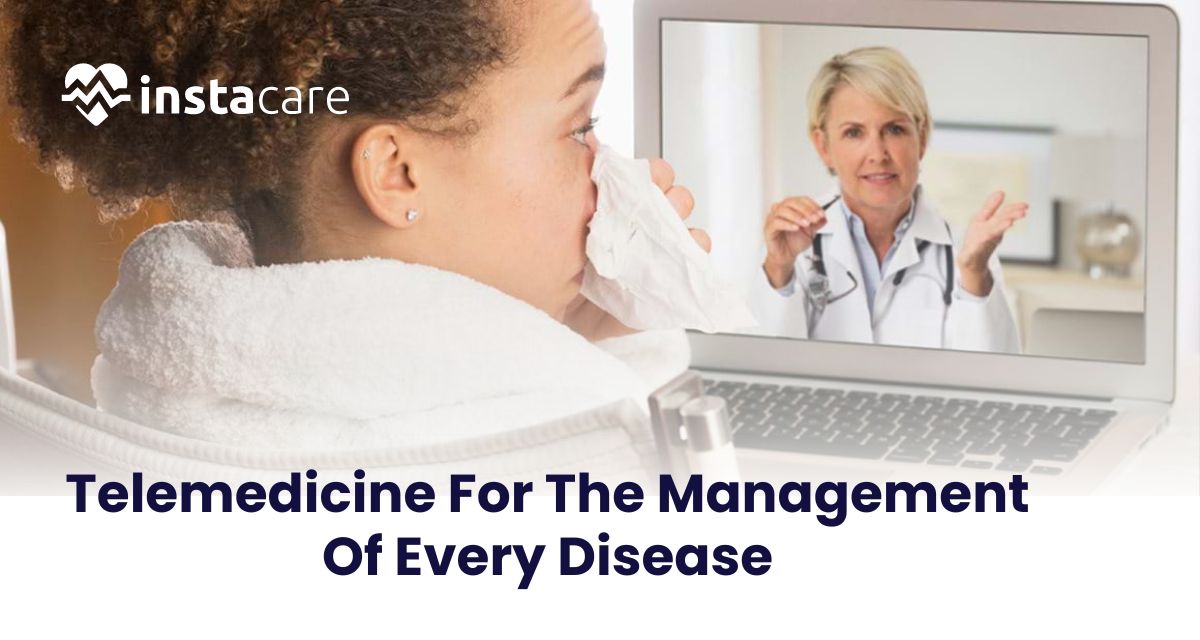
Efficacy Of Telemedicine For The Management Of Every Disease In the scenario of fast-changing positions in the healthcare industry, telemedicine appeared as a force of change, challenging the approaches of telemedicine for the management of every disease. Telemedicine is a practice that involves the provision of care through technology. This includes tele-diagnosis, tele-treatment, and tele-surveillance. Tele-diagnosis refers to the process whereby patients receive a diagnosis without necessarily having to visit the hospital physically. From being able to consult healthcare providers and specialists through video calls and other forms of communication to even keeping track of chronic diseases through virtual means, telemedicine means that patients can get care from their doctors regardless of the distance. Top Notch Advantages & Efficacy of Telemedicine For The Management Of Every Disease 1-Improved Access to Healthcare: Telemedicine helps in ensuring that despite the barriers in geography, healthcare facilities that need to be provided can be made available to those who lack access for one reason or the other in a certain region of the country. Now, patients who want access to anyone in a healthcare provider’s office can do so from the comfort of their homes and without having to leave their homes, spend money on travel, or take time doing so. 2-Enhanced Patient Convenience: Telemedicine enables patients to access care services when they want and within their comfort without the need to be in a healthcare facility since they took time off from work to attend a hospital. Health care accessibility has been known to enhance the engagement of the patient thereby bringing about enhancement in producing better results. 3-Disease Management Made Easy: Telemedicine allows a doctor not only to oversee the patients with such diseases as diabetes, hypertension, or heart diseases using tools for remote supervision and regular consultations through the Internet. This makes it easy for the doctor to intervene early enough and modify the system of treating the disease as a way of enhancing management of the disease. 4-Saves money: Telemedicine makes it more affordable to provide quality care to patients while saving a lot on healthcare. It saves time off work, sitting fees, and transportation costs by patients and cuts overhead costs by health providers. 5-Better Continuity of Care: Telemedicine offers a proper and smooth way of communication among health providers. It, therefore enables a comprehensive and integrated approach to the care of patients. It may result in a more harmonious continuation of patient care, reduction of medical errors, and improvement in outcomes. Book Free Demo The Efficacy of Telemedicine in Managing Various Diseases Several chronic conditions, such as diabetes, hypertension, and heart failure, have been found to benefit under telemedicine. Remote monitoring devices and virtual consultations have been helpful in closely following up with a patient, adjusting patient’s medication, and providing timely interventions, therefore ensuring better control of disease and reduced hospitalization. Infectious Diseases In the care and management of infectious diseases, telemedicine has been valuable in ensuring remote screening, diagnosis, and follow-up. It assists in minimizing the potential for transmitting diseases while ensuring patients get needed medical attention without having to physically visit the physician. Dermatology Telemedicine has been applied successfully to handle dermatology cases through virtual consultation and the use of digital photography by a healthcare professional to assess and treat skin conditions. This has vastly improved access to specialized care, particularly for individuals living in areas with limited dermatological services. Pediatrics It has emerged as an effective tool in the care of children, which allows parents to consult a healthcare professional remotely in times other than emergencies, such as routine check-ups, minor ailments, or behavioral issues. It is most helpful for families living in rural areas, or those with limited access to pediatric care. Challenges and Considerations Of Telemedicine For The Management Of Every Disease Although telemedicine is one of the promising solutions for improving health care services in remote, underserved, and rural areas, there are also certain obstacles and factors that should be taken into consideration while implementing the solution. 1-Technological Barriers: Challenges of access, availability and the reliability of internet connection and networking devices, including computers, are also a challenge, especially to rural and other unserved premises. To this end, it is important for these mentioned technological barriers to be addressed in order to allow provision of equitable telemedicine services. 2-Regulatory and Legal Considerations The uptake of telemedicine services must stick to some regulations and laws, which may differ from country to country. Intensely it creates many difficulties for healthcare providers who need to follow all these rules to provide patients with the best possible service. 3-Patient Privacy and Data Security Telemedicine involves communication of highly confidential patient information and thus requires fitness of high data security standards not overlooking the patient’s rights to privacy as enshrined by the health insurance portability. 4-Reimbursement and Funding This is due to fact that telemedicine services are a relatively new concept and therefore their sustainability continues to be a concern in that appropriate financial models which can be used by insurance firms and health care systems to fund these services have not yet been developed. 5-Patient Acceptance and Engagement So, although the adoption rate of telemedicine has accelerated due to a pandemic, there may still be reluctance or skepticism among some individuals. There is a need for continued patient awareness campaigns to make virtual care adoption more successful and the norm in society. Conclusion Telemedicine is defined as the use of information and communication technologies to support the healthcare delivery process, either in part or in entirety, to patients in locations remote from clinicians. Here, telemedicine has the promising and farther-reaching possibilities of fundamentally changing the model of the healthcare delivery by providing patients with accessing to the quality health care, increasing patients’ convenience and improving the efficiency of sickness treatment. FAQs What level of efficiency does telemedicine have aimed at chronic diseases management compared to traditional in-office treatment? Telemedicine has been widely effective in the treatment and control of such chronic diseases as diabetes, hypertension,
Heart Failure And Telemedicine: Where Are We And Where Are We Going? In the past few decades alone, healthcare has proven to have a plethora of opportunities through the advancements in technology and the evolving patient population. Another field that has been widely explored and has huge potential in the future is the utilization of heart failure and telemedicine, for example, and other chronic diseases. The Rise of Telemedicine Telemedicine is mostly perceived to be one of the initial models for the delivery of the future healthcare system, which is an efficient model that aims to solve the interaction between patients and healthcare workers. The spread of portable devices such as smartphone, wearable devices, and internet connection, the idea of tele–medical care has become far more reachable. For people experiencing heart failure, an increasingly dynamic chronic illness requiring constant attention and multiple interventions, super electro skype technology represents a ray of light. 1-The Role of Teleconsultations Teleconsultations are the foundation of the telemedicine model and ensure that patients can consult with different healthcare professionals with no physical restrictions as to distance and location. They also ensure timely treatment because the counseling is done through electronic means They also save a lot of time because people can be counseled regardless of where they are located or the availability of transport systems where they are. 2-Leveraging Digital Health Platforms Thus, tele consultations and related e-Health platforms are instrumental not only in helping patients with the disease but also in engaging them on matters concerning their heart failure. Using methods such as smart applications and website interfaces, people can receive information about their disease, monitor their vital signs, and interact with their healthcare provider. Bridging Gaps in Access and Care for Heart Failure And Telemedicine This is particularly true for heart failure and telemedicine, where the nonprofit considers the strength of great telemedicine as its capacity to increase access to specialized care irrespective of location. Remote consults are useful in underserved areas where specialist are few, where teleconsultations would guarantee timely intervention and less travel for patients, like heart patient which need serious access to doctors in time to avoid heart failure. 1-Addressing Disparities in Care Delivery Telemedicine has the potential to solve accessibility issues in healthcare as it levels the playing field and provides those in the peripheries with access to specialized care. The use of digital technologies in delivering healthcare can also help address the reach of people who may not be able to access adequate and appropriate healthcare at the right times. 2-Enhancing Continuity of Care There is also a possibility to emphasize the continuity of care regarding telemedicine use in treating patient with heart failure. By the use of telemetry equipment and using remote patient monitoring and integrated health IT, clinicians are in a position to monitor a patient’s status, recognize when the situation is worsening, and address it in time. Book Free Demo Enhancing Patient Engagement and Adherence In addition to enhancing the possibilities of consultations being conducted through telemedicine, the use of technologies brings about informed and active patients. Technology has come up with remote monitoring devices and digital health heart failure and telemedicine is more involved in their treatment process whereby they will monitor their vital signs, medication timing and other activities to be taken in order to avoid further complications. 1-Empowering Patients Through Education Assuming a crucial important role in patients education enable patient to take control in determining their health. Telemedicine affords a special chance of providing education and self-management programs that meet a patient’s particular needs for persons with heart failure. From educational materials, data illustrations to instructional and part exercise videos, the healthcare providers can assist patients in making informed choices on their treatment and healthy lifestyles. 2-Fostering Collaborative Care Telemedicine has been shown to provide an effective and reliable means of enabling members of the healthcare team such as the primary care physicians, cardiologists’ nurses and allied health practitioners. Some of the advantages of telemedicine include ability to instantaneously share information, communicate on patient’s care plans, and the coordination of care thereafter. It is in this aspect that a multidisciplinary approach is emphasized in an attempt to deliver a patient-centered approach, which provide complete and well-coordinated care hence improving the quality of the outcomes and overall patient satisfaction. The Evolution of Remote Monitoring Technologies Considering the current state of advancing technologic solutions in such a crucial area as heart failure management, the options for remote monitoring must also be shifting as well. These range from the devices that could be surgically implanted to monitor the body’s physiological functions, constant streaming of data to external systems or connected health platforms that can analyze the self- generated data from patients. These newer technologies also serve as early warning systems but give the clinician tools to make specific changes in response to the status of the individual patient. 1-Harnessing the Power of Wearable Devices Smartwatches and many other wearables now act as significant assets in terms of, distant supervision and control of heart failure. These devices monitor patient’s condition all the time, their movements and sleeping patterns to make clinicians have a full picture of their overall health condition. With the help of wearable technologies, primary-care physicians can easily identify early signs of the deterioration of a patient’s state and take actions to prevent furtherer escalation of the problem. 2-Integrating Artificial Intelligence AI has well unmatched potential in the current scenario and is expected to bring about a drastic change in the field of telemedicine where heart failure and telemedicine treatments specifically by making use of analytics and smart techniques to deliver personalized treatments. Their methods may include big data handling of patients’ data, as well as big data analysis and big data processing in order to come up with big data results that will help clinicians and practitioners make the right decisions. Conclusion With proper application of technology in enhancement of care delivery system that is beyond the traditional care models, healthcare
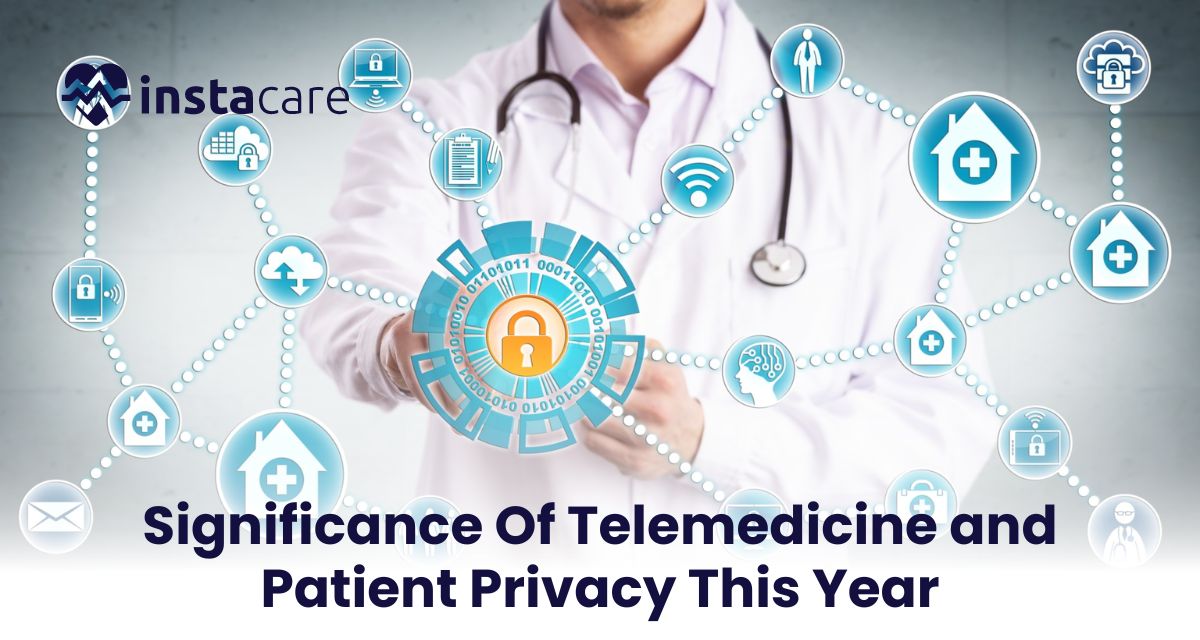
Understand The Significance Of Telemedicine and Patient Privacy This Year In the landscape of healthcare, two pivotal aspects stand out in 2024: the potential of telemedicine and patient privacy rights. That is why as a growing utilization of technologies to present and access health services is established, these concepts become more essential. Telemedicine, the broad use of telecommunication and information technologies to deliver healthcare, has become one of the new industry shapers of the years. Geographically, its importance is that it outlines the delivery of a number of health care facilities with no consideration of the distance or geographical location. Healthcare Facilities With No Consideration Of The Distance And Location!! 1-Convenience and Accessibility The primary advantage of telemedicine, which is rather obvious, is the fact that through it, one can save a lot of time. People are no longer very restricted when it comes to places of destination and time they need to spend waiting in a hospital to be attended to. In a way of telemedicine, consultations can take time via online, thus saving time to make the efforts. 2-Improved Healthcare Outcomes Since it involves the use of technology to diagnosis and treat the patient over a distance, telemedicine helps to administer timely prevention and follow-up continually. This saves time, as patients can get their diagnosis, treatment, and continued monitoring and care for their conditions, improving overall treatment outcomes. In addition, telemedicine can similarly increase the access by the provider to a broader population than it would otherwise be able to see in traditional care setting while avoiding cases where some individuals are left behind with no access to necessary services. 3-Enhanced Confidentiality and Security Recognizing the importance of telemedicine and patient privacy ensures that individuals’ confidential medical information is protected and secure. By understanding the significance of patient privacy measures, healthcare providers can implement robust security protocols, such as encryption technologies and secure data storage practices, to safeguard sensitive patient data during telemedicine consultations. This enhanced confidentiality instills trust and confidence in patients, encouraging them to engage in telemedicine consultations knowing that their privacy is prioritized and protected. Book Free Demo 4-Efficient Healthcare Delivery With an understanding of telemedicine’s significance, healthcare providers can streamline healthcare delivery processes. Telemedicine allows for quicker access to medical consultations and reduces waiting times for patients. By embracing telemedicine and patient privacy optimizing its use, healthcare providers can increase the efficiency of their practices, leading to better patient satisfaction and improved healthcare outcomes. 5-Telemedicine And Patient Privacy in the Electronic Environment Conversely, employee productivity could be a weak link since telecommunication brings the office setting into the home, where patient privacy is more of a concern than in the workplace. Currently, due to advancement in healthcare provision or delivery most of the important data regarding patients can be easily accessed and shared through the use of the internet hence making it more difficult to protect the data than before yet very essential to do so. 6-Compliance with Regulations As a result of the typical nature of these records, along with many others, there are federal guidelines that healthcare providers need to follow in order to safeguard patient’s privacy such as the Healthcare Information Portability and Accountability Act (HIPAA). It describes the mode of handling, either in paper or electronically, of patients’ details and the measures we undertake to maintain their privacy and confidentiality. 7-Data Encryption and Security Measures Ensuring that patients’ information is safe is a critical aspect that requires effective implementation of various secure code encryption technologies and security features. Secure video conferencing, various messaging, and collaboration platforms help adhere to HIPAA rules and protect the patient’s data. 8-Informed Consent Telemedicine and Patient privacy is relevant to patient care, and there must be transparency and informed consent on the part of the patient. Telemedicine consultations need to provide patients with information regarding the ways their data will be utilized as well as shared, so that the patient could make satisfactory decisions regarding the healthcare process. Virtual Healthcare Services And Patient Rights To Privacy Telemedicine grows continuously and, in the year 2024, patient privacy concerns increase and are closely related to each other than ever before. With telemedicine being one of the fast-growing areas in the practice of medicine, patient privacy is emerging as a critical concern for care providers and government authorities. View More: Streamline Your Medical Billing with Medical Billing Software 1-Balancing Innovation with Ethics On personal note, despite the technological advancement that telemedicine presents in the delivery of healthcare services, patient privacy cannot be an option for a toss. Many hospitals and care practitioners continue to investigate ways to use technology in order to enhance patient care, while at the same time protect the patient’s right to privacy. 2-Education and Awareness: In expanding the knowledge of telemedicine, it has to be communicated to both the healthcare provider and consumers of the services that patient privacy is sacrosanct. By ensuring that every member of the team understand what good and bad practices of telemedicine are and what the guidelines of patient’s privacy are, we can make a positive change regarding telemedicine use. Conclusion Indeed, the application of telemedicine and patient privacy in 2024 could be described as critical. Because technology is increasingly becoming an integral part of the governing processes in the healthcare industry, the protection of the rights of patients is very important in every administrative process. From those arguments, we can infer about the subject of telemedicine and patient privacy as the foundation of a more convenient and efficient healthcare environment. FAQS What telemedicine actually is and how does it function? Telemedicine means to deliver health care services through the application of technology including telecommunication technology e.g. video conferencing and even home monitoring devices. Patients can ask doctors and other health care professionals questions, get a diagnosis, and even get prescriptions over the internet without the necessity to come in personally. Telemedicine can be defined as timely exchange of information between patients and healthcare providers while accomplishing healthcare
Future Technology Trends in Healthcare System in 2024 Technology Trends in the Healthcare System are changing how we view and provide medical care in the hectic field of healthcare. As 2024 approaches, the healthcare industry is full of exciting new technical developments that have the potential to completely transform patient experiences and healthcare results. Let’s examine these revolutionary changes and how they are changing the healthcare industry. Here is the List of Future Technology Trends In Healthcare system!! 1-Artificial Intelligence (AI) in Healthcare In the field of healthcare, artificial intelligence, or AI, is more than simply a catchphrase. AI is predicted to completely transform patient care, treatment strategies, and diagnosis by 2024. Envision artificial intelligence systems rapidly sorting through massive amounts of medical data, spotting trends and irregularities that human eyes would overlook. This translates into more rapid and precise diagnosis as well as individualized treatment regimens for each patient. Furthermore, AI’s predictive analytics can predict future health problems, allowing for preventive measures that may ultimately save lives and lower healthcare expenditures. 2-Telemedicine and Remote Patient Monitoring Particularly during emergencies, telemedicine has been a lifesaver, and it is here to stay. Telemedicine will play an increasingly bigger role in the provision of healthcare in 2024. Through remote consultations, patients can see medical specialists without having to leave their homes, saving them time and money on travel expenses. Furthermore, real-time surveillance of vital signs and health data is made possible by sensor-equipped remote patient monitoring devices, giving patients the ability to actively control their health and allowing medical professionals to act quickly when needed. 3-Blockchain Technology for Secure Health Data Management Blockchain technology is transforming not only the cryptocurrency industry but also the way we handle health data. The decentralized and immutable characteristics of blockchain technology will guarantee the confidentiality and integrity of medical records by 2024. Sensitive patient data can be safely stored and shared across networks by healthcare institutions, lowering the possibility of data breaches and guaranteeing adherence to privacy laws. Processes like permission management are streamlined by smart contracts, allowing healthcare stakeholders to collaborate seamlessly while protecting patient privacy. 4-Augmented Reality (AR) and Virtual Reality (VR) in Medical Training and Therapy Virtual and augmented reality are changing medical care and education; they’re not simply for games. By 2024, medical students will practice intricate surgical operations in a risk-free environment by fully immersing themselves in augmented reality simulations. VR treatment will provide patients with immersive experiences to help with pain relief and recovery. These tools increase therapeutic treatments for patients and learning results for medical students, which eventually improves healthcare outcomes. Book Free Demo 5-Wearable Health Devices for Personalized Wellness People now have the ability to take charge of their health thanks to the widespread use of wearable health gadgets. By 2024, these gadgets will be much more sophisticated, offering real-time data on important health parameters including heart rate, sleep habits, and level of exercise. With this information at hand, consumers may decide on their lifestyle and wellness objectives with confidence. Wearable health technology, which ranges from smartwatches to fitness trackers, is transforming proactive health management, promoting a culture of well-being, and changing preventive healthcare. 6-3D Printing in Healthcare The advent of 3D printing technology has unlocked a realm of possibilities in healthcare, ranging from prosthetics and implants to personalized medication and tissue engineering. In 2024, 3D printing is poised to revolutionize patient care by offering customized solutions tailored to individual needs. Surgeons can now create patient-specific implants and surgical guides, enhancing precision and minimizing complications during procedures. Moreover, 3D-printed medications enable personalized dosages and formulations, optimizing drug efficacy and reducing adverse effects. 7-Internet of Medical Things (IoMT) The Internet of Medical Things (IoMT) encompasses a vast network of interconnected medical devices and sensors that collect and transmit health data in real-time. In 2024, IoMT devices are set to transform healthcare delivery by enabling remote monitoring, predictive analytics, and proactive interventions. From smart insulin pumps that adjust dosages based on glucose levels to wearable ECG monitors that detect cardiac abnormalities, IoMT devices empower patients to manage chronic conditions more effectively while providing clinicians with valuable insights into patient health. 8-Genomics and Precision Medicine Advancements in genomics have paved the way for precision medicine, wherein treatments are tailored to the individual genetic makeup of each patient. In 2024, genomics-based approaches are poised to revolutionize disease prevention, diagnosis, and treatment across a wide range of medical specialties. Through genome sequencing and analysis, clinicians can identify genetic predispositions to diseases, allowing for early interventions and personalized preventive strategies. Moreover, targeted therapies based on genomic profiling enable more precise treatment selection, minimizing side effects and maximizing therapeutic efficacy. 9-Robotics and Automation in Surgery Robotics and automation are reshaping the landscape of surgery, offering unprecedented precision, control, and efficiency in surgical procedures. In 2024, robotic-assisted surgery is poised to become increasingly prevalent across various surgical specialties, including orthopedics, urology, and minimally invasive surgery. Robotic systems equipped with advanced imaging technologies and haptic feedback mechanisms enable surgeons to perform complex procedures with enhanced dexterity and accuracy, leading to shorter recovery times and better patient outcomes. 10-Data Analytics and Predictive Modeling Data analytics and predictive modeling are becoming indispensable tools in healthcare, offering insights into patient populations, treatment outcomes, and healthcare trends. In 2024, advancements in data analytics algorithms and machine learning techniques are composed to drive innovation in healthcare delivery and decision-making. By analyzing vast datasets from electronic health records, medical imaging studies, and wearable devices, healthcare organizations can identify patterns, detect anomalies, and predict future health events with unprecedented accuracy. Conclusion The future of medical services is bright, because of these innovative headways. Man-made intelligence, telemedicine, blockchain, AR, VR, and wearable health devices are ready to alter how we analyze, treat, and oversee medical issue. By embracing these patterns, we can make a medical services framework that is more open, effective, and patient-driven. As we journey into 2024 and beyond, let’s harness the power of technology to build a healthier future for all.
Top Notch Benefits of Telemedicine for Doctors and Patients Telemedicine, the act of giving clinical consideration somewhat using media communications innovation, has upset the medical services industry. It has arisen as a helpful and compelling option in contrast to conventional in-person counsel, helping the two specialists and patients in various ways. In this blog, we will investigate the first-rate advantages of telemedicine that are changing the medical care scene, making it more available, proficient, and patient-focused. Enhanced Accessibility Virtual Consultation separates geological hindrances, permitting patients to get clinical consideration no matter what their area. Patients in distant regions or those with restricted versatility can get quality medical care without the requirement for broad travel. Additionally, telemedicine enables specialists to reach patients who may not have local access to specialized care. This upgraded openness guarantees that people from varying backgrounds can get opportune clinical exhortation and treatment, eventually prompting further developed wellbeing results. Increased Convenience One of the main benefits of telemedicine is its accommodation for the two patients and specialists. Patients no longer have to miss work, endure long commutes, or stand in a crowded waiting room for hours. With virtual consultation, arrangements can be planned during a period that suits the patient, and discussions can occur from the solace of their own homes. Because Virtual consultation enables physicians to more effectively streamline their schedules, this convenience also results in shorter wait times for patients. Cost Saving Aspect Patients and healthcare professionals alike can save a significant amount of money through telemedicine. By killing travel costs related with face to face visits, patients can get a good deal on transportation, stopping, and convenience. Additionally, the financial burden of missed workdays and childcare arrangements is lessened by virtual consultation. virtual consultation cuts down on overhead costs for healthcare providers by removing the need for physical infrastructure and administrative staff. Furthermore, telemedicine diminishes emergency clinic readmissions by working with remote observing and follow-up care, hence forestalling exorbitant confusions. Book Free Demo Efficient Time Management virtual consultation advances using time productively for specialists and patients the same. For specialists, virtual consultation stages give highlights, for example, electronic wellbeing record coordination, mechanized arrangement updates, and virtual lounge areas that smooth out managerial undertakings. As a result, doctors can devote more time to patient care and less time to paperwork. On the other hand, patients benefit from shorter wait times and quicker access to prescriptions and medical advice. Because doctors are able to easily share patient records and collaborate remotely, telemedicine also facilitates effective specialist referrals, resulting in care that is more comprehensive and coordinated. Improved Patient Engagement and Outcomes By empowering patients to take an active role in their healthcare, telemedicine increases patient engagement. Patients can ask questions, voice concerns, and gain a better understanding of their conditions and treatment options through virtual consultations. This expanded commitment prompts better adherence to treatment plans, further developed wellbeing proficiency, and at last, better wellbeing results. Besides, telemedicine empowers remote observing of constant circumstances, permitting specialists to intently keep tabs on patients’ development and mediate immediately if important, lessening the gamble of confusions and hospitalizations. Continuity of Care By allowing patients to consult with their regular healthcare providers from a distance, telemedicine fosters continuity of care. This is especially helpful for people with persistent circumstances who require continuous checking and the executives. Patients can communicate with their trusted healthcare providers on a regular basis using telemedicine, ensuring that their conditions are consistently monitored and managed. This consistent progression of care diminishes the gamble of holes in treatment and advances better in general wellbeing results. Improved Patient Satisfaction Telemedicine offers a helpful and patient-focused way to deal with medical services, prompting expanded patient fulfillment. Patients can schedule appointments more easily, reduce wait times, and consult with specialists who may be located far away through virtual consultations. Patients value the comfort, customized consideration, and convenient admittance to medical care benefits that telemedicine gives. Not only does increased patient satisfaction result in a positive experience with healthcare, but it also encourages patients to actively participate in their own healthcare, which in turn improves treatment adherence and health outcomes. Reduced Exposure to Infections Telemedicine plays a crucial role in lowering the likelihood of infection during pandemics or infectious diseases. Telemedicine reduces the spread of infectious diseases in healthcare settings by limiting in-person visits. Remote care means that patients with mild symptoms or non-urgent medical issues don’t have to go to crowded clinics or hospitals to get the care they need. Telemedicine can also be used by healthcare professionals to triage patients, evaluate their conditions, and decide whether in-person treatment is necessary. Not only does this proactive approach safeguard patients, but it also assists in lessening the strain placed on healthcare facilities during times of increased demand. Access to Specialists and Second Opinions Telemedicine works with admittance to expert aptitude and second assessments, particularly for patients dwelling in underserved regions. Through virtual conferences, patients can associate with famous experts no matter what their topographical area. Patients no longer need to travel long distances or pay more for specialized care because of this. Telemedicine additionally empowers medical care suppliers to team up and look for well-qualified sentiments from partners in various areas without any problem. This multidisciplinary approach guarantees that patients get complete and all around informed proposals, prompting better conclusion, treatment arranging, and generally understanding consideration. Medical Education and Training with Telemedicine Medical education and training can now benefit greatly from telemedicine. It lets healthcare professionals take part in educational programs, webinars, and conferences from home. This helps them learn more and stay up to date on the latest developments in their fields. Additionally, telemedicine gives medical students and residents the opportunity to observe virtual consultations, allowing them to gain exposure to various patient cases and improve their clinical skills. Additionally, telemedicine platforms can be utilized for remote mentoring and supervision, enabling more experienced doctors to guide and support colleagues with less experience. The incorporation of technology into medical education and
Take Control of Your Practice with a Comprehensive Guide to Telemedicine Solutions Are you looking to reduce wait times, simplify workflows, and improve patient engagement in your medical practice? Then telemedicine solutions might be just the thing for you. Telemedicine is an emerging trend that can provide a feature-rich suite of tools and resources to help streamline many of your processes. In this comprehensive guide, you’ll learn how telemedicine can help men’s health clinicians, women’s health specialists, and others deliver great care while still remaining responsive to patients’ needs. Read on to see why providing leveraged technology via telemedicine solutions is an important part of modern healthcare practices! What is Telemedicine? Telemedicine refers to the delivery of healthcare services remotely through technology such as video conferencing, messaging, and other digital means. This innovative approach to medicine has become increasingly popular in recent years, particularly in light of the COVID-19 pandemic. Telemedicine allows patients to access medical care from the comfort of their own homes, helping to alleviate the burden of travel time and expenses. Moreover, it has expanded the availability of healthcare services to people in remote or underserved areas. With the use of telemedicine, patients can consult healthcare professionals, receive a diagnosis, and even have prescriptions filled—all virtually. Although it does not replace in-person medical care entirely, it has become an essential option for patients who require medical attention but cannot leave their homes. How Can Telemedicine Benefit Your Practice? As the world becomes more reliant on technology, it’s no surprise that telemedicine solutions is becoming increasingly popular. Telemedicine allows healthcare providers to connect with their patients without the need for physical office visits. This can provide numerous benefits to both the provider and the patient. For providers, telemedicine can reduce the need for office space and staff, while also allowing them to see more patients. Patients, on the other hand, can benefit from reduced wait times, greater convenience, and more accessible healthcare services. Telemedicine can also expand access to healthcare for those in rural areas or for those with mobility issues. With these benefits combined, it’s clear that telemedicine solutions can help to significantly improve the delivery of healthcare services, making it an increasingly popular option for healthcare providers across the globe. Book Free Demo Gather Necessary Resources and Equipment to Get Started with Telemedicine Solutions In today’s fast-paced world, telemedicine solutions are essential for healthcare providers to effectively meet the needs of their patients. Gathering the necessary resources and equipment to get started with telemedicine solutions is critical for success. This can include high-speed internet, a secure platform for video conferencing, and specialized devices such as a digital stethoscope or otoscope. Additionally, it is important to have a well-trained team and clear processes in place to deliver quality care remotely. With the right resources and equipment, healthcare providers can seamlessly connect with their patients, regardless of their physical location, and deliver the care they need. Understanding the Privacy Regulations of Virtual Medical Services As technology continues to improve and become more ingrained in our daily lives, the medical field is no exception. Virtual medical services, also known as telemedicine, have become increasingly popular, especially in light of the COVID-19 pandemic. However, with these services comes the need for strict privacy regulations. It’s critical to understand the laws and guidelines that govern virtual medical services to protect the privacy and security of patients’ personal and medical information. This includes knowing who has access to sensitive data, how it’s stored, and how patients can control their information. By staying informed about these regulations, we can ensure the safety and confidentiality of our health information in the digital age. Create an Efficient Workflow for Your Telemedicine Service As the demand for telemedicine services grows, healthcare providers need to create an efficient workflow to meet the needs of their patients. Developing a streamlined process can not only save time but improve patient satisfaction and outcomes. One essential step is selecting the right technology platform that best fits your organization’s needs. Then, create a standardized process for scheduling virtual appointments, communicating with patients, and documenting patient data. Efficient workflows should also include measures to ensure data security and adhere to regulatory requirements. Regularly evaluating and refining your telemedicine workflow can ensure it remains efficient and effective for both providers and patients. With the right approach, telemedicine can provide a convenient, accessible, and effective means of healthcare delivery. View More: Streamline Your Medical Billing with Medical Billing Software Implementing Security Measures for Patient Information Storage The security of patient information is of utmost importance to healthcare organizations. With the increasing number of data breaches and cyber threats, it has become crucial for them to implement robust security measures to safeguard patient information. Data encryption and access control systems can help prevent unauthorized access to sensitive patient data. Secure data storage facilities, password protection mechanisms, and regular data backups are other essential measures that can ensure the security and confidentiality of patient data. By implementing such security measures, healthcare organizations can not only comply with the regulatory requirements but also earn the trust of their patients. Leverage Your Existing Technology for Maximum Telemedicine Efficiency Telemedicine has become a vital tool for healthcare providers to ensure accessibility and continuity of care amid the ongoing pandemic. Leveraging existing technology can help maximize telemedicine efficiency, making it a more efficient and profitable avenue for healthcare practices. By utilizing tools such as electronic health records (EHRs), secure messaging platforms, and video conferencing software, healthcare providers can streamline their workflow and provide high-quality care remotely. EHRs can be accessed remotely, allowing doctors to review patient records and history before a telemedicine appointment. Secure messaging platforms facilitate quick and secure communication between patients and healthcare providers, while video conferencing software enables real-time patient consultations. With the right technology in place, healthcare providers can provide excellent telemedicine services, resulting in happier patients and a more profitable practice. Conclusion Telemedicine solutions are an effective and accessible way to gain a competitive edge
How to Provide Timely Care And Save On Costs Through Telemedicine? Are you looking for ways to provide timely healthcare services and reduce costs? In recent years, telemedicine has emerged as an important tool for providing medical care in a convenient and cost-effective manner. From primary care physicians to specialists, clinics, hospitals and beyond, the use of telemedicine has enabled health providers to expand their reach while maintaining patient engagement and improving overall outcomes. In this blog post we will explore how remote healthcare technology can make a difference in your practice by cutting down on treatment time and reducing costs. By offering timely care through automated processes like virtual consultations, video visits or chatbots you are sure to improve your patients’ experience while saving precious resources! Introducing the Benefits of Telemedicine Telemedicine is a revolutionary health care delivery system that is fast gaining popularity among patients and doctors alike. With telemedicine, patients can now access remote medical care from the comfort of their homes, without having to worry about the long waiting times and the high cost associated with traditional office visits. Thanks to telemedicine, patients living in remote areas or with mobility issues can also enjoy improved access to quality healthcare services. Additionally, telemedicine offers doctors the ability to improve patient outcomes, enhance their practice, and reduce overhead costs. With telemedicine, patients and doctors can communicate through video or phone calls, which allows doctors to diagnose, treat, and monitor their patients remotely. The benefits of telemedicine are numerous, and it is rapidly becoming an integral part of the healthcare delivery system. Exploring The Cost-Savings of Telemedicine Telemedicine has emerged as a cost-effective alternative to traditional healthcare in recent years. The use of telemedicine has shown significant results, reducing costs and saving time for both patients and healthcare providers. By connecting patients with their providers through telecommunication technology, healthcare services can be delivered remotely. Therefore, patients are no longer required to travel to medical facilities for routine checkups or appointments. This shift has been crucial, especially in rural communities where access to medical facilities is limited. Additionally, telemedicine has been proven to reduce hospitalizations and readmissions, thus making the healthcare delivery system more efficient. These cost-saving benefits are making telemedicine an essential part of healthcare delivery systems around the world. Understanding How Telemedicine Increases Access to Care Telemedicine is revolutionizing the healthcare industry, expanding access to care for people who may have previously struggled to receive medical attention. With telemedicine, patients can connect with healthcare professionals remotely, using technology like video conferencing and messaging systems. This eliminates barriers to care caused by distance, transportation, and other obstacles, making healthcare more accessible than ever before. Telemedicine is particularly useful in rural and remote areas, where access to care can be limited. It also provides a convenient and efficient option for patients with busy schedules or mobility issues who may find it difficult to attend in-person appointments. Overall, understanding the benefits of telemedicine can help us appreciate the vital role it plays in increasing access to care and improving health outcomes for patients. View More: 5 Benefits Of Technology In Healthcare Examining The Quality of Care Provided Through Telemedicine As telemedicine continues to grow in popularity, it is becoming increasingly important to examine the quality of care patients are receiving through these virtual visits. While telemedicine offers convenient access to healthcare for those who may not be able to leave their homes or live far from medical facilities, it is crucial that the quality of care is not compromised. Studies have shown that telemedicine can offer comparable outcomes to traditional in-person care, but this does not mean that all telemedicine services are equal. Ensuring that healthcare providers are following best practices and providing proper diagnoses and treatment is essential for maintaining the highest level of care possible. As the use of telemedicine continues to evolve, monitoring and evaluating its quality of care will remain a crucial aspect of its success. Gaining Insight into Patient Satisfaction With Telemedicine Telemedicine has revolutionized the way healthcare is delivered, especially in times of crisis. However, measuring patient satisfaction with this new approach can be challenging. That’s where gaining insight becomes paramount. By using both quantitative and qualitative data, healthcare providers can get a better understanding of their patient’s needs and preferences when it comes to telemedicine. For example, surveys can pinpoint which areas of the virtual care appointment went well and which could be improved. Open-ended questions can also provide more in-depth feedback, allowing doctors and nurses to build a better relationship with their patients and improve the overall telemedicine experience. With the insights gathered, healthcare providers become better equipped to provide patient-centered care and tailor their services to suit the needs of their patients. Reviewing The Regulatory Implications for Providers Using Telemedicine Telemedicine is a rapidly growing field that continues to challenge traditional healthcare practices. While the benefits are significant, such as increased access to care for underserved communities and reduced healthcare costs, the regulatory implications for providers cannot be overlooked. Providers using telemedicine must navigate a complex landscape of federal and state laws, license requirements, and reimbursement policies. Failure to comply with these regulations can result in penalties or even legal action. As telemedicine continues to revolutionize the healthcare industry, providers must stay up-to-date with the evolving regulatory landscape to ensure they are providing quality care while also protecting themselves and their patients. Conclusion Providing timely care through telemedicine has many undeniable benefits and can be the difference between life and death in some cases. It is a great way to save on costs while providing better access to health care, especially in rural areas where medical services may be limited or non-existent. Additionally, patients can avoid trips to the hospital as well as expensive emergency room visits – this not only saves them money but also precious time. Telemedicine can prevent minor issues from becoming chronic conditions, ultimately improving patient wellbeing. With greater access to quality care, people who may have
The Future of Healthcare: Smart Clinic Software and Telemedicine In an increasingly high-tech world, healthcare is no exception. Smart clinic software and telemedicine are revolutionizing the way doctors diagnose and treat patients, speeding up both diagnosis times and the delivery of treatment plans. These innovations are combining the best aspects of in-person medical care with cutting edge technology to create a new culture of healthcare centered around convenience, access, and innovation. With their fast implementation into day-to-day medical practice necessitated by COVID-19 restrictions, it’s easy to see how smart clinic software and telemedicine will spur incredible advances in patient care for years to come – from making more health data available digitally for better diagnoses decisions to allowing instant communication between providers for greater collaboration on treatments. Let’s dive deeper into these trends shaping the future of healthcare—from what they mean for men’s health care specifically all the way through women’s health care — so that we can be prepared as providers both now and long afterward! What is Smart Clinic Software and How Can It Help Healthcare Providers Smart Clinic Software is a revolutionary tool that has transformed the way healthcare providers manage their practices. By automating administrative tasks such as appointment scheduling, patient record management, billing, and inventory management, clinic management software has streamlined the healthcare industry. One of the main benefits of Smart Clinic Software is its ability to improve patient outcomes by providing doctors with real-time access to patient data. This allows them to make informed decisions and provide better care. In addition, the software also helps healthcare providers to increase revenue by reducing overhead costs and minimizing administrative errors. Overall, Smart Clinic Software is a game-changer for healthcare providers looking to optimize their practice and enhance patient care. Book Free Demo The Benefits of Implementing Smart Clinic Software for Healthcare Professionals Healthcare professionals are constantly searching for ways to improve patient care and streamline clinic management. Enter smart clinic software, a tool that can revolutionize the way a clinic operates. The benefits of implementing this software are vast, from automated appointment scheduling to comprehensive patient records. Smart clinic software can keep healthcare professionals organized and on task, allowing them to spend more time with patients and less time dealing with paperwork. In addition, this software can provide valuable insights into clinic operations and patient care, leading to even more improvements over time. By incorporating clinic management software into their practices, healthcare professionals can enhance the quality of care they provide while also increasing efficiency and productivity. How Telemedicine Can Help Patients Access Quality Care From Home Telemedicine has become an increasingly popular option for patients looking to access quality healthcare from the comfort of their own homes. Thanks to advances in technology, patients can now receive virtual consultations with healthcare professionals through the use of smart clinic software and clinic management software. The benefits of telemedicine are numerous, including reduced wait times, improved access to specialists, and increased convenience for patients. With the ability to access care from anywhere at any time, telemedicine is helping to transform the way patients receive healthcare, providing a more patient-centered and accessible experience. Tips For Choosing the Right Telemedicine Platform for Your Practice As healthcare is rapidly evolving, many practices are shifting to telemedicine to provide efficient and effective healthcare services. However, choosing the right telemedicine platform that caters to your practice’s needs can be overwhelming. One of the best options is Smart Clinic Software, which brings numerous benefits such as streamlining clinic management, boosting efficiency, and cost-saving. It simplifies clinical workflows starting from appointment scheduling to diagnosis, treatment, and follow-up care, providing a better remote patient experience. Moreover, Clinic Management Software streamlines administrative tasks and offers analytics to improve patient outcomes. By taking the time to research and choosing the right telemedicine platform is crucial in providing a seamless experience for your practice and patients alike. View More: The Features To Look For In A Clinic Management System In Pakistan The Impact of Smart Clinic Software and Telemedicine On Reducing Costs In Healthcare As technology continues to change the healthcare industry, one major advancement that has emerged is the introduction of smart clinic software and telemedicine. By leveraging these new solutions, healthcare providers are able to streamline their operations, reduce costs, and ultimately provide better care to their patients. Clinic management software, in particular, has become an essential tool for clinics of all sizes, helping to automate administrative tasks, manage appointments, and track patient information. Meanwhile, telemedicine has made it easier than ever for doctors to connect with patients remotely, increasing access to care and reducing the need for in-person visits. All of these benefits help to reduce costs throughout the healthcare industry, and offer a promising glimpse into what the future of healthcare could look like. What To Expect From Smart Clinic Software And Telemedicine In The Future As technology continues to advance, the healthcare industry is finding new and innovative ways to provide patient care. Smart clinic software and telemedicine are two such solutions that have become increasingly popular, and the benefits they provide are expected to only grow in the future. These software solutions offer a range of capabilities, including streamlined clinic management, virtual consultations, and easy access to patient data. By using smart clinic software, healthcare providers can enhance patient experiences by reducing wait times, processing payments more efficiently, and improving overall treatment quality. With the convenience and accessibility of telemedicine, patients can receive consultations from the comfort of their own homes. As technology continues to progress, the future of smart clinic software and telemedicine is looking brighter than ever. Conclusion In the era of digital transformation, it is becoming more and more apparent that the future of healthcare lies in utilizing smart clinic software and telemedicine. Patients have access to advanced care from anywhere around the world within seconds, and doctors can provide a quality level of service that was not available before. Health organizations are able to save resources and money
What Is Telemedicine? Future of Telemedicine in 2022 Telemedicine has emerged as a viable and secure substitute for in-person care as the pandemic progresses. It’s a simple, cost-effective way to access 24/7 care by phone or video. Patients can connect with a doctor in minutes for non-emergency, common ailments like a sore throat, a cold, or even dermatological problems like rashes or abrasions. Telemedicine In Pakistan reduces exposure to the COVID-19 virus and other contagions by seeing patients where they are and assisting them in avoiding germ-filled waiting areas. Offering and utilizing a telemedicine solution to employees and their loved ones has several benefits. The use of telemedicine in Pakistan has increased dramatically due to the epidemic since it keeps patients safe and is easy to access. Many people now depend on it and find relief from it. What Is Telemedicine Specifically? Unlike telehealth, this phrase has a more constrained definition. More specifically, it refers to connected knowledge and the distribution of remedial services using communications technology. Telemedicine is the practice of providing patients with treatments remotely through the use of information technology and electronic communications. Future Of Telemedicine In 2022 Patients Will Keep Utilizing Virtual Care The number of patients seeking out virtual care increased dramatically during the pandemic. And while telehealth use declined following the first uptick in 2020, 36% of patients did so in 2021, representing a nearly 420% increase over 2019. And more people than just millennials are choosing virtual care. All generations are using telehealth, and the majority say they’ll utilize it once more in 2022. In addition, telemedicine in Pakistan has been demonstrated to be more well-liked among women, accounting for 60% of telehealth patients. Convenience, quick access to care and safety from contracting other ailments are some of the main reasons patients adopt telehealth. Many experts believe that patients will continue to choose virtual care choices well into the future since these kinds of advantages are difficult to ignore. Book Free Demo Bringing Patients And Providers Together The reach of telemedicine will increase in the future, linking patients and clinicians across international borders as providers seek to become global. This will not only alleviate the physician shortage and unequal distribution but also give patients with uncommon diseases other options for accessing highly specialized care. Future benefits of telemedicine in Pakistan include its affordability, capacity to increase access to specialty care, and potential to lessen the impending physician shortage. Other drawbacks include issues with patient data protection, a lack of technology resources in some nations, and difficulties doing the standard patient assessment. New Specialties Will Be Added To Telehealth More specialties are effectively expanding their practice to offer telehealth services in the wake of the epidemic. It has benefited many things, including primary care, dermatology, behavioral health, oncology, and dentistry, and many more are employing it as part of their follow-up treatment. More excellent Focus On Mental Health Looking at the critical trends, we can see that chronic care management has become more popular recently, demonstrating the potential of telehealth to lower the cost of a treatment plan and boost patient participation and adherence to it. The importance of mental health has also increased. Many therapists, counselors, and medical professionals quickly turned to video conferencing to continue treating patients. Thus, teletherapy and telepsychiatry were developed, and as time goes on, they will probably become extensively used forms of treatment. Since patient demand has been the main factor influencing the expansion of telehealth, the user experience has significantly improved. In The End At the end of this topic, where we have seen the bright future of telemedicine in Pakistan as you can also bring the best lot toward you by choosing the right telemedicine company in Pakistan and we have the best in Pakistan known as Instacare as one of the best telemedicine company working amazingly, and you can get the best quality software by visiting the website as follow, https://instacare.com.pk/.