

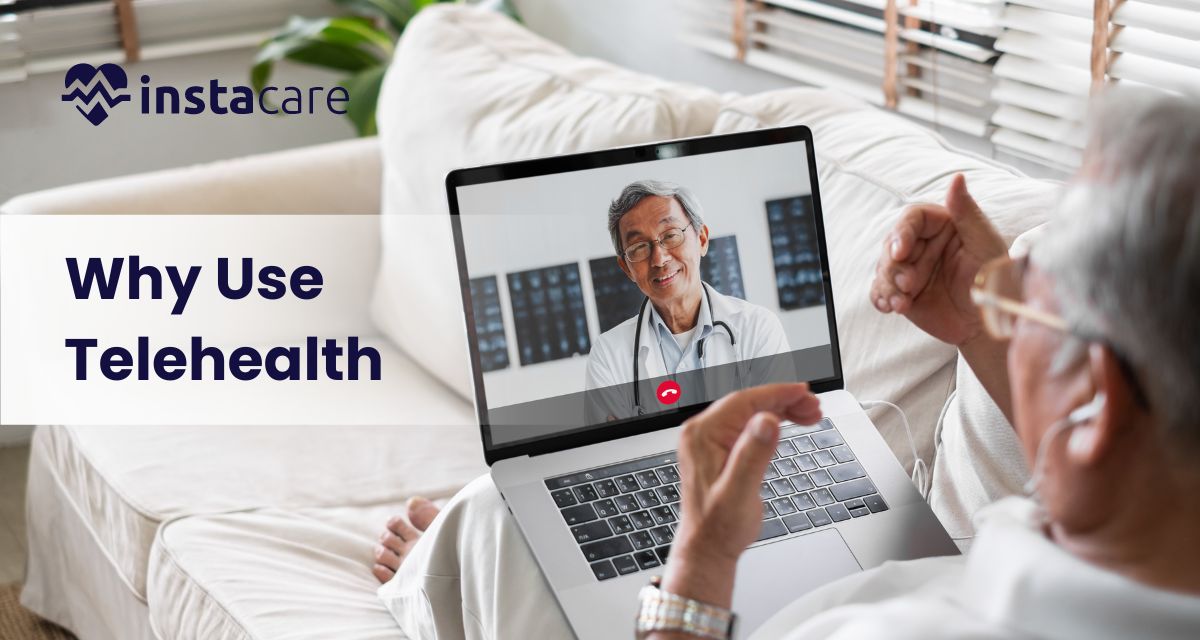
Why Use Telehealth? Explore The Important Uses In Healthcare In recent years, the healthcare industry has witnessed a significant transformation due to advancements in technology. One area that has gained tremendous popularity is telehealth. Telehealth refers to the use of digital communication technologies to provide healthcare services remotely. It has revolutionized the way healthcare is delivered and has numerous important uses that benefit both patients and healthcare providers. In this blog post, we will explore why telehealth is being widely adopted and the significant roles it plays in modern healthcare. Here are the points we discussed about Telehealth!! 1-Enhancing Access to Healthcare One of the primary advantages of telehealth is its ability to improve access to healthcare services, especially for individuals residing in remote areas. Many people face challenges when it comes to accessing medical care due to geographical barriers, limited transportation options, or a shortage of healthcare providers in their vicinity. video consultation eliminates these barriers by enabling patients to consult with healthcare professionals remotely, regardless of their location. Through video consultations, patients can receive medical advice, diagnosis, and even prescriptions without having to physically visit a healthcare facility. 2-Overcoming Time and Distance Constraints Through Telehealth Telehealth is particularly beneficial for patients with time constraints or limited mobility. People with busy schedules, work commitments, or disabilities that make it difficult to travel can now conveniently access healthcare services. Instead of spending hours in waiting rooms, patients can schedule virtual appointments at a time that suits them best. This flexibility allows individuals to receive medical attention without disrupting their daily routines or compromising their responsibilities, thereby increasing patient satisfaction. 3-Efficient Chronic Disease Management Chronic diseases require ongoing care and management, often involving regular check-ups and medication adjustments. Video Consultation offers a convenient solution for patients with chronic conditions, such as diabetes, hypertension, or asthma. With telemonitoring devices, patients can track their vital signs, blood glucose levels, or other health parameters and transmit the data to their healthcare providers. This allows healthcare professionals to monitor their patients’ conditions remotely, identify any concerning trends, and make timely interventions when necessary. Online consultation empowers patients to take an active role in managing their health while enjoying the convenience of personalized care from the comfort of their homes. Book Free Demo 4-Mental Health Support with Telehealth Telehealth has become a vital tool in the field of mental health, where accessibility and timely intervention are crucial. Many individuals hesitate to seek help for mental health concerns due to social stigma, fear, or limited access to mental health professionals. video consultation services provide a confidential and convenient platform for patients to connect with mental health providers remotely. Video consultations, therapy sessions, and counseling can be conducted securely, enabling individuals to receive the support they need without leaving their comfort zones. online consultation has played a significant role in increasing access to mental health services and reducing the burden on traditional in-person care. 5-Enhancing Specialist Consultations Accessing specialized healthcare services often involves long waiting times and travel expenses. Telehealth bridges this gap by connecting patients and healthcare providers across different geographical locations. Patients can seek virtual consultations with specialists, regardless of their physical location. This is particularly beneficial for patients living in rural areas with limited access to specialized care. Telehealth enables healthcare providers to extend their expertise beyond the confines of their physical practice, ensuring that patients receive the best possible care without unnecessary delays or travel. 6-Improving Healthcare Efficiency Telehealth has the potential to significantly improve the overall efficiency of the healthcare system. By reducing the need for in-person visits, telehealth helps alleviate the burden on healthcare facilities, particularly during peak times and emergencies. It also minimizes the risk of disease transmission in crowded waiting areas, benefiting both patients and healthcare providers. Additionally, telehealth can streamline administrative tasks, such as appointment scheduling, record-keeping, and billing, leading to improved workflow and reduced administrative costs. 7-Follow-up Care and Monitoring Telehealth is an excellent tool for providing follow-up care and monitoring patients’ progress after initial consultations or treatments. Instead of requiring patients to make multiple in-person visits, healthcare providers can conduct virtual check-ins to assess recovery, address any concerns, and provide ongoing guidance. This is particularly beneficial for post-surgical patients, individuals undergoing physical therapy, or those with chronic conditions that require regular monitoring. Telehealth allows healthcare professionals to monitor patients’ progress remotely, provide necessary interventions, and make adjustments to treatment plans as needed, leading to better continuity of care and improved patient outcomes. 8-Health Education and Preventive Care Telehealth plays a vital role in health education and preventive care. Through virtual platforms, healthcare providers can offer educational sessions, workshops, or webinars to educate patients about various health topics, disease prevention strategies, and lifestyle modifications. Telehealth also enables healthcare professionals to conduct remote screenings, such as mammograms or cardiovascular risk assessments, providing early detection and intervention for potential health issues. By promoting preventive care and empowering patients with knowledge, telehealth contributes to overall wellness and reduces the burden on healthcare systems by preventing the progression of preventable diseases. 9-Emergency Medical Consultations During emergencies or urgent situations, telehealth can be a life-saving resource. In cases where immediate medical attention is required, but it is not feasible to reach a physical healthcare facility in a timely manner, telehealth consultations can provide critical support. Emergency medical professionals can assess patients remotely, offer guidance on first aid measures, and determine if further medical intervention is necessary. Telehealth consultations during emergencies can help stabilize patients, provide reassurance, and facilitate the appropriate transfer to a nearby healthcare facility when needed. This use of telehealth has proven particularly valuable in remote areas or situations where immediate access to healthcare professionals is limited. Conclusion Telehealth has emerged as a powerful tool that is transforming the healthcare landscape. Its ability to enhance access to care, overcome time and distance constraints, support chronic disease management, facilitate mental health services, provide access to specialist consultations, and improve healthcare efficiency has made it an invaluable asset for patients and healthcare
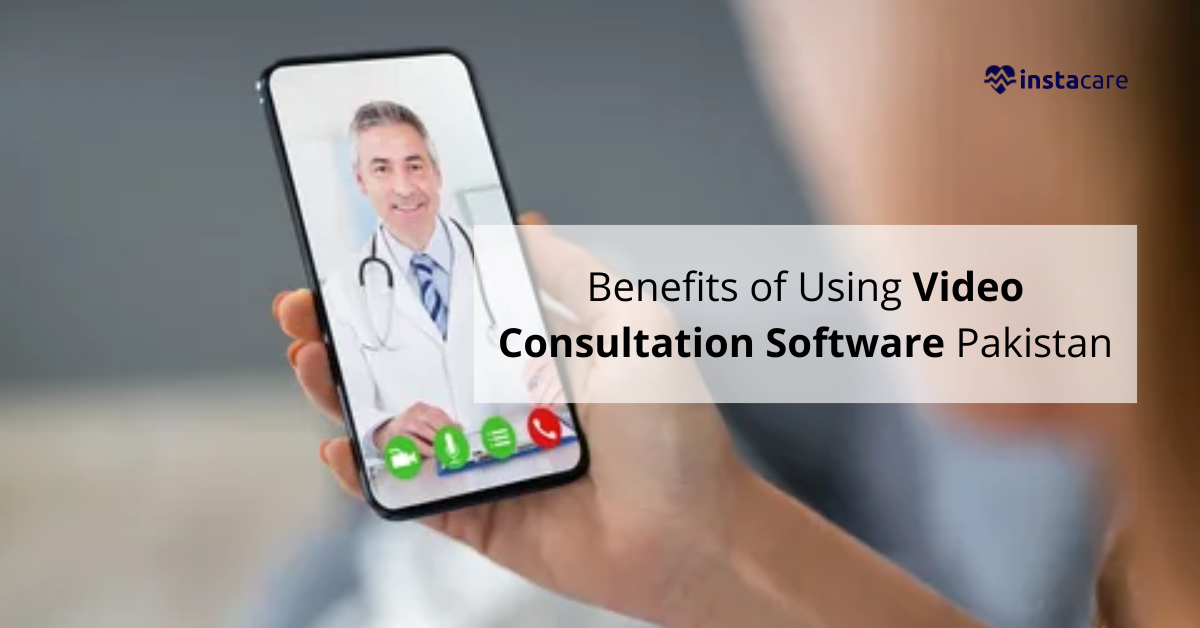
5 Benefits of Using Video Consultation Software Pakistan in the Healthcare Industry Modern technology and the creation of specialized medical software have altered the healthcare industry, allowing video consultations to become the norm for patient recovery strategies. Progress has surpassed human expectations as everything, from our phones to healthcare visits, becomes digital. According to research, the market for video consultation software is expected to reach a value of $186.5 billion by 2026. Particularly during a pandemic, people would feel too nervous and uneasy, and health services might struggle to keep up with the exponential demand. Health services risk failing due to an influx of demands that might be handled digitally without sufficient preparation and risk-reduction measures. Along with its advantages for distance health, video consultation software can save patient lives. For example, it makes it possible for medical professionals to promptly identify stroke symptoms and recommend treatments that might help their patients live. The Advantages of Video Consultation Video consultation software provides several advantages. Here are a few examples: People may seek medical assistance despite being stuck and receiving treatment. The unwillingness to take chances and exposure to infections brought on by travel. The capacity to receive consultations virtually from any medical practitioner, regardless of specialty, saves time because patients won’t need to travel to a waiting area. Quicker treatment because there are so many available video consultation times. The virtual trade might convince the patient to go a distance. Enhanced Range Patients in remote areas can benefit from expanding video consultation software in primary and specialized consultation care. Primary care visits can be conducted in various ways through video consultation contacts. The video component may provide essential therapeutic information beyond what can be gleaned from a phone call or electronic communication. Video consultation visits may also be used for counseling for substance use disorders, medication reconciliation appointments, and form completion. According to a survey, millennials prefer video consultation sessions to in-person medical consultations 74% of the time. Book Free Demo Efficiency Along with its advantages for distance health, video consultation software can save patient lives. For example, video consultation enables clinicians to instantly identify stroke symptoms and recommend therapies that could improve their patient’s lives. This is also just one of the many ways that video consultation is now helping the medical industry. Superior Productivity To offer advice, prioritize care delivery, and provide treatment or instruction. Many video consultation platforms help healthcare staff quickly ascertain the cause of a patient’s call. The team who answer the phones can give assignments to the right clinicians, allowing nurses and doctors to work. Additionally, specialists should apply their skills to the appropriate patient conditions. For example, a low-ranking medical staff member may respond to common questions concerning medications instead of a doctor. Adaptability Thanks to the numerous applications that remote healthcare offers for medical industries and sectors in which the healthcare professional does not have to connect with the patient physically, it is convenient and easy for customers to access remote medical care and also consulting without having to travel long distances or change routines and schedules. Applications Customer-based care provided through video consultation software is a recent innovation in healthcare business models. An article claims that professionals are increasingly deciding to create healthcare platforms for their clients and offer online services akin to those provided by bankers, real estate brokers, and other entrepreneurs. Additionally, the healthcare industry may serve more regular patients by extending their consultation hours. This creates a fresher paradigm for their patients’ encounters with online medical staff. Conclusion Video consultation benefits patients as well as their doctors and other medical staff. Just like patients, healthcare workers can lessen their exposure to illnesses and diseases remotely by visiting patients. Providers may experience lower overhead costs if they also spend less time seeing patients in their offices. Doctors need fewer medical and administrative support staff when there are fewer patients. For further consultation, you can contact the expert team of Instacare at https://instacare.com.pk.