Telehealth for Elderly: A Modern Shift in Senior Healthcare Telehealth for Elderly is transforming how elderly people are treated medically. Using technology, elderly people can get treated at home, reducing hospital visits. Telehealth facilitates virtual consultations, regular check-ups, medication management, and round-the-clock monitoring, all from the comfort of their own homes. In recent years, especially after the COVID-19 pandemic, the healthcare industry has experienced an overnight boom in virtual care solutions for elderly individuals. Ranging from home-based to mobile health applications, older individuals are gradually adopting digital healthcare solutions for chronic condition management, specialty care, and well-being. The Advantages of Telehealth for Seniors The Benefits of Telehealth for Seniors are numerous and contribute to their overall well-being. By minimizing travel time and providing quicker access to medical consultation, elderly people have both comfort and improved healthcare. Less stress and travel expense Quicker consultation for chronic conditions Less exposure to infectious diseases Easy access to experts Improved medication compliance with digital reminders The main advantage is regular contact with primary care practitioners. Regular contact allows for case following up on medical trends, recording early signs of deterioration, and preventing emergencies, particularly among the elderly with multiple states of illness or living alone. Principal Telemedicine Services to Older Patients Older patient telemedicine care has expanded exponentially. They include virtual consultation, online counseling of the mind, physical rehabilitation guidance, and monitoring of chronic diseases. The following are the Telemedicine Services for Elderly Patients: Video call-based first care visits Post-hospital discharge follow-ups Treatment of anxiety and depression remotely for mental health Electronic management of prescriptions Tracking vital signs with wearable technology Telemedicine facilitates greater care coordination among specialists, caregivers, and family members. Doctors can share electronic notes on the same platform and refer patients to physical therapists or nutritionists as needed. How Seniors Can Use Telehealth? We must realize How Seniors Use Telehealth to develop systems ideally suited to their requirements. Older persons primarily utilize telehealth via smartphone, tablet, or desktop computers to call physicians, ask for medication refills, or attend therapy. Today’s older population increasingly makes appointments online, receives follow-up test results via telehealth portals, and even consults a dietician remotely to ensure nutrition. Others utilize devices connected to telehealth systems, which allow physicians to analyze health in real time. Proper training and technical assistance make seniors capable telehealth users. Technology Barriers in Elderly Telehealth One of the biggest challenges in the growth of technology barriers in elderly telehealth is the digital divide. Most elders have trouble with: No access to high-speed internet Lack of familiarity with smartphones or computers Physical disability (hearing, vision, dexterity) Concerns regarding privacy and data security Technophobia is another significant barrier. Sure, seniors are unwilling to accept telehealth because they are unfamiliar with it, leading to frustration or avoidance. This can be addressed with easy-to-use sites, guides, and quick technical support. Steps are also taken to provide low-cost or subsidized internet plans and easy-to-use devices to seniors. Caregiver support and community education classes also facilitate seniors’ use of Telehealth for Elderly equipment. Senior-Friendly Telehealth Sites To be used optimally, telehealth sites utilized by seniors must be easy to use. Easy-to-use features with fewer complexities are: High-contrast color and large print Easy one-click scheduling Captions and audio cues Technical support via phone or chat HIPAA-safe secure connections A good platform is not merely interested in appearances; it also considers seniors’ motor skills and brain processes. Simplification, reducing the number of steps, and using graphical icons rather than textual menus are examples of usability. Some health practitioners now have senior helplines and tutorial videos specifically for seniors. These provide seniors with the capability to receive Telehealth for the Elderly easily. Remote Healthcare for Older Adults Remote Healthcare for older adults isn’t a band-aid; it’s an effective model for continuing care. Physicians can detect early signs of declining health by conducting continuous remote checks and adjusting care plans accordingly. Remote medicine also enhances chronic disease management, such as: Hypertension Diabetes Arthritis Heart disease COPD It improves patient outcomes and decreases hospital readmission. Seniors no longer need to wait for signs and symptoms to worsen before visiting a physician; timely care via digital is now available. Home-Based Telehealth for Seniors: Bringing Care Close Home-based telehealth for Seniors brings medical services to their doorsteps virtually. They no longer have to take the highway to clinics for all those minor complaints. The advantages of Senior-Friendly Telehealth Platforms are: Off-site diagnosis through mobile applications Regular follow-ups conducted through video consultations Home-based drug delivery according to prescription Health counseling and lifestyle counselling This model is useful, particularly for elderly individuals living in rural or dispersed environments. It offers level access to quality service and avoids excluding them on geographic grounds. In addition, home care is economic. It keeps ambulatory treatment, ER usage, and unwarranted admission to a minimal level. It also maintains minimal stress and an environment conducive to peaceful healing. Telehealth Solutions for the Aging Population Creating effective Telehealth Solutions for the Aging Population requires a combination of medical expertise and technology based on user experience. The solutions tend to include: Easy-to-use personalized apps 24/7 virtual nurse phone helplines Telehealth-connected emergency alert systems Live health monitoring using smartwatches Coordination between experts, caregivers, and family members These technologies, including tools like a Clinic Management System, bridge the gap in medical care for elderly people who need regular consultations with a physician. They also empower older adults
How Communication Tools Reduce Errors in Healthcare Settings Effective communication stands as the essential building block which supports high-quality healthcare delivery. Patient care complexity creates environment for greater risks of medical errors. Modern communication tools function as healthcare resources which reduce errors and increase patient safety while advancing the quality of medical care. Various communication systems deployed throughout health care operations work to reduce mistakes and improve patient healthcare results. Understanding the Impact of Communication in Healthcare Importance of Communication Communication in healthcare refers to the flow of information among healthcare providers, patients, and their families. When communication fails between medical staff and patients the result becomes misinterpretation as well as prescription errors and mistreated diseases and numerous critical safety issues that threaten patients. A study shows that communication breakdowns stand as the leading source of sentinel events that create unexpected healthcare incidents causing death or severe injuries. The Joint Commission Journal on Quality and Patient Safety published research showing miscommunications between healthcare professionals cause 70% of sentinel events. Types of Healthcare Errors Healthcare errors can take several forms, including: Medication Errors: Using inappropriate dosages, wrong medicine, or drug interactions. Error Detection: Poor diagnosis or miscommunication and late diagnostic communication. Operative Errors: In or after surgical treatment due to miscommunication at surgery. Communication Errors: Because the patient did not know what the prescriptions were and did not report new or worsening symptoms to their treating physicians. These failures in communication with ramifications for their health and safety make interventions to address these most effective. Healthcare Communication Tools Electronic Health Records (EHRs) All medical records exist as Electronic Health Records (EHRs) which function as digital representations of patient paper data. The transmission of critical information enhances healthcare communication between providers and patients along with providers across the board. Benefits of EHRs Information deposited in an already connected database where the chances of communication gone wrong or data loss are ruled out. Real-Time Updates: The information about patients with EHRs can be updated real-time by the health care providers; thereby, all individuals concerned with a patient’s treatment will be up to date if there are changes. Medication Management: The EHR contains tools for managing medication, especially where most have alerts about interactions between drugs, allergies, and contraindications. Secure Messaging Systems Secure messaging systems enable the direct contact between the health care provider and also directly with a patient in the most confidential ways. Most the messaging systems applied are HIPAA compliant and other laws concerning patient’s information, such that the privacy of the information remains assured. Benefits of Secure Messaging Timely Communication: It enables providers to send and receive messages within the shortest time possible hence reducing delays in care and decision-making. Explanation and Follow-Up: With secure messaging, patient concerns or care plans are easily followed up on so as to clear up any misconceptions. Patient Involvement: With the use of secure messaging, patients can question their providers or even report their symptoms, which increase communication and involvement in care. Telehealth Platforms Telehealth has seen rapid adoption during the last few years and particularly accelerated strongly since the COVID-19 pandemic. Through virtual consultations patients use Telehealth service platforms to connect with health providers without leaving their home. Book Free Demo Advantages of Telehealth Accessibility: It makes care easier for patients with mobility issues and those living in remote areas. Barriers to communication are significantly reduced. Real-Time Interaction: Video consultations will allow real-time discussion with providers. This will ensure providers can visually see the patients and assess them verbally. Documentation: Most telehealth systems can interface with the EHR so that the entire healthcare team can view the patient visit. Clinical Decision Support Systems (CDSS) Health-care professionals using Clinical Decision Support Systems make treatment decisions based on patient-relevant data that follows best practices defined by clinical guidelines. Advantages of CDSS: Evidence-Based Recommendations: This will be reducing the dangers of a risk of error from diagnosis missed due to specific evidence-based recommendations to be given to such a need as the case. Alerts and Reminders: The system sends the provider important information regarding a patient, such as overdue screenings or drug interactions. Improved Collaboration: Consolidation of data from several sources helps health teams collaborate by giving a holistic view in care provision. Less Mistakes through Better Communication Team Coordination Improvements The effective communication tools promote collaboration between healthcare teams, thus reducing errors. When team members share information and work out the roles and responsibilities of each member, chances of errors lessen. Interdisciplinary Rounds: The different health care professionals can meet together, come up with a feasible communication with teamwork, and ensure that the patient get quality care. Clear Protocols: Such clear communication protocols as standardized handoff help information are transferred at the transitions of care. Empowering Patients Communication tools empower patients to take charge of their own care. If the patient is informed and engaged, the patient tends to adhere to treatment plans and raise their concerns. Patient Education: Information can be made available to patients regarding their conditions and options for treatment in order to avoid confusing them. Shared Decision-Making: Shared decision-making tools empower the patient to be an active participant in his or her care, which then leads to more informed decisions and, therefore, compliance. Monitoring and Feedback Communication tools enable providers to track the progress of a patient and get immediate feedback. In this manner, problems are detected earlier, and the error does not continue any further. Patient Monitoring Systems: Wearable devices and remote monitoring tools assist the healthcare team in monitoring the health metrics of the patient and, therefore, intervene on time. Feedback Mechanisms: The systems through which feedback can be received from the patients and families may assist in identifying points for improvement in communication and care. Challenges in Implementing Communication Tools Though the benefits of the communication tools abound, challenges in implementing them persist: Training and Adoption: Staff within healthcare organizations need training to master new communication tools along with potential rejection of change as a barrier for
The Role of Communication Tools in Telemedicine Success Telemedicine is one of the transformations that the health sector has experienced, considering the last global events that have called for accessible and efficient medical care. The communication tools at the center of this shift are those which make interaction between healthcare providers and patients possible. In this article, critical roles communication tools play in telemedicine success, benefits, challenges, and future prospects are discussed. Understand Telemedicine Doctors perform health care procedures across distances using advanced technology. Telemedicine includes different medical services that include digital patient visits as well as tracking patient status from a distance with smartphone apps. The most critical aim of telemedicine is enhancing access to health care without lowering the quality of care or increasing it. Why Communication Matters in Telemedicine Communication plays an important role in telemedicine for the following reasons: Patient Engagement: There is an effective and transparent communication which engages the patient in his health care journey so that he becomes better aware of the conditions and the treatment available. Interdisciplinary Collaboration: There are usually a number of different healthcare providers with diverse specialties, which makes up a telemedicine setting. Good communication will ensure all the members on the team understand the approach being used to patient care. Data Sharing: There is the need to have appropriate timely sharing of information among the patients, particularly where there is an indication of complicated medical conditions that would require such information. Critical Communication Tools for Telemedicine Several communication tools are important to the success of telemedicine implementation. Some of them include: Video Conferencing Platforms: Such platforms include Zoom, Microsoft Teams, and others dedicated specifically to telehealth, enabling providers and patients to engage in face-to-face, real-time video consultations. Secure Messaging Systems: Secure messaging systems help health care providers to communicate efficiently and effectively. Secure messaging allows them to quickly exchange information, seek clarification in case of need, and provide patient care follow-up. Electronic Health Records (EHRs): EHR is the central core of the telemedicine systems. Using telemedicine, any physician can quickly obtain necessary data of a patient about their history, drugs and medicines, test reports, and all that he wants to decide wisely about their patient’s medical problem. Remote Monitoring Devices: The devices monitor in real time such vital signs and many other health metrics; this data will be sent directly to healthcare providers. This allows the use of communication tools for sharing and analysis of the data, making it possible for proactive care. Patient Portals: These are online platforms through which patients can view their health information, schedule appointments, and communicate with healthcare providers. Patient portals are designed to enhance engagement and streamline communication. Using Communication Tools to Enhance Telemedicine Success Improve Patient-Provider Interactions Video conferencing tools allow for real-time interaction that mimics face-to-face visits. This way, health care providers can assess patients better, creating a connection sometimes lost in text-based communication. Example: A doctor can identify important patient communications through their body language during video visits that standard forms or telephone exchanges might miss. Care Coordination Improvement Secure messaging systems improve the quality of communication among healthcare teams. Providers can share updates very quickly, discuss treatment plans, and consult with specialists as necessary to keep everyone who participates in a patient’s care up to date about what is happening. Patient Engagement The patient portal lets people see their health data and talk to their healthcare team without barriers. When patients can see all their medical records they become more involved in managing their healthcare needs. Streamlining Data Sharing The healthcare system uses EHRs to give providers easy access to patient information. EHR enhancements plus telemedicine links enable healthcare teams to view and change patient records while making better decisions faster. Book Free Demo Advantages of Communication Tools in Telemedicine Increased Accessibility: Communication tools enable patients to receive medical services from home through digital platforms that overcome transportation and scheduling problems. Cost-Effectiveness Improved Health Outcomes Ease and Convenience Challenges in Implementing Communication Tools The communication tools can improve telemedicine, but it is not an easy task as there are several challenges, which include: Technical Barriers: Not everyone has access to reliable internet and devices for using telemedicine. Healthcare providers need to consider such differences and find means of accommodating such patients who would face technological barriers. Privacy and Security Concerns: Healthcare organizations need to guard patient information at all times. Healthcare facilities must use patient data systems that obey HIPAA rules when they connect with patients. User Resistance: Some healthcare providers and patients will resist the new technologies. Training and support can ease this transition and encourage the use of communication tools. Quality of Care: Telemedicine is effective in such situations; however, some conditions require personal evaluation. The professional judgment of the providers must decide when telemedicine is appropriate and when a physical evaluation is required. Future Prospects of Communication Tools in Telemedicine Telemedicine, along with its communication tools, holds promising futures. Innovative advancements in technology are most likely to further enhance telemedicine capabilities: Artificial Intelligence (AI): AI will help telemedicine through patient data analysis, prediction of health trends, and helping the healthcare providers to make better decisions. Wearable Technology: Healthcare providers can value health metrics measured in real time with devices. Proactive care management will be facilitated, and tools for communication will be necessary for the exchange and analysis of data. Integrated Platforms: Integrated platforms will abound as telemedicine grows. In this regard, telemedicine will facilitate more integrated communication tools, EHRs, and remote monitoring into a smooth interface for the provider and the patient. Conclusion Effective communication tools help telemedicine succeed by improving contact between patients and healthcare providers as well as between healthcare teams and promoting patient participation while managing medical information more effectively. Telemedicine offers many ways to improve healthcare but technology advances too quickly for us to take advantage of them all. Health care organizations must handle telemedicine challenges and accept new communication technology to keep delivering medical care efficiently. Using the latest
Best Healthcare Communication Solutions for Modern Clinics Communication in the health sector is highly prominent in modern clinics where satisfactory servicing of patients and efficient operations are also the top priorities. Digital technology is on the rise, and this has helped clinics to have different communication solutions that can streamline processes, enhance patient engagement, and overall delivery of healthcare services. This article is set to discuss the best communication solutions tailored for modern clinics, including their features, benefits, and practical applications. Importance of Effective Communication in Healthcare Effective communication in healthcare is the transfer of information between the health care providers, patients, and administrative staff. It is an essential aspect to guarantee: Patient Safety: Better patient results depend on the prevention of communication mistakes during patient care. Patient Engagement: Involving patients in their care encourages trust and adherence to the treatment plan. Operational Efficiency: Simple exchanges between staff help lower patient wait times and make better appointment statements and work together better. Data Management: Effective communication enhances data sharing and management, which is a huge reason for monitoring patient histories and outcomes. Considering all these factors, the modern clinic requires effective healthcare communication solutions. Top Healthcare Communication Solutions 1- Telehealth Platforms Telehealth platforms gained increased usage during the COVID-19 pandemic period. With these services clinics can now arrange digital appointments so patients can connect with medical support from any home location. Features: Video Conferencing: Allows for secure video calls for real-time patient-provider interaction. Appointment Scheduling: Patients can book and manage appointments online. Prescription Management: Providers can send prescriptions electronically. Integrated EMR: Telehealth platforms connect directly to Electronic Medical Records (EMR) systems to send medical data between them. Benefits: Convenience: Saves the need for a visit and saves time both for the patients and the providers. Accessibility: Healthcare services become easier for people to reach because of their physical or location barriers. 2- Patient Portal Solutions Patients gain secure online access to their medical records when they sign in to their patient portal to speak with doctors and manage their healthcare. Features: Health Record Access: Test results, prescription, and medical advice accessible to a patient Inpatient Secure Messaging: The facility can allow communication directly between patients and providers when dealing with routine concerns. Self-management of the Appointment: This patient can be enabled to schedule an appointment, postpone an appointment or even cancel View and payment of medical Bill online Benefits: It Empowers the Patient. This creates the responsibility towards one’s own health care condition which results in improved outcomes Efficient for it reduces clinic call and paper works. Effective Communication: It will ensure timely communication between patients and providers. Book Free Demo 3- Secure Messaging Solutions Secure messaging solutions are peculiar to healthcare. It enables the provider to securely and efficiently communicate with each other. Features: HIPAA Compliance: All communications will be guaranteed to be private. Group Messaging: It will enable care teams to communicate together for collaborative decision-making. File Sharing: Enables the secure sharing of patient documents and images. Read Receipts: Providers can confirm that messages have been received and read. Benefits: Speed: It facilitates quick communication, reducing response times for patient inquiries. Security: Guards sensitive patient information while communicating. Enhanced Coordination: Better patient health comes from stronger teamwork between medical professionals. 4- Cloud-Based Collaboration Tools Cloud-based collaboration tools enable teams in healthcare organizations to collaborate regardless of where the members are. Features: Collaboration tools: Share, and work securely on patient information and treatment plans. Task list: Assigning and tracking healthcare team tasks Video conferencing: Conduct a virtual team meeting and case presentation Real time updates: Accurate information in real time for use in dealing with patients Benefits Work flexibility: The modern healthcare calls for it; remote or off-site teamwork is facilitated by the tool. Streamlined Workflow: It makes processes streamlined and turns the team effective. Better Care for Patients: It aids in communication and coordination for the patient’s care appropriately. Integrated Health Information Systems (HIS) The integrated health information systems amalgamate almost all aspects related to the process of delivering healthcare, ranging from a patient’s account to billing and scheduling, together under one format. Holistic Data Management: It offers access to central access for patient-related data and administrator work. Interoperability: It provides flexibility in data exchange through integration with an external healthcare system or provider Analytics and Reporting: Helps for the monitoring of the performance metrics in addition to results Tools of Patient Engagement: Improves Communication and Education due to patients Smoothen Operations: reduces workload with Administrative Tasks with added efficiency Proper Decision: This gives proper information to all the providers on hand to draw judgements at all times Better Experience for Patients: From scheduling the appointment all the way through to follow-up care, patients has a smooth experience 1- Select the Right Health Communication Solution When clinics select the health communication solution, they must look out for a few issues Usability: The solution should be friendly to use to both the patients and the employees. Integration: Solutions to be integrated with the current software and workflows must be sought after. Security: The solution should ensure HIPAA and other privacy legislation compliance. Scalability: A scalable solution that may keep up with the clinic’s changing needs should be chosen. Cost: Considerations about cost of ownership, and there shouldn’t be any maintenance update fees, if applicable. Future of Health Communication Health care communications will become more advanced due to technological advancement. Artificial intelligence, machine learning, and telemedicine would make healthcare communication more efficient and effective. AI-Powered Chatbot AI-powered chatbot can provide patients with answers for some of their queries almost immediately, help them with appointment scheduling, and walk them through the process of even routine things. These tools will make the administrative load lighter and bring about a rise in patient engagement. Advanced Analytics on Data In the future, these communication solutions would have high-quality and advanced analytics built into them so that clinics could know and understand the patient’s behavior, preferences, and outcomes. These would help more in giving
How Healthcare Communication Tools Enhance Collaboration Advanced ways with which communication in healthcare is optimized to collaborate among healthcare providers by ensuring patients have safe services for better results has given meaning to healthcare due to enhanced forms of collaboration over information exchanged across the platform. This blog looks at all ways through which the sophisticated tools of communication aid teamwork in the health practice environments, advantages along with the disadvantages that users of advanced collaboration tools face when they are put into use in such environments, and outlines the prospect with such technological tools. Why Communication Counts in Health Care Good communication is essential in health care for many reasons: There is a protected patient: Since miscommunication can risk error, patients experience accurate treatments with the right type of medication prescribed. Miscommunication will result in several adverse drug effects or wrong diagnosing. Multidisciplinary Teamwork: In healthcare delivery, there are also several professionals and experts involved among them include medical doctors, Nurses, pharmacologists, and various therapists. Coordination through joint communication helps cement the team through better health healing of patients where all the team elements are well coordinative. Patient Engagement: The engagement of a patient in their care by transparent communication promotes satisfaction and compliance with treatment plans. When a patient is treated as well-informed and included, they tend to comply more with healthcare suggestions. Efficiency: Good communication saves time and delays. Free information flow among the members of the healthcare team helps the team to reach decisions promptly. Overall healthcare delivery improves with rapid decision-making. Key Healthcare Communication Tools Many tools are changing the way communication is done in healthcare: Electronic Health Records (EHRs): EHRs allow real-time access to information about the patient. That way, healthcare providers can easily make well-informed decisions very quickly. They are a centralized database that contains all information related to patient history, medications, allergies, and treatment plans. Secure Messaging Systems: That application provides safe two-way communication among health workers, as there is more private patient information being kept confidential. Information can be sent urgently whenever needed and follow-ups or clarification on patient care. Telemedicine: As telemedicine offers the flexibility to have tele-consultation services, telemedicine enhances care access and will facilitate easy communication with the patient in this regard, making it convenient for patients who come from rural locations or suffer from any kind of physical disability. Collaboration Tools: Applications like Slack, Microsoft Teams, and Asana create collaborations among the team of health care where they do share their real-time updates and insights and tear down interdepartmental silos. Patient Portals: These web-based applications allow a patient to access his or her medical information, receive messages from health care providers, and make appointments. Because a patient accesses some information, there is an enormous empowerment for this patient to become more proactive about his or her health care. Book Free Demo Communication Tools to Improve Collaboration 1- Facilitating Information Flow They minimize interaction between healthcare givers and data flows are brought in an automated way. For the reason, EHR gives a single vision of a patient, thus availing becomes a lot easier therefore, and the healthcare providers can also update the medical records fast so that the task prevents duplication that is it makes others in charge of treating him/her conscious of all varied instances where a patient receives care. Example: If a patient visits a specialist, the specialist can access the patient’s EHR to view previous tests, medications, and treatment plans. This access facilitates informed decision-making and improves continuity of care. 2- Reducing Response Times Secure messaging allows healthcare professionals to communicate quickly with one another. Providers can immediately send messages or ask questions as opposed to the time-consuming call or in-person meeting. The speed of these interactions may be very critical in emergent situations. For example, a nurse can send a message to a doctor on the change in patient’s status. This leads to prompt intervention and better results for the patient. In emergency conditions, communication is what saves the patient’s life or death. 3- Team effort promotion The collaboration platforms will strengthen work teams as there will be a space for healthcare professionals to share any insight, cases, and collaborations towards treatment plans. The systems can be integrated with the EHRs, thus keeping all team members on the same information. For instance, a multidisciplinary team may use a collaboration platform to discuss a complex case, thus using the diverse perspectives and expertise for informing the patient’s care plan. This is a collaborative approach that may bring more comprehensive and effective treatment strategies. 4- Improving Patient Involvement Communication tools also help in better engagement with the patients. Telemedicine allows a patient to access healthcare providers without having to go to the facility. Secure messaging systems allow the patient to pose questions and get answers in due time. For example, a patient may send a message to their provider regarding side effects of a newly prescribed medication, and their treatment plan is updated immediately. A listened-to and cared-for patient will be more likely to comply with treatment advice. Benefits of Increased Interoperability Healthcare providers using communication tools will have many benefits: Improve Patients Outcome: Coordination between the service providers in the health care leads to a better coordinated treatment. The studies proved that effective communication leads to higher clinical outcomes along with reduced chances of readmissions. Efficient Service: Efficiencies in Healthcare teams increase while the communication line is streamlined reducing the delays thereby leading to an efficient service towards the patients on the other end, and maximum time for professionals to provide quality care. Cost Savings: The collaboration enhances the cost-cutting measures of the healthcare facilities. The organizations decrease readmissions and prolonged hospitalizations by reducing errors and thus produce improved patient outcomes. Increased Employee Satisfaction: The tools of improved communication reduce frustration among healthcare professionals due to improved teamwork and collaboration. Normally, when the staff feels that they are supported and a part of the team, job satisfaction and retention rates increase. Although healthcare communication
Streamline Medical Practices with Advanced Communication Tools High-quality patient care demands modern approaches to communication in healthcare. Streamline medical practices today consider efficient communication tools to be essential assets for better collaboration among health professionals, increased patient involvement, and optimal operational efficiency. Accordingly, in this blog, the various ways advanced communication tools could impact medical practices are analyzed while providing benefits not only to the providers but also to the patients. Importance of Communication in Healthcare Communication is the backbone of delivering successful healthcare. It encourages cooperation among providers, improves patient safety, and helps to bring about better outcomes in treatment. Here are a few key reasons why communication is important in healthcare: 1- Patient Safety Miscommunication can lead to such circumstances as medication errors, wrong diagnoses, and poor patient outcomes. Clear, concise communication makes sure that the whole team is conversant about patient conditions, treatment plans, and changes in status. 2- Care Coordination Modern health care, in most cases, requires that several providers treat a patient together. Coordination of physicians, nurses, specialists, and other healthcare providers, therefore, depends on efficient communication. Such collaboration enhances the quality of care while reducing the chance of fragmented services. 3- Patient Engagement Engaging patients are those individuals who have valuable knowledge of disease’s or illness’ state or treatment process. Effective communication makes the patient be more willing to seek clarification on any issue, voice any concern they may have or even adhere to doctors recommendations meaning we would enhance the patient’s overall wellness. 4- Operational Efficiency Streamlined communication reduces delays in care delivery, minimizes administrative burdens, and enhances the overall patient experience. Efficient communication processes help practices manage appointments, follow-ups, and referrals more effectively. Book Free Demo Advanced Communication Tools Revolutionizing Healthcare 1- Telemedicine Platforms Telemedicine is revolutionizing the face of healthcare delivery since it brings the opportunity of consulting with providers from far away. It includes video conferencing, secure messaging, and scheduling appointments among other features. Advantages: Availability: Telemedicine brings an opportunity for accessing healthcare by patients in distant or underdeveloped areas. Ease: The patients can access health care from their homes; hence travel time and the cost of travel are removed. Continuity of Care: The follow-ups are easy through telemedicine and thus encourage patients to continue care. 2- Secure Messaging Systems Secure messaging systems allow healthcare providers and patients to communicate in real time, but ensure the same compliance as regulations like HIPAA. Benefits: Quick Communication: Providers can communicate with patients, sharing information to quickly respond to problems. Fewer Phone Tags: Secure messaging eliminates phone calls. This is because providers can send messages when they are available. Patient Empowerment: Patients can ask questions and seek advice without the need to see a provider. 3- Electronic Health Record Systems EHRs are a mainstay of present-day healthcare by allowing the smooth storage, access, and share of patient details. Most have features such as secure messaging and appointment reminders, portals for patients and others. Benefits: Comprehensive Patient Information: Providers can be able to access and make informed decisions based on full medical history Interoperability: EHRs can also be integrated to other systems ensuring that data exchanges between different entities in healthcare flow smoothly. More Detailed Documentation: Machine documentation saves on administrative work and is more detailed. 4- Patient Portals Patient portals are web based systems that permit patients to view their own information thus enable them to interact with providers or manage their schedules. Pros Patient Access to Information: The most importance of the change is that patients are able to see information such as lab results, prescribed medications, and treatment plans, which help them, have a better perspective about their health. Effective Communication: Patients can communicate with their health care team, request refill of prescriptions, and request appointments. Self-Management: Availability of learning materials and self-monitoring aids support the patient in self-management. 5- Mobile Health Applications MHealth applications enable patients to track their health, communicate with the providers, and learn resources. MHealth applications range from simple reminders to prescription refill, or medication use to full-blown platforms of chronic disease management. Benefits Personalized Care: mHealth apps can deliver individualized content and support for every patient’s unique needs. Engagement: Patients who access these applications engage more in the process of getting care. Data Acquisition: These application can collect many data that practitioners can use while designing treatment care. Overcoming Barriers of Communication On the other side, the benefits advanced communication tools bear are evident while there are certain challenges to overcoming them: 1- Training and Acceptance Staff should be trained to implement these new technologies productively. Organizations have to invest in these elaborate training programs so that transition is a gradual process and benefits from these technologies are maximized. 2- Integration It is challenging to integrate new communication technologies with existing systems. Providers have to opt for a solution with interoperability with current EHR systems ensuring that the data flows without any obstructions and there is no disruptively. 3- Educating the Patient The people are not always aware of these digital communication tools. It means that the duty of health care providers is to provide avenues through which their patients can access those resources and be facilitated to be a part of them fully. The Future of Health Care Communication Health care communication for the future has much promise with further advance technology. Artificial intelligence and machine learning will lead to enormous improvements in efficiency, especially in communication. For instance, AI can be used in the triaging of patient inquiries, directing them to the most appropriate provider or resource. Hybrid care models will be developed with the increasing acceptance of telemedicine, which combines in-person and virtual visits, providing patients with better access and enabling greater engagement. Conclusion Advanced communication equipment will be relevant in streamlining medical practices while enhancing patient safety and quality care. Through telemedicine, secure messaging, EHR systems, and patient portals plus mobile health applications, healthcare professionals will enhance the better communication between all stakeholders and facilitate better collaboration. Other than that, these
The Future of Telemedicine in Pakistan: Integrating EHR Systems Telemedicine is dramatically changing the face of healthcare in Pakistan, which is bringing innovations to the long-standing problems with regard to access to medical care and patient care. Bright days lie ahead to improve the healthcare delivery of the entire nation as far as telemedicine is concerned with the integration of EHR systems. This paper will discuss the potential benefits, challenges, and implications of integrating EHR systems into the telemedicine services provided in Pakistan. Understanding Telemedicine Telemedicine is an ability or activity of providing healthcare assistance via information exchange with the use of telecommunications and it enables the opportunity for the patients to speak to health care everyone without getting to the actual healthcare center physically. The method is really useful, especially in a country like in Pakistan where geographical, physical and economical barriers have worked as hindrances to seek health care service. Need for Telemedicine in Pakistan The population of Pakistan is over 240 million, and a vast majority of those people live in rural or avalanche areas that have little to no access to healthcare. The major health challenges in the country are as follows: Healthcare professionals: There is a shortage of qualified healthcare providers, especially in rural areas. Infrastructure: Most of the health facilities are under-resourced and lack essential medical equipment. Geographical: Patients have to travel long distances to receive healthcare, and thus medical treatment will experience delays. Economic: Healthcare is expensive to most families, and hence important treatment will experience delays in accessing them. Telemedicine reduces burdens shown above, and patient care along with the health outcome of patients decreases the cost incurred in healthcare. Role of EHR Systems EHR stands for Electronic Health Records. EHR is the electronic version of a patient’s paper charts. From EHR, all details of the patient’s history, diagnosis, medicines, treatment plan, immunization dates, allergies, radiology images, and lab test results can be obtained. The quality of care toward the patient will increase drastically with the use of EHR in telemedicine platforms. Improved Patient Care with EHR As part of telemedicine, health providers can view comprehensive patient records during virtual consultations. This way, providers can make informed decisions and tailor treatments and patient progress over time. For example, if a patient has a history of chronic illness, the provider can review previous treatments applied to the patient and change the care plan accordingly. Eases easy data sharing among care providers. That is, the data can be shared easily between the care providers such that all the members of the patient’s care team access the same information. This is very vital since more than one specialist may be involved in a given patient’s care. Sharing of the information related to the patients will ease, for example referring will be easy and coordinated well for a specialist and a given primary care physician. EHR systems can automatically process most administrative tasks, such as scheduling appointments, billing, and prescription refills. It can free much of the burden of healthcare staff and allow them to spend more time with patients than on paper. Automated reminders of follow-up appointments or medication adherence can also improve compliance. With the collection and analysis of health data from EHR systems, track trends and patterns in connection to public health matters hence, it would ensure there is a data-based approach towards funding during an outbreak or more control during funding for diseases. For instance, infection cases caused by COVID-19 may traceable by following up from the cases information that have been captured in EHR. More Patient Involvement Patients are also enabled to have direct access to their health information using the patient portals that usually link the EHR system. Through the access, they tend to be proactive and, therefore, be more self-dependent in health management so that they are able to enhance their health outcomes. The portals offer patients to view test results, set appointments, and communicate with providers. Difficulties of Integrating EHR Despite all the benefits mentioned above, integrating EHR systems into telemedicine in Pakistan has the following challenges: 1- Infrastructure Limitations There is a lack of proper internet connectivity and infrastructure in many places of Pakistan. High-speed reliable internet, very important for proper telemedicine services, may not reach them. Issues related to infrastructures have to be addressed in order to promote telemedicine and EHR systems extensively. 2- Regulatory Framework EHRs and telemedicine require strict regulations to determine how they would be used, including issues of patients’ privacy and safety of information that would fall in line with compliance with regulations set by health laws. Well-defined policies, standards, and guidelines that explain the way in which Pakistan shall approach these systems do not exist now. 3- Training and Adoption Education of the healthcare provider on proper use of EHR systems and telemedicine platforms is paramount. Resistance to change as well as unfamiliarity with technology can delay the adoption of these systems. Thus, continuous education and training are necessary to enable a healthcare provider to take up these tools. 4- Constraints of Finance Overall, the deployment of EHR systems and telemedicine platforms may be highly capital-intensive. Most healthcare facilities are capable of affording the relevant technology and infrastructure upgrades-once again, especially in rural regions. This may require funding by government or private sectors. Book Free Demo Telemedicine and EHR Integration in Future With the advancement of telemedicine in Pakistan, EHR systems integration will significantly contribute to the country’s future healthcare delivery landscape. A number of initiatives and trends have shown positive momentum for telemedicine and EHR integration: 1- Government Initiatives The Pakistani government realized the importance of digital health services and thus started providing their support by having policies for telemedicine. This National Health Information System will allow management and integration of health services through an advanced central data base system in the health sector. 2- Public-Private Partnership Engagement Private investment in telemedicine and EHR solutions is on the rise. Startups and tech companies are innovating new platforms to meet
The Role of Telemedicine in Modern Clinic Management Systems Among other disruptive innovations in recent years, telemedicine has turned upside down the management of clinics and access by patients to interventions. Just think about a patient who can consult with a doctor from the comfort of his house and avoid a long waiting in a crowded waiting room; this is not a dream, it’s the reality developed by telemedicine. Technical requirements of telemedicine develop the opportunity to get integrated into the modern healthcare system through streamlining the services in the clinics. However, there exists a dire need of understanding the concept of telemedicine, benefits, challenges, and thus, what the future holds. Understanding Telemedicine In simple language, it means the use of technology in delivering clinical health from afar. It includes everything from simple consultations on the phone to comprehensive video. This model allows health professionals to access their patients irrespective of their location, which improves their access to medical care immensely. Key Features of Telemedicine Following are some of the key features of telemedicine that go a long distance in improving the patient experience and the functioning of a clinic: Virtual Consultation: The term simply means that one consults his doctor through video calls for convenience, enabling one to get care without necessarily having to make a visit to the clinic. In this regard, remote monitoring will facilitate continuous monitoring of patients suffering from any chronic condition with wearable devices and mobile applications. This also facilitates proactive management of their health. Access to Specialists: Distance would mean little in such aspects as consulting specialists, since it covers distances for patients unable to consult specialists due to geography or other reasons without the added burden of travel. Cost-Effectiveness: The method does reduce travel costs and time for both patients and health professionals; hence, this would be most effectively making healthcare more accessible and time-effective. Integration of Telemedicine in Clinic Management Systems The present-day clinic management system has been designed in order to assist the administrative, patient data, and billing-related tasks to be managed in an organized manner. The integration of telemedicine into the same would tend the clinics to be in a better position in accomplishing functionality on many more counts besides being able to cater to the patients in a better manner. Advantages of Integration Smoothening of operations: Once telemedicine gets integrated into the CMS, appointment scheduling, follow-up of patients, and maintenance of records all become quite smooth and easy. This efficiency frees up more time for the staff since there are less administrative burdens; staff can then be more caring for their patients. Improved Patient Convenience: This in itself improves the experience of patients in seeking home care. One need not worry about long waits in the clinic or taking time off from work. Appointments are easily attended to in comfort. Improved health outcomes: Through regular monitoring and timely follow-ups, telemedicine will offer better management of chronic diseases, reduce hospital admissions, and thus improve health outcomes in general. Data Management: Telemedicine generates a great amount of data; this, integrated with CMS, enables clinics to do better analyses of the patient trends and work toward positive modification of the care protocols for improved outcomes in patients. More Significant Revenue Streams: With telemedicine services, the clinic is afforded the chance to take more patients on board without the use of space. This may lead to increased revenues while catering much-needed care to more patients. Challenges of Telemedicine in Clinic Management Though these benefits are considered significant in number, there have been certain challenges that must be overcome if telemedicine is to find appropriate alignment with clinic management systems. Book Free Demo Compliance and Regulatory Issues Telemedicine faces different regulations that may be very different from region to region. They have to take into consideration a lot of complicated legal issues for clinics to make sure they follow the laws of patient privacy and licensing. This might get particularly tricky for those operating their services across state or national lines. Technology Barriers Not all patients have access to the technology that such services require, let alone reliable connectivity to the Internet. This creates a digital divide in access to care, and for this reason, clinics should begin seeking solutions that will help in realizing equity in the health care provided. Resistance to Change It is generally true that change is quite scary, more so to the health facilities that have been in operation for many years. A few health professions may not embrace the idea of telemedicine because they are conversant with other technologies or have no faith in the technology. Thus, substantial training and continuous support would be required to overcome any such resistance. Quality of Care Concerns Debates are gaining momentum amongst experts whether telemedicine could assure a level of care equivalent to what is received during clinic visits. For that, the clinics need to establish protocols and guidelines that guarantee telemedicine consultations meet high standards of quality in order to maintain the quality of care the patients expect. The Future of Telemedicine in Clinic Management The future of telemedicine in clinic management systems is bright and is going to be shaped by a variety of trends. Artificial Intelligence and Machine Learning AI and machine learning are already being incorporated into the telemedicine platform in the hope of creating an utterly new model of patient care. The technologies analyze massive volumes of patient data, predict health outcomes, and provide personalized care plans. It is a level of sophistication that opens up the possibility of such a service being more efficient and effective. Wearable Health Technology Wearables are increasingly deployed in service to monitor vital signs and health parameters. The integration of such data from wearables into clinic management systems allows practitioners to track patient health status in real-time. This capability allows for timely interventions, thereby improving patient outcomes. More Emphasis on Mental Health However, telemedicine proved to be of particular service in the case of mental health provisions by
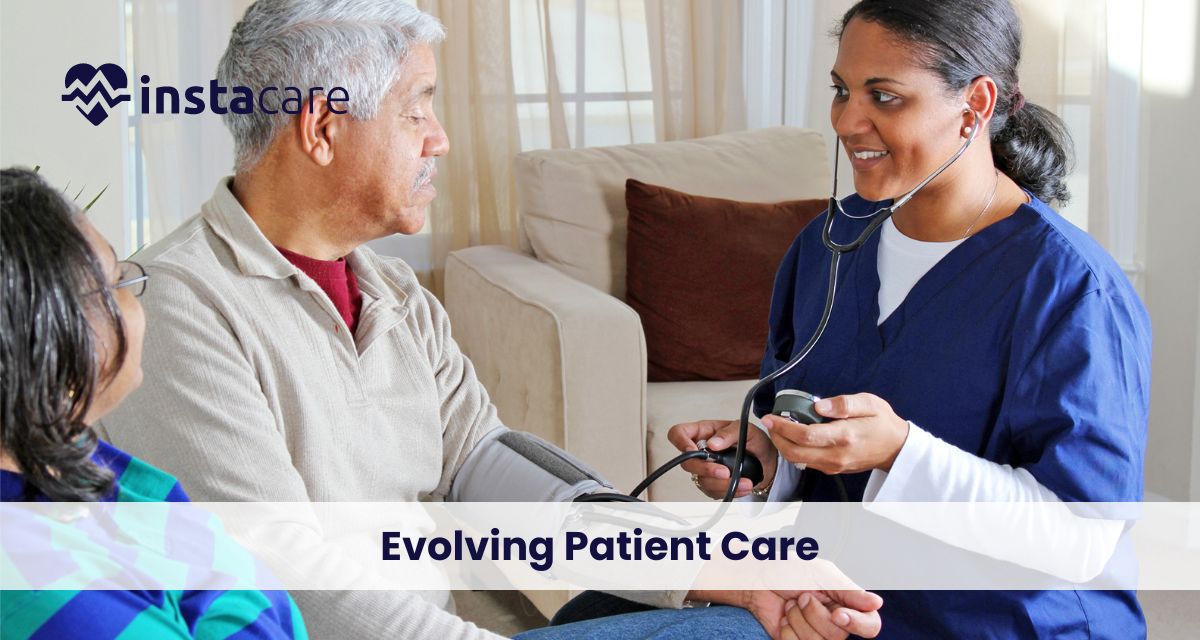
In the changing atmosphere of health care, this shift toward person-centered care seals major overhauls in the various dimensions of care for patients. This only treats the people in general but does not focus on specific diseases or conditions. It is based upon respect, empathy, and primarily active participation of patients regarding their care. This blog is going to highlight the changeability of the patient care process, understanding of concepts, and the benefit of person-centered care. Further, it offers successful strategies on how to implement this within the healthcare setting. Shift to Person-Centered Care By tradition, health care has been disease-centered, focusing on a diagnosis and treatment of the medical condition in opposition to the whole person. No doubt, this had great success in the progress of the science of medicine and tremendous treatment options. Most of the time, it has failed to be sensitive to the experiences and well-being of the patient. A model developed in response to this gap is person-centered, or patient care; more specifically, it lays emphasis on the values, preferences, and needs of a patient in bringing forth a more humane and efficient pattern of health care. At the same time, it is one of the building blocks of value-based care, generally focused on outcomes and satisfaction rather than volume. Core Principles of Person-Centered Care Respect and Dignity: Respect for the perceptions of the patient by health professionals is an important tenet that should be done hand in hand with support of the patient’s autonomy. Patients’ knowledge, values, beliefs, and cultural backgrounds should be integrated into care planning and delivery. Info and Communication: The patient should be given information by the institution in a timely way, to the best of their ability, in full and plain terms reasonably understood by the patient. Effective communication ensures that care decisions are made appropriately. Participation: Encourage and support patients to participate in decision-making at the level they are able. This participation may include decisions related to their own care or organizational policy and procedure decisions. Collaboration: Care needs to be coordinated and integrated among all elements of the healthcare system. Care teams need to work collaboratively with patients, their families, and other health care providers to provide optimal care. Book Free Demo Benefits of Person-Centered Care Improved Patient Satisfaction If a patient feels respected, and his participation in their care is achieved, then his satisfaction with the experience of health care increases, which may be translated into better adherence to treatment plans and ultimately into better health. Improved Health Results It has been evidenced that person-centered care stands in a good position to yield better clinical outcomes. A whole rather emotional and social approach to a person helps the care providers in the development of more effective and comprehensive schemes of care. Lowered Health Care Costs Person-centered care leads to a decrease in the need for more expensive acute care services through prevention and management. The improved adherence to patients’ care plans also meant that there were few or no readmissions to hospitals and emergency visits, thus leading to cost reduction. Higher Satisfaction of Providers This kind of care is also of equal benefit for the providers of health care. It brings out a greater and more satisfying work environment because the providers engage on a much closer level with their patients and are professionally more satisfied. Strategies towards Implementing Person-Centered Care Implementation of activities of person-centered care calls for changes at the strategic levels in health care. Some major strategies involved in the implementation of the same are: Training and Education: Health providers need continual training on issues such as communication, empathy, and cultural proficiency, which will increase their capacity to be engaging effectively and respectfully with their patients. Patient Involvement Engage patients in their care through shared decision-making tools, patient advisory councils, feedback mechanisms, and other initiatives that give the patient reassurance that their voice will be integrated both in care planning and organizational policies. Technology and Innovation: Let technology serve person-centered care. This helps in enhancing communication, coordination, and patient activation by using EHRs, patient portals, and telehealth services. Environment and Culture: Develop a health care environment and culture that promotes person-centred care. This will require the development of a respectful, welcoming atmosphere, and organizational policies that promote patient-centred practices. Future Directions in Person-Centered Care While progress has been made, the journey to full actualization of person-centered care remains ongoing. Future directions toward that end include: Customized Medicine: Genetics and data analytics further open up the way for the tailoring of care. Superior health outcomes can be created alongside increased satisfaction among patients if treatment is custom-tailored to the unique features of every patient. Artificial intelligence and machine learning Artificial intelligence and machine learning could thus be hired to revolutionize person-centred care with more accurate diagnosis, predicting patient outcomes, and personalization in treatment plans. Integrated Care Models: The physical and mental elements of health work hand in hand. The real challenge is in their aggregation to meet the holistic needs of the patient. The integrated care models bring both of these elements together to yield better and more comprehensive care. Empowerment: At the heart of person-centered care is the way it empowers patients with tools and means and resources for self-management. Thus, next steps and subsequent actions entailed to facilitate the examination of health information and self-management tools are simply a support network. Policy and Advocacy: It entitles its widespread adoption will require an advocacy in support of person-centered care policies backing the interest of patient care and supporting collaborative efforts in health care while investing in training and technologies needed. Conclusion Patient-centred approaches present a paradigm shift towards a more humane, effective, and sustainable health care system. This approach not only helps health care providers increase their level of patient satisfaction and health outcomes in a humane way but also help them find better fulfillment in their work through respect, empathy, and engaging the individual on the path to recovery. Wherein successful implementation
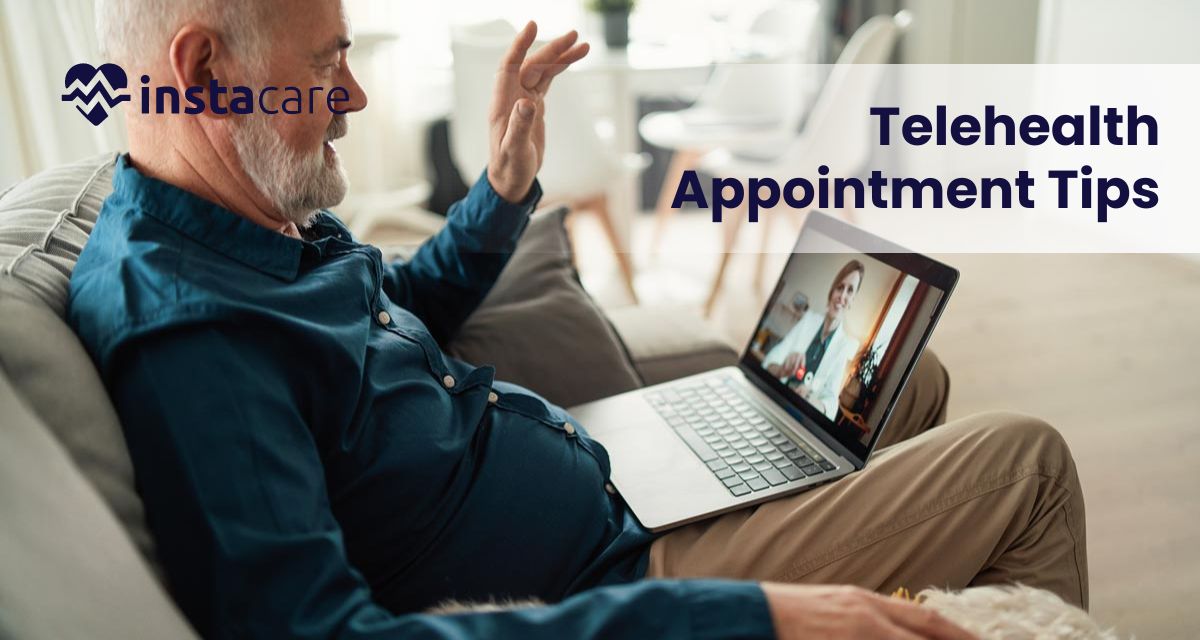
5 Telehealth Appointment Tips: Advice For A Successful Session Telehealth appointments are becoming more and more common, and for good reason, who wouldn’t want simple access to medical care without ever having to leave their house? No bother, no driving to the doctor’s office. They can be just as successful as an in-person meeting and are very convenient. In addition to the waiting areas, you can combine and avoid your journey to and from the facilities, which is great if you’re pressed for time or find traveling uncomfortable. But there are some preparations needed in order to have the most successful telehealth session. Being organized will make your appointment go more easily and provide your doctor with the knowledge they need to provide you with the best care possible. These are five suggestions to make sure your telehealth appointment goes well. If you heed these specific suggestions, your telehealth experience will be less stressful and easier, allowing you to concentrate on your health and well-being. 1-Prepare Your Technology Well In Advance Check Your Internet Connection A stable internet connection is very essential in a telehealth consultation. Check that you have a stable Wi-Fi or mobile data connection. If possible, use a wired link since it will be more stable. Test Your Device Whether you are using a computer, tablet, or smartphone, make sure it is charged and in good working order. Be ahead of time in testing your camera, microphone, and speakers, due to the fact that most telehealth platforms have an option for testing these features. Update Software Ensure that the operating system of your device and the telehealth app or platform being used are running the latest version. This would help in avoiding problems that would interfere with or prevent your appointment from happening since compatibility issues might exist. Have A Backup Plan No matter how hard efforts are, technology at times does fail. Therefore, always have a backup plan, such as a phone number, through which you can reach out to your health provider if something goes wrong with the video call. 2-Be In A Comfortable, Private Space Choose A Quiet Space Go to a quiet, relatively private space where you’re unlikely to be interrupted. This could be another room with the ability for closing a door. Do not use busy areas or rooms with high noise levels. Check The Lighting The doctor needs to see you very clearly. If possible, schedule the visit in natural light or in a room that is well lit with no backlighting from windows or bright lights directly behind you. Set Up Your Space Set up a space with a comfortable chair, and have a place to put your device on a flat surface. The camera has to be at eye level to ensure good eye contact during the call. You may want to use a stand or prop up the device to get the right angle if needed. Reduce Background Noise Try to minimize the background noise by turning off the television, radios, or any other noisy appliances. Give all family members notice that you will be engaged in a telehealth session and thus may have less time and need for quietness and privacy. 3-Prepare Your Medical Information Gather Documents Keep beside you your medical history, the list of medications taken at the moment, and the documents or test results having to do with your health problem. This allows you to give correct information to the healthcare provider. Make A List Of Symptoms And Questions Write down the symptoms you have been experiencing, when they started, their severity, and any sort of triggering observations. Have a list of questions or anxieties that you want to discuss during the appointment. Know Your Health Insurance Information Take along your insurance card or details for identification or billing purposes. Take Notes During the visit, write down the advice, diagnoses, and treatment plans your provider is giving. Not only will this help with recall, but it will also help you complete important next steps. 4-Be On Time And Ready Log In Early Attempt to log in to your telehealth platform about 10-15 minutes before your scheduled appointment time. Having that advantage allows for time to iron out any last-minute technical issues. Keep Everything That You May Need Near You A pen, paper, your ID, an insurance card, and all documents relevant for the appointment. If you have symptoms that are manifested physically, like a rash or swelling, it’s important that your device can easily be positioned to capture whatever might happen. Dress Appropriately Comfortable but respectable, something you would go to an in-office visit in. This is professional courtesy, showing respect, and also helps to create makeshift professionalism in what can be a very casual medium. Be Ready To Communicate Be prepared to talk clearly and directly. This should be remembered that your doctor cannot conduct a physical examination; thus, description of symptoms and concerns needs to be detailed and precise. 5-Follow Up After The Appointment Review Your Notes Go through the visit notes. Be sure to understand what you will do next, schedule a follow-up appointment, fill a prescription, or begin a new treatment plan. Schedule Follow-Up Appointments Do this right away if your Healthcare provider recommended that you come back for another visit. This provides continuity in the care of your health and keeps you on track. Fill Prescriptions Fast If you have been prescribed medication, don’t wait to fill it. Many pharmacies offer delivery services for prescriptions, so you won’t even have to leave home if that is not possible. Questions To Ask After The Visit If some other questions come to your mind after the appointment, please do not hesitate to call back to talk to your health care provider. Most telehealth platforms have secure messaging services where you can message follow-up questions. Conclusion Telehealth appointments, no doubt, are excellent means of receiving medical care from the comfort of your home. The challenge now is how a patient can