
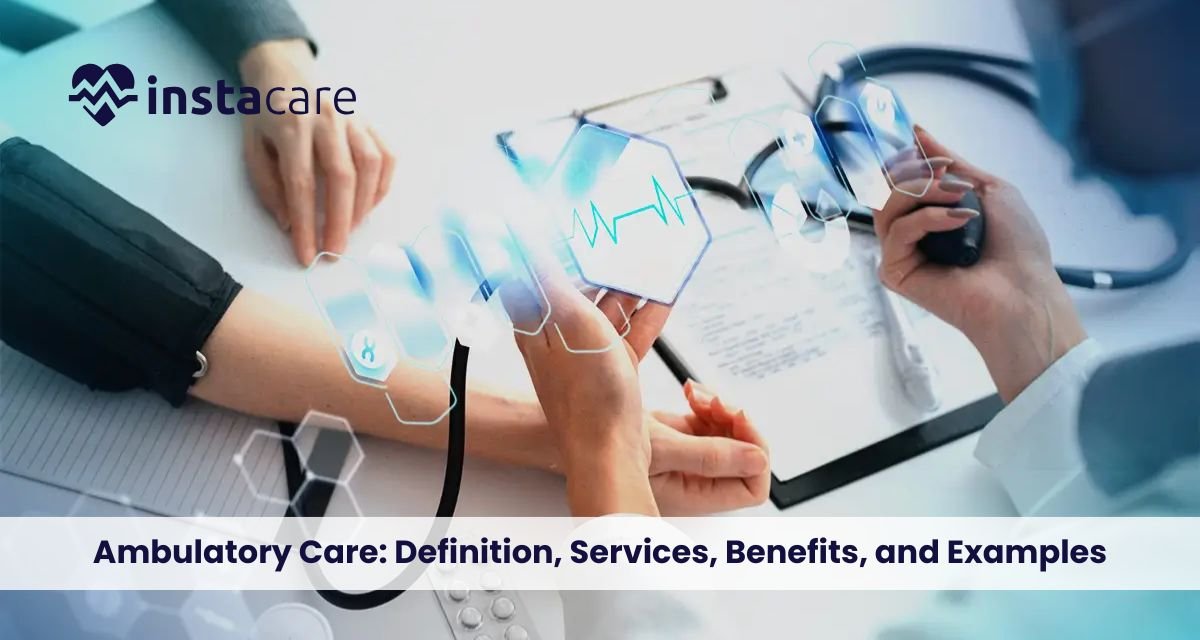
Ambulatory Care: Definition, Services, Benefits, and Examples Healthcare provision is today a vastly transformed experience that offers patients simpler, streamlined, and specialized treatment without overnight hospital admission. Ambulatory medical care is a fresh and fast-evolving field that is rapidly gaining significance because it allows patients to be diagnosed, treated, and followed with no overnight admission. It is centered on convenience, cost-effectiveness, and patient care and remains one of the key pillars of health systems in current times. From specialty clinics to ambulatory treatment centers, these centers have all kinds of services, from preventive check-ups to sophisticated surgical procedures. What is Ambulatory Care? What is Ambulatory Care? In short, ambulatory care is any form of medical intervention or service rendered to a patient who does not require an overnight stay in the hospital. It is also called outpatient care, where patients visit a facility, receive treatment, and are sent home the same day. It can be anything from routine consultations to sophisticated diagnostic tests and surgery conducted in ambulatory surgery centers. According to the Ambulatory care definition, it focuses on giving safe, effective, and timely medical care without prolonging hospitalization. It can be provided in other alternative places such as ambulatory care clinics, doctor offices, urgent care centers, and specialty clinics. Types of Services under Ambulatory Care Ambulatory health care services are diverse and based on patients’ needs. They are classified as follows: 1. Primary Ambulatory Care Primary ambulatory care is made up of check-ups at regular intervals, prevention screening, and management of chronic illness. Services provided here include vaccinations, blood pressure checks, diabetes management, and health education. 2. Specialist Consultations Ambulatory care clinics also accept patients for specialist consultations such as cardiologists, dermatologists, or neurologists. Such consultations usually involve diagnostic workups and follow-up. 3. Diagnostic Services Most ambulatory care centers do X-rays, ultrasounds, MRIs, and lab tests. They can provide results immediately so that the treatment can be provided simultaneously. 4. Ambulatory Surgery Some surgeries like herniorrhaphy, endoscopy, cataract extraction, and orthopedic surgery, are conducted in ambulatory surgery centers. It is not a hospitalization but provides high-quality of care. 5. Urgent and Emergency Care Other ambulatory care clinics handle minor emergencies such as breaks, cuts, and burns. These are suitable for patients who need urgent care but do not necessarily need to be admitted as inpatients. 6. Rehabilitation and Therapy Certain of the services such as physical therapy, occupational therapy, and speech therapy are ambulatory patient services in which healing and overall improvement is involved. 7. Preventive and Wellness Services Among them are weight management programs, smoking quitlines, and diet counseling to help patients maintain their health. Benefits of Ambulatory Care The benefits of ambulatory care are more than its convenience. It is a cost-effective, patient-focused way of providing health care. 1. Convenience and Accessibility Patient Management Software can fix an appointment as per the patient’s convenience without waiting and spending on transport costs. 2. Cost Savings It is cheaper than inpatient treatment since there is a lesser cost of an Ambulatory care facility and staff. 3. Fewer Hospital-Acquired Infection Opportunities Since the patients are present at the health care centers for fewer hours, they are subjected to hospital-acquired infection for fewer hours. 4. Faster Recovery Treating them with an ambulatory care center, patients are sent home the same day, which in a majority of cases results in faster recovery at home. 5. Customized Treatment With professional healthcare personnel like ambulatory care nursing practitioners, the patients are attended to according to their respective statuses. 6. Efficient Usage of Resources More health conditions are medically treated within a shorter time, efficiently utilizing resources and preventing hospitals from getting saturated. Book Your Free Marketing Consultation Ambulatory Care vs. Inpatient Care Ambulatory care vs inpatient care is crucial to know to make informed decisions regarding healthcare. Ambulatory care is for patients who can be safely sent home after treatment is completed, while inpatient care is hospital overnight stay for at least one night. Typically, ambulatory care is less expensive, quicker, and easier, and inpatient care is required for the more severe diseases that have to be monitored constantly. Ambulatory care involves physical therapy, minor procedures, and diagnostic studies. Inpatient care involves intensive care, major surgery, and post-operative observation. This is how the line splits for the providers and patients to choose the best treatment option by medical need and case. Who Can be Treated by Ambulatory Care? Ambulatory care is suitable for a large population. Patients of chronic diseases – Diabetic, asthmatic, or hypertensive patients are managed with follow-up and preventive examination at a regular interval. Postoperative patients – Those who require follow-up after discharge can choose ambulatory care centers for observation. Ease-seeking patients – Busy lives like ours prefer outpatient treatment, which does not disrupt life. Preventive health seekers – Those who worry about early detection of disease and health receive primary ambulatory care services. Mild illness or injury cases – Non-life-threatening conditions are treated well in ambulatory care clinics. With a focus on quality care, accessibility, and convenience, ambulatory care is ideal for those patients who do not need to be hospitalized overnight. Conclusion Ambulatory care has revolutionized the face of medicine by offering quality treatment within the reach and accessibility of everyone. Either through the avenues of ambulatory care centers, specialty clinics, or ambulatory surgical centers, it allows patients to benefit from immediate medical treatment without the hassle of lying on a hospital bed. The divergence of ambulatory care services, ranging from preventive health programs to complex surgeries, is a reflection of its versatility and patient-friendliness. For others interested in the distinction between inpatient and ambulatory care, it is an issue of medical necessity. But for others, ambulatory care is a less expensive, more convenient, and safer route to wellness and recovery. As the services become more formalized for ambulatory patients, the future of Ambulatory healthcare services shines brighter, is more pliable, more efficient, and available to all. FAQs 1.

Virtual Nursing: Distance Patient Care and Telemedicine Support Defined The healthcare industry is fast changing, and leading the change is virtual nursing. Facilitated by telecommunication and electronic technology, virtual nursing offers RNs and healthcare providers a chance to deliver high-quality care from afar. The change is transforming patient care and the manner in which nurses deliver care. Virtual health monitoring, remote nursing care, and telemedicine nursing imply that nowadays, patients can receive the services they require without ever setting foot in the hospital. What Is Virtual Nursing? Virtual nursing is the provision of nursing care provided through digital interfaces, video conferencing software, mobile apps, and telecommunication technologies. It also includes all kinds of services such as virtual nurse consultations, medication, management of chronic diseases, post-discharge, and education of the patient. The primary belief of virtual nursing is to be able to access regular and instant care regardless of where a patient is. From the regular check-ins to emergency follow-ups, web nursing care allows physicians to stay in touch with their patients in real time. This type of model has been more relevant since telehealth nursing has been introduced to facilitate uninterrupted care even during emergencies or pandemic outbreaks. Key Features of Virtual Nursing 1. Remote Patient Monitoring “Remote patient monitoring” takes advantage of electronic monitors to track key vital signs and health metrics. Heart rate, oxygen saturation, blood pressure, blood glucose, and so forth are sensed by sensors and wearables. This data is transmitted to doctors for tracking and intervention if needed. 2. Virtual Nurse Consultation Virtual nurse consultation is a video call or a call by phone between the patient and the nurse. The follow-up, symptom check, health guidance, and drug monitoring are done through the consultations. It saves time and travel time. Additionally, it is convenient for both patients and nurses. 3. Digital Nursing Services E-Nursing services range from the whole scope of remote services, anything at all from making appointments and monitoring patient records to assisting with therapy planning. All these are done through apps, online software, and secure messaging systems. 4. Virtual Health Monitoring Virtual health monitoring is the utilization of equipment and platforms to track patients’ health status in real-time. The program allows for the early identification of complications and immediate medical intervention, reducing hospitalization and emergency visits. 5. Tele-nursing Jobs Tele-nursing roles opportunities are more diversified and have increased by ten times. Tele-triage, mental health treatment, chronic illness treatment, or virtual critical care units can employ nurses. The profession requires much expertise in the management of electronic devices, clinical practice, and excellent communication skills. Book Your Free Marketing Consultation Benefits of Virtual Nursing 1. Expanded Access to Care One of the best is increased accessibility. Rural, underserved, or distant patients can now access good and timely care. Virtual nursing fills gaps between urban medical centers and distant areas. 2. Healthcare Costs Reduced Because of the lowered demand for physical visitation, distance nursing care lowers healthcare costs by a significant proportion. It lowers transportation fee, hospitalization, and administrative fee and thus facilitates care affordability for systems as well as patients. 3. Convenience and Comfort Patients are given home comforts of home care from the comfort of their homes. Patients with mobility issues or chronic aches appreciate that virtual patient care spares them the physical hassle of driving to physical appointments. home care 4. Time Efficiency Virtual interactions save the time of both the patients and the nurses. With minimal logistics, more patients can be treated every day by the nurses who provide customized care according to systematic digital protocols. home care. 5. 24/7 Online Nursing Support 24/7 online nursing support is available anytime. On-demand quality may help address health problems and instill confidence in chronic or complex diseases. Telehealth Nursing Applications Telehealth nursing is utilized with various models of care and specializations. Among the routine applications are: Chronic Disease Management: Patients suffering from diabetes, high blood pressure, and heart failure can be treated and monitored remotely. Mental Health Support: Virtual nurses can offer emotional assistance and therapy planning to anxious, depressed, or PTSD patients. Post-Surgical Care: Post-surgical processes, wound care, and medication schedules can be controlled by virtual nurse consultation. Geriatric and Palliative Care: Geriatric and end-stage patient nursing via telemedicine is made easy, which offers around-the-clock care and psychological support without disturbing the home environment. Role of AI in Virtual Nursing AI in virtual nursing is enhancing the provision and coordination of care. Artificial intelligence is helpful to virtual nurses in the following: Predictive Monitoring: AI will be tracking patient data and identifying risks much earlier than when symptoms are escalating, hence enhancing response time. Virtual Nursing Assistants: virtual nursing assistant based on AI, providing direct interaction with chatbots, voice interaction, or smart applications. Virtual nurses help schedule or remind for appointments, answer frequently asked Questions, or triage, which is easy. Decision Support Systems: AI systems provide recommendations to the nurses based on current clinical guidelines, thereby reducing error and inaccuracy. AI retains the nurses with their patients for longer times by removing the routine aspect of work when handling a series of data. Challenges of Virtual Nursing Even though there are many advantages of virtual nursing, there are a few challenges in virtual nursing too: 1. Digital Divide The majority of the patients, especially the poor or the aged, lack smart devices or access to the internet at all times. Literacy to the new world is also an obstacle in making the best use of the facility of digital nursing services care centers. 2. Data Privacy Issues As health information traverses the internet, this requires secure websites to be embraced by privacy laws. Authentication and safe log-in become essential. 3. Licensing and Legal Restrictions Tele-nursing jobs tend to connote worldwide care, but legislation can restrict where legal practice might be allowed for nurses. States
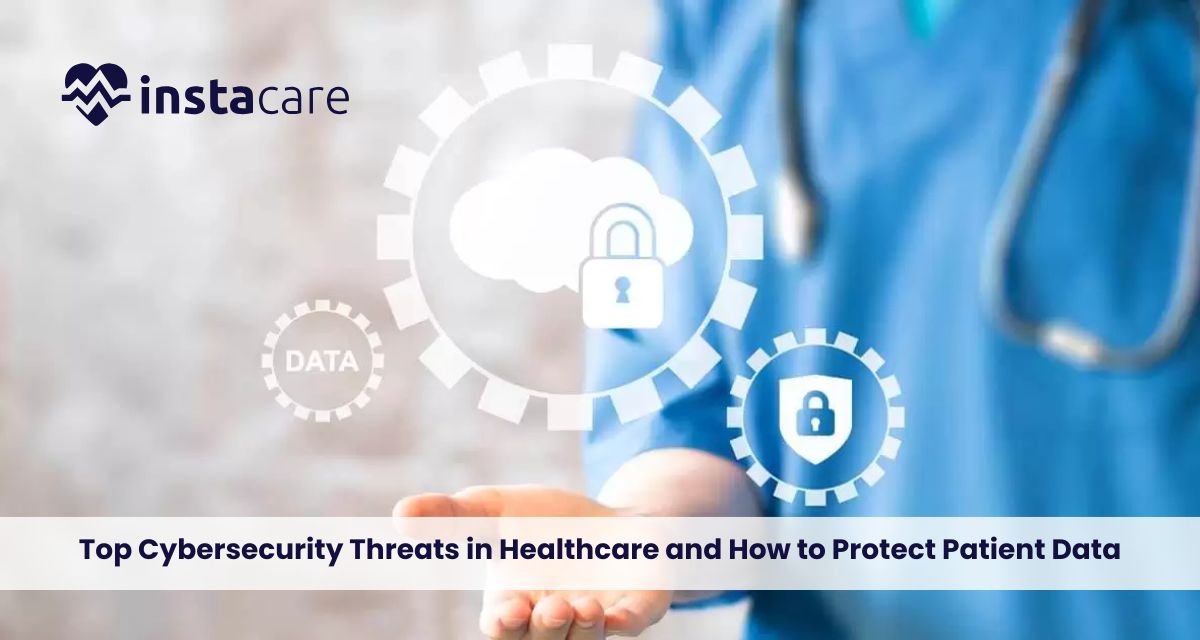
Top Cybersecurity Threats in Healthcare and How to Protect Patient Data The healthcare industry is also a high-priority target for cybercriminals due to the value and sensitive content of patient information. With electronic health records, networked medical devices, and telemedicine growing in popularity, health care organizations have to put security first. Healthcare data breaches, not only financially costly, erode patient trust and attract legal liability. It is more important than ever to value threats and implement measures that are effective in safeguarding information. Why Healthcare is a Prime Target for Cyberattacks? There are a number of reasons why healthcare has been a prime target for cyberattacks. Firstly, health providers have long records that include complete names, Social Security numbers, medical histories, insurance details, and billing details. Medical details, as opposed to credit card details that can be tampered with once there has been a compromise, cannot be changed. Second, the majority of healthcare organizations continue to utilize outdated technology and legacy systems. These older systems have unpatched vulnerabilities that are easily taken advantage of by attackers, which pose serious healthcare IT vulnerabilities in platforms. Additionally, the chaotic and highly stressful hospital setting can result in the abandonment of security protocols, which further provides easy entry points for cyber attackers. Third, hacking healthcare organizations has the direct potential to disrupt patient care, such as surgery and emergency services. This places attackers at a leverage position when demanding payment of ransom to activate, which has resulted in ransomware attacks in hospitals that leave entire hospital networks crippled until ransom is paid. Top Cybersecurity Threats in Healthcare Healthcare organizations are faced with an array of AI in healthcare cybersecurity attacks of differing sophistication and damage potential. Knowledge of the dangers is the beginning of introducing effective security measures. ● Ransomware Attacks One of the most detrimental attacks, ransomware on healthcare facilities, renders users inoperable on important systems by encrypting their information and demanding payment to resume access. Ransomware attacks are likely to hinder medical treatment, disrupt emergency response, and even jeopardize patient lives. ● Phishing Scams Phishing in the healthcare industry is increasing. Spammers send spoofed messages that look like authentic emails as a way to get login credentials or click on hacked attachments. Phishing attacks tend to open the doors to more dangerous threats like ransomware or data breaches. ● Medical Device Vulnerabilities Hospitals in most hospitals today possess networks with networked, smart medical devices. Such systems do not have impenetrable security controls. This, thus, poses threats of medical device hacking risks that, in an indirect way, breach data as well as the functionality of life-saving devices. ● Electronic Health Record Attacks Electronic health records (EHRs) hold highly valuable and confidential data. Such systems are susceptible to data theft, identity theft, and billing fraud. Poor electronic health records security can lead to humongous breaches and patient trust. ● Insider Threats Employees, whether inadvertently or just sloppy, can indirectly do a tremendous amount of damage. Insider threats are one of the toughest to catch, especially in those systems that do not have good monitoring and access controls. ● Supply Chain Risks The hospitals are also found to rely on third-party suppliers for bill, cleaning, and IT services. The attackers can bypass them without safe security measures by the third-party suppliers. ● Lack of Real-Time Monitoring of Threats There are few hospitals that do effective data threat detection in hospital systems, and that results in delayed response times. Without real-time monitoring and analysis, there is no opportunity to identify unusual behavior prior to most damage having been achieved. Book Your Free Marketing Consultation How to Protect Patient Data: Best Practices? Protecting medical software from threats to patient data requires aggressive, multi-layered action. Technology, employee training, and all the rest must work together. ● Lock down access with strong controls Enforce role-based access control so that only appropriate employees can read or modify sensitive data. It reduces exposure and insider threats. ● Use End-to-End Encryption Encryption of healthcare information protects sensitive content from reading or use by the wrong people even when the data gets intercepted as it is being sent or stolen. ● Employee Training and Awareness Human error is one of the leading causes of information breaches. Conduct regular training sessions to educate employees how to identify phishing, how to handle patient information successfully, and how to implement strong passwords. ● Use AI-Based Security Solutions AI technology in health security can identify anomalies, assess threats in real time, and respond immediately. AI software plays a central role in preventing false positives and identifying true issues. ● Enforce HIPAA Compliance Following legislation, such as HIPA,A maintains patient data as securely as possible. HIPAA-compliant cybersecurity includes administrative, physical, and technical security controls such as secure logins, audit controls, and encryption to keep sensitive data secure. ● Secure Medical Devices and Software As more and more adopt digital health, physician software now also needs to be protected from harm. Secure these computers and monitor illegitimate access with firewalls, antivirus programs, and updates. ● Patch Management and Regular System Updates Malicious actors usually attack unpatched systems. Regularly update software and firmware to eliminate known vulnerabilities. ● Data Backup and Disaster Recovery Plans Store safe regular backups of all important information. This offers a means of re-creating systems without opting to pay ransom on attack. ● Invest in Tailor-Made Cybersecurity Solutions Healthcare organizations must employ cybersecurity solutions for clinics that are made to suit their individual needs. These could be endpoint security, firewall platforms, and security incident response software. ● Conduct Strict Risk Assessments Daily monitoring is what assists in finding weaknesses in your system. It entails evaluating the preparedness of personnel, technical infrastructure, and third-party vendors. Conclusion Cybersecurity in health care isn’t just a technological requirement, it’s a crucial part of ensuring patient safety. As hospitals and clinics become increasingly reliant on computer networks, the risk for cyberattack grows.
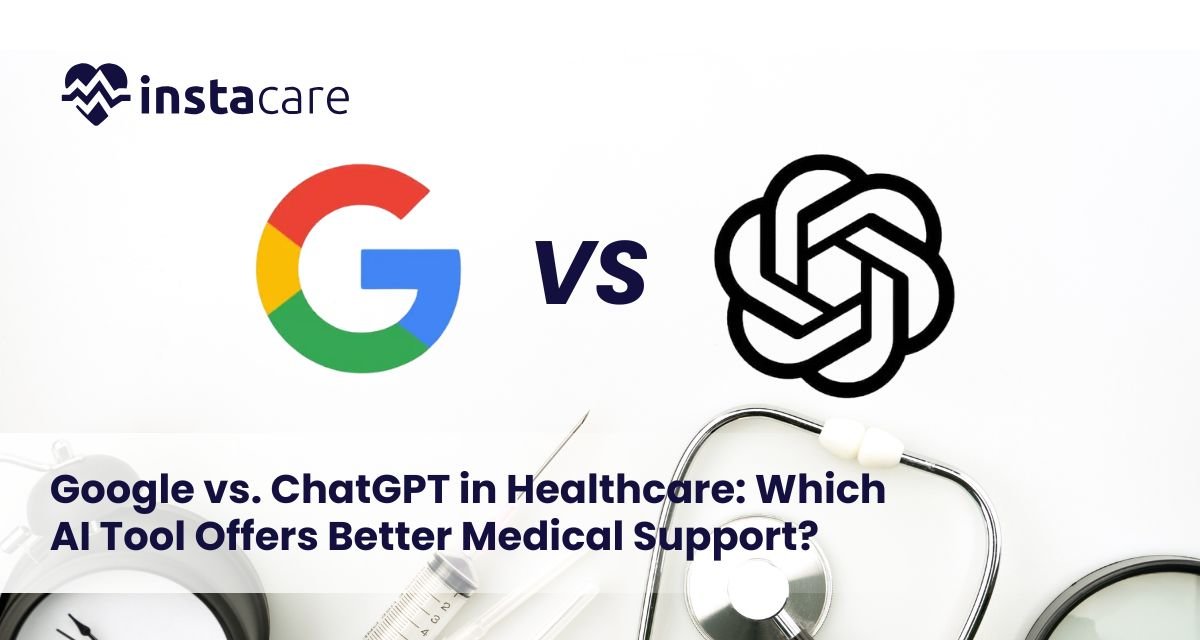
Google vs. ChatGPT in Healthcare: Which AI Tool Offers Better Medical Support? Artificial Intelligence (AI) is revolutionizing healthcare by providing quicker access to information, improving diagnostic precision, and even automating patient support. Two organizations are leading the way in this revolution: Google and ChatGPT. Both leverage strong AI capabilities but apply them to medical support in very different ways. Google’s AI is mostly used to fuel search algorithms and health-oriented platforms such as Google Health and Bard, whereas ChatGPT, designed by OpenAI, is more of an interactive assistant with dialogic formats. Both offer strengths, but which provides superior medical assistance? Knowing the AI Tools ● Google Health AI Tools Google’s activity in healthcare is diverse. The firm uses Google Search, Google Health, and Bard AI, combining AI-infused search intelligence and deep learning algorithms to achieve real-time health monitoring, imaging diagnostics, and predictive modeling. Google also partners with organizations such as the Mayo Clinic to improve diagnostics through AI models in patient care. Google Search enables users to input symptoms or health conditions and have instantly available a list of links, articles, and occasionally summaries. Google has brought conversational AI into the equation with Bard AI, providing direct, chat-based answers rather than merely blue links. ● ChatGPT for Medical Advice ChatGPT is intended to interact with users in natural conversations. Having been trained on large sets of data, including open-source medical literature (not individual patient data), ChatGPT for medical advice can provide general medical information, break down symptoms, and describe diseases or medications. While ChatGPT is not a substitute for a physician, it is being more and more utilized in patient education and healthcare decision support systems. As a doctor chatbot, it offers readable and bite-sized information to users, particularly for people drowned in the intricacies of conventional health material. Speed vs. Context: How They Provide Medical Information ● Google: Speed-Oriented Delivery Where speed of search is concerned, Google is unmatched. A user can type in symptoms such as “nausea and headache” and obtain thousands of responses within a couple of milliseconds. Google’s power is in its full-indexing and real-time information retrieval. But Google results are apt to be filtered through several sources. Although this may suit tech-literate users, it drives others crazy. And SEO content is not necessarily always prioritizing medical correctness over clickability, leaving one to question the limits of Google Health AI tools. ● ChatGPT: Context-Rich Conversations ChatGPT strikes a different path; it slows down but deepens. Rather than blinding users with hyperlinks, ChatGPT gives them streamlined, conversational responses. For example, a user inquiring about “possible causes of chest pain” gets a formatted, human-style explanation, graded by severity and emergency. This renders ChatGPT’s medical precision more user-friendly, particularly for non-professionals. Furthermore, ChatGPT can recall a conversation flow, which a search engine cannot. This capacity to preserve context across a series of interactions makes possible AI-powered personalized health recommendations AI advice a capability search engines cannot match. ● Patient Trust in AI Tools The real measure of medical AI tools lies in how much users trust them. Research shows that patient trust in AI tools and they often use both platforms for initial health queries, yet differ in what they rely on more. ● Trust in Google’s Health Ecosystem Google enjoys high user trust due to its long-standing reputation. However, its model lacks empathy and adaptability. It doesn’t remember conversations or tailor information unless you’re using an account with personalized tracking. Additionally, searching through results requires discernment users need to sort out verified sources such as Mayo Clinic or WebMD from suspect blogs. This puts the responsibility for ChatGPT’s medical accuracy on the user. ● Trust in ChatGPT Medical Chatbot ChatGPT establishes trust through its friendly conversational tone. Patients value having a non-judgmental, always-available aide to field personal health inquiries. Its answers incorporate disclaimers, urging users to refer to medical professionals, a function that enforces ethical concerns of AI in medicine, issues of AI in medicine, and demonstrates prudent AI application. The human-like answers also make it perfect for emotional illness discussions, where empathy is paramount. Real-Time Diagnosis with AI: Are We There Yet? Neither Google nor ChatGPT is currently approved for real-time diagnosis with AI. Google has tested AI in radiology and ophthalmology with very good results, but clinical use is still confined. ChatGPT is utilized in triage systems, symptom checkers, and virtual health assistants. While useful, it’s not a diagnostic program. In both instances, the technology is ancillary, not determinative. But AI model advancements in patient care indicate this can turn around. Google is piloting AI systems for cancer screening, and ChatGPT-type models are being trained on up-to-date medical data for improved clinical application. Book Your Free Marketing Consultation ChatGPT vs. Search Engines: Which Provides More Support? This is a comparative analysis: Google (Search/Bard) Speed: Lightning quick; brings back thousands of results in seconds. Personalization: Restricted to search history; not strongly personalized for people. Medical Accuracy: Dependence on the source clicked (some authoritative, some not). Ease of Use: Manual filtering, reading, and clicking through several links. Emotional Sensitivity: No empathy or emotional sensitivity. Offline Integration: Poor integration with healthcare equipment or APIs. Trust Factor: High based on brand reputation, but impersonal and non-interactive. ChatGPT (AI-Powered Assistant) Speed: Slower than search engines, but delivers well-structured answers. Personalization: Highly tailored to continued conversation and context. Medical Accuracy: For the most part, accurate and consistent, with obvious disclaimers. Ease of Use: Straightforward, interactive, and chatty, no need to exit the chat. Emotional Sensitivity: High; answers with sympathy and a human-like tone. Offline Integration: Integratable into health systems and apps using APIs. Trust Factor: Medium to high; conversational tone encourages user trust, particularly in sensitive areas. The main point: Google is ideal for scanning numerous sources in a short time, and ChatGPT is ideal for leading the user through lengthy health-conversation-type interactions. The Future of Healthcare AI AI in
Data-Driven Healthcare: How Analytics is Transforming Patient Care The past two years have witnessed a revolution in the paradigm of the health care sector due to the strength of data. Due to the growing generation of information across the globe, health care organizations are now making use of this information to change patient care delivery, administration, and improvement. Healthcare data analytics is no longer a buzzword but has become a way of daily life, which enables clinicians, hospitals and policymakers to make informed choices and better patient outcomes. The healthcare system is being efficient, effective, and patient-centered with the utilization of such technologies as analysis of large data volumes, e.g., electronic health records (EHR), and real-time health data. Whether in managing the operations of hospitals or in recording trends in the health of populations, data-driven decision making in the healthcare sector is changing the landscape. The Rise of Big Data in Healthcare The health care sector is perhaps the most information-intensive industry on earth. With computerized patient records, imaging machines, wearable monitors, and genomics, there’s a torrent of real-time data that must be sifted and interpreted. This has introduced big data in healthcare, which enables players to isolate insights from patterns, connections, and trends that are not always obvious. Sources of big data within the health care universe are: Electronic Health Records (EHRs) Genomic sequencing data Insurance claims and billing data Medical imaging data Patient data from wearable devices Public health records and surveys Mobile health apps By connecting and analyzing these sources of data, clinicians and health care researchers can capture clinical data insights that inform everything from early disease detection to population health trends. How Analytics is Improving Patient Care? The intersection of healthcare predictive analytics with other cutting-edge data technologies is directly influencing patient care. With risk factor-informing analytics, onset predictability of disease, and optimized treatment regimens, being more proactive and personalized is now a reality. ● Early Diagnosis and Preventive Care Predictive modeling involves the application of history and past and present patient history to predict the possibility of diseases before the disease gets out of control. This is healthy in the treatment of chronic diseases such as diabetes, heart disease, and some form of cancer. Early identification of the ailment would give the medical practitioners a chance to prevent the further progression of the pathology and reduce the cost of the medication. ● Personalized Treatment Plans With data-driven personalized medicine using data, doctors are now able to tailor treatment plans according to a patient’s lifestyle, medical history, and genetic information. Data analysis can reveal subpopulations of patients with improved responses to drugs or treatment, thereby increasing the efficacy of treatment. ● Real-Time Monitoring and Alerts Hospital clinics already have systems that track real-time health data from medical devices, wearables, and monitoring systems. These systems are capable of alerting physicians in real-time if the patient’s vital parameters differ from normal parameters. Such would lead to timely intervention that is life-saving in managing emergency treatment. ● Enhancing Clinical Decision-Making Physicians also gain from decision-support technology based on AI-powered health analytics that makes diagnostic recommendations, treatment recommendations, or drug interaction alerts. Mistakes are reduced, decisions are made faster, and care delivery is enhanced. ● Increased Efficiency in Operations Healthcare business intelligence is being implemented within hospitals to streamline resource allocation, reduce patient waiting times, and predict spikes in admissions. By monitoring patient flow, tracking staffing behaviors, and watching equipment usage, managers can streamline operations for improved delivery and cost reduction. ● Enabling Population Health Initiatives Mass population health management methods utilize data analytics to track disease rates, immunization rates, health disparities, and determinants of health. It assists in planning public health campaign planning, resource distribution, and infectious disease outbreak prevention. Book Your Free Marketing Consultation Challenges in Data-Driven Healthcare Data-driven decision making in healthcare benefits in numerous areas, but several challenges need to be overcome before it is fully established. ● Data Privacy and Security Managing sensitive patient information is replete with greater responsibility. Healthcare data science is at the expense of data breach concerns, unauthorized disclosure, and regulation like HIPAA. With strong cybersecurity measures and encryption technologies to validate integrity and trust, it becomes a requirement. ● Interoperability of Systems The majority of healthcare systems are designed on different platforms and formats, hence creating data transfer issues. Non-standardization of EHR systems, labs, pharmacies, and payers can taint the smooth exchange of information, similar to piecemeal care. ● Data Quality and Completeness Analytics need to be conducted on precise, up-to-date, and complete data for it to function smoothly. Incomplete and inconsistent data yield erroneous conclusions with negative effects on outcome-based healthcare programs. ● Skill Gaps in the Workforce Implementation of advanced analytics requires dual-skilled professionals in data science and health care. Organizations are, however, plagued by a deficiency of trained experts who would enable that role. ● Ethical Implications Decision-making by algorithms is morally contentious in health care. Algorithmic prejudice is risked if the training data employed are non-representative, and thus the care is prejudiced. Transparency and justice of analytical operations should be assured. The Future of Healthcare Analytics With the persistent pace of technology development, the future of healthcare is data-driven and revolutionary. Among the trends and innovations of the future, some of them unveil analytics playing an increasingly central role in patient care design. ● Integration of Artificial Intelligence Machine learning and artificial intelligence will increase the capacity of healthcare systems to process and digest huge amounts of data in quick and accurate ways. From rare disease diagnosis to ICU admission prediction, AI-based healthcare analytics applications are accelerating at a tremendous rate. ● Construction of Predictive Ecosystems The future will see integrated systems together with the capacity to predict epidemics, manage chronic disease, and support aging populations through intelligent surveillance and intervention. These environments will start to redefine healthcare from a reactive to a preventive
Digital Transformation in Healthcare: Opportunities, Technology, and Emerging Trends Healthcare is transforming at light speed by adopting digital technology. Digital transformation of healthcare can be stated as the integration of digital means into medical procedures such that services are offered more efficiently, outcomes are enhanced, and efficiency is optimized. From telemedicine adoption and electronic health records (EHRs) to remote patient monitoring and artificial intelligence diagnosis, the trend is revolutionizing the way healthcare is accessed and delivered. For the vendors of technology, payers, and medical care providers, the transition represents a gigantic opportunity for health tech innovation, save, and enhance care in general. Understanding Digital Transformation in Healthcare Healthcare digital transformation refers to the intelligent application of technology to facilitate all the components of health care service. It is beyond automation of some functions but changing the manner in which health care is rendered in a digitally enabled era. It varies from health tech apps to advanced cloud-based hospital information systems. Some of the most important features of healthcare digitalization are: Healthcare Digitalization: The replacement of paper-based systems with electronic records. Telemedicine Usage: Assisting patients in consulting doctors remotely using either a video or a mobile application. Remote Patient Monitoring: Demonstration of mobile monitoring and wearable sensors to monitor the vital signs of a patient out of the hospital. Healthcare Software Solutions: Implementation of appointment scheduling systems, diagnostics, billing, and so on. Digital Health Technologies: The pillars in constructing smart healthcare ecosystems are AI in healthcare, blockchain, big data analytics, and IoT. The other issues that digital transformation has dealt with are interoperability to allow health data to move freely among systems and security to allow the law to be followed say HIPAA. Benefits of Digital Health Transformation The digital revolution benefits all the players in the healthcare ecosystem. The benefits of digital transformation in healthcare range from operational effectiveness to patient care. Better Clinical Outcomes Accessibility of real-time medical records allows faster and better-informed decisions. Artificial intelligence diagnosis identifies diseases at an earlier stage with better treatment success rates. Predictive analytics facilitates early treatment with fewer hospital admissions. Better Operational Effectiveness Healthcare Automation Tools eliminate manual errors and administrative paperwork. Computerized processes allow for improved staff scheduling, appointment scheduling, and inventory management. Automated systems release healthcare practitioners from paperwork rather than patient care. Enhanced Patient Engagement Patient engagement solutions provide members with access to health records, health information, and communications tools. Mobile health applications provide medication reminders, appointment reminders, and wellness tracking. Engaged patients become empowered consumers of their health care. Reduced Costs There are simplified revenue cycles through electronic billing systems and insurance verification. Remote diagnostics reduce the number of in-office visits, saving resources and time. Preventive care regimens help to reduce the treatment expenses in the long run. Data-Driven Decisions Population health strategies are informed by data analysis tools, which identify patterns in the data about patients. One way predictive analytics can be utilized is to predict the risk of patient decline or readmission. Data analytics help in resource planning and optimization. Accessibility and Reach Use of telemedicine enhances care access to the rural and underserved population. Attractive multi-language, mobile-friendly patient engagement software reduces the language and mobility barriers. Online consultation becomes a solution because it eradicates geographical and logistical barriers in healthcare. Regulatory Compliance and Transparency Electronic Health Records (EHRs) provide accurate, secure, and audit-compliant records. Automated notifications can alert personnel to regulatory violations or protocol deviations. Audit trails and electronic consent promote trust and accountability. Flexibility and Scalability Cloud computing in healthcare enables speed to deploy and scale systems. Healthcare organizations can scale up to varying volumes of patients. New services and applications can be rolled out with minimal disruption. Book Your Free Marketing Consultation Key Digital Transformation Technologies Emerging and new technologies are leading the digital transformation of healthcare. Electronic Health Records (EHR) Decentralized electronic health records containing patient history, medications, test results, and imaging. Enhance provider coordination and prevent redundant tests. EHR systems also enable improved management of chronic illness. Telemedicine Platforms Enable real-time consultations, e-prescription, and distant diagnosis. Beneficial in public health crises as well as in the management of chronic illness. Streamlines it and minimizes patient waiting times. Remote Patient Monitoring (RPM) Smart devices can track the following parameters: heart rate, blood glucose level, and Oxygen saturation. Enhances chronic-condition care and post-operative care. Due to this, it permits prior interventions before actual emergencies can occur. Artificial Intelligence (AI) Healthcare AI supports image analysis, clinical decision making, and a virtual nursing assistant. When performing such daily administrative tasks as billing, transcription, and the processing of claims, automates them. Certain trends in big data can also be discovered by the use of AI, introducing new findings in the medical field. Cloud Computing Offers access to applications and data from any device or location. Lowers infrastructure expense and disaster recovery readiness. Enable collaborative care by sharing data in real time. Blockchain Technology Aids secure, tamper-evident third-party partner and hospital data sharing. Increases trust and transparency for billing and medical records. Lessens clinical trial and pharmaceutical supply chain fraud. Internet of Medical Things (IoMT) Medical appliance network with internet capabilities, sharing patient data in real time. Enables early detection of abnormalities and individualized treatment. Enhances quality of care

Why Your Pharmacy Requires a POS System? Operating a pharmacy in the modern era is not just about dispensing prescriptions. It is about processing prescriptions, billing, inventory, and regulatory compliance, tasks that cannot be done manually. Your pharmacy POS system does all this for you conveniently and efficiently, enabling you to provide faster, more reliable service. From reducing billing errors to enhancing pharmacy inventory management and patient satisfaction, the advantages of using a POS system in pharmacy are endless. For independent pharmacies or expanding chains, an investment in pharmacy billing software is essential to optimize efficiency, accuracy, and profitability in today’s competitive health care industry. What is a Pharmacy POS System? A pharmacy POS system is computer software specifically designed to manage the retail and clinical operations of the pharmacy. It not only handles orders but also includes inventory management, pharmacy sales tracking, billing prescriptions, customer information, and compliance in a user-friendly system. Recent pharmacy POS software provides a set of tools assisting with automation daily. They vary from tracking drugs sold to tracking prescriptions, producing financial statements, and even software integration with healthcare and insurance systems. Through the application of POS software for drugstores and pharmacies, time is saved, while human error is minimized, as an optimized customer and employee experience is achieved. Major Pharmacy POS System Features Prescription and over-the-counter product billing Stock monitoring and stock alerts automation Barcode scanning for exact checkout Insurance and medical integration Real-time reporting and data analysis Customer and prescription history tracking Compliance tools for regulatory audits All these features of pharmacy POS make a pharmacy management system an absolute necessity in the pharmacy business environment today. Why Your Pharmacy Needs a POS System 1. Improve Pharmacy Efficiency Efficiency is foremost in a medical environment, where wait times have an impact on patient care. An automated pharmacy POS system eliminates routine processes such as billing, checkout, and reporting to enable employees to treat more patients and less paper and improve pharmacy efficiency. The result is quicker, more efficient processing that enhances patient satisfaction and frees up assets for more critical services. By reducing the need for human interaction and enabling back-end processes to be automated, pharmacies can see more customers without sacrificing quality. This is particularly handy around rush hour or flu season when demand is highest. 2. Real-Time Inventory Management Manual tracking takes time and can be inaccurate. If pharmacy inventory control is part of your POS, you can track stock in real-time, get low stock notifications automatically, track expiry dates, and print restocking reports. Not only are life-saving medications never out of stock, but they also prevent wastage on expired or remaining stock. Inventory accuracy is especially crucial in pharmacy operations, where being out of stock or stockpiling medication for a patient can result in death. Inventory management is easier with retail pharmacy software while maintaining pharmaceutical compliance. 3. Secure and Accurate Billing Pharmacy billing mistakes result in revenue lost and compliance violations. A correct prescription billing system performs the right billing on all medications, correctly handles insurance information, and taxes automatically. It reduces manual calculation and reduces errors in pharmacy billing. Automating the billing, pharmacy POS software builds credibility and trustworthiness among your clients. It also supports digital payment and receipt, improving customer satisfaction and allowing you to maintain accurate financial records. 4. Increased Customer Experience The point-of-sale pharmacy system can greatly improve customer service. Customer profile management, refill notification for prescriptions, and rewards programs allow you to develop more customized experiences. You can even have a record of a patient’s transactions so that pharmacists can offer more advice and monitor drug compliance. Book Your Free Marketing Consultation Fast checkout procedures, various payment options, and electronic receipts ensure a smooth customer experience. This leads to long-term repeat business and brand loyalty. 5. Data-Driven Decision Making With integrated sales reporting and pharmacy analytics, POS systems provide you with fact-based insights into your company. You can monitor best-selling products, profit margin rates, employee sales, and seasonality. Such reports allow extremely informed price decisions, stock control decisions, promotions, and staff decisions. Rather than test it through trial and error, you can let statistics dictate your growth strategy. Eventually, this statistics can actually translate to profitability, as well as improved customer service. 6. Compliance and Security Pharmacies are legally governed in the case of prescription drug, insurance billing, and patient confidentiality. A pharmacy management system today helps you be compliant with your business. It maintains transaction history, provides secure levels of user access, and generates audit-ready reports. Other than that, POS systems protect customer data through end-to-end encryption and secure data storage. Conformance functionalities such as automated taxation, insurance deployment, and digital signatures prevent fines and litigation expenses. 7. Cost of Operations Lowered Although the initial installation is costly, the long-term advantages of a POS system for pharmacies far surpass the expense. The automation benefits of pos system from the fact that duplicative employees are avoided, errors are eliminated, and inventory wastage is eliminated. All these result in lower operating costs and greater profit margins. For independent pharmacies, even minimalist-bells-and-whistles pharmacy software saves time and reduces expenses. And as your company expands, most programs can scale along with your business without requiring rewriting from scratch. 8. Easy Multi-Store Management If you own more than a single pharmacy store, you would not be able to manage each one separately. A centralized pharmacy POS system enables you to observe sales, inventory, and performance of all of your branches on a single panel. It enables consistency, facilitates communication, and monitors the transfer of product between stores. Centralized control enables the simple launch of promotions, uniform pricing management, and compliance encouragement for your firm. 9. Blending Online and Offline Sales Increasingly, patients are choosing to purchase online or delivery prescriptions. With new POS technology integrated with e-commerce for pharmacies,

Video Marketing in Healthcare: How to Boost Patient Engagement & Trust In the digital-first world, video marketing is revolutionizing the way healthcare providers connect with patients. With more individuals searching for internet sources of health information, healthcare video content is a vital necessity for engagement, education, and trust. Whether an introductory video for a doctor, a medical service explanation video, or patient testimonials, video enables hospitals, clinics, and medical offices to communicate intricate information in simple and emotional terms. Healthcare branding with video boosts patient comprehension and satisfaction but also enhances branding, online presence, and conversion rates. Why Video Marketing Matters in Healthcare? Video advertising for clinics is not a consumer trend; it’s a powerful strategy engineered to meet the specific needs of the healthcare industry. Patients are typically anxious, confused, or skeptical when they choose a healthcare professional. Video content helps bridge that emotional gap by making medical care more personal, convenient, and transparent. 1. Enhances Patient Comprehension Patient education videos make complicated subjects such as procedures, drugs, and diagnoses easy to understand. This translates to better health and educated patients. 2. Builds Trust and Credibility A quality doctor introduction video puts a face to your practitioners and builds trust before the first visit. Testimonial videos in healthcare build credibility through the use of real patient testimonials. 3. Expands Digital Reach Videos work great on social media, pushing engagement rates upward, SEO rankings, and web stay time. Video SEO for healthcare websites can significantly influence rankings and visibility. 4. Enhances Healthcare Branding Showing branded hospital marketing videos repeatedly makes your brand appear cutting-edge and patient-focused, essential in differentiating your business in a competitive market. Types of Healthcare Videos That Engage There are a number of high-impact Benefits of video in healthcare marketing formats. The optimal combination can be used to address certain patient needs, populations, and communications goals. 1. Doctor Introduction Videos Doctor introduction videos enable physicians to explain their background, philosophy, and personality. They are most useful in specialties such as primary care, pediatrics, or mental health, where relationship building is key. 2. Patient Education Videos Integrate lengthy subject matter like diabetes care, surgical preparedness, or preventive medicine into bite-sized, conversational videos. Leverage graphics and voice-over to de-mystify medical jargon. 3. Medical Service Explainer Videos Animated or live-action Explainer videos for medical services, defining services like telemedicine, MRI imaging, or outpatient procedures. Excellent for landing pages and targeted service-based marketing. 4. Testimonial Videos Satisfied patients with personal testimonials about treatment or staff can create emotional bonds and strong social proof. 5. Hospital Promotional Videos Hospital promotional videos emphasize facilities, technology, or specialty departments. Great for fundraising, recruitment, or broader brand awareness. 6. Health Awareness Videos Timed with campaigns such as Heart Health Month or Breast Cancer Awareness, these brief Health awareness videos inform the public and put your brand on the side of wellness. Key Strategies for Successful Video Marketing Developing successful Medical video marketing strategies involves more than creating the content. It involves planning, channel optimization, and patient-focused messaging. 1. Define Your Goals Establish whether the purpose of the video is to inform, entertain, or convert. A patient education video, for example, can decrease no-shows, and a promotional video can drive traffic to an opening campus. 2. Keep it Short and Clear Attention spans are short these days. Keep most of the videos at 2 minutes or shorter, especially for social media videos for hospitals. Clarity and brevity are most important. 3. Personalize the Message Employ genuine staff, patients, or scenarios whenever possible. Raw is powerful, not scripted corporate fare. The story of a patient can be more powerful than statistics. 4. Video for Mobile Consumption The majority of consumers are watching healthcare videos on mobile. All videos must be mobile-optimized, including using captions and vertical or square format for channels like Instagram or TikTok. 5. Invest in Video SEO Optimize for proper keywords (e.g., “Chicago urgent care” or “introduction of orthopedic specialist”) in titles, tags, and descriptions of the videos. Use the videos as embeds on service pages to assist with page rankings. 6. Have Visible CTAs All videos should inform the viewer what they should do next: schedule an appointment, sign up for a newsletter, or discuss treatment with them. Book Your Free Marketing Consultation Tools & Platforms for Healthcare Video Marketing You don’t necessarily require an agency or high budget to have effective videos created. There are different tools that help create videos within manageable budgets for healthcare teams of all sizes. 1. Video Creation Tools Animoto / Canva: Best for explainer or testimonial videos. Veed.io / Adobe Premiere Rush: Simple editors for branded content. Lumen5: Convert blog posts into fun short videos. 2. Hosting & Distribution Platforms YouTube: Best for longer content and educational series. Vimeo: Professional appearance with privacy controls. Social Media: Facebook, LinkedIn, Instagram, and TikTok are ideal for short, attention-grabbing, and shareable healthcare clips. 3. Healthcare-Specific Platforms PatientPoint and Wellbe provide healthcare video solutions that can be used for in-clinic learning and patient portals. 4. Analytics Tools Monitor video performance, viewer engagement, and conversions with Google Analytics, YouTube Insights, or social media dashboards. Common Mistakes to Avoid Good-intentioned video efforts can flop if not done correctly. The following are common pitfalls healthcare marketers can avoid: 1. Too Much Medical Jargon Don’t use jargon. Use plain language, analogies, and visuals to make messages simple. 2. Disregarding Accessibility Include closed captions, alt text, and no flashing images in favor of impaired patients. 3. Unstable Branding Tone or Appearance Inconsistent tone or appearance misleadingly confuses viewers. Ensure all videos adhere to your hospital’s branding guidelines and messaging. 4. Low-Quality Videos Poor video quality, poor lighting, or echelon sound lowers credibility. Even phone shots can be professional when shot in proper light and sound. 5. No Call-to-Action Always make the viewer know what to do next, whether it is
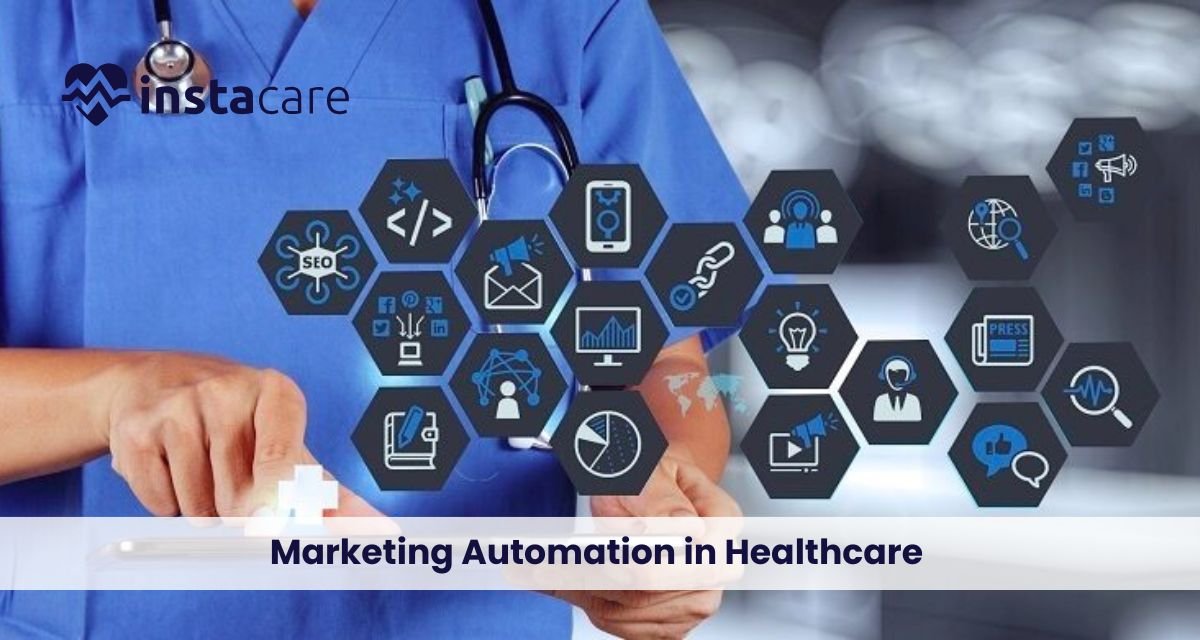
Know About Marketing Automation in Healthcare Healthcare is evolving at light speed, and patient expectations are rising, with more competition and a need for effective, scalable solutions. Patients today want more personalization, where messages from their healthcare organization happen more in the moment, and the age-old method of handling things manually simply won’t do anymore. This is where healthcare marketing automation comes in handy. This technology of digital innovation allows the automation of marketing activities, simplifies communication, and distributes controlled, focused messages to channels. In this guide, we’ll explore what marketing Automation in Healthcare is, why healthcare providers need it, the key benefits, how to select the right platform, and what the future holds. What is Marketing Automation? Marketing automation refers to using software to manage and automate marketing processes such as email campaigns, Healthcare lead nurturing, social media posting, and customer segmentation. In the field of health care, it goes beyond the conventional marketing, it sustains Automated patient engagement, allows clinics to stay connected with patients by sending out automatic appointment reminders, and offers smooth healthcare CRM automation, and assists long-term patient connections through Patient retention strategies. Here is a real-life experience of health care marketing automation below: Sending specific Personalized healthcare campaigns to patients through SMS or email Creating Marketing workflows in healthcare for defined segments of patients Follow-up no-show or post-consultation by Automated appointment reminders EMR integration with marketing to offer personalized health news and information SMS marketing in the healthcare industry for the campaign of the new service or health program Automation is what provides accuracy and consistency, something handbook effort can never provide on any size that really matters. Why Healthcare Can’t Afford to Ignore Marketing Automation? Here’s why healthcare marketing automation is now a necessity: 1. Patient Expectations are Increasing Patients expect healthcare providers to give them convenient, digital-first experiences. They expect appointment reminders, medication reminders, and health tips to be delivered to their phones or inboxes. Automation enables you to deliver this daily. 2. Operational Efficiency It is reminding every patient individually or by sending out newsletters, taking time, and prone to human mistakes. Automation is releasing your staff from performing such tasks so that they can worry about more important matters like patient care, as technology manages the drudgery. 3. Competitive Differentiation In a busy health care environment, receiving timely and tailored communication puts you ahead of the crowd. Healthcare digital marketing software puts you ahead of the pack, yet employing archaic methods of communication. 4. Lead Nurturing and Retention Most of them visit only once and never appear again, not because of poor care, but simply because they were not followed up on. Health care lead nurturing processes ensure that potential patients are routed to scheduling, and prior patients are followed up on. 5. Compliance and Data Management Health care marketing platforms feature HIPAA-compliant marketing automation capabilities, protecting patient data and providing communications security. Book Your Free Marketing Consultation Principal Benefits of Healthcare Marketing Automation 1. Convenient Appointment Scheduling Scheduled appointments by automated reminders cut down on no-shows. The patient is confirmed, rescheduled, and reminded without administrative intervention. 2. Patient-Specific Patient Paths Patient-specific messages automatically sent based on the status, behavior, or preference of the patient are achievable. Reminder for a mammogram or automatically sent newsletter for diabetic patients, maximum satisfaction is achieved from Patient journey automation. 3. Greater Marketing Efficiency With clinic marketing automation, doctors can develop a campaign once and message all media, such as email, SMS, and social media, hence conserving time and enjoying messaging consistency. 4. Data-Driven Decision Making There are click-through analytics, opening, conversion, etc. This enables the real-time adjustments to be achieved, increases engagement, and reflects ROI. 5. Enhanced Integration with Healthcare Systems Most software available today includes marketing systems integration with EMR. It keeps marketing processes in touch with patient records and history, allowing very targeted outreach. 6. Improved Retention Tactics From well wishes on birthdays to reminders for wellness checkups, patient retention tactics keep your hospital or clinic top of mind. Automation prevents any patient from falling through the cracks. 7. Multi-Channel Outreach No matter what health care Email automation for clinics or SMS health care marketing you are using, consistency between the channels is made possible through automation to find your patients wherever they are most engaged. 8. Scalable Growth As your health care business expands, automation also expands. You can reach hundreds or thousands of patients without needing more employees or swamping your existing team. How to Choose the Right Marketing Automation Platform 1. Seek Healthcare-Specific Capabilities Capabilities offered must include appointment reminders and patient education, EMR synchronization, and campaign tracking as an automated capability offered by the solution. 2. HIPAA Compliance You require it. Make sure that the vendor provides encryption in addition to data protection controls, and provides HIPAA and other relevant healthcare regulatory compliance. 3. Compatibility with EMR and CRM Platforms Ensure that the platform will also be compatible with your healthcare CRM automation tool or electronic medical records. Having the same data in both locations makes it simpler to target and report. 4. User Experience Overhead The platform must be easy to operate by your workers to operate. A ridiculously complex interface is a learning curve that weighs down the outcomes and extends an invitation for frustration. Look for simple-to-use dashboards and drag-and-drop automation builders. 5. Support and Training Make sure that the supplier offers onboarding, technical support, and training material to enable your employees to get the most out of the platform. 6. Budget and Scalability Choose a solution that is affordable to your budget today but scalable enough to support growth as your hospital or clinic grows. Look at the pricing model, some platforms charge for contacts, emails sent, or users. Trends to Watch: Healthcare Marketing Automation Trends of the Future Technology advances, and healthcare automation follows. Keep an eye on these trends: 1.

SEO for Doctors: Build Your Clinic’s Online Reputation and Patient Traffic Since the majority of patients begin their healthcare journey online today, the majority of people begin their healthcare journey online. From searching symptoms to reading reviews, to scheduling appointments, the internet is part of the decision-making process. For this reason, local SEO for doctors is not an option anymore, it’s a requirement. Using medical SEO strategies places your clinic in front of search engines when potential patients are looking for what you have to provide. What’s that? Greater exposure, trust, traffic, and ultimately bookings. What Is SEO? SEO for medical practices is making a website more visible on search engines. To doctors and practitioners, that equates to having your clinic’s website so that when one searches by keywords such as “family doctor near me” or “pediatrician in [city],” your site shows up higher on the list. Best SEO practices for doctors’ clinics put you in front of individuals who are quite literally searching for your services. SEO establishes trust, enhances the user experience, and keeps you from being invisible online. Why SEO Matters in Healthcare? The patient trusts Google: To appear on page one does increase click-throughs exponentially. More appointments: Correct SEO equates to better traffic, which can equate to an increase in patient bookings online. Discount marketing: SEO lasts longer than advertising. Better patient experience: Quicker, easier-to-use, and more valuable websites. Physician SEO creates an online presence for doctors’ reputation and calendar for your practice Ways SEO for Doctors Boosts Your Clinic’s Online Visibility and Bookings 1. Local Search Optimization Healthcare local search optimization puts your practice in “near me” search results and Google Maps. It is very crucial for walk-in clinics, specialists, and private practices with a locally bounded geographic practice area. How to move forward with local SEO Claim and optimize your Google Business Profile Use local long-tail keywords like “dermatologist in Dubai” or “ENT clinic in New York” Display comprehensive NAP (Name, Address, Phone) on websites Encourage and track Google reviews 2. Create a High-Quality Website Your website is typically your first impression. A high-quality, fast-loading, smartphone-friendly, easy-to-use website generates user trust and engagement. Essential doctor website SEO characteristics: Responsive design Fast loading time Easy appointment scheduling Secure (HTTPS) Specializations and special services are easily listed 3. Use Targeted Keywords Appropriately Finding and using the correct keywords puts your site before targeted searches. Instead of searching for merely “doctor,” utilize long-tail keyword phrases such as: “Pediatrician for asthma in Houston” “Best dental implant specialist near me” These are authentic search behaviors and yield high-intent traffic. Keyword SEO strategies for doctors: Use a blend of broad and local keywords Use keywords organically in headings, body copy, image alt tags, and URLs Don’t keyword stuff 4. Create Worthwhile and Authoritative Content Doctor SEO requires quality content. Google favors sites that publish helpful, expert content. Content to create: Blog posts on common patient questions (e.g., “How to naturally lower blood pressure”) Treatment pages for all the treatments they offer Health advice and FAQs by professional experts Patient success stories and testimonials Not only does this enhance Google’s ranking for doctors, but it also persuades readers to trust them. 5. Optimize for Mobile Users Over 60% of patients surf up and book appointments on mobiles. Make your site mobile-optimized to make it easy to use. Mobile optimization checklist: Responsive design Click-to-call phone number and buttons Fast load speed Mobile-optimized appointment forms 6. Get Backlinks from Quality Sources Backlinks are external links pointing back to your site. When health directories, organizations, or health sites point to your site, your ranking and domain authority increase. Backlinking tips: List your clinic in medical directories Be listed on local blogs or media for press view Write opinions or guest blog posts on similar sites 7. Apply Schema Markup and Technical SEO Technical SEO makes search engines aware of your site structure. Doctor’s office schema marking can show your hours, rating, and bookability in the search results. Technical specifications: URL structure of a site Sitemaps and robots.txt HTTPS encryption Structured data marking 8. Ask and Curate Online Reviews Glowing reviews create your reputation and credibility online. Ask satisfied patients to Google and HealthGrades reviews. SEO tips for healthcare professionals: Send reminder notifications to request reviews Post comments on your website Manage bad and good reviews like an expert Web reviews are a ranking factor for healthcare digital marketing for doctors, especially for local map packs. 9. Same NAP Across Directories Clinic name, address, and phone number in different directories confuse your search engines and visitors, as well. Make your NAP consistent everywhere: Google Business Profile Health directories Yelp Facebook Your website 10. Use Social Media and Video SEO Social media platforms and YouTube bring traffic to your website. Q&A sessions, health tips, and interesting posts establish you as an authority. Video ideas for SEO advice for clinics: Create your clinic and team Discuss common sickness or treatment