

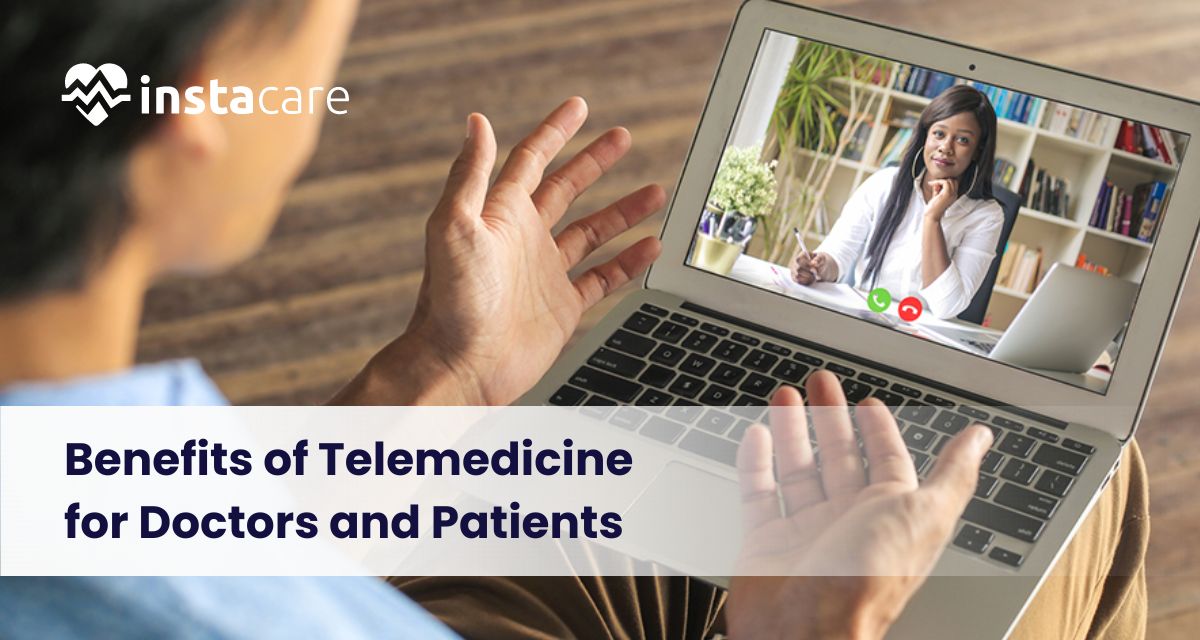
Top Notch Benefits of Telemedicine for Doctors and Patients Telemedicine, the act of giving clinical consideration somewhat using media communications innovation, has upset the medical services industry. It has arisen as a helpful and compelling option in contrast to conventional in-person counsel, helping the two specialists and patients in various ways. In this blog, we will investigate the first-rate advantages of telemedicine that are changing the medical care scene, making it more available, proficient, and patient-focused. Enhanced Accessibility Virtual Consultation separates geological hindrances, permitting patients to get clinical consideration no matter what their area. Patients in distant regions or those with restricted versatility can get quality medical care without the requirement for broad travel. Additionally, telemedicine enables specialists to reach patients who may not have local access to specialized care. This upgraded openness guarantees that people from varying backgrounds can get opportune clinical exhortation and treatment, eventually prompting further developed wellbeing results. Increased Convenience One of the main benefits of telemedicine is its accommodation for the two patients and specialists. Patients no longer have to miss work, endure long commutes, or stand in a crowded waiting room for hours. With virtual consultation, arrangements can be planned during a period that suits the patient, and discussions can occur from the solace of their own homes. Because Virtual consultation enables physicians to more effectively streamline their schedules, this convenience also results in shorter wait times for patients. Cost Saving Aspect Patients and healthcare professionals alike can save a significant amount of money through telemedicine. By killing travel costs related with face to face visits, patients can get a good deal on transportation, stopping, and convenience. Additionally, the financial burden of missed workdays and childcare arrangements is lessened by virtual consultation. virtual consultation cuts down on overhead costs for healthcare providers by removing the need for physical infrastructure and administrative staff. Furthermore, telemedicine diminishes emergency clinic readmissions by working with remote observing and follow-up care, hence forestalling exorbitant confusions. Book Free Demo Efficient Time Management virtual consultation advances using time productively for specialists and patients the same. For specialists, virtual consultation stages give highlights, for example, electronic wellbeing record coordination, mechanized arrangement updates, and virtual lounge areas that smooth out managerial undertakings. As a result, doctors can devote more time to patient care and less time to paperwork. On the other hand, patients benefit from shorter wait times and quicker access to prescriptions and medical advice. Because doctors are able to easily share patient records and collaborate remotely, telemedicine also facilitates effective specialist referrals, resulting in care that is more comprehensive and coordinated. Improved Patient Engagement and Outcomes By empowering patients to take an active role in their healthcare, telemedicine increases patient engagement. Patients can ask questions, voice concerns, and gain a better understanding of their conditions and treatment options through virtual consultations. This expanded commitment prompts better adherence to treatment plans, further developed wellbeing proficiency, and at last, better wellbeing results. Besides, telemedicine empowers remote observing of constant circumstances, permitting specialists to intently keep tabs on patients’ development and mediate immediately if important, lessening the gamble of confusions and hospitalizations. Continuity of Care By allowing patients to consult with their regular healthcare providers from a distance, telemedicine fosters continuity of care. This is especially helpful for people with persistent circumstances who require continuous checking and the executives. Patients can communicate with their trusted healthcare providers on a regular basis using telemedicine, ensuring that their conditions are consistently monitored and managed. This consistent progression of care diminishes the gamble of holes in treatment and advances better in general wellbeing results. Improved Patient Satisfaction Telemedicine offers a helpful and patient-focused way to deal with medical services, prompting expanded patient fulfillment. Patients can schedule appointments more easily, reduce wait times, and consult with specialists who may be located far away through virtual consultations. Patients value the comfort, customized consideration, and convenient admittance to medical care benefits that telemedicine gives. Not only does increased patient satisfaction result in a positive experience with healthcare, but it also encourages patients to actively participate in their own healthcare, which in turn improves treatment adherence and health outcomes. Reduced Exposure to Infections Telemedicine plays a crucial role in lowering the likelihood of infection during pandemics or infectious diseases. Telemedicine reduces the spread of infectious diseases in healthcare settings by limiting in-person visits. Remote care means that patients with mild symptoms or non-urgent medical issues don’t have to go to crowded clinics or hospitals to get the care they need. Telemedicine can also be used by healthcare professionals to triage patients, evaluate their conditions, and decide whether in-person treatment is necessary. Not only does this proactive approach safeguard patients, but it also assists in lessening the strain placed on healthcare facilities during times of increased demand. Access to Specialists and Second Opinions Telemedicine works with admittance to expert aptitude and second assessments, particularly for patients dwelling in underserved regions. Through virtual conferences, patients can associate with famous experts no matter what their topographical area. Patients no longer need to travel long distances or pay more for specialized care because of this. Telemedicine additionally empowers medical care suppliers to team up and look for well-qualified sentiments from partners in various areas without any problem. This multidisciplinary approach guarantees that patients get complete and all around informed proposals, prompting better conclusion, treatment arranging, and generally understanding consideration. Medical Education and Training with Telemedicine Medical education and training can now benefit greatly from telemedicine. It lets healthcare professionals take part in educational programs, webinars, and conferences from home. This helps them learn more and stay up to date on the latest developments in their fields. Additionally, telemedicine gives medical students and residents the opportunity to observe virtual consultations, allowing them to gain exposure to various patient cases and improve their clinical skills. Additionally, telemedicine platforms can be utilized for remote mentoring and supervision, enabling more experienced doctors to guide and support colleagues with less experience. The incorporation of technology into medical education and
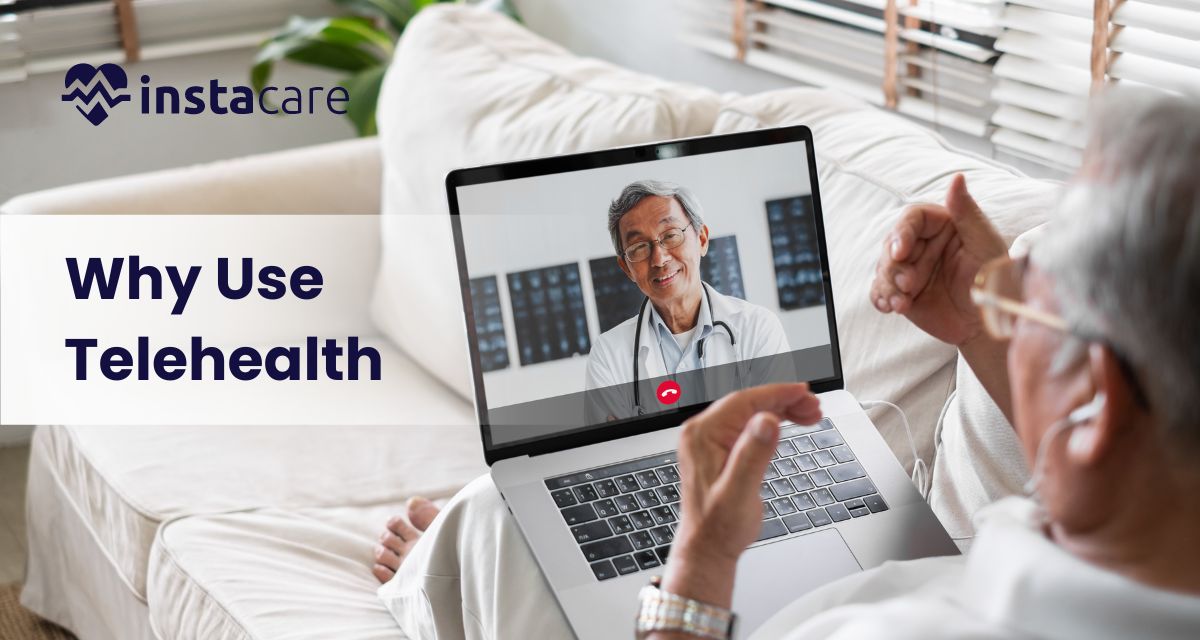
Why Use Telehealth? Explore The Important Uses In Healthcare In recent years, the healthcare industry has witnessed a significant transformation due to advancements in technology. One area that has gained tremendous popularity is telehealth. Telehealth refers to the use of digital communication technologies to provide healthcare services remotely. It has revolutionized the way healthcare is delivered and has numerous important uses that benefit both patients and healthcare providers. In this blog post, we will explore why telehealth is being widely adopted and the significant roles it plays in modern healthcare. Here are the points we discussed about Telehealth!! 1-Enhancing Access to Healthcare One of the primary advantages of telehealth is its ability to improve access to healthcare services, especially for individuals residing in remote areas. Many people face challenges when it comes to accessing medical care due to geographical barriers, limited transportation options, or a shortage of healthcare providers in their vicinity. video consultation eliminates these barriers by enabling patients to consult with healthcare professionals remotely, regardless of their location. Through video consultations, patients can receive medical advice, diagnosis, and even prescriptions without having to physically visit a healthcare facility. 2-Overcoming Time and Distance Constraints Through Telehealth Telehealth is particularly beneficial for patients with time constraints or limited mobility. People with busy schedules, work commitments, or disabilities that make it difficult to travel can now conveniently access healthcare services. Instead of spending hours in waiting rooms, patients can schedule virtual appointments at a time that suits them best. This flexibility allows individuals to receive medical attention without disrupting their daily routines or compromising their responsibilities, thereby increasing patient satisfaction. 3-Efficient Chronic Disease Management Chronic diseases require ongoing care and management, often involving regular check-ups and medication adjustments. Video Consultation offers a convenient solution for patients with chronic conditions, such as diabetes, hypertension, or asthma. With telemonitoring devices, patients can track their vital signs, blood glucose levels, or other health parameters and transmit the data to their healthcare providers. This allows healthcare professionals to monitor their patients’ conditions remotely, identify any concerning trends, and make timely interventions when necessary. Online consultation empowers patients to take an active role in managing their health while enjoying the convenience of personalized care from the comfort of their homes. Book Free Demo 4-Mental Health Support with Telehealth Telehealth has become a vital tool in the field of mental health, where accessibility and timely intervention are crucial. Many individuals hesitate to seek help for mental health concerns due to social stigma, fear, or limited access to mental health professionals. video consultation services provide a confidential and convenient platform for patients to connect with mental health providers remotely. Video consultations, therapy sessions, and counseling can be conducted securely, enabling individuals to receive the support they need without leaving their comfort zones. online consultation has played a significant role in increasing access to mental health services and reducing the burden on traditional in-person care. 5-Enhancing Specialist Consultations Accessing specialized healthcare services often involves long waiting times and travel expenses. Telehealth bridges this gap by connecting patients and healthcare providers across different geographical locations. Patients can seek virtual consultations with specialists, regardless of their physical location. This is particularly beneficial for patients living in rural areas with limited access to specialized care. Telehealth enables healthcare providers to extend their expertise beyond the confines of their physical practice, ensuring that patients receive the best possible care without unnecessary delays or travel. 6-Improving Healthcare Efficiency Telehealth has the potential to significantly improve the overall efficiency of the healthcare system. By reducing the need for in-person visits, telehealth helps alleviate the burden on healthcare facilities, particularly during peak times and emergencies. It also minimizes the risk of disease transmission in crowded waiting areas, benefiting both patients and healthcare providers. Additionally, telehealth can streamline administrative tasks, such as appointment scheduling, record-keeping, and billing, leading to improved workflow and reduced administrative costs. 7-Follow-up Care and Monitoring Telehealth is an excellent tool for providing follow-up care and monitoring patients’ progress after initial consultations or treatments. Instead of requiring patients to make multiple in-person visits, healthcare providers can conduct virtual check-ins to assess recovery, address any concerns, and provide ongoing guidance. This is particularly beneficial for post-surgical patients, individuals undergoing physical therapy, or those with chronic conditions that require regular monitoring. Telehealth allows healthcare professionals to monitor patients’ progress remotely, provide necessary interventions, and make adjustments to treatment plans as needed, leading to better continuity of care and improved patient outcomes. 8-Health Education and Preventive Care Telehealth plays a vital role in health education and preventive care. Through virtual platforms, healthcare providers can offer educational sessions, workshops, or webinars to educate patients about various health topics, disease prevention strategies, and lifestyle modifications. Telehealth also enables healthcare professionals to conduct remote screenings, such as mammograms or cardiovascular risk assessments, providing early detection and intervention for potential health issues. By promoting preventive care and empowering patients with knowledge, telehealth contributes to overall wellness and reduces the burden on healthcare systems by preventing the progression of preventable diseases. 9-Emergency Medical Consultations During emergencies or urgent situations, telehealth can be a life-saving resource. In cases where immediate medical attention is required, but it is not feasible to reach a physical healthcare facility in a timely manner, telehealth consultations can provide critical support. Emergency medical professionals can assess patients remotely, offer guidance on first aid measures, and determine if further medical intervention is necessary. Telehealth consultations during emergencies can help stabilize patients, provide reassurance, and facilitate the appropriate transfer to a nearby healthcare facility when needed. This use of telehealth has proven particularly valuable in remote areas or situations where immediate access to healthcare professionals is limited. Conclusion Telehealth has emerged as a powerful tool that is transforming the healthcare landscape. Its ability to enhance access to care, overcome time and distance constraints, support chronic disease management, facilitate mental health services, provide access to specialist consultations, and improve healthcare efficiency has made it an invaluable asset for patients and healthcare
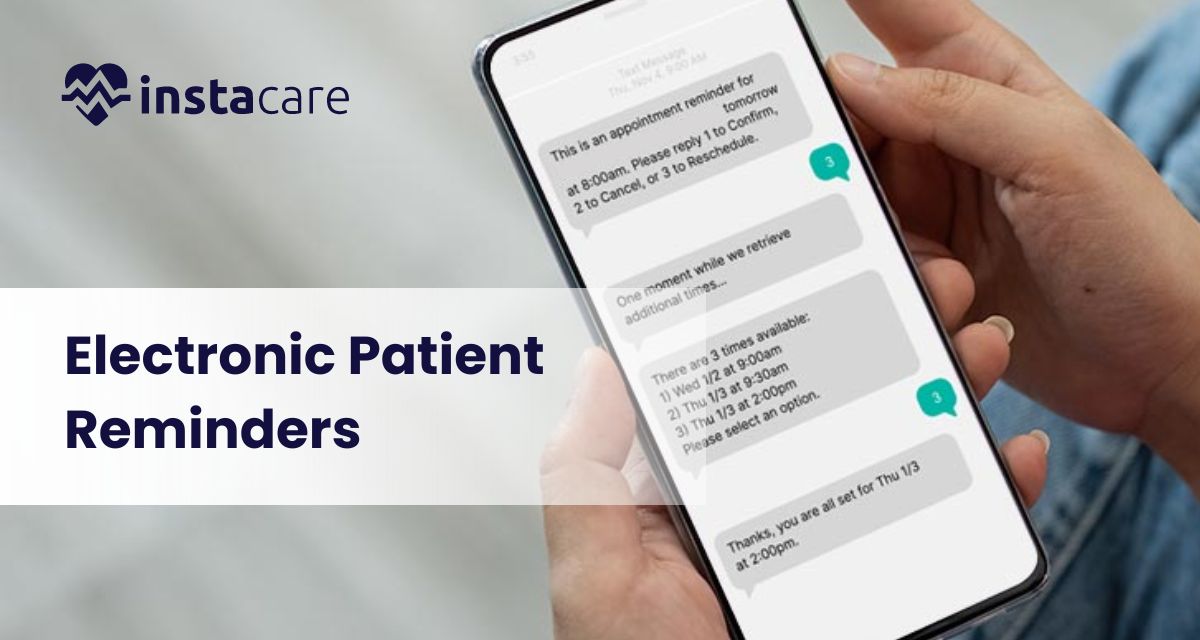
Know About Electronic Patient Reminders- Importance, Uses, Benefits In modern healthcare, electronic patient reminders have arisen as significant devices for upgrading patient commitment, further developing adherence to therapy plans, and streamlining medical services results. This article digs into electronic patient reminders’ importance, applications, and benefits, revealing insight into their groundbreaking potential in healthcare delivery. The Significance of Electronic Patient Reminders In the fast-moving scene of present-day healthcare, the meaning of electronic patient reminders couldn’t possibly be more significant. These digital devices are essential guides in assisting patients with managing their medical service schedules, from prescription adherence to arrangement planning. Addressing Patient Non-Adherence: One of the essential reasons electronic patient reminders hold such significance is their capacity to handle the issue of patient non-adherence. Research demonstrates that countless patients must stick to their recommended treatment plans, prompting sub-standard well-being results. Electronic reminders overcome this issue by giving ideal warnings and prompts, guaranteeing patients keep focused on their drug timetables and measurement guidelines. Enhancing Patient Engagement and Empowerment: Past simple and electronic patient reminders are critical in encouraging patient commitment and strengthening. By keeping patients educated and engaged with their healthcare venture, these apparatuses encourage people to function in dealing with their well-being. This expanded commitment further develops adherence to treatment plans and fortifies the patient-supplier relationship, prompting more cooperative and customized care. Versatility in Healthcare Management: Electronic patient reminders offer flexibility in tending to different parts of healthcare the board. Notwithstanding prescription adherence, these reminders can be used to plan regular checkups, remind patients about forthcoming clinical trials, and give instructive assets. By offering a complete answer for medical services to the executives, electronic reminders engage patients to settle on informed conclusions about their well-being and prosperity. Improving Healthcare Efficiency: Besides, electronic patient reminders add to the productivity and viability of medical services delivery. By computerizing routine errands, such as arrangement booking and medicine, the executives these reminders smooth out authoritative cycles and diminish the responsibility on medical services suppliers. This permits experts to assign their time and assets more effectively, at last prompting better overall results and patient fulfillment. Book Free Demo Exploring The Uses Of Electronic Patient Reminders Electronic patient reminders act as flexible devices in medical services for the executives, offering a scope of purposes past straightforward prescription reminders. How about we dive into a portion of the vital utilization of this digital help? Medication Adherence: One essential purpose of electronic patient reminders is drug adherence. These reminders assist patients with staying focused on their drug plans by sending ideal warnings about measurement directions, top-off reminders, and possible side effects. Electronic reminders improve well-being results and diminish medical services costs by elevating adherence to recommended drugs. Appointment Reminders: Electronic patient reminders also succeed in sending reminders for impending physical checkups and clinical trials. These reminders guarantee that patients don’t miss significant appointments, prompting convenient intercessions and further developed progression of care. By lessening the pace of missed appointments, electronic reminders assist medical services suppliers with improving their timetables and assets even more. Preventive Care: Notwithstanding drug and arrangement reminders, electronic patient reminders can advance preventive consideration measures. For instance, reminders can be sent to urge patients to undergo regular screenings, inoculations, and well-being checkups. By promoting proactive medical services behaviors, these reminders contribute to early discovery and counteraction of infections, eventually prompting better well-being results. Health Education and Support: Electronic patient reminders can be important for giving patients instructive assets and backing. For example, reminders can incorporate connections to educational articles, recordings, or online care groups applicable to the patient’s ailment. By offering admittance to pertinent data and encouraging groups of people, electronic reminders engage patients to settle on informed conclusions about their well-being and look for critical help when required. Personalized Health Tips: Besides, electronic patient reminders can convey customized wellbeing tips custom-made to individual patient requirements. These tips incorporate dietary proposals, practice ideas, stress-the-board procedures, or suggestions to take part in the solid way of life propensities. By giving customized directions, electronic reminders assist patients with taking on better ways of behaving and keeping up with their prosperity. View More: Maximizing Efficiency with Smart Clinic Software Benefits of Electronic Patient Reminders Electronic patient reminders offer many advantages that upgrade medical services, the board, and patient results. We should investigate their critical benefits to the two patients and healthcare suppliers. Improving Patient Adherence: One of the essential advantages of electronic patient reminders is their capacity to work on quiet adherence to treatment plans. By sending convenient warnings and reminders, these apparatuses assist with guaranteeing that patients accept their prescriptions as endorsed, go to arrangements, and finish suggested way of life changes. This superior adherence prompts better well-being results and diminished medical services costs over the long haul. Enhancing Patient Engagement and Satisfaction: Electronic patient reminders additionally add to more prominent patient commitment and fulfillment. By keeping patients educated and associated with their healthcare venture, these reminders engage people to function in dealing with their well-being. Patients feel more upheld and focused when they get customized reminders and reminders from their medical services suppliers, prompting a more grounded patient-supplier relationship and more elevated levels of fulfillment with their consideration. Streamlining Healthcare Processes: Besides, electronic patient reminders smooth out healthcare processes, making them more proficient and financially savvy. By automating undertakings such as arrangement booking, medicine reminders, and follow-up warnings, these devices lessen the managerial weight on healthcare suppliers and save time for additional significant patient associations. This expanded effectiveness permits medical services experts to zero in on conveying significant consideration and working on persistent results. Reducing Hospital Readmissions: One more critical advantage of electronic patient reminders is their capacity to diminish medical clinic readmissions. By guaranteeing that patients stick to their therapy plans and go to follow-up arrangements, these reminders assist with forestalling the complexities and intensifications of persistent circumstances, lessening the probability of medical clinic readmissions. This works on understanding results and brings down medical services costs related to avoidable hospitalizations. Conclusion Electronic patient reminders address
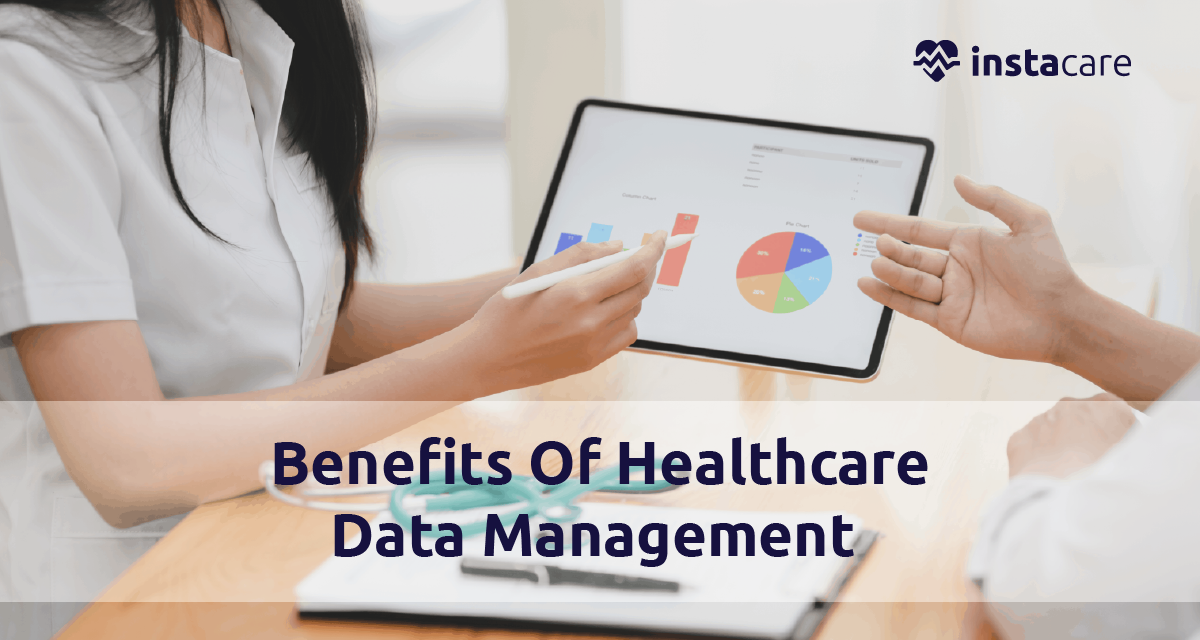
Benefits of Healthcare Data Management You Should Know In the present quickly developing healthcare services scene, the successful administration of healthcare care information has arisen as a foundation for driving advancement and working on persistent results. Healthcare data management includes the assortment, stockpiling, examination, and use of enormous measures of information produced inside the healthcare services biological system. This article investigates the cutting-edge advantages of healthcare information altering how healthcare services are conveyed. Here are the Benefits Of a Healthcare Data Management System!! Better Decision Making One significant benefit of healthcare data management is that it helps healthcare providers make better decisions at all levels of their organizations. They can use advanced tools and technologies to indeed analyze large amounts of data and gain valuable insights. These insights help them make informed decisions about things like patient care, resource allocation, and how their operations are run. For instance, by analyzing data, healthcare providers can spot trends in different patient groups, predict when diseases might spread, and make treatment plans more efficient. This ultimately indeed leads to better outcomes for patients. Sense Of Personalized Patient Care Healthcare data management allows healthcare providers to deliver personalized medicine by using each patient’s specific information to tailor treatments and interventions to their individual needs. By analyzing factors like patient demographics, medical history, genetic profiles, and lifestyle choices, healthcare providers can create more effective personalized treatment plans with fewer side effects. These personalized approaches have been shown to improve patient satisfaction, help patients stick to their treatment plans, and improve overall health outcomes. Book Free Demo Efficient Resource Allocation Efficiently allocating resources is crucial for ensuring surely that healthcare organizations can indeed meet the needs of their patient populations while managing costs effectively. Healthcare data management enables organizations to optimize resource use by analyzing patient flow, demand patterns, and operational inefficiencies. By identifying areas where resources are being wasted or underutilized, healthcare providers can reallocate these resources to where they are needed most. This improves access to care and reduces wait times for patients. Streamlined Administrative Processes Dealing with regulatory requirements can be a significant burden for healthcare organizations, taking up valuable time and resources that could be used for patient care. Healthcare data management helps streamline regulatory processes by automating routine tasks surely such as appointment scheduling, billing, and claims processing. By implementing electronic health records (EHRs) and also other digital systems, healthcare providers can reduce paperwork, minimize errors, and can lead to improve the overall efficiency of administrative procedures. This significantly allows them to focus more on delivering quality care to patients. Enhanced Patient Outcomes The main goal of healthcare data management is to indeed improve patient outcomes and quality of life. By harnessing the power of data analysis, healthcare providers can identify patients at high risk, intervene early to prevent complications, and monitor progress over time. Additionally, data-driven interventions like telemedicine, remote patient monitoring, and predictive modeling help patients manage chronic conditions and adhere to treatment plans. This leads to improved health outcomes and reduces the need for hospital readmissions. View More: Simplifying Record-Keeping with a Patient Record Management System Regulatory Compliance and Security As healthcare data becomes more digital and interconnected, it’s crucial to prioritize compliance with regulatory requirements and safeguard patient privacy. Healthcare data management implements strong security measures and compliance protocols to also protect sensitive information and prevent data breaches. By using encryption, access controls, and regular audits, healthcare organizations can indeed ensure compliance with regulations and earn the trust of patients and partners. Predictive Analytics and Preventive Healthcare Predictive analytics has surely the potential to revolutionize healthcare by predicting future health outcomes and guiding preventive measures. By analyzing historical data and also identifying patterns, predictive analytics helps healthcare providers anticipate and mitigate health risks before they can escalate into severe conditions. For example, predictive models can identify individuals at a greater risk of surely developing chronic diseases such as diabetes or heart disease. This allows for implementing specialized treatments like lifestyle changes or early intervention programs to effectively prevent or manage these conditions. Cost Savings and Financial Efficiency Effective healthcare data management can save significant costs by reducing waste, optimizing resource use, and preventing avoidable medical errors. By using data analysis to identify inefficiencies and implement cost-saving measures, healthcare organizations can improve their financial performance while maintaining high-quality care standards. Investments in healthcare data management technologies have provided a significant return on investment, leading to savings such as fewer hospital admissions, shorter stays, and lower readmission rates. Improved Population Health Management Healthcare data management enables collecting and analyzing population-level health data, allowing healthcare providers to identify patterns, trends, and risk factors within specific demographics or geographic areas. By understanding the health needs of different populations, healthcare organizations can develop targeted interventions and public health initiatives aimed at improving overall population health outcomes. This approach helps address specific health issues and promote better health outcomes for the entire population. Enhanced Research and Development Healthcare research and development are facilitated by having access to comprehensive healthcare data. Anonymized patient data can be used in studies, clinical trials, and epidemiological studies to discover novel therapies, treatments, and healthcare breakthroughs. Healthcare data management speeds development by giving specialists essential knowledge and genuine proof to help their work. Support For Value-Based Care Initiatives Value-based care models prioritize the quality and outcomes of patient care over the quantity of services provided. Healthcare data management plays as well play crucial role in supporting these value-based care initiatives by enabling healthcare organizations to measure, track, and report indeed on key performance indicators such as patient satisfaction, health outcomes, and cost-effectiveness. By utilizing data analysis, providers can demonstrate their value to payers and stakeholders while delivering high-quality, cost-effective care to patients. This approach ensures patients receive the best possible care while controlling costs and improving healthcare outcomes. Better Patient Engagement Healthcare data management benefits healthcare providers and patients by empowering them to take a more active role in managing their health. Through user-friendly platforms like patient
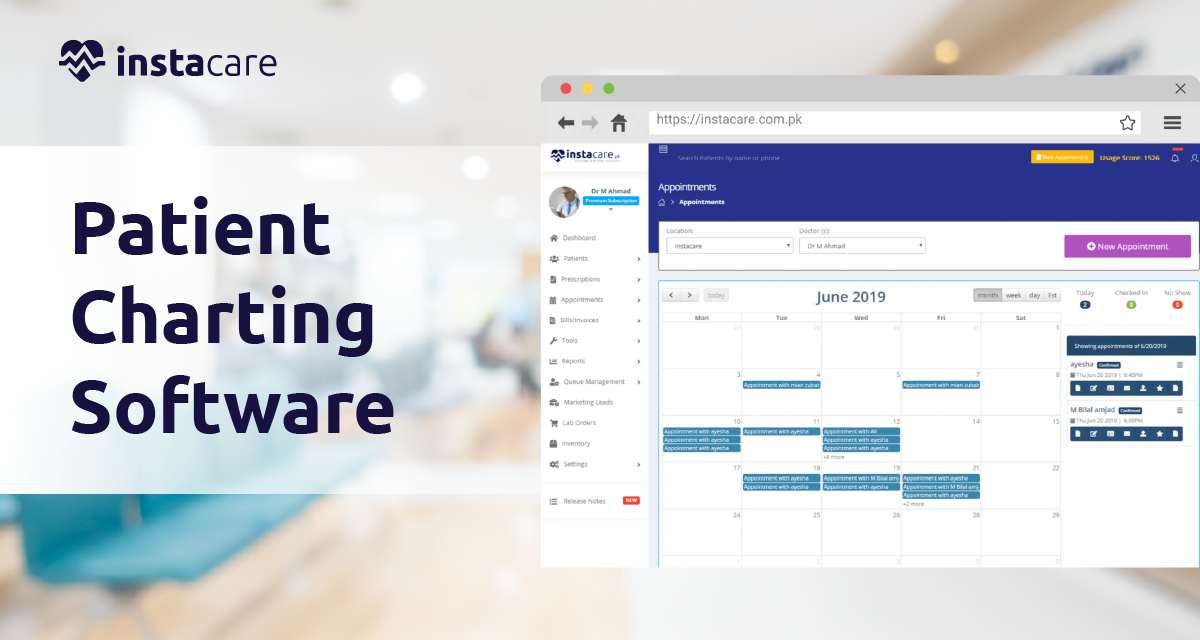
6 Key Features of Patient Charting Software You Should Know Patient charting software has totally changed the medical services scene. Managers are furnishing medical care suppliers with inventive devices to deal with patient data and improve their day-to-day tasks. On account of tireless progressions in innovation, current Patient Charting Software has developed to offer a broad cluster of highlights carefully planned to raise productivity, lift the nature of patient consideration, and maintain severe devotion to administrative necessities. These elements are necessary to enable medical care experts to explore the intricacies of their jobs effortlessly and viability. Let’s now look at the six most important features of modern Patient Charting Software that every healthcare professional needs to know about. These features not only make administrative tasks more straightforward to do, but they also make the experience of patients in general better, which ultimately leads to better health outcomes for people who are under their care. Continue Reading to learn about The 6 Key Features of Patient Charting Software!! 1-User-Friendly Interface An easy-to-use connection point is really significant in quiet Patient Charting Software. It is similar to having a straightforward road map. When you use this Patient Charting Software, you want to quickly and easily get to the information you need. That is where the smoothed-out route comes in. It’s like having smooth roads and clear signs that tell you exactly where to go. Imagine assuming the product had loads of confusing buttons and menus. It would resemble driving on a street packed with faults and impasses – genuinely disappointing! Yet, with an easy-to-use interface, everything is spread out conveniently. You can find what you’re searching for with only a couple of snaps, saving you piles of time. Presently, we should discuss the natural plan. This is tied in with making things straightforward. Like having directions are so clear that you don’t have to peruse them two times. In persistent Charting programming, the plan ought to be customized to suit medical services experts. That implies basic formats, symbols that appear to be legit, and dashboards that you can customize to suit your necessities. 2-Comprehensive Medical Records Management Far-reaching clinical records for the executives are a pivotal part of Patient Charting Software. It’s like having a very well-organized filing cabinet for all the information about your patients. One significant component is the joining of electronic well-being records (EHR). This implies the product can associate flawlessly with EHR frameworks, guaranteeing that all quiet information is connected consistently. Another convenient element is adaptable formats. Consider these as instant structures that you can change to suit your requirements. You can modify the templates to meet your particular needs, regardless of whether you are a specialist or a general practitioner. This makes diagramming a breeze and allows you to zero in on what’s genuinely significant – giving first-class care to your patients. Thus, with complete clinical records the executives and adjustable layouts, patient Charting programming turns into a substantial device for medical care experts, making their occupation more straightforward and more proficient. Book Free Demo 3-HIPAA Compliance and Data Security Guaranteeing the security of patient data is vital in quiet diagramming programming. It resembles having a stronghold around delicate information to hold it back from curious eyes. To accomplish this, Patient Charting Software should conform to severe HIPAA guidelines. These guidelines resemble the decisions that medical care suppliers should make to safeguard patient security. One vital part of HIPAA consistency is executing vigorous safety efforts. This requires the use of encryption protocols, which act like secret codes to scramble data and render it unreadable to outside parties. Also, access controls are set up to restrict who can see or alter patient data. It’s like having doors that are locked and can only be opened by certain people who have the right keys. View More: Maximizing Efficiency with Smart Clinic Software 4-Integration Capabilities with Other Systems Integration is a critical element of Patient Charting Software, and it’s really significant for ensuring different medical services frameworks can converse with one another easily. It resembles having telephones that can all utilize a similar charger – everything cooperates consistently. With interoperability, Patient Charting Software can impart data to different frameworks, identical to lab data sets, imaging frameworks, and charging stages, like a well-oiled machine. Understanding capacities makes this conceivable. For, interpreters can change data starting with one language over entirely and then onto the next so everybody sees each other impeccably. While Patient Charting Software incorporates different frameworks, it implies you don’t need to enter similar data on numerous occasions. This saves loads of time and diminishes the gamble of blunders. 5-Decision Support Tools High-level patient charting software goes past fundamental capabilities to offer choice help apparatuses that assist medical services suppliers in pursuing better decisions during patient consideration. These devices, as clinical choice emotionally supportive networks (CDSS) and proof-based rules, carry on like confided-in counselors, giving meaningful experiences and suggestions right when they’re required most – at the place of care. Consider it having a learned partner close by, giving thoughts given the most recent examination and best practices. These choices help devices assume a significant part in working on symptomatic exactness by featuring meaningful data and likely dangers. They additionally help with therapy arrangements by recommending the best medications based on patient information and clinical proof. 6-Telemedicine Integration In the present period of telemedicine, it’s fundamental for Patient Charting Software to stay aware of the times by offering support for virtual meetings and remote observing. This implies that the product ought to have the option to flawlessly associate with telemedicine stages, permitting medical services suppliers to directly get video visits, speak with patients from a distance, and proficiently oversee virtual arrangements. Consider it bringing the specialist’s office straightforwardly to the patient’s home through the screen of their PC or cell phone. With the joining between persistent diagramming programming and telemedicine stages, medical services suppliers can give excellent consideration to patients regardless of where they are found. This not
Uses of Electronic Charting System in Healthcare In today’s impacting healthcare world, Electronic Charting Systems (ECS) are like superheroes, making life more straightforward for specialists and attendants. These systems have entirely transformed how medical information is handled, making things easier and better for everyone involved. Ponder the past when specialists needed to manage many papers and records. It was untidy, and now and again, significant data got lost. In any case, with ECS, everything is computerized, such as utilizing a PC or a cell phone. This implies specialists can find what they need rapidly and effectively, without all the problems. ECS likewise assists specialists and medical attendants with cooperating better. They can share data right away and pursue choices quickly. Besides, ECS reminds them of the ideal opportunity for a patient’s examination or medication, so everything is noticed. In this article, we’ll look at how ECS is improving healthcare. From making data more straightforward to find and comprehend to assisting groups with cooperating without a hitch, ECS resembles a much-needed refresher in the medical care world, promising a more splendid future for everybody. Top-Notch Uses Of Electronic Charting Systems in the Healthcare Field Utilizing Electronic Charting Systems (ECS) has become crucial for streamlining procedures and improving patient care in today’s fast-paced healthcare environment. From working on information for the executives to working with correspondence among medical services experts, ECS has upset how data is archived and gotten to in clinical settings. Enhancing Efficiency and Accuracy One of the essential advantages of ECS is its capacity to improve proficiency and exactness in medical services settings. By digitizing patient records and clinical chronicles, ECS dispenses with the requirement for lumbering paper-based frameworks, diminishing the gamble of mistakes and guaranteeing that essential data is promptly accessible to approved faculty. Not only does this simplified approach save time, but it also reduces the likelihood of oversight or misinterpretation. With ECS, medical services suppliers can access information and patient data with only a few snaps, disposing of the need to filter through heaps of paper reports. Book Free Demo Facilitating Seamless Communication Successful correspondence is fundamental in providing quality medical care, and ECS plays a crucial role in working with consistent correspondence among medical care suppliers. Through coordinated informing stages and continuous updates, ECS empowers moment cooperation and data sharing, guaranteeing that all individuals from the medical services group are in total agreement regarding patient consideration plans, therapy conventions, and clinical mediations. ECS permits medical care experts to impart safely and productively, regardless of their area. Comprehensive Data Analysis Electronic Charting System (ECS) furnishes medical care suppliers with abundant patient data, empowering exhaustive information investigation to drive informed navigation. By solidifying information from different sources, including patient socioeconomics, clinical history, research facility results, and treatment plans, ECS offers an all-encompassing perspective on understanding well-being and treatment results. Thanks to this comprehensive understanding, practitioners can identify patient care trends, patterns, and areas for improvement. Predictive Modeling And Risk Stratification ECS enables healthcare providers to anticipate patient needs and intervene proactively by supporting predictive modeling and risk stratification. Through cutting-edge investigation, ECS can distinguish high-risk patients who might be helpless to unfavorable well-being occasions or inconveniences. By dissecting verifiable information and clinical pointers, ECS assists professionals with anticipating potential well-being results and designing medications appropriately. This proactive methodology empowers medical services groups to carry out preventive measures, like designated screenings or way-of-life mediations, to relieve gambles and work on persistent results. Supporting Clinical And Administrative Functions As well as illuminating clinical direction, ECS information investigation supports authoritative capabilities, for example, asset designation, spending plan arranging, and execution checking. By investigating key execution markers (KPIs) and functional measurements, ECS empowers medical care chairpersons to distinguish open doors for cost reserve funds, smooth out work processes, and advance asset distribution. For instance, ECS can investigate patient stream examples to advance arrangement planning, diminish stand-by times, and work on generally functional proficiency. View More: Streamline Your Medical Billing with Medical Billing Software Enhancing Quality Improvement Initiatives ECS information examination is critical in upgrading quality improvement drives inside medical care associations. ECS enables practitioners to implement targeted interventions that enhance patient care, improve patient satisfaction, and drive continuous improvement by tracking outcomes, benchmarking performance, and identifying areas for improvement. For example, ECS can dissect clinical results and patient criticism to distinguish regions for development in care conveyance cycles or patient schooling drives. By executing proof-based practices and observing results over the long haul, medical services associations can drive positive change and guarantee top-notch care to all patients. Fostering Research And Innovation Moreover, ECS is a significant asset for exploration and development in the medical care industry. By concentrating patient information and giving vigorous revealing capacities, ECS supports research drives and clinical preliminaries, empowering scientists to investigate results, distinguish drifts, and foster creative therapies and treatments that advance clinical information and work on understanding consideration. For instance, ECS can make it easier for researchers to share data and work together. This lets them pool resources and look at large datasets to learn about disease mechanisms, treatment efficacy, and trends in population health. Empowering Data-Driven Decision Making In the time of proof-based medication, information-driven navigation is urgent for conveying ideal patient results. ECS engages medical care suppliers with far-reaching information investigation instruments, permitting them to dissect patterns, screen patient advancement, and recognize regions for development. Healthcare organizations can use the power of data to make informed decisions, implement specific interventions, and ultimately improve the quality of patient care. Ensuring Compliance And Security In an undeniably digitized medical care scene, guaranteeing consistency with administrative guidelines and shielding patient data is highly significant. ECS offers strong security highlights and encryption conventions to protect delicate information from unapproved access or breaks. Also, ECS assists medical services associations in keeping up with consistency with industry guidelines like HIPAA, protecting patient security and secrecy. Conclusion As innovation keeps on advancing, so too does the job of the Electronic charting system in present-day medical care passage. From improving
Benefits Of Consulting Digital Health Platforms For Your Health Needs In the present high-speed world, where innovation has entered practically every part of our lives, medical care is no exception. Patients and healthcare professionals alike can reap numerous benefits from digital health platforms, which have emerged as essential tools for addressing a variety of health issues. Digital health platforms are a collection of services and technologies designed to make use of digital solutions to improve healthcare delivery. From telemedicine meetings to remote checking of well-being boundaries, these stages have changed how medical care is gotten to and conveyed. Sense Of Convenience And Accessibility One of the essential benefits of Digital health platforms stages is the unmatched comfort and availability they offer. Patients can look for clinical exhortation and backing from the comfort of their homes, wiping out the requirement for movement and significant delays at centers. This accessibility is especially valuable for people with versatility issues or those with occupied plans who battle to set aside opportunities for customary arrangements. Variety Of Healthcare Related Services Offered Digital health platforms give a different exhibit of administrations customized to meet the shifted needs of patients. From telemedicine interviews with medical care experts to remote checking of crucial signs and wellbeing boundaries, these stages offer exhaustive answers for overseeing wellbeing. Furthermore, patients can get to their clinical records, solutions, and experimental outcomes advantageously through these stages, working with consistent correspondence and coordination of care. Personalized Healthcare Solutions To Avail One of the main benefits of Digital health platforms is the capacity to convey customized medical care arrangements. By tackling the force of information examination and man-made consciousness, these stages can dissect individual well-being information to give customized proposals and treatment plans. This customized approach is especially valuable for people with persistent circumstances who require continuous administration and backing. Book Free Demo Aspect Of Cost-Effectiveness Using Digital health platforms can bring about massive expense reserve funds for patients. Not at all like customary medical services strategies that frequently cause costs like transportation, shopping, and time off work, Digital health platforms offer a more practical arrangement. Patients can stay away from these extra expenses by getting to medical care hospitals from the comfort of their own homes through advanced stages. Furthermore, numerous stages offer membership-based models or pay-per-visit choices, guaranteeing that patients can get the consideration they need without overwhelming their funds. Empowerment Through Health Education Digital health platforms enable patients by giving them admittance to solid well-being data and assets. Through different instructive substances and intuitive apparatuses, patients can improve how they might interpret different medical issues and therapy choices. This information prepares them to play a functioning job in dealing with their well-being and settling on informed conclusions about their consideration. By encouraging well-being education and engaging patients to advocate for their prosperity, Digital health platforms add to further developed well-being results and generally speaking patient fulfillment. Improved Patient Engagement Digital health platforms assume an essential part in improving patient commitment by working with consistent correspondence and collaboration among patients and medical care suppliers. These stages make it simple for patients to contact their suppliers with questions, concerns, or updates about their well-being status. This open line of correspondence elevates better adherence to treatment plans and eventually prompts further developed well-being results. Also, Digital health platforms engage patients by permitting them to follow their wellbeing information and progress after some time. Patients gain valuable insights into their health journeys by keeping track of metrics like medicine observance, exercise levels, and vital signs. Because patients can see how their actions directly affect their well-being, this creates a sense of accountability as well as motivation for them. View More: Streamline Your Medical Billing with Medical Billing Software Integration With Wearable Technology One more key component of Digital health platforms is their coordination with wearable gadgets like wellness trackers and smartwatches. Patients can keep an eye on their health metrics in real time thanks to these platforms’ seamless integration with wearable technology. For instance, a patient wearing a wellness tracker can have their movement levels, pulse, and rest designs naturally synchronized to the Digital health platform. This constant checking furnishes patients with quick input and experiences into their wellbeing status. Ensured Data Security And Privacy Digital health platforms focus on the security and protection of patient information regardless of anything else. They accomplish this by executing solid encryption conventions and stringently complying with guidelines like HIPAA (Health Care Coverage Transportability and Responsibility Act). These actions guarantee that individual well-being data stays secret and safeguarded from unapproved access. Patients can have confidence in realizing that their information is protected and open just to approved people. By utilizing vigorous safety efforts, Digital health platforms keep up with the trust and certainty of clients, permitting them to draw in with the stage without worries about security breaks. You Can Enjoy Remote Consultations Through remote consultations, digital health platforms make it possible to overcome geographical barriers to healthcare access. This component empowers patients to associate with medical services suppliers basically, no matter what their area. During crises or cataclysmic events when in-person visits may not be possible, far off meetings guarantee that patients get opportune clinical consideration and progression of care. This improves comfort for patients as well as adds to better wellbeing results by working with brief admittance to medical care administrations. Additional Support For Mental Health Digital health platforms support mental health as well as physical health; Additionally, they provide crucial mental health support. Patients can get to virtual treatment meetings, join support gatherings, and investigate emotional well-being assets through these stages. They can do so in a private and anonymous manner, which can be comforting for those who may be reluctant to seek assistance. These stages break down boundaries to getting to mental medical services. For some, the anxiety toward judgment or disgrace can keep them from looking for help. With advanced stages, people can get the assist they with requiring from the solace and security
Exploring Best Mobile Health Apps for Wellness Are you looking to improve and maintain your health, but feel stuck in your current wellness routine? Have you ever considered exploring mobile health apps as a way to help? In this blog post, we’ll discuss the potential of mobile health apps for improving overall wellness. From physical activity tracking to virtual doctor visits – there are tons of user-friendly health solutions readily available on our smartphones that can make staying healthy simpler and more convenient than ever before. Curious about what these digital tools can do for your well-being? Read on! Overview of Mobile Health Apps and How They Can Help You Manage Your Wellness Mobile health apps have taken the wellness world by storm, offering a range of features and benefits to help you manage your overall health and well-being. Whether you’re trying to track your daily calorie intake, monitor your heart rate, or log your workouts, there’s a mobile health app out there for virtually every need imaginable. These apps make it easier than ever to stay on top of your health goals, providing helpful reminders, personalized recommendations, and real-time feedback to help you stay motivated and focused. From mental health to physical fitness, mobile health apps are quickly becoming an essential tool for anyone looking to take their health and wellness to the next level. So why not give them a try and see how they can help you achieve your wellness goals? Book Free Demo Benefits of Using a Mobile Health App to Track and Monitor Your Activity, Diet, and Sleep In today’s fast-paced world, keeping track of one’s health can be a daunting task. Thanks to healthcare mobile applications, things have gotten much easier. These apps offer several benefits that can improve the quality of your life. They enable you to monitor your activity levels, dietary habits, and sleep patterns. With this information, you can make informed decisions about your health and fitness goals. Additionally, most mobile health apps come equipped with features that can help you connect with nutritionists, dieticians, and personal trainers – all at the touch of a button. Overall, using a mobile health app to track and monitor your health can go a long way in ensuring that you stay on top of your fitness game. Tips for Choosing the Right App for You In a world where technology reigns supreme, mobile health apps have become a popular tool for managing our health and well-being. But with so many apps available, it can be overwhelming to choose the right one for you. From sleep tracking to calorie counting, each app offers unique features, making it essential to identify your specific needs before making a decision. Researching apps and reading reviews can also provide valuable insights into usability and effectiveness. Ultimately, the key is finding an app that aligns with your lifestyle and goals, helping you stay motivated and on track towards a healthier you. View More: Streamline Your Medical Billing with Medical Billing Software Review of Popular Mobile Health Apps and Their Features As our lives become busier, technology continues to help us manage our health on-the-go. One solution that has taken the world by storm is telemedicine apps. Rather than taking time out of our day to visit a doctor, telemedicine apps allow us to receive consultations and even diagnosis on-the-go. Each app has its unique features and professionals at Betterhelp give us an idea of which app suits our needs the most. Whether you’re dealing with a minor illness or looking for a specialist, these apps have you covered. In this review of popular mobile health apps, we’ll explore the features of each one and the benefits they bring to the table. Whether you’re new to the world of telemedicine apps or looking to switch to a new provider, we’ve got you covered. Pros and Cons of Using a Mobile Health App Mobile health solutions have become increasingly popular in recent years, with a wide range of apps available for everything from weight loss to heart rate monitoring. While there are certainly benefits to using a mobile health app, such as the ability to track your progress and access personalized advice, there are also potential downsides to keep in mind. For example, some apps may not be as accurate as traditional medical equipment, and there’s always a risk of information being leaked or hacked. It’s important to weigh these pros and cons carefully before deciding whether to use a mobile health app, and to do your research to ensure that any app you choose is safe and effective. Practical Strategies to Get the Most Out Of Your App and Stay Healthy Mobile health apps have become an indispensable tool for anyone looking to adopt a healthier lifestyle. However, with so many apps available, it can be overwhelming to choose the right one. So, how can these apps help you stay on track and achieve your health goals? The key is to find a mobile health app that fits seamlessly into your daily routine and offers practical strategies for making healthy choices. For example, some apps offer features like reminders to take medication or notifications to encourage you to exercise and eat well. Others provide personalized insights based on your habits and preferences, allowing you to track your progress and adjust your routine over time. By finding a mobile health app that works for you, you can stay motivated and committed to living your best life. Conclusion In short, while mobile health apps can be an excellent tool in managing wellbeing, it is important to remember that they should not replace traditional medical care. While powerful, apps available are not always regulated for accuracy and users should do their own research before relying on any information provided. Despite this caveat however, those interested in harnessing the full potential of digital health should take the time to explore what’s out there – you may find something that changes your wellness experience for
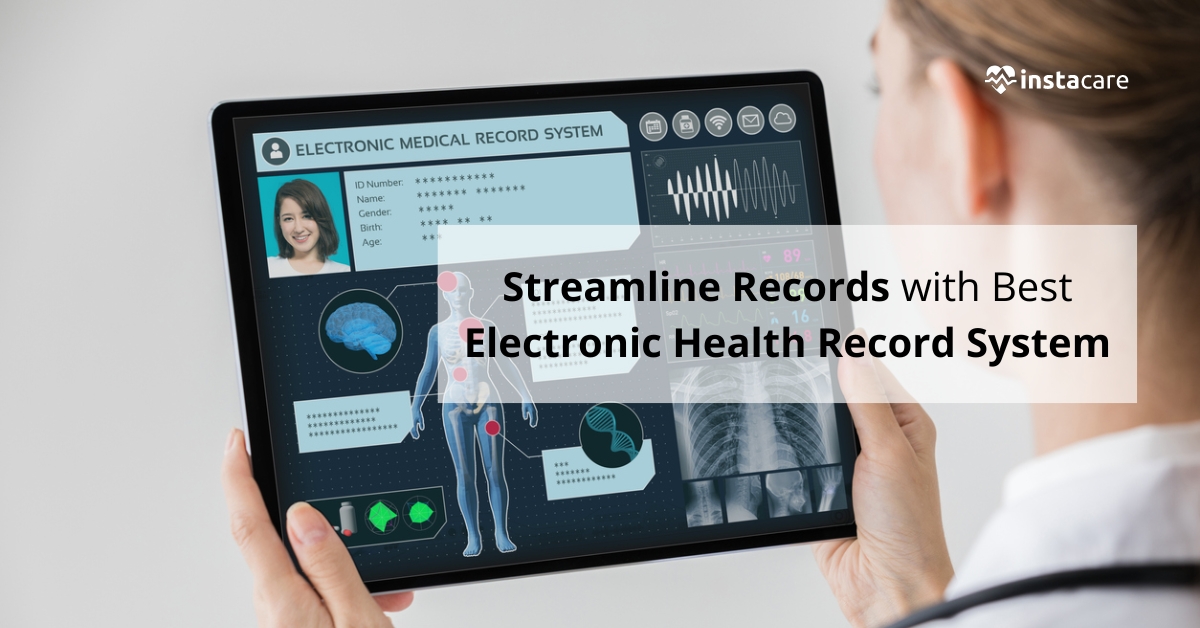
Streamline Records with Best Electronic Health Record System When it comes to health, nothing can compare to the quality of record delivery by the Electronic Health Record system. While traditional paper filing systems may have been reliable in the past, they are now overwhelmed with details and paperwork that can be hard to keep up with. To manage these large volumes of information in a way that is safe, fast, and organized, many medical institutions are turning to electronic health systems – tools designed specifically for streamlining their records management processes. In this blog post, we’ll explore how a modern electronic health system can simplify record-keeping and improve patient care. We’ll look at why these solutions are becoming increasingly popular within the healthcare industry as well as discuss some best practices for implementing them effectively. So if you’re ready to make your day-to-day operations smoother while improving patient satisfaction – read on! What is an Electronic Health System (EHS) and why is it important for streamlining records An Electronic Health System (EHS) is a digital platform used by healthcare providers to manage patient information, streamline records, and improve patient care. At its core, an EHS is essentially an electronic health record (EHR) that provides a platform for real-time access and exchange of information between different providers. One major advantage of an EHS is the ability to improve communication and collaboration between different healthcare stakeholders, including doctors, nurses, pharmacists, and other care providers. This not only improves efficiency and reduces errors, but also helps to improve the overall quality of care. Thus, an EHS is a vital tool for healthcare providers seeking to improve quality of care and offer streamlined services to patients. Book Free Demo How EHS helps reduce paperwork and streamline processes The Electronic Health Record Software has revolutionized the way healthcare institutions store and manage patient data. With Electronic Health Records systems, EHS has now become a powerful tool to help reduce paperwork and streamline processes. EHS gives healthcare providers with instant access to a patient’s medical information, allowing for quick medical diagnoses and reducing the need for paper-based methods. This not only saves time but also reduces the likelihood of human error, making patient care more efficient and effective. By utilizing Electronic Health Record Software, healthcare providers can focus more on providing exceptional care to their patients, while EHS handles the administrative tasks behind the scenes. Benefits of using EHS to access patient records quickly In this fast-paced world, time is of the essence. With electronic health record implementation, doctors and healthcare professionals can access patient records quickly and efficiently, which translates to better patient care. EHS provides a streamlined approach to accessing health records while also offering real-time updates on patients’ treatment progress. This has made it possible for healthcare providers to collaborate effectively and come up with more personalized treatment options for patients, leading to faster recovery times and improved overall health outcomes. Additionally, EHS helps reduce administrative costs by eliminating paperwork, allowing healthcare providers to focus more on improving patient care. It’s easy to see why electronic health record implementation has become a crucial part of modern healthcare, delivering better results in the most efficient way possible. View More: Simplifying Record-Keeping with a Patient Record Management System Steps to create an efficient EHS system in your practice When it comes to creating an efficient EHS system in your practice, one important step is electronic health record adoption. By implementing electronic health records, you can streamline your healthcare operations and improve patient care. With EHRs, your practice will no longer have to rely on paper records, which can be time-consuming and prone to errors. Additionally, EHRs can help you to provide more personalized care to your patients by allowing you to easily access and analyze patient information. With all of these benefits, it’s clear that electronic health record adoption should be a key component of any effort to create an efficient EHS system in your practice. Strategies to ensure patient data is secure within the Electronic Health Record System In today’s digitized healthcare landscape, electronic health record (EHR) systems have become a cornerstone of modern medicine. While they have revolutionized the way healthcare providers store and access patient data, there is no escaping the fact that EHRs are still prone to data breaches and cyber-attacks. That’s why implementing strategies to ensure patient data is secure within the EHR system is critical. From advanced authentication protocols to data encryption and employee education, there are a number of proactive approaches that organizations can take to safeguard sensitive patient data from unauthorized access or theft. By investing in robust security measures and training their staff on best practices, healthcare organizations can help mitigate the risks and protect the privacy of their patients. Conclusion To summarize, an electronic health system is the perfect way to streamline records and enhance patient care. It offers a multitude of benefits, from eliminating paper-based storage and record keeping to ensuring timely availability of medical history for healthcare providers. Additionally, it helps ensure that data is securely guarded, as all information is encrypted and stored in a cloud environment; this allows for increased security standards and policies, resulting in greater privacy control. With its streamlined features, an electronic health system makes it easier to manage records and patient care effectively. The long-term use of this system boosts efficiency and creates better outcomes for both patients and healthcare providers alike. Overall, making the switch to an electronic health system is a worthwhile investment for any medical organization looking to increase productivity while providing superior patient care.
Impact of AI in Healthcare – Boom in Medical Technology The use of AI in healthcare is an area that has seen considerable change and growth over the years. AI technology can improve patient care exponentially, simplify diagnostic processes, and reduce costs associated with care delivery – all while providing access to life-saving treatments more quickly and efficiently. So what exactly does this mean for medical professionals? In this blog post, we’ll explore the different ways AI is transforming healthcare as we know it today, how it’s impacting clinical decision-making, and why physicians should be embracing this innovative technology. Buckle up as we dive into the world of AI in Healthcare! What is AI and How Is It Used in Healthcare Artificial intelligence, or AI, has become an increasingly popular topic in healthcare. AI involves the ability for machines to process large amounts of data and learn from that data to improve performance in specific tasks. In healthcare, AI can be used to help diagnose diseases, develop treatment plans, and even assist in surgery. By analyzing patient data such as medical histories and genetic information, AI algorithms can provide personalized care that is tailored to each patient’s unique needs. For example, AI can be used to identify potential drug interactions or suggest treatments that have not been previously considered. As AI technology continues to advance, it has the potential to revolutionize the way healthcare is delivered and improve patient outcomes. Book Free Demo Exploring the Different Types of AI Applications in Medicine The field of medicine has undergone tremendous advancements in recent years due to the application of artificial intelligence. The use of AI in medicine has led to numerous breakthroughs, including the development of machine learning algorithms that can accurately diagnose diseases and predict patient outcomes. One of the most exciting aspects of AI in medicine is the ability to analyze vast amounts of patient data, identifying patterns and trends that may otherwise go unnoticed. This technology is being used to improve everything from medical image analysis to drug discovery and clinical decision-making. As AI continues to evolve, there is no doubt that it will revolutionize the way healthcare is delivered and ultimately save countless lives. Benefits of AI for Patients and Medical Professionals As healthcare evolves to meet the needs of our modern society, it is unsurprising that innovations like artificial intelligence (AI) are making their way into the medical field. Healthcare automation, made possible by AI technology, is quickly becoming an invaluable tool for both patients and medical professionals. Remote consultations and on-demand patient monitoring offer much-needed flexibility to the current healthcare landscape, while advanced data analysis and precision medicine technologies improve patient outcomes. AI also streamlines administrative tasks and enhances clinical decision-making, reducing the workload of medical professionals so they can focus on providing quality patient care. With all these benefits and more, it’s clear that AI has much to offer for the future of healthcare. View More: 5 Benefits Of Technology In Healthcare Examining Current Challenges of Implementing AI in Healthcare Artificial Intelligence (AI) continues to revolutionize healthcare with its ability to improve clinical outcomes and reduce costs. Among its most exciting applications is Machine learning, which enables healthcare providers to quickly and accurately analyze vast amounts of data. However, despite its enormous potential, AI implementation in healthcare comes with a host of challenges. Ensuring patient privacy and data security remains a primary concern. Another challenge is the proper handling and interpretation of data, as sophisticated algorithms can easily lead to false conclusions if they are not properly trained and calibrated. Nevertheless, with continued dedication to ethical and effective AI integration, healthcare providers have the opportunity to improve medical care and patient outcomes like never before. Looking Ahead – The Future of Artificial Intelligence in Medicine Artificial intelligence in medicine is revolutionizing the healthcare industry and is set to play an increasingly crucial role in the future. With the rise of big data and the limitations of human capability, AI has the power to improve diagnoses, patient outcomes, and overall healthcare delivery. From predictive analytics to personalized treatment plans, AI in healthcare is already being used in a myriad of ways, and the potential for continued innovation in this field is staggering. As technology continues to advance and our understanding of how AI can be used in medicine evolves, we can expect to see transformative changes that will benefit both patients and healthcare providers alike. The future of AI in medicine is an exciting prospect, and we can expect to see continued growth and development in this space in the years to come. Tips for Incorporating AI into Your Own Practice As technology continues to advance, healthcare professionals are looking for ways to utilize it to improve patient care. One such technological breakthrough is artificial intelligence or AI. Incorporating AI in healthcare practices can help to improve patient outcomes, streamline processes and reduce costs. However, implementing AI into your own practice may seem daunting at first. To get started, begin with simple AI applications and gradually introduce more complex ones as you become comfortable. Seek out professional development and training opportunities to stay up to date on the latest AI trends and techniques. With careful planning and execution, AI can transform your healthcare practice for the better. Conclusion In conclusion, the AI in healthcare revolution is here and it’s making a huge impact in healthcare systems all over the world. AI can reduce error rates in diagnosis, allow for more accurate and personalized treatments, and save millions of hours for clinicians that would otherwise be wasted on mundane tasks. As exciting as the potential implications of this are, it comes with its own set of challenges as well such as privacy concerns, ethical considerations, and balancing human oversight with the implementation of algorithms. As the technology continues to advance and become more commonplace, it is important to keep critical perspectives in mind while exploring ways to make use of this cutting-edge development. With the