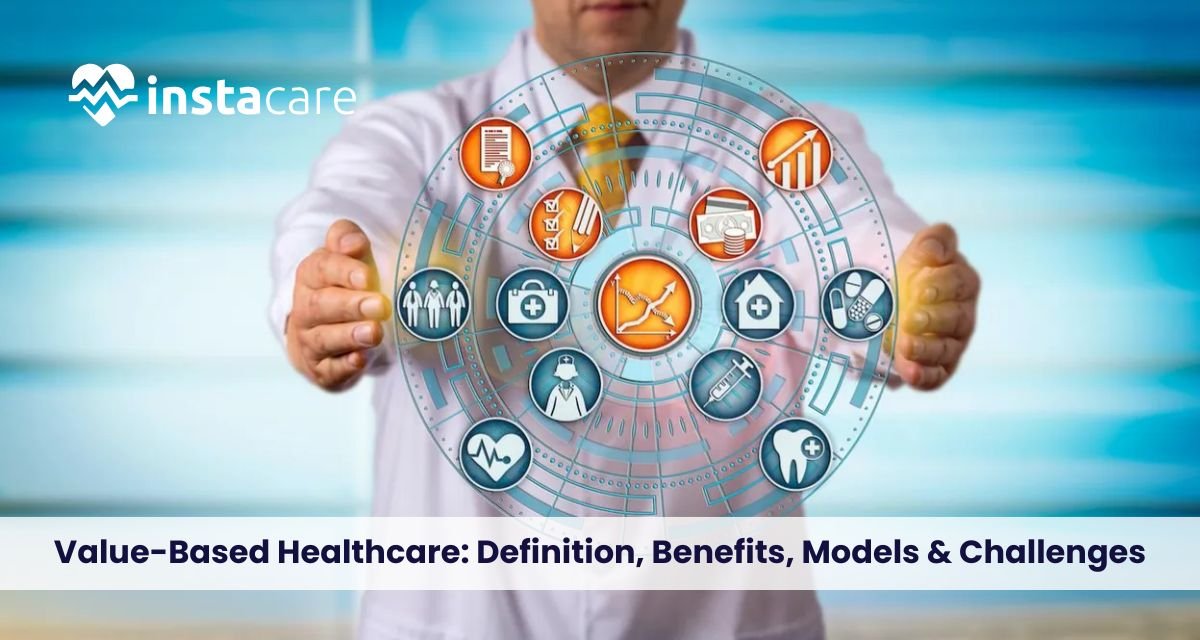
All You Need To Know About Value-Based Healthcare Health care provision is transforming at a quicker rate than ever before, and its most significant shift could be towards the value-based model of health care. The model turns established wisdom on its head to abandon quantity goals of the past to venture into quality as the final performance metric. Rather than being remunerated by volume for services provided, it remunerates health care providers for optimizing patient outcomes within the cost. For patients, more appropriate care, less unneeded treatment, and improved long-term health. For physicians and other clinicians, the chance to concentrate on what is most important instead of attempting to optimize service loads. What is Value-Based Healthcare? Value-Based Healthcare is a system where the healthcare providers are not rewarded per the quantity of services they provide but through their success in ensuring that patients have attained good health. It is a cost-cutting measure in the overall healthcare cost, the enhancement of the quality of care, and patient experiences. Prevention, coordinated care, and evidence-based treatments are promoted by this approach to deliver optimal health outcomes to patients. Defining the Concept: From Theory to Reality Before moving further, let’s define Value-based payment models. It is just about associating payments with observable improvement in a patient’s health. Physicians, hospitals, and other healthcare organizations are paid for the quality of care they provide instead of the number of visits or procedures. Essentially, it is more on prevention, chronic disease management, and quality care coordination. Holding on to the healthier ones longer is cost-effective at the expense of expensive intervention later on. Patients at the Center of the System Of all the components of this change, perhaps the most significant is its focus on patient-centered care. With this model, no longer are patients simply passive recipients of care but rather active participants in their well-being. Care plans are individually designed to meet their unique needs, lifestyle, and self-identified values so that they are directed by an awareness of mutual endeavor on the part of the patient and care team. This most closely matches healthcare quality improvement, with caregivers continually trying to make processes better, minimizing mistakes, and implementing best practices in an effort to provide better and safer care. Why Value-Based Care is an Easier Concept to Understand than Fee-for-Service? It is easier to understand Value-based healthcare vs fee-for-service. Fee-for-service pays providers for each test, procedure, or visit. Whether treated or not. It pays for productivity, but wasteful spending and frivolous treatment too. The value model works oppositely, paying providers for healthy patients, avoiding complications, and fewer avoidable hospital readmissions. It’s a system of preventive health instead of a reactive one. Payment Models That Make Value-Based Care Successful The shift is facilitated by a variety of payment models that provide aligned incentives for improved patient outcomes. Some of the key strategies are: Pay-for-Performance Programs – Incentives to providers for performance or accomplishment of quality targets, for example, reduction in readmission or improved chronic disease care. Bundled Payments – The patient pays one price for the full episode of care, from diagnosis through healing, with an incentive to deliver a reward for efficiency and care coordination by providers. Accountable Care Organizations (ACOs) – Providers are accountable for the cost and care of an assigned patient population with incentives for cost control and better outcomes. These models allow for collaboration, better care coordination, and attention to long-term outcomes rather than short-term profit. Book Your Free Marketing Consultation Why This Model Is Good for Everyone? Some of the advantages of value-based care are: Reduction of the cost of healthcare to patients, payers, and providers. Increased disease prevention through more frequent screening and early treatment. Increased patient satisfaction with improved and customized care. Alleviation of the general population’s health, unloading acute and emergency care functions. More than anything else, perhaps, value measurement in healthcare gives practitioners actual numbers to serve better. These are lower complication rates for chronic disease, higher recovery rates, and fewer hospitalizations. Success Stories across the Globe Value-based care models put into practice illustrate the model’s strength. Diabetes preventive care interventions that avoid hospitalization and improve quality of life for patients, for example, have been put into place by some highest-performing care networks. Orthopedic hip and knee replacement bundle payments optimized outcomes at lower cost. Technology plays a role as well. Telemedicine, remote monitoring of patients, and interoperable electronic health records enable providers to identify issues earlier, relapses, and care coordination with less effort. How Hospitals Are Taking Hold of the Change? It entails re-engineering the process, increasing departmental communication, and data analytics investment. Value-based healthcare in hospitals is constructing multi-disciplinary care teams, following patients’ progress more holistically, and having every step of the process of care charted out with attention to complication avoidance and better recovery. It is usually a matter of deepest cultural change, but those that succeed yield greater efficiency and greater patient confidence. The Government and Policy’s Role in Fostering Change There needs to be a government and Value-based healthcare policy to implement such plans. Most nations possess a value-based policymaking Value-based healthcare system that poses Value-based healthcare challenges to providers to transcend the fee-for-service culture. Payments are likely to incorporate reforms, solutions for standards of care outcomes, and solutions for transparency so patients can view providers practicing. The larger picture of a value-based care health system isn’t so much about hospitals and clinics; it’s about having a healthcare system where patients, providers, payers, and policymakers all share the same language: more health for less cost. The Roadblocks and Real-World Hurdles Some fairly real value-based health care obstacles to overcome, of course: Economically significant up-front investments in technology and training staff. Difficulty in getting, sharing, and comparing the health information across systems. Resistance by providers to learning about existing payment systems. Risk adjustment skill by variation of patient population based on need and complexity. These are the challenges that require

Edge Computing in Healthcare: Transforming Real-Time Patient Care Modern healthcare depends heavily on digital technology to propel patient care and process automation. Of all those technologies, edge computing is arguably the most important. Edge computing processes data at or near its origin, near the patient or medical device, instead of having all of it routed to distant cloud servers. This edge computing enables low-latency healthcare applications, which are critical in real-time patient monitoring and remote patient monitoring systems. Healthcare providers can enable faster, safer, and more reliable data processing at the edge through the assistance of edge computing, with direct effects on patient outcomes. With growing numbers of medical IoT devices and connected health platforms, healthcare ecosystems are rapidly becoming more complex and edge computing offers solutions to volume, speed, and data privacy. This article here explains what edge computing is, why it is so important in the context of healthcare, its key applications, benefits, and upcoming trends shaping the future of healthcare delivery. What is Edge Computing? Edge computing is a distributed IT platform where the processing happens at or near the edge where the data is created instead of shipping it to a remote data center or cloud. “Edge” refers to the physical site at the network edge, like a ward in a hospital, a wearable, or an off-site clinic. In healthcare, edge computing enables processing at the edge, on nearby devices or intelligent devices, and carries computation to patients, introducing less latency for data transmission required by time-sensitive healthcare processes. The technology enables applications with secure real-time health data that can make medical decisions feasible in a timely and reliable manner. In contrast to bandwidth and latency-constrained traditional cloud computing, edge computing offers an appealing and real-time processing of immense amounts of health data that are generated by internet-connected devices. Applications of Edge Computing to Healthcare Healthcare is uniquely suited to adopt edge computing because of the demands of fast data processing and privacy safeguarding. Edge computing has a variety of its most important applications in the healthcare sector: Real-time monitoring of patients: Sensors and wearables monitor patients’ vital signs in real-time. Real-time analysis is done by edge computing, allowing healthcare providers to respond early to dramatic changes. Security and privacy of data: Personal health data is processed locally, reducing the likelihood of transmission breach. Conservation of bandwidth: No data is transmitted to the cloud; only processed or necessary data is sent, defragmenting the network. Better decision-making: Real-time analysis at the edge device enables timely, informed clinical decisions. Rural and remote healthcare: Edge computing ensures effective delivery of health even in areas with sparse or patchy internet coverage. As 5G and edge in healthcare continue to expand, data reliability and speed are enhanced, enabling more sophisticated healthcare applications. Major Applications of Edge Computing in Healthcare Edge computing enables different healthcare innovations and solutions: Remote patient monitoring systems: Medical devices that track important indicators like heart rate, blood glucose, and oxygen level remotely process them locally to trigger alarms on abnormalities. It is vital for the management of chronic conditions as well as post-operative monitoring. Edge AI in healthcare: Edge AI in healthcare algorithms to support early diagnosis, personalized treatment plans, and predictive analysis without ever relying on the cloud. Edge analytics in healthcare: Healthcare organizations utilize edge analytics in patient care to track machine performance, predict failures, and streamline processes. Medical edge devices: Intelligent medical devices such as infusion pumps, ventilators, and imaging scanners use edge computing to work at their best and in a secure manner. Processing data at the edge: Processing data close to the patient location, healthcare workers eliminate delays, optimizing response in the case of an emergency. Medical IoT and edge computing: Connected healthcare equipment produces continuous, fluid streams of data, processed by edge computing to enable real-time monitoring and control. Edge computing use cases in hospitals: From intelligent operating rooms to patient flow management automation, edge computing enhances hospital workflows. Book Free Demo Edge Computing in Healthcare Benefits Healthcare acceptance of edge computing is followed by an array of benefits: Decreased latency: Faster processing enables rapid, time-sensitive, critical decisions in emergency and critical-care situations. Enhanced data security: Local processing lowers exposure to cyber attacks and enables easy compliance with privacy regulations like HIPAA. Enhanced patient care: Real-time observations and rapid data analysis facilitate on-time intervention and enhanced treatment protocols. Reduced costs: Reduced data transmission and cloud storage requirements save healthcare centers on IT expenses. Business continuity: Edge devices can operate in isolation during network downtime, enabling uninterrupted healthcare services. Smart healthcare infrastructure support: Connecting with 5G networks increases data speed and dependability, facilitating pioneering health technology. Health organizations embracing the edge computing benefits in healthcare realize increased efficiency, patient satisfaction, and data security compliance. Edge Computing Innovations and Future Trends The future of healthcare edge devices is auspicious, with loads of innovation on the way: 5G adoption: 5G network rollout adds edge computing with low-latency healthcare solutions and super-high-speed connectivity critical to telemedicine and real-time health monitoring applications. Enhance edge AI: Edge device AI applications will continue to evolve and get better at enhancing diagnostics, patient risk stratification, and individualized care. Healthcare edge device innovation: Networked medical devices and intelligent wearables will fuel edge data generation and processing. Improved security: As more organizations move to the edge, encryption and strong defense mechanisms for protecting real-time health information will be critical. Cloud-edge hybrid models: Blending the elasticity of the cloud

Expiry Alerts in Clinic Management Software: Why They’re Crucial for Safe Healthcare Technology is no longer a nicety in today’s healthcare, it’s a necessity. Perhaps the most underappreciated but necessary feature of clinic management software is the medicine expiry notice system. What this feature does is allow medical supplies, vaccines, and medications to expire at the optimal time so clinics avoid health hazards and monetary loss. What Are Expiry Alerts in Clinic Management Software? An expiry reminder system operates based on tracking stock and providing reminders when a product is nearing expiry. These automatic expiry alerts in healthcare software can be set to provide reminders weeks, months, or even days ahead of time based on the configuration setup. If a Drug expiry notification feature or vaccine expiry remind is used, these reminders enable clinics to take preventive action before an issue occurs. The Risks Involved in Disregarding Expiry Dates in the Healthcare Industry Disregarding monitoring and maintenance of expiration dates has disastrous implications in healthcare units. Patient safety and expired medications go hand in hand; delivery of expired drugs lessens treatment efficacy or, worse still, induces toxic reactions. A few of the primary risks involved in disregarding expiry dates are: 1. Patient Safety Compromised Older medicines lose effectiveness or form toxic substances. They can cause treatment failure, allergic responses, or toxic side effects. 2. Legal and Regulatory Problems Medical facilities have a legal responsibility of adhering to usage and storage procedures for drugs. Noncompliance with Expiry date management for medicines may attract fine, prosecution, or license revocation. 3. Monetary Losses Wasted resources are expired drugs. Accurate Inventory expiry tracking in clinics would help avoid situations where stocks end up unused, leading to a build-up of financial losses. 4. Reputational Damage Trust underpins healthcare. Issuing expired medications would be severely damaging to a clinic’s reputation, with patients seeking alternative options elsewhere. These threats indicate the increased necessity for an expiry stock clinic software that guarantees a timely response and openness in handling medical stocks. Advantages of Expiry Warnings to Clinics Having an expiry notice system in your clinic processes brings immense advantages, ranging from process efficiency to enhanced patient care. 1. Enhances Patient Safety By discouraging expired drugs or vaccines from being used, inventory alerts ensure that all that is used during treatment is safe and effective. This is particularly important in pediatric and geriatric treatment, where drug reaction and immunity differ. 2. Simplifies Inventory Management Effective medication stock management software enables improved stock rotation. This prevents clinics from over-ordering and ensures first-expiry-first-out (FEFO) usage, reducing wastage. 3. Eliminates Human Error Manual tracking of inventories consumes a lot of time and is likely to be ignored. Expiry reminders in clinic software make it quicker, more effective, and less based on human memory. 4. Maintains Compliance with Regulations Regulatory agencies conduct expiry date and inventory audits at regular intervals. Pharmacy inventory reminders ensure clinics are audit-ready at any given time. 5. Maximizes Use of Resources Understanding when drugs are near expiry allows clinics to utilize them effectively, provide discounts, or donate them before they expire. Such control of drug expiry times enhances financial planning and ethical efficiency. Book Free Demo What to Look for in Expiry Alert Systems? It is important to have the right health IT expiry alert tools for proper implementation. The below are the functionalities making an Alert system for expiring supplies highly effective: 1. Real-Time Notifications The software must produce drug expiry reminders in real time when stock is approaching its expiry date. These must be displayed on dashboards, or even via email, or even as SMS alerts. 2. Timelines for Customizable Alerts Every clinic varies. Some will require a 30-day notice before expiration, others sooner. A decent system has the capacity for customization to suit your treatment cycle and turnover of inventory. 3. Batch-Level Tracking Batch-level expiry tracking is mandatory, particularly with vaccines or controlled substances. This identifies and dispenses only the affected batch, avoiding wastage. 4. Purchase & Billing Integration An ideal integrated medicine expiry notification system would seamlessly integrate with purchase orders, billing modules, and patient prescriptions of patients. The integrated system eliminates gaps in the process flow. 5. Simple Reporting and Audit Trails Being able to create reports on stock expiry alert clinic software is critical for auditing, internal examination, and supply chain refinement. 6. Mobile Accessibility Most clinics are more than one site or rely on staff working from the road. Cloud-based products with mobile access to expiry reminders provide greater mobility. How to Use Expiry Alert Systems for Maximum Effect Any system is only as good as its implementation. Here is how to implement clinic software expiry reminders within your clinic in an effective manner: 1. Conduct Inventory Analysis Start by charting your current inventory: what drugs you have, turnover, and how you’re currently tracking expiration. Mark gaps and areas for improvement. 2. Install the Right Software Choose software which has inherent expiry date monitoring of drugs and is suitable to the size and requirements of your clinic. Place it at the top with usability and with expandability. 3. Train Your Staff Even when there are automated systems, there will still be a need for monitoring. Educate your pharmacy and administration personnel to read alert notices, restock, and react on time based on alerts. 4. Set Alert Intervals Strategically Collaborate with suppliers and pharmacists to establish pragmatic notice periods. For instance, Expiry notification for vaccines may require notice time because of strict demands on cold storage. 5. Monitor and Audit regularly Take advantage of the reports and analysis produced by your clinic and use Expired stock alerts clinic software to track performance. Track expired stock trend analysis, staff response, and patient safety events involving expired stock. 6. Foster Open Communication Ask your staff to come forward with issues regarding alert reliability or system integration. Open communication will find its way to enhance the system ultimately. Conclusion Outdated stock must never be a case of chance within the current disorderly medical setting.
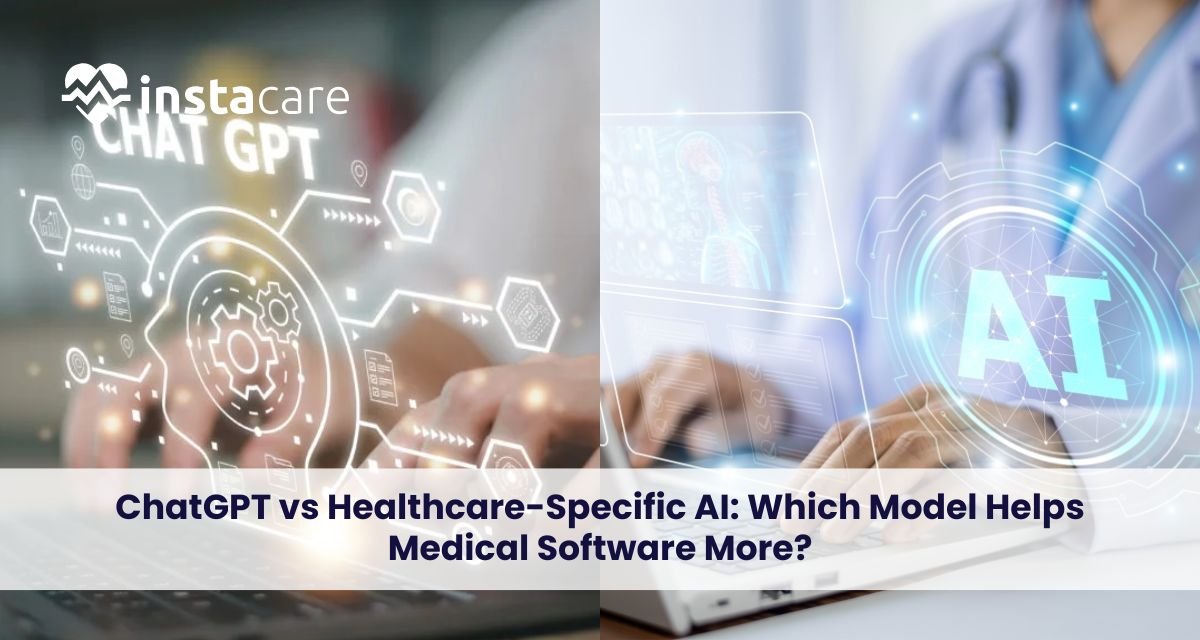
ChatGPT vs Healthcare-Specific AI: Which Model Helps Medical Software More? AI is making a positive impact on healthcare by boosting the performance and accuracy of medical software. AI tools today can be classified into two categories: those designed for broad use, such as ChatGPT, and those for use in healthcare. Discussions around ChatGPT vs Healthcare-Specific AI point out some important factors, for example, adaptability, compliance, and expertise in healthcare. Medical institutions and developers must decide on the model that best meets their planned improvements in diagnostics, managing tasks, or patient communication. This article compares ChatGPT with custom healthcare AI systems, detailing the main differences, highlighted strong points, potential challenges and their applications in software used in healthcare. Understanding ChatGPT and Healthcare-Specific AI? ChatGPT ChatGPT is a language model that OpenAI has developed for general use. It can handle human-style communication and is often applied for creating content, helping with customer support, and responding to basic questions. One use of ChatGPT in medical software is to assist in making simpler patient notes, listing instructions for patients, and making it easier to communicate with them. AI Designed for Healthcare Alternatively, AI designed for healthcare is prepared using the rules and standards found in medical data. In most cases, these models are tied to EHRs, diagnostic tools, and how clinicians work in their specialty. While there are more ChatGPT medical applications, their overall design has some restrictions. Sometimes, they cannot access the proper knowledge for their field, manage difficult terms in medicine and find it tough to deal with sensitive data of patients. The Main Differences Between the Two ChatGPT This technology is a general-purpose language model. It can handle different topics in text, though not specifically designed for medical language, procedures, or industry processes. ChatGPT does not meet HIPAA standards on its own. Dealing with patient information in general requires considerable changes, encryption, and updated healthcare privacy technology. Because ChatGPT does not explain its reasoning, it may be difficult to rely on it in making medical decisions. Healthcare Specific AI AI technology used in healthcare is made with medical areas in mind. With the help of medical information and guidelines, models in this field gain accuracy and dependability. The Healthcare-specific AI tools made for healthcare are all created with compliance to both HIPAA and other regulations in the sector. They always ensure that your data is private and secure. Specific AI models for healthcare often help explain the process behind a recommendation or diagnosis. This helps healthcare professionals trust each other and provide treatment based on research. Book Free Demo Use Cases In Medical Software While both types of approaches help, the results can depend on the chosen application. Here, we compare the use of different models in examples: AI Applications in Electronic Health Records: The purpose of using AI for electronic health records (EHR) is to lessen the amount of paperwork and improve the way data is accessed. Models used in healthcare often do data entry tasks, condense doctors’ notes, and discover errors in medical records with more reliability since their data is organized. Enhancing Healthcare with Natural Language Processing: Without NLP, interpreting doctors’ notes, radiology reports, or discharge summaries would not be practical. Although ChatGPT is effective in general NLP in healthcare, healthcare-specific NLP tools are more accurate at identifying elements in medical records and codes. Many times, these tools are included in decision tools and automated checking methods. Supporting Clinicians Through Decision Tools: With clinical decision support AI, physicians use patient information and get guidance based on evidence. An advantage of AI tools for healthcare is that they rely on methods and tools verified in real clinical settings. Forecasting Patient Outcomes: Predictive analytics in healthcare AI to predict a patient’s outcomes, the possible need for readmission, and the future stages of a disease. Custom AI models trained with hospital data are more accurate than others. Improving Telemedicine with AI in Patient Communication: It is becoming increasingly necessary to apply AI for patient communication in telemedicine and after leaving the hospital. ChatGPT can communicate with patients to respond to basic inquiries, remind people of their appointment,s or offer background information. Ensuring Patient Privacy: It is important to use HIPAA compliance and AI to ensure the privacy of patients is protected. The development of healthcare-related AI systems considers compliance issues and includes encryption, access control and audit logs. Automating Administrative Tasks in Healthcare with AI: It is helpful for healthcare to use AI to automate the repetitive duties of making appointments and issuing bills. But when it comes to AI integration in hospital software, using internal systems and rules for each patient, AI in healthcare does the work best. Comparing Medical Chatbots and Custom AI Solutions Unlike custom AI systems, AI chatbots in healthcare are simple to add and can handle a large workload, though they are less knowledgeable about medicine. Although it takes more time to build a custom AI system, the results are more accurate, conform better to rules, and keep patients more involved with their own health information and treatment plans. Role of OpenAI in Advancing Healthcare Technology OpenAI is being incorporated in healthcare by forming partnerships with healthcare technology firms and research teams, including its integration into Clinic Management Software to enhance administrative efficiency and decision-making. At the same time, there are still concerns related to protecting data, ensuring its accuracy, and maintaining regulatory compliance. To effectively use OpenAI in critical medical settings, additional safeguards and system enhancements are necessary. Conclusion Whether to use ChatGPT or a healthcare-specific AI depends on the organization’s plans, the amount of money available, and the rules they have to follow. While ChatGPT is convenient to use and covers many NLP tasks quickly, it may not meet clinical accuracy, compliance, or integration requirements. FAQs [sc_fs_multi_faq headline-0=”h3″ question-0=”Is there a difference between ChatGPT and healthcare-related AI?” answer-0=”While ChatGPT can be used for various applications, healthcare-specific AI is built

AI for Medical Diagnosis: How Artificial Intelligence Is Transforming Disease Detection and Treatment Artificial Intelligence (AI) is transforming medicine in ways people’s imaginations a decade ago could not possibly conceive. No longer science fiction, AI is indeed transforming detection, diagnosis, and disease treatment by physicians. Medical AI diagnosis is the most thrilling development in medicine today, and real-world applications are already transforming lives globally. Let us discuss how artificial intelligence is revolutionising medical diagnosis and the future of medicine. Early Detection Saves Lives One of the best reasons why AI has been applied so extensively to the medical diagnostic process is that it identifies disease early. Early identification is a big determining factor in treatment success. The sooner a condition is identified, the more treatments are available to doctors to treat it, and the better the patient will heal. AI can analyse vast quantities of patient data, lab tests, imaging studies, and genetic markers, faster and more accurately than doctors. To give an example, AI computer algorithms trained on thousands of mammograms can identify fine textures in breast tissue that a radiologist cannot see, such as cancers when they are in stage one. Such precision can enable potentially life-threatening illnesses to be detected before the point at which it is too late to treat. Outside of cancer, AI also diagnoses diabetic retinopathy, heart disease, pneumonia, and even mental illness by interpreting patterns of scans or patient behaviour. Its true value lies in its learning and adapting over time and improving with each iteration. AI in Diagnostic Imaging One of the fields where AI has left an enormous mark is medical imaging. X-rays, MRI, and CT scans are expensive diagnostic machines, but they take time, expertise, and frequency to read. Step into AI. Now, medical computers can also read medical scans with incredible precision. The computers were trained on hundreds of thousands of radiology exams and can identify diseases such as tumors, bone fractures, and internal bleeding in organs. AI in Medical Diagnostics is also utilized occasionally, identifying areas of interest even before a radiologist lays eyes on them. It does this with a reduced turnaround time, allowing doctors to treat critical cases more quickly and efficiently. In neuroimaging, AI has been detecting neurological diseases like Alzheimer’s and Parkinson’s years before conventional means. Algorithms detect subtle differences in brain anatomy or perfusion that the human brain might not be able to detect. In cardiology, AI helps diagnose blocked arteries and arrhythmias, leading to heart attack or stroke. Through Image review faster and with reduced diagnostic errors, Image enhancement is improving outcomes and patient safety. Decision Support for Doctors Doctors today are more inundated than ever. But information will not be enough—information must be properly interpreted and in timely relevant. Clinical Decision Support Systems (CDSS) based on AI help doctors make improved decisions by taking into account medical history, signs and symptoms, test results, and treatment in real-time at the same time. These systems are a second brain, reading vast medical databases and studies in real time to give likely diagnoses. This isn’t replacing physicians, it’s providing them with a tool they can use to double-check, confirm suspicions, or even diagnose obscure diseases they may not have otherwise thought of. By taking the chance of human error out of the equation and removing diagnostic delay, AI is becoming an indispensable business partner for today’s clinics. Book Free Demo Real-World Application in Hospitals Hospitals and clinics across the globe are already reaping the benefits of AI-powered diagnostic technology. Leading institutions like the Mayo Clinic, Mount Sinai, and Stanford Medicine have integrated AI into business-as-usual operations. For example, Mount Sinai uses an AI system to anticipate which ICU patients will get sepsis—a potentially fatal disease, before they ever present themselves with symptoms, hours in advance. It lets doctors act and save lives. In cancer clinics as well, AI is being used to help decide the best treatment for a tumor based on its genes so that patients are treated as unique individuals. Hospitals are utilizing AI to provide automated administrative diagnoses, i.e., quick abnormal laboratory test results for timely examination. Such applications, besides improving care, also eliminate the physicians’ workload, bringing it down to burnout. Challenges and Concerns Healthcare AI does have some serious concerns to tackle, however. Privacy is one of them. AI systems handle a lot of patient data, and it must be secure, anonymized, and responsibly used. Bias in machine learning algorithms is a problem as well. Training data to which an algorithm is being trained, unless representative, will not allow the algorithm to generalize over populations. Such a system for diagnosing skin cancer trained on mostly light-skinned patients, for instance, will perform poorly with dark skin. Developers need to make training data representative across all segments. Doctors and patients are rebelling as well. AI technology becomes more reliable, but for others, concerns that too much reliance on computers will mean errors in diagnosis persist. Human management and control must be established in place to place trust. Where AI Excels? Although AI is useful in all fields, there are some diagnostic specialties in which AI is far better than the conventional way. Let us find out where AI works best: Radiology: Identification of lung nodules, fractures, or intra-abdominal hemorrhage. Dermatology: Identification of skin cancer from photographs. Ophthalmology: Identification of diabetic eye disease and glaucoma. Pathology: Identification of abnormally growing cells in biopsy tissue. In each of these fields, AI pattern recognition technology is boosting speed and diagnostic confidence. Rather than substituting for doctors, it allows them to focus on patient care and complex decision-making. How AI Empowers Patients and Providers? AI places very high importance in the providers’ and patients’ hands if used ethically: Faster Turnaround Time: AI allows quicker turnaround time. More Accuracy: Less misdiagnosis equals improved outcomes. Cost-Effectiveness: Prevention through early detection saves expensive end-stage treatment. Fair Care: Where there is a deficiency in poorer societies, AI fills the gap

What Are Healthcare SaaS Solutions and How Do They Benefit Healthcare Providers? Healthcare SaaS Solutions have transformed the processing, storage, and retrieval of patient information in medical centers, leading to overall operational efficiency. With web-based software, healthcare businesses can install applications within the internet domain without being bound to costly, traditional IT infrastructure. Though rapid access to patient information, security, and scalability remain the major concerns for healthcare businesses, SaaS has been a game-changer. They function as a budget-friendly and adaptable off-site software that surpasses on-location software in improving both administrative automation and clinical outcomes. What are Healthcare SaaS Solutions? Clinics, hospitals, and other healthcare facilities use web-based software that runs through cloud hosting systems. Users obtain access to programs through their web browser instead of installing software on each device. This saves money in the initial phase and allows for software updates in real time, thereby making SaaS Solutions for Health IT more responsive and scalable. What are SaaS Solutions in Healthcare? Simply put, they are computer software and services that run on cloud infrastructure and are supplied on subscription terms to healthcare organizations. They are being widely adopted across all segments of the healthcare ecosystem, from small-sized practices to large-sized hospital groups. Some examples include: EHR SaaS Platforms for management of electronic patient records. Telehealth SaaS Platforms for remote consultations. Medical Billing SaaS Software for simplification of revenue cycle management. Patient Management SaaS Solutions for appointment scheduling, communication, and workflow management. Key EHR SaaS Platform Features Centralized electronic records and remote access Smooth integration with lab and imaging devices Simplified data entry forms and enhanced accuracy Role-based access to facilitate greater data security Interoperability with health information exchanges (HIE) All these features allow the clinical space to be more efficient and coordinate patient care better. Healthcare SaaS Trends Healthcare SaaS Trends mirror increasing interest in: Integration of artificial intelligence (AI) and machine learning Predictive patient outcome analytics Voice-activated digital note-taking assistants Wearable health device integration Blockchain secures patient data sharing All these advancements are a testament that SaaS healthcare is not a transitory process but a natural progression in health technology. Advantages of Healthcare SaaS Solutions The use of healthcare cloud solutions has a plethora of advantages. The most essential Benefits of Healthcare SaaS Solutions are discussed in brief below: Scalability: Add services as and when necessary without hardware modifications or upgrades. Accessibility: Access by authorized individuals from anywhere. Cost Savings: Subscription instead of investing colossal sums of money initially. Automated Upgrades: No user guide or software installations or upgrades are necessary. Higher Collaboration: Teams of people collaborating in real time, department or location-based. Advantages of Healthcare SaaS Solutions also involve greater healthcare regulatory compliance, like HIPAA, due to strong security. Use Cases: SaaS for Hospitals and Clinics Hospitals and clinics increasingly utilize SaaS for Hospitals and Clinics to enhance operating efficiencies. Healthcare SaaS Solutions assist in managing a range of functions: Patient intake and scheduling Clinical documentation and diagnostics Billing and insurance claims Inventory and pharmacy management By using SaaS platforms to replace traditional legacy systems, healthcare professionals can keep better records, engage with patients more effectively, and have a smoother administrative process. How Cloud-Based Healthcare Software Revolutionizes Healthcare? Cloud-based healthcare Management Software involves some variation from legacy on-premise systems: Remote Access: Physicians and personnel can access information at home, mobile, or remote access points. Real-Time Data Synchronization: The information synchronizes in real time between all devices. No Disruption for Updates: Updates are conducted without causing process disruptions. Also, backup and disaster recovery procedures are supported by cloud-based platforms, which are strongly imperative in healthcare, where data integrity is the principal requirement. Adding Security: Data Security in Healthcare SaaS One of the most significant issues with electronic health systems is data security. All the best: Data Security in Healthcare SaaS is a top concern with developers. These solutions deploy robust encryption, access controls, and audit trails to protect patient-sensitive information confidentiality. Most healthcare SaaS solutions integrate compliance with healthcare data policy under HIPAA, GDPR, and HITRUST, which assures healthcare professionals. Personalization with SaaS Customizable for Healthcare Providers Indeed, the most attractive feature of such solutions is their flexibility. Customizable SaaS for Healthcare Providers can be designed so that clinics can customize it based on their unique workflow, patient pool, and operational needs. SaaS’s flexibility, from adding new modules to utilizing third-party software, makes it a perfect solution for dynamic healthcare environments. SaaS vs On-Premise: Comparison For comparing SaaS vs On-Premise Healthcare Software, SaaS certainly has an advantage over the following: Cost (low initial cost) Deployment time (quicker deployment) Maintenance (Vendor support) Flexibility (ease of remote access and scalability) On-premise solutions remain available to some large organizations that have specialist IT staff, but SaaS is the choice of most healthcare providers today. Role of AI in AI-Powered SaaS in Healthcare AI-powered SaaS in Healthcare is empowering physicians to diagnose and treat patients quickly and precisely. Such tools can: Process vast amounts of information to identify patterns Automate administrative routine tasks Enabling clinical decision-making through informed decisions Artificial intelligence enhances SaaS and turns it into an engaged tool instead of a passive system. Enhancing Operations with Patient Management SaaS Tools Reminders and scheduling of appointments Secure messaging among providers and patients Integrated billing and claims Automation of workflows and tasks Custom care coordination dashboards
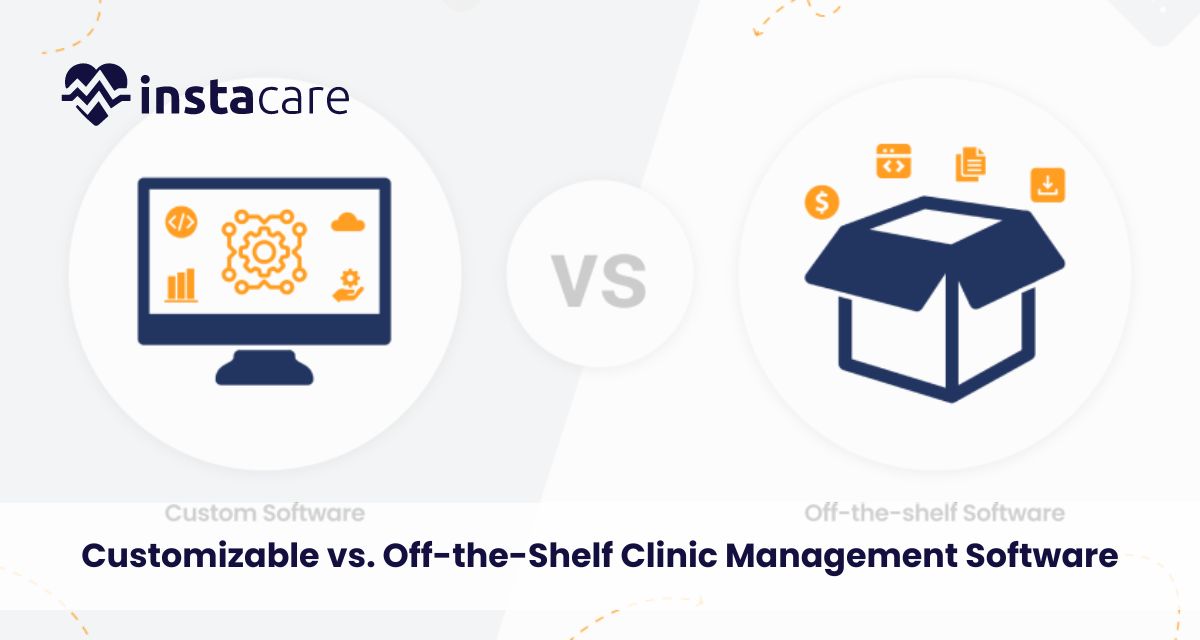
It is extremely important to choose the proper clinic management software these days as such a choice is about being effective, improving patient care, and speeding up administrative work. Among the biggest decisions facing practices these days is whether to choose software that one can customize or opt for an off-the-shelf solution. Before one decides on either, they need to weigh the pros and cons against their own requirements. Here, we are going to present both options and at the end of it, you will have the answer as to which one is better suited for your practice. What Is Clinic Management Software? To discuss how customization or off-the-shelf software is, firstly, there is a need to define what a clinic management system is. Clinic management systems are designed for the administration of a health care facility. It involves scheduling and holding electronic health records, billing, patient communication, among many others. Therefore, through automation, clinics become much more efficient, reduce errors, and also assure better satisfaction for patients. Off-the-Shelf Clinic Management Software Off the shelf software are those readymade systems which can be purchased off the shelf for buying immediately and for use. Thus, these systems support the wide range of practices, hence it carries the standard features supporting all sorts of specialties. Examples of a very popular system are Practice Fusion and Athenahealth . Advantages Of Off-The-Shelf Software The Advantages Of Off-The-Shelf Software Include: Cost-Effective: Off-the-shelf packages are less expensive than customized packages because the development expense is distributed over many users and the expenses of maintaining them are also spread out since they are mass produced. Fast Implementation: The fastest possible implementation for such a system can be developed and brought into action relatively quickly, and it allows practices to be able to begin working on them shortly after that. It is helpful for a new practice or for one wishing to convert over to a paper-based system. Off-the-shelf software providers, most of the times than not, update and supports it regularly. Therefore, users are constantly updated on the latest features and current legislations. Solutions with a proven record will most probably be available with off-the-shelf systems because they were tried and perfected over time to produce a more stable and reliable product. Reviews by other users and their stories can assist in analyzing its usability. Disadvantages of Off-the-Shelf Software Limited Customization: Off-the-shelf solutions cannot be modulated to an extent that is required by a particular practice. Features may not fit the workflows as good and that leads to inefficiency. Generic Features: They service such a large audience that they typically will not be able to provide specialized features that might be required for a particular specialty medicine, such as pediatrics or orthopedics. Integration Issues: Off-the-shelf software packages rarely have integration capabilities built into them or with the other systems and third-party applications used in your practice, which may create information silos. Scalability Issues: A change in the size or nature of your practice, that off-the-shelf systems cannot keep up, may mean you must change systems entirely. Book Free Demo Customizable Clinic Management Software Customizable software may be developed to fulfill specific needs of a given practice. These systems can be developed from scratch and tailored to fulfill specific needs in terms of workflow. A few companies, such as AdvancedMD and DrChrono, offer customizable solutions as well. Benefits of Customizable Software Office-specific functionalities: Customized software has features that have particular selections, in which case the selected features are according to the requirements of the practices. This helps the customized software increase productivity and smoothen out the workflows. Seamless integration: One may design customized software that integrates well with other systems of the practice, so all elements work together very smoothly. Scalability: Even as your practice grows, so can this custom software, with new features and capabilities when needed-but not by being limited by the form and shape of a prepackaged solution. Better User Interface: This type of software can be developed to have the right user experience that respective users need. This will make it more accessible and easier for employees to navigate and work with the system. Disadvantages of Customizable Software Higher Cost of Implementation: As all these development and design costs are included in this, a custom software is generally more expensive than its non-custom counterpart. This can be a very high investment for a small practice. Longer Implementation Period: Tailor-made solutions may take more time to develop and implement than a ready-made system. Transition processes of the implementation practices do need to have some preparation time. Maintenance Requirements: Customized solutions will require continuous maintenance and support, an added cost in the long run. The practices have to be ready to commit them with sufficient staff. Over-Customization Risk: The risk is that practices may over customize software to develop complexities to an extent that the system becomes more and more difficult to handle or even impossible to upgrade sometime later. Determinants on the Right Choice of the Software Developing one’s own custom or buying an off-the-shelf management clinic software involves making some considerations. Some of these considerations include; 1-Practice Size and Specialty For instance, a large practice or even one that requires unique, custom-made software packages, on the other hand, a smaller-sized practice would be fine with off-the-shelf kind. Think about your specialty and what unique features you might need that may not be available in the off-the-shelf products. 2-Budget Determine how much you can afford for your software. Any of shelf software packages have a lesser investment at the onset, compared to made-to-order. You should also think about future costs such as support and upgrades. 3-Implementation Timelines Off-the-shelf may be your only option in a crunch. The customized solution will most probably take more time for implementing. 4-Integration into Existing Systems Determine how far each solution is going to be compatible with your existing systems. In case integration is required, then customizable solutions have better possibilities of doing so. 5-Future Growth You must consider
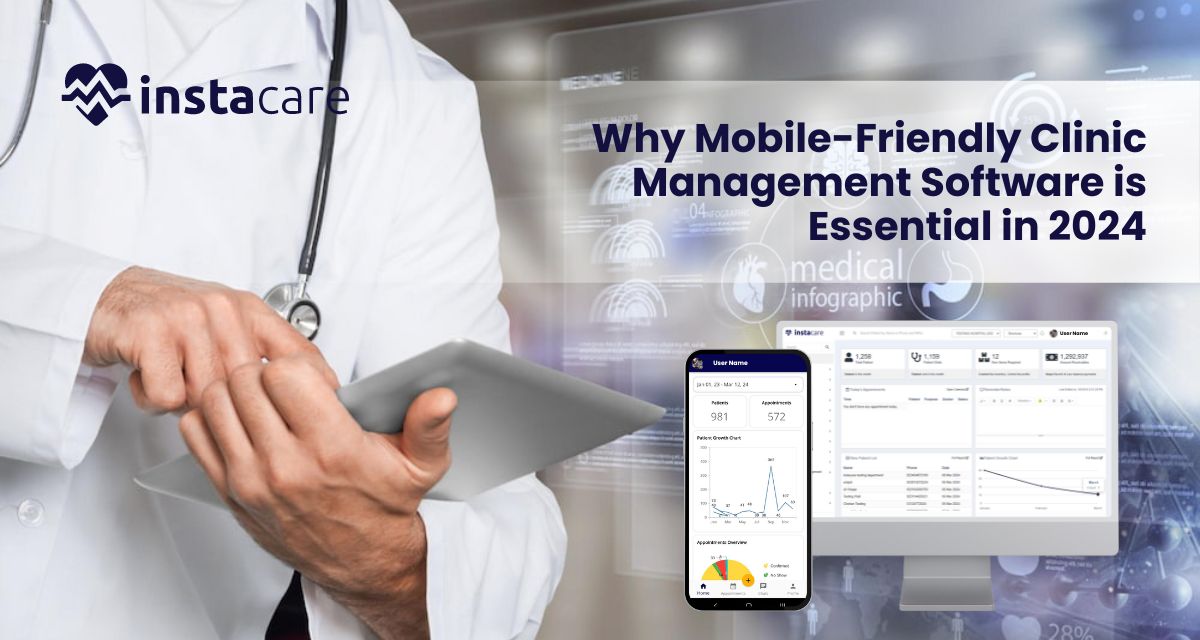
Why is Mobile-Friendly Clinic Management Software is Essential in 2024? With the sands moving in the health-care arena, never before have the calls for effective and accessible solutions for clinic management been so strong. As we now enter 2024, mobile-friendly clinic management software has come to play the very important role of being in the toolkit for healthcare providers. This article discusses why clinics need to embrace such software, enhancing operational effectiveness and also improving the quality of care of patients. 1-The Rise of Mobile in Health Care 1.1 Changing Expectation of the Patient Current patients are more ‘tech-savvy’ than ever, having convenience and accessibility expectations from health care services. Where these patients have increased with smartphone and mobile applications, they wish to communicate with their healthcare providers through digital interfaces. With mobile-friendly clinic management software, patients can now schedule appointments and access their medical records from their devices while communicating with healthcare providers. 1.2 Increasing Adoptation of Telehealth Service The COVID-19 pandemic has made telehealth services more mainstream; support for virtual consultations has been needed in terms of mobile solutions. Telehealth is a lifeline today, 2024. A clinic management software that is mobile-friendly enables users to carry out the smoothest and most readily available virtual visits required by any patient anywhere in the world for timely care. 2-Efficient Operations 2.1 Appointment Scheduling streamlined Another very important thing that clinic management software does is to help in scheduling. Mobile-friendly solutions allow patients to book, reschedule, or cancel appointments through an easy-to-use interface, therefore reducing administrative burdens on staff and minimizing no-show rates, which really optimize the clinic’s resources. 2.2 Better Communication Effective communication is an essential feature in healthcare. Mobile-friendly software typically features an integrated secure messaging function in which patients and providers communicate directly with each other. This allows for better engagement because questions are resolved quickly, adding to improved patient results. 2.3 Automated Reminders and Notifications For instance, automated reminders concerning upcoming appointments, medication refills, or follow-up visits can work wonders as far as patient compliance is concerned. Using mobile-friendly clinic management software, one can create SMS or push notifications in reminders, which, consequently minimizes the instances of no-show appointments and accordingly brings about a very significant improvement to the experience directed toward the patient. 3-Detailed Patient Management 3.1 Easy Accessibility of Medical Records Patients would like to see more access to both their clinical information and their treatment plans. The clinic management software must be mobile-friendly, so that patients can log-in to a secure portal to view their clinical records, their test results, and even their treatment plans. This level of transparency and how it increases patient confidence is more likely to motivate patients to engage better with their healthcare providers. 3.2 Customized Patient Profiles Each patient is unique and with portable friendly software, the clinics can create personalized profiles of patients containing history, allergies, and treatments. The information will be readily available to healthcare providers to provide more personalized care, thus improving patient relations. 3.3 Better Data Security As cyber threats rise, information security in healthcare is vital, and by norms, clinician-friendly clinic management software employs heavy-duty encryption and security protocols to safeguard possibly sensitive in nature patient information. It ensures that compliance of regulations will be covered, such as HIPAA for this, and it also enhances patient trust. Book Free Demo 4-Analytics and Reporting 4.1 Data-Driven Decision Making Data analytics is yet another key optimization step for running clinics in 2024. On its own, mobile-friendly clinic management software often tends to come along with analytics tools which will enable the provider to follow KPIs, patient satisfaction scores, and efficiency of doing operations. It makes clinics highly informed in decisions about improving service delivery. 4.2 Financial Management It can be a very complicated process to manage the clinics, but with the help of a mobile-friendly software system for the billing process as well as payment tracking and generating real-time financial reports, the cash flow has significantly improved, and powerful insights into the financial health of the clinic can be obtained. 5-Integration with Other Systems 5.1 Interoperability with EHR Systems Seamless integration with Electronic Health Records is common with most mobile-friendly clinic management software. This will allow the exchange of information by ensuring interoperation and, therefore, assures a comprehensive collection of patient data available to clinical decision makers. 5.2 Third-party Applications Connectivity Third-party application access will become a really hot topic in 2024. Most mobile-friendly clinic management software integrates well with any third-party tool, such as telehealth platforms, lab systems, and billing software. This makes operations more efficient and improves patient care in general. 6-Cost-Effectiveness 6.1 Lowered Administrative Fees Automating administrative work helps reduce the cost of running a mobile-friendly clinic management software: appointment scheduling, billing, and patient communication, among others, are streamlined, thus allowing staff to have more time for high-value activities. 6.2 Improved Revenue Cycle Management Efficient revenue cycle management can be a difference-maker in the financial sustainability of any clinic. A mobile-friendly software manages billing more efficiently for moving collections forward and less likely to deny it. In this way, cash flow and health improve for the clinic. 7-Future-Proofing Healthcare Operations 7.1 Market Trend Adaptation With the clinic evolving over time, clinics should adapt to the latest trends happening around them. In a mobile-friendly platform, the clinics are in a better position to switch anytime related to changes in patient needs, regulatory requirements, and technological issues. 7.2 Patient Engagement With patient engagement being the top priority in 2024 for healthcare providers, mobile-friendly solutions ensure constant communication and engagement, building deeper relationships between clinics and patients with improvement in overall satisfaction. 8-Patient Outcome Improvement 8.1 Personalized care plans Mobile-friendly clinic management software provides health care providers with the ability to create and implement customized, patient-specific care plans for clients. Based on information in the profiles of the patients, medical history, and patients’ preferences, clinicians can design treatment options that suit the individual’s needs. This tailored approach means improved levels of patient adherence to the
The Impact of Clinic Management Software on Patient Retention and Loyalty Patient retention and loyalty have become very important for the success of clinics in this highly dynamic world of health care. Competition has increased and expectations of patients for clinics have surged, which makes it very challenging. Clinics have used technology as a balm to bring improvement in their services and satisfaction of the patients and one such massive tool in this direction is the clinic management software (CMS), which not only helps smooth administrative tasks but also contributes a lot in promoting patient retention and loyalty. Here we have, discuss how clinic management software influences these salient factors of health-care provision in this paper. Definition of Clinic Management Software The clinic management software is automated and optimizes several operational processes in a healthcare facility. Applications include appointment scheduling, billing management, and patient records among others- all resources that can greatly enhance efficiency and bring comfort to the patient. It improves patient care and building relationships with patients by centralizing data and processes. Key Features of Clinic Management Software Online Appointment Scheduling: Low wait times and smooth flow of patients by streamlined scheduling. Patient Records Management: Easy access to medical histories allows for more informed care. Billing and Insurance Processing: Automated billing reduces errors and accelerates revenue cycles. Communication Tools: Integrated messaging systems assist staff and patients in effective communications. Reporting and Analytics: Insights provided through data help clinics make informed decisions on patient care and operational improvements. The Responsibility of CMS to Retain Patients 1-Patient Experience Improved One of the biggest advantages of clinic management software is that it improves the overall experience for patients. By streamlining these administrative tasks, CMS allows healthcare providers to care for their patients rather than spending all of their time at desks. Reducing Long Queues: With automated appointment scheduling, clinics can control patient inflow and enhance patient satisfaction by reducing waiting time in clinics. Personalized Communication: CMS enables clinics to send reminders for appointments, follow-up messages, and health tips based upon each patient’s requirement, thus creating a feeling of care. 2-Simplified Ease Every patient in the current scenario wants it easy. They want convenient means of accessing their health-related information. Most patient portal applications built into the clinic management software enable patients to view their medical records, lab results, and appointment schedules at their convenience. 24/7 Access: With full access to their health information, patients can be more engaged and believe in their provider. Online Scheduling: Online appointment scheduling gives patients more control while making it easier to book, thus promoting higher retention. 3-Better Communication Communication by healthcare providers creates trust and loyalty between the two parties. CMS offers various channels through which communication may be enhanced, such as text messaging, emails, and patient portals. Timely Follow-Ups: Automated reminders for appointments and check-ups help keep the patients engaged in the treatment cycle. Feedback Mechanisms: Most CMS systems have feedback features so that patients can give their views on the services received, so that the same can be amended or rectified as soon as possible based on the feedback given by the patients. Book Free Demo CMS helping Build Loyalty 1-Creating Trust One of the founding stones of patient loyalty is trust. The moment a patient feels confident about their healthcare providers, there is a likelihood of being loyal. Such trust through clinic management software builds in the following ways: Transparency: Patients can easily access their health information, treatment plans, and billing details, making the relationship with healthcare providers transparent. Consistent Care: With appropriate and updated patients’ records, the clinicians can provide consistent and informed care. It makes the patients feel safe about their treatment. 2-Loyalty Programs With loyalty programs, many clinics these days are rewarding patients for continued involvement. By tracking patient visits, treatments, and satisfaction levels, CMS can assist in facilitating such programs. Incentives: Providing discounts, rewards, or special services for loyal patients make them return and refer more people. Monitoring of Engagement: CMS can analyze the type of engagement displayed by patients towards the clinic so that exact loyalty programs are provided. 3-Education And Empowerment Patient education for health-related problems and treatment options can make them fully empowered so that every patient will take a proactive approach towards his/her cycle of healthcare. CMS can perform an efficient role in enhancing the patient’s knowledge. Resources and Information: CMS facilitates the provision of relevant and condition-specific information by clinics to patients. The patients are, therefore, made to feel like partners in their care. Health Reminders: With the automatic message feature, the patients are reminded of health screening, vaccines, or other health tips. It reminds them that the clinic is really interested in their health. The Financial Benefits of Patient Retention and Loyalty 1-Cost-Efficiency The cost of retaining existing patients is usually much lower than that of getting a new one. Improving patient retention through the use of CMS is likely to reduce marketing and acquisition costs on clinics. Higher Income: Returning visits and word of mouth from loyal patients will generate higher incomes over time. Reduced No Show: Effective reminders and communication will considerably minimize no-show rates, optimize clinic resources, and cash inflow. 2-Good Reputation A clinic that considers the issues of patient satisfaction and care will automatically create a good reputation in the community. Positive word-of-mouth referrals from satisfied patients are likely to attract new patients. Online review: Satisfied patients leave good reviews online, therefore attracting more patients. Involvement in the community makes them have a good reputation from the patients because of their efforts to educate people on health matters. Challenges and Concerns Indeed, the advantages of CMS are even obvious, but worth noting some challenges that may be involved in its implementation. 1-In-house Investment and Training Putting your money on a clinic management software is a tremendous input, especially for smaller clinics. There will also be the need to train staff personnel to make sure all of them will not only be able to use the software but
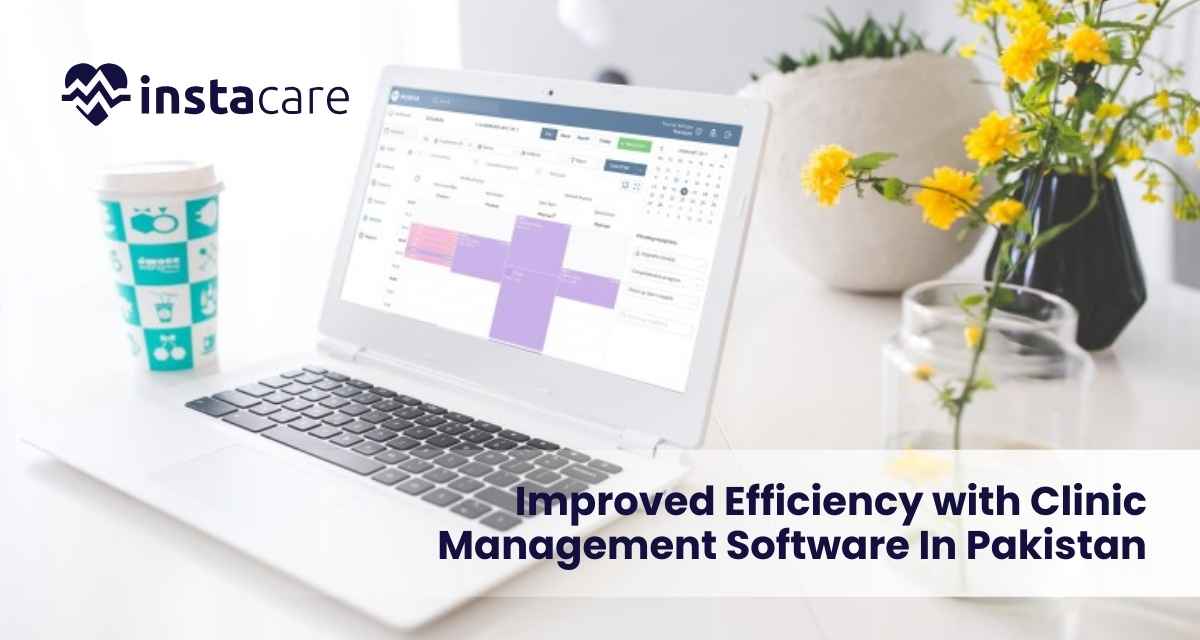
How InstaCare Improved Efficiency with Clinic Management Software In Pakistan? In this health industry, efficiency is something that becomes an imperative to ensure quality care to the patients. With InstaCare operating at several clinics, huge difficulties were being faced in managing appointments, recording, and setting up communication with the patients. Feeling these problems and wanting to streamline operational efficiency, InstaCare opted for a full-fledged software solution to manage its clinics. Here is the case study on InstaCare’s journey: the challenges it faced, the solutions it implemented, and the significant improvements it saw. The patient population was enormous, and patient populations were diverse. As the patients increased, the manual systems in place could no longer be continued. The extent of administrative work burdened staff members, increasing the waiting time at clinics and decreasing the level of patient satisfaction. A change was in order and InstaCare needed an intervention that streamlined operations and enhanced care. Challenges Faced 1-Inefficient Appointment Scheduling Creating appointment schedules was the most time-consuming process that InstaCare had to undertake. The patients seldom created sufficient time to visit, filling up the calendar, hence many opportunities for care were missed. The long waiting times and the inability to make easy reservations of appointments frustrated both the patient and the workers. 2-Manual Record Keeping The patient records were kept manually, and this resulted in a greater likelihood of errors, as well as slowness in accessing needed information. In a busy clinic setting, there is a need for quick retrieval of patient information to ensure proper diagnosis and treatment. This was one of the major drawbacks of the traditional system- besides slowing down activities, it also watered down the quality of care. 3-Communication Effective communication is the key in health settings. In this respect, InstaCare was characterized by erratic staff and patient communication. This caused miscommunication, non-attendance, and dissatisfaction among patients. There was no directed reporting system to ensure that the care coordination among the staff was effective. 4-Unorganized Reporting InstaCare lacked reporting capabilities. Lacking real-time data, the clinic had no way of understanding performance. There could be no ways of monitoring patient outcomes or financial health. They cannot therefore understand where they can improve or what decisions in resource use require adjustments. Book Free Demo The Solution: Clinic Management Software InstaCare countered the above challenges by rolling out a strong software solution of clinic management. These consisted of a few key functionalities the aim of which was meant to simplify activities and possibly enhance better patient care: Online Appointment Booking The new system enables a patient to easily make appointments through an online portal, which is user-friendly. This has made it easier for patients and relieved the task of administration from the staff. Electronic Health Records (EHR) All the information of patients was digitized in adopting EHRs. Health care providers accessed patient records in real-time, hence increasing the speed and quality of care produced for the patients. Coordination among staff members also improved with access to EHRs. Automatic Reminders The software automatically reminded patients of the date of their appointments through SMS or email. This feature greatly reduces lost appointments since patients are alerted about the dates of their appointments. Reporting Tools The software provided thorough reporting capabilities with patient demographics, appointment trends, and financial performance. These helped in making data-driven, informed decisions while acting to streamline the operations of the clinic. Implementation Process of Clinic Management Software The implementation of clinic management software is a significant process that takes effort, proper planning, and strategic execution. InstaCare implemented it in a structured manner so that the transition was unnoticed: 1-Needs Assessment InstaCare began with an assessment of its current operations. In the process, it established specific needs and requirements by garnering input from the staff, clinicians, and patients. This would ensure that the software adopted solved real problems the clinic would have to face. 2-Software Selection After weighing all the options, InstaCare settled on a software solution that most closely resembled their needs. Some of the key factors InstaCare considered included user-friendliness, scalability, and the level of customer support provided by the software vendor. 3-Training and Onboarding Staff training was part of the implementation process. InstaCare conducted detailed training for all employees to make it easy for them to use the new system. The training packages included workshop hands-on and online guides to enable staff members learn through self-learning at their own convenience. 4-Data Migration The available patient records had to be migrated. This was done in a careful manner to avoid loss of data. Checking information was enough time taken by the clinic to check their details for accurate transfer to the new platform. 5-Go-Live and Support The software was implemented after a successful pilot phase. InstaCare remained constantly visible at each point where any queries or doubts might be there in the minds of the people while shifting to the new process. This ensured the participation of the staff in this movement, and accordingly, everything was executed well. Results and Gains with Clinic Management Software The clinic management software implementation greatly changed the operations of InstaCare. Some of the notable benefits included; 1-Enhanced Experience of Patients Online bookings and auto alerts made it easier for the patients to book an appointment. It improved the chances of patients attending scheduled appointments since it reduced missed appointments by 30%. The general ratings of patient satisfaction later improved due to appreciation of the system for being faster as well as convenient for the patients. 2-Efficiencies The amount of administrative time the staff at InstaCare used to waste was greatly reduced, and they were able to take care of more patients. The drastic time taken by management of appointments and records highly improved the workflow of the clinic. This change did not only boost staff morale but also raised the standard of communication with the patients. 3-Improved Communication The new software helped in improved staff communication. The clinicians could access any patient’s documents, notes, and their treatment plans, thus ensuring coordinated care.