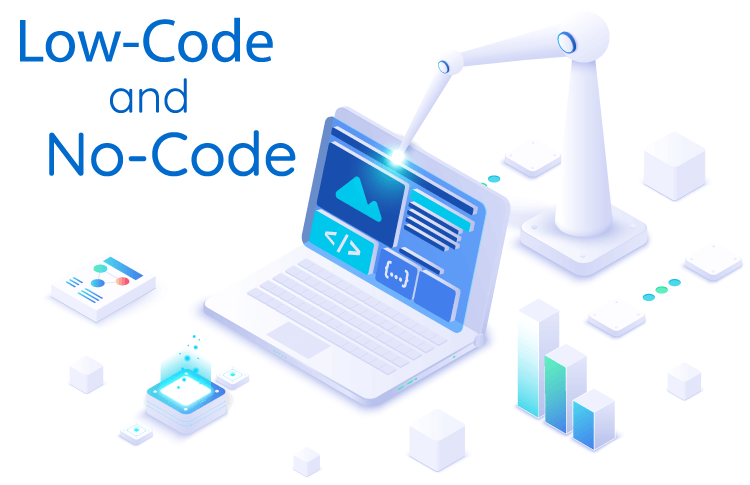
Low-Code & No-Code in Healthcare: Transforming Digital Innovation Without Heavy Coding The healthcare sector faces fast tech changes, yet standard software methods tend to be sluggish, costly, or rely heavily on scarce IT staff. That’s why low-code healthcare platforms and no-code healthcare solutions are gaining ground in medical settings. Instead of coding from scratch, care centers can now create apps through visual interfaces. Automation becomes easier for routine tasks across clinics and health networks. With these platforms, teams design tools tailored to their needs, even without developer support. In this guide, we’ll look at what these systems are; then examine why healthcare relies on them. Real examples show where they’re used, highlighting advantages alongside obstacles. Finally, discover how such tools influence future advancements in health technology. What Are Low-Code and No-Code? Low-code and no-code platforms are software development tools that allow users to create applications with minimal or no coding. Low-Code Platforms Low-code solutions offer: Drag-and-drop interfaces Pre-built components Adaptation using simple coding These tools work well for creating simple low-code EMR software, hospital systems with minimal coding, low-code clinical software that requires less programming, also digital health products built quickly. No-Code Platforms No-code tools let people create apps through drag-and-drop screens or form creators, using automation features instead of code. These often serve to build: No-code telemedicine platforms No-code patient management tools for handling patients No-code EHR solutions No-code digital health tools for digital health Each method lets medical groups build systems more quickly while cutting costs compared to standard methods. Why Healthcare Needs Low-Code and No-Code Solutions? Healthcare faces distinct issues like strict rules, not enough workers, complicated processes, also ever-increasing patient information. Low-code and no-code tools solve these pain points by enabling: 1. Faster Digital Transformation Hospitals can skip long waits for software. Because of fast development, medical apps are built quickly through rapid healthcare app development. Teams now release tools in days, sometimes just a few weeks. 2. Reduced IT Burden Some medical centers don’t have big tech groups. Still, these systems let nurses and office workers create what’s necessary, without coding skills. 3. Affordable Technology Expansion Classic bespoke software comes at a high price. Meanwhile, low-code or no-code options cut expenses by around 60% to 80%. 4. Improved Workflow Efficiency Several medical centers continue using handwritten records. Yet digital health automation streamlines operations, cutting mistakes while boosting efficiency. 5. Better Patient Care Digital health tools help doctors save time, so diagnoses happen quicker; this boosts teamwork among staff while patients get healthier results. Healthcare needs better tech that adapts quickly, so low-code or no-code tools are now essential rather than optional. Book Your Free Marketing Consultation Key Use Cases in Healthcare Low-code or no-code tools open many practical options. Among the strongest examples are: 1. Electronic Medical Records (EMR) & Electronic Health Records (EHR) Hospitals may develop custom low-code EMR tools, while also designing no-code EHR systems that match their processes. 2. Telemedicine Applications Clinics might build no-code telehealth tools fast, using them for virtual visits, web-based booking, or e-prescriptions. 3. Patient Management Systems Create simple digital tools without coding: Manage appointments through automated reminders Use dashboards to handle check-ins instead of manual logs Streamline payments via integrated invoicing systems Enable messaging features for smoother conversations between visits 4. Hospital Management Tools Low-code hospital management system simplifies creating hospital tools for admissions, also streamlining how staff are assigned. It supports pharmacy monitoring while improving control over supplies. Systems become quicker to deploy due to reduced coding needs. Each function integrates smoothly without complex programming. 5. Clinical Decision Support Tools Using simple coding tools, healthcare groups build logic-driven apps that help physicians decide on diagnoses or therapies. These systems guide medical choices via automated rules instead of complex programming. 6. Digital Health Automation Healthcare workflow automation includes: Lab reporting workflows might use digital tools to run automatically Insurance claim steps could operate via tech solutions Triage setups may function through system automation Discharge summary tasks can work using smart software 7. Custom Mobile Apps Groups may create phone tools for nurse checks through healthcare app development, handling equipment, gathering patient opinions, or sharing messages inside departments. 8. Data Dashboards & Analytics Low-code platforms can integrate real-time data to provide dashboards for hospital administrators. These examples reveal how simple and strong low-code or no-code platforms are within today’s medical setups. Benefits for Healthcare Organisations Adopting low-code and no-code tools offers major advantages: 1. Speed Companies may develop software ten times quicker by leveraging fast medical application builders. 2. Lower Cost Less demand for big coding groups or costly tailored programs. 3. Customization Hospitals may adapt tools to fit how they work rather than reshaping routines around programs. 4. Empowered Staff Non-tech team members are able to build digital health solutions addressing actual needs, using simple methods or practical approaches, to reach meaningful outcomes. 5. Easy Integration Many platforms work well with current health tools, such as EMRs or labs, and also connect to hospital records. While some link directly, others need minor adjustments; each setup varies by site. Compatibility depends on structure, yet most adapt without major changes. 6. Better Patient Experience Faster service comes through automation; better care follows clearer communication. 7. Scalability Applications scale smoothly when businesses expand, while updates roll out without hassle. Challenges & Considerations of Low-Code and No-Code Though strong, these tools bring difficulties too, yet they’re useful despite drawbacks. However, issues arise alongside benefits; still, people keep using them regardless. 1. Data Security and Privacy Medical services deal with private details. Firms need to confirm systems meet HIPAA rules, follow GDPR standards, or adhere to regional laws. 2. Limited Customization in No-Code No-code solutions might limit advanced app features. 3. Vendor Lock-In Some platforms limit moving data or apps to different systems, migration becomes a challenge due to restrictions built into the design. 4. Need for Basic Training Although programming isn’t necessary, employees must learn how to build smooth processes, through proper instruction. Yet without hands-on practice, workflow planning may
How Digital Health is Shaping the Future of Medicine? The medical industry is experiencing a radical change, which is brought about by the Telemedicine advancements. Digital tools are transforming the experience and delivery of medicine, whether it is in patient care or hospital management. Knowing the trends in digital health is important to the providers, policymakers, and patients to move through this changing environment. Digital health is a combination of technologies, data analysis, and communication systems aimed at enhancing access, quality, and efficiency of healthcare. The future of healthcare technology will ensure that hospitals and clinics provide quicker diagnoses, treatments tailored to each person, and constant checkups to build a patient-centred healthcare system. What is Digital Health? Digital health is defined as the application of the use of digital technology to improve health care delivery and administration. It includes an extensive set of tools, starting with the telemedicine platforms and wearable devices and ending with AI-based diagnostics and electronic health records (EHR). Digital health has the primary aim of enhancing patient outcomes in addition to streamlining clinical operations. In comparison to traditional healthcare which has been largely based on the traditional face-to-face communication, digital health incorporates virtual health models, remote patient care, and mobile apps to ensure patients and providers remain constantly in touch. Key Components of Digital Health The most important elements of the digital health ecosystem are a combination that promotes efficiency, innovation, and patient-centered care. Evolution of Telemedicine: Remote visits enable patients to meet providers at any time and save them time on the road and enhance access to care. AI in Healthcare: Artificial intelligence assists with diagnostics, predictive analytics, treatment planning, and automation of administration. Remote Patient Monitoring: Sensors and devices that monitor patient health in real time allow preventive actions and chronic disease treatment. Electronic Health Records (EHR): Centralized records of patients enhance sharing and coordination of information and accuracy in the health care systems. Digital Therapeutics: Evidence-based computer applications control disease prevention, management, and rehabilitation. Health Data Analytics: Aggregation and analysis of patient data gives information on improved clinical and operational decisions. Combining these parts, a full-fledged patient-oriented digital care model will be created that enhances efficiency, accuracy, and accessibility. Key Stakeholders in Digital Health The healthcare innovation ecosystem is a diverse group of stakeholders that help to introduce and achieve success of digital health initiatives. Patients: The primary beneficiaries of digital health by having wearable technology, apps, and virtual care. Healthcare Providers: Hospitals, clinics, and individual practitioners who utilize technology in order to enhance service delivery. Technology Developers: Firms developing AI algorithms, computer programs, applications in mobile devices and medical devices. Pharmaceutical and Biotech Firms: Incorporating digital therapeutics into treatment and assessing drug effectiveness. Insurance Companies: Use Data to streamline the claims, risk management and enable telemedicine reimbursements. The idea of successful cooperation between these stakeholders will guarantee a successful digital transformation in healthcare that will produce tangible benefits to both patients and providers. Book Your Free Marketing Consultation The Flow of Value in Digital Health With the introduction of digital tools, the value flow in the healthcare sector has changed considerably. The providers can now predict the needs of the patient and act early instead of responding to them. Wearable, remote patient monitoring, and health data analytics data is processed through EHR systems and can be used to make predictive insights and customized care. The diagnostics and healthcare automation with the help of AI are used in hospitals to optimize the workflow, minimize errors, and increase patient satisfaction. Challenges in Digital Health Regardless of the potential, digital health has a number of challenges to overcome to be embraced by many: Privacy and security: Sensitive patient information mustn’t fall into the hands of hackers. Interoperability Problems: A large number of the systems are unable to interact with each other and impede the flow of data. Digital Literacy: Knowledge on how to use digital tools in a manner that is effective should be trained to both the patient and the providers. Regulatory barricades: Adherence to changing health technology regulations may hamper it. Cost Constraints: Costs of early technology adoption by hospitals and clinics may be high. These challenges need to be addressed in order to achieve the full potential of future of healthcare technology and secure sustainable use of digital health. The Role of Technology and Digital Transformation Digital transformation in healthcare exploits the use of advanced technology to improve the care of patients and operational effectiveness. AI algorithms can help to diagnose diseases with great precision, whereas digital therapeutics offer remote treatment. Telemedicine services lessen geographic boundaries and mobile health (mHealth) applications involve the patients when it comes to health management. Also, wearable health devices offer sustained monitoring, producing real-time data, which can be used to make clinically-related decisions. The combination of EHR and analytics will facilitate a smooth flow of information among providers and minimize errors and redundancies. It is a technology-based solution that changes the concept of healthcare delivery to a proactive, information-driven, patient-centered digital care system, with clinical decisions based on the information obtained through live data analysis. Opportunities for Optimization Digital health is associated with many opportunities to streamline healthcare delivery: Diagnosis with AI: Diagnosis will be quicker and more precise. Expansion of Telemedicine: The expansion of care to remote and underserved groups. Predictive Health Analytics: The early detection of risk factors to preventive actions. Integrated Digital Platforms: Connecting EHR, wearable to patient apps to enable data flow. Remote Care Solutions: Virtual care models and post-discharge follow-ups: chronic disease management. Automation of Administrative Processes: Release of clinicians to work on patient care with healthcare automation. These measures would lead to efficiency, cost reduction, and patient satisfaction, as well as create a continuous advancement in healthcare. The Future of Digital Health Medicine of the future is becoming more digital, patient-centric, and connected. New technologies such as AI,
Electronic Medication Management System: Transforming Patient Safety and Health Effectiveness Operational efficiency and patient safety are two of the biggest challenges of the modern health environment. Medication errors have been the nightmare of clinics and hospitals around the globe. Clinics and hospitals nowadays seek the way of the newest Electronic Medication Management Systems (EMMS), a computerization technology advanced to revolutionize drug management, eradicate the effects of human error, and maximize treatment by patients as a solution to this issue. The EMMS can be implemented easily in the already available hospital infrastructure for appropriate prescription, dispensing, and drug administration. The manual steps are avoided, and the real-time monitoring enables EMMS to assist clinicians, pharmacists, and nurses to provide effective and safe care to the patients. What Is an Electronic Medication Management System? An Electronic Medication Management System or EMMS is an electronic computerized system that is meant to monitor the whole drug use process from prescribing through administration. It minimizes paper activity to be replaced by electronic prescribing, computer monitoring of medication, and electronic medication charting. EMMS is a setup that includes physicians, nurses, and pharmacists with minimal communication failure and proper documentation. EMMS also has extensive integration with electronic health records (EHR) to assist clinicians in making clinical choices supported by a comprehensive patient medical record. How EMMS Functions? A successful EMMS functions at multiple points of contact throughout the health care. Workflow has most commonly followed the following steps: Electronic Prescribing – The doctors type in the prescription through an electronic prescribing system in pharmacy that will automatically cross-check for drug interaction, allergy, and dosing error. Pharmacy Verification – The prescriptions are sent electronically to the pharmacy and verified by a pharmacy management system. Dispensing is correctly executed by the system through the use of automated medication dispensing units. Administration and Monitoring – Administration of the prescribed med is noted by the nurses on an e-medication administration record (eMAR) and thereby enable real-time monitoring and medication error prevention. Feedback and Analytics – The EMMS provides data for reporting, compliance, and continuous improvement through clinical decision support systems (CDSS) and audit tools. The overall process enables maximum transparency and accountability at all stages of managing the medication. Key Features of a Successful EMMS A successful EMMS would possess a list of consequential features in order to facilitate easy department-to-department communication: Electronic Prescribing and Order Entry – Avoids writing mistakes and suggests dosage. Integration with eMAR – Tracks medication administration and timestamps all proceedings. Automated Dispensing Medication – Utilizes robotic or automated cupboards for security and accuracy. Electronic Tracking of Medication – Tracks and monitors automatically as well as expiration dates. Clinical Decision Support Systems – Reminds the clinician of potential drug-to-drug interactions or contraindications. Electronic Health Records Integration – electronic health records integration transmits medication information with a patient’s clinical record to aid in decision-making. Medication Reconciliation Process – medication reconciliation process ensures consistency of medication data whenever patients are transferred or discharged. Reporting and Analytics Tools – Reports medication usage, adherence, and system performance. Benefits of Electronic Medication Management Systems The EMMS implementation holds paradigm-busting advantages for healthcare organizations: Prevention of Medication Error – Reduced prescribing and administration errors by automated screening and notification. Improved Patient Safety – The right medicine to the right patient at the right time is guaranteed by the system. Business Efficiency – Reduces paper work, improves tasks, and conserves clinician time. Data Accuracy – Computerized data prevents transcription error and enhances traceability. Cost Savings – With waste reduction, drug event reduction, and inventory control, EMMS costs are saved. Compliance with Regulations – It helps in maintaining compliance with healthcare standards and audit compliance. Medication Adherence Technology – medication adherence technology assists in monitoring patient compliance through reminders and follow-up notification. Finally, EMMS is an automated medication safety software that acknowledges clinical excellence and administrative effectiveness. Book Your Free Marketing Consultation Challenges and Considerations for Implementation In addition to its benefit, the implementation of an EMMS has drawbacks: High Initial Costs – Software, hardware, and training are expensive. System Integration – System design must integrate EMMS with existing systems like EHRs and pharmacy databases. Resistance Users – Healthcare practitioners will resist the use of EMMS since they lack all the information on how to make use of technology. Data Security Concerns – Patient and drug information confidentiality must be ensured. Redesigning Workflow – The workflow will have to be re-defined to fit the electronic paradigm. There has to be a mapped-out plan, stakeholders, and ongoing reviewing of the system for success in implementation. How to Implement an EMMS Successfully Implementing an electronic hospital management system needs to be done through a step-by-step thoughtful process: Assessment and Planning – Conduct a readiness review to find out about workflows now and pain points. System Selection – Choose an EMMS that will be able to interface with electronic health records and automated dispensing. Participation of Stakeholders – Involve physicians, nurses, pharmacists, and IT staff members in implementation. Training Support – Provide comprehensive user training and provide a helpdesk for continuous support. Pilot Test – Pilot the system in one department before hospital-wide implementation. Monitoring Continuously – Use analytics to detect bottlenecks and improve efficiency. By following these steps, health care organizations will be in a position to
Hybrid Health Record: Definition, Benefits, Challenges, and Examples The health care industry has been experiencing a huge transformation, from making use of traditional paperwork to advanced computerized systems. Nevertheless, the scrapping of paper-based processes entirely has not been a straightforward affair for the majority of health care organizations. This has resulted in health care organizations embracing hybrid health record systems, which make use of both paper-based vs electronic health records. These records act as a bridge, enabling providers to work with patient information in the transition from paper to EHR (Electronic Health Record) in a gradual process with both efficiency and compliance. What is a Hybrid Health Record? It is referred to as a hybrid medical record definition, which highlights it as an admixture of paper and electronic records, which eventually leaves a blended patient record. It is actually midway between all-computer systems and all-manual systems. A hospital may store clinical notes electronically but have charted papers for previous records or some diagnostic reports. The electronic health record vs hybrid health record has been ongoing, with paper giving ease of use and familiarity, and digital giving speed and aggregation of data. The hybrid model combines the two, with potential for flexibility between healthcare providers as they implement systems in incremental steps. The model is most common in hospitals or clinics that have not yet adopted completely digital systems. Benefits of Hybrid Health Records Advantages of hybrid health records are multifarious, especially for organizations that are not yet ready for complete migration to electronic records. Some of the key advantages are: Cost-Effective Transition: Complete rollout of electronic records is expensive. A hybrid approach allows organizations to shift step by step without requiring a shift. Flexibility and Accessibility: The paper-based component remains accessible to those well-versed in systems based on paper, and the electronic component allows speed and coordination of information. Improved Workflow: A merged health record workflow can reduce duplication of effort through an amalgamation of the two systems. Doctors, for example, can access electronically lab results but keep writing some information on paper. Enhanced Continuity of Care: Paper records aren’t altered, and new data are captured electronically, thereby nothing goes missing. Ease of Legal and Compliance: Some regulations require original paper records. Hybrid systems allow organizations to retain them while digitizing newer processes. Ideal for Small Organizations: Small hospitals or clinics find hybrid medical record system benefits because they’re relieved of the cost of a huge IT infrastructure investment. Hybrid Health Record Challenges A few challenges of hybrid health record systems have to be bridged by organizations, not with standing their benefits: Replication of Data: Two forms with existing duplicates have a chance of inconsistencies or duplicate entries. Additional Difficulty in Management: Hybrid health records are more difficult to manage since they require additional effort to maintain paper and electronic ones in harmony. Risk of Data Loss: Paper records can still be lost, whereas electronic records can be compromised by cybersecurity attacks. A solid hybrid health record privacy and security system should be able to support both. Disorientation in Workflow: Employees could become disoriented with ambiguous processes when deciding which system to employ to carry out some functionality. Excessive Maintenance Costs: Although cheaper compared to a full EHR in the first place, maintaining both systems long term may prove to be high maintenance costs. Resistance to Change: Workers accustomed to paper records will resist adopting digital tools, thus resisting training and implementation. In a hybrid health record versus electronic health record comparison, hybrids are found to be flexible but more complex. This places them as temporary measures rather than long-term solutions for most healthcare facilities. Book Your Free Marketing Consultation Examples of Hybrid Health Records in Practice Examples of Hybrid health records are very common in hospitals, clinics, and specialized health centers. Examples of the common ones include: Hospitals: Large hospitals are likely to have patient charts on-site with an embedded electronic health record system of test results, images, and billing. This integrates the old-fashioned patient record without eliminating it, with the facilitation of existing efficiencies. Primary Care Clinics: Small clinics are likely to employ hybrid systems with phased implementations. For instance, patient histories are held in paper records while new patient visits are held electronically. Specialty Practices: Certain specialties, like radiology, can be highly dependent on digital images but otherwise use paper physician notes or consent forms. Hybrid Health Record Implementation in Hospitals: Examples include hospitals implementing EHR for inpatient care but maintaining paper-based discharge summaries for legal reasons. Thus are the cases that affirm the fact that hybrid systems deliver compromise of usefulness and modernization with continuity of care and minimal disruption. The Future of Hybrid Health Records While hybrid systems are cost-effective now, the ideal future of healthcare is complete digitization. It would be challenging to maintain two systems, and organizations will have no choice but to implement full electronic records in the not-too-distant future. However, hybrid models will be present in some contexts: Third World Countries: Third-world country hospitals can support hybrids for extended periods due to limitations on infrastructure. Specialized Regulatory Needs: There will always be documentation that is required in paper format for regulatory purposes. Cost Obstacles: Small businesses can delay complete digital uptake, utilizing hybrid systems for many years. The future also holds better integration solutions, enabling the hybrid health record in healthcare to become easier to manage with new scanning, AI-driven indexing, and secure cloud storage. Conclusion A hybrid system of health records is between paper and electronic systems. It can provide flexibility, economy, and continuity with added management, privacy, and hybrid health record workflow intricacies. The advantages of hybrid health records are the benefits to healthcare organizations, but it must overcome the disadvantages of hybrid health records in order to be effective. Lastly, although hybrid records are indeed a beneficial bridging mechanism, the health industry is progressing toward total digitization for
EHR vs Practice Management Software: Key Differences, Features & Benefits Technology has continued to define the core of healthcare in this era, allowing doctors to deliver quality patient care at affordable rates. The most crucial digital tools are Practice Management Software (PMS) and Electronic Health Records (EHR). Both applications have transformed the operations of clinics, hospitals, and private practices. Both are used concurrently but separately from one another. Every small and big healthcare practice needs to understand the distinction between EHR and a practice management system. Though EHRs are focused more on the enablement of clinical operations, PMS supports operations and administration. This article presents an elaborate comparison of EHR and practice management systems, the Difference between EHR and practice management software, outlines their advantages and disadvantages, and analyzes how integration will unlock the complete potential of a healthcare practice. What is an Electronic Health Record (EHR)? An Electronic Health Record (EHR) is not a computerized copy of the patient’s record. It is a single system that brings together all of the patient information into a system that can be accessed. EHRs are utilized by providers to: Capture patient demographics, history, and diagnoses Track medications, allergies, and immunizations Store laboratory test results and radiology images in one location Develop treatment plans and prescriptions Provide clinical decision support, i.e., drug interaction alerts According to practice management software capacity, EHRs are clearly miles ahead in terms of clinical care capacity. What is Practice Management Software (PMS)? Practice Management Software (PMS) makes medical centers operate smoothly from a functional perspective. It can also be referred to as the business engine of a practice as it enables everyday operations without interruption or glitch. A few of the key functionalities of PMS are: Scheduling and Appointments: Automatically sends reminders and reduces no-shows. Billing and Claims: Sends claims electronically to payers, tracks denials, and accelerates payments. Patient Registration: Automates check-in and updates demographics in the proper order. Reporting and Analytics: Provides financial reporting, productivity reporting, and performance metrics. Insurance Verification: Validates coverage before patient visits to minimize denied claims. PMS has a completely different role in the EHR and practice management system comparison debate, it is less about clinical records and more about practice efficiency. While EMRs and EHRs are doctor-centric, PMS brings the financial and business aspects of medicine into alignment. Key Differences Between EHR and PMS Though EHR and PMS complement each other, both serve to solve one unique problem. Let us examine Workflow differences in EHR and practice management differences a bit deeper: Core Purpose EHR: Stores and maintains patient health info for diagnosis and treatment. PMS: Managed by billing, scheduling, and administrative productivity. End Users EHR: Used primarily by clinicians, nurses, pharmacists, and lab techs. PMS: Managed by front-desk, billing, and administrative managers. Data Types EHR: Clinical information such as medical history, test results, and medication. PMS: Insurance, demographic, and financial information. Impact on Workflow EHR: Direct impact on the quality of patient care. PMS: Maintains business operations in a smooth running. Benefits of EHR The benefits of EHR software are numerous, and most go beyond patient documentation. Care organizations adopt EHRs for a plethora of reasons: Improved Patient Safety Embedded reminders alert practitioners about allergies or toxic drug interactions, preventing errors in medical practice. Improved Clinical Outcomes Having complete patient histories available, physicians can make well-informed decisions, leading to proper diagnosis and treatment plans. Provider Interoperability EHRs simplify data sharing between networks, and therefore, patients are not required to be re-run for tests or redo data. Efficiency in Record Maintenance EHRs are accessible and can be altered in real time, and are different from paper records. Patient Engagement Patient portals are standard in most EHRs, where one can receive lab test results, schedule appointments, or even interact with providers face-to-face. Advantages of Practice Management Software (PMS) Advantages of practice management software are financial inclined, and if effectively adopted, it can transform the productivity of a practice. Smooth Scheduling and Check-In Email or text reminders minimize no-shows and enhance patient flow. Efficient Billing and Revenue Cycle Management PMS reduces claim denials and increases reimbursement to practices. Administrative Effectiveness Administrative staff have fewer hours on monotonous work, free to spend more time attending to patient satisfaction. Improved Patient Experience Patients get quicker scheduling, quicker billing, and a smoother process in general. Data-Driven Insights Financial and operations reporting with PMS helps practices prepare for growth. Book Your Free Marketing Consultation EHR + PMS: Why Integration Is Important Having the two systems integrated is one of the best options to enhance practice operations. EHR and practice management integration bridges the communication gap between clinical and administrative processes. Advantages of Integration: Single Data Entry: Patient data keyed once into the PMS rolls forward into the EHR, saving time and minimizing errors. Quick Billing: Clinical documentation in the EHR can automatically populate billing codes in the PMS. Optimized View of Practice Performance: Financial and clinical results are measurable by providers. Improved Patient Experience: Patients enjoy continuous communication from scheduling to follow-ups. Choosing the Right Software for Your Practice Choosing the correct system is not easy. Some of the selection determinants are as follows: Practice Size and Specialty A sole practitioner may initially concentrate on EHR or billing and practice management software. Large hospitals require a complete, system EHR solution. Budget Implications EHR and practice management software is based on licensing fees, implementation, training, and support. Cost of EHR and practice management software. Long-term return on investment has to be calculated. Integration Capabilities Integrated offerings are offered by certain vendors or otherwise separate EHR and PMS offerings are designed to be integrated by others. Ease of Use Employee acceptance is key. The systems have to be easy to use and need minimal training. Vendor Reputation When selecting the Best EHR and practice management software, look for vendors who exhibit high customer support, compliance credentials, and successful scaling. Real-World Examples and Use Cases In a comparison of Practice management software vs EMR vs EHR, consider how each application
The Future of Telemedicine in Pakistan: Integrating EHR Systems Telemedicine is dramatically changing the face of healthcare in Pakistan, which is bringing innovations to the long-standing problems with regard to access to medical care and patient care. Bright days lie ahead to improve the healthcare delivery of the entire nation as far as telemedicine is concerned with the integration of EHR systems. This paper will discuss the potential benefits, challenges, and implications of integrating EHR systems into the telemedicine services provided in Pakistan. Understanding Telemedicine Telemedicine is an ability or activity of providing healthcare assistance via information exchange with the use of telecommunications and it enables the opportunity for the patients to speak to health care everyone without getting to the actual healthcare center physically. The method is really useful, especially in a country like in Pakistan where geographical, physical and economical barriers have worked as hindrances to seek health care service. Need for Telemedicine in Pakistan The population of Pakistan is over 240 million, and a vast majority of those people live in rural or avalanche areas that have little to no access to healthcare. The major health challenges in the country are as follows: Healthcare professionals: There is a shortage of qualified healthcare providers, especially in rural areas. Infrastructure: Most of the health facilities are under-resourced and lack essential medical equipment. Geographical: Patients have to travel long distances to receive healthcare, and thus medical treatment will experience delays. Economic: Healthcare is expensive to most families, and hence important treatment will experience delays in accessing them. Telemedicine reduces burdens shown above, and patient care along with the health outcome of patients decreases the cost incurred in healthcare. Role of EHR Systems EHR stands for Electronic Health Records. EHR is the electronic version of a patient’s paper charts. From EHR, all details of the patient’s history, diagnosis, medicines, treatment plan, immunization dates, allergies, radiology images, and lab test results can be obtained. The quality of care toward the patient will increase drastically with the use of EHR in telemedicine platforms. Improved Patient Care with EHR As part of telemedicine, health providers can view comprehensive patient records during virtual consultations. This way, providers can make informed decisions and tailor treatments and patient progress over time. For example, if a patient has a history of chronic illness, the provider can review previous treatments applied to the patient and change the care plan accordingly. Eases easy data sharing among care providers. That is, the data can be shared easily between the care providers such that all the members of the patient’s care team access the same information. This is very vital since more than one specialist may be involved in a given patient’s care. Sharing of the information related to the patients will ease, for example referring will be easy and coordinated well for a specialist and a given primary care physician. EHR systems can automatically process most administrative tasks, such as scheduling appointments, billing, and prescription refills. It can free much of the burden of healthcare staff and allow them to spend more time with patients than on paper. Automated reminders of follow-up appointments or medication adherence can also improve compliance. With the collection and analysis of health data from EHR systems, track trends and patterns in connection to public health matters hence, it would ensure there is a data-based approach towards funding during an outbreak or more control during funding for diseases. For instance, infection cases caused by COVID-19 may traceable by following up from the cases information that have been captured in EHR. More Patient Involvement Patients are also enabled to have direct access to their health information using the patient portals that usually link the EHR system. Through the access, they tend to be proactive and, therefore, be more self-dependent in health management so that they are able to enhance their health outcomes. The portals offer patients to view test results, set appointments, and communicate with providers. Difficulties of Integrating EHR Despite all the benefits mentioned above, integrating EHR systems into telemedicine in Pakistan has the following challenges: 1- Infrastructure Limitations There is a lack of proper internet connectivity and infrastructure in many places of Pakistan. High-speed reliable internet, very important for proper telemedicine services, may not reach them. Issues related to infrastructures have to be addressed in order to promote telemedicine and EHR systems extensively. 2- Regulatory Framework EHRs and telemedicine require strict regulations to determine how they would be used, including issues of patients’ privacy and safety of information that would fall in line with compliance with regulations set by health laws. Well-defined policies, standards, and guidelines that explain the way in which Pakistan shall approach these systems do not exist now. 3- Training and Adoption Education of the healthcare provider on proper use of EHR systems and telemedicine platforms is paramount. Resistance to change as well as unfamiliarity with technology can delay the adoption of these systems. Thus, continuous education and training are necessary to enable a healthcare provider to take up these tools. 4- Constraints of Finance Overall, the deployment of EHR systems and telemedicine platforms may be highly capital-intensive. Most healthcare facilities are capable of affording the relevant technology and infrastructure upgrades-once again, especially in rural regions. This may require funding by government or private sectors. Book Free Demo Telemedicine and EHR Integration in Future With the advancement of telemedicine in Pakistan, EHR systems integration will significantly contribute to the country’s future healthcare delivery landscape. A number of initiatives and trends have shown positive momentum for telemedicine and EHR integration: 1- Government Initiatives The Pakistani government realized the importance of digital health services and thus started providing their support by having policies for telemedicine. This National Health Information System will allow management and integration of health services through an advanced central data base system in the health sector. 2- Public-Private Partnership Engagement Private investment in telemedicine and EHR solutions is on the rise. Startups and tech companies are innovating new platforms to meet
What Are The Benefits of Cloud-Based Internal Medicine EHR Solutions In the fast-moving world of internal medicine—efficiency, accuracy, and patient-centered care have been hallmarks of care for years. Providers can navigate that maze in many ways to make modern healthcare delivery work, but contact with innovative solutions is not an option. One of those innovative solutions is Cloud-Based Internal Medicine EHR Solutions. Here Are Some Of The Valuable Benefits To Know The following are a number of benefits in which Cloud-Based Internal Medicine EHR Solutions change health delivery for health providers by maintaining patient records, managing workflows, and providing care up to the best of one’s ability. Let’s analyze the advantages in great detail. 1-Improved Accessibility and Flexibility Gone are the days when healthcare providers were restricted within the four walls of their office premises for their patient records. With cloud-based EHR solutions, a doctor can have a secure way of accessing patient information at his convenience from virtually anywhere, round the clock. Be it from the hospital, clinic, or even at one’s home, the ability to fetch critical patient data on the go means that more informed decisions can be made promptly. This improved accessibility not only optimizes efficiency but also enables healthcare providers to extend their service well beyond the walls of traditional healthcare environments. 2-Better Collaboration and Coordination Healthcare is primarily a team sport in which effective collaboration and coordination is the name of the game. Cloud-based EHR systems support the achievement of this collaboration through the development of a single centralized platform through which various healthcare professionals access and update real-time patient records. From primary to specialty care physicians, nurses to pharmacists, everyone involved in a patient’s care journey will have a chance to contribute to and make use of a single view of patient information. This enables easy sharing of information and teamwork, finally leading to comprehensive and patient-centered care. 3-Greater Data Security and Compliance In a time when the threat of a data breach is ripe, the ability to secure patient information is most important. Cloud-based EHR solutions come with state-of-the-art and cutting-edge security measures that will protect sensitive health data against access, breach, and other potential cyber threats. Utilizing advanced techniques for encryption, robust authentication protocols, and frequent updates in security guarantee that the sensitive patient information remains safe and that stringent regulatory requirements, such as HIPAA, are met. Inherent risks can be lowered by healthcare organizations, who store their data with reputable cloud providers, without losing patient trust and maintaining the level of confidentiality. 4-Cost Effectiveness and Scalability Healthcare organizations that have traditionally implemented and maintained on-premise EHR systems require heavy upfront investments in terms of hardware, software, and infrastructure. On the other hand, cloud-based EHR solutions, by their nature, are predictable with low-cost alternatives, including subscription-based pricing. The scalability and flexibility offered by cloud are such that a healthcare organization won’t have to invest in capital expenses upfront or face the associated maintenance costs down the line. Additionally, these solutions can expand with small independent practices and large healthcare institutions as per their needs, and their scalability is actually up and down. All these processes free the organizations concerned from the limitations imposed by a physical infrastructure. Book Free Demo 5-Workflow and Productivity Improvement Healthcare providers are all too aware of the administrative burden that accompanies paper-based or legacy EHR systems. Cloud-based EHR solutions alleviate that by automating routine administrative tasks, streamlining workflows, and reducing manual errors. Features that tend to streamline operations, including electronic prescribing, appointment scheduling, and billing integration, allow the healthcare professional to focus more on the right patient care and less on the paperwork associated with it. In addition, intuitive user interfaces and template options further boost documentation efficiency, enabling more time for providers to be with patients rather than trying to work through intricate systems. 6-Enhanced Patient Engagement and Satisfaction In the world of digital health, patients are increasingly informed and active in their health and care journey. Cloud-based EHR solutions make patients feel empowered with online portals that offer secure access to their health records, booking appointments, asking for prescription renewals, and communicating with health providers. The transparency of information fosters a sense of empowerment, trust, and collaboration between patients and providers, leading to improved patient satisfaction and outcomes. By enabling patient-centered technologies, healthcare organizations can further grow the bond between patients and providers, driving positive patient experiences. 7-Advanced Analytics and Insights Cloud-based EHR solutions act as repositories of patient data but also serve as a conduit to extract meaningful and actionable insights using advanced analytics. By making use of machine learning algorithms and predictive analytics, healthcare providers can come up with significant trends, patterns, and potential risk factors associated with the patient populations. From predicting disease progression to identifying opportunities for early and preventive intervention, this information will equip the provider to take intelligent decisions that will further support optimization of not only patient outcomes but the most efficient utilization of resources. In addition, analytics capabilities facilitate a health organization to measure and monitor key performance indicators, identify areas for improvement, and drive continuous quality improvement initiatives. 8-Interoperability and Integration In a modern healthcare ecosystem, interoperability and integration of information from different systems must be seamless to ensure coordinated and comprehensive care. As such, cloud-based EHR solutions become the backbone for the exchange and aggregation of health data from across various healthcare settings and stakeholders. Cloud-based EHR systems, through standardized data exchange protocols such as HL7 and FHIR, seamlessly integrate with other healthcare applications in use at facilities, including laboratory information systems, imaging systems, and telehealth platforms. Conclusion In conclusion, Cloud-Based Internal Medicine EHR Solutions are transformative to health provision, which is a bouquet of benefits that empowers healthcare providers to deliver high-quality, patient-centered care in a progressively digital world. Ranging from increased access and collaboration to security and efficiency, the benefits of cloud-based EHR solutions are immense. The operations of healthcare facilities that embrace these innovative technologies will be future-proofed while enhancing
The InstaCare product team is excited to announce the latest updates in InstaCare Smart Clinic software. These updates offer visibility on new features, improvements, bug fixes, and upcoming features of InstaCare Smart Clinic software. New & Improved Features of InstaCare Smart Clinic Software Improved Urdu translation added in the Prescription module for printing Update in Task Get Bill Detail List List of doctors shown as per the location of the logged in user Super Admin Portal improved with more access permissions added Bug Fixes Minor and Major bug fixes Resolved an issue with MR number duplication Resolved an issue with Date field showing wrong date while editing data in Dental Treatment Plan Resolved an issue with the unpaid amount after calculating the discount amount Resolved an issue with EMR Prescription Medicine Searching Expected Features & Improvements of InstaCare Smart Clinic Software in the next update Dialysis Module Smart Pharmacy Module Modern Appointments Module Laboratory Module Meet & Greet & Have a Cup of Coffee If you want to have a cup of coffee with our team, schedule a visit with us at InstaCare Head Office in Lahore, Pakistan.
The InstaCare product team is excited to announce the latest updates in InstaCare Smart Clinic software. These updates offer visibility on new features, improvements, bug fixes, and upcoming features of InstaCare Smart Clinic software. New & Improved Features of InstaCare Smart Clinic Software New Search feature – Now user can search Patient on Smart Clinic App New Patient List available (for use on Prescription and Bill Creation time) for Smart Clinic App Updated Paged Master Patient List Add reference number in patient list Master account for multiple location users User management module Billing module Appointment reports module Location management module Financial reports module Bug Fixes Minor and Major bug fixes Resolved an issue with Appointment List Resolved an issue with General nutrition prescription prescribed time Resolved an issue with Wrong Time slot intervals in Manager account Resolved an issue with EMR Dashboard links which were not working Resolved an issue with Prescription Pharmapedia which were not working Resolved an issue with Reports module in which Amount Receivable Report was not loading Resolved an issue with Smart Clinic App not having Login Response Resolved an issue with Appointment List which was showing all the appointments and not only the Doctor’s appointments Expected Features & Improvements of InstaCare Smart Clinic Software in the next update Dialysis Module Smart Pharmacy Module Modern Appointments Module Laboratory Module Meet & Greet & Have a Cup of Coffee If you want to have a cup of coffee with our team, schedule a visit with us at InstaCare Head Office in Lahore, Pakistan.

5 Strategies to Increase Clinic Profits without Sacrificing Quality Care Making a profit in the healthcare industry isn’t easy, especially with mounting regulations and ever-increasing expenses. As a clinic manager or business owner, you must stay competitive to ensure your financial stability – but quality patient care should always be top priority. Fortunately, there are ways to increase clinic profits without sacrificing excellence in treatment and services. With these five strategies, you can create an effective plan for both short-term success and long-term growth while maintaining great care for your patients. Keep reading to get started today! Improve patient retention As healthcare providers, we understand the importance of patient retention. When patients feel satisfied and valued, they are more likely to stick with our practices for the long haul. One effective way to improve patient retention is through communication. Taking the time to listen to our patients and address their concerns can go a long way in building trust and loyalty. It’s also important to keep patients informed about their health, treatment options, and any changes to their care plan. Providing personalized and compassionate care is key in making patients feel valued, which in turn can lead to higher patient retention rates. By focusing on communication and personalized care, we can create a positive and lasting impact on the health and well-being of our patients. Optimize scheduling and resource utilization Optimizing scheduling and resource utilization is essential for the success of any business. In today’s fast-paced world, it is more critical than ever to make the most efficient use of resources and time. By analyzing your scheduling practices and evaluating how you use your resources, you can reduce costs, increase productivity, and improve customer service. Scheduling should be done based on customer demand, and resources must be allocated effectively to ensure maximum utilization. Implementing technology such as automation and machine learning can help streamline complex scheduling tasks and improve resource allocation. Optimizing your scheduling and resource utilization allows you to adapt to changing business conditions and stay ahead of the competition. Book Free Demo Utilize technology use EHR,EMR to increase clinic profits The electronic health record (EHR) and electronic medical record (EMR) have revolutionized the way healthcare providers document and share patient information. With the use of these technological tools, healthcare professionals are able to quickly and accurately access a patient’s medical history, allergies, medications, lab results, and more. This ensures that patients receive the highest quality of care possible, as providers have all the necessary information they need to make informed decisions about diagnosis and treatment. Not only does the EHR/EMR improve patient care, but it can also save time and increase efficiency for healthcare providers. Overall, utilizing technology such as the EHR/EMR is a crucial component in the evolving landscape of healthcare. Identify and implement strategies to reduce operational costs while still offering quality care Reducing operational costs while maintaining quality care is vital to the success of any organization can increase clinic profits. One strategy is to streamline processes to eliminate waste and redundancy. This involves carefully analyzing every department’s operations, identifying areas of inefficiency, and developing and implementing a plan to streamline processes and reduce costs. Another strategy is to negotiate with suppliers to ensure that the organization is getting the best prices for goods and services. This may involve forming partnerships with specific vendors and leveraging purchasing power to negotiate better pricing. A third strategy is to invest in technology that can automate certain processes, reduce manual labor, and provide useful data insights for continued improvement. Implementing these strategies can help organizations save money without sacrificing quality care for their patients. View More: How Hospital Management Systems are Revolutionizing Healthcare Develop a comprehensive patient care plan to increase clinic profits Developing a comprehensive patient care plan is essential for improving the overall quality of health care and to increase clinic profits. It involves creating a personalized plan that outlines the patient’s medical needs, treatment goals, and expected outcomes. To develop such a plan, healthcare providers need to consider various factors such as the patient’s medical history, current health status, lifestyle, and preferences. They should use evidence-based practices and involve the patient and their family members in the decision-making process. The plan should also be regularly evaluated and updated to ensure it is meeting the patient’s needs. A well-designed patient care plan can improve communication between healthcare providers and patients, increase patient satisfaction, and ultimately lead to better health outcomes. Conclusion The truth is, there’s no one size fits all approach to increase profits and maintain high-quality care. Finding a balance between the two can be an uphill climb, and it’s important to keep trying different strategies until you find one that works best for your clinic. In any case, these five strategies can provide an effective and meaningful starting point on your path to healthier financials without compromising quality care. So don t be afraid to get creative! Evaluate what matters most to your clinic, craft a plan of attack, and give yourself the edge needed for success. Your chances of success will exponentially increase if you implement a combination of these five strategies with determination and consistency. Are you ready to take your clinic from good to great?
- 1
- 2