
Benefits Of Remote Vital Sign Monitoring In Healthcare Today’s healthcare system is continuously changing, with technology integration as its backbone. Patient care has entirely new dynamics, which has brought a new way of healthcare management. Another area where high technologies have had a significant impact is remote vital sign monitoring, which has rapidly become very popular in the last few years. For remote monitoring of patients’ vital organs, healthcare providers can monitor home-side patients’ heart rate, blood pressure, and blood oxygen levels from some miles away. In this comprehensive article, we will indeed cover the reasons why it is necessary, the private or professional needs the monitoring may fulfil, and its positive effects on healthcare services. Importance Of Remote Vital Sign Monitoring Early Detection Of Health Issues: Remote vital sign monitoring permits healthcare staff to monitor patients’ vital sign feeds and detect continuously, in time, any deviation from the standard values. As such, this strategy promotes timely interference when health problems are first identified, thus keeping the severity of the issues in control for the patient’s benefit. Chronic Disease Management: Patients with conditions like hypertension, diabetes, and heart complications need frequent monitoring, particularly of their vital signs, to control their conditions properly. Remote vital sign monitoring allows patients to master their health by means of immediate feedback and alerts sent to healthcare providers, thereby permitting the adoption of proactive management of chronic conditions. Reduced Healthcare Costs: By prompting preventive care and stopping emergency room visits or needless hospitalizations, remote vital sign monitoring is a payment-efficient option for combating chronic conditions. Furthermore, it provides more practical guidelines for healthcare entities to achieve success in healthcare delivery without overburdening healthcare establishments and staff. Enhanced Patient Engagement: Through remote vital sign monitoring, citizens are more encouraged and enthusiastic to assume control of their health and be accountable for managing it. Patients can now organise themselves by measuring their vital indices themselves, fostering treatment adherence, and communicating with their healthcare providers. This form of shared leadership delivers the feeling of influence and improves the level of patient satisfaction. Book Free Demo Uses Of Remote Vital Sign Monitoring 1-Post-Discharge Monitoring Following discharge from the hospital, patients are entitled to particular concerns, including follow-up programs, which will ensure their condition progresses without any complications and reduce readmissions. The conditions are made more favourable by the remote monitoring of vital signs, where physicians can view patients’ vital signs in real-time, making rapid interventions possible in the event of problems. 2-Home Health Monitoring Health monitoring with remote devices for vital signs is essential in the care of individuals with chronic conditions and those requiring long-term care. These smart devices have helped patients in their health monitoring right within their home’s confines, which in turn has reduced the need for going to a clinic often and improved overall health. 3-Telemedicine Consultations Virtual doctor-patient consultations in the age of telemedicine are greatly enhanced by remote vital sign monitoring, meaning that crucial information can be acquired remotely. Every patient can send their vital sign data to healthcare providers in real-time, which is then used by doctors for precise diagnoses. The patients found to be in need are treated without the need for in-person visits. 4-Clinical Research And Trials Remote vital signs monitoring is increasingly used in research and trials to measure subjects’ data in real-time. This equips investigators with valuable information about participants’ general conditions and reactions to different procedures, helping make clinical studies more precise and fast. View More: Maximizing Efficiency with Smart Clinic Software The Main Advantages Of Remote Vitals Monitoring Let’s dive deeper into the value added as well as key benefits of remote vital monitoring. 1-Increased Availability Of Value-Based Care By abandoning the former fee-for-service reimbursement system, the value-based care model links financial reimbursement to the quality of patient care. Value-based care implementation is a practical approach that leads to better patient outcomes with reduced costs, but the health system faces some obstacles. Resource shortage is one of the most pressing problems facing organizations that would like to implement value-based care. Remote vitals monitoring simplifies the task of providers by allowing them to expand their capacity. By using virtual visits and remote vital monitoring, providers can complete more tasks in less time and dedicate more of their energy to the patients with the highest risk of failure. Overall, each telehealth nurse can monitor 80 to 100 patients, depending on the number of clients. 2-Improved Patient Outcomes Monitoring parameters like heart rate, blood pressure, and blood sugar still necessitates booking a face-to-face appointment with the doctor. It can be stressful for those who have to take time off from work or arrange their family members for transportation. Yet, the adoption of remote monitoring technology allows patients to share their vitals using Bluetooth-enabled biometric devices from their homes, so it becomes more convenient for patients and family caregivers to have a more significant say in the management of health, thus bettering health outcomes. 3-Healthcare Cost Savings Remote monitoring of vital signs can significantly reduce unnecessary ER visits, avoidable hospitalizations, and readmissions, reducing healthcare costs. The essential monitoring devices can make the patient realize the severity of his disease, and the risk alerts may send a message to the care providers about the rising patient risk. This enables doctors to assess their patients and intervene promptly without unnecessary expenses and hospital admissions. 4-Enhanced Patient Engagement In the conventional healthcare setting, care ceases as soon as a patient leaves the doctor’s clinic until the moment of the subsequent attendance. Without a sense of observation of what is happening with the patients, the staff participating in the care can no longer be at arm’s length. Patients can only accommodate advisory skills and are not responsible for compliance. The physical audience is the interface that prevents healthcare providers from conducting real-time observation when remote monitoring is used, as opposed to this obstacle being removed with real-time observation. Reallocation Of Healthcare Providers’ Time To More Fruitful Areas Such As Preventive Care And
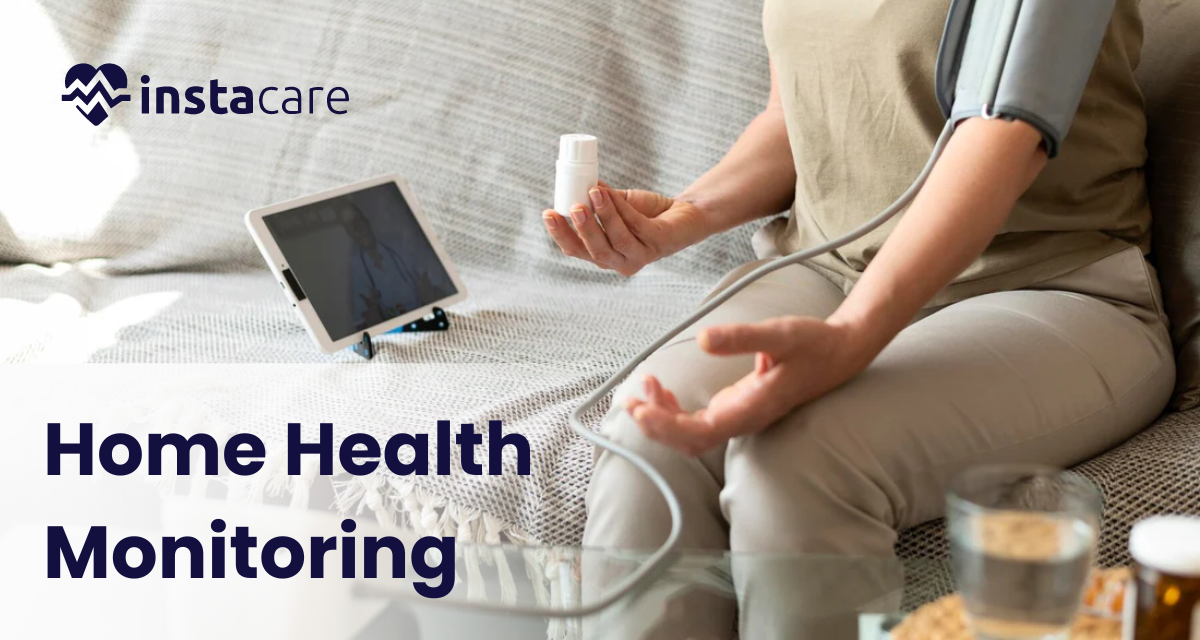
Role Of Home Health Monitoring In Healthcare Sector Home health monitoring remains a guide for development and proficiency in the present unique medical services scene. As innovation keeps reforming different ventures, medical care is no particular case. We should dig into the significant effects and meaning of home health monitoring in the medical services area. Here are some significant effects of home health monitoring in medical services!! Revolutionizing Healthcare Delivery Home health monitoring addresses a change in perspective in medical services conveyance, enabling people to assume responsibility for their prosperity from the solace of their homes. By combining trend-setting innovations like wearable gadgets, savvy sensors, and versatile applications, patients can screen indispensable signs, track medicine adherence, and even speak with medical care suppliers from a distance. This upset has been especially groundbreaking in the domain of the constant sickness of the executives. Conditions like diabetes, hypertension, and coronary illness require continuous observation and the executives to forestall difficulties and further develop results. With Home health monitoring, patients can consistently coordinate health following into their everyday schedules, prompting better adherence to therapy designs and further developed health results over the long haul. Enhancing Patient Engagement One of the essential advantages of Home health monitoring is its capacity to cultivate more noteworthy patient commitment. Giving people constant admittance to their health information makes them dynamic in their consideration process. This expanded commitment prompts better health results and advances a feeling of independence and strengthening among patients. Patients can screen their headway, put forth objectives, and come to informed conclusions about their health with the direction of medical services experts. This cooperative strategy fortifies the patient-supplier relationship and prompts more customized care plans custom-made to the singular’s necessities and inclinations. Book Free Demo Improving Disease Management For people living in constant circumstances, home health monitoring offers help. By consistently checking key health measurements, for example, pulse, blood glucose levels, and pulse, patients can recognize potential entanglements from the beginning, taking into consideration ideal mediation and the board. This proactive strategy works for patients’ satisfaction and lessens the weight on medical services assets. By forestalling pointless hospitalizations and trauma centre visits, Home health monitoring eases stress on the medical care framework. It guarantees that assets are allotted proficiently to the people who need them most. Facilitating Remote Care In a period where admittance to medical care administrations can be restricted, particularly in rustic or underserved networks, Home health monitoring arises as a unique advantage. Through remote checking arrangements, medical care suppliers can remotely survey patients’ health status, change therapy plans on a case-by-case basis, and give convenient medications without requiring in-person visits. This further develops admittance to mind, diminishes medical services expenses, and generally upgrades productivity. Patients never again need to travel significant distances or trust that arrangements will get the consideration they need, bringing about better health results and more elevated levels of patient fulfilment. View More: Maximizing Efficiency with Smart Clinic Software Empowering Aging Populations As the worldwide populace matures, the interest in creative medical services for more seasoned grown-ups has developed dramatically. Home health monitoring offers a fitting way to deal with care for maturing populaces, permitting them to keep up with freedom and personal satisfaction while guaranteeing their health and security. From fall discovery frameworks to prescription updates, these innovations give inner harmony to more seasoned grown-ups and their guardians. Home health monitoring advances independence, poise, and prosperity in later life by empowering maturing people to progress in years set up and stay away from excessive systematization. Ensuring Data Security And Privacy Despite the various advantages of Home health monitoring, information security and protection concerns pose a potential threat. To address these worries, rigid measures should be set to protect delicate health data. From scrambled correspondence channels to information capacity conventions, medical services suppliers and innovation designers should focus on the assurance of patient information at each step. By complying with severe protection guidelines and carrying out vigorous safety efforts, partners can assemble and entrust their information to patients and guarantee that their information is cared for capably and morally. This safeguards people’s security privileges and keeps up with the respectability and unwavering quality of Home health monitoring frameworks. Expanding Access To Underserved Communities In many areas, admittance to medical care administrations is restricted, especially in rustic or underserved networks. Home health monitoring can overcome this issue by straightforwardly bringing fundamental medical care benefits to the individuals who need them most. By utilizing telehealth advances and remote observing arrangements, medical services suppliers can arrive at patients in far-off regions, giving opportune mediations and preventive consideration measures. This access extension further develops health results and advances health value and civil rights by guaranteeing that all people approach quality medical services, regardless of their geographic area. Promoting Preventive Care And Early Intervention Preventive consideration plays a significant part in keeping up with general health and prosperity, yet it is often neglected in customary medical services models. Home health monitoring offers a novel chance to move the concentration from responsive treatment to proactive counteraction by enabling people to screen their health status and identify potential issues immediately. By observing fundamental signs, way of life variables, and healthy ways of behaving, patients can distinguish risk factors and go with informed decisions to forestall the beginning of ongoing sicknesses and other unexpected issues. By advancing preventive consideration and early mediation, home health monitoring further develops individual health results and lessens medical care expenses and weights on the medical care framework overall. Empowering Patients Through Education And Support Successful medical services surpass the simple therapy of side effects; it include engaging people to assume command over their health and arrive at informed conclusions about their consideration. Home health monitoring gives a significant chance to teach and support patients in dealing with their medical issues. Through customized health training, instructive assets, and self-administration devices, patients can acquire the information, abilities, and certainty they need to explore their medical care venture with certainty. By enabling patients to
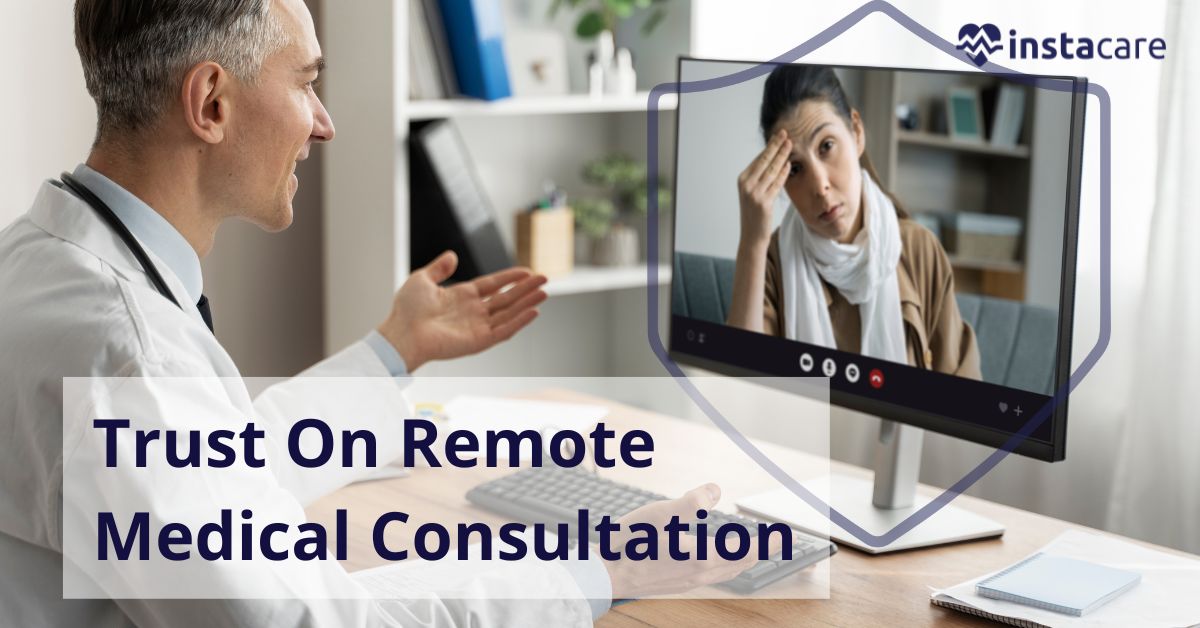
Why Should You Put Trust On Remote Medical Consultation An ever-increasing number of individuals are turning to remote medical consultations for their medical care worries in today’s busy world. Patients can talk with specialists and medical consultants during these meetings — also called telemedicine or telehealth — without visiting a clinic or specialist’s office. What makes distant clinical meetings reliable? First, they are convenient. You can discuss with a medical consultation from the comfort of your home, removing the need to head to a facility and stand by in a pressed sitting area. Besides the fact that far-off meetings set aside cash, it also saves time and effort. To go to the doctor, you don’t have to worry about paying for transportation or missing work. Furthermore, you’re less inclined to contract illnesses or be presented to microbes from different patients since you’re not genuinely visiting a clinic. These discussions are protected and private also. You don’t need to be anxious about the possibility that somebody could hear you discuss your medical problems. Also, the technology used for online consultations is improving, so you can be sure you’re getting high-quality care. Sense Of Accessibility by Remote Medical Consultation Remote medical consultations are dependable since they’re easy to utilize and helpful. Patients can get healthcare services from any area with a web network or from the comfort of their own homes. The people who experience difficulty moving about or live in far-off places with little admittance to customary medical services offices will view this as being of specific use. Moreover, experts from different areas can be counseled from a distance. By removing the burden of movement, patients might talk with trained professionals, eliminating holding up times and working on clinical results. Patients and doctors alike benefit from the time savings provided by remote consultations. Arrangements can be made more helpful when there’s a compelling reason to go to a clinical organization, which limits holding up times and disrupts regular timetables. Considering everything, many individuals seeking healthcare services trust remote medical consultations due to their openness, accessibility of trained professionals, and efficiency. Book Free Demo Increased Patient Comfort and Privacy Protection and secrecy are vital in medical services, and remote medical consultations treat this seriously. When you have a distant arrangement, you can discuss individual stuff from your home. This implies you don’t need to stress over others’ hearing, which can cause you to feel more great and secure. Since you’re in a recognizable climate, you could find opening up to your healthcare providers more straightforward. This trust and transparency can prompt better correspondence and eventually improved results for your well-being. You are likelier to tell the truth about your health when you believe your privacy is respected. What’s more, that trustworthiness assists your PCP with giving you the most ideal consideration. In this way, remote medical consultations can be an extraordinary choice if you’re worried about security and privacy. They let you get your desired consideration without forfeiting your solace or security. Continuity of Care Remote medical consultations guarantee coherence of care by encouraging consistent correspondence among patients and medical services suppliers. Follow-up arrangements, medicine from the board, and observation of ongoing circumstances can be directed in every way from a distance, guaranteeing that patients get reliable and complete consideration. Through remote medical consultations, healthcare providers can keep tabs on patients’ development and make fundamental changes in their therapy plans, prompting further developed well-being results and patient fulfillment. Ease Of Monitoring and Follow-Ups Through remote medical consultation, healthcare professionals can monitor their patient’s health status and carry out follow-ups without visiting them in person. This is particularly useful for patients with constant circumstances or those recuperating from a medical procedure who need customary check-ups and changes in their therapy plans. With remote checking, medical care experts can remotely evaluate essential signs, drug adherence, and side effects, taking into account early mediation and customized care for the executives. Patients can get convenient criticism and backing from their healthcare providers, advancing better well-being results and improving, generally speaking, personal satisfaction. View More: Streamline Your Medical Billing with Medical Billing Software Elevated Quality of Service Contrary to common misconceptions, remote medical consultation provides high-quality healthcare services comparable to in-person consultations. Healthcare service providers make particular preparations to convey compelling remote consideration, guaranteeing that patients get precise conclusions, customized therapy designs, and humane help. Through telemedicine stages, patients can get to various medical services administrations, incorporating discussions with trained professionals, demonstrative tests, and drug executives, all from the solace of their own homes. This customized way of dealing with care advances patient fulfillment and commitment while further developing well-being results and diminishing medical services costs. Aspect Of Flexibility in Scheduling Remote medical consultations allow patients to plan arrangements whenever the timing is ideal. Unlike conventional in-person visits, distant discussions permit people to book arrangements without the limitations of available time or driving time. This adaptability is worthwhile for those with occupied plans or pressing clinical necessities beyond standard business hours. Patients can undoubtedly orchestrate discussions around their responsibilities, guaranteeing convenient admittance to medical care without upsetting their day-to-day schedules. Enhancing Healthcare Access in Rural Areas by Remote Medical Consultation A remote medical consultation is pivotal in adapting medical care variations in countries or underserved regions. It connects patients to healthcare providers regardless of location by utilizing telecommunications technology. This kills the hindrances presented by distance and restricted medical care foundations, guaranteeing impartial admittance to clinical benefits for people living in far-off locales. By bringing medical care straightforwardly to the patient’s doorstep, remote medical consultations overcome any issues among metropolitan and country medical care, advancing inclusivity and further developing well-being results for underserved populations. Patient Education and Empowerment The distant clinical meeting enables patients by giving admittance to an abundance of instructive materials, self-administration devices, and customized well-being data. Patients can dig into assets customized to their necessities, acquiring experiences in their circumstances and treatment choices. With this information, they become dynamic members in their medical
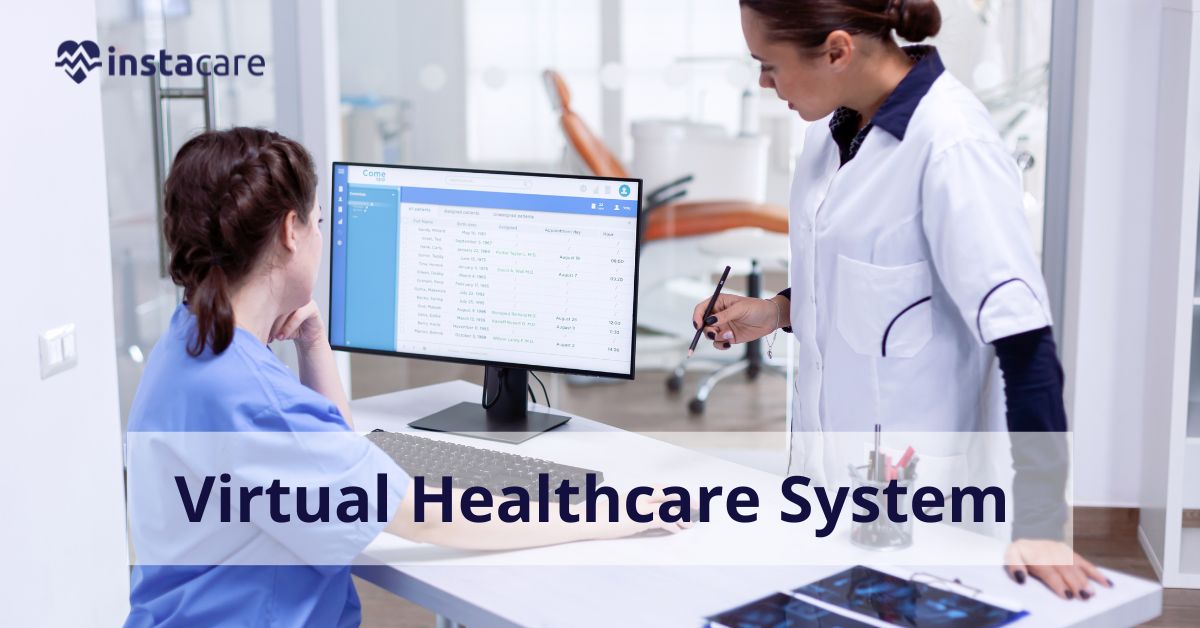
8 Incredible Advantages Of Having Virtual Healthcare Systems With several advantages for patients and healthcare experts, virtual healthcare systems have transformed how medical treatment is provided and received. This article will discuss eight fantastic benefits of adopting virtual healthcare systems. Thanks to these solutions, people can now more easily access medical care from anywhere. Everyone will benefit from less travel and waiting time as a result. Patients can indeed take a more active role in their care when using virtual healthcare. They have easy access to their doctors and can monitor their health online. Additionally, both patients and physicians can save money with virtual healthcare. Everyone wins in this scenario! Virtual healthcare is improving healthcare for everyone. Incredible Advantages Of Having Virtual Healthcare Systems Convenience And Accessibility Systems for virtual healthcare provide supreme accessibility and ease. Thanks to virtual platforms, patients can receive medical treatment whether on the go or in the comfort of their own homes. This lowers associated travel expenses and eliminates the necessity for time-consuming excursions to the doctor’s office. Virtual healthcare systems make healthcare more accessible than ever, whether you live in a remote location with little access to medical facilities or prefer the ease of online consultations. Those with mobility impairments or residing in places with a shortage of healthcare professionals would benefit from this accessibility. Furthermore, patients can receive rapid care through virtual healthcare without having to wait for appointments or face lengthy waits in packed waiting rooms. Enhanced Patient Engagement Patients are given more control over their health through virtual healthcare systems. Patients can easily access instructional materials, remote consultations, and digital health monitoring tools to monitor their progress and contact healthcare experts effortlessly. Better health outcomes result from this more significant contribution, strengthening the bond between patients and their healthcare professionals. Patients can indeed easily communicate with their healthcare providers using virtual platforms without making in-person visits. They can get advice on managing their ailments, discussing their worries, and even getting medicines electronically. Additionally, using digital health monitoring devices, patients can keep an eye on their lifestyle choices, medication compliance, and vital signs from the comfort of their homes. Better observance of treatment regimens and more informed decision-making result from increased engagement and communication. More patient empowerment to take control of their health leads to better health outcomes and a more excellent standard of living. Furthermore, the strong bonds between patients and healthcare professionals encourage cooperation and trust, eventually improving everyone’s healthcare experience. Improved Healthcare Quality Virtual healthcare systems can provide patients with higher standard care by using cutting-edge technology. Through telemedicine stages, medical care suppliers can direct virtual conferences, precisely analyze different ailments, and devise fitting therapy designs from a distance. This means a critical change in medical services conveyance, as patients can now get clinical help without needing to visit a specialist’s office. Besides, virtual medical services frameworks are significant in working with admittance to specific considerations and second conclusions. Patients can easily connect with specialists worldwide, allowing them to receive expert recommendations and advice tailored to their specific requirements. This guarantees patients the most precise and thorough consideration, regardless of their area or ailment. The mix of virtual medical services frameworks in the medical services scene upgrades the productivity of clinical benefits and works on quiet results. By utilizing telemedicine stages and other advanced devices, medical services suppliers can offer opportune mediation and customized therapy plans, eventually prompting better results in patient well-being. Book Free Demo The Aspect Of Cost-Effectiveness Patients and healthcare professionals alike benefit greatly from virtual healthcare systems. With virtual counsels, the requirement for in-person visits is disposed of, bringing about diminished costs connected with movement, stopping, and missed work for patients. This implies patients can get to clinical consideration without the additional monetary weight of transportation or downtime from work. Also, virtual medical care frameworks empower suppliers to smooth out their tasks, prompting expanded productivity and asset use. Healthcare professionals can surely see more patients in less time and save money on overhead costs associated with maintaining physical facilities by conducting consultations remotely. This permits suppliers to apportion assets all the more actually, eventually working on the general quality and availability of medical care administrations. View More: Streamline Your Medical Billing with Medical Billing Software Flexibility In Scheduling The days when patients had to wait for weeks to get a doctor’s appointment are long gone. With virtual medical care frameworks, planning has become unquestionably adaptable. Patients can book arrangements at their comfort without being obliged by the restricted accessibility of in-person visits. Whether it’s a routine examination to screen well-being status or a pressing clinical issue that requires prompt consideration, virtual conferences offer a quick and open arrangement. Patients never again need to explore through significant delays or battles to figure out a reasonable opportunity opening that squeezes into their bustling timetables. Instead, they can quickly connect with healthcare professionals by logging into the virtual platform. This exceptional adaptability in booking improves the patient experience as well as advances better well-being results. By killing the hindrances to ideal clinical consideration, virtual medical care frameworks guarantee that people can address their medical services needs speedily and proficiently. This, finally, adds to a more proactive way to deal with medical services on the board and enables patients to focus on their prosperity without pointless deferrals or interruptions. Privacy And Confidentiality Protection and classification are foundation standards in medical services, and virtual medical care frameworks maintain these qualities with the most extreme significance. With the consistently developing danger of information breaks and digital assaults, guaranteeing the insurance of patient data is vital. Virtual medical services stages carry out robust safety efforts to address this worry, including secure stages and encoded correspondence channels. Virtual medical care frameworks use secure stages to establish a sustained climate where patients’ clinical information is safeguarded from unapproved access or capture. These platforms’ cutting-edge encryption techniques protect Sensitive data from potential breaches and malicious activities. Moreover, scrambled correspondence channels give an extra layer
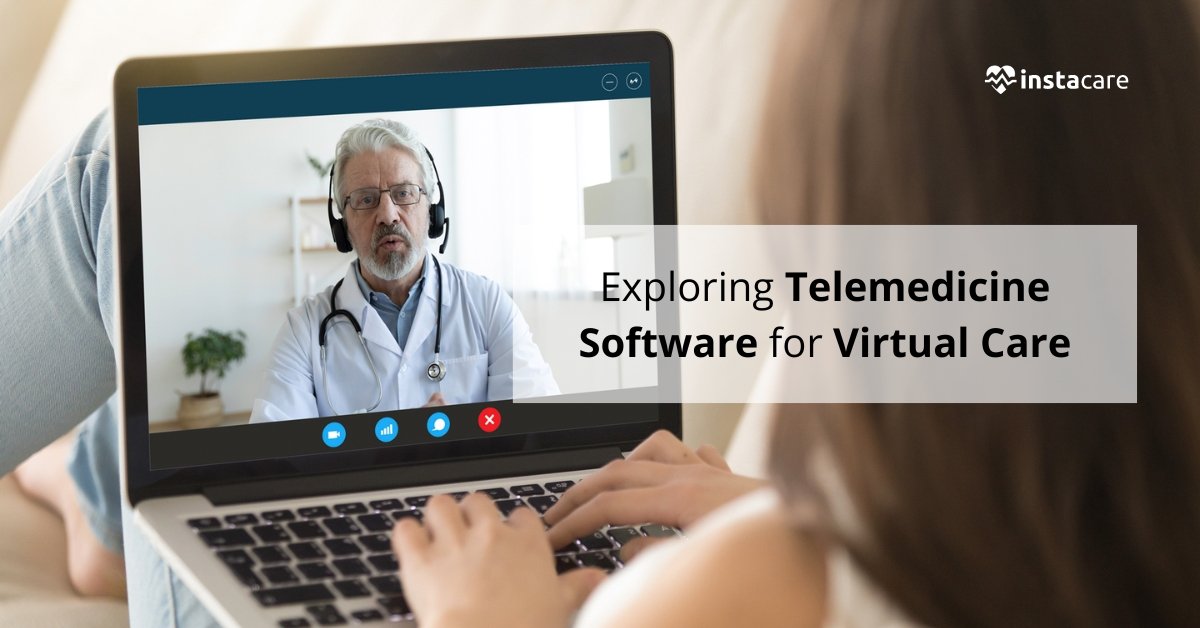
Exploring Telemedicine Software for Virtual Care With the rise of digital health tools, telemedicine software is leading the way in transforming healthcare delivery. Telemedicine applications have given patients access to unprecedented levels of care and convenience, allowing them to consult with their physicians from any location in the world. From providing specialized treatments to educational consultations, virtual health services are revolutionizing patient-provider communication and improving overall outcomes for many individuals. In this blog post, we will explore how telemedicine software is enabling medical professionals to better manage their remote consultations and provide more effective virtual care. Introducing Telemedicine Software and What it Can Offer Patients As the world becomes increasingly digitized, industries across the board have started to rely more heavily on online platforms. The medical field is no exception. With telemedicine software, patients can enjoy a plethora of benefits that come with instant access to medical professionals. Not only does this software cut down on travel time, it also provides a level of convenience that makes seeking medical help less daunting. In addition, telemedicine software has the potential to democratize access to healthcare, particularly in underserved communities. From remote patient monitoring to virtual consultations, telemedicine software is an excellent tool for patients who want to take control of their health and benefit from the convenience of modern technology. Book Free Demo Understanding the Benefits of Virtual Care Virtual care, also known as telemedicine, has been rapidly growing in popularity due to its numerous benefits. Patients can now have access to medical care from virtually anywhere, thanks to the advent of telemedicine software systems. One of the most significant benefits of virtual care is convenience. Patients no longer have to wait hours in a doctor’s office for a ten-minute appointment. They can now receive the same level of care from the comfort of their own home. Additionally, virtual care can be incredibly cost-effective, helping to reduce healthcare expenses for both patients and providers. Plus, telemedicine also allows for easier and more efficient sharing of patient information between providers, resulting in more comprehensive and effective care. Ultimately, virtual care is poised to revolutionize the healthcare industry, providing better access, better outcomes, and an improved patient experience. Navigating Regulations for Telemedicine Services The landscape of healthcare delivery has experienced a monumental shift with the advent of virtual healthcare platforms that provide telemedicine services. In an effort to keep up with these advancements in technology, regulatory bodies have had to develop guidelines and standards to ensure that patients are receiving quality healthcare in a safe and secure manner. Navigating these regulations can be a challenging task, but it is crucial for providers to stay abreast of the changing landscape to avoid any legal or ethical implications. Ultimately, the benefits of telemedicine services – such as increased access and convenience for patients – make the effort of understanding regulations worthwhile. View More: Streamline Your Medical Billing with Medical Billing Software Exploring Available Telemedicine Software Solutions As our world becomes increasingly interconnected, telehealth technology has revolutionized healthcare as we know it. Exploring available telemedicine software solutions has become an integral part of providing remote care to patients, regardless of their location. The benefits of telehealth technology are numerous, such as reducing patient wait times, improving access to specialized care for underserved populations, and allowing doctors to treat patients from anywhere in the world. With so many software solutions available, it’s essential for healthcare providers to review their options and select the platform that meets their needs. By harnessing the power of telemedicine, we can provide access to high-quality healthcare to more people than ever before. In-Depth look at Features, Costs, and Compatibility with Existing Systems E-health solutions have emerged as a game-changer in the healthcare industry, transforming the way healthcare providers and patients interact with each other. These solutions have the potential to revolutionize the delivery of care, making it more accessible, affordable, and efficient. As healthcare organizations embrace digitalization, they need to carefully evaluate e-health solutions based on their features, costs, and compatibility with existing systems. The best e-health solutions offer a comprehensive set of features that cater to the specific needs of healthcare providers and patients. Of course, as with any solution, costs play a significant factor, and organizations need to strike a balance between affordability and functionality. Lastly, it is critical to ensure that the e-health solution integrates seamlessly with existing systems to avoid costly disruptions and delays. In-depth research into these areas can help healthcare organizations make informed decisions that will positively impact patient care, satisfaction, and outcomes. Tips for Implementing a Successful Telemedicine Program In the ever-evolving landscape of healthcare, telemedicine has become an increasingly popular alternative for many patients and providers. With the rise of telemedicine software, implementing a successful telemedicine program is just a few steps away. One of the most critical tips for success is to ensure that the telemedicine software you choose is user-friendly for both providers and patients. Providers can more effectively communicate with patients, and patients can access their medical information easily and efficiently. Another tip is to ensure proper training for all staff involved. This training should cover everything from app usage to secure data transmission. By following these guidelines and prioritizing patient care, your telemedicine program is destined to succeed. Conclusion As we embrace new technology to help further healthcare, the exploration of telemedicine software is essential for successfully providing virtual care to our patients. Telemedicine software is an invaluable tool for healthcare providers and their patients to get high-quality healthcare in a timely manner without having to travel great distances and wait days (or weeks) for appointments. This unique way of delivering medical care guarantees that patients receive the treatment and advice they need even if their primary care physician is thousands of miles away. By connecting doctors with patients with just one tap, telemedicine software provides an unprecedented level of convenience and connection. With telemedicine, the future of patient-physician relationships looks brighter than ever before – allowing us to
Take Control of Your Practice with a Comprehensive Guide to Telemedicine Solutions Are you looking to reduce wait times, simplify workflows, and improve patient engagement in your medical practice? Then telemedicine solutions might be just the thing for you. Telemedicine is an emerging trend that can provide a feature-rich suite of tools and resources to help streamline many of your processes. In this comprehensive guide, you’ll learn how telemedicine can help men’s health clinicians, women’s health specialists, and others deliver great care while still remaining responsive to patients’ needs. Read on to see why providing leveraged technology via telemedicine solutions is an important part of modern healthcare practices! What is Telemedicine? Telemedicine refers to the delivery of healthcare services remotely through technology such as video conferencing, messaging, and other digital means. This innovative approach to medicine has become increasingly popular in recent years, particularly in light of the COVID-19 pandemic. Telemedicine allows patients to access medical care from the comfort of their own homes, helping to alleviate the burden of travel time and expenses. Moreover, it has expanded the availability of healthcare services to people in remote or underserved areas. With the use of telemedicine, patients can consult healthcare professionals, receive a diagnosis, and even have prescriptions filled—all virtually. Although it does not replace in-person medical care entirely, it has become an essential option for patients who require medical attention but cannot leave their homes. How Can Telemedicine Benefit Your Practice? As the world becomes more reliant on technology, it’s no surprise that telemedicine solutions is becoming increasingly popular. Telemedicine allows healthcare providers to connect with their patients without the need for physical office visits. This can provide numerous benefits to both the provider and the patient. For providers, telemedicine can reduce the need for office space and staff, while also allowing them to see more patients. Patients, on the other hand, can benefit from reduced wait times, greater convenience, and more accessible healthcare services. Telemedicine can also expand access to healthcare for those in rural areas or for those with mobility issues. With these benefits combined, it’s clear that telemedicine solutions can help to significantly improve the delivery of healthcare services, making it an increasingly popular option for healthcare providers across the globe. Book Free Demo Gather Necessary Resources and Equipment to Get Started with Telemedicine Solutions In today’s fast-paced world, telemedicine solutions are essential for healthcare providers to effectively meet the needs of their patients. Gathering the necessary resources and equipment to get started with telemedicine solutions is critical for success. This can include high-speed internet, a secure platform for video conferencing, and specialized devices such as a digital stethoscope or otoscope. Additionally, it is important to have a well-trained team and clear processes in place to deliver quality care remotely. With the right resources and equipment, healthcare providers can seamlessly connect with their patients, regardless of their physical location, and deliver the care they need. Understanding the Privacy Regulations of Virtual Medical Services As technology continues to improve and become more ingrained in our daily lives, the medical field is no exception. Virtual medical services, also known as telemedicine, have become increasingly popular, especially in light of the COVID-19 pandemic. However, with these services comes the need for strict privacy regulations. It’s critical to understand the laws and guidelines that govern virtual medical services to protect the privacy and security of patients’ personal and medical information. This includes knowing who has access to sensitive data, how it’s stored, and how patients can control their information. By staying informed about these regulations, we can ensure the safety and confidentiality of our health information in the digital age. Create an Efficient Workflow for Your Telemedicine Service As the demand for telemedicine services grows, healthcare providers need to create an efficient workflow to meet the needs of their patients. Developing a streamlined process can not only save time but improve patient satisfaction and outcomes. One essential step is selecting the right technology platform that best fits your organization’s needs. Then, create a standardized process for scheduling virtual appointments, communicating with patients, and documenting patient data. Efficient workflows should also include measures to ensure data security and adhere to regulatory requirements. Regularly evaluating and refining your telemedicine workflow can ensure it remains efficient and effective for both providers and patients. With the right approach, telemedicine can provide a convenient, accessible, and effective means of healthcare delivery. View More: Streamline Your Medical Billing with Medical Billing Software Implementing Security Measures for Patient Information Storage The security of patient information is of utmost importance to healthcare organizations. With the increasing number of data breaches and cyber threats, it has become crucial for them to implement robust security measures to safeguard patient information. Data encryption and access control systems can help prevent unauthorized access to sensitive patient data. Secure data storage facilities, password protection mechanisms, and regular data backups are other essential measures that can ensure the security and confidentiality of patient data. By implementing such security measures, healthcare organizations can not only comply with the regulatory requirements but also earn the trust of their patients. Leverage Your Existing Technology for Maximum Telemedicine Efficiency Telemedicine has become a vital tool for healthcare providers to ensure accessibility and continuity of care amid the ongoing pandemic. Leveraging existing technology can help maximize telemedicine efficiency, making it a more efficient and profitable avenue for healthcare practices. By utilizing tools such as electronic health records (EHRs), secure messaging platforms, and video conferencing software, healthcare providers can streamline their workflow and provide high-quality care remotely. EHRs can be accessed remotely, allowing doctors to review patient records and history before a telemedicine appointment. Secure messaging platforms facilitate quick and secure communication between patients and healthcare providers, while video conferencing software enables real-time patient consultations. With the right technology in place, healthcare providers can provide excellent telemedicine services, resulting in happier patients and a more profitable practice. Conclusion Telemedicine solutions are an effective and accessible way to gain a competitive edge
5 Powerful Applications of OpenAI ChatGPT in Healthcare Revolution Today, Let’s discuss the role of OpenAI ChatGPT in Healthcare and how it will transform the future of medical practitioners. Artificial intelligence (AI) in healthcare has been rapidly growing over the past few years, and one of the most promising AI technologies is natural language processing (NLP). OpenAI ChatGPT, a language model developed by OpenAI, is a leading example of how NLP can be applied in healthcare. This article will explore how OpenAI ChatGPT can improve healthcare outcomes, from medical diagnosis to patient care. Improving Patient Care in Clinics with OpenAI ChatGPT in Healthcare ChatGPT can be used in clinics to develop virtual assistants that can interact with patients and provide them with personalized healthcare advice and support. ChatGPT can analyze patient data, medical literature, and clinical notes to identify patterns and trends to help healthcare providers make more informed decisions and improve patient outcomes. Additionally, virtual assistants can help patients manage their health, monitor their symptoms, and provide guidance on healthy lifestyle choices. For example, a patient visits a clinic with symptoms that are difficult to diagnose. The healthcare provider could use OpenAI ChatGPT to analyze the patient’s medical history, symptoms, and test results to help develop a more accurate diagnosis and treatment plan. For example, if a patient has a complex medical history and presents with multiple symptoms, ChatGPT can assist the healthcare provider in identifying potential diagnoses and recommending appropriate tests or treatments. Medical Diagnosis with OpenAI ChatGPT in Healthcare One of the most exciting applications of OpenAI ChatGPT in healthcare is medical diagnosis. ChatGPT can interpret and analyze large amounts of medical text, such as electronic health records (EHR), medical literature, and clinical notes. By analyzing this text, ChatGPT can assist healthcare providers in making more accurate diagnoses and developing effective treatment plans. For example, ChatGPT can analyze a patient’s symptoms and medical history to suggest potential diagnoses or review medical literature to provide healthcare providers with the latest research on a particular disease or treatment. This can help healthcare providers make more informed decisions and improve patient outcomes. Patient Triage with OpenAI ChatGPT in Healthcare Another application of OpenAI ChatGPT in healthcare is in patient triage. ChatGPT can be used to develop healthcare chatbots that can interact with patients and provide them with information and guidance on their healthcare needs. Chatbots can ask patients about their symptoms, provide primary medical advice, and direct them to the appropriate healthcare provider or service. Chatbots can also help healthcare providers prioritize patients based on their needs. Chatbots can use ChatGPT to analyze patient symptoms and medical history to identify patients who require urgent medical attention and direct them to the appropriate healthcare provider or emergency service. Medical Chat Assistants with OpenAI ChatGPT in Healthcare In addition to chatbots, OpenAI ChatGPT can be used to develop medical chat assistants that can provide personalized healthcare advice and support to patients. Medical chat assistants can help patients manage chronic conditions, monitor their health, and guide healthy lifestyle choices. Chat assistants can also help healthcare providers by collecting patient data and identifying patients who require additional care or attention. Chat assistants can identify patients at risk of developing certain conditions by analyzing patient data and providing early intervention and support. Telemedicine with OpenAI ChatGPT in Healthcare Telemedicine is another area where OpenAI ChatGPT can make a significant impact. Using ChatGPT to analyze patient symptoms and medical history, healthcare providers can conduct virtual consultations, diagnose medical conditions, and develop treatment plans. ChatGPT can also be used to develop virtual assistants to assist with telemedicine consultations. Virtual assistants can provide patients with information and guidance on their healthcare needs, help them navigate the telemedicine platform, and assist with any technical issues. Disease Detection and Prevention with OpenAI ChatGPT in Healthcare Finally, OpenAI ChatGPT can be used to improve disease detection and prevention. ChatGPT can analyze medical literature and patient data to identify patterns and trends that may indicate the presence of a disease or condition. ChatGPT can also identify patients at risk of developing certain conditions by analyzing patient data and providing early intervention and support. This can help healthcare providers prevent chronic conditions and improve patient outcomes. Summary About OpenAI ChatGPT in Healthcare OpenAI ChatGPT is a powerful tool that can improve healthcare outcomes in various ways. From medical diagnosis to patient care, ChatGPT has the potential to revolutionize the healthcare industry and provide patients with better care and support. As more healthcare providers and organizations adopt AI technologies like ChatGPT, we expect significant improvements in healthcare outcomes and patient experiences.

InstaCare is one of the Top Digital Health Startups in Pakistan, leveraging information technology to raise the standards of Healthcare Systems. Bilal Amjad, Founder & CEO at InstaCare, was recently awarded the Excellence Award 2023 by The President of Pakistan, Dr. Arif Alvi. At the Digital Summit in Islamabad, InstaCare was recognized as one of the top digital health startups in 2023, and Bilal Amjad as one of the year’s top and most innovative HealthCare Entrepreneurs. This award is extended to millions of healthcare providers and patients in Pakistan as it represents a commitment to improving the healthcare system in Pakistan. A step towards improving medication safety, tracking, and reporting; and promoting quality of care through optimized access to and adherence to guidelines. Currently, around 92% of the rural and 100% of the urban populations have access to health services. This improvement has been a direct result of digital health apps in Pakistan, such as InstaCare, which caters to more than 4500 clinics across Pakistan and beyond, indicating the spread of reliable and accessible healthcare. The primary goal is to optimize current health systems, ease doctors’ work, and improve patient care by reducing errors. In 2022 InstaCare detected more than 300 medical errors, which means the InstaCare family saved above 300 lives through its AI-Based Smart Clinic Management System. HealthTech itself refers to the application of technology in the healthcare industry. InstaCare is an emerging digital health startup that provides various digital health solutions. These solutions include Electronic Health Records, Telemedicine, Smart Clinics,s and Super Health App. With 850,000+ electronic health records (EHRs) provided by InstaCare. It is easy to store and manage patient data, allowing for easy access and sharing of medical information. The growth of HealthTech in Pakistan is driven by a need to improve the quality of healthcare services. This increases access to medical care in remote areas and reduces healthcare costs. Despite substantial growth, we still face challenges, including a lack of awareness and a shortage of skilled workers. In the face of challenges, there is a will to overcome them. InstaCare came into being as a result of a life lost at the hands of a medical error. Bilal’s grandfather perished due to kidney failure caused by an overdose of a drug prescribed by a well-known cardiologist in Lahore. The sad and unexpected passing resulted in emotional, physical, and financial damage to the family. Bilal worked for a prestigious IT company. A digital transformation task required him to research Pakistan’s healthcare sector. The research revealed startling facts. 99% of Pakistani doctors wrote prescriptions by hand at that time, according to a study. A mere 1% of industries are digitalized. Many hospitals implemented HIMS, but doctors did not use it. The system was used for administrative tasks like accounts and payrolls. Over 600,000 Pretenders, i.e., Fake and Unlicensed practitioners, were operating in the industry. These facts led to the same result: an unreliable healthcare system in Pakistan. InstaCare has diagnosed millions of medical cases in more than 40 cities across Pakistan. With InstaCare, providers and patients can connect in a secure environment. Health services can be discovered and booked through InstaCare. Moreover, doctors can leverage innovative Software as a Service (SaaS) solutions made possible by cloud computing and big data that empower doctors, creating the foundation for the growth of the healthcare ecosystem. Patients can use the Super Health App, a web and mobile platform. It provides direct access to 20,000+ doctors onboard, the most reputable hospitals in the area. Several features, such as the Health Store and Booking lab tests, have been made available to patients around Pakistan, reviving the medical system through digitization. Integrating technology into smart clinics can lead to cost savings by reducing the need for manual labor, improving efficiency, and reducing the number of errors. InstaCare was established to address the issue of global patient safety, particularly medical errors causing millions of deaths worldwide and shortening life expectancy. Following the country’s requirements and financial challenges, the mission is to improve the healthcare system strategically and efficiently. A more reliable, safer, and accurate healthcare system is something we strive for across the globe, and we will keep working towards it.
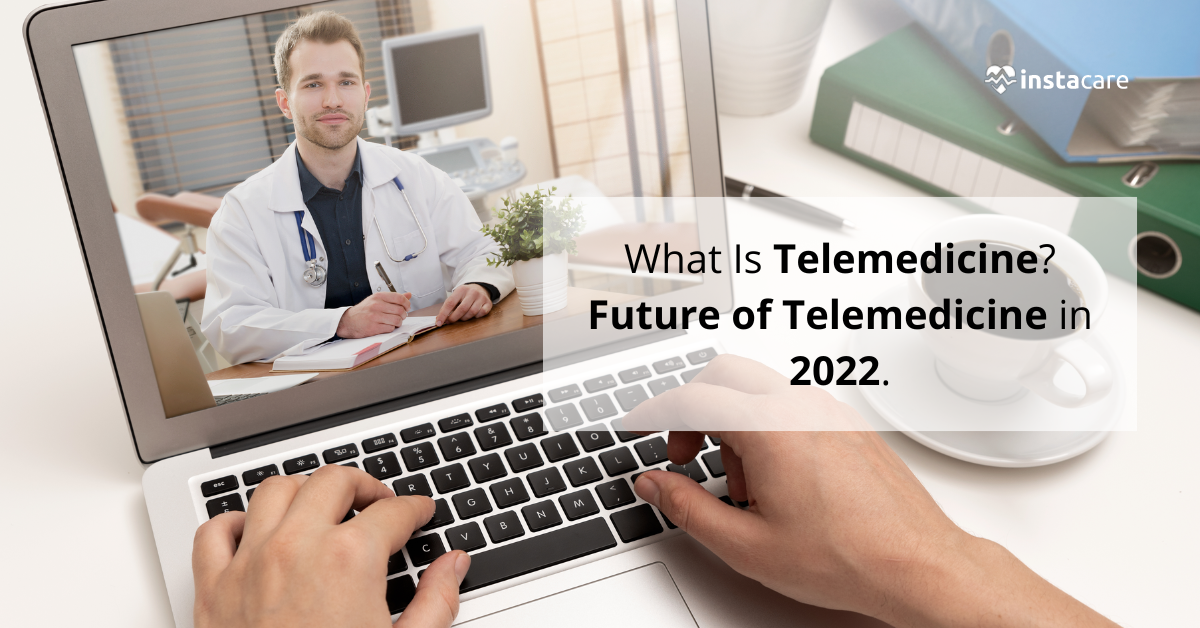
What Is Telemedicine? Future of Telemedicine in 2022 Telemedicine has emerged as a viable and secure substitute for in-person care as the pandemic progresses. It’s a simple, cost-effective way to access 24/7 care by phone or video. Patients can connect with a doctor in minutes for non-emergency, common ailments like a sore throat, a cold, or even dermatological problems like rashes or abrasions. Telemedicine In Pakistan reduces exposure to the COVID-19 virus and other contagions by seeing patients where they are and assisting them in avoiding germ-filled waiting areas. Offering and utilizing a telemedicine solution to employees and their loved ones has several benefits. The use of telemedicine in Pakistan has increased dramatically due to the epidemic since it keeps patients safe and is easy to access. Many people now depend on it and find relief from it. What Is Telemedicine Specifically? Unlike telehealth, this phrase has a more constrained definition. More specifically, it refers to connected knowledge and the distribution of remedial services using communications technology. Telemedicine is the practice of providing patients with treatments remotely through the use of information technology and electronic communications. Future Of Telemedicine In 2022 Patients Will Keep Utilizing Virtual Care The number of patients seeking out virtual care increased dramatically during the pandemic. And while telehealth use declined following the first uptick in 2020, 36% of patients did so in 2021, representing a nearly 420% increase over 2019. And more people than just millennials are choosing virtual care. All generations are using telehealth, and the majority say they’ll utilize it once more in 2022. In addition, telemedicine in Pakistan has been demonstrated to be more well-liked among women, accounting for 60% of telehealth patients. Convenience, quick access to care and safety from contracting other ailments are some of the main reasons patients adopt telehealth. Many experts believe that patients will continue to choose virtual care choices well into the future since these kinds of advantages are difficult to ignore. Book Free Demo Bringing Patients And Providers Together The reach of telemedicine will increase in the future, linking patients and clinicians across international borders as providers seek to become global. This will not only alleviate the physician shortage and unequal distribution but also give patients with uncommon diseases other options for accessing highly specialized care. Future benefits of telemedicine in Pakistan include its affordability, capacity to increase access to specialty care, and potential to lessen the impending physician shortage. Other drawbacks include issues with patient data protection, a lack of technology resources in some nations, and difficulties doing the standard patient assessment. New Specialties Will Be Added To Telehealth More specialties are effectively expanding their practice to offer telehealth services in the wake of the epidemic. It has benefited many things, including primary care, dermatology, behavioral health, oncology, and dentistry, and many more are employing it as part of their follow-up treatment. More excellent Focus On Mental Health Looking at the critical trends, we can see that chronic care management has become more popular recently, demonstrating the potential of telehealth to lower the cost of a treatment plan and boost patient participation and adherence to it. The importance of mental health has also increased. Many therapists, counselors, and medical professionals quickly turned to video conferencing to continue treating patients. Thus, teletherapy and telepsychiatry were developed, and as time goes on, they will probably become extensively used forms of treatment. Since patient demand has been the main factor influencing the expansion of telehealth, the user experience has significantly improved. In The End At the end of this topic, where we have seen the bright future of telemedicine in Pakistan as you can also bring the best lot toward you by choosing the right telemedicine company in Pakistan and we have the best in Pakistan known as Instacare as one of the best telemedicine company working amazingly, and you can get the best quality software by visiting the website as follow, https://instacare.com.pk/.
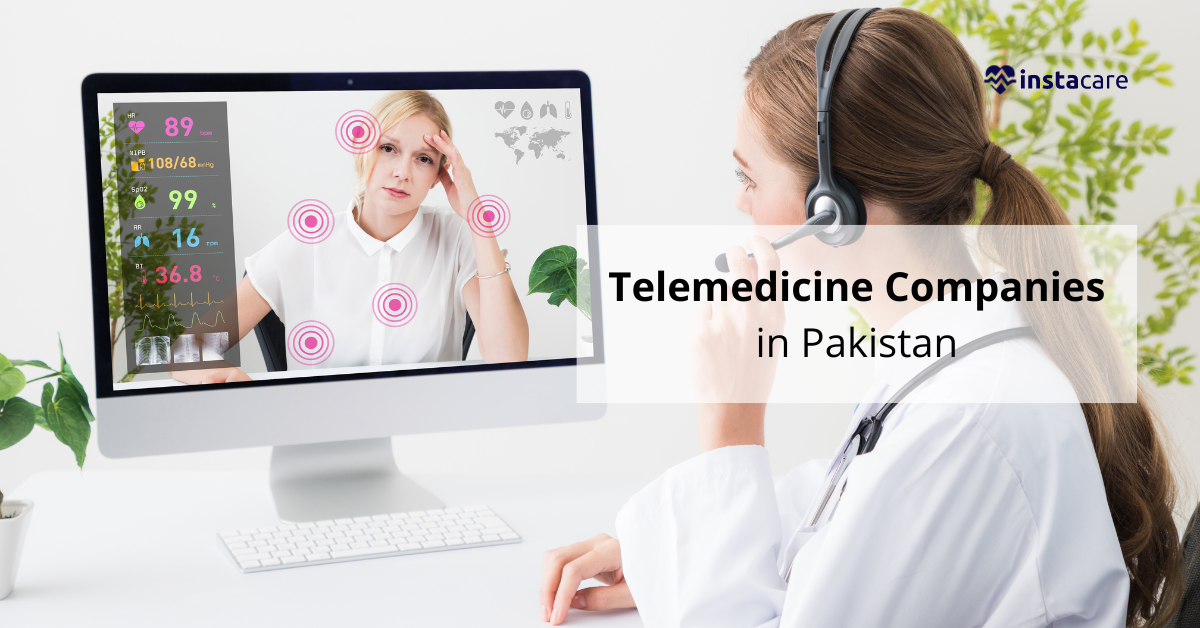
InstaCare – Best Telemedicine Company In Pakistan The world is dominated by technology. The present epidemic has made it even more apparent, which has compelled millions of businesses to conduct daily meetings and operations via digital methods. A zoom meeting with virtual communication has replaced the conference table with which genuine physical connection took place just a few months ago. It is no surprise that Telemedicine is in great demand and that more and more companies are eager to invest in it in a world like the one we now live in. During the COVID-19 epidemic, when most people can’t access healthcare facilities with the same ease as previously, InstaCare is the best Telemedicine Company in Pakistan and Telehealth Company in Pakistan takes delight in offering its valuable services. Read on to learn more about InstaCare Telemedicine Company, its advantages, its mechanism of InstaCare Telemedicine Company in Pakistan, and much more. We Understand Modern Telemedicine Practice Systems In Pakistan Let’s start by defining what Telemedicine means: it is the use of the Internet to offer healthcare services remotely, such as health exams or consultations. It enables healthcare professionals to assess, identify, and treat patients without an in-person visit using widely available technologies like video conferencing and smartphones. Telemedicine is a new technological trend in Pakistan that has the potential to change the healthcare sector significantly. Any manner you want to utilize this technology is OK. Doctors in hospitals use Telemedicine, and some of our clients utilize it at home. However, InstaCare Telehealth Company in Pakistan has also offered telehealth solutions to companies. What Are The Advantages Of Telemedicine? Through Telemedicine, doctors and patients may electronically communicate. They can conduct online consultations, make diagnoses, and give prescriptions to patients thanks to InstaCare Telemedicine Company in Pakistan. In the past, Telemedicine was not widely used in Pakistan. More and more individuals are utilizing it, especially concerning the coronavirus epidemic. Online Telemedicine has multiple benefits for healthcare professionals. A few of them are: No time or expenses for travel There’s no reason to skip work. Lower Risk of Contracting a New Illness Fewer hours spent waiting Improved Health Scheduling without the hassle and automatic reminders Increase precision while reducing medical errors Convenience and comfort Better Evaluation By specialty, telemedicine services might vary considerably. A surgeon may utilize Telemedicine to check on patients after surgery to ensure their wounds are not infected. A gynecologist may offer advice on birth control using a live telemedicine service. Patients can engage in live video conferences with endocrinologists to ask questions and review recent test findings. The list continues. Review the list of Medicare-reimbursed telemedicine services if you’re still unsure of the services for which Telemedicine is most effective. Although by no means exhaustive, it demonstrates the enormous spectrum of telemedicine-based healthcare treatments that are now eligible for reimbursement. Book Free Demo How Does Telemedicine Work At InstaCare? Step 1: Book An Appointment From anywhere in Pakistan, schedule a same-day appointment. A quick medical history form is available, just as at a doctor’s office. Step 2: Speak to a Doctor On your computer or smartphone, discuss your medicines with a renowned physician. Never hold off on an appointment for weeks. Our doctors, therapists, and specialists can guide you on significant medical conditions and the flu, infections, anxiety, stress, and skin conditions. Step 3: Electronic Prescriptions Using the Telemedicine solution, healthcare professionals can write electronic prescriptions. The prescription recommended dose, dosage form, etc., would all be checked. Conclusion People who might also not otherwise have access to licensed medical practitioners now have it through Telemedicine. It frequently results in cheaper service costs. You can get Telemedicine in Pakistan at one of the pioneer and leading companies InstaCare.