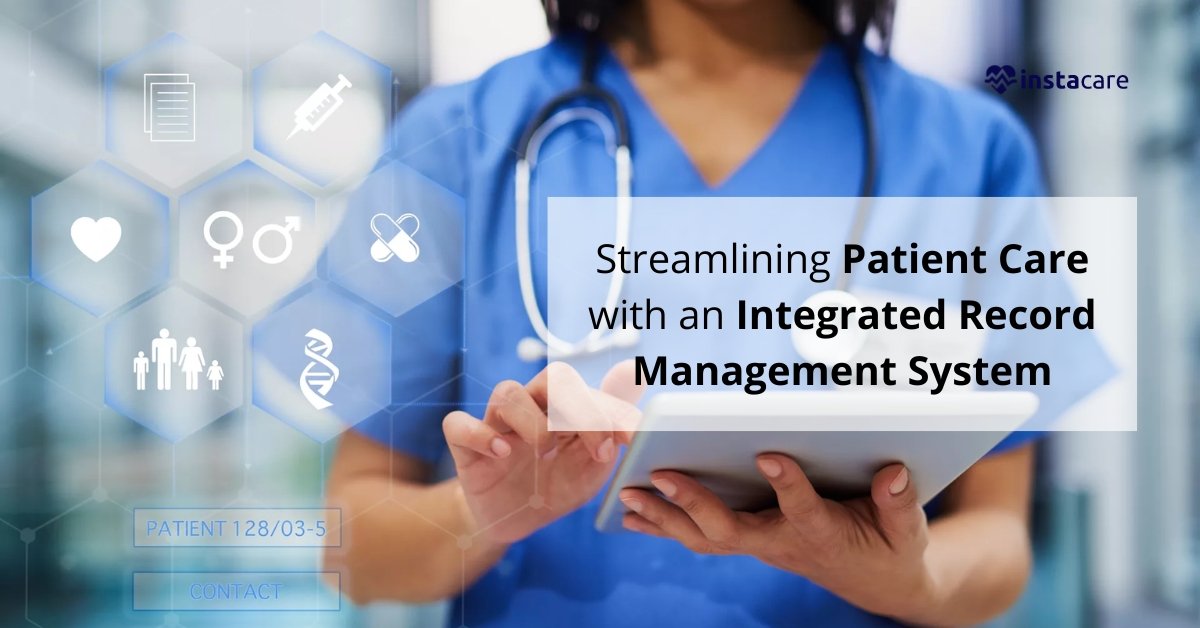
Streamlining Patient Care with an Integrated Record Management System In the ever-evolving world of healthcare, streamlining patient care has become increasingly important. Organizations need reliable and efficient tools to manage their medical records, regardless of specialty or sector — whether it be general practice medicine, men’s health services, women’s health services—the list goes on. An integrated record management system is an essential tool for simplifying administrative tasks and providing streamlined patient care. This post will explore the key features, benefits and implications of implementing an integrated record system for your organization. Overview of Integrated Record Management Systems In today’s rapidly evolving healthcare industry, managing patient records has emerged as a top priority. It is crucial to have an effective system in place for managing and handling patient records in a secure and organized manner. This is where Patient Record Management Systems come into play. These systems are designed to streamline the entire process of storing, managing, and sharing patient records. By integrating various aspects of patient record keeping into one system, these record management systems help simplify the overall management of patient data. From reducing manual data entry errors to improving data accessibility, these systems have revolutionized the way healthcare providers store and access patient information. With improved efficiency and accuracy, healthcare providers can now more confidently deliver quality care to their patients. How Patient Record Management Systems can benefit patient care In today’s digital age, one of the most significant advancements in healthcare technology is patient record. These systems automate the process of managing medical records, making information easier to access and share between healthcare providers. With record management systems, doctors and nurses have a complete view of a patient’s medical history, including diagnoses, treatments, and medications. This provides a more comprehensive picture of a patient’s health, which in turn improves the quality of care they receive. By implementing patient record management systems, healthcare providers can work more efficiently, communicate more effectively, and improve outcomes for their patients. Book Free Demo Advantages of an Integrated Patient Record Management System for both healthcare providers and patients Patient record management systems have revolutionized the way healthcare providers handle medical records. Instead of having a paper trail up to the ceiling, these electronic systems allow for easy access to all patient records from one central location. But the benefits don’t stop there. Integrated patient record management systems offer advantages not only to healthcare providers but to patients as well. Patients can access their medical records online, schedule appointments and have better communication with their healthcare providers. Healthcare providers get a wider and more comprehensive view of a patient’s health, which ultimately leads to better decision making. In summary, the implementation of record management systems can assist healthcare providers and patients in improving efficiency, communication and overall patient care. Steps to get started with an Patient Record Management System In this digital age, keeping track of patient records is essential for any healthcare organization. Patient record management systems can help to streamline and improve patient care. To get started with a patient record management system, the first step is to identify the specific needs of your organization. This includes determining the type of information you need to store, who needs access to the records, and how you want to manage the records. Once you have identified your needs, the next step is to choose a record management system that meets those needs. You should consider factors such as ease of use, security, and cost when making your selection. After selecting a system, you will need to train staff and integrate the system into your organization. With the right patient record management system, you can improve the efficiency of your organization and provide better care for your patients. Tips for successful implementation of an Patient Record Management System In today’s digital world, patient record management systems have become an integral part of healthcare organizations. These systems play a crucial role in storing patient data, ensuring accuracy and accessibility to important medical information, and making better-informed decisions about patient care. However, implementing a patient record management system can be a daunting task, requiring careful planning, attention to detail, and effective communication among stakeholders. To ensure successful implementation, healthcare facilities need to have a well-defined strategy in place, identify key performance indicators, and train users to effectively use record management systems. With these measures in place, healthcare providers can take advantage of the benefits of record management systems while enhancing the quality of patient care. View More: Simplifying Record-Keeping with a Patient Record Management System Common challenges faced when implementing an Integrated Record Management System Implementing an IRMS can be a challenging process, especially when it involves patient record management systems. One obstacle that may arise could be the compatibility of different IRMS that are already in place. It’s crucial to ensure that the new Integrated Record Management System can interoperate with these systems and offer a seamless transition for staff members. Another common challenge is ensuring that the system meets the necessary security and privacy requirements to protect patients’ confidential information. Additionally, staff members may require additional training to learn about the new system and its features. Despite these challenges, implementing an IRMS can be a game-changer in streamlining processes and improving patient care, making the effort to overcome any obstacles well worth it. Conclusion In summary, patient care has come a long way with the introduction of IRMS makes it easier and more efficient to manage complex records, keep employees up to date on changes in regulations, and quickly respond to clinicians’ questions. While initially it may be a bit of challenge transitioning from legacy systems to the new system, once staff and administration are able to become familiar with the tools available, the process is relatively straightforward. Utilizing the latest technologies available through IRMS allow medical practitioners to make sound decisions faster, thereby improving healthcare outcomes for patients in numerous ways. As IRMS continue to evolve, medical offices of all sizes can
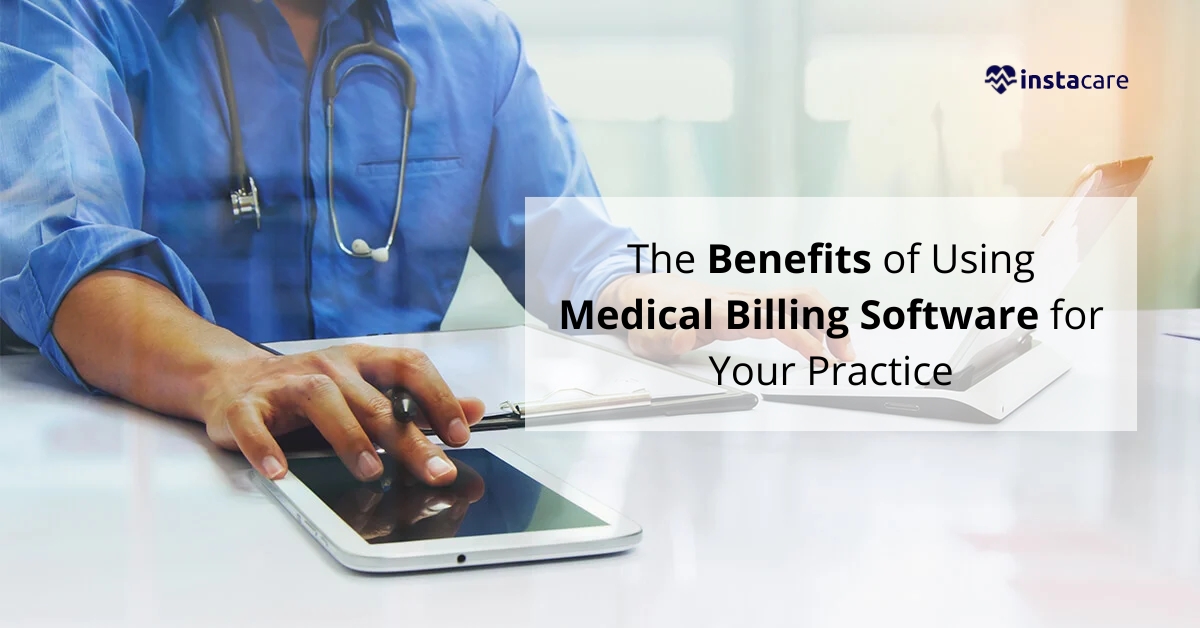
The Benefits of Using Medical Billing Software for Your Practice Patients expect providers to keep accurate, up-to-date records of all their healthcare information. By using medical billing software, doctors and staff are able to do just that – with accuracy and timeliness. In this digital age, it’s essential for any practice or hospital to stay on top of its recordkeeping in order to remain competitive and serve clients efficiently. Medical billing software allows you to easily access patients’ health history from anywhere with an internet connection. Not only is data considerably more secure than paper records– but retrieval times are significantly faster as well. With improved accuracy come reduced costs through better applied insurance payments and enhanced cash flow when done right! Read on to discover how medical billing software can benefit your practice – no matter the size or sector of healthcare you specialize in! Increased Efficiency Medical billing software allows your practice to streamline the billing process and increase efficiency. Implementing this software can lead to faster claims processing times, fewer errors, and a reduction in paperwork. With automated systems in place, your staff can focus on other important tasks and provide better patient care. Additionally, medical billing software can provide real-time updates on your billing process, allowing you to make informed decisions and stay on top of financials. The benefits of utilizing medical billing software are clear – increased efficiency can save your practice time and money. Reduced Errors Using medical billing software for your practice can offer numerous benefits, one of which is reduced errors in billing and claims. Any mistake in the billing process can lead to denied claims and delayed reimbursement, ultimately affecting the financial stability of your practice. With medical billing software, you can automate many of the billing processes and eliminate human errors that may result from manual entries or calculations. The software can also flag any inconsistencies or missing information, allowing you to correct errors before submitting the claims. This, in turn, can lead to faster claims processing and improved revenue for your practice. Ultimately, using medical billing software can help to streamline your billing process, minimize errors, and improve the financial health of your practice. Improved Cash Flow As a medical professional, it’s no secret that managing your practice’s finances can be an overwhelming task. However, the implementation of medical billing software can significantly improve your organization’s cash flow. With features like automated payment posting and claims processing, this software can streamline the billing process and reduce claim rejections. This improved efficiency means fewer overhead costs for your practice and greater cash flow. In addition, the ability to track reimbursements and outstanding payments can help you better manage your finances and plan for future growth. By utilizing medical billing software, you can ultimately improve your practice’s bottom line and focus on what you do best – providing quality care to your patients. Better Patient Satisfaction Medical billing software has revolutionized the healthcare industry in numerous ways. One of the biggest benefits of using medical billing software for your practice is the improvement in patient satisfaction. With the software’s automated and streamlined billing processes, patients receive prompt and accurate bills, reducing the chances of billing errors or delays. Additionally, the software eliminates the need for manual data entry, freeing up staff time to focus on essential tasks, such as personalized patient care. Ultimately, using medical billing software results in a more efficient and organized workflow, leading to enhanced patient satisfaction and trust in your practice’s services. Book Free Demo Enhanced Security Using medical billing software for your practice can provide a multitude of benefits, including enhanced security measures. By utilizing such software, you can safeguard sensitive patient information with features such as data encryption and access controls. Additionally, these systems are regularly updated with the latest security patches to ensure that your data stays protected against cyber threats. This level of security not only reduces the risk of data breaches and HIPAA violations, but it also gives your patients peace of mind knowing that their personal information is in safe hands. With medical billing software, you can focus on providing quality care to your patients while also maintaining the highest standards of security for their confidential information. Easy Reporting As health care providers, it’s crucial to monitor and report financial data accurately for the longevity of your practice. With the help of medical billing software, you can simplify your reporting and management process. Medical billing software is a technology solution that automates billing and coding procedures, reduces errors, and streamlines the billing cycle, which ultimately leads to faster and more effective payment for your services. Your practice can benefit from the integration of financial activity reports, including payment summaries, billing data analysis, aging reports, and more. Keep your practice organized, efficient, and financially healthy with the use of medical billing software. Increased Revenue In the healthcare industry, medical billing software has quickly become a crucial tool for modern medical practices. With the ability to streamline the billing process, practices can maximize their revenue potential while minimizing the risk of errors. The benefits of medical billing software are not limited to just eliminating errors, either. By utilizing the latest technology, medical billing software can also improve communication within a practice and provide valuable insights into the financial health of the business. Ultimately, incorporating medical billing software into your practice can lead to increased revenue and a more efficient and effective operation. Conclusion Overall, the use of medical billing software for your practice can be incredibly advantageous. It may take a bit of effort and some trial-and-error to perfect your system, but eventually you’ll be able to streamline your billing services and improve the overall efficiency of your practice. Additionally, this technology provides a number of necessary features like real-time payments, automated payment reminders and simplified claim management that make it easier for everyone involved. For clinics looking to reduce paperwork errors and increase their financial clarity, implementing medical billing software is
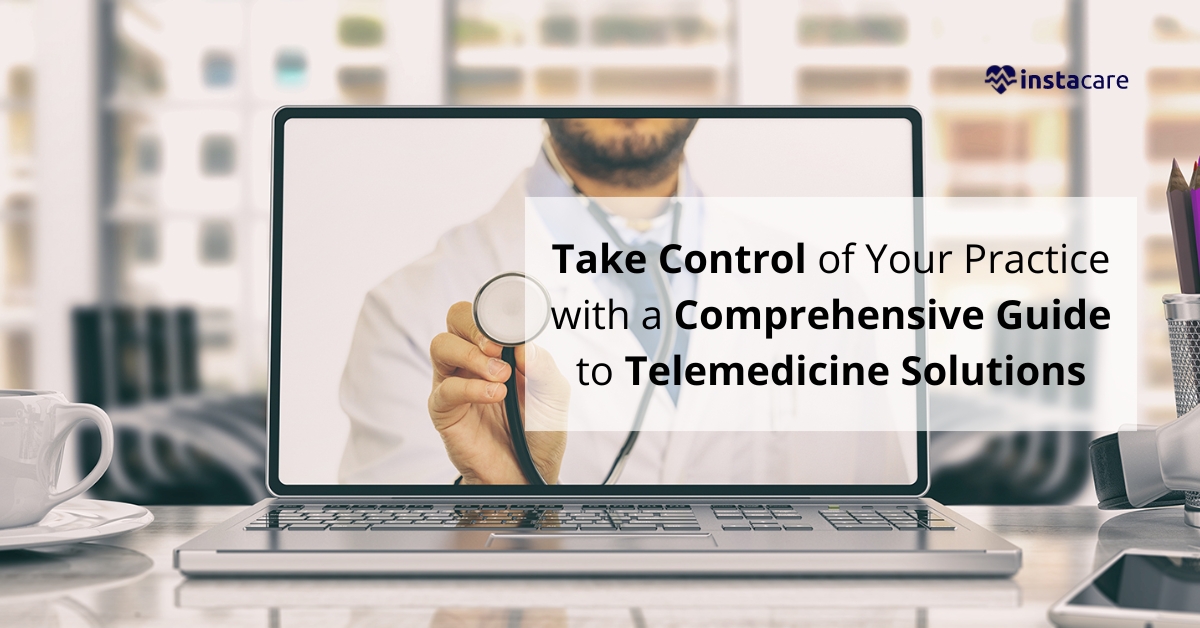
Take Control of Your Practice with a Comprehensive Guide to Telemedicine Solutions Are you looking to reduce wait times, simplify workflows, and improve patient engagement in your medical practice? Then telemedicine solutions might be just the thing for you. Telemedicine is an emerging trend that can provide a feature-rich suite of tools and resources to help streamline many of your processes. In this comprehensive guide, you’ll learn how telemedicine can help men’s health clinicians, women’s health specialists, and others deliver great care while still remaining responsive to patients’ needs. Read on to see why providing leveraged technology via telemedicine solutions is an important part of modern healthcare practices! What is Telemedicine? Telemedicine refers to the delivery of healthcare services remotely through technology such as video conferencing, messaging, and other digital means. This innovative approach to medicine has become increasingly popular in recent years, particularly in light of the COVID-19 pandemic. Telemedicine allows patients to access medical care from the comfort of their own homes, helping to alleviate the burden of travel time and expenses. Moreover, it has expanded the availability of healthcare services to people in remote or underserved areas. With the use of telemedicine, patients can consult healthcare professionals, receive a diagnosis, and even have prescriptions filled—all virtually. Although it does not replace in-person medical care entirely, it has become an essential option for patients who require medical attention but cannot leave their homes. How Can Telemedicine Benefit Your Practice? As the world becomes more reliant on technology, it’s no surprise that telemedicine solutions is becoming increasingly popular. Telemedicine allows healthcare providers to connect with their patients without the need for physical office visits. This can provide numerous benefits to both the provider and the patient. For providers, telemedicine can reduce the need for office space and staff, while also allowing them to see more patients. Patients, on the other hand, can benefit from reduced wait times, greater convenience, and more accessible healthcare services. Telemedicine can also expand access to healthcare for those in rural areas or for those with mobility issues. With these benefits combined, it’s clear that telemedicine solutions can help to significantly improve the delivery of healthcare services, making it an increasingly popular option for healthcare providers across the globe. Book Free Demo Gather Necessary Resources and Equipment to Get Started with Telemedicine Solutions In today’s fast-paced world, telemedicine solutions are essential for healthcare providers to effectively meet the needs of their patients. Gathering the necessary resources and equipment to get started with telemedicine solutions is critical for success. This can include high-speed internet, a secure platform for video conferencing, and specialized devices such as a digital stethoscope or otoscope. Additionally, it is important to have a well-trained team and clear processes in place to deliver quality care remotely. With the right resources and equipment, healthcare providers can seamlessly connect with their patients, regardless of their physical location, and deliver the care they need. Understanding the Privacy Regulations of Virtual Medical Services As technology continues to improve and become more ingrained in our daily lives, the medical field is no exception. Virtual medical services, also known as telemedicine, have become increasingly popular, especially in light of the COVID-19 pandemic. However, with these services comes the need for strict privacy regulations. It’s critical to understand the laws and guidelines that govern virtual medical services to protect the privacy and security of patients’ personal and medical information. This includes knowing who has access to sensitive data, how it’s stored, and how patients can control their information. By staying informed about these regulations, we can ensure the safety and confidentiality of our health information in the digital age. Create an Efficient Workflow for Your Telemedicine Service As the demand for telemedicine services grows, healthcare providers need to create an efficient workflow to meet the needs of their patients. Developing a streamlined process can not only save time but improve patient satisfaction and outcomes. One essential step is selecting the right technology platform that best fits your organization’s needs. Then, create a standardized process for scheduling virtual appointments, communicating with patients, and documenting patient data. Efficient workflows should also include measures to ensure data security and adhere to regulatory requirements. Regularly evaluating and refining your telemedicine workflow can ensure it remains efficient and effective for both providers and patients. With the right approach, telemedicine can provide a convenient, accessible, and effective means of healthcare delivery. View More: Streamline Your Medical Billing with Medical Billing Software Implementing Security Measures for Patient Information Storage The security of patient information is of utmost importance to healthcare organizations. With the increasing number of data breaches and cyber threats, it has become crucial for them to implement robust security measures to safeguard patient information. Data encryption and access control systems can help prevent unauthorized access to sensitive patient data. Secure data storage facilities, password protection mechanisms, and regular data backups are other essential measures that can ensure the security and confidentiality of patient data. By implementing such security measures, healthcare organizations can not only comply with the regulatory requirements but also earn the trust of their patients. Leverage Your Existing Technology for Maximum Telemedicine Efficiency Telemedicine has become a vital tool for healthcare providers to ensure accessibility and continuity of care amid the ongoing pandemic. Leveraging existing technology can help maximize telemedicine efficiency, making it a more efficient and profitable avenue for healthcare practices. By utilizing tools such as electronic health records (EHRs), secure messaging platforms, and video conferencing software, healthcare providers can streamline their workflow and provide high-quality care remotely. EHRs can be accessed remotely, allowing doctors to review patient records and history before a telemedicine appointment. Secure messaging platforms facilitate quick and secure communication between patients and healthcare providers, while video conferencing software enables real-time patient consultations. With the right technology in place, healthcare providers can provide excellent telemedicine services, resulting in happier patients and a more profitable practice. Conclusion Telemedicine solutions are an effective and accessible way to gain a competitive edge
How to Streamline Your Practice with Smart Clinic Management Software? Keeping a healthcare practice running smoothly is no easy task. It takes careful planning, organized systems and reliable software to ensure patient care comes first. Smart clinic management software can be the solution you’re looking for to help streamline your operations from appointment scheduling, billing and documentation to analytics and reporting – helping you maximize efficiency while delivering the best quality of care to patients. Learn how this innovative technology can have an impact on day-to-day operations in men’s health, women’s clinics or any medical office setting. Identify the biggest challenges in managing a clinic Clinic management is marred by various challenges that require attention to enhance the quality of care. The biggest challenges are the effective organization of patient data, patient scheduling, and managing financial transactions. These are some of the obstacles that tend to bog down clinic operations. While traditional paper-based systems may have worked in the past, the digital era has seen an introduction of smart clinic software solutions, and it now more than ever, healthcare professionals need to leverage technology. Clinic management software offers a comprehensive solution that simplifies complex healthcare workflows, minimizes human error, and therefore saves healthcare professionals more time to focus on patient care. Additionally, smart clinic software benefits include tools to gather data and compile reports that help improve overall practice management. Understand the benefits of using automated clinic management software In today’s fast-paced world, clinics need to streamline their processes to ensure they provide the best possible care to their patients. The use of clinic management software delivers a cost-effective solution that streamlines administrative tasks, such as patient scheduling, billing, and record-keeping. Using smart clinic software offers many benefits, such as increased efficiency, reduced paperwork, and greater accuracy when managing patient data. Automated clinic management software can also help manage workflows effectively, allowing healthcare professionals more time to focus on their core responsibilities. The benefits of using such software ultimately translate into optimal patient care and satisfaction while safeguarding the medical facility’s administration. Explore features like appointment scheduling and patient records storage Introducing Smart Clinic Software, the innovative tool that revolutionizes the way healthcare services are provided. With advanced features like appointment scheduling, patient records storage, and clinic management, Smart Clinic Software takes the hassle out of managing a clinic. This state-of-the-art technology provides healthcare professionals with the opportunity to deliver exceptional patient care while improving efficiency and productivity. From automating administrative tasks to providing seamless patient care, the benefits of Smart Clinic Software are undeniable. With a streamlined approach to clinic management, healthcare professionals can focus on what matters most – their patients. So, if you’re looking for a competitive edge in the healthcare industry, look no further than Smart Clinic Software. View More: Streamline Your Medical Billing with Medical Billing Software Analyze how to engage staff more effectively with improved communication tools Effective communication is crucial in engaging staff and improving overall productivity. With the utilization of advanced communication tools like Smart Clinic Software and Clinic Management Software, healthcare facilities can enhance operational efficiency, reduce errors and increase collaboration among team members. These tools streamline the flow of information, making it easier for staff to access essential data and communicate effectively in real-time. With benefits such as automated appointment scheduling, patient tracking, and electronic medical records, these software solutions create a more organized and efficient workplace environment, ultimately leading to increased job satisfaction and retention rates. By utilizing these communication tools, healthcare providers can better engage their staff and ultimately provide better patient care. Examine ways to reduce paperwork and increase efficiency with clinical data tracking As the healthcare industry continues to evolve, so do the demands for efficient clinical data tracking. The traditional approach of handling vast amounts of paperwork is cumbersome and time-consuming. Fortunately, with the advent of Smart Clinic Software and Clinic Management Software, healthcare providers can streamline their operations, reduce paperwork, and increase efficiency. These innovative tools offer numerous benefits, such as seamless patient information management, real-time data tracking, appointment scheduling, and billing automation, just to mention a few. Smart Clinic Software and Clinic Management Software are user-friendly, adaptable, and scalable, and with a secure, centralized database that ensures all information is accessible anytime, anywhere. These software solutions are indeed a game-changer for healthcare providers on the quest to improve clinical data tracking, reduce errors, and enhance patient outcomes. Discover how analytics help you better monitor and analyze patient care progress In today’s world, where healthcare has become more complex than ever, clinics need something more than manual data analysis. This is where Smart Clinic Software comes into play. With its advanced analytics capabilities, it helps users better monitor and analyze patient care progress. Clinic Management Software offers numerous benefits, including detailed patient history, efficient patient flow management, physician management, and much more. From appointment scheduling to medication management, analytics have become an essential component of healthcare that benefits both clinics and patients alike. By embracing Smart Clinic Software, clinics can lead the way in providing better care to their patients and setting new standards of excellence. Conclusion With the right clinic management software working on your side, you can have confidence that your practice or clinic is operating at its best. By streamlining operations and automating mundane tasks like scheduling and billing, you can focus more of your time and attention on what really matters – providing the best care for your patients. Smart clinic management software makes it easier to manage daily operations without taking up too much of consistent staff time. By investing in user-friendly technology you are showing that you are serious about improving patient experience and providing quality care. With comprehensive solutions dedicated to supporting small or large healthcare organizations, now is the time to give your practice the leg-up it needs to stay competitive in an ever-changing healthcare market.
Protect Your Patients’ Data – A Guide to Clinical Data Security It’s more important than ever to protect the sensitive patient data you manage as a clinician. While security breaches have always been an issue in the healthcare industry, today’s digital world means that threats come from increasingly sophisticated sources and can cause significant damage to individuals and organizations alike. As such, you owe it not only to yourself but also to your patients to make sure their health records are well-protected data security. Here is a comprehensive guide on how to successfully secure clinical data so you can rest easy knowing that your patients’ privacy is safeguarded. Understand the basics of data security In the digital age, data security has become one of the most important topics for individuals and businesses alike. With sensitive information being stored on computers, phones, and online platforms, it’s essential that we understand the basics of data security. At its core, data security is the practice of protecting information from unauthorized access or manipulation. This can involve everything from using strong passwords to encrypting files to using firewalls and antivirus software. Understanding these basic principles can help individuals and businesses keep their data safe and secure online. As we continue to generate and consume more data, it’s crucial that we prioritize data security and take the necessary steps to keep our information safe. Establish policies and procedures for handling sensitive patient data Protecting patient data is crucial for healthcare professionals. To establish policies and procedures for handling sensitive patient data, it’s important to understand what’s at stake. Patient data can include personal information, medical history, and test results, all of which can be used to steal someone’s identity or commit medical fraud. Therefore, it’s important that healthcare professionals establish and follow policies and procedures that clearly outline how patient data is collected, stored, and shared. This includes implementing secure technology systems, training employees on proper data handling, and regularly auditing the process to identify and correct any weaknesses. By safeguarding sensitive patient data, healthcare professionals can ensure they deliver the highest quality of care possible while maintaining patient trust and privacy. View More: Optimizing Patient Care with a Modernized Record Management System Follow best practices for secure data storage and access protocols Keeping sensitive data secure is paramount in today’s digital age. To ensure that your company’s data storage and access protocols are impervious to breaches, it’s crucial to follow best practices. There are several critical steps you can take to guard against data breaches, such as creating strong passwords, encrypting data, and limiting access to sensitive information. As part of this comprehensive approach, you should establish clear guidelines for the handling of sensitive data, train employees on cybersecurity best practices, and regularly review and update your security measures. By implementing these measures, you can help safeguard your business and protect your customers’ valuable information. Use technology to encrypt confidential medical records In today’s digital age, it’s essential to protect sensitive medical data from unauthorized access. The privacy and security of confidential medical records are of utmost importance, and technology can play a crucial role in safeguarding them. Encryption is a secure and effective method of protecting sensitive medical information. It transforms data into an unreadable code, which can only be decrypted with an encryption key. This method ensures that only authorized personnel can access sensitive medical information, reducing the risk of data breaches and cyber theft. Encryption is a versatile solution that can be applied to various types of medical records, including test results, billing information, and patient histories. By employing encryption technology, healthcare providers can offer their patients peace of mind, knowing their sensitive information remains private and secure. Train staff on how to safely handle patient information Patient information is of utmost importance, and it is essential that it remains confidential and secure. It is, therefore, crucial to train staff on how to handle such information safely. Educating staff on the proper disposal of confidential files, password protection, and encryption techniques, as well as access control, is essential. Handling any patient information should be done in a professional manner, and only authorized personnel should have access to such data. Taking such safety measures will not only ensure the confidentiality of patient information but will also help build patient trust and protect the reputation of your organization. Training staff on how to handle patient information is a significant step towards ensuring the safety of sensitive information. Book Free Demo Monitor networks and systems for breaches or unauthorized access attempts In today’s digital age, monitoring networks and systems for breaches or unauthorized access attempts has become a critical task for any organization. With the increasing number of cyber threats, it has become essential to ensure the safety and security of digital assets. By monitoring incoming and outgoing traffic, security teams can detect potential threats and prevent them from causing damage. Furthermore, monitoring allows for the identification of vulnerabilities in a system, providing an opportunity to address them before they can be exploited. With the right tools and diligence, organizations can safeguard their networks and systems, ensuring that any attempts at unauthorized access are promptly detected and neutralized. Conclusion It is our collective responsibility to ensure that sensitive patient data is secure and protected from potential threats. By understanding the importance of protecting confidential information within healthcare, we can take proactive steps towards safeguarding the accounts and privacy of both clinicians and patients. With a variety of tools like encryption, multifactor authentication, secure email services, and robust content security measures, healthcare organizations can create a safe and secure environment for their clients. By following these guidelines and best practices, we can help keep our patients’ data safe from potential malicious actors. As healthcare professionals it is our honor and privilege to be part of this valuable endeavor in striving to uphold the highest standards of patient security.
Simplifying Record-Keeping with a Patient Record Management System In a healthcare setting, keeping accurate patient records is essential for providing quality care and maintaining compliance with regulatory standards. A patient record management system can help simplify this process by automating the storage and maintenance of these important documents while ensuring that they remain secure. In this blog post, we will discuss what a patient record management system is, the benefits it offers to doctors and other healthcare providers, as well as different types of systems available to choose from. We’ll also provide some tips on how best to implement such a system in your practice so that you can start benefitting from its many advantages right away! Introducing Patient Record Management Systems – A Comprehensive Solution Patient record management systems are becoming increasingly popular in healthcare organizations. These systems provide a comprehensive solution for managing patient records and improving communication between healthcare providers. With the implementation of patient record management systems, healthcare professionals can easily access patient information, including medical history, test results, and prescribed medications. This not only ensures accurate and timely patient care, but also saves time for healthcare providers. Record management systems also help to streamline administrative tasks, such as billing and scheduling appointments. By implementing patient record management systems, healthcare organizations can improve the quality of care they provide and enhance their overall efficiency. Book Free Demo Benefits of Integrating a PRMS into Your Practice Managing patient records is an important part of running any medical practice, but it can take up valuable time and resources. This is where patient record management systems (PRMS) come in. By integrating a PRMS into your practice, you can streamline the process of managing patient records, which can ultimately lead to better patient care. These systems allow you to easily access patient information, schedule appointments, track diagnoses and medications, and even generate reports. Investing in a record management system not only benefits your patients, but it can also improve the overall efficiency and productivity of your practice. With so many advantages, it’s no wonder that more and more medical professionals are making the switch to PRMS. Tools to Help Streamline Data Entry and Retrieval In today’s fast-paced world, efficiency is essential. Healthcare professionals are no exception – they need reliable tools to help them input and access patient data efficiently. That’s why patient record management systems and record management systems have become increasingly popular. These software options streamline data entry and retrieval, making it easier for doctors and nurses to access critical patient information and make informed decisions. With the click of a mouse, these tools can display vital signs, medical histories, and more. This not only saves time but ensures that medical professionals have access to the most up-to-date information available. It’s no wonder that these systems are becoming the go-to choice for healthcare providers looking to improve their operations. Automation of Coding, Billing, and Scheduling Processes The world of healthcare is constantly evolving, with new technologies and innovations transforming the way we approach patient care. One area that is particularly ripe for improvement is the automation of coding, billing, and scheduling processes. With patient record management systems and other record management systems becoming more prevalent, there is a growing need for automated systems that can help streamline these critical processes. By leveraging the power of automation, healthcare providers can reduce administrative burdens, improve accuracy and efficiency, and ultimately provide a higher quality of care to their patients. Whether you are a small clinic or a large hospital, embracing automation can help you stay ahead of the curve and deliver better outcomes for your patients. View More: Maximizing Efficiency with Smart Clinic Software Developing an Efficient and Secure System for Storing Records In the world of healthcare, managing patient records is a crucial aspect that cannot be neglected. However, the traditional pen-and-paper method of record-keeping has been replaced by digital patient record management systems, which not only make the process more efficient but also enhance security. But with so many record management systems available, it can be overwhelming to choose one that fits specific needs. An efficient and secure system for storing records must include features like automated backups, access control, and encryption to ensure that confidentiality is maintained while enabling quick access to information. By implementing and utilizing such a system, hospitals and clinics can streamline their record-keeping process and focus on providing better patient care. Investing in Cloud-Based Solutions for Even Greater Efficiency Investing in cloud-based solutions has become a game-changer for businesses across all industries. For healthcare providers, this is especially true when it comes to patient record management systems. By adopting cloud-based record management systems, hospitals, clinics, and practices are taking advantage of the many benefits that come with an efficient, streamlined system. These solutions offer the ability to store patient records securely while allowing for easy retrieval and sharing of information among healthcare providers. With cloud-based record management systems, healthcare providers can spend more time focusing on delivering high-quality care and less time worrying about administrative tasks. This investment is a step towards even greater efficiency and ultimately, better patient outcomes. Conclusion In conclusion, a patient record management system can save healthcare practices time and money. By automating paperwork, reducing manual data entry errors, and providing quick access to the most up-to-date information on any patient, record-keeping tasks are simplified, allowing providers to focus more energy on patients’ health and satisfaction in the practice. Implementing an efficient record-keeping system is worth the initial investment both financially and from a practical standpoint: with less repetition of mundane tasks, providers can spend more time attending to their patients’ needs with confidence that all records are organized and secure. Investing in a patient record management system is not just beneficial for any healthcare practice—it should be considered essential.

Streamline Your Medical Billing with Medical Billing Software Are you tired of dealing with the chaos and inaccuracies that come with traditional medical billing? If so, you’re not alone! It can be incredibly time-consuming and complicated to ensure accuracy while tracking payments, making sure all insurance claims are processed correctly, and keeping records up-to-date. Fortunately, there is a way to make your life easier when it comes to managing medical billing – software! Streamlining the process with efficient and reliable software enables you to manage your accounts more accurately while saving time overall. In this blog post we will discuss how introducing automated technology into your practice can significantly improve outcomes for both practices and patients. What is medical billing software? Medical billing software is an essential tool for any healthcare provider looking to streamline their billing processes. From automating tedious tasks to reducing the risk of errors, medical billing softwares offers a range of benefits that can significantly improve practice efficiency. By automating tasks such as patient tracking, claims submission, and payment processing, medical billing softwares can save healthcare providers time and money while also improving accuracy. In addition, medical billing softwares can help healthcare providers stay up-to-date with changing regulations and requirements, ensuring that they are always operating in compliance with the latest industry standards. Overall, the benefits of medical billing software make it an indispensable tool for any healthcare provider looking to simplify their billing processes and improve their practice’s bottom line. How can medical billing software help you streamline your medical billing process? Managing the complex process of medical billing requires attention to detail and expertise in the field of healthcare. Thankfully, there are effective tools available to streamline the entire process and reduce the workload of medical professionals. Enter Medical Billing Software – an innovative solution that offers a range of benefits to medical practitioners. This powerful software is designed to automate time-consuming tasks and seamlessly integrate all aspects of billing. With features like electronic claims processing, secure data storage, and real-time reporting, medical billing software can help you save time, money, and effort. In a constantly changing healthcare environment, medical billing software is a must-have for any medical practice looking to run a successful, efficient operation. Benefits of using medical software for your practice As a healthcare professional, you want to provide the best care possible for your patients. One essential aspect of your practice’s success is efficient medical billing. By investing in medical billing softwares, you can streamline the billing process, reduce errors, and save time and money. The benefits of using medical billing softwares extend beyond just billing; software can also aid in patient information management, scheduling, and analytics. With the right medical billing softwares in place, you can focus on your patients’ care and wellness while increasing profitability and efficiency in your practice. In today’s ever-evolving healthcare industry, medical billing softwares is an invaluable tool. View More: 5 Benefits Of Technology In Healthcare How to choose the right medical billing software for your needs As the healthcare industry continues to evolve, so does the need for an efficient and reliable medical billing software. Choosing the right software can make a significant difference in streamlining your billing process and overall practice management. With various options available in the market, selecting the appropriate solution for your needs can be overwhelming. One of the significant benefits of medical billing softwares is the reduction of human error, which can improve cash flow and minimize claim denials. To ensure you choose the best software for your practice, consider factors such as features, cost, and ease of use. With careful consideration and research, you can implement a medical billing softwares that meets your requirements and helps you achieve your practice objectives. Tips for getting the most out of your medical billing software As the healthcare industry continues to rapidly modernize, it’s more important than ever for medical professionals to take advantage of the many benefits that medical billing softwares has to offer. Not only can these powerful platforms streamline billing and coding processes, but they can also help reduce errors, improve patient care, and boost overall efficiency across your practice. To get the most out of your medical billing software, it’s important to take the time to fully understand its features and capabilities. Be sure to work closely with your vendor or provider to ensure that you’re using your software to its fullest potential and that you’re taking advantage of all the benefits it has to offer. With the right approach, your medical billing software can play an integral role in helping you better manage your practice, boost revenue, and provide top-quality care to your patients. Common mistakes to avoid when using medical billing software Medical billing software is an essential tool for healthcare providers, as it streamlines the billing process and improves financial accuracy. However, it’s crucial to avoid some common mistakes that can hinder its effectiveness. One of the most crucial mistakes is not investing in the right software that suits your specific needs. With many options available, it’s essential to evaluate the features and functionality to make an informed decision. Additionally, not updating the software regularly or failing to back up data can pose severe risks to your operations. It’s also essential to train your staff on how to use the software properly to minimize errors and maximize its benefits. By avoiding these common mistakes, you can ensure that your medical billing operates smoothly and contributes to the success of your healthcare practice. Cost-saving strategies when using medical billing software Keeping track of patient data and managing insurance claims can be a daunting task for healthcare providers. This is where medical billing software comes in, providing an efficient and cost-effective solution. Not only does it streamline the billing process and reduce errors, but it can also be tailored to fit the specific needs of individual practices. By utilizing medical billing, providers can free up valuable time and resources, allowing them to focus on
Securely Managing Patient Records with a Digital System As a healthcare professional, you want to guarantee that your patients’ records and information are safe and secure. With advances in digital technology, there is now an opportunity to manage patient records with specialized software systems. A digital system securely stores each record while giving both the doctor and patient access whenever it’s needed. It can also be tailored to meet the specific needs of individual medical practices or clinics. In this blog post, we will explore how transitioning from manual processes to a digital system can help streamline day-to-day operations while significantly reducing risks associated with storing confidential health data. Advantages of using a digital record-keeping system for patient records As the healthcare industry continues to evolve, patient record management systems have become a vital component to ensure accurate and efficient healthcare services. Utilizing a digital record-keeping system for patient records has numerous advantages, such as improving patient safety, reducing errors, and increasing productivity. One of the greatest benefits of using a record management system is the ability to easily share patient information among healthcare providers. Electronic health records can be accessed by authorized personnel electronically, eliminating the need to send records by mail or fax. In addition, digital records can also improve the quality of care provided to patients by making it easier for healthcare providers to track important patient data. When it comes to patient record management, digital solutions provide an innovative and effective way to maintain organized and secure patient records. View More: The Features To Look For In A Clinic Management System In Pakistan Best practices for securely managing patient data with a digital system Healthcare professionals have a huge responsibility when it comes to managing patient data. Ensuring the confidentiality, integrity, and availability of patient records is paramount. Thanks to the advancements in technology, record management systems have made it easier for healthcare providers to manage their patient data more efficiently than ever before. These systems offer a range of features such as electronic health records, clinical decision support tools, and secure messaging that makes the management and sharing of patient data seamless. However, with the convenience of these systems comes the challenge of ensuring data security. As such, healthcare providers must ensure that they are practising the best possible methods for managing patient data securely with a digital system. How to ensure that patient information is kept secure and confidential at all times Keeping patient information secure and confidential is a fundamental aspect of healthcare. With sensitive data such as medical history, social security numbers, and billing information being stored, it is more important than ever to ensure patient privacy. One effective way to manage patient records is by using patient record management systems. These record management systems offer features like secure login, password protection, and encryption to ensure data confidentiality. Additionally, staff should be trained on protocols for handling sensitive information, including proper disposal of physical and electronic records. Employing these measures helps to create an environment of trust and security, ensuring that patient information remains safeguarded at all times. Book Free Demo Identifying potential security risks and how to address them Handling patient record management systems has to be done with utmost care, as even the slightest of mistake could have grave consequences. Identifying potential security risks is one such step that ought to be taken before commencing any work. As the technology behind record management systems is advancing every day, so are the methods of security breach. Some of the common risks include data theft, phishing attacks, system breaches and malware. Addressing these risks is equally important as identifying them. Policies and protocols must be put in place to minimize the risks and keep the data secure. Regular security checks, strong passwords and firewalls can be implemented to prevent any potential threats. It is of utmost importance that the records remain confidential to ensure that the trust and reliance upon them remains undiminished. Tips for implementing a successful digital record-keeping system Digital record-keeping has transformed the healthcare industry, making it more efficient and patient-focused. The introduction of patient record management systems and record management systems has opened up a world of possibilities for healthcare providers to provide better care. While these advancements have been significant, implementing a digital record-keeping system can be a daunting task. However, with the right tips, the process can be smoother than anticipated. Implementing a successful digital record-keeping system begins with creating a clear plan, choosing the right system, and providing adequate training for those who will be using it. It’s also crucial to secure patient data and ensure compliance with data privacy regulations. By following these tips, healthcare providers can adopt digital record-keeping systems that will have a positive impact on their daily operations and, most importantly, patient care. Benefits of having access to real-time patient data and updates Access to real-time patient data and updates is a game-changer in the healthcare industry. With the introduction of patient record management systems and other record management systems, healthcare professionals can now have access to critical patient information on the go. This kind of data provides healthcare providers with an instant insight into a patient’s medical history, medication, allergies and other essential information, which in turn improves patient outcomes. Additionally, this technology enables healthcare providers to perform diagnostics, determine care plans, and make informed decisions quickly. With the aim of delivering high-quality patient care every day, this innovative approach has enormous benefits for both patients and physicians. Conclusion Emailing patient records is an inefficient process with many liabilities. A digital system for securely managing patient records should be implemented for consistent, safe storage of these important documents. In addition to saving time and money, implementing a digital system offers peace of mind knowing data is difficult to access in an unauthorized manner. In addition to preventing security issues, such as data breaches and cyber-attacks, digital systems are compliant with all HIPAA laws, making them the most secure mode of

Revolutionize Your Practice with Smart Clinic Software Do you have an established medical practice but feel like something is missing? Are you looking for a way to streamline your patient care and increase efficiency without sacrificing quality? Welcome to the future of clinic management – smart clinic software! No matter what kind of healthcare provider you are or how long you’ve been in business, transforming your practice with this cutting-edge technology can revolutionize not only your daily operations but also the experience your patients have when they come to see you. Keep reading to learn more about why it may be time for YOU to upgrade your clinic today! Overview of Smart Clinic Software and Its Benefits With the advancements in technology, various industries have undergone a paradigm shift, and the healthcare industry is no exception. Smart Clinic Software or Clinic Management Software has made significant headway in the healthcare industry. It is a digital platform that aims to assist healthcare providers in managing their daily operations while keeping patient care at the forefront. Clinics all over the world are employing this software as it offers several benefits, including streamlined patient management, automated appointment scheduling, inventory management, and improved communication between patients and their healthcare providers. The software also ensures the efficient management of electronic medical records, enabling the healthcare providers to access accurate patient data at their fingertips. Smart Clinic Software is revolutionizing healthcare management, making it an ideal solution for clinics looking to streamline their operations in a cost-effective manner. Streamline Appointment Scheduling & Patient Management Smart Clinic Software is revolutionizing the way that clinics manage appointments and patient information. With its advanced functionality, this Clinic Management Software not only streamlines the scheduling process, but also makes it easy to track patient health records, generate reports, and manage billing. One of the most striking features of this software is its ability to automate mundane tasks such as appointment reminders and follow-up emails. It also has powerful data analytics that can help clinics analyze trends and improve their overall operations. With Smart Clinic Software, clinics can ensure they are providing the best patient care possible while maximizing their time and resources. View More: Choosing the Right Practice Management Software for Your Firm Automate Data Entry & Improve Reporting Accuracy Managing a clinic can be a daunting task, especially when there’s a load of data to keep track of from various sources. This is where Smart Clinic Software comes in. This innovative Clinic Management Software application is designed to streamline your operations and improve reporting accuracy with improved automation of data entry. You no longer have to worry about manual errors and mistakes that result from time-consuming paperwork. Smart Clinic Software ensures seamless end-to-end operations, from patient appointments to billing and discharge. With its user-friendly interface, you can access all the relevant information you need in one place, making it easier for you to focus on offering quality healthcare to your patients. The software also allows you to generate real-time analytics and reports, giving you detailed insights into the various aspects of your clinic. The Smart Clinic Software guarantees a hassle-free and intuitive experience that enhances the overall efficiency and productivity of your practice. Integrate with Electronic Health Records Systems & Other Programs Smart Clinic Software is a comprehensive clinic management software that provides an efficient solution for integrating with Electronic Health Records Systems and other programs. Its advanced features allow healthcare professionals to streamline their workflows and enhance patient care outcomes. This software is designed with the latest technology that enables the integration of various systems, reducing administrative tasks and providing real-time access to patient data. This ensures that healthcare providers can make informed and reliable decisions. Smart Clinic Software is a smart investment for clinics seeking an all-in-one solution to automate their operations, and pave the way for smarter healthcare practices. Improve Communication Between Patients & Providers In the healthcare industry, good communication between patients and providers is crucial for providing quality care. With the increasing use of technology, smart clinic software has become an essential tool for healthcare providers to manage patient data efficiently. This software fosters an environment where communication among physicians, medical staff, and patients is seamless. Smart clinic software is designed to improve communication, streamline clinic management, and provide patients with a better experience. By using this software, healthcare providers are empowered to make informed decisions, reduce errors in diagnoses, and save patients’ time and money. In summary, smart clinic software is a valuable asset to healthcare providers, enabling them to offer quality care that meets the patients’ needs while ensuring efficient communication and management of patient data. Enhance Security Through Cloud Back-up & Data Encryption Smart Clinic Software is transforming the healthcare industry by enabling clinics to enhance their security through cloud back-up and data encryption. Gone are the days when clinics relied solely on paper records, leaving them at risk of losing important patient information. With the help of Clinic Management Software, clinics can now securely store their patient data on the cloud along with encrypted security measures to protect against potential breaches. Using this software, clinics can easily access their data from any device with an internet connection while having peace of mind that their data is being kept safe and secure. This technology is revolutionizing the way clinics manage patient data, providing better security, and streamlining day-to-day operations. Conclusion It is time to revolutionize your practice with the help of smart clinic software. This software can help you manage patient records and stay organized, interact with patients in real-time via secure video chat, automate processes like appointment scheduling and patient reminders, and provide insights into the health of your business. With the right software, you can free up more of your time to focus on providing quality care to your patients while ensuring that your practice remains efficient and profitable. Implementing new technologies like this may take some upfront investments, but the long-term benefits will certainly make it worth it.
Organizing Patient Information with a Comprehensive Patient Record Management Solution Patient healthcare, especially in a digital age, can seem an overwhelming process to stay organized. With more and more information being collected on patients, it’s become essential for effective patient care that this data be captured, stored and readily available when needed. To do this efficiently today requires a comprehensive Patient Record Management Solution (PRMS). From keeping track of diagnosis codes, vital records, physical exams and hospital admittance instructions to monitoring mental health conditions or medical history reviews–a PRMS allows you to streamline processes accessing the most up-to-date qualitative data of your patients – Men’s Health or Women’s Health – quickly and accurately. So no matter the size of practice you run – small business startup or long established one – learn how better organize your medical staff practices with comprehensive PRMS solutions now! Introducing the Need for a Comprehensive Patient Record Management Solution In today’s fast-paced world, there is a growing need for a reliable and efficient patient record management solution. The importance of record management systems cannot be overstated. It is vital for healthcare providers to maintain complete and accurate records of their patients. Records not only include personal information but also medical history, diagnoses, treatments, and medications prescribed. Such data can be used to improve treatment efficiency and to ensure a higher standard of patient care. A comprehensive patient record management system will allow healthcare providers to securely and easily access all necessary data, while also maintaining patient privacy and confidentiality. Implementing such a system can mean better management of chronic conditions, early identification of potential health issues, and improved patient outcomes. Overall, the need for a comprehensive patient record management system is paramount in today’s healthcare landscape. Book Free Demo Analyzing Benefits of Using a Comprehensive Patient Record Management Solution In today’s fast-paced healthcare environment, having access to accurate and comprehensive patient records is more critical than ever. With the increasing number of patient visits, appointments, and medical procedures, managing these records can often be a daunting task. This is where patient record management systems come into play. These systems offer a comprehensive solution to manage electronic patient records in a secure and efficient manner. By utilizing record management systems, healthcare providers can ensure that patient records are up-to-date, easily accessible, and can be shared securely across different healthcare providers. With the benefits of record management systems, it’s not difficult to see why healthcare providers are increasingly turning to these systems to help streamline their operations and improve the quality of care their patients receive. Exploring Key Features of a Comprehensive Patient Record Management System As healthcare professionals, keeping track of patient records is a crucial aspect of patient care. A comprehensive patient record management solution can simplify this process, making it more efficient and accurate. With the advancement of technology, record management systems have become an essential tool in healthcare facilities. Features such as electronic medical records, medication tracking, and data analysis can help medical practitioners provide better care and improve patient outcomes. Adopting such record management systems will not only save time and money but can also ultimately improve patient satisfaction and trust in healthcare services. Examining Benefits of Centralizing Patient Information with a Comprehensive PRM System Patient record management systems are becoming increasingly popular in healthcare facilities. These systems offer a comprehensive solution to managing patient records, providing healthcare providers with quick and easy access to all of a patient’s medical history. By centralizing patient information, healthcare providers can make more informed decisions when it comes to patient care, as they have a complete picture of a patient’s health. In addition, comprehensive record management systems can save healthcare facilities time and money, by streamlining administrative tasks and reducing the risk of errors. With the growing importance of electronic health records, it’s clear that a comprehensive PRM system is a must-have for any healthcare facility looking to provide the best possible care for its patients. View More: How Smart Clinic Software Can Improve Patient Care? Discussing Best Practices for Utilizing a Comprehensive PRM System Effectively Patient record management systems have become an indispensable tool in the healthcare industry – serving to streamline administrative workflows, increase efficiency, and provide crucial data insights about patient care. However, like any complex system, it is essential to understand how to utilize it effectively, to make the most of its potential benefits. From standardizing data entry procedures to providing training to staff members, implementing best practices can significantly impact how record management systems operate within a healthcare facility. Therefore, it’s crucial to leverage these best practices to ensure maximum efficiency, security, and accuracy in managing patient records. By doing so, staff members can save time, make better decisions, and ultimately improve patient outcomes. Identifying Challenges and Solutions to Implementing and Maintaining a PRM system Patient record management systems have revolutionized the healthcare industry, as they provide healthcare professionals with electronic access to patient records. However, implementing and maintaining such systems pose a significant challenge. The constant evolution of technology, strict security requirements, and budget constraints are some of the obstacles that healthcare organizations face in deploying and maintaining a PRM system. To tackle these challenges, healthcare organizations may consider working with technology experts to choose the most suitable system for their needs. They also need to develop policies and procedures that align with the system and train staff to ensure smooth implementation and ongoing usage. In summary, identifying and addressing potential hurdles can help healthcare organizations overcome challenges in implementing and maintaining a secure and effective patient record management solution. Conclusion In conclusion, patient record management solution provide an invaluable way to help healthcare organizations and staff better arrange and store patient data. Through improved efficiency and accuracy, a combination of robust features allows for the delivery of quality and cost-effective healthcare services. Consequently, physicians can make well-informed decisions with the data quickly accessible to them in the electronic medical records system. With more accurate patient documentation, care
- 1
- 2