
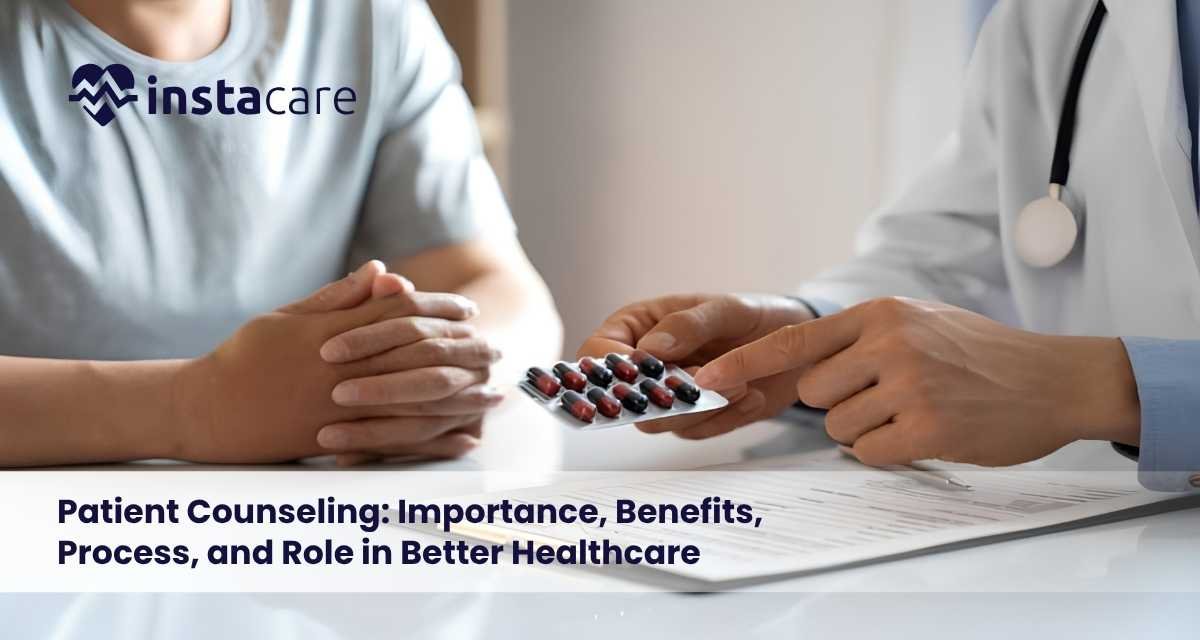
Patient Counseling: Importance, Benefits, Process, and Role in Better Healthcare Effective patient counseling is important for patients to understand their condition, treatment options and available medications. Through counseling, patients learn to manage their condition, make informed choices and actively participate in their treatment plan. There are many aspects of healthcare beyond simply diagnosing and prescribing. Patients frequently feel anxious, uncertain and confused about their condition. The role of patient counseling is to provide education, reassurance, emotional and/or moral support to the patient in order to understand their diagnosis and treatment plan better. What Is Patient Counseling? Patient counseling consists of the communication practices utilized by a healthcare professional to assist a patient in understanding medical conditions and treatment. Counseling prepares patients to make informed choices about their medical conditions and treatment options, including the potential consequences of those choices and possible means to mitigate the risks associated with those choices. Counseling is a responsibility of all members of the healthcare team including doctors, nurses, pharmacists, and mental health professionals and other providers. Counseling occurs throughout the healthcare experience, including during initial medical consultations and/or exams, hospital visits, outpatient follow-up, and the management of ongoing health conditions. Positive counseling fosters a dialogue in which a patient is given the opportunity to express concerns, give input and make choices regarding their health and medical care. Why Is Patient Counseling Important? A positive patient counseling experience helps the patient to experience an improved healthcare interaction as well as improve their health outcome. Improves Patient Knowledge Using simple and easy to understand language, patient counseling can help explain a patient’s condition as well as the plan of action. This information is oftentimes difficult for the patient to comprehend because of use of complicated and often-times foreign medical terminology. Facilitates Treatment Compliance The patient is oftentimes more likely to strictly adhere to a plan of action if they fully comprehend the rationale for prescribed treatment and the planned course of action. Oftentimes, barriers to treatment adherence are uncovered as a result of patient counseling. Minimizes Anxiety and Fear Frequently, patient counseling facilitates the patient’s ability to verbally express concerns and fears as it relates to their expected treatment course, outcome and prognosis. Improves Informed Consent Complete and useful patient counseling includes information as it relates to benefits, risks, alternatives to treatment as well as other related information. This often aids the patient to make medically informed decisions. 5. Promotes Preventive Healthcare Counseling helps people establish healthy lifestyle habits, get regular health screenings, get the recommended vaccinations, and recognize early signs and symptoms of potential health issues. Preventive measures such as these may lower the risk of developing certain health conditions and complications. Different Types of Patient Counseling Many different elements can be included in patient counseling depending on the person’s health conditions and required treatments. Medication Counseling Medication counseling is focused on patients’ understanding of how to use their medications safely and effectively. This includes the rationale for the dosage, when and how to take the medication, what side effects may occur, what other medications may interact with the medication, and what to do if a dose is missed. It may also include how to safely use over-the-counter medications and what symptoms may require medical attention. Disease Management Counseling Patients with chronic conditions, such as heart disease, diabetes and hypertension, often require education to help them achieve and maintain the goals set by their healthcare team. They also need education to recognize new or worsening conditions, and to safely manage their symptoms. Nutritional Counseling Dietary counseling may include teaching patients how to meet their nutritional needs with a well-balanced diet and portion control. It may also include what fluids are appropriate for them to consume, and how to achieve this. Lifestyle Counseling Behavioral modifications such as quitting smoking, getting enough rest and managing stress may be incorporated into patient counseling. Modifications such as these are known to improve general health and wellness, and possibly prevent some health complications. Emotional and Psychological Counseling Patients dealing with chronic illnesses, major surgery, and serious diagnoses are often distressed, and can benefit from emotional support. Licensed mental health professionals are qualified to work with patients to process distress, implement and refine coping strategies, and address psychological issues that impact their daily life. What Happens During a Patient Counseling Session? The process for patient counseling is individualized. One-on-one counseling consists of the following steps. 1. Listening to the Patient The healthcare professional reviews the patient’s medical history and symptoms to gain a better understanding of the patient’s health concerns. The level of the patient’s health literacy is important to evaluate in order to effectively communicate. 2. Explaining the Medical Condition Healthcare professionals explain a patient’s medical condition using words that a patient can easily understand. Some factors that may be included in an explanation of a patient’s condition include possible causes, symptoms, and potential outcomes. 3. Explaining Available Options Healthcare professionals explain all of the available options for treatment including the potential benefits, side effects and alternatives to the treatment. 4. Offering Guidance Healthcare professionals provide patients with information on treatment and explain any changes that are required of the patient, such as changes to the patient’s diet or exercise, and what to expect during treatment. 5. Checking for Understanding Healthcare professionals may utilize the teach-back method to ask patients to explain in their own words, key points of treatment to check for the patient’s understanding of the instructions. Book Your Free Marketing Consultation Benefits of Effective Patient Counseling Both patients and healthcare practitioners benefit from effectively counseling patients. Increase in treatment adherence: Patients have a better understanding of their prescribed treatments. Improve communication: Trust between the patient and the healthcare practitioner grows as a result of open discussions. Grow patient confidence: Patients are more prepared to handle their own medical needs. Reduce medication errors: Patients may understand instructions better and, therefore, be less likely to make preventable medication errors. Better self-management: Patients understand how to manage and monitor
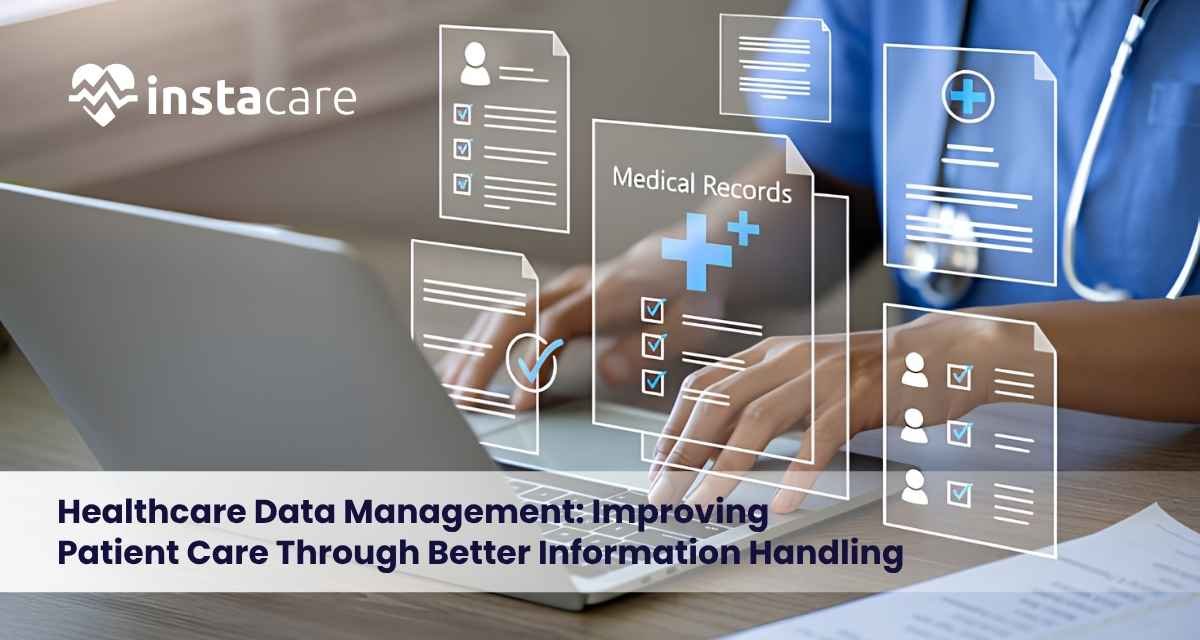
Efficient healthcare data management helps healthcare organizations collect, organize, store, access, and utilize valuable patient information. The increasing use of digital records has created opportunities for healthcare providers to analyze information in ways that can improve and personalize patient services. Effective data management ensures that the right information reaches the right person at the right time. Accurate and well-organized healthcare data can benefit healthcare professionals, patients, and caregivers by reducing errors, minimizing communication gaps, and supporting better-quality care. What Is Healthcare Data Management? Healthcare data management refers to the processes and procedures used to collect, document, organize, store, protect, and retrieve information related to healthcare services. Healthcare data may include: Past and current medical conditions Treatments and medications Diagnostic and laboratory test results Appointment information Patient health assessments Care and treatment plans Billing and administrative information Clinical and encounter records Because healthcare information is highly sensitive, organizations need integrated strategies to ensure that data is available when required, accessible only to authorized users, and protected against unauthorized access or misuse. Why Is Healthcare Data Management Important? Accurate and accessible healthcare data helps healthcare professionals understand patients’ conditions and make informed decisions about their care. Since healthcare delivery often involves multiple professionals, effective data management also supports communication and coordination across the care team. Key benefits include: Improving patient safety Reducing documentation errors Making patient information easier to access Supporting collaboration among healthcare teams Tracking and monitoring patient progress Facilitating coordinated care Supporting informed healthcare decisions These benefits can also extend to patients receiving healthcare services in community and home-care settings. Types of Healthcare Data Healthcare data comes in different formats and can have both clinical and administrative purposes. Understanding the different types of healthcare data helps organizations manage information effectively. Patient Health Records Patient health records contain information about an individual’s medical history and current health status. This may include existing medical conditions, previous treatments, allergies, medications, and healthcare interventions. Accurate patient records are essential for developing appropriate and personalized care plans. Medical Test Results Results from laboratory tests, diagnostic procedures, and health assessments provide important information about a patient’s condition. Healthcare professionals can use these results to monitor health conditions, evaluate treatment effectiveness, and identify changes that may require further attention. Interventions and Care Plans Healthcare interventions and care plans document the actions taken by healthcare professionals to improve or maintain a patient’s health. These records help members of the healthcare team understand the patient’s treatment objectives, ongoing interventions, and progress toward expected outcomes. Administrative Data Administrative healthcare data relates to the organization and management of healthcare services. It may include information related to appointments, billing, insurance, staffing, scheduling, and other administrative activities. Benefits of Effective Healthcare Data Management Proper healthcare data management can improve the efficiency, accuracy, and coordination of healthcare services. Better Patient Care Healthcare professionals need complete and accurate information to understand patients’ needs and develop appropriate care strategies. Well-managed data provides healthcare workers with relevant information that can support better-informed decisions. Better Collaboration Healthcare is often delivered by teams rather than individual professionals. Timely and accurate information allows team members to stay informed about a patient’s condition, treatment, and progress. This can improve communication and continuity of care. Faster Healthcare Services Well-organized information can reduce the time required to search for and retrieve patient records. When healthcare professionals can access relevant information efficiently, they can spend more time on patient care and other important responsibilities. Reduced Errors Accurate healthcare data can help reduce mistakes associated with incomplete, outdated, or incorrect patient information. Having reliable medical histories, medication information, test results, and treatment records can support safer healthcare decisions. Support for Special Healthcare Needs Comprehensive patient information can help healthcare professionals identify specific conditions, requirements, or risks. This information can contribute to the development of care plans that address individual patient needs. Book Your Free Marketing Consultation Challenges in Healthcare Data Management Managing healthcare data effectively can be challenging because of the sensitive, complex, and rapidly growing nature of medical information. Data Security and Privacy Healthcare information contains sensitive personal and medical details. Protecting this information from unauthorized access is essential. Strong security practices can help organizations protect patient privacy and maintain trust. Data Quality Incorrect, incomplete, or outdated information can negatively affect healthcare decisions. Healthcare organizations need processes for reviewing and updating patient records to maintain data accuracy and reliability. Healthcare facilities can improve patient data accuracy by using the patient management system to organize patient records, standardize registration details, and reduce duplicate entries. These capabilities help maintain consistent patient information and make relevant records easier to retrieve when needed. Large Volumes of Data Healthcare organizations generate significant amounts of information through patient visits, diagnostic testing, electronic records, prescriptions, billing, and other activities. Organizations therefore need appropriate systems and processes to store, organize, and retrieve large volumes of information. Data Access and Transfer Healthcare professionals often need to share relevant information with other members of a patient’s care team. Efficient data access and transfer can support better communication and continuity of care while maintaining appropriate privacy and security controls. Staff Training Healthcare employees need appropriate training on data management systems, documentation procedures, privacy requirements, and security practices. Well-trained staff are better equipped to maintain accurate records and handle healthcare information responsibly. Best Practices for Healthcare Data Management Healthcare organizations can improve their data management processes by following consistent documentation, security, and review practices. Maintain Accurate Records Patient records should be kept accurate and up to date. Changes in health status, medications, treatments, and care plans should be documented appropriately. Create Comprehensive and Clear Records Healthcare documentation should be organized, understandable, and sufficiently detailed. Clear records make it easier for authorized healthcare professionals to understand patient information and coordinate care. Protect Patient Records Appropriate security controls should be implemented to restrict access to patient information. Access should be provided according to the responsibilities and authorization levels of healthcare staff. Standardize Data Collection Healthcare organizations should use consistent approaches to collecting and documenting information. Standardized data
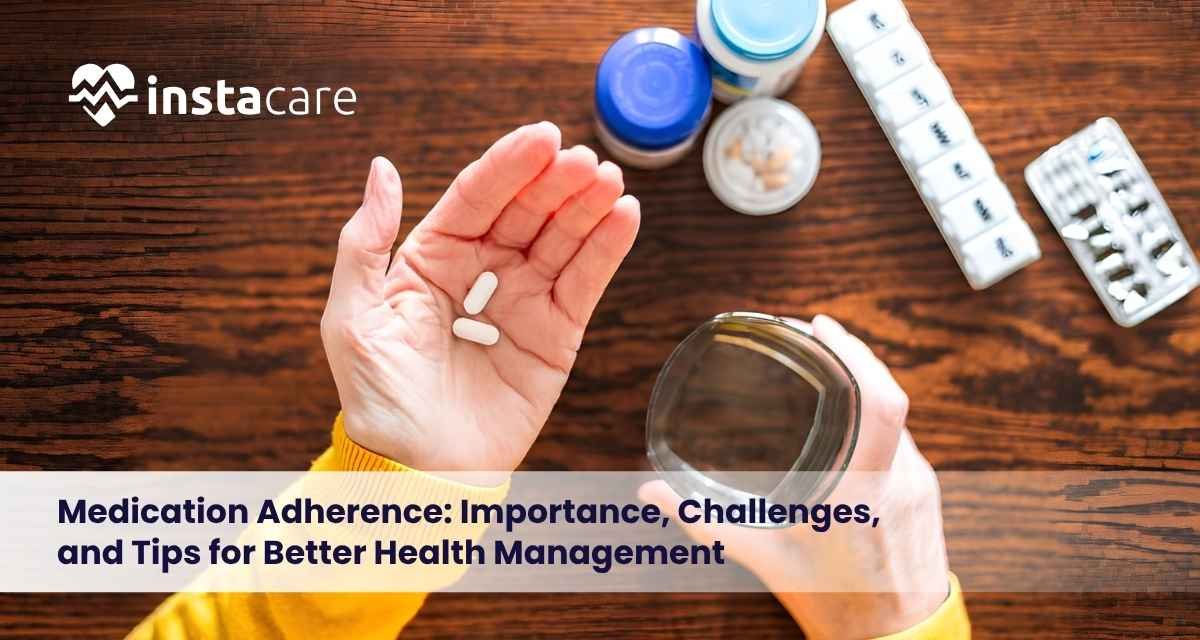
Medication Adherence: Importance, Challenges, and Tips for Better Health Management Medication adherence plays an important role in achieving successful health outcomes. Medicines can help manage symptoms, control chronic conditions, support recovery, and prevent complications. However, even the most appropriate medication may not provide the intended benefits if it is not taken correctly. Medication adherence refers to how closely a patient follows a healthcare professional’s instructions regarding their medication. This includes taking the correct medicine, following the prescribed dosage, taking it at the recommended times, and continuing treatment for the recommended duration. Missing doses, changing the dosage without professional guidance, or stopping treatment early can reduce the effectiveness of therapy and may sometimes contribute to worsening health conditions. Understanding the importance of medication adherence and identifying common barriers can help patients manage their treatment more effectively. What Is Medication Adherence? Medication adherence means taking medicines according to the instructions provided by a doctor, pharmacist, or other qualified healthcare professional. It involves more than simply remembering to take a pill. Proper medication adherence may include: Taking the prescribed medication correctly Following the recommended dosage Taking medicine at the appropriate time Following the recommended duration of treatment Taking medication with or without food as instructed Following specific instructions about fluids, activity, or other precautions Understanding what to do if a dose is missed There is an important difference between remembering to take medication and fully adhering to a treatment plan. A patient may remember to take a medicine but still take the wrong dose or stop treatment too early. Understanding why a medicine is prescribed can also help patients feel more confident about following their treatment plan. Why Is Medication Adherence Important? Following a medication plan correctly can contribute to better management of health conditions and improve the chances of achieving the intended treatment goals. Helps Control Health Conditions Many chronic conditions require medications to be taken regularly. Conditions such as high blood pressure, diabetes, asthma, and other long-term illnesses may require ongoing treatment. Taking medication as prescribed can help maintain better control of symptoms and reduce the risk of problems associated with poorly managed conditions. Supports Recovery Some medications are prescribed for a specific period to help the body recover from an illness or infection. Completing treatment as directed can support recovery and reduce the possibility of treatment failure. Patients should follow the instructions provided by their healthcare professional rather than deciding independently when treatment should end. Helps Reduce Health Complications Poor medication adherence can contribute to inadequate treatment and worsening symptoms. In some situations, it may also increase the risk of complications or additional healthcare needs. Taking medicines correctly can help ensure that the treatment has the best opportunity to work as intended. Improves Quality of Life Effective management of health conditions can make it easier for people to perform everyday activities and maintain their overall well-being. For individuals managing chronic conditions, consistent medication use may help control symptoms and support a more stable daily routine. Common Reasons People Miss Their Medications Medication non-adherence does not always happen because a person intentionally ignores medical advice. Several practical, financial, physical, and emotional factors can make medication management difficult. Forgetfulness Busy schedules, travel, changes in daily routines, or memory difficulties can cause people to forget a dose. This can be particularly challenging for individuals who take medication several times throughout the day. Complex Medication Schedules People taking multiple medications may have difficulty remembering different doses, timings, and instructions. Managing several prescriptions can become confusing, particularly when some medicines need to be taken with food while others need to be taken at different times. Medication Side Effects Some medicines can cause unwanted side effects. When these effects become uncomfortable, patients may be tempted to reduce their dosage or stop taking the medicine without consulting a healthcare professional. Discussing side effects with a doctor or pharmacist can help determine whether adjustments or alternative treatment options are appropriate. Lack of Understanding Patients may be less likely to follow a treatment plan when they do not understand why a medication has been prescribed. Knowing the purpose of a medicine, how it should be taken, and what to expect from treatment can improve confidence and adherence. Cost and Access Issues The cost of medication can become a barrier for some patients. Difficulty accessing pharmacies, transportation problems, limited availability, or financial challenges may also interrupt treatment. Patients experiencing these difficulties should discuss them with their healthcare provider, who may be able to suggest practical alternatives. Feeling Better Some people stop taking their medication once their symptoms improve. However, feeling better does not necessarily mean that treatment should be discontinued. Whether medication should be continued depends on the specific medicine and health condition, so patients should speak with their healthcare professional before making changes. Types of Medication Adherence Challenges Medication adherence challenges can occur at different stages of treatment. Recognizing these challenges can help patients and healthcare professionals develop more practical solutions. Starting Treatment Some patients delay starting a new medication because of concerns about side effects, uncertainty about the treatment, or a lack of understanding about why it is needed. Clear communication with healthcare professionals can help address these concerns before treatment begins. Taking Medication Consistently Once treatment has started, maintaining a regular schedule can be difficult. Missed doses, inconsistent timing, and accidental double dosing can all create medication-management problems. Establishing a consistent routine and using reminders can make regular medication use easier. Managing Long-Term Treatment Long-term treatment can be particularly challenging because it requires patients to maintain the same routine for months or years. People managing chronic conditions may benefit from regular medication reviews, simplified routines, reminders, and ongoing communication with healthcare professionals. Tips to Improve Medication Adherence Developing simple and consistent habits can make medication management easier. Create a Daily Schedule Around Your Doses Try connecting medication times with regular daily activities, such as eating breakfast, brushing your teeth, or going to bed. Creating these associations can make medication-taking part of an established routine and reduce
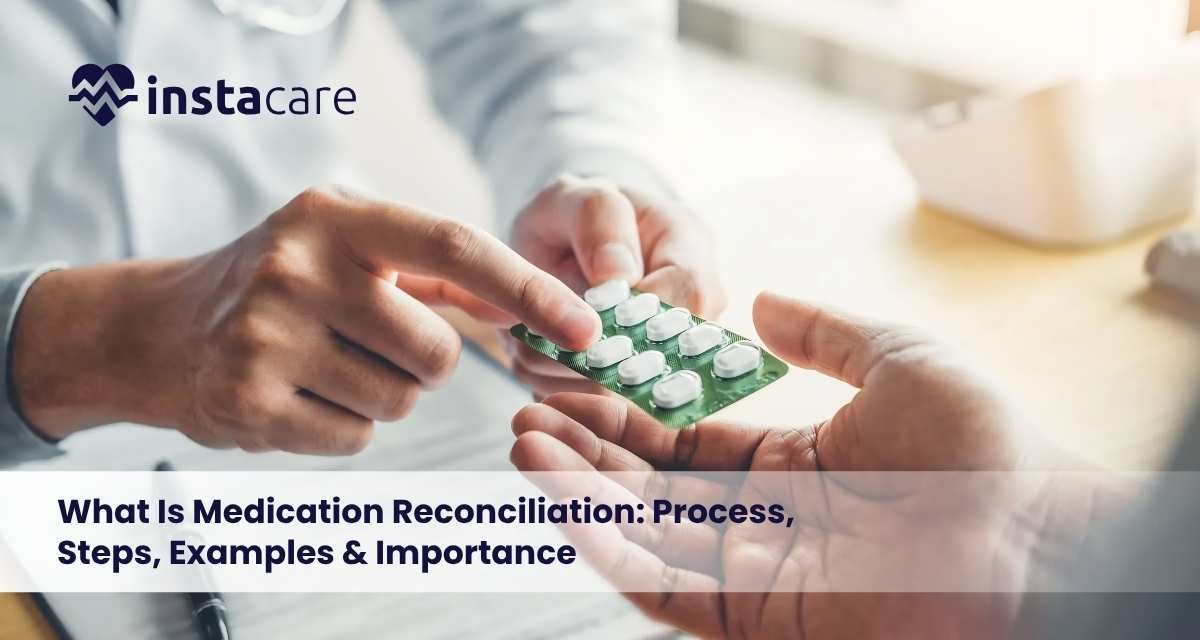
What Is Medication Reconciliation: Process, Steps, Examples & Importance For patients that interact with multiple healthcare systems and need to take many different medications, mistimed doses and unintended medication gaps can be deadly. The determination and correction of a patient’s medication status are known as medication reconciliation. This process provides clarification of the medication order and prevents adverse medication consequences. The objective of medication reconciliation is to list a patient’s current and new orders and to reconcile any discrepancies that may exist as a result of the care that was provided. Medication reconciliation is essential to the elimination of unwanted and unintended effects. Healthcare systems must ensure that patients receive the correct medications. What Is Medication Reconciliation? Medication reconciliation involves making sure the current medications a patient is taking line up with the medications a patient is being prescribed. It only includes medications and does not include procedures or other treatments. Reconciliation also does not include previous prescriptions or medications that are no longer needed. Listed below are some of the components that may be included in medication reconciliation: Prescription medications Over the counter medications Vitamins or supplements Herbal products Dosing information Frequency Method/route of administration By identifying the current and new medications, it may be possible to resolve any discrepancy. Reconciliation of medication is necessary for the following circumstances: Patient admission to hospital Patient discharge from hospital First time or established patient visit to a different healthcare provider Movement from one department, division, or branch of a healthcare system to another Changes in the patient’s health or medical conditions Why Is Medication Reconciliation Important? Medication reconciliation is critical to avoid problems caused by issues in medication administration. Errors in medication records lead to incorrect medication, incorrect dosage, and even medication duplication. Some primary benefits include: Decrease medication errors Medication reconciliation was designed to manage situations caused by gaps in medication records. The absence of or gaps in records leads to errors that ultimately harm the patient. Increase patient safety Aligned, complete records help health care professionals avoid adverse drug interactions and orders that may cause serious harm to the patient. Avoid duplication of medication Health care professionals, as a part of health care delivery, may order similar medications and duplicate what is in the health record. Improved communication The reconciliation process of medication helps the various participants in health care delivery communicate and share the most recent information. Educates patients to self-manage It improves patient self-manageability by answering their questions about their medications. When Is Medication Reconciliation Performed? Reconciliation of Medications typically occurs when patients are in transition from one level of care to another: Hospital Admissions Healthcare staff revise the current medications when patients enter the hospital to develop an admission medication list. Transfers between Care Settings Review of medications is critical to avoid errors when patients are transferred between different healthcare facilities. Hospital Discharges Reconciliation of medications for patients prior to discharge helps to ensure they know which medications they need to continue or stop, or if dosages need to be modified. Routine Clinic Visits Review of medications lists often happens when patients attend routing clinic examinations to ensure the accuracy of the medication lists. Book Your Free Marketing Consultation The Medication Reconciliation Process The process of medication reconciliation has several steps. Each step adds to the completeness and accuracy of the individual’s medication record. Step 1: Collect a Complete Medication History Healthcare professionals collect complete data about all medications a patient takes. This includes: the name of the medication, the dose, how often it is taken, the reason for taking it, recent changes, and any allergies. This information can be collected from the patient, their caregivers, or their medical records. Step 2: Create an Accurate Medication List A complete list of medications is made which includes all prescription and over the counter medications and supplements. Step 3: Compare Medications with New Orders The new orders are compared to the current list of medications to determine if any important medications are missing, if there are any duplicates, if any medications are excessive or unnecessary, if there are any gaps in therapy, and if there are any concerning interactions. Step 4: Resolve Medication Differences Any concerning issues are resolved by ensuring appropriate dosing of each medication, discontinuing unnecessary medications, restarting important medications, and/or changing the time of administration. Step 5: Communicate the Updated Medication List Final medication lists are reviewed and explained to the patient and the healthcare team. They are also informed of any changes, the dosing instructions, and the potential side effects. Step 6: Follow Up and Review Regularly Medication reconciliation is an ongoing process. Frequent reviews help ensure accurate records of medication and improve patient safety. Examples of Medication Reconciliation Example 1: Hospital Admission An old patient comes to the hospital where he mentions that he takes many medications at home. The healthcare workers perform reconciliation and find out two medications with similar effects are taken together. While reviewing the medication list, we eliminate the unnecessary duplication. Example 2: Discharge From Hospital After surgery, a patient is given new medications. Before the patient is discharged, the list of medications was reviewed to state which of the old medications should be continued and which of the old medications should be stopped. This prevents confusion when the old medications are stopped. Example 3: New Healthcare Provider Visit A patient goes to a new doctor’s appointment where the doctor reviews the patient’s complete medication history. The provider sees two medications that have the potential for an interaction and adjustments are made to that patient’s treatment plan. Common Challenges in Medication Reconciliation While there are notable advantages to medication reconciliation, a number of issues can make its implementation arduous. Imperfect Medication Data Patients struggle to provide a complete list of medications due to a failure to remember the names or doses of medications and of any supplements. Several Medical Practitioners When patients see many different medical practitioners, their medication information is often disbursed in many different records.

Telenursing: What It Is, How It Works, Benefits, and Examples Healthcare has transformed traditional methods of delivering care. Technology creates new opportunities for patients to receive support outside of healthcare facilities. One of the most significant changes to modern healthcare is the development of telenursing. Telenursing is the ability for nurses to provide care and support via communication technology. Telenursing uses phone, video, messaging, and other digital communication tools to provide remote health services and support patients that are unable to travel to a healthcare facility or require ongoing health support. This approach of healthcare delivery has proven to be useful for patients who have chronic health conditions, require health education, and need routine check-ups and support. What is Telenursing? Telenursing is the delivery of nursing services via telecommunication. Nurses use telecommunication in other ways than in-person visits to deliver healthcare services to patients which includes evaluating, giving advice to patients, monitoring patients, and offering extended services. Telenursing is not a substitute for face to face healthcare. Telenursing is an added healthcare support service that improves care, convenience, and connectivity. Telenursing allows patients to connect with nurses and receive much needed healthcare via telecommunication rather than requiring the patient to travel unnecessarily. How Does Telenursing Function? Telenursing allows patients to receive ongoing health support and connects patients to a nurse via any communication tool. The service is activated when a patient requires healthcare support or a follow up appointment. Prior to interacting with a patient via a secure communication tool, the nurse has been previously briefed to support the patient. A Typical Telenursing Process Includes Initial Assessment A Talennurse collects the patient’s health concerns, symptoms, medical history, medications, and current needs over a phone call or video, or using a communication tool of their preference. The telenurse may ask about pain levels, habits, and recovery progress. They may also ask about newly developed symptoms. Health Monitoring There are several health conditions that, once diagnosed, can be managed by a telenurse. Patients can send telenurses updates on their progress, relief, symptoms, or even changes in medications and recovery status. This provides a nurse with key information that allows them to make an early assessment and encourage development of healthy routines. Education and Guidance One of the main roles of telenursing is to educate the patient about their condition. This can include education for the safe and effective use of medication and management of symptoms. In some cases this will also involve patient education for the management of wounds, prevention of lifestyle disease, and detection of emergency changes. Information will empower patients to make informed decisions regarding their health. Follow-Up Support Of the main aspects of telenursing, follow-up support is the longest of these. Most healthcare scenarios involve a prolonged period of time before the desired goal is reached. Telenursing is ideal support for this period as it enables the telenurse to progress assessments, provide support, and ensure constant adherence to the recovery goal. Common Examples of Telenursing Telenursing has uses across the entire spectrum of health care. Some of the more common examples of this are: Chronic Disease Management Healthcare conditions that have ‘high-risk’ patient groups, like diabetes, high blood pressure and cardiovascular cases, require chronic disease management. Telenursing is invaluable for the management of these patients, allowing the nurse to assist with the routine of symptoms, the routine of medications and the self-management of a healthier choice. Post-Surgery Follow-Up Care Patients typically have lots of questions about surgery recovery, wound care, how and when to take prescribed medication, the types of activities they can engage in, and how to differentiate between normal vs. abnormal symptoms. Through the process of telenursing, recovery progress can be assessed to offer guidance and/or determine if there are concerns that warrant medical attention. Medication Management Adults and seniors, in particular, can have difficulty with the management of multiple medications. Nurses can give medication reminders, as well as simple instructions and explain any medication concerns. Elder Care Support Older adults’ health status can be monitored and daily health needs managed. Telenursing can offer more support to older adults who wish to have care delivered at home and who are unable to leave their homes. Mental Health Support and Health Education Nurses can offer health education, emotional support and guidance to those with stress and lifestyle changes and those with health-related concerns. Telenursing is unable to provide substitute therapy and counseling. It can offer employees emotional support and a temporary sense of peace. Book Your Free Marketing Consultation Advantages of Telenursing Increased Accessibility to Care Telenursing enables nurses to reach clients who would otherwise be inaccessible due to distance, physical limitations, or lack of mobility. This helps remove some of the barriers that prevent some individuals from seeking health care services. Added Convenience Telenursing minimizes the trips that patients might have to take to health facilities for routine and needed care. Patients can communicate with the nurse and receive care from the convenience of their homes. Enhanced Continuity Telenursing, through routine contact with the nurse, creates a connection that helps patients feel supported and helps the nurses to understand the needs of the patient at that moment. Prevention and Assessment of Health Concerns Telenursing can help actually identify an issue as it is developing by helping patients to recognize symptoms. Improved Health Literacy Patients must understand their conditions and the role they must play in order to attain their goals for health. Family Caregiver Support Family members of patients who are not healthcare providers must also be supported and educated about basic healthcare, especially for the elderly and those who need additional time to recover. Challenges Associated with Telenursing While the advantages of telenursing are numerous, there are areas of concern that need to be taken into account. Technology Access Use of some of the telenursing services requires the patient to have an internet connection, a device, and be able to make a call. Some individuals may lack one or all of these. Communication There
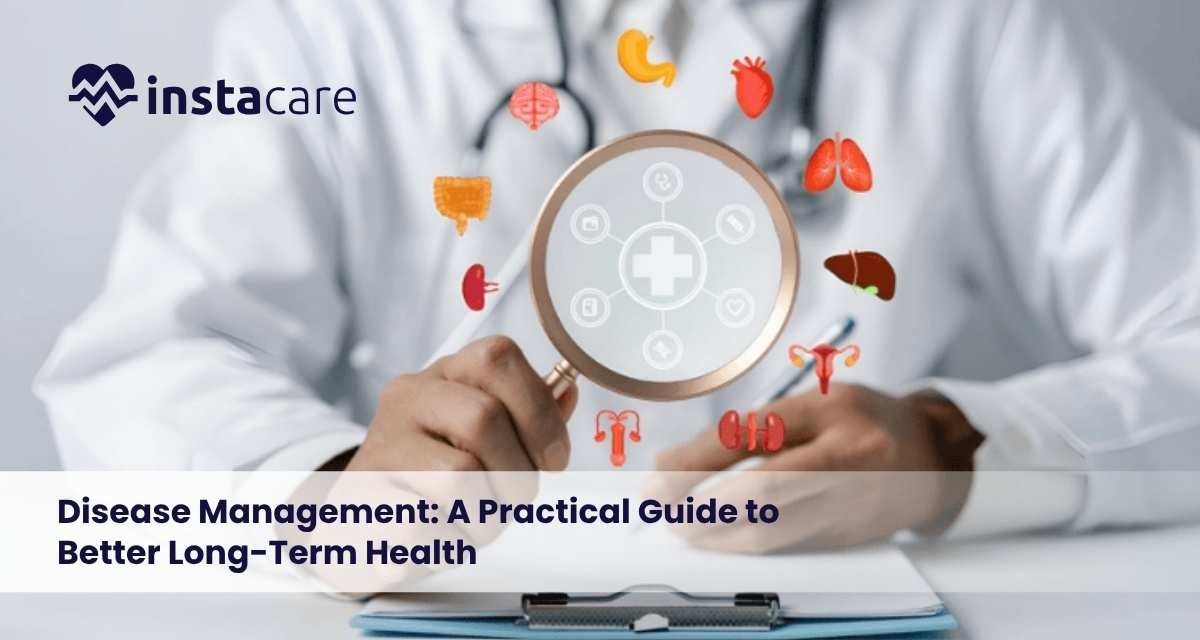
Disease Management: A Practical Guide to Better Long-Term Health Managing a chronic health condition requires more than just taking medication when you begin to feel the symptoms. For many conditions, there is a need for routine checks, adaptable lifestyles, medication management, appointments, and an understanding of how each decision you make affects your health. This approach is often referred to as disease management. Disease management seeks to promote a better quality of life while mitigating the symptoms, avoiding the complications, and allowing you to delicately control your health. This especially applies to health conditions that require many months or years of continuous medical care. What is Disease Management? Disease management is a procedure focused on caring for health conditions with the goal of avoiding the worsening of complications, control of symptoms and improvement of the quality of life. A disease management plan typically includes: Compliance with prescribed medications Attending medical visits Recording symptoms Record keeping of activity and health measurements Balance Physical activity Staying aware of stress Going to sleep and waking up Avoiding bad habits Being responsive to signals Reflection to learn more about the condition The management plan in this case is likely different for different people, but the severity of the condition and the individual treatment goals will play a role. Why is Disease Management Important? There are many health conditions that despite care, the symptoms can never be completely eliminated and will require a lifetime of prevention of worsening symptoms. It can also minimize some of the life threatening complications associated with the health condition. Effective disease management helps patients engage in when they are taught to actively manage their symptoms, treatments, and the nutrition, physical activity, sleep, and stress components. This engagement may help patients support healthcare management of the disease. Self-management is the next step to making informed choices to improve their quality of life. Often, the goal of treatment is not to cure a patient, but to manage the disease, how it affects the patient, and how it progresses, including the prevention of complications and the ability for the patient to carry out their daily activities with ease. Which Diseases Require Management? Chronic or recurring illnesses and/or diseases are the focus of disease management. Examples include: Diabetes High blood pressure Heart disease Asthma Arthritis Chronic respiratory problems Kidney disease Digestive issues Neurological problems Long standing mental health issues Patients with multiple chronic health conditions have to have a coordinated treatment approach since their symptoms, medications and lifestyle recommendations are often interwoven. What Characterizes Disease Management? Successful management of a disease requires integration of several separate components, and cannot rely on a single factor. Understanding the Condition Knowledge of a health condition is the foundation of its management. A patient should understand what the condition is, what the associated symptoms may be, what the triggers may be, the various treatment alternatives, the potential risks and complications of the condition, and when to seek medical assistance. Patients should also be educated to perform daily activities and manage other self-care activities that are related to medication to facilitate their active participation in the treatment process. Medication Management The prescription of multiple medicines and the subsequent adherence to the proper regimen can often be challenging. Taking the prescribed dose on a consistent basis is a key aspect to the effectiveness of a medication. Managing medications can include: Knowledge of the reason each medication is prescribed Proper dose of each medication Prescribed timing Reduction or elimination of missed doses Possible side effects of each medication Possible effects of medication interaction Ordering and maintaining the appropriate supply of each medication Long term management of a chronic condition becomes more challenging due to an increase in the complexity of daily management and from the lack of recognizable signs and symptoms. Poor adherence to treatment may worsen the health condition as a whole. Medications should not be stopped, increased or decreased without proper and timely advice. Regular Health Monitoring It is essential to be aware of any changes in the body. Depending on the condition, certain measurements may need to be tracked and reported to the health care professional, such as: Blood pressure Blood sugar Weight Pulse Symptoms of breathing and pain Sleep and rest Side effects of medications Patterns can be seen when simple record keeping (paper or digital) is practiced. It can help recognize situations, such as changing diet, levels of stress, sleep, and missed doses of medications, that can affect the worsening of condition. Healthy Eating Diet can be highly effective along with other therapies in the management of a disease. Modifying food intake can mean incorporating fresh and healthy food in adequate amounts and restricting food intake and foods that can worsen the disease condition. There are varying health needs. Persons with high blood pressure will likely have different requirements than persons with diabetes, digestion problems, or kidney problems. Rather than taking extreme diets as advice, persons with long-term conditions should focus on dietary adjustments that are applicable to their condition. Physical Activity There are various health benefits to having an active lifestyle and this is applicable in counteracting or lessening some chronic conditions. Regular physical activity supports: Heart and lung health Muscle and joint strength Optimal movement and flexibility Weight control and support Energy levels throughout the day Sleep Emotional wellbeing Though this is the case, for some individuals, particular types or intensities of physical activity may not be appropriate. People experiencing significant medical issues such as heart disease, pain, breathing problems, severe joint issues, or other conditions that have a significant impact on their health, may need to modify or develop new exercises with the guidance of a health expert. Book Your Free Marketing Consultation Symptom management Many chronic conditions include variable symptoms. Learning to best respond to these symptoms can help with the overall management of the condition. Pain symptoms can be fatigue, breathing issues, or dizziness, digestive symptoms, sleep issues, or emotional stress. A management plan usually describes what symptoms can
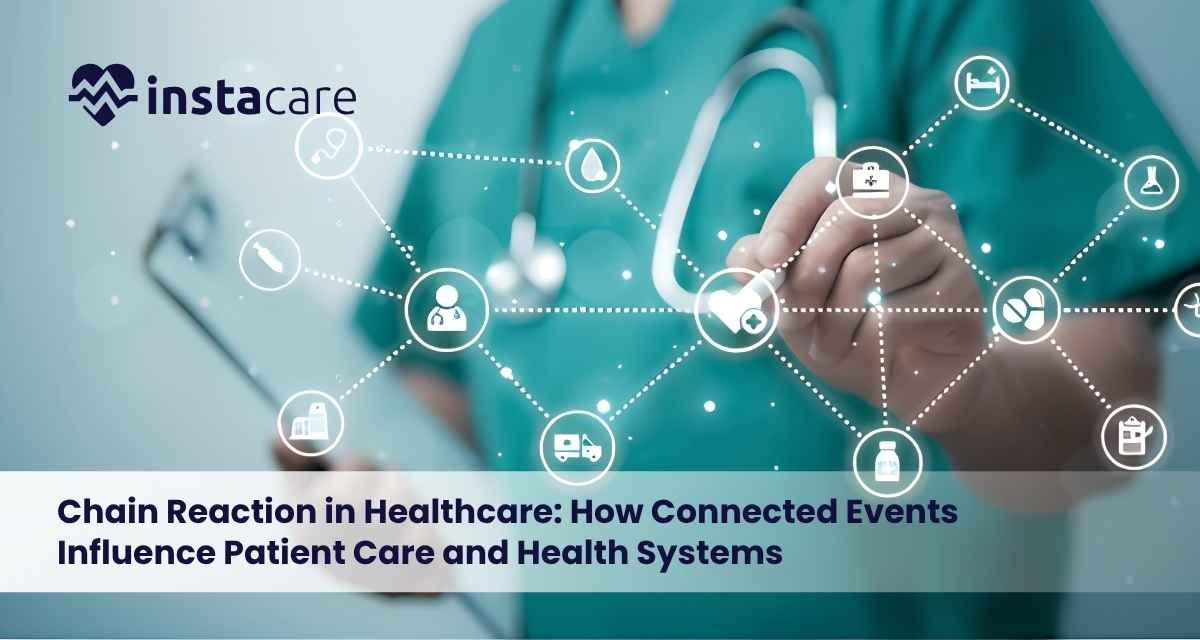
Chain reactions in healthcare signify that interconnectedness is part of the system’s design. These reactions can consist of a single change event or decision that mobilizes a multitude of effects. These effects can be felt systemically across spaces like the patient, the healthcare professional, the institution, and the healthcare environment. Some chain reactions can even be felt economically like the complication of a patient’s condition and the subsequent increase in a patient’s care. Knowledge about these chain reactions makes working in healthcare much safer and more efficient. Understanding Chain Reactions in Healthcare Chain reactions can be in the form of single connected events that stimulate or change a healthcare condition, clinical decision, administrative process, and even a public health event. An example of a chain reaction in healthcare can be the detection of a condition during a preventative health screening. In this instance, the chain of events is positive, because the condition is in a less severe stage prompting less advanced and, consequently, resource intensive interventions. The opposite can also be true. If a patient’s condition worsens during the process, more severe interventions and a longer recovery will be required. These patterns, reactions, and connections are studied by healthcare professionals to identify risks and generate systems which promote beneficial and positive outcomes. Examples of Positive Chain Reactions in Healthcare One of the most salient examples of beneficial chain reactions in the healthcare system is the early identification of a condition. Benefits of Early Detection of Health Issues Some of the benefits of early detection of health issues are: Faster treatment Lower chances of complications Faster recovery Less treatment expense Better health The benefit of having easier access to health care really goes beyond the visit. Improved Patient Education When people become educated about their personal health care, and how to take their medicine, and about healthy living and preventive care, the likelihood that they will make healthier choices will all be increased. Increased awareness of health care leads to: Better medicine adherence Fewer health issues Reduced need for emergency health care Improved health care management Patient participation in the management of their injury or illness is the goal of health education. Health Care Technology One positive thing that modern technology has aided health care with is improved access to health care information and improved communication. For instance, digital health records allow health care providers to access updated records of patients. Quickly able to access information aids the health care provider in making accurate assessments and helps in the coordination of the health care team. Changing health care technology for the better aids with early detection of patient health care needs in the timely provision of health care. Negative Sequences of Health Care Delayed Medical Attention Improvements of health care systems are needed to break the negative sequences in health care. For instance, the delayed need for health care has a negative sequence of complicated health issues for the patient. A common example of this sequence and its effects is: having a minor health issue, delaying treatment, resulting in having a major health issue that requires complicated treatment with an extended recovery period. This negative sequence affects the patient physically and financially. Medication Errors Medication-related issues can have adverse effects. Reduction in the effectiveness of treatment, unwanted effects, and the need for additional visits and prolonged recovery are potential consequences of: Incorrect dosage Missed instructions Communication errors These effects can be avoided through proper monitoring and effective communication. Healthcare Staff Workload Exceeding workload among healthcare professionals can disrupt the order of the entire healthcare environment. An unmanageable workload can result in: More stress Less focus leading to more errors Lower quality interactions with patients Effective patient information management can help healthcare facilities reduce repetitive administrative tasks and improve workflow efficiency. The best patient management system can help organize patient records, streamline registration, and make relevant patient information easier to access, supporting better coordination among healthcare staff. The impact of unmanageable workload can be avoided through balancing staff and an effective workflow. Chain Reaction Between Patient and Healthcare System Interconnectedness of the patient and the healthcare system reveals the reliance of each on the other. For example: A patient follows preventive health advice leading to fewer severe health problems which results in fewer emergency visits and allows the healthcare system to focus on other critical cases. Poor health awareness leads to a higher risk of disease, higher demands of healthcare services, and overburdened healthcare facilities. The interconnectedness of the patient and healthcare system reveals that prevention, education, and early intervention are needed in the current healthcare systems. Book Your Free Marketing Consultation The Role of Data in Healthcare Chain Reactions Data assist understanding healthcare chain reactions. The healthcare system collects a variety of data and information for the purpose of identifying trends and predicting risk. Even more, the earlier the warning sign can be predicted, the greater the potential for the health issue to be avoided. Benefits of Data-Driven Healthcare Healthcare data offers enhanced: Speed of analysis Precision of treatments Maximized resource allocation Preventative care initiatives Chain Reaction in Public Health Negative chains can affect public health. One concern can simultaneously affect various regions or an entire system. Consider the scenario of a contagious disease breaking out: Somebody is infected → many become infected → overwhelming demand on healthcare → a shortage of supplies → the establishment of a quarantine. Public health is then concerned with breaking negative chains and stimulating the demand for behavior in a protective fashion. Protective behavior such as vaccination, the establishment of hygiene standards, the promotion of early diagnosis and testing, and health education, can provide a protective framework for a community. How Smart Healthcare Creates Positive Chain Reactions? Chain reaction design is based on positive feedback. Fast, accurate, and effective communication in healthcare enables and facilitates positive feedback. Smart healthcare encompasses: Ongoing observation of patients Alerting of staff for problematic changes Improved communication and decreased bureaucracy Facilitation of planning and implementation of individualized care
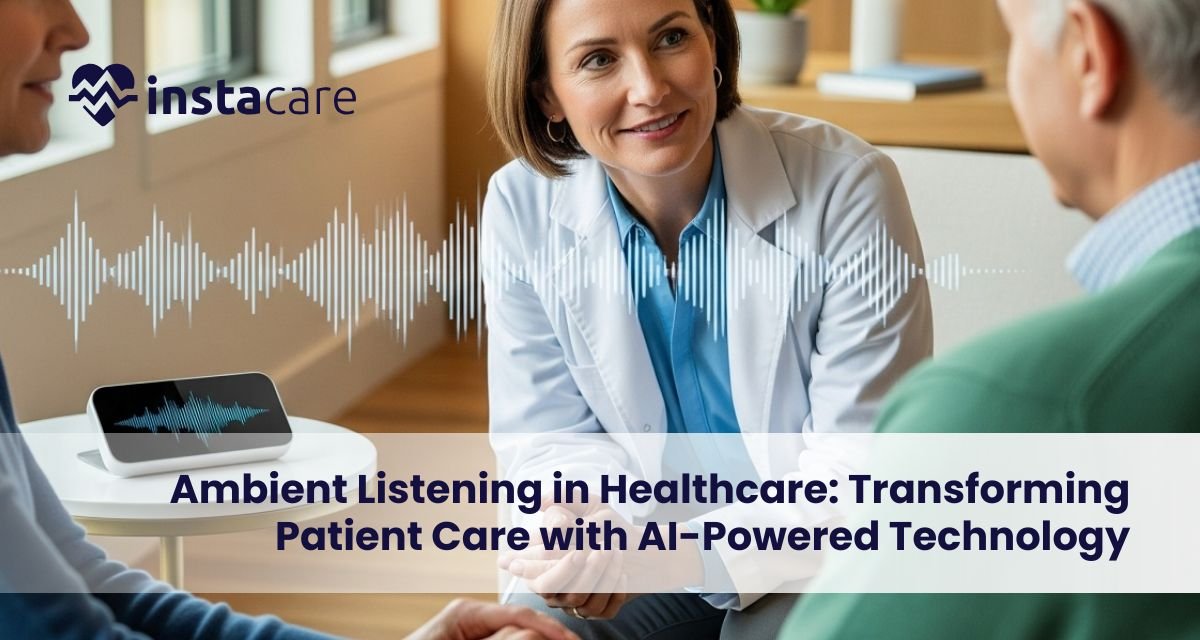
Ambient Listening in Healthcare: Transforming Patient Care with AI-Powered Technology The healthcare sector is being rapidly transformed by digital technology. Telemedicine to electronic health records, the focus has always been on patient outcomes, effectiveness, and accuracy. The most fascinating of the newer ones is ambient clinical listening technology. That allows health professionals to have automated recording of conversations that occur during doctor consultations, convert them into templated notes, and enter them directly into patient records. While other methods consume hours of tedious by-hand note-taking, ambient listening utilizes NLP and AI to record doctor-patient interactions. This keeps doctors out of additional computer time and more patient time. Hospitals, clinics, and startups now test this approach as a way to curb physician burnout, improve patient satisfaction, and reduce administrative work. What Is Ambient Listening in Healthcare? Ambient listening care means the utilization of artificial intelligence-based systems to listen and comprehend the natural flow of conversation among healthcare providers and patients. The systems generate clinical documentation automatically without any need for healthcare providers to dictate or type anesthesiologist notes post-visits. For example, while consulting, the AI logs patient symptoms along with physician recommendations. It then transforms all of this into a structured clinical note to be viewed and approved by the physician. The outcome is a seamless and precise workflow. To doctors, it’s a game-changer. Ambient listening for doctors is equal to not being obsessed with monotonous note-taking anymore, but with patient care. To patients, it is a more ordinary conversation free from the intrusions of continual typing or note-taking. How Ambient Listening Functions? Ambient listening technology brings together sophisticated audio capture with AI processing. This is how it generally operates: Audio Capture – Software-based units or secure microphones record talk in real-time. Noise Reduction – Background noise is filtered out so that only significant dialogue is translated. Speech-to-Text Translation – NLP translates the spoken words into text. Contextualization – Medical terminology, patient symptomology, med orders, and follow-up treatment are identified by AI software. Note Organization – The text is organized in a structured format into usable notes appropriate for electronic health records (EHRs). Physician listening – Doctors can quickly review and sign off on the notes, conserving precious time. Next-generation Ambient listening AI tools are trained on massive databases of medical vocabulary, clinical protocols and diagnostic protocols. This makes them very accurate, even in sophisticated medical conversations. Ambient listening for medical transcription is quicker, less expensive, and less prone to mistakes than with previous dictation equipment. Book Your Free Marketing Consultation Advantages to Healthcare Providers Benefits of ambient listening in healthcare, particularly for doctors. Less Administrative Time – Doctors will spend hours a day documenting EHRs. Automation frees them from this time. Fewer Burnout Cases – Among the leading reasons for administrative burden is physician burnout, studies have found. Ambient listening diminishes redundant work, which results in more job satisfaction. Higher Accuracy – Less handwritten or memory-based errors are made through ambient listening for clinical documentation. Higher Productivity – Physicians can see more patients in a day without sacrificing quality. Seamless Integration – Notes generated by AI can be seamlessly transferred into EHRs, hence the patient information is more accessible across departments. In healthcare environments, it is especially crucial because it has a direct impact on patient outcome. By eliminating clerical burdens, ambient listening allows clinicians to concentrate on diagnosis, treatment, and patient relationships. Advantages for Patients For the patient, ambient listening improves the entire healthcare experience. Improved Attention from Physicians – With reduced distraction, physicians can maintain eye contact, listen closely, and develop greater trust. This enhances ambient listening and patient satisfaction significantly. Accurate Medical Records – Computer transcription allows for proper recording of symptoms, histories, and treatment with lesser possibility of prescription or diagnosis errors. Improved Communication – The patients are heard when physicians are not typists’ fingers flying on the keyboard or dictating words to be spoken back to them. Faster Service – Since the notes are being created in the moment, patients receive faster follow-ups, lab orders, or referrals. Remote Care Benefit – With Ambient listening in telehealth these days, patients receive quality care from afar and AI does proper and accurate documentation. Patients end up being richer from safer, more trustworthy, and more personalized healthcare experiences. Challenges and Concerns There are issues despite the promise of ambient listening. ● Data Privacy and Security Confidentiality of patients is of utmost importance. Systems are required to meet strict regulations, i.e., ambient listening and HIPAA, to preserve confidential health information. Violation would break trust and incur legal consequences. ● Accuracy Limitations AI systems are sophisticated, yet there may be mishearing of medical terminology, accent, or dialect. Ongoing training and doctor backup are required in order not to miscommunicate. ● Implementation Costs Small settings find it hard to commit to ambient listening equipment. Costs are for software, system integration, and staffing training. ● Provider Adaptation Doctors used to taking notes will be resistant to the new equipment at first. Training and effect demonstratives are needed to close this gap. ● Ethical Issues Some people will be uncomfortable with being taped, even where information is protected. Policies of transparency and consent need to be devised. Future of Ambient Listening in Healthcare The future for ambient listening in healthcare is bright. With technology that incorporates AI, accuracy and efficiency will be even improved. Integration with Wearables and IoT – Suppose AI devices record health talks in smart homes and update clinical records automatically. Expansion to Other Specialties – Although employed now in primary care and general practice, Ambient listening healthcare examples demonstrate that it will be used for specialties such as psychiatry, emergency care, and the management of chronic disease. Predictive Analytics – In addition to documentation, AI has the capacity to analyze talk in an attempt to identify predictive indicators of disease in advance, giving preventative treatments.
Healthcare Consumerism: Trends, Benefits, Challenges & Future in Patient Care Healthcare is being reformed in its very foundation. Patients no longer tolerate being passive recipients of medical care. Instead, they desire to be empowered, involved, and informed to make decisions about themselves about their health. This new trend of healthcare consumerism has transformed the delivery, buying, and evaluation of care. Above all, the Healthcare consumer experience is convenience, value, and transparency and creates a paradigm under which patients are enabled as consumers who have the power to make a selection between providers, treatments, and services. What is Healthcare Consumerism? Consumerism in healthcare is about removing power from the providers and placing it in the hands of patients, giving people access to the information and resources they require so that they can make decisions about their care. It’s everything about Patient empowerment in healthcare, where making informed decisions is the norm and not the exception. Patients can shop around so that treatment plans can be evaluated, get second opinions, and compare prices before deciding. In comparison to the classic model of health care, centered on cure after disease, consumerism in health care is based on prevention, wellness, and lifestyle modification. Consumers/patients are able to choose quality, price, or convenience, as they might for other things in their life, for instance, a vacation or shopping. In its simplest terms, what this is all really about is building trust, being honest with patients, and having them feel heard when their treatment is being decided. Key Trends in Healthcare Consumerism Healthcare is changing at the speed of light, and some of the healthcare consumer trends more accurately describe the shift: ● Telemedicine and Virtual Care The pandemic accelerated the use of telehealth, where patients may be examined by a physician from home. It was a luxury then but is now the norm. ● Tailor-made Care Based on Data Genetics, AI, and data analysis are among the new technologies that support physicians in formulating tailor-made treatment plans based on individual requirements. ● Wellness and Preventive Orientation Customers are interested in preventive care services like lifestyle management, meal planning, and exercise tracking. Preventive care reduces long-term healthcare expenditure. ● Healthcare Cost Transparency Required The patient should receive open information regarding the cost of treatment. Healthcare cost transparency lowers comparison between clinics, hospitals, and procedures prior to making a choice to comparison of any other service. ● Emergence of Digital Tools The merging of consumerism and health in today’s digital age is certain. Wearable technology, cell phone apps, and patient portals allow patients to monitor their progress and stay engaged with providers. ● Shift to Value-Based Models Value-based care and consumerism are based on outcomes generated instead of procedure volumes. Patient-preferred healthcare systems pay providers for improved outcomes. Benefits of Healthcare Consumerism Both providers and patients have gained monstrous dividends with the shift towards consumer-directed care. The benefits of healthcare consumerism are as follows: ● Enhanced Power of Decision-Making Rating, review, and feedback on how patients can now measure quality of care and select the best possible providers is given to them. ● Enhanced Consumer Healthcare Experience After higher-level service, patients have seen easier scheduling, billing, and communication, and greater patient satisfaction at each touch point. ● Increased Transparency and Trust Improved cost and outcome information allow patients to be more informed about decisions and less frightened by surprise bills. ● Other Patient Engagement Initiatives Physicians are using applications, reminders, and Digital health and consumerism technologies to directly engage patients in their care, with better compliance and outcomes. ● Better Health Outcomes Educated and engaged patients are more likely to follow through on treatment orders, keep up preventive care, and self-manage chronic illness more effectively. ● Competitive Healthcare Systems Increased consumerism compels providers to improve their level of performance, which means improved quality of care for the system overall. Book Your Free Marketing Consultation Challenges of Healthcare Consumerism In spite of the promise of the movement, some Challenges of healthcare consumerism must be addressed: ● Unequal Access to Resources Patients do not have an equal access to technology, internet connection, or quality healthcare services, and this inhibits equality. ● Information Overload Most of the health information disseminated on the internet is too much for the patients and produces misreading of information or dangerous decision-making in a position of ignorance. ● Higher Cost of Technology Technology and healthcare consumerism adoption within the healthcare industry requires investment in electronic health record, telehealth systems, and AI solutions that are expenses for small providers. ● Threat to Data Privacy The spread of application with electronic tools has led to rising threats of data violation and misuse of individual medical information. ● Resistance by Profession and Culture Patterns of consumerism will be resisted by health professionals because they prefer evasion of hierarchical structures. The Future of Healthcare Consumerism Healthcare consumerism looks bright in the future with technology, policy, and patient expectation on the move. Healthcare transparency for consumers will enable patients to shop their providers by cost, outcomes, and patient satisfaction. Impact of consumerism in healthcare will make providers more efficient, go digital, and prioritize outcomes over volume. On the horizon are the following trends: ● Expansion of Telehealth Networks Remote therapies will flourish, supported by advanced chronic disease monitoring systems. ● Blending of Wearable Devices Intelligent wearables will provide real-time feedback to physicians, which will trigger follow-up, individualized treatment adjustments. ● Data-Driven Personalized Medicine Artificial intelligence and genetic screening will lead to ultra-personalized health solutions. ● Increased Patient Choice in Health Care Patient choice in healthcare will have more power to influence the choice of providers, insurance, and care delivery platforms on price as well as the quality of services. ● More Powerful Value-Based Systems Outcome-based care systems will prevail, where the payers will remunerate the providers based on the quality and effectiveness of care instead of the
Ambulatory Care: Definition, Services, Benefits, and Examples Healthcare provision is today a vastly transformed experience that offers patients simpler, streamlined, and specialized treatment without overnight hospital admission. Ambulatory medical care is a fresh and fast-evolving field that is rapidly gaining significance because it allows patients to be diagnosed, treated, and followed with no overnight admission. It is centered on convenience, cost-effectiveness, and patient care and remains one of the key pillars of health systems in current times. From specialty clinics to ambulatory treatment centers, these centers have all kinds of services, from preventive check-ups to sophisticated surgical procedures. What is Ambulatory Care? What is Ambulatory Care? In short, ambulatory care is any form of medical intervention or service rendered to a patient who does not require an overnight stay in the hospital. It is also called outpatient care, where patients visit a facility, receive treatment, and are sent home the same day. It can be anything from routine consultations to sophisticated diagnostic tests and surgery conducted in ambulatory surgery centers. According to the Ambulatory care definition, it focuses on giving safe, effective, and timely medical care without prolonging hospitalization. It can be provided in other alternative places such as ambulatory care clinics, doctor offices, urgent care centers, and specialty clinics. Types of Services under Ambulatory Care Ambulatory health care services are diverse and based on patients’ needs. They are classified as follows: 1. Primary Ambulatory Care Primary ambulatory care is made up of check-ups at regular intervals, prevention screening, and management of chronic illness. Services provided here include vaccinations, blood pressure checks, diabetes management, and health education. 2. Specialist Consultations Ambulatory care clinics also accept patients for specialist consultations such as cardiologists, dermatologists, or neurologists. Such consultations usually involve diagnostic workups and follow-up. 3. Diagnostic Services Most ambulatory care centers do X-rays, ultrasounds, MRIs, and lab tests. They can provide results immediately so that the treatment can be provided simultaneously. 4. Ambulatory Surgery Some surgeries like herniorrhaphy, endoscopy, cataract extraction, and orthopedic surgery, are conducted in ambulatory surgery centers. It is not a hospitalization but provides high-quality of care. 5. Urgent and Emergency Care Other ambulatory care clinics handle minor emergencies such as breaks, cuts, and burns. These are suitable for patients who need urgent care but do not necessarily need to be admitted as inpatients. 6. Rehabilitation and Therapy Certain of the services such as physical therapy, occupational therapy, and speech therapy are ambulatory patient services in which healing and overall improvement is involved. 7. Preventive and Wellness Services Among them are weight management programs, smoking quitlines, and diet counseling to help patients maintain their health. Benefits of Ambulatory Care The benefits of ambulatory care are more than its convenience. It is a cost-effective, patient-focused way of providing health care. 1. Convenience and Accessibility Patient Management Software can fix an appointment as per the patient’s convenience without waiting and spending on transport costs. 2. Cost Savings It is cheaper than inpatient treatment since there is a lesser cost of an Ambulatory care facility and staff. 3. Fewer Hospital-Acquired Infection Opportunities Since the patients are present at the health care centers for fewer hours, they are subjected to hospital-acquired infection for fewer hours. 4. Faster Recovery Treating them with an ambulatory care center, patients are sent home the same day, which in a majority of cases results in faster recovery at home. 5. Customized Treatment With professional healthcare personnel like ambulatory care nursing practitioners, the patients are attended to according to their respective statuses. 6. Efficient Usage of Resources More health conditions are medically treated within a shorter time, efficiently utilizing resources and preventing hospitals from getting saturated. Book Your Free Marketing Consultation Ambulatory Care vs. Inpatient Care Ambulatory care vs inpatient care is crucial to know to make informed decisions regarding healthcare. Ambulatory care is for patients who can be safely sent home after treatment is completed, while inpatient care is hospital overnight stay for at least one night. Typically, ambulatory care is less expensive, quicker, and easier, and inpatient care is required for the more severe diseases that have to be monitored constantly. Ambulatory care involves physical therapy, minor procedures, and diagnostic studies. Inpatient care involves intensive care, major surgery, and post-operative observation. This is how the line splits for the providers and patients to choose the best treatment option by medical need and case. Who Can be Treated by Ambulatory Care? Ambulatory care is suitable for a large population. Patients of chronic diseases – Diabetic, asthmatic, or hypertensive patients are managed with follow-up and preventive examination at a regular interval. Postoperative patients – Those who require follow-up after discharge can choose ambulatory care centers for observation. Ease-seeking patients – Busy lives like ours prefer outpatient treatment, which does not disrupt life. Preventive health seekers – Those who worry about early detection of disease and health receive primary ambulatory care services. Mild illness or injury cases – Non-life-threatening conditions are treated well in ambulatory care clinics. With a focus on quality care, accessibility, and convenience, ambulatory care is ideal for those patients who do not need to be hospitalized overnight. Conclusion Ambulatory care has revolutionized the face of medicine by offering quality treatment within the reach and accessibility of everyone. Either through the avenues of ambulatory care centers, specialty clinics, or ambulatory surgical centers, it allows patients to benefit from immediate medical treatment without the hassle of lying on a hospital bed. The divergence of ambulatory care services, ranging from preventive health programs to complex surgeries, is a reflection of its versatility and patient-friendliness. For others interested in the distinction between inpatient and ambulatory care, it is an issue of medical necessity. But for others, ambulatory care is a less expensive, more convenient, and safer route to wellness and recovery. As the services become more formalized for ambulatory patients, the future of Ambulatory healthcare services shines brighter, is more pliable, more efficient, and available to all. FAQs 1.
- 1
- 2