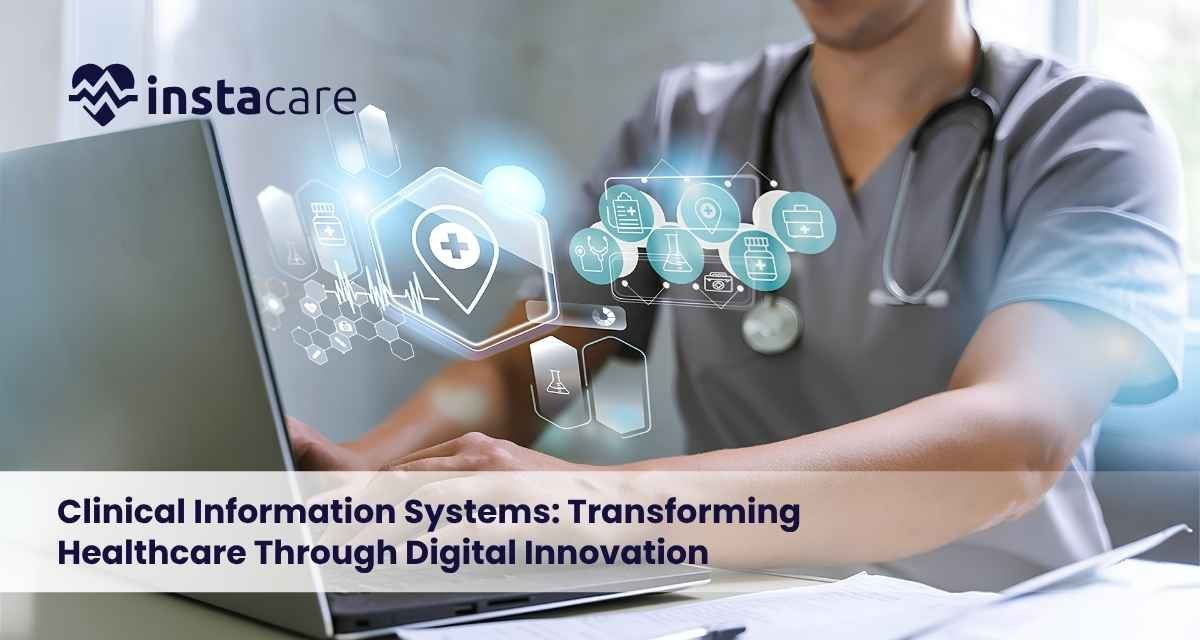
Clinical Information Systems: Transforming Healthcare Through Digital Innovation The use of technology in healthcare has improved numerous aspects of the industry, including patient care and the efficiency of healthcare procedures. One of the latest developments in the industry is the use of Clinical Information Systems (CIS). These systems enable healthcare professionals to manage patient information in a structured manner that improves the quality and speed of service delivery. A Clinical Information System is a type of software that helps healthcare organizations manage patient information systematically. The system enables healthcare professionals to manage information related to various stages of the clinical process, including patient evaluation, diagnosis, and treatment. By improving the management of patient information, Clinical Information Systems enable healthcare professionals to spend more time with patients and less time searching for records. As a result, the overall efficiency of healthcare services can be improved. What Are Clinical Information Systems? Clinical Information Systems (CIS) electronically capture and manage multiple formats of health-related data, including a patient’s previous and existing health conditions, diagnoses, prescriptions, laboratory and radiologic tests, treatment plans, and other clinical information. These systems improve healthcare delivery by making relevant data accessible at the time and place where it is needed. CIS are not simply systems for electronically storing data. They can enhance the clinical process by providing clinical reminders and alerts, assisting with patient assessment and monitoring, and improving communication among healthcare workers. Through these capabilities, Clinical Information Systems can help healthcare organizations improve the accuracy, accessibility, and management of patient data. Key Components of Clinical Information Systems Clinical Information Systems consist of interconnected components designed to support healthcare professionals and improve the delivery of clinical services. Key components include: Electronic Health Records (EHRs) Electronic Health Records (EHRs) are essential components of Clinical Information Systems. They are used to capture and organize a patient’s health information, including medical history, health conditions, allergies, previous and ongoing treatments, and diagnostic tests. Through EHRs, healthcare professionals can access patient records and use relevant clinical information to support appropriate treatment decisions based on the patient’s condition and requirements. Computerized Provider Order Entry (CPOE) Computerized Provider Order Entry (CPOE) allows healthcare providers to electronically issue orders for diagnostic tests, medications, and other therapeutic interventions. By replacing many manual ordering processes, CPOE can help standardize clinical orders, improve information accessibility, and reduce errors associated with handwritten or manually transferred orders. Clinical Decision Support Systems (CDSS) Clinical Decision Support Systems (CDSS) provide clinicians with recommendations, reminders, and alerts based on available clinical information and evidence. Examples include identifying potential medication conflicts, notifying clinicians about abnormal laboratory or test results, and generating recommendations for routine screenings and preventive interventions. The overall goal of CDSS is to support healthcare professionals in making informed clinical decisions. Integration of Laboratory and Diagnostic Services Integration with laboratory and diagnostic systems allows Clinical Information Systems to incorporate test results and diagnostic reports directly into patient records. This reduces the need for manual transfer of information between departments and can improve the speed at which test results become available to the clinical team. Continuous Patient Monitoring Some Clinical Information Systems can integrate with devices used to monitor patients and collect clinical data. These systems can help healthcare professionals analyze patient information across different platforms. They may also support the identification of changes in a patient’s condition and generate alerts when further clinical assessment or intervention may be required. Benefits of Clinical Information Systems Clinical Information Systems can provide several benefits to healthcare organizations, healthcare professionals, and patients. Improved Patient Safety Improving patient safety is one of the major benefits associated with Clinical Information Systems. Digital systems can reduce documentation errors and help maintain the integrity of patient information. Digital records can provide healthcare professionals with access to a patient’s medical history, while automated alerts can notify clinicians about potential medication interactions, abnormal results, or other issues requiring attention. Facilitates Communication Another advantage of CIS is the ability of different members of the healthcare team to access current patient information. Improved communication can support the development and coordination of a patient’s care plan, particularly when treatment involves multiple healthcare professionals or departments. Improves Timeliness Clinical Information Systems can reduce delays associated with accessing medical records. Patient information can be made digitally available to authorized healthcare workers at the point where care is provided. Quick access to relevant information can support healthcare professionals when assessing, diagnosing, and treating patients. Improves Healthcare Worker Productivity CIS can automate many clinical and administrative tasks performed by healthcare workers. This can allow professionals to spend less time handling paperwork and searching for information and more time providing direct patient care. Digital systems can also streamline various administrative processes involved in managing healthcare organizations. Book Your Free Marketing Consultation Challenges of Implementing Clinical Information Systems Despite their potential benefits, Clinical Information Systems also present several challenges that healthcare organizations need to address. Data Security and Privacy Healthcare organizations handle highly sensitive patient information, making data security and privacy essential considerations when implementing CIS. Organizations need appropriate technical, administrative, and physical safeguards to protect patient information from unauthorized access, data breaches, and other security risks. Staff Acceptance and Use Clinical Information Systems can improve healthcare quality and workforce efficiency, but their effectiveness also depends on staff adoption. Insufficient training, limited technical knowledge, or resistance to changes in established workflows can reduce the potential benefits of a new system. Continuing education and appropriate training can help healthcare workers understand and effectively use Clinical Information Systems. System Integration Healthcare organizations often operate across multiple locations, departments, and facilities. Integrating different information systems can therefore be a complex process. Effective integration can improve information sharing and coordination, but compatibility issues between existing systems can make implementation more challenging. Cost and Maintenance The adoption of Clinical Information Systems can require significant investment in software, hardware, implementation, training, and infrastructure. In addition to initial implementation costs, organizations must account for ongoing maintenance, technical support, system upgrades, and cybersecurity requirements. The Future of Clinical Information Systems
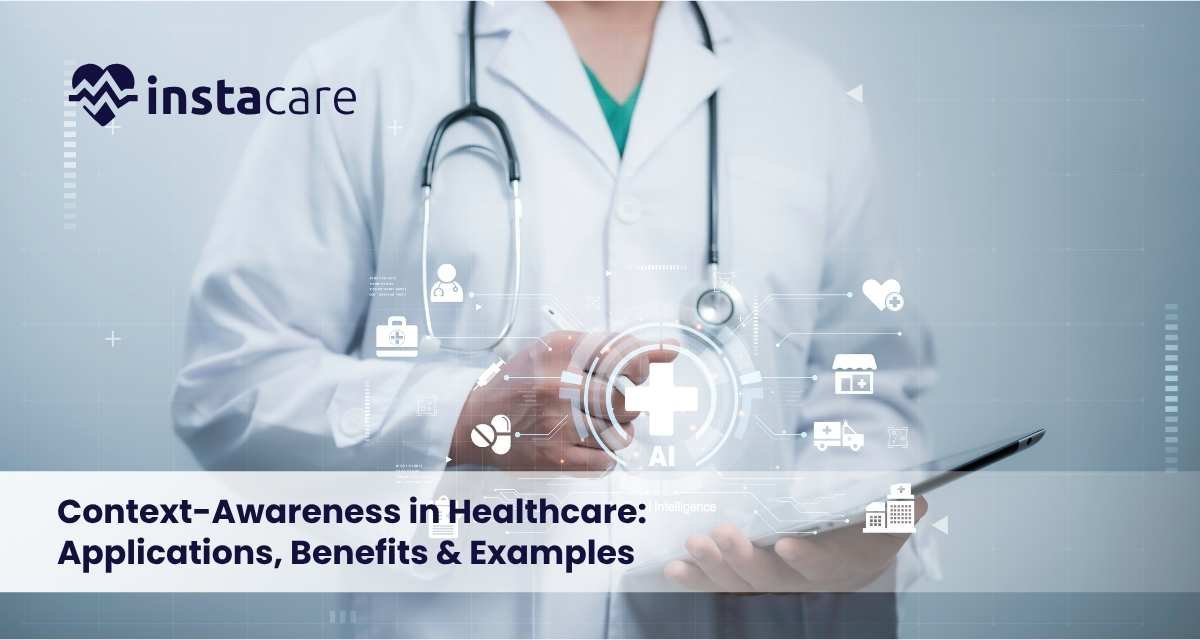
Context-Awareness in Healthcare: Applications, Benefits & Examples Healthcare systems are becoming increasingly personalized and connected, with technology playing a significant role in improving patient care. One of the key elements shaping the future of healthcare is context-awareness in healthcare. Context-aware systems use a patient’s situation, behavior, environment, and health status to provide personalized and timely assistance. Traditional healthcare systems primarily rely on stored patient data to develop treatment plans. In contrast, context-aware systems consider the circumstances surrounding a patient. These circumstances may include the patient’s location, activity level, vital signs, medication schedule, lifestyle, behavior, and surrounding environment. Understanding these factors helps healthcare providers and digital systems make informed decisions, improve patient experiences, and deliver more personalized care. What Is Context-Awareness in Healthcare? Context-awareness in healthcare refers to the ability of a healthcare system, device, or application to collect, combine, and interpret information about a patient’s situation and respond appropriately. Contextual information in healthcare often includes the following: Patient Data: Age, medical history, existing health conditions, allergies, and healthcare plans. Environment: Surrounding conditions, environmental safety, location, and temperature. Activities: Exercise levels, sleep patterns, daily routines, habits, and movement. Time: Medication schedules, healthcare activities, and medical appointments. Health Data: Blood pressure, heart rate, glucose levels, and oxygen saturation. A context-aware healthcare system uses this information to provide relevant recommendations, reminders, and alerts based on a patient’s circumstances. How Does Context-Awareness Work in Healthcare? Most context-aware healthcare systems operate through three primary stages. 1. Data Collection Context-aware healthcare systems collect information from various sources, including wearable devices, electronic health records, mobile applications, sensors, and monitoring equipment. For example, wearable devices can measure physical activity, while healthcare applications can record medication schedules and daily routines. Collecting information from multiple sources allows healthcare systems to develop a more comprehensive understanding of a patient’s condition and circumstances. 2. Data Analysis and Interpretation Once data is collected, the system analyzes it to identify patterns, potential risks, and changes in the patient’s health status. Certain technologies use data analytics and machine learning to identify unusual patterns or changes in health measurements. For example, a monitoring system may identify an unusual change in heart rate and generate an alert for further assessment. 3. Customized System Response Based on the collected context, the system can provide reminders, recommendations, alerts, or notifications to patients and healthcare professionals. For example, if a patient’s health measurements indicate a potentially concerning change, the system may recommend contacting a healthcare provider. Note: Automated alerts and recommendations should support clinical decision-making rather than replace professional medical assessment. Applications of Context-Awareness in Healthcare Context-aware technology has applications across different areas of healthcare, from remote monitoring to preventive care. 1. Remote Patient Monitoring Context-aware remote patient monitoring combines connected devices, health sensors, and digital healthcare tools to support care outside traditional healthcare facilities. These systems analyze health data while also considering daily activities and information collected from the patient’s surroundings. For example, wearable devices can monitor activity levels, while home-based sensors can provide information about movement and daily routines. This information can help healthcare professionals understand changes in a patient’s condition without requiring frequent in-person visits. Remote monitoring may be particularly useful for older adults and people managing chronic health conditions, provided that appropriate clinical oversight and safety measures are in place. 2. Personalized Treatment Plans Patients respond to treatments differently, and their individual circumstances can influence healthcare decisions. Context-aware healthcare systems incorporate relevant patient information to support more personalized care planning. Treatment recommendations may consider: Lifestyle and daily habits Previous health records Current symptoms Daily routines Environmental conditions By considering these factors, healthcare professionals can develop treatment approaches that are more relevant to a patient’s individual needs. Contextual information should complement professional assessment and evidence-based treatment guidelines. 3. Medication Management Taking medication correctly is essential for effective treatment. Pharmacy Management Software can support medication management by organizing prescription records, tracking medication schedules, and improving coordination between healthcare providers and patients. When integrated with context-aware systems, it can help provide medication reminders based on a patient’s schedule and routine. For example, a medication management application may remind a patient to take a scheduled dose or notify them when a dose has been missed. These systems can be particularly helpful for older adults and patients who take multiple medications. However, medication reminders should be designed carefully because missed doses, dosage changes, and medication interactions may require guidance from a healthcare professional. 4. Fall Detection and Elderly Care Older adults may face an increased risk of falls, making safety monitoring an important area of healthcare technology. Context-aware systems can use movement patterns, wearable sensors, and environmental data to identify potential falls or unusual activity. For example, a monitoring device may detect a sudden fall and send an alert to a caregiver or designated emergency contact. Early notifications can help caregivers respond more quickly, although detection systems may produce false alarms or fail to identify certain incidents. 5. Smart Hospitals and Patient Monitoring Context-aware technologies can support patient monitoring and workflow management in smart hospitals. These systems may assist healthcare facilities with: Monitoring patient status Tracking healthcare resources Supporting emergency response Improving communication between healthcare professionals Coordinating patient care activities By integrating relevant information, hospitals can improve coordination and support more efficient healthcare operations. 6. Virtual Healthcare Assistance Virtual healthcare assistants can use contextual information to provide more relevant interactions with patients. For example, a virtual assistant may consider a patient’s symptoms, medical history, and previous interactions when providing general health information. These systems can help patients navigate healthcare services, receive appointment reminders, and access relevant information. However, virtual assistants should not replace qualified healthcare professionals when diagnosis or treatment decisions are required. 7. Preventive Healthcare Context-aware technologies can support preventive healthcare by analyzing current conditions and historical health information. For example, a system may identify changes in activity levels, sleep patterns, or health measurements that could warrant further attention. These insights can encourage patients to monitor their health and seek professional advice when necessary. Context-aware systems can support early
mHealth vs Telehealth: What’s the Difference? Digital technology has transformed healthcare in significant ways. Now, people can find health information, message health professionals, manage health conditions, and even track their personal health and wellness goals using technology. These types of technologies have led to the development of two concepts: mHealth and telehealth. These phrases are often used to mean the same thing, but they are technically different. Understanding the differences shows how the development of digital solutions leads to increased access, improved convenience, and greater consumer engagement in healthcare systems. What is mHealth? mHealth is the use of mobile and wireless technologies to support healthcare and wellness. It specifically concerns mobile equipment and software that enable consumers to monitor, manage, and track health and wellness. The purpose of mHealth technologies is to improve wellness and health self-management by making it easier to access health information and resources. mHealth technologies include: Software that can monitor your exercise and nutrition and help you manage sleep habits. Software that sends medication reminders. Tools that collect daily health self-report data. Devices that collect health data. Software that provides health education and support. The primary aim of mHealth technologies is to support health and enhance wellness. It empowers the user to make informed choices about their health. As an example, a person may use a mobile application to track their daily activity, record their symptoms, and track their medication. These technologies enhance the consumer’s engagement in health management. What Is Telehealth? Telehealth describes health care services delivered electronically, beyond traditional in-person care. It supports communication between patients and health care workers. Telehealth employs digital technologies including video, phone, online messaging, and remote physiological monitoring to enhance delivery of health care services. Examples of telehealth include: Virtual health care consultations Follow up care remotely Digital health education Improving health delivery; using telehealth is convenient for patients to receive health care without traveling to health care facilities. Main Differences Between mHealth and Telehealth mHealth is primarily concerned with the use of mobile devices to manage personal health information. Telehealth, however, is concerned with delivery of health care across distances. mHealth is typically personal, e.g. mobile devices assist users to record health data, measure, monitor and encourage, through digital technology, daily wellness activities. Telehealth is concerned with the communication between the patient and the health care worker. For example: Telehealth is the sending of the recorded blood pressure data from the smartphone application to your health care professional. In most cases, to ensure that the right health care is delivered, mHealth ecosystems and telehealth are integrated. A mobile application may collect some health data; however, telehealth may be needed for a health care provider to review the data and provide the right care needed. How mHealth Contributes to Modern Healthcare? mHealth technology empowers management of personal wellness and preventative healthcare. Instead of waiting for illness to strike, people can proactively manage their health. Promotes the Use of Preventive Health Strategies mHealth technology motivates the development of healthy behaviors through the tracking of physical activity, eating, sleeping, and the overall lifestyle. Increases Health Self-Awareness mHealth technology gives people the information they need to understand and grasp trends they can use to motivate the adoption of positive changes in the management of their health. Supports Health Condition Management Technology strategies used to manage a chronic health condition include tracking of symptoms, the monitoring of trends, and maintaining a routine. Ensures Service Convenience The use of technology is convenient since everyone has a mobile device. Book Your Free Marketing Consultation How Telehealth Impacts Healthcare Delivery? Telehealth offers the ability to overcome barriers and provide healthcare services to the people who need them the most. It provides a way for people to communicate with their healthcare practitioners no matter where they are located. Improved Healthcare Availability Healthcare is now more accessible for people from remote areas and for those who are unable to easily travel. Decreased Travel Time and Increased Convenience Now, instead of having to travel to see a healthcare practitioner, a healthcare appointment is available without the need for travel. Easily Facilitates Follow-Up Communications New ways to conveniently manage follow-up care are made possible with telehealth. Increased Quality and Frequency of Communications New avenues to answer questions and solve health care related concerns are made possible with communications that are no longer restricted to in-person visits. Similarities Between mHealth and Telehealth Though they are different medical technologies, there are similarities between mHealth and telehealth. Both: Improve healthcare with technology. Increase the accessibility of health services. Improve the ability to communicate and share information. Increase the involvement of patients. Address certain burdens of standard healthcare delivery. Both are necessary components to the growing digital healthcare ecosystem. Limitations of mHealth and Telehealth Though digital healthcare possesses an abundance of advantages, there are also disadvantages. The use of mHealth is dependent on the availability of accurate mobile devices, internet, and technology. Some tools may have limited utility and should not be a substitute for seeking care. Telehealth may not always be appropriate for healthcare delivery. With others, it may be necessary to conduct a physical examination, order diagnostic tests, or perform a procedure that can not be done remotely. Security and the protection of privacy are vital concerns as well. Trust is diminished when the digital systems of healthcare lack adequate protection. Which Is More Useful: mHealth or Telehealth? It depends on the situation. mHealth is more appropriate for: Record keeping for personal health info Developing and maintaining healthier behaviors Tools for monitoring wellness Self-management Telehealth is more appropriate for: Consultations given remotely Methods of communication in healthcare Offering guidance Using both together is more useful. Conclusion The rising trend of using digital assets will continue. More tools for personalized care will be available with the increasing availability of mobile devices, more advanced wearables, and better remote monitoring and communication. mHealth and telehealth technologies represent progressive steps in the industry. mHealth will advance health ownership and telehealth will improve the connection
Telenursing: What It Is, How It Works, Benefits, and Examples Healthcare has transformed traditional methods of delivering care. Technology creates new opportunities for patients to receive support outside of healthcare facilities. One of the most significant changes to modern healthcare is the development of telenursing. Telenursing is the ability for nurses to provide care and support via communication technology. Telenursing uses phone, video, messaging, and other digital communication tools to provide remote health services and support patients that are unable to travel to a healthcare facility or require ongoing health support. This approach of healthcare delivery has proven to be useful for patients who have chronic health conditions, require health education, and need routine check-ups and support. What is Telenursing? Telenursing is the delivery of nursing services via telecommunication. Nurses use telecommunication in other ways than in-person visits to deliver healthcare services to patients which includes evaluating, giving advice to patients, monitoring patients, and offering extended services. Telenursing is not a substitute for face to face healthcare. Telenursing is an added healthcare support service that improves care, convenience, and connectivity. Telenursing allows patients to connect with nurses and receive much needed healthcare via telecommunication rather than requiring the patient to travel unnecessarily. How Does Telenursing Function? Telenursing allows patients to receive ongoing health support and connects patients to a nurse via any communication tool. The service is activated when a patient requires healthcare support or a follow up appointment. Prior to interacting with a patient via a secure communication tool, the nurse has been previously briefed to support the patient. A Typical Telenursing Process Includes Initial Assessment A Talennurse collects the patient’s health concerns, symptoms, medical history, medications, and current needs over a phone call or video, or using a communication tool of their preference. The telenurse may ask about pain levels, habits, and recovery progress. They may also ask about newly developed symptoms. Health Monitoring There are several health conditions that, once diagnosed, can be managed by a telenurse. Patients can send telenurses updates on their progress, relief, symptoms, or even changes in medications and recovery status. This provides a nurse with key information that allows them to make an early assessment and encourage development of healthy routines. Education and Guidance One of the main roles of telenursing is to educate the patient about their condition. This can include education for the safe and effective use of medication and management of symptoms. In some cases this will also involve patient education for the management of wounds, prevention of lifestyle disease, and detection of emergency changes. Information will empower patients to make informed decisions regarding their health. Follow-Up Support Of the main aspects of telenursing, follow-up support is the longest of these. Most healthcare scenarios involve a prolonged period of time before the desired goal is reached. Telenursing is ideal support for this period as it enables the telenurse to progress assessments, provide support, and ensure constant adherence to the recovery goal. Common Examples of Telenursing Telenursing has uses across the entire spectrum of health care. Some of the more common examples of this are: Chronic Disease Management Healthcare conditions that have ‘high-risk’ patient groups, like diabetes, high blood pressure and cardiovascular cases, require chronic disease management. Telenursing is invaluable for the management of these patients, allowing the nurse to assist with the routine of symptoms, the routine of medications and the self-management of a healthier choice. Post-Surgery Follow-Up Care Patients typically have lots of questions about surgery recovery, wound care, how and when to take prescribed medication, the types of activities they can engage in, and how to differentiate between normal vs. abnormal symptoms. Through the process of telenursing, recovery progress can be assessed to offer guidance and/or determine if there are concerns that warrant medical attention. Medication Management Adults and seniors, in particular, can have difficulty with the management of multiple medications. Nurses can give medication reminders, as well as simple instructions and explain any medication concerns. Elder Care Support Older adults’ health status can be monitored and daily health needs managed. Telenursing can offer more support to older adults who wish to have care delivered at home and who are unable to leave their homes. Mental Health Support and Health Education Nurses can offer health education, emotional support and guidance to those with stress and lifestyle changes and those with health-related concerns. Telenursing is unable to provide substitute therapy and counseling. It can offer employees emotional support and a temporary sense of peace. Book Your Free Marketing Consultation Advantages of Telenursing Increased Accessibility to Care Telenursing enables nurses to reach clients who would otherwise be inaccessible due to distance, physical limitations, or lack of mobility. This helps remove some of the barriers that prevent some individuals from seeking health care services. Added Convenience Telenursing minimizes the trips that patients might have to take to health facilities for routine and needed care. Patients can communicate with the nurse and receive care from the convenience of their homes. Enhanced Continuity Telenursing, through routine contact with the nurse, creates a connection that helps patients feel supported and helps the nurses to understand the needs of the patient at that moment. Prevention and Assessment of Health Concerns Telenursing can help actually identify an issue as it is developing by helping patients to recognize symptoms. Improved Health Literacy Patients must understand their conditions and the role they must play in order to attain their goals for health. Family Caregiver Support Family members of patients who are not healthcare providers must also be supported and educated about basic healthcare, especially for the elderly and those who need additional time to recover. Challenges Associated with Telenursing While the advantages of telenursing are numerous, there are areas of concern that need to be taken into account. Technology Access Use of some of the telenursing services requires the patient to have an internet connection, a device, and be able to make a call. Some individuals may lack one or all of these. Communication There
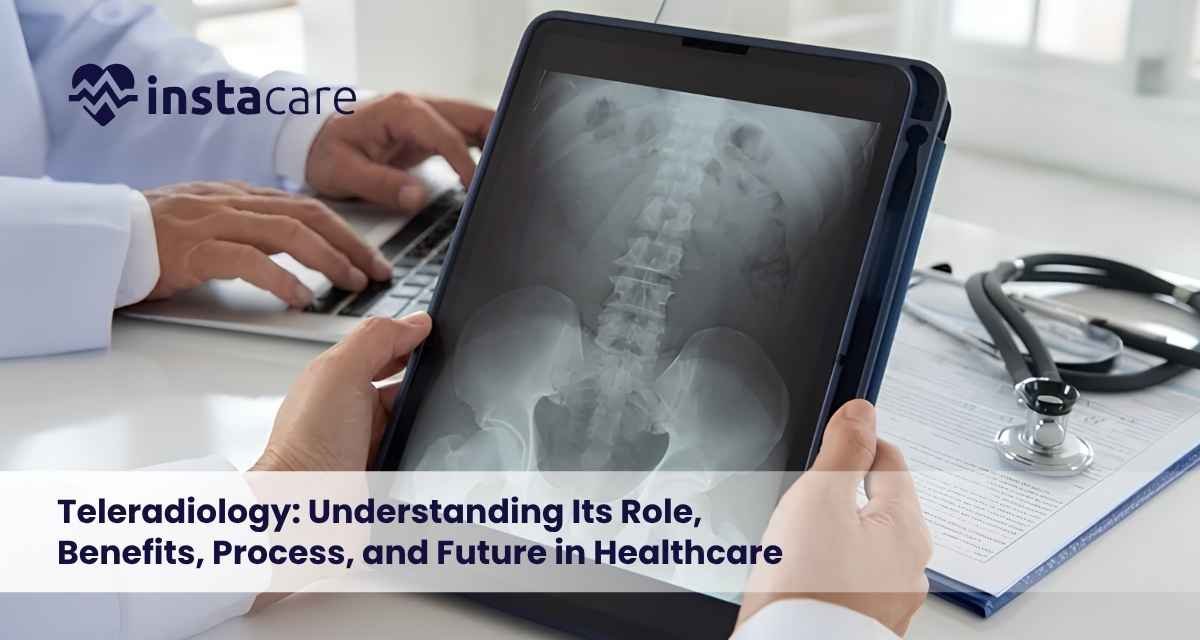
Teleradiology: Understanding Its Role, Benefits, Process, and Future in Healthcare Teleradiology uses telemedicine to send radiology images for interpretation and report generation by radiologists from remote locations. This technology enables the electronic delivery of radiology images to a remote specialist, eliminating the radiologist’s physical presence at the site of the patient. Teleradiology has gained great significance in medicine and healthcare due to the rapid growth of digital imaging, the internet, and secure information technology infrastructure. It improves the availability and timeliness of specialty diagnostic evaluations and expertise in areas lacking availability of healthcare personnel. Teleradiology supports the delivery of timely diagnostic results for image evaluations performed as part of routine or emergency care. It has many beneficial impacts on care delivery. What Is Teleradiology? Teleradiology includes the transmission of an image such as an X-ray or CT scan, to a radiologist via the Internet or another information technology platform for interpretation. Previously, radiologists had to be located in a hospital or an imaging clinic for the purpose of interpreting patient scans. With teleradiology, images can be sent for interpretation by a specialist in a secure manner to a remote location. A radiologist is able to prepare a diagnostic report containing findings and interpretations of the images without being in the same location as the patient. This is a valuable service in cases where the immediate interpretation of an image is needed or when the radiology specialist is not available locally. What is Included in Imaging Reviews Through Teleradiology? Medical Imaging types that can be reviewed through this system include: X-rays: Used to locate breaks or infections and assist in diagnosis of other health conditions in the chest. CT: A scan that creates detailed images of body sections and is used to identify injuries and other health conditions. MRI: Used to scan soft tissues in various body sections. Ultrasound: Used to scan blood flow and check on the health of various organs and pregnant women Why is Teleradiology Needed? With this technology, healthcare providers can clear many obstacles or challenges that are faced in the healthcare system such as: Improved Access To Specialists Smaller community hospitals often lack access to specialty radiologists. Teleradiology provides smaller community hospitals access to radiology subspecialty expertise remotely. Faster Diagnosis Time is a critical factor in emergency situations. Access to radiology specialty expertise rapidly streamlines decision making by healthcare providers. 24-Hour Radiology Support Given that remote reviews of images are possible, teleradiology enables radiology support beyond the typical scope of the traditional work day. Better Collaboration Teleradiology incorporates healthcare workers from disparate locations, supports the review of images, and aids in the diagnostic process. Book Your Free Marketing Consultation Benefits Of Teleradiology Increased Efficiency Digital media transfers remove delays caused by waiting for a specialist to be available and erases delays caused from the transportation of physical films. Support for Emergency Care Urgent and critical care cases, such as time-sensitive trauma and unstable and critically ill patients, can be rapidly reviewed by qualified radiologists. Reduced Geographic Limitations Patients are no longer constrained to the local medical care resources when specialized medical care is needed. Improved Use of Medical Expertise Radiology subspecialists can provide care and perform a critical role across multiple healthcare facilities to reduce specialty care disparities. Challenges Of Teleradiology While advances in technology have made many things easier, including teleradiology, there are still some challenges to this evolving technology. Data Security and Privacy Privacy and security of patient information is of utmost importance with medical images and needs to be addressed for teleradiology services. Technology Requirements Secure communication, reliable high speed internet, and appropriate specialty radiology imaging equipment are requisite for high quality teleradiology service. Communication Between Healthcare Teams A report can only be considered a findings report when the radiologist has effectively communicated the findings and ensured the treating clinician has a full understanding of the report. Maintaining Consistent Reporting Standards Consistent reporting standards allow radiologists to practice in different locations and with different healthcare systems. Artificial Intelligence and Teleradiology AI-based technology in medical imaging is gradually developing and may assist radiologists by suggesting patterns, showing possible abnormalities, and prioritizing emergencies. AI was developed to assist and not replace physicians. Complex cases require multiple factors and patient history to be fully appreciated, which is a task exclusive to physicians. The advancement of technology and the addition of specialized knowledge may continuously improve diagnostic imaging. Future of Teleradiology Increased demand for fast accessible healthcare services will likely lead to advancements in teleradiology. These advancements will likely be: Better digital imaging tools More AI-based tools Smarter remote collaboration systems Faster communication between healthcare professionals Increased remote availability of specialized healthcare professionals Within the expanding framework of interconnected healthcare, teleradiology will likely continue to be a premier diagnostic tool. Conclusion Teleradiology has been highly beneficial to the practice of medicine by allowing radiologists to offer their services remotely. It improves access to specialized services and enables a speedy diagnostic process, which leads to improved healthcare.Managing the challenges of teleradiology (i.e. security, technology, and communication) will be worth the benefits. Through increased digital and medical technologies, teleradiology will continue enhancing diagnostic systems and services. FAQs What is teleradiology? Teleradiology is the ability to review and interpret medical images remotely by radiologists to improve access to diagnostics and timely reports. What types of studies can be interpreted using teleradiology? Teleradiology assists in the interpretations of many types of diagnostic images including X-rays, CT scans, MRIs, ultrasound images and others. Does teleradiology eliminate the need for radiologist? No. Teleradiology helps radiologists work from a remote site, and use technology to aid in the delivery of diagnostic services.
Speech Recognition Technology in Healthcare Voice interfaces are modifying how clinicians engage with applications and the way they manage and manipulate data. As opposed to entering the comments or records manually, clinicians can verbally enter report data, search queries, and even document the data entry. In tandem with the digitization of healthcare, speech recognition offers a means of reducing clinical administrative work and increasing the efficiency of workflows. It can also offer inclusive digital interfaces for individuals for whom keyboard/digital interface use is challenging. Despite these benefits, the effective use of speech recognition technology necessitates a few concerns. These include system accuracy, adequate security protocols, and a manageable level of oversight. What Is Speech Recognition Technology? Speech recognition technology enables digital and computer systems to interpret what is said and convert it to written word or interpreted commands. Modern day speech recognition systems are capable of understanding complex, natural speech, different accents, and even medical terminology. Used in conjunction with healthcare, the technology is adaptable with and can be implemented on computers, smartphones and tablets, or dedicated devices. From there, a clinician can verbally reference any patient information and have it converted to digitized, editable text. Unlike standard voice to text tools, speech recognition technology for healthcare use can be adapted to directly understand medical terminologies, abbreviated words, and standard medical phrases. How Does Speech Recognition Work in Healthcare? In this context, the process is initiated with a clinician stating the information in a digitally compatible device equipped with a microphone. The system is then able to interpret the audio and process the words. Tech converts digital sounds to text, word by word. This recognition can boost with added context to help identify sentence structure and interpret complex language. The drafted text can be modified, checked for accuracy, and added to its final position on an electronic document. Perfection in this technology isn’t guaranteed which still justifies human review. Imperfections can still arise from a plethora of sources like surrounding noise, poor word pronunciation, word similarities, and complex language using unusual words. Healthcare Applications Medical Documentation A key application of this technology in healthcare is assisting medical personnel with dictating and documenting patient care. This technology allows healthcare personnel to complete documentation with reduced time spent on typing. This technology empowers medical personnel to document patient care with improved focus. Patient Records This technology can assist users with documentation in patient records. Users can dictate data, which, once checked for accuracy, can be incorporated in the patient records. For accurate documentation, the dictated data must be verified. Clinical Notes and Reports Healthcare personnel are often required to draft and document lengthy reports. This technology can aid in drafting reports with the spoken text converted to written form.This technology can aid this documentation process. Administrative Tasks This technology can be used in other administrative tasks with voice commands to create digital content, dictate digital searches, or direct movement in controlled digital environments. Improving workflow means eliminating unnecessary, repetitive tasks. Accessibility Voice technology can improve usability of digital systems for the healthcare professional with temporary or permanent physical limitations. Voice technology can be designed to allow the users to interact with the systems by speaking. Voice-enabled digital systems can be designed to allow patients to interact with the digital systems when appropriate. Benefits of Speech Recognition Technology Saves Time Lengthy notes require a long time to enter. Dictation of long reports can improve documentation. This can be especially beneficial for professionals whose speaking speed is higher than their typing speed. Reduces Repetitive Work Dispensing care services require significant time for data entry. Speech recognition can be used to reduce some data entry work. Improves Workflow Easier documentation can be used to improve productivity of the services and the overall workflow, and to devote more time to other important issues like caring for the patients. Supports Better Accessibility Digital systems that can be operated by voice can be more accessible for many users who are limited by their inability to use traditional keyboard and/or mouse input methods. Allows Hands-Free Interaction When healthcare professionals need to use their hands for other activities, speech recognition can be of great help. Book Your Free Marketing Consultation Challenges of Speech Recognition in Healthcare One of the greatest challenges of using speech recognition technology is the difference in how spoken words are understood as compared to the typed words. Accuracy Issues Due to the nature of the spoken words / names, speech recognition systems can misunderstand the pronunciations of words. Complex terminology or slang that is not used often can be mistakenly omitted. Healthcare professionals should always review speech recognized texts. Background Noise Healthcare facilities can be chaotic and noisy, which affects accuracy when recognizing background noises. The use of the appropriate microphones, as well as quieter surroundings, can yield better results. Privacy and Security The private nature of healthcare data makes it imperative that speech recognition systems have related privacy and security procedures. Organizations must be diligent in how voice data and the resulting text/data are collected, processed, stored, and used. Training Requirements It may take the healthcare workers some time to adjust to voice interaction systems. This can be mitigated through appropriate training. This training will help staff understand how to speak effectively and use the available commands and prompts to minimize errors. Speech Recognition and Patient Communication Care delivery is an interactive process. Digital solutions should be designed to support the delivery of healthcare services rather than substituting the processes of engagement and communication. Tech solutions should support effective engagement while healthcare professionals should be active participants in the therapeutic process. The Future of Speech Recognition in Healthcare Improved voice-processing systems will have the ability to differentiate between various phrases and/or commands, support voice-activated command systems, and address the needs of peripheral, hard-to-reach communities with more capability to support language and social user nuances. The ability to support data capture with voice prompts may improve the integration of digitally-based, personal healthcare services. The
Healthcare Wearables: How Smart Devices Are Transforming Modern Healthcare An important innovation in healthcare is the development of health tech wearables. These devices have the potential to transform how the public coordinates with healthcare providers. They can track, manage, and analyze health data in real-time and provide useful information on the data collected. Traditional healthcare devices are used during clinical testing and are not designed for real-time monitoring; health tech wearables allow the user to monitor data continuously. Wearable health tech is revolutionary in the management of wellness and chronic conditions. Tracking sleep patterns, physical activity, heart rate, and blood oxygen levels are subsets of data that transform how care is accessed and administered. The advancement of personalized care and proactive health management is the future focus of the healthcare industry, and wearable technology is at the forefront of this evolution. What’s a Healthcare Wearable? Similar to other consumer electronics, healthcare wearables are designed with the capability to gather and transmit health data. They contain sensors that capture health data in the form of physical or biological signals. Healthcare wearables can be smart watches, fitness trackers, smart textiles, medical patches, or other monitoring devices. They contain sensors and assistive technologies that aid the consumer in the management of their health. Healthcare wearables are designed to transform the monitoring of health from a reactive measure to a proactive one. They allow the user to monitor their health continuously even before symptoms or data concerning their health is alarming. Mechanism of Healthcare Wearables Wearables in healthcare incorporate sensors and frameworks for data storage and digital connectivity. Sensors collect data on a user’s physiology or their movements. This data is processed in the device and is frequently transferred to user connected apps. A wearable may capture the rate of an individual’s heart after a workout or capture patterns in the individual’s movements in a day. This data allows individuals to gain an understanding of their activity levels, behavioral patterns, and health. Incorporating advanced data analytics and artificial intelligence, healthcare wearables can identify patterns and offer tailored suggestions. Implications of these technologies make devices easier to manage and more effective for health in the long run. The Advantage of Healthcare Wearables Ongoing Health Assessment An advantage of healthcare wearables is the continuous health tracking. Traditional healthcare often requires scheduled appointments that occur at intervals; health data can be collected continuously with wearables. This continuous health assessment can signal the user of issues that can be harmful to their health in a timely manner. This is especially beneficial for individuals with healthcare concerns that require constant monitoring of specific health parameters. In healthcare, prevention is more effective than treatment. Monitoring specific body parameters can signal users to healthcare concerns sooner. Irregular heart activity, and even abnormal movement patterns, can indicate that a user should seek further assistance and be evaluated. This can prevent larger health concerns from occurring. Improved Management of Chronic Illnesses For people managing long-term health issues, healthcare technology that is wearable has the potential to bring significant improvement. These devices have the ability to collect important data and provide feedback that supports every day management of the condition. People managing a long-term health condition that is chronic can have a much better understanding of the implications of their health condition when they have access to the data in a timely manner. This data has the potential to impact their condition and provide great insight into the implications of their medication, daily activities, and the choices they make. Promoting Positive Health Behavior Changes Healthcare wearables can support the adoption of positive health behaviors by providing the ability to track physical activity, movement, sleep, and other factors that comprise one’s lifestyle. In addition, health technology wearables can have a significant impact by providing constant reminders that will maintain a health behavior and track progress. Wearable technology can enhance health goals by offering feedback on stress management, sleep health, and physical fitness. Book Your Free Marketing Consultation Most Common Healthcare Technology Wearables Fitness and Activity Trackers Healthcare technology wearables that have the ability to track activity, exercise, and movement are the most common devices that are wearable. They can track steps. These devices promote an active lifestyle and make the user aware of their daily habits and the effect on wellness. Smart Health Monitoring Devices Wearable technology that is smart and focuses on the monitoring of health has the ability to track a number of health indicators. These technology devices can monitor heart activity and body functions. These technology devices are great for people who need to have health monitoring frequently conducted. Smart Clothing and Medical Sensors Smart clothing is clothing that has woven sensors that can monitor movement, posture, and other health-related measurements. Medical sensors can be placed on the skin to gather a constant data set of health measures. These innovations are great for personalized healthcare and monitoring on the spot and at a distance. Importance of Health Wearables in Remote Patient Care The need for remote care services is continually growing, and health wearables are offering solutions by eliminating the need for health professionals to travel to their patients and increasing the value of the service. Remote monitoring of patients is particularly useful for senior citizens, patients recovering from a procedure, or patients with a chronic illness. The data is available in real time, allowing the provider to make informed clinical decisions. Ultimately, the patient is more comfortable, and the health care system is more productive. Challenges of Healthcare Wearables The services of health care wearables come with a price. Data Protection and Security The protection of data is crucial because the devices are collecting sensitive medical data. Security and protection of personal health data warrant the use of elaborate security measures. Accuracy of Data The measurement of data is only as good as the quality of the device and its sensors. Care should be taken to not rely solely on data collected by wearables, and a medical professional should
What Is Connected Care? A Complete Guide to the Future of Integrated Healthcare The evolution of technology is pushing the boundaries of healthcare by making it more convenient, individualized, and digitized. One of the distinct features of this paradigm shift is connected care, a method that integrates patients, healthcare providers, medical apparatus, and health information systems. Connected care promotes the active, safe, and unbounded sharing of health information and the provision of support beyond the traditional hälsocentralen or hospital visit. Connected care provides patients the support, guidance, and supervision they need no matter where they are. The combination of remote monitoring, data sharing, integrated digital technologies, and patient-centered care allows connected care to build a system that is more efficient, individualized, and proactive. Understanding Connected Care Connected care is the digitization of the different, previously disparate components of the healthcare system. It enables the secure digital exchange and coordination of care for patients, doctors, nurses, and caregivers via healthcare systems. Connected care resolves all the problems and enables the system and healthcare providers to be truly proactive by facilitating the constant, real time sharing of health information. The connected care system of healthcare providers is able to assess the health of patients, analyze medical data, and offer recommendations without the need for a face to face consultation. For example, a patient with a chronic illness may use a measuring device that is part of a connected health system. The data is accessible to the patient’s doctor, who can monitor the doctor and offer help when the doctor notices a change. How Does Connected Care Work? Combining multiple components of digital health care and telecommunications systems makes connected care possible. The steps are typically: Data Collection Health data can be obtained from: Health devices that are worn Smart medical devices Mobile health apps Electronic health records Remote monitoring systems These various tools can capture data such as levels of activity, vital signs, medication schedules, and trending health data. Data Sharing Health care data can only be shared with authorized personnel within a secure environment. This helps doctors and care teams gain a more complete picture of the current state of a patient. In addition to the data obtained during health care encounters, health care teams can now access a patient’s real-time health data. Analysis and Decision-Making Data can be assessed to identify trends, and define the best course of treatment. Sophisticated digital systems can even identify evolving threats to a patient’s health and signal the need for critical intervention. Continuous Support Connected care makes it possible to maintain an open line of communication with a patient, and, as necessary, reinforce health care management through ongoing coaching and supportive check-ins that don’t require a trip to a health care facility. Key Technologies Behind Connected Care Connected care builds a networked health care system on a variety of foundational technologies. Internet of Things (IoT) in Healthcare In health care, the Internet of Things refers to the use of digital telecommunications to connect medical devices and health care tools. Examples include: Smart monitoring devices Connected medical equipment Wearable health trackers Remote patient monitoring tools Healthcare professionals understand patient conditions better through tools that collect information in real time. Electronic Health Records Electronic health records are a modern and organized way to keep and look up patient information. They may include: Medical history Previous treatments Test results Medication details Allergies Health Reports Healthcare professionals have faster means to coordinate care and close communications gaps through connected health systems. Telehealth and Virtual Care Telehealth is a way for patients to conduct remote communications with healthcare professionals, and it may include: Remote visits Follow up appointments Health check ins Health and medical advice Virtual care is especially useful to those who have challenges with making the visit to a healthcare facility, or to those who need regular health check ins. Artificial Intelligence and Data Analytics Health information systems enhanced with artificial intelligence and data analytics help to sift through the large volumes of health information to identify information that may be of value. These systems may be used for: Identifying risk earlier Planning interventions Monitoring patients Making health care decisions These systems act as information management aids. Benefits of Connected Care There are many benefits to connected care for patients, healthcare professionals, and the healthcare system. Improved Patient Experience Connected care leads to more patient centered and accessible health care. Patients are empowered to communicate with health care professionals, receive reminders, and manage their health information. Healthcare professionals are in a better position to guide and support patients, which enables patients to avoid reaching a point of a health crisis and needing more intensive care. Better Disease Management Connected care is very effective for the management of health conditions that are chronic in nature. Healthcare professionals can adjust care as needed based on the information readily available through regular monitoring. This can help: Achieve better outcomes after treatments Minimize health complications Help people make positive health choices Improve engagement Accelerate Healthcare Choices Healthcare providers can make better choices more quickly when they have the most current information about the patient. Real-time data helps find critical problems and helps support the most important response. Less Healthcare Strain Connected care helps prevent hospital visits and helps make the best use of available resources. Using remote care and virtual visits helps reach and care for more people and helps relieve some of the burden on healthcare facilities. Focused Healthcare Every person has different healthcare needs, and connected care helps create different pathways to care. More focused choices of treatment can be made by considering a patient’s specific condition and their lifestyle and health habits. Book Your Free Marketing Consultation How is Connected Care Used in Healthcare? There are many uses of connected care in different areas of healthcare. Remote Care People are able to use connected devices to monitor their health at home. Healthcare teams are able to view the data and offer support. Smart Systems for Medications
Chain Reaction in Healthcare: How Connected Events Influence Patient Care and Health Systems Chain reactions in healthcare signify that interconnectedness is part of the system’s design. These reactions can consist of a single change event or decision that mobilizes a multitude of effects. These effects can be felt systemically across spaces like the patient, the healthcare professional, the institution, and the healthcare environment. Some chain reactions can even be felt economically like the complication of a patient’s condition and the subsequent increase in a patient’s care. Knowledge about these chain reactions makes working in healthcare much safer and more efficient. Understanding Chain Reactions in Healthcare Chain reactions can be in the form of single connected events that stimulate or change a healthcare condition, clinical decision, administrative process, and even a public health event. An example of a chain reaction in healthcare can be the detection of a condition during a preventative health screening. In this instance, the chain of events is positive, because the condition is in a less severe stage prompting less advanced and, consequently, resource intensive interventions. The opposite can also be true. If a patient’s condition worsens during the process, more severe interventions and a longer recovery will be required. These patterns, reactions, and connections are studied by healthcare professionals to identify risks and generate systems which promote beneficial and positive outcomes. Examples of Positive Chain Reactions in Healthcare One of the most salient examples of beneficial chain reactions in the healthcare system is the early identification of a condition. Benefits of Early Detection of Health Issues Some of the benefits of early detection of health issues are: Faster treatment Lower chances of complications Faster recovery Less treatment expense Better health The benefit of having easier access to health care really goes beyond the visit. Improved Patient Education When people become educated about their personal health care, and how to take their medicine, and about healthy living and preventive care, the likelihood that they will make healthier choices will all be increased. Increased awareness of health care leads to: Better medicine adherence Fewer health issues Reduced need for emergency health care Improved health care management Patient participation in the management of their injury or illness is the goal of health education. Health Care Technology One positive thing that modern technology has aided health care with is improved access to health care information and improved communication. For instance, digital health records allow health care providers to access updated records of patients. Quickly able to access information aids the health care provider in making accurate assessments and helps in the coordination of the health care team. Changing health care technology for the better aids with early detection of patient health care needs in the timely provision of health care. Negative Sequences of Health Care Delayed Medical Attention Improvements of health care systems are needed to break the negative sequences in health care. For instance, the delayed need for health care has a negative sequence of complicated health issues for the patient. A common example of this sequence and its effects is: having a minor health issue, delaying treatment, resulting in having a major health issue that requires complicated treatment with an extended recovery period. This negative sequence affects the patient physically and financially. Medication Errors Medication-related issues can have adverse effects. Reduction in the effectiveness of treatment, unwanted effects, and the need for additional visits and prolonged recovery are potential consequences of: Incorrect dosage Missed instructions Communication errors These effects can be avoided through proper monitoring and effective communication. Healthcare Staff Workload Exceeding workload among healthcare professionals can disrupt the order of the entire healthcare environment. An unmanageable workload can result in: More stress Less focus leading to more errors Lower quality interactions with patients The impact of unmanageable workload can be avoided through balancing staff and an effective workflow. Chain Reaction Between Patient and Healthcare System Interconnectedness of the patient and the healthcare system reveals the reliance of each on the other. For example: A patient follows preventive health advice leading to fewer severe health problems which results in fewer emergency visits and allows the healthcare system to focus on other critical cases. Poor health awareness leads to a higher risk of disease, higher demands of healthcare services, and overburdened healthcare facilities. The interconnectedness of the patient and healthcare system reveals that prevention, education, and early intervention are needed in the current healthcare systems. Book Your Free Marketing Consultation The Role of Data in Healthcare Chain Reactions Data assist understanding healthcare chain reactions. The healthcare system collects a variety of data and information for the purpose of identifying trends and predicting risk. Even more, the earlier the warning sign can be predicted, the greater the potential for the health issue to be avoided. Benefits of Data-Driven Healthcare Healthcare data offers enhanced: Speed of analysis Precision of treatments Maximized resource allocation Preventative care initiatives Chain Reaction in Public Health Negative chains can affect public health. One concern can simultaneously affect various regions or an entire system. Consider the scenario of a contagious disease breaking out: Somebody is infected → many become infected → overwhelming demand on healthcare → a shortage of supplies → the establishment of a quarantine. Public health is then concerned with breaking negative chains and stimulating the demand for behavior in a protective fashion. Protective behavior such as vaccination, the establishment of hygiene standards, the promotion of early diagnosis and testing, and health education, can provide a protective framework for a community. How Smart Healthcare Creates Positive Chain Reactions? Chain reaction design is based on positive feedback. Fast, accurate, and effective communication in healthcare enables and facilitates positive feedback. Smart healthcare encompasses: Ongoing observation of patients Alerting of staff for problematic changes Improved communication and decreased bureaucracy Facilitation of planning and implementation of individualized care Connected monitoring systems can identify problematic changes in a timely manner and staff can avoid the change while meeting and exceeding the standard of care for recovery. Importance of
What Is a Smart Hospital? Smart hospitals enhance the patient experience by employing different technologies. They incorporate the Internet of Things, Artificial Intelligence, electronic medical records, smart sensors, robotics, and more. They utilize integrated technologies, automated systems, and real-time data to streamline hospital operations. The technology in a smart hospital is not meant to satisfy the need for an updated version of the traditional tools that existed before. Smart hospitals exchange the tools of healthcare in the traditional sense for those of a connected one. Their purpose is to enable the seamless exchange of information among patients, healthcare employees, and even the different devices and divisions of a hospital. An example of the technology that a smart hospital uses is a smart patient monitoring system. A smart patient monitoring system tracks vital signs in real-time and conveys the information to the medical team so they can respond. In addition to more optimal utilization of healthcare resources, smart hospitals also help accelerate the administration process, enhance the safety of patients, and elevate the overall quality of the healthcare experience. How Does a Smart Hospital Work? Within a smart hospital, all the different medical devices and the different divisions and systems of healthcare are all digitally interconnected to a safe network. Information and data from patient care and the different services and divisions of a hospital can be easily accessed and stored by authenticated healthcare employees. When a patient arrives at a smart hospital, they need to be digitally registered. After they are registered, healthcare employees can access the patient’s information and even the patient’s medical history, prescribed medications and orders, and even the patient’s scheduled services and interventions. In some instances, patient data is gathered on a constant basis by connected devices. If an anomaly is detected, and for example, a patient’s oxygen takes a sharp decline, an alert can be sent to the corresponding medical staff. Inappropriate uses of automation may include, but are not limited to, scheduling appointments, managing inventory, tracking medication, assigning rooms, managing billing, and facilitating communication among staff. The integration of the aforementioned processes allows smart hospitals to eliminate bottlenecks and give healthcare staff an opportunity to focus on the actual care of the patient. Main Technologies Used in Smart Hospitals There are a myriad of technologies that ensure the reliable operation of smart hospitals. Internet of Things The Internet of Things (IoT) encompasses devices that can gather data and transmit and/or receive data over a network. In a hospital setting, these devices can range from patient monitors to sensors, smart beds, infusion pumps, and all medical devices. Being connected enables these devices to furnish data in real-time and relieve the medical team of the tedious task of monitoring patients by checking every reading. Artificial Intelligence AI has the power to analyze copious amounts of medical and operational data. As a result, AI has the potential to assist the medical team in multiple tasks such as finding patterns in data, organizing patient data, determining the level of urgency for cases, and recognizing possible threats. AI is neither a replacement nor a substitute for a doctor or a nurse. AI is a value-adding tool for the medical team and an aid to ensure precise and timely decisions are made. The shift from paper to electronic files has an impact on how people access information. It has advantages when considering lost documents, illegible writing, and paperwork redundancy. Smart Patient Monitoring Smart monitoring systems keep track of critical health metrics. These can include heart rate, blood pressure, blood glucose, breathing rate, and levels of oxygen and body temperature. This data can either be displayed on a monitoring screen or be sent directly to health professionals. Readings that are deemed unsafe can trigger alerts. Robotics and Automation There are multiple types of robotic and automated systems that can facilitate various functions throughout a hospital or medical facility. These can assist with transporting supplies, disinfecting a room, sorting and organizing medications, delivering items between various departments, and even help with certain medical procedures. Robots and automation can significantly ease the burden of multiple redundant administrative functions, and as a result, allow hospital staff to spend more time dedicated to interacting with patients. Telemedicine Telemedicine utilizes a secure digital platform to facilitate communication between patients and healthcare professionals at a remote distance. This can be implemented for typical routine consultations, treatment reviews, and other non-emergency procedures and monitoring. Remote healthcare can be especially advantageous for patients who live a great distance away from medical care facilities or have traveling difficulties to access them. The Unique Characteristics of a Smart Hospital A smart hospital integrates multiple digital systems and advanced technologies to improve both patient care and hospital operations. Smart beds can monitor patient movement, pressure, and sleeping position. They can also be equipped with alert systems that notify healthcare staff if a patient attempts to leave the bed without assistance, helping prevent falls. Digital check-in systems reduce waiting times and simplify the patient registration process. Automated systems can also send appointment reminders, provide navigation within the hospital, share test instructions, and notify patients about their discharge. Indoor tracking systems enable healthcare staff to quickly locate essential medical equipment, supplies, and personnel. This significantly reduces the time spent searching for devices and improves operational efficiency. Advanced energy management systems use intelligent controls for lighting, HVAC, and electrical systems. These systems maintain a comfortable hospital environment while minimizing energy consumption and operating costs. Digital pharmacy systems enhance medication inventory management, reduce medication errors, monitor expiration dates, and streamline prescription dispensing and refill scheduling. Advantages of Smart Hospitals One of the greatest benefits of smart hospitals is enhanced patient safety. Continuous monitoring allows healthcare providers to detect changes in a patient’s condition earlier, enabling faster intervention. Smart hospital networks provide healthcare professionals with instant access to clinically relevant patient data across departments. This is far more efficient than simply retrieving medical records, allowing for faster and better-informed clinical decisions. Smart hospital technologies also reduce
- 1
- 2