
AI in Mental Health: Transforming Care and Support for Everyone The increasing need of having affordable, effective, and available mental health care has driven the healthcare industry into high technology. Artificial intelligence in mental health is transforming the way people are being supported, clinicians diagnose mental disorders, and ways treatment plans are customized today. Since it is not only identified at an early stage but also analyzed in order to produce data during the whole process, AI is changing mental health to a more active, involving, and data-driven process. What Is AI in Mental Health? AI in mental health is the domain of using digital systems and algorithms to process behavior, emotions, speech patterns, and physiological data and assist in the diagnosis, prevention, and treatment of mental health conditions. These systems will be able to detect the slightest indicators of distress, monitor progress, and prescribe interventions depending on the behavior of the user. AI mental health diagnosis platforms and intelligent applications are expected to support human professionals, and not to substitute them, offering their in-depth analysis and faster assessments. As AI has become a regular part of everyday life, mental health practitioners can employ such technologies to gain a clearer insight into patients in terms of their emotional conditions, Behavioural patterns, and psychological requirements. Assessments that are based on data minimize guesswork and enhance clarity, particularly in instances where symptoms are hard to judge. How AI Is Used in Mental Health? AI has brought a set of ground-breaking innovations that are currently employed throughout the mental health sector: Early Detection and Screening: AI can process speech, writing, sleeping behavior, social media use, and facial expressions to identify early warning signs of emotional distress. Nowadays, AI can detect depression earlier, when it is not severe yet. AI Therapy and Support: The emergence of AI therapy applications and chatbot has assisted individuals in getting mental health care at any time. These applications offer coping, mood monitoring, and personal advice. Digital Mental Health Apps: There are now numerous AI-based mental health apps, such as those that assist users in tracking their stress, anxiety, sleep, and emotional triggers. They offer live feeds and develop tailored courses of action to improve the emotional state. Predictive Behavioral Insights: Systems that provide AI-assisted insights into behavioral health assist professionals in predicting patterns, including a risk of relapse or emotional breakdowns based on data analytics. Constant Monitoring: Mental health monitoring using AI of sensors and wearables is more accurate. The devices monitor heart rate variation, sleep patterns, and daily behavior, which are used to alert about mood swings. AI for anxiety management: Fresh technologies offer tips to help with stress management, relaxation methods, and cognitive assistance with anxiety management, so that people can better cope with symptoms on their own. Automation: Automated communication systems and predictive analytics in mental health help hospitals and clinics to organize the appointment schedule, remind patients about the exercises of the therapy, and monitor the progress. Digital Mental Health Platforms: Technology-based platforms are platforms that provide integrated and seamless digital mental health solutions, which make care more accessible to remote populations. Benefits of AI in Mental Health AI has many benefits of AI in mental health treatment to patients and mental health practitioners: More rapid and Accurate Diagnosis: Machine learning in mental health can enable clinicians to consider patterns that a human can miss. This has the benefit of lessening the diagnostic lag and enhancing treatment results. Easy Availability of Support: AI chatbot for mental health provides 24/7 support which means that people will get guidance even in case they cannot get professional help. Individual Treatment Plans: Algorithms know the behavior of a person and make specific plans depending on the emotional pattern and lifestyle. The opportunities of AI in the treatment of mental health are increased engagement and increased recovery rates. Inclusive Mental Healthcare: Remote and underserved communities will have the ability to gain access to resources and tools that they did not have before. Efficiency in Professionals: AI can perform tasks such as documentation and monitoring, and therapists can dedicate their time to individual sessions. Improved Clinical Decision-Making: Clinical insights aid clinicians in making evidence-based decisions to support more accurate interventions. Book Your Free Marketing Consultation Challenges and Limitations Although it has its advantages, AI in mental health has a number of challenges: Privacy of Data: Data of an emotional and medical nature is sensitive and needs to be highly secured. The increase in the number of ethical issues in AI mental health underscores the necessity of secure systems and open data use. Absence of Human Compassion: The most sophisticated technology is not able to substitute the emotional attachment or the cultural knowledge. AI should not replace human therapists, but they are supposed to be assisted by it. Biases of the Algorithms: When AI systems are trained on biased data, there is a likelihood of them being misleading to some demographics. Excessive reliance on Technology: Automated systems alone can decrease the amount of human interaction needed to conduct most therapies. Regulation and Standards: The government and other organizations need to develop effective guidelines as the industry advances to make sure that there is safe and responsible usage. The Future of AI in Mental Health The future of AI in mental healthcare is likely to introduce very sophisticated technologies that will develop immersive, predictive, and personal mental health experiences. Future developments entail: Hyper-Personalized Therapy: AI will give an immediate emotional response to adjust therapy sessions in real-time. Sensitive Devices: Wearables will be able to sense stress or panic and prevent its development to a higher level. Virtual Therapists: More complex chat bots will provide AI therapy tools with the help of human therapists. Integrated Care Platforms: Sleep, mood, stress, cognitive performance, and all other mental health data will be integrated into one platform to conduct the holistic analysis. Accessibility around the world: AI-powered systems will enable mental health accessibility across various languages and across regions. These innovations are bound to de-stigmatize,
Technology in Mental Health: Transforming Care Through Innovation and Connectivity Our technology-engulfed era, where technology is a valuable asset in the management of mental illness, has seen rising cases of global stress disorders, Technology as anxiety and depression. Technology is now providing new avenues through which support is becoming more convenient, tailored, and effective. Use of technology in mental health shifted from promotional campaigns today to welcoming advanced gizmos, apps, and sites providing access to therapists, emotion tracking, and instant support. From artificially intelligent therapy to online mental care services, technological advancement is revolutionizing the way people receive help, the way that practitioners work, and the way that the world views mental illness. Access and the connectivity that the technologies provide are erasing the old barriers and allowing millions of people to receive help from home. Role of Technology in Mental Health The role of technology in mental health is in three ways with accessibility, personalization, and prevention. Treatment by media that are digital can be done irrespective of where one is based or their economic status they have. All the technology-based form of access to care allows one to act early and follow up at all times, something one requires in dealing with chronic psychological disorders. Technology enables individuals to monitor symptoms and engage in behavior with smarter devices, and the patient is able to conduct therapy sessions or self-help exercises without stigma. Digital Mental Health Platforms and Apps Among the most significant innovations is the development of apps and websites offering real-time mental health care and self-help information. These mental health applications consist of mood charts, guided meditation, CBT programs, and peer support chat groups. These online mental health sites have opened the profession of access therapy by making common occurrences of counseling less expensive financially. Examples include well-known apps such as Headspace, Calm, and BetterHelp with millions of subscribers globally. They enable individuals to monitor progress, establish goals, and monitor symptoms via direct Digital interventions for mental health. The advantage of technology in mental illness management is found within the device itself with the portability and ease of use. People who, for fear of social stigma or domicile, never mustered the courage to visit a therapist are now able to go about obtaining service in private at their own leisure. Teletherapy and Online Counseling The COVID-19 pandemic brought teletherapy and online counseling to the forefront faster, and now online sessions are an everyday mode of therapy. With secure video calls and chat interfaces, professional therapists can administer online therapy, uninterrupted, even in the case of lockdown or an emergency. It benefits both the patients and therapists. Patients can come without having to drive, and therapists can work with additional clients. Teletherapy also encourages honesty and ease because patients feel more at ease in revealing things from places they know. The efficacy of internet therapy and teletherapy has been supported in numerous studies of research as well as with single-case therapy for the treatment of anxiety, depression, and trauma. Artificial Intelligence in Mental Health Applying Artificial intelligence in mental health to cure mental illness is a leap of faith. AI programs are founded on patterns in verbal behavior, facial expression, and written communications to make assumptions about emotional status and symptoms of potential mental illness. For example, chatbots like Woebot or Wysa use natural language processing to provide empathetic support to users in coping behavior practice and crisis intervention. Mental health chatbots are available 24/7, with the hope of providing individuals in crisis with access to the continuity of care. Artificial intelligence also helps physicians forecast patient outcomes, tailor therapy plans, and identify potential high-risk patients who need to be treated with priority. With the passage of time, technology will certainly advance even more to a point where the use of AI will become an enabling Digital mental health tools for therapists and render the diagnosis more precise and therapies more personalized. Book Free Demo Wearable Technology and Mental Well-being Another potential is Wearable technology for mental health, such as biosensors and smartwatches, monitoring heart rate, sleep, and stress levels. These allow patients and professionals to monitor emotional and physiological reactions on a daily basis. In addition to Remote mental health monitoring, wearables enable prevention and early intervention, and enable one to actively care for emotional well-being instead of responding. Virtual Reality (VR) and Augmented Reality (AR) Therapies Virtual reality in mental health treatment is revolutionizing exposure therapy, mindfulness training, and relaxation procedures. VR envelops patients within a virtual world to expose them to their fears in a safe environment, to teach them how to manage them, or to take them through meditation. For example, PTSD patients are exposed to traumatic experiences in controlled virtual reality because the therapists can lead them through re-learning and reinterpretation of their response. Likewise, social anxiety patients are able to rehearse social competence in a simulation environment so that they build confidence before exposure. Big Data and Mental Health Research Big data psychology is revolutionizing the manner in which researchers perceive patterns of emotional well-being. By analyzing data gathered with online treatment for psychopathology, wearable sensor-based sensors, and online social media interaction, researchers have been able to examine scales of large behavior patterns. This data can be used to recognize early warnings for mental health crises, monitor the population, and optimize treatment. Big data findings have the potential to transform public health policy but also bear chilling Data privacy in digital mental health concerns over electronic mental health. The Future of Technology in Mental Health The Future of technology in mental healthcare is bright with innovation to customize it and make it affordable. Application of AI, VR, and wearables in daily life can potentially diagnose and cure mental illness years in the future, when the disease is still in its infancy. Predictive analysis can be carried out by therapists and applied according to pre-intervention on the basis of behavioral data. Intervention can
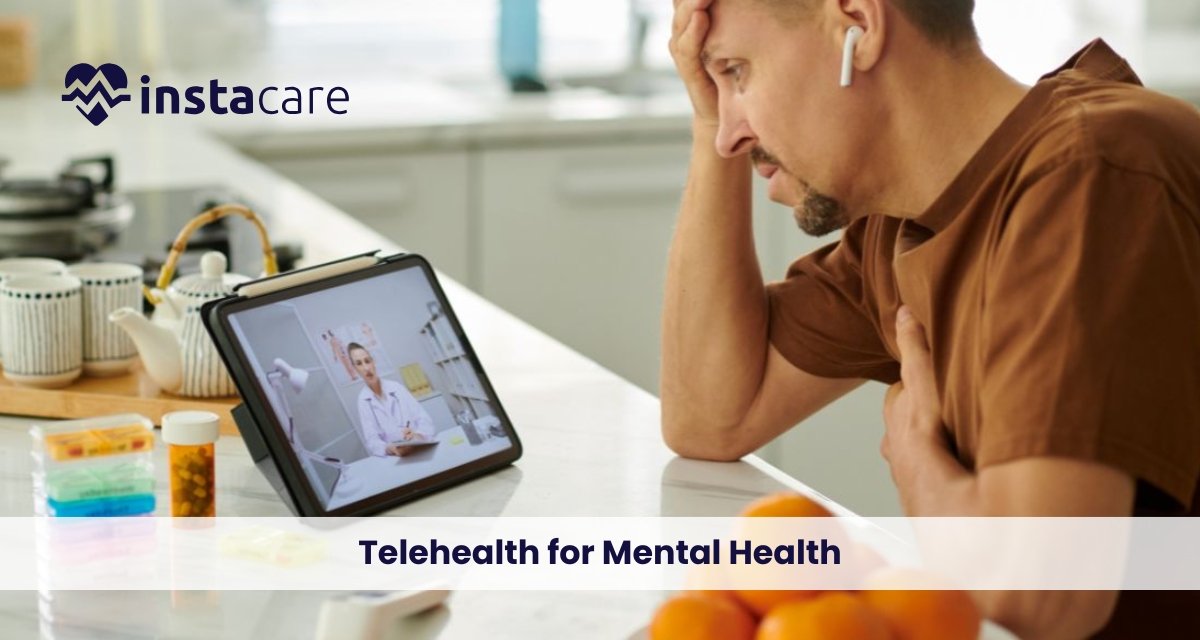
Understand The Importance Of Telehealth for Mental Health Telehealth for mental health has gained momentum pretty rapidly, changing the way mental health care can be accessed. The flexibility of using technology to provide a series of mental health services-from teletherapy and telepsychiatry to online Telehealth counseling services -has become highly effective in modern times. Societal awareness regarding mental wellness has been growing, coupled with an unprecedented demand for uncomplicated access to effective mental health care, eventually forcing the shift from face-to-face mental health virtual consultations to virtual mental health care. In a world where stress, telehealth for anxiety and depression are becoming more common, telehealth is an answer that can make services gap-less in terms of accessibility, convenience, and comfort. Online mental health services have enabled access to Psychological support and online support from licensed professionals, which previously were perceived as barriers to traditional therapy settings. Definition of Telehealth and Its Elements Telehealth is any service that might be delivered remotely through digital technology. This term encompasses various virtual healthcare, including physical and mental healthcare. In terms of telehealth for mental health care, there could be teletherapy, in which virtual sessions would be carried out with therapists, and telepsychiatry, under which online consultation with psychiatrists would lead to diagnosis and even prescription. This variety allows one to select the service suitable to their needs, making mental care more individual and effective. Mental health telemedicine enables licensed professionals to connect with patients through safe video conferencing tools or telephone calls. It benefits those with transportation problems, living in remote areas, or having other limitations that visit a professional difficult to access. The use of technology in telehealth for mental health eliminates many of the barriers that prevent people from getting the help they need. The Emergence of Teletherapy One of the most popular forms of telehealth for mental health is teletherapy. This service allows people to conduct therapy sessions from the comfort of their homes. The ease of teletherapy has made it an attractive option for many, especially in times of crisis, such as the COVID-19 pandemic. As social distancing measures were enforced, mental health providers quickly adapted by offering remote counseling options to ensure that patients could continue receiving care despite physical limitations. Teletherapy covers everything related to anxiousness, depression, and issues between partners. It is also quite convenient, meaning that one can have therapy at the most convenient time for them. With online therapy platforms offering their services, there is an option of choosing from a long list of therapists based on specific needs, preferences, or areas of specialty. Customization enhances the therapeutic session; therefore, telehealth mental health treatment results will be highly effective. Book Free Demo Advantages of Virtual Mental Health Care The benefits of virtual mental health care are numerous and profound. The most significant advantage is increased accessibility. For a large number of people, traditional treatment can be frightening simply because of barriers of distance or stigma associated with getting help. Telehealth for mental health eliminates the concern because no geographical location would be considered a barrier. After all, it only requires an internet connection to get help. Telehealth also provides comfort to clients that, perhaps, their traditional settings cannot offer. While some individuals consider it convenient to talk about personal problems in familiar territory, such as one’s place of abode, the comforts associated with familiarity may open such a client when talking about more personal issues as therapy progresses between the client and the therapist for a better rapport. The most significant advantage is the convenience of scheduling appointments. The patients can visit them without necessarily travelling. They will save time and money, hence ensuring that they increase efficiency and improve the treatment outcome with more regular attendance. Tackling Specific Mental Health Issues The best applications of mental health telehealth are targeting particular conditions, such as Telehealth for depression or anxiety telehealth. For patients who present signs of depression, the act of leaving their homes might be impossible. In such a respect, tele counseling offers the most feasible solution because the individual can seek a therapist online. Access will eliminate the burden on the individual to travel to a location where he can meet a counsellor. Similarly, mental health telemedicine may prove useful for people suffering from anxiety in the sense that the virtual environment provides a safe place for therapy. Practitioners can help patients find coping skills they can apply directly to their clients’ lives, making the treatment very effective. Digital Mental Health Resources Besides, digital mental health resources, such as applications and online support groups, can be used with traditional therapy. These resources allow clients to control the well-being process outside sessions, further empowering a proactive approach to wellness. Challenges and Limitations of Telehealth The benefits of telehealth in Mental health support via telehealth are apparent, but there are challenges and limitations to be considered. One major issue is the possibility of technology barriers. Not everyone can access reliable internet or the necessary devices to participate in virtual sessions. This digital divide can disproportionately affect marginalized communities, further exacerbating existing inequalities in mental health care access. It raises privacy and security concerns about using therapy online. Everyone needs to select a site with proper regulation, such as HIPAA or others, that deals with confidentiality when using their information. Ideally, therapists must be able to inform patients about how sensitive information will be protected while they provide virtual sessions. Others would find that face-to-face contact is preferred and more suitable for more intense therapy requiring a personal connection. Telehealth, in some cases, may not be ideal for everyone, and a few individuals will still need traditional in-person treatment. Future of Telehealth for Mental Health Telehealth in mental health would seem promising due to its continuously evolving nature of technology and ever-growing consciousness over mental well-being. More people are embracing the medium of telehealth to deliver their services in the mental health field, with more extended reach in service offered. Group therapy sessions, workshops,
5 Tips To Avoid Obesity Due to modernization, there is riding instead of walking and working in the cubicle instead of field making people over-weight. More worse case is obesity. Obesity is a condition in which the body accumulates excess fat causing health problems. It is very necessary to avoid obesity. It can cause severe health problems. Obesity puts you in risk of type 2 diabetes, heart diseases, high blood pressure, sleep apnea, some types of cancer, and strokes. “In this world replete with diabetes and heart disease; it is important to prevent obesity from childhood to stop these diseases from happening. It is important that we influence school children so as to increase their knowledge about nutrition and physical activity, in an effort to change their attitude and practices for life”. – Dr.Anoop Misra Executive Chairman, Fortis CD-DOC Healthcare Ltd. Stats: There are more than 1 billion adults who are overweight and more than 300 million are obese over the globe. According to the CDC (Center for Disease Control and Prevention): In Us, 66 percent of the adults are overweight, 32 percent are obese In Japan and Africa, the obesity level is below 5 percent. China has a low obesity rate but some large country has 20 percent obesity. Obesity is not only limited to westerns nations. It has started making its way to Asian countries like India, China, and Pakistan. Why Obesity Happens: Although your genes play an important part in determining your body weight however there are many other factors. We have access to more nutritious food and fast food. We are not much active as we were in the past. As a result, we are taking more calories than we burn. However, overweight and obesity lead to health problems from heart diseases, diabetes to stroke. These health risks deteriorate the quality of health and can become the cause of premature death. Obesity vs Overweight: Overweight and obesity are terms used to describe the level of excess weight that is accumulated by the body which is unhealthy as well. A person is obese when body mass index (BMI) is greater than 30. One way to determine that whether you are obese or overweight is to calculate your BMI (Body Mass Index). It can be calculated by dividing the body weight in Kilograms by the square of your height in meters. Formule will be kg/m^2 BMI range: A BMI between 25 and 29.9 is overweight A BMI of 30 or higher is obese Tips to avoid obesity: Recent information that 22 percent of people globally will be overweight by 2045 if trends persist to set the spotlight on the health of the centuries. Unless we took precautions, this trend will be going to increase. Here are the 5 tips to avoid obesity: Lifestyle changes-Most people have more success when they make small changes, one step at a time. For example, you might eat an extra piece of fruit or add more vegetables to your meals. By changing little things like sleeping schedules will help you a lot in achieving your goal which will avoid obesity. Exercise-Due to quarantine, we are more exposed to obesity and going overweight. This will have adverse effects on your health. According to the CDC (Center for Disease Control and Prevention), everybody should do 150 minutes of moderate training or 75 minutes of intense training every week. You can just improve your stamina for running a mile daily. Mental Health- With obesity comes to a range of emotions from anger to depression, and many who are overweight suffer from self-image issues. It is not enough to simply handle the physical aspects of your weight problem; you must also find ways to improve your mental health. Mental health and attitude directly related to poor sleep. When you are tired, it becomes much more difficult to handle stressful situations. So sleep should definitely be mentioned in some way here. Eating– Breakfast is the most important meal of the day and one must make sure to have a healthy breakfast. Morning is the time when we are hungry after a long duration of sleep. As far as dinner is concerned, experts advised to take it till 8 pm. After this stop taking carbohydrates. Drink Water– This seems to ver normal but wait. Make sure to drink lots of water throughout the day. It helps you feel hydrated and aids better digestion. Drinking more water also improves metabolism and is helpful for weight loss. In short, a healthy weight is important in maintaining good health. Take steps to prevent obesity in your daily life is a good step. Even small changes such as described above can help to avoid obesity. Additionally, meeting with a fitness trainer can help you find activities that work for your body. For more information, visit Instacare or book a session with a doctor here.
Reasons to Use Green Tea That You Don’t Know Green tea, native to India and China, has been consumed and hailed for its health benefits for centuries. Tea is the most consumed beverage in the world. However, 78% of the world uses black tea, and only 20% consume green tea. It is one of the healthiest beverages on earth. It was traditionally part of medicine in China and India. Used in medicine to control bleeding, heal wounds, aid digestion, improve heart and mental diseases, and regulate body temperatures. Recent studies have shown that it is beneficial from weight loss to liver disorder. The green tea plant contains a range of healthy compounds that make it into the final drink. EGCG is one of the most powerful compounds in green tea. Research has proved its ability to treat many diseases. This compound is one of the main compounds that give green tea its medical importance. It also improves mood, memory, vigilance, and reaction time. It consists of antioxidants that have health benefits, which includes: Improved brain functioning Lower the risk of cancer like Breast cancer, Prostate cancer, and Colorectal cancer lower the risk of heart diseases Types of Green Tea It is available in many types including: Bottled and sweetened with sugar/artificial sweetener Single tea bags Loose leafs Instant powder Supplements that are sold in the form of capsule or liquid extracts According to the 2010 research presented at the American Chemical Society, bottled teas are not equivalent to brewed teas as some 16 ounce bottled teas can contain fewer polyphenols than one cup of brewed tea. Reason to use There are many reasons to start consuming Green tea, which includes: Improve brain functioning It does more than to just keep you alert. Although, it contains caffeine which is known as a stimulant. However, caffeine quantity is low as compared to coffee. It contains many other brain-boosting compounds like L-Theanine (amino acid), which can cross the d-brain barrier. L-theanine increases the activity of the inhibitory neurotransmitter GABA, which has anti-anxiety effects. L-Theanine also increases the dopamine and production of Alpha waves in the brain. The research has shown that L-theanine and caffeine have a synergistic effect. This means that the combination of these two has particular effects on improving brain functioning. Prevent Diabetes It helps to prevent type 2 diabetes. Insulin comes along to decrease sugar levels but with T2D, the body is not so sensitive to insulin, so blood level goes up. The tea especially helps sensitize cells so that they are better to metabolize sugar Helps in reducing weights Green tea helps to Bruce fats by melting fats. But the fact is that there are hardly any drinks which help in reducing fat. Green tea helps in metabolism and this fast metabolism decreases weight. The ingredient EGCG helps in dropping weight to a few pounds. However, the consumption of Green tea is far better than any sugary drink. “All things being equal, if you sub 1-2 cups of green tea for one can of soda, over the next year you’d save over 50,000 calories,” Ochner says. “That’s more than 15.” Live Longer The daily 1-2 cups of Green tea can increase your life, not directly. Daily consumption improves your physical performance. The health benefits also seem to include boosting physical performance, increasing exercise endurance, and decreasing reaction time, and there are many, many such studies showing these effects from caffeine, although other ingredients may aid this effect. Side effects There are hardly any side effects or contraindications of use by adults. However, the following complications should be made clear. Caffeine Sensitivity– Persons with caffeine sensitivity can observe insomnia, nausea, and upset stomach. Blood thinners– Those taking blood thinners (anticoagulant drugs) such as Coumadin/warfarin should drink it with caution due to its Vitamin K content. In particular, pregnant or breastfeeding women, those with heart problems or high blood pressure, kidney or liver problems, stomach ulcers, or anxiety disorders should not take supplements or extracts. As a result, the usages of green tea can help you medically. However, you should choose the brands carefully. It is because of the excess amount of Flouride. But if you choose a lower-quality tea brand, it can still outweigh any risk. It protects from many diseases like Alzheimer’s, Parkinson’s, heart, and cancer. Several studies show that the catechin compounds in green tea can have various protective effects on neurons in test tubes and animal models, possibly lowering the risk of dementia. For more info, visit here.
With the closures of schools, parenting during lockdown has become challenging. In millions of homes across the globe this very minute, parents are juggling like never before as they struggle to teach their children while earning a living during the lockdown. As the daily routine of children is gone, they fond it hard to accept their parents as teachers. The world’s best teacher said the same thing. Creativity starts with questions. It will enhance their analytical skill, as well. Give them one or two hours daily to perform the creative task like painting, sketching, and anything else. Statistics As per the United Nations report: .1.24 billion children and young people are out of school 124 countries have closed schools and universities 3/4th of all enrolled learners around the globe UNICEF’s Stance The United Nations Children’s Fund (UNICEF) and other organizations issued tips for parenting during a lockdown. “School shutdown is also a chance to make better relationships with our children and teenagers,” says UNICEF in the guidance document. “One-on-One time is free and fun. It makes children feel loved and secure, and shows them that they are important.” In a report on how to talk to children about this disease, UNICEF says, “Children have a right to know the truth information of what is going on in the world. But the adults use age-appropriate language, observe their reaction, and know their level of anxiety.” Changes in lifestyle during this crisis can adversely affect the mental health of children. It is always essential to take care of mental health. Tips for parents 1۔ Help them to spend quality time Most of the kids who are in introductory classes are staying at home. They are not attending online lectures. But some schools are arranging their sessions with heir peers online to engage them with their peers and keep them, active learners, even during this pandemic. While the children of higher classes are attending online lectures, help them to fit in this routine. For example, they have the workload of their assignments and are unable to adopt this new system. 2۔ Take care of children’s mental health This crisis is not only limited to physical health. Mental health also becomes essential due to lockdown. It will affect mostly children because they do not have a mental capacity to understand the seriousness of this problem. Children are worried due to this lockdown as they do not have that freedom to roam and play. It is the most challenging task to take care of their mental health. To do this, keep them busy at doing creative tasks. They have limited and scheduled access to online content. 3. Working out with children The physical activity of children reaches approximately zero due to the closure of playing grounds and parks. Workout with them to make them fit and active. The World Health Organization (WHO) recommended 150 minutes normal workout weekly or 75 minutes of an intense exercise. My friend told me that he was doing a workout on his roof due to lockdown. Some children look at him daily when he works out. After 15 days, they also started doing the same exercises. We are a role model for our children. 4. Make a schedule The making of a plan is better because this will maximize productivity even if everyone is at home. It will make them feel like a normal life is going on. The printing of worksheets is a good option for the homework because young children like to work on worksheets. 5. Limit screen time The children are free these days. So, it does not mean that they can sit Ridley in front of T.V. and can use the iPod the whole day. It will affect their eyesight. Put a time limit on their usage for entertainment. Hence, it is crucial to tackling, the physical as well as mental health of children. We should help them to work out even during this pandemic. Beauce, when this crisis will over, we should not be regret just passing this time and not doing anything productive. These are the essential tips for the parents to help the children during lockdown to balance their lives. However, if you want any consultation regarding this disease, contact us on Instacare
5 Tips To Reduce Mental Stress During Lockdown Anxiety and depression have now become a major health problem. More than 264 million people of different ages suffer from depression, all over the world. People who suffer from severe mental stress tend to cause self-harm as well as suicide. There are clinical and non-clinical treatments to reduce mental stress and mental disorders. In this article, we are going to discuss non-clinical tips to reduce mental stress. 5 tips to reduce mental stress The following tips are very general in nature. But if you want a special therapy session, let us know at InstaCare or download the app here. Walking and jogging Physical exercises like walking and jogging are some of the best tools to reduce mental stress. They help you in fighting with depression and anxiety. Walking decreases circulating cortisol levels in the body, a hormone that causes palpitations, increased blood pressure, nervousness and increased blood sugar. It is secreted more when you are under stress and increases the risk of hypertension, diabetes and heart disease. Walking also releases endorphins in your body, the hormones that act as a natural painkiller for your body. They help people in sleeping well and staying happy. These hormones also elevate mood, remove irritability and depression. Anxiety also causes breathing problems, by walking and jogging daily you can regularize your breathing pattern. Since movement helps your muscles to relax and get rid of those tense muscles that occur due to anxiety. Spend time with your loved ones Spending time with your friends and family is like therapy. It makes you feel good about yourself. You can focus on how much people love you and how important you are for them. Spend some time of your day with them to reduce mental stress. According to a study, among women especially, spending time with their loved ones release oxycontin in their body, that is a stress reliever hormone. This effect is known as tending and befriend, the opposite of fight or flight response. Try to spend quality time with your children or parents at the park, a nice dinner or at a beach. Having a heart connecting conversation with your family gives you the feeling that you have a proper support system, eventually helping in reducing mental stress. Deep breathing Anxiety causes difficulty in breathing leading to an imbalance in oxygen and carbon dioxide ratio in the lungs, making you feel dizzy. This happens because when you are in a state of panic, your sympathetic nervous system activates and creates a fight or flight response. Causing difficulty in breathing, elevated blood pressure, and a faster heart rate. Breathing exercises can help in regularizing the breathing pattern, lowering your blood pressure and normalizing the rate heart rate. Simply breathe in slowly through your nose and exhale slowly through your mouth keeping your lips pursed, this will create a whooshing sound as you exhale. Repeat this exercise up to some minutes and reduce your mental stress. Creative activities Include different creative activities in your life. Consider doing painting, poetry, pottery, listen to music, do gardening or play games that make you feel relieved and stress-free. Keep yourself busy in activities that make you feel happy. Try to invest time helping others, that will relieve a lot of mental stress. When you are creating a difference in someone’s life, it makes you feel so satisfied. All these things distract your mind from thoughts that bother you and cause mental stress and anxiety. Doing different activities are a source of fun and happiness, they help a lot in changing your mood into a positive one. Connect to Allah In the Quran, Allah says, “For indeed, with hardship [will be] ease.” (94:5). This ayat explains to us that not after hardship there is ease, it says that with hardship there is ease. This shows that everything we think is a hardship has some ease and goodness in it. We do not understand what is good behind that, therefore we think that is bad for us. When we are in some kind of mental stress, Allah also gives us the strength to bear it, He will never leave you alone. Try to make five times prayer a habit, you will surely feel good after that. Prayer is the best tool for Muslims to reduce mental stress. Make a prayer to Allah regularly, talk about everything that is bothering you and you will feel so light and refreshing. Open your heart in front of Allah and have a firm belief that He can change things. Allah loves those people who are patient and seek His mercy. Conclusion You should consult your therapist about things that are bothering you. Even during Quarantine, you can connect with a therapist through the Instacare Telemedicine App or visit here. Along with that try to sleep well, decrease caffeine intake, make a proper routine and focus on the positive things in life. Always think about the blessings of life, rather than the ones you did not get. Try to keep yourself busy and be optimistic. You are stronger than you think! For more info, visit here.
How Can Older People Stay Safe From This Pandemic? Older adults and people seem to be at higher risk. We can make sure that older people stay safe. But people with severe diseases like cancer, heart, lungs, and diabetes are at higher risk. They can develop more complications from the infectious disease. Because 8 out of 10 deaths in the US have been in 65 years and older. Here are some stats: Estimated percent requiring hospitalization 31-70% of adults 85 years old and older 31-59% of adults 65-84 years old Estimated percent requiring admission to an intensive care unit 6-29% of adults 85 years old and older 11-31% of adults 65-84 years old Estimated percent who died 10-27% of adults 85 years old and older 4-11% of adults 65-84 years old However, the fatality rate of people over 80 years from this pandemic is almost 15% from China. Older people do not have a robust immune system to cope with this pandemic. This pandemic is impacting the global population in drastic ways. In many countries, it is difficult for older people to stay safe and they are facing severe threats and challenges at this time. On the other hand, all age groups are at risk of exposure to the virus. However, older people can develop a severe illness if they contract due to the psychological changes that come with aging and potential health conditions. During this time of isolation, we should treat all older people treated with high respect and dignity so they stay safe. Likewise, support for older people’s families, their near ones, and their caregivers are an essential part of the countries’ comprehensive response to the pandemic. Care of Diet and Medicine During times of isolation and quarantine, older people need safe access to nutritious food, necessary supplies, money, medicine to support their physical health, and social care. Older people should have access to accurate information. So, they should be told how to stay physically and mentally fit during this pandemic and what to do if they fall sick. They are often dependent on communities and carers to maintain their daily routine. The care of mental health during troubled times is also a key consideration. Social Challenges To keep your grandparents or parents safe because you can not visit them. However, this does not mean to isolate them socially. Physical distancing is not social isolation. The older people might have isolation or mobility challenges. As a result, they might not know what to do. In many societies, seniors are most lively to live in poverty. Therefore, this makes it difficult for them to get food, and they can not even take care of them. To stay at home might be difficult. This is not asked to change their behavior forever, but just for three to four months. When you look at the curve of Wuhan and Hubei, It’s only been three months. So stay at home for three months, and it will be alright. There are some simple steps that you can do to keep them safe and fit during this pandemic. Family Get Together You can plan family gatherings not physically but virtually. This will help them to cope with their loneliness. Research shows that older people are more likely to talk with their grandchildren. Precautions in Checkups Whether it is routine checkup or emergency, take all precautionary measures. Call a doctor at home for a regular checkup for table condition or electoral procedure. Consult with a doctor before any move. You can use telehealth services like Instacre is providing free guidelines related to the pandemic and infectious virus. Encourage Activities If they are still doing their exercise and following their diet and health care routine, appreciate and encourage them. Ask them to practice all types of training like strength and flexibility etc. Plan ways if they fall sick “Expect good and prepare for the worst” thing applies here because they fall ill. This will enhance the delivery of emergency health care to them instead of unable to understand what happens. On the other hand, if you did not think about it, then it will create panic and even cause significant loss. Create a list of organizations For this, create a list of organizations that can properly guide you on what to do in that situation. For this purpose, the government of Pakistan created a helpline for the guidance of individuals. You can call on 1166 to ask for more details about the disease. Instacare is providing free counseling on this high time for serving the community. You can call on 092-317-9797-297 for guidance from medical experts. In short, there are many ways through which we can prevent them. We can engage them and keep them mentally and physically fit when this pandemic will over; they can easily follow their previous routine. Meanwhile, they need our attention and support. Loved ones check in with older adults about their support networks, and help them find ways to stay connected to these groups and routines. Some religious and civic organizations may already have a plan in place for reaching out to older adults in their community. If so, make sure that the older adults know that too, and help them connect with whatever services may be available to protect them.
Mental Conditions That Can Develop In Quarantine Everyone has a different way to react to a situation. In this coronavirus pandemic, people have to strictly follow the quarantine. This could be a source of relaxation and spending time with your family members, or a source of stress for many. An abrupt change in one’s social rhythm can cause mental conditions. In this article, we will discuss the mental conditions that can develop in quarantine. What is quarantine? Firstly, we need to know what is quarantine. According to the NPR, the definition of quarantine is; “Quarantine separates and restricts the movement of people who were exposed to a contagious disease to see if they become sick.” The word quarantine was first used by the people of Venice, Italy in 1127 due to a leprosy outbreak. Then after 300 years later, the people of the United Kingdom imposed its use due to the plague outbreak. In Canada in 2003, people also went into quarantine due to the outbreak of severe acute respiratory syndrome. West African villages also practiced quarantine in 2014 due to the ebola virus outbreak. Now almost the whole world is in quarantine due to coronavirus outbreak. Mental Conditions in quarantine Following are the conditions that have high chances to get developed in a quarantine. Feeling of helplessness The effects of quarantine on mental health include a feeling of helplessness. People feel that they have no control over the situation, which haunts them. They think that they cannot go out by their will. This creates panic and negativity around people. No social activity People have to stay at home for long periods without any social gathering. This is so stressful for people especially those who are extrovert, who like to meet other people. They cannot go to a restaurant, host a party at home or sit together and play cards. There is no source of relaxation with family and friends. Since spending time with your loved ones make you a happy and healthy person. You feel refreshed while going out on a weekend for dinner or any other activity. One of the negative effects of quarantine on mental health is that people have to socially disconnect from each other, hence getting a feeling of depression. Health risks Depression and anger are the major side effects of quarantine on mental health. People start feeling anxious about what the future holds for them. They continuously think about how will they get over the situation, how are they going to do their groceries and other stuff, how will they cope with the financial strain. These things constantly keep them worried and anxious leading to depression and anger. The feeling of loneliness, sadness, fear, anxiety, and continuous stress makes them suffer from severe mental health issues. Post-traumatic stress symptoms Post-traumatic stress disease occurs when a person goes through a severe shocking, strange event. They face symptoms like panic attacks, nightmares, and anxiousness. This can also happen when people have to go through quarantine for a long period. The adverse effects of quarantine on mental health are so severe that they need time to completely wipe out. Some people can even start drugs and alcohol abuse. These habits are usually carried till three years after the end of quarantine. Claustrophobic people Quarantine is like hell for people who suffer from claustrophobia. Locking them up in a small tight place makes them suffer from panic attacks and anxiety. They continuously have to tell themselves that this will be over. Since these people feel suffocated in small places, they have to spend day and night at a single place in quarantine. This could deteriorate their mental health a lot. Stress for elderly The elderly people are already at risk of catching the coronavirus. They strictly have to stay at home for long periods. Since many elderly people are already dependent on people, quarantine adds more to their stress. They feel so low and depressed by lying on the bed the whole day and night. A little outing can refresh them, which is impossible in quarantine. What to do? Since the whole country is under lockdown currently, and social distancing is must, the best solution is to consult a doctor remotely. Instacare is providing free corona consultations to diagnose if you have corona or not. Also, the following video might help you. We can just hope to get out of the quarantine soon. This phase of quarantine is so stressful for all the people. But, at the same time, we should try to be more constructive at home. We can do many things to keep us entertained. Doing activities related to art and craft, painting, reading, gardening, decorating home can help us to get rid of stress and boredom. Do little new activities daily to keep yourself protected from mental illness. Try not to worry about little things that affect mental health.