

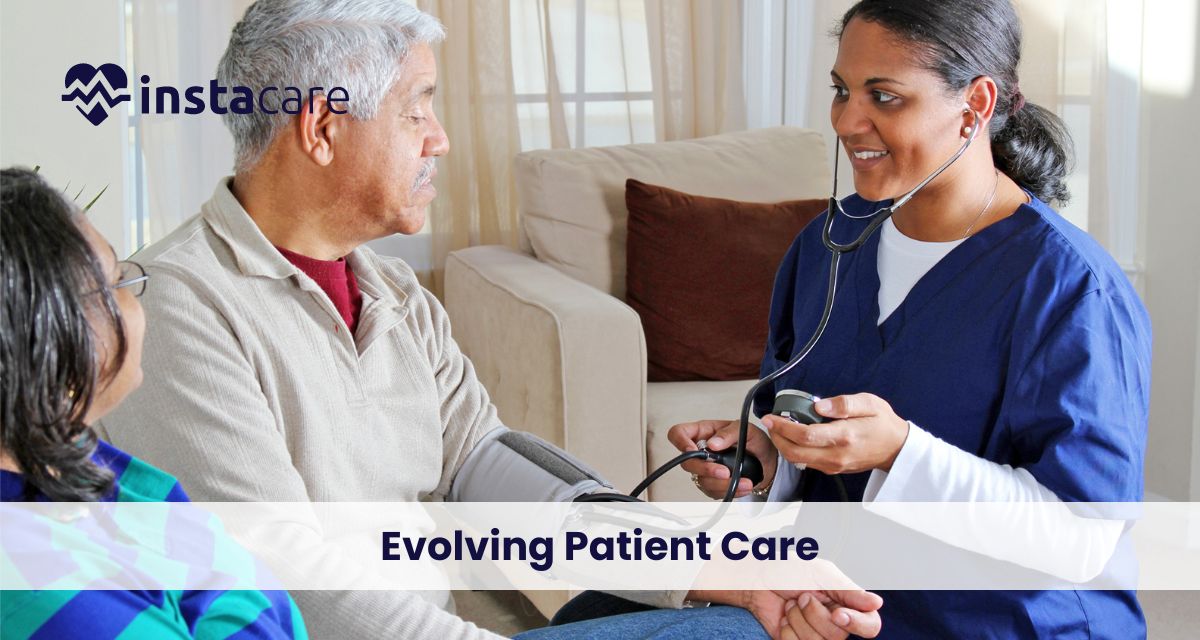
In the changing atmosphere of health care, this shift toward person-centered care seals major overhauls in the various dimensions of care for patients. This only treats the people in general but does not focus on specific diseases or conditions. It is based upon respect, empathy, and primarily active participation of patients regarding their care. This blog is going to highlight the changeability of the patient care process, understanding of concepts, and the benefit of person-centered care. Further, it offers successful strategies on how to implement this within the healthcare setting. Shift to Person-Centered Care By tradition, health care has been disease-centered, focusing on a diagnosis and treatment of the medical condition in opposition to the whole person. No doubt, this had great success in the progress of the science of medicine and tremendous treatment options. Most of the time, it has failed to be sensitive to the experiences and well-being of the patient. A model developed in response to this gap is person-centered, or patient care; more specifically, it lays emphasis on the values, preferences, and needs of a patient in bringing forth a more humane and efficient pattern of health care. At the same time, it is one of the building blocks of value-based care, generally focused on outcomes and satisfaction rather than volume. Core Principles of Person-Centered Care Respect and Dignity: Respect for the perceptions of the patient by health professionals is an important tenet that should be done hand in hand with support of the patient’s autonomy. Patients’ knowledge, values, beliefs, and cultural backgrounds should be integrated into care planning and delivery. Info and Communication: The patient should be given information by the institution in a timely way, to the best of their ability, in full and plain terms reasonably understood by the patient. Effective communication ensures that care decisions are made appropriately. Participation: Encourage and support patients to participate in decision-making at the level they are able. This participation may include decisions related to their own care or organizational policy and procedure decisions. Collaboration: Care needs to be coordinated and integrated among all elements of the healthcare system. Care teams need to work collaboratively with patients, their families, and other health care providers to provide optimal care. Book Free Demo Benefits of Person-Centered Care Improved Patient Satisfaction If a patient feels respected, and his participation in their care is achieved, then his satisfaction with the experience of health care increases, which may be translated into better adherence to treatment plans and ultimately into better health. Improved Health Results It has been evidenced that person-centered care stands in a good position to yield better clinical outcomes. A whole rather emotional and social approach to a person helps the care providers in the development of more effective and comprehensive schemes of care. Lowered Health Care Costs Person-centered care leads to a decrease in the need for more expensive acute care services through prevention and management. The improved adherence to patients’ care plans also meant that there were few or no readmissions to hospitals and emergency visits, thus leading to cost reduction. Higher Satisfaction of Providers This kind of care is also of equal benefit for the providers of health care. It brings out a greater and more satisfying work environment because the providers engage on a much closer level with their patients and are professionally more satisfied. Strategies towards Implementing Person-Centered Care Implementation of activities of person-centered care calls for changes at the strategic levels in health care. Some major strategies involved in the implementation of the same are: Training and Education: Health providers need continual training on issues such as communication, empathy, and cultural proficiency, which will increase their capacity to be engaging effectively and respectfully with their patients. Patient Involvement Engage patients in their care through shared decision-making tools, patient advisory councils, feedback mechanisms, and other initiatives that give the patient reassurance that their voice will be integrated both in care planning and organizational policies. Technology and Innovation: Let technology serve person-centered care. This helps in enhancing communication, coordination, and patient activation by using EHRs, patient portals, and telehealth services. Environment and Culture: Develop a health care environment and culture that promotes person-centred care. This will require the development of a respectful, welcoming atmosphere, and organizational policies that promote patient-centred practices. Future Directions in Person-Centered Care While progress has been made, the journey to full actualization of person-centered care remains ongoing. Future directions toward that end include: Customized Medicine: Genetics and data analytics further open up the way for the tailoring of care. Superior health outcomes can be created alongside increased satisfaction among patients if treatment is custom-tailored to the unique features of every patient. Artificial intelligence and machine learning Artificial intelligence and machine learning could thus be hired to revolutionize person-centred care with more accurate diagnosis, predicting patient outcomes, and personalization in treatment plans. Integrated Care Models: The physical and mental elements of health work hand in hand. The real challenge is in their aggregation to meet the holistic needs of the patient. The integrated care models bring both of these elements together to yield better and more comprehensive care. Empowerment: At the heart of person-centered care is the way it empowers patients with tools and means and resources for self-management. Thus, next steps and subsequent actions entailed to facilitate the examination of health information and self-management tools are simply a support network. Policy and Advocacy: It entitles its widespread adoption will require an advocacy in support of person-centered care policies backing the interest of patient care and supporting collaborative efforts in health care while investing in training and technologies needed. Conclusion Patient-centred approaches present a paradigm shift towards a more humane, effective, and sustainable health care system. This approach not only helps health care providers increase their level of patient satisfaction and health outcomes in a humane way but also help them find better fulfillment in their work through respect, empathy, and engaging the individual on the path to recovery. Wherein successful implementation

5 Ways To Improve Patient Care Quality It’s no secret that quality healthcare is essential for maintaining our overall health and wellbeing. But ensuring consistent high-quality care can be a challenge for many doctors, nurses and other medical professionals. So how can we as individuals strive to improve the quality of patient care? Here are five ways you can help ensure that every individual receives superior attention and treatment in any medical environment. Let’s see improve patient care quality. Create a strong relationship with your patients to improve patient care quality Create a strong relationship with your patients by listening to their concerns and educating them about their condition and treatment. As a healthcare provider, it’s crucial to establish a strong relationship with your patients. One of the best ways to achieve this is by offering them a listening ear and educating them about their condition and treatment. Listening to your patients’ concerns will not only help them feel heard and valued but also enable you to understand their unique needs. It’s also vital to educate your patients about their condition and treatment, empowering them to take charge of their health. Educating patients can improve treatment compliance, resulting in better health outcomes. By establishing a strong relationship with your patients built on trust, communication, and education, you can provide high-quality, patient-centered care. Book Free Demo Ensure your practice is up to date on the latest technology Ensure your practice is up to date on the latest technology, such as electronic medical records and telemedicine. Keeping up with the latest technology in your medical practice is an essential part of providing the best possible care for your patients. With the advent of electronic medical records and telemedicine, there are more opportunities than ever to streamline your practice and improve patient outcomes. Electronic medical records allow you to store and access patient information quickly and easily, while telemedicine allows you to provide remote consultations and care to patients who might not otherwise have access to medical services. By staying up to date on these and other technological advances, you’ll be better equipped to provide the highest level of care to your patients, and stay ahead of the curve in an ever-evolving healthcare landscape. Take the time to review patient notes before appointments Take the time to review patient notes before appointments and consider any questions they may have or special requests they may have in order to provide personalized care. As healthcare providers, it is important to prioritize personalized care for each and every patient that comes through our doors. One simple way to achieve this is by taking the time to review patient notes prior to appointments. By doing so, we can consider any questions or concerns the patient may have, as well as any special requests they may have regarding their care. This allows us to tailor our approach to each patient, taking into account their unique needs and preferences. Ultimately, by providing personalized care, we can build stronger patient-provider relationships and help our patients feel more confident and comfortable in their healthcare journeys. View More: 8 Tips To Attract More Patients To Your Clinics Use right resources for patient follow-up to improve patient care quality Make sure you have the right resources available for patient follow-up, such as nurse call lines, support groups and online support forums. Patient follow-up is a crucial part of providing quality healthcare. It ensures that patients receive appropriate care and support even after they leave the hospital or clinic. To achieve this, having the right resources is essential. Nurse call lines give patients direct access to healthcare professionals, who can answer their questions and provide advice. Support groups offer patients a chance to connect with people who are going through similar experiences, allowing them to share their stories, fears, and successes. Online support forums are a convenient way for patients to access information, ask questions, and communicate with others at any time of the day. By providing these resources, healthcare providers can ensure that their patients have access to the support they need to achieve optimal health outcomes. Utilize social media to stay connected with your patients Utilize social media to stay connected with your patients and spread awareness about your practice’s services. In today’s digital age, social media has become an integral part of our daily lives. As a healthcare provider, utilizing social media can help you stay connected with your patients and spread awareness about your practice’s services. Platforms like Facebook, Instagram, and Twitter are great tools that can be used to share educational content, promotions, and updates about your practice. By engaging with your patients on social media, you can improve patient retention, attract new patients, and ultimately grow your practice. Social media also offers an opportunity to showcase your expertise in your field, establish your practice as a thought leader, and build trust with your patients. So why not take advantage of this powerful tool to enhance your patient communication and grow your practice? Conclusion In conclusion, patient care quality is an essential part of successful healthcare systems. There are a number of different strategies and methods that can be used to improve patient care quality, from increasing the availability of resources to implementing best practices. All of these strategies will help to ensure that patients receive high-quality care and attention. Moreover, it’s important for healthcare organizations to prioritize patient safety and convenience when planning for new initiatives and programs. Investing in to improve patient care quality is an investment in the future health of our communities and should be taken seriously. The goal is always to create a safer, more comfortable environment for both healthcare providers and patients alike so that everyone involved can enjoy the highest possible standard of care. With the right strategies in place, it is absolutely possible to achieve improved outcomes with greater patient satisfaction.
- 1
- 2