
How Could Doctors Use AI? Transforming Modern Healthcare The adoption of AI in healthcare is literally changing the manner in which physicians make diagnoses, treat, and manage patients. Progress in information processing, robots, and predictive modelling can enable clinicians to process more complex medical data more quickly and effectively. Medical artificial intelligence in medicine is not a substitute of the physician; it enhances the clinical knowledge, decreases administration, and enhances patient outcomes. With the transition to data-driven healthcare systems, AI is becoming a key instrument to contemporary healthcare. AI in Medical Diagnosis Diagnostic medicine is one of the most effective AI applications for doctors. Artificial intelligence (AI) systems examine big data collected in the form of clinical records, laboratory results, and images in order to detect patterns that cannot always be apparent to human clinicians. AI in medical diagnosis can induce better diagnostic accuracy by: Pattern recognition of disease early signs. Eliminating cognitive bias-related diagnosis errors. Enhancing quicker triage in emergency and outpatient care. Machine learning algorithms have the potential to match patient data with millions of historical cases to allow early diagnosis of diseases like cancer, cardiovascular disease, and neurological diseases. This evidence-based method improves the level of diagnostic confidence and can enable doctors to intervene at earlier phases of disease. AI for Personalized Treatment Plans AI is an important factor in personalized care using AI in treatment planning. The conventional treatment regimens tend to adhere to universal prescriptions, whereas AI allows custom-made approaches to be developed depending on a specific patient profile. Key benefits include: Genetic, clinical, and lifestyle data analysis. Treatment response and side effects prediction. Maximization of drug choice and dose. With machine learning in healthcare, artificial intelligence systems can constantly learn based on treatment results, improving their recommendations with time. This is an accurate methodology that facilitates more efficient interventions and minimizes unnecessary procedures. AI in Clinical Decision Support AI-driven clinical decision support systems are used to support physicians by making evidence-based recommendations at the point of care. The systems combine patient information and clinical regulations with the real-time research results. Decision support tools that are AI-based assist clinicians in: Identify high-risk patients Assess other types of treatment Minimize clinical practice variability Through data analysis of structured and unstructured data, AI improves the accuracy of decisions and does not limit physicians, who use all clinical control to make decisions. This integration enhances productivity without interfering with professional judgment. AI in Medical Documentation and Admin Tasks One of the greatest problems in healthcare is administrative workload. The solution to this problem lies in AI for administrative tasks in healthcare, which automates administrative operations and documentation. Key applications include: Speech recognition of medical records On-the-fly clinical note generation using automated medical documentation Billings automation and coding Record management and scheduling of appointments AI enables doctors to spend more time attending to patients because they are less involved in paperwork. Such efficiencies also reduce burnout and enhance operational productivity in healthcare systems. Book Your Free Marketing Consultation AI in Patient Monitoring and Remote Care The continuity of care, particularly with chronic and post-operative patients, is improved through AI-based monitoring technologies. AI for patient care can be used to collect data in real-time by use of wearables and remote sensors. Benefits include: Constant check of vital signs Preventive diagnosis of damage Practically no readmissions to the hospitals Predictive analytics in healthcare enables clinicians to foresee complications prior to their development. The AI systems are able to notify the health care provider of unusual trends so that they can take necessary action in time and enhance patient safety. AI in Surgery and Procedural Assistance AI helps in precision, planning, and safety in surgical settings. Technologies that are supported by AI improve accuracy in procedures and reduce the risk. Applications include: Premedical planning with the 3D model Surgical navigation in real-time AI-based robotic-assisted surgery supported by AI in medical imaging AI can also be useful in the interpretation of surgical results to enable surgeons to improve and perfect their methods. These inventions result in fewer complications and shortcomings. Ethical Considerations and Challenges In spite of the benefits, the implementation of AI is associated with ethical and operation challenges. The responsible use of AI in healthcare assumes paying attention to: Data privacy and security Fairness and algorithmic bias AI decision-making transparency Regulatory compliance Physicians need to learn about the limitations of AI and make sure that technology does not override clinical judgment and vice versa. Patient trust and safety rely on ethical systems of governance. The Future of AI for Doctors The future of artificial intelligence in medicine focuses on more integration and cooperation. The doctors will also be more and more dependent on AI systems as they become more sophisticated: Predictive diagnostics Preventive care planning Population health care AI will keep developing into a smart assistant, assisting doctors of various specialties. The emphasis will be made on data-driven, proactive care delivery and not on the reactive treatment. Conclusion The modern healthcare is being revolutionized through AI that gives physicians powerful tools to diagnose, plan treatment, and manage patients. AI improves clinical operational efficiency and decision making, which are achieved by AI in medical imaging and predictive analytics and in administrative automation. Although the issues of ethics and data control cannot be eliminated, responsible use of AI may make it even more powerful instead of taking medical expertise away. With the further development of technologies, AI will continue to be a part of innovative, patient-oriented healthcare. FAQs What are the benefits of AI in the everyday work of doctors? AI will help in diagnosis, treatment suggestions, documentation, and monitoring of patients. Is Artificial Intelligence a credible medical detector? Under the right conditions, AI can help to augment diagnostic accuracy. Can AI replace doctors? No, AI assists clinical decision-making, but cannot substitute human understanding and skills.
Virtual Reality in Healthcare: Transforming Diagnosis, Treatment, and Medical Training Virtual Reality (VR) is currently one of the most effective technologies that transform contemporary healthcare. It is no more gaming approach or entertainment tool, as currently hospitals, medical universities, and clinics implement VR systems to provide better patient care, better diagnosis, and support the making of clinical decisions and improve the level of medical training. Due to the development of simulation hardware, motion sensors and haptic feedback, medical VR technology is increasing the transition towards an immersive and data-driven delivery of healthcare. VR provides a simulated digital setting, in which clinicians, trainees, and patients can communicate with realistic situations without any real-life hazards. Consequently, it is still being embraced in the fields of surgery, mental health, physical rehabilitation and patient education. In this blog you will know How VR is used in healthcare. What Is Virtual Reality in Healthcare? In healthcare, Virtual Reality is the application of real-like computer-controlled environments, which create a virtual replica of a medical environment or simulate a clinical scenario. These systems enable the users to visualize anatomy in 3D, practice surgery, simulate patient cases, and undertake complex procedures without taking risks. Its central goal is the improvement of VR-based medical learning, greater accuracy, and better patient outcomes. VR is used more and more in hospitals to facilitate diagnostic imaging, pre-operative planning, and the individualization of treatment. Since clinicians start investigating the way VR can be applied in healthcare, it becomes evident that VR is helping to bridge the gap between theory and practice. Key Applications of VR in Healthcare VR in healthcare applications is also developing with each passing year, some of the most notable applications being: Surgery Simulation and Planning VR changes surgical practice as it allows organ, tumor, and vascular structure 3D modeling. Virtual reality for surgery simulation where the surgeons practice the complicated procedures before they enter the operating room. This minimizes errors, decreases the length of surgery and maximizes patient safety. VR-Based Medical Training VR medical training that simulates real clinical environments is used in medical schools and hospitals to engage students in medical practice and training. Students will be able to develop emergency response, visualization of anatomy and handling of patients, without compromising on the safety of the real patients. VR also has the benefit of repeatability, consistency, and fine-grained performance metrics, something that is not available in the traditional training. Pain Management VR for pain management has become a non-pharmacological intervention used by clinicians as part of the process in non-acute setting during procedures, childbirth, dressing changes, and chronic illness treatment. Immersive surroundings focus the brain, which decreases the perceived pain and the anxiety. Mental Health and Psychological Therapy Virtual reality is experiencing growing use in mental health treatment in the treatment of anxiety disorders, PTSD, phobia, and depression. VR-based exposure therapy enables clinicians to administer stimuli in a controlled and gradual manner, which provides safe and effective treatment directions. Rehabilitation and Physical Therapy VR rehabilitation in healthcare provides guided, interactive recovery channels. VR rehab systems in the medical field are used to aid recovery after a stroke, mobility training, balance and neuro-rehabilitation. The motivation and adherence of patients increases. Patient Education The immersive modules of Virtual reality in patient education that are utilized in clinics in patient education aid patients in comprehending the processes of surgery, treatment, medical procedures, and post-surgical care. Decision-making and fear of treatment before treatment are enhanced with visual learning. Physical Therapy Enhancement The advanced systems designed to be used in VR for physical therapy apply real-time motion tracking to allow patients to rehearse the movements patterns and restore their strength. The therapists can vary the level of difficulty, track progress and create individual routines. Hospital Operations and Workflow VR is often incorporated in modern facilities to train staff in hospitals on emergency protocols, infection control as well as equipment usage and high risk activities. Book Your Free Marketing Consultation Benefits of Using VR in Healthcare The Benefits of virtual reality in medicine are numerous and can be measured, and those will become especially significant in the 2025s and further: Improved Accuracy and Precision Clinicians and surgeons are able to study anatomy, practice and simulate complications beforehand. This increases the levels of clinical confidence and minimizes the chances of errors. Controlled, Risk-Free Training There are no consequences of practicing on a particular case of trauma or a rare disease so that trainees can practice as many of them as possible. Medical educational VR is more effective in developing competence more quickly than conventional training. Enhanced Patient Comfort Virtual reality for anxiety treatment decreases the levels of anxiety among patients undergoing painful procedures. It also assists the pediatric patients as well as geriatric patients in keeping calm during the MRI scans, injections and treatments which are time-consuming. Personalized Recovery VR is used to provide customized exercises and therapeutic spaces in rehabilitation and mental health and make the treatment more interactive and successful. Higher Efficiency and Lower Long-Term Cost VR decreases surgical errors, shortens recovery time, accelerates training, and improves patient satisfaction, which results in reduced operational costs in the long term despite high initial set-up costs. Challenges and Limitations Along with its benefits, various issues affect the implementation of VR: High Initial Cost The investment in VR systems, haptic devices, sensors, and simulation that are medical-grade and high quality is very high. It demands significant resources to be invested, particularly in large hospitals. Technical Complexity Some platforms are delicate to calibrate and maintain. Healthcare workers do not necessarily feel comfortable using new technologies at once. Weak Clinical validation Although VR has potential, numerous applications are yet to undergo extensive clinical trials to be approved and evidenced. Motion sickness and Discomfort A very high percentage of the users might develop dizziness, fatigue or nausea in the immersive sessions. Data Privacy Concerns Medical VR is a sensitive type of data covering patient information, which needs a high level of cybersecurity and meets the requirements of HIPAA/GDPR.
What Is Teleconsultation? A Complete Guide to Modern Virtual Healthcare Teleconsultation, which was in the past an innovative idea, has now become a normal way of attending to patients by millions of people across the globe. It allows patients to contact the doctor at home, office, or during traveling, through smart phones, tablets, and computers. Teleconsultation helps save time, minimize expenses, and enhance patient satisfaction regardless of whether the medical consultations are urgent, covering long-term conditions, or regular follow-ups. Telehealth tools are becoming more and more popular in healthcare systems, hospitals, and clinics to manage the growing patient demand and provide ongoing professional assistance. With the current trend of the drive to digital healthcare, teleconsultation will have an even more significant role to play in influencing the way medical care would be in the future. What Is Teleconsultation? Teleconsultation is a health care provision service in which the patients are able to interact with the medical workers digitally through the use of communication devices rather than physically going to the clinic. It is an inseparable aspect of Virtual healthcare where doctors are able to assess symptoms, make a diagnosis, recommend treatment and prescribe medications without the need to see the patient physically. It does not match the usually available online medical content as teleconsultation is done with licensed doctors or specialists in real-time. It facilitates live video/audio consultation as well as asynchronous communication (text-based or recorded messages). Teleconsultation is very much associated with Telemedicine services, which involve diagnostics, remote monitoring, and medical advice using technology. How Teleconsultation Works Teleconsultation is generally organized and secure: Patient Registration or Logging in Patients use telehealth platforms or mobile health apps to build accounts, identify themselves, and enter basic medical data. Appointment Scheduling Customers choose a physician, specialty, or time of appointment. There are also numerous services with the instant Online video doctor appointments in case of an urgent situation. Medical Submission of Information Patients complete questions, submit past reports or present the symptoms. This move helps the doctors to be ready in advance of the consultation. Live Consultation Consultations may occur via: Video call Audio cal Chat messaging In the session, physicians evaluate symptoms, test results and discuss treatment. This is what Remote patient consultation is all about. Electronic Prescriptions and Recommendations Hospital physicians discuss the prescriptions, lab tests orders, and follow-up details electronically. Aftercare and Internet-based medical support The patients are provided with constant attention by messaging, check-ins, and reminders of medications or tests. Online medical support is where the long-term outcomes are enhanced. Key Benefits of Teleconsultation Teleconsultation is becoming one of the most desired nowadays since it introduces hitherto unknown convenience and effectiveness to the medical experience. Comfort and Saving of time No commuting, no time wastage, and no time constraints. Teleconsultation is convenient and suitable to hectic schedules and enables instant healthcare. Increased Availability of Experts Patients in rural and remote areas will have access to the best specialists regardless of their location in the world. Reduced Healthcare Costs The Benefits of teleconsultation include the expense reduced. Patients save in transportation, clinic cost and sick leave. Services will become cheaper as providers will be able to lower the operational expenses. Improved Chronic Disease Management Teleconsultation enables regular check-ups with the help of digital devices, which are more effective in controlling the status of diabetes, hypertension, asthma, and heart disease. Improved Privacy and comfort Virtual channels may help patients to feel more relaxed when talking about sensitive matters. After-Hours Care Teleconsultation offers the possibility to get medical advice during the time when a clinic is closed, and it allows the patient to obtain the help on time. Lower Risk of Infection Virtual consultations enable the safety of both the patients and the medical practitioners because physical contacts are minimized. Common Services Offered via Teleconsultation Teleconsultation helps in a large scope of medical requirements. Common services include: Consultations with general physicians. Mental health counseling Dermatology assessments Pediatric consultations Nutrition and diet guidance Chronic care follow-ups Second opinions Medication reviews Post-surgery monitoring Interpretation of laboratory tests. Most of the sites also feature Online doctor consultation of urgent but non-emergency cases like cold, fever, allergies, infections, stomach-related problems etc. Who Should Use Teleconsultation? Tele Consultation is appropriate in: Busy Professionals Patients that have busy schedules and cannot easily access clinics. Parents with Young Children The virtual care minimizes the burden of taking ill children. Elderly Patients Less effort to get regular follow-ups without having to drive far. People in Remote Areas Teleconsultation fills the unmet needs gap that exists between medical facilities. Patients who demand Long- term care. Virtual check-in is simpler to monitor. Travelers Staff access to licensed medical practitioners, 24/7. People Who Are Frightened by Exposure to Infection Virtual care decreases the exposure to congested health facilities. Teleconsultation should not be used in an emergency and there is an urgent need of care like bleeding, big injuries, a heart attack, or a problem breathing. Book Your Free Marketing Consultation Limitations of Teleconsultation Despite this, teleconsultation has some weaknesses: Absence of Physiological Analysis. Diagnosis of some of them needs physical examination like palpation, detailed auscultation, or imaging. Technology Dependency Needs consistent internet, compatible devices and digital literacy. Not Ideal for All Conditions Complex processes or emergencies cannot be addressed remotely. Data Privacy Concerns Patient information needs to be secured through secure platforms. Service Quality Fluctuation. The quality of care is based on the knowledge of the doctor, the reliability in the platform, and communication tools. The knowledge of such limitations enables patients to make an informed choice of when to use teleconsultation. Teleconsultation Trends & Future Digital innovation and expanding demand by patients keep the field of teleconsultation developing. Future trends include: AI-Powered Diagnostics Artificial intelligence will help in symptom analysis, providing potential diagnosis proposals, as well as determining the level of risk. Remote Monitoring Devices Smart medical sensors and wearable will enable real-time tracking of heart rate, glucose, oxygen, and blood pressure, etc. In-depth Digital Health Ecosystems There will be
Explainable Artificial Intelligence (XAI) In Healthcare XAI implementation in healthcare is changing the medical sphere and making AI more transparent, credible, and helpful in clinical practice. Doctors and patients are seeking answers to the question of how these systems conclude as they become more dependent on machine-learning-based tools in hospitals. This increased desire to be transparent has led to explainable systems which bring about a glimpse into complicated medical algorithms. What Is Explainable Artificial Intelligence (XAI)? Explainable Artificial Intelligence (AI) describes approaches and models of AI’s that aim to explain their decisions to humans. XAI does not generate anything opaque but underlines the logic of predictions. This eliminates the black box AI vs explainable AI confusion by providing clinicians with insight into how algorithms process data and give recommendations. Why Explainability Matters in Healthcare? It is necessary that explainability is important since healthcare decisions are made in the context of actual human lives. In the case when algorithms create treatment recommendations, physicians must be convinced that the logic of the system is sound in its medical aspects. This would be of particular importance to AI decision-making in medicine, where transparency assists with safer and more dependable clinical decisions. The transparent models also give the patients more power, and they get the confidence that the technology that is used to guide them is ethical and evidence-based. Key Applications of XAI in Healthcare XAI in healthcare is affecting an enormous range of explainable AI medical applications, enhancing trust and acceptance in clinical practice. Diagnostics: XAI allows radiologists to have insight into the imaging models used in the detection of tumors or anomalies. This justifies the use of XAI for diagnostics, which minimizes mistakes and enhances trust in automated testing. Predictive Analytics: There are XAI-based tools that are used in predicting risks like sepsis or readmission in hospitals. Treatment Planning: Clinicians use explainable systems to analyze treatment trajectories based on patient data. Monitoring & Alerts: XAI also improves early-warning systems of critical care by describing graphically triggers of an alert, which belongs to XAI patient safety in rapidly changing settings. Techniques Used in XAI A number of explainable machine learning healthcare techniques are supported: 1. Feature Importance This technique prioritizes the variables that affect a forecast. In the medical field, it provides a clear understanding of what symptoms, biomarker, or imaging characteristics contributed to the outcome. 2. Local Interpretability Model-Agnostic Explanations (LIME). LIME generates human-readable approximations of complicated models. Healthcare providers can use it to decipher personal patient recommendations. 3. SHAP Values SHAP constructs a single score of significance of each feature. In medicine, SHAP can be used to understand the effect of each variable on the classification of a disease or treatment recommendations. 4. Rule-Based Models The logic will be transparent in itself when decision trees or rule engines are utilized. This is in line with the fact that interpretable AI healthcare has to be sought after and professionals can more readily validate models. 5. Visual Explanation Tools A particular application of heatmaps and highlight overlays in the imaging field can also help clinicians identify what exactly in an X-ray or MRI image is causing the AI to make a specific decision. Book Free Demo Benefits of XAI for Healthcare Stakeholders The predictable AI in healthcare has a variety of advantages: For Clinicians Offers clarity required to authenticate AI results. Favours trusting in computerized suggestions. Facilitates making of more reliable and accurate diagnoses. For Patients Establishes confidence in technology-based care. Provides transparency in the manner medical decisions are arrived at. Improves patient interaction and satisfaction. For Administrators Makes auditing and compliance easier. Favors effective implementation of hospital technologies. Collectively, these effects reinforce clinical decision support XAI, improving the quality of care and efficiency. Challenges and Limitations of XAI in Healthcare Although there are several benefits of explainable AI in medicine, it is associated with several issues. The existing models can not always provide strong performance and total interpretability, and these trends demonstrate the existing issues of XAI in the healthcare industry. There are medical tasks in which there are very sophisticated algorithms in which interpretability is sacrificed to accuracy. Also, AI explanations cannot be readily adopted because many clinicians are not trained to comprehend them. The other area of concern is the reliability of explanations. When interpretability tools make model logic too simple, it is likely to deceive specialists. All these restrictions render AI accountability in healthcare a developing, but crucial field of interest. XAI and Healthcare Regulations Governments are undergoing changes in digital health policies and are focusing more on transparency, as their policies are updated. Regulators are urging hospitals to shift towards AI model transparency healthcare as one of the risk-mitigation and quality-assurance models. The need to generate justifiable results, which are required by many compliance standards, supports the relevance of ethical AI in healthcare and the need to make sure that the decisions made by the automated systems are justified and do not contradict medical practice and the rights of the patients. The Future of XAI in Healthcare There are more innovative systems that are yet to be developed in healthcare principles even in future with transparent AI in healthcare. Explainability will form a basis of emerging technologies, i.e., federated learning, multimodal AI models, and adaptive decision-support tools. With the advancement of hospitals towards intelligent automation, the automation system of the hospital and automated clinical platforms will rely on readable and reliable algorithms. Finally, the development of digital medicine will require transparency on all levels, where patients and professionals will know how data-driven systems work. Conclusion Explainable AI is transforming healthcare into a more trustworthy, transparent, and useful digital system. Enhancing the transparency of algorithmic decisions, healthcare organizations will be able to take the full advantage of advanced technologies and ensure safety and accountability. With the development of the field, the incorporation of interpretable systems will become a crucial part of providing quality patient care
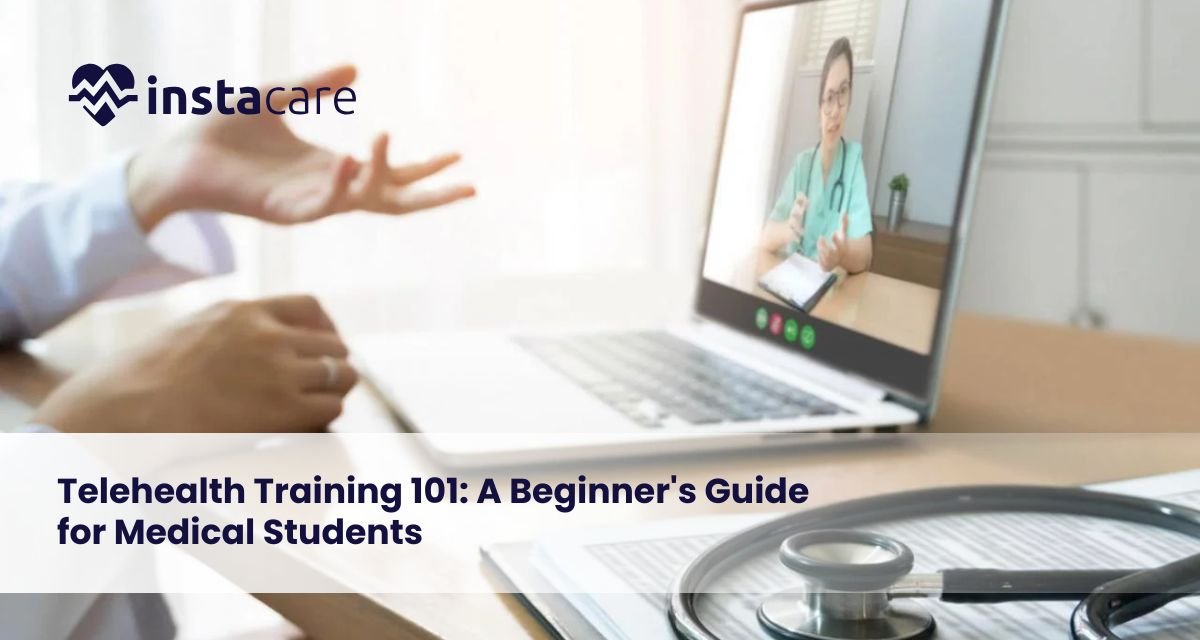
Telehealth Training 101: A Beginner’s Guide for Medical Students The growth of online healthcare has turned telehealth into a key piece of today’s medicine. Because of it, doctors can treat patients from a distance through video chats or smartphone apps. As a result, medical students must now learn telehealth training for medical students, which is central to their training in digital health. As telemedicine grows globally, learners require organized instruction to develop basic telehealth abilities, such as online consultations, using digital tools, while managing clinical processes efficiently through guided practice. What is Telehealth Training 101? Telehealth Training 101 is never a single standardized course. Still, it is often used as the generic name under which numerous organizations (including the California Telehealth Resource Center (CTRC) and the Northwest Regional Telehealth Resource Center (NRTRC)) provide introductory training resources that outline the basics and best practices of providing medical care remotely through the use of technology. These orientation programs are generally supposed to prepare health practitioners with the background information they need to utilize and apply telehealth in their practice properly. Understanding telemedicine workflow Getting used to doing medical checks online Familiarity with basic telehealth tools Building abilities in online health talks Training modules usually feature web-based skill practice, scenario exercises, or live instructor feedback. Such courses help learners handle actual situations without compromising care standards or conduct. Key objectives of the introduction to telemedicine for students include: Improving how doctors talk to patients online Guaranteeing precise information gathering from a distance Understanding rules plus morals in online medical talks Finding out how telemedicine systems work, also exploring useful software options Various Telehealth Technologies Telehealth technology basics use various digital tools along with online systems. To deliver proper care, students need to adapt to such technology Video Conferencing Tools – Zoom, Microsoft Teams, and dedicated telemedicine tools and platforms Electronic Health Records (EHRs) – Systems for storing and accessing patient data remotely Remote Monitoring Devices – Wearable devices, home diagnostic kits, and patient portals Mobile Health Apps – For appointment scheduling, messaging, and patient engagement AI & Decision Support Systems – Assist in diagnosis, triage, and patient education Familiarity with these tools forms a core element of telemedicine learning, also vital for today’s healthcare delivery. Key Skills for Telehealth Consultations Future doctors need certain abilities to do well in online appointments: different tools help them connect clearly with patients using tech platforms designed for remote care Telehealth communication skills mean explaining things clearly. Also, paying attention when others speak matters a lot. At the same time, understanding how people feel helps build trust Clinical Reasoning Remotely – Interpreting patient symptoms without physical examination Skilled in managing video meetings, programs, or troubleshooting systems without hesitation Documentation Skills – Accurate recording in EHRs during virtual visits Managing time well, handling visits smoothly while covering every health question Learning these abilities allows learners to manage online clinical skills training well, also boosting care recipient approval. Telehealth Etiquette and Best Practices Being professional matters a lot when doing telehealth. Students should follow telehealth etiquette and professionalism rules for proper behavior during virtual care sessions. This includes acting appropriately on camera while representing themselves as future healthcare providers Dress suitably; keep your backdrop neat during video meetings Keep patient details private while using secure methods in online meetings Express ideas plainly; skip complex terms Verify who the patient is before beginning the session Adhere to the organized telemedicine workflow training phases Reply quickly to questions or notes Such methods support reliability while maintaining secure, fair, plus functional distant treatment. Book Your Free Marketing Consultation Challenges and Limitations Although telehealth provides several advantages, it brings certain difficulties Limited Physical Examination – Some conditions require an in-person assessment Connectivity Issues – Poor internet can affect consultation quality Patient Technology Literacy – Not all patients are comfortable with digital tools Data Security Concerns – Maintaining confidentiality is crucial Regulatory Barriers – Different countries have varying telemedicine laws Knowing these limits matters so learners can deliver proper care in distant areas, which means being aware, prepared, yet cautious at each step. While telehealth skills for beginners are key, judgment plays a bigger role when help isn’t nearby. Telehealth in Medical Education Telehealth is becoming more common in medical training. While some schools add it through digital health education for medical students, others include live virtual sessions; both methods teach students how to conduct virtual clinical exams. Curriculum updates now reflect this shift, preparing future doctors for digital care settings Getting started with remote healthcare for learners: Telehealth learning modules Interactive online medical assessments Simulated teleconsultations Online case discussions Digital health ethics and compliance These units let learners apply telemedicine best practices for students effectively, preparing them for real-world placements as well as evolving online health settings. Future of Telehealth Telehealth could change how care is given. Coming shifts involve: AI-assisted Consultations – Helping in triage and diagnostics Wearable Devices – Continuous monitoring of vital signs and chronic conditions Global Telemedicine Access – Connecting patients in remote areas with specialists Enhanced Training Platforms – Virtual reality simulations for clinical skills Integration with Traditional Care – Combining in-person and remote care seamlessly Future doctors who learn telemedicine can adapt easily to new tech, also deliver strong care online. Conclusion Telehealth education has become essential for future healthcare workers. Gaining basic telehealth competencies gives learners technical know-how, digital confidence, plus effective interaction techniques suited to today’s care environments. Through virtual patient consultations training, learners gain confidence in digital health tools. Because they train with simulated patients, they adapt more easily to real-world demands. While working through virtual cases, their decision-making improves under pressure. As workflows are practiced repeatedly, efficiency grows naturally. Since technology changes fast, this preparation matters more than ever. When guidance is clear, students perform better across settings. FAQs 1. What is telehealth training for medical students? Telehealth training for med students means learning to run online visits through organized courses. These classes show learners how to work with tech platforms while
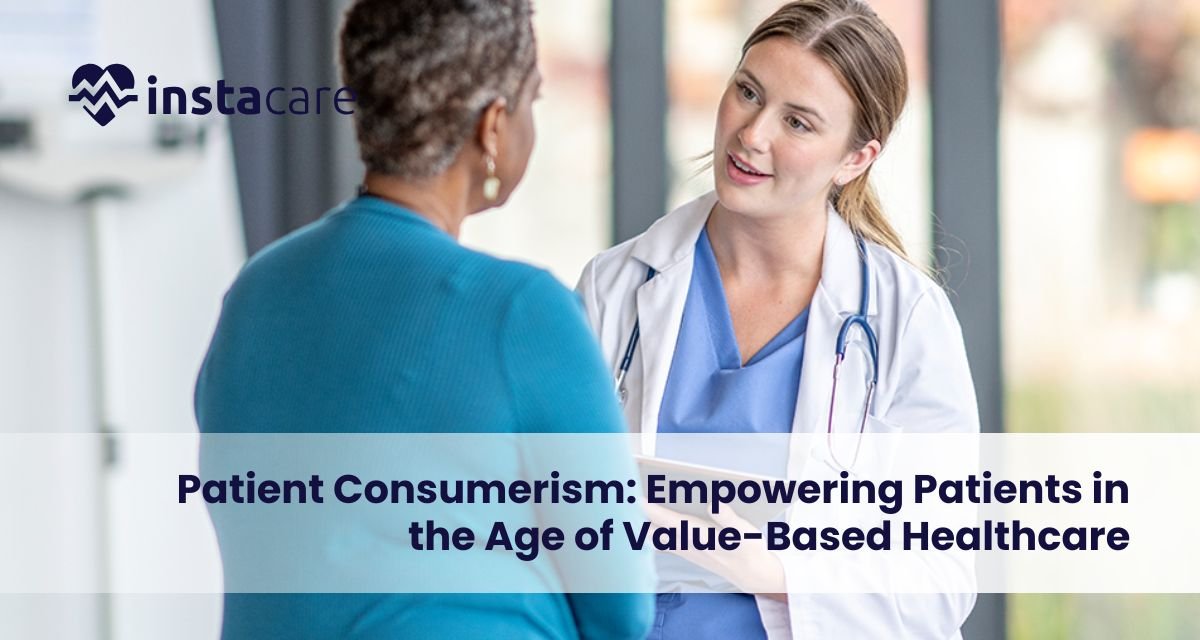
Patient Consumerism: Empowering Patients in the Age of Value-Based Care Healthcare is undergoing a big change. Patients are no longer content to sit silently while physicians tell them what to do. Patients now wish to have a say in what happens to them. They want to know the costs, comparison shop, and make selections for themselves. This is called patient empowerment – making healthcare decisions as if shopping for anything else. All the while, value-based healthcare is growing fast. That is a model in which physicians and hospitals are paid for how well they keep patients healthy instead of just for how many procedures they do. The healthcare digital transformation enabled it by enabling patients to look up treatments on the internet and talk to doctors in new ways. What is Patient Consumerism? Patient consumerism is when patients act like smart consumers when deciding on their healthcare. This consumer-driven healthcare type of thinking in healthcare involves: Purchasing symptoms and treatment online Hospital and doctor price comparison Reading patient comments Asking many questions about treatment plans Healthcare consumerism trends of today show that patients want clear prices, easy access to their medical records, and personalized healthcare that suits how they live. This puts the patient in the driving seat of their own healthcare. The Rise of Value-Based Healthcare Value-based healthcare is a different way of compensating for healthcare. Instead of being compensated for every procedure or test, physicians get compensated for taking patients well and happy. This strategy is focused on: Good care instead of excessive care Patient satisfaction metrics that show concrete results Better health at reduced expense Preventing illness before it happens This is excellent with patient consumerism as both want the best patient outcomes. New rules on healthcare price transparency mandate that hospitals display their prices for everyone to see. This allows patients to make wise choices and puts pressure on hospitals to compete with each other. How Patient Consumerism Empowers Patients? Patient empowerment takes place in several important ways: Better Access to Information Contemporary technology offers patients immense access to medical information. Healthcare cost comparison tools show prices at different sites, and patient feedback helps others select physicians based on other people’s experiences. Decision-Making Patient decision-making gets simpler for patients when people have simple, understandable information. Second opinions get simpler through telehealth and patient consumerism, and patients receive information about costs prior to receiving the treatment. More Control Over Care Health care today delivers patient-centered care that puts patients’ needs first. Physicians use patient engagement strategies that engage patients and enable patients to communicate with their doctors in whatever way feels most comfortable for them – phone, text, or online. Benefits of Patient Consumerism in Healthcare Patient consumerism is a win-win for all: For Patients Patients are given a much better patient experience in healthcare with more convenience and individualized attention. They save money through smart shopping and gain better health outcomes through engagement in their care. This makes patients more satisfied with their healthcare choices. For Healthcare Providers Physicians and hospitals get better patient satisfaction metrics and better ratings from satisfied patients. Patient loyalty in healthcare increases because patients feel heard and valued. Work is easier due to technology, and more patients are attracted. For the Healthcare System The healthcare revolution has less paperwork and shorter waiting times for everyone. Telehealth and patient consumerism allow rural people to experience quality care. When hospitals compete with each other, quality improves and prices stay affordable. Book Your Free Marketing Consultation Challenges and Issues of Consumerism in Healthcare While patient consumerism is good, it has some challenges: Information Issues There’s too much health information on the internet, and it becomes confusing to patients. Not all health websites are truthful or provide accurate information. Patients do not understand what medical jargon means. Social media can circulate false health falsehoods that hurt people. Fairness Issues Not everyone has the money to shop for the finest care. Individuals who did not finish school might have difficulty making patient decisions. Non-English speakers can’t make decisions. Individuals who live in small towns don’t have many doctors to select from. Quality Problems Patients opt for cheaper care that is actually not so good for them. Individuals wait to receive treatment because they would prefer to save some money. Healthcare decisions are hard and occasionally you have to have a doctor help you out. Emergency treatment does not give you time to shop around. Strategies to Strengthen Patient Empowerment Some things healthcare organizations can do will make patient empowerment work better: Technology Solutions Organizations need to create uncomplicated healthcare cost comparison tools available to everyone. Developing phone apps for appointment scheduling is good for patients. Giving patients online access to their medical records with safety empowers them. Adding telehealth and patient consumerism options makes care to get easier. Education Programs Healthcare systems are required to teach patients how to understand medical information in their own language. Offering personalized healthcare teaching based on what is wrong with each individual allows them to make more knowledgeable choices about getting better. Improved Services Health care should always be patient-centered care in all encounters with patients. Organizations should have patient engagement strategies that work for patients regardless of their ages and backgrounds. They should measure patient satisfaction metrics and respond to it when patients complain. Better Communication Doctors must explain treatment in plain terms that patients can comprehend. Giving patients cost estimates before procedures enables them to budget their finances. Balancing consumer-driven healthcare decision-making and safeguarding patients from damage necessitates intelligent training and equilibrium. Conclusion Patient consumerism is bettering care for everyone. Patients get healthier and happier with their care when they have better information, choices, and decision-making power with respect to their treatment. Value-based healthcare makes it possible for this to happen by reimbursing physicians for good results rather than just for doing lots of procedures. The healthcare digital transformation makes it possible for patients to get information and talk to doctors in completely new, more convenient, and
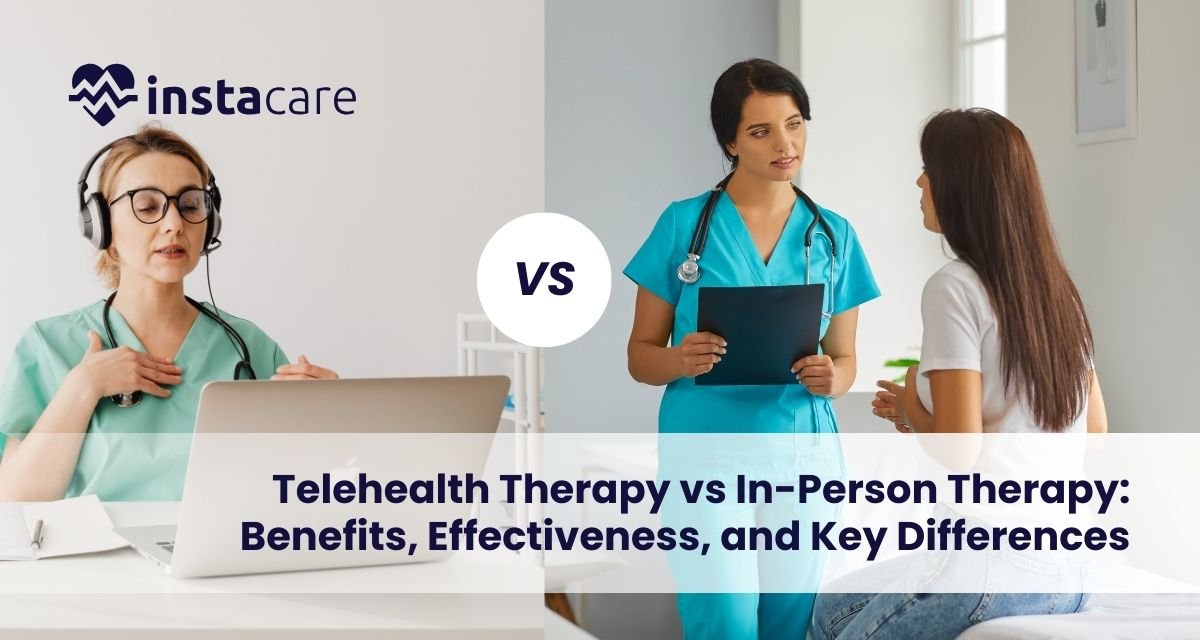
Telehealth Therapy vs In-Person Therapy: Benefits, Effectiveness, and Key Differences Mental health therapy has completely transformed over the last few decades. Nowadays, people can either get to have their own private therapists or chat with them via telehealth therapy. Both are in good practice, but are made up of some plus and minus points each. This handbook will get you into difference-oriented mode in an extremely easy manner so that you can opt for what is best for you. What is Telehealth Therapy? Telehealth mental health counseling is when you conduct your counseling session through video call, phone call, or messaging. You can talk to your counselor wherever you have internet, at home, at the office, or even while on the go. It is also referred to as online counseling, teletherapy, or virtual counseling. Most teletherapy is conducted via video calls on an application such as Zoom or a specific therapy software. Some long-term clients prefer it over speaking on the phone, but others like message therapy when they exchange messages with their therapist. What is In-Person Therapy? Face-to-face therapy is the old-fashioned method of obtaining mental health counseling. You simply sit in the same room as your counselor in his or her office. The sit-down face-to-face interview has been the norm for receiving therapy for many decades. With in-person sessions, you and your therapist can make use of nonverbal communication, share a gaze, and share a room. Certain therapists utilize specialized equipment or drills that function more effectively in person. Benefits of Telehealth Therapy Convenience and Accessibility The biggest benefit of telehealth therapy is how accessible it is. You will not have to drive, park, and wait in waiting rooms. This is wonderful for people who don’t have a therapist where they are or who live busy lives. The accessibility of telehealth therapy makes it particularly valuable for those in remote areas. The convenience of telehealth therapy extends beyond just location, offering flexible scheduling and eliminating travel time. Understanding the benefits of telehealth therapy helps many people overcome barriers to seeking mental health support. Telehealth counseling costs less than session-by-session counseling. You also don’t spend money on gas and parking, or on missed workdays. Even some insurance organizations pay back telehealth counseling more than regular counseling. The cost of telehealth therapy vs in-person often favors the virtual option for many clients. Comfort of Your Own Space Most people wish to be more relaxed when handling personal matters in their own sphere. Having the right to relax where you are does away with tension and relaxes you so that you can lower your guard and no longer worry so much about therapy. Better Privacy With telehealth therapy, you never have to be concerned with catching a glimpse of someone familiar sitting in a therapist’s waiting room. You can receive your therapy entirely in private. Less Inconvenient Scheduling A lot of web therapy is also less inconvenient with scheduling. Some therapists can work with you in the evenings or weekends when regular offices aren’t open. If you are relocating to a new town or take frequent flights on an airplane, you can still access the same therapist with telehealth. Then, you remain on track without having to begin anew with another one. Benefits of In-Person Therapy Greater Personal Connection Face-to-face sessions are in a better position to get you and your therapist closer. Eye contact, sitting at the same position as the other individual, and sitting in the same room as the individual can bring the closeness closer and more frequent. The in person therapy advantages include this enhanced personal connection. Better Communication In-person therapy allows therapists to observe your body language and notice small things that get lost behind the camera. This allows them to know you better and react to you better. Less Interruptions A therapist’s office is where a therapist can create a quiet, secluded area. In your home, you can be interrupted by the people who reside with you, pets, or background noise. Specialized Treatment Options Some modalities are optimally done face-to-face. Those who are dependent upon art, music, or body movement, and certain trauma or severe mental illness-specific interventions. Total Confidentiality Online counseling is done inside a soundproof room professional enough that no one can overhear your discussion or unintentionally view your session. Improved Crisis Care If you are in crisis, your therapist is able to provide you with a quicker solution and send you on to local services once you see them in person. Effectiveness: Telehealth vs In-Person Research indicates that telehealth therapy is as effective as going to see a therapist in person for the majority of psychiatric conditions. The effectiveness of telehealth therapy has been demonstrated through several studies that have reported both treatments decrease symptoms of depression, anxiety, and other prevalent mental illnesses. The recipients of telehealth therapy are equally satisfied and show the same amount of progress in their mental health as individuals who see therapists in person. Patient satisfaction telehealth vs in-person surveys show comparable results. Most importantly, make sure you have a good therapist that you enjoy, whether one whom you get to meet in person or one you see online. When asking is telehealth therapy effective, research consistently shows positive outcomes. But then certain conditions would be better suited to a face-to-face setting. They are severe mental illnesses, eating disorders, and in the case of an individual who may hurt himself or other individuals. Book Your Free Marketing Consultation Key Differences Between Telehealth and In-Person Therapy Technology Needs Telehealth therapy requires the use of a sufficient internet connection, a computer or cell phone with a camera function, and a quiet, private area. Technical issues occasionally interrupt sessions. Therapist Availability You can connect with more therapists via telehealth since location is no longer a factor. Therapists must still be licensed where they live to provide telehealth, however. The online therapy vs in-person therapy options differ significantly in terms of provider access. Session Environment Face-to-face therapy occurs within a
What is Chronic Care Management? Millions of patients with chronic conditions such as diabetes, hypertension, heart disease, and asthma require continuous coordinated medical treatment. Their care does not consist of episodic visits to health care providers but is continuous observation, behavior modification, and preventive health. That is where the CCM services are needed. Chronic Care Management (CCM) provides managed care for chronically ill patients in a bid to enable them to have consistent, evidence-based care to improve outcomes, reduce hospitalization, and improve quality of life. What is Chronic Care Management? Chronic Care Management is the planned process of providing ongoing care and coordination to patients who have two or more Care coordination for chronic conditions that will probably persist for at least 12 months. The Centers for Medicare and Medicaid Services (CMS) created chronic care management CPT codes so that clinicians can get reimbursed for these priceless services. CCM patients are provided with coordinated care planning to target the personalized needs of each. The treatment is most often conducted outside the standard office visit and includes remote communication, personalized treatment modifications, and follow-up. Providers can use Medicare chronic care management programs to improve the health of patients and get compensated for time devoted to treating patients outside of the standard appointment. Key Components of Chronic Care Management In order to offer quality care, the providers must adhere to CCM program requirements that describe the step-by-step manner in which services are provided. The most important characteristics are: Comprehensive Care Planning: Creating a patient-centered, individualized care plan. 24/7 Access to Care: Permitting patients to call health professionals with questions at any time they arise. Medication Management: Continuous monitoring of medications and compliance to prevent complications. Care Coordination: Care coordination with specialists, primary care physicians, and support organizations. Follow-up: Ongoing contact, preferably by telephone or electronically, to track progress. Payment policy for Chronic care management reimbursement also compensates the healthcare provider financially to enable them to accept CCM practice so that the patient receives the appropriate care. Benefits of Chronic Care Management The benefits of CCM are to the patient, the clinician, and the healthcare system. The patients are positively benefited with routine monitoring, fewer complications, better compliance with medications, and better control of the disease. The clinicians are positively benefited with improved patient trust and better use of time. Macro-level, CCM reduces hospital readmission, emergency room utilization, and overall healthcare expenditure. Evidence suggests that CCM-enrolled patients would be at risk for adopting healthier habits, following care plans, and achieving improved quality of life. Practices are also provided with chronic care management software, which allows for automated billing, tracking, and documentation of patients thus, the process becomes much less time-consuming. Book Your Free Marketing Consultation Who is Eligible for CCM? Patient enrollment into Chronic disease management programs is on the premise that the patient has two or more conditions endangering the health, functioning, or quality of life of the patient. Some of them include hypertension, diabetes, COPD, and arthritis. The patient should consent to being enrolled in a CCM program and sign an agreement consenting that one provider bills for CCM services for one month only. Patient eligibility for chronic care management also encompasses the fact that patients stand to gain from the intensity of monitoring and coordination, as opposed to episodic or acute care interventions. The Role of Technology in CCM Technology is at the center of providing quality CCM. Practitioners use remote chronic care management technology like smartphone applications, wearable tech, and telemedicine clinics daily to remain abreast of patients readings of their health readings and converse between visits. The technologies optimize patient participation by simplifying symptom entry, monitoring vital signs, and medication or lifestyle reminders. Higher computer technologies in chronic care management also assist providers with time documentation, reporting, and billing integrity for compliance. Technologies like Clinic Management Software, EHR Software, Patient Management Software, etc, advance not only to streamline operations but also enhance access to chronic care for residents in medically disadvantaged and rural communities. Challenges in Implementing CCM Though it has numerous positive features, CCM does have a downside. Perhaps the largest obstacle is searching for and keeping track of chronic care management billing guidelines, which are time-consuming and convoluted. More seriously, not all providers will be able to have staff or resources to provide twenty-four-hour care. Patients also present with barriers like restricted access to locations on the internet, insufficient knowledge about CCM programs, or inadequate adherence to care plans. Financial difficulties being in a position of can also make the process complicated, especially if the insurance benefits are not well understood. Also, having seamless coordination of care for serious chronic ailments by various experts is all a matter of proper communication and standard practices, which are not necessarily easy to adhere to. Future of Chronic Care Management CCM has a bright future with more emphasis on prevention, treatment and chronic disease management solutions. As soon as the healthcare delivery model is transformed into value-based care, the use of Chronic condition management versus value-based care will rise. CCM allows the providers to have access to improved health outcomes at reasonable costs, which is exactly the future in store for the advantage of value-based models. Further, with increasingly advanced digital health technology, CCM will now incorporate artificial intelligence, predictive analytics, and personalized medicine. It will enable providers to be better able to know what to expect through pre-empting complications prior to the fact and to deliver even more anticipatory care. With evolving policies and growing utilization of digital health, comparison between chronic care management and master care management will be all the more needed as the providers would have to determine which model they could use for their patients. CCM will increasingly become more sophisticated as a standard of care for chronically ill patients. Conclusion Chronic Care Management is a holistic model of healthcare that gives patients with chronic disease integrated, continuous, and coordinated care. Organized CCM service programs improve the patient
All You Need To Know About Value-Based Healthcare Health care provision is transforming at a quicker rate than ever before, and its most significant shift could be towards the value-based model of health care. The model turns established wisdom on its head to abandon quantity goals of the past to venture into quality as the final performance metric. Rather than being remunerated by volume for services provided, it remunerates health care providers for optimizing patient outcomes within the cost. For patients, more appropriate care, less unneeded treatment, and improved long-term health. For physicians and other clinicians, the chance to concentrate on what is most important instead of attempting to optimize service loads. What is Value-Based Healthcare? Value-Based Healthcare is a system where the healthcare providers are not rewarded per the quantity of services they provide but through their success in ensuring that patients have attained good health. It is a cost-cutting measure in the overall healthcare cost, the enhancement of the quality of care, and patient experiences. Prevention, coordinated care, and evidence-based treatments are promoted by this approach to deliver optimal health outcomes to patients. Defining the Concept: From Theory to Reality Before moving further, let’s define Value-based payment models. It is just about associating payments with observable improvement in a patient’s health. Physicians, hospitals, and other healthcare organizations are paid for the quality of care they provide instead of the number of visits or procedures. Essentially, it is more on prevention, chronic disease management, and quality care coordination. Holding on to the healthier ones longer is cost-effective at the expense of expensive intervention later on. Patients at the Center of the System Of all the components of this change, perhaps the most significant is its focus on patient-centered care. With this model, no longer are patients simply passive recipients of care but rather active participants in their well-being. Care plans are individually designed to meet their unique needs, lifestyle, and self-identified values so that they are directed by an awareness of mutual endeavor on the part of the patient and care team. This most closely matches healthcare quality improvement, with caregivers continually trying to make processes better, minimizing mistakes, and implementing best practices in an effort to provide better and safer care. Why Value-Based Care is an Easier Concept to Understand than Fee-for-Service? It is easier to understand Value-based healthcare vs fee-for-service. Fee-for-service pays providers for each test, procedure, or visit. Whether treated or not. It pays for productivity, but wasteful spending and frivolous treatment too. The value model works oppositely, paying providers for healthy patients, avoiding complications, and fewer avoidable hospital readmissions. It’s a system of preventive health instead of a reactive one. Payment Models That Make Value-Based Care Successful The shift is facilitated by a variety of payment models that provide aligned incentives for improved patient outcomes. Some of the key strategies are: Pay-for-Performance Programs – Incentives to providers for performance or accomplishment of quality targets, for example, reduction in readmission or improved chronic disease care. Bundled Payments – The patient pays one price for the full episode of care, from diagnosis through healing, with an incentive to deliver a reward for efficiency and care coordination by providers. Accountable Care Organizations (ACOs) – Providers are accountable for the cost and care of an assigned patient population with incentives for cost control and better outcomes. These models allow for collaboration, better care coordination, and attention to long-term outcomes rather than short-term profit. Book Your Free Marketing Consultation Why This Model Is Good for Everyone? Some of the advantages of value-based care are: Reduction of the cost of healthcare to patients, payers, and providers. Increased disease prevention through more frequent screening and early treatment. Increased patient satisfaction with improved and customized care. Alleviation of the general population’s health, unloading acute and emergency care functions. More than anything else, perhaps, value measurement in healthcare gives practitioners actual numbers to serve better. These are lower complication rates for chronic disease, higher recovery rates, and fewer hospitalizations. Success Stories across the Globe Value-based care models put into practice illustrate the model’s strength. Diabetes preventive care interventions that avoid hospitalization and improve quality of life for patients, for example, have been put into place by some highest-performing care networks. Orthopedic hip and knee replacement bundle payments optimized outcomes at lower cost. Technology plays a role as well. Telemedicine, remote monitoring of patients, and interoperable electronic health records enable providers to identify issues earlier, relapses, and care coordination with less effort. How Hospitals Are Taking Hold of the Change? It entails re-engineering the process, increasing departmental communication, and data analytics investment. Value-based healthcare in hospitals is constructing multi-disciplinary care teams, following patients’ progress more holistically, and having every step of the process of care charted out with attention to complication avoidance and better recovery. It is usually a matter of deepest cultural change, but those that succeed yield greater efficiency and greater patient confidence. The Government and Policy’s Role in Fostering Change There needs to be a government and Value-based healthcare policy to implement such plans. Most nations possess a value-based policymaking Value-based healthcare system that poses Value-based healthcare challenges to providers to transcend the fee-for-service culture. Payments are likely to incorporate reforms, solutions for standards of care outcomes, and solutions for transparency so patients can view providers practicing. The larger picture of a value-based care health system isn’t so much about hospitals and clinics; it’s about having a healthcare system where patients, providers, payers, and policymakers all share the same language: more health for less cost. The Roadblocks and Real-World Hurdles Some fairly real value-based health care obstacles to overcome, of course: Economically significant up-front investments in technology and training staff. Difficulty in getting, sharing, and comparing the health information across systems. Resistance by providers to learning about existing payment systems. Risk adjustment skill by variation of patient population based on need and complexity. These are the challenges that require

How AI Helps in Detecting Medical Errors? Healthcare life is racing at light speed, and even tiny errors can be costly. From misdiagnosis to incorrect prescriptions, medical errors are a danger to patient safety. Luckily, technology has come to the rescue. Artificial intelligence in medicine, for example, is increasingly assisting with risk reduction and outcome optimization. With the ability to sort through massive amounts of information and learn from trends, AI is changing the way hospitals identify and respond to errors. From identifying the incorrect dose of medication to notifying an off-reader lab test result, AI for patient safety is becoming a higher priority in modern practice. Identifying Medical Errors Medical mistakes are preventable events that can lead to or result from inappropriate outcomes in healthcare. Some examples include: Diagnostic Mistakes: Missed diagnosis or misdiagnosis Medication Mistakes: Patient is incorrect, drug is incorrect, or dose is incorrect Treatment Mistakes: Departure from clinical practice guidelines or faulty procedures Communication Breakdowns: Inadequate handoff of physicians Documentation Mistakes: Incomplete or inaccurate health records These mistakes are not necessarily negligent. In most cases, they happen because of overburdened systems, exhaustion, and complex procedures. This is where Medical error prevention using AI fits in, to relieve medical practitioners and bring about uniformity in decision-making. How AI Detects Medical Mistakes? AI works by searching for patterns in big collections of data from patient records, images, lab work, and medical literature. Through Machine learning in medicine, AI systems detect anomalies, variations from professional norms, and dangerous conditions. AI recognizes some of its methods of detecting mistakes as below: Flagging Drug Interactions: AI quickly cross-references current medications with patient allergies and medical histories to alert physicians to potential issues. Scanning Imaging Outcomes: AI detects abnormalities on imaging scans that might be missed by the human eye. Vital Signs Monitoring: Predictive analytics in healthcare-driven monitoring systems detect early signs of complications in real-time. Verify Documentation: AI in electronic health records (EHRs) verifies correct or complete data fields in documents. All these capabilities turn AI into a productive team player in real-time detection of medical mistakes in a hospital setting. Principal Applications of AI in Error Identification 1. Clinical Decision Support Systems (CDSS) They offer evidence-based guidance to doctors and nurses. When patient data is merged with clinical guidelines, Clinical decision support systems (CDSS) is capable of suggesting a diagnosis, treatment regimen, or warning about possible medical mistakes. 2. AI in Diagnostic Accuracy AI in diagnostic accuracy learns from millions of cases to aid in disease detection at high accuracy levels. In pathology, radiology, and dermatology, AI will equal or exceed human specialists, and aid in reducing misdiagnosis with AI. 3. AI for Identifying Medication Mistakes Drug mistakes are among the most common in hospitals. AI scans medicine for dosage mistakes, allergic reactions, or toxic drug combinations with existing medicines. 4. Predictive Healthcare Analytics Patient history and live monitoring allow predictive algorithms to notify caregivers about potential future complications, enabling early intervention and risk avoidance. 5. AI for Medical Documentation AI in medical documentation is used widely. Natural language processing (NLP) technology can review physician notes and transcripts to identify inconsistencies, missed diagnoses, or conflicting entries in patient histories. 6. AI for Clinical Workflow Optimization AI streamlines business, automates mundane labor, and ensures that nothing crucial is missed; hence, AI in clinical workflow improvement. Hospital environments become more secure and efficient. Book Free Demo Benefits of AI-Based Fault Finding 1. Reduced Human Error AI systems do not get fatigued or distracted. Their tenacity reduces human Real-time error detection in hospitals, especially under pressure. 2. Faster Diagnosis and Treatment With real-time information processing, AI shortens the diagnostic period or the identification of a possible issue, which increases patient outcomes. 3. Enhanced Risk Management Hospitals and clinics benefit from healthcare risk management AI, making them proactive at avoiding issues rather than reactive. 4. Enhanced Document Quality Medical documentation is rendered accurate, complete, and consistent using automated review and transcription technology. 5. Cost Savings Avoiding unnecessary procedures and hospitalization due to errors translates to cost savings while improving the quality of care through AI. Limitations and Challenges Although promising, AI is not problem-free: Data Quality: AI requires full, clean data. Incomplete or erroneous records may yield flawed results. Bias and Fairness: AI will amplify biases in training data, resulting in unfair treatment of different patient groups. Integration Challenges: Merging AI into existing hospital systems is complex and costly. Over-reliance: Physicians need to remember AI is a tool, not a substitute physician. Privacy Concerns: AI use of sensitive health information is creating concerns regarding safeguarding the information and confidentiality of the patients. In bridging these gaps, planning with caution, continuous monitoring, and a liaison between clinicians and technology vendors are required. The Future of AI in Patient Safety The future looks good. The better and more AI learns, the more it will be able to avoid medical mistakes with AI. Soon enough, we may have AI systems offering real-time second opinions, detecting risk even before signs appear, and creating extremely personalized treatment plans based on genes, lifestyle, and history. In addition, Artificial Intelligence in healthcare and healthcare automation will become increasingly powerful, allowing even more repetitive and mundane tasks to be cost-effectively processed, especially within systems like Clinic Management Software, freeing more clinicians to focus on what they do best: caring for patients. AI usage within electronic health records and clinical workflows will also be further optimized, with safety checks included in every patient’s journey. Conclusion Artificial intelligence is rapidly transforming how the medical field addresses patient safety. Leveraging real-time data analysis, predictive modeling, and clinical decision support, AI detects and averts previously unseen medical mistakes. From