
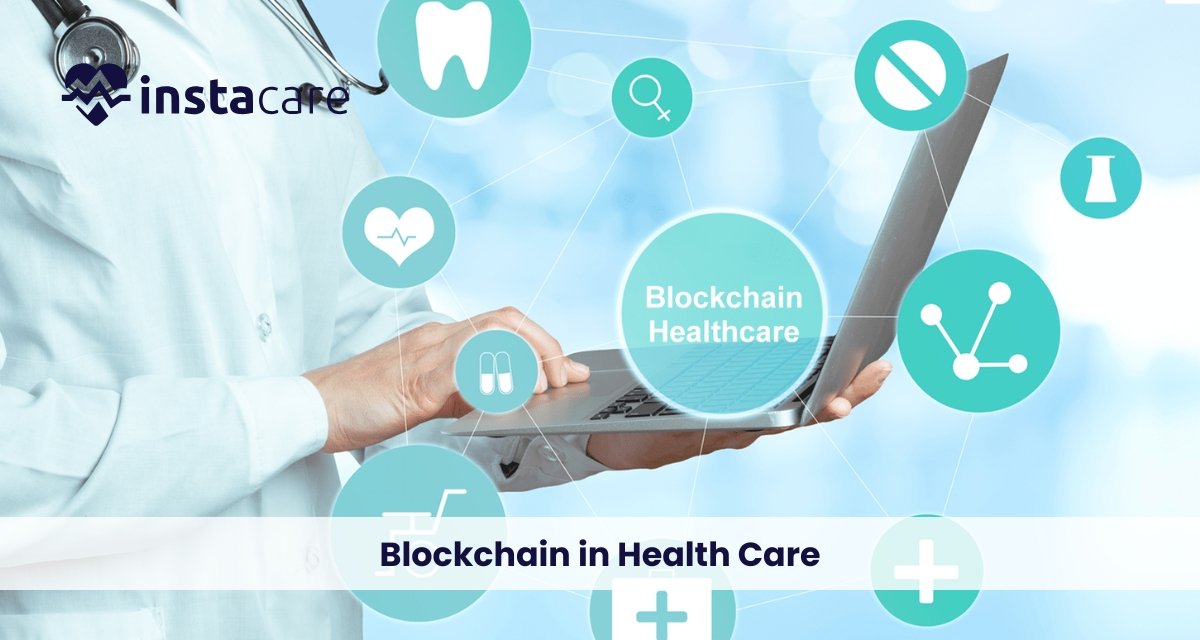
Last Updated on 8 months ago by zuraiz Blockchain in Health Care – Opportunities, Applications, and Future Data Security The Blockchain in Health Care is rapidly arising as a next-generation transformative technology that promises to add security to patient data, improve patient care, and streamline business operations in this medical industry. Blockchain can also address some of the most concerning issues in healthcare, such as data breaches and lack of interoperability, besides inefficiencies related to patient data management. The article outlines the benefits, applications, and future of blockchain in health care to discuss potential applicability toward revolutionizing how health information is created, shared, and handled. Importance of Blockchain Technology in Healthcare Blockchain technology has provided a sound solution to the majority of issues currently being faced by the industry. Decentralization ensures that no single entity controls data, which might increase security and transparency. Some key benefits of Blockchain in Health care transparency are discussed below: Data Integrity: It ensures that any recorded data will be immutable once recorded, preventing alterations or deletion and thus assuring the accuracy of patient records. Enhanced Security: Blockchain for Medical Data Management is safe because of advanced encryption and decentralized storage. By implementing blockchain, healthcare organizations can promote trust among patients, providers, and other stakeholders. Benefits of Blockchain in Health Care The advantages of blockchain in health Care are various. The Benefits of Blockchain in Healthcare can lead to improved patient outcomes and operational efficiency: 1- Improved Patient Data Management Blockchain for patient records ensures that there is easy access to accurate and current information about patients. This may help reduce errors and improve treatment outcomes. Some of the key points are: Real-time Access: Patient records can be accessed instantly by healthcare providers, irrespective of location. Interoperability: Data from different healthcare systems can be shared more efficiently and break down silos. 2- Improved Data Security Healthcare Data Security with Blockchain is essential, given the increasing threats of cyber-attacks. The technology offers: Distributed Storage: Data spread across a network of nodes more resistant to attacks. Secure Authentication: Blockchain can have multiple layers of robust authentication to ensure that only authorized individuals can access sensitive data. These factors lead to a more secure health setting. 3- Increased Transparency and Trust Blockchain transparency in healthcare generates trust between patients, providers, and insurers. This is because blockchain can provide a clear, auditable record of transactions, including: Build Trust: Patients can know the integrity of their medical records, which could increase their reliance on their caregivers. Reduce fraud: With visible records, instances of fraudulent cases and practices tend to be reduced. Therefore, this transparency is more important for creating a better care experience. Book Free Demo Uses of Blockchain Technology in Healthcare Blockchain Technology in Healthcare holds various applications, which will be used broadly in different categories to enhance efficiency and protection. Here is a list that includes some outstanding applications: 1- Blockchain for Healthcare Providers Blockchain for Healthcare Providers can significantly benefit from blockchain technology in streamlining their operations and data sharing. The main applications are: Credential Verification: Blockchain will simplify the process of credentialing health professionals by saving time and money. Billing and Payments: Smart contracts may automate billing procedures and ensure prompt payments with reduced disputes. 2- Blockchain for Healthcare Supply Chain The Blockchain for Healthcare Supply Chain is complex and is more prone to fraud most of the time. Blockchain will allow the following: Traceability: Everything in the supply chain can be traced, ensuring the authenticity of medications and medical devices. Reducing counterfeits: Blockchain will eliminate counterfeit products, and patients will be assured of safety and compliance. The supply chain’s integrity must be ensured to maintain trust in healthcare products. 3- Blockchain and Health Information Exchange Blockchain and Health Information Exchange can be facilitated by providing a decentralized platform for sharing data among providers. Benefits include: Seamless Data Sharing: Providers can access comprehensive patient data without compromising security. Reduced Administrative Burden: Automated processes can streamline HIE operations, allowing providers to focus more on patient care. Blockchain Applications in Healthcare addresses the challenges of fragmented healthcare systems. The Future of Blockchain in Healthcare The promise of blockchain in healthcare is pretty bright as well, as more and more organizations are becoming aware of that. The new areas of progress are: 1- Blockchain to Manage Medical Data As exponential growth in the healthcare data unfolds, blockchain proves to be highly scalable for this purpose. A few innovations involved are: Advanced-Data Storage Solutions: Advanced Healthcare Blockchain Solutions and frameworks accommodate large amounts of data with security and easy access. Integration with AI: Blockchain can be integrated with artificial intelligence to enable advanced analytics and better decision-making in patient care. 2- Blockchain and Healthcare Privacy Privacy is a very sensitive issue in healthcare. Blockchain can improve patient privacy by allowing individuals more control over their data. Features of Blockchain and Healthcare Privacy may include: Patient Consent Management: Patients can manage who has access to their data, ensuring their privacy is respected. Anonymization: Blockchain can make patient data available for research purposes using its Anonymization without compromising privacy. These advancements might profoundly impact how healthcare data is dealt with. 3- Use Cases of Blockchain in Healthcare Some practical usage examples illustrate the potential of blockchain in healthcare: Clinical Trials: Blockchain can improve the transparency of clinical trials by maintaining data integrity and ensuring participants’ trust. Telemedicine: Safe sharing of patients’ data can improve telemedicine services, keeping them safe and efficient during consultations. These use cases show the flexibility and practicality of blockchain technology. Conclusion In summary, blockchain in healthcare offers several prospects for increasing data security, better patient care, and smoother operation. Using blockchain technology’s advantages, organizations can build a more transparent, efficient, and secure environment to manage health information. With this technology constantly being developed, it is likely to play a pivotal role in defining the future of healthcare and offering innovative solutions to the industry’s problems. FAQs How does blockchain enhance data
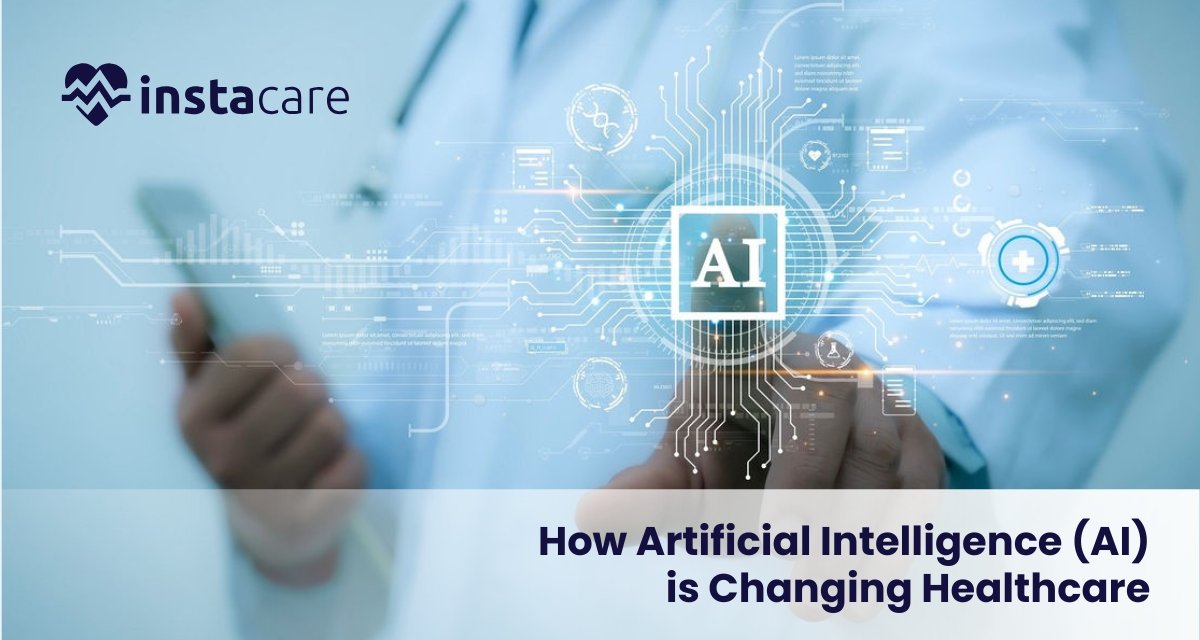
Last Updated on 8 months ago by zuraiz How Artificial Intelligence (AI) is Changing Healthcare Integrating AI into the health industry is transforming and improving how healthcare providers make diagnoses, offer treatments, and coordinate care. Technological advancement makes AI a staple tool in medicine, providing endless application possibilities that result in the smooth flow process, improvement of patient outcomes, and the general effectiveness of health systems. All facets of AI in healthcare are discussed below: Understand The Benefits of AI in Healthcare The extensive benefits of AI in healthcare include high accuracy in diagnostics and improved patient care. Here are some significant advantages: Increased Efficiency: By automatically handling routine work tasks, AI helps medical professionals dedicate themselves to complex medical situations. AI technology may automate appointment scheduling and reduce administrative patient record tasks, which lightens human staff loads. It improves accuracy with the algorithms; machine learning adequately analyzes data to give a more precise diagnosis. Multiple data sources, like electronic health records and clinical trials, could assist healthcare providers in making decisions based on solid data. Personalized Treatment: AI may allow providers to personalize treatment plans for each patient through data that best yields health-related results. This may include suggesting a specific therapy more likely to help an individual patient under that patient’s genetics and history. Economic expenditure reduction: AI reduces healthcare costs through error reduction, patient management enhancement, and resource optimization. Predictive analytics help healthcare providers allocate resources that match patient requirements before they occur. Applications of Artificial Intelligence in Medicine AI is being used in different applications throughout the breadth of healthcare. The applications below illustrate the ways AI is evolving medicine: AI to Diagnose Diseases Healthcare professionals are increasingly using AI technology such as AI for diagnosing diseases to aid them in recognizing patterns that cannot be seen clearly by a human with algorithms and vast datasets. Predictive Analytics: AI machines can analyze a patient’s history and genetics to predict whether a disease is more likely to develop, allowing for early intervention. For example, AI machines can analyze and assess risk factors for heart disease and diabetes, thus allowing early management. Real-Time Monitoring: The intelligence-driven wearables create continuous vital signs surveillance to notify medical staff about dangerous shifts in their patient’s health status. The delivery of real-time information through patient monitoring leads to better health results by making prompt medical treatments possible. AI in medical imaging: Medical imaging represents one of the best applications for artificial intelligence to advance health care services. With AI technology, the rapid and precise examination of X-ray pictures and MRI and CT scan data becomes possible. Improved Image Analysis: AI detection algorithms analyze medical imaging studies to discover subtle abnormalities that human eyes would usually overlook, providing early cancer detection. Medical imaging systems utilizing artificial intelligence display the ability to detect medical tumors in their initial stages, which human practitioners may overlook. Lessened Burden on Radiologists: When applied to automate image analysis tasks, AI provides radiologists with the opportunity to focus on challenging diagnostic cases, optimizing the clinical workflow. Accelerated productivity integrates with quick patient diagnosis through straightforward workflow management programs. Book Free Demo Machine Learning in Healthcare Machine learning in healthcare is a subset of AI that is crucial in improving healthcare services. It involves training algorithms to learn from data and make predictions or decisions without being explicitly programmed. Machine learning models can analyze patient data to forecast outcomes. Healthcare providers can then make informed decisions. For instance, predictive models can predict the probability of readmission into a hospital based on a patient’s medical history. Optimization of Treatment Plans: Early machine learning analysis of treatment results will enable more individualized, possibly more effective treatment strategies. This is useful, for instance, in oncology, where different responses can occur to a single drug for a single cancer in two patients. Role of AI in Patient Care The role of AI in patient care is essential. It improves the quality of communication and interaction between health professionals and their patients. Chatbot and Virtual Assistants: AI-driven chatbot can answer patients’ questions and provide information on symptoms, treatments, and medications, freeing up staff time. These virtual assistants can operate 24/7, offering immediate support to patients. Telemedicine: AI can be used for remote consultation, thus making health care reachable to all patients who may not be able to travel long distances to attend their appointments. This is essential for people in rural regions and those who cannot leave their locations. Personalized Health Care: AI will assist in assessing the patient’s lifestyle and health data to make dietary, exercise, medication adherence, and otherwise obtain patients actively involved in managing their health. Understand The Innovations of AI in Healthcare Several AI healthcare innovations efficiently shape the healthcare system. Such innovations will improve patient outcomes and reduce processing time. Examples of AI Innovations: AI will analyze chemical compounds and predict their effectiveness, fastening drug discovery much more than possible. AI simulates the interaction of the compound with a biological target, making it easy to identify potential candidates for further study. Clinical Decision Support Systems: With the help of artificial intelligence, health providers receive evidence-based clinical decisions that incorporate real-time evidence criteria and protocol recommendations. Physician alerts running through clinical decision support systems reveal potential drug hazards, including allergies and drug-drug interactions, to maintain patient safety. Remote Patient Monitoring: Real-time patient monitoring for persons with chronic diseases becomes possible by integrating artificial intelligence technologies for real-time collection and analysis. The method forms the starting point for a future proactive approach that helps manage diabetes and hypertension illnesses. What is the Future of AI in Healthcare? The future of AI in healthcare is promising with the advancement of technology. Some of the possible developments are as follows: Increased Integration: AI would be integrated daily into healthcare practices for better decision-making and patient care. With higher interoperability levels, AI can share data automatically across various platforms. Extending Applications: AI will most definitely generate several new applications. Some of these will continue
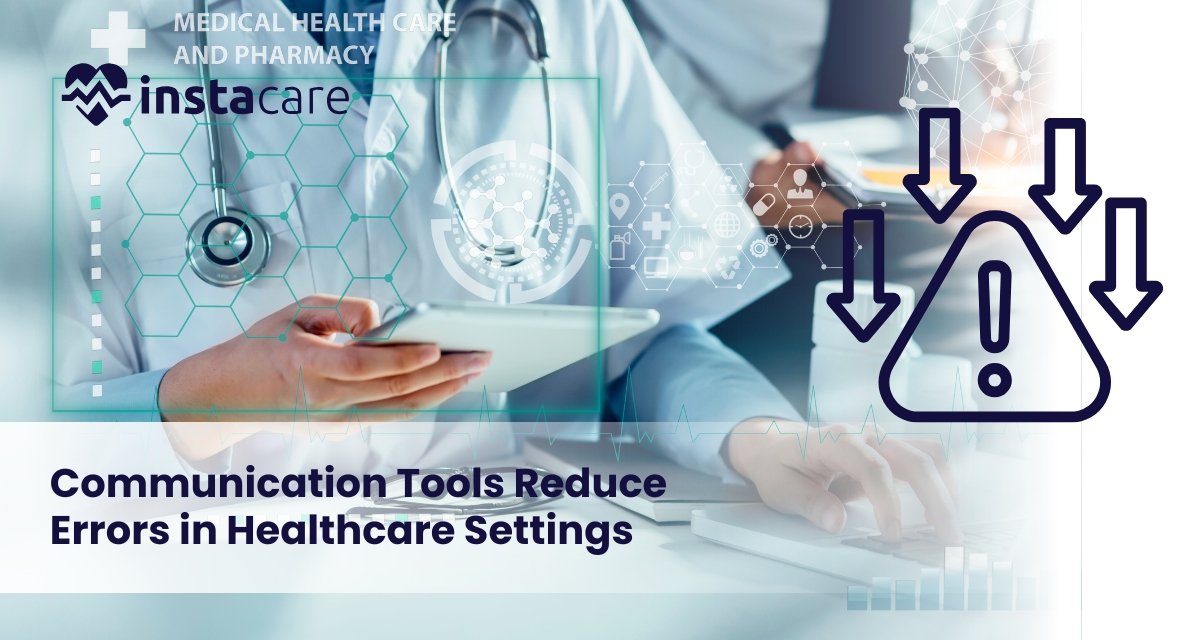
Last Updated on 8 months ago by zuraiz How Communication Tools Reduce Errors in Healthcare Settings Effective communication stands as the essential building block which supports high-quality healthcare delivery. Patient care complexity creates environment for greater risks of medical errors. Modern communication tools function as healthcare resources which reduce errors and increase patient safety while advancing the quality of medical care. Various communication systems deployed throughout health care operations work to reduce mistakes and improve patient healthcare results. Understanding the Impact of Communication in Healthcare Importance of Communication Communication in healthcare refers to the flow of information among healthcare providers, patients, and their families. When communication fails between medical staff and patients the result becomes misinterpretation as well as prescription errors and mistreated diseases and numerous critical safety issues that threaten patients. A study shows that communication breakdowns stand as the leading source of sentinel events that create unexpected healthcare incidents causing death or severe injuries. The Joint Commission Journal on Quality and Patient Safety published research showing miscommunications between healthcare professionals cause 70% of sentinel events. Types of Healthcare Errors Healthcare errors can take several forms, including: Medication Errors: Using inappropriate dosages, wrong medicine, or drug interactions. Error Detection: Poor diagnosis or miscommunication and late diagnostic communication. Operative Errors: In or after surgical treatment due to miscommunication at surgery. Communication Errors: Because the patient did not know what the prescriptions were and did not report new or worsening symptoms to their treating physicians. These failures in communication with ramifications for their health and safety make interventions to address these most effective. Healthcare Communication Tools Electronic Health Records (EHRs) All medical records exist as Electronic Health Records (EHRs) which function as digital representations of patient paper data. The transmission of critical information enhances healthcare communication between providers and patients along with providers across the board. Benefits of EHRs Information deposited in an already connected database where the chances of communication gone wrong or data loss are ruled out. Real-Time Updates: The information about patients with EHRs can be updated real-time by the health care providers; thereby, all individuals concerned with a patient’s treatment will be up to date if there are changes. Medication Management: The EHR contains tools for managing medication, especially where most have alerts about interactions between drugs, allergies, and contraindications. Secure Messaging Systems Secure messaging systems enable the direct contact between the health care provider and also directly with a patient in the most confidential ways. Most the messaging systems applied are HIPAA compliant and other laws concerning patient’s information, such that the privacy of the information remains assured. Benefits of Secure Messaging Timely Communication: It enables providers to send and receive messages within the shortest time possible hence reducing delays in care and decision-making. Explanation and Follow-Up: With secure messaging, patient concerns or care plans are easily followed up on so as to clear up any misconceptions. Patient Involvement: With the use of secure messaging, patients can question their providers or even report their symptoms, which increase communication and involvement in care. Telehealth Platforms Telehealth has seen rapid adoption during the last few years and particularly accelerated strongly since the COVID-19 pandemic. Through virtual consultations patients use Telehealth service platforms to connect with health providers without leaving their home. Book Free Demo Advantages of Telehealth Accessibility: It makes care easier for patients with mobility issues and those living in remote areas. Barriers to communication are significantly reduced. Real-Time Interaction: Video consultations will allow real-time discussion with providers. This will ensure providers can visually see the patients and assess them verbally. Documentation: Most telehealth systems can interface with the EHR so that the entire healthcare team can view the patient visit. Clinical Decision Support Systems (CDSS) Health-care professionals using Clinical Decision Support Systems make treatment decisions based on patient-relevant data that follows best practices defined by clinical guidelines. Advantages of CDSS: Evidence-Based Recommendations: This will be reducing the dangers of a risk of error from diagnosis missed due to specific evidence-based recommendations to be given to such a need as the case. Alerts and Reminders: The system sends the provider important information regarding a patient, such as overdue screenings or drug interactions. Improved Collaboration: Consolidation of data from several sources helps health teams collaborate by giving a holistic view in care provision. Less Mistakes through Better Communication Team Coordination Improvements The effective communication tools promote collaboration between healthcare teams, thus reducing errors. When team members share information and work out the roles and responsibilities of each member, chances of errors lessen. Interdisciplinary Rounds: The different health care professionals can meet together, come up with a feasible communication with teamwork, and ensure that the patient get quality care. Clear Protocols: Such clear communication protocols as standardized handoff help information are transferred at the transitions of care. Empowering Patients Communication tools empower patients to take charge of their own care. If the patient is informed and engaged, the patient tends to adhere to treatment plans and raise their concerns. Patient Education: Information can be made available to patients regarding their conditions and options for treatment in order to avoid confusing them. Shared Decision-Making: Shared decision-making tools empower the patient to be an active participant in his or her care, which then leads to more informed decisions and, therefore, compliance. Monitoring and Feedback Communication tools enable providers to track the progress of a patient and get immediate feedback. In this manner, problems are detected earlier, and the error does not continue any further. Patient Monitoring Systems: Wearable devices and remote monitoring tools assist the healthcare team in monitoring the health metrics of the patient and, therefore, intervene on time. Feedback Mechanisms: The systems through which feedback can be received from the patients and families may assist in identifying points for improvement in communication and care. Challenges in Implementing Communication Tools Though the benefits of the communication tools abound, challenges in implementing them persist: Training and Adoption: Staff within healthcare organizations need training to master new communication tools along with
Last Updated on 8 months ago by zuraiz The Role of Communication Tools in Telemedicine Success Telemedicine is one of the transformations that the health sector has experienced, considering the last global events that have called for accessible and efficient medical care. The communication tools at the center of this shift are those which make interaction between healthcare providers and patients possible. In this article, critical roles communication tools play in telemedicine success, benefits, challenges, and future prospects are discussed. Understand Telemedicine Doctors perform health care procedures across distances using advanced technology. Telemedicine includes different medical services that include digital patient visits as well as tracking patient status from a distance with smartphone apps. The most critical aim of telemedicine is enhancing access to health care without lowering the quality of care or increasing it. Why Communication Matters in Telemedicine Communication plays an important role in telemedicine for the following reasons: Patient Engagement: There is an effective and transparent communication which engages the patient in his health care journey so that he becomes better aware of the conditions and the treatment available. Interdisciplinary Collaboration: There are usually a number of different healthcare providers with diverse specialties, which makes up a telemedicine setting. Good communication will ensure all the members on the team understand the approach being used to patient care. Data Sharing: There is the need to have appropriate timely sharing of information among the patients, particularly where there is an indication of complicated medical conditions that would require such information. Critical Communication Tools for Telemedicine Several communication tools are important to the success of telemedicine implementation. Some of them include: Video Conferencing Platforms: Such platforms include Zoom, Microsoft Teams, and others dedicated specifically to telehealth, enabling providers and patients to engage in face-to-face, real-time video consultations. Secure Messaging Systems: Secure messaging systems help health care providers to communicate efficiently and effectively. Secure messaging allows them to quickly exchange information, seek clarification in case of need, and provide patient care follow-up. Electronic Health Records (EHRs): EHR is the central core of the telemedicine systems. Using telemedicine, any physician can quickly obtain necessary data of a patient about their history, drugs and medicines, test reports, and all that he wants to decide wisely about their patient’s medical problem. Remote Monitoring Devices: The devices monitor in real time such vital signs and many other health metrics; this data will be sent directly to healthcare providers. This allows the use of communication tools for sharing and analysis of the data, making it possible for proactive care. Patient Portals: These are online platforms through which patients can view their health information, schedule appointments, and communicate with healthcare providers. Patient portals are designed to enhance engagement and streamline communication. Using Communication Tools to Enhance Telemedicine Success Improve Patient-Provider Interactions Video conferencing tools allow for real-time interaction that mimics face-to-face visits. This way, health care providers can assess patients better, creating a connection sometimes lost in text-based communication. Example: A doctor can identify important patient communications through their body language during video visits that standard forms or telephone exchanges might miss. Care Coordination Improvement Secure messaging systems improve the quality of communication among healthcare teams. Providers can share updates very quickly, discuss treatment plans, and consult with specialists as necessary to keep everyone who participates in a patient’s care up to date about what is happening. Patient Engagement The patient portal lets people see their health data and talk to their healthcare team without barriers. When patients can see all their medical records they become more involved in managing their healthcare needs. Streamlining Data Sharing The healthcare system uses EHRs to give providers easy access to patient information. EHR enhancements plus telemedicine links enable healthcare teams to view and change patient records while making better decisions faster. Book Free Demo Advantages of Communication Tools in Telemedicine Increased Accessibility: Communication tools enable patients to receive medical services from home through digital platforms that overcome transportation and scheduling problems. Cost-Effectiveness Improved Health Outcomes Ease and Convenience Challenges in Implementing Communication Tools The communication tools can improve telemedicine, but it is not an easy task as there are several challenges, which include: Technical Barriers: Not everyone has access to reliable internet and devices for using telemedicine. Healthcare providers need to consider such differences and find means of accommodating such patients who would face technological barriers. Privacy and Security Concerns: Healthcare organizations need to guard patient information at all times. Healthcare facilities must use patient data systems that obey HIPAA rules when they connect with patients. User Resistance: Some healthcare providers and patients will resist the new technologies. Training and support can ease this transition and encourage the use of communication tools. Quality of Care: Telemedicine is effective in such situations; however, some conditions require personal evaluation. The professional judgment of the providers must decide when telemedicine is appropriate and when a physical evaluation is required. Future Prospects of Communication Tools in Telemedicine Telemedicine, along with its communication tools, holds promising futures. Innovative advancements in technology are most likely to further enhance telemedicine capabilities: Artificial Intelligence (AI): AI will help telemedicine through patient data analysis, prediction of health trends, and helping the healthcare providers to make better decisions. Wearable Technology: Healthcare providers can value health metrics measured in real time with devices. Proactive care management will be facilitated, and tools for communication will be necessary for the exchange and analysis of data. Integrated Platforms: Integrated platforms will abound as telemedicine grows. In this regard, telemedicine will facilitate more integrated communication tools, EHRs, and remote monitoring into a smooth interface for the provider and the patient. Conclusion Effective communication tools help telemedicine succeed by improving contact between patients and healthcare providers as well as between healthcare teams and promoting patient participation while managing medical information more effectively. Telemedicine offers many ways to improve healthcare but technology advances too quickly for us to take advantage of them all. Health care organizations must handle telemedicine challenges and accept new communication technology to
Last Updated on 8 months ago by zuraiz Best Healthcare Communication Solutions for Modern Clinics Communication in the health sector is highly prominent in modern clinics where satisfactory servicing of patients and efficient operations are also the top priorities. Digital technology is on the rise, and this has helped clinics to have different communication solutions that can streamline processes, enhance patient engagement, and overall delivery of healthcare services. This article is set to discuss the best communication solutions tailored for modern clinics, including their features, benefits, and practical applications. Importance of Effective Communication in Healthcare Effective communication in healthcare is the transfer of information between the health care providers, patients, and administrative staff. It is an essential aspect to guarantee: Patient Safety: Better patient results depend on the prevention of communication mistakes during patient care. Patient Engagement: Involving patients in their care encourages trust and adherence to the treatment plan. Operational Efficiency: Simple exchanges between staff help lower patient wait times and make better appointment statements and work together better. Data Management: Effective communication enhances data sharing and management, which is a huge reason for monitoring patient histories and outcomes. Considering all these factors, the modern clinic requires effective healthcare communication solutions. Top Healthcare Communication Solutions 1- Telehealth Platforms Telehealth platforms gained increased usage during the COVID-19 pandemic period. With these services clinics can now arrange digital appointments so patients can connect with medical support from any home location. Features: Video Conferencing: Allows for secure video calls for real-time patient-provider interaction. Appointment Scheduling: Patients can book and manage appointments online. Prescription Management: Providers can send prescriptions electronically. Integrated EMR: Telehealth platforms connect directly to Electronic Medical Records (EMR) systems to send medical data between them. Benefits: Convenience: Saves the need for a visit and saves time both for the patients and the providers. Accessibility: Healthcare services become easier for people to reach because of their physical or location barriers. 2- Patient Portal Solutions Patients gain secure online access to their medical records when they sign in to their patient portal to speak with doctors and manage their healthcare. Features: Health Record Access: Test results, prescription, and medical advice accessible to a patient Inpatient Secure Messaging: The facility can allow communication directly between patients and providers when dealing with routine concerns. Self-management of the Appointment: This patient can be enabled to schedule an appointment, postpone an appointment or even cancel View and payment of medical Bill online Benefits: It Empowers the Patient. This creates the responsibility towards one’s own health care condition which results in improved outcomes Efficient for it reduces clinic call and paper works. Effective Communication: It will ensure timely communication between patients and providers. Book Free Demo 3- Secure Messaging Solutions Secure messaging solutions are peculiar to healthcare. It enables the provider to securely and efficiently communicate with each other. Features: HIPAA Compliance: All communications will be guaranteed to be private. Group Messaging: It will enable care teams to communicate together for collaborative decision-making. File Sharing: Enables the secure sharing of patient documents and images. Read Receipts: Providers can confirm that messages have been received and read. Benefits: Speed: It facilitates quick communication, reducing response times for patient inquiries. Security: Guards sensitive patient information while communicating. Enhanced Coordination: Better patient health comes from stronger teamwork between medical professionals. 4- Cloud-Based Collaboration Tools Cloud-based collaboration tools enable teams in healthcare organizations to collaborate regardless of where the members are. Features: Collaboration tools: Share, and work securely on patient information and treatment plans. Task list: Assigning and tracking healthcare team tasks Video conferencing: Conduct a virtual team meeting and case presentation Real time updates: Accurate information in real time for use in dealing with patients Benefits Work flexibility: The modern healthcare calls for it; remote or off-site teamwork is facilitated by the tool. Streamlined Workflow: It makes processes streamlined and turns the team effective. Better Care for Patients: It aids in communication and coordination for the patient’s care appropriately. Integrated Health Information Systems (HIS) The integrated health information systems amalgamate almost all aspects related to the process of delivering healthcare, ranging from a patient’s account to billing and scheduling, together under one format. Holistic Data Management: It offers access to central access for patient-related data and administrator work. Interoperability: It provides flexibility in data exchange through integration with an external healthcare system or provider Analytics and Reporting: Helps for the monitoring of the performance metrics in addition to results Tools of Patient Engagement: Improves Communication and Education due to patients Smoothen Operations: reduces workload with Administrative Tasks with added efficiency Proper Decision: This gives proper information to all the providers on hand to draw judgements at all times Better Experience for Patients: From scheduling the appointment all the way through to follow-up care, patients has a smooth experience 1- Select the Right Health Communication Solution When clinics select the health communication solution, they must look out for a few issues Usability: The solution should be friendly to use to both the patients and the employees. Integration: Solutions to be integrated with the current software and workflows must be sought after. Security: The solution should ensure HIPAA and other privacy legislation compliance. Scalability: A scalable solution that may keep up with the clinic’s changing needs should be chosen. Cost: Considerations about cost of ownership, and there shouldn’t be any maintenance update fees, if applicable. Future of Health Communication Health care communications will become more advanced due to technological advancement. Artificial intelligence, machine learning, and telemedicine would make healthcare communication more efficient and effective. AI-Powered Chatbot AI-powered chatbot can provide patients with answers for some of their queries almost immediately, help them with appointment scheduling, and walk them through the process of even routine things. These tools will make the administrative load lighter and bring about a rise in patient engagement. Advanced Analytics on Data In the future, these communication solutions would have high-quality and advanced analytics built into them so that clinics could know and understand the patient’s behavior, preferences,
Last Updated on 8 months ago by zuraiz How Healthcare Communication Tools Enhance Collaboration Advanced ways with which communication in healthcare is optimized to collaborate among healthcare providers by ensuring patients have safe services for better results has given meaning to healthcare due to enhanced forms of collaboration over information exchanged across the platform. This blog looks at all ways through which the sophisticated tools of communication aid teamwork in the health practice environments, advantages along with the disadvantages that users of advanced collaboration tools face when they are put into use in such environments, and outlines the prospect with such technological tools. Why Communication Counts in Health Care Good communication is essential in health care for many reasons: There is a protected patient: Since miscommunication can risk error, patients experience accurate treatments with the right type of medication prescribed. Miscommunication will result in several adverse drug effects or wrong diagnosing. Multidisciplinary Teamwork: In healthcare delivery, there are also several professionals and experts involved among them include medical doctors, Nurses, pharmacologists, and various therapists. Coordination through joint communication helps cement the team through better health healing of patients where all the team elements are well coordinative. Patient Engagement: The engagement of a patient in their care by transparent communication promotes satisfaction and compliance with treatment plans. When a patient is treated as well-informed and included, they tend to comply more with healthcare suggestions. Efficiency: Good communication saves time and delays. Free information flow among the members of the healthcare team helps the team to reach decisions promptly. Overall healthcare delivery improves with rapid decision-making. Key Healthcare Communication Tools Many tools are changing the way communication is done in healthcare: Electronic Health Records (EHRs): EHRs allow real-time access to information about the patient. That way, healthcare providers can easily make well-informed decisions very quickly. They are a centralized database that contains all information related to patient history, medications, allergies, and treatment plans. Secure Messaging Systems: That application provides safe two-way communication among health workers, as there is more private patient information being kept confidential. Information can be sent urgently whenever needed and follow-ups or clarification on patient care. Telemedicine: As telemedicine offers the flexibility to have tele-consultation services, telemedicine enhances care access and will facilitate easy communication with the patient in this regard, making it convenient for patients who come from rural locations or suffer from any kind of physical disability. Collaboration Tools: Applications like Slack, Microsoft Teams, and Asana create collaborations among the team of health care where they do share their real-time updates and insights and tear down interdepartmental silos. Patient Portals: These web-based applications allow a patient to access his or her medical information, receive messages from health care providers, and make appointments. Because a patient accesses some information, there is an enormous empowerment for this patient to become more proactive about his or her health care. Book Free Demo Communication Tools to Improve Collaboration 1- Facilitating Information Flow They minimize interaction between healthcare givers and data flows are brought in an automated way. For the reason, EHR gives a single vision of a patient, thus availing becomes a lot easier therefore, and the healthcare providers can also update the medical records fast so that the task prevents duplication that is it makes others in charge of treating him/her conscious of all varied instances where a patient receives care. Example: If a patient visits a specialist, the specialist can access the patient’s EHR to view previous tests, medications, and treatment plans. This access facilitates informed decision-making and improves continuity of care. 2- Reducing Response Times Secure messaging allows healthcare professionals to communicate quickly with one another. Providers can immediately send messages or ask questions as opposed to the time-consuming call or in-person meeting. The speed of these interactions may be very critical in emergent situations. For example, a nurse can send a message to a doctor on the change in patient’s status. This leads to prompt intervention and better results for the patient. In emergency conditions, communication is what saves the patient’s life or death. 3- Team effort promotion The collaboration platforms will strengthen work teams as there will be a space for healthcare professionals to share any insight, cases, and collaborations towards treatment plans. The systems can be integrated with the EHRs, thus keeping all team members on the same information. For instance, a multidisciplinary team may use a collaboration platform to discuss a complex case, thus using the diverse perspectives and expertise for informing the patient’s care plan. This is a collaborative approach that may bring more comprehensive and effective treatment strategies. 4- Improving Patient Involvement Communication tools also help in better engagement with the patients. Telemedicine allows a patient to access healthcare providers without having to go to the facility. Secure messaging systems allow the patient to pose questions and get answers in due time. For example, a patient may send a message to their provider regarding side effects of a newly prescribed medication, and their treatment plan is updated immediately. A listened-to and cared-for patient will be more likely to comply with treatment advice. Benefits of Increased Interoperability Healthcare providers using communication tools will have many benefits: Improve Patients Outcome: Coordination between the service providers in the health care leads to a better coordinated treatment. The studies proved that effective communication leads to higher clinical outcomes along with reduced chances of readmissions. Efficient Service: Efficiencies in Healthcare teams increase while the communication line is streamlined reducing the delays thereby leading to an efficient service towards the patients on the other end, and maximum time for professionals to provide quality care. Cost Savings: The collaboration enhances the cost-cutting measures of the healthcare facilities. The organizations decrease readmissions and prolonged hospitalizations by reducing errors and thus produce improved patient outcomes. Increased Employee Satisfaction: The tools of improved communication reduce frustration among healthcare professionals due to improved teamwork and collaboration. Normally, when the staff feels that they are supported and a part of the team, job

Last Updated on 8 months ago by zuraiz Top Digital Health Company in Asia by CXO Global Forum InstaCare is proud to announce that the CXO Global Forum has honored it with the prestigious ‘Top Entrepreneur Award’. This recognition reinforces InstaCare’s position as the Top Digital Health Company in Asia and a pioneer in revolutionizing the healthcare landscape. Our innovative solutions and unwavering commitment to healthcare excellence have also earned it multiple accolades, including: Top Digital Health Company in Pakistan Best Healthtech Startup in Pakistan Best EMR and Practice Management Company in Asia These achievements reflect InstaCare’s dedication to leveraging technology to enhance healthcare accessibility, efficiency, and outcomes across the region. Bilal Amjad Reflects on InstaCare’s Commitment “This award is a testament to our mission of transforming healthcare through advanced digital solutions,” said Bilal Amjad, CEO of InstaCare. “We are committed to empowering healthcare providers and patients with tools that elevate care delivery and contribute to a healthier future for everyone.” As a leading digital health platform, we continue to innovate and deliver impactful solutions, including: Electronic Medical Records (EMR) Practice Management Systems Telemedicine Patient Engagement Tools Our efforts are bridging the gap between patients and healthcare providers, ensuring that healthcare is more accessible, efficient, and affordable across Pakistan and beyond. The recognition by CXO Global Forum underscores InstaCare’s vision of setting new benchmarks for healthcare technology, bringing innovation, and making a lasting impact on the healthcare industry.

Last Updated on 8 months ago by zuraiz InstaCare Participates in 3rd International Family Planning Summit at Jinnah Sindh Medical University InstaCare, a leader in digital health, participated in the 3rd International Family Planning Summit at Jinnah Sindh Medical University (JSMU), Karachi. The event brought together experts to discuss strategies for improving family planning services and healthcare access in Pakistan. Youth and Male Engagement in Family Planning Through Digital Solutions Bilal Amjad, CEO of InstaCare, joined a panel discussing “Youth and Male Engagement in Family Planning.” The session explored how digital health platforms can increase family planning uptake, especially among youth and men. The discussion was part of Population Services International (PSI), Pakistan’s initiative to integrate technology with healthcare access. InstaCare and PSI Partner to Improve Family Planning Accessibility Across Pakistan InstaCare’s collaboration with PSI aims to expand family planning services nationwide by integrating digital health solutions with community outreach programs. The partnership focuses on making family planning services more accessible, affordable, and impactful. “We are excited to partner with PSI. Thank you, JSMU, for hosting this event,” said Bilal Amjad. “Together, we’re improving healthcare access and ensuring modern solutions reach everyone in Pakistan.” InstaCare Thanks Karachi for Hosting the 3rd International Family Planning Summit InstaCare extends its gratitude to Karachi for its warm hospitality and support in making the summit a success.
Last Updated on 8 months ago by zuraiz Streamline Medical Practices with Advanced Communication Tools High-quality patient care demands modern approaches to communication in healthcare. Streamline medical practices today consider efficient communication tools to be essential assets for better collaboration among health professionals, increased patient involvement, and optimal operational efficiency. Accordingly, in this blog, the various ways advanced communication tools could impact medical practices are analyzed while providing benefits not only to the providers but also to the patients. Importance of Communication in Healthcare Communication is the backbone of delivering successful healthcare. It encourages cooperation among providers, improves patient safety, and helps to bring about better outcomes in treatment. Here are a few key reasons why communication is important in healthcare: 1- Patient Safety Miscommunication can lead to such circumstances as medication errors, wrong diagnoses, and poor patient outcomes. Clear, concise communication makes sure that the whole team is conversant about patient conditions, treatment plans, and changes in status. 2- Care Coordination Modern health care, in most cases, requires that several providers treat a patient together. Coordination of physicians, nurses, specialists, and other healthcare providers, therefore, depends on efficient communication. Such collaboration enhances the quality of care while reducing the chance of fragmented services. 3- Patient Engagement Engaging patients are those individuals who have valuable knowledge of disease’s or illness’ state or treatment process. Effective communication makes the patient be more willing to seek clarification on any issue, voice any concern they may have or even adhere to doctors recommendations meaning we would enhance the patient’s overall wellness. 4- Operational Efficiency Streamlined communication reduces delays in care delivery, minimizes administrative burdens, and enhances the overall patient experience. Efficient communication processes help practices manage appointments, follow-ups, and referrals more effectively. Book Free Demo Advanced Communication Tools Revolutionizing Healthcare 1- Telemedicine Platforms Telemedicine is revolutionizing the face of healthcare delivery since it brings the opportunity of consulting with providers from far away. It includes video conferencing, secure messaging, and scheduling appointments among other features. Advantages: Availability: Telemedicine brings an opportunity for accessing healthcare by patients in distant or underdeveloped areas. Ease: The patients can access health care from their homes; hence travel time and the cost of travel are removed. Continuity of Care: The follow-ups are easy through telemedicine and thus encourage patients to continue care. 2- Secure Messaging Systems Secure messaging systems allow healthcare providers and patients to communicate in real time, but ensure the same compliance as regulations like HIPAA. Benefits: Quick Communication: Providers can communicate with patients, sharing information to quickly respond to problems. Fewer Phone Tags: Secure messaging eliminates phone calls. This is because providers can send messages when they are available. Patient Empowerment: Patients can ask questions and seek advice without the need to see a provider. 3- Electronic Health Record Systems EHRs are a mainstay of present-day healthcare by allowing the smooth storage, access, and share of patient details. Most have features such as secure messaging and appointment reminders, portals for patients and others. Benefits: Comprehensive Patient Information: Providers can be able to access and make informed decisions based on full medical history Interoperability: EHRs can also be integrated to other systems ensuring that data exchanges between different entities in healthcare flow smoothly. More Detailed Documentation: Machine documentation saves on administrative work and is more detailed. 4- Patient Portals Patient portals are web based systems that permit patients to view their own information thus enable them to interact with providers or manage their schedules. Pros Patient Access to Information: The most importance of the change is that patients are able to see information such as lab results, prescribed medications, and treatment plans, which help them, have a better perspective about their health. Effective Communication: Patients can communicate with their health care team, request refill of prescriptions, and request appointments. Self-Management: Availability of learning materials and self-monitoring aids support the patient in self-management. 5- Mobile Health Applications MHealth applications enable patients to track their health, communicate with the providers, and learn resources. MHealth applications range from simple reminders to prescription refill, or medication use to full-blown platforms of chronic disease management. Benefits Personalized Care: mHealth apps can deliver individualized content and support for every patient’s unique needs. Engagement: Patients who access these applications engage more in the process of getting care. Data Acquisition: These application can collect many data that practitioners can use while designing treatment care. Overcoming Barriers of Communication On the other side, the benefits advanced communication tools bear are evident while there are certain challenges to overcoming them: 1- Training and Acceptance Staff should be trained to implement these new technologies productively. Organizations have to invest in these elaborate training programs so that transition is a gradual process and benefits from these technologies are maximized. 2- Integration It is challenging to integrate new communication technologies with existing systems. Providers have to opt for a solution with interoperability with current EHR systems ensuring that the data flows without any obstructions and there is no disruptively. 3- Educating the Patient The people are not always aware of these digital communication tools. It means that the duty of health care providers is to provide avenues through which their patients can access those resources and be facilitated to be a part of them fully. The Future of Health Care Communication Health care communication for the future has much promise with further advance technology. Artificial intelligence and machine learning will lead to enormous improvements in efficiency, especially in communication. For instance, AI can be used in the triaging of patient inquiries, directing them to the most appropriate provider or resource. Hybrid care models will be developed with the increasing acceptance of telemedicine, which combines in-person and virtual visits, providing patients with better access and enabling greater engagement. Conclusion Advanced communication equipment will be relevant in streamlining medical practices while enhancing patient safety and quality care. Through telemedicine, secure messaging, EHR systems, and patient portals plus mobile health applications, healthcare professionals will enhance the better communication between all stakeholders
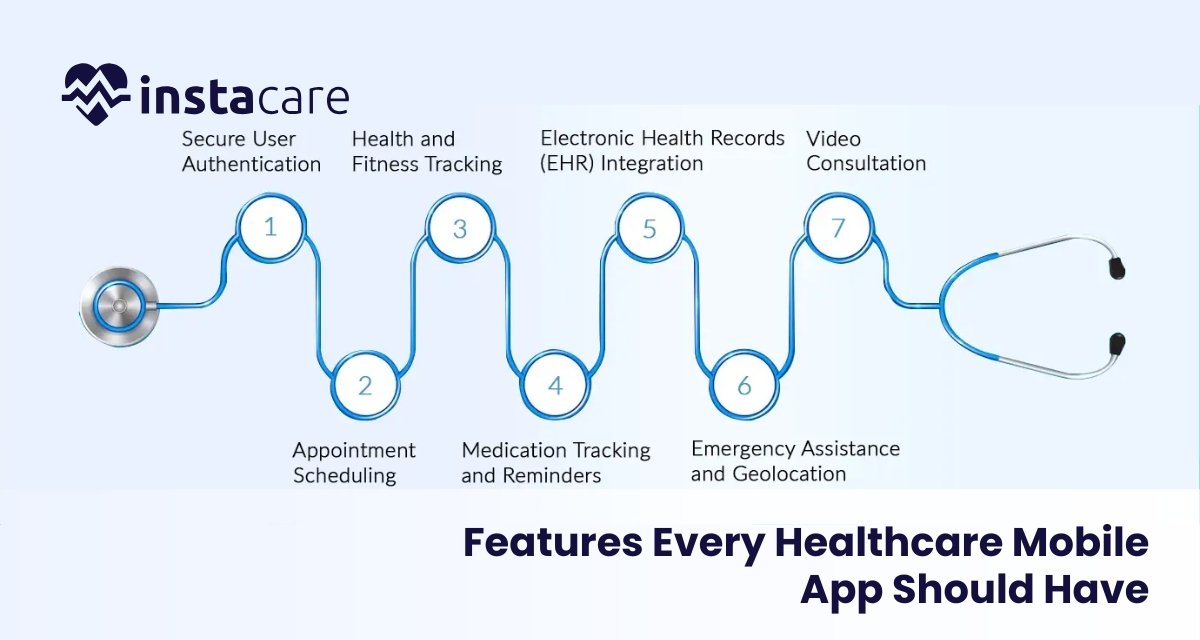
Last Updated on 8 months ago by zuraiz 5 Features Every Healthcare Mobile App Should Have Mobile applications no doubt have become popular in the healthcare sector as a must have tool today. They contribute to better communication, better patient satisfaction as well as reduce many elements of manageability for patients and caregivers. The use of Health app has risen to the extent that developers must be developing features that will suit the various requirements. Here, we will discuss five critical features that every healthcare mobile app must have to be effective, usable, and satisfying for the patient. 1- User-Friendly Interface Importance of Usability This is therefore very important when it comes to the design of mobile applications in the health sector a user-friendly interface. This is because, patient will need to be targeted across the board young, old, technologically advanced, or not. A well-designed interface can really enhance user engagement and satisfaction, which will ultimately translate to more usage and improved health outcomes. Key Elements of a User-Friendly Interface Intuitive navigation: the application should ideally offer a simple layout that highlights common features such as appointment scheduling, medical records, and chat functions. Clear menus, in addition to labeled icons, can facilitate quick navigation. Accessibility Options: A health application should include functionalities that allow for accessibility by any person, whether disabled or otherwise. It should include voice commands, large texts, and other high-contrast color schemes. Onboarding Process: A proper onboarding process is necessary for new users. A tutorial or guide for a short period of time will make users understand the app functionalities, so they can easily start navigating from the beginning. Consider using interactive elements or short videos to engage users during this process. Impact of Usability on Patient Engagement Usability affects patient engagement. The more user-friendly the app is to navigate, the more likely it is that patients will use all its features continuously. Continuous engagement will eventually be translated into health management because patients are more likely to make appointments, monitor their health parameters, and get in touch with their healthcare providers. 2- Appointment Scheduling and Reminders Streamline Appointments A game-changer for patients and health care providers alike, it is: scheduling an appointment via a mobile app. While saving the user’s time, scheduling through a mobile app might also optimize the schedule of the healthcare provider by reducing administrative burden connected with appointment management. Features of an Effective Appointment Scheduling System Real-Time Availability: In a way, patients should be able to see real time status of providers making it possible to select the desired time. This will reduce frustration and uncertainty. Easy Booking and Rescheduling: The use of the app must allow one to easily schedule, reschedule or even cancel appointments. Availability is the ability to adapt to a new schedule and respond to major life events such as illness or a new job. Telemedicine features: As telemedicine has a good ground, health applications need to be designed in such a way that the virtual appointment can be booked by the patients. This enables more and more people with problems of mobility and also the people residing in distant locations reach care services. Remind notifications The no-show rate can be reduced dramatically by reminding patients of their scheduled appointments. There can be in-app alerts, emails, or SMS reminders to patients about their scheduled visits. Benefits from Appointment Scheduling Features Patient satisfaction increases due to an easy scheduling and appointment management feature for patients. Since patients are satisfied with the ease of scheduling and managing their appointments, there is high loyalty and trust for the healthcare provider. Better Operational Productivity: Streamlined scheduling for the healthcare providers would mean better resource utilization, lesser waiting periods, and improved patient flow. Book Free Demo 3- Secure Messaging and Communications Improving Patient-Provider Communication Health care is delivered if proper communication is established between the patients and the health provider. The user can ask questions regarding issues or express concerns or about symptoms using secure messaging and then can be addressed without visiting the clinic. It may take less time to resolve patient issues. Security and Privacy Considerations As health information is considered being sensitive in nature, messaging has to be in a position to meet standards such as HIPAA. Contributions to the appropriate privacy include guaranteeing data end-to-end encryption and safe login, among other things, such as the two-factor authentication. Key Features of Secure Messaging Chat History: This makes it easy to refer to previous conversations, and it can add context and continuity in care. This is helpful especially for chronic health issues requiring multiple interactions. Multimedia Support: The possibility of sharing images or documents about health can enhance communication. For instance, the patients through pictures, they can capture rashes, or any other symptoms that will help the healthcare providers in management. The Importance of Communication in Healthcare Indeed, clear and proper communication can greatly improve patient experience. This is because it creates an easy opportunity for them to seek aid when they want to, as they feel confident reaching out to their providers when necessary. Third, secure messaging is an avenue whereby providers can trace back to communicate with patients; thus, understanding what they require to do afterward about their care. 4- Access to Medical Records Patients Empowerment through Information Yet another benefit is the ability to get the patient’s medical history as this makes the patient a knowledgeable one. It empowers a user with his/her medical record, outcome of the test, and the planned treatment, thereby enhances the user’s participation in managing her own health. Integration with Health Systems The application should seamlessly connect with Electronic Health Records (EHR) systems for timely access to records. Providers need to ensure the app can read directly from the EHR so that patient data is always updated and accurate. Key Features Accessing Medical Record Download Medical Records: Allowing users to download their medical record for access during an offline may add convenience to patients. The patients can save a copy to maintain