

Last Updated on 8 months ago by zuraiz Effects of Application Technology on Healthcare Expenditure Introduction Mobile app technology has transformed various sectors. Health care is not an exception; rapid uptake of smartphone devices and the application brings about a shift in how healthcare service provision, observation, and governance are being affected. The nature of changes has thus affected how the spending structure for healthcare delivery changes, meaning there is need to understand mobile technology and the implication it creates in healthcare costs. Role of Mobile Apps in Healthcare 1-Increased Patient Engagement Mobile applications enable patients to assume responsibility of their health. They enable them to interact with the healthcare providers more efficiently, to make appointments, and to have easy access to their medical records. In this case, increased patient engagement through mobile applications can therefore lead to better patient outcomes and decrease costs associated with lost appointments and the unmanaged chronic conditions. 2- Remote Patient Monitoring Using telemedicine and applications related to remote patient monitoring, a provider can monitor the health metrics of his patient on time. A very useful technology to manage patients suffering from chronic illnesses like diabetes and hypertension; many early interventions that prevent more severe and costly occurrences such as readmission to a hospital or worse, a visit to an emergency room. 3- Cost Cut by Reducing Paperwork Work With mobile applications, billing, scheduling appointments, and registration of patients become easier administrative procedures. Labor costs are cut, as well as the probability of human errors in the form of mistakes or even forgery, because the tasks are automated. This saves on operational costs and provides better services to patients. Healthcare Costs Impacts 1- Reduced Hospital Admissions One of the biggest impacts of mobile app technology is reducing hospital admission. This is achieved through telehealth services and remote monitoring for patients so that they get treated promptly without admittance to hospitals. It will save such a huge deal for both the healthcare service providers and the patients. It has been estimated by the American Hospital Association that prevention of admission in hospitals can help in saving millions of dollars every year in healthcare. 2- Improved care for chronic disease Chronic conditions are the largest portion of spending on health services. Mobile phones carry applications on health-aid that facilitate the self-management of chronic diseases. Health outcomes have been improved and the expenditures in health service delivery have decreased. Third, an application is provided in diabetes care, which enables patients to monitor their blood glucose levels and review diets and intake of medication at the right time. According to other research studies, this happens less often, therefore the cost of treatment in totality. 3- Enhanced Operations Mobile health applications can even improve the operational efficiency of the healthcare organization. Scheduling, billing, and patient management could be combined into one application, and with this, operating resources can be optimized and losses reduced. Better operational efficiency allows for lower running costs, hence the cost-benefit to a patient in fees for services. Book Free Demo Concerns and Factors Although there are many advantages for mobile app technology in healthcare, disadvantages include: 1- Initial Investment An application for health has to pass through an initial investment: it needs development and implementation. As such, investment becomes a resource constraint since it calls for app development and deployment, training of staff, and integration of technology into the system. Even as these cost may be recovered in the long term through the decline in the operating cost, the initial investment acts as a deterrent for some providers. 2- Data Security and Privacy With the more utilization of the mobile applications, health care agencies are responsible to protect and preserve privacy and security over the information related to patients. HIPPA of the US law is associated to regulate as well as protects the information about the patient. It leads towards litigation and loses confidence among patients when any security is compromised 3- Adaptation of technology Mobile health will gain success only with the universal adoption by patients and providers to save healthcare cost. Some parts could be technophobes especially the older peoples or whose easy access to the smart phones may not be conveniently available. Resolving these problems would be important in realizing full health benefits utilizing mobile app technology. Future Applications of Mobile Health Technology 1- Integration with Wearable Devices Wearable devices would most likely integrate in the near future into the mobile health technology. Since it is able to monitor continuously one’s vital signs and other health metrics, wearable technology can give providers of healthcare with real-time data. This is yet another added improvement on the remote patient monitoring and reduces health care costs. 2- Artificial Intelligence and Machine Learning Future Application of Artificial Intelligence and Machine Learning in Mobile Health Applications There will also be a lot of application of artificial intelligence and machine learning in mobile health applications. Technologies like these are capable of analyzing patient data for the purpose of predicting health risks, tailoring treatment plans, and making better decisions. AI, by further enhancing the effectiveness of mobile apps, will keep healthcare costs lower. 3- Personalized Medicine As mobile health technology advances, it will fuel the growth of personalized medicine. Apps can analyze genetic data and lifestyle factors to give health recommendations tailored to the individual. This results in more effective treatments and lower costs associated with trial-and-error approaches. Conclusion This mobile application technology is revolutionizing the health care sector. Patient engagement and chronic disease management improve, as well as automation in administrative procedures. Besides betterment towards healthier outcomes, this brings a significant reduction in healthcare costs. However, given the continual increase in the rate of technological growth, it is imperative that the providers of health-care services embrace the new technologies, while at the same time, put effort into the factors that inhibit the use of the technology. By being aggressive in its approach, mobile application has the potential of improving health care to become a patient centered delivery system.

Last Updated on 8 months ago by zuraiz Role of Mobile Apps in Chronic Disease Management Diabetes, hypertension, and asthma are chronic diseases which have been known to impact on millions of sufferers globally. It has led to a lot of pressure on health care and reduced quality of life. For them, people need constant surveillance, taking their prescribed medications, modifying their diets and designed exercising routines, and engaging with their doctor. Thus, in such a historically high rate of technological development, mobile applications become a significant tool in chronic diseases. This section will therefore focus on how the use of mobile applications can be applied in the management of Chronic diseases, it advantages and disadvantages, and possible future development. Understanding Chronic Diseases Chronic diseases are those conditions requiring prolonged medical care and interfering with normal life activities. They can never be treated but can only be managed. Good management aids the patient to create a quality lifestyle. Among these chronic diseases, some of them are the following: 1- Diabetes Diabetes is due to a lack of or decreased sensitivity to insulin or both; it therefore necessitates control of blood sugar levels, prescription of drugs and other forms of management. 2- Hypertension Hypertension or high blood pressure is that illness which predisposes an individual to both heart disease and stroke. The patient should be reviewed at a later date, modify his life and take medications for this disease’s effective treatment. 3- Asthma Asthma is a chronic respiratory disorder that is characterized by wheezing, shortness of breath, and cough. The management is avoidance of the trigger and use of inhalers as lung function is monitored. The Role of Mobile Apps in Chronic Disease Management Mobile apps are very effective in chronic disease management because they afford positive ways to improve patient involvement, education, and self-care. Among the major roles that mobile apps play include: 1- Self-Tracking and Data Monitoring Many mobile applications allow for the self-monitoring of health measures, such as blood glucose, blood pressure, and symptoms. Through monitoring, patients will learn many health trends and factors that could impact the condition. Diabetes Management: MySugr and Glucose Buddy allow the users to track log-in, meals, and physical activity, thus offering useful data to be discussed with the healthcare provider. Blood Pressure Diary: This is an application for helping patients to log their blood pressure measurements and identify abnormal levels. 2- Drug Management Taking of the tablet as prescribed is the most effective treatment of chronic diseases today. These mobile applications will keep the patient informed on the time the medicine should be taken, the dose to be given and corresponding side effects expected. Medication Reminders: Apps like Medisafe can alert users to take their medications so they don’t miss a dose. Identification of Pills: Some apps can help a user identify pills they are taking by how they look so they will know which ones to take. 3- Lifestyle and Diet Management Lifestyle changes include diet and exercise for chronic disease management. A mobile app could give users individualized advice and information to improve lifestyle choices. Diet tracking: Apps such as MyFitnessPal help a user track the food they take, calories, and nutritional content that can be quite useful for someone with diabetes. Exercise Monitoring: Fitness tracking apps like Fit bit and Strava encourage exercise by setting fitness goals and tracking workouts together with linking patients to others with the same goals. 4- Telehealth and Remote Monitoring Telehealth allowed patients to connect with providers from anywhere without necessarily visiting the health facility. The use of mobile apps can provide virtual access to consultations or remote monitoring, which can increase access. Telemedicine: Applications like Teladoc and Doctor on Demand will facilitate ease of communicating to a healthcare provider over video related to any problem that calls for attention. Patient Monitoring Remotely: Various applications allow patient health metrics monitoring by the care giver to address an issue early 5- Education and Support Accessible through a mobile app, Medical education and social support can be an accessible platform for patients of chronic illnesses. Critical, reliable information and the community can encourage users to take charge of managing their diseases. Educational Resources: Such as Diabetes IQ, the apps give access to educational material for diabetes management, thereby helping the patients make informed decisions. Support Communities: Such as Patients like Me, the platforms connect people suffering from similar health conditions and enable them to share experiences, advice, and encouragement. Book Free Demo Benefits of Mobile Apps in Chronic Disease Management The benefits of mobile applications in chronic disease management are many: 1- Augmented Patient Participation Mobile applications allow a patient to become an independent unit and have direct control over health. It is the best thing to give facilities for self-measurement and enlightenment to patients. So the patient is motivated to practically follow up on and adhere to treatments and even proper decisions about his health issues. 2- Improved Coordination with Health Careers A mobile application provides an opportunity to communicate with careers of health services for timely notification of health and medication adherence status. Improved communication may, therefore, translate into more personalized care and better results. 3- Increased Access to Resources The patient is able to get access to health information, educational materials, and social support networks with ease using mobile apps. It has increased the availability of resources and decreased barriers to care. It empowers the person to manage the condition themselves in an effective manner. 4- Data-Informed Insights Derives insights into the trends and outcome related to health from data produced by mobile applications. Healthcare providers can review such data to help them make a decision on changes in treatment as well as intervention. Challenges in Deploying Mobile Applications for Chronic Disease Management Despite the myriad of positive effects of the mobile application, numerous challenges are inherent, 1- Data Privacy and Security Another concern arising from the process is the safety and security of personal health information, which is now being collected.
Last Updated on 8 months ago by zuraiz The last few years have mainly transformed the health care sector and made it much more digital. This is mainly achieved through mobile app development. Health care providers are investing more and more in mobile applications to ensure effective patient engagement, operational efficiency, and simple communication. The article elaborates on the major reasons for this trend and describes how mobile applications are transforming the health care delivery model. 1- Higher Patient Engagement This is the reason health service providers are interested in mobile application development. Patients expect access to their medical information with an increase in mobile phones. Applications developed for use on mobile apps allow patients a friendly interface through which one can manage the appointment, acquire access to health records, or get reminders about medication or check-ups. Advantages of Higher Involvement Better Communication: The mobile app allows the patient and healthcare provider to communicate with each other directly, hence to questions and concerns response promptly. Personalized Experience: Apps can provide health information and reminders based on the data being collected from individual patients. Thus, adherence to treatment plans can be improved. Empowerment: Mobile apps give patients the ability to control their health information and thus to become active participants in their healthcare journey. 2- Greater Efficiency and Productivity Mobile applications make healthcare professionals much more effective and productive. They automate different administrative tasks that allow more time for patients than paperwork. How Mobile App Development Boost Efficiency Appointments: Patients can easily schedule their appointments and even manage them by using mobile apps. This would save the administrative staff a significant amount of time they spend in scheduling appointments. Telemedicine: Increased telehealth allows healthcare professionals to engage in telemedicine consultations to conserve time for patients and doctors. Data Management: Collecting and processing of data through mobile apps could further make it readily available for healthcare workers to look at and consider the patient’s information quickly. 3- Improved Care for Patients The investment in the development of applications in healthcare providers helps to provide patients better care. Many applications provide beneficial tools and resources for both patients and providers in providing care and enhancing the quality of care. Features Improving Patient Care Health monitoring: The health monitoring features of some mobile applications enable patients to monitor certain vital signs, the patient’s symptom monitoring, and the monitoring records of the use of medicines. Information shared with a healthcare provider can be used in making decisions. Educational resources: Mobile apps provide access to educational material that lets the patient know more about his or her disease as well as alternatives for treatment. Remote Patient Monitoring: The applications can track patients who are suffering from chronic diseases at remote locations to facilitate early intervention and subsequent course corrections in the treatment plan Book Free Demo 4- Cost-Effectiveness Healthcare providers have only begun to open their eyes and recognize that designing mobile applications does come with its share of one-time investment towards generating huge returns later on. Financial Benefits Rare No-Shows: the appointment reminders created through mobile applications reduce no-shows as well as increase revenues. Less Administrative Cost: The use of mobile applications to automate administrative work reduces additional staff costs and error chances. This again saves money in the long term. Improved Operational Efficiency: All the processes get simplified with mobile technology, which reduces the operational cost and healthcare providers can also handle resources properly. 5- Compliance and Security With growing data privacy issues, it is highly crucial that healthcare providers adopt compliance towards such regulatory requirements like HIPAA. Mobile application development serves the purpose of incorporating strict security measures so that unauthorized access is prevented towards such sensitive patient information. Compliance Data Encryption: Mobile applications can make use of data encryption protocols in order to encrypt patient data before transmission and at rest. Access Control: A care provider should be restrictive in letting a few into knowing specific information Audit Trails : The mobile app has activity log thus making is easy to audit compliance and actual security breach occurrence 6- Competitive Advantage As competition in health care environment also grows, people have a will to be aggressive. The significant means of having competitive advantage and aggressive is doing the development in mobile apps. How Mobile Applications Give Competitive Advantages Patient Attraction for the Tech-Savvy Patients: With increased dependency on technology, more would seek health care services from ones who are innovative in their solutions offered through mobile apps. Ease of service delivery: With features in appointment scheduling besides tracking health and telehealth, more patients will be attracted to it and keep it because they will have the benefits of ease and convenience. Building Brand Loyalty: To become better by satisfying the service needed with them, patients bring the patients for successive visits via oral recommendation. 7- Real-time availability of information Health care delivery providers can reach the needed decision through proper evaluation of healthcare, only with real-time access on apps. Also with the advent of real time access, improvements regarding patient services along with streamlined and efficient processing processes can take place. Benefits when accessed real-time data: On-Time Interventions: With the real-time data, medical practitioners can identify any health condition early and initiate the intervention procedures for better health results. Correct Treatment Decision: Information about a patient through updated patients’ medical information timely helps the clinician in making the right treatment decision; therefore, quality care delivery is facilitated. Efficiency Workflow: Timely data can ease workflow, causing less delay, thereby enhancing general efficiency. 8- Increased Demand for Telemedicine The COVID-19 pandemic would increase the demand for telehealth services and most importantly, that of mobile application. As soon as patients are going to be in search for virtual health care, the investment in the mobile application will no longer be inevitable. The telemedicine feature would include Mobile Application Video Consultation. It is a safe video consultation done through a mobile application where one can meet the healthcare provider directly from his comfort zone. Symptom

Last Updated on 8 months ago by zuraiz Mobile Apps and Mental Health | A New Era of Therapy Access Mobile applications have changed the face of mental health care in recent years. As penetration rates by smartphones increase and internet access expands, access to resources one can use to manage mental well-being privately and discreetly becomes more unprecedented. For anxiety, depression, stress, or general wellness improvement, for many, these apps have become the increasingly essential necessities. This post explores the development of mobile applications in mental health, their benefits and limitations, and answers to the most frequently asked questions about its usage. Evolution of Mental Health Apps The development of mental health apps traces back to people becoming increasingly conscious of their mental health problems and the need for accessible support. The more people have become aware of mental health challenges, the greater is their demand for solutions that can reach a wider audience. Mobile apps have filled this gap by providing an array of options for users to navigate their mental health journeys. Accessibility and Convenience The most significant advantage of mental health apps is their accessibility. The resource and support will be available at any time and any place, making it more manageable to seek help when needed. This is especially beneficial for individuals who might not gain access to classic therapy because of geographical inaccessibility, financial barriers, or the stigma associated with seeking mental health support. Variety of Options There are many types of mental health apps in the market today. Every application caters to different needs and serves personal preferences. Popular categories are: Meditation and Mindfulness Apps: Guided meditations, breathing exercises, and mindfulness techniques can be helpful in controlling stress and anxiety. Famous examples include Headspace and Calm. Mood and Symptom Trackers: Utilize apps like Daylio or Moodfit for tracking and recording emotions, behaviors, and triggers through log-based usage that allow one to observe patterns or trends and identify triggers behind one’s mood. Therapeutic Techniques: These are generally applications focused on CBT, as well as other forms of therapies and offer to a user tools to practice such things as how to break unwanted negative thought and behavior patterns using the apps of Woebot or Mood Tools. Professional Help: Some of the apps offer access to licensed therapists to give virtual sessions which are pretty much more intimate for mental health. Better Help and Talk space fall into this category. Benefits of Mobile Applications for Mental Health 1- Relatively inexpensive Many mental health applications have little or no cost, which makes them very economical substitutes for classical therapy. This lowers the bar to accessing treatment because a few more people would not fear to seek help without having to worry about the therapy costs that scare away several people. 2- Anonymity and Privacy Many people fear the stigma of seeing a mental health professional, and mobile applications offer an extent of anonymity which may make one open up on their mental health issues without any pressure of being face-to-face. This would be especially beneficial for those individuals who might be uncomfortable discussing such issues with the therapist in person. 3- Instant Support The mental health apps provide instant access to support in times of need. It may be guided breathing during a panic attack or tracking one’s mood to work through emotions, and help is available at one’s fingertips. It’s possibly the only thing that helps someone get through to another day when they can’t have a therapist or may need help outside the traditional office hours. 4- Customization and Personalization Many mental health apps allow a self-option; that is based on the user’s preference and needs. The personalization gives the app more of a feel for continuous engagement and effectiveness within a user’s life since they can choose whatever techniques and resources they feel comfortable with. The best part is, some apps can even use an algorithm to produce tailored suggestions based on user input and behavior. 5- Continuous Engagement Most of the mobile applications promote interaction over time through reminding them on a daily basis, tracking of their progress, and community support. This will sometimes remind the patient of his condition, making them committed and answerable for their mental health status. A user may end up frequently checking up on their mental health application as it will be making them attentive to their emotional wellness. Book Free Demo Weaknesses of Mobile Applications While mental health apps have many advantages, they also have some limitations that users need to consider: 1- Lack of Regulation The mental health app market is not well regulated, so there is an issue with the quality and accuracy of the information given. Users must be cautious and do extensive research to pick only those apps that have scientific evidence behind them. All apps are not the same; some may fail to meet expectations. 2- No replacement for professional treatment Apps do not replace professional therapy for those who need significant mental attention. Sometimes, too much reliance on apps delays interventions necessary for healing. The user has to know whether significant help is necessary, and this is where they must seek the services of qualified professionals. 3- Digitization Gap One of the issues lies in the unavailability or unreliable access to smartphones and internet, which can create inequalities in the distribution of beneficiaries. This digital revolution in mental health care will most likely exclude most people at lower socioeconomic statuses, making a call for access to mental health care essential. 4- Privacy Issues Users are cautious about the information they share with apps, especially regarding their mental health. One has to be fully aware of the privacy policies of all applications used, and guarantee that the data is processed safely. The second is the same as the first one with adding the concern about the given information and its security. Conclusion Mobile applications have been revolutionizing the way mental health support is sought. Cheaper and easily accessible, it serves
Last Updated on 8 months ago by zuraiz How AI-Powered Mobile Apps Are Changing the Healthcare Industry Forever It means that AI can be used in mobile applications for making healthcare more accessible, efficient, and personalized. Starting from enhancing the patient’s engagement to better managing administrative tasks, AI-driven mobile applications revolutionize the concept of delivery and experience with care. Now, learn with this article how AI transforms health care, what challenges and benefits go with these technologies, and how the future looks. Emergence of AI in Healthcare Healthcare has advanced significantly over the last two decades in technology. Among such highly transformative technologies, AI mimics processes of human intelligence through computer science. Thus, it offers algorithms for very large-scale data analysis and recognizes patterns while allowing predictions in making vital decisions on diverse applications within health care. Drivers for AI adoption in Healthcare Data Explosion: The health sector is producing an enormous amount of data on a daily basis. It processes and analyzes far faster than the human brain. Increased Demand for Personalized Health Care: Patients are highly interested in customized treatment nowadays. AI can accurately formulate a plan of treatment with the help of the data provided by the patients. Cost-Effective: Much routine mundane work could be automated with AI. This would help in better resource allocation. Technological Innovation: Better algorithms and more computing power make AI applications in health care more practical and effective. How AI-Powered Mobile Apps Are Revolutionizing Healthcare 1- Patient Engagement The applications are aimed at improving patient engagement through tailored health information, reminders, and support. Since AI-based applications are designed to analyze user behavior and preferences and present content according to that insight, this may facilitate access for patients to health care. Personalized Health Insights: Applications may track numerous health metrics such as physical activity, diet, and medication adherence, and return to the user with insights and recommendations based on his or her data. Interactive Chatbot: Most health care applications today include AI-based chatbot that can address patient queries, schedule appointments, and provide general medical advice, which enhances user experience and accessibility. 2- Better Diagnosis and Treatment The AI techniques can help the doctors and other healthcare givers to make faster diagnosis by analyzing medical images; laboratory results and patient records. This ability is particularly helpful in the fields of radiology and pathology. Image Recognition: AI will allow doctors to identify disorder patterns in images like MRI or X-Ray with much accuracy and much velocity, allowing the doctors to make the right decisions much sooner. Predictive Analytics: Through AI systems, the history of patients goes through and, after finding certain risk factors and predicting future health issues, it helps in proactive intervention. Book Free Demo 3- Simplification in Administrative Process Administrative tasks are the time and energy consumers of health care providers. AI-based mobile applications will remove all the administrative burdens from the health care professionals, and more time will be left for patient care. Appointment Scheduling: AI will help in reducing hassles related to scheduling because it studies the availability of patients and schedules of the provider to avoid no-shows and optimize resource usage. Billing and Insurance Claims: AI will smoothen the process of billing by automatically posting claims and tracking payments thus reducing or perhaps doing away with the error and administrative burdens. 4- Remote Monitoring and Telehealth The current coronavirus pandemic can heighten the advancement of telehealth applications, while AI-based mobile applications have contributed a lot of functions regarding the remote patient monitoring. By so doing, the respective health care providers can diagnose the exact health status of patients within instants and make the right interventions for adequate care. Wearable Integration: All these different mobile applications will be integrated with wearables in recording heartbeats, movements, and other health measures and sending out information for reference by healthcare professionals. Virtual Consultation: AI can help in telemedicine service by enhancing the virtual consultations. Patients will be offered video call facility and even through chat in accessing the healthcare. Such services enhance healthcare even to people dwelling in rural areas. 5- Drug Discovery and Development AI in the Pharmaceutical Industry is accelerating the discovery and the development of this vital sector. Mobile applications utilizing AI can determine the results of biological data analysis, suggest drugs with the best potential outcomes, and estimate the potential efficacy of drugs. Data Analysis: AI can analyze extensive research data and can reveal patterns and specifics that can be unknown through the use of other methods. Clinical Trials: The use of artificial intelligent in the recruitment of patents that are to take clinical trials is of great benefits as it will select the persons to fit certain criteria thus making the whole process of clinical trials to be very efficient. Benefits of AI-Powered Mobile Apps in Healthcare Accessibility: They make it easier for patients to get access to healthcare services and make it easier for patients to get care and information at any time and any place. Efficiency: Automation of mundane tasks saves time and minimizes errors, and healthcare professionals spend more time with the patients. Personalization: The AI algorithms can be configured to provide precise recommendations based on data related to a patient, which increases the success of the treatment and the satisfaction of the patient. Cost-Effective: AI has the ability to make business processes efficient, which in turn reduces cost for healthcare establishments related to providers as well as patients. Inferences based on data. It generates a lot of information and trend that may further help in forming decisions within a clinician with enhanced results concerning health care. Challenges and Consideration The capabilities of health care using an app powered by artificial intelligence are substantial, but this is accompanied with so many dilemmas one is supposed to be solved. Data Privacy and Security: Data related to health raises issues on privacy and security as the data relates to the patient. Health care organizations must be cognizant of HIPAA or Health Insurance Portability and Accountability Act, an

Last Updated on 8 months ago by zuraiz Lahore Chamber of Commerce and Digital Health | Bridging the Gap for Innovation The Lahore Chamber of Commerce and Industry (LCCI) is one of Pakistan’s leading trade organizations. It supports the business community by promoting economic growth, advocating for business interests, and driving industrial advancement. The LCCI fosters innovation and collaboration across various sectors, including the digital health landscape, where Instacare, a corporate member, plays a significant role. How is Instacare Contributing to Digital Health through LCCI? Instacare is an innovative leader in the health sector, offering a wide range of healthcare services through its telemedicine platforms. As a corporate member of LCCI, Instacare leverages its expertise in digital health to collaborate with other industry leaders, aiming to enhance healthcare accessibility and drive digital transformation within the healthcare industry. What Role Does Bilal Amjad Play in LCCI? Bilal Amjad, the CEO of Instacare, actively represents the Integrated Marketing Committee as a member of LCCI, contributing to the development of the healthcare sector in Pakistan. He works to promote digital solutions and advocate for modern healthcare systems within the business community. His involvement reflects the growing importance of leveraging technology and innovation in the healthcare sector. By contributing to LCCI’s marketing strategies, he ensures that digital health solutions are highlighted and integrated into broader business discussions. The Growing Significance of the Healthcare Industry in Pakistan The rise of health technologies in Pakistan is not just a trend but a critical response to some of the country’s most pressing healthcare challenges. With a population exceeding 230 million, Pakistan faces significant gaps in healthcare accessibility, particularly in rural areas. Digital health services, including virtual consultations, health apps, and digital records, can help bridge these gaps by providing efficient, cost-effective, and timely healthcare services. For instance, telemedicine enables patients in remote areas to consult qualified doctors without needing to travel, while e-prescriptions offer easy and reliable medication management. Digital health also has the potential to improve healthcare outcomes by promoting preventive care through health-tracking devices, empowering individuals to monitor their health closely and take early action to prevent diseases.
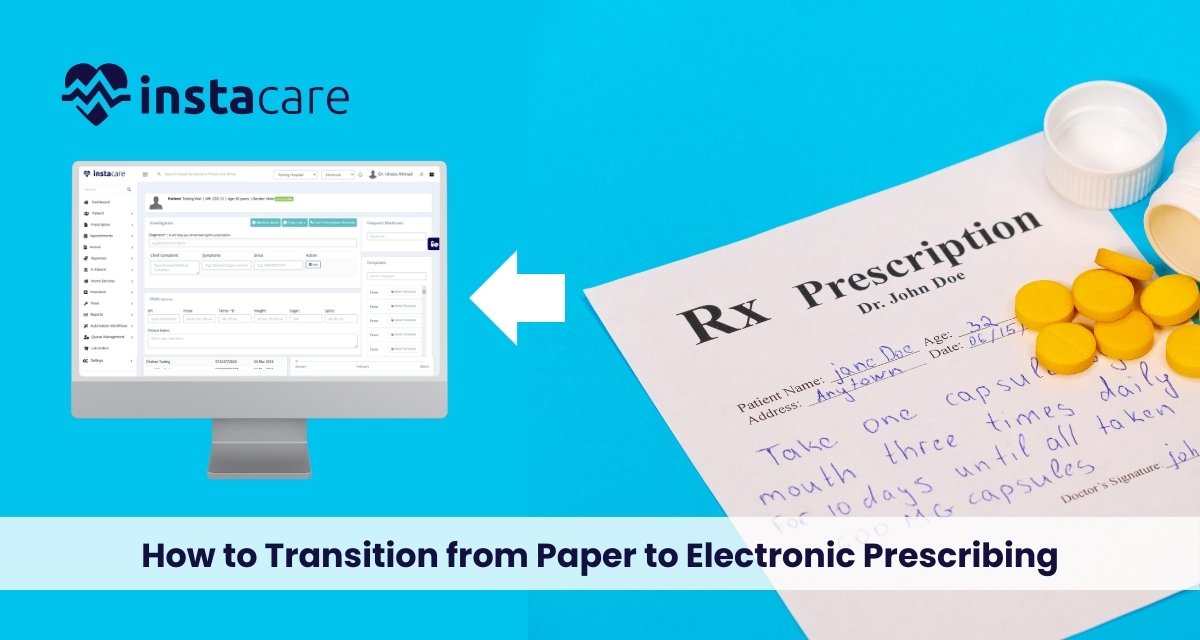
Last Updated on 8 months ago by zuraiz Changing to e-prescribing is a revolutionary step for the health providers in changing from paper. It is one of the techniques that make workflow streamlined, make it safe to patients, and improve efficiency in the delivery of health care. A careful plan and execution will help smoothen the process. This guide gives an all-out step-by-step way of accomplishing this efficiently. Introduction to E-Prescribing E-prescribing is an electronic write, transmit and refill of script of a prescription. The same communications technology enables health care providers to transmit prescriptions electronically and electronically signed prescription order forms to the pharmacy. It is also important to appreciate the fact which is inexistence in paper prescriptions; e-prescribing is intended to bring out more precision, interaction and coordinating of medication dispensation. Why Transition to E-Prescribing? E-prescribing reduces the chances of errors due to illegible prescriptions and informs against drug interaction and allergy, which means safe medication. Efficiency: E-prescribing eliminates the lost time in paper prescriptions. It also hastens the prescription as patients are given care timely. Better Communication: The direct communication between providers and pharmacies minimizes probable differences and delay in filling up the prescription. Compliance Rules: Healthcare rules and insurance demands are moving toward electronic prescription. The practice has to cope up with this change. Step 1: Review Your Present Process First and foremost, before arriving at an e-prescription, it is very important to look at the present process. Review Present Processes Identify Pain Points: Assess your paper-based prescribing process. Determine the issues associated with your process, such as prescription errors, delayed pharmacy communication, and time used in paperwork. Gather Feedback: Discuss with pharmacists, physicians, and administrative staff. They can give insights on where your system lacks in areas that are essential to change. Analyze Software Requirements Define Requirements: Define what functionality an e-prescribing system should possess. A few of the functionalities required include drug interaction check, alerting allergies, a refill manager, and connectivity with EHRs. Budget Implications: Establish the cost implications of e-prescribing systems, such as buying and implementing, training, and sustaining the system at large. Step 2: Selecting the Best Electronic-Prescribing Software Choosing the right e-prescribing software is very elementary to a seamless transition. Alternative Research Compare Companies: Compare various available e-prescribing systems in the market. Identify the vendors that have a robust feature that meets your practice’s needs. Asses Compatibility: Insure the tool is compatible to your existing electronic health record or EHR application otherwise it will conflict or trigger workflow. Book Free Demo Compatible can improve workflows and data much more. Assess Features User Interface Easy: Make software user-friendly whereby the system is to be maneuvered easily by one of the employees; this enables quick adoption without a long learning curve. Help and Training Support: The implementing vendor should support your staff well with proper training ensuring that technical matters that might emanate during this process are worked out. Step 3: Preparation for Implementation Good planning entails a smooth takeoff. Timeframe Establishing Milestones: The implementation setup stages might involve testing, training, and full deployment. Set deadlines for every phase to ensure that the project remains on course. Resource Allocation: Determine human and financial resources required for transition. Ensure there is enough resources in place to counter any challenge. Preparing the Staff Training Sessions: Schedule complete training to all the users. It will include physicians, nurses, and administration staff. The training must cover navigating through the system, prescription entry, and management of patient information. Step 4: Identify Champions: Find out the most techie staff and make them champions to help people while transitioning. Champions can be approached for any query or help and can reduce the learning curve. Test the System Testing is required before the complete deployment of the Electronic-prescribing system. Pilot Tests Small Scale Implementation: You would implement the e-prescribing system small scale with fewer populations and test whether that system could harbor problems which may emerge prior to mass adoption. Channel for Feedback: You would maybe allow an official process by which feedback was received from end-users within the pilots. Feedback through patients would indeed prove very effective at changes and revisions made within the system itself, as well as to patients’ workflow Analyze the Issues Technical Errors: These can be troubleshooter- resolved technical errors when encountered in a pilot test. Allow users the bug filing functionality while providing immediate response. Workflow Changes: Changes in workflows will be made based on user feedback to improve business efficiency and usability. This could be in terms of streamlining the workflow or redistributing tasks to fit the new workflows better. Step 5: Full Deployment This is when the e-prescribing system should go live, now that testing has been completed successfully. Launch the System: Roll out the full e-prescribing once testing is successful and any necessary adjustments are made. Share the launch date with employees who then prepare. Monitor Performance: Monitor performance of the system as issues are addressed promptly. Monitor prescription errors, user engagement, and general uptake of the new system. Continued Education Train the user on new things and best practices in the tools. Ongoing training will help create a culture of lifelong learning and adaptation. Listen to Users: Always be open to listening to feedback from users or other users who have issues or improvements to be made in such an application. Ongoing feedback keeps abreast of the ongoing issues and areas for enhancement. Step 6: Evaluation and Optimization Once the Electronic-prescribing application is implemented in the system, its impact should be evaluated for its optimization in further utilization. Outcome Measurement Track Measures: The key measures of performance regarding prescribing errors and time savings together with user acceptance be tracked. Effect on overall efficiency of practice related to patient safety of the e-prescribing system be measured. Seek the Views: Organize regular staff meetings to solicit perceptions about the experience of e-prescribing. Perceptions will form a very key basis for future development. State of the Art Improvement: Stay alert about latest software
Last Updated on 2 years ago by Ahmed Usman E-prescribing can therefore be described as the generation and transfer of prescriptions electronically by prescribers to the pharmacies. Its goal was to be more efficient, safer and reduce the repeated medication errors and at the same time enrich the other aspects of patient care. Nevertheless, concerning virtually any advancement in technology, implications to security are incredibly dire. Thus, this paper explores the safety of electronic prescribing, the benefits and risks, as well as protection for patient information. Understanding Electronic Prescribing What is E-Prescribing? Using electronic prescriptions means the creating of prescriptions by a prescriber electronically or passing of prescriptions between the prescriber and a pharmacist. Telepharmacy or electronic prescribing systems exclude prescriptions on paper all together. This means there will be no inherent errors resulting from handwriting prescriptions. The access to a patient’s medication history also allows the provider to make more informed decisions. Advantages of E-Prescribing There are many benefits associated with e-prescribing, among which are: Improved. E-prescribing reduces the opportunities for medication prescription and dispensing errors as well as misinterpretation due to the absence of handwriting. Efficiency: The prescription reaches the pharmacy immediately. A patient is discharged sooner, and at the same time, streamlines the provider workflow. Access to Patient Records: All the E-prescribing systems are integrated to the EHR that enable the provider get full details about the medications, allergies and additional information about the patient. Medication Management: The e-prescribing systems will be able to alert the providers about the possible interactions, allergies or even duplication of therapy hence increasing patients’ safety. Patient Convenience: Patients will be able to select their desired pharmacy and will even be informed when their prescriptions are ready for collection. Electronic Prescribing Security Issues Even though e-prescribing has its benefits, there are also a number of security issues that arise, and these have to be resolved to protect the patient’s data and ensure safe prescribing practice. 1- Data Privacy Patients’ data about privacy is one of the critical problems related to e-prescribing since the electronic prescription contains sensitive demographics about the patient, medications, and the prescribing doctor. That makes it form a highly probable source of vulnerable access if such protection is not provided, and therefore, threatened with breaches into privacy. 2- Cyber security threats Like any other digital system, there are always risks of hacking, malware and phishing on e-prescribing systems. Cybercrime can affect Health care organizations in two ways; as a way to steal important data or as a way of denying service delivery. A cyber-attack may compromise patient data and disrupt the prescribing process and possibly put patients at risk. 3- System Reliability E-prescribing systems depend on technology; therefore, errors are possible and sometimes inevitable. Technical malfunction or system downtime prevents the view of a patient’s medical history or transmission of prescription to the healthcare provider. In this regard, it is possible to delay treatment to the patients. Thus, reliability as well as uptime of the e-prescribing systems are necessary for the safety of patients. 4- Human Error While e-prescribing minimizes the possibility of mistakes due to illegible writing, it is impossible to avoid making a human error. Providers must be trained on how the electronic prescribing system is correctly used. If the users are sloppy, then they might commit medication or dosing errors. Book Free Demo Steps to Overcome Electronic Prescribing Security Risk The security risk involved with electronic prescribing can be overcome through the following steps. 1- Authenticated Protocols Strong authentication protocols by the healthcare organization ensure that only authorized personnel are able to access e-prescribing systems. Such a protocol could include multi-factor authentication, where one would require various means of identification to access information deemed sensitive. 2- Data Encryption Data encryption for the transmission and storage of information should be part of an e-prescribing system to prevent information falling into the wrong hands concerning patients’ details. The systems of e-prescribing should apply advanced standards of encryption, which would help ensure data protection while at the same time upholding confidentiality. 3- Security Audits Periodically The healthcare organizations should carry out periodic security analyses in the e-prescribing systems. It can help to detect the existing vulnerabilities within the system. Thereby, the healthcare organizations will be able to decide which aspects of the implemented security need improvement in its measures for ensuring the security of the patient’s information. 4- Employee Training Proper education on the proper usage of an e-prescribing system to the healthcare service providers and all the employees must be done. Educating employees with the best practices, recent cyber threats, and how to respond in case any breach is faced must be done up to date. 5- Monitoring System E-prescribing systems should be monitored in real time, and this helps in the identification of suspicious activities and potential security breaches. Organizations can monitor the activity in their system with automated tools, receiving alerts about unusual behavior. 6- Compliance with Regulations The e-prescribing systems are legal in the United States where it is categorized under the Health Insurance Portability and Accountability Act-HIPAA. It ensures that all health care organizations follow standard that would guarantee that patient information and data are safe. Conclusion Electronic prescribing is a great achievement in the health sector. This has improved the efficiency and safety of the prescription process. However, despite various advantages, there are certain security concerns that have to be taken into consideration while adopting e-prescribing to ensure safety of the patient’s data. Proper security measures, training for health care providers, and adherence to the regulations and guidelines may help to minimize the risks associated with e-prescribing. As the landscape of health care is changing, the patient, provider, and organization must continually be vigilant and proactive in preserving the confidentiality of such sensitive information. Health sectors can ensure that technology is utilized properly with best available security features in the protection of patient information and integrity of the prescription by securing electronic prescribing. FAQs 1- Is electronic prescribing safer than a standard
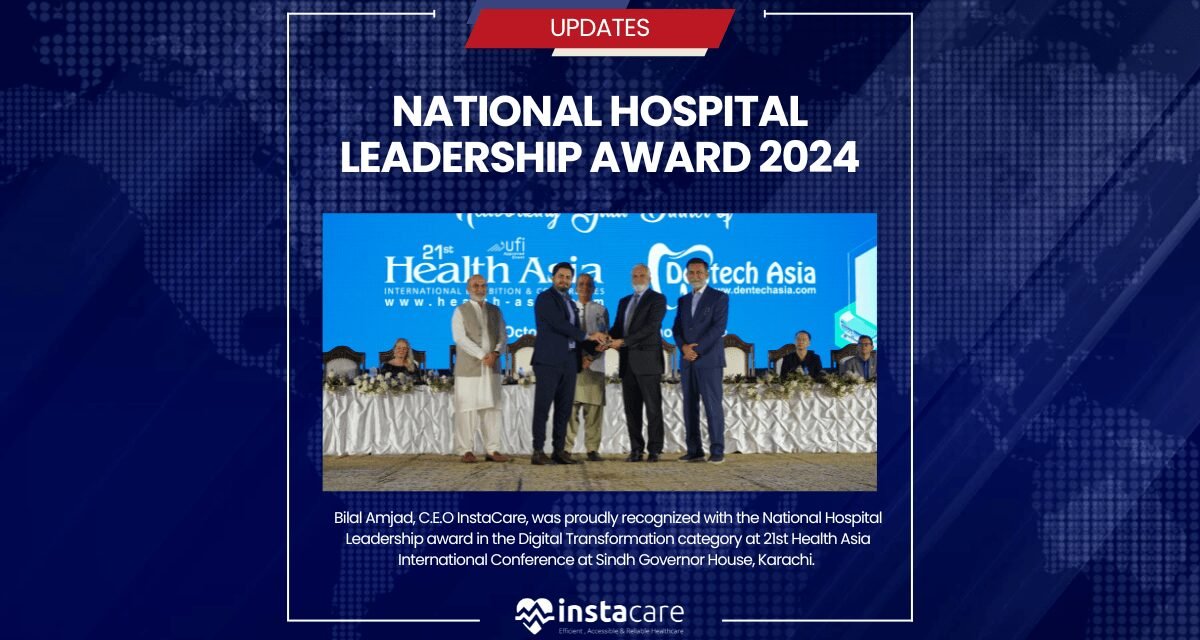
Last Updated on 2 years ago by Bilal Amjad Bilal Amjad, recognized as the Top Digital Health Founder in Asia, continues to make waves in the healthcare industry as the visionary founder of InstaCare, hailed as the Best Digital Health Company. His latest accolade came during the prestigious 21st Health Asia International Exhibition & Conferences, held at the Governor House in Karachi. This honor adds to his growing list of national and international recognitions, including Presidential awards and Commonwealth distinctions, showcasing his unmatched contributions to healthcare innovation. The event was graced by eminent figures like Dr. Zakiuddin Ahmed (CEO of Digital Care) and Muhammad Arshad (CEO of the Prime Minister’s Health Programme) to appreciate InstaCare’s transformative role in advancing healthcare accessibility and technology. Their acknowledgment of InstaCare’s efforts under Bilal’s leadership highlights the significant impact it has on reshaping healthcare delivery in Asia, especially across Pakistan and beyond. Driving Innovation with InstaCare – The Best Digital Health Company Under Bilal Amjad’s strategic leadership, InstaCare has emerged as a beacon of innovation in the healthcare sector. As the Best Digital Health Company, it offers solutions that bridge gaps in accessibility, enhance efficiency, and improve patient care. Key platforms like the Super Health App and CoreMedix showcase InstaCare’s commitment to empowering healthcare providers and patients with AI-driven solutions that reduce medical errors, streamline workflows, and optimize decision-making. The ceremonial ribbon-cutting symbolized InstaCare’s commitment and mission to create new opportunities for growth in the healthcare ecosystem. Global Impact of InstaCare InstaCare’s success lies in its ability to blend technological advancements with practical healthcare solutions. The company’s innovations have: Reduced medical errors by 40%. Enhanced patient satisfaction rates by 35%. Lowered operational costs for providers by 25%. Such achievements have positioned InstaCare as a global pioneer in digital health, reinforcing its status as the Best Digital Health Company. Setting Standards in Digital Health The recognition of InstaCare at the National Hospital Leadership Award in the Digital Transformation Category is a testament to our dedication to revolutionizing healthcare. Our visionary leadership at InstaCare not only sets benchmarks for innovation but also inspires the next generation of entrepreneurs to leverage technology for societal impact. As InstaCare expands its reach and continues to lead the way in digital health, Bilal Amjad’s story stands as a powerful example of how vision and technology can come together to reshape industries and improve lives worldwide.
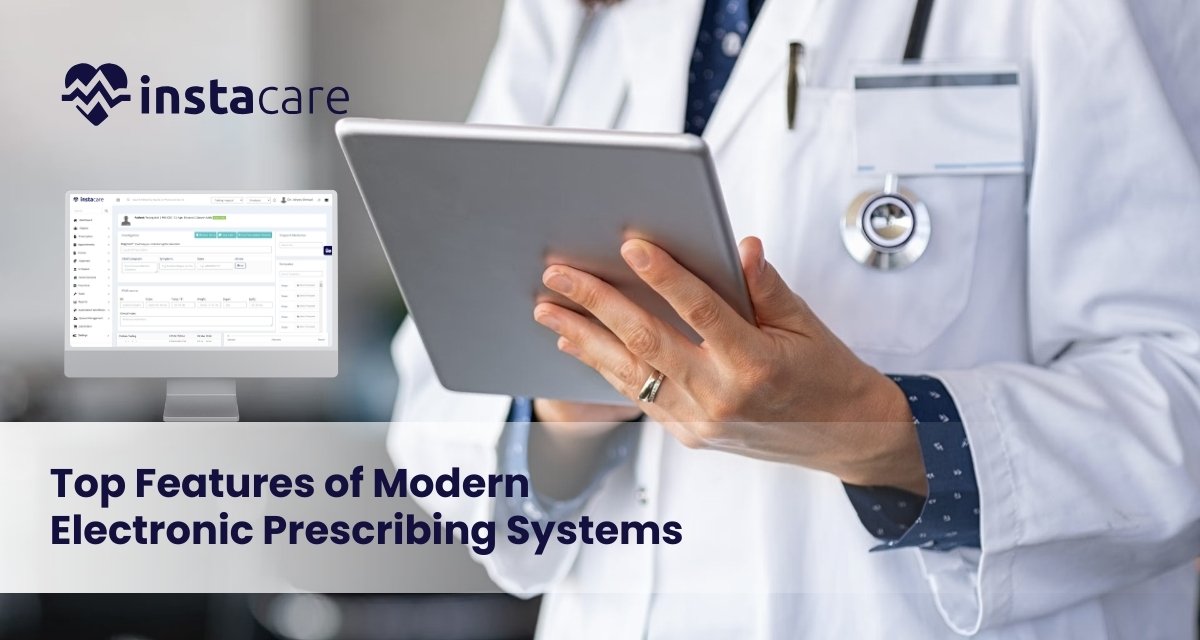
Last Updated on 2 years ago by Ahmed Usman In the health sector, within recent years, electronic prescribing or e-prescribing has emerged. The traditional method of prescribing has been extended through direct electronic communication between healthcare providers at their respective desks or offices and pharmacies. It makes the workflow much easier for health professionals but ensures greater safety and satisfaction of the patient. In this process, which is continuously developing in technology, new systems of electronic prescribing are coming with a host of add-on features intended to make them more functional and usable. Top Features Of Modern Electronic Prescribing Systems!! 1- User-Friendly Interface The advanced e-prescribing system ensures one main feature: an easy-to-use interface. An excellent interface is one that would make it easy for the healthcare provider to navigate without committing a plethora of errors in the prescription process. The main elements of a friendly interface include; Easy navigation: Many sections will be directly accessible, such as patient records, medication lists, and prescription history. Clear Graphics and Color Alerts: Graphics and color coding alerts, warnings, and alerts for important information. In-built search abilities to quickly find medications, allergies, and patient history, so they can find the most critical information within seconds. 2- Integration with Electronic Health Records (EHR) Most current e-prescribing solutions are implemented as interfaces to the EHR so that the clinical data and prescription flows are synchronized. The reasons include: Comprehensive Patient History: The providers can retrieve the full medical history of the patient which encompasses past prescriptions, allergies, and lab results in order to provide effective prescribing decisions based on the comprehensive history. Less Administrative Work: The providers can update the prescriptions along with the patient’s respective record in real-time that eliminates the data entry in the form of duplicates. Optimized Coordination of Care: Synchronization leads to better communication between health care professionals and thereby coordinated patient care is realized. 3- Live Drug Interaction Warnings Creating real-time drug interaction warnings is a feature that e-prescribing systems carry, which keeps away adverse drug events and enhances the safety of a patient. Its features include: Automated Alerts: New drugs prescribed for the patient would be checked in an automated search against the currently ongoing medication, alerting the physician in the event of some form of interaction among the drugs. Customization Options: Providers can have alert configurations tailored to their wishes, which results in appropriate alerts and fewer about fatiguing. 4- Medication Formularies Access Most current e-prescribing systems provide the providers with the real-time updated medication formularies. They are potentially of great importance to the medication-carrying plans of healthcare providers in the treatment of patients. Key features include: Insurance Coverage Information: Prescribers will be informed as to which drugs are covered under a patient’s insurance plan so not to subject a patient to a “surprise.” Low-Cost Substitutions: The system will even provide the substitutable drugs based on their effectiveness and cost for the patient. 5- Prescription Monitoring and History Basic practices, including keeping prescription records and documenting the patient’s history, are important in handling the patient appropriately. Current electronic prescribing systems provide the following components as relatively simpler to implement: Instant Tracking: Real-time tracking will allow the physician to monitor which prescriptions have reached pharmacies and help ensure that medications are dispensed timely to patients. Availability of Prescription History: The provider will be able to view the medication history, filled and unfilled prescriptions for better continuity of care. Book Free Demo 6- Advanced Security Measures Security is an important element in healthcare, especially as patients’ data and prescription information are used. Advanced e-prescribing systems use various robust security measures to prevent information breaches: Encryption: Encryption of data in transit allows the confidentiality and security of patient data. User Authentication: Multi-factor authentication and role-based access control are used so that only access is given to authentic users. Audit Trails: Such systems maintain activity logs of its users, proving accountability and transparency towards the prescribing event. 7- Mobile Accessibility With healthcare slowly turning mobile-friendly, most state-of-the-art e-prescription systems have started developing mobile-specific applications or developing web interfaces based on responsive website designs. Health care providers can: Prescribe on the Go: Providers can access patient records and prescribe medications from their mobile devices, making them more efficient and responsive. Receive Notifications: Mobile alerts for prescription status, refill requests, and patient messages can be received in real time, enhancing communication and care coordination. 8- Patient Education Tools Patient education is a must for adherence and safety. Many modern e-prescribing systems offer patient education tools that include the following: Medication Education: She was face-to-face guided with the patient in regard to dosages, side effects, and the interaction of her medications which were ordered Learning Material: Videos and informative pamphlets might be allowed in order to help educate and learn more. 9- Analytics Reporting An e-prescribing system may hold potential in extracting knowledge through data analytics, regarding improving prescribing health care professionals. It is offering the following feature: Usage Reports: The providers can develop reports regarding their prescribing practice, monitor the trend, and measure the impact of the drug. Quality Improvement Programs: The data may be used to inform quality improvement programs, such as decreasing prescription mistakes or improving compliance with clinical practice guidelines. 10- Telehealth Integration Telehealth is changing the nature of healthcare delivery, and new electronic prescribing systems are addressing these changes. Integration with telehealth enables the providers to Prescribe during Virtual Visits: Providers can give a prescription during virtual visits such that continuity of care for the patient has continuity even in cases where they cannot visit,. Access Remote Patient Monitoring Data: Some systems allow providers to access data coming from remote monitoring devices that aid in decisions on medication management. Conclusion Modern e-prescribing systems help healthcare providers fulfill the most critical needs by bringing a range of features that improve safety, efficiency, and even patient engagement in their care process. From actual time drug-to-drug interactions to mobile support and telemedicine, these modern e-prescribing systems are increasingly crucial for refining