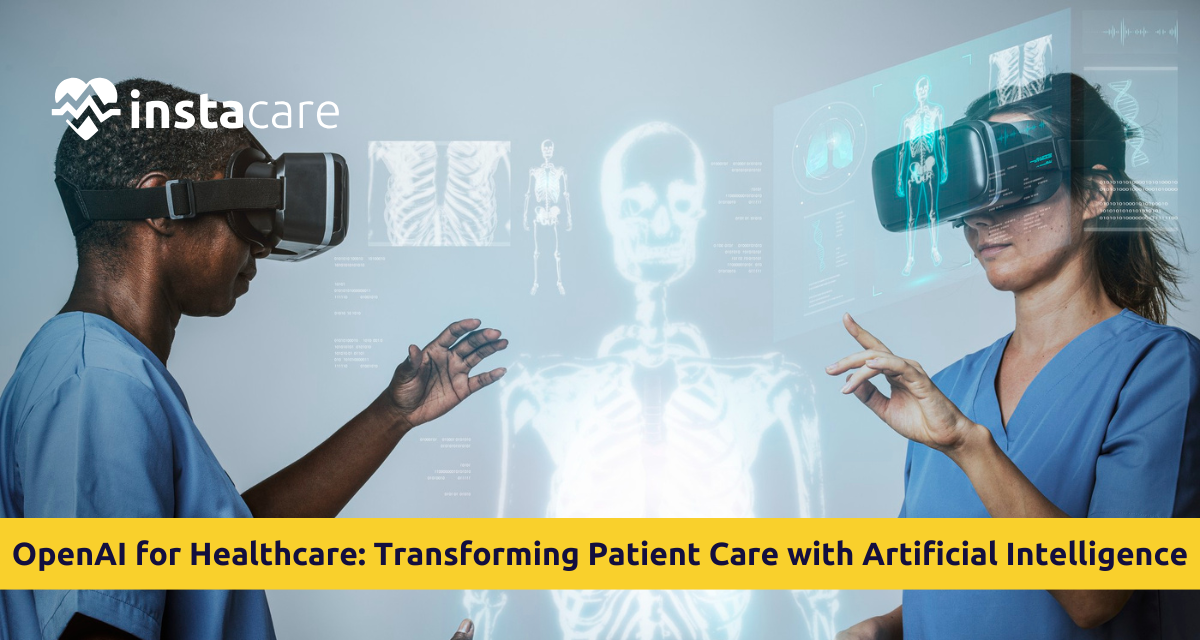
OpenAI for Healthcare: Transforming Patient Care with Artificial Intelligence The future of healthcare is changing rapidly with artificial intelligence, which has allowed making diagnoses much quicker, smarter workflow, and patient-centred care. OpenAI is a leader in the transformation, as its advanced AI models are already being deployed in healthcare systems worldwide. AI tools are also assisting providers in providing more efficient and accurate care through clinical documentation to prediction analytics. This paper will discuss the transformations that OpenAI is bringing to the field of modern medicine and its major uses, advantages, ethical aspects, and the future of AI-driven innovation in healthcare. What Is OpenAI? OpenAI is a research and technology company that creates more sophisticated AI models that could comprehend and produce human-like language, analyse data, and address sophisticated problems. Its tools are very common in all other industries such as education, finance and more so in healthcare. OpenAI-driven models may be used in medical environments to support clinicians, carry out monotonous tasks, and enhance decision-making through profound data analysis. The tools are included in the wider trend of AI in healthcare, where automation and intelligence can be applied to improve care delivery and patient outcomes. Why Healthcare Needs AI Solutions? The healthcare systems are under increasing stress due to the increase in patients, clinician burnout, and the complexity of administration. Techniques of the past are typically unable to cope with data-intensive processes and decision-making that are time-sensitive. The AI solutions can help overcome these issues by: Automating reporting and documentation. Clustering of big data. Improving the accuracy of diagnosis. Fostering distance and online health care. With the expanding nature of medical data, AI-based systems are increasingly becoming imperative to the sustainable provision of healthcare. Key Applications of OpenAI in Healthcare Clinical Documentation and Automation The results of conversations with patients can be structured and formed as a clinical note using AI models, which saves administrative overhead. This will enable physicians to enjoy more time with the patients as opposed to documentation. Virtual Health Assistants AI chatbot offer rudimentary triage, check-in of symptoms, schedule appointments, and drug notifications. It is among the most widespread OpenAI healthcare applications of telehealth technologies. Medical Research and Literature Review AI is able to review large volumes of medical literature, summarize results, and assist the researcher to draw patterns at a rate exceeding what can be achieved by human processing. Patient Education and Engagement Understanding of diagnoses, treatments, and how to take medications using simple language is done by AI-powered tools and enhances health literacy and adherence. Clinical Decision Support AI assists physicians to interpret complicated medical data and recommend evidence-based advice, which enhances Clinical decision support AI systems in hospitals. Benefits of OpenAI in Healthcare Improved Efficiency The repetitive duties such as documentation, billing summaries, and patient intake are automated thus decreasing the usage of administrative resources. Improved Diagnostic Accuracy The AI models, which are trained on large datasets, are able to identify patterns that humans might miss and AI for medical diagnosis can be used, such as radiology and pathology. Better Patient Experience The chat systems powered by AI offer 24/7 service, making them more accessible and quicker to respond to. Cost Reduction Optimized processes and automation contribute to lowering operations and quality care. Personalized Medicine AI examines medical histories and genomes to aid in personalized care, which is becoming a trend in Artificial intelligence in medicine. Real-World Healthcare Use Cases Telemedicine Platforms AI chatbot help with pre-triage and telehealth visits, particularly in underserved areas. Radiology Support Medical imaging AIs are used to identify abnormalities in medical images and allow radiologists to prioritize severe cases. Electronic Health Record (EHR) Optimization AI enhances the precision of documentation and provides pertinent details about patients in real-time. Mental Health Support AI-based conversational systems offer primary care to anxiety, depression and behavioral health, in addition to human care. Hospital Operations AI enables predicting the admission of patients, staffing optimizations, and supply chain management with the help of Clinic Management Software. Challenges and Ethical Considerations Data Privacy Medical information is extremely sensitive and AI instruments have to meet stringent privacy laws. Bias in AI Models The biases of the AI systems that are trained on small data sets can be represented and, therefore, impact the quality of care among some population groups. Transparency It means that AI recommendations should be explained in a way that would allow clinicians to trust and validate the results. Over-Reliance on Automation Human judgment should be aided by AI and not replaced. It is necessary to have a balance between automation and clinical expertise. OpenAI and Healthcare Compliance Healthcare organizations should make sure that the AI tools are in line with the laws of the region including HIPAA (US), GDPR (EU), and additional local health data regulations. Some of the compliance considerations are: Secure data encryption Audit trails and monitoring Patient consent management Model transparency Ethical regulations and technical protection can only prevent irresponsible use of ChatGPT in healthcare. Book Your Free Marketing Consultation Future of OpenAI in Healthcare The future of AI in healthcare is bright and it is unlikely to stagnate in various spheres: AI-powered drug discovery Prognostic disease modelling. Clinical decision tools in real-time. Individual simulation of treatment. Medical interfaces that are voice-activated. With more refining of AI models, they will probably become a common and standard part of medical life and not an option that improves medical performance. Best Practices for Healthcare Organizations Start with Pilot Programs Initial deployments, e.g. AI documentation assistants, can be scaled out. Prioritize Data Security Make sure that there is a strong encryption, anonymization, and access controls. Train Healthcare Staff The understanding of AI capabilities and limitations should be known to clinicians and administrators. Maintain Human Oversight Qualified medical professionals must always review the outputs of AI. Concentrate on Patient Centric Design The AI devices should help improve the quality of care, rather than make the interaction with patients harder. Conclusion OpenAI is leading a central role in changing the current healthcare system
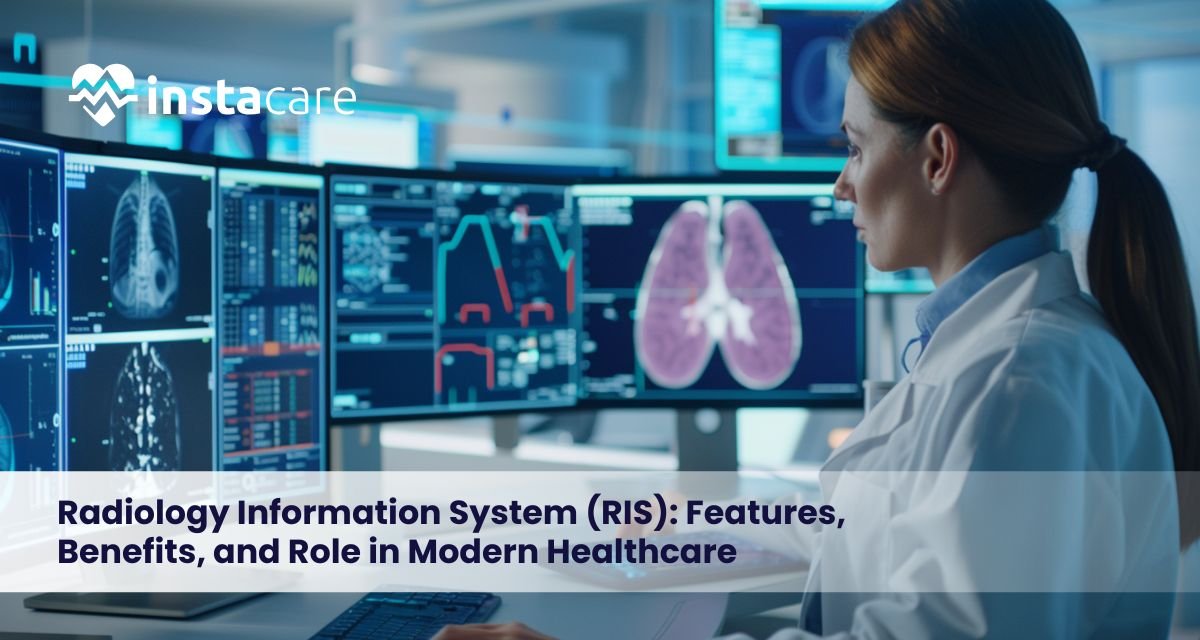
Radiology Information System (RIS): Features, Benefits, and Role in Modern Healthcare The way healthcare is conducted nowadays depends on effective imaging processes. With increased volume of diagnostic imaging, radiology departments require intelligent systems that coordinate, report, and store patient information. The Radiology Information System (RIS) is a key element in enhancing efficiency, precision, and productivity in imaging departments. The paper examines RIS software, its main characteristics, advantages, implementation issues, and its changing role in the healthcare of today. What is a Radiology Information System (RIS)? A Radiology Information System (RIS) refers to a special application that is used to organize and automate the work of radiology. It facilitates administration and clinical processes, such as scheduling, patient tracking, reporting, and billing. RIS in healthcare is the pillar of radiology workflow management since it provides smooth coordination among radiologists, technicians, and other healthcare providers. It combines patient records, imaging orders, and reports into a single system, thus lessening work by hand and enhancing accuracy. Key Functions of a Radiology Information System RIS systems deal with various activities that can improve the efficiency of operations. Key radiology information system features include: Registration and Demographics of patients. Scheduling and resource allocation of appointments. Radiology reporting system management. Status and workflow tracking. Billing and coding support The radiology department software is necessary to manage the large volumes of imaging using these functions. Core Features of RIS The current RIS software has advanced functionalities that aim at enhanced accuracy in the workflow and data. Workflow Automation and Scheduling Radiology scheduling software will make sure that imaging equipment and staff will be used optimally. Robotic scheduling ensures that there are no disputes and the patient wait period is minimized. Patient Data Management RIS modules are where patient history, imaging orders and clinical notes are stored. This centralized method eliminates duplication of data and enhances coordination. Reporting and Documentation Radiology reporting system facilitates a more systematic reporting, voice recognition, and template that can be used to achieve consistent results. Billing and Financial Integration RIS assists in coding, billing, and insurance processing that enhances the management of revenue cycle and hospital financial results. Analytics and Reporting High-tech dashboards assist administrators to research the trends in workflow efficiency and productivity to analyse healthcare investment. Cloud-Based RIS RIS solutions on clouds are scalable, accessible remotely, and less expensive in terms of the IT infrastructure, which is why they are the most suitable ones to display in the context of the modern healthcare organization. RIS vs PACS: Understanding the Difference RIS and PACS are frequently mixed and confused yet have other uses. RIS is concerned with the administrative and workflow. PACS is concerned with storage and retrieval of medical images. RIS and medical imaging information system such as PACS form an entire digital radiology ecosystem. RIS is in charge of data flow and scheduling whereas PACS is in charge of image storage and viewing. Benefits of Implementing RIS Greater Workflow Effectiveness RIS in healthcare automates routine operations and enhances interdepartmental communication to minimize delay and errors. Enhanced Patient Care Rapid scheduling and reporting enhance the diagnosis and treatment results. Better Data Accuracy The patient data is centralized, leading to less duplication and transcription mistakes. Financial Optimization RIS enhances the financial performance and cost-efficient operating of hospitals by simplifying the billing and use of resources. Regulatory Compliance RIS aids in audit trails, data protection and healthcare compliance. Integration with Healthcare Systems The ability to integrate with other healthcare platforms is one of the most important benefits of RIS. Electronic Health Records (EHR). Hospital Information Systems (HIT). Laboratory Information Systems (LIS) Clinic Management Software PACS and imaging tools Such integration establishes one cohesive ecosystem in which information moves through it smoothly enhancing clinical decision making and lessening administrative load. Challenges in RIS Implementation RIS implementation may be challenging despite its advantages. High Initial Costs Implementation of RIS needs to invest in software, training and infrastructure. Integration Complexity RIS requires technical integration with the existing healthcare systems. Staff Training Radiologists and technicians might need some time to adapt to new working procedures. Data Migration Risks When converting old data into a new system, it is necessary to plan on how to avoid the loss of data. Nevertheless, these issues can be addressed with minimal difficulties given correct planning and assistance of the vendor. Book Your Free Marketing Consultation Future Trends in Radiology Information Systems Innovation and digital transformation are the key to the future of RIS. AI-Powered Automation Artificial intelligence will boost the accuracy of reporting and optimization of the workflow. Cloud Adoption Scalability and cost economy will ensure cloud-based RIS keeps on growing. Interoperability Advancements The better integration standards will help exchange the data across the systems more smoothly. Predictive Analytics Supply-side analytics will assist healthcare providers to predict the demand of imaging and enhance resource allocation. Such developments will give RIS modules more strength and re-invent the software capabilities of the radiology department. Conclusion Radiology Information System is a very important part of the modern healthcare infrastructure. RIS software supports the management of radiology workflow and enhances clinical outcomes through the scheduling and reporting as well as billing and analytics. With the current digitization of healthcare, the optimal best radiology information system can be an important factor in improving operational efficiency, patient care, and financial performance. Organizations that invest in advanced RIS solutions will be better positioned to meet increasing imaging needs and evolving healthcare expectations. Frequently Asked Questions What is RIS software used for? Radiology workflow is controlled with the help of RIS software that provides scheduling, patient tracking, reporting, and billing that ensures the efficient operation of an imaging department. How does RIS differ from PACS? RIS it controls administrative and workflow operations whereas PACS has a store of medical images and displays them. The two systems collaborate to produce full imaging control. What does cloud-based RIS have to offer? RIS in the cloud also provides scalability, remote access, reduced cost of infrastructure, and enhanced data security.
HIS vs HMS: Understanding the Key Differences in Healthcare Software The healthcare organizations have been overly relying on digital systems to facilitate operations, enhance patient care, as well as increase efficiency. The Hospital Information System (HIS) and the Hospital Management System (HMS) are two popular systems of healthcare IT. These terms are used interchangeably though there are some significant differences between the two. The comparison between hospital information system vs hospital management system will help healthcare providers to select the appropriate solution to their problems. This guide elaborates the main characteristics, dissimilarities, and similarities as well as advantages of HIS and HMS. What Is a Hospital Information System (HIS)? A Hospital Information System (HIS) is a software interface comprising of an integrated system used to handle the clinical, administrative, financial, and operational data of a hospital. It pays much attention to the patient data and clinical processes. HIS is integrated with relationship among various departments-laboratory, radiology, pharmacy and billing into one digital hub. In comparison with HIS, HMS is said to be more clinically oriented. What Is a Hospital Management System (HMS)? A Hospital Management System (HMS) is software designed to manage a hospital’s administration and operations. It automates routine procedures and enhances productivity. Although HMS can contain clinical modules, it generally focuses on: Patient registration Appointment scheduling Billing and invoicing Inventory management Staff management Put simply, in HIS vs HMS comparison, HMS is more operational management-centered, whereas HIS is more in-depth in combining both clinical and operational data. Key Features of HIS The HIS software features will help explain its broader scope. Electronic Medical Records (EMR) Integration Keeps patient medical histories electronically. Laboratory Information System (LIS) Tracks lab tests and results efficiently. Radiology Information System (RIS) Manages imaging reports and diagnostic workflows. Pharmacy Management Monitors prescriptions, drug inventory and dispensing. Clinical Decision Support Facilitates doctor treatment plans and alerts. Patient Data Management Enhances through central and safe storage of medical records. Financial & Billing Modules Processes insurances, payments and tracking of revenues. Large hospitals that have many departments may need HIS in order to have a wide integration. Key Features of HMS The HMS software features that are more operational oriented. Appointment Scheduling Books automatically and shortens the waiting of patients. Patient Registration Electronically records the admissions and discharges. Billing & Invoicing Prepares bills and records payments. Inventory & Asset Management Tracks the use of medical supplies and equipment. HR & Payroll Management Administers personnel files and wages. Reporting & Analytics Reports the performance of the administration. HMS is most applicable to small to mid-sized healthcare facilities where administrative efficiency is the primary objective. Book Free Demo Key Differences Between HIS and HMS The scope and functionality of HIS and HMS are the major differences. Regarding a classic comparison between HIS and HMS, HIS focuses on clinical and administrative processes, providing a wide range of patient data management capabilities and sophisticated tools such as EMR, LIS, and RIS. It is extensive in interdepartmental integration and is most applicable to large hospitals and multispecialty health facilities that require deep clinical coordination. Conversely, HMS primarily focuses on administrative and operational activities, such as patient registration, billing, appointment scheduling, and inventory management. It provides a moderate level of integration and is mostly well-suited to small to medium-sized healthcare facilities. The difference between hospital ERP vs HIS is that the HIS is viewed as having more clinical strength than hospital ERP in discussions where HIS is viewed as focusing more on enhancing hospital management processes. Similarities Between HIS and HMS Although they are different, HIS and HMS have a number of similarities: They both digitalize hospital operations. Both enhance efficiency of workflow. Both reduce paperwork Both enhance data accuracy Both favour reporting and analytics. The two systems are the fundamental elements of present-day healthcare IT systems. HMS vs EMR: How Do They Compare? When we are discussing HIS and HMS, it might also be useful to understand HMS vs EMR. EMR (Electronic Medical Record) refers to the computerized medical records of patients. HMS incorporates non-patient record administrative functions. HIS is also the system that typically integrates with EMR. Therefore, EMR is generally part of an HIS rather than an entire hospital management system. Benefits of Implementing Healthcare Software Healthcare organizations also have several advantages regardless of the HIS or HMS selection. Better Operational Efficiency The automation decreases the number of manual jobs and administration. Better Patient Care The centralized data enhances the quality of diagnosis and treatment plan. Enhanced Data Security Digital records are safer as compared to paper based systems. Cost Reduction Automated procedures cut on wasteful costs. Better Hospital Financial Performance Proper billing and revenues recognition enhance profitability. Regulatory Compliance Electronic systems can be used to support healthcare quality and reporting issues. By investing in the appropriate healthcare IT system, one will see a growth in the long run and a better patient outcome. Choosing Between HIS and HMS The choice depends on: Hospital size Budget Clinical complexity Integration requirements Digital transformation long-term objectives. HIS can be more useful to large multi-specialty hospitals, whereas the small facilities can be satisfied with HMS. Conclusion Hospital management system vs hospital information system is vital information that a healthcare decision-maker should understand. Though both HIS and HMS enhance efficiency and digitalize operations, HIS is more deeply integrated clinically, and HMS is rather about the administrative management. An attentive comparison of the HIS and HMS assists the healthcare providers to determine the appropriate solution depending on their size, services, and the long-term goals. Finally, adoption of appropriate healthcare IT system improves patient care, efficiency in operation and financial performance. Frequently Asked Questions How does HIS differ primarily with HMS? HIS concentrates on clinical and administrative operations whereas HM is preoccupied with administrative and operational activities. Is HMS the same as EMR? No. EMR deals with the medical record of patients, whereas HMS has administrative tasks, including billing and scheduling. Which is better: HIS or HMS? It depends on hospital needs. Hospitals that are large
ROI in Healthcare: Maximizing Value for Providers and Patients Financial sustainability and quality care should be aligned with the evolving healthcare environment. Hospitals and clinics must operate under constant pressure to minimize costs, improve patient outcomes, and adopt new technologies. This is the place where healthcare return on investment is needed. The concept of ROI in healthcare is not solely about profits but about the value created by investments in technology, infrastructure, personnel, and patient care programs. When computed and optimized correctly, ROI can help providers make more informed decisions that benefit their organizations and patients. What Is ROI in Healthcare? The ROI of healthcare is the ratio of financial and operational gains to expenditure. It helps assess the ability of a project, technology, or initiative to deliver quantifiable value. As an example, when a hospital invests in an electronic health record (EHR) system, the ROI would consider: Savings in cost due to less paper work. Improved efficiency Fewer medical errors Better patient outcomes Higher satisfaction of the patient. Healthcare ROI is not just money, but also clinical outcomes, operational efficiency and patient experience. Why ROI Matters in Healthcare Healthcare organizations exist within an intricate environment, which has limited assets. All investments have to be worth its returns. Key Reasons ROI Is Important: Secures intelligent distribution of funds. Enables the use of data to make decisions. Enhances the hospital financial performance. Promotes the use of innovation. Enhances accountability Good ROI plan will make sure that investments are made according to long-term objectives but without compromising on the quality of care. ROI in Healthcare IT Healthcare is changing with technology. Digital tools have better care and efficiency promises, including telemedicine to AI diagnostics. Introducing new systems is however expensive. This is why ROI in healthcare IT is a major concern for administrators. Examples of IT Investments: Electronic Health Records (EHR). Telehealth platforms Remote patient monitoring AI-powered diagnostics The systems of revenue cycle management. Healthcare Technology ROI has the following advantages: Less administration expenses. Faster patient processing Improved billing accuracy Improved clinical decision-making. Increased patient interaction. The assessment of the ROI of healthcare technology will guarantee that the digital transformation is indeed value-producing, as opposed to be a burden on the budget. Measuring ROI in Healthcare To evaluate accurately, there must be a structured approach and reliable data. Measuring ROI in healthcare involves more than financial metrics. Basic ROI Formula: ROI = (Net Benefit – cost of Investment)/ Cost of Investment x 100. The measurement of healthcare ROI, however, is more complicated in nature since it can include: Less readmission in the hospitals. Shorter patient stays Fewer medical errors Increased productivity of staff. Higher scores of patient satisfaction. Healthcare ROI Metrics Normal healthcare ROI metrics are: Cost per patient Revenue growth rate Operating margin Readmission rates Average length of stay Patient satisfaction rating. These measures are being used to assist organisations in an appropriate analysis of healthcare investment, and performance assessment. Cost-Benefit Analysis in Healthcare Hospitals conduct cost-benefit analyses before implementing new initiatives to compare anticipated outcomes with expected costs. Factors Considered: The cost of initial implementation. Operation costs and maintenance. Training requirements Long-term financial savings Clinical improvements An extensive cost-benefit analysis mitigates the risk and guarantees wiser decisions to be made. Impact of ROI on Hospital Financial Performance Strategies that deliver strong ROI directly impact hospitals’ financial performance. By the time, the investments bring quantifiable returns, hospitals will be able: Expand services Upgrade equipment Hire skilled professionals Enhance patient infrastructure. Hospitals that are financially stable are in a better position to provide high quality patient-centred care. Book Your Free Marketing Consultation Improving ROI in Hospitals To maximize returns, there is the need to plan and review. Techniques of improving ROI in hospitals. Invest in Technology of High Impact Pay attention to cost-reducing and patient outcome-enhancing tools. Manage the Workforce Optimally Staffing will enhance productivity and limit overtime costs. Improve Revenue Cycle Management Proper billing and coding minimize the revenue leakage. Prevent Readmissions Effective discharge planning reduces redundant expenses. Use Data Analytics Evidence-based practices enhance performance and patient results. Prioritize Preventive Care Programs Prophylaxis will reduce treatment costs over the long term. Monitoring should be conducted at all times to ensure that investments are effective in the long run. Challenges in Healthcare ROI Evaluation Although ROI is essential, it may not be easy to calculate it because of: Long term projects with delayed deliverables. Training hard to quantify intangible benefits. Alterations in regulatory conditions. Expensive initial technology expenditures. Healthcare administration must consider both financial indicators and patient outcomes when evaluating ROI. Future of ROI in Healthcare Healthcare ROI will become increasingly data-driven. Current technologies such as AI, predictive analytics and value-based care models will increase the accuracy of ROI measurement. In healthcare organizations, there are efforts to transition from volume-based to value-based care, with an emphasis on outcomes rather than service volume. This model inherently enhances ROI by linking patient health gains to financial rewards. Conclusion The concept of ROI is critical in the healthcare industry to promote sustainable development and provision of quality care to patients. Through proper investment planning, appropriate healthcare ROI metrics, and a comprehensive cost-benefit analysis, organizations can create maximum value for providers and patients. It could involve analyzing technology upgrades, staffing changes, and new treatment programs; in any case, a methodical approach to healthcare investment analysis will make decisions smarter. Finally, enhancing ROI in hospitals means providing better care while remaining economically sustainable. Frequently Asked Questions What is healthcare return on investment? Healthcare return on investment is a measure of the financial and operational value of healthcare achieved relative to healthcare costs. It consists of financial paybacks as well as patient outcomes. Why should ROI in healthcare IT matter? In healthcare IT, ROI will assist in determining the investments in technology will make it more efficient, cost-effective, and care-giving. It is a guarantee that digital tools can deliver value. How do hospitals measure ROI? Financial formula, data on operations, patient outcome, as well as cost-benefit analysis

What Is Patient Safety? Meaning, Importance, and Key Principles Quality healthcare involves patient safety. All communications between a patient and the healthcare system involve some risks, be it during the diagnosis, treatment, administration of medication, or surgery. Safety of patients implies reducing such risks and avoiding unnecessary damage. Patient safety in healthcare has taken a worldwide concern in the modern complicated healthcare setting. At hospitals, clinics, and home care settings, safe practices are beneficial to the patients, enhance the outcomes, and create confidence in healthcare systems. What Is Patient Safety? Patient safety can be described as the avoidance of mistakes, trauma, and suffering to patients in the process of providing healthcare services. It is geared towards developing systems, processes and behaviours that minimize the risks and guarantee safe patient care. Patient safety includes: Preventing medical errors Prevention of healthcare-associated infections. Assuring proper diagnosis and treatment. Safe medication and surgical treatment. Simply, patient safety refers to the provision of the right care, in the right manner, at the right time and without harm. Why Patient Safety Is Important? Patient safety is a valuable aspect that should not be underestimated. The problem of unsafe healthcare practices may cause severe injuries, long hospitalization, high healthcare expenses and even death. The main reasons of Importance of patient safety are: Avoiding avoidable injuries to patients. Increasing treatment results and recovery. Minimizing readmissions and complications in the hospital. Improving patient provider trust. Improving the quality of healthcare in general. Good patient safety behaviors also empower health care specialists to alleviate patient stress, risk of litigation, and professional mistakes. Common Patient Safety Risks Nevertheless, despite best practices, several risks can endanger patient safety in healthcare facilities. The first step is to identify these risks and prevent them. Typical Patient safety examples are: Drugs and medications, for example, incorrect dose or interactions. Poor sterilization or hygiene-associated infections. Diagnostic errors such as delayed and incorrect diagnosis. Medical errors including misplaced surgery. Falls and injuries and most particularly in older patients. Inter-team communication breakdown between healthcare teams. To mitigate these risks, there should be awareness, training and standardized safety measures. Key Principles of Patient Safety Successful patient safety initiatives are grounded in fundamental values that inform health care companies and practitioners. Patient-Cantered Care The care must give attention to patient’s needs, preferences and values. Engaging patients enhances care and satisfaction. Open Communication and Transparency Medical practitioners need to promote open discussion of risks, errors, and issues without fear of recrimination. Standard Operating Procedures Checklists, guidelines, and patient safety standards allow the mitigation of variation and avoid errors. Continuous Learning and Improvement There are lessons that healthcare systems need to be taught to avoid future destructive practices based on mistakes and close calls. Teamwork and Collaboration The safety of care requires the doctors, nurses, pharmacists, and support staff to communicate and collaborate effectively. These are the principles that constitute the Patient safety goals across the whole globe. Book Free Demo Role of Healthcare Providers in Patient Safety Physicians have an important responsibility in ensuring safety of patients throughout care. They are involved in: Adherence to patient safety practice. Correct recording of patient information. Checking patient identity before procedures. Proper medication administration. Keeping hygiene and infection control. Efficient communication with patients and colleagues. Healthcare providers can introduce a culture of safety and trust by remaining vigilant and accountable. How Patients Can Contribute to Their Own Safety? The responsibility of patient safety is collective. Informed and engaged patients can make a substantial difference and decrease risks. To enhance the safety of patients, they can: Inquiring about their diagnosis and treatment. Giving full medical histories and allergies. Adherence to the instructions on medications. Reporting procedures and results of tests. Reporting adverse events of any kind or uncharacteristic symptoms. The involvement of patients enhances safety and health outcome. Patient Safety and Technology Technology is increasingly becoming useful in enhancing patient safety in health care. Electronic devices assist in minimizing errors and enhancing coordination. Examples include: Electronic health records (EHRs) to record correctly. Systems to manage medication oversights to prevent errors in prescription. Assistive clinical decision aid systems. Early complications monitor to be used in patients. Technology helps in delivering healthcare through safer and more efficient means when properly applied. Conclusion High-quality healthcare is based on patient safety. Healthcare systems can go a long way in minimizing harm and enhancing patient outcomes by knowing what patient safety entails, risk identification, and the implementation of major concepts of patient safety. Excellent patient safety, provider responsibility, patient involvement and support, and technology that fosters secure care settings enable patients to be confidently and trustfully attended to. FAQs What does patient safety in healthcare entail? In the medical field, patient safety is the prevention of errors, injuries, and other harm to patients through safe practices and systems. What is the significance of patient safety? Patient safety is significant in the sense that it helps in safeguarding patients against avoidable injuries, improving the outcome, and also, the overall quality of healthcare. What are ubiquitous patient safety practices? Common patient safety practices include effective medication management, infection control, effective communication, proper documentation, and compliance with safety standards.
How EMR Software Improves Continuity of Patient Care Patient continuity of care is a critical aspect to provide safe, effective, and patient-centred care. When paper files or disparate systems contain medical information, gaps in care, delays, and errors are more likely to occur. In this respect, electronic medical records in healthcare have a transformative role. EMR software helps providers keep patient records complete, accurate, and accessible, facilitating transfers and improving coordination throughout the care process. What Is EMR Software? EMR (Electronic medical record) software is a system used to store, maintain, and update patient medical records in a medical institution. EMRs provide real-time access to clinical information, unlike paper charts, enabling informed decision-making. EMR software generally consists of: Patient demographics and medical history. Diagnoses and treatment plans. Medications and allergies Lab findings and imaging findings. Advancements and medical records. EMRs are the basis of enhanced patient care continuity through centralization of patient information. How EMR Software Supports Continuity of Patient Care Centralized Patient Records The development of a unique and single patient record is one of the most significant EMR software advantages. Up-to-date information is accessible to all providers involved in a patient’s care. This helps: Eliminate unnecessary tests and procedures. Minimise medical errors through absent data. Ensure there are consistent treatment plans across departments. Improved Care Coordination EMR and care coordination are synonymous. EMRs enable smooth communication in case of two or more healthcare professionals, which include primary care doctors, specialists, nurses, and pharmacists. The benefits of the coordination are: Referral and consultation note access. Real-time communication on treatment change. Improved transfers in an admission or discharge. This cooperation makes the care constant even in a case of change of providers. Better Clinical Decision-Making EMRs support clinical decision-making by providing patients with their full medical history in a short period. Practitioners can consult prior treatment, test results, and findings before making new decisions. This leads to: More accurate diagnoses Individualized care plans. Less risk of adverse drug reactions. Consequently, the EMR effect on the patient outcomes. Enhanced Patient Safety Continuity of care is closely linked with the patient safety. EMRs also contain inbuilt warnings and reminders that prevent clinicians to make errors. Safety features common to them are: Alerts on allergy and medication interaction. Preventive care reminders Unusual lab result reports. These tools assist the providers to provide safer and more reliable care in the long run. Faster Access to Information When there is an emergency or a situation that requires urgent care, time is an issue. EMRs provide the ability to get patient records in real time, even during off clinic hours. Benefits of faster access: Faster treatment and diagnosis. Less time wastage in care provision. Improved performance in the face of crisis. This instant accessibility enhances continuity, particularly in complex cases. Book Free Demo Benefits of EMR Software for Healthcare Providers and Organizations For Healthcare Providers Reduced administration and paperwork. Additional time on direct interaction with the patient. Enhanced interaction with care teams. Increased trust in clinical processes. For Healthcare Organizations Standardized processes of care. Enhanced efficiency of workflow. The improved adherence to regulations. Increased scores on patient satisfaction. Overall, these EMR software advantages can help healthcare systems deliver uninterrupted, high-quality care. Challenges and Best Practices for EMR Implementation Common Challenges Although EMR software benefits are numerous, it can be difficult to implement because it may be associated with the following challenges: Staff resistance to change. First training and training curves. Paper or legacy system data migration. Technical and cost requirements. Best Practices for Successful EMR Implementation In order to benefit the most and enable continuity of care, organizations must: Get clinicians involved in system selection and design. Conduct extensive employee education. Implement EMRs in phases Assure accuracy and security of data. On-going workflow optimization. These best practices enable the healthcare providers to realize the full value of electronic medical records in healthcare. Conclusion EMR software is important for enhancing continuity of patient care through accurate, accessible, and coordinated medical data. EMRs positively impact all phases of the care process by improving care coordination, patient safety, and clinical decision-making. When properly implemented, EMRs can enhance provider efficiency and improve health outcomes, among other benefits. Frequently Asked Questions What advantages does the EMR software have in enhancing continuity of care? EMR software enhances continuity and it offers benefits in that it centralizes patient records so that care coordination is possible between providers and also that it provides a consistent access to accurate medical information throughout the care journey of the patient. How can EMR be used in care coordination? EMR and care coordination collaborate as they enable various healthcare professionals to share real-time updates, referrals, and treatment plans to eliminate communication breakdowns and delays in care. Does EMR software have any effects on patient outcomes? Yes, the EMR impact on patient outcomes is important. EMRs minimize medical errors, assist the making of informed decisions, and improve the safety of patients, resulting in more efficient and consistent care.
Hospital ERP Software: Features, Benefits, and Why Hospitals Need It There are also enormous volumes of data, intricate processes, and high compliance demands that healthcare organizations have to deal with today. Lack of automation in the management of clinical, administrative, and financial operations or their functionality using disconnected systems are likely to result in inefficiencies and errors. ERP system in a hospital offers an integrated system which assists hospitals to stream down operations, enhance patient care, and uphold financial control. This guide describes the nature of hospital ERP software, its main features, advantages and why it has become a necessity to the current hospitals. What Is Hospital ERP Software? Hospital ERP software is a type of integrated healthcare ERP that is used to handle both clinical and non-clinical hospital activities. An ERP software does not concentrate on the patient records as in the case of the traditional hospital information system but integrates departments like finance, inventory, human resources, billing and procurement into one system. Hospital management ERP will enable instant exchange of data between departments to provide the administrators with the necessary insight to make a decision and minimize bottlenecks in operations. Key Hospital ERP Modules An effective ERP system is a hospital system that consists of several modules that operate in harmony. Typical hospital ERP modules include: Billing and Finance Module: Manages patient billing, insurance claims, revenue cycle and financial reporting. Inventory Management Module: Manages medical supplies, pharmaceuticals and equipment to prevent shortages or overstocking. Human Resource Management: It deals with the staff schedule, payroll, attendance, and performance tracking. Procurement and Supply Chain: Automates Vendors management and purchase orders. Patient Administration: Assists with registration, admissions and discharge. These are modules that make a hospital information management system work. Essential Hospital ERP Features ERP characteristics of modern hospitals are engineered to enhance efficiency, precision and conformity. Key hospital ERP features include: Data management of all departments is centralized. Real time reporting and analytics. Data security role access. Manual workflow automation. Healthcare regulations compliance. Clinical system integration. A cloud-based hospital ERP is also scalable, has access remotely and is automatic. Benefits of Hospital ERP Software The adoption of a hospital ERP solution provides quantifiable returns in the operations of the hospital. The key hospital ERP benefits are: Efficiency: Automation of operations saves on paperwork and administrative delays. Better Financial Control: Better billing and cost monitoring are good to minimise revenue leakage. Inventory management Hospital: hospital ERP for inventory management is the best that guarantees optimal inventory levels and minimizes wastage. Improved Decision-Making: Live dashboards and reports aid in strategic planning. Better patient experience: Reduced time spent by patients in waiting lines and streamlined processes. In sum, ERP software in the medical field aids in hospitals providing quality care and at the same time being financially stable. Hospital ERP for Billing and Finance hospital ERP for billing and finance are one of the most important applications. This module automates: Invoicing and tracking of payment to the patients. Claims processing of insurance. Revenue cycle management Compliance reporting and financial audits. Hospitals can enhance the cash flow and patient confidence by minimizing billing errors and delays. Hospital ERP Integration with EMR To ensure smooth healthcare services, hospital ERP software must be integrated with EMR systems. Integration enables administrative and clinical data to pass across systems without problems, which ensure: Proper billing of the patients associated with clinical services. Increased co-ordination of medical and administrative teams. Less duplication and errors of data. Such an integration overcomes the divide between patient care and hospital operations. Book Free Demo Cloud-Based vs On-Premise Hospital ERP Hospitals are left with the option of using the conventional on-premise system or cloud-based hospital ERP system. Cloud ERP benefits of hospitals include: Lower upfront costs Faster deployment Scalability and remote access. Backups and update automatically. Premises-based solutions can be more controlling, but usually more expensive to maintain and run infrastructure. Hospital ERP Implementation Challenges The hospital ERP implementation is also complicated, although positive. Common challenges include: High initial investment Staff resistance to change Migration of data in legacy systems. Training requirements These issues can be greatly mitigated through proper planning, support of the vendors and a gradual implementation. Hospital ERP Software Pricing The hospital ERP software pricing differ according to: Number of users and modules Cloud or on-premise deployment type. Customization requirements Vendor maintenance and support. Small hospitals can choose modular or cloud ERP solution in order to manage the costs whereas big hospitals tend to invest in the fully customized system. Why Hospitals Need ERP Software Today Hospitals are under pressure of providing quality care at low costs and make sure they comply. ERP system in a hospital assists in a health organization: Integrate disjointed systems. Enhance transparency of operations. Increase patient satisfaction. Support long-term growth ERP software is no longer a luxury in a competitive healthcare setting; it is a strategic requirement. Conclusion ERP software in hospitals is crucial in contemporary healthcare management. Hospital ERP solutions enable hospitals to operate more efficiently by combining finance, inventory, HR, and administrative functions on a single platform, improving patient care. ERP software can revolutionize hospital processes and help deliver healthcare sustainably with the appropriate implementation strategy. Frequently Asked Questions What does an ERP system of any hospital do? ERP system in a hospital is applied to execute administrative, financial, and operational management processes in a hospital. It combines billing, inventory management, human resources, and reporting functions into a single platform and assists hospitals in becoming more efficient, minimize errors, and have superior control over the daily operations. What is the difference between healthcare ERP software and a hospital information system (HIS)? Healthcare ERP software is primarily focused on non-clinical processes, such as finance, procurement, and workforce management, whereas a hospital information system is focused on clinical information, such as patient records and treatments. In case of hospital ERP integration with EMR or HIS, administrative and clinical workflow integrate with each other without any disruption. Should small hospitals use cloud-based hospital ERP software?
Pharmacy Automation: Transforming Medication Management and Patient Safety Pharmaceutical automation is transforming how medications are stored, dispensed, and managed in hospitals and retail pharmacies. As the need for precision, speed, and patient safety increases, automated pharmacy systems are becoming a vital component of contemporary healthcare. The integration of technology and pharmacy workflows could help healthcare organizations optimize workflows, minimize errors, and improve patient care outcomes. What Is Pharmacy Automation? Pharmacy automation is the application of technology and machinery in managing the routine pharmacy activities, including dispensing of medications, managing inventory and tracking workflow. The pharmacy automation software reduces human error and maximizes efficiency compared to the traditional manual systems, which have a high probability of human error. Some of the important pharmacy automation areas include: Dispensing of drugs automatically. Electronic health record (EHR) integration. Pharmacy inventory automation tracking and management. Tracking the drug use and expiration. Hospital pharmacy automation will help pharmacists be more involved with patient counselling and clinical services than help with repetitive, manual work. Types of Pharmacy Automation Systems Various automation systems can be implemented in pharmacies based on pharmacy size, workload, and patient needs. Common types include: Robotic Pharmacy Systems Medication dispensing, packaging, and labelling are performed with great precision by robots. This minimizes errors and does not lead to incorrect patient dosages. Robotic pharmacy systems are especially appropriate in hospitals and pharmacies with high volumes. Automated Medication Dispensing Cabinets These automated medication dispensing shelves are safe storage units and contain monitored access to drugs. They are common in the hospital wards so that the correct patient gets the correct medication. Automobile Pharmacy Software Prescription order, inventory tracking and generation systems which are digital. Automation of pharmacy workflow enhances communication between the pharmacy staff and other medical professionals. Inventory systems are being automated These pharmacy automation solutions keep track of the level of stock, expiry dates, and the reorders. Automation in pharmacy minimizes wastage, and maintains constant supplies of medication. Key Benefits of Pharmacy Automation Pharmacy automation benefits are several to both the patients and the medical professionals. Increased Accuracy: Automated systems reduce medication errors during dispensing. Time Saving: Activities such as counting, labelling, and stocking are completed more quickly. Better Patient Safety: Guarantees proper medication, dosage and timing. Simplified Process: Pharmacists spend less time attending to patients and more time on manual tasks. Inventory Optimization: Automated tracking helps prevent shortages and overstocking. Compliance with regulations: The systems support the process of maintaining accurate records for audits and reporting. All in all, pharmacy automation enhances the clinical safety and operational performance of the healthcare institutions. Book Free Demo Impact on Pharmacists and Staff The automation replaces pharmacists in performing repetitive functions but does not eliminate jobs. Staff can focus on: Counseling and medication education of the patients. Clinical decision support Safety control and quality control. The optimization of pharmacy activities. Through pharmacy dispensing automation, pharmacists will have more time to focus on the important activities, which results in increased job satisfaction and improved patient outcomes. Challenges and Considerations Pharmacy automation has its advantages, but man is also associated with difficulties: Large Start-up: Automated systems are not cheap to acquire and install. Training Needs: The personnel should be trained on how to use new systems. Technical Maintenance: Machines and software should be serviced and updated on a regular basis. Integration Problems: It may be difficult to make sure that the EHR is compatible with the existing hospital and EHR system. The choice of pharmacy automation options should consider costs, effect on workflow, and staff preparedness by healthcare providers. Pharmacy Automation and Patient Experience Direct patient experience improvements are achieved through automation by offering: Quick filling of prescription orders. Less time spent in the pharmacy lobby. Reduction of medication errors. Effective labelling and monitoring of drugs. Patients receive safer, more efficient service, and pharmacists have the opportunity to take a greater role in clinical care, which will increase trust and satisfaction. Future Trends in Pharmacy Automation Pharmacy automation has a bright future, and the innovations will improve the efficiency and safety of the patients. Emerging trends include: Dispensing and decision support based on AI. Remote management pharmacy automation software in the cloud. State-of-the-art robotics in customised medication packaging. Inventory optimization predictive analytics. Outpatient and retail pharmacy automation. These inventions will keep on advancing automation of pharmacy workflow as well as intensifying the role of technology in healthcare provision. Choosing the Right Pharmacy Automation Solution The appropriate system will be selected based on pharmacy size, patient volume, and clinical objectives. Consider the following: Automation required: dispensing cabinets, robots, or software. Interoperability with the current EHR and pharmacy management system. Reliability of the vendors, training and support services. Experience vs. anticipated cost-benefits of operation. Future growth: Scalability. By considering these aspects critically, healthcare organizations can select automated pharmacy systems that ensure the highest level of efficiency and safety. Conclusion Automation in pharmacy is transforming how medications are handled by improving accuracy, efficiency, and patient safety. Since the hospital pharmacy automation up to the small retail clinics, pharmacy automation software and robotic systems are adopted to decrease the errors, optimize workflow optimization, and relieve pharmacists to concentrate on patient care. With technology on the rise, automated pharmacies will be at a better place to support the increasing needs of modern healthcare and offer safer, faster, and more reliable services. FAQs What does automation of pharmacies offer? The primary advantage is enhanced patient safety via accurate automated dispensing of medication and minimized chances of a human error, besides the optimization of the pharmacy operations. Do small clinics need robotic pharmacy systems? Yes, but smaller clinics may choose smaller pharmacy automation systems or software-driven systems to manage inventory and prescriptions effectively without a large initial investment. What are the benefits of automating the pharmacy workflow? Prescription management, inventory tracking, and integration with EHR systems, pharmacy workflow automation enable staff to focus less on manual tasks and more on patient care.

In a modern dental clinic, the environment is hectic, and efficiency, precision, and patient satisfaction are crucial. Manual handling of appointments, patient records, billing, compliance, and daily workflows can quickly become unmanageable. That is why dental practice management systems are becoming popular in most clinics, as they help centralise operations and minimise administrative burden. Dental practice management software is a solution that facilitates the workflow of clinics, enhances patient experience, and ensures financial and regulatory control, which is why it is an essential tool of any modern dental clinic regardless of its size. What Is Dental Practice Management Software? Dental practice management software is a multifunctional digital tool used to manage the administrative and operational functions of a dental clinic. It serves as a centralized hub which links scheduling, billing, patient, and reporting into a single system. Effective dental clinic management software can streamline the work of both front-desk and clinical staff by improving coordination and reducing repetitive manual tasks. Dental EHR software is also integrated with many systems and enables clinics to securely store patient histories, treatment notes, and diagnostic data electronically. These dental software systems are applied in individual practices, groups, and dental chains to assist with stable and effective operations. Key Features of Dental Practice Management Software The success of any dental software is determined by the extent and quality of the functions. Simple dental practice software characteristics comprise: Dental scheduling software to control appointments, reminders and availability of chairs. Invoicing, insurance claim and payment tracking. Dental patient management software to keep an elaborate patient records and treatment history. Clinical documentation and digital charting: Integrated dental EHR software. Appointment and follow-up automated notifications. Financial, clinical and operational reporting tools. Inherent dental compliance and reporting software to assist regulating needs. All these features enable dental workflow automation, reducing errors and shortening time. Benefits of Using Dental Practice Management Software Dental practice management software has a variety of benefits spanning clinical effectiveness, financial management, and patient experience. Key benefits of dental practice management software include: Better appointment scheduling and fewer no-shows. Quick and more precise billing and insurance. Patient information is centrally accessed. Less bureaucracy and administration. Improved staff-clinician communication. Increased patient satisfaction and retention. Beyond dental-specific tasks, clinics can benefit from a broader Clinic Management Software in Pakistan solution to organize patient registration, appointment scheduling, billing, digital records, and routine administrative workflows. These features can help dental practices improve operational coordination, maintain accessible patient information, and reduce repetitive manual work while managing their daily activities more efficiently. Challenges Dental Clinics Face Without Software Dental clinics that are not using automated systems or are outdated are likely to encounter challenges in clinic operations. Common challenges include: Time clash and appointment failure. Inaccurate billing and late reimbursements. The unstructured or unfinished records of patients. Risk of increased compliance on the basis of poor documentation. Lack of transparency into clinic performance. Increased staff pressure and burnout. These are issues that may impact the quality of patient care and the profitability of the clinic without a stable dental office management software. How to Choose the Right Software for Your Practice? To choose the appropriate dental software, it is necessary to match technology and clinic requirements. Significant aspects to be taken into account are: Clinic volume and size. User-friendly to the staff and clinician. Access to basic and high-end dental practice software features. Integration of existing systems and tools. Vendor support and training services. Scalable and transparent dental practice software. The appropriate software must meet the existing business processes together with a room to expand in the future. Book Free Demo Cloud-Based vs On-Premise Software Dental clinics have options of cloud-based and on-premise deployment model. Dental practice software using the cloud: Available anywhere as long as there is internet. Reduced initial investment is required. Has automatic backup and updates. Advocates of telecommuting and distant clinics. On-premise software: Placed on the local clinic servers. Gives direct control on the data storage. Frames more expensive initial and maintenance costs. Inadequate distance availability. Among existing dental practice software, cloud computing is favored by many clinics for its flexibility, affordability, and ease of IT management. Tips for Successful Implementation The implementation is the success factor to the maximization of software value. Best practices include: Early participation of the personnel in the selection. Conducting pre-launch structured training. Migration of existing data should be done with caution and protection. Carrying out pre-deployment tests. Tracking performance and getting employee feedback. The dental practice management system would be implemented effectively to make it a part of the daily operations. Future Trends in Dental Practice Management Software The technology in the field of dentistry keeps changing, and practice management software is not an exclusion. Emerging trends include: Artificial intelligence scheduling and analytics. Improved patient portals and mobile access. Connection to the teledentistry services. Performance and revenue tracking Advanced reporting. Increased emphasis on security and compliance of data. The future will bring even more automation and decision-making in the area of dentistry. Conclusion Management software in dental practice has become an essential tool in contemporary dental clinics. It is more efficient and improves patient care by centralizing scheduling, billing, patient management, and compliance. Regardless of the scale of dental network management or a small-scale dental practice, implementing an appropriate dental practice management system can help the clinic operate more efficiently, remain compliant, and deliver high-quality dental services in the ever-growing digital healthcare space. FAQs What does dental practice management software do? The primary aim of dental practice management software is to streamline clinic operations by centralizing scheduling, billing, patient data, and compliance on a single platform, thereby improving efficiency and reducing administrative burden. Does dental practice management software fit small clinics? Yes, small clinics have a range of dental software solutions that provide fundamental functionality, scale their pricing, and can be installed without acomplex IT infrastructure. What benefits does cloud-based dental practice software have on the operation of the clinic? Cloud-based dental practice software enables access to information wherever needed, automatic updates
HL7 in Healthcare: Understanding the Standard for Interoperability Contemporary healthcare relies much on the effective flow of information among systems, providers, and organizations. Electronic health records can be transferred to billing platforms, laboratory systems, and so on; data should be relocated correctly and safely. It is in this point where health level seven (HL7) is very critical. HL7 is an internationally standardised system of standards that enables healthcare systems to interact effectively with one another. HL7 helps enhance patient care, operational efficiency, and data-driven decision-making across the healthcare ecosystem by promoting system and device interoperability. What Is HL7? What is HL7? HL7 is short form of Health Level Seven which is an international organization that establishes standard exchange, integration, sharing and retrieval of electronic healthcare information. The level seven is actually the application layer of the OSI (Open Systems Interconnection) model that is concerned with the communicative nature of the applications. HL7 standards are used to define the structure and transmission of healthcare data in a manner to ensure that various systems understand the information in a similar manner. These standards are popular within the hospitals, laboratories, clinics, and health information exchanges. Why HL7 Is Important in Healthcare? Healthcare settings are based on various software systems that are required to be in synergy. In the absence of standardized data these exchanges will be patchy and prone to errors. HL7 is important because it: Allows HL7 interoperability among different healthcare systems. Minimizes data entry and reentry. Ensures patient information accuracy and consistency. Assists in making clinical decisions on time. Improves provider care coordination. Organizations will be able to provide safer and more efficient care by facilitating the reliable HL7 healthcare data exchange. Key HL7 Standards HL7 is not necessarily one standard but a family of standards that have got various uses. Major HL7 standards include: 1. HL7 Version 2 (V2): Clinically popular, e.g., lab results, admissions, and discharge notifications. It is also adaptable and encompasses real-time HL7 messaging. 2. HL7 Version 3 (V3): A more formal, model-based standard that aims at enhancing uniformity, but which is less widely used than V2. 3. Clinical Document Architecture (CDA): Can be used to write structured clinical records such as discharge summaries and clinical reports. 4. FHIR (Fast Healthcare Interoperability Resources): Another current standard that includes a web-based API and mobile health applications is frequently discussed as HL7 vs FHIR. All HL7 standards serve a specific purpose. How HL7 Works? HL7 operates on the basis of creating message formats and data models that are used by healthcare systems to interact through information sharing. HL7 workflow normally entails: A source system that produces an HL7 message. Sending of the message via an HL7 integration engine. Checking and routing of the message. To the receiving system delivery. Handling and data storage of the data. By way of illustration, an HL7 message is delivered to the EHR as a laboratory completes a test, which in turn automatically updated the record of the patient. However, this process facilitates the HL7 clinical messaging and real-time data availability. Benefits of Using HL7 The benefits of HL7 in healthcare cut across the clinical, operational and administrative sectors. Key benefits include: Better accuracy and consistency of data. Quickened communications across the systems. Few clinical mistakes due to missing data. Increased EHR-lab and imaging integration. Increased patient safety and continuity of care. Analytics and population health Support. HL7 integration also enables organisations to expand their systems without redesigning data exchange processes. Book Free Demo Challenges in HL7 Implementation HL7 implementation in healthcare can be problematic even though it has a number of benefits. Common challenges include: Difficulty in message formats, particularly in HL7 V2. Differences in implementation between vendors. Costly set up and maintenance. Requirement of technical specialization. Problems of data mapping and transformation. HL7 compliance must be planned, tested, and monitored in the long run. HL7 Vs FHIR: Understanding The Difference The HL7 vs FHIR debate is widespread in the present day healthcare IT. HL7 V2 and V3 are messages and are commonly applied in communication within the system. Instead, FHIR is resource-oriented and is intended to be used on a modern web application. Although FHIR is becoming popular, HL7 interfaces are still very critical in most healthcare institutions. Instead of ousting HL7, FHIR supplements the currently existing standards and enhances interoperability to other forms of digital health solutions. HL7 In EHR Systems HL7 in EHR systems is guidepost to healthcare functions. EHR Software rely on HL7 standards to: Accept laboratory and radiological findings. Inward and outward patient data of admission and discharge. Provide medication and allergy information. Interchange with billing and scheduling systems. The EHRs would not be effective without the HL7 integration to act in isolation. Future Of HL7 In Healthcare HL7 has a future that is based on flexibility and innovation. With the shift towards value-based care, remote monitoring, and digital health solutions, HL7 standards continue to develop. Future trends include: Reduced resistance to FHIR-based APIs. Better care setting interoperability. Increased support of real-time data exchange. Combination with AI and high-order analytics. Widened HL7 standards usage in the world. These innovations will enhance the HL7 integration and make more healthcare systems connected. Conclusion HL7 is important in facilitating interoperability in the healthcare systems. HL7 enhances the exchange of information, efficiency, and patient outcomes by offering standardized structures to communicate data. Although HL7 may have a problem implementation, the advantages of the system in healthcare greatly outnumber the constraints. With the growing use of technology, HL7 standards will continue to enable secure, accurate, and seamless exchange of healthcare data throughout the care continuum. FAQs What is HL7 used for in healthcare? HL7 is an exchange standard of clinical and administrative data among healthcare systems. Is HL7 mandatory? HL7 has no legal binding but is popular in the form of an industry standard. How does HL7 differ from FHIR? HL7 is message-centric, whereas FHIR employs the modern APIs and the web technologies.