

Internet of Medical Things (IoMT): Applications, Benefits, Devices & Future in Healthcare Internet of Medical Things devices (IoMT) are transforming the health industry at a very fast rate by integrating health-related devices, IoMT applications in healthcare, and services with internet technology. As healthcare systems globally are shifting towards value-based care, IoMT in health offers a promising array of solutions to enhance patient outcomes, business performance, and decision-making in real-time. For B2B healthcare stakeholders such as device companies, payers, health IT companies, and hospitals, understanding IoMT is essential to be competitive and future-ready. From telemedicine patient monitoring to AI-driven diagnostics, IoMT is revolutionizing the delivery, management, and experience of care. What is IoMT? These devices are really great, they do a lot for the patient who interprets health data collected by the devices into a digital platform. For instance, these devices send real-time health data to reporting systems, and clinicians can view patient health information continuously to avoid problems sooner and make decisions quickly, based on relevant data. IoMT brings physical devices such as monitors, wearables, and other hospital-based medical equipment into cloud computing and analytics. Unlike traditional IoT, however, it is a rollout extension specifically catalyzed in a healthcare environment and follows healthcare standards and regulations. With the digital revolution picking up momentum, the IoMT medical devices market is to grow exponentially with the growth fueled by trends of chronic disease management, aging populations, and telemedicine delivery. How does IoMT Works? IoMT operates on a technologically advanced yet efficient chain of networked devices, cloud infrastructure, and analysis engines. This is how it works: Data Acquisition: Patient data is gathered through sensor-based devices such as heart rate monitors and other blood sugar monitoring devices like oxygenation sensors for blood levels. Linkage: Such information is transmitted wirelessly over Bluetooth, Wi-Fi, or through cellular networks for uploading from the healthcare systems into cloud-enabled platforms. Collation: This information is cataloged and saved in Electronic Health Records (EHRs) and in various other clinical databases. Analysis: Pattern detection among deviation finding and action-taking is done by the data through Machine Learning and Artificial Intelligence algorithms. Alerts and Actions: Live alerts are sent to healthcare providers, allowing for faster response rates and improved-quality delivery of care. This is the foundation for patient monitoring and asset tracking, inventory tracking, and process improvement in healthcare organizations. IoMT Device Types There are a variety of IoMT medical devices, each with a different application in the healthcare delivery process: 1. Wearables Such as devices like smartwatches, ECG monitors, and fitness trackers monitor physical health information and transmit them real-time to physicians or mobile applications. 2. Home Monitoring Devices They are online-enabled blood pressure meters, electronic thermometers, glucometers, and oxygen levels monitors. They are pivotal to home monitoring of patients and management of chronic diseases. 3. Implantable Devices Pacemakers, insulin pumps, and neurostimulators are some of the products that fall under this category. The products continuously monitor and report round the clock, and this has the impact of enhancing patient safety as well as early detection. 4. Clinical-Grade Hospital Equipment In the hospital context, IoMT in hospitals involves smart beds, mobile imaging devices, and networked infusion pumps that track usage, maintenance requirements, and patient response. 5. Telemedicine Kits IoMT allows high-quality remote consultations with equipment such as digital stethoscopes, high-definition video cameras, and real-time diagnostic devices. Advantages of IoMT IoMT offers various strategic advantages to health care institutions and technology vendors. The major advantages of IoMT are: 1. Real-Time Remote Monitoring With IoMT and tele-patient monitoring, physicians can track patients’ vital signs remotely, minimizing hospital visits and chronic care enhancements. 2. Operational Efficiency IoMT also maximizes functionality by enabling predictive equipment maintenance, supply chain automation, and patient flow optimization via data analytics. 3. Lowered Costs Complication prevention, reduced readmissions, and less workload via manual reduction, IoMT enables healthcare systems to minimize the cost of care while not affecting quality. 4. Enhanced Patient Engagement Home wearables and monitoring sensors that engage patients have a greater likelihood of adopting proactive disease management, increasing adherence and outcomes. 5. Data-Driven Decision-Making Inextricably linked, IoMT platforms offer clinicians real-time data, enabling earlier and more individualized treatment protocols. Book Your Free Marketing Consultation Challenges and Risks of IoMT While optimistic, IoMT also faces several technical as well as operational challenges that need to be tackled by the stakeholders: 1. Cybersecurity Threats IoMT cybersecurity in healthcare is of the utmost importance. These devices are vulnerable targets unless secured. Vulnerabilities include data breaches, ransomware, to illegal entry into underlying systems. 2. Confidentiality and Compliance Handles sensitive patient information with great concern for data protection laws like HIPAA (USA) or GDPR (EU). IoMT patient data protection is both technical as well as regulatory. 3. Interoperability Issues IoMT devices are on various platforms or standards, and it is difficult to integrate them with the hospital system. Poor interoperability not only does it inhibits scalability but also affects accuracy in data. 4. Implementation Costs Although long-term ROI is desirable, front-end costs, device purchase, IT infrastructure replacement, and employee training, are conceivable. 5. Reliability and Accuracy of Devices Medical devices are required to provide accurate, trustworthy information. Device failure or false signals can result in tardy or misguided treatments. Future of IoMT in Healthcare The future of IoMT is also surrounded by big healthcare innovation and digital health trends. This is what’s coming next: 1. AI-Powered Healthcare The integration of IoMT and AI in healthcare will provide advanced diagnostics, workflow automation, and real-time clinical decision support. 2. Edge Computing & 5G Improved and faster connectivity will allow devices to provide local computation (edge computing) in hopes of reducing latency and delivering real-time insights in the majority of acute care settings. 3. Blockchain for Data Safety Blockchain was investigated as the technology for safe, open, and tamper-evident records for IoMT patient data safety. 4. Predictive and Preventive Care More smart IoMT will make predictive

Credentialing in Medical Billing: Process, Significance, and Best Practices Credentialing of medical billing in today’s highly regulated medical health market is unavoidable and mandatory. As a solo practitioner or as an employee of a large practice, going credentialed ensures you’re certified to treat payers and patients for insurance for work done. Without the valuable process, delayed payments, denied claims, and non-compliance are threats to the financial success of a practice. This guide will walk you through the provider credentialing process, explain why credentialing is so important to medical billing, and provide you with best practices in having your credentialing process done correctly and efficiently. What is Credentialing in Medical Billing? Credentialing is assurance that healthcare providers, physicians, nurse practitioners, or physician assistants are competent to practice medicine and receive reimbursement from insurance carriers. It involves verification of: Medical education and degrees Board certifications State licensure Work history Malpractice insurance DEA registration NPI number Credentialing in revenue cycle management is important to ensure the provider is able to bill and receive payment for services. While some mix up enrollment with credentialing, they are not the same. Credentialing vs enrollment in healthcare is a two-part process that is separate but not unrelated: credentialing confirms qualifications, and enrollment formally places the provider on insurance providers’ lists so they can start billing. Both processes are critical and must be handled with care and accuracy. The Credentialing Process The credentialing process cycle differs for every payer and provider type but typically ranges from 60 to 180 days. Delay at any stage can hinder a provider from bringing in revenue. Step 1: Gather Documents Needed Begin by stockpiling valuable content, such as: State medical licenses DEA certificate Malpractice insurance Board certifications and school transcripts Tax ID and NPI numbers Work history and peer references These constitute the majority of the credentialing checklist for medical billing and must be correct and current. Step 2: Submit Applications to Insurance Payers Applications are submitted to Medicare, Medicaid, and commercial payers like Aetna, UnitedHealthcare, or Blue Cross Blue Shield. Accuracy here is paramount to avoid delay. Step 3: Primary Source Verification Insurance providers conduct a serious verification of all papers submitted directly with the source (e.g., medical schools, licensing commissions). Inconsistencies may prompt follow-up or denial. Step 4: Committee Review Credentialing committees review the provider’s credentials and decide on eligibility for inclusion in their network. Step 5: Enrollment and Contracting Approved, the provider is enrolled and signs on to a contractual agreement with the payer, legally authorizing them to bill for services provided. Most practices utilize the medical billing and credentialing services in order to accomplish the task efficiently. Book Your Free Marketing Consultation Role of Credentialing in Medical Billing The role of credentialing in medical billing has a lot to do with the financial success and compliance of a healthcare practice. 1. Legal and Financial Eligibility Credentialed providers alone are reimbursed by payers. Uncredentialed filing will generally result in denial and loss of revenue. 2. Compliance and Risk Management Credentialing safeguards against criminal or underqualified providers. Confirmation of credentialing assures credentialing and compliance in medical billing by validating provider legitimacy. 3. Direct Revenue Cycle Impact Credentialing is just one revenue cycle management method of credentialing. When properly implemented, it reduces claim rejections and delays, enhancing cash flow. 4. Gives Trust and Credibility Both patients and insurers are at ease with credentialed providers. It is reassuring and shows that there is a desire to keep professional standards. Best Practices for Credentialing To effectively manage the credentialing process, the following best practices in credentialing must be used by health organizations: 1. Start Early Start the credentialing process 3–6 months before a provider’s projected start date to allow for the frequently lengthy credentialing process timeline. 2. Utilize Credentialing Software Invest in credentialing software in healthcare that will automate data gathering, monitor progress, and automatically remind for license renewals or expirations. 3. Maintain Centralized Credentialing File Maintain a locked, centralized electronic file of all provider records. Updates and renewals are thus maintained with ease. 4. Perform Internal Audits Keep tabs periodically to ensure all provider files are current and compliant with credentialing requirements for healthcare providers. 5. Use the Services of a Professional Hiring medical billing and credentialing companies saves time and eliminates expensive mistakes, particularly for small or undermanned practices. Most Frequent Issues and How to Avoid Them Nursery-rhyme practices continue to face common credentialing challenges in healthcare. Below are how to avoid them: 1. Incomplete Applications Solution: Utilize a comprehensive checklist and review each of them thoroughly before submitting them. 2. Failure to Follow Up Solution: Appoint one staff person to monitor progress and follow up with payers from time to time. 3. Insurance Company Delays Solution: Start early and make a record of all contacts. 4. Misunderstanding between Enrollment vs Credentialing Solution: Educate employees to differentiate to make the processes effective. 5. Renewals and Re-credentialing Solution: Install credentialing software in healthcare that sends automatic renewal reminders to remain compliant and prevent lapses. Conclusion Credentialing isn’t a rule, credentialing is an essential business process that impacts an organization’s operational success and bottom line. Proper credentialing assures providers are legally qualified to provide care, bill payers, and get reimbursed promptly. Without it, practices lose claims denials, delayed payments, and even possible compliance violations. An effective provider credentialing process is equivalent to an effective revenue cycle, decreases administrative time and effort, and generates improved payer and patient relationships. It also earns confidence by confirming a provider’s credentials and commitment towards quality care. With best practices in place within the industry, proper documentation, and an earlier start, practices can go more smoothly and avoid pitfalls. Outsourcing to professional medical billing and credentialing services or credentialing software in healthcare will make it more efficient and accurate. Credentialing, if handled strategically well, is not only necessary, it is a competitive edge and differentiator in today’s health care complexity. FAQs What is the difference between credentialing and enrollment in healthcare Credentialing generates the provider’s licensure, certification,

Denial Management in Healthcare: Process, Strategies & Best Practices Healthcare providers are increasingly being forced to remain cost-neutral while providing quality patient outcomes. Denial management is now a revenue cycle denial management critical element that has definitive implications for an organization’s bottom line and daily operations. Industrywide denial levels are 5-10%, and denial management in medical billing is a significant means by which healthcare providers can reclaim lost dollars and get their money moving more productively. The intricacy of contemporary healthcare payment systems, the constantly changing payer policies and regulatory needs, presents a wide gamut of opportunities for delay or denial of claims. Healthcare providers with poor denial management processes in healthcare techniques get trapped in lengthy payment cycles, escalating administrative expenses, and poor cash flow. Mastery and comprehension of the art of denial management are the keys to financial prosperity in today’s competitive healthcare environment. What is Healthcare Denial Management? Denial management is the systematic process of denial identification, analysis, appeal, and denial prevention in medical billing within healthcare revenue cycle management. Denial management is an integrated process incorporating the entire life cycle of denied claims from discovery through to ultimate closure. The process engages multiple stakeholders such as billing professionals, physicians, and revenue cycle managers, who communicate with each other to maximize reimbursement and reduce claim denials in healthcare. Successful denial management is more than the resolution of denied claims. It is an active process including denial prevention techniques, root cause analysis, and ongoing process improvement initiatives. Health care organizations that have effective denial management workflow systems tend to have better cash flow, less administrative stress, and better payer relationships. The activity uses dedicated personnel, payer requirement specialist expertise, and advanced tracking systems to measure performance as well as to spot areas for improvement. Common Denial Reasons Knowledge of common claim denial reasons in healthcare is the building block of successful denial prevention. Health care providers are faced with many categories of denials, each with their own solution methods and prevention steps. Administrative Denials include the most common, which most often stem from: Absent or incomplete demographic patient information Incorrect provider identifiers or credentials Duplicate submission No prior authorizations or referrals Incorrect diagnosis or procedure coding Clinical Denials are historically followed by medical necessity decisions and can be: Lacking documentation clinically to support Services are not considered medically necessary based on the payers’ review Investigational or experimental procedures Not meeting coverage guidelines or clinical criteria Technical Denials occur due to technical problems in the billing system like: Mistaken format for claim Technical flaws in electronic transmission Timing error in transmitting the claim Incorrect provider information for billing Based on such trends by denial tracking in revenue cycle management from total denial allows healthcare organizations to stage denial prevention in medical billing procedures against causations, rather than symptoms. Denial Resolution Process The denial resolution process uses a formal process approach that maximizes recovery at the lowest administration expense. Equal handling of denied claims and open visibility throughout the resolution process is facilitated by a formal process. Initial Denial Identification is when payers claim denials of claims through electronic remittance advice or mail. There must be established processes for capturing and classifying healthcare claim denials in a timely manner so delays would not affect the timelines of appeals or statute of limitations. Denial Analysis and Categorization is conducting a review of denial causes, evaluating appealability, and categorizing claims based on financial severity and ability to succeed. This function demands experienced personnel with expertise in payer policies, regulatory rules, and clinical documentation requirements. Appeal Preparation and Submission includes support document collection, letter preparation for appeals, and submission requests promptly. The denial appeal process in healthcare tends to be multilevel in nature and necessitates persistence as well as payor-specific procedure knowledge at detailed levels. Tracking and Follow-up ensure appeals go through payer review cycles and detect additional information requests or support document requirements. Effective tracking solutions give insight into the status of appeals and enable proactive management of open cases. Successful Denial Management Strategies Effective claim denial management strategies involve active prevention coupled with effective resolution processes. Providers must craft good strategies that cover short-term denial matters and long-term prevention measures. Proactive Denial Prevention applies front-end processes to determine and resolve possible causes of denial before claims are submitted. These include eligibility verification, pre-authorizations, and clinical documentation improvement programs. Prevention-focused companies enjoy better success rates compared to companies that implement post-denial resolution only. Denial Reporting and Analysis offer denial trends, drivers, and patterns. Denial rates by payers, denial reason codes, and rates of appeal success must be developed as key performance metrics. Regular monitoring of these metrics enables focused improvement actions and resource planning. Staff Training and Education confirms staff understanding of payer rules, documentation rules, and appeal processes. Ongoing training sessions must incorporate coding updates, regulatory changes, and payer policy updates that impact denial levels. Payer Relationship Management involves open lines of communication with insurance company representatives and attending provider education forums. Good payer relationships can quickly resolve hard issues and give a warning of policy changes. Book Your Free Marketing Consultation Best Practices for Denial Reduction With a focus on prevention of denials through process improvement by systematic and quality control processes, denial management best practices are grounded in healthcare organizations adopting total strategies involving administrative as well as clinical elements of the revenue cycle. Improved Documentation Practices guarantee clinical records to support billed services and payers’ requirements. Clinical documentation guidelines should be imposed by healthcare providers, along with physician education modules and regular audits to detect where improvement is needed. Accurate documentation is the cornerstone of effective claim processing and appeal resolution. Technology Integration simplifies denial management processes with workflow, electronic appeal filing, and real-time eligibility verification. Advanced denial management tools/software in healthcare today offer greater analytics, automated workflow queues, and integration capabilities for improved efficiency and accuracy. Quality Assurance Programs take a systematic review of the claims submission process to determine errors before payer transmission. Pre-submission audits,
Payment Posting in Medical Billing: Process, Importance & Best Practices Payment posting is the financial pillar of healthcare. Role of payment posting in revenue cycle management. Payment posting ensures that all payments received, whether from payers or patients, are properly posted, allocated, and associated with claims submitted. Proper payment posting process in medical billing cuts out discrepancies, identifies reimbursement patterns, and maintains steady cash flow. Without timely payment posting, providers suffer from revenue leakage, compliance issues, and angry patients with incorrect bills. Healthcare organizations invest in specialized personnel, standardized processes, and advanced technology to maintain their financial cycle productive and accurate. What is Payment Posting in Medical Billing? Payment posting is the organized posting of insurance and patient payments against health care claims. It’s not so much a matter of typing numbers into a system, it’s doing things clearly, preventing scams, and having good finances. Two core elements constitute payment posting: Insurance Payment Posting in Billing – Insurer payments for services given to patients. Payments can be in the form of an explanation of benefits (EOB) or remittance advice. Patient Payment Posting in Medical Billing – Direct payments to patients, i.e., co-pays, deductibles, or balance due. By keeping both streams in control, health organizations are able to have greater clarity for accounts receivable balances and prevent loss of revenue. A sound process minimizes error, closes claims with efficiency, and enables financial reporting. The Payment Posting Process Payment posting is an organized series of procedures implemented to properly account for payments in their entirety. Let’s break it down step by step: Receiving Payments – Payments can arrive in a multitude of ways: checks, EFTs (Electronic Funds Transfer), or electronically, such as ERA (Electronic Remittance Advice) posting. Payments can also be received at the point of service by the patients. Verification of Information – Every payment is verified against the claim filed. This guarantees that the amount received is the same as the amount reimbursed. Posting Payments – Payments are posted and credited to the relevant patient accounts or claims after verification. Identification of Errors or Adjustments – Discrepancies and underpayments are identified. Denial management and payment posting interface and payment posting have now become relevant, as denied or partially paid claims must be taken care of within an expeditious time period. Reconciling Payments – Payments are reconciled against internal financial accounts and bank deposits, a reconciliation activity referred to as payment reconciliation in medical billing. Reporting – Reports are generated to examine payer trends, payment delay, or ongoing underpayment. This process is the foundation of open revenue management. Need for Proper Payment Posting The importance of payment posting in RCM because it touches all facets of the revenue cycle: Financial Accuracy – Providers can view precisely what has been paid and what is still outstanding. Patient Confidence – Correct posting of payments reduces overcharging or undercharging, improving the patient billing process. Faster Revenue Cycle – Providers can close claims efficiently and proceed without delay once payments are posted on time. Operational Effectiveness – Staff can spend less time redoing errors and more time on denial resolution and patient care. Regulatory Compliance – Neater records lower chances of audit failure and financial penalties. The Payment posting workflow is self-explanatory: without proper posting, the whole fiscal structure of healthcare collapses. Book Your Free Marketing Consultation Common Issues with Payment Posting Though essential, payment posting has various problems affecting accuracy and punctuality. Some of the most prevalent issues with Payment posting challenges in healthcare include: Remittances Delay – Insurers can delay claim payments, and reconciliation is complicated. Human Mistakes – Hand postings generate medical billing payment posting discrepancies, including misposting payments or not posting adjustments. High Transaction Volume – Busy practices and hospitals process many thousands of transactions daily, jeopardizing accuracy. Denials and Underpayments – Denied claims due to coding or documentation mistakes will creep through if not identified immediately. Unposted Payments – Unmatched payments mislead patient accounts and skew financial reports. Resource Constraints – Medical practices cannot deal with the size and complexity of postings if not supported with manpower or infrastructure. Best Payment Posting Practices Following best practices in payment posting guarantees accuracy, consistency, and punctuality. Effective practices are: Standardizing Procedures – Create standard procedures for posting insurance and patient information, as well as rules regarding adjustments. On-Time Posting – Post payments immediately upon receipt to avoid backlog and enhance financial clarity. Staff Training – Ongoing training sessions enable teams to remain current on payer policy and compliance regulations. Audit Trails – Implement a system of scheduled audits to detect Medical billing payment posting errors and assess compliance with healthcare policy. Communication – Have open communication channels with insurance carriers to enable expeditious resolution of disagreements or explanation of adjustments. Technology Adoption – Invest in automated and high-end payment posting software for medical billing to speed up processes and minimize human mistakes. Role of Technology in Payment Posting Medical professionals frequently bemoan Manual vs automated payment posting. Manual is rooted in so much staff typing in data, laborious and error-ridden. In contrast, automation links directly with banking systems and clearinghouses, importing data into the billing system without tedium. Automation offers several advantages: Error Reduction – Removes miskeys and missed transactions. Efficiency – Reduces turnaround times significantly. Data Insights – Gives insights of payer behavior and denials. Scalability – Processes large amounts of claims with ease. By using payment posting software for medical billing, organizations can maximize productivity, accuracy, and decision-making. Accurate Payment Posting Benefits An effective payment posting system has many accurate payment posting benefits: Better cash flow through faster reimbursements Reduction in denials and rejections Unobstructed transparency of patient balances that build trust Better audit readiness and compliance Detailed reportings for financial planning Better staff productivity by minimizing rework All of these benefits are reasons why payment
What is Chronic Care Management? Millions of patients with chronic conditions such as diabetes, hypertension, heart disease, and asthma require continuous coordinated medical treatment. Their care does not consist of episodic visits to health care providers but is continuous observation, behavior modification, and preventive health. That is where the CCM services are needed. Chronic Care Management (CCM) provides managed care for chronically ill patients in a bid to enable them to have consistent, evidence-based care to improve outcomes, reduce hospitalization, and improve quality of life. What is Chronic Care Management? Chronic Care Management is the planned process of providing ongoing care and coordination to patients who have two or more Care coordination for chronic conditions that will probably persist for at least 12 months. The Centers for Medicare and Medicaid Services (CMS) created chronic care management CPT codes so that clinicians can get reimbursed for these priceless services. CCM patients are provided with coordinated care planning to target the personalized needs of each. The treatment is most often conducted outside the standard office visit and includes remote communication, personalized treatment modifications, and follow-up. Providers can use Medicare chronic care management programs to improve the health of patients and get compensated for time devoted to treating patients outside of the standard appointment. Key Components of Chronic Care Management In order to offer quality care, the providers must adhere to CCM program requirements that describe the step-by-step manner in which services are provided. The most important characteristics are: Comprehensive Care Planning: Creating a patient-centered, individualized care plan. 24/7 Access to Care: Permitting patients to call health professionals with questions at any time they arise. Medication Management: Continuous monitoring of medications and compliance to prevent complications. Care Coordination: Care coordination with specialists, primary care physicians, and support organizations. Follow-up: Ongoing contact, preferably by telephone or electronically, to track progress. Payment policy for Chronic care management reimbursement also compensates the healthcare provider financially to enable them to accept CCM practice so that the patient receives the appropriate care. Benefits of Chronic Care Management The benefits of CCM are to the patient, the clinician, and the healthcare system. The patients are positively benefited with routine monitoring, fewer complications, better compliance with medications, and better control of the disease. The clinicians are positively benefited with improved patient trust and better use of time. Macro-level, CCM reduces hospital readmission, emergency room utilization, and overall healthcare expenditure. Evidence suggests that CCM-enrolled patients would be at risk for adopting healthier habits, following care plans, and achieving improved quality of life. Practices are also provided with chronic care management software, which allows for automated billing, tracking, and documentation of patients thus, the process becomes much less time-consuming. Book Your Free Marketing Consultation Who is Eligible for CCM? Patient enrollment into Chronic disease management programs is on the premise that the patient has two or more conditions endangering the health, functioning, or quality of life of the patient. Some of them include hypertension, diabetes, COPD, and arthritis. The patient should consent to being enrolled in a CCM program and sign an agreement consenting that one provider bills for CCM services for one month only. Patient eligibility for chronic care management also encompasses the fact that patients stand to gain from the intensity of monitoring and coordination, as opposed to episodic or acute care interventions. The Role of Technology in CCM Technology is at the center of providing quality CCM. Practitioners use remote chronic care management technology like smartphone applications, wearable tech, and telemedicine clinics daily to remain abreast of patients readings of their health readings and converse between visits. The technologies optimize patient participation by simplifying symptom entry, monitoring vital signs, and medication or lifestyle reminders. Higher computer technologies in chronic care management also assist providers with time documentation, reporting, and billing integrity for compliance. Technologies like Clinic Management Software, EHR Software, Patient Management Software, etc, advance not only to streamline operations but also enhance access to chronic care for residents in medically disadvantaged and rural communities. Challenges in Implementing CCM Though it has numerous positive features, CCM does have a downside. Perhaps the largest obstacle is searching for and keeping track of chronic care management billing guidelines, which are time-consuming and convoluted. More seriously, not all providers will be able to have staff or resources to provide twenty-four-hour care. Patients also present with barriers like restricted access to locations on the internet, insufficient knowledge about CCM programs, or inadequate adherence to care plans. Financial difficulties being in a position of can also make the process complicated, especially if the insurance benefits are not well understood. Also, having seamless coordination of care for serious chronic ailments by various experts is all a matter of proper communication and standard practices, which are not necessarily easy to adhere to. Future of Chronic Care Management CCM has a bright future with more emphasis on prevention, treatment and chronic disease management solutions. As soon as the healthcare delivery model is transformed into value-based care, the use of Chronic condition management versus value-based care will rise. CCM allows the providers to have access to improved health outcomes at reasonable costs, which is exactly the future in store for the advantage of value-based models. Further, with increasingly advanced digital health technology, CCM will now incorporate artificial intelligence, predictive analytics, and personalized medicine. It will enable providers to be better able to know what to expect through pre-empting complications prior to the fact and to deliver even more anticipatory care. With evolving policies and growing utilization of digital health, comparison between chronic care management and master care management will be all the more needed as the providers would have to determine which model they could use for their patients. CCM will increasingly become more sophisticated as a standard of care for chronically ill patients. Conclusion Chronic Care Management is a holistic model of healthcare that gives patients with chronic disease integrated, continuous, and coordinated care. Organized CCM service programs improve the patient
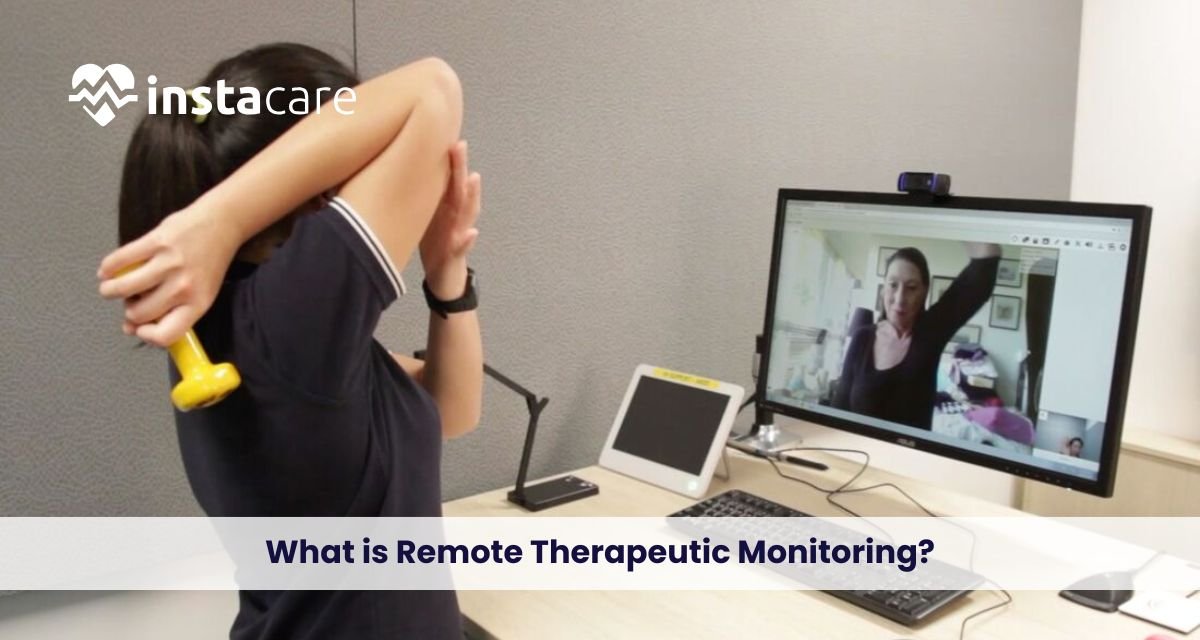
What is Remote Therapeutic Monitoring? The health care industry is undergoing the process of digitalization as technology is revolutionizing the way care is being traditionally delivered. Telecare cannot be an indulgence anymore; it’s increasingly becoming a necessity, chiefly for chronic disease management, musculoskeletal diseases, and post-surgical recovery. Among the more recent innovations brought by the Centers for Medicare & Medicaid Services (CMS) is Remote Therapeutic Monitoring (RTM), a care service to uphold the provider-patient relationship beyond the clinic. RTM allows health care professionals to track the status of a therapy patient in real time, maintain therapy sessions intact, and adjust them as needed. RTM bridges gaps between office visits with an illusion of uninterrupted care that speeds healing, promotes patient independence, and enables outcomes. What is Remote Therapeutic Monitoring (RTM)? Remote Therapeutic Monitoring is the use of networked devices and computerized equipment to monitor non-physiological patient information such as musculoskeletal function, pain, medication, or functional ability. RTM differs from more traditional care plans in that clinicians can obtain reliable information without having to have patients visit the clinic on multiple occasions. For example, Remote therapeutic monitoring in physical therapy may involve monitoring patients’ adherence to their exercise as prescribed, monitoring improved mobility, or even pain flare reported through a mobile app. RTM in occupational therapy can also be activity of daily living-specific, like fine motor, grip strength, or functional independence. To simplify adoption, has developed several Remote therapeutic monitoring CPT codes for remote therapeutic monitoring to allow providers to be paid to review, message, and monitor patients. Coding is a giant leap in the direction of encouraging providers to incorporate RTM into routine care. How Does RTM Work? RTM operates through an amazing but coercive process: Data Collection – Progress is tracked by patients with applications, wearables, or associated sensors. For example, remote therapeutic monitoring devices might track gait, posture, or completion of exercises. Transmission to Providers – Data is securely transmitted with remote therapeutic monitoring software, which is linked to the provider’s clinical dashboard or EHR system. Analysis & Review – Providers assess information to ascertain whether or not the patient is adhering to the treatment plan and the efficacy of the treatment that has been followed. Communication & Engagement – Therapists provide feedback, encouragement, or adjust according to patient performance. A step-by-step in-home therapeutic monitoring process removes any phase from being omitted, from setting patient goals to data collection and altering treatment plans. Book Your Free Marketing Consultation Benefits of Remote Therapeutic Monitoring Benefits of Remote Therapeutic Monitoring to patients and medical professionals: Greater Patient Engagement – The patient is engaged directly in the treatment as they are monitoring progress and receiving immediate feedback. Better RTM and patient engagement heighten compliance with therapy. Reduced Recovery Time – Real-time data enables immediate intervention adjustments, which lead to better results of treatment. Convenience to the Patients – For rural or mobility-impaired patients, RTM spares them the inconvenience of making regular trips to clinics. Opportunities for Reimbursement – Remote therapeutic monitoring reimbursement opens opportunities for reimbursement for healthcare practitioners, thereby promoting digital health adoption with no additional cost. Musculoskeletal Specialized Care – Post-operative recovery, back injury, or arthritis are perfect conditions for RTM. Remote therapeutic monitoring for musculoskeletal conditions is one of the most rapidly changing uses. Case Example: Patient undergoing knee surgery has a wearable device with a sensor to monitor range of motion exercise. Automatically, the information is transmitted to the therapist, and the therapist is alerted that the regimen of rehabilitation treatment of the patient is off track. The therapist makes changes to the exercise regimen before the next visit, thereby preventing complications. Remote Therapeutic Monitoring vs. Remote Patient Monitoring All except the most sophisticated players are getting used to the Difference between RTM and RPM. While they’re similar, they address different objectives: Remote Patient Monitoring (RPM) is after physiological data like heart rate, glucose, or oxygen saturation. Remote Therapeutic Monitoring (RTM) is after therapeutic and behavioral metrics like exercise compliance, functional status, and patient-reported outcomes. From the compliance perspective, CMS guidelines for remote therapeutic monitoring suggest that RTM can be self-reported, while RPM needs to include device-derived physiological data. Having that data provides payers the opportunity to bill correctly, remain compliant, and choose the right service model for patients. Who Can Benefit from RTM? RTM is so versatile that it is worth it for so many practitioners and patients: Rehabilitation Patients – For trauma or surgical, or disease patients, frequent feedback and monitoring by therapists is worth it. Physical & Occupational Therapy Clients – from ADLs to gait, patient therapy outcome is improved when patients are maintained in balance with electronic monitoring. Musculoskeletal Patients – RTM’s ability to monitor functional attainment, posture, and activity is particularly well-suited to orthopedic rehab. Chronic Disease Patients – RTM vs chronic care management, both used in combination, can lead to an integrated care plan tracking therapy progress as well as long-term condition management. The Future of Remote Therapeutic Monitoring The RTM potential is boundless. Machine learning and artificial intelligence are driving the trends at historic velocities, and Virtual Care solutions enable providers to predict patient relapses more effectively. The algorithms, for instance, can identify treatment nonadherence signals in time, prompting providers to take swift and proactive action. There will be increased usability and accuracy with increased use of wearables and mobile apps. Voice-activated digital assistants can even provide instructions to patients for the performance of exercises in their home environment and provide data for clinicians. On the billing front, there is going to be a learning experience for billing remote therapeutic monitoring. There is documentation, appropriate coding, and Remote therapeutic monitoring workflow coordination that will pay back providers at the moment. Professional associations also publish remote therapeutic monitoring best practice guidelines such that care will be effective and trustworthy across health systems. RTM’s future is patient-centric models of care, as well. Merging RTM with virtual visits, digital
Prior Authorization in Medical Billing: Process, Requirements & Challenges Prior authorization is honestly one of the most frustrating parts of healthcare billing today. This whole process affects millions of patients and healthcare providers every single day, controlling whether people can get the treatments, medications, and medical services they need. If you want to understand the prior authorization process in healthcare, you need to know how medical practices deal with complicated insurance requirements while making sure patients actually get proper care. Here’s the reality – healthcare providers waste tons of hours every week handling authorization requests. We’re talking about nearly 40 prior authorizations per week in most practices. This paperwork mess really hurts patient care and makes practices run less efficiently. That’s why medical billing professionals absolutely have to understand how authorization workflows work. What is Prior Authorization? Prior authorization (people call it PA or prior auth) works like a bouncer at a club – insurance companies use it to decide if they’ll pay for specific medical services, procedures, or medications before patients can get them. The importance of prior authorization in healthcare is huge – it’s basically the wall between what doctors want to do and what insurance will cover. Here’s what you need to know about prior authorization: Insurance companies want tons of paperwork and medical justification from healthcare providers before they’ll approve anything This whole thing is supposed to prove medical necessity for treatments before coverage happens Prior authorization vs preauthorization – people get confused by these terms, but they’re the same thing in healthcare billing Both words mean the same approval process that providers are stuck dealing with This process forces healthcare providers to submit detailed records and clinical reasons to insurance companies, basically proving why treatments are medically needed. Insurance prior authorization in billing is supposed to work like quality control, making sure patients get appropriate, evidence-based care while keeping costs down. But honestly? This system has become a total administrative mess that screws up treatment timing and how care gets delivered. What Includes the Prior Authorization Process? The prior authorization workflow in medical billing has several steps that are all connected, and you have to get every single one right to get approval. Understanding each piece helps practices make their authorization procedures less painful and reduce how many get denied. The main process parts are: Patient eligibility verification – confirming active coverage and figuring out what authorization stuff is needed Clinical documentation gathering – pulling together all medical records and diagnostic reports Authorization request submission – sending everything through the right channels with complete info Insurance review process – where automated systems or clinical staff look everything over Patient Eligibility Verification Everything kicks off with checking patient insurance benefits and coverage details really carefully. Staff have to confirm coverage is active, figure out what specific authorizations are needed, and understand what the policy won’t cover before they start planning treatment. Clinical Documentation Gathering Healthcare providers have to collect tons of medical records, diagnostic reports, treatment histories, and clinical notes that prove why the proposed services are medically necessary. All this paperwork becomes the foundation for whether authorization requests actually succeed. Authorization Request Submission Complete authorization requests include patient demographics, provider info, detailed service descriptions, clinical evidence that supports everything, and all the relevant medical codes. Modern prior authorization software solutions have made submitting this stuff way easier than it used to be. How insurance review and approval work: Insurance companies review requests using their own clinical guidelines and coverage policies Reviews might use automated systems, clinical staff, or medical directors – depends on how complicated things get Prior authorization turnaround time varies like crazy between different insurers and what type of request you’re making Companies tell you their decisions through different ways – either with approval numbers or detailed reasons why they said no Requirements for Prior Authorization Prior authorization requirements are all over the place, depending on insurance plans, what medical services you’re talking about, and where you are geographically. But there are some common things that show up in most authorization processes. The standard stuff you’ll see: Documentation standards with specific formats and clinical information they want Provider credentialing verification to make sure qualifications and specialization are legit Timing requirements with deadlines for when you have to submit before planned services Clinical criteria compliance that has to match insurance-specific guidelines and evidence-based medicine Documentation Standards Insurance companies are picky about documentation formats and what clinical information they want to support authorization requests. Medical records have to clearly show medical necessity, that conservative treatments failed (when that applies), and that everything lines up with established clinical guidelines. Provider Credentialing Only properly credentialed healthcare providers can request authorizations for specific services. Insurance companies verify provider qualifications and specialization before they’ll approve expensive or specialized procedures. Timing and compliance stuff to watch out for: Most insurance plans have specific timeframes for authorization requests – you need submissions days or weeks before planned services Starting January 1, 2025, CMS cut down review timeframes for standard prior authorization requests to 7 calendar days max Rush requests have to get handled within 2 business days under the new rules Authorization requests have to line up with insurance-specific clinical criteria and coverage policy requirements Book Your Free Marketing Consultation Common Challenges in Prior Authorization Common prior authorization challenges create massive problems for healthcare providers and patients. These issues have gotten way worse as authorization requirements spread to more services and get more complicated. The big problems include: Administrative burden that pulls resources away from patient care toward paperwork management Delayed patient care that hurts treatment outcomes and makes medical conditions worse High denial rates from incomplete documentation or policy interpretation issues System complexity where you have to navigate multiple insurance requirements and processes Administrative Burden Research found that 86% of people surveyed said prior authorizations actually increased healthcare resource use, creating waste instead of the cost savings insurers claim. This administrative overhead pulls resources away from taking care of

Coordination of Benefits: Rules, Process, and Insurance Guidelines In dental and health insurance, having two or more policies can be confusing. This is where coordination of benefits in insurance comes into play. It ensures that where a person is under two or more policies, the benefits are so coordinated that there will be no duplicate payments, and the insured receives maximum coverage availed. By the use of some rules and procedures, it is possible to identify by insurers to identify which policy pays and the amount that will be paid out by the second policy. This is beneficial to the insured and insurers as it prevents overpayment, as well as ensures fairness in paying claims. What does Coordination of Benefits (COB) Mean? It is an insurance process that defines how more than one policy will coexist when insuring the same claim. If you possess more than one policy, e.g., a private policy and a policy sponsored by your employer, COB identifies the primary payer and secondary payer. The first payer pays out on the Coordination of benefits claim, and the second payer pays the balance eligible under the terms of the policy. This allows the policyholders to receive as much of their coverage as can be had without either of the insurers paying more than is necessary for them to do. When is COB employed? COB is employed when the individual possesses more than one active policy. This may be employed when you have coverage from your and a spouse’s employer, children being covered under both parents’ plans, or when an individual possesses dental and medical coverage. It is also employed where coordination of benefits is present with Medicare and where Medicaid is present. Proper usage prevents duplication and provides for prompt payment of benefits in the correct order. Coordination of Benefits Rules Coordination of benefits rules are intended to determine the formula by which it is determined that one plan is primary and the other secondary. The rules vary somewhat for medical, dental, and vision protection, but typically include: Employee vs. Dependent Rule: The plan in which an individual is covered as an employee is given precedence over a plan where he or she is covered as a dependent. Birthday Rule for Dependents: If both parents have the same children covered under a plan, the parent with the earlier birthday (birthday date and birth month) is considered primary. Medicare Secondary Payer Rules: Special rules determine if Medicare is first or second pay depending on employer size and coverage. State and Federal Regulations: These may impact how COB is applied, particularly for Medicaid and workers’ compensation. Correct claim settlements occur when primary and secondary insurance coordination is correctly done, reducing the expense to the insured. COB Process: Step by Step Learning how coordination of benefits occurs is an easy process: Identify All Active Policies – The policyholder must disclose all active vision, dental, or health coverage. Determine the Primary and Secondary Payer – COB rules dictate this. Submit the Claim to the Primary Insurance – The primary insurer is charged by the provider first. Get the Explanation of Benefits (EOB) – The primary insurer provides an account of what they covered. Send Remainder of Costs to Secondary Insurance – From the EOB, the provider or insured sends to the secondary insurer. Secondary Insurer Processes Claim – They cover under the remaining terms of the policy and covered expenses. Through coordination of benefits processing, there is good management of claims and reduced risk for denial. Book Your Free Marketing Consultation Best Practices in Coordination of Benefits Policyholders and insurers must follow best practices for efficient COB: Accurate Documentation: Fill out a coordination of benefits form with up-to-date information in all instances. Regular Policy Changes: Inform insurers promptly in the event of any change in coverage. Clarity in Provider Communication: Inform medical offices of all active policies before receiving treatment. Timely Filing of Claims: Claims get rejected due to late filing. Conformance with COB Policies: Stay in compliance with the coordination of benefits policy of each insurer to avoid disputes. Such procedures improve the efficiency of the claims process and avoid delays. Challenges Associated with COB Even though COB aims to simplify multi-policy coverage, problems still arise: Insufficient Information: Insurers mistakenly pay if the insured does not report all policies. Contradictory Policies: Sometimes coordination of benefits policies among insurers is not similar, and disputes arise. Bugging Errors: Medical offices can bill in error, and this could lead to rejection or delay. Misconceptions about Medicaid and Medicare: Payer order determination of Coordination of benefits and Medicaid cases can be challenging. Dental Insurance Considerations: Rules may vary in medical policies in the Coordination of benefits for dental insurance, particularly regarding frequency limits and annual maximums. These could be avoided through proper education and communication between insurers, providers, and policyholders. Benefits of Smooth COB Effectively implemented, COB has several advantages: Maximum Coverage: Reduces policyholders’ out-of-pocket expense. Fair Payment Distribution: Prevents excessive payment and helps every insurer fairly pay their portion. Smooth Administration: Facilitates billing between insurers and providers, particularly COB in medical billing. Compliance Compliance: Coordination of benefits billing guidelines compliance keeps the insurers in compliance with the law. Successful Claim Files: Effective claim processing increases customer satisfaction. Awareness of procedures and Coordination of benefits regulations protects patients and insurers equally. Examples of COB in the Real World Examples of COB are helpful to illustrate how the process operates: Example 1: John has coverage under his plan and his wife’s. His employer’s plan is primary and covers $800 of a $1,000 bill in a doctor’s office. The secondary plan covers $150, and then John pays a $50 co-payment. Example 2: Sarah’s child is a covered dependent under the dental plan of both parents. Her father was born in March and her mother in June, making her father’s
Principal Care Management: Services, Billing, and Medicare Guidelines With the rapidly transforming healthcare infrastructure of the modern era, the pattern is transforming towards more planned and coordinated management of chronic illnesses. Amongst such practices, Principal care management services (PCM) have been identified as one of the most crucial devices in enhancing patient outcomes and streamlining provider workflows. PCM is tailored to provide overall support to patients suffering from a single complicated chronic illness that needs ongoing care and observation. This model works best with those patients who require close monitoring, management, and adjustments in treatment without hospitalization. With the ongoing expansion of the elderly population and increased chronic conditions, PCM has become an essential element of PCM in healthcare environments like clinics, physician offices, and specialty centers. By studying the guidelines, billing, and benefits of PCM, healthcare providers can provide improved results for patients and proper reimbursement. What is Principal Care Management? Principal care management for a single chronic illness is service offered to patients with a single severe or high-risk chronic illness that will take at least three months. Unlike chronic care management (CCM), where several conditions are treated, the PCM handles a single principal health problem. The principal care management program has care planning organized, coordination with specialists, regular communication with the patients, and medication changes. Common Principal care management examples involve the treatment of uncontrolled diabetes, intense asthma, congestive heart failure, and some types of cancer that need close monitoring. PCM delivers the right care at the right time to the patient while preventing unnecessary hospital stays and enhancing quality of life. Major Services Provided by PCM – Beyond the Basics A comprehensive PCM package usually involves: Care Coordination – Facilitating smooth communication among specialists, primary care doctors, and the patient. Treatment Plan Development – Creating a good plan to treat the chronic illness properly. Regular Monitoring – Monitoring symptoms, use of medication, and possible complications. Patient Education – Informing patients of the knowledge that they should use in self-care from the comfort of their home. Referrals and Follow-ups – Referring patients to other services such as nutrition classes or rehabilitation. These services are not merely patient-centric; they also assist providers in fulfilling key care management expectations under Medicare and other payers. PCM vs. CCM – Finding the Difference Providers are bewildered by principal care management vs chronic care management. While both models are aimed at enhancing patient outcomes, CCM is aimed at patients with two or more chronic conditions, while PCM is intended for patients with a single principal condition necessitating intensive care. PCM is particularly suitable when the principal disease of a patient eclipses other illnesses or necessitates very specialized care. A patient receiving cancer treatment, for instance, might also have high blood pressure, but the treatment of cancer is prioritized under PCM. Book Your Free Marketing Consultation Billing for Principal Care Management – Getting Paid Correctly Correct billing is needed in order for PCM service continuity. Medicare and the payers mandate the utilization of a principal care management CPT code to be reimbursed. The code is utilized for documentation and billing of time spent on care coordination, patient communication, and treatment planning. Adhering to principal care management billing guidelines guarantees prompt reimbursement for providers and prevents claim denials. PCM billing is typically expressed in terms of 30-minute blocks of clinical staff time monthly, with supervisory physician or qualified health professional oversight. Medicare Guidelines for PCM – Compliance is Key Medicare has established well-established policies within principal care management to ensure that services are of quality and meet compliance standards. Some of the primary requirements are: The patient must have only a single serious or high-risk chronic condition with a minimum of three months’ duration. There must be a comprehensive care plan written and given to the patient. Patient consent must be given by the provider before engaging in PCM services. The treatment should incorporate a minimum of 30 minutes of clinical staff time a month. These required care Principal care management requirements ensure transparency, facilitate quality improvement activities, and maintain eligibility for reimbursement. Advantages of PCM to Patients and Providers – A Win-Win Situation The main payoffs of care management come far beyond payback. For patients, PCM translates to greater availability of care, the earlier identification of possible complications, and more participation in their decision-making regarding care. It enhances providers’ relationships with patients, causing improved trust and satisfaction. For physicians and other healthcare providers, PCM presents areas for Principal care management reimbursement, Principal care management workflow improvement, and increased patient retention. Moreover, it can assist practices in handling quality reporting needs of value-based care models, thus supporting practice revenue and patient health. Implementation Tips for Healthcare Practices – Putting PCM to Work for You Effectively deploying PCM takes an effectively ordered principal care management process. Recommendations on effective Principal care management implementation are as follows: Identify Eligible Patients – Utilize your EHR system to mark patients who qualify under Medicare’s PCM requirements. Train Your Staff – Educate care groups on PCM steps, documentation, and billing codes. Leverage Technology – Utilize telehealth features and remote monitoring of patients for ongoing interaction. Speak Clearly – Clarify Principal care management benefits and charges to patients in advance to promote involvement. Monitor Results – Track progress of patients and utilize data to inform decisions to enhance care plans. Through the incorporation of PCM into business day practice, providers are able to provide more quality care while remaining financially sustainable. Conclusion – PCM as a Necessity of Modern Healthcare Principal care management is revolutionizing the management of a highly individualized chronic disease. By following principal care management guidelines, applying the appropriate principal care management CPT code, and keeping up with principal care management billing regulations, providers can stay compliant while providing exceptional patient-centered care. Both patients and providers view PCM as an innovative approach to enabling greater outcomes, more constructive relationships, and effective delivery

All You Need To Know About Value-Based Healthcare Health care provision is transforming at a quicker rate than ever before, and its most significant shift could be towards the value-based model of health care. The model turns established wisdom on its head to abandon quantity goals of the past to venture into quality as the final performance metric. Rather than being remunerated by volume for services provided, it remunerates health care providers for optimizing patient outcomes within the cost. For patients, more appropriate care, less unneeded treatment, and improved long-term health. For physicians and other clinicians, the chance to concentrate on what is most important instead of attempting to optimize service loads. What is Value-Based Healthcare? Value-Based Healthcare is a system where the healthcare providers are not rewarded per the quantity of services they provide but through their success in ensuring that patients have attained good health. It is a cost-cutting measure in the overall healthcare cost, the enhancement of the quality of care, and patient experiences. Prevention, coordinated care, and evidence-based treatments are promoted by this approach to deliver optimal health outcomes to patients. Defining the Concept: From Theory to Reality Before moving further, let’s define Value-based payment models. It is just about associating payments with observable improvement in a patient’s health. Physicians, hospitals, and other healthcare organizations are paid for the quality of care they provide instead of the number of visits or procedures. Essentially, it is more on prevention, chronic disease management, and quality care coordination. Holding on to the healthier ones longer is cost-effective at the expense of expensive intervention later on. Patients at the Center of the System Of all the components of this change, perhaps the most significant is its focus on patient-centered care. With this model, no longer are patients simply passive recipients of care but rather active participants in their well-being. Care plans are individually designed to meet their unique needs, lifestyle, and self-identified values so that they are directed by an awareness of mutual endeavor on the part of the patient and care team. This most closely matches healthcare quality improvement, with caregivers continually trying to make processes better, minimizing mistakes, and implementing best practices in an effort to provide better and safer care. Why Value-Based Care is an Easier Concept to Understand than Fee-for-Service? It is easier to understand Value-based healthcare vs fee-for-service. Fee-for-service pays providers for each test, procedure, or visit. Whether treated or not. It pays for productivity, but wasteful spending and frivolous treatment too. The value model works oppositely, paying providers for healthy patients, avoiding complications, and fewer avoidable hospital readmissions. It’s a system of preventive health instead of a reactive one. Payment Models That Make Value-Based Care Successful The shift is facilitated by a variety of payment models that provide aligned incentives for improved patient outcomes. Some of the key strategies are: Pay-for-Performance Programs – Incentives to providers for performance or accomplishment of quality targets, for example, reduction in readmission or improved chronic disease care. Bundled Payments – The patient pays one price for the full episode of care, from diagnosis through healing, with an incentive to deliver a reward for efficiency and care coordination by providers. Accountable Care Organizations (ACOs) – Providers are accountable for the cost and care of an assigned patient population with incentives for cost control and better outcomes. These models allow for collaboration, better care coordination, and attention to long-term outcomes rather than short-term profit. Book Your Free Marketing Consultation Why This Model Is Good for Everyone? Some of the advantages of value-based care are: Reduction of the cost of healthcare to patients, payers, and providers. Increased disease prevention through more frequent screening and early treatment. Increased patient satisfaction with improved and customized care. Alleviation of the general population’s health, unloading acute and emergency care functions. More than anything else, perhaps, value measurement in healthcare gives practitioners actual numbers to serve better. These are lower complication rates for chronic disease, higher recovery rates, and fewer hospitalizations. Success Stories across the Globe Value-based care models put into practice illustrate the model’s strength. Diabetes preventive care interventions that avoid hospitalization and improve quality of life for patients, for example, have been put into place by some highest-performing care networks. Orthopedic hip and knee replacement bundle payments optimized outcomes at lower cost. Technology plays a role as well. Telemedicine, remote monitoring of patients, and interoperable electronic health records enable providers to identify issues earlier, relapses, and care coordination with less effort. How Hospitals Are Taking Hold of the Change? It entails re-engineering the process, increasing departmental communication, and data analytics investment. Value-based healthcare in hospitals is constructing multi-disciplinary care teams, following patients’ progress more holistically, and having every step of the process of care charted out with attention to complication avoidance and better recovery. It is usually a matter of deepest cultural change, but those that succeed yield greater efficiency and greater patient confidence. The Government and Policy’s Role in Fostering Change There needs to be a government and Value-based healthcare policy to implement such plans. Most nations possess a value-based policymaking Value-based healthcare system that poses Value-based healthcare challenges to providers to transcend the fee-for-service culture. Payments are likely to incorporate reforms, solutions for standards of care outcomes, and solutions for transparency so patients can view providers practicing. The larger picture of a value-based care health system isn’t so much about hospitals and clinics; it’s about having a healthcare system where patients, providers, payers, and policymakers all share the same language: more health for less cost. The Roadblocks and Real-World Hurdles Some fairly real value-based health care obstacles to overcome, of course: Economically significant up-front investments in technology and training staff. Difficulty in getting, sharing, and comparing the health information across systems. Resistance by providers to learning about existing payment systems. Risk adjustment skill by variation of patient population based on need and complexity. These are the challenges that require