
Keynote Of Health Minister – InstaCare Future Health Forum 2023 InstaCare future health forum 2023, In a world where the integration of technology and healthcare is rapidly reshaping the medical landscape, the visionaries leading this transformation are driving a revolution that promises to elevate the healthcare system to unprecedented heights. At the forefront of this revolution is Professor Dr. Javed Akram, a distinguished leader and the Minister of Health Punjab, Pakistan. In his capacity as the Minister of Health and Social Welfare, Prof. Dr. Javed Akram has embarked on a journey to redefine healthcare in Punjab, leveraging the power of digital health initiatives. In this article, we delve into his visionary speech at the InstaCare Future Health Forum 2023, highlighting his focus on top digital health initiatives in Pakistan. The Digital Health Revolution in Pakistan Pakistan, as one of the most populous nations in the world, faces unique healthcare challenges. Access to quality healthcare, particularly in rural and underserved areas, has long been a concern. However, Prof. Dr. Javed Akram sees these challenges as opportunities for innovation and transformation. His vision is grounded in the belief that technology, particularly artificial intelligence (AI) and machine learning (ML), can be harnessed to address these barriers and improve healthcare access and outcomes. Telemedicine: Bridging Healthcare Gaps One of the standout digital health initiatives championed by Prof. Dr. Javed Akram is the widespread adoption of telemedicine. Telemedicine involves the use of telecommunications technology to provide clinical healthcare services remotely. This initiative has the potential to revolutionize healthcare accessibility, particularly in underserved rural areas of Punjab and Pakistan at large. Through telemedicine, patients can consult with healthcare providers without the need for physical visits. This not only reduces the burden on healthcare facilities but also enhances patient convenience, especially for those living in remote regions. Telemedicine promises to bring expert medical advice and consultations to the doorstep of every Pakistani, ensuring that healthcare is truly inclusive and accessible. InstaCare EHRs – Streamlining Patient Data Efficient management of patient health records is essential for delivering quality healthcare services. Prof. Dr. Javed Akram recognized the need for a robust electronic health records (EHR) system in Punjab such as InstaCare. EHRs digitize patient health information, making it easily accessible to healthcare providers and eliminating the hassle of paper-based records. With EHRs, healthcare professionals can access a patient’s medical history, diagnoses, treatments, and test results at the click of a button. This not only improves the accuracy and speed of diagnosis but also enables better coordination of care among multiple healthcare providers. The implementation of EHRs is a pivotal step towards a more efficient and patient-centric healthcare system in Punjab. Health Information Exchange (HIE) – Seamless Data Sharing To further enhance the healthcare ecosystem, Prof. Dr. Javed Akram has championed the establishment of Health Information Exchanges (HIEs). HIEs facilitate the secure exchange of patient health information between different healthcare organizations, ensuring that critical data is readily available when needed. Imagine a scenario where a patient can seamlessly transition from a primary care physician to a specialist, and all their medical records, test results, and treatment history seamlessly follow them. This is the promise of HIEs. They promote interoperability among healthcare systems, reducing redundant tests, minimizing errors, and improving patient outcomes. Mobile Health (mHealth) Apps – Empowering Patients In the digital age, smartphones have become ubiquitous, and Prof. Dr. Javed Akram recognizes their potential as powerful healthcare tools. Mobile health (mHealth) apps are emerging as essential components of digital health initiatives in Punjab and Pakistan as a whole. These apps empower patients to take control of their health and well-being. Through mHealth apps, patients can monitor their vital signs, track medication adherence, access health education resources, and even schedule virtual consultations. These apps not only improve patient engagement but also enable early intervention and preventive care. By promoting health literacy and self-care, mHealth apps are changing the way Pakistanis manage their health. Recognizing Excellence In a celebration of innovation and dedication, Prof. Dr. Javed Akram, Minister of Health Punjab and Minister of Social Welfare Punjab, played a pivotal role at the InstaCare Future Health Forum 2023 by presenting awards to partners and employees of InstaCare. This momentous occasion marked a significant step in acknowledging the outstanding contributions of individuals and organizations in the field of digital health and healthcare transformation. Prof. Dr. Javed Akram’s visionary leadership in spearheading top digital health initiatives in Punjab, Pakistan, is a testament to his commitment to the well-being of citizens. By embracing digital health technologies, he is determined to bridge gaps in healthcare access, enhance disease surveillance, improve healthcare quality, and empower individuals to take charge of their health. The future of healthcare in Punjab looks promising, driven by innovation, technology, and a steadfast commitment to improving the lives of the people it serves.
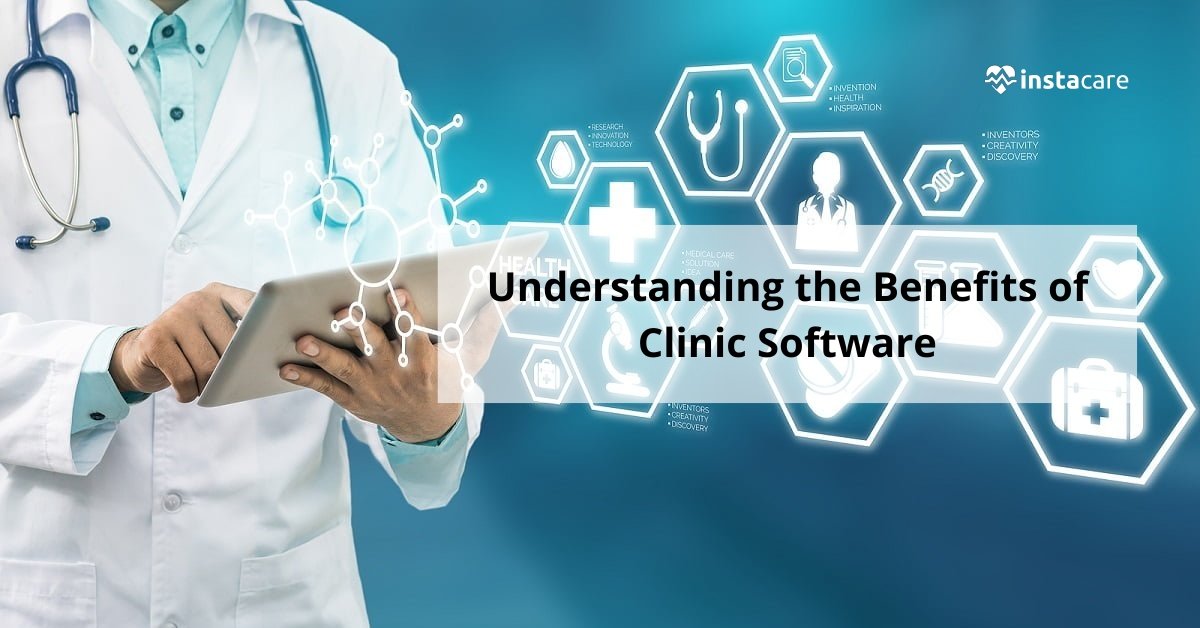
Understanding the 6 Benefits of Clinic Software Discover the benefits of clinic software: Streamline operations, enhance patient care, and boost efficiency with our comprehensive solution. benefits of clinic software provide users with a wide range of functionalities to help boost productivity while delivering better patient services. By utilizing digital solutions such as this, clinics are able to quickly and easily store data securely, access medical records instantly, automate tasks wherever possible and generally streamline processes throughout their organization. In other words – clinic software is crucial when it comes to staying ahead of the competition in today’s healthcare industry! So, let’s dive into what makes Clinic Software so great and how its many benefits can work for you. 1-What is Clinic Software and How Does it Work Clinic software is a highly efficient system designed to ensure the smooth running of healthcare clinics. It comprises several features that allow for the effective management of clinic tasks. Some of the benefits of clinic software using include improved patient data management, accurate billing and invoicing, streamlined scheduling, and more effective communication among clinic staff. The software works by integrating the various aspects of clinic management into one central system, which can be accessed by authorized staff from anywhere at any time. As a result, healthcare providers can use this technology to provide excellent patient care and enhance the overall workflow of the clinic. Additionally, with the use of clinic software, healthcare providers can stay up-to-date with the latest technological advancements in the industry. 2-The Benefits of Clinic Software perks of investing in High-Quality software Patients expect to receive high-quality healthcare services from their physicians, but it can be challenging to maintain organization and manage a clinic’s day-to-day operations effectively. That’s where Clinic Management Software comes into play, which is a valuable tool that offers numerous benefits to healthcare providers. Efficiently managing appointments, patient data, electronic health records, and billing are just a few benefits of investing in high-quality Clinic Management Software. Book Free Demo Not only does it help improve the overall workflow, but it can also enhance the patient experience by providing faster and more accurate service. With the right Clinic Management Software solution, healthcare providers can streamline their processes, reduce errors, and improve communication, ultimately leading to more efficient and effective patient care. 3-Improved Patient Care with Clinic Software Healthcare facilities have been using automation technology to streamline patient care for years now. Clinic software, in particular, has become an incredibly valuable tool that improves patient care in countless ways. With the power to automate administrative tasks like scheduling appointments, managing patient records, and processing payments, clinic software allows healthcare professionals to focus on what they do best – taking care of their patients. Automation perks also include tracking patient progress, providing better communication between the facility and patients, and improving the accuracy of billing and coding. With software continually evolving and improving, it’s no wonder so many healthcare facilities are making the switch to clinic software for improved patient care. 4-Streamlined Workflows and Increased Productivity As technology continues to rapidly evolve, streamlining workflows and increasing productivity is becoming more and more achievable. One industry in particular that can benefit greatly from advancements is healthcare through the use of electronic health records. The benefits of electronic health records (EHRs) go far beyond just reducing paper waste. EHRs eliminate the need to physically transport patient files or shuffle through piles of paperwork. They also ensure accuracy in documentation and provide real-time access to patient information. All of these benefits allow healthcare professionals to spend less time on administrative tasks and more time directly interacting with patients, ultimately increasing productivity and improving patient care. View More: Simplifying Record-Keeping with a Patient Record Management System 5-benefits of clinic Software Enhanced Data Security for Your Practice As businesses and practices continue to shift towards digital processes, data security becomes increasingly vital in protecting sensitive information. Enhanced data security not only benefits your practice by safeguarding against potential data breaches, but it can also boost practice efficiency and streamline your operations. By implementing robust security measures such as encryption, firewalls, and regular security audits, you can enhance the overall protection of your data while reducing the risk of downtime from cyber-attacks. Prioritizing data security is not only essential for protecting your practice, but it can also ensure that your business operates at the highest level of effectiveness and efficiency. 6-Easy Access to Clinical Outcomes & Reports Accessing clinical outcomes and reports has never been easier thanks to benefits of clinic software. With the click of a button, healthcare providers can access patient information, treatment plans, and progress reports. This technology not only makes it easier for healthcare providers to keep track of patient care but also helps patients stay informed of their progress. In addition to this, clinic software benefits extend beyond the clinical setting, providing reliable data insight to medical research and helping healthcare organizations elevate their overall quality of care. With the convenience and accuracy that clinic software provides, it’s no wonder it has become an essential tool for healthcare providers. Conclusion Understanding the benefits of clinic software can help improve patient care from both medical and financial perspectives. Giving healthcare professionals quick access to patient records, results, and treatments allows medical personnel to work faster and more efficiently. This increases compliance rates, reduces costs, and strengthens doctor-patient communication. Easy-to-use billing features allow clinics to better manage their operational costs and reduce paperwork delays. It also lessens headaches associated with insurance company claims processing. Clinic software keeps medical facilities organized while saving time and money for both staff and patients. Ultimately, the digitalization of healthcare processes ensures optimal patient satisfaction by providing an efficient chain of care from admission through discharge. In short, it’s clear that benefits of clinic software is integral to streamlining everyday tasks within clinics – whether it’s providing lab results in a timely manner or closing out bills promptly – allowing healthcare providers to focus on what matters
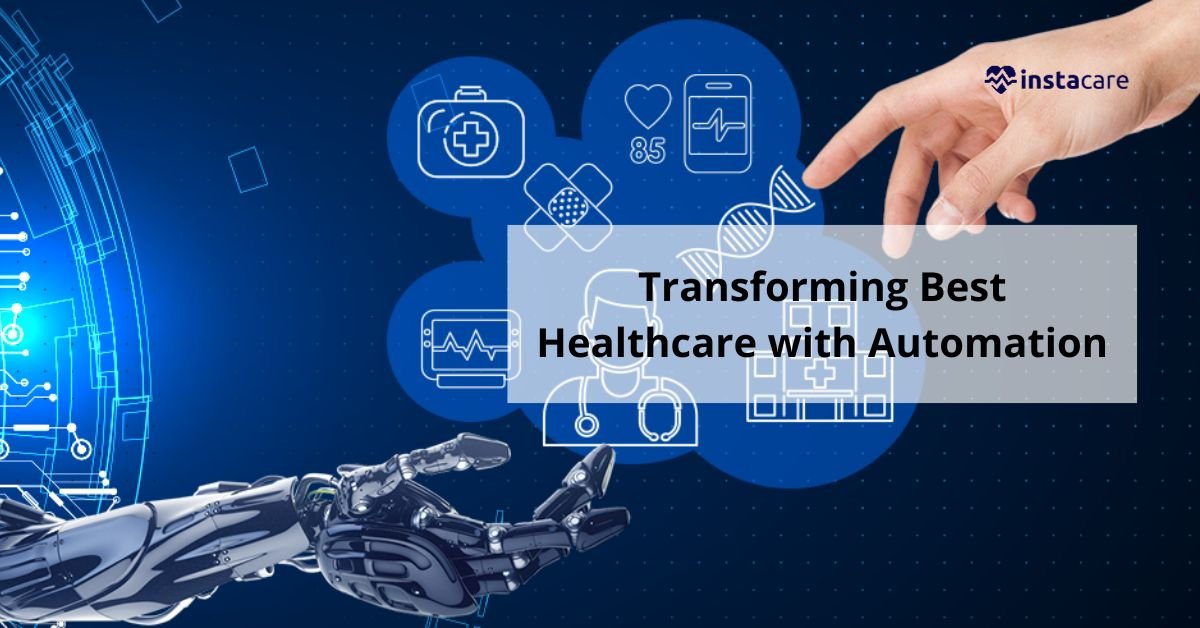
From electronic health records (EHRs) to medical imaging systems, healthcare with automation is rapidly transforming the way healthcare is provided. healthcare with Automation has allowed clinicians to better manage their workflow, improve accuracy and efficiency in providing care, and ultimately respond more effectively and quickly to patients’ needs. As healthcare continues to go digital, automation can become an invaluable tool for providers by offering a wide range of benefits that will help shape the direction of modern medicine far into the future. In this blog post, we’ll look at how healthcare providers are leveraging automation technology to provide better service while streamlining operations and improving outcomes for patients across all areas of health. How Automation is Emerging as a Major Factor in the Healthcare Industry Healthcare with automation is proving to be a game-changing development in the medical world. With the increasing pressure on practitioners to deliver high-quality care, automation is emerging as a vital factor in keeping up with the demand. Automation has transformed medical care by making previously time-consuming and complex processes, such as medical records management and patient monitoring, more efficient and effective. Furthermore, it has helped minimize human error and free up medical professionals to focus on more critical and complex medical procedures. Healthcare automation is transforming the way medical professionals manage care, leading to better health outcomes for patients, and revolutionizing the industry as we know it. Book Free Demo Benefits of healthcare with Automation for Patients and Professionals Advancements in medical automation have been a game-changer for both patients and professionals in the healthcare industry. With complex algorithms and cutting-edge technology, the benefits of automation are undeniable. Patients are experiencing improved accuracy in diagnosis and treatment, as well as faster turnaround times when it comes to receiving test results. Meanwhile, healthcare professionals are able to streamline processes, reduce the margin of error, and ultimately provide better care to their patients. By allowing technology to handle repetitive tasks, medical professionals are able to focus on providing personalized care to their patients. All in all, the implementation of medical automation is a crucial step towards more efficient and effective healthcare delivery. Challenges Faced by Automation in Healthcare The advancements in technology are driving automation and digitalization in various industries, and healthcare is no exception. Although automation has been adopted by many healthcare institutions to simplify processes and reduce errors, there are still challenges to its widespread adoption. One of the significant challenges faced by automation in healthcare is optimizing the healthcare process. Physicians, nurses, and other healthcare workers have a lot of responsibilities to ensure quality patient care. Hence they need a smooth and efficient process to maintain accuracy and minimize delays. However, automation can sometimes halt certain processes due to technical errors or conflicting data. Therefore, healthcare institutions must optimize their processes before the adoption of automation so that the integration of technology can lead to improved healthcare outcomes. View More: Streamline Your Medical Billing with Medical Billing Software Examples of healthcare with Automation in Practice Automation has become an increasingly important tool in many industries, including healthcare. One area where it has made a significant impact is in automated patient care. This technology allows for medical professionals to better monitor and treat patients remotely, reducing the need for in-person visits and providing more efficient care. For example, some hospitals have implemented automated bedside monitoring systems that track vital signs and alert nurses to potential problems, allowing for quick and effective intervention. Other applications include automated medication dispensing systems and robot-assisted surgeries. As technology continues to advance, we can expect to see even more innovative uses of automation in healthcare. Exploring the Potential of AI and Machine Learning in Healthcare The healthcare industry is continuously seeking innovative solutions to improve the quality and efficiency of their services. One of the most promising advancements in this field is the integration of Artificial Intelligence (AI) and Machine Learning techniques. By relying on technology to analyze vast amounts of data, healthcare providers can access valuable insights that inform better decision-making for patients’ health. With the rise of digital healthcare solutions, AI and Machine Learning have become even more critical in providing accurate and timely diagnoses, reducing medical errors, and personalizing treatment plans for patients. The potential of these technologies to transform healthcare with automation is undeniable, and the industry is moving towards greater reliance on AI and Machine Learning to provide effective and efficient solutions. The Impact of Automation on Cost, Quality, and Accessibility The healthcare industry has seen a significant shift towards automation in recent years, with machines and advanced technologies changing the way medical services are delivered. This shift has brought about several advantages, including lower costs, improved quality, and greater accessibility. With automation, processes that were once labor-intensive and time-consuming have become streamlined and efficient, and this has resulted in reduced costs for patients and providers alike. Additionally, automation has improved the quality of healthcare services by minimizing errors and enabling more accurate diagnoses. Finally, automation has made healthcare services more accessible by expanding possibilities for remote monitoring and treatment, particularly for patients with chronic conditions. The impact of automation on cost, quality, and accessibility in the healthcare industry is truly transformative and will continue to be an area of significant innovation in the years to come. Conclusion Transforming healthcare with automation holds great potential for streamlining and improving medical operations. Automation can allow patients to have faster, more accurate diagnoses, as well as increased access to quality homecare services. Not only this, but the implementation of automated systems can also boost lower-division staff efficiency and reduce costly mistakes in the long run. In short, automation is a tool that has immense potential to revolutionize the entire scope of care given to patients, and health professionals should begin integrating it into their workflow sooner rather than later. healthcare with Automation does not replace patient care; instead, it empowers healthcare workers to provide better service, allowing them the time to focus on addressing individual needs
Transforming Best Healthcare with Automation From electronic health records (EHRs) to medical imaging systems, healthcare with automation is rapidly transforming the way. Automation has allowed clinicians to better manage their workflow, improve accuracy and efficiency in providing care, and ultimately respond more effectively and quickly to patients’ needs. As healthcare continues to go digital, automation can become an invaluable tool for providers by offering a wide range of benefits that will help shape the direction of modern medicine far into the future. In this blog post, we’ll look at how healthcare providers are leveraging automation technology to provide better service while streamlining operations and improving outcomes for patients across all areas of health. How Automation is emerging as a Major Factor in the Healthcare Industry Healthcare with automation is proving to be a game-changing development in the medical world. With the increasing pressure on practitioners to deliver high-quality care, automation is emerging as a vital factor in keeping up with the demand. Automation has transformed medical care by making previously time-consuming and complex processes, such as medical records management and patient monitoring, more efficient and effective. Furthermore, it has helped minimize human error and free up medical professionals to focus on more critical and complex medical procedures. Healthcare automation is transforming the way medical professionals manage care, leading to better health outcomes for patients, and revolutionizing the industry as we know it. Book Free Demo Benefits of Automation for Patients and Professionals Advancements in medical automation have been a game-changer for both patients and professionals in the healthcare industry. With complex algorithms and cutting-edge technology, the benefits of automation are undeniable. Patients are experiencing improved accuracy in diagnosis and treatment, as well as faster turnaround times when it comes to receiving test results. Meanwhile, healthcare professionals are able to streamline processes, reduce the margin of error, and ultimately provide better care to their patients. By allowing technology to handle repetitive tasks, medical professionals are able to focus on providing personalized care to their patients. All in all, the implementation of medical automation is a crucial step towards more efficient and effective healthcare delivery. Challenges Faced by Automation in Healthcare The advancements in technology are driving automation and digitalization in various industries, and healthcare is no exception. Although automation has been adopted by many healthcare institutions to simplify processes and reduce errors, there are still challenges to its widespread adoption. One of the significant challenges faced by automation in healthcare is optimizing the healthcare process. Physicians, nurses and other healthcare workers have a lot of responsibilities to ensure quality patient care. Hence they need a smooth and efficient process to maintain accuracy and minimize delays. However, automation can sometimes halt certain processes due to technical errors or conflicting data. Therefore, healthcare institutions must optimize their processes before the adoption of automation so that the integration of technology can lead to improved healthcare outcomes. Examples of healthcare with automation Automation has become an increasingly important tool in many industries, including healthcare. One area where it has made a significant impact is in automated patient care. This technology allows for medical professionals to better monitor and treat patients remotely, reducing the need for in-person visits and providing more efficient care. For example, some hospitals have implemented automated bedside monitoring systems that track vital signs and alert nurses to potential problems, allowing for quick and effective intervention. Other applications include automated medication dispensing systems and robot-assisted surgeries. As technology continues to advance, we can expect to see even more innovative uses of automation in healthcare. View More: Streamline Your Medical Billing with Medical Billing Software Exploring the Potential of AI and Machine Learning in Healthcare The healthcare industry is continuously seeking innovative solutions to improve the quality and efficiency of their services. One of the most promising advancements in this field is the integration of Artificial Intelligence (AI) and Machine Learning techniques. By relying on technology to analyze vast amounts of data, healthcare providers can access valuable insights that inform better decision-making for patients’ health. With the rise of digital healthcare solutions, AI and Machine Learning have become even more critical in providing accurate and timely diagnoses, reducing medical errors, and personalizing treatment plans for patients. The potential of these technologies to transform healthcare is undeniable, and the industry is moving towards greater reliance on AI and Machine Learning to provide effective and efficient solutions. The Impact of Automation on Cost, Quality, and Accessibility The healthcare industry has seen a significant shift towards automation in recent years, with machines and advanced technologies changing the way medical services are delivered. This shift has brought about several advantages, including lower costs, improved quality, and greater accessibility. With automation, processes that were once labor-intensive and time-consuming have become streamlined and efficient, and this has resulted in reduced costs for patients and providers alike. Additionally, healthcare with automation has improved the quality of healthcare services by minimizing errors and enabling more accurate diagnoses. Finally, automation has made healthcare services more accessible by expanding possibilities for remote monitoring and treatment, particularly for patients with chronic conditions. The impact of automation on cost, quality, and accessibility in the healthcare industry is truly transformative and will continue to be an area of significant innovation in years to come. Conclusion Transforming healthcare with automation holds great potential for streamlining and improving medical operations. Automation can allow patients to have faster, more accurate diagnosis, as well as increased access to quality homecare services. Not only this, but implementation of automated systems can also boost lower-division staff efficiency and reduce costly mistakes in the long run. In short, automation is a tool that has immense potential in revolutionizing the entire scope of care given to patients, and health professionals should begin integrating it into their workflow sooner than later. Automation does not replace patient care; instead it empowers healthcare workers to provide better service, allowing them the time to focus on addressing individual needs while improving accuracy and quality. By looking at where
The Future of AI-powered Clinics As technology continues to rapidly advance, so does the potential for artificial intelligence (AI) to revolutionize the future of AI-powered Clinics. With AI being able to learn and recognize patterns in data with greater accuracy than humans, it can be used to develop smarter solutions that provide superior care in hospitals and clinics around the world. This post will take a look at how AI-powered clinics are changing healthcare by providing more accurate diagnoses, faster treatments, and overall improved patient outcomes. By combining cutting-edge technologies such as machine learning algorithms with unified platforms like Electronic Medical Records (EMR), these novel AI-based systems are paving the way for a new era of personalized healthcare solutions. Exploring the Benefits of AI-powered Clinics In recent years, there has been a growing interest in AI-powered clinics and their potential to transform healthcare as we know it. With the help of advanced algorithms and machine learning, these clinics can analyze vast amounts of patient data and extract meaningful insights, enabling doctors to make more accurate diagnoses and develop personalized treatment plans. Book Free Demo Additionally, AI-powered clinics can streamline administrative tasks and reduce the burden on healthcare professionals, allowing them to focus on delivering quality care to their patients. From improving patient outcomes to increasing efficiency and reducing costs, AI-powered clinics have the potential to revolutionize healthcare and provide a better healthcare experience for patients and doctors alike. Understanding the Role of AI in Healthcare The healthcare industry is rapidly evolving with advancements in technology and the introduction of artificial intelligence (AI) is changing the way healthcare is practiced. AI is driving innovation across healthcare centers worldwide by providing personalized and efficient care to patients, improving research and development, and solving complex medical problems. The use of AI applications such as virtual assistants, medical imaging, and predictive analysis is transforming healthcare delivery and ushering in an era of precision medicine. AI-driven healthcare centers are making healthcare more accessible, affordable, and less time-consuming, thus enabling doctors and medical professionals to focus on high-value tasks such as patient care, research, and diagnosis. As we continue to explore and understand the role of AI in healthcare, it is clear that it has a significant role to play in the industry’s future. View More: Streamline Your Medical Billing with Medical Billing Software Examining Challenges and Potential Risks of AI-powered Clinics As technology continues to advance, the healthcare industry is slowly adjusting to the emergence of AI-powered clinics. This modernization involves integrating advanced algorithms and machine learning techniques in healthcare operations that can help minimize human error and improve efficiency. While the prospects of technology-enhanced medical facilities seem exciting, this shift comes with potential risks and challenges that must be critically examined. For instance, there are concerns about the privacy and security of patient information, accidental prejudice against certain groups, and technological limitations that can cause inaccuracies in diagnosis and treatment. Thus, as healthcare providers begin to embrace AI-powered clinics, it is essential to ensure that the technology is safe and controlled and that all stakeholders understand the risks and work together to minimize them. Introducing Autonomous Health Care Technologies Smart healthcare practices have revolutionized the way in which we approach patient care, and autonomous healthcare technologies are the latest and greatest development in that regard. The possibilities for these technologies are endless – for instance, they can be utilized to monitor and manage chronic conditions in a more effective way than ever before. Furthermore, by utilizing health sensors and other cutting-edge technologies, healthcare professionals can be alerted to any potential issues in real-time, which means that they can intervene earlier and with more precision. The introduction of autonomous healthcare technologies has set the stage for an exciting new era in healthcare, and one in which we can expect to see dramatic improvements in both outcomes and patient experience. Analyzing How AI Can Help Improve Patient Outcomes The possibilities of AI in the medical field are endless. With the emergence of AI-enabled medical services, we can truly revolutionize the quality of patient care. AI has given us the ability to analyze complex data sets in a matter of seconds, so we can make more informed decisions about diagnosis and treatment plans for patients. By leveraging machine learning algorithms, medical professionals can more accurately predict potential health risks and intervene before a condition worsens. The benefits don’t stop there- AI can help streamline medical processes and make them more efficient, allowing healthcare providers to maximize their time and efforts while minimizing any potential errors. By tapping into AI’s potential, we can ultimately improve patient outcomes and help create a healthier future for everyone. Exploring Whether AI Can Replace Human Care As technology continues to advance, it’s no surprise that many industries are considering the possibility of AI replacing humans in various roles. One area that has been the subject of much conversation is healthcare, with the emergence of AI-powered clinics. The idea behind these clinics is that patients can receive treatment and diagnosis without the need for human input. While this may be an attractive option due to cost and efficiency benefits, it raises the question of whether AI can truly replace the care provided by a human medical professional. It’s certainly an intriguing topic worth exploring. Conclusion All in all, the future of AI-powered clinics looks very promising. The potential for increased accuracy and efficiency is great, reducing the cost of diagnosis and treatment while improving patient care. Furthermore, AI-supported clinic solutions will speed up digital transformation within medical services by providing reliable machine-learning algorithms that can aid clinicians in their work. As we move forward with AI-powered clinics, it is essential to ensure cyber security protocols are in place to protect private medical data. With a focus on safety and ethical practices without sacrificing privacy or quality of care, the future of truly digitally-enabled healthcare organizations just may be upon us sooner than expected. We just need continued investment in software and data
Remote Patient Monitoring for Better Outcomes In a fast-paced world buzzing with health concerns, remote patient monitoring services are proving to be an innovative and transformative solution that could drastically improve the way healthcare is delivered for better outcomes. Remote monitoring allows clinicians to monitor a wide range of health status such as vital signs, activity levels, stability in chronic conditions over time—all from afar without having the patient still on hospital premises or being physically present at doctor’s office visits. With this revolutionary technology paving its way into the medical industry, many questions linger around how effective it can prove to be and what benefits will it bring for patients globally. In this blog post we dive deep into understanding how remote patient monitoring works and why more and more doctors are increasingly turning towards using this tool for their practice. What is Remote Patient Monitoring and How Does It Work In today’s age of advanced technology, remote patient monitoring has revolutionized the way healthcare is delivered. Simply put, remote patient monitoring is a system that allows healthcare providers to track a patient’s health data from afar. It typically involves devices such as wearables, sensors and mobile apps that collect and transmit data such as blood pressure, heart rate, and blood sugar levels to healthcare professionals. This real-time data enables healthcare professionals to identify trends and intervene in times of need, potentially avoiding complications and improving outcomes. The process is seamless, efficient, and more importantly, it enables patients to receive the high-quality care they need no matter the distance. Book Free Demo Benefits of Remote Patient Monitoring for Clinicians and Patients Remote health monitoring has revolutionized the way healthcare is delivered, benefiting both clinicians and patients alike. Through this technology, healthcare providers are able to continuously monitor their patients’ health conditions, allowing them to respond promptly to any issues that arise. For patients, remote health monitoring offers the convenience of receiving medical care from the comfort of their own homes, eliminating the need for frequent hospital visits. This leads to improved patient outcomes and satisfaction, as well as reduced costs associated with hospitalizations and emergency room visits. Clinicians also benefit from this technology as they are able to track patient progress more accurately, adjusting treatment plans as necessary and providing more personalized care. All in all, remote patient monitoring is a win-win approach to healthcare delivery. Different Types of Remote Patient Monitoring Systems With advancements in technology, remote patient monitoring systems have become increasingly popular in the healthcare industry. These systems allow healthcare professionals to track the health status of their patients in real-time, without the need for in-person visits. One type of remote patient monitoring system is virtual patient tracking, which uses software to monitor patients’ vital signs, medication usage, and other health-related information. This information is then transmitted to healthcare providers, who can use it to make informed decisions about treatment and care plans. This technology has revolutionized the healthcare industry, providing patients with more accessible and efficient care, while also reducing healthcare costs. View More: Streamline Your Medical Billing with Medical Billing Software Best Practices for Implementing Remote Patient Monitoring Telehealth has revolutionized healthcare by bridging the gap between patients and providers, especially during the pandemic. However, when it comes to remote patient monitoring, it’s not just about the technology. Implementing best practices is crucial in ensuring successful adoption and patient engagement. For starters, healthcare professionals should select the most appropriate remote monitoring devices for their patients and equip them with the necessary skills to use them. Additionally, a comprehensive risk management plan should be put in place to ensure data security and privacy. Furthermore, healthcare providers should establish clear communication channels with their patients and set achievable goals to make the most of the remote monitoring technology. By following these best practices, healthcare providers can enable continuous monitoring of their patients’ health and deliver efficient care, regardless of their location. Challenges of Integrating Remote Patient Monitoring into Healthcare Settings The integration of remote patient monitoring into healthcare settings poses a plethora of challenges that need to be addressed. One major challenge is the distance that exists between patients and healthcare providers. This creates a gap that needs to be bridged through innovative technology and practices that enable efficient real-time monitoring of patients. Healthcare providers must have the infrastructure and resources necessary to collect and analyze data generated from remote monitoring devices. They also need to be trained on how to interpret the data, use it to make informed clinical decisions, and act accordingly. Another challenge involves ensuring that the privacy and security of patient data are protected. It is crucial to implement secure and comprehensive communication systems between patients, providers, and other relevant stakeholders. These challenges and more highlight the need for adequate preparation, planning, and collaboration between healthcare providers and technology companies. Only then can we realize the full potential of remote patient monitoring and improve the quality and accessibility of healthcare for patients. Strategies to Overcome the Challenges of Adopting Remote Patient Monitoring The world of medicine is constantly advancing and implementing new technology, and remote patient monitoring is one of the latest breakthroughs. While it presents numerous benefits, such as increased efficiency and accessibility, there are also challenges that need to be addressed. Strategies to overcome these hurdles are crucial to the success of adopting remote patient monitoring. One approach is to provide adequate training to both medical professionals and patients on how to use the technology effectively.Another solution is to maintain an open line of communication between patients and healthcare providers, as this will enable them to identify and address any issues as they arise. Ultimately, by implementing these strategies, healthcare organizations can maximize the potential of remote patient monitoring to improve patient care and outcomes. Conclusion Remote patient monitoring is an incredible breakthrough for modern medicine, allowing doctors to offer more personalized treatments and establish better outcomes for their patients. This is significant because it reflects the amount of
Read Reviews of Top Smart Clinic Software Are you looking for the top smart clinic software to bring your healthcare services up to date? Look no further! With so many options available, it can be difficult to know which one is right for you. That’s why we’ve taken the time to review some of the top smart clinic software solutions on the market today. Here we’ll discuss features and pricing, how these solutions work in practice, as well as customer feedback from real users who have already made the switch. Read on for a comprehensive look at some of your options and learn more about what choosing 🔥smart clinic software🔥 could mean for improving both patient care and overall organizational efficiency Introduce readers to smart clinic software and its features As healthcare technology advances, clinics are taking advantage of new software to improve patient care and streamline operations. One of the most popular options is top smart clinic software. This innovative platform offers a range of features that facilitate everything from appointment booking to billing, and it’s become an essential tool for many modern healthcare providers. With smart clinic software reviews consistently singing its praises, there’s no doubt that this technology is here to stay. Its intuitive design and user-friendly interface make it accessible to both medical professionals and patients, and its ability to store and analyze data helps to ensure that clinics can provide individualized care that’s tailored to each patient’s needs. Overall, smart clinic software is a game-changer for clinics looking to provide the best possible care to their patients while also improving their own efficiency and organization. Discuss the importance of researching and reading reviews on top software options In today’s world of technology, there are countless software options to choose from. When searching for top smart clinic software, reading reviews and doing research is critical. Not only will this allow you to gauge the effectiveness and user-friendliness of the software, but it will also give you an idea of how it will fit into your specific needs and workflow. Testimonials from other healthcare providers can be invaluable in helping you make the right decision. By taking the time to research and read reviews, you can ensure that the software you choose will meet your needs and improve the efficiency of your clinic. Don’t overlook this important step in the software selection process- it can save you time and money in the long run. Book Free Demo Explain how to identify reliable review sources for smart clinic software When searching for reliable review sources for top smart clinic software, it can be overwhelming to sift through the multitude of options available online. However, taking the time to identify trustworthy sources can save you from potentially detrimental choices down the line. Look for sources that provide user feedback specifically related to smart healthcare software. This ensures that the reviews you read are tailored to your needs and concerns. Additionally, seek out sources with a diverse range of reviewers, such as healthcare professionals, IT specialists, and patients. This can provide a well-rounded perspective on the software’s overall effectiveness. By doing your due diligence and seeking out reliable review sources, you can make an informed decision on the best smart clinic software for your needs. View More: Simplifying Record-Keeping with a Patient Record Management System Introduce readers to some popular Top smart clinic software options and explain their key features As technology advances, more and more healthcare providers are turning to smart clinic software to enhance their practice. These medical software tools offer a variety of features that can streamline workflows, improve patient care, and simplify administrative tasks. When researching options, it’s essential to consider factors such as ease of use, data security, and integration with other systems. Some popular options include Practice Fusion, AdvancedMD, and CareCloud. Practice Fusion is known for its user-friendly interface and customizable charting tools, while AdvancedMD boasts top-notch patient engagement and management features. CareCloud offers robust revenue cycle management tools and integrated telemedicine capabilities. Reading reviews for these tech-enhanced medical practice tools can provide valuable insights into their key features and help healthcare providers make informed decisions. Compare the pros and cons of each option based on user reviews The success of any business is dependent upon the tools used to manage it. With the emergence of smart clinic management software, healthcare providers can now streamline their processes, increase efficiency, and provide better patient care. However, with so many options to choose from, it can be difficult to determine which software is the best fit for your needs. That’s why user reviews are so important. By comparing the pros and cons of each option based on feedback, healthcare professionals can make informed decisions about the software they choose. User reviews provide valuable insight into the functionality, ease of use, and overall satisfaction with a product. While some options may have higher ratings for their advanced features, others may be more user-friendly. It’s important to weigh the feedback and determine which factors are most important for your clinic’s success. Summarize key insights from the reviews to help readers make an informed decision When it comes to choosing a top smart clinic software, reading reviews from other users is essential. Not only do these reviews provide valuable insights into the software’s features and functionality, but they also give readers an idea of the user experience. Summarizing these reviews can be a tremendous help in making an informed decision. By highlighting key points and takeaways from multiple reviews, readers get a comprehensive view of the software’s pros and cons. Whether it’s ease of use, customer support, or pricing, summarizing the reviews helps readers quickly determine if the software is right for their needs. So, if you’re looking for a top smart clinic software, take the time to read the reviews and get a better understanding of what to expect. Conclusion In conclusion, top smart clinic software can make life more convenient for healthcare providers and their patients

Find Best Affordable Clinic Software for Your Practice Finding the right affordable clinic software for your healthcare practice can feel overwhelming. With so many options out there, it’s difficult to know which one is best suited for your particular needs and budget. That’s why we have compiled some key information on affordable clinic software that will make it easier to narrow down the choices until you find the right fit for your practice. This comprehensive guide outlines what features to look for in a successful system as well as tips on where to find quality clinic software on a tight budget. Keep reading to level up your healthcare practice with cost-effective and reliable technology! Identify What Features You Need in a Clinic Software Provider When searching for a affordable clinic software provider, one of the most important factors to consider is affordability. The last thing anyone wants is to select a software provider that leaves them financially strapped. In addition to affordability, it’s also important to identify the features that your clinic requires. Consider what programs you will be using most frequently, and what features will work best for your specific needs. Ultimately, finding the perfect software provider means balancing cost-effectiveness with all the necessary tools to keep your clinic running smoothly. Book Free Demo Compare Different Providers and Prices For Affordable Clinic Software When it comes to finding the right affordable clinic software for your business, comparing different providers and prices is key. With so many software options out there, it can be overwhelming to know which one to choose. But by doing your research and considering factors such as cost, features, and ease of use, you can ultimately find the most cost-effective clinic software that best fits your needs. By comparing different providers and their offerings, you can ensure that you not only find the right software for your business but also get the most bang for your buck. With the right software in place, you can streamline your processes, improve patient care, and ultimately increase revenue for your clinic. Consider Cloud-Based Solutions for Simplified Management In today’s fast-paced, digital world, finding ways to simplify practice management while staying within budget is more important than ever. Cloud-based solutions have emerged as an attractive option for those looking to streamline their operations without breaking the bank. Not only do cloud-based solutions offer real-time access to information from anywhere, they also eliminate the need for costly hardware and software upgrades. By investing in affordable, budget-friendly practice management software hosted in the cloud, teams can efficiently manage tasks and improve communication, all while achieving optimal productivity. Say goodbye to outdated, time-consuming management practices and embrace the ease and accessibility of cloud-based solutions. View More: Simplifying Record-Keeping with a Patient Record Management System Take Advantage of Free Trials to Test Software Options Affordable patient management tools are essential for healthcare facilities of all sizes. However, with so many options available, it can be challenging to determine which tool is the best fit for your practice. This is where free trials come in handy. By taking advantage of free trials, you can get a feel for different software options without committing to long-term contracts or payment plans. Free trials are an excellent way to test a tool’s features, user interface, and overall effectiveness before making a decision. Additionally, you can also assess whether the software integrates with your current system and team workflow. Therefore, free trials allow you to make informed decisions and ultimately choose the best affordable clinic software software option for your practice and patients. Ensure Your Chosen Software is Compatible with Existing Systems In today’s era, technology has revolutionized healthcare, making it easy to manage patient data, thus leading to better patient care. However, while striving for improvement and efficiency, it is essential to ensure that new affordable clinic software is compatible with existing systems. This is especially important when searching for affordable patient management tools that meet the needs of the healthcare center. While affordable software sounds like an excellent solution, it can quickly become an expensive nightmare if it fails to integrate with other systems. Therefore, medical practitioners should take the necessary time and effort to analyze potential compatibility issues that might arise before making the final decision on the ideal software to invest in. Read Online Reviews to Find the Right Vendor for Your Practice When it comes to choosing the right vendor for your practice, the search can seem daunting. You want to ensure that the software solution you invest in is reliable, efficient, and affordable. One way to help you make an informed decision is to read online reviews. Doing so can give you valuable insight into the product and the customer experience. By taking some time to research and compare affordable clinic software vendors, you’ll be able to find the perfect fit for your practice. Remember, it’s always better to invest in a quality software solution that will save you time and energy in the long run. Conclusion Finding the right affordable clinic software for your practice is essential to ensure your team is up-to-date on all the latest standards and trends. With so many options available, it can be overwhelming to determine the best solution for your clinic. Taking the time to evaluate the different available software platforms, considering price, additional features, scalability, and customer support will help you find a platform that meets your specific needs at an affordable price. Ultimately, selecting the right affordable clinic software can be one of the most efficient ways to improve patient experience while maintaining a high standard of care in your medical facility. Keeping these strategies in mind can lead you to finding an effective yet economical clinic software solution for your practice!
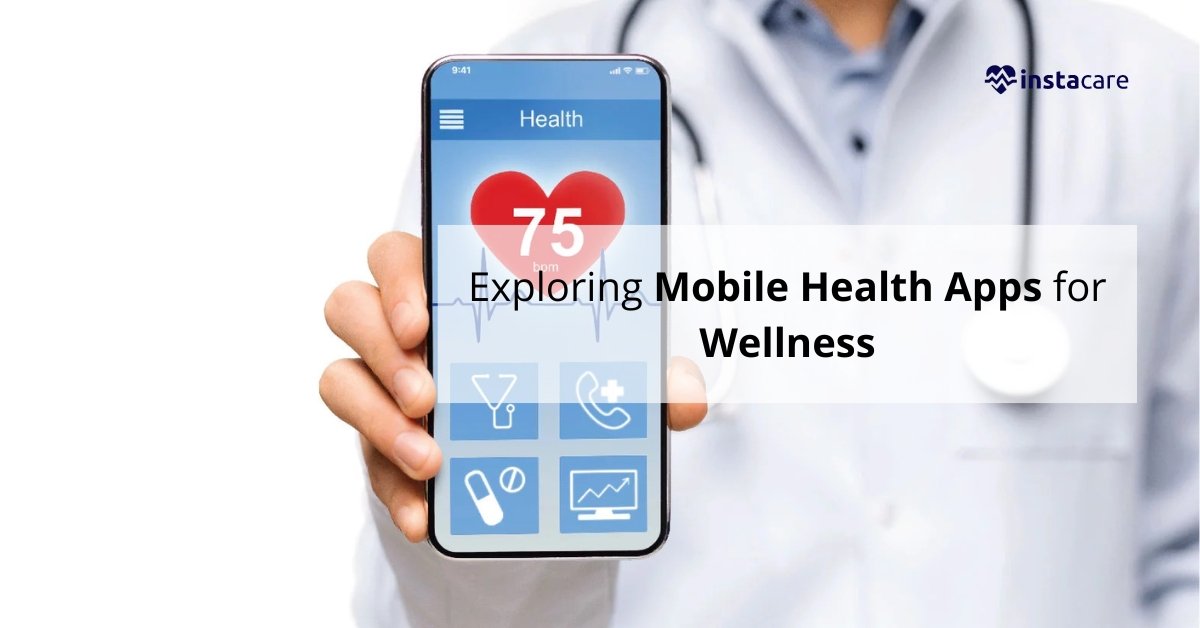
Exploring Best Mobile Health Apps for Wellness Are you looking to improve and maintain your health, but feel stuck in your current wellness routine? Have you ever considered exploring mobile health apps as a way to help? In this blog post, we’ll discuss the potential of mobile health apps for improving overall wellness. From physical activity tracking to virtual doctor visits – there are tons of user-friendly health solutions readily available on our smartphones that can make staying healthy simpler and more convenient than ever before. Curious about what these digital tools can do for your well-being? Read on! Overview of Mobile Health Apps and How They Can Help You Manage Your Wellness Mobile health apps have taken the wellness world by storm, offering a range of features and benefits to help you manage your overall health and well-being. Whether you’re trying to track your daily calorie intake, monitor your heart rate, or log your workouts, there’s a mobile health app out there for virtually every need imaginable. These apps make it easier than ever to stay on top of your health goals, providing helpful reminders, personalized recommendations, and real-time feedback to help you stay motivated and focused. From mental health to physical fitness, mobile health apps are quickly becoming an essential tool for anyone looking to take their health and wellness to the next level. So why not give them a try and see how they can help you achieve your wellness goals? Book Free Demo Benefits of Using a Mobile Health App to Track and Monitor Your Activity, Diet, and Sleep In today’s fast-paced world, keeping track of one’s health can be a daunting task. Thanks to healthcare mobile applications, things have gotten much easier. These apps offer several benefits that can improve the quality of your life. They enable you to monitor your activity levels, dietary habits, and sleep patterns. With this information, you can make informed decisions about your health and fitness goals. Additionally, most mobile health apps come equipped with features that can help you connect with nutritionists, dieticians, and personal trainers – all at the touch of a button. Overall, using a mobile health app to track and monitor your health can go a long way in ensuring that you stay on top of your fitness game. Tips for Choosing the Right App for You In a world where technology reigns supreme, mobile health apps have become a popular tool for managing our health and well-being. But with so many apps available, it can be overwhelming to choose the right one for you. From sleep tracking to calorie counting, each app offers unique features, making it essential to identify your specific needs before making a decision. Researching apps and reading reviews can also provide valuable insights into usability and effectiveness. Ultimately, the key is finding an app that aligns with your lifestyle and goals, helping you stay motivated and on track towards a healthier you. View More: Streamline Your Medical Billing with Medical Billing Software Review of Popular Mobile Health Apps and Their Features As our lives become busier, technology continues to help us manage our health on-the-go. One solution that has taken the world by storm is telemedicine apps. Rather than taking time out of our day to visit a doctor, telemedicine apps allow us to receive consultations and even diagnosis on-the-go. Each app has its unique features and professionals at Betterhelp give us an idea of which app suits our needs the most. Whether you’re dealing with a minor illness or looking for a specialist, these apps have you covered. In this review of popular mobile health apps, we’ll explore the features of each one and the benefits they bring to the table. Whether you’re new to the world of telemedicine apps or looking to switch to a new provider, we’ve got you covered. Pros and Cons of Using a Mobile Health App Mobile health solutions have become increasingly popular in recent years, with a wide range of apps available for everything from weight loss to heart rate monitoring. While there are certainly benefits to using a mobile health app, such as the ability to track your progress and access personalized advice, there are also potential downsides to keep in mind. For example, some apps may not be as accurate as traditional medical equipment, and there’s always a risk of information being leaked or hacked. It’s important to weigh these pros and cons carefully before deciding whether to use a mobile health app, and to do your research to ensure that any app you choose is safe and effective. Practical Strategies to Get the Most Out Of Your App and Stay Healthy Mobile health apps have become an indispensable tool for anyone looking to adopt a healthier lifestyle. However, with so many apps available, it can be overwhelming to choose the right one. So, how can these apps help you stay on track and achieve your health goals? The key is to find a mobile health app that fits seamlessly into your daily routine and offers practical strategies for making healthy choices. For example, some apps offer features like reminders to take medication or notifications to encourage you to exercise and eat well. Others provide personalized insights based on your habits and preferences, allowing you to track your progress and adjust your routine over time. By finding a mobile health app that works for you, you can stay motivated and committed to living your best life. Conclusion In short, while mobile health apps can be an excellent tool in managing wellbeing, it is important to remember that they should not replace traditional medical care. While powerful, apps available are not always regulated for accuracy and users should do their own research before relying on any information provided. Despite this caveat however, those interested in harnessing the full potential of digital health should take the time to explore what’s out there – you may find something that changes your wellness experience for
Ensuring Data Security in Healthcare Data security in healthcare is an important and pressing issue in the healthcare industry. With more information than ever being collected electronically, healthcare organizations require robust protocols to protect patients’ need-to-know information from getting into the wrong hands. While ensuring patient privacy and data security can be complex, it’s essential for keeping your practice secure and compliant with relevant regulations. In this blog post, we will explain why establishing strong data security processes within a healthcare organization is so important, along with some tips on how to get started implementing them effectively. Understanding the impact of data breaches in healthcare Data security in healthcare is of paramount importance, and the impact of data breaches cannot be overstated. With electronic health records containing sensitive personal data such as medical history, demographics and insurance information, the healthcare sector is often a prime target for cyberattacks. The intrusion of these data breaches not only violates the privacy of patients, but can also result in financial and legal consequences for healthcare providers. In addition, when breaches do occur, they can take days, weeks or even months to identify, leading to prolonged vulnerability and exposure of protected health information. It is essential that healthcare providers take proactive measures such as robust security protocols and regular risk assessments to safeguard patient data and mitigate the effects of data breaches. Identifying common vulnerabilities in health IT systems Health IT systems are an essential part of the healthcare industry. They help doctors, nurses, and other healthcare professionals make better decisions and provide better patient care. However, like any other technology, health IT systems are not without their flaws. Identifying these vulnerabilities is crucial, especially when it comes to medical data protection. Medical data is incredibly sensitive, and any breach can lead to serious consequences. By doing regular checks on the systems, we can identify and address these vulnerabilities before they turn into major issues, ensuring that the medical data remains secure and protected at all times. Book Free Demo Implementing data security in healthcare to protect patient information The healthcare industry is one of the most vulnerable sectors when it comes to data breaches and cyber-attacks. Protecting patient information is of utmost importance, and this is where encryption strategies come into play. By implementing robust encryption techniques, healthcare providers can secure sensitive data from unauthorized access and theft. The data security in healthcare uses complex algorithms to convert sensitive data into an unreadable format that only authorized users with the decryption key can access. This method ensures that healthcare privacy is maintained and patients’ personal information remains secure. Encryption strategies help healthcare providers to comply with relevant data protection regulations and safeguard their patients’ confidential information. Utilizing multi-factor authentication for access control With the increasing number of data breaches in the healthcare industry, it’s essential to utilize effective access control techniques to secure sensitive information. Multi-factor authentication is one such technique that’s gaining popularity due to its ability to provide an additional layer of security. By requiring users to provide two or more factors of identification, such as a password and a fingerprint, unauthorized access can be prevented. This method not only helps in preventing data breaches, but it also helps in complying with regulatory requirements such as HIPAA. In conclusion, multi-factor authentication is an ideal access control technique that can help healthcare organizations protect their sensitive data from potential cyber threats. View More: Streamline Your Medical Billing with Medical Billing Software Developing a response strategy to mitigate risks from cyber threats In today’s digital age, electronic health records (EHRs) have become the standard for managing patients’ medical information. While this has provided easy access to information for medical professionals, it has also made patient data vulnerable to cyber threats. With the increasing frequency and sophistication of cyber attacks, healthcare organizations must develop a response strategy to mitigate the risks associated with these threats. This strategy should include measures such as data security in healthcare, employee training on cyber security best practices, and a comprehensive incident response plan. By staying proactive and taking a comprehensive approach, healthcare organizations can ensure that their patients’ EHRs remain secure and protected from cyber threats. Utilizing secure networks and cloud technologies for data storage and transmission The importance of data security in healthcare cannot be overstated. As the amount of sensitive information continues to grow, so too do the risks associated with storing and transmitting it. One way healthcare organizations are combatting these risks is through the utilization of secure networks and cloud technologies for data storage and transmission. These tools not only help to protect against cyber attacks, but also enhance the efficiency and accessibility of healthcare services. By implementing new and innovative technologies, healthcare providers can offer patients peace of mind knowing that their personal health information is being handled with the utmost care and attention to security. Conclusion Data security in healthcare is a crucial component of the healthcare industry. No matter the size or skill level of your organization, understanding key data practices and implementing the right technology is essential for protecting patient information. Setting up regular staff training and developing effective incident response plans can help ensure that any security breaches are identified and resolved early. Healthcare organizations need to continuously monitor their systems and stay on top of updated technologies in order to better protect sensitive patient information. Ultimately, protecting patient data requires not only knowledge but also vigilance from every stakeholder in a healthcare ecosystem. With an emphasis on prevention and continuous evaluation, we can take steps towards ensuring safe health data management across all access points.