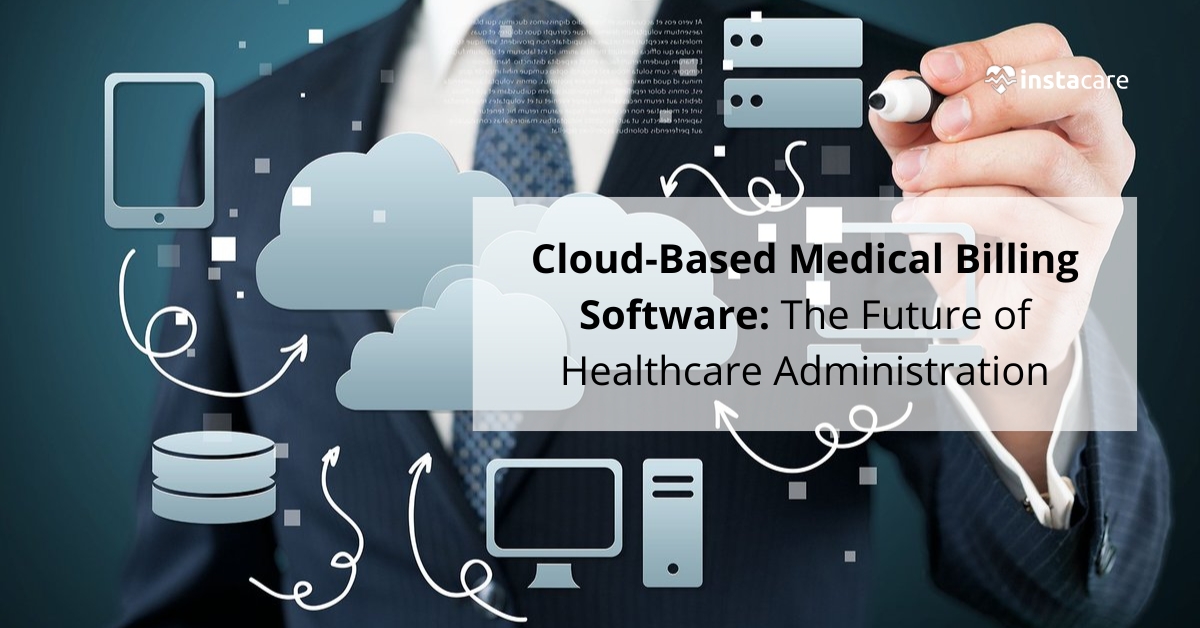
Cloud-Based Medical Billing Software: The Future of Healthcare Administration Recent technological advancements have revolutionized the way healthcare services are administered and billing is one of these areas in particular. Hospitals, medical offices, and other healthcare companies need a reliable system to manage their patient data and payment processing systems. Cloud-based medical billing software offers an innovative solution that eliminates manual paperwork while ensuring records are kept safe and secure. By combining cloud technology with powerful features, users gain unprecedented control over their administrative operations and how they handle financial tasks related to treating patients. In this blog post, we will explore the potential of cloud-based medical billing software in order to understand how it could make managing one’s practice easier than ever before. What is cloud-based medical billing software? Medical billing software has revolutionized the healthcare industry by streamlining payment processes and allowing for more efficient and accurate billing. Cloud-based medical billing software, in particular, is a powerful tool that allows medical practices to access their billing information from anywhere, at any time. This type of software is stored on remote servers instead of on-premise servers, allowing for increased flexibility and mobility. One of the biggest benefits of cloud-based medical billing software is the ability to reduce the time it takes to process claims and receive payment, which can be a major headache for many healthcare providers. Other benefits of this software include real-time updates, increased security, and the ability to easily track billing information. Overall, cloud-based medical billing software has become an essential tool for any practice looking to simplify their billing process and improve their financial performance. Why should healthcare providers consider using cloud-based medical billing software? Medical billing software has been a game-changer in the healthcare industry, making it easier for healthcare providers to manage their billing processes. With the advancements in technology, cloud-based medical billing software has emerged as the next best thing for healthcare providers. Thanks to the cloud, healthcare providers can securely store patient data and access their medical records from any location, at any time. View More: Improving Patient Outcomes with an Efficient Record Management System This means that providers can save time and money on administrative tasks and focus on delivering quality patient care. Additionally, cloud-based medical billing software comes with several benefits, including faster reimbursement, improved accuracy of data, and reduced errors in billing. By using a cloud-based medical billing software, healthcare providers can streamline their billing processes, save money, and provide better care for their patients. Benefits of Cloud-Based Medical Billing Software Cloud-based medical billing software offers a wide range of benefits in the healthcare industry. One of its most notable advantages is that it enables medical practitioners to handle billing and coding operations through an online platform, which eliminates the need for a physical setup and reduces the time it takes to accomplish tasks. Additionally, the software allows multiple users to access and modify data simultaneously, ensuring that information is complete and up-to-date. Cloud-based medical billing software also has a powerful reporting system that produces detailed analytical reports that can be used to identify areas of improvement in revenue collection. By utilizing these advantages, healthcare professionals can improve their billing efficiency and reduce errors, leading to a more streamlined practice overall. Key Features of Cloud-Based Medical Billing Software The healthcare industry is rapidly evolving, and with it comes the increasing need for efficiency in medical billing practices. This is where cloud-based medical billing software comes in. Unlike traditional billing methods, cloud-based medical billing software allows healthcare providers to access patient data, claim information and payment receipts remotely. This convenient accessibility translates to enhanced revenue cycle management, streamlined billing processes, and ultimately more efficient patient care. With features like real-time reporting, automated billing, and a centralized platform for patient information, healthcare providers can focus on their core objectives while leaving administrative tasks to the software. The benefits of cloud-based medical billing software are extensive, making it an indispensable tool for healthcare providers in today’s fast-paced world. Advantages of Cloud-Based Medical Billing Software over Traditional On-Premise Solutions Cost savings The rise of cloud-based technology has transformed the way medical billing is approached and maintained. Cloud-based Medical Billing Software offers a plethora of benefits over traditional on-premise solutions, with cost savings being one of the biggest advantages. Unlike on-premise solutions, cloud-based medical billing software removes the need for expensive hardware and maintenance costs, making it a more cost-effective solution. This is crucial for small medical practices and independent healthcare providers who are looking to streamline their revenue cycle management while managing their budget. With cloud-based Medical Billing Software, these providers can enjoy a heightened level of efficiency at a much lower cost, which ultimately leads to increased revenue and a more sustainable financial future. Book Free Demo Scalability Cloud-based medical billing software offers numerous benefits over traditional on-premise solutions, with scalability being a key advantage. Cloud-based systems are designed to expand or shrink depending on your business needs, making it easy for you to allocate resources as needed. This means that practices can seamlessly scale their operations up or down, without worrying about the complexities involved in expanding on-premise systems. In addition, cloud-based medical billing software often offers flexible pricing models based on usage, meaning that businesses can pay only for what they use, rather than being locked into expensive contracts. Ultimately, these benefits allow practices to focus on what they do best – providing high-quality patient care – rather than worrying about the intricacies of their billing software. Accessibility Cloud-based medical billing software is a relatively new concept that is fast gaining popularity amongst healthcare providers. One of the key benefits of using cloud-based medical billing software is its accessibility. Unlike traditional on-premise solutions, cloud-based software allows physicians and medical staff to access patient information and billing records from anywhere, at any time. This makes it much easier and more convenient for healthcare providers to manage their billing processes and ensure that patient claims are processed accurately and in a

Choosing the Best Smart Clinic Software for Your Specialty Practice Are you a specialty practitioner looking for the best software to manage your practice? Choosing the right smart clinic software can be daunting, as there are so many features and options available. But when it comes to achieving efficient operations, success and patient satisfaction with your specialty practice, having the right technology is key. In this blog post, we’ll explore some of the must-have features you should look for in selecting a smart clinic software solution that fits best with your speciality medical practice needs. We’ll also provide tips on how to determine which one meets all of your criteria for maximum efficiency and effectiveness. Understand the features of leading software for specialty practices In the digital age, almost every aspect of healthcare has become technology-driven. The use of Smart Clinic Software to manage specialty practices has become essential. Efficient clinic management software can provide a wide range of benefits such as increased productivity, improved patient care, streamlined workflow, and much more. However, it is important to understand the features of leading software to choose the best one based on your practice’s unique needs. Investing in the right Smart Clinic Software can optimize your practice’s performance and help you provide the best care for your patients. Compare pricing models and decide which one works best for your budget Managing a specialty practice can be challenging, but choosing the right software can make all the difference. Smart Clinic Software is designed to streamline clinic management and improve patient care. By comparing pricing models, you can choose the best system that fits within your budget, whether it’s a monthly subscription or a one-time purchase. With the right software, you can enjoy benefits such as automated appointment scheduling, patient portals, electronic medical records, and more. Finding the right Smart Clinic Software for your practice can save you time and money while enhancing the quality of care your patients receive. View More: 5 Benefits of Implementing a Hospital Management System in Pakistan Know what features to look for in smart clinic software As the healthcare industry continues to evolve, it’s important for clinics to keep up with the latest technological advances. One of these innovations is smart clinic software. This type of software provides a range of benefits that can streamline clinic management, from patient scheduling to medical billing. Features like prescription management and EHR integration further enhance the usefulness of this software. By investing in smart clinic software, clinics can improve patient care while also improving their own operations. It’s important to know what features to look for when choosing a provider in order to ensure that the software meets your clinic’s specific needs. Consider benefits such as improved patient engagement, better data analysis capabilities, and improved communication with other healthcare professionals Smart Clinic Software and Clinic Management Software have numerous benefits that cannot be ignored. One such advantage is the improved patient engagement that comes with using these software tools. Smart Clinic Software allows healthcare professionals to communicate with their patients quickly and efficiently, which can lead to improved outcomes. Additionally, Clinic Management Software facilitates better data analysis capabilities, which can help healthcare providers identify trends, issues, and opportunities for improvement in their practice. Another benefit is the improved communication between healthcare professionals, which allows for more seamless collaboration and better patient care. With all of these advantages, it’s clear that investing in Smart Clinic Software and Clinic Management Software is a smart choice for healthcare providers who want to provide the highest level of care to their patients. Ask questions when evaluating different types of smart clinic software As healthcare technology continues to evolve, smart clinic software is becoming an increasingly popular tool in the healthcare industry. This software offers a range of benefits for healthcare professionals, including streamlining clinic administration, enhancing patient care, and improving overall efficiency. When evaluating different types of smart clinic software, it’s important to ask important questions to ensure that the software effectively meets your clinic’s specific needs and objectives. For instance, what functionalities does the software offer? Is it user-friendly? Does it offer customization options? These are just a few of the many important questions to consider when evaluating clinic management software. By asking the right questions, healthcare professionals can ensure that they’re selecting the best smart clinic software for their clinic’s needs. Book Free Demo Review customer feedback on popular platforms to determine which one has the best reputation among users In today’s fast-paced world, healthcare professionals require efficient and reliable software to manage their workload. Smart Clinic Software offers a comprehensive suite of clinic management tools that empower healthcare providers to streamline administrative tasks, schedule appointments and manage patient records efficiently. To determine the best platform for your healthcare practice, it is crucial to review customer feedback on popular platforms. These platforms offer insights into user satisfaction and help you to make an informed decision. By analyzing customer reviews, you can gain valuable insights into the benefits of Smart Clinic Software and make an informed decision that will support your practice needs. Conclusion Choosing the right smart clinic software for your specialty practice can be a daunting task. There is no one-size-fits-all software option that meets every type of need. Make sure to do your research and be aware of the features and capabilities of the system you choose, as well as its compatibility for use in your practice. Keep in mind that many Smart Clinic Software providers offer free trials, so you can make sure the product works for you before investing money into it. To help make your decision easier, consider what you need from a Smart Clinic Software where features will help automate tasks, reduce errors and simplify daily operations. Finally, make sure to look for extra customer service and technical support options if needed with the provider that offers the most bang for your buck. With the right choice made with ease, you can rest assured you’ve found

How Smart Clinic Software Can Improve Patient Care? Good patient care is essential in healthcare, and when it comes to providing top-notch service, clinics have a lot on their plate. With more patients than ever and limited resources, it can be hard for clinics to provide timely and consistent care without the use of modern technology such as smart clinic software. Smart clinic software helps streamline communication between providers and patients, allowing them to provide better customer service while reducing paperwork. In this blog post, we’ll discuss how smart clinic software can improve patient care by simplifying administrative tasks and helping increase patient satisfaction. Introduction to Smart Clinic Software Smart Clinic Software is a game-changer in the healthcare industry. This powerful technology offers a plethora of benefits that will revolutionize how medical practitioners manage their clinics. Smart Clinic Software streamlines clinic management by automating several functions. It provides an efficient way to manage patient data, appointments, finances, inventory, and much more. The software also offers top-notch security, ensuring that patient data is safe and secure. This technology is adaptable, flexible, and scalable, making it perfect for clinics of all sizes. The benefits of Smart Clinic Software are endless, and it is a must-have in the current digital age. The impact of Smart Clinic Software on patient care Smart Clinic Software has revolutionized the healthcare industry by enabling healthcare providers to offer more effective and efficient care to patients. This Clinic Management Software is designed to streamline clinical workflow, automate routine tasks, and improve patient engagement. The benefits of Smart Clinic Software are many, including reduced administrative workload, enhanced patient access to medical information, accurate billing, and more. One of the most impactful benefits of this software is that it enables clinicians to spend more quality time with patients, ensuring that their diagnoses and treatments are tailored to their specific needs. In summary, Smart Clinic Software has transformed patient care by optimizing clinical workflows, enhancing patient satisfaction, and ultimately, improving patient outcomes. Benefits of Smart Clinic Software for Patient Care Smart clinic software has revolutionized the way healthcare institutions operate, offering numerous benefits for patients and healthcare providers alike. With clinic management software, patients can enjoy the convenience of online scheduling, easy access to medical records, and faster communication with their healthcare providers. Meanwhile, healthcare providers can enjoy enhanced efficiency, better record management, and improved patient care through data analytics. The benefits of smart clinic software extend beyond just improved patient care– they can also save time and money for healthcare organizations by streamlining administrative tasks. Overall, the implementation of smart clinic software is proving to be a game-changer in the healthcare industry, making patient care more convenient, efficient, and effective. Book Free Demo Enhanced Communication and Collaboration With the advancements in technology, healthcare is no longer restricted to prescribing drugs or conducting surgeries. Patients today expect more. That is where Smart Clinic Software comes in. The benefits of Smart Clinic Software for patient care are manifold, with enhanced communication and collaboration being the most prominent. Clinic Management Software enables doctors and healthcare professionals to access patient information in real-time, leading to effective diagnosis and streamlined patient care. Moreover, it allows for vital patient information exchange amongst different healthcare providers. Smart Clinic Software enhances the patient experience and provides better care. Streamlined Patient Record Keeping The use of smart clinic software has revolutionized the healthcare industry in many ways, making patient care more efficient and effective. One of the main benefits of smart clinic software is the ease with which patient records can be kept and accessed. Traditional paper record-keeping can be time-consuming and prone to errors, but with clinic management software, patients’ medical histories, appointments, and test results can be easily tracked and stored. This allows healthcare providers to quickly access important information and provide better care to patients. Additionally, smart clinic software can streamline administrative tasks such as appointment scheduling and billing, allowing healthcare providers to spend more time focusing on patient care. Overall, implementation of a clinic management software system is a smart investment for any healthcare facility looking to prioritize patient care and improve efficiency. Advanced Patient Monitoring and Analytics In the ever-evolving medical industry, technology continues to play a vital role in improving patient care. Smart Clinic Software, also known as Clinic Management Software, is one such technological advancement that has revolutionized patient care. With advanced patient monitoring and analytics, this software provides real-time insights into patient health, allowing doctors and physicians to make informed decisions based on accurate data. The benefits of Smart Clinic Software for patient care cannot be overstated. Its ability to systematically store patient medical records, track appointments, and ensure proper medication management has made patient care more efficient and effective. Furthermore, this software also enables doctors to remotely monitor patient progress, reducing the need for frequent hospital visits and costly tests. In turn, this increases accessibility to healthcare services, especially for those in remote areas. Overall, the benefits of Smart Clinic Software go beyond just improving patient care. It has the potential to reshape the healthcare industry, making healthcare services more accessible and efficient. Efficient Appointment Management Smart Clinic Software is revolutionizing the healthcare industry by providing numerous benefits like efficient appointment management for optimal patient care. Clinic Management Software assists healthcare providers by streamlining administrative tasks, allowing staff to focus on patient needs. Patient check-ins and appointment scheduling are fully automated, ensuring a smooth and timely experience for both the patient and healthcare provider. This software reduces the likelihood of appointment overlaps and double bookings, ensuring that patients are seen in a timely fashion. Additionally, Smart Clinic Software can also send automated reminders to patients regarding upcoming appointments, which improves attendance rates. Implementing Clinic Management Software saves time and money, ultimately improving the overall quality of patient care. Improved Medication Management Managing medication is one of the most critical aspects of patient care. It becomes even more crucial when dealing with chronic illnesses and multiple prescriptions. This is where
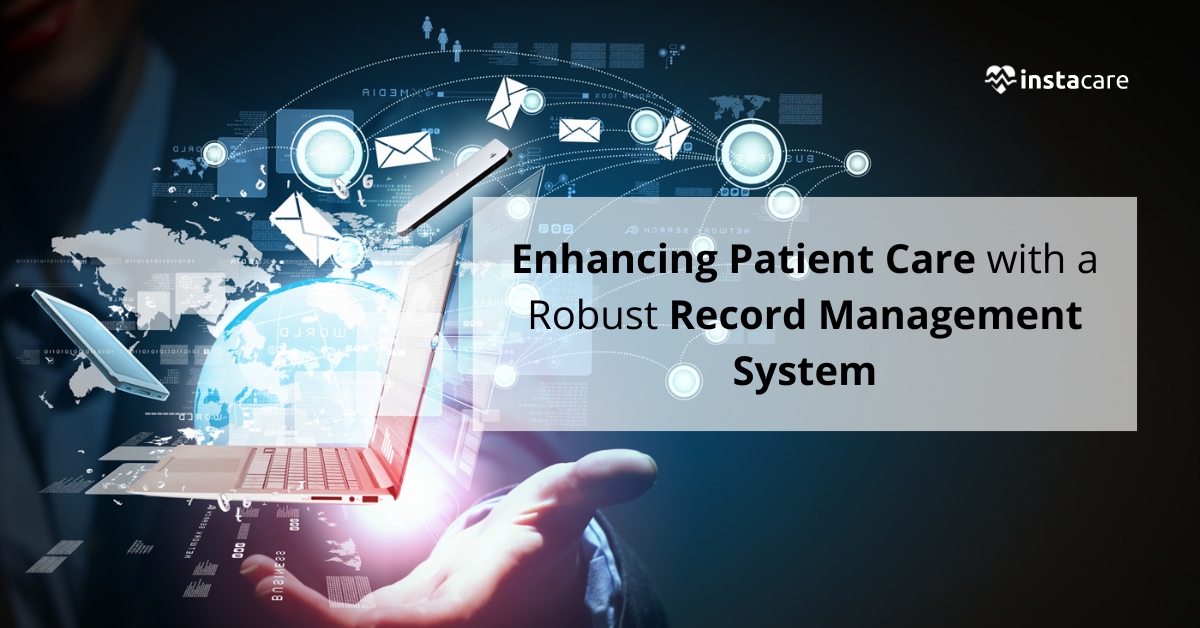
Enhancing Patient Care with a Robust Record Management System Maintaining a robust patient record management system is essential for providing quality health care. A reliable and efficient document storage, retrieval, and access process allows doctors to improve their diagnosis accuracy while also boosting overall patient outcomes. With effective record management solutions also come increased security measures that protect sensitive medical information from unauthorized access or manipulation. From secure storage of HIPAA-compliant documents to quick accessibility of records at the point-of-care, implementing an advanced record management system can greatly enhance your clinical workflow – ensuring better patient satisfaction levels with improved safety and privacy standards. Why a Record Management System is Necessary for Optimal Patient Care In the fast-paced world of healthcare, a comprehensive and efficient patient record management system is crucial for healthcare providers seeking to deliver optimal patient care. The use of record management systems allows medical professionals to efficiently store and organize patient health records, resulting in more accurate diagnoses, improved treatment planning, and enhanced patient safety. With an effective record management system, healthcare providers have access to the most up-to-date patient information, enabling them to make informed decisions regarding patient care. By implementing patient record management systems, healthcare providers can streamline their operations, reduce errors, and ultimately improve the overall quality of care that patients receive. Benefits of Implementing a Robust Record Management System A robust record management system can provide numerous benefits to organizations, especially when it comes to patient record management systems. The implementation of such systems can lead to increased efficiency and accuracy in record-keeping, which translates into improved patient care. Having well-organized and easily accessible records allows healthcare professionals to quickly access the information they need, enabling them to make informed decisions about patient treatment. In addition, record management systems can help prevent data breaches and ensure compliance with relevant regulations. Overall, investing in a robust record management system can streamline operations and enhance patient care, making it a smart choice for any healthcare organization. How to Ensure Accurate Documentation with a RMS In the medical field, accurate and detailed documentation is crucial for ensuring the best possible care for patients. That’s where patient record management systems come into play. These record management systems allow for easy and organized storage of patient information, including medical histories, medications, and past procedures. With the use of these systems, healthcare providers can access patient information quickly and efficiently, leading to improved decision-making and overall patient care. However, it’s important to understand how to properly use these systems to ensure accuracy and completeness of documentation. Through proper training and continued education, healthcare providers can ensure that patient record management systems are effectively utilized and updated, resulting in a higher level of care for all patients. How to Leverage Your RMS for Improved Quality and Efficiency Managing medical records efficiently is crucial for healthcare providers to deliver quality care. Patient record management systems (RMS) offer healthcare organizations a reliable way of tracking patient information from registration to discharge. However, most healthcare providers underutilize these systems, which results in wasted time and resources. By leveraging your RMS, you can reap significant benefits in terms of improved quality and efficiency. For instance, utilizing an RMS for patient scheduling can optimize appointment times and alleviate patient wait times. Additionally, utilizing the RMS to store patient health history can provide a comprehensive view of patient health status, which can assist healthcare providers in developing personalized care plans. Overall, maximizing the use of your RMS can be an efficient and cost-effective way of improving your healthcare organization’s performance. View More: How To Build A Powerful Clinic Brand? Best Practices for Implementing a Robust Record Management System In order to maintain efficiency, accuracy, and compliance in medical practice, it is imperative that healthcare providers establish a robust patient record management system. A record management system organizes patient data in a way that is easily accessible and secure, while also minimizing the risk of information breaches or loss. This can be achieved through implementing best practices such as regular data backups, training staff on proper use and security measures, and establishing clear protocols for record access and disposal. By prioritizing the establishment and maintenance of a strong record management system, healthcare providers can optimize patient care while reducing risk and enhancing overall operational efficiency. Tips for Maintaining an Effective RMS Patient record management systems are crucial for the efficient operation of healthcare facilities. These record management systems enable healthcare institutions to keep a record of patient data, which can be used to track patient progress, generate reports, and facilitate communication between healthcare providers. However, keeping an effective record management system can be challenging. It requires continuous efforts to keep the system up-to-date and functional. To maintain an effective RMST, it is essential to keep records secure, update patient records regularly, train staff on the system’s use, and conduct regular audits of the system. By incorporating these tips into daily operations, healthcare providers can ensure that their patients’ records are always accurate, secure, and easily retrievable. Conclusion We have seen from this blog post the many benefits of a robust record management system for enhancing patient care. It provides medical staff with a streamlined view of patient records and a simple way to access and store them quickly. It also allows them to access more information faster, more accurately diagnose conditions, enable clinicians to make informed decisions quicker, reduce administrative burden on healthcare teams and keep track of quality metrics. All these advantages ultimately lead to improved patient outcomes. The right record management platform can revolutionize patient care, so look out for software that meets all the criteria above when selecting one. With challenges such as cost constraints and privacy regulations, there are numerous considerations to be made – but with the right system in place you can be sure that your facility will always provide the highest standard of care possible.

Advanced Features to Look for in Smart Clinic Software If you’re a healthcare provider looking for the latest technology solutions to help streamline your operations and deliver better care to patients, then you’ll want to consider smart clinic software. With so many options in the market, it is important to know exactly what features are available and which ones will best suit your specific practice needs. In this blog post, we walk through some of the most advanced features of modern smart clinic software that can make providing quality patient care simpler and more efficient. From secure data storage systems that promote confidence and trust among doctors, staff members as well as patients, to mobile-friendly solutions for real-time communication on the go – keep reading for a comprehensive list of must-have components! Automated Appointment Setting Smart clinic software has been developed to simplify clinic management, making it easier than ever to run your healthcare practice. One of the most valuable features to look for when selecting the right software for your clinic is automated appointment setting. This feature not only saves time and resources, but it also enhances the patient experience by providing seamless appointment bookings with just a few clicks. Automated appointment setting in smart clinic software allows patients to book, reschedule or cancel their appointments easily, enabling practitioners to focus on providing high-quality healthcare to their patients. This is just one of many benefits of smart clinic software that can revolutionize your clinic management and provide optimal patient care. Patient Portal Give your patients the ability to check their medical records, make payments, and request prescription refills online. Smart clinic software is equipped with advanced features that can help revolutionize healthcare delivery, and patient portal is one of them. Patient portals enable patients to access their health information and interact with their healthcare providers at their convenience, without the need to schedule appointments or make phone calls. This advanced feature of clinic management software is a powerful tool that strengthens patient engagement, improves efficiency, and enhances patient satisfaction. Patients can view their medical records, monitor their progress, communicate with their doctors, and even schedule appointments through the patient portal. Clearly, the benefits of smart clinic software are endless and it’s not surprising that more clinics are adopting this technology to streamline their operations and improve the patient experience. Customized Scheduling Optimize workflow by customizing scheduling for each provider and practice. In today’s fast-paced world, physicians and healthcare professionals need reliable and efficient electronic health records (EHR) solutions to streamline patient care. Smart clinic software that possesses advanced features like customized scheduling can help healthcare organizations to reap the benefits of powerful clinic management software. One of the key benefits of this software is that it helps healthcare professionals create and manage patient appointments with ease, ultimately enhancing patient satisfaction. Additionally, the software can also help generate patient reminder notifications, ensuring patients never miss their appointments. These advanced features offered by smart clinic software enable physicians, nurses, and support staff to focus on delivering quality healthcare services and minimize administrative tasks, optimizing cost efficiencies and patient care. Book Free Demo Inventory Management Capabilities Stay organized with integrated inventory tracking. Clinic management software has come a long way since its introduction. With the advent of smart clinic software, medical professionals are now able to access a plethora of advanced features that make their lives much easier. Among the most important of these features are inventory management capabilities, which provide a number of important benefits. For one, smart clinic software with inventory management can help clinics keep accurate track of their supplies and medical equipment which helps to reduce waste and save money. In addition, inventory management in clinic management software can help clinics be more efficient with their ordering, ensuring that they always have what they need on hand without running out of important supplies. Ultimately, these benefits make smart clinic software with inventory management one of the most important tools in the modern medical professional’s arsenal. Integrated Telemedicine Platforms Offer your patients convenient remote access to their healthcare provider. As technology continues to evolve, so does the world of healthcare. Smart clinic software offers many benefits, from simplifying appointment scheduling to streamlining electronic health records. One of the most advanced features to look for in smart clinic software is an integrated telemedicine platform. This feature enables healthcare providers to conduct virtual consultations and follow-up appointments with patients remotely, reducing the need for in-person office visits. With a telemedicine platform as part of clinic management software, patients can receive the care they need from the safety and convenience of their own homes, while providers can increase their reach and efficiency. The future of healthcare is undoubtedly digital, and smart clinic software with integrated telemedicine platforms will undoubtedly be a game-changer for both providers and patients alike. Advanced Security Features Ensure patient data is kept secure with comprehensive encryption protocols. One of the most critical features to consider when choosing a smart clinic software is advanced security. With patient data being at the forefront of the healthcare industry, it’s crucial to ensure that sensitive information remains confidential and protected from breaches. By utilizing smart clinic software with advanced security features, clinics can prevent unauthorized access, encrypt data, and track user activity. This means that patient information can stay private and secure from hackers or unauthorized personnel. Additionally, smart clinic software with these features can give clinic managers peace of mind that their clinic management software doesn’t compromise patient privacy. Overall, investing in smart clinic software with advanced security features can both protect patient data and enhance clinic efficiency. Conclusion Smart clinic software is revolutionizing the healthcare industry, offering clinicians the ability to provide exceptional care while cutting costs and increasing administrative efficiency. Advanced features like cloud-based data storage, automated appointment reminders and scheduling tools, robust patient tracking and reporting options, intuitive navigation and design, comprehensive analytics capabilities, and convenient integration with a wide array of third party services can help
5 Benefits Of Technology In Healthcare Technology has revolutionized the healthcare industry, enabling providers to offer higher-quality and more efficient care than ever before. From increased patient safety to improved communication between patients and doctors, there are numerous benefits of technology in healthcare. In this blog post, we’ll be exploring five such advantages that demonstrate just how transformative technology can be for both medical staff and those seeking treatment. Let’s take a look at what modern tech can do for improving patient outcomes and providing better care! 1. Remote access to patient data Electronic Health Records (EHR) allow doctors to monitor patient progress remotely, meaning they can receive up-to-date information on their patients’ health. Remote access to patient data has become increasingly important in the world of healthcare. With the rise of telemedicine and the need for healthcare professionals to access patient records from multiple locations, having secure and reliable remote access is crucial. This allows doctors and nurses to provide better care for their patients, as they can review medical histories and diagnostic test results in real-time. Additionally, remote access to patient data can improve efficiencies within healthcare systems, as healthcare workers can collaborate and coordinate care without being physically present in the same location. Despite the benefits of remote access, it is important to ensure safeguards are in place to protect patient privacy and prevent unauthorized access to sensitive information. 2. Automation of administrative tasks Software such as appointment reminders and billing systems have helped reduce the paperwork burden for healthcare providers and also helped streamline administrative processes such as scheduling appointments and processing claims. In today’s fast-paced work environment, every employee’s time is valuable, and automating administrative tasks has become an essential part of optimizing productivity. From processing invoices to managing payroll, automation has the potential to reduce the time spent on repetitive manual tasks, thus giving employees more time to focus on more creative and strategic projects which will benefit their organization in the long run. Moreover, automation also minimizes the likelihood of mistakes resulting from human error and ensures that tasks are completed accurately and consistently, which ultimately reduces the risk of errors and streamlines the operations. There is no doubt that automation of administrative tasks brings immense benefits, including increased efficiency, accuracy, and productivity. As such, it is imperative to embrace this technology in healthcare and stay ahead of the competition in today’s ever-growing business industry. View More: What’s The Role Of Technology In Medicine? 3. Improved accuracy in diagnosis With the help of AI and machine learning, doctors are able to better detect patterns in medical data, helping them more accurately diagnose diseases and other conditions. Medical science has made remarkable progress in the past few decades, enabling doctors to diagnose and treat complex medical conditions with greater accuracy. Improved accuracy in diagnosis is one of the most significant advancements in medical science in recent years. Today, doctors can use advanced technologies and diagnostic tools to detect even the slightest signs of disease in patients. This helps them provide prompt and effective treatment, thereby improving patient outcomes. From imaging technologies to genetic testing and molecular diagnostics, science has given us a wide range of tools to diagnose and treat illness. By leveraging these tools, doctors can now achieve a greater level of accuracy in the diagnosis of medical conditions, paving the way for more targeted and effective treatments. 4. Increased opportunities for research Technology in healthcare has made it easier for medical researchers to access data quickly, helping them develop treatments faster and more efficiently. With the rise of technological advancements, there has been a notable increase in opportunities for research. With advances in data analytics and machine learning, researchers now have the ability to analyze large sets of data in more efficient and effective ways. Additionally, the growth of global collaboration networks has resulted in more expansive and diverse research opportunities than ever before. The expansion of open access publishing models means that research findings and insights are much more accessible and can be built upon by other researchers around the world. Overall, the increased opportunities for research are a promising trend that is expected to continue to grow and innovate in the years to come. Book Free Demo 5. Improved patient engagement With apps that help manage medication intake, set reminders for checkups, or even book appointments directly with doctors, technology in healthcare has improved the overall patient experience by making it more convenient and accessible. As healthcare technology in healthcare continues to advance, patient engagement has become an increasingly important factor in ensuring positive outcomes. Improved patient engagement means that patients are more involved and invested in their own healthcare, resulting in better adherence to treatment plans and improved health outcomes. With the rise of telemedicine, patients now have easier access to healthcare providers and can take a more active role in managing their own health. Additionally, healthcare organizations are implementing patient portals and mobile apps, which allow patients to access their medical records, schedule appointments, and communicate with their healthcare team from the convenience of their own device. These digital tools not only improve patient engagement, but also help healthcare providers to better understand and meet the needs of their patients. Conclusion It’s clear that the use of technology in the healthcare industry has been steadily growing, and for good reason. Technology is helping to improve patient care, enhance clinical workflows, reduce costs of care delivery, increase access to medical information and facilitate communication between healthcare professionals. As new technologies emerge, they will continue to revolutionize how healthcare is provided and drive improvements in population health outcomes. However, it’s important to consider not only the potential benefits but also the potential risks of this technology in healthcare when considering its use. Healthcare organizations must establish clear policies and procedures related to the security, usage and storage of any technology in healthcare used in their facility or practice. Taking steps early on to ensure best practices will help protect

5 Benefits of Implementing a Hospital Management System in Pakistan Hospitals are an integral part of the healthcare system in any country and it’s a priority for them to run smoothly. This is why implementing a hospital management system in Pakistan(HMS) is essential if you want to ensure optimum patient care, efficient resources utilization, and improved overall service delivery. Moreover, introducing this type of technology can bring Pakistan’s health sector many benefits. Here are 5 that you should know about: Improved Patient Care In today’s fast-paced world, healthcare providers are under immense pressure to provide seamless, patient-centered care. The traditional paper-based approach to managing patient data is becoming increasingly inefficient, leading to errors and delayed care. This is where a hospital management system in Pakistan can be a game-changer. By implementing a robust HMS system, hospitals in Pakistan can improve patient care by streamlining processes, reducing wait times, and providing accurate and up-to-date patient information to healthcare providers. Enhanced patient care can lead to improved outcomes, higher patient satisfaction, and reduced healthcare costs in the long term. In conclusion, implementing an HMS is a vital step towards delivering high-quality healthcare in Pakistan. Increased Efficiency Pakistan’s healthcare system has faced numerous challenges over the years, ranging from lack of resources to inadequate infrastructure. Implementing a hospital management system can improve the efficiency of healthcare institutions within the country. With this technology, hospital staff can easily manage and track patient information, medical records, appointments, and billing information. This streamlined system reduces the likelihood of errors and improves communication among staff members, leading to a more cohesive healthcare delivery system. Furthermore, an efficient system saves time and resources, enabling healthcare professionals to focus on their primary objective of providing quality care to their patients. Ultimately, the implementation of a hospital management system can revolutionize Pakistan’s healthcare industry and increase the trust of patients in the system. Book Free Demo Cost Savings Implementing a hospital management system in Pakistan can lead to significant cost savings for healthcare providers. By streamlining workflows and automating tedious tasks, such as scheduling appointments and managing patient records, a hospital management system reduces the need for manual labor and decreases human error. This can result in a more efficient use of resources and ultimately improve the bottom line for medical facilities. Additionally, electronic health records can help eliminate duplicate testing and medication errors, which can save both money and lives. In a country with limited healthcare resources, implementing a hospital management system is a smart and cost-effective investment that can improve patient outcomes while also benefiting the financial health of healthcare providers. Enhanced Data Analysis A hospital management system in Pakistan is becoming increasingly popular in Pakistan due to its ability to provide enhanced data analysis. The system is designed to streamline hospital operations, from patient admissions to discharge, and can be customized to suit the needs of specific facilities. By implementing an HMS, healthcare facilities in Pakistan can have a better understanding of the data generated by their operations. This allows staff to make quick and informed decisions while also providing a more efficient and organized service to patients. Ultimately, the benefits of implementing an HMS can lead to more effective healthcare outcomes, increased patient satisfaction, and cost savings for the hospital. View More: The Benefits Of Implementing Practice Management Software In Your Practice Improved Security and Compliance Implementing a hospital management system in Pakistan comes with a wealth of benefits, one of the most important being improved security and compliance. Keeping patient data secure is of utmost importance in any healthcare setting, and a hospital management system helps to achieve just that. With access controls, audit trails, and encryption, it becomes much easier to manage data access and retain overall control over the information. The system also ensures easy compliance with data protection standards, meaning that the data is secure from unauthorized access and tampering. With better information handling capabilities, a hospital management system provides a secure environment that is ideal for healthcare professionals. By implementing a hospital management system, healthcare providers in Pakistan can ensure that they are better equipped to deliver high-quality patient care in a safe and secure environment. Conclusion Using a hospital management system in Pakistan can lead to better patient outcomes, improved efficiency, enhanced communication, reduced administrative costs, and increased automation. Collectively, these five benefits significantly improve the quality of healthcare services in Pakistan and guarantee best-in-class results. As technology evolves, the business landscape continues to be disrupted by digital innovation. Implementing digital healthcare solutions is no longer an option; it’s a necessity that all medical organisations should consider. With advanced features such as real-time analytics to track patient treatments, data storage for health records, and occupancy tracking for beds, advanced hospital management system in Pakistan can enable healthcare teams to provide seamless patient care experience. To unlock the full power of advanced hospital management system in Pakistan, providers need to partner with an experienced technology provider who can configure the system for their specific needs.

Improving Patient Outcomes with an Efficient Record Management System As doctors, we know that managing a patient’s medical records is essential to improving outcomes. It’s a difficult challenge due to the sheer amount of information patients may have in their records and the difficulty of finding critical data quickly. Fortunately, an efficient record management system can help make this task easier while increasing accuracy and the potential for better patient care. In this blog post, we’ll discuss how you can use technology to improve patient outcomes with faster access to important health data. We’ll also explore how your team can work together more effectively when everyone has access to up-to-date patient history information and understands what procedures need to be taken at any given time. Introducing an Efficient Record Management System for Improved Patient Outcomes Managing patient records is an essential aspect of healthcare delivery. The effective implementation of patient record management systems can significantly improve patient outcomes, streamline medical processes, and enhance communication between healthcare professionals. In recent years, there has been increasing recognition of the importance of record management systems in healthcare. The use of electronic patient record management systems, for instance, has proven to be an efficient way of managing patient records within healthcare facilities. The system has revolutionized the way healthcare providers store and retrieve information, enabling them to access patient records instantly from any location. The benefits of electronic record management systems are limitless, and their use is certain to continue to grow in importance as healthcare facilities look to improve patient outcomes. Examining the Benefits of a Comprehensive System for Medical Records In today’s fast-paced world, managing a patient’s medical records can prove to be a daunting task. With advancements in technology, patient record management systems have become an indispensable tool for healthcare providers. These record management systems offer a comprehensive approach to patient healthcare by keeping all relevant medical information in one place. By utilizing a record management system, healthcare providers can improve patient safety, reduce human error, create efficient workflows, and ultimately save time and money. From a patient’s perspective, they have access to their medical information at any time and from anywhere, increasing their involvement in their own healthcare. In summary, it’s clear that a comprehensive system for medical records is essential in providing quality healthcare services. Discovering How to Streamline Data Collection Processes Data collection processes are critical in various fields, ranging from healthcare to education, customer service, and more. The medical sector, for instance, relies heavily on patient record management systems to keep track of the medical history of individuals. For this reason, healthcare providers are continually seeking ways to streamline the data collection process effectively. One way of achieving this is through the use of record management systems that capture, store, and retrieve data promptly and accurately. These systems eliminate the need for manual data entry that can be time-consuming and prone to errors. Consequently, healthcare providers can allocate more time to attending to patients, leading to improved healthcare outcomes. Improving Patient Well-Being with Automated Data Archiving As healthcare technology continues to advance, so does the need for efficient patient record management systems. Electronic health records (EHRs) have already replaced traditional paper records in many healthcare settings, but now we’re seeing a shift towards automated data archiving. This means that patient data is being automatically archived and organized, making it easier for doctors and nurses to access critical information quickly and seamlessly. With the implementation of such record management systems, healthcare professionals can focus their time and energy on delivering quality care and ensuring the well-being of their patients. By improving the quality and accessibility of patient data, we can create a more efficient and effective healthcare system for all. Book Free Demo Analyzing Options for Different Types of Records Storage Solutions In today’s digital age, record management is of utmost importance for companies and organizations. Especially in the healthcare industry, where patient record management systems are crucial for maintaining accurate and confidential patient records. When it comes to different types of records storage solutions, there are numerous options to choose from. Companies can opt for cloud-based record management systems, off-site storage facilities, or even physical file cabinets. It is essential to analyze and determine which approach works best for your business based on cost, accessibility, security, and efficiency. By carefully weighing these factors, you can find a solution that best fits your needs and ensures that your records are kept safe and organized. Exploring the Cost Savings from Implementing a Digital Record System The world is rapidly moving towards digitization, and the healthcare industry is no exception. By implementing patient record management systems, healthcare providers can save significantly on costs. Digital record management systems have numerous advantages over traditional paper-based ones, including decreased printing costs, reduced paper usage, and simpler record keeping. These systems also allow for multiple users to access a patient’s records simultaneously, which enhances collaboration amongst healthcare providers. Moreover, digital records are easier to access, as they are searchable, making it possible to quickly locate a patient’s records without having to sift through numerous paper documents. By transitioning to digital record management systems, healthcare providers are not only saving costs, but also improving the efficiency of healthcare delivery. Conclusion It is clear that implementing an efficient record management system improves patient outcomes. This can be seen through the ability to give providers better quality information and data which enables them to make more accurate decisions, as well as streamlining processes such as billing and scheduling. Furthermore, it helps reduce costs associated with maintaining records while allowing private information to remain secure. Lastly, the accessibility and convenience of record management systems allow healthcare professionals to provide a higher level of service without adding any additional time or effort into their day-to-day roles. It is apparent that utilizing an efficient record management system can have a significant impact on overall patient care and outcomes.

How To Build A Powerful Clinic Brand? Having a powerful clinic brand can make all the difference when it comes to success. Whether you’re in the men’s health, women’s wellness, or any other healthcare field; having an eye-catching, reliable and trustworthy brand is key in making sure patients choose your business over others. But how do you go about creating a powerful clinic brand? Let’s explore that further together! Here are some tips on how to build a powerful brand for your healthcare practice and get noticed by potential clients. Define Your Clinic’s Mission And Values Defining your clinic’s mission and values is the foundation upon which you build everything else. Your mission statement identifies what your clinic stands for and what it aims to achieve. It sets the tone for the values that individuals within the organization will uphold. Your values are the guiding principles that keep your clinic on track and ensure you are delivering patient-centered care. The decision-making process within your clinic should be guided by the values and mission statement. Your mission and values provide the direction for everyone involved in your clinic, including patients and staff. They create a sense of belonging, purpose, and unity. When your mission and values are authentic, relevant, and inspiring, they can become a source of motivation for your entire team. Create A Strong Visual Identity Creating a strong visual identity is crucial to making a lasting impression in today’s competitive business world. A visual identity should represent the essence of your brand and distinguish it from others in the market. This can include elements such as your logo, color palette, typography, and overall aesthetic. Consistency is key when it comes to building a strong visual identity. It’s important to ensure that all visual elements are used consistently across all channels and touchpoints, from your website to your social media profiles to physical marketing materials. A strong visual identity can help your business stand out in a sea of competitors and create a lasting impression on potential customers. View More: Streamline Your Schedule with an Appointment Management System in Pakistan Develop A Consistent Brand Voice Developing a consistent brand voice is essential for any business that wants to establish a strong presence in the market. It’s no longer enough to simply have a great product or service. Your brand voice is the foundation upon which your entire business is built. A consistent brand voice communicates your personality, values, and mission to your target audience. It helps you build relationships with your customers, earn their trust, and ultimately, increase sales. Your brand voice should be present in every aspect of your business, from your website copy to your social media posts, to your advertising campaigns. By developing a consistent brand voice, your business will stand out in a crowded marketplace and make a lasting impression on your customers. Use Practice Management Software Practice management software is a valuable tool for any healthcare provider seeking to streamline their operations and improve patient care. With its user-friendly interface and efficient features, this software serves as a central hub for all aspects of practice management, including appointment scheduling, patient records, billing, and more. Healthcare professionals can easily access patient information, track treatments, and manage their schedules from the comfort of their computers or mobile devices. Additionally, practice management software helps providers comply with regulations and laws, seamlessly integrate with other medical systems, and ultimately achieve better outcomes for their patients. With the many benefits of practice management software, incorporating it into your practice is a smart and effective choice. Develop A Content Strategy Developing a content strategy can be a daunting task, but it’s a crucial step in creating a successful brand. Your content strategy is essentially a roadmap that guides your content creation efforts, ensuring consistency and aligning your messaging with your business goals. A comprehensive content strategy takes into account your target audience, the platforms and channels you will utilize, and the types of content you will create. It’s important to note that a content strategy isn’t a one-time thing; it’s a living, breathing document that should be reviewed and updated regularly. By taking the time to develop a solid content strategy, you can save yourself time and effort in the long run, while also creating valuable content that resonates with your audience. Use Patient Testimonials Patient testimonials play an essential role in the healthcare industry. They provide valuable feedback on the quality of care provided by healthcare providers, and they also help prospective patients make informed decisions. These testimonials are often shared on the healthcare provider’s website or social media pages, allowing patients to read about the experiences of others who have received treatment. Reading about positive experiences can be comforting, as it gives patients hope that a positive outcome is possible. Additionally, testimonials can help healthcare providers identify areas where improvements can be made, providing valuable feedback to enhance their services. Therefore, patient testimonials are a vital tool for both healthcare providers and patients alike. Book Free Demo Provide Excellent Patient Care As healthcare professionals, our primary objective is to provide the best possible care to our patients. Excellent patient care goes beyond medical treatment and involves understanding and addressing the unique needs of each individual. It requires effective communication, compassion, respect, and empathy. Creating a positive and welcoming environment for patients is essential in building a foundation of trust and confidence. When we prioritize patient care, we not only benefit their overall health outcomes but also improve their overall experience. It is crucial to remember that every patient is different and requires individualized attention and care. We must continuously strive to improve our delivery of care and work towards achieving optimal patient outcomes. Use EMR And HER Electronic medical records (EMR) and electronic health records (EHR) have revolutionized healthcare by making patient information more accessible and organized. EMRs are digital versions of paper charts that contain all medical information from a patient’s medical history, medications, test results, and
The Benefits Of Implementing Practice Management Software In Your Practice Do you ever feel like the day-to-day operations of your practice are getting in the way of caring for patients? It’s a common issue that all health practitioners face, but it can often be solved with an additional resource such as practice management software. In this blog post, we’ll discuss why implementing practice management software can benefit your healthcare business – from streamlining administrative tasks to improving patient care and satisfaction. Read on to learn how investing in this technology could transform your clinical environment for the better! What Is Practice Management Software and How Does It Work Practice management software is a tool that streamlines administrative tasks and improves communication in a workplace. It has become increasingly popular in Pakistan in recent years, with more and more businesses turning to software solutions to increase efficiency and productivity. Practice management software can help with scheduling appointments, managing patient or client data, tracking billing and payments, and much more. These software solutions are designed to make work more manageable and to reduce the amount of time spent on administrative tasks. By using practice management software, businesses can focus on providing top-quality services to their clients or patients. Book Free Demo Advantages of Practice Management Software For Your Practice As a healthcare provider, managing your practice involves a lot more than just seeing patients. From scheduling appointments, managing patient records, to coordinating insurance claims, there are several important administrative tasks that need to be taken care of. This is where practice management software comes in. By using practice management software, healthcare providers and organizations in Pakistan can streamline various aspects of their practice and focus on what they do best – providing quality care to patients. With features such as automated appointment scheduling, patient record keeping, and real-time billing, practice management software can help save time, reduce administrative errors, and ultimately improve the efficiency of your practice. Tips for Choosing the Right Software for Your Practice As a healthcare professional, choosing the right practice management software can be a daunting task. With so many options available in the market, it can be overwhelming to determine which one will best suit your needs. However, selecting the right practice management software is crucial for the success of your practice. Not only does it streamline scheduling, billing, and record-keeping, it also improves the overall efficiency of your practice. In Pakistan, there are several options for practice management software, but it’s essential to choose one that fits your specific requirements. Take the time to research and compare software features, customer support, and pricing to determine which software is the best fit for your practice. View More: 6 Tips How To Choose Practice Management Software Benefits Of Automating Your Practice With Practice Management Software The benefits of automating your practice with practice management software are numerous, especially in the context of Pakistan. Practice management software helps streamline administrative tasks such as scheduling appointments, managing patient records, and billing. Adopting this software in Pakistan’s medical industry can significantly reduce errors, increase efficiency, and ultimately improve patient care. Additionally, practice management software can help healthcare providers manage their workload and track progress, allowing them to focus on what they do best – providing quality care to their patients. Therefore, those who are looking to enhance their medical practice should consider investing in practice management software in Pakistan, and take advantage of the benefits it has to offer. Key Features To Look Out For In The Best Practice Management Software Solutions When it comes to finding the best practice management software, potential buyers should focus on specific features that can make a significant difference in how efficiently and effectively their practice runs. In Pakistan, practice management software has become an increasingly popular tool for healthcare professionals as it simplifies time-consuming processes such as appointment scheduling, patient records management, and billing. Some key features to look out for include flexible scheduling options, intuitive record-keeping capabilities, and a user-friendly interface. Additionally, prioritizing software providers with reliable customer support and secure data storage measures can ensure a smooth transition to a paperless system. By investing in the right practice management software, healthcare professionals in Pakistan can streamline their operations and focus on providing excellent care to their patients. Overcoming Resistance to New Technology in Your Office Environment In today’s fast-paced world, technology plays an integral role in optimizing businesses and improving productivity. But for many office environments, the resistance to new technology can be a real challenge. That is why it is important to understand the benefits of integrating practice management software in your office, even if it is met with some initial pushback. Practice management software streamlines various aspects of running a business, including scheduling appointments, managing electronic medical records, and tracking finances. In Pakistan, the use of practice management software in office environments has become increasingly popular and can make a huge difference in managing tasks and increasing efficiency. By embracing new technology, your office environment can stay ahead of the curve and experience first-hand the many benefits and efficiencies of practice management software.