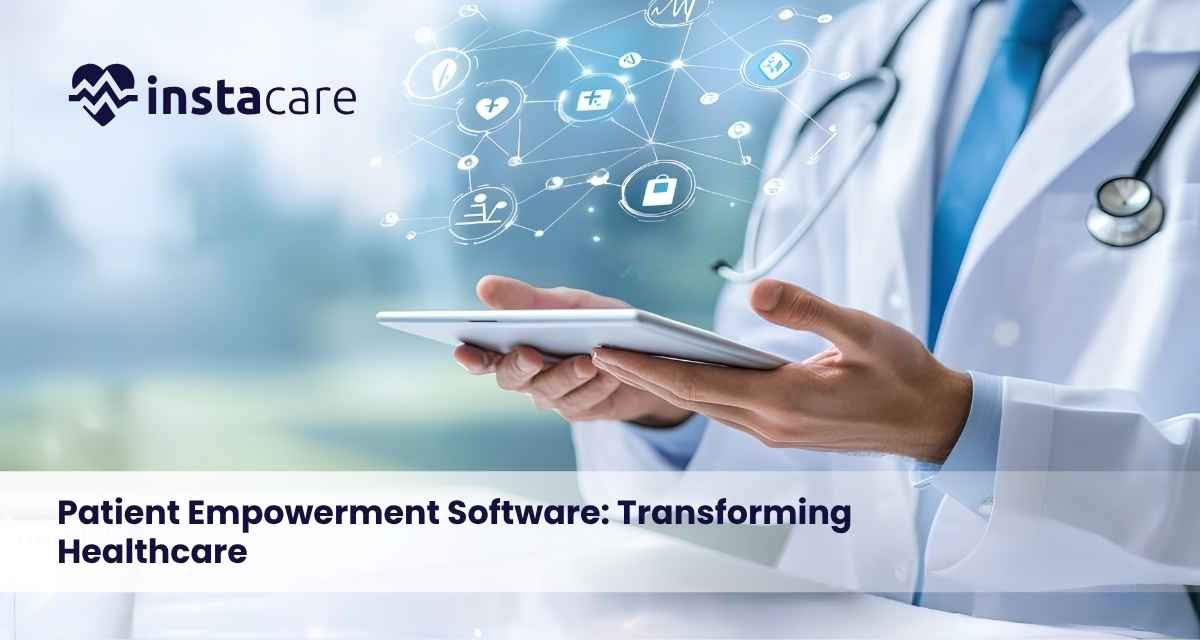
Patient Empowerment Software: Transforming Healthcare Healthcare is changing fast. The most notable aspect of this is the shift toward patient-centered care, in which patients are seen as partners in the care process rather than passive recipients. Bringing about this change is patient empowerment software, which includes digital tools to aid patients in taking control of their healthcare process. This software can help patients partake in their care process in many ways by allowing them to access their medical records, track and manage their symptoms and medications, and communicate and interact with their care providers. Patients want care to be as user-friendly and clear as the digital applications they use in their daily lives. The digital tools that empower patients help to close the gap between patients’ digital care expectations and the traditional medical systems. What Is Patient Empowerment Software? Patient empowerment software are the digital systems that aid patients in the management and decision-making processes regarding their own health. These systems can be digital applications in their own right or components of other systems, such as electronic health record (EHR) systems. These systems seek to turn the healthcare model that is predominantly controlled by providers into one that is predominantly patient-centered. This software gives patients the ability to improve their health outcomes by informing them and enabling them to take various healthcare actions. Patient empowerment software can include any or all of the following: Scheduling and reminder systems Messaging systems to care teams Self-assessment and symptom-tracking tools Condition specific educational content Medication management and telehealth systems Integrating all of these systems provides patients the ability to manage their health with clarity and confidence. Why is Patient Empowering Important? Patient empowerment is vital in contemporary care. Its advocates show increased: Compliance with treatment Understanding of their condition Involvement in the care process Managing chronic conditions Satisfaction with care Greater control of their lives to the extent that empowered patients make more rational decisions concerning their medication and lifestyle The active involvement of patients transforms the care process from a top-down approach to a relatively equal partnership. As a result, focus is shifted from the process to the outcomes, which include improved adherence to the care process and fewer complications. Characteristics of Empowering Patients Application Some of the patient empowerment tools found in most contemporary application software include: Personal Health Records Patients no longer have to rely on their health care providers to inform them of their diagnoses, lab tests, images, vaccinations, and summaries of their visits as they can now access them in one place. Patients can track their health and encourage them to engage in health-related discussions with their providers. Care Events Patients can now schedule, reschedule, and cancel their care events without having to make a phone call. Many patient empowerment applications have features that remind patients of their scheduled visits. Empowered Patients Patients can easily contact their care teams, receive answers to their queries, and get involved in the care process without visiting the health care facility in person. Many modern patient empowerment applications especially allow patients to engage in care virtually by tracking their symptoms and vital signs like blood pressure and blood glucose. Medications Automated alerts for scheduled medication times Requests to refill sent to the pharmacy/clinic Notifications for potential interactions or when a dose is missed Learning Materials Patients are able to access articles with supporting research, as well as videos and tutorials, to help them understand their illnesses, available treatments, and how to engage in preventive care. Integration of Telehealth To help those patients who live in rural areas, and to help the barriers of time and lack of transportation, an option for virtual appointments is available. Book Your Free Marketing Consultation How Patient Empowering Software Serves Users? Patients With patient empowerment software, an individual is able to: Understand their illnesses better Track their own health Decide on their own treatment and/or lifestyle Access help and answers to their questions in a direct manner. This helps to lessen anxiety Continue to stay involved in the management of their chronic illness (asthma, hypertension, diabetes, etc.) Healthcare Providers For clinicians, this software provides: Current patient information when it is time for an appointment Less time is spent on the phone doing follow up calls Better patient communication Greater compliance to care More time to dedicate to each patient for consultation Healthcare Systems For healthcare organizations, this software provides: Better patient compliance and satisfaction Better care coordination and operational care Better management of the health of the community and a decrease in readmissions An overall better quality of care with a positive impact on the cost of care This software engages patient care in a manner that is empowering for patients and helps provider care for patients. Real-World Applications Patient empowerment software is being used in many areas of healthcare to include the management of chronic illness and mental illness. For chronic illness management, patients can log and track their own vital signs and share with their provider. This allows for better and more timely interventions. In mental illness management, mood tracking and therapy reminders are helpful. Medication Adherence: Automated alerts reduce medication non-adherence and improve health outcomes. Post-Surgical Recovery: Daily check-ins catch complications earlier and reduce the risk for hospital readmissions. Preventive Care: Automated care alerts improve adherence to vaccinations, screening tests, and routine health visits. With actionable insights and proactive care management, patient empowerment software improves the quality of care. Challenges and Considerations A few challenges arise when introducing patient empowerment software: Digital Literacy Many patients lack comfort and/or experience using certain types of technology. Platforms must be simple and usable by patients regardless of comfort level with technology. Privacy and Security Health data are the most sensitive of all data. Platforms must use strong security protections, ensure only the most needed data are accessible, and comply with all data protection standards. Integration with Clinical Systems All patient empowerment software must integrate with existing EHRs to avoid data silos, duplicate data entry, gaping
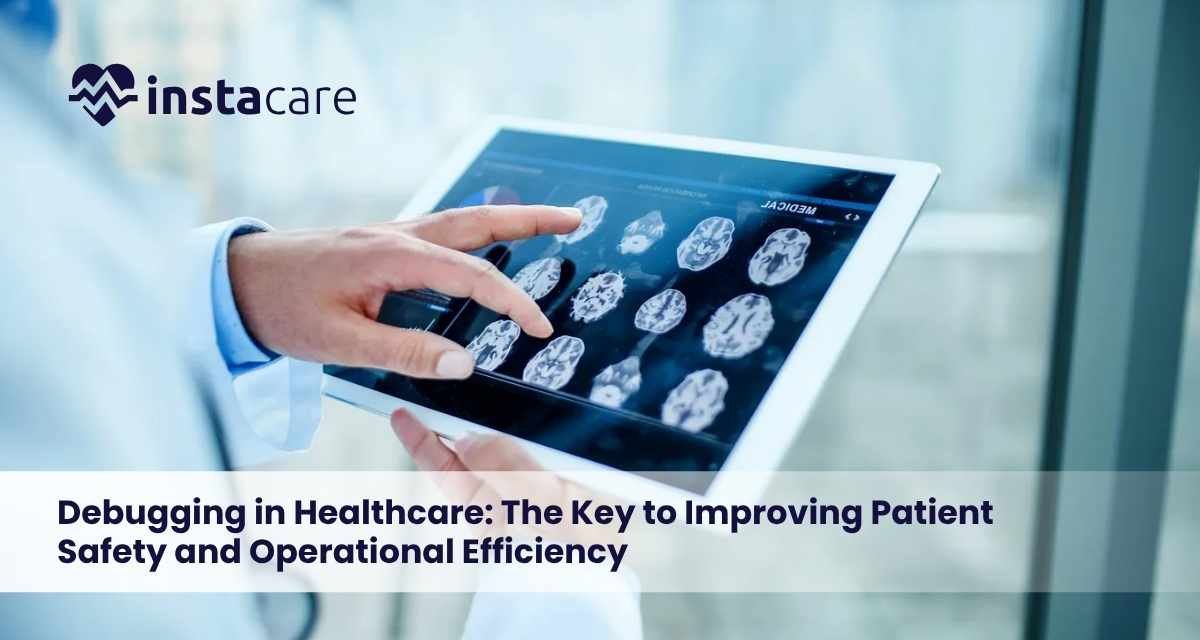
Debugging in Healthcare: The Key to Improving Patient Safety and Operational Efficiency In today’s fast-paced healthcare environment, ensuring patient safety and delivering high-quality care are top priorities. The use of technology in the modern day healthcare system has become something that cannot be done without, both in terms of electronic health records (EHR), modern medical devices, and diagnostic software. Nevertheless, no technology is without problems or glitches, and systems may face bugs or errors to disrupt any operations and even give patients negative results. In healthcare, debugging is a process of identifying, diagnosing, and fixing a malfunction of a healthcare technology system. It plays a very critical role in upholding high quality of care and ensuring smooth running of medical systems. This blog will dwell into the concept of debugging in healthcare, its significance and its role in influencing both patient outcomes as well as the healthcare operations. We will also consider the nature of errors prevalent in the healthcare systems, debugging and typical issues encountered by health care practitioners when trapping. What is Debugging in Healthcare? Healthcare debugging is the act of diagnosing, analyzing, and correcting healthcare technology-related bugs, such as software systems, medical equipment, and electronic health records (EHRs). These are technologies aimed at enhancing efficiency in healthcare, better patient care and decreasing human error. Nevertheless, being a complex system, they may have technical problems that should be addressed as soon as possible to maintain patient safety. In healthcare, healthcare professionals aim to find solutions to problems that may affect patient care, e.g., system crashes, faulty data entry, broken medical equipment, or lack of integration between various health information systems. Effectual debugging, in turn, guarantees that medical professionals will have access to reliable information, medical alerts, and the ability to communicate seamlessly across the platforms. Why is Debugging Important in Healthcare? The importance of debugging in healthcare cannot be overstated. Positional failures of healthcare technology can result in wrong diagnosis, postponing medical interventions, prescription mistakes, or interpersonal misunderstandings between medical practitioners. These are some of the most important reasons why debugging is very important in the healthcare sector: Patient Safety: The most important thing is patient safety in healthcare. Errors in medical software or malfunctions of medical machinery can result in inaccurate diagnostics, treatment delays, or even later adverse patient results. When healthcare technology is being developed, debugging guarantees its functionality as expected and reduces the likelihood of errors and risks posing harm to patients. Medical Records Accuracy: Electronic health records (EHR) are the tools used in recording patient health data consisting of medical histories, medications, and test results. Any defect in the EHR system may cause patients to lose or save data incorrectly, which subsequently may be used in making an error in treatment. Debugging helps to confirm the accuracy and up-to-date nature of medical records, which follows in making informed healthcare decisions. Operational Efficiency: A number of technologies can be used by healthcare systems to optimize different processes including scheduling appointments, patient tracking, and coordinating care, among several providers. Bugs in the system may result in inefficiencies, which translate to delays and mount up workload on the healthcare professionals. Debugging is used to facilitate smooth running of the health care systems to achieve improved care delivery and low operational cost. Regulatory Conformity: Healthcare organizations are bound by stringent regulations in terms of data security, privacy and medical accuracy. Healthcare technology bugs that threaten these regulations may cause both legal and financial implications. To comply with healthcare laws like HIPAA (Health Insurance Portability and Accountability Act) in the United States that regulates the privacy and security of patient data, it is necessary to debug. Common Types of Errors in Healthcare Systems Healthcare is a field where mistakes may be made in many forms and the debugging processes should be able to accommodate a range of problems. Some of the most common errors found in healthcare systems include: EHR Systems Software Bugs Electronic Health Records (EHR) constitute systems necessary in tracking patient information and forwarding the same to other health care providers. A bug in an EHR system may lead to falsified recorded information including the wrong patient names and dosages and even missing medical history. These mistakes may cause misdiagnoses or inappropriate treatment plan. Malfunctioning of Medical Devices Medical equipment like the infusion pumps, ventilators and heart rate recording machines are a part of patient care. In the event of hardware failure or software errors in a device, then the failure may result in faulty data measurements or incorrect administration of medication and endanger the lives of patients. Communication Failures Healthcare providers are dependent on communication systems such as hospital management software and communication platforms with patients to coordinate care. Cod in these systems may result in the loss of messages and alerts, communication breakdowns among the staff members, causing delays in treatment and care prescription errors. Data Security Issues Healthcare data is highly sensitive and needs to be protected from unauthorized access. Security bugs may result in gaps in data protection, which may reveal sensitive patient data to attacks or theft by hackers or other malicious individuals. Integration Problems Healthcare systems frequently have to use several applications and devices, which cooperate with each other. A failure in a single component of the system may result in integration challenges, thus data conflicts, synchronization, and inefficiencies that reduce overall execution of the healthcare ecosystem. Book Your Free Marketing Consultation Strategies to Debug in Healthcare Healthcare organizations should apply a systematic approach to debugging to solve problems. The following are some of the generic ways of troubleshooting healthcare technology systems: Manual Debugging: It entails inspecting the code, logs, system settings manually by healthcare IT professionals in an effort to detect errors. Sometimes manual debugging can be time-consuming yet it is required in detecting the complex problems which cannot be solved by automated tools. Automated Testing and Monitoring: Automated debugging tools may monitor healthcare systems 24/7 to detect possible problems. They can observe errors, crashes, or abnormal behavior
From electronic health records (EHRs) to medical imaging systems, healthcare with automation is rapidly transforming the way healthcare is provided. healthcare with Automation has allowed clinicians to better manage their workflow, improve accuracy and efficiency in providing care, and ultimately respond more effectively and quickly to patients’ needs. As healthcare continues to go digital, automation can become an invaluable tool for providers by offering a wide range of benefits that will help shape the direction of modern medicine far into the future. In this blog post, we’ll look at how healthcare providers are leveraging automation technology to provide better service while streamlining operations and improving outcomes for patients across all areas of health. How Automation is Emerging as a Major Factor in the Healthcare Industry Healthcare with automation is proving to be a game-changing development in the medical world. With the increasing pressure on practitioners to deliver high-quality care, automation is emerging as a vital factor in keeping up with the demand. Automation has transformed medical care by making previously time-consuming and complex processes, such as medical records management and patient monitoring, more efficient and effective. Furthermore, it has helped minimize human error and free up medical professionals to focus on more critical and complex medical procedures. Healthcare automation is transforming the way medical professionals manage care, leading to better health outcomes for patients, and revolutionizing the industry as we know it. Book Free Demo Benefits of healthcare with Automation for Patients and Professionals Advancements in medical automation have been a game-changer for both patients and professionals in the healthcare industry. With complex algorithms and cutting-edge technology, the benefits of automation are undeniable. Patients are experiencing improved accuracy in diagnosis and treatment, as well as faster turnaround times when it comes to receiving test results. Meanwhile, healthcare professionals are able to streamline processes, reduce the margin of error, and ultimately provide better care to their patients. By allowing technology to handle repetitive tasks, medical professionals are able to focus on providing personalized care to their patients. All in all, the implementation of medical automation is a crucial step towards more efficient and effective healthcare delivery. Challenges Faced by Automation in Healthcare The advancements in technology are driving automation and digitalization in various industries, and healthcare is no exception. Although automation has been adopted by many healthcare institutions to simplify processes and reduce errors, there are still challenges to its widespread adoption. One of the significant challenges faced by automation in healthcare is optimizing the healthcare process. Physicians, nurses, and other healthcare workers have a lot of responsibilities to ensure quality patient care. Hence they need a smooth and efficient process to maintain accuracy and minimize delays. However, automation can sometimes halt certain processes due to technical errors or conflicting data. Therefore, healthcare institutions must optimize their processes before the adoption of automation so that the integration of technology can lead to improved healthcare outcomes. View More: Streamline Your Medical Billing with Medical Billing Software Examples of healthcare with Automation in Practice Automation has become an increasingly important tool in many industries, including healthcare. One area where it has made a significant impact is in automated patient care. This technology allows for medical professionals to better monitor and treat patients remotely, reducing the need for in-person visits and providing more efficient care. For example, some hospitals have implemented automated bedside monitoring systems that track vital signs and alert nurses to potential problems, allowing for quick and effective intervention. Other applications include automated medication dispensing systems and robot-assisted surgeries. As technology continues to advance, we can expect to see even more innovative uses of automation in healthcare. Exploring the Potential of AI and Machine Learning in Healthcare The healthcare industry is continuously seeking innovative solutions to improve the quality and efficiency of their services. One of the most promising advancements in this field is the integration of Artificial Intelligence (AI) and Machine Learning techniques. By relying on technology to analyze vast amounts of data, healthcare providers can access valuable insights that inform better decision-making for patients’ health. With the rise of digital healthcare solutions, AI and Machine Learning have become even more critical in providing accurate and timely diagnoses, reducing medical errors, and personalizing treatment plans for patients. The potential of these technologies to transform healthcare with automation is undeniable, and the industry is moving towards greater reliance on AI and Machine Learning to provide effective and efficient solutions. The Impact of Automation on Cost, Quality, and Accessibility The healthcare industry has seen a significant shift towards automation in recent years, with machines and advanced technologies changing the way medical services are delivered. This shift has brought about several advantages, including lower costs, improved quality, and greater accessibility. With automation, processes that were once labor-intensive and time-consuming have become streamlined and efficient, and this has resulted in reduced costs for patients and providers alike. Additionally, automation has improved the quality of healthcare services by minimizing errors and enabling more accurate diagnoses. Finally, automation has made healthcare services more accessible by expanding possibilities for remote monitoring and treatment, particularly for patients with chronic conditions. The impact of automation on cost, quality, and accessibility in the healthcare industry is truly transformative and will continue to be an area of significant innovation in the years to come. Conclusion Transforming healthcare with automation holds great potential for streamlining and improving medical operations. Automation can allow patients to have faster, more accurate diagnoses, as well as increased access to quality homecare services. Not only this, but the implementation of automated systems can also boost lower-division staff efficiency and reduce costly mistakes in the long run. In short, automation is a tool that has immense potential to revolutionize the entire scope of care given to patients, and health professionals should begin integrating it into their workflow sooner rather than later. healthcare with Automation does not replace patient care; instead, it empowers healthcare workers to provide better service, allowing them the time to focus on addressing individual needs
- 1
- 2