


Telehealth for Elderly: A Modern Shift in Senior Healthcare Telehealth for Elderly is transforming how elderly people are treated medically. Using technology, elderly people can get treated at home, reducing hospital visits. Telehealth facilitates virtual consultations, regular check-ups, medication management, and round-the-clock monitoring, all from the comfort of their own homes. In recent years, especially after the COVID-19 pandemic, the healthcare industry has experienced an overnight boom in virtual care solutions for elderly individuals. Ranging from home-based to mobile health applications, older individuals are gradually adopting digital healthcare solutions for chronic condition management, specialty care, and well-being. The Advantages of Telehealth for Seniors The Benefits of Telehealth for Seniors are numerous and contribute to their overall well-being. By minimizing travel time and providing quicker access to medical consultation, elderly people have both comfort and improved healthcare. Less stress and travel expense Quicker consultation for chronic conditions Less exposure to infectious diseases Easy access to experts Improved medication compliance with digital reminders The main advantage is regular contact with primary care practitioners. Regular contact allows for case following up on medical trends, recording early signs of deterioration, and preventing emergencies, particularly among the elderly with multiple states of illness or living alone. Principal Telemedicine Services to Older Patients Older patient telemedicine care has expanded exponentially. They include virtual consultation, online counseling of the mind, physical rehabilitation guidance, and monitoring of chronic diseases. The following are the Telemedicine Services for Elderly Patients: Video call-based first care visits Post-hospital discharge follow-ups Treatment of anxiety and depression remotely for mental health Electronic management of prescriptions Tracking vital signs with wearable technology Telemedicine facilitates greater care coordination among specialists, caregivers, and family members. Doctors can share electronic notes on the same platform and refer patients to physical therapists or nutritionists as needed. How Seniors Can Use Telehealth? We must realize How Seniors Use Telehealth to develop systems ideally suited to their requirements. Older persons primarily utilize telehealth via smartphone, tablet, or desktop computers to call physicians, ask for medication refills, or attend therapy. Today’s older population increasingly makes appointments online, receives follow-up test results via telehealth portals, and even consults a dietician remotely to ensure nutrition. Others utilize devices connected to telehealth systems, which allow physicians to analyze health in real time. Proper training and technical assistance make seniors capable telehealth users. Technology Barriers in Elderly Telehealth One of the biggest challenges in the growth of technology barriers in elderly telehealth is the digital divide. Most elders have trouble with: No access to high-speed internet Lack of familiarity with smartphones or computers Physical disability (hearing, vision, dexterity) Concerns regarding privacy and data security Technophobia is another significant barrier. Sure, seniors are unwilling to accept telehealth because they are unfamiliar with it, leading to frustration or avoidance. This can be addressed with easy-to-use sites, guides, and quick technical support. Steps are also taken to provide low-cost or subsidized internet plans and easy-to-use devices to seniors. Caregiver support and community education classes also facilitate seniors’ use of Telehealth for Elderly equipment. Senior-Friendly Telehealth Sites To be used optimally, telehealth sites utilized by seniors must be easy to use. Easy-to-use features with fewer complexities are: High-contrast color and large print Easy one-click scheduling Captions and audio cues Technical support via phone or chat HIPAA-safe secure connections A good platform is not merely interested in appearances; it also considers seniors’ motor skills and brain processes. Simplification, reducing the number of steps, and using graphical icons rather than textual menus are examples of usability. Some health practitioners now have senior helplines and tutorial videos specifically for seniors. These provide seniors with the capability to receive Telehealth for the Elderly easily. Remote Healthcare for Older Adults Remote Healthcare for older adults isn’t a band-aid; it’s an effective model for continuing care. Physicians can detect early signs of declining health by conducting continuous remote checks and adjusting care plans accordingly. Remote medicine also enhances chronic disease management, such as: Hypertension Diabetes Arthritis Heart disease COPD It improves patient outcomes and decreases hospital readmission. Seniors no longer need to wait for signs and symptoms to worsen before visiting a physician; timely care via digital is now available. Home-Based Telehealth for Seniors: Bringing Care Close Home-based telehealth for Seniors brings medical services to their doorsteps virtually. They no longer have to take the highway to clinics for all those minor complaints. The advantages of Senior-Friendly Telehealth Platforms are: Off-site diagnosis through mobile applications Regular follow-ups conducted through video consultations Home-based drug delivery according to prescription Health counseling and lifestyle counselling This model is useful, particularly for elderly individuals living in rural or dispersed environments. It offers level access to quality service and avoids excluding them on geographic grounds. In addition, home care is economic. It keeps ambulatory treatment, ER usage, and unwarranted admission to a minimal level. It also maintains minimal stress and an environment conducive to peaceful healing. Telehealth Solutions for the Aging Population Creating effective Telehealth Solutions for the Aging Population requires a combination of medical expertise and technology based on user experience. The solutions tend to include: Easy-to-use personalized apps 24/7 virtual nurse phone helplines Telehealth-connected emergency alert systems Live health monitoring using smartwatches Coordination between experts, caregivers, and family members These technologies, including tools like a Clinic Management System, bridge the gap in medical care for elderly people who need regular consultations with a physician. They also empower older adults
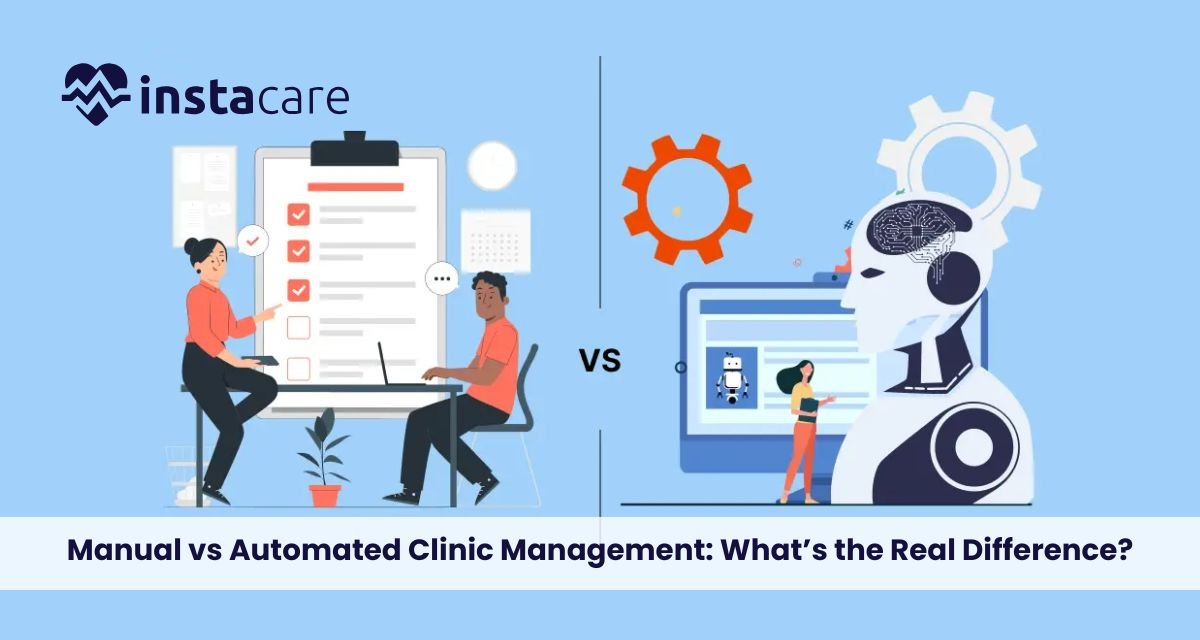
Manual vs Automated Clinic Management: What’s the Real Difference? Much has been written about Manual vs Automated Clinic Management as health facilities seek to optimise administrative costs and improve patients’ welcomes. Most clinics typically rely on manual systems such as paper records and human input for administrative tasks. However, means have developed over the last years with many modern systems that automate processing and provide other benefits that can radically change a clinic’s operations. Thus, healthcare providers must understand the distinction between the two to better manage themselves. The Manual Clinic Management Manual clinic management generally implies practices that have been basic for healthcare administration for many decades. It usually means using paper files, handwritten notes, and manual scheduling systems. These methods might have performed their functions; however, they leave much to be desired in their drawbacks, which can hinder clinic operation efficiency and patient care. Time-Consuming Task Patients’ medical records are stored in physical files manually, making recovery time-consuming and, in most unfortunate cases, the a danger of losing or destroying files. Also, introducing human input into data entry has created a health risk environment that establishes a high disorder or error state in patient information. Such symptoms contribute to a poorer workflow, severely affecting patient satisfaction and the entire clinic’s performance. Administrative Effort They often require a lot of administrative effort, which clinic staff invest almost all their working time into, eventually leading to an inevitable diversion from patient-centred activities. Such experiences are the precursors of burnout among healthcare workers, impacting the quality of patient services. Such gaps in clinic management will become glaringly visible as changes in the healthcare sector continue shaping demand for better alternatives. Understanding Automated Clinic Management On the other hand, automated clinic management software depends largely on different kinds of digital systems to optimise the efficiency and accuracy of various processes in healthcare settings. Electronic health records (EHR), billing systems, and appointment scheduling tools are automated systems designed to facilitate a perfect run of course in the management of a clinic. Professional Patient History With automated systems, professional patient history is stored in digital form; thus, it can be accessed quickly and securely for authentication. It reduces time consumption in carrying out administrative tasks and also reduces human errors related to manual data entry. For example, automatic systems can ensure that patient folders are updated with treatment work readily available to health professionals, enabling them to make immediate decisions. To Increase Efficiency In The Workflow Furthermore, automated systems are often equipped with techniques to increase efficiency in the workflow. For example, reminders can be set up to alert staff concerning upcoming appointments, follow-ups needed, or critical billing deadlines, which helps reduce the chances of missing assignments. Such an organisation cultivates a more cohesive working environment so that healthcare professionals can devote their attention to where it truly matters: patient care. Advantages of Automated Clinic Systems When considering the benefits of automated clinic systems, it is found that these are just some of the solutions through which most manual management problems can be addressed. Such change does bring modernisation to the ruins of a clinic; however, the transition from paper to digital introduces the following significant changes. Improved Efficiency Improved overall efficiency is by far the greatest benefit of automated clinic management. In effect, automating routine stuff streamlines working processes within the clinic and, in this manner, enables clinicians to spend more time talking to their patients instead of doing administrative work. This results in speedier processing of patients and a more organised approach to managing appointments and records. Automated scheduling systems enable patients to make appointments online, relieving the administrative staff from extra burden and reducing scheduling conflicts. This adds convenience to the patient’s experience and helps clinics optimise their schedules to better allocate their resources. Reducing Errors Reducing errors is another important advantage of automated systems. Automatic systems eliminate the possibility of human error at this stage as far as data entry is the outcome being wrong. But above all that, automatic systems always include built-in checks and balances that notify potential errors long before they become an issue. For example, if a health provider tries to enter different information, the computer can output an alert, allowing immediate correction. This level of oversight is immensely valuable for the precision of patient information, as well as ensuring that healthcare providers will have accurate information available for their patients. Enhanced Patient Experience Apart from this, automated clinic management systems also contribute to a much better patient experience. Features such as easy online appointment scheduling and secure portals for patients will increase the flexibility of healthcare activities. These will empower patients since they can now manage more on their own, such as gaining access to their medical records, seeing the outcomes of tests, and communicating directly with their healthcare providers. From A Paper-Based Management System to an Automated Shifting from a paper-based management system to an automated one may be intimidating; however, clinics have succeeded in this transition. A transition becomes successful with careful planning and good execution. These clinics should begin as far away from the final implementation as possible in evaluating existing workflows for situations that most deserve automation. This could include administrative processes, management of patient data, or billing practices. After recognising the areas that require improvement, clinics can then choose suitable software products based on those needs. It becomes important to involve the staff in this phase, as their input may give very relevant context to the selection of systems that will work best. Following this, training the staff on the new technology becomes very important so that everyone feels good and can use the automated tools in their work. Follow system implementation with ongoing support and feedback possibilities to keep improving. As the staff becomes increasingly comfortable with the automated processes, clinics can optimise the potential of their new systems and reap the benefits of enhanced efficiency and fewer errors. Digital Healthcare Management With healthcare constantly evolving, digital healthcare

Top 3 Challenges Salon Owners Face and How Software Solves Them Because the market is very competitive, such as in the beauty industry, salon owners must contend with many challenges, which can hinder their success. Thus, to optimize operations, create customer satisfaction, know where to place efforts and where to stop them, and know which salon problems software solves would benefit the average salon owner. Familiar Problems Salon Owners Face Operating a salon presents numerous challenges to owners. Salon managers commonly encounter diverse operational challenges, which make daily work more difficult. The barriers to success create substantial stress levels in staff management, inventory maintenance, and client service delivery. Here, we will explore three primary challenges that many salon owners encounter. Ineffective Appointment Scheduling The issue most sensitive to problems with salon management is appointment scheduling. However, the old favorite of many salon owners is old-fashioned scheduling, or manual. This type of system brings a plethora of problems to light. Examples of double booking, missed appointments, and overbooking may make staff seem like chaos, not a cozy room. The effects of poor scheduling are extensive. Time spent on appointment management can eat into the quality of service rendered to clients. Furthermore, no-shows equate directly to lost revenue since unfilled chairs translate to lost business opportunities to earn more. A salon management software enables owners to establish online appointment booking that allows customers to arrange times without human intervention. The automated system decreases human mistakes while notifying clients about their scheduled appointments to ensure they reach appointments punctually. Inventory Management Issues Another major challenge for salon owners is managing inventory efficiently. Salons often do not track their products well, resulting in overstocking or running out of stock. Without a proper system, it can become easy for the salon owner to lose track of what is in stock, causing missed sales opportunities and dissatisfied clients. Overstocking can also be a waste of resources. Items staying on shelves for too long will expire or become obsolete, which means money down the drain. Conversely, running out of popular products leads to lost sales and dissatisfied clients who cannot buy their desired products. With salon management software that tracks inventory, owners can monitor their stock levels in real-time. This helps them reorder in time, reducing waste and ensuring that the staff always has the products they need. Reporting features can also help track sales trends, allowing salon owners to make informed purchasing decisions. Ineffective Customer Relationship Management Building and preserving good client relationships are among the most basic needs for every salon. However, despite this, there are many salon business challenges. Salon owners face challenges regarding managing customer information. Without a comprehensive system, keeping track of how clients like things done is almost impossible, resulting in a lack of personalized services. Personalization has a significant influence on client retention. If clients are cared for and find someone to relate to, they are more likely to return. Failure to recognize clients’ preferences lowers the chances of customer loyalty. This happens to be one of the most challenging business obstacles salon owners experience. CRM has the potential to enhance customer relationship management greatly. The software can help store detailed client profiles, including services previously provided and preferences. This feature will improve customers’ views of salons and allow them to market the product to specific clients. For instance, salons will send promotions or reminders for future appointments, showing a close relationship with clients. Advanced Salon Management Software Solutions Now that we’ve identified some of the key Salon Problems Software Solves, let’s delve into how these solutions can transform salon operations. Investing in the right software can significantly improve each of the challenges discussed above. Book Free Demo Streamlined Appointment Scheduling The right salon management software can revolutionize appointment scheduling. With features such as online booking, clients can easily schedule their appointments without needing phone calls or in-person visits. This not only saves time but also enhances client convenience. Automated reminders via text or email help clients remember their appointments, reducing the chances of no-shows. For salon owners, this means a more organized schedule and increased revenue. Minimizing scheduling conflicts will allow staff to focus on quality services rather than managing appointments. Effective Inventory Management Salon software with built-in inventory management allows owners to experience smooth business operations. Salons track stock levels perfectly through real-time inventory tracking, allowing popular items to reach customers. Owners receive automatic reorder signals, eliminating the chances of out-of-stock shortages that would lead to sales loss. Reports on sales and performance will keep owners updated with the best-selling products and which ones are not selling well. This approach results in less wastage and better profitability. Advanced Customer Relationship Management A strong customer relationship management system can improve salon performance. Detailed client profiles will allow salon staff to provide personalized service based on each client’s unique preferences. The software allows salons to track their clients’ history, including past services and favorite products. This information will be used to suggest new services or products for individual clients, improving their experience. Based on clients’ preferences, targeted marketing campaigns will also be designed, ensuring that promotions are relevant and timely. Conclusion Therefore, knowing which salon problems this software solves is essential to the salon’s owner, who desires to improve their operation and customer experience. Significant issues such as inefficient scheduling of appointments, inventory issues, and issues about customer relationships can be overcome through problems in salon management software. Investing in technology to make the processes easier helps salon owners focus on what they love: delivering exceptional services to clients and growing their businesses. FAQs [sc_fs_multi_faq headline-0=”h3″ question-0=”How does salon software improve appointment scheduling?” answer-0=”Salon software automates the scheduling process to allow direct online appointment booking with a minimal chance of double booking and no-shows. ” image-0=”” headline-1=”h3″ question-1=”What are the benefits of using software for inventory management?” answer-1=”The software provides real-time tracking and alerts for low stock, helping owners maintain optimal inventory levels and reduce waste. ” image-1=”” headline-2=”h3″
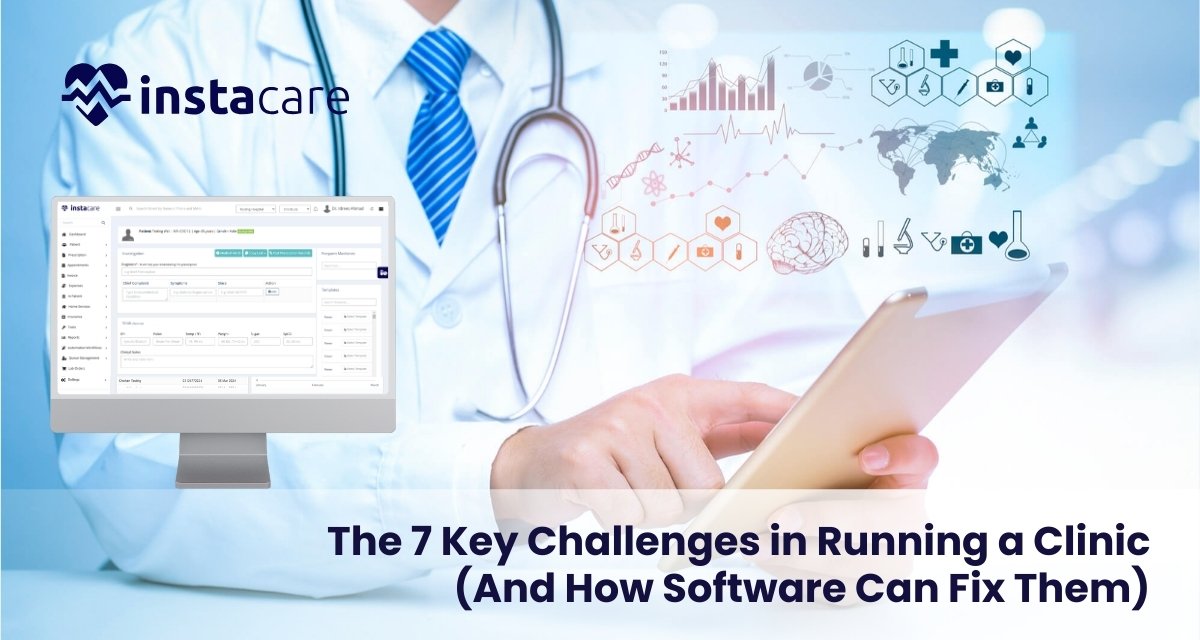
The 7 Key Challenges in Running a Clinic (And How Software Can Fix Them) Running a clinic poses many problems in running a clinic that may have significant effects on patient care and operational efficiency. Issues such as overworked staff, scheduling conflicts, and billing errors are major concerns to clinic owners. However, modern clinic software directly addresses these Challenges in Running a Clinic and in the management of the clinic, thus improving overall productivity and enhancing patient satisfaction. Here are the 7 Key Challenges in Running a Clinic & their Solution 1. Overworked Staff One of the Problems with Clinic Management is that of staff burnout because of overwork. Most of the administrative work carried out in the clinics, like scheduling, billing, and record-keeping has overwhelmed the personnel of the clinics. It tends to lead to errors but also lowers the quality of care extended to patients. Tired workers can sometimes become tiresome, thus leading to decreased engagement levels and empathetic attitudes toward patients. This creates a bad atmosphere, both in terms of staff morale and patient experience, when employees feel stretched thin. How Can Software Help? Clinic management software can automate many routine tasks so that the staff will be able to find time to address much more important issues of patient care. Some of the features helpful in streamlining workflows, and reducing the paperwork burden of the staff, include: automated scheduling, digital record-keeping, and integration with billing. Efficiency improvement thereby results in a lighter workload for the staff, and the use of the software tool to track staff hours and workloads helps identify when employees are overworked, thereby improving resource allocation and scheduling. 2. Scheduling Conflicts The other major issue with clinics is scheduling conflicts. Double bookings, missed appointments, and last-minute cancellations can really disrupt the flow of daily operations. Inefficient scheduling can result in longer wait times for patients and increased frustration for staff. These scheduling conflicts can not only affect the clinic’s bottom line but can also result in lost revenue and diminished patient loyalty. How Can Software Help? The advanced clinic software also provides excellent scheduling tools for powerful organizations. The scheduling of real-time appointments will allow the staff to view the available slots and automatically remind the patients to be at that specific time of their consultation, so they may prepare with minimal conflict of appointment, thus giving them a more efficient flow of patients throughout the day. Additionally, with analytics features, the owner would understand peak hours and adjust staff accordingly, maximizing the scheduling. 3. Billing Errors Most clinic management issues are taken forward to the billing and insurance claims. Incomplete billing may delay payments while the administrative workload of the healthcare clinic increases and others, among other frustrated patients who receive an unexpected bill. This tracing can be started by breaking down the communication either from or between the staff or perhaps archaic systems. Other errors arise from the incorrect billing that creates disagreements with the insurance companies and this brings about the disruptions of the revenue cycle and cash flow. How Can Software Help? Clinic billing software can offer ease in generating invoices because clinic software benefits would handle insurance verification along with the perfect making of invoices. Minimal manual inputs while the billing regulations are clearly provided save clinics from plenty of errors made in this part and timely reimbursement. Having such a central managing system can lessen the claim-filing follow-through and appeal stages, therefore putting the clinic more in order from a financial basis. 4. Trouble in Patient Record Management Keeping track of patient records, perhaps the most important aspect of quality care, is yet to be done by the majority of healthcare clinics. Paper record-keeping or archaic electronic medical record systems are still prominent in most clinics. This often leads to the loss of details and lack of access to patient history, which is a barrier to proper treatment in the end. Also, managing physical records consumes much time and resources away from patient care. How Can Software Help? Modern clinic management software provides a cloud-based safe record-keeping system, and there is easy access to patient information. Patient histories, treatment plans, and test results can be quickly accessed by staff, which adds value to the quality of care by ensuring good communication between providers. Electronic health records can also improve the safety of patients through reduction in error risks from written notes as well as alerting on potential drug interactions or allergies. 5. Unable to Put Up with Compliance and Regulations The other considerable challenge clinics encounter is compliance with health regulations. Be it HIPAA requirements, or any new billing legislation, the landscape is one of complexity in constant motion. Non-compliance will result in massive fines but with the downside of reputational damage. Added to that, compliance itself becomes an administration burden which is likely to be a detractor from patient care, and anxiety is created amongst staff members. How Can Software Help? Most clinic management systems offer features that aid in compliance. Among the features are built-in checks for HIPAA compliance, secure data storage, and modules on employee training. Automating compliance tasks allows clinics to attend to patient care more regularly and less to regulatory issues. Moreover, several software solutions include audit trails and reporting, which would enable compliance monitoring to be simplified for better demonstration during inspection. Book Free Demo 6. Inconsistent Patient Engagement Patient engagement should be improved as one of the strategies to facilitate creating a long-term relationship and improving health outcomes. Most clinics fail to inform the patients about their care. The lack of patient engagement might result in low patient satisfaction and poor health outcomes, such as failure to adhere to treatment or visit follow-ups. How Can Software Help? It has the component of patient engagement tools incorporated in clinic software that allows communication in the form of reminders, educational content, and follow-up surveys. These elements engage patients toward better health management, improving their outcomes and making them highly satisfied. For

What is Salon Management Software? Salon management software is an all-in-one solution designed to streamline the operation of beauty salons, spas, and wellness centers. The software integrates different functionalities to help salon owners and staff manage their daily activities efficiently. The salon management software encompasses many Salon software features that improve workflow, customer experience, and financial management, from scheduling appointments to managing the inventory. An effective salon management system must be in place to succeed in an increasingly competitive beauty industry. Features of a Salon Management System The features of a salon management system vary widely between different providers; however, without some basic elements, the product will not really work to create effective salon management. Some of the important features include appointment scheduling and many others to be explored later in the book. Salon management software commonly has a basic function: booking software to allow clients to book easy appointments. This feature allows the saloon staff to view available slots and decreases the chances of double Salon booking software, thereby raising customer satisfaction levels. Salon management involves the utmost importance of managing clients to develop long-term customer relationships and retention. Many salon management software programs have a client database that comprises contact information, appointment history, and preferences. This information can be used to offer services and target marketing campaigns. Inventory Management Salon inventory management provides product usage details and stock levels of any product, which are essential requirements for every salon. Salon proprietors can take proper orders for a salon by consistently providing the needed in-demand commodities, eliminating wastage and cutting costs accordingly. Another crucial aspect is staff management in a salon. The salon scheduling software for employees, performance tracking, and payroll management are included. This allows a salon to allocate resources effectively and distribute staff workloads for better service delivery. Advantages of Salon Management Software The advantages that salon management software holds are fundamental aspects of having an impact on overall success in salons. Here are some of the main benefits. Efficiency Increased: Automation of routine work like, Salon scheduling software for appointments and billing makes the management of salons make this operation smoother. This gives more time to provide quality service since the staff is freed from clerical work. Better Customer Experience: Online booking and individual client profiles can be an added way to upgrade salons’ customer experience. They will help clients schedule appointments easily, receive reminders, access their service history, and increase their level of satisfaction. Better Financial Management: Most salon management systems have reporting and analytics tools that provide insight into sales, revenue, and expenses. This allows salon owners to make intelligent financial decisions about where to look for improvements. How Salon Management Software Improves Efficiency? Efficiency in the way salon management software improves efficiency is a factor that salon owners consider when seeking to optimise their operations. Salon software reduces manual effort in various activities because it automates mundane tasks. Automation Tools Salon automation tools can improve operational efficiency. For example, automated appointment reminders minimise no-show rates to the barest minimum, allowing salon professionals sufficient time to attend to their work. Bill settlement is also easy since integration with payment processing systems facilitates fast and secure transactions. Reporting and Analytics Salon management software also includes strong reporting capabilities that show data based on several business elements. Salon owners can monitor key performance indicators, such as client retention rates, most in-demand services, and staff performance. A data-driven approach allows salons to make informed decisions that improve operational efficiency. Choosing Salon Management Software When selecting the right salon management software, many factors must be considered so that the solution chosen addresses the business’s needs. 1.Scalability Scalability is vital for salons using management software. As it grows, a salon will increase its appointment volume, staff, and services. A scalable solution ensures that the software grows with the business. 2.User-Friendly Interface The system should be easier for staff and clients to adopt, with a friendly user interface that has little or no learning curve. This allows staff to focus on offering excellent service rather than trying to understand how to use complicated technology. 3.Customer Support Another critical aspect of choosing salon management software is providing reliable customer support. Support providers should ensure salon owners receive responsive support channels like telephone, e-mail, and live chat services. Book Free Demo Salon software for Small businesses Salon software for small businesses often proves to be a game changer for small salons. It provides all features at a considerably cheaper price, making it feasible and affordable for most small operations. With small business salon software, small shops can easily become as competitive as larger salons by enhancing efficacy and customer happiness. Integration with Other Tools Another would be that the software will integrate with the other tools and systems. In many salons, an application handles marketing, accounting, and CRM. It can enhance an already high level of operational efficiency for a well-integrated salon management system with such applications. Conclusion Salon management software is, in short, what? It can smoothen the operational activities of a salon. This is beneficial for enhancing the overall customer experience. This software for managing salons Benefits salon management software heavily with automatic scheduling, client management, and financial tracking capabilities towards business success. For salon owners intending to upgrade their operations to serve their clients better, investment in a powerful salon management system is not a choice but a compulsion. FAQs [sc_fs_multi_faq headline-0=”h3″ question-0=”What features would I need in salon management software?” answer-0=”Some essential features you should look for in salon management software include appointment scheduling, Client management in salons, inventory management, Salon staff management software, and reporting tools. ” image-0=”” headline-1=”h3″ question-1=”How does salon management software improve the customer experience?” answer-1=”It improves the customer’s experience by making online bookings easy, sending appointment reminders, and maintaining personalised client profiles. ” image-1=”” headline-2=”h3″ question-2=”Is salon management software appropriate for small businesses?” answer-2=”Many management software solutions for salons are designed for small businesses with essential features at affordable prices. ” image-2=””
Understand The Importance Of Telehealth for Mental Health Telehealth for mental health has gained momentum pretty rapidly, changing the way mental health care can be accessed. The flexibility of using technology to provide a series of mental health services-from teletherapy and telepsychiatry to online Telehealth counseling services -has become highly effective in modern times. Societal awareness regarding mental wellness has been growing, coupled with an unprecedented demand for uncomplicated access to effective mental health care, eventually forcing the shift from face-to-face mental health virtual consultations to virtual mental health care. In a world where stress, telehealth for anxiety and depression are becoming more common, telehealth is an answer that can make services gap-less in terms of accessibility, convenience, and comfort. Online mental health services have enabled access to Psychological support and online support from licensed professionals, which previously were perceived as barriers to traditional therapy settings. Definition of Telehealth and Its Elements Telehealth is any service that might be delivered remotely through digital technology. This term encompasses various virtual healthcare, including physical and mental healthcare. In terms of telehealth for mental health care, there could be teletherapy, in which virtual sessions would be carried out with therapists, and telepsychiatry, under which online consultation with psychiatrists would lead to diagnosis and even prescription. This variety allows one to select the service suitable to their needs, making mental care more individual and effective. Mental health telemedicine enables licensed professionals to connect with patients through safe video conferencing tools or telephone calls. It benefits those with transportation problems, living in remote areas, or having other limitations that visit a professional difficult to access. The use of technology in telehealth for mental health eliminates many of the barriers that prevent people from getting the help they need. The Emergence of Teletherapy One of the most popular forms of telehealth for mental health is teletherapy. This service allows people to conduct therapy sessions from the comfort of their homes. The ease of teletherapy has made it an attractive option for many, especially in times of crisis, such as the COVID-19 pandemic. As social distancing measures were enforced, mental health providers quickly adapted by offering remote counseling options to ensure that patients could continue receiving care despite physical limitations. Teletherapy covers everything related to anxiousness, depression, and issues between partners. It is also quite convenient, meaning that one can have therapy at the most convenient time for them. With online therapy platforms offering their services, there is an option of choosing from a long list of therapists based on specific needs, preferences, or areas of specialty. Customization enhances the therapeutic session; therefore, telehealth mental health treatment results will be highly effective. Book Free Demo Advantages of Virtual Mental Health Care The benefits of virtual mental health care are numerous and profound. The most significant advantage is increased accessibility. For a large number of people, traditional treatment can be frightening simply because of barriers of distance or stigma associated with getting help. Telehealth for mental health eliminates the concern because no geographical location would be considered a barrier. After all, it only requires an internet connection to get help. Telehealth also provides comfort to clients that, perhaps, their traditional settings cannot offer. While some individuals consider it convenient to talk about personal problems in familiar territory, such as one’s place of abode, the comforts associated with familiarity may open such a client when talking about more personal issues as therapy progresses between the client and the therapist for a better rapport. The most significant advantage is the convenience of scheduling appointments. The patients can visit them without necessarily travelling. They will save time and money, hence ensuring that they increase efficiency and improve the treatment outcome with more regular attendance. Tackling Specific Mental Health Issues The best applications of mental health telehealth are targeting particular conditions, such as Telehealth for depression or anxiety telehealth. For patients who present signs of depression, the act of leaving their homes might be impossible. In such a respect, tele counseling offers the most feasible solution because the individual can seek a therapist online. Access will eliminate the burden on the individual to travel to a location where he can meet a counsellor. Similarly, mental health telemedicine may prove useful for people suffering from anxiety in the sense that the virtual environment provides a safe place for therapy. Practitioners can help patients find coping skills they can apply directly to their clients’ lives, making the treatment very effective. Digital Mental Health Resources Besides, digital mental health resources, such as applications and online support groups, can be used with traditional therapy. These resources allow clients to control the well-being process outside sessions, further empowering a proactive approach to wellness. Challenges and Limitations of Telehealth The benefits of telehealth in Mental health support via telehealth are apparent, but there are challenges and limitations to be considered. One major issue is the possibility of technology barriers. Not everyone can access reliable internet or the necessary devices to participate in virtual sessions. This digital divide can disproportionately affect marginalized communities, further exacerbating existing inequalities in mental health care access. It raises privacy and security concerns about using therapy online. Everyone needs to select a site with proper regulation, such as HIPAA or others, that deals with confidentiality when using their information. Ideally, therapists must be able to inform patients about how sensitive information will be protected while they provide virtual sessions. Others would find that face-to-face contact is preferred and more suitable for more intense therapy requiring a personal connection. Telehealth, in some cases, may not be ideal for everyone, and a few individuals will still need traditional in-person treatment. Future of Telehealth for Mental Health Telehealth in mental health would seem promising due to its continuously evolving nature of technology and ever-growing consciousness over mental well-being. More people are embracing the medium of telehealth to deliver their services in the mental health field, with more extended reach in service offered. Group therapy sessions, workshops,
How Machine Learning is Improving Healthcare Diagnostics and Treatment Plans? Machine learning in healthcare changes the medical landscape of diagnostics and treatment plans by making them more effective and personalized. Through advanced algorithms and vast datasets, it discovers patterns and insights that no human mind could have thought about. This leads to significant advances in the effectiveness of the health system in terms of operations, diagnostic processes, and patient treatment. Machine learning in healthcare is not only a trend but a basis for data-driven decisions that can change patient care worldwide. Advantages of Machine Learning in Healthcare Machine learning delivers two significant benefits to healthcare applications: fast and precise processing of large data sets. Medical data analysis using traditional methodologies takes long process times, posing more significant risks of human mistakes. Algorithms related to machine learning can analyse thousands of patient records in real-time and detect trends and correlations that would not be possible without them. For example For example, Machine learning in Healthcare data analytics can reveal patients’ symptoms, treatments’ effectiveness, and even demographics causing differential health outcomes. This will simultaneously enhance the diagnostics process and further improve clinical decision support systems to provide healthcare practitioners with actionable intelligence in treatment recommendations. Machine Learning for Diagnosis The use of Machine learning for diagnostics is, in fact, particularly revolutionary. Highly advanced algorithms analysing data in an X-ray, MRI, and CT scans, can recognize irregularities, and this irregularity may suggest numerous diseases. For example, machine learning’s subset Deep learning in healthcare, is an area that has shone in the Medical AI applications imaging field. Vast volumes of annotated images can be trained into algorithms identifying early developments for conditions such as cancer, often more accurately than human radiologists. This level of accuracy allows the diseases to be diagnosed much earlier, which is an important factor in good treatment outcomes. In addition, analytics in healthcare allows providers to predict patients’ needs and outcomes based on historical data, so they can better tailor their interventions. Book Free Demo Personalized Medicine with Machine Learning Personalized medicine with machine learning is another revolutionizing application that is changing the face of healthcare delivery. Machine learning algorithms in medicine can make prescriptions better suited to particular individuals by analyzing their genetic information, lifestyle factors, and other patient-specific data. The doctor’s personalized treatment has increased the efficacy of prescriptions and reduced the side effects. ML for drug discovery accelerates the time it takes to produce entirely new medicines since one can predict the efficiency of any compound by how it could get along with the biological system. By applying machine learning algorithms, researchers facilitate the drug development process, thus saving time for introducing new therapies into the market and enhancing patient access to innovative treatments. Healthcare Automation and Efficiency Machine learning technologies improve healthcare automation. Automating extensive human effort activities like entering patient data and scheduling appointments that were done manually is now possible. The change is also slated to lessen the bureaucratic loads but allow more time for healthcare professionals to attend to direct patient care. Deploying healthcare AI technologies Deploying healthcare AI technologies would promote the efficiency of operations and cut costs- a factor significantly required in the current times when even the most optimised health care systems are overstretched. In addition, machine learning algorithms are designed to continuously learn from new data and ensure that the healthcare systems are adaptive and responsive to evolving patient needs. Predicting Patient Outcomes Another critical area where machine learning is making strides is in predicting patient outcomes. It can predict how well a patient will respond to specific treatments by analysing many factors, including demographics, medical history, and current health status. This also allows clinicians to make treatment options more based on informed decision-making, thus increasing the general quality of care. Another area in which AI for disease detection has done remarkable things is detecting diseases at an earlier stage, which would allow timely intervention and significantly shift disease trajectories. However, despite the numerous benefits associated with the application of machine learning in the healthcare industry, challenges persist. Data privacy and security are high, as it uses the confidential information of patients in order to train the algorithm machine learning algorithms. Ensuring such systems are secured and meet all sorts of regulations helps preserve patient’s confidence. Third, healthcare practitioners urgently need more advanced training on these newer technologies. This means that training programs need to connect clinical practice and data science so that the benefits of machine learning in healthcare can be leveraged. This connection between clinicians and data scientists is necessary to make machine learning applications practical and ethical. Cultural Shift in Healthcare Additionally, implementing machine learning in healthcare requires a cultural shift within healthcare organizations. Traditional ways are pretty brutal to change; in fact, it requires being able to change old methodologies and technology. Therefore, stakeholders have to understand and recognize the importance machine learning may have in bringing change to organizations and be willing to change workflows. This process involves much-needed cultural change because it leads to an innovative culture that thrives on changing its way, eventually improving patient outcomes. Conclusion In conclusion, this is the case of machine learning in healthcare-the transformative force to reshape diagnostics and treatment plans, using the capabilities of data analytics, predictive modelling, and robust algorithms for accuracy in diagnoses and personalized treatment, thus achieving higher Patient outcome prediction for healthcare providers. The evolution of medical applications of AI and healthcare automation will improve these capabilities further. This should continue to reinforce the role of machine learning in transforming healthcare as its effects of application technology on healthcare expands with great potential to revolutionize healthcare for better health outcomes, efficiency, and prospects for patients and their caregivers. FAQs [sc_fs_multi_faq headline-0=”h3″ question-0=”What are the advantages of machine learning in healthcare?” answer-0=”Benefits of Machine learning in healthcare include accurate diagnosis, tailor-made treatment, and efficient management of healthcare organizations.” image-0=”” headline-1=”h3″ question-1=”How does machine learning help with drug discovery?” answer-1=”ML for drug discovery
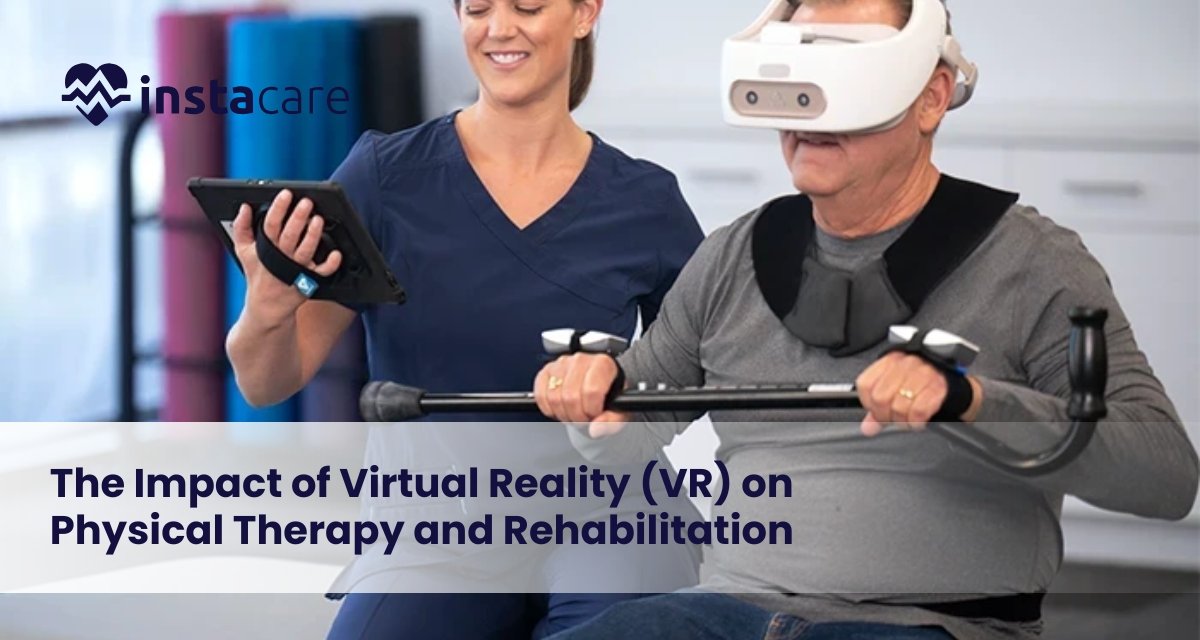
The Effect of Virtual Reality (VR) on Physical Therapy and Rehabilitation Virtual reality is one of the breakthrough technologies used to revolutionize physical therapy and rehabilitation. Because it allows the prescription of treatment through simulation, a very engaging mode in delivering therapy sessions to patients will improve the rehabilitation process. This innovation has provided opportunities for all areas of rehabilitation to be involved in the recovery process, help people recover their motor capabilities, and improve the general quality of their lives. With its potential to provide an immersive experience, virtual reality for rehabilitation is an essential tool of modern therapeutic practices. It will likely revolutionize rehabilitation, primarily in many clinical settings, reflecting its extreme viability and improvements regarding patient outcomes and engagement. Birth of VR Therapy in Rehabilitation Progressively, due to technological improvements plus the vast growth of studies based on the various benefits of employing VR therapy to patients, they have aided in fully supporting the adoption of VR for treatment programs. Most treatments were practiced through routine activities, hence not very enjoyable; therefore, the urge was reduced, and they would quit the therapy earlier. Instead, this technology is interactive and engrossing, allowing the patient to feel the rehabilitating exercise rather than a play, while not something is given to achieve some goal. The results for the rehabilitation of various patient populations from stroke, traumatic brain injury, and musculoskeletal conditions show better Virtual reality for rehabilitation. The interactive nature of VR will make the rehabilitation process enjoyable for the patients, which is a motivating factor. Furthermore, one can develop a VR environment explicitly designed to suit each patient’s requirements, personalizing the Virtual reality therapy to improve effectiveness. This improves adherence and, ultimately, outcomes. Advantages of VR in Physical Rehabilitation Physical rehabilitation VR offers several benefits that can significantly enhance the rehabilitation process. Here are some of the most essential advantages that highlight why virtual reality for rehabilitation is becoming increasingly popular among healthcare professionals: Improved Engagement: VR physiotherapy captures the first and foremost virtue of VR in physiotherapy, capturing patients’ attention. VR will probably diminish feelings of boredom and frustration and, finally, enhance adherence to rehabilitation programs. Engaged patients are likely to perform their exercises daily and, thus, most likely to have better outcomes. Real-Time Feedback: Many VR healthcare applications provide real-time patient performance feedback. This instant feedback allows patients to correct their movements and improve their techniques, leading to better outcomes in motor skills rehabilitation. The immediacy of feedback in VR environments can significantly enhance learning and skill acquisition. Safe Environment: The controlled environment of virtual reality exercises would enable the patients to move around in practice sessions. This is important for mobility-impaired individuals or those more prone to falls since they can practice without the risk of adverse real-world outcomes. The safety provided by VR enables patients to take risks in their movements, which fosters greater confidence. Progress Monitoring: Rehab technologies with VR allow the tracking of patients progress over time. This is important to therapists because they can change their treatment plans depending on individual performance and progress. Visualizing the patient’s progress motivates the patient, who will likely be more committed to rehabilitation. Book A Free Demo Applications of VR in Rehabilitation Virtual reality for rehabilitation can be applied across different settings and patient populations. Notable applications include the following: Neurorehabilitation VR Neurorehabilitation VR seeks to restore lost skills in patients with neurological impairments, which could stem from strokes or traumatic brain injuries. Patients regain lost motor skills and cognition through focused exercise in a more entertaining environment. This helps patients regain physical and cognitive balance since the brain is challenged to readapt and learn. VR in Stroke Recovery With the help of VR, promising results in VR for stroke recovery can be seen. Patients can be enabled to get back on their feet and maintain themselves quickly. Different real-life scenarios can be simulated such that patients can achieve daily activities in a safe and controlled environment. For example, this helps develop motor skills rehabilitation while bringing about cognitive and emotional rehabilitation. The immersive nature of VR provides patients with an experience of scenarios that simulate daily tasks, thus making rehabilitation more relevant and effective. Cognitive Rehabilitation VR Cognitive rehabilitation VR is specifically created for patients with cognitive impairment, such as those caused by a stroke or traumatic brain injury. The most common memory, attention, and problem-solving programs are included to help the patients regain their lost cognitive functions interactively through these VR exercises. The interactivity of VR helps in cognitive engagement, which facilitates better learning with fun. Immersive Therapy Immersive Therapy is a key concept in the use of VR for rehabilitation. VR creates a more impactful therapeutic experience by fully engaging the patient’s senses. This immersion can enhance emotional and psychological responses essential for effective rehabilitation. Patients using virtual rehabilitation programs often report higher satisfaction with their therapy. The exercises should be as enjoyable as possible because an optimistic view of recovery can boost motivation. Virtual reality exercises designed based on individual rehabilitation requirements enable patients to benefit through their therapeutic experience. A significant advantage of virtual therapy exercises is their ability to focus on specific skills or movements, enabling patients to practice effectively and with pleasure. By progressing through different difficulty levels, patients can continuously challenge themselves while receiving immediate feedback on their performance. VR-Based Rehabilitation Systems A virtual reality platform for rehabilitation contains multiple equipment elements that combine VR devices with motion-tracking technology and expert rehab applications. The technology functions in medical, clinical, and home-based locations. Their versatility means patients can continue their rehabilitation outside traditional therapy sessions, allowing for more comprehensive care. Interactive Therapy A significant benefit of rehabilitation through VR is Interactive therapy. The patient will be able to interact with their environment and play with virtual objects, so the exercises will not seem like bland performances but lively and engaging. Interactivity involves the patient more actively in therapy and helps them better retain learned skills. This characteristic of
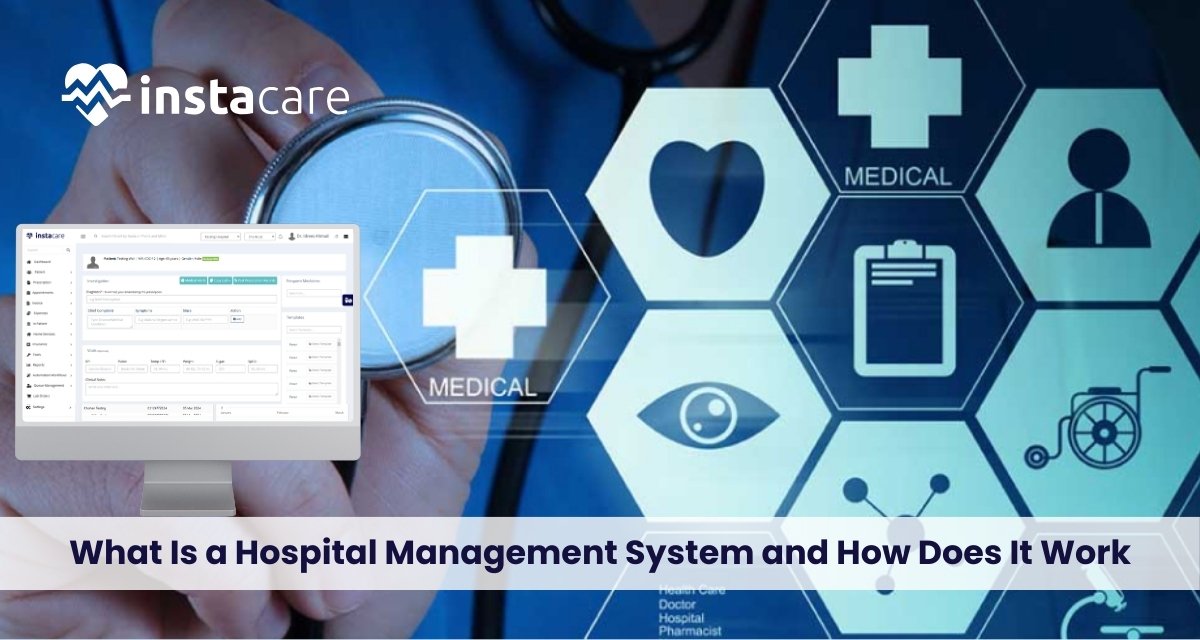
What Is a Hospital Management System and How Does It Work? A hospital management system is the term used to describe an all-inclusive Hospital software solution that makes the various activities of a hospital or healthcare facility easy. This is often achieved by bringing together several functions, such as patient management, billing, scheduling, and more, in one cohesive platform. The Hospital Management System primarily focuses on enhancing the efficiency in carrying out health care functions and more effective management for patients and for health care itself. Over time, the need for effective methods of healthcare facility management due to its alterations is identified, and nowadays, it is regarded as a regular constituent of present health care arrangements. Components of a Hospital Management System Many modules form part of a hospital management system. Everyone addresses different aspects of healthcare management. All these work together in a well-defined process, benefiting the patients by giving total comfort and peace in the healthcare organization. Some major modules in HMS include: Patient Management System Electronic Health Records (EHR) Hospital Billing Systems Patient Appointment Scheduling Hospital Inventory Management The management system is very important in ensuring proper records of a patient’s information and history. This would ensure that all the necessary information for effective treatment is available to health providers. Electronic Health Record (EHR) system allows for digital storage of health information, which makes it easy for healthcare professionals to access and update patient records in real-time. The same Healthcare management system offers a hospital billing system that offers automatic billing. This feature makes invoicing and financial tracking pretty easy, removing much administrative burden from the staff. It would further enable rapid financial transactions as long as payment is made in a timely manner to the providers of healthcare services. Another prime feature of the Hospital Management System is appointment scheduling. This module makes appointment scheduling much easier for the patient. Consequently, wait times are minimized, and the patient experience improves overall. Further, inventory management in hospitals is quite vital as well. It is in their best interest that medical supplies and equipment are tracked well enough to prevent shortfalls and waste. Benefits of a Hospital Management System A hospital management system has various benefits for providers and patients. An effective HMS significantly improves operational efficiency and provides better patient outcomes while reducing the Healthcare administration system. One key advantage of the Hospital Management System is its streamlined operations. Hospitals integrate all different departments and functions into one unit to eliminate duplication and maximize flow. In return, this ensures that healthcare providers spend much more time dealing with patients rather than administrative matters. Quality of care is an enhanced benefit of the Hospital information system since prompt, quick, and not-so-delayed decisions about patients are reached by availing proper sets of comprehensive information. As a result, higher quality is attached to diagnostics, along with a chance to make choices from effective therapy approaches in medical institutions to treat their patients. Another major advantage is the ability to cut the cost of services. A hospital management system does this by automating tasks such as billing and scheduling. The extra time saved enables the organization to offer superior health care and thus have appropriate service delivery operations. A strong Hospital Management System also ensures data security. Because all patient data is stored securely and well managed, compliance with healthcare regulations is easily guaranteed. Any unauthorized access to sensitive patient information is thus prevented. How Does a Hospital Management System Work? A hospital management system is a centralized platform that integrates several healthcare operations. The architecture of a hospital management system usually consists of an interface, a database for patient information, and modules for various functionalities. When a patient comes to the hospital, it will capture all details, including medical history and insurance. All these details are stored in such an accessible format so that any doctor can refer and retrieve any relevant data on any patient promptly. This feature in the HMS ensures interdepartmental communication. When a new patient is admitted, it communicates every piece of information with relevant departments, such as billing, nursing, or even physicians, so that everyone involved is aware. It facilitates easy appointment scheduling through the patient. The module will allow for automatic scheduling updates of healthcare providers; therefore, double booking or missed appointments will never occur. This is very important in optimizing resource usage and enhancing patient satisfaction. Then, the Hospital Billing System creates the invoices following the treatment and manages the insurance claims in a manner that ensures proper billing accompanied by efficient payment processing, thus maintaining the revenue cycle healthy for the healthcare facility. Implementing a hospital management system is challenging because it requires a complex set of tasks that must be addressed at different levels. Although the advantages of a Hospital Management System are very significant, implementing an HMS involves challenges. Understanding these challenges prepares health facilities for a less complicated transition process. Implementation may be expensive. The initial capital input into an HMS implementation includes software licensing, hardware, and staff training. This is a considerable barrier to adopting an HMS in smaller facilities. The other serious challenge is user acceptance. For the HMS to succeed, the health staff must embrace the new system. Users’ changes can kill the software’s successful implementation. Thus, effective training and support are essential for effective user acceptance. The other challenge is data migration. Moving existing data from paper documents or old systems to the HMS requires a complex and time-consuming process, and proper planning is required so that key information is not missed. Many healthcare organizations use software for several systems and products. Therefore, proper integration needs to support seamless, trouble-free work efficiency that will not otherwise negatively affect the operations of a non-sensing Hospital Management System. Post-implementation maintenance and support should always be provided for the system. A Hospital Management System needs very regular upgrades and technical support to be effective. Hospitals need to prepare for such long-term costs and ensure that they
Lorem ipsum dolor sit amet consectetur adipiscing elit. Quisque faucibus ex sapien vitae pellentesque sem placerat. In id cursus mi pretium tellus duis convallis. Tempus leo eu aenean sed diam urna tempor. Pulvinar vivamus fringilla lacus nec metus bibendum egestas. Iaculis massa nisl malesuada lacinia integer nunc posuere. Ut hendrerit semper vel class aptent taciti sociosqu. Ad litora torquent per conubia nostra inceptos himenaeos. Lorem ipsum dolor sit amet consectetur adipiscing elit. Quisque faucibus ex sapien vitae pellentesque sem placerat. In id cursus mi pretium tellus duis convallis. Tempus leo eu aenean sed diam urna tempor. Pulvinar vivamus fringilla lacus nec metus bibendum egestas. Iaculis massa nisl malesuada lacinia integer nunc posuere. Ut hendrerit semper vel class aptent taciti sociosqu. Ad litora torquent per conubia nostra inceptos himenaeos. Lorem ipsum dolor sit Non Existing amet consectetur adipiscing elit. Quisque faucibus ex sapien vitae pellentesque sem placerat. In id cursus mi pretium tellus duis convallis. Tempus leo eu aenean sed diam urna tempor. Pulvinar vivamus fringilla lacus nec metus bibendum egestas. Iaculis massa nisl malesuada lacinia integer nunc posuere. Ut hendrerit semper vel class aptent taciti sociosqu. Ad litora torquent per conubia nostra inceptos himenaeos. Lorem ipsum dolor sit amet consectetur adipiscing elit. Quisque faucibus ex sapien vitae pellentesque sem placerat. In id cursus mi pretium tellus duis convallis. Tempus leo eu aenean sed diam urna tempor. Pulvinar vivamus fringilla lacus nec metus bibendum egestas. Iaculis massa nisl malesuada lacinia integer nunc posuere. Ut hendrerit semper vel class aptent taciti sociosqu. Ad litora torquent per conubia nostra inceptos himenaeos. Lorem ipsum dolor sit amet consectetur adipiscing elit. Quisque faucibus ex sapien vitae pellentesque sem placerat. In id cursus mi pretium tellus duis convallis. Tempus leo eu aenean sed diam urna tempor. Pulvinar vivamus fringilla lacus nec metus bibendum egestas. Iaculis massa nisl malesuada lacinia integer nunc posuere. Ut hendrerit semper vel class aptent taciti sociosqu. Ad litora torquent per conubia nostra inceptos himenaeos. Lorem ipsum dolor sit amet consectetur adipiscing elit. Quisque faucibus ex sapien vitae pellentesque sem placerat. In id cursus mi pretium tellus duis convallis. Tempus leo eu aenean sed diam urna tempor. Pulvinar vivamus fringilla lacus nec metus bibendum egestas. Iaculis massa nisl malesuada lacinia integer nunc posuere. Ut hendrerit semper vel class aptent taciti sociosqu. Ad litora torquent per conubia nostra inceptos himenaeos. Lorem ipsum dolor sit amet consectetur adipiscing elit. Quisque faucibus ex sapien vitae pellentesque sem placerat. In id cursus mi pretium tellus duis convallis. Tempus leo eu aenean sed diam urna tempor. Pulvinar vivamus fringilla lacus nec metus bibendum egestas. Iaculis massa nisl malesuada lacinia integer nunc posuere. Ut hendrerit semper vel class aptent taciti sociosqu. Ad litora torquent per conubia nostra inceptos himenaeos. Lorem ipsum dolor sit amet consectetur adipiscing elit. Quisque faucibus ex sapien vitae pellentesque sem placerat. In id cursus mi pretium tellus duis convallis. Tempus leo eu aenean sed diam urna tempor. Pulvinar vivamus fringilla lacus nec metus bibendum egestas. Iaculis massa nisl malesuada lacinia integer nunc posuere. Ut hendrerit semper vel class aptent taciti sociosqu. Ad litora torquent per conubia nostra inceptos himenaeos. Lorem ipsum dolor sit amet consectetur adipiscing elit. Quisque faucibus ex sapien vitae pellentesque sem placerat. In id cursus mi pretium tellus duis convallis. Tempus leo eu aenean sed diam urna tempor. Pulvinar vivamus fringilla lacus nec metus bibendum egestas. Iaculis massa nisl malesuada lacinia integer nunc posuere. Ut hendrerit semper vel class aptent taciti sociosqu. Ad litora torquent per conubia nostra inceptos himenaeos. Lorem ipsum dolor sit amet consectetur adipiscing elit. Quisque faucibus ex sapien vitae pellentesque sem placerat. In id cursus mi pretium tellus duis convallis. Tempus leo eu aenean sed diam urna tempor. Pulvinar vivamus fringilla lacus nec metus bibendum egestas. Iaculis massa nisl malesuada lacinia integer nunc posuere. Ut hendrerit semper vel class aptent taciti sociosqu. Ad litora torquent per conubia nostra inceptos himenaeos. Lorem ipsum dolor sit amet consectetur adipiscing elit. Quisque faucibus ex sapien vitae pellentesque sem placerat. In id cursus mi pretium tellus duis convallis. Tempus leo eu aenean sed diam urna tempor. Pulvinar vivamus fringilla lacus nec metus bibendum egestas. Iaculis massa nisl malesuada lacinia integer nunc posuere. Ut hendrerit semper vel class aptent taciti sociosqu. Ad litora torquent per conubia nostra inceptos himenaeos. Lorem ipsum dolor sit amet consectetur adipiscing elit. Quisque faucibus ex sapien vitae pellentesque sem placerat. In id cursus mi pretium tellus duis convallis. Tempus leo eu aenean sed diam urna tempor. Pulvinar vivamus fringilla lacus nec metus bibendum egestas. Iaculis massa nisl malesuada lacinia integer nunc posuere. Ut hendrerit semper vel class aptent taciti sociosqu. Ad litora torquent per conubia nostra inceptos himenaeos. Lorem ipsum dolor sit amet consectetur adipiscing elit. Quisque faucibus ex sapien vitae pellentesque sem placerat. In id cursus mi pretium tellus duis convallis. Tempus leo eu aenean sed diam urna tempor. Pulvinar vivamus fringilla lacus nec metus bibendum egestas. Iaculis massa nisl malesuada lacinia integer nunc posuere. Ut hendrerit semper vel class aptent taciti sociosqu. Ad litora torquent per conubia nostra inceptos himenaeos. Lorem ipsum dolor sit amet consectetur adipiscing elit. Quisque faucibus ex sapien vitae pellentesque sem placerat. In id cursus mi pretium tellus duis convallis. Tempus leo eu aenean sed diam urna tempor. Pulvinar vivamus fringilla lacus nec metus bibendum egestas. Iaculis massa nisl malesuada lacinia integer nunc posuere. Ut hendrerit semper vel class aptent taciti sociosqu. Ad litora torquent per conubia nostra inceptos himenaeos. Lorem ipsum dolor sit amet consectetur adipiscing elit. Quisque faucibus ex sapien vitae pellentesque sem placerat. In id cursus mi pretium tellus duis convallis. Tempus leo eu aenean sed diam urna tempor. Pulvinar vivamus fringilla lacus nec metus bibendum egestas. Iaculis massa nisl malesuada lacinia integer nunc posuere. Ut hendrerit semper vel class aptent taciti sociosqu. Ad litora torquent per conubia nostra inceptos himenaeos.