EHR vs Practice Management Software: Key Differences, Features & Benefits Technology has continued to define the core of healthcare in this era, allowing doctors to deliver quality patient care at affordable rates. The most crucial digital tools are Practice Management Software (PMS) and Electronic Health Records (EHR). Both applications have transformed the operations of clinics, hospitals, and private practices. Both are used concurrently but separately from one another. Every small and big healthcare practice needs to understand the distinction between EHR and a practice management system. Though EHRs are focused more on the enablement of clinical operations, PMS supports operations and administration. This article presents an elaborate comparison of EHR and practice management systems, the Difference between EHR and practice management software, outlines their advantages and disadvantages, and analyzes how integration will unlock the complete potential of a healthcare practice. What is an Electronic Health Record (EHR)? An Electronic Health Record (EHR) is not a computerized copy of the patient’s record. It is a single system that brings together all of the patient information into a system that can be accessed. EHRs are utilized by providers to: Capture patient demographics, history, and diagnoses Track medications, allergies, and immunizations Store laboratory test results and radiology images in one location Develop treatment plans and prescriptions Provide clinical decision support, i.e., drug interaction alerts According to practice management software capacity, EHRs are clearly miles ahead in terms of clinical care capacity. What is Practice Management Software (PMS)? Practice Management Software (PMS) makes medical centers operate smoothly from a functional perspective. It can also be referred to as the business engine of a practice as it enables everyday operations without interruption or glitch. A few of the key functionalities of PMS are: Scheduling and Appointments: Automatically sends reminders and reduces no-shows. Billing and Claims: Sends claims electronically to payers, tracks denials, and accelerates payments. Patient Registration: Automates check-in and updates demographics in the proper order. Reporting and Analytics: Provides financial reporting, productivity reporting, and performance metrics. Insurance Verification: Validates coverage before patient visits to minimize denied claims. PMS has a completely different role in the EHR and practice management system comparison debate, it is less about clinical records and more about practice efficiency. While EMRs and EHRs are doctor-centric, PMS brings the financial and business aspects of medicine into alignment. Key Differences Between EHR and PMS Though EHR and PMS complement each other, both serve to solve one unique problem. Let us examine Workflow differences in EHR and practice management differences a bit deeper: Core Purpose EHR: Stores and maintains patient health info for diagnosis and treatment. PMS: Managed by billing, scheduling, and administrative productivity. End Users EHR: Used primarily by clinicians, nurses, pharmacists, and lab techs. PMS: Managed by front-desk, billing, and administrative managers. Data Types EHR: Clinical information such as medical history, test results, and medication. PMS: Insurance, demographic, and financial information. Impact on Workflow EHR: Direct impact on the quality of patient care. PMS: Maintains business operations in a smooth running. Benefits of EHR The benefits of EHR software are numerous, and most go beyond patient documentation. Care organizations adopt EHRs for a plethora of reasons: Improved Patient Safety Embedded reminders alert practitioners about allergies or toxic drug interactions, preventing errors in medical practice. Improved Clinical Outcomes Having complete patient histories available, physicians can make well-informed decisions, leading to proper diagnosis and treatment plans. Provider Interoperability EHRs simplify data sharing between networks, and therefore, patients are not required to be re-run for tests or redo data. Efficiency in Record Maintenance EHRs are accessible and can be altered in real time, and are different from paper records. Patient Engagement Patient portals are standard in most EHRs, where one can receive lab test results, schedule appointments, or even interact with providers face-to-face. Advantages of Practice Management Software (PMS) Advantages of practice management software are financial inclined, and if effectively adopted, it can transform the productivity of a practice. Smooth Scheduling and Check-In Email or text reminders minimize no-shows and enhance patient flow. Efficient Billing and Revenue Cycle Management PMS reduces claim denials and increases reimbursement to practices. Administrative Effectiveness Administrative staff have fewer hours on monotonous work, free to spend more time attending to patient satisfaction. Improved Patient Experience Patients get quicker scheduling, quicker billing, and a smoother process in general. Data-Driven Insights Financial and operations reporting with PMS helps practices prepare for growth. Book Your Free Marketing Consultation EHR + PMS: Why Integration Is Important Having the two systems integrated is one of the best options to enhance practice operations. EHR and practice management integration bridges the communication gap between clinical and administrative processes. Advantages of Integration: Single Data Entry: Patient data keyed once into the PMS rolls forward into the EHR, saving time and minimizing errors. Quick Billing: Clinical documentation in the EHR can automatically populate billing codes in the PMS. Optimized View of Practice Performance: Financial and clinical results are measurable by providers. Improved Patient Experience: Patients enjoy continuous communication from scheduling to follow-ups. Choosing the Right Software for Your Practice Choosing the correct system is not easy. Some of the selection determinants are as follows: Practice Size and Specialty A sole practitioner may initially concentrate on EHR or billing and practice management software. Large hospitals require a complete, system EHR solution. Budget Implications EHR and practice management software is based on licensing fees, implementation, training, and support. Cost of EHR and practice management software. Long-term return on investment has to be calculated. Integration Capabilities Integrated offerings are offered by certain vendors or otherwise separate EHR and PMS offerings are designed to be integrated by others. Ease of Use Employee acceptance is key. The systems have to be easy to use and need minimal training. Vendor Reputation When selecting the Best EHR and practice management software, look for vendors who exhibit high customer support, compliance credentials, and successful scaling. Real-World Examples and Use Cases In a comparison of Practice management software vs EMR vs EHR, consider how each application
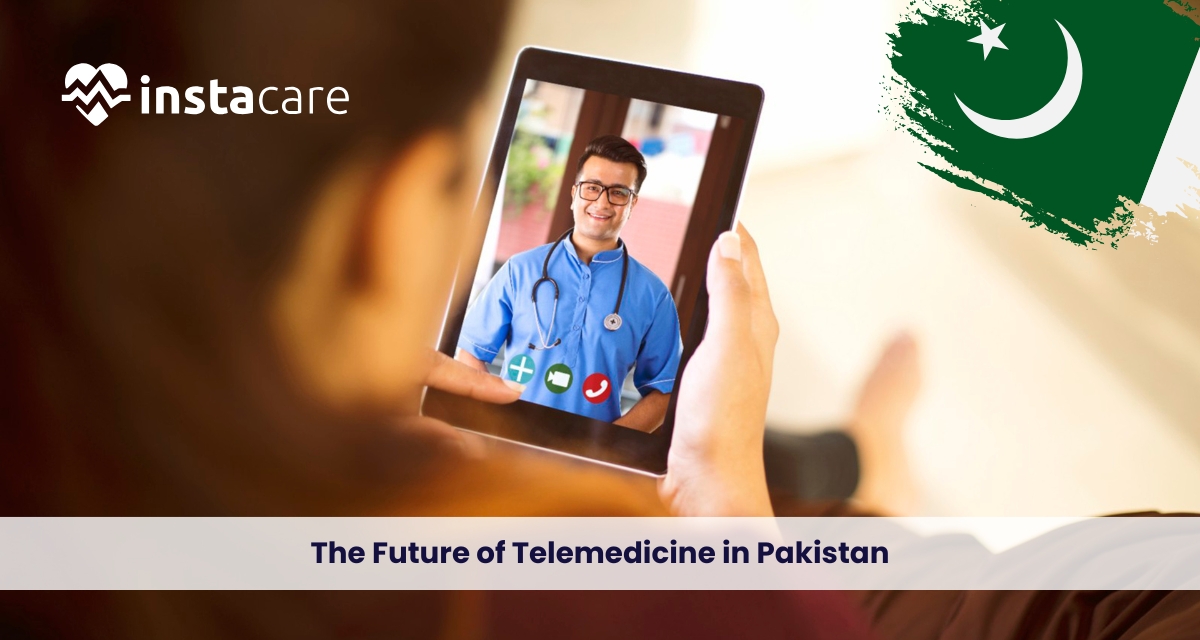
The Future of Telemedicine in Pakistan: Integrating EHR Systems Telemedicine is dramatically changing the face of healthcare in Pakistan, which is bringing innovations to the long-standing problems with regard to access to medical care and patient care. Bright days lie ahead to improve the healthcare delivery of the entire nation as far as telemedicine is concerned with the integration of EHR systems. This paper will discuss the potential benefits, challenges, and implications of integrating EHR systems into the telemedicine services provided in Pakistan. Understanding Telemedicine Telemedicine is an ability or activity of providing healthcare assistance via information exchange with the use of telecommunications and it enables the opportunity for the patients to speak to health care everyone without getting to the actual healthcare center physically. The method is really useful, especially in a country like in Pakistan where geographical, physical and economical barriers have worked as hindrances to seek health care service. Need for Telemedicine in Pakistan The population of Pakistan is over 240 million, and a vast majority of those people live in rural or avalanche areas that have little to no access to healthcare. The major health challenges in the country are as follows: Healthcare professionals: There is a shortage of qualified healthcare providers, especially in rural areas. Infrastructure: Most of the health facilities are under-resourced and lack essential medical equipment. Geographical: Patients have to travel long distances to receive healthcare, and thus medical treatment will experience delays. Economic: Healthcare is expensive to most families, and hence important treatment will experience delays in accessing them. Telemedicine reduces burdens shown above, and patient care along with the health outcome of patients decreases the cost incurred in healthcare. Role of EHR Systems EHR stands for Electronic Health Records. EHR is the electronic version of a patient’s paper charts. From EHR, all details of the patient’s history, diagnosis, medicines, treatment plan, immunization dates, allergies, radiology images, and lab test results can be obtained. The quality of care toward the patient will increase drastically with the use of EHR in telemedicine platforms. Improved Patient Care with EHR As part of telemedicine, health providers can view comprehensive patient records during virtual consultations. This way, providers can make informed decisions and tailor treatments and patient progress over time. For example, if a patient has a history of chronic illness, the provider can review previous treatments applied to the patient and change the care plan accordingly. Eases easy data sharing among care providers. That is, the data can be shared easily between the care providers such that all the members of the patient’s care team access the same information. This is very vital since more than one specialist may be involved in a given patient’s care. Sharing of the information related to the patients will ease, for example referring will be easy and coordinated well for a specialist and a given primary care physician. EHR systems can automatically process most administrative tasks, such as scheduling appointments, billing, and prescription refills. It can free much of the burden of healthcare staff and allow them to spend more time with patients than on paper. Automated reminders of follow-up appointments or medication adherence can also improve compliance. With the collection and analysis of health data from EHR systems, track trends and patterns in connection to public health matters hence, it would ensure there is a data-based approach towards funding during an outbreak or more control during funding for diseases. For instance, infection cases caused by COVID-19 may traceable by following up from the cases information that have been captured in EHR. More Patient Involvement Patients are also enabled to have direct access to their health information using the patient portals that usually link the EHR system. Through the access, they tend to be proactive and, therefore, be more self-dependent in health management so that they are able to enhance their health outcomes. The portals offer patients to view test results, set appointments, and communicate with providers. Difficulties of Integrating EHR Despite all the benefits mentioned above, integrating EHR systems into telemedicine in Pakistan has the following challenges: 1- Infrastructure Limitations There is a lack of proper internet connectivity and infrastructure in many places of Pakistan. High-speed reliable internet, very important for proper telemedicine services, may not reach them. Issues related to infrastructures have to be addressed in order to promote telemedicine and EHR systems extensively. 2- Regulatory Framework EHRs and telemedicine require strict regulations to determine how they would be used, including issues of patients’ privacy and safety of information that would fall in line with compliance with regulations set by health laws. Well-defined policies, standards, and guidelines that explain the way in which Pakistan shall approach these systems do not exist now. 3- Training and Adoption Education of the healthcare provider on proper use of EHR systems and telemedicine platforms is paramount. Resistance to change as well as unfamiliarity with technology can delay the adoption of these systems. Thus, continuous education and training are necessary to enable a healthcare provider to take up these tools. 4- Constraints of Finance Overall, the deployment of EHR systems and telemedicine platforms may be highly capital-intensive. Most healthcare facilities are capable of affording the relevant technology and infrastructure upgrades-once again, especially in rural regions. This may require funding by government or private sectors. Book Free Demo Telemedicine and EHR Integration in Future With the advancement of telemedicine in Pakistan, EHR systems integration will significantly contribute to the country’s future healthcare delivery landscape. A number of initiatives and trends have shown positive momentum for telemedicine and EHR integration: 1- Government Initiatives The Pakistani government realized the importance of digital health services and thus started providing their support by having policies for telemedicine. This National Health Information System will allow management and integration of health services through an advanced central data base system in the health sector. 2- Public-Private Partnership Engagement Private investment in telemedicine and EHR solutions is on the rise. Startups and tech companies are innovating new platforms to meet
What Are The Benefits of Cloud-Based Internal Medicine EHR Solutions In the fast-moving world of internal medicine—efficiency, accuracy, and patient-centered care have been hallmarks of care for years. Providers can navigate that maze in many ways to make modern healthcare delivery work, but contact with innovative solutions is not an option. One of those innovative solutions is Cloud-Based Internal Medicine EHR Solutions. Here Are Some Of The Valuable Benefits To Know The following are a number of benefits in which Cloud-Based Internal Medicine EHR Solutions change health delivery for health providers by maintaining patient records, managing workflows, and providing care up to the best of one’s ability. Let’s analyze the advantages in great detail. 1-Improved Accessibility and Flexibility Gone are the days when healthcare providers were restricted within the four walls of their office premises for their patient records. With cloud-based EHR solutions, a doctor can have a secure way of accessing patient information at his convenience from virtually anywhere, round the clock. Be it from the hospital, clinic, or even at one’s home, the ability to fetch critical patient data on the go means that more informed decisions can be made promptly. This improved accessibility not only optimizes efficiency but also enables healthcare providers to extend their service well beyond the walls of traditional healthcare environments. 2-Better Collaboration and Coordination Healthcare is primarily a team sport in which effective collaboration and coordination is the name of the game. Cloud-based EHR systems support the achievement of this collaboration through the development of a single centralized platform through which various healthcare professionals access and update real-time patient records. From primary to specialty care physicians, nurses to pharmacists, everyone involved in a patient’s care journey will have a chance to contribute to and make use of a single view of patient information. This enables easy sharing of information and teamwork, finally leading to comprehensive and patient-centered care. 3-Greater Data Security and Compliance In a time when the threat of a data breach is ripe, the ability to secure patient information is most important. Cloud-based EHR solutions come with state-of-the-art and cutting-edge security measures that will protect sensitive health data against access, breach, and other potential cyber threats. Utilizing advanced techniques for encryption, robust authentication protocols, and frequent updates in security guarantee that the sensitive patient information remains safe and that stringent regulatory requirements, such as HIPAA, are met. Inherent risks can be lowered by healthcare organizations, who store their data with reputable cloud providers, without losing patient trust and maintaining the level of confidentiality. 4-Cost Effectiveness and Scalability Healthcare organizations that have traditionally implemented and maintained on-premise EHR systems require heavy upfront investments in terms of hardware, software, and infrastructure. On the other hand, cloud-based EHR solutions, by their nature, are predictable with low-cost alternatives, including subscription-based pricing. The scalability and flexibility offered by cloud are such that a healthcare organization won’t have to invest in capital expenses upfront or face the associated maintenance costs down the line. Additionally, these solutions can expand with small independent practices and large healthcare institutions as per their needs, and their scalability is actually up and down. All these processes free the organizations concerned from the limitations imposed by a physical infrastructure. Book Free Demo 5-Workflow and Productivity Improvement Healthcare providers are all too aware of the administrative burden that accompanies paper-based or legacy EHR systems. Cloud-based EHR solutions alleviate that by automating routine administrative tasks, streamlining workflows, and reducing manual errors. Features that tend to streamline operations, including electronic prescribing, appointment scheduling, and billing integration, allow the healthcare professional to focus more on the right patient care and less on the paperwork associated with it. In addition, intuitive user interfaces and template options further boost documentation efficiency, enabling more time for providers to be with patients rather than trying to work through intricate systems. 6-Enhanced Patient Engagement and Satisfaction In the world of digital health, patients are increasingly informed and active in their health and care journey. Cloud-based EHR solutions make patients feel empowered with online portals that offer secure access to their health records, booking appointments, asking for prescription renewals, and communicating with health providers. The transparency of information fosters a sense of empowerment, trust, and collaboration between patients and providers, leading to improved patient satisfaction and outcomes. By enabling patient-centered technologies, healthcare organizations can further grow the bond between patients and providers, driving positive patient experiences. 7-Advanced Analytics and Insights Cloud-based EHR solutions act as repositories of patient data but also serve as a conduit to extract meaningful and actionable insights using advanced analytics. By making use of machine learning algorithms and predictive analytics, healthcare providers can come up with significant trends, patterns, and potential risk factors associated with the patient populations. From predicting disease progression to identifying opportunities for early and preventive intervention, this information will equip the provider to take intelligent decisions that will further support optimization of not only patient outcomes but the most efficient utilization of resources. In addition, analytics capabilities facilitate a health organization to measure and monitor key performance indicators, identify areas for improvement, and drive continuous quality improvement initiatives. 8-Interoperability and Integration In a modern healthcare ecosystem, interoperability and integration of information from different systems must be seamless to ensure coordinated and comprehensive care. As such, cloud-based EHR solutions become the backbone for the exchange and aggregation of health data from across various healthcare settings and stakeholders. Cloud-based EHR systems, through standardized data exchange protocols such as HL7 and FHIR, seamlessly integrate with other healthcare applications in use at facilities, including laboratory information systems, imaging systems, and telehealth platforms. Conclusion In conclusion, Cloud-Based Internal Medicine EHR Solutions are transformative to health provision, which is a bouquet of benefits that empowers healthcare providers to deliver high-quality, patient-centered care in a progressively digital world. Ranging from increased access and collaboration to security and efficiency, the benefits of cloud-based EHR solutions are immense. The operations of healthcare facilities that embrace these innovative technologies will be future-proofed while enhancing
The InstaCare product team is excited to announce the latest updates in InstaCare Smart Clinic software. These updates offer visibility on new features, improvements, bug fixes, and upcoming features of InstaCare Smart Clinic software. New & Improved Features of InstaCare Smart Clinic Software Improved Urdu translation added in the Prescription module for printing Update in Task Get Bill Detail List List of doctors shown as per the location of the logged in user Super Admin Portal improved with more access permissions added Bug Fixes Minor and Major bug fixes Resolved an issue with MR number duplication Resolved an issue with Date field showing wrong date while editing data in Dental Treatment Plan Resolved an issue with the unpaid amount after calculating the discount amount Resolved an issue with EMR Prescription Medicine Searching Expected Features & Improvements of InstaCare Smart Clinic Software in the next update Dialysis Module Smart Pharmacy Module Modern Appointments Module Laboratory Module Meet & Greet & Have a Cup of Coffee If you want to have a cup of coffee with our team, schedule a visit with us at InstaCare Head Office in Lahore, Pakistan.
The InstaCare product team is excited to announce the latest updates in InstaCare Smart Clinic software. These updates offer visibility on new features, improvements, bug fixes, and upcoming features of InstaCare Smart Clinic software. New & Improved Features of InstaCare Smart Clinic Software New Search feature – Now user can search Patient on Smart Clinic App New Patient List available (for use on Prescription and Bill Creation time) for Smart Clinic App Updated Paged Master Patient List Add reference number in patient list Master account for multiple location users User management module Billing module Appointment reports module Location management module Financial reports module Bug Fixes Minor and Major bug fixes Resolved an issue with Appointment List Resolved an issue with General nutrition prescription prescribed time Resolved an issue with Wrong Time slot intervals in Manager account Resolved an issue with EMR Dashboard links which were not working Resolved an issue with Prescription Pharmapedia which were not working Resolved an issue with Reports module in which Amount Receivable Report was not loading Resolved an issue with Smart Clinic App not having Login Response Resolved an issue with Appointment List which was showing all the appointments and not only the Doctor’s appointments Expected Features & Improvements of InstaCare Smart Clinic Software in the next update Dialysis Module Smart Pharmacy Module Modern Appointments Module Laboratory Module Meet & Greet & Have a Cup of Coffee If you want to have a cup of coffee with our team, schedule a visit with us at InstaCare Head Office in Lahore, Pakistan.

5 Strategies to Increase Clinic Profits without Sacrificing Quality Care Making a profit in the healthcare industry isn’t easy, especially with mounting regulations and ever-increasing expenses. As a clinic manager or business owner, you must stay competitive to ensure your financial stability – but quality patient care should always be top priority. Fortunately, there are ways to increase clinic profits without sacrificing excellence in treatment and services. With these five strategies, you can create an effective plan for both short-term success and long-term growth while maintaining great care for your patients. Keep reading to get started today! Improve patient retention As healthcare providers, we understand the importance of patient retention. When patients feel satisfied and valued, they are more likely to stick with our practices for the long haul. One effective way to improve patient retention is through communication. Taking the time to listen to our patients and address their concerns can go a long way in building trust and loyalty. It’s also important to keep patients informed about their health, treatment options, and any changes to their care plan. Providing personalized and compassionate care is key in making patients feel valued, which in turn can lead to higher patient retention rates. By focusing on communication and personalized care, we can create a positive and lasting impact on the health and well-being of our patients. Optimize scheduling and resource utilization Optimizing scheduling and resource utilization is essential for the success of any business. In today’s fast-paced world, it is more critical than ever to make the most efficient use of resources and time. By analyzing your scheduling practices and evaluating how you use your resources, you can reduce costs, increase productivity, and improve customer service. Scheduling should be done based on customer demand, and resources must be allocated effectively to ensure maximum utilization. Implementing technology such as automation and machine learning can help streamline complex scheduling tasks and improve resource allocation. Optimizing your scheduling and resource utilization allows you to adapt to changing business conditions and stay ahead of the competition. Book Free Demo Utilize technology use EHR,EMR to increase clinic profits The electronic health record (EHR) and electronic medical record (EMR) have revolutionized the way healthcare providers document and share patient information. With the use of these technological tools, healthcare professionals are able to quickly and accurately access a patient’s medical history, allergies, medications, lab results, and more. This ensures that patients receive the highest quality of care possible, as providers have all the necessary information they need to make informed decisions about diagnosis and treatment. Not only does the EHR/EMR improve patient care, but it can also save time and increase efficiency for healthcare providers. Overall, utilizing technology such as the EHR/EMR is a crucial component in the evolving landscape of healthcare. Identify and implement strategies to reduce operational costs while still offering quality care Reducing operational costs while maintaining quality care is vital to the success of any organization can increase clinic profits. One strategy is to streamline processes to eliminate waste and redundancy. This involves carefully analyzing every department’s operations, identifying areas of inefficiency, and developing and implementing a plan to streamline processes and reduce costs. Another strategy is to negotiate with suppliers to ensure that the organization is getting the best prices for goods and services. This may involve forming partnerships with specific vendors and leveraging purchasing power to negotiate better pricing. A third strategy is to invest in technology that can automate certain processes, reduce manual labor, and provide useful data insights for continued improvement. Implementing these strategies can help organizations save money without sacrificing quality care for their patients. View More: How Hospital Management Systems are Revolutionizing Healthcare Develop a comprehensive patient care plan to increase clinic profits Developing a comprehensive patient care plan is essential for improving the overall quality of health care and to increase clinic profits. It involves creating a personalized plan that outlines the patient’s medical needs, treatment goals, and expected outcomes. To develop such a plan, healthcare providers need to consider various factors such as the patient’s medical history, current health status, lifestyle, and preferences. They should use evidence-based practices and involve the patient and their family members in the decision-making process. The plan should also be regularly evaluated and updated to ensure it is meeting the patient’s needs. A well-designed patient care plan can improve communication between healthcare providers and patients, increase patient satisfaction, and ultimately lead to better health outcomes. Conclusion The truth is, there’s no one size fits all approach to increase profits and maintain high-quality care. Finding a balance between the two can be an uphill climb, and it’s important to keep trying different strategies until you find one that works best for your clinic. In any case, these five strategies can provide an effective and meaningful starting point on your path to healthier financials without compromising quality care. So don t be afraid to get creative! Evaluate what matters most to your clinic, craft a plan of attack, and give yourself the edge needed for success. Your chances of success will exponentially increase if you implement a combination of these five strategies with determination and consistency. Are you ready to take your clinic from good to great?
Why an EHR System Software Beats Paper-Based Systems Every Time? Do you still maintain paper-based systems? Have you considered whether the difficulties of transferring your files to digital format are worth the advantages of also using an electronic health record EHR system? An unbiased comparison of paper-based versus electronic health record systems (EHR) patient file management is given in this article. Fact-Based Comparisons Showing How An EHR Outperforms Paper-Based Systems Massive Amounts of Paper Pose Storage and Environmental Problems Every time a patient visits, 10–13 pieces of paper are produced. Two thousand visits a month are easily logged by a small rural clinic. That amounts to more than 24,000 documents that must be filed annually. Additionally, the cost rises regarding personnel costs, office supplies, and missed productivity when you have to share information with specialists and insurance providers. Contrast that procedure with sending appropriate file copies over the internet using a digital format, which merely needs a few clicks. You may send test results, pictures, and office notes to one person or 1,000 people in seconds. Paper Records Are Modifiable Paper records can also be changed in ways that can be challenging to spot. For instance, someone could provide a copy that has been edited or delete sheets from a report to replace the actual data. Encryption and robust login and password protection for EHR systems in Pakistan make it far more difficult for also someone to make unauthorized changes to the patient’s chart and other data. Using an EHR enables you to keep spotless records. Price Factor The cost of keeping paper records is relatively modest, but it also involves storage and administrative expenditures for people. Although the initial setup costs to buy, create, and deploy full-fledged EHR systems in Pakistan are excessively unreasonable, they are eventually recouped. Book Free Demo Record keeping Medical practitioners must set up and manage enormous warehouses to keep paper medical records. Paper documents require a lot of storage space, are difficult to keep up with, and eventually start to degrade. The concerns about excess space and resources are gone with a cloud-based EHR record. The management and upkeep of electronic records are pretty simple. What makes Electronic Health Record Systems Superior To Paper Medical Records? EHR systems in Pakistan offer incredible capabilities for exchanging electronic health information. There is no doubt about it. Additionally, it enables healthcare personnel to deliver higher-quality, safer care, which aids an organization’s development of concrete improvements for itself. EHRs also assist service providers in managing patient care inefficiently, which unquestionably raises client satisfaction. Here, a few factors make EHR preferable over the traditional paper medical record. At the time of care, it delivers accurate, complete, and current patient information. It makes patient records instantly accessible, assisting healthcare organizations in providing well-coordinated treatment. The ability to safely communicate electronic information with patients and healthcare professionals. It avoids pointless complexities in recordkeeping and guards against human and medical mistakes. It provides faster coding and invoicing and incredibly accurate procedures. Sensitive medical data is more securely and privately stored as a result. It enables medical professionals to increase their output and balance work and life better. EHRs assist healthcare providers in increasing revenue and process efficiency. EHRs assist a company in lowering operating costs by reducing paperwork and other environmental restrictions. It enables healthcare companies to collaborate and exchange crucial data, enhancing decision-making. To find the best medical treatments and medications for patients, EHRs can be connected with any data-analytical program. A healthcare business can interface with state or municipal governments for quality reporting thanks to an EHR system. Artificial intelligence, data science, and machine learning algorithms could be combined with EHR-supported systems to allow healthcare service providers to leverage cutting-edge technology to give better patient care. Conclusion The above is why EHR systems in Pakistan are better than paper-based systems. For more information on EHR, you can contact the professionals of InstaCare or visit the website.

7 Reasons Behavioral Health Practices Need EHR Software The outdated paper-based methods and generic office software that is still used by behavioral health offices of all sizes today do nothing to keep their work organized and moving smoothly. In certain circumstances, healthcare providers believe that the expense of adopting electronic health record software is too expensive. Others feel that the EHR software systems as they stand do not provide the functionalities they want for their behavioral health practice. But as cloud computing technology has developed, there has been an increase in the adoption of highly secure cloud-based EHR installations. Vendors of EHR software systems are now modifying their products to suit behavioral health practitioners’ requirements better. They provide software as a service for mental health EHR applications. A Saas is often a subscription-based service, which lowers the providers’ total cost of ownership. Saas-based EHR programs scale with your needs and let you pay for the practitioners under your roof who use the service. The seven main reasons why your behavioral health clinic requires EHR software systems are discussed in this article. To Ensure Increased Productivity Your staff may automate calls to patients thanks to the integration of EHR and practice management software, which lowers the incidence of no-show appointments. Because they will hear about their appointment from a voice they are already familiar with, individuals with mental health concerns may find it comforting to have these calls recorded in the voices of your staff members. Decreased Recoupments And Claim Rejections You can rely on the paperwork to always be complete with all relevant facts when you use EHR software systems in your behavioral health clinic, which is one of its key advantages. By doing this, you may enhance the income flow in your clinic and prevent billing, reimbursement problems, decreased recoupments, and claim rejections. Prescription Tracking The sad reality of contemporary life is that many psychotropic medicine prescriptions intended to benefit patients are open to misuse. Because of this, behavioral health providers rely on their EHR’s prescription tracking features. Book Free Demo Electronic prescription tracking ensures that patients only get their medicine from one practitioner. Otherwise, people may abuse the system by getting several prescriptions from numerous doctors using various pharmacies for the same banned medication. Tracking also lets doctors confirm that their patients are regularly filling their prescriptions. Improved Coordination Of Services The nature of behavioral health disorders means that patients typically will see multiple providers and receive a broad range of services. EHR software systems can assist behavioral health clinics in managing the increased number of moving pieces since it makes provider communication easier and reduces the need for unnecessary duplication of services. After all, a patient may not be able to determine if they are receiving unnecessary treatment, depending instead on the experts to ensure that services are delivered effectively. Authorization Tracking The necessity for behavioral health providers to transmit the information to them using electronic health record software is demonstrated by the fact that some insurance companies and accrediting bodies must deal with developing criteria surrounding the delivery of services. An EHR becomes a vital tool to guarantee each patient receives high-quality treatment. EHRs Are Available Anywhere The ability to also instantly access patient records from any Internet-enabled device using EHRs has helped improve mental health professionals’ crisis response services because behavioral health practitioners must frequently respond to life-threatening emergencies such as suicide threats. EHRs Offer Outstanding Record Security Electronic health records are safeguarded with high-level digital security, unlike paper-based records, to prevent theft, loss, or destruction due to fire or other natural disasters. Conclusion To manage businesses more efficiently, behavioral health professionals should benefit from the most recent advancements in software and technology. Knowing the reasons for using EHR software in practice should help. Check out the website https://instacare.com.pk/ or contact InstaCare for the best EHR software systems. View More: EHR Vs EMR: What Are The Essential Key Differences?
How Can Doctors Be 300% Productive During Clinical Hours? To discuss productivity during clinical hours among the doctors, nutritionists, dentists, and other health practitioners, it’s important first to define what is productivity. Productivity for a surgeon would be measured differently than a medical doctor. But in any case, we can see that it’s dependant on two things: time and number of patients treated. This productivity can be calculated by the ratio of these two numbers, known as the T-to-P index (time to patient index). This way you can calculate your productivity easily and can track your progress over time. Productive During Clinical Hours Now to increase productivity you shouldn’t increase the time. If you are working 8 hours a day, it’s enough for a balanced life. So one last thing is patients. If you increase the number of patients, the productivity will increase but also the time per patient will decrease. Therefore you have to make sure that the treatment won’t get compromised. This simply means that if you can do your daily clinic tasks speedily and accurately, you can save time, effort, cost, and hence be productive. To be more productive in your daily clinic management, make sure your patients arrive on time (Appointment Scheduling System) you instruct them properly after diagnosis (Digital Treatment Planning) your billing is not a hassle (Billing Management System) How to make sure your patients arrive on time? Patients are also people like us. They never plan to be late and create a problem for their doctors. Most of the time, it’s just that in their daily schedule, they are so busy that they forget about the appointment, or something other appears at the same time which distracts them from their plans for an appointment. Now, to save this time, doctors can also help them. Most doctors do have a separate person who sends reminder messages which notifies the patients about their appointments. But humans can make mistakes. Instead of spending cost and effort on reminder messages, you can use a clinic management system which includes an Appointment Scheduling Software. This will send reminder messages in the morning automatically to the patients and you so they can plan things accordingly. Also if they want to reschedule something, they can inform you before time, so you can manage things accordingly. How to make sure patients act on treatment plans? Everyone wants to get well. Their visit to the doctor is the evidence that they are willing to do the effort. Now, this is a doctor’s job to guide them and don’t overburden them. But what can we do? The treatment, whatever it is, must be followed. In this situation, treatment plans can be of greater help. Digital Treatment Plans can assist doctors in explaining the required treatment, and patients can also understand these easily. This will save huge time that doctors spend on explaining things. The intuitive nature of treatment plans makes it easy to follow. Resulting in increased productivity. How to make sure billing is not a hassle? In the modern world, nowhere finances are managed manually. There are digital methods through which these things are managed. Further, in the manual method, there is always a chance of making a mistake. Or at least, there’s always a fear that have I counted all the amount. Adding to that, you need to hire a person who’ll manage these things. Instead of all this hassle, a Clinic Management Software can easily ease this thing. A Billing Management System cuts all these procedures and gives you an easy and intuitive solution to this. It will keep track that which patient owes how much amount, how much has been received and how much is due. It’ll also keep track that how much amount is spent on daily tasks, and where it has been spent. In short, transforming your daily tasks to a digital clinic management system will assist you in bringing the higher T-to-P index to your clinic and hence increasing your productivity. So if you want to increase productivity in your clinic, let us know.
5 Reasons To Implement Clinic Management Software In Pakistan? Why you need a computer? A smartphone? A bike or car? Or even a fork an knife? These are not necessary to live. You can manage things without these. But we don’t. And the reason is partly that we are used to it, but more importantly, it’s because, these things make our job easier, save our time, and reduce our efforts. Similar is the case with clinic management software. It makes your tasks easier, saves your time, and reduces your efforts. There is a study about this, which shows that a clinic management software increases productivity by 100 to 300 percent. Reasons to use Clinic Management Software A whole list of benefits of clinic management software can be found here, but now we’ll highlight only the top five. Appointment Scheduling System Billing Management System Telemedicine Treatment Plans Patient Records (EMR/EHR) We’ll look into these by one to understand what problems these are solving. Appointment Scheduling System You might have faced this issue that either the patient or you forgot about the appointment and some blunder happened due to this which resulted in a bad reputation of your clinic, hospital or institution. Now we are humans, not machines. Our strength is analysis and creativity, not memory. We have built solutions for such tasks, then why don’t we use these solutions. We can create a schedule, set appointments – which will also send reminder messages to the patients, and us so we can inform each other in case of any change in plans. Why aren’t you taking advantage of it? Statistics show that Pakistan is one of the most lenient countries which shows negligence towards health practices. If our government can’t solve problems, we will. We’ll find solutions for our problems on our own, and that’s what we are trying to do. Get rid of the pen and paper. Get rid of the token system, the parchi system. Control things efficiently. And use digital appointment software. Billing Management System Being part of this capitalist society, we know what importance money has gotten in our social institutions. And we cannot ignore the fact that the trust issues that we have today among ourselves, are mostly because of money. This society has seen much worse examples to trust breakage which leads to violence. Now one solution is to become a mystic and refuse all the worldly matters. Second is to become skeptical and observe your near and dears with the eye of suspicion. Or third, it to use a Billing Management Software which will tell you exactly about how much amount your account has, and how much is spent on something. There is no chance of doubt about its credibility because if you spend Rs 98, it will show a reduction of 98, and won’t round it up to 100. This little amount often causes huge losses. So trust your family, friends, and staff, and let the software do calculations for you. Telemedicine Until when you’ll keep on waking up, going to the clinic, and wait for patients. Time has changed and the world too. Now you don’t need to go to the station and ask for a taxi. You just use a smartphone. Whenever you need food, you can order it wherever you are. Similarly, isn’t it better than if patients need to consult a doctor, they can just turn to their phone and save time? We can’t hold an in-depth diagnosis, but basic consultation can be done so you can decide whether you need to get a proper check or not. In these things too, apt clinic management software is helpful. Though most clinic management software doesn’t have this feature, InstaCARE’s clinic management software does care about this. Treatment Plans “So dear, patient. Please take this red tablet in the morning. Blue one at lunch, and the green one before bed.” And the patient is lost. Efficient doctors never work this way. There is international standard practice for treatment plans where you create an editable customized digital treatment plan for your special patient. A clinic management software provides you with this feature that adds value and more credibility to your treatments. This way you can also track the performance of patients and can accommodate changes if necessary. Patients Records This is also linked with the previous feature. In our relatively modern society, most people, in terms of health, trust in one or two doctors. This helps the doctor in treatment as he knows the history of the patient. But this puts pressure on doctors to recall every time about past medications of the patient. This has become easier with the best clinic management system that takes care of the patient’s history and record. So you can easily refer to the patient’s past for any assistance. Let us know if you have any questions and concerns.