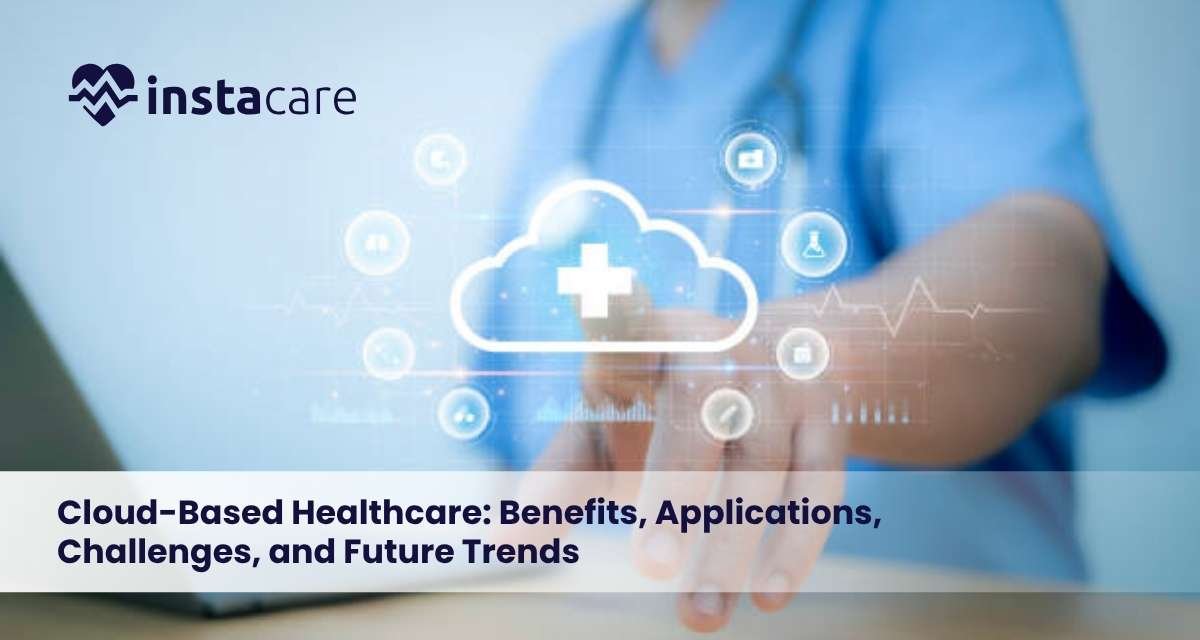
Cloud-Based Healthcare: Benefits, Applications, Challenges, and Future Trends Cloud-based healthcare helps medical organizations simplify how they store, organize, and share patient information. Using cloud technology, a collection of hospitals, clinics, labs, and healthcare providers can access medical records safely, work collaboratively, and provide patient care more efficiently. The digital transformation of healthcare means the industry needs solutions that most cloud providers offer, like operational and cost efficiencies as well as increased telemedicine and improved patient care. This guide provides information on cloud-based healthcare, its advantages, uses, drawbacks, and anticipated developments. What Is Cloud-Based Healthcare? Cloud-based healthcare is the application of cloud computing to use the internet for the storage, processing, and management of healthcare data, whereas, previously, there was an overreliance on both local and physical data storage. Using a cloud system, healthcare organizations have the ability to view and manage EHRs, medical images, lab reports, clinical notes and schedules, and billing and other healthcare-related information virtually, safely, and system collaboratively. Cloud systems, however, provide the means to mobilize healthcare data and keep healthcare data systems secure. How Cloud-Based Healthcare Works? In a cloud healthcare system, medical data and information are stored in the healthcare system and secure on the data storage servers of the cloud providers. Healthcare system that have been authorized to view the data and information have the ability to do so via a secure Internet connection from a desktop computer, tablet, or mobile device. In addition to being able to protect and keep sensitive healthcare data secured, modern cloud systems allow healthcare teams to record and synchronize data across multiple locations and departments. Benefits of Cloud-Based Healthcare Health care made available via the cloud means better accessibility. Staff at every level can access the patient record system securely and at any point in time. This drastically cuts the time needed for staff to formulate the next steps and further improves the overall patient care system. Because of a cloud system, the need for time-consuming and costly in-house IT systems and services is eliminated. This makes the system financially accessible by even small town clinics. The major points are: Patient records systems have better security. The different health care staff levels work seamlessly. The costs for IT systems and services drastically drop. Data management systems have built-in recovery. Health data systems communicate rapidly. Data systems can be expanded rapidly and economically. Common Uses of Cloud-Based Healthcare Cloud-based systems can be utilized in virtually every health care service and even some of the administrative services required. Health care systems that have electronic health records are more cloud-based. This lessens redundant tests and improves the quality and flow of health care. The cloud provides the basis for video-based health care, remote health care, and even follow up health care. Cloud networks aid health care imaging, lab and pharmacy systems, scheduling and billing systems, and inter-health care data systems. Cloud-Based Health Care Improves Patient Care Because the cloud makes patient data and health care services available in real time, health care staff are empowered to improve the timeliness, efficiency, and quality of health care. Patient engagement is enhanced by the secure patient portals that support viewing of medical records, scheduling of appointments, access to test results, prescription refill requests, and the ability to message providers. Remote patient monitoring with cloud-embedded care devices also allows providers to assess and manage chronic conditions, including diabetes, hypertension, and heart disease, without requiring as many office visits. Book Your Free Marketing Consultation Security and Data Protection Protecting patient information is one of the highest priorities of cloud-based healthcare. The most advanced cloud systems provide multiple layers of protection for sensitive medical data. Some of the standard protective measures are as follows: Data encryption Multi-factor authentication Role-based access controls Security monitoring Data back up Auditing access to data Healthcare organizations must also comply with the privacy regulations that are applicable to them, and have their own policies of limiting access to, the storage and sharing of, data. Challenges of Cloud-based Healthcare Even though there are so many advantages of cloud technology, healthcare organizations may face numerous challenges when implementing cloud technology. Cybersecurity challenges will always be a concern since valuable data are of higher risk in the healthcare cloud. Failure to secure systems and educate staff of the possible threats will be the responsibility of the organization. Also, reliable internet access is essential for utilizing cloud services. Uninterrupted access to medical records may be impossible if there are no adequate backup systems. Additional challenges include integrating older healthcare systems with cloud systems, staff training, data migration and upholding healthcare regulations. The Role of Cloud Computing in the Future of Healthcare Alongside healthcare, cloud computing will develop with the rest of technology. AI, machine learning, the analytics of large data sets, and Internet-of-Medical-Things devices are all going to use cloud computing in the delivery of healthcare. Cloud computing will also facilitate the development and deployment of predictive analytics, personalized medicine, and precision healthcare. Furthermore, robotic surgery and advanced clinical decision support systems will likely be enhanced through cloud computing. With the continued development of cloud computing, the healthcare systems of the world will appreciate benefits in efficacy, reach, and patient experience. Cloud Strategies for Healthcare Organizations Before the implementation of cloud computing, healthcare systems should have a thorough plan. The selection of an appropriate cloud computing vendor, an ongoing evaluation of the security posture, employee training, and a strong data governance framework are a few of the key areas for adoption. Healthcare operations should also rely on the establishment of disaster recovery plans, the ongoing assessment of the safety of systems, and the assurance of optimal functioning of systems. Conclusion Cloud computing in healthcare offers a world of possibilities. The traditional approaches to the delivery of healthcare services are being made more efficient from the digitization of patient records and the use of cloud computing in telehealth, online patient monitoring, and advanced analytics. With the necessary precautions in place for safety and compliance, the
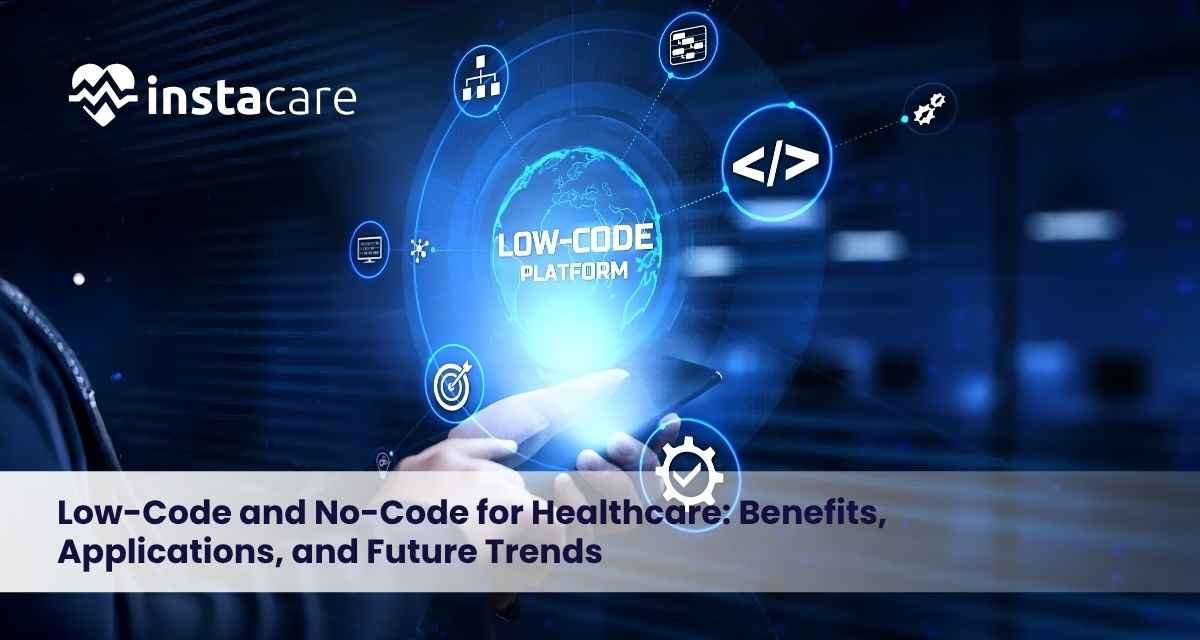
Low-Code and No-Code for Healthcare: Benefits, Applications, and Future Trends Currently, the global push for the digitization of healthcare has made improving patient access, optimizing administrative management processes, and increasing the productivity of healthcare staff and practitioners a primary focus. Traditionally developing healthcare software requires a significant level of investment. Low-code and no-code are making a big difference in these situations. Building applications on low-code and no-code development platforms can be achieved using little or no coding at all. Development can be carried out using a graphical interface and drag-and-drop, pre-assembled building blocks. All of this can be done without much of the time and effort usually required by healthcare software developers. Low-code and no-code platforms enable the development of systems to automate patient appointments, streamline and automate workflows, and even automate the creation and delivery of electronic healthcare forms. These platforms are enabling the development of more cost-effective solutions to more pressing and changing demands in the delivery of healthcare systems. What Are Low-Code and No-Code Platforms? Low-code and no-code platforms are software development systems that simplify the creation of applications. Low-code platforms are development systems that integrate a visual approach to the majority of the development system, and therefore, require a bit of programming knowledge. They can be used for all the healthcare applications that are complex and demand a higher degree of customization and need to be integrated with other applications. No-code platforms are development systems that have a drag-and-drop interface, templates, and configurable workflows. These systems are much more suited to healthcare staff and practitioners who do not have a technical background, as they require no programming at all. In comparison to coding in the traditional way, both systems offer a much more rapid way to develop applications. Why Healthcare Is Adopting Low-Code and No-Code Solutions? The delivery of healthcare systems is under increasing pressure to do more with less and provide a much better patient experience. All the while, systems and applications that help to deliver this have to be designed, developed, and deployed in a regulatory compliant fashion. Using traditional software development systems, the delivery of these systems can take months or years. Benefits to Using Low-Code/No-Code Tools in Healthcare Low-code and no-code tools enable healthcare organizations to: Rapidly build new healthcare applications Lower the total cost of building healthcare applications Build more efficient healthcare applications Build applications that address healthcare needs more rapidly Automate various healthcare tasks Improve integration and teamwork between healthcare administration and healthcare delivery These advantages give healthcare organizations more time to focus on the improvement and delivery of patient care. Common Applications in Healthcare The only limit to the applications of low-code and no-code tools in healthcare is your imagination. Client Booking Healthcare organizations are able to build online appointment systems that help patients book, change, or cancel appointment times, while also decreasing the burden of appointment management on office staff. Client Registration Forms and systems can now be built to help clients register and complete online/on-site intake in a time efficient and systematic manner. Workflow Automation Many administrative tasks can now be automated using low-code and no-code tools. These tasks include but are not limited to: Appointment messaging Referrals Prescription renewals Staff/Client Notifications Approvals Follow-up Task Automation Patient Portals Staff portals can be built to help staff view, edit, and manage: Schedules Shift Requests Staff Performance Staff Training Staff Onboarding Staff Portals can help improve management. Inventory Management Clinics and hospitals now have the ability to be notified when supplies or equipment stock is low. Incident Reporting Safety incidents and equipment failures can now be reported quickly to the necessary department using automated digital forms. Internal Dashboards Healthcare administrators can design dashboards to track: Patient numbers Appointment data Staff usage Resource use Operational data Service data Advantages of Low-Code and No-Code in Healthcare Speed With low-code systems, apps that would typically take months to develop can sometimes be built in a matter of weeks and in some cases, days. Cost With less coding and more clicks, costs associated with developing the app decrease while the organization uses more of its internal resources. Productivity Healthcare staff have more time to focus on patient care instead of being bogged down by tedious paperwork and administrative tasks. Flexibility Because the coding is so easily adjustable, the app can be updated to fit the regulations and workflow of the healthcare office. Collaboration Because clinical staff, administrative staff, and IT staff work together to design the app, the app works for the staff and fits the workflow. Process Automation Repetitive tasks are automated and integrated into the app, causing less delay, more consistent inter-office workflow, and less human error. Accessibility Most low-code and no-code systems are responsive and easily adaptable to work on desktops, laptops, and phones. Book Your Free Marketing Consultation Disadvantages of Low-Code and No-Code in Healthcare These systems are not without their faults so organizations must be aware of issues these systems might cause. Data Protection Most healthcare apps are handling sensitive patient data and as such, strong protection of this data with secure systems, user protection, and management of data access is critical. Compliance Most of the healthcare low-code and no-code systems are not compliant with the required protections and healthcare data regulations. Designing compliant systems is possible, but will require some level of coding. Customization Most no-code systems require the app to be designed with a workflow in mind, and therefore, can’t support complex healthcare workflows. Integration Complexity Healthcare systems usually combine many digital solutions. Integrating new tools with current electronic health records systems, billing, laboratory, or imaging software may need specialized skills. Scalability Applications need to be able to handle larger amounts of data and larger numbers of concurrent users as healthcare organizations expand. Best Practices for Successful Implementation Maximizing the advantages of low-code and no-code platforms for healthcare organizations can be realized by following best practices. Understanding the workflow issues will help to ensure the solution developed to address the problem will meet the
Rehabilitation Health Management Information System (HMIS): A Complete Guide Rehabilitation services aim to assist patients with recovering, regaining independence, and improving the overall quality of life after suffering from illnesses, injuries, surgeries, disabilities, or long-term health conditions. Patients may require different types of rehabilitation, such as physical, occupational, or speech therapy. Patients may also need rehabilitation for post-surgery, mental health, or wellness. The management of care is most vital in this instance. A Rehabilitation Health Management Information System (HMIS) provides a solution for the management of rehabilitation care. In contemporary rehabilitation health care, the need for a smart system is vital to improving accuracy, decreasing the time needed to facilitate all the services, and helping healthcare professionals to make efficient and timely decisions and assist in providing optimal patient care. Rehabilitation HMIS caters to all of these vital needs and serves the rehabilitation care services in an organized, clear, and constructive manner. What Is a Rehabilitation Health Management Information System? A Rehabilitation Health Management Information System is a specialized health care software system that provides all the management needs of rehabilitation-related health care services from a medical, administrative, and operational point of view. The software provides a system that can store patient data, track and manage therapy sessions, assess and monitor therapy progress, and facilitate communication between patients and employed heath care professionals. Unlike generic hospital management systems, rehabilitation HMIS manages long-term patient care, looks at functionality, therapy goals, and the tracking of progress. Rehabilitation involves multiple specialists. Some of them are: Physiotherapists Occupational therapists Speech therapists Psychologists Nurses Doctors Social Workers HMIS gives all these professionals the patient information they need to manage rehabilitation care. Importance of HMIS in Rehabilitation Healthcare Rehabilitation care and therapy are continual and require constant assessment. Patients may receive several therapy sessions in a matter of weeks or even months. The therapists involved in rehabilitation care need to assess progress, modify treatment and document results and communicate these to other members of the therapy team. In the absence of such a system, information may be lost, duplicated, or even delayed. These problems are alleviated by the Rehabilitation HMIS, which builds a comprehensive and centralized framework for the tracking of rehabilitation progress. The benefits of a Rehabilitation HMIS are seen by healthcare administrators as improved systems for: Staff Scheduling Resource Planning Managing Patient Flow Billing and Insurance Reporting and Analytics Monitoring Service Quality For rehabilitation centers, this means smoother operations and better patient care. Key Features of a Rehabilitation HMIS Patient Registration and Medical Records A core function of a Rehabilitation HMIS is patient registration. This feature stores comprehensive patient data. Electronic medical records allow doctors and therapists to quickly assess a patient’s medical history and treatment. As a result, care can be delivered faster and the need for redundant documentation is minimized. Assessment and Evaluation Management Most patients undergo a comprehensive assessment prior to the initiation of the rehabilitation process. This assessment can cover multiple dimensions, including the person’s physical condition, pain, range of motion, speech, mental health, as well as deficits in activities of daily living and function. HMIS allows therapists to conveniently document assessment results. This feature aids the construction of rehabilitation goals and treatment plans. Additionally, periodic reassessments are easily documented, and results are compared to track progress. Treatment Planning Each rehabilitation patient requires a unique treatment plan. HMIS Rehabilitation Modules allow therapists to create treatment plans based on the patient’s rehabilitation diagnosis, goals, type of therapy, number of sessions, and the anticipated outcome. A stroke patient, for example, could require the following therapies: Physiotherapy (for movement and balance) Speech therapy (for communication) Occupational therapy (for assistance with daily living activities) Psychological therapy (for the recovery of emotions) HMIS Rehabilitation Modules keep all the treatment plans integrated. Book Your Free Marketing Consultation Appointment and Scheduling Management Due to the numerous appointments handled daily, scheduling therapies manually can easily lead to missed sessions, overbooked schedules, or delays. HMIS Rehabilitation Modules provide therapy scheduling solutions to effectively manage: Staff availability for therapy sessions Patient therapy sessions and Follow up therapy sessions Automated reminders for scheduled therapy significantly improves patient attendance by decreasing missed appointments. Tracking Progress and Measuring Outcomes Tracking progress is vital to rehabilitation. An effective HMIS makes it easier for therapists to document patient progress each session. These may include positive changes to: Poor mobility Pain levels Strength Balance Speech Emotional wellbeing Activity of daily living Access to progress reports helps healthcare providers determine if a treatment plan is effective or if it requires modification. This process of tracking progress helps improve patient outcomes and centers around evidence-based care. Billing and Insurance Rehabilitation services can require many sessions and different types of therapy, sometimes resulting in multiple approvals and payment plans. HMIS Software provides a system that manages billing, invoices, insurance claims, payments, and financial reports. The administration burden is reduced, and new systems are more transparent for both the healthcare facility and the patient. Reports and Analytics A Rehabilitation HMIS can create a variety of reports for doctors, therapists, managers, and healthcare authorities. These reports may include: The progress of patients The success of different treatments Statistics on appointments The performance of staff Utilization of services Financial reports Patient satisfaction Analytics allow rehabilitation centers to improve their decision-making, service quality, and identify areas that require improvement. Benefits of Rehabilitation HMIS Better Patient Care Better patient care is the primary advantage of Rehabilitation HMIS. When patient data is consolidated to a single system, providers are better able to make informed decisions as the data is more likely to be current. Before each therapy session, providers can check a patient’s treatment history, progress notes, and the care plan. Enhanced Collaboration Between Treatment Teams Rehabilitation is typically a group effort. HMIS enables collaboration through the use of a singular patient database. This fosters an understanding of the patient’s barriers, objectives, and progress amongst every member of the team. Less Manual Labor HMIS eliminates much of the hardware and labor intensive paper
Health Information Technology: What Is it? A Complete Guide Healthcare is also changing rapidly with technology being incorporated in it and patient care is made more efficient and accurate. Health Information Technology (HIT) is one of the greatest developments in this direction. It is an important part of medical information control, better communication, and better healthcare facilities. Knowing the Health information technology definition aids in understanding what HIT is in the healthcare sector and why it is necessary in the modern day. Since the storage of patient records to aid clinical decision making, HIT has changed the way healthcare providers conduct their operations utilizing the sophisticated healthcare data management systems. What Is Health Information Technology? Health Information Technology (HIT) is the application of digital systems and tools to store, control, and exchange health information. It also encompasses a broad scope of technologies which are meant to enhance healthcare delivery and patient outcomes. To explain in simple terms, HIT in healthcare is the utilization of computers, programs and networks in managing medical information effectively. Examples of health information technologies are common examples that involve electronic health records (EHR), telemedicine platform, and hospital management system. HIT is one of the components of contemporary digital health technology that can enable healthcare providers to access precise patient data at any time or place. Key Components of Health Information Technology There are a number of significant elements that make up Health Information Technology and how they collaborate to enhance healthcare systems. Electronic Health Records (EHR) Electronic health records (EHR) denote electronic copies of medical histories of patients. They include the information like the diagnosis, medications, and the outcomes of tests. Healthcare IT Systems Healthcare IT systems are software and platforms that are employed in hospitals and clinics to facilitate operations, billing, and treatment of patients. Health Information Systems Health information systems are more extensive systems meant to gather, store and analyze healthcare data to make improvements on decision making. Digital Health Tools These are mobile applications, wearable gadgets, and telehealth solutions that aid in monitoring and interacting with patients. These aspects collectively show how IT can enhance the field of healthcare by making medical data efficient, precise, and more accessible. Benefits of Health Information Technology There are Benefits of health information technology to the patients as well as healthcare providers. Improved Patient Care The doctors are able to get correct patient data in a short time resulting in improved diagnosis and treatment. Enhanced Data Management Sophisticated healthcare data management systems have safe and structured storage of medical records. Better Communication HIT enhances communication among the health workers, minimizing mistakes and duplication of the tests. Increased Efficiency Tasks, such as scheduling and billing, are automated, which saves time and has a decreasing number of people working in the administration. Patient Engagement With electronic health records (EHR), patients have access to their records and this encourages openness and participation in their care. The benefits reveal how digital health technology is increasingly becoming relevant in the contemporary healthcare systems. Book Your Free Marketing Consultation Challenges of Health Information Technology HIT also has a number of challenges even with its advantages. High Implementation Costs Implementation of the healthcare IT system is costly in terms of software, hardware, and training. Data Security Concerns The health information systems have a significant challenge of protecting sensitive patient information. Technical Issues Malfunction of a system or a bug in software may interfere with healthcare services. Resistance to Change The healthcare workers might be timid about the use of new technologies as they might be untrained or unfamiliar with them. Interoperability Issues Various systems are not likely to be integrated with each other, which influences the smooth transfer of information. These obstacles should be overcome in order to implement HIT successfully. The Future of Health Information Technology HIT has a bright future and the healthcare sector is being enhanced by new changes that keep on taking place. The new trends in digital health technology are artificial intelligence, big data analytics, and remote patient monitoring. These novelties will contribute to the further development of the Role of IT in healthcare as it will allow personalized treatment and foreseeing care. Also, healthcare data management systems will be better integrated to enable data to be shared across platforms easily. It also becomes significant to understand health informatics vs health IT since informatics pays much attention to data analysis whereas HIT is more concerned with technology systems. All in all, the future is intelligent and interconnected healthcare. Conclusion Health Information Technology is radically changing the face of healthcare by enhancing management of data, communication and treatment of patients. The definition of health information technology and what is HIT in healthcare show the relevance of assessment of health information technology in the contemporary digital world. HIT has improved the efficiency and accuracy in the provision of healthcare, all the way to electronic health records (EHR) and advanced healthcare IT systems. Nevertheless, the rising use of digital health technology guarantees an improved and more patient-focused future. FAQs What does Health Information Technology mean? This is because the definition of health information technology is the use of digital tools and systems to store and share healthcare information. What could be given as examples of health information technology? The most frequent Examples of health information technology are electronic health records (EHR), telemedicine, and hospital management systems. What are the advantages of health information technology? Health information technology has the advantage of better patient care, data management, and efficiency.
Electronic Medical Records (EMRs) Explained: Benefits, Features, and Uses The global healthcare systems are becoming more digitalized to enhance the medical care and patient records. EMRs are one of the most significant inventions in this sphere. These systems substitute the use of paper files with computerized medical records that enable the healthcare provider to store, retrieve, and process patient records more effectively. The increased adoption of EMR technology in the healthcare sector has changed the manner in which hospitals and clinics process patient data. With EMR software for hospitals, medical workers can enhance the accuracy of the documentation, simplify the work processes, and contribute to enhanced healthcare decision-making. The role of EMR in healthcare today can be emphasized by being aware of how EMRs operate, their advantages, and the role they play in contemporary healthcare. What Are Electronic Medical Records (EMRs)? EMRs are the computerized replicas of the paper charts of patients utilized in hospitals and clinics. These electronic medical records include the comprehensive data on the medical history of a patient, his/her diagnosis, medications, treatment plan, laboratory results, and physician notes. The use of EMRs is aimed at accessing the information required by the healthcare professional who is authorized to access the information in a particular medical facility. They assist in substituting manual records keeping and are critical medical record keeping systems that arrange and store patient information in a safe environment. EMRs enable the medical industry to be more efficient by ensuring that record accuracy is high and that health care information on patients is readily accessed when required. How EMRs Work? The knowledge of how EMR systems operate contributes to the understanding of their popularity in healthcare facilities. EMR systems act as digital repositories of patient information and are centrally located databases in electronic format. When a patient comes to a hospital or clinic, clinical specialists input data into the EMR system, such as medical history, symptoms and diagnoses, prescriptions, and test results. Such data is incorporated into the electronic record of the patient and can be viewed by the personnel. These systems also interconnect with other healthcare data management systems including the laboratory software, pharmacy systems and imaging equipment. It has integrated such that medical professionals can see the entire patient data in a single location to enhance coordination and decision-making. Key Features of Electronic Medical Records Current EMR systems comprise numerous tools that will enhance patient care and medical records. Knowledge on EMR features and functions can assist healthcare organizations be able to utilize their benefits to the fullest extent. Patient Information Management EMRs contain personal information, medical history, allergies, medication history and treatment records in structured electronic records. Clinical Documentation EMR software allows doctors and nurses to document the symptoms, diagnosis, and notes regarding treatment of patients electronically. Laboratory and Test Results Integration EMRs enable healthcare providers to retrieve the laboratory results and imaging reports in real-time with built-in healthcare data management systems. E-Prescribing Physicians are able to transmit prescriptions to the pharmacies electronically and save a lot of mistakes and enhance efficiency. Access control and Data Security The current EMRs have security measures like encryption and restricted access to ensure the safety of patient information. These EMR capabilities and functions contribute to find the way to simplify the medical records and enhance patient care. Benefits of EMRs in Healthcare EMRs have had a great impact on the operations and management of health care. The significance of EMR in healthcare is manifested through some benefits. Improved Accuracy The electronic records minimize the errors of handwriting, and enhance the accuracy of documentation. Quickter access of patients data Digital Medical Records enable healthcare providers to access their digital medical records in a short time, thus saving time when attending to patients. Better Coordination of Care EMRs enable different healthcare providers to access the pertinent information about the patient by integrating with the healthcare data management systems. Enhanced Efficiency Mechanized processes minimize the administration and enhance the productivity of the hospital. Better Data Analysis Patients Hospitals are able to use the data on patients to draw conclusions about trends and better treatment and aid in medical research. These advantages indicate the fact that EMR implementation in hospitals is increasing globally. EMR vs EHR What Is the difference? Electronic Medical Records (EMRs) and Electronic Health Records (EHRs) are the terms that many individuals mix though they are somewhat different. EMRs refer to electronic copies of patient records applied to one healthcare organization. They primarily facilitate medical documentation and clinical processes within a company. EHRs, in their turn, are more universal systems, ensuring the possibility of sharing the patient information with several healthcare organizations. Hospitals, clinics, specialists communicate much better with the help of EHRs. Both systems lead to the better management systems of medical records, but EHRs are more operable among healthcare providers. Book Your Free Marketing Consultation Challenges of Implementing EMRs Despite all the advantages of EMRs, there are some challenges that healthcare organizations can encounter during the implementation of EMRs in hospitals. High Initial Costs The installation of EMR Software is a costly activity in terms of software, hardware, and personnel training. Staff Training The use of EMR software in hospitals may require time and these professionals may need to learn how to operate it. Data Security Concerns EMRs contain delicate information about patients, and therefore hospitals should ensure they have excellent cybersecurity protections against breaches. System Integration Issues At times, combining EMRs with the current healthcare data management systems can bring technical issues. Nonetheless, the benefits of the strategies usually surpass the challenges in the long-term. The Future of Electronic Medical Records It can be predicted that the future of electronic medical records will also be characterized by more sophisticated technologies and better integration on a digital basis. EMR technology in the healthcare sector will probably improve with the help of artificial intelligence, cloud computing, and advanced analytics. The technologies can assist physicians in the more efficient analysis of patients data and aid in

PHC MSDS Standards Explained for Hospitals and Clinics in Pakistan Healthcare quality and patient safety are central to the regulatory framework established by the Punjab Healthcare Commission (PHC). To ensure healthcare facilities maintain safe clinical practices and consistent service quality, PHC has introduced the Minimum Service Delivery Standards (MSDS). These standards define the minimum operational, administrative, and clinical requirements that hospitals, clinics, and diagnostic centers must follow in order to maintain regulatory compliance. Understanding MSDS standards is essential for healthcare establishments preparing for PHC inspections and long-term compliance with healthcare regulations. This guide explains the PHC MSDS standards, their core categories, and how healthcare facilities can meet these requirements. What Are PHC Minimum Service Delivery Standards (MSDS)? The Minimum Service Delivery Standards (MSDS) are a set of regulatory guidelines developed by PHC to ensure healthcare facilities deliver safe and reliable medical services. These standards define how healthcare establishments should manage: patient care medical records staff qualifications infection control clinical operations healthcare infrastructure MSDS standards help establish uniform healthcare quality across hospitals and clinics operating in Punjab. Healthcare facilities are evaluated against these standards during PHC inspections and licensing processes. Why MSDS Standards Are Important MSDS standards help improve the overall quality of healthcare services by establishing clear expectations for healthcare providers. The primary objectives of MSDS include: improving patient safety standardizing healthcare operations ensuring accountability in healthcare services strengthening regulatory oversight promoting transparency in healthcare delivery Hospitals and clinics that comply with MSDS standards are more likely to maintain consistent service quality and pass PHC inspections successfully. Core Categories of PHC MSDS Standards PHC organizes MSDS standards into several key categories that cover different aspects of healthcare operations. 1. Access and Assessment of Care (AAC) The Access and Assessment of Care standard ensures patients receive appropriate medical attention when they visit healthcare facilities. Hospitals must establish processes that allow patients to receive timely and appropriate clinical assessments. This includes: patient registration procedures initial medical evaluation triage and prioritization of emergency cases documentation of patient history and symptoms These processes ensure patients are assessed accurately before treatment decisions are made. 2. Care of Patients (COP) The Care of Patients standard focuses on how hospitals manage patient treatment and clinical services. Healthcare providers must ensure that patient care follows professional medical guidelines and is properly documented. Hospitals should maintain systems that support: treatment planning medication management ongoing patient monitoring discharge planning and follow-up care Proper patient care management ensures that treatment decisions are safe, effective, and consistent with medical standards. 3. Medication Management (MOM) Medication management standards ensure that healthcare facilities handle medicines safely and responsibly. Hospitals must establish processes for: medication prescribing drug storage and labeling dispensing procedures pharmaceutical inventory tracking Proper medication management reduces the risk of medication errors and improves patient safety. 4. Healthcare-Associated Infection Control (HIC) Infection control is a critical part of healthcare safety. Healthcare facilities must implement policies and procedures that help prevent infections within medical environments. These measures may include: sterilization protocols infection monitoring programs safe waste disposal systems hygiene procedures for healthcare staff Effective infection control protects both patients and healthcare workers. 5. Information Management Systems (IMS) Healthcare facilities must maintain reliable systems for managing clinical and administrative information. Information management standards focus on: patient medical records data security and confidentiality documentation accuracy healthcare data management Digital healthcare systems can help hospitals maintain structured and accessible records. 6. Continuous Quality Improvement (CQI) Healthcare providers are expected to continuously monitor and improve the quality of services they deliver. Continuous quality improvement programs help hospitals identify operational weaknesses and implement improvements. CQI processes may involve: performance monitoring incident reporting systems internal audits quality improvement initiatives These programs help healthcare organizations maintain high service standards. 7. Human Resource Management (HRM) Healthcare facilities must ensure that staff members are properly qualified and capable of performing their responsibilities. Human resource management standards require hospitals to maintain records of: staff credentials training documentation professional certifications employment history Proper staff credential management ensures healthcare services are delivered by qualified professionals. Book Your Free Marketing Consultation How Hospitals Can Meet PHC MSDS Requirements Healthcare facilities can improve compliance with MSDS standards by implementing structured operational systems. Hospitals should focus on: maintaining accurate patient records documenting staff credentials implementing infection control protocols managing pharmaceutical inventory establishing complaint management systems conducting internal compliance audits These steps help hospitals prepare for PHC inspections and maintain regulatory compliance. Role of Digital Healthcare Systems in MSDS Compliance Modern healthcare software systems help hospitals manage compliance more effectively. Digital hospital management platforms support: electronic medical record management staff credential tracking laboratory and pharmacy integration regulatory documentation management quality improvement monitoring These systems help healthcare facilities maintain accurate records and streamline compliance processes. Preparing for PHC MSDS Inspections Healthcare establishments preparing for PHC inspections should regularly review their operational procedures and documentation. Recommended preparation steps include: review MSDS compliance requirements Maintain organized patient medical records Verify staff licensing and training documentation Implement infection control policies Conduct internal compliance audits Regular compliance reviews help healthcare facilities stay prepared for inspections and maintain high standards of patient care. Conclusion The Minimum Service Delivery Standards (MSDS) introduced by the Punjab Healthcare Commission play a critical role in improving healthcare quality and patient safety. Hospitals and clinics that understand and implement MSDS standards are better prepared for regulatory inspections and long-term healthcare compliance. By maintaining proper documentation, implementing structured operational procedures, and adopting digital healthcare management systems, healthcare facilities can ensure they meet PHC requirements while delivering safe and effective patient care.
Hospital Resource Management: The Bedrock of Quality Provision of Healthcare In the fast-paced healthcare scenario of today, hospitals must be like well-oiled machines profitable and patient-friendly. Hospital resource management is the solution here. Whether supply and staff management or maximizing patient throughput, all are areas that must be in overdrive to deliver class-one care. With a hospital resource management system, hospitals get maximum mileage out of their resources, minimize wastage, and increase patient satisfaction. What is Hospital Resource Management? Hospital resource management refers to coordination, planning, and regulation of all the resources-man, money, and material—to provide health care services efficiently. They are medical personnel, equipment, beds, drugs, and buildings. A resource allocation in hospitals management or hospital resource management system specialist assists the managers in monitoring utilization, enhancing operations, and making informed decisions. Hospital resource management is indeed the cornerstone of healthcare provision because it brings together clinical and operational processes to produce optimal results. Role of Effective Resource Management in Hospitals Efficient hospital resource management provides the correct resource at the correct time and the delay and cost of treatment is avoided. Efficient management avoids overemployment, underemployment, and scarcity of resources as well. Besides this, with greater numbers of patients and healthcare expenditure, efficient management of care resources is no longer an option but a requirement. Efficient management ensures in the following manner: Improved patient satisfaction and outcome Lower operations cost Enhanced staff productivity Simplified workflow and communications Last but not least, hospitals that invest in effective healthcare resource planning are well placed to provide more efficient, sustainable, and patient-centric services. Areas of Hospital Resource Management Hospital resource management encompasses several key areas that collectively enable healthcare activity to function effectively. 1. Hospital Staff Management Minimum number of staff ensures maximum quality of care. Hospitals’ staff management entails smoothing staffing levels, staff scheduling, and staff performance measurement. Hospital staff scheduling software offers support with burnout prevention among hospital staff and efficient department-by-department staffing. 2. Hospital Inventory Management Drugs, medical supplies, and hardware are the building blocks of hospital administration. Proper hospital stock control reduces wastage, saves money and also keeps precious material at the right time. Stock status, expiry date, even reorder reminders can be monitored by hospital staff using hospital inventory management software. 3. Hospital Bed Management System Since patient admissions are increasing, bed occupancy should be maximized. A hospital bed management system offers visibility of bed status in real-time and facilitates easy transfer of patients and minimizes waiting time. It also enhances patient flow management in hospitals, hence maximizing the service. 4. Hospital Asset Management Hospitals possess costly medical equipment like diagnostic equipment and life support equipment. Their maintenance, calibration, and readiness for use whenever necessary are part of hospital asset management. It facilitates asset tracking, preventive maintenance, and lifecycle costing. 5. Hospital Supply Chain Management Effective hospital supply chain management facilitates timely supply of medical supplies by the suppliers to departments. It combines procurement, inventory, and logistics processes to ensure smooth functioning of the hospital. These elements, in combination, form the hospital operation management spirit in which efficient and ethical use of resources is applied. Hospital Resource Management Challenges Hospitals, even with technology, are burdened with a number of challenges in effectively managing resources: Data Fragmentation: Data inconsistency between departments restricts visibility into total resource utilization. Paper-Based Processes: Paper processes slow down decision-making and generate high levels of errors. Unpredictable Demand: Patient transfer is unforeseeable, and hence it is difficult to invest in hospital resources. Budgetary Restraints: Financial inability keeps hospitals from investing in advanced systems. Staff Burnout: Poor hospital staff management causes burnout, mistakes, and low efficiency. A mix of hospital efficiency improvement strategies, planning, digitalization, and continuous monitoring will overcome these challenges. Book Your Free Marketing Consultation Enhancing Resource Management Strategies Hospitals will become efficient by systematic means towards resource utilization: 1. Implement an Integrated Management System Hospital resource management system implementation offers centralized control and command of the resources. Integration with systems such as EHRs (Electronic Health Records) and billing systems supports hospital operations management. 2. Data-Driven Decision Making Use of data analytics assists in monitoring the utilization of hospital resources, projecting the number of patients, and predicting future demand. This procedure allows for forward planning of healthcare resources. 3. Improve Staff Scheduling Computer programs for synchronizing patient and employee demand for hospital workforce management schedules are computerized. It optimizes service delivery and avoids burnout or over-staffing. 4. Reduce Supply Chain Operations The efficient hospital supply chain process ensures punctual supply of vital material with the lowest inventory cost. Inclusion of only-just-in-time (JIT) systems will provide added efficiency. 5. Focus on Patient Flow Efficient patient flow in hospitals obliterates delays, reduces waiting time, and optimizes the use of resources. All this is possible only when there is synchronized communication between the departments. 6. Real-Time Monitoring and Feedback Ongoing measurement of performance and feedback systems enable one to identify bottlenecks and hospital efficiency improvement programs implemented at high speed. Technology’s Role in Contemporary Hospital Resource Management Technology has revolutionized hospital planning and resource utilization. Automation & AI: Automated systems improve scheduling accuracy and hospital inventory control. AI provides predictive forecasting of resource demand based on past trends. IoT Integration: IoT device-based systems enable real-time monitoring that reinforces hospital asset management by tracking equipment utilization and maintenance schedule. Cloud-Based Platforms: Cloud-based enables simpler multi-location resource tracking, and coordination and scalability are improved. Data Analytics: Advanced analytics software enable administrators to segment performance data into silos and utilize efficient healthcare resource utilization strategies. That these technologies exist results in improved decision-making, wastage minimization, and improved patient satisfaction. Hospital Resource Management of the Future Increased automation, predictive analytics, and AI-enabled systems are the future of hospital resource management. Blockchain-based technologies will push hospital
In this speedy health world, hospitals have to maintain a pace with the changes that are rapidly pacing in technological advancements and patient expectation. In this regard, one of the biggest steps towards having fluid and efficient operations inside of a hospital is the implementation of next-generation hospital management software. It has been seen that this type of software does not only help in the easy administration of the hospital’s work but also in better patient care, increased productivity, and efficiency in the hospitals. Hospital Management Software It is an all-inclusive solution designed to manage every and each function of the hospital. Hospital management software manages patient registration, scheduling appointments, billing, and inventory control. HMS automates repetitive tasks so that doctors along with other medical professionals will have ample time for attending patients. Key Characteristics of Next-Gen Hospital Management Software Patient Management Patient management would be the most important service for any hospital. Next generation Hospital Management Software are related to electronic health records, registration of patients, appointment scheduling, and tracing information about patient care services. Billing and Financial Management The overall billing and financial management involves the hospital finance management department. It is relatively more complex. Next-generation Hospital Management System simplifies all the billing procedures. Creating invoices, claims to insurers and tracking payments automatically help complete those works by doing minor errors and paying the funds accordingly. Such developments raise better profits for the hospital in comparison to its financial position previously. Inventory and Supply Chain Management Most next-generation Hospital Management Software have coupled inventory and supply chain management. It involves managing the stock quantity of products as well as usage patterns. Automatic monitoring of product usage and reordering ensures that products are available at any given time. Staff Management This will ensure that the quality level in the treatment provided to the patient is maintained. Next-gen HMS includes features such as scheduling of the employees, managing the payrolls and the performance evaluation of the staff; these would certainly be very helpful for effective hospital workforce management. Clinical Management It basically focuses on majorly the areas of the EMR, lab management, RIS, and pharmacy management in the next-generation HMS. In another word, this improves on the clinical data recording or accessing as well has a direct role in uphold the quality standard for the patients. Advantages of Hospital Management System Of Next-Generation Productivity The next generation of hospital management systems, computers routine functions and reduces in turn time burden up on the hospital staff. Hence, they spend most of their time taking care of the patients. And hence, so will the hospital have higher productivity levels and, subsequently, efficiency. Patient Care The right decisions made by the service providers since there is updated information about patients. Other features include appointment scheduling, reminders for appointments, and all these will increase patient experience. Cost Savings It will reduce the cost and also operating errors within hospitals since it makes billing among other administrative activities automated. In the long run, this will help save so much money for a hospital. Data Security It is known that the new Hospital Managementr Software offers very rigid security measures that ensure confidentiality of patient’s confidential data. Data encryption, user authentication, and periodical back-up helps in securing safe storage of patient data, thus compliance with regulatory standards. Better Decision Making Next-generation HMS comes up with the whole reports and analytics that aid the administrators in understanding well how the hospital operates. A data-driven approach further propels informed decisions for improving the operations of the hospital. Book Free Demo Criteria For Selection Of Hospital Management Software There are various criteria for choosing the next-gen HMS for your hospitals to select the best option that would fit your requirement. Scalability The software must grow with your hospital. If your size is either a clinic or a hospital, whatever be your choice, then it must expand to all of your needs but accommodate all hospital operations. Easy To Use It must be simple and straightforward. Train staff on usage with minimum disorganization. Customization Each hospital has a specific need. It should be customizable in settings pertaining to workflow, reporting format, etc. Integration Capability Integrate well with the system and equipment that are proposed to be used in that particular hospital like lab equipment, radiology systems, billing systems, etc. Vendor Support There should be a software vendor that can provide fantastic customer support. Quality technical support is an important requirement for solving problems right away and having a pain-free software. Implementation Of Next-Gen Hospital Management Software Implementation of next-gen Hospital Management Software is a planning and execution process. Here are some steps toward successful implementation: Needs Assessment Determine where HMS may make a significant contribution by conducting thorough needs evaluations within your institution. This helps one decide which software type to utilize and which stages to prioritize during the implementation process. Stakeholder Involvement This way, stakeholders in service, such as providers of care, administrative support personnel and IT staff should all have a say during both selection and implementation. Data Migration Develop the design of the data migration process from all old systems to the HMS. All patient records, billing information, among others that must be guaranteed will need to be migrated. Training All those who will operate the new HMS will be trained in-depth and interactively. These are user instructions manuals accompanying long-term support for any type of question or problem faced with it. Go-Live and Support To ensure that there is no interruption during the introduction of the capability in any hospital, the go live phase should be organized in phases. If they occur during or even after the pre-go-live phase, a great deal of support can be set up through the individual vendors during both the pre- and post-go-live phases. Success Stories With vast benefit returns, the next-gen HMS is successfully implemented in hospitals across the world at large. Some of the few examples include: Apollo Hospitals, India Apollo Hospitals implemented Hospital Management Software within hospitals.
Today, hospitals are in a condition that they struggle to balance between providing effective managerial services as an organization and serving patients as a care institution. There is Hospital Management Software (HMS) which aims to solve these problems modernizing both the administrative and clinical sides of the hospital. Integrating several functions as well as organizing existing workflows within HMS can be beneficial to increase productivity, minimize mistakes and contribute towards a better quality of patient care. This article will also examine how Hospital Management Software is transforming healthcare and why healthcare facilities cannot afford to be without it. Salient Characteristics Of Hospital Management Software Before determining the advantages of Hospital Management Software, it is crucial to consider what aspects of hospital management and patient treatment can be enhanced through its use while evaluating its necessity. Integrated Electronic Health Record (Ehr) This paper identifies EHR integration to be one of the most vital characteristics of HMS when comparing HMS with traditionalized PM solutions. Electronic health records provide an up-to-date, integrated paperless record of patients’ clinical history and treatment plan, lab results and medications. It also means that the data one healthcare provider uses is likely to be current, thereby reducing the potential for mistakes, improving patient care in the process. Medical Appointment And Scheduling System Scheduling appointments is a critical part of most hospitals today, and therefore it deserves considerable attention. HMS has self-booking, self-rescheduling and self-cancellation where patients can book a date, time or change it online. These systems also include automatic alerts that prevent appointment defaults meaning efficient usage of hospital resources. Accounting And Billing Other workflows such as billing, invoicing, and insurance claims are made easy through HMS as they are automated. Since billing systems are linked with HMS, the administrative workforce is benefited with options to monitor payments, process claims, and decrease billing mistakes. Pharmacy & Inventory Control The core of efficient HMS configuration presupposes the presence of a separate module, which is aimed at the management of the Hospitals’ pharmacy and medical stock. Real time compilation of stock enables the hospitals to know their stocks of essential drugs, equipment and other related supplies. Laboratory Management Integration An HMS system can integrate laboratory data, meaning both healthcare providers and patients are able to easily view results from the lab. Therefore, diagnosis and treatment move faster because providers are going to be able to get lab reports right from a patient’s health record. They do not need a separate document or report. Book Free Demo Benefits Of Hospital Management Software For Administration Carrying out Clinic The board Programming gives various advantages to medical clinic organisation, assisting with smoothing out cycles and increment functional effectiveness. Reduced Administrative Burden HMS automatically handles mundane administrative activities, such as patient registration, billing, and report generation. This will free the workforce to be more strategically aligned and focused on the delivery of care to patients. By automating these processes, hospitals can minimise time spent on paperwork, reduce errors due to manual work, and better utilize their resources. Better Data Accuracy And Reporting In healthcare, data integrity is very important because every mistake can lead to such grave consequences. HMS decreases the chances of human-related errors by maintaining consistent, on-time data entry and automatic updates across departments. Using reporting tools in the same software can generate insights, and analytics can help with making data-driven decisions as made by administrators. Improved Compliance And Security There must be absolute regulatory compliance to the protection and confidentiality of the medical information of a patient from health care service providers. The Hospital Management Software applies safety measures and controls accessibility with data encryption towards ensuring this patient information, which proves very sensitive and well-protected. Improving Patient Care through Hospital Management Software Hospital Management Software helps the facility achieve administrative benefits but plays a significant role in enhancing patient care, which contributes to health outcomes and patient satisfaction. Faster Diagnosis And Treatment This provides easy access to patient information, lab results, and diagnostic images, facilitating quicker and more informed healthcare provider decisions. Reduced wait time for diagnostic information with improved access to data accelerates diagnosis and treatment, very important in emergencies. Better Communication and Collaboration HMS enables the flow of proper communication and interaction between the hospital’s different units. For example, with the software, lab assistants, radiologists, or doctors can access common records of a patient, therefore reducing redundant paperwork or constant back-and-forth with each other. This collaboration therefore increases the continuity of care in that each member of the team is well informed regarding the status of the patient and treatment history. Improved Patient Involvement Most HMS platforms have patient portals that help patients to view their medical records, schedule appointments, and check lab results. This transparency is a driving force for patient engagement and prepares the patient to participate in his or her own care. Studies show that active patients are more likely to adhere to treatment plans and follow-up care, and therefore improve health outcomes. Personalized Treatment Plans With the integration of HMS, patient history, laboratory results, and treatment can be integrated into creating very personalized treatment plans for every patient. Customized treatments then allow for better and more effective care because each medical history and condition of a given patient is taken into account in contrast to one-size-fits-all. The Future Of Hospital Management Software would most likely be the application of the latest technology so that the management of a hospital becomes even better, and patient care is also improved. Artificial Intelligence and Machine Learning: HMS systems can also be made better with the help of AI and machine learning, which offer predictive analytics for better patient care and operational efficiency. For example, AI algorithms might analyze historical patient data to predict the outcome of treatment, thus enabling doctors to make more informed decisions. Telemedicine capabilities: The future HMS systems will integrate telehealth capabilities very easily, where patients consult doctors remotely. This ensures easy access to healthcare with more opportunities for patients across rural
Hospital management software has been one of the most powerful tools that have changed the face of healthcare administration vertically. In this context, the further development of technology offers further fundamental changes to hospital management software (HMS). With features ranging from artificial intelligence to predictive analysis, the following outlays trends in hospital management software that define the future of healthcare management. 1- Artificial Intelligence and Machine Learning Integration Technology trends such as artificial intelligence (AI) and machine learning (ML) are gradually finding their way into hospital management software that enable the functioning of healthcare institutions. These technologies permit the systems to learn from data, analyse and predict patterns. AI and ML are highly beneficial in areas such as resource allocation, flow planning and control, and forecasting required resources in hospitals and thus, the capability for hospital officials. New Improved Methods For Diagnosis And Forecasting In terms of diagnosis some of the real utilities of artificial intelligence include the ability to crunch through large amounts of patient data to look for early warning signs of diseases. One of the most notable benefits of using business intelligence is that different measures such as the admission rate of patients, the availability of hospital beds and the demand for drugs can be predicted. These ideas reduce the usage of resources, so that when the hospitals are congested, they are run effectively. Personalizing Patient Care Artificial intelligence is capable of customizing therapies through the use of data retrieved from past health records; genotype information; and other lifestyle data. This level of personalization makes patients comfortable because treatments being carried out are in line with the patient’s needs. 2- Cloud Hosted Systems for Enhanced Accessibility Thus, cloud technology is now an essential component and feature of hospital management software that enables the storage, management and data retrieval of health data. There are certain advantages of implementing cloud-based HMS solutions, these include; the cost is relatively low as the system is central and can be easily scaled up and down depending on the demand, and patient details are updated in real time. Enhanced Data Security The first challenge associated with hospital data storage is security. Cloud-based systems have reliable measures of encryption and security to deter cyber threats to patients’ private information. Cloud providers also make periodic updates to meet the various regulations, hence propelling the security levels of the hospitals. Performance, Scalability, And Cost-Ineffectiveness HMS solutions that operate in the cloud are highly flexible and this affords hospitals the flexibility they require to add modules to their systems as and when they need them. Also, these systems can also be cheaper as hospitals can bypass the expensive infrastructure of local data centres. However, using a service-line cost structure, which is additive rather than modular, hospitals, can incorporate greater flexibility, in the form of a pay-as-you-go model. Book Free Demo 3- Functional Integration Of Telemedicine And Remote Patient Monitoring The use of telemedicine and RPC together with the management software has been gradually growing and has been advanced by the COVID-19 pandemic. These technologies have allowed the healthcare provider to attend patients in remote areas and treat them without physically touching them. Thus, the regular use of technology-enabled telecommunication in the treatment of patients has emerged as a novel standard in recipient care. Remote Consultation And Follow Up A big advantage that telemedicine brings to hospitals is the possibility to perform remote consultations and limit office visits when they are not necessary. It is especially important for such districts where medical care is scarce or restricted to a narrow circle of people. Also, patients with chronic diseases can get reminder follow-ups in the comfort of their homes. Vital Signs And Clinic Conditional Hot Tracking Remote patient monitoring is utilizing wearable and teleconnected tools to monitor the patients’ biometrics and chronic diseases such as diabetes, hypertension, or other cardiovascular diseases. That is why implementing these devices directly into the hospital management software will allow seeing patient status changes in real-time and responding to significant shifts in health conditions. 4- Block chain Technology in Secure Data Sharing Block chain technology adoption has begun to increase in the healthcare industry because the concept offers an opportunity to develop the electronic health record that is seminal, reliable and unalterable. Block chain with hospital management software allows for improving the communication of data and the adoption of powers of attorney, the concept of patient confidentiality, and information protection in healthcare networks. Better Safeguards For The Customers’ Information The decentralized system of blockchain makes sure that the patient information cannot be manipulated while making it more reliable. Every sting that occurs in a blockchain is encrypted and forms a block which is chained in such a way that it is immutable. This security makes it an ideal solution to protecting especially patient’s information. Improved Integration Of Data Across Providers Blockchain makes it possible for various healthcare clinicians as well as establishments to share patient data within a chain to continue treatment. For example, if a patient had been treated in several hospitals, blockchain can be used to combine all the data in a single, and make this data available to healthcare providers, in order to create an effective treatment plan. 5- Internet Of Medical Things (IoMT) The generally accepted definition of IoMT is the network of medical devices and applications sharing patient data through connectivity. IoMT will revolutionize hospital management software because it will allow hospitals to access more accurate information on the patients’ statuses and improve the efficiency of the services. Real-Time Supervision And Notifications IoMT devices can enable health practitioners to keep track of patient’s basic functions, movements and other aspects of their health in real-time. The information from such sensors can then be sent to the various health care takers to allow them to treat the patient depending on his/her changing condition. Notifications guarantee that urgent topics will be addressed at the moment, maybe even stop an emergency situation. Enhancing Of Hospital Processes By using IoMT, hospitals can also
- 1
- 2