
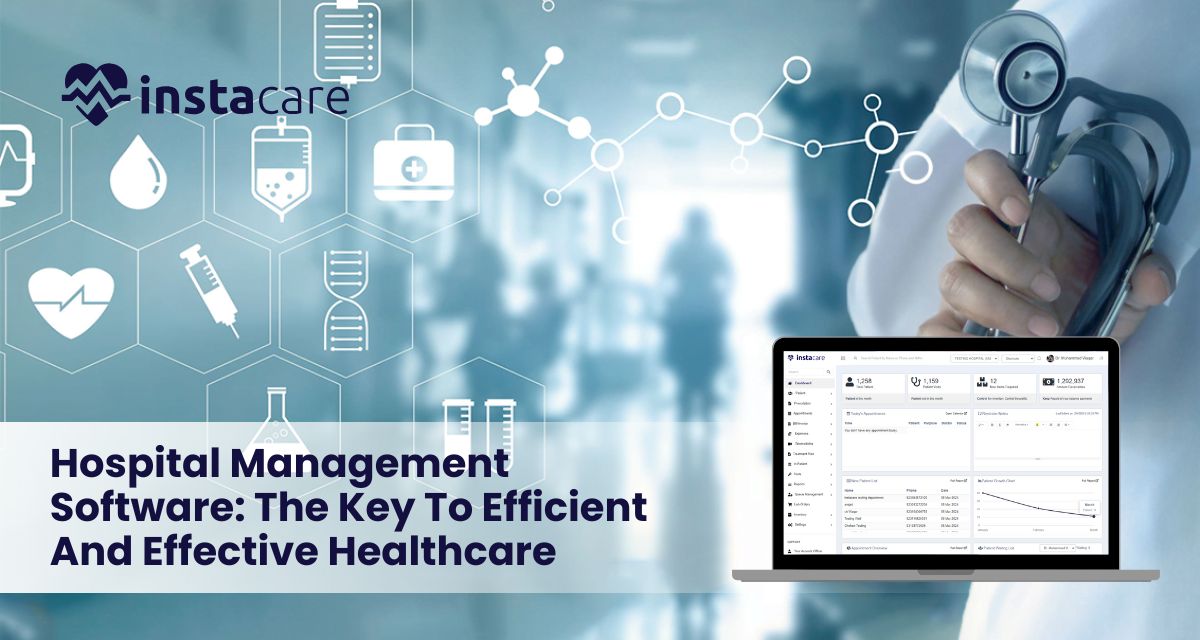
The demand for management systems in the evolving healthcare sector has never been more crucial than now Hospital management software (HMS) essential for enhancing healthcare services and optimising operational processes to achieve improved patient results this detailed handbook delves into the key aspects, benefits and influence of hospital management software, on the healthcare field. Hospital management software is a tool aimed at optimising both the clinical operations in healthcare facilities by combining tasks like patient registration and appointment scheduling with billing and electronic health records management on one platform to enhance workflow efficiency, for healthcare professionals. Key Features Of Medical Center Administration Software 1- Patient Registration and Admission HMS plays a role in helping with registration and admission at healthcare facilities by enabling the efficient collection of important patient details such as demographics and medical history, through software tools provided to healthcare providers. This streamlines the admission process reduces errors often seen with data input. 2- Appointment Scheduling Scheduling patient appointments plays a role in healthcare facilities operations. The Hospital Management System (HMS) commonly offers an appointment scheduling function, for staff to easily arrange or adjust appointments and notify patients appropriately through automated reminders. This practice does not help in decreasing missed appointments. Also enhances the efficient utilisation of healthcare resources. 3-Electronic Health Records (EHR) The EHR part of HMS is imperative for keeping up with precise patient records. It empowers medical care suppliers to store, recover, and update patient data continuously. This centralization of information guarantees that all medical services experts engaged with a patient’s consideration approach similar data, prompting better-organized care and working on persistent wellbeing. 4- Billing And Revenue Cycle Management Emergency clinic the board programming works on the charging system via computerized invoicing, installment handling, and claims accommodation. This component assists medical care suppliers with keeping up with monetary steadiness by guaranteeing opportune installments and decreasing charging blunders. Besides, HMS can incorporate with insurance agencies, smoothing out the case interaction and improving the income cycle of the management. 5- Inventory Management Compelling stock administration is fundamental for medical services offices to stay away from stockouts and wastage. HMS incorporates devices for following clinical supplies, drugs, and gear. By giving constant stock information, the product assists directors with pursuing informed buying choices and oversees costs really. 6- Reporting And Analytics HMS offers hearty detailing and examinations that empower medical services associations to screen key execution markers (KPIs) and survey functional effectiveness. By producing nifty gritty reports on understanding results, monetary execution, and asset use, medical care directors can distinguish regions for development and go with information driven choices. 7- Communication Tools Powerful correspondence is significant in medical care settings. HMS frequently incorporates work in specialised devices, like secure informing and notices, to work with coordinated effort among medical services groups. This guarantees that all colleagues are educated about quiet status, treatment plans, and any progressions in care conventions. 8- Telemedicine Integration With the ascent of telehealth administrations, numerous medical clinics and the board frameworks currently incorporate telemedicine highlights. This combination permits medical services suppliers to lead virtual meetings, oversee distant patient observing, and keep up with progression of care for patients who can’t visit the office face to face. Book Free Demo Benefits Of Hospital Management Software 1- Improved Operational Efficiency Via mechanizing routine undertakings and smoothing out work processes, HMS altogether improves functional productivity. Medical services staff can zero in a greater number of on understanding considerations as opposed to regulatory obligations, prompting further developed efficiency and decreased burnout. 2- Enhanced Patient Experience HMS adds to a superior patient encounter by decreasing stand by times, further developing correspondence, and guaranteeing exact record-keeping. Patients value the accommodation of online arrangement booking, admittance to their wellbeing records, and ideal updates, prompting higher fulfilment levels. 3- Better Data Management Clinic the board programming concentrates patient information, making it more straightforward for medical care suppliers to access and share data. This prompts further developed coordination of care, decreased duplication of tests, and better-educated clinical choices. 4- Regulatory Compliance Medical care offices should conform to different guidelines, including information security regulations and industry norms. HMS frequently incorporates highlights that assist associations keep up with consistent guidelines like HIPAA (Medical coverage Compactness and Responsibility Act), guaranteeing that patient data is put away safely and gotten to exclusively by approved work force. 5- Cost Savings By upgrading work processes, diminishing blunders, and further developing charging processes, HMS can prompt massive expense investment funds for medical services associations. Also, viable stock administration forestalls overloading and wastage, further improving monetary execution. 6- Scalability As medical care associations develop, their functional necessities change. Medical Hospital management software is commonly intended to be versatile, permitting offices to add new modules and elements on a case by case basis. This adaptability guarantees that HMS can adjust to the developing requests of medical services conveyance. 7- Enhanced Security Information security is a main concern in medical care. HMS utilizes progressed safety efforts, for example, encryption, access controls, and normal reinforcements to shield delicate patient data from unapproved access and information breaks. The Future Of Hospital Management Software The fate of clinic board programming is promising, with ceaseless progressions in innovation and expanding requests for effective medical services conveyance. Key patterns to look for include: 1- Artificial Intelligence (Ai) Integration Simulated intelligence is set to reform medical Hospital management software by improving navigation, anticipating patient results, and robotizing regulatory assignments. By utilising computer based intelligence calculations, medical services associations can work on understanding consideration and smooth out activities. 2- Enhanced Telehealth Capabilities As telemedicine keeps on acquiring ubiquity, HMS will probably develop to incorporate heartier telehealth highlights, empowering medical care suppliers to flawlessly offer far off counsels and checking administrations. 3- Interoperability Future HMS arrangements will focus on interoperability, permitting various frameworks to actually impart and share information. This will prompt better consideration coordination and work on persistent results. 4- Focus On Patient Engagement Integrating patient commitment devices, for example, patient entrances and versatile applications, will turn out to
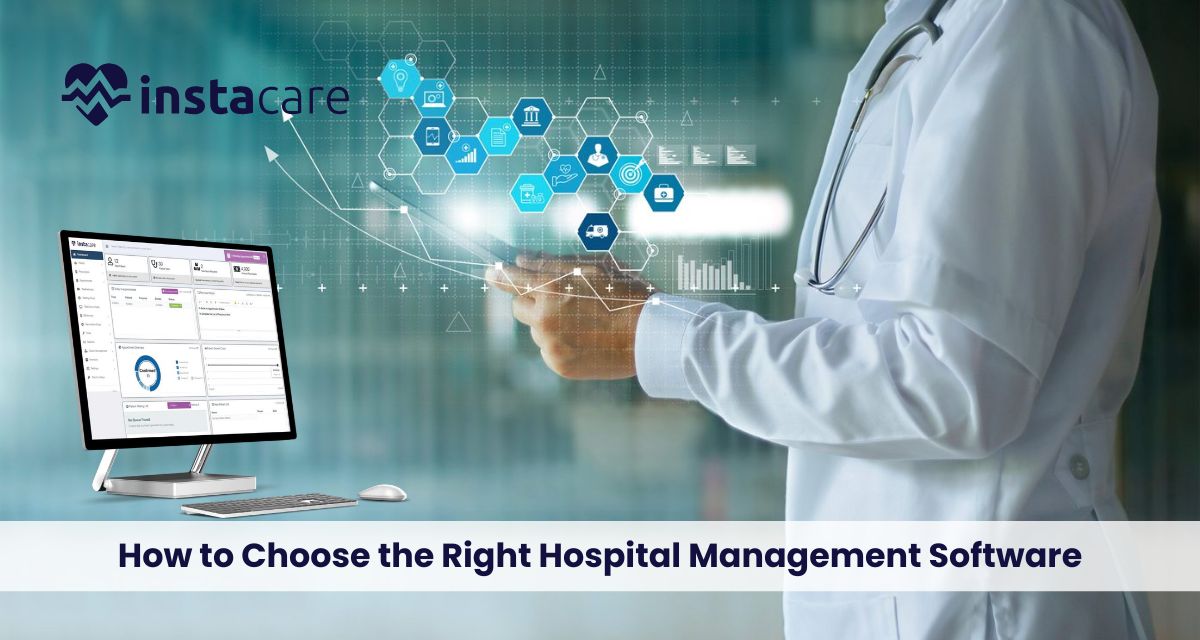
Identifying the right HMS is a significant step towards increasing or overall effectiveness, enhancing quality of patient care and minimizing or eliminating bureaucratic inertia in hospitals. The right HMS will solve the problem of time inefficiency, protect the patient’s data and meet the demands of legislation. Determine the Needs of Your Hospital To make a proper analysis of different software, one has to identify requirements of a particular hospital or other healthcare institutions. Many hospitals have different needs depending on their capacity, number of patients or type of specialization, or any legal compliance that may be necessary. Assess Core Requirements You must then decide whether your practice requires software to manage patient data, handle payments, or improve appointment and overall operational management. Find out such requirements to increase the chance of filtering through software solutions that directly address most of your hospital’s concerns. Consider Scalability Another feature that your hospital will require is scalability where the software will expand in order to handle more patients or employees and patient records within the growing facility you are running. You should ensure that there are Hospital Management Software solutions to meet your needs especially in several aspects such as the modularity of the system where certain modules should be flexible enough to be added as needs grow without necessarily incorporating an entire new system. Accessibility of The System Of the elements used for Hospital Management Software selection, usability plays a prominent role because it determines the productivity of your employees and the quality of the services you provide to patients. The software should be integrated within a method by which all employees ranging from doctors to administrative staff should in a way be able to use it without much training. Assess the User Interface (UI) An interface that is easy to use is also efficient and is time effective as well as being accurate. In its decision, the staff should be able to view patient records, schedules, and other important information from a clear and well-organized solution. Check Train and Support Availability Check that the vendor will still offer your team enough support and training to make the switch an easy one. Book Free Demo Security And Compliance Of Data In the current world, patient records are clients’ sensitive data and any application used by any health facility must have strong personal data protection policy that complies with the current policies such as HIPAA in the United States or GDPR in the European Union. Search for Encryption as well as Access Control Mechanisms Confirm that the HMS offers top-tier protection features in regards to data security such as encryption services, two-factor authentication, and RBAC. They also do not allow any access by unauthorized personnel and help guard patient information from getting out. Verify Compliance Features The software should be compliant to existing laws in your country and other regions on health care to avoid big losses through fines. A vendor that has been in the market developing healthcare software will understand these regulations and should therefore fold compliance into the system. Consider System Connect ability With Other Systems The integration process is very important in order for the flow of activities to be harmonized within a hospital. On the operational level, the HMS should integrate with other infrastructure that is commonly in most hospitals such as electronic health records system, laboratory system, pharmacy system and any billing system. Adequate cross-check for API and Third-Party Integrations The software must have APIs and connectors with other systems, so the data could be easily imported to and shared between different departments. It facilitates and enhances the flow of work and thus assists flow of work. Consider Interoperability Interoperability within an HMS means that data can be transferred, used and shared within the different systems within your facility or even with other facilities as required. This is especially crucial to hospitals that have outsourced their lab services, imaging centers and other forms of referral partners. Consider What Others Have Said Every hospital is unique and therefore, it is recommended that care be taken when implementing solutions without a consideration of what will work for your hospital. Configuration possibility enables the user to adapt the software to the existing organizational practices of the specified hospital. Review Reporting and Analytics Strengths Comprehensive systems of hospital management software contain highly effective elements for the reporting and analyzing of the operational indicators, the results of patients’ treatments, and financial results of activity. This data is very helpful in decision making when trying to determine where improvements need to be made. Automated Reports Automated reports take less time and give accurate and standard information. Select the software that can provide reports on waiting time of the patient, the availability of the bed, and billing reports. Predictive analytics and Decision Support Patient trend analysis, staffing requirements, and indications of the future health of patients can all be anticipated by using advanced analytics procedures. Assess on Vendor’s Credibility And Credibility The hospital depends on the software vendor’s credibility and experience in the market while selecting a hospital management system. Working with a vendor that deals with healthcare needs for instance will know more of what you need and the challenges you might be facing. Vendor experience in the research industry Select a vendor with the healthcare industry focus and a good reference with the hospitals of your size and type. Read through case studies, user feedback, and client reviews in order to determine the reliability of the vendor in the healthcare niche. Discuss about Service Level Agreements (SLAs) The specifications should be checked to ascertain that the vendor agrees to deliver high up time, frequent software updates, and timely support. If the operational vendor is reliable, such an organization will be clear on their service levels, and this will help to avoid disruptions in operations. Check and Analyze the Expense and Profit, or the ROI Overall hospital management software is a costly investment, it is necessary to look upon the total cost
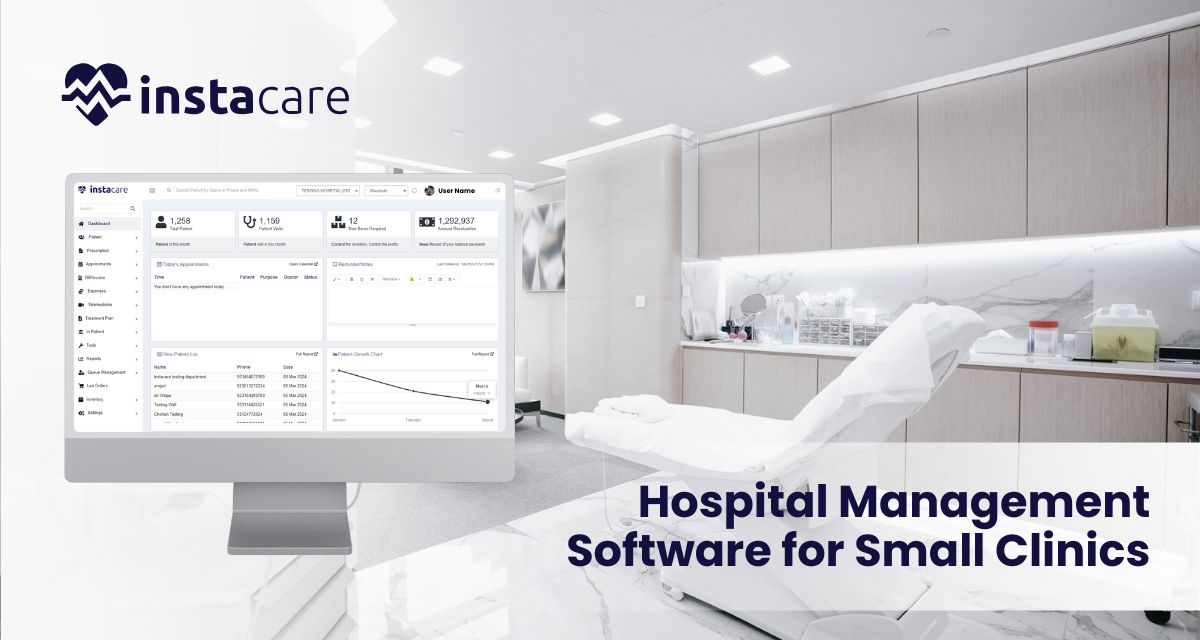
In running a small clinic, there are challenges specific to one such as jobs in managing records of patients, billing, and scheduling for the clinic staff. With the boom in technology, one area that is increasingly being opted for in healthcare institutions such as small clinics is the Hospital Management Software (HMS). These systems would be able to automate most administrative and operational processes with promises of efficiency and accuracy as well as overall clinic performance. However, in the smaller clinics with tight budgets and fewer resources, the question arises whether such software is worth investing. In the following article, the pros and cons are presented with this hospital management system for small clinics, as well as if it is a wise investment for smaller health care facilities. What is Hospital Management Software? Hospital management software: This type of software is referred to as a comprehensive tool that keeps all the functions of a healthcare facility within one platform. The modules included are patient registration, management of medical records, scheduling appointments, billing and pharmacy management, and then reporting. HMS varies according to the facility’s size or type and the specific needs of the clinic. For a small clinic, such software can provide levels of automation that streamline daily operations. As against bigger hospitals, small clinics may not necessarily need all the features of larger HMS, yet they could be willing to pay for customized or scaled-down versions of the more particular workflow and needs. Benefits of Hospital Management Software for Small Clinics 1- Streamline Administrative Tasks The small clinics face a problem of the administrative workload, including appointment scheduling, maintaining patient records, and handling billing. These tasks eat into time that could be utilized in efficient care of patients. HMS automates most such processes, thereby cutting down on time utilized for these aspects and giving room for more discussion on patients. 2- Enhanced Patient Care and Experience Apart from improving the smooth working of a clinic, the management software has a direct relationship with the level of care given to the patient. The electronic medical records help doctors and nurses quickly access patients’ histories, prescriptions, and test results, thereby enabling faster diagnoses and treatment. 3- Enhanced Data Accuracy Proper medical records, wrong billing, and other problems affecting patient care and the financial health of the clinic are prone to human error from manual data entry. In HMS, there will be lower risks of errors because data entry processes are automated. Digital data storage and retrieval imply lesser chances of lost or misplaced records. 4- Cost efficiency Although the initial investment into purchasing and implementing hospital management software is done, long-term cost savings can be achieved. Automated administrative work can minimize clerical mistakes, which might possibly contribute to saving on costly errors. Moreover, it increases billing accuracy and better tracking of payments so that clinics prevent leakage of revenue and ensure smooth cash flow. 5- Improved Financial Management HMS usually comes with billing and accounting modules through which a clinic can monitor real-time performance. It can automate invoicing, payment tracking, and insurance claims processing. Such levels of automation simplify financial management and minimize errors that may easily be made; hence, small clinics stand better chances of having healthy financial standing. 6- Compliance and Reporting Patients’ records or any form of data with regard to the hospital services provided always maintain strict requirements in relation to privacy and how data management is handled, including HIPAA in the United States or GDPR in Europe. Software for the management of hospitals ensures that small clinics are in compliance with standards by securing all data about the patients, utilizing proper controls and encryption. 7- Scalability This is an area where a bigger system for a small clinic will become more apparent. The other strong advantage of this kind of software is that it supports scalability. A small clinic may start on a more basic version of the software, but as its patient base and service offerings grow, the software can be scaled up to include additional modules, functionalities, or user licenses. Book Free Demo Obstacles in Implementing Hospital Management Software in Small Clinics 1- Introduction or Upfront Investment Costs Some of the significant concerns when procuring hospital management software for a small clinic revolve around high upfront costs of acquisition and implementation. While large hospitals can source funds to spend on entire systems from vendors, a similar cost could be too strenuous for small clinics to handle. However, most vendors have accommodative payment plans, while others even provide a cloud-based subscription model that could help reduce large capital expenditures. 2- Training and Transition Stage Staf training is a very fundamental need when implementing a new software system and may last for months that halt some of the normal operations of the clinic. Small clinics with few staffs in most instances may find it quite challenging to set time and resources for such training with a clinic still running smoothly. 3- Customization and Over-Complexity Probably, because several management software systems for hospitals are designed for use in much larger hospitals and may come with very complex features that the small clinic does not require. Their over-complexity creates difficulty in use, and this is going to demoralize the staff unfamiliar with the technological aspect of the system. Smaller clinics can check on this by choosing a system that is specified for their size and operational needs; hence, it would be friendly to use without over-complexity. 4- Maintenance and Support During usage After implementation, Hospital Management Software needs to be maintained continuously in order to retain its performance. This includes updating software, rectifying bugs found, and providing technical assistance. Some vendors of HMS software include services associated with these in their delivered subscriptions or licensing agreements; however, others would demand separate payment for the ongoing support. Such small clinics would thus need to factor in such possible costs while determining the total cost of owning HMS. Is It the Worth Investment? Considering these pros and cons, only
How to Maximizing Potential with Hospital Management System? In a country as vast and populated as Pakistan, accessible healthcare is an essential part of providing quality living standards. But due to the lack of investment in necessary medical infrastructure and facilities, widespread access to public health care can often be difficult for citizens. With the current situation in mind, exploring available hospital management systems that have potential to upgrade Pakistan’s healthcare capabilities could potentially be beneficial for its population. In this blog post, we will take a look at what life looks like with regards to health in Pakistan, before diving into how better hospital management system could revolutionize the nation’s overall standard of care. An Overview of Pakistan’s Healthcare System Pakistan’s healthcare system has evolved significantly over the years. It is a complex system that is still growing and requires improvement in several areas. The government has made efforts to develop and regulate the sector, but the result is still far from satisfactory. Hospitals and clinics struggle with shortages of essential medicines, equipment, and health workers. Nevertheless, there have been substantial improvements in areas such as maternal and child health, immunizations, and communicable diseases. Pakistan faces several challenges, including a high burden of non-communicable diseases, weak primary healthcare, a lack of health insurance, and inadequate funding. Addressing these issues requires a comprehensive approach that involves all stakeholders, including policymakers, healthcare providers, and citizens. Nonetheless, Pakistan has made progress in healthcare, and with continued efforts, there is hope for a better future. Book Free Demo The Need for Hospital Management System in Pakistan In Pakistan, there is an urgent need for a robust hospital management system that can effectively streamline and manage healthcare facilities. The country’s healthcare system is burdened by various challenges, such as inadequate resources, inefficient processes, and limited access to critical medical supplies. These challenges have negatively impacted the quality of care patients receive and the overall effectiveness of hospitals. However, implementing a comprehensive hospital management system can help overcome these challenges by automating and optimizing processes, coordinating patient care, and improving communication among healthcare providers. By leveraging the power of technology, hospitals in Pakistan can enhance their ability to provide high-quality care to patients and ultimately drive better healthcare outcomes. Benefits of Implementing Hospital Management System Implementing a hospital management system can bring numerous benefits, including improved patient care, streamlined processes, and enhanced communication between staff members. With the ability to manage patient records and medical histories electronically, medical staff can quickly access critical information, reducing the risk of errors and ensuring that patients receive the care they need. Additionally, the system can automate administrative tasks, freeing up staff time and resources to focus on providing quality care. With improved communication between staff and departments, accountability and efficiency are maximized, resulting in a more effective healthcare system. Overall, the implementation of a hospital management system can improve the quality of care, reduce costs, and increase patient satisfaction. View More: How Hospital Management Systems are Revolutionizing Healthcare in Pakistan? Challenges Faced During Implementing Hospital Management Systems in Pakistan The implementation of hospital management systems in Pakistan is a significant challenge due to several factors that affect the healthcare industry in the region. One of the fundamental challenges is the lack of digital infrastructure, which makes it difficult to integrate these modern systems into existing healthcare facilities. Additionally, inadequate IT training and awareness among healthcare professionals and limited financial resources also hamper the implementation process. Despite these challenges, the use of hospital management systems in Pakistan is becoming more widespread, and efforts are being made by the government and private sector to address these issues. With time, it is hoped that the implementation process will be smoother, making it possible to enhance healthcare outcomes and improve patient care. Exploring Different Solutions to Overcome the Challenges Overcoming challenges is something that we all must face at some point in our lives. Whether it’s a personal struggle, work-related stress, or a global crisis, taking a step back and exploring different solutions can help us overcome even the most difficult obstacles. The key is to approach the problem with an open mind and a willingness to try new things. Sometimes the solution may seem obvious, while other times it may be hidden beneath layers of complexity. By breaking down the problem into manageable pieces, seeking input and advice from others, and remaining flexible in our approach, we can find unique ways to overcome challenges and achieve success. Advantages of Using Hospital Management Systems in Medical Facilities in Pakistan In today’s ever-evolving world, hospital management systems are becoming increasingly important for medical facilities in Pakistan. With the advent of advanced technology, the healthcare industry has undergone significant changes, and hospital management systems have become a valuable tool to streamline hospital operations. These systems aid in patient care, resource use, scheduling, and financial planning, resulting in improved efficiency, cost-effectiveness, and patient outcomes. In addition, hospital management systems allow for better communication and collaboration between departments while reducing the risk of errors caused by manual record-keeping. Overall, the advantages of implementing hospital management systems in Pakistan’s medical facilities are undeniable and can significantly enhance the quality of healthcare delivery in the region.
10 Reasons Why Hospital Management Software Is Helpful In The Healthcare Industry For some time now, the application of artificial intelligence in healthcare has been making headlines. There is indeed more to it than just talking about medical robots every time. An automated system in healthcare is a prime illustration. Various software programs that encourage efficiency in delivering medical services constitute automation in the healthcare industry. Modern methods and technologies are used in this technology for efficiency. They support your loved one’s remote safety, security, and health monitoring. In light of this, we will outline the twelve benefits of healthcare automation for patients and healthcare service providers. More Fast Data Retrieval The production of data is an essential component of health care. EHR systems are now being enhanced to produce data instantly. The patient experience will be improved, and the data extraction procedure will be increased. In addition, medical professionals will quickly access the necessary data when required. Improved Ordering The ordering procedure was complicated and drawn out. A single order with an HER machine requires many clicks to execute. Predictive AI technology, however, can significantly improve ordering process efficiency. Faster Billing AI in revenue applications can accelerate the regeneration of bills. Additionally, this reduces the time needed to deliver patient bills, increasing client satisfaction. Disease Early Detection Patients benefit from early detection in several ways. Early diagnosis and therapy can stop the spread of the illness. It is simpler to identify a patient with a particular ailment because of automated systems in healthcare. This typically occurs before the onset of symptoms. Rapid And Accurate Medical Diagnostics When making clinical decisions, especially for those with severe conditions, time is of the essence. A patient is more likely to develop worse or die from the condition if the diagnosis is delayed. Health professionals are also prone to errors that produce false outcomes when they rush the procedure. However, the automated diagnostic process from clinic management software makes quicker and more accurate findings. Providing Better Quality Care Health care professionals can give improved services thanks to clinic management software automation. These include improved patient care, enhanced productivity, and patient data retrieval. When needed, patient information is always available. This simplifies the care giving process. Patient indexing, data entry, and medical history are a few of these. Healthcare automation enables doctors to keep an eye on their patients, remind them of follow-up visits, and speed up billing. Improved Patient Participation & Management Today, the majority of patients utilize mobile applications to boost engagement. Mobile apps for services make managing patient care more accessible. They simplify scheduling appointments, reviewing patient records, and paying hospital bills. Patients may communicate with doctors and get health advice through mobile applications. Minimum Errors Simple errors in the delivery of healthcare can be pretty expensive. Due to fatigue and inattention, doctors are prone to making errors. With automated machinery, this isn’t the case, though. Electronic systems can help healthcare practitioners provide prompt and effective treatments. A computerized system is more efficient and eliminates room for error. Solutions To Safer Treatment A more precise diagnosis reduces the possibility of consequences from patients receiving incorrect care. Patients receive the best care, and doctors feel confident in their recommendations. The possibility of medical negligence resulting from a false diagnosis is likewise remote. Automation lowers the number of medical malpractice cases, benefiting patients by saving them time and money. Enhanced Communication Healthcare automation also improves communication between patients and medical professionals. For instance, most patients forget their appointment dates and miss them. However, with an appointment reminder, the frequency of patients skipping appointments is lowered. Conclusion To execute implementing healthcare automation, you are needed to first think about patient engagement. For the best-automated hospital management software, you may contact https://instacare.com.pk/, the best hospital management software company.
Why Do Hospitals Need IT Software for Management Systems? Nowadays IT software is most important for hospital management systems. This software better the experience of patients by making use of better systems for decision making. Through this software hospitals and clinics manage operations, increase patient retention and manage financial operations and many more. In this software, you can add the health record and the revenue cycle. Hospitals and healthcare facilities improve the quality of healthcare services, reduce operating costs, and improve the revenue cycle by using such hospital management systems. What are the benefits of IT software for hospital management systems? . IT software for hospital management allows easy access to patients’ data to save records which include patient name, gender, age, and health information. This software improves the ability to access such data remotely. . This software helps authorities of the hospital to make policies regarding developing comprehensive health. . Its software efficiently engenders the running of finance, the diet of patients, and also the distribution of medical aid. . This software manages the inventory system which includes the information of hospital stocks. You can also check the detail about the stock is in the case of misplacement and any theft. . This software reduces transcription errors and duplication of information entries. . This software also reduces the error caused by handwriting. . IT software for hospitals authorizes business intelligence modules to provide valuable insights into hospital functions and the standard of patient care. . IT software for hospital management offers modules like patient registration, appointment, outpatient management, inpatient management, billing, laboratory and pharmacy management, and many more. . IT software for the hospital also improves the healthcare facility and the experience. . It also improves the interaction between doctors with their patients. . This software also reduces the expense of paper and improves safety. Which company provides the best IT software for hospital management in Pakistan? InstaCare is providing customizable, comprehensive, and integrated IT software for hospitals in Pakistan. This software also gives alerts and text messages to the doctor and the patients to improve the quality of patient care. This hospital management software helps you to be aware of revenue streams, patient records, and other critical metrics in real-time at your fingertips.
- 1
- 2