

Low-Code and No-Code for Healthcare: Benefits, Applications, and Future Trends Currently, the global push for the digitization of healthcare has made improving patient access, optimizing administrative management processes, and increasing the productivity of healthcare staff and practitioners a primary focus. Traditionally developing healthcare software requires a significant level of investment. Low-code and no-code are making a big difference in these situations. Building applications on low-code and no-code development platforms can be achieved using little or no coding at all. Development can be carried out using a graphical interface and drag-and-drop, pre-assembled building blocks. All of this can be done without much of the time and effort usually required by healthcare software developers. Low-code and no-code platforms enable the development of systems to automate patient appointments, streamline and automate workflows, and even automate the creation and delivery of electronic healthcare forms. These platforms are enabling the development of more cost-effective solutions to more pressing and changing demands in the delivery of healthcare systems. What Are Low-Code and No-Code Platforms? Low-code and no-code platforms are software development systems that simplify the creation of applications. Low-code platforms are development systems that integrate a visual approach to the majority of the development system, and therefore, require a bit of programming knowledge. They can be used for all the healthcare applications that are complex and demand a higher degree of customization and need to be integrated with other applications. No-code platforms are development systems that have a drag-and-drop interface, templates, and configurable workflows. These systems are much more suited to healthcare staff and practitioners who do not have a technical background, as they require no programming at all. In comparison to coding in the traditional way, both systems offer a much more rapid way to develop applications. Why Healthcare Is Adopting Low-Code and No-Code Solutions? The delivery of healthcare systems is under increasing pressure to do more with less and provide a much better patient experience. All the while, systems and applications that help to deliver this have to be designed, developed, and deployed in a regulatory compliant fashion. Using traditional software development systems, the delivery of these systems can take months or years. Benefits to Using Low-Code/No-Code Tools in Healthcare Low-code and no-code tools enable healthcare organizations to: Rapidly build new healthcare applications Lower the total cost of building healthcare applications Build more efficient healthcare applications Build applications that address healthcare needs more rapidly Automate various healthcare tasks Improve integration and teamwork between healthcare administration and healthcare delivery These advantages give healthcare organizations more time to focus on the improvement and delivery of patient care. Common Applications in Healthcare The only limit to the applications of low-code and no-code tools in healthcare is your imagination. Client Booking Healthcare organizations are able to build online appointment systems that help patients book, change, or cancel appointment times, while also decreasing the burden of appointment management on office staff. Client Registration Forms and systems can now be built to help clients register and complete online/on-site intake in a time efficient and systematic manner. Workflow Automation Many administrative tasks can now be automated using low-code and no-code tools. These tasks include but are not limited to: Appointment messaging Referrals Prescription renewals Staff/Client Notifications Approvals Follow-up Task Automation Patient Portals Staff portals can be built to help staff view, edit, and manage: Schedules Shift Requests Staff Performance Staff Training Staff Onboarding Staff Portals can help improve management. Inventory Management Clinics and hospitals now have the ability to be notified when supplies or equipment stock is low. Incident Reporting Safety incidents and equipment failures can now be reported quickly to the necessary department using automated digital forms. Internal Dashboards Healthcare administrators can design dashboards to track: Patient numbers Appointment data Staff usage Resource use Operational data Service data Advantages of Low-Code and No-Code in Healthcare Speed With low-code systems, apps that would typically take months to develop can sometimes be built in a matter of weeks and in some cases, days. Cost With less coding and more clicks, costs associated with developing the app decrease while the organization uses more of its internal resources. Productivity Healthcare staff have more time to focus on patient care instead of being bogged down by tedious paperwork and administrative tasks. Flexibility Because the coding is so easily adjustable, the app can be updated to fit the regulations and workflow of the healthcare office. Collaboration Because clinical staff, administrative staff, and IT staff work together to design the app, the app works for the staff and fits the workflow. Process Automation Repetitive tasks are automated and integrated into the app, causing less delay, more consistent inter-office workflow, and less human error. Accessibility Most low-code and no-code systems are responsive and easily adaptable to work on desktops, laptops, and phones. Book Your Free Marketing Consultation Disadvantages of Low-Code and No-Code in Healthcare These systems are not without their faults so organizations must be aware of issues these systems might cause. Data Protection Most healthcare apps are handling sensitive patient data and as such, strong protection of this data with secure systems, user protection, and management of data access is critical. Compliance Most of the healthcare low-code and no-code systems are not compliant with the required protections and healthcare data regulations. Designing compliant systems is possible, but will require some level of coding. Customization Most no-code systems require the app to be designed with a workflow in mind, and therefore, can’t support complex healthcare workflows. Integration Complexity Healthcare systems usually combine many digital solutions. Integrating new tools with current electronic health records systems, billing, laboratory, or imaging software may need specialized skills. Scalability Applications need to be able to handle larger amounts of data and larger numbers of concurrent users as healthcare organizations expand. Best Practices for Successful Implementation Maximizing the advantages of low-code and no-code platforms for healthcare organizations can be realized by following best practices. Understanding the workflow issues will help to ensure the solution developed to address the problem will meet the
Patient Empowerment Software: Transforming Healthcare Healthcare is changing fast. The most notable aspect of this is the shift toward patient-centered care, in which patients are seen as partners in the care process rather than passive recipients. Bringing about this change is patient empowerment software, which includes digital tools to aid patients in taking control of their healthcare process. This software can help patients partake in their care process in many ways by allowing them to access their medical records, track and manage their symptoms and medications, and communicate and interact with their care providers. Patients want care to be as user-friendly and clear as the digital applications they use in their daily lives. The digital tools that empower patients help to close the gap between patients’ digital care expectations and the traditional medical systems. What Is Patient Empowerment Software? Patient empowerment software are the digital systems that aid patients in the management and decision-making processes regarding their own health. These systems can be digital applications in their own right or components of other systems, such as electronic health record (EHR) systems. These systems seek to turn the healthcare model that is predominantly controlled by providers into one that is predominantly patient-centered. This software gives patients the ability to improve their health outcomes by informing them and enabling them to take various healthcare actions. Patient empowerment software can include any or all of the following: Scheduling and reminder systems Messaging systems to care teams Self-assessment and symptom-tracking tools Condition specific educational content Medication management and telehealth systems Integrating all of these systems provides patients the ability to manage their health with clarity and confidence. Why is Patient Empowering Important? Patient empowerment is vital in contemporary care. Its advocates show increased: Compliance with treatment Understanding of their condition Involvement in the care process Managing chronic conditions Satisfaction with care Greater control of their lives to the extent that empowered patients make more rational decisions concerning their medication and lifestyle The active involvement of patients transforms the care process from a top-down approach to a relatively equal partnership. As a result, focus is shifted from the process to the outcomes, which include improved adherence to the care process and fewer complications. Characteristics of Empowering Patients Application Some of the patient empowerment tools found in most contemporary application software include: Personal Health Records Patients no longer have to rely on their health care providers to inform them of their diagnoses, lab tests, images, vaccinations, and summaries of their visits as they can now access them in one place. Patients can track their health and encourage them to engage in health-related discussions with their providers. Care Events Patients can now schedule, reschedule, and cancel their care events without having to make a phone call. Many patient empowerment applications have features that remind patients of their scheduled visits. Empowered Patients Patients can easily contact their care teams, receive answers to their queries, and get involved in the care process without visiting the health care facility in person. Many modern patient empowerment applications especially allow patients to engage in care virtually by tracking their symptoms and vital signs like blood pressure and blood glucose. Medications Automated alerts for scheduled medication times Requests to refill sent to the pharmacy/clinic Notifications for potential interactions or when a dose is missed Learning Materials Patients are able to access articles with supporting research, as well as videos and tutorials, to help them understand their illnesses, available treatments, and how to engage in preventive care. Integration of Telehealth To help those patients who live in rural areas, and to help the barriers of time and lack of transportation, an option for virtual appointments is available. Book Your Free Marketing Consultation How Patient Empowering Software Serves Users? Patients With patient empowerment software, an individual is able to: Understand their illnesses better Track their own health Decide on their own treatment and/or lifestyle Access help and answers to their questions in a direct manner. This helps to lessen anxiety Continue to stay involved in the management of their chronic illness (asthma, hypertension, diabetes, etc.) Healthcare Providers For clinicians, this software provides: Current patient information when it is time for an appointment Less time is spent on the phone doing follow up calls Better patient communication Greater compliance to care More time to dedicate to each patient for consultation Healthcare Systems For healthcare organizations, this software provides: Better patient compliance and satisfaction Better care coordination and operational care Better management of the health of the community and a decrease in readmissions An overall better quality of care with a positive impact on the cost of care This software engages patient care in a manner that is empowering for patients and helps provider care for patients. Real-World Applications Patient empowerment software is being used in many areas of healthcare to include the management of chronic illness and mental illness. For chronic illness management, patients can log and track their own vital signs and share with their provider. This allows for better and more timely interventions. In mental illness management, mood tracking and therapy reminders are helpful. Medication Adherence: Automated alerts reduce medication non-adherence and improve health outcomes. Post-Surgical Recovery: Daily check-ins catch complications earlier and reduce the risk for hospital readmissions. Preventive Care: Automated care alerts improve adherence to vaccinations, screening tests, and routine health visits. With actionable insights and proactive care management, patient empowerment software improves the quality of care. Challenges and Considerations A few challenges arise when introducing patient empowerment software: Digital Literacy Many patients lack comfort and/or experience using certain types of technology. Platforms must be simple and usable by patients regardless of comfort level with technology. Privacy and Security Health data are the most sensitive of all data. Platforms must use strong security protections, ensure only the most needed data are accessible, and comply with all data protection standards. Integration with Clinical Systems All patient empowerment software must integrate with existing EHRs to avoid data silos, duplicate data entry, gaping
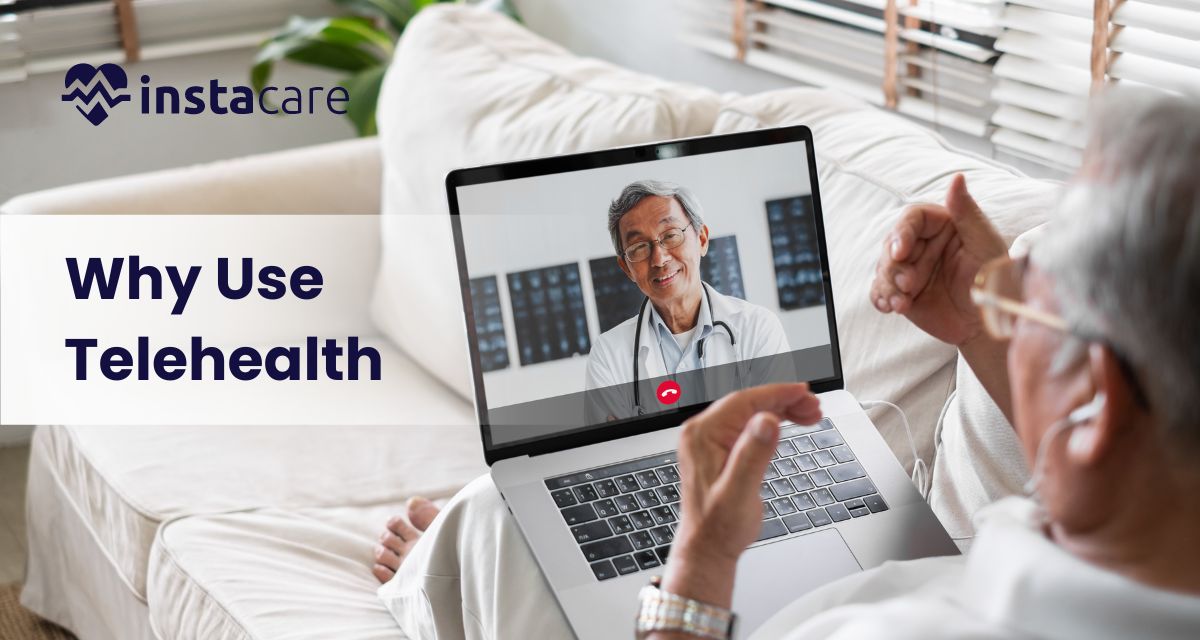
Why Use Telehealth? Explore The Important Uses In Healthcare In recent years, the healthcare industry has witnessed a significant transformation due to advancements in technology. One area that has gained tremendous popularity is telehealth. Telehealth refers to the use of digital communication technologies to provide healthcare services remotely. It has revolutionized the way healthcare is delivered and has numerous important uses that benefit both patients and healthcare providers. In this blog post, we will explore why telehealth is being widely adopted and the significant roles it plays in modern healthcare. Here are the points we discussed about Telehealth!! 1-Enhancing Access to Healthcare One of the primary advantages of telehealth is its ability to improve access to healthcare services, especially for individuals residing in remote areas. Many people face challenges when it comes to accessing medical care due to geographical barriers, limited transportation options, or a shortage of healthcare providers in their vicinity. video consultation eliminates these barriers by enabling patients to consult with healthcare professionals remotely, regardless of their location. Through video consultations, patients can receive medical advice, diagnosis, and even prescriptions without having to physically visit a healthcare facility. 2-Overcoming Time and Distance Constraints Through Telehealth Telehealth is particularly beneficial for patients with time constraints or limited mobility. People with busy schedules, work commitments, or disabilities that make it difficult to travel can now conveniently access healthcare services. Instead of spending hours in waiting rooms, patients can schedule virtual appointments at a time that suits them best. This flexibility allows individuals to receive medical attention without disrupting their daily routines or compromising their responsibilities, thereby increasing patient satisfaction. 3-Efficient Chronic Disease Management Chronic diseases require ongoing care and management, often involving regular check-ups and medication adjustments. Video Consultation offers a convenient solution for patients with chronic conditions, such as diabetes, hypertension, or asthma. With telemonitoring devices, patients can track their vital signs, blood glucose levels, or other health parameters and transmit the data to their healthcare providers. This allows healthcare professionals to monitor their patients’ conditions remotely, identify any concerning trends, and make timely interventions when necessary. Online consultation empowers patients to take an active role in managing their health while enjoying the convenience of personalized care from the comfort of their homes. Book Free Demo 4-Mental Health Support with Telehealth Telehealth has become a vital tool in the field of mental health, where accessibility and timely intervention are crucial. Many individuals hesitate to seek help for mental health concerns due to social stigma, fear, or limited access to mental health professionals. video consultation services provide a confidential and convenient platform for patients to connect with mental health providers remotely. Video consultations, therapy sessions, and counseling can be conducted securely, enabling individuals to receive the support they need without leaving their comfort zones. online consultation has played a significant role in increasing access to mental health services and reducing the burden on traditional in-person care. 5-Enhancing Specialist Consultations Accessing specialized healthcare services often involves long waiting times and travel expenses. Telehealth bridges this gap by connecting patients and healthcare providers across different geographical locations. Patients can seek virtual consultations with specialists, regardless of their physical location. This is particularly beneficial for patients living in rural areas with limited access to specialized care. Telehealth enables healthcare providers to extend their expertise beyond the confines of their physical practice, ensuring that patients receive the best possible care without unnecessary delays or travel. 6-Improving Healthcare Efficiency Telehealth has the potential to significantly improve the overall efficiency of the healthcare system. By reducing the need for in-person visits, telehealth helps alleviate the burden on healthcare facilities, particularly during peak times and emergencies. It also minimizes the risk of disease transmission in crowded waiting areas, benefiting both patients and healthcare providers. Additionally, telehealth can streamline administrative tasks, such as appointment scheduling, record-keeping, and billing, leading to improved workflow and reduced administrative costs. 7-Follow-up Care and Monitoring Telehealth is an excellent tool for providing follow-up care and monitoring patients’ progress after initial consultations or treatments. Instead of requiring patients to make multiple in-person visits, healthcare providers can conduct virtual check-ins to assess recovery, address any concerns, and provide ongoing guidance. This is particularly beneficial for post-surgical patients, individuals undergoing physical therapy, or those with chronic conditions that require regular monitoring. Telehealth allows healthcare professionals to monitor patients’ progress remotely, provide necessary interventions, and make adjustments to treatment plans as needed, leading to better continuity of care and improved patient outcomes. 8-Health Education and Preventive Care Telehealth plays a vital role in health education and preventive care. Through virtual platforms, healthcare providers can offer educational sessions, workshops, or webinars to educate patients about various health topics, disease prevention strategies, and lifestyle modifications. Telehealth also enables healthcare professionals to conduct remote screenings, such as mammograms or cardiovascular risk assessments, providing early detection and intervention for potential health issues. By promoting preventive care and empowering patients with knowledge, telehealth contributes to overall wellness and reduces the burden on healthcare systems by preventing the progression of preventable diseases. 9-Emergency Medical Consultations During emergencies or urgent situations, telehealth can be a life-saving resource. In cases where immediate medical attention is required, but it is not feasible to reach a physical healthcare facility in a timely manner, telehealth consultations can provide critical support. Emergency medical professionals can assess patients remotely, offer guidance on first aid measures, and determine if further medical intervention is necessary. Telehealth consultations during emergencies can help stabilize patients, provide reassurance, and facilitate the appropriate transfer to a nearby healthcare facility when needed. This use of telehealth has proven particularly valuable in remote areas or situations where immediate access to healthcare professionals is limited. Conclusion Telehealth has emerged as a powerful tool that is transforming the healthcare landscape. Its ability to enhance access to care, overcome time and distance constraints, support chronic disease management, facilitate mental health services, provide access to specialist consultations, and improve healthcare efficiency has made it an invaluable asset for patients and healthcare
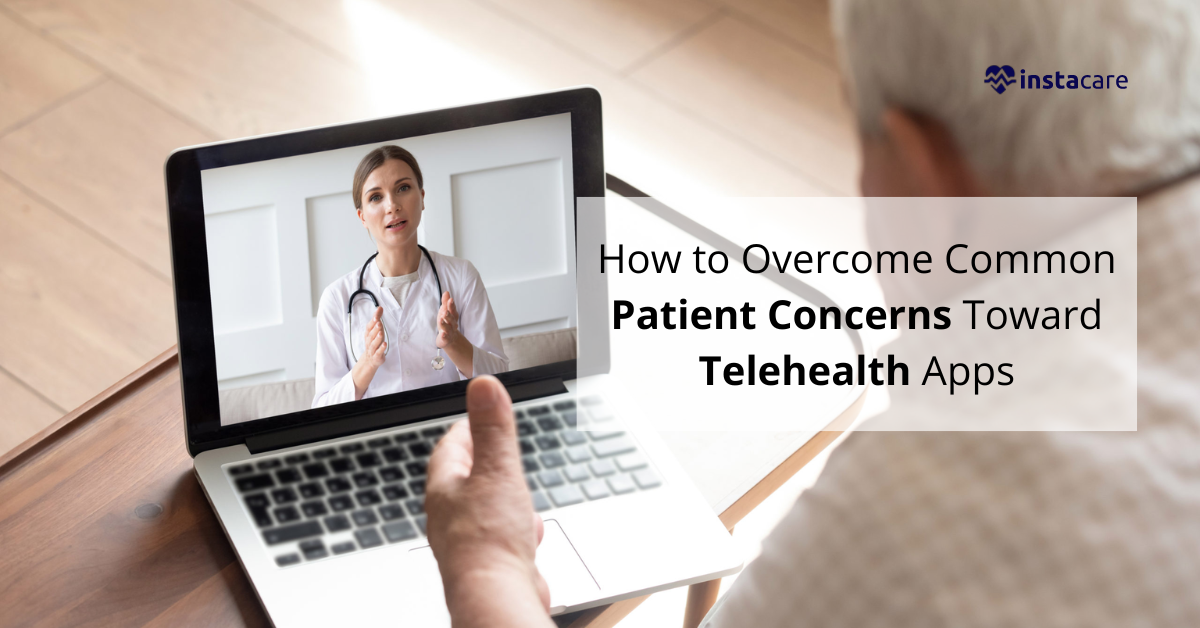
How to Overcome Common Patient Concerns Toward Telemedicine Software? Telehealth refers to the use of technology, such as computers and phones, for any health-related purpose. Telehealth encompasses a range of technologies, from health blogs to smartphone applications used to track health. People who reside in remote or rural areas and find it difficult to travel large distances for consultations should have easier access to information thanks to the telehealth platform which provides you with telemedicine software. For those who suffer from infectious infections and chronic ailments, this is very practical. As a poll conducted by Software Advice revealed that patients are already very interested in Telehealth Software. Telemedicine software, a subset of telehealth, attracted the curiosity of roughly three out of every four responders. This interest shouldn’t be a surprise considering the many advantages listed by patients who used telemedicine software: High-quality care is at least as good as in-person appointments. Removing the need for travel and enabling patients to visit a doctor in the convenience of their own home. Access to doctors without difficulty and the avoidance of waiting areas Lower prices are insured Main Concerns Surrounding The Telehealth Most worries can be divided into one of two categories: those about the effectiveness of the treatment and those relating to the technology employed in the treatments. Healthcare professionals must address these concerns to enable the growth of telehealth platforms because they could slow down the adoption rate. Effectiveness Or The Quality Of Treatment The idea that virtual consultations won’t provide the same level of care as in-person treatment is perhaps the most widespread. The face-to-face encounter and the bond formed with the doctor are important parts of medical consultation for many patients. This shouldn’t be a surprise because good patient-physician communication has been demonstrated to have a positive impact on health outcomes. Additionally, it improves patient satisfaction and involvement in their care and offers patients the support and assurance they need when things are tough. As a result, many patients worry that when they convert from in-person to virtual consultations, these advantages may be reduced, if not lost totally. Another issue is the doctor’s capacity to identify symptoms. Book Free Demo The Use Of Technology Patients frequently have concerns about the technology required to provide high-quality telehealth services. Patients are first worried that poor technology or software flaws can negatively impact the standard of the service being provided. For example, losing internet connectivity just as the doctor was ready to provide crucial test results would be a worrying scenario. How at ease the patients are using the required technologies is a different concern. For instance, some patients can find video chat uncomfortable, while others might not even be tech-savvy enough to use the equipment. Additionally, it is reasonable to predict that many elderly patients won’t have the essential abilities given how quickly technology is developing. Ways To Addressing The Concerns The most important instrument that healthcare practitioners can consider when trying to determine how virtual consultations compare to in-person care is education. Concerns Related To Effectiveness Or The Quality Of Treatment Patients should be informed of the primary Telehealth Software and primary telehealth platform kinds. Remote monitoring, asynchronous telehealth, and synchronous telehealth are all options. Knowing when to employ telemedicine software and other things in each type is essential because each offers advantages that are appropriate for particular situations. Concerns Related To The Use Of Technology Technology-related problems are more difficult to tackle. One obvious aspect is that as time goes on, individuals will become more accustomed to using technology generally, making its use in telehealth easier. However, there are several things that medical professionals and healthcare providers may do right now to assist in addressing these difficulties. Before doing anything, it is important to determine what factors healthcare practitioners have control over and what factors they do not. Conclusion At the end of this topic, we have seen the concerns and their ways to tackle telemedicine software. But if you choose the right tools then there is no problem as InstaCare provides the best smart technology for the field of healthcare. Must visit their website https://instacare.com.pk/ or contact them to avail the best hi-tech health management technology in Pakistan.