

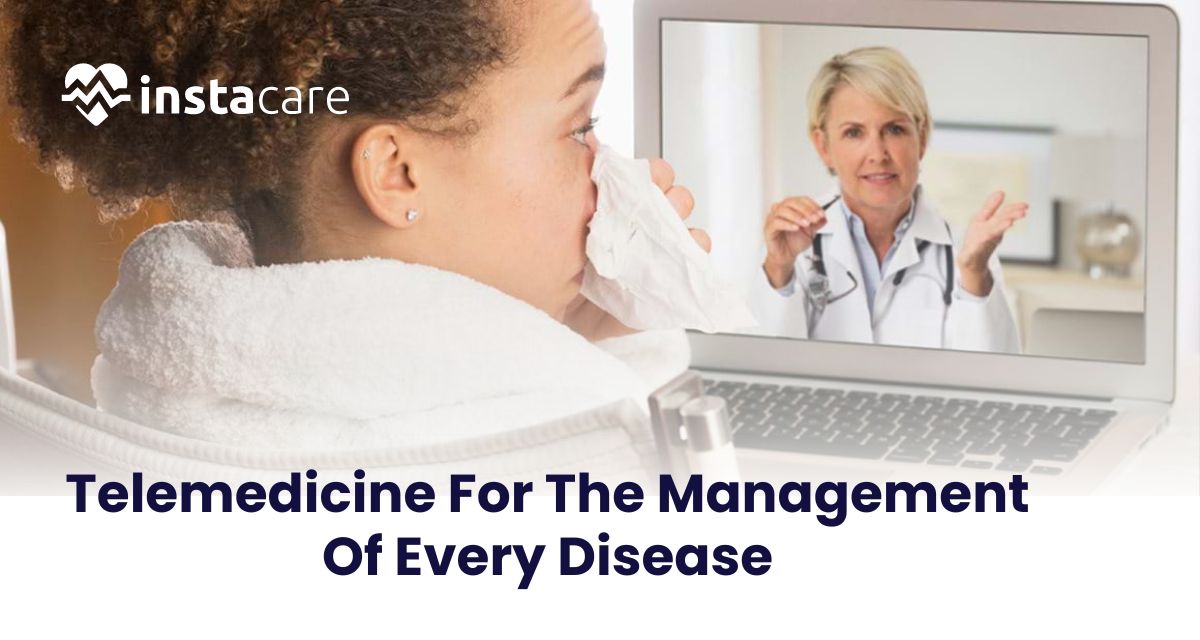
Last Updated on 2 years ago by Ahmed Usman Efficacy Of Telemedicine For The Management Of Every Disease In the scenario of fast-changing positions in the healthcare industry, telemedicine appeared as a force of change, challenging the approaches of telemedicine for the management of every disease. Telemedicine is a practice that involves the provision of care through technology. This includes tele-diagnosis, tele-treatment, and tele-surveillance. Tele-diagnosis refers to the process whereby patients receive a diagnosis without necessarily having to visit the hospital physically. From being able to consult healthcare providers and specialists through video calls and other forms of communication to even keeping track of chronic diseases through virtual means, telemedicine means that patients can get care from their doctors regardless of the distance. Top Notch Advantages & Efficacy of Telemedicine For The Management Of Every Disease 1-Improved Access to Healthcare: Telemedicine helps in ensuring that despite the barriers in geography, healthcare facilities that need to be provided can be made available to those who lack access for one reason or the other in a certain region of the country. Now, patients who want access to anyone in a healthcare provider’s office can do so from the comfort of their homes and without having to leave their homes, spend money on travel, or take time doing so. 2-Enhanced Patient Convenience: Telemedicine enables patients to access care services when they want and within their comfort without the need to be in a healthcare facility since they took time off from work to attend a hospital. Health care accessibility has been known to enhance the engagement of the patient thereby bringing about enhancement in producing better results. 3-Disease Management Made Easy: Telemedicine allows a doctor not only to oversee the patients with such diseases as diabetes, hypertension, or heart diseases using tools for remote supervision and regular consultations through the Internet. This makes it easy for the doctor to intervene early enough and modify the system of treating the disease as a way of enhancing management of the disease. 4-Saves money: Telemedicine makes it more affordable to provide quality care to patients while saving a lot on healthcare. It saves time off work, sitting fees, and transportation costs by patients and cuts overhead costs by health providers. 5-Better Continuity of Care: Telemedicine offers a proper and smooth way of communication among health providers. It, therefore enables a comprehensive and integrated approach to the care of patients. It may result in a more harmonious continuation of patient care, reduction of medical errors, and improvement in outcomes. Book Free Demo The Efficacy of Telemedicine in Managing Various Diseases Several chronic conditions, such as diabetes, hypertension, and heart failure, have been found to benefit under telemedicine. Remote monitoring devices and virtual consultations have been helpful in closely following up with a patient, adjusting patient’s medication, and providing timely interventions, therefore ensuring better control of disease and reduced hospitalization. Infectious Diseases In the care and management of infectious diseases, telemedicine has been valuable in ensuring remote screening, diagnosis, and follow-up. It assists in minimizing the potential for transmitting diseases while ensuring patients get needed medical attention without having to physically visit the physician. Dermatology Telemedicine has been applied successfully to handle dermatology cases through virtual consultation and the use of digital photography by a healthcare professional to assess and treat skin conditions. This has vastly improved access to specialized care, particularly for individuals living in areas with limited dermatological services. Pediatrics It has emerged as an effective tool in the care of children, which allows parents to consult a healthcare professional remotely in times other than emergencies, such as routine check-ups, minor ailments, or behavioral issues. It is most helpful for families living in rural areas, or those with limited access to pediatric care. Challenges and Considerations Of Telemedicine For The Management Of Every Disease Although telemedicine is one of the promising solutions for improving health care services in remote, underserved, and rural areas, there are also certain obstacles and factors that should be taken into consideration while implementing the solution. 1-Technological Barriers: Challenges of access, availability and the reliability of internet connection and networking devices, including computers, are also a challenge, especially to rural and other unserved premises. To this end, it is important for these mentioned technological barriers to be addressed in order to allow provision of equitable telemedicine services. 2-Regulatory and Legal Considerations The uptake of telemedicine services must stick to some regulations and laws, which may differ from country to country. Intensely it creates many difficulties for healthcare providers who need to follow all these rules to provide patients with the best possible service. 3-Patient Privacy and Data Security Telemedicine involves communication of highly confidential patient information and thus requires fitness of high data security standards not overlooking the patient’s rights to privacy as enshrined by the health insurance portability. 4-Reimbursement and Funding This is due to fact that telemedicine services are a relatively new concept and therefore their sustainability continues to be a concern in that appropriate financial models which can be used by insurance firms and health care systems to fund these services have not yet been developed. 5-Patient Acceptance and Engagement So, although the adoption rate of telemedicine has accelerated due to a pandemic, there may still be reluctance or skepticism among some individuals. There is a need for continued patient awareness campaigns to make virtual care adoption more successful and the norm in society. Conclusion Telemedicine is defined as the use of information and communication technologies to support the healthcare delivery process, either in part or in entirety, to patients in locations remote from clinicians. Here, telemedicine has the promising and farther-reaching possibilities of fundamentally changing the model of the healthcare delivery by providing patients with accessing to the quality health care, increasing patients’ convenience and improving the efficiency of sickness treatment. FAQs What level of efficiency does telemedicine have aimed at chronic diseases management compared to traditional in-office treatment? Telemedicine has been widely effective in the treatment
Last Updated on 2 years ago by Ahmed Usman Heart Failure And Telemedicine: Where Are We And Where Are We Going? In the past few decades alone, healthcare has proven to have a plethora of opportunities through the advancements in technology and the evolving patient population. Another field that has been widely explored and has huge potential in the future is the utilization of heart failure and telemedicine, for example, and other chronic diseases. The Rise of Telemedicine Telemedicine is mostly perceived to be one of the initial models for the delivery of the future healthcare system, which is an efficient model that aims to solve the interaction between patients and healthcare workers. The spread of portable devices such as smartphone, wearable devices, and internet connection, the idea of tele–medical care has become far more reachable. For people experiencing heart failure, an increasingly dynamic chronic illness requiring constant attention and multiple interventions, super electro skype technology represents a ray of light. 1-The Role of Teleconsultations Teleconsultations are the foundation of the telemedicine model and ensure that patients can consult with different healthcare professionals with no physical restrictions as to distance and location. They also ensure timely treatment because the counseling is done through electronic means They also save a lot of time because people can be counseled regardless of where they are located or the availability of transport systems where they are. 2-Leveraging Digital Health Platforms Thus, tele consultations and related e-Health platforms are instrumental not only in helping patients with the disease but also in engaging them on matters concerning their heart failure. Using methods such as smart applications and website interfaces, people can receive information about their disease, monitor their vital signs, and interact with their healthcare provider. Bridging Gaps in Access and Care for Heart Failure And Telemedicine This is particularly true for heart failure and telemedicine, where the nonprofit considers the strength of great telemedicine as its capacity to increase access to specialized care irrespective of location. Remote consults are useful in underserved areas where specialist are few, where teleconsultations would guarantee timely intervention and less travel for patients, like heart patient which need serious access to doctors in time to avoid heart failure. 1-Addressing Disparities in Care Delivery Telemedicine has the potential to solve accessibility issues in healthcare as it levels the playing field and provides those in the peripheries with access to specialized care. The use of digital technologies in delivering healthcare can also help address the reach of people who may not be able to access adequate and appropriate healthcare at the right times. 2-Enhancing Continuity of Care There is also a possibility to emphasize the continuity of care regarding telemedicine use in treating patient with heart failure. By the use of telemetry equipment and using remote patient monitoring and integrated health IT, clinicians are in a position to monitor a patient’s status, recognize when the situation is worsening, and address it in time. Book Free Demo Enhancing Patient Engagement and Adherence In addition to enhancing the possibilities of consultations being conducted through telemedicine, the use of technologies brings about informed and active patients. Technology has come up with remote monitoring devices and digital health heart failure and telemedicine is more involved in their treatment process whereby they will monitor their vital signs, medication timing and other activities to be taken in order to avoid further complications. 1-Empowering Patients Through Education Assuming a crucial important role in patients education enable patient to take control in determining their health. Telemedicine affords a special chance of providing education and self-management programs that meet a patient’s particular needs for persons with heart failure. From educational materials, data illustrations to instructional and part exercise videos, the healthcare providers can assist patients in making informed choices on their treatment and healthy lifestyles. 2-Fostering Collaborative Care Telemedicine has been shown to provide an effective and reliable means of enabling members of the healthcare team such as the primary care physicians, cardiologists’ nurses and allied health practitioners. Some of the advantages of telemedicine include ability to instantaneously share information, communicate on patient’s care plans, and the coordination of care thereafter. It is in this aspect that a multidisciplinary approach is emphasized in an attempt to deliver a patient-centered approach, which provide complete and well-coordinated care hence improving the quality of the outcomes and overall patient satisfaction. The Evolution of Remote Monitoring Technologies Considering the current state of advancing technologic solutions in such a crucial area as heart failure management, the options for remote monitoring must also be shifting as well. These range from the devices that could be surgically implanted to monitor the body’s physiological functions, constant streaming of data to external systems or connected health platforms that can analyze the self- generated data from patients. These newer technologies also serve as early warning systems but give the clinician tools to make specific changes in response to the status of the individual patient. 1-Harnessing the Power of Wearable Devices Smartwatches and many other wearables now act as significant assets in terms of, distant supervision and control of heart failure. These devices monitor patient’s condition all the time, their movements and sleeping patterns to make clinicians have a full picture of their overall health condition. With the help of wearable technologies, primary-care physicians can easily identify early signs of the deterioration of a patient’s state and take actions to prevent furtherer escalation of the problem. 2-Integrating Artificial Intelligence AI has well unmatched potential in the current scenario and is expected to bring about a drastic change in the field of telemedicine where heart failure and telemedicine treatments specifically by making use of analytics and smart techniques to deliver personalized treatments. Their methods may include big data handling of patients’ data, as well as big data analysis and big data processing in order to come up with big data results that will help clinicians and practitioners make the right decisions. Conclusion With proper application of technology in enhancement of care delivery
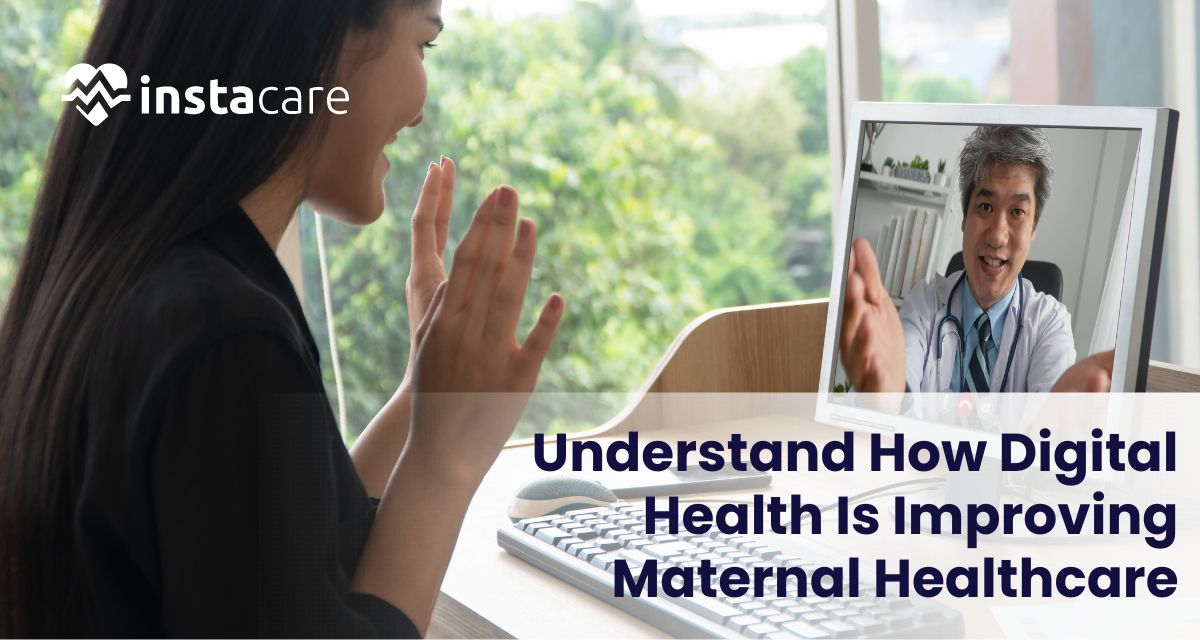
Last Updated on 2 years ago by Ahmed Usman Understand How Digital Health Improving Maternal Healthcare? Digital transformation has become a primary and potent instrument in the field of healthcare since it modifies many tumors in medical practice. One key area that has been most impacted by this transition is the area of maternal health. This welcomed change behooves us to remain open to new ideas, new tools, and new strategies in digital health improving maternal healthcare. Now it is time to explore how digital health ensures a positive effect on the quality of life of both mothers and expectant moms. Empowering Digital Health Improving Maternal Healthcare digital health improving maternal healthcare, which comes as a result of use of technology, has provided a way through which pregnant women can access health care services easily. It is no longer a dream come true where women have to book as many prior appointments and travel long distances just for the regular prenatal check-up. Today, the patients have opportunities to be on a healthcare provider’s appointment list from their homes for a few clicks. This is because through virtual consultations, pregnant women can engage with a certified doctor, have a chance to express any issues they feel the need to address or seek clarification on aspects touching on prenatal care services. Not only does this reduce the time and energy spent by individuals in seeking medical care but also guarantees that pregnant women especially these who are in the rural or isolated areas, are able to access adequate health care. Enhanced Prenatal Monitoring with Wearable Devices Wearable technology is continuously evolving, and many women now get to monitor various factors regarding their pregnancy conveniently. Wearable devices that are embedded with sensors can therefore continuously record fetal contraction, fetal heart rate, fetal movements all important indicators of the status of the woman and the fetus. These devices allow pregnant women to frequently check on the condition of their bodies to ensure everything is fine and no compromise on health is made during the period of pregnancy. By monitoring the fluctuating factors like the blood pressure, heartbeat, and movement, the women can realize that there are changes with the regular patterns of their body and can contact a healthcare provider early enough in case they develop complications. Book Free Demo Improving Maternal Education and Awareness Through Mobile Apps These confirmed, that the mobile applications relating to the maternity became irreplaceable for expectation women helping them with a vast amount of information and sources at the palm of their hands. These apps provide detailed information about pregnancies, labor, and other concerns a woman may have in regard to the pregnancy, all based on the selected criteria. Whether it is about the right foods to eat and the kinds of exercises pregnant women should undertake, ways through which labor can be managed and tips and tricks on how to nurse a new born, these apps offer a wide area of coverage in beautifying the pregnancy period for expectant women. They also offer features like due date calculators, tracking symptoms, appointment reminders and among other tools aimed at ensuring that women expectant maintain high levels of conveniences while expectant. Facilitating Remote Maternal Care with Remote Monitoring Systems digital health improving maternal healthcare have become devices of great help to conventional approaches when it comes to maternal care especially for pregnancy that has been diagnosed to be at risk. Such systems enable health teams to stay connected and follow the condition of pregnant woman from the comfort of their houses and homes or if there is any complication, to attend to it promptly. Gathering information from the wearable devices, electronic health records, and remote sensors, these systems are useful to obtain the circumstances of the patients. Such a preemptive strategy allows healthcare providers to identify and manage early emerging challenges that may endanger the mother and/or the baby. Ensuring Continuity of Care Through Electronic Health Records Integrated EHRs have helped in improving maternal health by enhancing the continuity of care for expectant mothers from clinicians across various fields. Before its introduction, these electronic health records hold a vast amount of information about a patient’s medical history, previous and ongoing treatments by any registered healthcare provider at any one place and at any given time. EHRs enable integrated care across different care settings and it includes the ability within multiple disciplines to share information and work collectively. Regardless of whether the patient visits an obstetrician, primary care physician, or a specialist, pertinent information from the woman’s electronic health record is available to all of her healthcare providers. Providing Remote Prenatal Classes and Support Groups To elaborate the healthcare providers can use online spaces and conduct online meetings with a focus on such matters as childbirth preparation, breastfeeding practices, and care of the newborn. These classes enable pregnant women to gain lots of knowledge and resources using their computers and mobile phones from the comfort of their homes without having to go for physical classes. Furthermore, clinical and counseling services offer messages and online group support sessions for baby-mothers-to-be and other participants to interact with professionals and other participants. This feeling of community and support can be very help full especially when the woman is going through her pregnancy and feels lonely or stressed out at times. Remote Monitoring of High-Risk Pregnancies Apart from implementing regular prenatal check ups, digital health improving maternal healthcare is vital in managing high risk pregnant women through clinics. This means that for women with chronic diseases or pregnancy complications, close observation of fetal growth, maternal status, and other factors that could pose risks is very crucial in order to have a healthy baby and complication-free delivery. Telemonitoring lets clinicians maintain a lot of vigilance in view of these pregnancies although physical check-ups may not be made numerous times. It assists the healthcare teams through wearable devices, remote sensors, and telemonitoring systems to display the vital signs, perform fetal surveillance, and assess signs of
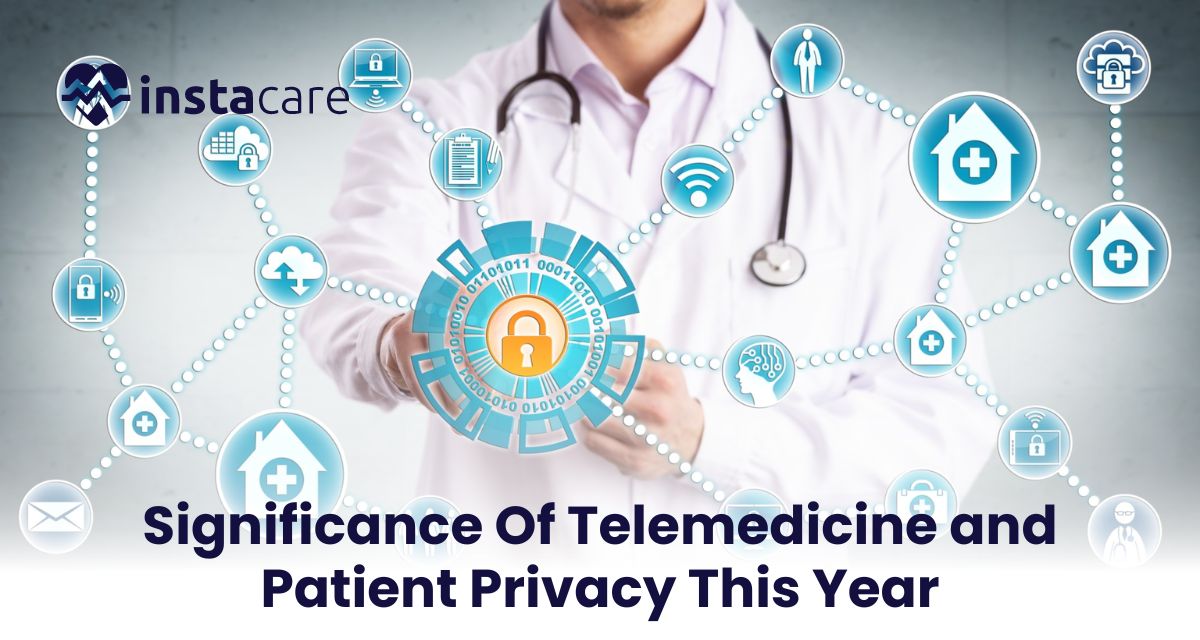
Last Updated on 2 years ago by Ahmed Usman Understand The Significance Of Telemedicine and Patient Privacy This Year In the landscape of healthcare, two pivotal aspects stand out in 2024: the potential of telemedicine and patient privacy rights. That is why as a growing utilization of technologies to present and access health services is established, these concepts become more essential. Telemedicine, the broad use of telecommunication and information technologies to deliver healthcare, has become one of the new industry shapers of the years. Geographically, its importance is that it outlines the delivery of a number of health care facilities with no consideration of the distance or geographical location. Healthcare Facilities With No Consideration Of The Distance And Location!! 1-Convenience and Accessibility The primary advantage of telemedicine, which is rather obvious, is the fact that through it, one can save a lot of time. People are no longer very restricted when it comes to places of destination and time they need to spend waiting in a hospital to be attended to. In a way of telemedicine, consultations can take time via online, thus saving time to make the efforts. 2-Improved Healthcare Outcomes Since it involves the use of technology to diagnosis and treat the patient over a distance, telemedicine helps to administer timely prevention and follow-up continually. This saves time, as patients can get their diagnosis, treatment, and continued monitoring and care for their conditions, improving overall treatment outcomes. In addition, telemedicine can similarly increase the access by the provider to a broader population than it would otherwise be able to see in traditional care setting while avoiding cases where some individuals are left behind with no access to necessary services. 3-Enhanced Confidentiality and Security Recognizing the importance of telemedicine and patient privacy ensures that individuals’ confidential medical information is protected and secure. By understanding the significance of patient privacy measures, healthcare providers can implement robust security protocols, such as encryption technologies and secure data storage practices, to safeguard sensitive patient data during telemedicine consultations. This enhanced confidentiality instills trust and confidence in patients, encouraging them to engage in telemedicine consultations knowing that their privacy is prioritized and protected. Book Free Demo 4-Efficient Healthcare Delivery With an understanding of telemedicine’s significance, healthcare providers can streamline healthcare delivery processes. Telemedicine allows for quicker access to medical consultations and reduces waiting times for patients. By embracing telemedicine and patient privacy optimizing its use, healthcare providers can increase the efficiency of their practices, leading to better patient satisfaction and improved healthcare outcomes. 5-Telemedicine And Patient Privacy in the Electronic Environment Conversely, employee productivity could be a weak link since telecommunication brings the office setting into the home, where patient privacy is more of a concern than in the workplace. Currently, due to advancement in healthcare provision or delivery most of the important data regarding patients can be easily accessed and shared through the use of the internet hence making it more difficult to protect the data than before yet very essential to do so. 6-Compliance with Regulations As a result of the typical nature of these records, along with many others, there are federal guidelines that healthcare providers need to follow in order to safeguard patient’s privacy such as the Healthcare Information Portability and Accountability Act (HIPAA). It describes the mode of handling, either in paper or electronically, of patients’ details and the measures we undertake to maintain their privacy and confidentiality. 7-Data Encryption and Security Measures Ensuring that patients’ information is safe is a critical aspect that requires effective implementation of various secure code encryption technologies and security features. Secure video conferencing, various messaging, and collaboration platforms help adhere to HIPAA rules and protect the patient’s data. 8-Informed Consent Telemedicine and Patient privacy is relevant to patient care, and there must be transparency and informed consent on the part of the patient. Telemedicine consultations need to provide patients with information regarding the ways their data will be utilized as well as shared, so that the patient could make satisfactory decisions regarding the healthcare process. Virtual Healthcare Services And Patient Rights To Privacy Telemedicine grows continuously and, in the year 2024, patient privacy concerns increase and are closely related to each other than ever before. With telemedicine being one of the fast-growing areas in the practice of medicine, patient privacy is emerging as a critical concern for care providers and government authorities. View More: Streamline Your Medical Billing with Medical Billing Software 1-Balancing Innovation with Ethics On personal note, despite the technological advancement that telemedicine presents in the delivery of healthcare services, patient privacy cannot be an option for a toss. Many hospitals and care practitioners continue to investigate ways to use technology in order to enhance patient care, while at the same time protect the patient’s right to privacy. 2-Education and Awareness: In expanding the knowledge of telemedicine, it has to be communicated to both the healthcare provider and consumers of the services that patient privacy is sacrosanct. By ensuring that every member of the team understand what good and bad practices of telemedicine are and what the guidelines of patient’s privacy are, we can make a positive change regarding telemedicine use. Conclusion Indeed, the application of telemedicine and patient privacy in 2024 could be described as critical. Because technology is increasingly becoming an integral part of the governing processes in the healthcare industry, the protection of the rights of patients is very important in every administrative process. From those arguments, we can infer about the subject of telemedicine and patient privacy as the foundation of a more convenient and efficient healthcare environment. FAQS What telemedicine actually is and how does it function? Telemedicine means to deliver health care services through the application of technology including telecommunication technology e.g. video conferencing and even home monitoring devices. Patients can ask doctors and other health care professionals questions, get a diagnosis, and even get prescriptions over the internet without the necessity to come in personally. Telemedicine can be defined as timely exchange of
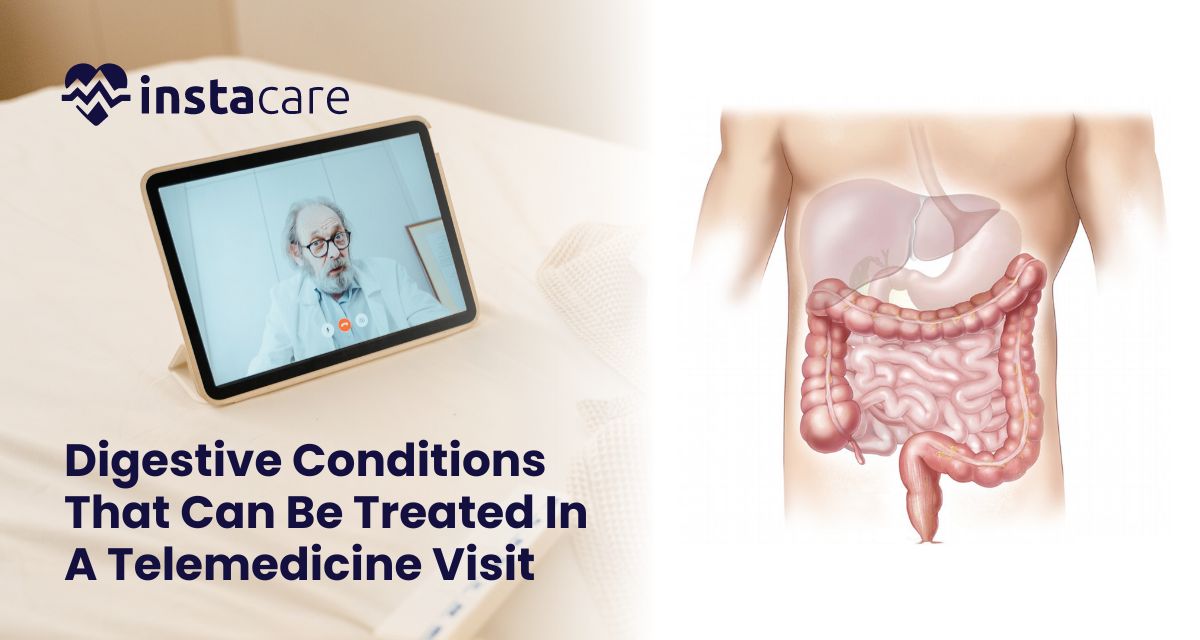
Last Updated on 2 years ago by Ahmed Usman Digestive Conditions That Can Be Treated In A Telemedicine Visit With the development of telemedicine, receiving professional attention from the comforts of one’s home is now easier than it has ever been in recent memory. This is very useful for managing a few Digestive Conditions. Many stomach-related problems can be accurately diagnosed and treated with an online appointment with a physician. You can speak with your vital consideration doctor over the phone or on your computer instead of going to the expert’s office. In this blog post, we’ll look at a few common stomach-related ailments that can be treated with telemedicine. You will discover which stomach-related difficulties can be managed online, how they can help you save time and improve your mental state, and which problems can be resolved in that manner. Gastroesophageal Reflux Disease GERD is a chronic stomach disease in which stomach acid frequently runs back into the throat, producing symptoms like indigestion, nausea, and difficulty swallowing. If GERD is not addressed, it might eventually damage the esophageal coating and cause more severe problems. How Could Telemedicine Be Used To Treat GERD? Generally speaking, a telemedicine visit is an effective means for a provider of medical services to assess and manage GERD: 1-Side Effect Survey The provider can learn more about the frequency, severity, and impact of their GERD side effects, including indigestion, vomiting, and difficulty swallowing. Clinical history: The provider can ask about the patient’s past medical history, particularly any GERD or related illness medications. 2-Management Of Medications The physician or nurse can recommend or administer over-the-counter or prescription drugs for mild to moderate GERD in order to lower stomach acid production, relieve symptoms, and monitor the patient’s reaction. 3-Lifestyle Recommendations The doctor may advise avoiding foods that worsen GERD, decreasing weight, and increasing sleep as ways to improve one’s diet and way of life. 4-Follow-Up Care To monitor the patient’s development and make any required modifications to the treatment plan, the physician might schedule routine telemedicine follow-up appointments. 5-Irritable Bowel Syndrome Constant abdominal pain, swelling, blockage, or even looseness of the bowels are symptoms of irritable bowel syndrome (IBS). Although the exact cause isn’t entirely understood, a variety of factors, such as food, stress, and modifications in stomach movement, are acknowledged. Book Free Demo How Could Telemedicine Be Used To Treat IBS? Generally speaking, telemedicine can work well for medical service providers in monitoring and evaluating IBS side effects: 1-Assessment Of Symptoms The physician can oversee a thorough evaluation of the patient’s IBS side effects, taking into account factors including repetition, severity, and impact on daily life. By inquiring about certain foods, stress levels, or alterations in routine, they can assist in identifying possible factors. 2-Nutritional Advice The provider may suggest changing the diet to identify trigger foods, such as increasing fiber intake, limiting foods that release gas, or trying an end-of-cycle diet. Together, they can create a personalized meal plan that will help control the patient’s IBS symptoms. 3-Medications A doctor may give the same medication to treat additional symptoms, assist control bowel movements, and ease stomach discomfort in those with moderate to severe IBS. They are able to monitor the patient’s response to medication and adjust as necessary. 4-Life Path Direction In order to reduce the side effects of IBS, the provider may recommend work-out plans, pressure-board procedures, and other lifestyle adjustments. They can provide guidance and support to enable the patient to implement these adjustments. Constipation Constipation is a common digestive disease that manifests as infrequent bowel motions, difficulty passing stool, or the feeling of an incomplete evacuation. It could very likely be caused by a variety of factors, such as changes in routine, medication side effects, food, or underlying health issues. How Might Telemedicine Be Used To Treat Constipation? Most of the time, telemedicine can be an effective method for providers of medical services to evaluate and manage harmful side effects: 1-Assessment Of Symptoms The healthcare professional can examine the patient in detail to determine the cause of their constipation, including frequent bowel motions, difficulties passing stool, and any related pain or discomfort. They can ask questions to identify potential contributing factors, such as prescription use, active work, diet, and hydration. 2-Nutrition And Lifestyle Ideas To enhance the patient’s intake of fiber, the healthcare professional may recommend dietary modifications, such as adding more fruits, vegetables, and whole grains. Additionally, they can recommend methods to improve hydration and vigorous work, both of which can help regulate entrail capacity. The provider can provide guidance on how to set up a dependable bathroom use schedule to promote usual defecations. Ulcerative Colitis And Crohn’s Disease Among the most well-known types of inflammatory gastrointestinal diseases (IBDs) are Crohn’s disease and ulcerative colitis. Even though they are somewhat similar, their causes, consequences, and approaches to therapy are very different. 1-Ulcerative Colitis This chronic illness is characterized by inflammation and ulceration of the membranes surrounding the colon and the rectum. Possible symptoms include weight loss, diarrhea, rectal bleeding, abdominal pain, and an urgent desire to pee. Typically, only the colon and rectum are irritated. 2-Crohn’s Disease Crohn’s disease is a chronic inflammatory illness that can affect any part of the digestive system, but it typically affects the wall of the ileum, which ends the small intestine, and the beginning of the colon. Possible symptoms include weariness, diarrhea, weight loss, hunger, and abdominal pain. Patches of diarrhea may occur, with healthy tissue scattered in between bad areas. Methods In Telemedicine Telemedicine can be used effectively for the two situations for initial evaluation, ongoing monitoring for side effects, and prescription delivery. Physicians can review a patient’s past medical history, assess their present symptoms, and modify therapies as needed during virtual sessions. Remote monitoring and more regular check-ins are made possible by telemedicine in the treatment of chronic, relapsing-remitting illnesses such as IBD. For more serious episodes or consequences, the telemedicine worker might recommend an in-person assessment and potential care promotion, like
Last Updated on 2 years ago by Ahmed Usman 10 Ways Telemedicine Is Changing the Healthcare Industry Telemedicine is changing the healthcare industry where patient contact with healthcare services increases significantly and unit costs continue to decline. Living in the modern century, we go forward looking into the future of healthcare where the use of telemedicine would increase in value more than the present times. Here are 10 ways telemedicine is changing the healthcare industry: Improved Access to Care One of the first important advantages of telemedicine is increased availability of health care, which may be considered a major priority for certain patients who live in rural areas and can seldom get medical help close to their home. This is particularly important for persons with walking difficulties, those with chronic health complications or who have access to limited transports. Telemedicine unites the patients and doctors and helps to transform lives so that everyone, including those confined to their homes or with mobility issues, can get the treatment he or she requires. Reduced Wait Times Patients get access to services from healthcare providers within a shorter period, in turn, minimizes the time spent waiting for an appointment. Instead of waiting for weeks or months to do an office visit patient can imagine doing a video visit in a few days or hours. This has in turn has an impact on access and utilization of health services, and can result in early diagnosis, quicker health care provision, and improved prognosis. Faced with long waiting lists, telemedicine has revolutionized the process of booking an appointment and use of digital technology. Enhanced Chronic Disease Management Telemedicine is being considered very useful for the cases of chronic diseases like diabetics, cardiovascular diseases, and respiratory diseases. Wearable devices in tele monitoring apply in recording the health statuses of a patient such as their cardiac rhythms, prescription compliance, and even blood pressure, which may benefit both the doctors in tracking their patients’ progress and making necessary changes. It assists in avoiding the multiple hospitalization and other complexities that may ensue in the future. Improved Patient Engagement Telemedicine can promote patient autonomy and active participation in the ways of their treatment. This type of technological advancement enhances patient influence on their well-being through offering patients a platform for which they can directly contact the service providers and personally retrieve/print their medical records with the intention of assisting with their care. Consequently, it can potentially enhance patients’ compliance with their prescribed regimes, raise their level of knowledge regarding their conditions, and deepen patient-doctor cooperation. Book Free Demo Cost Savings It has been identified that through telemedicine implementation, there are financial savings in cost that are both in patients and the overall healthcare sector. Thus, compared with non-telemedicine services, telemedicine comes with the possible reduction of the patient’s out-of-pocket payments. Appointments they get from distant healthcare providers also entail no costs for transport, childcare, or time off from work. Increased Convenience One of the most impressive benefits of telemedicine is that patients do not need to travel to the healthcare provider’s place to receive the necessary help but can do it from the comfort of their homes or offices. This is very advantageous in that it would be suitable for people with little time, people with disability, or those who reside in areas that are hard to access. The primary and most important benefit of accessing care at any one time is that virtually all patients would wish to receive care over a time convenient for them. Improved Continuity of Care Telemedicine can support continuity of care more effectively than conventional face-to-face interactions especially to clients with specialized care needs or those who interact with different caregivers. Since telemedicine has an integrated method of communication and information exchange it flow that all the health care giver involved in decision-making of the patient’s article corridor, thereby enhancing better-coordinated and effective health care delivery. This means that when integrated patient data such as medical history, test results, and past and current treatment plans can be shared among different providers. Telemedicine Is Changing the Healthcare Industry And Enhanced Specialty Care Access It is most effective when practiced in specialties such as mental health, dermatology, or pediatric care since it helps in expediting the accessibility to care. Due to a lack of accessibility of specialist doctors across the country, the patient can now virtually consult with doctors in different regions of the country, so the patient gets the necessary specialized treatment. This is particularly advantageous for people who might have encountered a problem with the access to such services due to geographical/transportation/financial constraints. Reduced Strain on Healthcare System Because the need for healthcare services will continue increasing in the future, telemedicine will be useful in addressing the increasing demand. Telemedicine should be used as ways to ease demand on the conventional care delivery systems including emergency departments, primary care clinics, and other health care facilities by providing them with an opportunity to decline simple and routine cases and address complex or emergent ones. If patients are able to benefit from telemedicine for their day-to-day checkups or for their chronic diseases, this saves time on less critical cases, so that more attention can be given to the truly severe cases. Improved Disease Outbreak Response The COVID-19 pandemic situation also brought into focus the important use of telemedicine in addressing communicable health crises. Telemedicine was particularly useful during the pandemic to allow hospitals to continue operating but with less risk involved. As to the future, one of the major roles is expected to belong to telemedicine in terms of organizational readiness and precaution mechanisms for treating future disease outbreak response. As it is shown above, these forms of communication limit face-to-face contacts and thus can help to prevent the spread of hazardous diseases. Conclusion In the given time of the progressive advancement in the operation of the health system telemedicine will undoubtedly stays one of the key trends in the development of modern healthcare. In
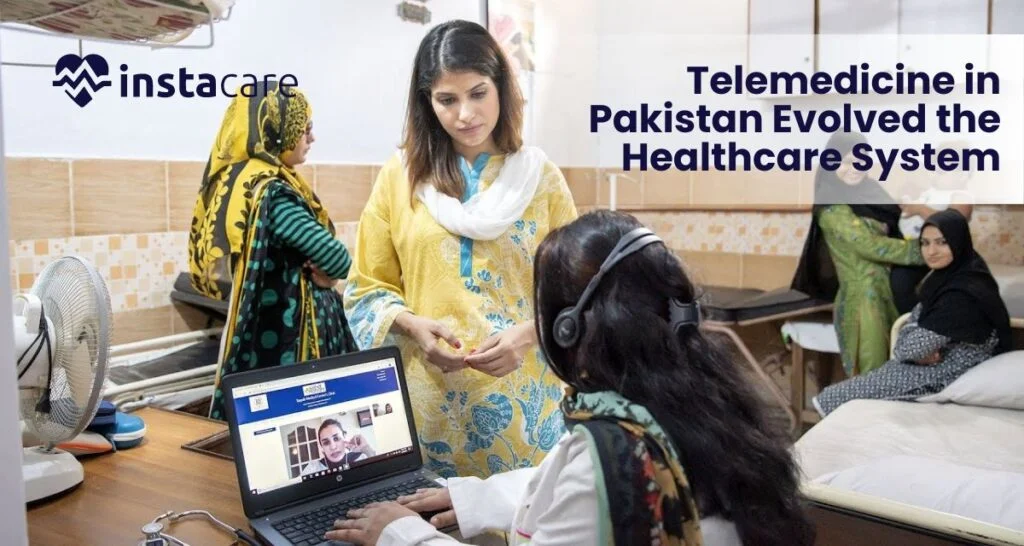
Last Updated on 9 months ago by Ahmed Usman How Telemedicine in Pakistan Evolved the Healthcare System The distribution of health care as well as doctors in Pakistan has been a challenge for a long while, unfortunately widening the gap between rural and urban areas with limited resources. However, within the early 2000s, the country was pushed by the unquestioned force of technology to face the fact that technology can be utilized to address the gaps. And this is when the actual format of Telemedicine in Pakistan starts to come into existence.. At the beginning the main undertaking was the PTA Telemedicine Program that took place in 2005. for instance, it used ICTs to raise the standard of healthcare services; this involved making the services not only adequate but also affordable for everyone including the poor. A Pandemic-Driven Acceleration The COVID-19 pandemic actually become the biggest supporter for the rapid development of telemedicine in Pakistan. Along with the rest of the world, which was coping with the crises in healthcare, the urgency of leveraging telemedicine in the country was at the forefront. On the one hand, stayed-at-home orders, social distancing measures including the increase of telemedicine usage whereby patients were seeking healthcare services remotely without going to see healthcare facilities in person. In response to this up rise in demand, the government and regulations authorities have taken very beneficial steps in Pakistan to build a supportive environment for telemedicine. Improving Digital Infrastructure Observing that when it comes to the spread of telemedicine, having strong enough internet connections and stable telecommunication networks is one of the most vital factors, the government therefore made some efforts to improve the fundamental internet infrastructure as well as the telecom networks across the country. In 2018, the organization rolled out the Broadband for Sustainable Development (BSD) program that sought to broaden the internet network’s reach especially in rural and the underprivileged areas, which in turn would boost the number of people who can seek telemedicine services. Book Free Demo Increased Accessibility and Reach of Healthcare One of the remotely provided telemedicine’s greatest positive sides is a wide range of by an expert’s appointment. In the past, people, who lived in remote areas, had to travel far to visit a specialist of consultant. These patients can now consult with a medical expert in urban centers, thanks to the internet and video calling. This has not only diminish the congestion on major cities health sector infrastructure but also allowed patient’s to have their treatment needs attended in a timely manner by qualified experts , irrespective of their location. Addressing the Shortage of Healthcare Professionals Telemedicine, experts today have eradicated the burdens of workforce shortage to some extent in Pakistan. Through the facilitation of Tel-health, the country has now experienced an expansion in utilization of both domestic and foreign professionals’ fields, thus enhancing the available healthcare resources. Chronic Disease Management and Remote Monitoring Apart from that, telemedicine has been proven to be an effective instrument through which patients suffering with chronic illnesses are managed and remote patient monitoring is facilitated. The people living with health complications, such as diabetes, blood pressure problems, heart conditions, can now be monitored, receive guidance, and have their medication managed through only a visual contact, thus the need for countless hospital trips. Medical Lead to Better Patient Engagement and Empowerment Telemedicine in Pakistan has bought about health promotion and the participation of patients in the healthcare process. The doors to patient-centered care have been flung wide open. Now, patients no longer take a passive, back seat role in their healthcare, but instead become directly involved thanks to access to their medical records, communication with healthcare providers, and monitoring of health parameters via telemedicine platforms and mobile apps. It has increased the patients’ engagement in their own care which has resulted in better adherence to their drug regimens, better self-management of chronic illnesses and more informed healthcare choices among patients regarding their own health. Preventive Healthcare And Early Disease Detection While telemedicine has been present only a short period of time it has delivered not only the improved health care services to people but also promoted the preventive healthcare and the early disease detection as another means of doing this. By means of tele-consultations and digital health monitoring tools, health providers are now able to establish contact with their patients on a more frequent basis, to carry out timely preventive care and routine monitoring which may uncover underlying problems or complications. Overcoming Challenges The evolution of telemedicine in Pakistan has not been an easy walk; quite conversely, challenges have been (and consistently, are) the order of the day. Features like reduced digital literacy, higher prices for telemedicine devices, and the internet services, and the conservativeness of some healthcare professionals in accepting popular technology adoption strategies have persisted. To deal with this issue, the relevant bodies at the helm, and most notably the government and stakeholders in the healthcare field, have been looking for ways to develop the initiatives. Digital literacy and skills training sessions are being conducted among both healthcare workers and patients to empower them in their telemedicine usage and services. The government support has also been extended to subsidize and incentivize the technological tools for the provision of virtual care in the underserved and rural areas. This plan is going to be made up of programs to offer low-income homes internet subsidy and medical devices at discounted prices as well as training programs to uplift healthcare professionals in the use of telemedicine. The Future of Telemedicine in Pakistan Aiming at the future, telemedicine in Pakistan is bound to be an integral aspect as Pakistan shifts through the different stages in the rapid changing trends of health care. On the one hand, technology still continues to change in our modern life and to be integrated with such systems as artificial intelligence and machine learning to be applied to healthcare. On the other hand, healthcare professionals and treatment seekers become more and more
Last Updated on 2 years ago by Ahmed Usman How Do We Balance Digital Media Use In Our Lives Digital Media Use to remain in touch with the people in our lives can be entertaining. However, the more time we spend on digital media, the less time we probably have for engaging in in-person activities, spending time with friends and family, and focusing on our jobs or studies. It’s important to develop good digital media habits that balance time spent online with in-person contacts and constructive hobbies because excessive digital media use can have detrimental impacts on our physical and mental health. How Do I Know If I Need Digital Media Balance? Everyone uses digital media in a different way depending on their unique situation when it comes to health. Digital media could be essential to your work if you need to stay in touch with colleagues for a project at school or to keep up professional relationships. You could be interested in staying in touch with distant family members or participate in online community groups. Although digital media can be useful in our lives in various ways, using it while working or attending class might impair performance. Furthermore, using digital media when out with friends or at the family dinner table can be detrimental to our relationships. If you frequently check digital media when you shouldn’t, consider the following: Perhaps it’s time to think about taking a more sensible tack. Addiction to digital media is not considered a true addiction, unlike drug use disorders. People do, however, report having symptoms that are akin to those of an addiction, such as the need to use or check digital media continuously and feeling uneasy or anxious when they are unable to do so. It’s a good idea to monitor how often you use digital media and note how using it makes you feel, especially if you’re experiencing any discomfort or worry around using it or if you believe your use is worsening your mental health. It’s time to start restricting your use of digital media if you find that being away from your phone makes you anxious. Tips For Finding Digital Media Balance After you’ve made the decision to develop positive digital media habits, setting realistic objectives and using tools to keep you on track are excellent places to start. These are some recommendations to help create digital media routines that are healthful. 1-Set Time Limits Or Schedule Digital Media Time Allowances Strive to determine—and then adhere to—the amount of time you believe is appropriate to spend on digital media. One possible solution would be to check digital media once a day, but not right before bed. Another useful tool to help you remember to stay within your healthy boundaries is a timer. There are options on many smartphones that allow you to receive alerts when your screen time is getting close to or above certain restrictions. 2-Safeguard Your Sleep Stimulation and stress resulting from scrolling and posting can interfere with falling asleep and staying asleep. Avoiding digital media in the evening can help you wind down and feel calm. Staying off screens at least 30 to 60 minutes before bed can eliminate exposure to blue light that can disrupt the natural sleep cycle. 3-Put The Phone Away When You’re Spending Time Others When you have in-person interactions, try putting your phone away to be fully present. The dopamine rewards you experience from engaging in genuine connection with others may feel more fulfilling than potentially superficial rewards you attain from scrolling through your digital media feeds. 4-Turn Off Digital Media Alerts On Your Devices A constant stream of digital media alerts can be difficult to ignore. You might try turning off alerts so that you’re not tempted to check digital media outside of your “scheduled” time each day. 5-Remind Yourself Of The Realities — And Unrealities — Of Digital Media Try making a conscious effort to remember that digital media is not an accurate reflection of the complexity of most people’s lives. Digital media can be a great way to connect with others, but comparisons can be unrealistic and lead to negative feelings. 6-Make An Effort To Have In-Person Interactions Face-to-face interactions can be uplifting and keep us from feeling isolated. Try to focus on “in person” friends and loved ones. You might also consider volunteering for an important project or joining a group with interests to get out in the world. Book Free Demo How To Limit Digital Media Use Use an app tracker to track the amount of time you’re spending on digital media apps. Some apps have built-in timers that can help you track your time and set reminders to exit the app. 1-Switch your phone to grayscale. Phone apps are designed to be stimulating and fun. An easy, quick switch that you can do on your phone during times you would like to stay off it is to grayscale your phone. Delete digital media applications from your phone; this will make the apps less accessible to you all the time. If you don’t want to delete them altogether, putting them into a folder or off of your main home screen helps to decrease the time spent on them. 2-Turn off push notifications. Notifications are designed to get us to check apps, which increases the likelihood that we start scrolling. Turning them off can help you stay off apps. 3-Set up “No Phone Zones” in your space. Make rules based on the use you’re trying to cut down. For example, no checking your phone in bed at night or first thing in the morning, or no phones at the dinner table. How to Spend Your Time Differently Start small. Starting with a goal of decreasing digital media usage by 30 minutes a week will give you 30 more minutes every week to do things that are good for your mind and body. 1-Prioritize face-to-face connections Any time you choose to spend time talking to a friend or
Last Updated on 2 years ago by Ahmed Usman Understand The 5 Latest Trends In Digital Healthcare This Year The Trends In Digital Healthcare is making a dramatic impact on the healthcare sector across the globe, and the recent trends in digital healthcare are only accelerating the changes. These trends may result in the development of new methods for the prevention of diseases, diagnosis, and provision of suitable treatment. Digital developments such as blockchain technology and virtual reality remain major areas where life science business devotes its huge share of spending. To put it in a nutshell, Ai is adding value to diagnostics and treatments. Since the start of the COVID-19 pandemic, the pharmaceutical industry in particular has been experiencing the biggest changes across all the sectors. It is going through various changes, and it is associated with some of the new factors at the same time. There are a number of vital and innovative clinical technology trends, for example, the use of the healthcare system industry. These trends are merely the beginning; they will determine the course of its history further. Let’s unwrap the story of the state-of-the-art trends in digital healthcare. 1-Healthcare Analytics The healthcare industry is a fertile ground for data generation. They collect data from numerous sources such as electronic health records, medical imaging devices, wearables, and mobile health applications. This data analysis is becoming an integral part of healthcare systems. It helps achieve greater efficiency. Healthcare analytics offers clinicians the chance to have their decisions supported by whatever data they need in the real-time environment so that the doctor can make an appropriate diagnosis. Through the use of machine learning methods that enable spotting patterns from large datasets, predictive analytics determine patients who are going to develop specific conditions, for instance, diabetes or heart attack. This prepares the way for effective early intervention to be used in the prevention and management of such diseases. Through healthcare analytics, data is going to be an inseparable tool in public health management as well. The healthcare analytics utility is expanding further in the optimization of hospital operations related to scheduling of appointments, staff management and resource allocation. Shilling Offers Health Analytics-As-A-Service The American healthcare tech company Shilling comes up with the digital platform aimed for patient analysis and bed capacity planning. It in particular employs AI techniques to do proactive capacity monitoring and sending notifications in a developing necessity for accommodation. This allows clinic facilities to have a fixed order of patients’ flow: the appointments of their choice can be scheduled for breaks and appointments can be limited to the ones they choose. Besides, they created an option of dashboards in the system that allows clients to analyze their onboarding process. By looking at these results, pros determine what drives low engagement and they fix those barriers to be able to deliver quality patient care. Book Free Demo 2-Cloud Healthcare In healthcare cloud computing eliminates needlessly high infrastructure expenses and gives healthcare professionals and medical personnel more ease in management of a huge amount of data, i. e. EHRs or medical imaging data. Furthermore, more patients will enjoy the convenience of accessing their healthcare information at their fingertips. This draws the process of treatment with trends in digital healthcare closer to the standard of care and makes it possible for the caregivers to harmonize their effort in real time. Cloud based systems offer a backup report of healthcare data during natural calamities or any other accidents where original data is vulnerable. It can help to avoid crucial patient data that might be missing otherwise. Consequently, cloud computing also makes possible the provision of telemedicine services which were traditionally only accessible to those who were in the vicinity of doctor clinics. 3-Electronic Health Records EHRs have been underpinning the concept of more accurate, readily accessible, and simple use of the patient data over time. EHR provides physicians instant access to a patient’s full medical history thereby assisting in prompt diagnosis, treatment, and closely monitoring health conditions. A challenge in implementing EHR is that it is usually not interoperable, making it tough for the providers to access and share the health information with different platforms. Startups usually build facial recognition AI into EHR solutions not only for faster diagnosis but also for optimal treatment recommendations. Not only this but also voice-control EHR systems driven by NLP enable clinicians to document patients’ case records employing natural language. It prevents waste of time and increases accuracy and reliability of results as compared to the manual data insertion process. 4-Digital Therapeutics The digital therapeutics which is a recently emerged branch of medicine is more advanced in terms of treatment. It uses the newest technologies, such as software, wearable devices, and digital platforms, to carry out science-based interventions. They can be used for the prevention, the management and sometimes also in the treatment of other medical conditions. DT decision is fine-tuned to each patient’s unique needs hence it produces better treatment results. In addition to it, it is quite helpful in maintaining weight, managing sleep disorders, ordinary diseases, and other health issues. Also, the means of receiving treatments is more comfortable since the specific drugs are accessible everywhere, including home, without even an act of making sure that a patient appears for consultations. Additionally, it enables the healthcare professionals to keep surveillance on the patients in real-time, thereby arriving earlier at critical situations. 5–Patient Engagement In the current era of digital health, patients actively engage with the help of digital devices including mobile health apps, wearables, and patient portals. These digital tools represent a way to achieve rapid health information access by giving people the tools needed to access their test results, medicine lists, and treatment plans. AI-enabled chatbots not only help patients with their questions and ordering prescriptions, but they also serve to make the experience of using the healthcare system more efficient. People use internet tools to contact doctors, plan their visits or get notification when it should be time to
Last Updated on 2 years ago by Ahmed Usman Future Technology Trends in Healthcare System in 2024 Technology Trends in the Healthcare System are changing how we view and provide medical care in the hectic field of healthcare. As 2024 approaches, the healthcare industry is full of exciting new technical developments that have the potential to completely transform patient experiences and healthcare results. Let’s examine these revolutionary changes and how they are changing the healthcare industry. Here is the List of Future Technology Trends In Healthcare system!! 1-Artificial Intelligence (AI) in Healthcare In the field of healthcare, artificial intelligence, or AI, is more than simply a catchphrase. AI is predicted to completely transform patient care, treatment strategies, and diagnosis by 2024. Envision artificial intelligence systems rapidly sorting through massive amounts of medical data, spotting trends and irregularities that human eyes would overlook. This translates into more rapid and precise diagnosis as well as individualized treatment regimens for each patient. Furthermore, AI’s predictive analytics can predict future health problems, allowing for preventive measures that may ultimately save lives and lower healthcare expenditures. 2-Telemedicine and Remote Patient Monitoring Particularly during emergencies, telemedicine has been a lifesaver, and it is here to stay. Telemedicine will play an increasingly bigger role in the provision of healthcare in 2024. Through remote consultations, patients can see medical specialists without having to leave their homes, saving them time and money on travel expenses. Furthermore, real-time surveillance of vital signs and health data is made possible by sensor-equipped remote patient monitoring devices, giving patients the ability to actively control their health and allowing medical professionals to act quickly when needed. 3-Blockchain Technology for Secure Health Data Management Blockchain technology is transforming not only the cryptocurrency industry but also the way we handle health data. The decentralized and immutable characteristics of blockchain technology will guarantee the confidentiality and integrity of medical records by 2024. Sensitive patient data can be safely stored and shared across networks by healthcare institutions, lowering the possibility of data breaches and guaranteeing adherence to privacy laws. Processes like permission management are streamlined by smart contracts, allowing healthcare stakeholders to collaborate seamlessly while protecting patient privacy. 4-Augmented Reality (AR) and Virtual Reality (VR) in Medical Training and Therapy Virtual and augmented reality are changing medical care and education; they’re not simply for games. By 2024, medical students will practice intricate surgical operations in a risk-free environment by fully immersing themselves in augmented reality simulations. VR treatment will provide patients with immersive experiences to help with pain relief and recovery. These tools increase therapeutic treatments for patients and learning results for medical students, which eventually improves healthcare outcomes. Book Free Demo 5-Wearable Health Devices for Personalized Wellness People now have the ability to take charge of their health thanks to the widespread use of wearable health gadgets. By 2024, these gadgets will be much more sophisticated, offering real-time data on important health parameters including heart rate, sleep habits, and level of exercise. With this information at hand, consumers may decide on their lifestyle and wellness objectives with confidence. Wearable health technology, which ranges from smartwatches to fitness trackers, is transforming proactive health management, promoting a culture of well-being, and changing preventive healthcare. 6-3D Printing in Healthcare The advent of 3D printing technology has unlocked a realm of possibilities in healthcare, ranging from prosthetics and implants to personalized medication and tissue engineering. In 2024, 3D printing is poised to revolutionize patient care by offering customized solutions tailored to individual needs. Surgeons can now create patient-specific implants and surgical guides, enhancing precision and minimizing complications during procedures. Moreover, 3D-printed medications enable personalized dosages and formulations, optimizing drug efficacy and reducing adverse effects. 7-Internet of Medical Things (IoMT) The Internet of Medical Things (IoMT) encompasses a vast network of interconnected medical devices and sensors that collect and transmit health data in real-time. In 2024, IoMT devices are set to transform healthcare delivery by enabling remote monitoring, predictive analytics, and proactive interventions. From smart insulin pumps that adjust dosages based on glucose levels to wearable ECG monitors that detect cardiac abnormalities, IoMT devices empower patients to manage chronic conditions more effectively while providing clinicians with valuable insights into patient health. 8-Genomics and Precision Medicine Advancements in genomics have paved the way for precision medicine, wherein treatments are tailored to the individual genetic makeup of each patient. In 2024, genomics-based approaches are poised to revolutionize disease prevention, diagnosis, and treatment across a wide range of medical specialties. Through genome sequencing and analysis, clinicians can identify genetic predispositions to diseases, allowing for early interventions and personalized preventive strategies. Moreover, targeted therapies based on genomic profiling enable more precise treatment selection, minimizing side effects and maximizing therapeutic efficacy. 9-Robotics and Automation in Surgery Robotics and automation are reshaping the landscape of surgery, offering unprecedented precision, control, and efficiency in surgical procedures. In 2024, robotic-assisted surgery is poised to become increasingly prevalent across various surgical specialties, including orthopedics, urology, and minimally invasive surgery. Robotic systems equipped with advanced imaging technologies and haptic feedback mechanisms enable surgeons to perform complex procedures with enhanced dexterity and accuracy, leading to shorter recovery times and better patient outcomes. 10-Data Analytics and Predictive Modeling Data analytics and predictive modeling are becoming indispensable tools in healthcare, offering insights into patient populations, treatment outcomes, and healthcare trends. In 2024, advancements in data analytics algorithms and machine learning techniques are composed to drive innovation in healthcare delivery and decision-making. By analyzing vast datasets from electronic health records, medical imaging studies, and wearable devices, healthcare organizations can identify patterns, detect anomalies, and predict future health events with unprecedented accuracy. Conclusion The future of medical services is bright, because of these innovative headways. Man-made intelligence, telemedicine, blockchain, AR, VR, and wearable health devices are ready to alter how we analyze, treat, and oversee medical issue. By embracing these patterns, we can make a medical services framework that is more open, effective, and patient-driven. As we journey into 2024 and beyond, let’s harness the power
- 1
- 2