


How Psychologists Can Reduce Claim Denials and Payment Delays Claim denials and delays in payments could create considerable administrative issues for psychology practices. Even if services are adequately served, errors in eligibility, documentation, coding, approval, or application can prevent timely reimbursement. Repeated billing issues can also consume staff time that might otherwise be spent to support patients and manage the practice. A consistent billing process helps psychologists identify potential trouble before claims are filed and effectively respond when issues arise. By combining accurate documentation with a compliance check, proper coding, timely submission. Structured monitoring, psychology practices could strengthen their ability to obtain payments without undue delay. Understand the Common Causes of Claim Denials A first step in reducing the number of denials is to understand why they occur. Claims for psychology may be rejected for inactive insurance coverage, incorrect patient information, inconsistent coding, lack of permission, duplicated claims, incomplete documentation or errors on application. Working with Psycologists Billing Services can help to ensure that practice creates a structured process for evaluating claims before filing claims. Billing professionals can check patients and payer information, identify potential inconsistencies, and check out outstanding claims upon filing. While psychologists gain more visibility in their sales cycle, such a review can contribute to reducing error. Prevention, however, begins with understanding of specific causes which affect individual practice. Regular evaluation of denial reports may reveal patterns that otherwise remain unnoticed. Verify Insurance Eligibility Before Appointments It is necessary to check insurance eligibility before providing services where possible. Information about coverage may change, and a patient that is entitled to it during the prior appointment may later have a different coverage. The verification process should confirm the active coverage, the membership information, applicable benefits and corresponding payer requirements. The practice must also determine whether a referral, authorisation or other condition applies to the service. Front office and billing teams shall document verification results in order to provide a summary of the information assessed. Regular eligibility checks may prevent the submission of avoidable claims to inactive or inaccurate insurance plans. Maintain Complete Psychology Documentation Precise documentation offers key support both for patient care and for billing. Recording of therapy and psychology shall clearly reflect services, relevant clinical information, treatment purposes, interventions, patient response capacity, and progress wherever this is possible. The documentation must conform to the service that is mentioned on the claim. Where the claim relates to one type of service, where the clinical record suggests otherwise, the payer can request clarification or deny to claim it. Psychologists should therefore develop a documentation routine that will allow for immediately completing notes and verifying that their documentation is complete. Templates can improve consistency, but they should nevertheless enable doctors to document information that is relevant to each of these sessions. Use Appropriate Diagnosis and Procedure Codes Another common source of claim issues is Coding errors. Diagnosis and procedures codes should reflect the patient’s documented condition and the service performed. Psychology practice should avoid relying on assumptions or copy codes, but should not confirm that they will remain adequate to date encounters. The coding requirements may be different between payers and hence it is important that the applicable policy be reviewed. Prior examination of coding may help in detecting mismatches between clinical documentation and application data. With regard to identifying the recurring coding errors, additional staff training can help avoid the presence of new claims. Check Authorization Requirements Some services may apply for prior authorization under the patient’s insurance scheme. Failure to get the necessary authorization before treatment may lead to reimbursement problems even if the service itself was clinically well-equipped. Practices should determines permit requirements in the process of verification of eligibility for benefits and benefits. The particulars in the authorisation should be recorded with care, including the applicable data, use limitations and reference information when they are provided. Since the requirements of the payer may change, practices should examines current policies instead of rely only on past permission experiences. Submit Claims Promptly and Accurately The importance of timely claim submission is due to the fact that payers can define deadlines for submission. A claim properly submitted, but too late, could continue to cause problems with the reimbursement of costs. Before submission, practices should examine patient demography, insurance information, provider details, diagnostic codes, process codes, modifiers, authorization information and other required fields. Electronic claim submission may rationalize the process, but automation does not eliminate the need to review. Wrong information that’s entered into a system can still lead to rejection or denied claims. Track Rejections and Denials Separately Rejected and denied claims are not necessarily identical. A refusal can indicate that a claim failed to perform a first processing or formatting check while a rejection is generally encountered when the payer processes the claim but determines that payment should not be made as filed. Separation of these categories might contribute to an adequate response of billing teams. Rejections may require correction and resubmission, while denied claims may require further investigation, evidence, appeal or other specific action involving the payer. Practices should identifies the causes of each issue and monitors repeated trends. Follow Up on Unpaid Claims The claim submission is only part of the compensation process. Outstanding claims must be monitored to ensure that delays in payments are not overlooked. A useful accounts receivable process may classify claims by age and status. This means that the staff can prioritize older balances and examine the payer’s responses and follow-up with agreed methodologies. The payment announcement should also be closely checked. The differences between expected and actual payments may reflect underpayments, contractual matters or other inconsistencies which require attention. Analyze Denial Trends Denial Management will be more effective when practices are using their billing data to identify patterns. For instance, repeated denials of eligibility can indicate the need for better verification procedures. Frequent code denials may suggest a documentation or training problem. Psychologists could track denial reasons payment schedules, unpaid balances and payment timelines. This information can help practitioners
Healthcare Cost Management: Strategies, Benefits, and Best Practices for Reducing Medical Expenses Managing healthcare costs is essential for maintaining financial sustainability while delivering high-quality patient care. As medical expenses continue to rise, healthcare organizations must find effective ways to control spending without compromising patient safety or treatment outcomes. Healthcare cost management involves analyzing expenses, allocating resources efficiently, improving operational workflows, and reducing unnecessary spending. The goal is not simply to minimize costs but to balance financial performance with quality healthcare delivery. Understanding its key principles, challenges, and strategies can help healthcare organizations make informed financial decisions and improve long-term efficiency. What Is Healthcare Cost Management? Healthcare cost management is the process of monitoring, analyzing, and optimizing the expenses associated with delivering healthcare services. These expenses include administrative operations, medical supplies, staffing, technology investments, equipment maintenance, and patient treatment. The primary objective is to ensure that healthcare facilities operate efficiently while maintaining patient safety and quality standards. Key components of healthcare cost management include: Operating costs: Managing the day-to-day expenses of healthcare facilities. Staffing costs: Optimizing workforce planning, scheduling, and employee productivity. Medical supply costs: Controlling purchasing, inventory, and equipment expenses. Administrative costs: Reducing unnecessary documentation and inefficient processes. Patient care costs: Delivering effective treatment while avoiding unnecessary expenses. Budgeting and financial planning: Establishing budgets, tracking spending, and forecasting future expenses. An effective cost management approach helps healthcare organizations maintain financial stability and use available resources responsibly. Why Is Healthcare Cost Management Important? Healthcare cost management plays an important role in maintaining the financial health of hospitals, clinics, laboratories, and other healthcare facilities. A well-planned approach helps organizations control expenses while continuing to provide reliable services. 1. Promotes Financial Stability Controlling unnecessary expenses helps healthcare organizations use their budgets more effectively. Accurate financial planning also supports stable operations and prepares facilities for unexpected costs, such as equipment repairs, emergency purchases, and fluctuations in supply prices. 2. Maintains Quality Healthcare Effective cost management helps organizations allocate sufficient resources to essential medical services, qualified staff, and appropriate equipment. The objective is to eliminate waste and unnecessary spending without reducing the quality or safety of patient care. 3. Improves Operational Efficiency Healthcare facilities can identify duplicate procedures, inefficient workflows, excessive paperwork, and avoidable delays. Improving these processes can reduce administrative expenses and help employees use their time more effectively. 4. Optimizes Resource Utilization Proper financial management helps ensure that personnel, medical supplies, equipment, and facilities are available where they are needed most. Better resource allocation can reduce shortages, prevent unnecessary purchases, and improve operational performance. 5. Supports Long-Term Growth Healthcare organizations with effective cost management practices are better positioned to invest in infrastructure, staff development, digital technologies, and service expansion. Sustainable financial planning supports future growth without creating unnecessary financial pressure. Major Factors Affecting Healthcare Costs Healthcare expenses are influenced by several operational, technological, and economic factors. Identifying these cost drivers helps organizations develop more effective financial management strategies. 1. Medical Technology and Equipment Advanced medical equipment and digital healthcare systems can improve diagnosis, treatment, and operational efficiency. However, purchasing, installing, maintaining, and upgrading these technologies can require substantial investment. Healthcare organizations should evaluate the expected benefits, ongoing maintenance expenses, training requirements, and total cost of ownership before making technology investments. 2. Workforce and Staffing Costs Healthcare facilities depend on skilled medical professionals, nurses, laboratory personnel, technicians, and administrative employees. Salaries, overtime, recruitment, training, and employee benefits contribute significantly to overall operating expenses. Poor workforce planning can increase costs through understaffing, excessive overtime, and inefficient scheduling. 3. Medicines and Medical Supplies Pharmaceuticals, disposable instruments, surgical supplies, diagnostic materials, and protective equipment can place considerable pressure on healthcare budgets. Inaccurate demand forecasting, overstocking, expired products, and inefficient purchasing practices can increase supply-related expenses. 4. Administrative and Billing Expenses Patient registration, appointment scheduling, billing, claims processing, record management, and reporting all require time and resources. Manual processes and repeated data entry can increase administrative costs and lead to errors. 5. Increasing Patient Demand Population growth, chronic diseases, aging populations, and greater demand for specialized treatments can increase healthcare expenditure. Facilities must manage changing patient volumes while maintaining sufficient staffing, equipment, and supplies. Understanding these factors enables healthcare organizations to identify the areas where cost control can have the greatest impact. Effective Healthcare Cost Management Strategies Healthcare organizations can adopt several strategies to control expenses, improve efficiency, and maintain high standards of patient care. 1. Implement Effective Financial Planning and Budgeting A well-defined budget helps healthcare organizations estimate expenses, allocate funds, and monitor financial performance. Regular budget reviews can reveal differences between projected and actual spending. Effective budgeting practices include: Establishing realistic departmental budgets. Monitoring expenses against financial targets. Forecasting staffing, equipment, and supply requirements. Preparing for emergencies and unexpected maintenance costs. Reviewing financial reports to identify spending patterns. Regular financial assessments help management make timely adjustments and prevent avoidable budget overruns. 2. Optimize Workforce Management and Staffing Workforce management is one of the most important aspects of healthcare cost control. Facilities can improve staffing efficiency by matching employee schedules with patient demand, reducing unnecessary overtime, and balancing workloads across departments. Additional measures include improving employee training, monitoring productivity, and reviewing recruitment and retention practices. Staffing decisions must always maintain appropriate coverage, employee well-being, and patient safety. Reducing labor expenses should not result in unsafe workloads or inadequate care. 3. Improve Medical Supplies and Inventory Management Poor inventory management can lead to expired medicines, wasted supplies, unnecessary purchases, and higher storage expenses. Healthcare organizations can improve inventory control by: Conducting regular inventory audits. Forecasting demand using historical consumption data. Monitoring expiry dates and product usage. Establishing standardized purchasing procedures. Setting appropriate minimum and maximum stock levels. Reviewing supplier performance and purchasing costs. Maintaining the right quantities of essential supplies reduces waste while ensuring that necessary materials remain available. 4. Use Digital Healthcare Solutions Effectively Digital healthcare technologies can help reduce administrative workloads, improve financial visibility, and streamline resource management. Electronic health records (EHRs), clinic management systems, hospital management systems, automated billing tools, appointment scheduling platforms, and
What Is a Longitudinal Health Record? Benefits, Components, and Importance in Healthcare A longitudinal health record is a collection of medical data for a patient that is regularly updated throughout their life. These records reflect an individual’s medical information, including conditions and diagnoses, treatments, prescriptions and medications, laboratory results, and other health-related encounters. Unlike traditional medical files that contain information about a single healthcare visit or treatment, a longitudinal health record includes medical data from multiple encounters across different healthcare institutions. In this way, healthcare professionals can review a patient’s medical history and make informed decisions about future treatment. As the medical field becomes increasingly dependent on technology, longitudinal health records are gaining importance in providing better healthcare services. What Is a Longitudinal Health Record? A longitudinal health record is a medical record that provides information about an individual’s health across various stages of their life. The record forms a timeline of medical events, enabling healthcare professionals to review previous diagnoses, treatments, medications, procedures, and other health-related issues. For instance, if a patient has diabetes and receives care from multiple healthcare providers, their longitudinal health record may include blood glucose levels, medications, specialist consultations, hospital admissions, and other treatment details within one medical history. A longitudinal health record can be developed by combining information from various sources, such as electronic health records, hospitals, laboratories, pharmacies, and other healthcare facilities. Key Components of a Longitudinal Health Record A well-maintained longitudinal health record contains several types of patient data that help healthcare professionals understand an individual’s medical history and current health status. 1. Patient Demographics This section includes basic demographic information, such as age, date of birth, gender, and relevant contact details. Accurate demographic data helps healthcare organizations match patients with their medical records correctly. 2. Medical History Previous illnesses, chronic diseases, surgeries, hospitalizations, and other medical conditions are documented in this section. This information provides essential background for future healthcare decisions. 3. Medication History Current medications, prescription dosages, changes in medicines, and known drug allergies are documented in the longitudinal health record. Healthcare professionals can use this information to identify potential drug interactions and reduce medication-related risks. 4. Laboratory and Diagnostic Data This component includes blood tests, imaging reports, diagnostic assessments, and other clinical findings. Reviewing these results over time can help healthcare professionals identify changes in a patient’s health. 5. Medical Treatments and Procedures Records of treatments, therapies, surgeries, and medical procedures provide insight into a patient’s previous healthcare experiences and treatment outcomes. 6. Preventive Healthcare Information Vaccinations, health screenings, preventive tests, and relevant lifestyle information may also be recorded. These details help support preventive care and long-term health monitoring. How Does a Longitudinal Health Record Work? A longitudinal health record is created by collecting and organizing patient data across different healthcare encounters. Whenever a patient interacts with the healthcare system, new clinical information may be gathered and integrated into their record. For example, information from a general practice visit, specialist consultation, emergency department visit, or laboratory test may become part of the same longitudinal health record. With interoperable digital healthcare systems, this information can be exchanged and combined through standardized protocols and data-sharing technologies. However, the completeness of a longitudinal health record depends on several factors, including system compatibility, data availability, accurate patient identification, and authorization for information exchange. Consequently, gaps may exist when certain healthcare providers do not contribute their records or when information cannot be shared. Book Your Free Marketing Consultation Benefits of Longitudinal Health Records Longitudinal health records offer several benefits for healthcare organizations, healthcare professionals, and patients by making relevant medical information available over time. 1. Improved Continuity of Care One of the main benefits of longitudinal health records is improved continuity of care. Healthcare providers can access information from a patient’s past rather than relying only on details from the current visit. This is particularly useful for individuals receiving treatment from multiple specialists or healthcare facilities. 2. Better Clinical Decision-Making Access to a patient’s medical history supports better decision-making because it helps healthcare professionals understand how the patient’s health has changed over time. For instance, reviewing blood pressure measurements collected over several years can help identify persistent hypertension and assess how treatment has affected the patient’s condition. 3. Improved Patient Safety Longitudinal records can improve patient safety by making previous medication use, allergies, and adverse drug reactions easier to identify. Access to these details helps healthcare professionals consider potential risks when making treatment decisions. 4. Better Chronic Disease Management People living with chronic illnesses, such as diabetes, heart disease, and asthma, often require regular monitoring. Longitudinal health information enables healthcare professionals to track disease progression and adjust treatment plans based on historical and current clinical data. 5. Reduced Unnecessary Repeated Tests When previous test results are available and clinically appropriate to use, healthcare professionals may be able to avoid repeating certain investigations unnecessarily. This can reduce patient inconvenience and healthcare costs while supporting more efficient care. 6. Improved Patient Involvement Access to longitudinal health information can help patients understand their medical history and participate more actively in healthcare decisions. When appropriate access is provided, patients can better understand their treatments, test results, and long-term health needs. Role of Longitudinal Health Records in Chronic Disease Management Longitudinal health records are particularly useful for patients living with chronic illnesses that require continuous monitoring and ongoing treatment. For example, a person with heart disease may need regular blood pressure checks, laboratory tests, medication adjustments, and specialist consultations. Using a longitudinal health record, healthcare professionals can compare historical and current results. This can help them evaluate treatment effectiveness, identify potential complications, and coordinate care across different healthcare settings. Patients with diabetes can also benefit from longitudinal monitoring of blood glucose levels, kidney function, medications, and related complications. Reviewing these details over time supports more informed treatment planning and ongoing disease management. Challenges of Longitudinal Health Records Despite their benefits, longitudinal health records present several challenges that healthcare organizations must address to ensure accurate, secure, and reliable information

Clinical Natural Language Processing (Clinical NLP) is a subset of artificial intelligence (AI) that helps machines process, analyze, and comprehend medical terminology and conversational speech. Clinical NLP enables computers to access and interpret unstructured data, including medical records, notes, summaries, reports, and patient histories, within healthcare and related fields. Medical professionals create huge volumes of written data every day. Much of this information is stored in free-text format, making it difficult to structure, retrieve, and evaluate using traditional software. Clinical NLP makes it possible to transform free-text data into structured information that can be used for various clinical and administrative purposes, including improving clinical decision-making and documentation. How Does Clinical NLP Work? Clinical NLP combines natural language processing with machine learning and medical terminology to analyze clinical text. The process generally involves several steps. 1. Text Acquisition The system collects medical text from clinical notes, electronic health records, reports, and other healthcare documents. 2. Text Preprocessing The system identifies sentences and words, expands medical abbreviations, and recognizes relevant medical terminology. 3. Medical Entity Recognition Important clinical information such as medical conditions, symptoms, medications, procedures, and laboratory findings are identified. 4. Context Analysis The system determines whether a medical condition is present, absent, suspected, historical, or related to a patient’s family history. 5. Information Extraction Relevant medical information is extracted and organized into a structured format that can be used for further analysis. 6. Data Integration The structured data can then be integrated into healthcare workflows, including reporting, clinical analysis, documentation, and decision-support systems. For example, if a doctor writes, “Patient has a history of hypertension and denies chest pain,” Clinical NLP can identify hypertension as a historical condition and determine that chest pain is denied. Applications of Clinical NLP in Healthcare Clinical NLP has several applications across healthcare organizations and medical workflows. EHR Management Clinical NLP can extract relevant medical information from electronic health records (EHRs) and organize it into categories such as diagnoses, symptoms, medications, and treatment history. This information can also be presented in a summarized format to make patient records easier to review. Clinical Decision Support Clinical NLP can extract information from medical records that may be useful for clinical assessment and care planning. Clinical decision support systems (CDSS) integrated with Clinical NLP can help healthcare professionals identify potential risks, medication concerns, and documentation gaps. Automated Medical Documentation Healthcare professionals spend a significant amount of time documenting clinical activities and patient information. When combined with appropriate validation systems, Clinical NLP can assist healthcare professionals in capturing, organizing, and compiling relevant information while drafting summaries for final review. Medical Coding and Billing Clinical NLP can help identify and suggest medical codes based on documented diagnoses and procedures. While this can improve coding efficiency and reduce the administrative burden on healthcare professionals, final verification remains essential to ensure accuracy. Patient Risk Identification Clinical NLP can identify potential risk factors for various medical conditions from clinical documentation. For example, it can help identify patients who may require further assessment based on documented symptoms or medical history associated with a particular condition. Population Health Management By analyzing large datasets, Clinical NLP can help healthcare organizations identify health conditions across different population groups and support population health planning and management activities. Book Your Free Marketing Consultation Benefits of Clinical NLP Clinical NLP can provide several benefits to healthcare organizations and professionals. Increased Efficiency Clinical NLP allows healthcare professionals to spend less time manually reviewing lengthy and detailed medical records. Structured Healthcare Data Clinical NLP transforms unstructured medical information into structured data that can be analyzed and used by healthcare systems. Reduced Administrative Workload Automating certain documentation, coding, reporting, and information extraction tasks can reduce the workload of healthcare personnel. Easier Access to Information Clinical NLP can make relevant information easier to locate within large volumes of clinical documentation, helping healthcare professionals access information needed for clinical decisions. Improved Healthcare Analytics Structured clinical data can be used for healthcare analytics, reporting, research, and quality improvement initiatives. Improved Clinical Decision-Making Clinical NLP can help bring relevant patient information to the attention of healthcare professionals, supporting informed clinical judgment and decision-making. However, these benefits depend on the accuracy of the Clinical NLP system, appropriate implementation, and proper clinical oversight. Challenges of Clinical NLP Despite its potential benefits, Clinical NLP also presents several challenges that healthcare organizations need to consider. Complex Medical Language Medical records contain complex terminology, abbreviations, and expressions that can vary between healthcare professionals and organizations. Interpreting Clinical Context Clinical NLP systems need to distinguish between different types of information, including confirmed diagnoses, suspected conditions, previous illnesses, medical history, and negative findings. Patient Privacy and Data Security Healthcare records contain sensitive patient information. Clinical NLP systems must therefore implement appropriate security measures to protect patient data and maintain confidentiality. Accuracy and Reliability Clinical NLP models may misinterpret complex statements and produce incorrect information. Human oversight is therefore essential, particularly when NLP outputs may influence clinical workflows or decisions. System Integration Integrating Clinical NLP into existing healthcare IT systems may require changes to workflows, technical infrastructure, and professional processes. Healthcare organizations may also require specialized technical support during implementation. Healthcare organizations can improve the practical use of digital patient information by integrating clinical data processing with everyday administrative workflows. A suitable Clinic Management System can help organize patient records, manage appointments, and maintain consistent documentation. When integrated effectively with other healthcare technologies, these systems can support more efficient information management and make structured patient data easier to access. The Future of Clinical NLP in Healthcare Clinical NLP is becoming increasingly important as healthcare organizations adopt digital systems and AI-assisted workflows. The rapid development of large language models and advanced machine learning technologies may improve the ability of Clinical NLP systems to interpret complex medical documents, summarize patient histories, and extract clinically relevant information. Potential Future Applications Future applications of Clinical NLP may include: More advanced clinical documentation Improved patient history summarization Better interoperability between healthcare systems Advanced healthcare data analytics More efficient medical

A Practical Guide to Accurate OB/GYN Billing in Kentucky Accurate billing is crucial for OB/GYN practices as reproductive and female healthcare covers a broad range of services, from routine investigations, and prenatal care on deliveries, processes, diagnostic testing and postpartum visits. Each service must be properly documented and coded to enable processing of claims without unnecessary delays. The practices should also take into account the specific requirements of the payer and Medicaid billing rules, in order to maintain a consistent revenue cycle in Kentucky. Understanding the OB/GYN Billing Process With accurate information about patients and insurance companies, the billing for OB/GYN begins. Before a service is provided, staff should verify eligibility, confirm coverage, and determine whether authorization or referrals are required. These steps are particularly important for practices to be used by patients with various commercial insurance plans, Medicare, Kentucky Medicaid and managed care organizations. For practices involving a high level of claims, ob/gyn medical billing services in kentucky may assist organize credit evaluation, coding testing, submission of applications, payment posts and follow-up. A structured process decreases administrative errors and enhances visibility of providers in unpaid or rejected claims. Kentucky Medicaid makes a distinction between claims for services and those for managed care and it is therefore important to understand which organization is responsible for addressing each claim. Verify Patient Eligibility Before Services The verification of eligibility should be seen as a routine part of the billing activity instead of an occasional administrative task. The coverage may change between appointments and a patient may receive various benefits for prenatal care, diagnostic services, procedures, or hospital-based treatment. Kentucky Medicaid advises providers of verify eligibility via KYHealth-Net or the automated qualification system. The practice should confirm identification data, coverage status, payer’s benefits and the appropriate benefit to the patient before filing claims. In OB/GYN it should also be taken into consideration in order to verify whether the service provider was correctly included in the patient’s plan, and whether there was a specific prior authorization service required. Kentucky Medicaid claims that each administered care organisation should handles prior authorization for its beneficiaries, while Gainwell Technologies handles prior authorization for the fees-to-service beneficiary. Maintain Complete Clinical Documentation Documentation supports almost every phase of the billing process. A claim should accurately shall reflect the service supplied and the clinical rationale behind that service. The ability to support procedure codes, diagnosis codes, modifiers or medical needs can be hampered by lack of or inconsistent documentation. OB/GYN practices should gives clear reporting of prenatal meetings, ultrasounds, laboratory services, procedures, labour, postoperative care and subsequent visits. The documentation should also clearly distinguish between separate services when different services are performed during same encounter. The establishment of standards of documentation for suppliers and clinical staff is a useful approach. This can help to ensure consistent gathering of important information before reaching a billing team’s meeting. Use Accurate Diagnosis and Procedure Codes Accuracy of coding is a critical component of the success of OB/GYN billing. Diagnosis codes should accurately describes the status or cause of the treatment of the patient, while procedure codes should match the actual service. Kentucky Medicaid requires the use of the codes CPT, HCPCS and ICD-10-CM of applicable claims. The program also applies National Correct Coding Initiative Edits, medically unlikely edits and other claim checker systems to identify possible wrong or conflicting codes. OB/GYN practices should therefore revised its coding prior to filing claims. Particular attention should be paid to procedures which were performed during and same encounter, international maternity services, separate reportable services and applicable modifiers. The coding of staff must be updated on an annual basis with changes in the code set and a specific billing policy for the payer. Pay Attention to Provider Information Another important part of the clean claims is the precise provider information. In accordance with enrollment records, National Provider Identifier information, taxonomy details, invoicing provider information and rendering provider information shall be. Just like Kentucky’s current billing instructions, situations that would require taxonomic information may be identified, particularly when NPI corresponds to more than one Kentucky Medicaid supplier number. Practically, the provider should regularly review the enrollment records and update the information when doctors join, leave or change their practice arrangements. Keeping those details can help to keep avoidable claim rejections from happening. Submit Clean Claims and Monitor Rejections Claims should be assessed in relation to demographic, insurance, coding, licensing and documentation errors before submission. Automatic claim scrubbing tools can help identify a number of problems but human evaluation remains valuable for complex OB/GYN encounters. While each managed care organization handle its own claims, Kentucky Medicaid provider information confirms that fee-for-service claims is processed via Gainwell Technologies. In the event of a claim being rejected or rejected, the billing team must identify the exact reason and not simply demonstrate the claim again. Common problems might include incorrect patient information, conflict of codes, lack of approval, issues of admissibility, or incomplete areas of claims. Track Denials and Payment Trends Denial management must be a continuous process. OB/GYN practices may categorise denials by cause and identify recurring issues. Thus, recurrent refusals of eligibility may indicate weaknesses in the front of Desk verification, while coding-related denials could indicate a need for additional documentation or coding evaluation. Tracking denial rates, days received in billing, clean claim rates, pay turnaround. Outstanding balances provide practitioners with useful information about financial performance. While the suppliers contesting the managed care claim address the applicable MCO, Kentucky Medicaid also provides formal procedures to appeal the rejection of fee-for-service claims. Keep Staff Updated on Payer Requirements Insurance requirements may change, and accurate billing therefore requires continued education. Staff should monitor updates to the Payer, billing manuals, Fees Plans, authorization requirements and coding changes. Kentucky Medicaid maintains providers’ resources that contain the billing manuals, rate, fee, provider letters, forms, and other billing information. You can simplify the management of such requirements by creating an easy internal checklist for approval, authorization, documentation, coding, claim submission and follow-up. Conclusion Accurate OB/GYN
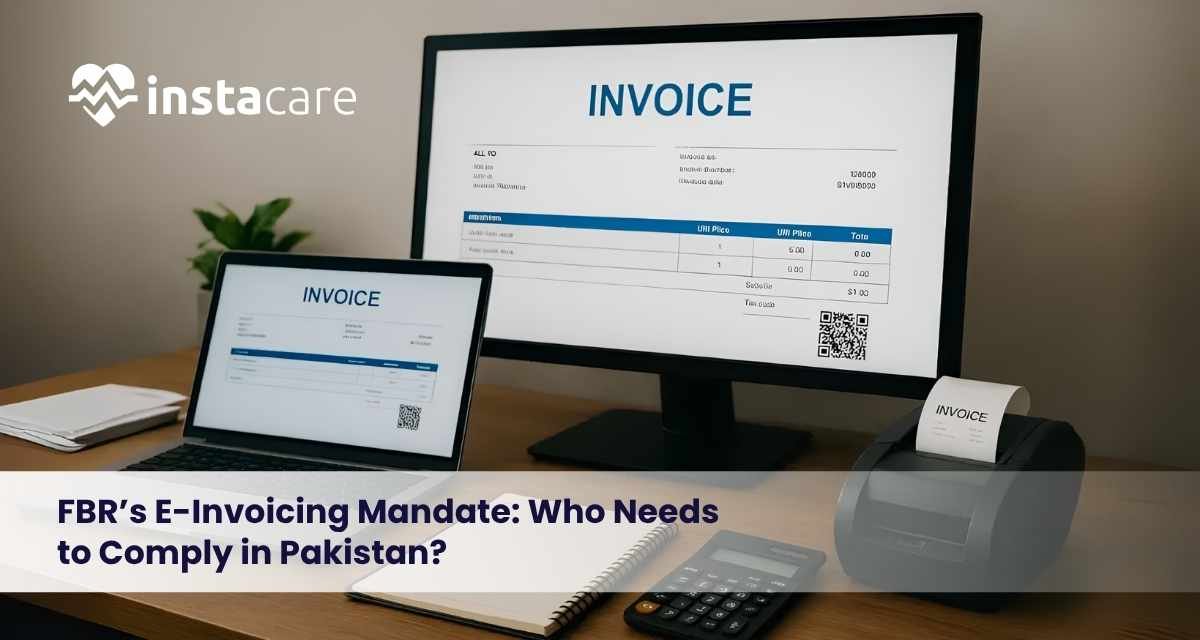
FBR’s E-Invoicing Mandate: Who Needs to Comply in Pakistan? Pakistan’s tax system is becoming more digitized, and along with it, businesses need to keep up with a rapidly changing tax landscape. One major change was the introduction of a requirement by the Federal Board of Revenue (FBR) for the electronic submission of invoices. Traditionally, sales tax invoices relied on paper-based processes controlled by the business and required the ultimate physical transmission to the tax authority. With the introduction of the FBR e-invoicing framework, the process enables the automated and electronic generation and forwarding of sales invoices to the tax authority. The important question for businesses is, who is subject to the FBR e-invoicing mandate? Broadly speaking, the rules cover companies, importers, individuals, associations of persons, and other notified businesses. With the mandate in place, businesses are left with the choice of ensuring their systems comply or facing the risk of sanctions. What Is FBR E-Invoicing? Electronic invoicing involves issuing invoices in a structured electronic format. Creating an invoice in a PDF format or scanning a paper invoice does not transform it into an electronic invoice for tax purposes. An electronic invoice, from the FBR’s point of view, is a tax invoice created in a digital format in a prescribed structured format. A scan of a conventional paper invoice is not considered an electronic invoice in the system. The system allows sales information to be transmitted electronically to FBR and, therefore, creates an enhanced link between the invoicing activities of a business and the sales tax returns of the business. Who Needs to Comply With FBR E-Invoicing? For businesses, the main point is that e-invoicing does not just apply to large corporations. The rollout by the FBR covers sales tax registered persons of different categories. The September 2025 notice set phased deadlines for public companies, private companies based on turnover, importers, individuals, associations of persons, and other registered persons. So, a small business should not assume that e-invoicing does not apply to them just because their turnover is less than a large corporation. The first question a business should ask should be: Are we registered for sales tax with FBR? If the answer is yes, e-invoicing should be researched further. Which Categories of Businesses Are Covered? FBR classified registered persons into various categories for implementation. Public Companies All public companies were included in the rollout, even if they belonged to some other turnover category. Companies With Turnover in Excess of PKR 1 Billion Among the first set of companies required to implement e-invoicing were companies other than public companies that had sales turnover exceeding PKR 1 billion in the previous 12 months. Importers All importers registered for sales tax were also included in the implementation schedule. Companies With Turnover Between PKR 100 Million and PKR 1 Billion Among the next set of companies for implementation were companies that had sales turnover exceeding PKR 100 million but not exceeding PKR 1 billion in the previous 12 months. Companies With Turnover Not Exceeding PKR 100 Million The requirement was extended to companies that had sales turnover not exceeding PKR 100 million. This shows that e-invoicing is applicable to all companies, regardless of the size of the company. Individuals and Associations of Persons Persons with turnover exceeding PKR 100 million in the previous 12 months and who had declared their sales tax returns were also included in the rollout. Other Sales Tax Registered Persons FBR also created a final category of registered persons other than those specifically mentioned above. This widened the scope of the rollout to cover other sales tax registered persons rather than limiting the requirement to the initially stated business groups. What Were the Implementation Deadlines? FBR rolled out the mandatory e-invoicing system by giving different deadlines to different entities, as opposed to requiring all entities to implement the system on the same date. As outlined in SRO 1852 (I) / 2025, between 1 November 2025 and 31 December 2025, different categories of registered persons were required to issue electronic invoices. For example, public companies, large companies, importers, and certain high-turnover individuals and associations of persons had earlier deadlines. Smaller companies and other registered persons had later deadlines. As the deadlines have already passed, affected entities must view e-invoicing as a mandatory current requirement and not as a future requirement for which they can prepare. Does Every NTN Holder Need to Use E-Invoicing? That is not necessarily the case. Holding an NTN and being registered for income tax does not by itself mean that a person is automatically subject to the federal sales tax electronic invoicing framework. The mandate specifically discusses sales tax registered persons under FBR’s sales tax system. Therefore, entities should recognize the difference between: Income tax registration Sales tax registration Provincial sales tax registration for services Other regulatory registrations The exact obligations may vary with the type of registration and business activity. What Does Integration With FBR Mean? There are several ways businesses can integrate their invoicing systems with FBR’s automated system. ERP System Integration Businesses can integrate their invoicing processes through their existing ERP systems. Point-of-Sale System Integration Businesses using point-of-sale systems can connect those systems with the FBR e-invoicing framework. Accounting or Invoicing Software Integration Businesses can also integrate their accounting or invoicing software to electronically transmit the required invoice information. Separate Electronic Invoicing Application Businesses may also use a separate electronic invoicing application where appropriate. Notified registered persons should integrate their systems via approved licensed integrators. The FBR has a system integration service for eligible persons as well. The order issued in March 2026 notes that if a person wants to integrate their invoicing hardware and software with FBR, they may engage as many approved licensed integrators as required. Book Your Free Marketing Consultation What Information Is Reported Through E-Invoicing? Electronic invoices must contain the information required by the applicable sales tax rules. Depending on the situation, information that may be required includes: Names and addresses of the seller Names and addresses of the
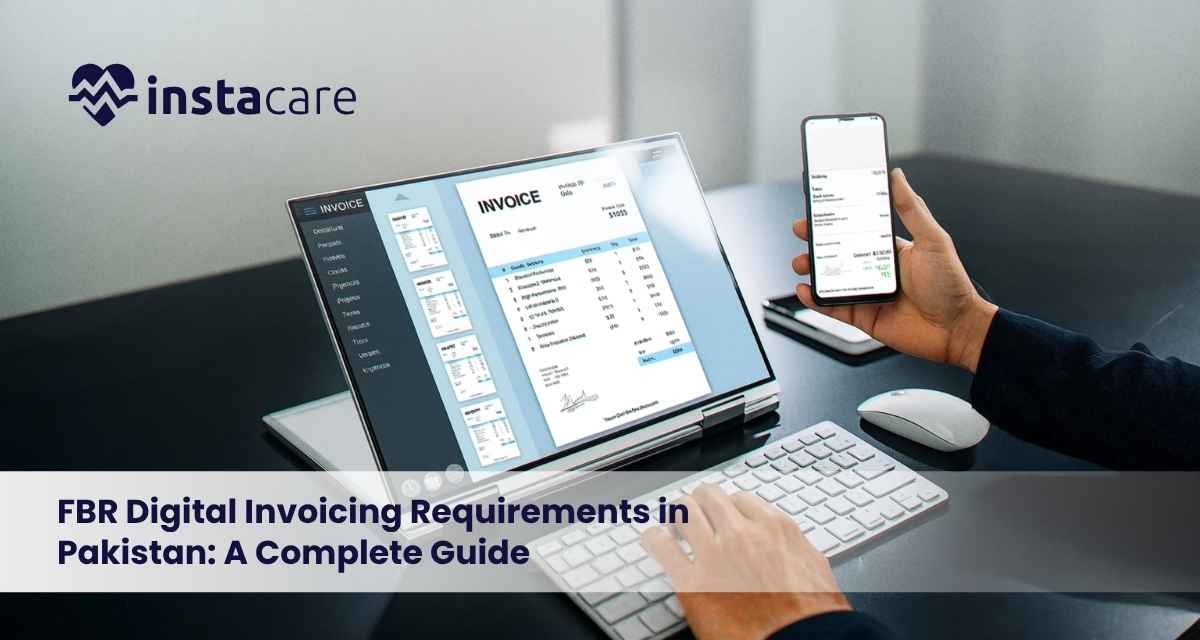
FBR Digital Invoicing Requirements in Pakistan: A Complete Guide There is a fast development of the digitization of the tax system in Pakistan, and one of the most crucial aspects for registered companies is the introduction of digital invoicing by the FBR. This process is supposed to increase transparency, eliminate the need for manual reporting and enable the sales transaction reporting to be carried out electronically by the Federal Board of Revenue. For registered businesses, which must pay sales tax, it becomes especially crucial to understand the requirements for the reason that digital invoicing is not just sending a PDF invoice via email. According to the existing rules, an electronic invoice should be created in the digital format and connected to the tax authority’s computer system. What Is FBR Digital Invoicing? Digital invoice or electronic invoice or e-invoice is an electronic creation and transmission of invoices in the structured form. The scanning of the paper invoice or generation of the PDF version of a manually generated invoice cannot be considered as structured electronic invoice. It has to be generated and transmitted in a structured electronic form as per the prescribed format and via the integrated invoicing system. The integrated invoicing system has been introduced with the intention of facilitating real time or system based reporting of the sales transactions. Is Digital Invoicing Mandatory in Pakistan? Yes. FBR has gradually increased the scope of electronic invoicing requirement to sales tax registered persons. The present stance of FBR is that the electronic invoicing is mandatory for corporate and non-corporate registered persons. The system mandates the registered persons to connect their invoices to the computerized system of FBR and issue electronic invoices under the prescribed guidelines. It is therefore imperative on the part of businesses to confirm the nature of their registration and notifications issued by FBR in this regard. Who Needs to Integrate With FBR? The digital invoicing system applies to sales tax registered persons under any of the categories notified by FBR. Integration could include a business’s: Enterprise Resource Planning system Point-of-Sale system Accounting or billing system Invoicing system Other electronic invoicing system As per the FBR guidelines, it is mandatory for the notified registered persons to integrate their invoicing system using an authorized licensed integrator. Those businesses having more than one branch or system or sales channel have to make sure of integrating all systems generating invoices. What Information Must a Digital Invoice Contain? An electronic sales tax invoice shall have all the required transactional details. They may consist of: Name of the seller Address of the seller Seller’s registration number Name of the buyer/recipient Address of the buyer Registration number of the recipient, if any Date of invoice Tax period Description of the goods/services Quantity Value without tax Sales tax rate applicable Amount of sales tax Sales tax deducted at source, if any Additional tax, if any Further tax, if any Federal excise duty payable under sales tax mode, if any Total discount Reference number of invoice HS code Unit of measurement SRO and its serial number, if any Some details may not be applicable in all cases, especially for some retail transactions with the general public. Therefore, the correct master data becomes very significant. An incorrect tax rate, HS code, unit of measurement, buyer details, or description of products may lead to wrong reporting. Real-Time Transmission of Invoices One of the key requirements in the digital invoicing in FBR is that of issuing an electronic verifiable invoice by the businesses that operate on integrated basis. The provisions allow for the businesses to report their taxable supplies via the integrated system instead of preparing invoices manually and reporting total amounts after that. Thus, businesses require good invoicing software, internet access, proper tax data configuration, and procedures for handling rejected/incomplete invoice transmission. Role of Licensed Integrators In the framework of FBR, the licensed integrators can be used in order to ensure the interconnection between the registered businesses and systems of the tax authority. Licensed integrator represents an organization that is eligible for providing electronic invoicing integration service according to the relevant regulation. The guidance of FBR indicates that those organizations which are obliged to configure and integrate their invoicing system should use a licensed integrator. FBR holds a list of officially recognized integrators. Does a Business Need New Accounting Software? Not really. The firm could have an existing ERP, POS, accounting system, or even customized billing software that is capable of producing all the required information. Yet, the existing system will require some technical alterations in order to: Produce invoices in the required format Communicate through the relevant API Validate mandatory fields on the invoice Send transaction details Receive a confirmation or a validation reply Store digital invoices Manage debit and credit notes The FBR offers technical information on how to integrate digital invoices, which include information on the API. Thus, a firm needs to make a technical assessment before deciding on its future actions. Digital Credit and Debit Notes The requirements for digital invoicing are not confined to just the normal sales invoice. If an adjustment is necessary, it may be necessary to create a debit note or a credit note using the system too. This is vital since the business has to make sure that any change after the sale is recorded properly in its electronic system. These records must also be stored according to the set period. Record-Keeping Requirements Companies should keep complete and accurate electronic documents for their digital invoices. In this regard, the relevant sales tax regulations allow for the storage of electronic documents related to invoices for a period of six years. Debit and credit notes generated via the integrated system should be stored similarly. Companies, therefore, need to take appropriate steps to safeguard invoice information from: Accidental deletion Computer breakdown Any modifications Corruption of data Any cybersecurity issues Effective record management is helpful in tax audit processes too. Digital Invoicing for Online Sales Online-based companies who conduct sales on their websites or
What Is FBR Digital Invoicing in Pakistan? Pakistan’s tax system is transforming to a more digital system, and one of the important elements of this transformational change is FBR Digital Invoicing. This system replaces traditional sale invoices prepared in a paper format, and requires generation of invoices in an electronically readable format and reporting them in an XML or other structured digital format to the tax authority. Digital invoicing has important changes in the way businesses record, report and verify their sales and purchases, and requires integration of businesses’ invoicing systems to the Federal Board of Revenue’s (FBR) computerized system. The change to a digital tax environment requires businesses to electronically transmit invoicing information to the tax authorities and may require businesses to make changes to their accounting systems to increase compliance and reduce invoicing errors. What Is FBR Digital Invoicing? FBR Digital Invoicing is Pakistan’s electronic invoicing framework, which allows businesses to issue digital sales tax invoices. The framework additionally requires businesses to electronically submit required information for their business transactions. Electronic invoices are not simply a scanned copy or PDF version of a paper invoice. An electronic invoice is digitally created with a structured format using electronic systems. Scanning or photographing a traditional paper invoice does not make it a digital invoice. The core objective of the framework is to provide a more transparent relationship between businesses and the tax administration. The framework enables businesses to electronically capture sales transactions. This in turn, helps businesses determine their tax liability and identify potential inconsistencies. Why Has Digital Invoicing Been Introduced? Invoicing systems can use manual data entry and lead to lost, illegible, or delayed records. These systems increase the opportunity for errors, fraud, and manipulation. Digital invoicing reduces the need for reconciliation and standardizes systems. The intended effects include improved transparency and Traceability of Tax Systems (TST), reduced invoice-related fraud, lower manual errors, and stronger sales tax compliance. It enables tax authorities to receive sales information electronically. This improves the efficiency of businesses by allowing invoices and transaction credit and debit notes to be electronically stored, transmitted and exchanged in a structured format. This leads to the reduced use of paper and improves the organization of financial records. Who Is Required to Use Digital Invoicing? Digital invoicing regulations mostly apply to businesses operating under the sales tax system in Pakistan. The FBR’s instructions refer to the mandatory use of electronic invoicing by corporate and non-corporate registered persons under the sales tax system. Previously, official instructions had set the integration dates of electronic invoicing at 1st June 2025 for corporate registered persons and 1st July 2025 for non-corporate registered persons. Later notifications and orders have amended and expanded the earlier requirements. For instance, the ST-3 General Order of 30 March 2026, requires sales-tax-registered persons to integrate their invoicing systems and issue digital invoices. As requirements may be amended, businesses should refer to the latest notification and sales tax rules to determine their compliance obligations. How Does FBR Digital Invoicing Work? The digital invoicing process integrates a company’s invoicing or accounting system with the tax authority’s online system. When a company makes a taxable sale, it issues an invoice through its electronic invoicing software or solution integrated with its point-of-sale system, accounting or resource planning system. The system then transfers the information required for the invoice to the tax authority’s online system electronically. Information Included in a Digital Invoice Depending on the jurisdiction and situation, the information required may include: Seller’s identification Buyer’s identification Invoice number Invoice date Description of the product or service provided Quantity Tax category Taxable value Sales tax Total value of the invoice HS Code A company is required to ensure that its system classifies a product or service correctly, especially if more than one product has the same HS Code but are classified for tax purposes differently. What Is System Integration? Integration refers to connecting the business’s invoicing system to the digital, computerized invoicing system used for tax reporting. This can mean integrating an existing ERP, POS, accounting, or other electronic invoicing software. For businesses subject to these requirements, integration is typically done through an authorized integration facility. Official documents state that notified registered persons may be required to integrate their invoicing systems via a licensed integrator. There are technical documents available to both businesses and software professionals to configure their invoicing systems. Normally, businesses do not have to visit a tax office to physically help complete the integration process. What Is a Licensed Integrator? An integrator is an entity legally authorized under sales tax laws to help connect companies’ invoicing systems with the tax authority’s digital invoicing system. Integrators can configure and integrate software and perform tests, and ultimately send invoice data to the tax authority. Businesses should verify that an integrator has legal authorization before allowing access to invoicing or accounting systems. A tax authority can provide a list of licensed integrators to businesses who need help with system integration. Benefits of FBR Digital Invoicing Digital invoicing can improve accuracy, recordkeeping, and transparency of transactions for the tax system and businesses. Reduced Manual Errors Digital invoicing reduces mistakes caused by manual data entry. Many enterprises digitize invoices after they’ve been generated and processed by other systems, resulting in errors in data. Automated invoice generation can eliminate errors. Better Recordkeeping Digital invoices can be stored, organized, and retrieved more easily than paper invoices, and can be automatically reconciled with accounting systems. Electronic records of sales transactions facilitate better and more timely documentation for tax reporting. Improved Financial Reconciliation Businesses can also benefit from improved reconciliation of sales records with accounting records and tax returns. For large organizations, the integration of invoicing with the accounting or ERP system can improve the financial workflow of the organization. Book Your Free Marketing Consultation What Businesses Should Do to Prepare? Businesses should first determine if they are within the categories of business required to use digital invoicing. They should then review their existing accounting, ERP, POS, or invoicing
Master Data Management in Healthcare: Everything You Need to Know Healthcare organizations collect a multitude of information every day. From patient information to insurance information and everything in between, this information gets stored in different systems. While there may be information silos for different aspects of the business, when the same information is stored differently in these silos, it can create inefficiencies in the administrative process and contribute to errors. There is a need to standardize this important information and structure the ways in which it is created, organized, and updated. Master Data Management (MDM) for healthcare provides a disciplined approach for creating, organizing, and governing important data for the healthcare industry. Through MDM, the healthcare industry is able to standardize important data and ensure the information is accurate, consistent, and available where and when it is needed. What Is Master Data Management in Healthcare? Master Data Management (MDM) is the management process for important organizational data to ensure consistency. In the case of healthcare, examples of master data include: Patients Healthcare professionals Medical facilities Departments Medications Medical equipment Medical procedures Medical suppliers Medical plans Locations Healthcare organizations implement several systems to manage various tasks such as appointments, billing, laboratory test results, prescriptions, medical records, and other administrative and clinical activities. Without proper data management processes, a person or item may appear differently in various systems. MDM provides a mechanism to manage data and create consistent records within the organization. Why Is Master Data Management Important in Healthcare? Accurate information is vital in the healthcare industry. For example, a patient may have several different records because of different spellings of their name during different visits. One record may include a middle name, another a nickname, and another may include an outdated address. Without connecting these records, crucial information about a patient may remain divided. MDM allows organizations to identify, authenticate, unify, and manage information. This may help personnel in various divisions of an organization communicate with one another and alleviate confusion caused by conflicting data. What Types of Data Can Be Managed Through Healthcare MDM? Patient Data Management Patient information is possibly the most critical aspect of data management in healthcare. A patient’s master record includes their: Full name Date of birth Contact information Identification details Address Emergency contacts Insurance information Medical record identifiers Inconsistencies in how data is captured and processed within different systems can lead to a failure to identify the right patient and result in the creation of duplicate patient records. MDM or other advanced data management tools can integrate different data systems, create links between data entries and patient records, and ultimately improve the data management of healthcare organizations. Healthcare Provider Data Management Healthcare organizations collect large quantities of data on healthcare professionals. Provider master data can include: Name Professional role Specialty Department Contact information Credentials Work location Availability Identification numbers Standardizing provider data can simplify appointment scheduling, referrals, billing, communications, and other business and administrative activities. Provider data is often updated when, for instance, a change of professional role occurs. Master data processes and services can simplify the update of such data across other systems. Facility and Location Data Large healthcare systems may operate multiple facilities, such as hospitals, pharmacies, laboratories, and diagnostic centers. Each of these facilities has the potential to generate a large amount of operational data. Facility master data may consist of: Name of facility Address Departments Contact information Services offered Hours of operation Internal location codes Uniform facility information helps organizations plan the availability of staff and other resources, as well as coordinate patient services, staff assignments, inventory, and reports. Medical Product and Supply Data Many different kinds of medical products and supplies are utilized in healthcare facilities. Examples include: Surgical supplies Disposable medical supplies Diagnostic aids Medicines Medical devices Cleaning supplies Protective equipment Names for the same product may be different depending on the department. For example, the same surgical supply may be described as a “dressing” in one department and as “surgical padding” in another department. Master Data Management helps standardize names for products and product categories, as well as units of measurement and identifiers. Standardization can contribute to improvements in purchasing and inventory and supply management. How Does Master Data Management Improve Healthcare Data Quality? Healthcare MDM aims to improve the quality of data. Healthcare data can have many flaws, such as: Duplicate and triplicate records Missing data Incorrect spellings Different data formats Outdated data Incorrect values and classifications MDM can help identify these issues and create methods to resolve them. Standardization of data can assist in creating information that meets organizational specifications, such as proper address formats, spelling of names and data, phone numbers and dates, IDs, codes, classifications, and other formats. This can enhance data quality and help improve reporting and the administration of healthcare systems. Book Your Free Marketing Consultation How Does MDM Create a Single Source of Reliable Information? A key element of Master Data Management (MDM) is the ability to develop a trustworthy master record. There are instances where multiple systems house the same information about a patient, provider, location, or product. In these cases, MDM determines which of the multiple records should be considered authoritative. The authoritative information becomes a trusted record that is referenced and used by multiple systems. This is often referred to as a “single source of truth.” This does not necessarily mean all the information in a healthcare setting needs to be housed in one large database. Rather, it refers to systems using agreed and governed information for defined data elements. How Does MDM Support Healthcare Data Integration? Healthcare organizations often utilize many digital systems. These systems may include: Electronic Health Records (EHR) Laboratory systems Appointment systems Billing systems Pharmacy systems Inventory systems Human Resource (HR) systems Insurance systems MDM allows systems to manage and share master data and identify data uniformly, allowing them to achieve the same goals. For example, there should be uniform identifying information for a facility, patient, provider, or department across integrated systems.

How OBGYN Medical Billing Services Reduce Denials Across Maternity and Gynecology Claims Denials in an OB/GYN practice rarely come from one source. A maternity claim may fail because of eligibility changes during pregnancy, an authorization issue, or confusion over services included in a maternity package. A gynecology claim may be delayed because of an unsupported modifier, procedure-code combination, diagnosis mismatch, or incomplete documentation. That mix of maternity care and procedure-heavy gynecology makes denial prevention more complicated than simply checking a claim before submission. Gynecology billing services must understand where errors originate, how payer rules affect different services, and which problems can be corrected before they reach adjudication. Effective OBGYN medical billing services therefore approach denials as a revenue-cycle issue rather than a back-office problem. Why OB/GYN Denials Require Specialty-Specific Review OB/GYN practices manage preventive visits, prenatal care, deliveries, postpartum care, ultrasounds, diagnostic testing, office procedures, and surgery. Each service can follow a different billing path. A generic claim review may confirm that required fields are present. Specialty-focused billing goes further by examining whether the service fits the clinical encounter, whether the diagnosis supports it, whether another service affects its reportability, and whether the payer has additional requirements. Professional gynecology billing services can help practices identify these risks before they turn into repeated denials across similar claims. Maternity Claims Can Break Down Before Delivery Pregnancy-related billing creates challenges long before the delivery claim is submitted. Insurance coverage can change during pregnancy. A patient may switch plans, become eligible for Medicaid, or receive care from more than one practice. These changes can affect how antepartum, delivery, and postpartum services are reported. Effective obstetrics billing services track coverage and payer responsibility throughout the pregnancy rather than relying solely on insurance information collected at the first prenatal appointment. This is especially important when care is transferred between providers or when the practice does not provide every component of maternity care. An experienced obstetrics billing company should recognize when the billing pattern differs from a routine maternity case instead of forcing every pregnancy into the same workflow. Gynecology Procedure Claims Need Documentation That Matches the Code Gynecology creates a different type of denial risk. Procedures such as colposcopy, biopsy, LEEP, hysteroscopy, endometrial procedures, and other office or surgical services need documentation that clearly reflects what was performed and why it was medically necessary. A claim may contain a valid CPT code and still be denied if the diagnosis relationship, modifier, authorization, or clinical documentation does not support the service. A specialized gynecology billing company reviews the connection between the procedure note and the submitted claim. This reduces the chance of billing based only on a charge entry that does not fully reflect the documented encounter. Same-Day Services Need More Than a Modifier OB/GYN practices frequently provide more than one service during the same encounter. A patient scheduled for a procedure may also require a separately significant evaluation. A preventive examination may identify a new problem requiring additional work. These situations require careful coding because not every service performed on the same day is automatically separately payable. CMS uses National Correct Coding Initiative Procedure-to-Procedure edits to identify certain code combinations that generally should not be reported together. In some circumstances, separate reporting may be appropriate when the clinical situation supports it and an allowed modifier is correctly used. Practices can review the official CMS NCCI Procedure-to-Procedure guidance when evaluating Medicare coding edits. An OB GYN billing company should therefore determine whether documentation actually supports separate services before adding a modifier. Using one simply to bypass an edit can create another billing or compliance problem. Diagnosis Selection Can Determine Whether a Claim Survives Review Procedure coding receives considerable attention, but diagnosis coding is equally important. The diagnosis should reflect the condition, symptom, finding, or reason documented for the service. Payers may evaluate that relationship when determining medical necessity or coverage. Strong OB/GYN billing services review the diagnosis-to-procedure relationship instead of treating diagnosis codes as an administrative requirement added after the service has been coded. This becomes particularly important for diagnostic procedures, follow-up testing, abnormal findings, and services that are subject to payer-specific coverage policies. Prior Authorization Problems Should Be Found Before Treatment Some denials cannot be fixed easily after the service has already been provided. Prior authorization is a good example. Depending on the payer and procedure, authorization may be tied to a specific provider, location, date range, service, or number of units. Effective ob gyn medical billing services verify authorization requirements early and keep approval information accessible to the billing team. A missing authorization discovered after adjudication can be considerably harder to resolve than one identified before the procedure. Denial Management Should Identify Patterns, Not Just Rework Claims Correcting individual denied claims is necessary, but it does not prevent the same problem from happening again. A practice may repeatedly receive denials for one procedure because of a modifier issue. Another payer may consistently deny maternity claims because eligibility is not being rechecked. A particular location may have frequent authorization problems. The best OBGYN revenue cycle management approach categorizes these denials and traces them back to their source. That allows the practice to determine whether the real problem sits in registration, eligibility, authorization, documentation, coding, claim submission, or payer processing. Payment Review Is Part of Denial Prevention Not every revenue problem appears as a complete denial. A claim may be paid at a lower amount than expected, partially denied, bundled incorrectly, or adjusted in a way that requires closer review. If payment posting focuses only on whether money arrived, these issues may remain unnoticed. Strong ob gyn billing services compare adjudication results with the submitted claim and applicable payer requirements. This creates a clearer view of both denials and underpayments. Learning From Denials Strengthens Future Claims Denial management works best when information from rejected and denied claims flows back into the front end of the revenue cycle. If authorization problems are increasing, intake procedures may need attention. If procedure claims repeatedly fail coding edits, the coding