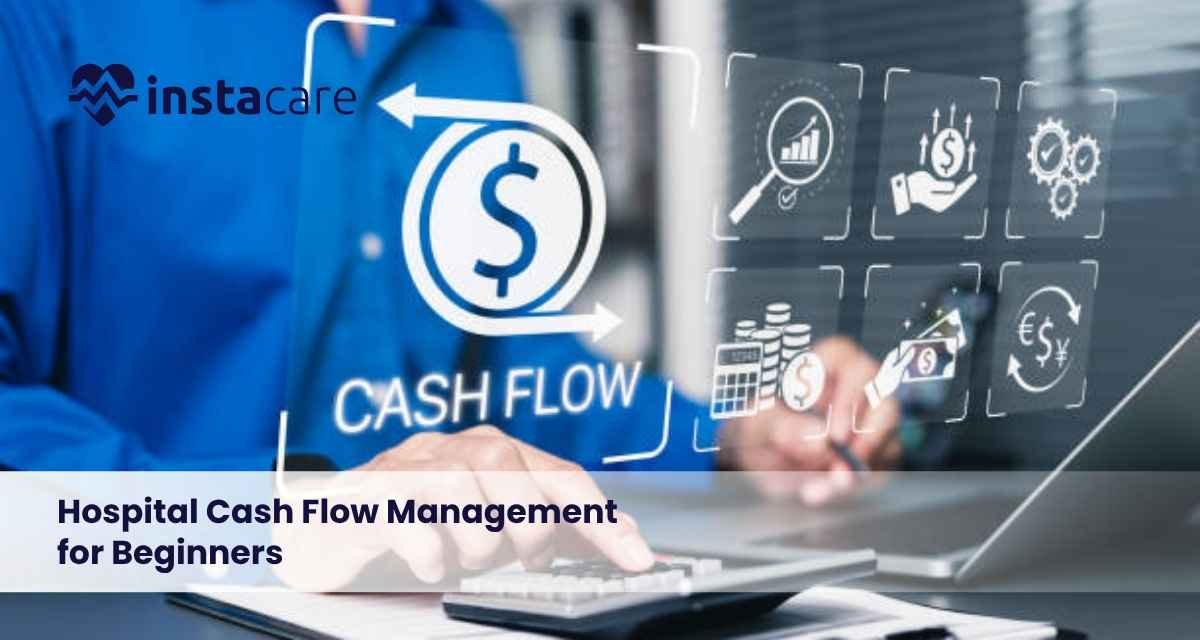
Hospital Cash Flow Management for Beginners: A Simple Guide A hospital can post a profit in March and still struggle to cover payroll that same month. That gap confuses a lot of finance teams who assume revenue and cash mean the same thing. They don’t, and the difference is where most cash flow trouble starts. This guide breaks down why that gap exists, how the insurance claims timeline widens it, and what steps actually close it. You’ll walk away with a simple forecasting method you can start using this week. What Hospital Cash Flow Actually Means Revenue is money your hospital has earned on paper. Cash is money that’s actually sitting in your bank account, ready to spend. A hospital can bill $50,000 for a procedure today and not see that money land for six weeks or more. Hospital cash flow management is the practice of tracking when money comes in against when it has to go out. It sounds simple, but hospitals run into trouble because the timing rarely lines up. Payroll doesn’t wait for an insurance claim to clear. Neither do pharmaceutical suppliers or utility bills. This same idea scales up across the whole organization. Healthcare cash flow management applies it to every department, not just billing, because a slow month in one area can ripple into cash pressure everywhere else. Why Hospital Financial Management Can’t Rely on Profit Alone Here’s where the timing gap gets structural, not accidental. Insurance claims typically take 60 to 120 days to settle. Payroll, supplies, and operating costs fall due within 30 days. That mismatch, not poor management, is usually what drains a hospital’s cash. Picture a hospital that treats patients all through March. The bills for that care go out, and the revenue gets recorded. But most of that money won’t arrive until May or later. Meanwhile, March’s payroll and supplier invoices are due on schedule, no matter what the claims pipeline looks like. None of this means the hospital is being run poorly. It means the underlying billing structure creates a lag that has to be actively managed. Hospital financial management exists to handle exactly this problem, and the rest of this guide covers how. How Hospital Revenue Cycle Management Slows Your Cash Down Trace a single patient’s path from admission to payment and the delay becomes obvious. Care gets delivered over several days. The patient is discharged. Then the billing team has to assemble the claim and send it to the insurer. That submission step matters more than most people realize. A claim that goes out within 48 hours of discharge starts its clock immediately. One that sits on a desk for two weeks doesn’t. Hospitals running the right hospital management software can automate that claim generation straight from the clinical record, cutting the wait from days down to hours. From there, the insurer reviews it, sometimes raises questions, and eventually processes payment, often landing somewhere between day sixty and day ninety. Queries from the insurer are usually the biggest hidden delay. A missing code or an incomplete note can add weeks to a claim that would otherwise move fast. This is exactly why hospital revenue cycle management focuses so heavily on getting claims right the first time, not just fast. Shaving even a week off submission time per case adds up quickly across hundreds of claims a month. The Most Common Hospital Financial Operations Mistakes A few patterns show up again and again in hospitals struggling with cash, and most of them are fixable once you know to look for them. Overstocking pharmacy and supplies. Extra inventory sitting on a shelf is cash that could be covering payroll instead. Letting patient balances go untracked. Money owed after discharge ages fast, and without follow-up it often becomes unrecoverable. Submitting claims late. Every extra day between discharge and submission delays cash that’s already earned. Treating bad debt like a real asset. Balances that will never get collected shouldn’t sit on the books as if they will. Waiting for a shortfall instead of forecasting one. Reacting after cash runs short usually means emergency borrowing or paying premium prices for rushed supply orders. Each of these on its own seems minor. Together, they’re often the real story behind a hospital that looks profitable but feels broke. Book Your Free Marketing Consultation How to Build a Simple 13-Week Cash Flow Forecast This is the single most useful habit in hospital financial planning, and it’s less complicated than it sounds. Step 1. List every payment you expect over the next 90 days. That includes insurance settlements, patient installment payments, and anything else confirmed to arrive. Step 2. List every payment going out in that same window. Payroll dates, supplier invoices, loan payments, and utility bills all belong here. Step 3. Lay both lists out week by week. Any week where money going out exceeds money coming in, plus whatever cash you’re starting with, is a warning sign worth acting on early. Step 4. Update the forecast every week. A forecast that sits untouched for more than two weeks stops matching reality, and it loses its value as an early warning system. Once this becomes routine, cash flow stops being a monthly surprise. You start seeing shortfalls three or four weeks out, which gives you time to act instead of scramble. Hospital Budgeting for Your Cash Reserve Beyond week-to-week forecasting, every hospital needs a cushion built into its hospital budgeting plan. A reasonable target is 30 to 60 days of total operating expenses, held somewhere you can access quickly if needed. Say your hospital spends $500,000 a month to operate. That means aiming for $500,000 to $1,000,000 in reserve. It sounds like a lot, but it’s what covers a slow month of insurance payments, an equipment breakdown nobody planned for, or a seasonal dip in patient volume. Building that reserve doesn’t happen overnight. It usually comes out of a stretch where cash coming in stays ahead of cash going out, which is exactly why

What Is Prescriptive Analytics? A Complete Guide Organizations collect and process enormous amounts of data to understand trends, identify problems, and improve decision-making. While understanding why an event occurred is important, determining the best course of action can be even more valuable. Prescriptive analytics focuses on recommending actions based on data, predictive models, artificial intelligence, and optimization techniques. It helps organizations evaluate different choices, reduce potential risks, and improve business outcomes. Prescriptive analytics has applications across various industries, including healthcare, finance, retail, manufacturing, and transportation. What Is Prescriptive Analytics? Prescriptive analytics is a type of data analytics that determines which actions should be taken to achieve a specific goal. Similar to predictive analytics, it uses data and forecasts, but it also incorporates rules, constraints, and optimization methods. Prescriptive analytics answers the question: “What is the best action to achieve the desired outcome?” This analytical approach combines technologies such as artificial intelligence, machine learning, deep learning, and data science to identify solutions to business problems. By evaluating different possibilities and their potential outcomes, prescriptive analytics helps organizations make more informed and strategic decisions. How Does Prescriptive Analytics Work? Prescriptive analytics uses historical data, current information, and predictive models to generate possible solutions and recommend suitable courses of action. The process generally involves the following steps. 1. Information Gathering Organizations collect information from various sources, including: Customer records Employee information Financial data Equipment and operational systems Business transactions Market data The quality and availability of this information play an important role in producing useful recommendations. 2. Information Synthesis In this stage, the collected information is analyzed to identify relationships, patterns, and factors that influence specific outcomes. Data analysis helps organizations understand how different variables affect business performance and identify opportunities for improvement. 3. Scenario Development and Recommendations Prescriptive analytics systems evaluate different situations and generate possible courses of action. For example, a business may analyze various inventory levels, pricing strategies, or resource allocation plans to determine which option best supports its objectives. The system then recommends actions based on the available data, business rules, and defined constraints. Difference Between Descriptive, Predictive, and Prescriptive Analytics Descriptive, predictive, and prescriptive analytics are different approaches to analyzing data. Each approach focuses on a particular question and supports decision-making in a different way. Descriptive Analytics: What Has Happened? Descriptive analytics examines historical data to understand events and trends that have already occurred. For example, a company may analyze its previous monthly sales to determine revenue trends and identify changes in customer demand. Purpose: Understand past performance and events. Predictive Analytics: What Is Likely to Happen? Predictive analytics uses historical data, statistical techniques, and mathematical models to estimate future outcomes. For example, a retailer may forecast future product demand based on previous sales, seasonal trends, and customer behavior. Purpose: Forecast potential future outcomes. Prescriptive Analytics: What Action Should Be Taken? Prescriptive analytics uses data, forecasts, and optimization techniques to recommend suitable actions. For example, if a business expects increased demand for a product, prescriptive analytics may recommend how much inventory to purchase and when to reorder. Purpose: Recommend actions to achieve a specific goal. How These Analytics Approaches Work Together Organizations can combine all three analytical approaches to improve decision-making: Descriptive analytics: Explains what happened. Predictive analytics: Estimates what might happen. Prescriptive analytics: Recommends what actions to take. Together, these approaches provide a more comprehensive understanding of business performance and potential strategies. Examples of Prescriptive Analytics Prescriptive analytics can help organizations evaluate options and identify suitable actions in different business and industry scenarios. 1. Healthcare Healthcare organizations can use prescriptive analytics to support treatment planning, resource allocation, and operational decision-making. For example, systems may analyze patient information and clinical guidelines to help healthcare professionals evaluate potential treatment options. Prescriptive analytics can also assist hospitals in optimizing staff schedules, managing medical resources, and improving operational efficiency. Note: Treatment recommendations should be reviewed by qualified healthcare professionals and should not replace clinical judgment. 2. Retail and Business Retail businesses can use prescriptive analytics to improve inventory management, pricing, and customer-related decisions. For example, a system may recommend inventory quantities based on projected demand, available stock, and storage constraints. Businesses can also evaluate pricing strategies to understand their potential effects on revenue and profitability. 3. Transportation and Logistics Transportation and logistics companies can use prescriptive analytics to improve delivery planning and route optimization. For example, a delivery company may evaluate traffic conditions, fuel consumption, delivery deadlines, and vehicle availability to recommend efficient routes. This can help organizations manage transportation costs and improve delivery operations. 4. Manufacturing Manufacturing companies can use prescriptive analytics to improve production planning and resource utilization. Systems may recommend production schedules based on customer demand, available equipment, workforce capacity, and operational constraints. These recommendations can help businesses reduce equipment idle time and improve production efficiency. 5. Finance Financial institutions can use prescriptive analytics to support risk management, financial planning, and investment analysis. For example, systems may evaluate different financial scenarios and recommend strategies based on defined risk limits and investment objectives. Financial professionals should consider market uncertainty and other relevant factors when reviewing such recommendations. Key Technologies Used in Prescriptive Analytics Prescriptive analytics combines several technologies to analyze data, evaluate possible outcomes, and generate recommendations. 1. Machine Learning Machine learning enables systems to identify patterns in data and improve their performance based on historical information and feedback. In prescriptive analytics, machine learning can support recommendation systems by identifying relationships between previous decisions and their outcomes. 2. Artificial Intelligence Artificial intelligence helps systems process information, identify patterns, and support automated decision-making. AI technologies can be integrated into prescriptive analytics to generate recommendations based on data analysis and predefined objectives. 3. Optimization Optimization techniques help organizations identify suitable solutions while considering specific goals and constraints. Mathematical models and heuristic methods can be used to evaluate different possibilities, such as minimizing costs, improving efficiency, or allocating resources. 4. Simulation Simulation allows organizations to evaluate possible outcomes before implementing a decision. For example, a business can simulate different inventory strategies

One in twenty patients who receive medical care is affected by avoidable medication harm. That number comes from global health research, and it’s the reason a day like this exists. World Patient Safety Day isn’t a feel-good slogan on a hospital banner. It marks a real, ongoing problem, one that affects patients, families, and healthcare workers everywhere. This guide walks you through what the day is, what this year’s theme means, and what you can actually do the next time you’re a patient yourself. It’s also a topic our own team has engaged with directly, including at the 8th International Patient Safety Conference in Karachi. What Is World Patient Safety Day World Patient Safety Day falls on September 17 every year. The World Health Organization created it in 2019, after the 72nd World Health Assembly passed a resolution calling for global action on patient safety. The day is meant for everyone touched by healthcare: patients, family caregivers, nurses, doctors, hospital administrators, and the policymakers who write the rules hospitals follow. It’s one of a small number of official global health campaign days the WHO runs each year, which says something about how seriously the organization treats preventable harm. Why This Day Matters More Than a Slogan Medication errors alone account for close to half of all avoidable harm in healthcare. That’s not a niche problem tucked away in one department. It touches nearly every patient interaction, from a prescription written in a rush to a dose administered without double-checking the chart. Elderly patients and people in intensive care face the highest risk, which matters if you have older parents or a family member who’s ever needed critical care. Here’s the thing: most of this harm doesn’t trace back to one careless person. It usually comes from a system under strain. Short-staffed wards, rushed handoffs between shifts, and weak communication protocols create the conditions where small mistakes turn into serious harm. That’s what people mean when they talk about patient safety in healthcare systems. It’s less about individual blame and more about building processes that catch errors before they reach the patient. The World Patient Safety Day 2026 Theme This year’s theme is “Safe care for noncommunicable diseases,” with the slogan “Safe care for life.” Noncommunicable diseases include conditions like heart disease, diabetes, cancer, and chronic respiratory illness. These conditions rarely involve one visit and one treatment plan. A person managing diabetes might see an endocrinologist, a cardiologist, and a primary care doctor across a single year, each prescribing something different. Every added provider raises the odds that two medications conflict or a treatment plan falls out of sync. The 2026 theme exists because long-term, multi-provider care is exactly where safety gaps tend to open up. A Quick Look at How the Day Has Evolved The WHO changes its focus each year based on what’s failing patients most at that moment. Past themes tell the story: 2019: Patient Safety: A Global Health Priority 2020: Health Worker Safety: A Priority for Patient Safety 2021: Safe Maternal and Newborn Care 2022: Medication Safety 2023: Engaging Patients for Patient Safety 2024: Improving Diagnosis for Patient Safety 2025: Safe Care for Every Newborn and Every Child Each theme responds to a real, documented gap from that period. The 2020 theme arrived as COVID-19 put health workers directly in harm’s way. The shift to chronic disease in 2026 reflects how much of today’s healthcare now revolves around long-term conditions instead of single, short-term illnesses. What Improving Patient Safety in Healthcare Systems Actually Looks Like Hospitals don’t reduce harm through good intentions. They reduce it through specific, repeatable practices. Four stand out. Surgical safety checklists catch wrong-site or wrong-patient errors before a single incision is made. The surgical team confirms the patient’s identity, the procedure, and the correct site out loud, every time, no exceptions. A hospital management software system helps enforce this by making the checklist a required step before a procedure can even be logged. Barcode medication scanning stops wrong-dose or wrong-drug errors at the bedside. A nurse scans the patient’s wristband and the medication together, and the system flags a mismatch before the drug is given. Structured handoff protocols, often called SBAR (situation, background, assessment, recommendation), keep critical details from getting lost when one nurse’s shift ends and another begins. Without this, a small but important detail can vanish between shift changes. Accreditation standards like NABH or JCI force hospitals through regular, independent audits instead of letting them grade their own work. A hospital can’t just claim it’s safe. It has to prove it, on a schedule, to outside reviewers. How You Can Improve Your Own Patient Safety Systems matter, but you’re not powerless in the room either. A few habits make a real difference. Ask about every medication before you take it. Ask the name of the drug, what it treats, and what the normal dose looks like. If something sounds off, that question just caught a possible error. Confirm your identity out loud before every test or medication, even if the staff already seems to know you. State your name and date of birth yourself rather than just nodding along. Mix-ups in patient identification remain one of the most common preventable errors in hospitals, which is exactly why a reliable patient management software system matters behind the scenes. Bring a written list of every medication and supplement you take to each appointment. A new doctor has no way of knowing what you’re already on unless you tell them. This single habit, called medication reconciliation, prevents a huge share of dangerous drug interactions. Speak up without needing to be confrontational about it. A simple line works: “Can you walk me through why I’m getting this medication?” That question opens a conversation instead of starting an argument, and it gives the provider a natural chance to catch their own mistake. Bring someone with you when you can. A family member or friend in the room catches details a stressed, tired, or sedated patient

How to Choose a White Label VoIP Provider for Your Business After the decision to sell hosted telephony under their own brand name, the next big challenge is who they should work with. There are some telecom wholesalers around that have stood the test of time and there are some new cloud-first platforms, and the distinction is more significant than comparison pages may indicate. This article outlines some of the pragmatic factors to consider before entering into a reseller agreement with a white label VoIP provider, for IT companies, telecom consultants, and managed service providers new to the white label VoIP market. Starting with the branding depth, Not the logo While all providers will say they provide “full white labelling”, it isn’t always the case. See the actual customer facing portal and mobile softphone application before you sign anything. True white label VoIP reseller programs will use your company name and domain name on the login screen, and on the invoices, mobile apps, and support e-mails. Weaker versions will just rename the invoice, but the app store listing or admin panel will still appear as the name of the original provider. When it’s easy to find the genuine sender, your brand becomes questionable. Client portal (portal.yourcompany.co.uk) also make sure it is possible to have a custom domain. Understand the Pricing Structure Properly Typically, Wholesale VoIP prices are structured into several parts: per number rental, per minute call rates (with international and UK landline/mobile rates being separated), and fee for any added features such as call recording or advanced call management. Don’t just settle for a headline rate.Don’t take the first rate card you see. Some providers also offer very low rates per minute, but impose an extra fee for number porting, call queues, or IVR menus…all of which soon eat into margin if you feel like you need to include these as standard features. Also, consider the pricing aspect when your customer base increases. If you’re looking for price-sensitive UK SMEs, you’ll need to offer your customers competitive pricing as you grow because a provider with higher rates at higher volumes will give you that room. Verify Number Coverage and Porting Process in Check UK Having the flexibility to provide 03 non-geographic numbers, geographic numbers in the UK and reliable porting from other carriers is a key component to acquiring business customers, who are often reluctant to give up a number they have been using for years. Inquire directly with the provider for the time needed for porting, what paperwork is required and what occurs if a port fails partway. This is one of the most frequent reasons for customer upset when joining, and as the reseller, it will be your business that will be on the receiving end of the complaint despite the problem being with the underlying network. Evaluate Admin and Provisioning Tools The amount of manual work in your team depends on the self-service portal you are provided as a reseller. Check for the following skills: Set up new customer accounts and extensions without calling the provider. Schedules numbers and controls them directly Configure Call Routing, Hunt Groups & IVR Menus for each Customer Create usage and billing reports by client. If the portal is cumbersome or only partially functional, more tickets are sent to the provider, which slows down the process of signing new clients and makes it difficult to expand the business. When choosing support models, make sure to do so carefully Typically, there are two types of support available. One of them assigns you the first line of support, and technical escalation is handled by their engineers. In another, the provider provides complete white label support, and accepts calls from customers using your brand name. Both the models are not wrong but some are suitable for businesses. An IT support company with existing help desk personnel may want to maintain a first line of help desk support, as they’re already close to the client relationship. A single telecom consultant may require the provider to provide complete support, in order to concentrate on sales. Check the provider’s own customer service responsiveness prior to signing. Ask a question in the selling process and see how many minutes it takes to get a helpful response; this should give you a good indication of what your customer will get. The Terms of a Contract that One Should Read Carefully The length of minimum term, volume requirements, and exit terms are different among providers. Others have minimum seating requirements or the reseller has to commit to spending a minimum amount of money per month, which may be limiting if the reseller has not yet saturated their customer base. Look at what becomes of leaving the program; are customer numbers ported out easily or not? Is it a deliberate policy of the provider? If the provider can assure them that it can provide a viable service, there should be no need to bind resellers with exit friction. Integration and Feature Set Phone systems increasingly need to operate with other tools Microsoft Teams, CRM, helpdesk, and more. A provider who already has API documentation and pre-built API integrations provides you with more to offer without the hard work of custom development. Call recording, voicemail-to-email, mobile apps, and rudimentary call analytics are now standard, not a luxury, for UK companies. These are a part of the default reseller packages offered by providers like Wavetel Business, and they’re an informative indicator of the differences in inclusion versus additional charges from other providers. Final Thoughts The decision to go with a white label VoIP wholesaler is made by trying what they actually offer, instead of believing the marketing. Before you sign up, check out their branding depth, pricing transparency, UK number handling and support responsiveness. Any provider that operates effectively on those aspects of the sales process is much more likely to be able to provide your business with a reliable service once you have real customers relying on it. FAQ How can
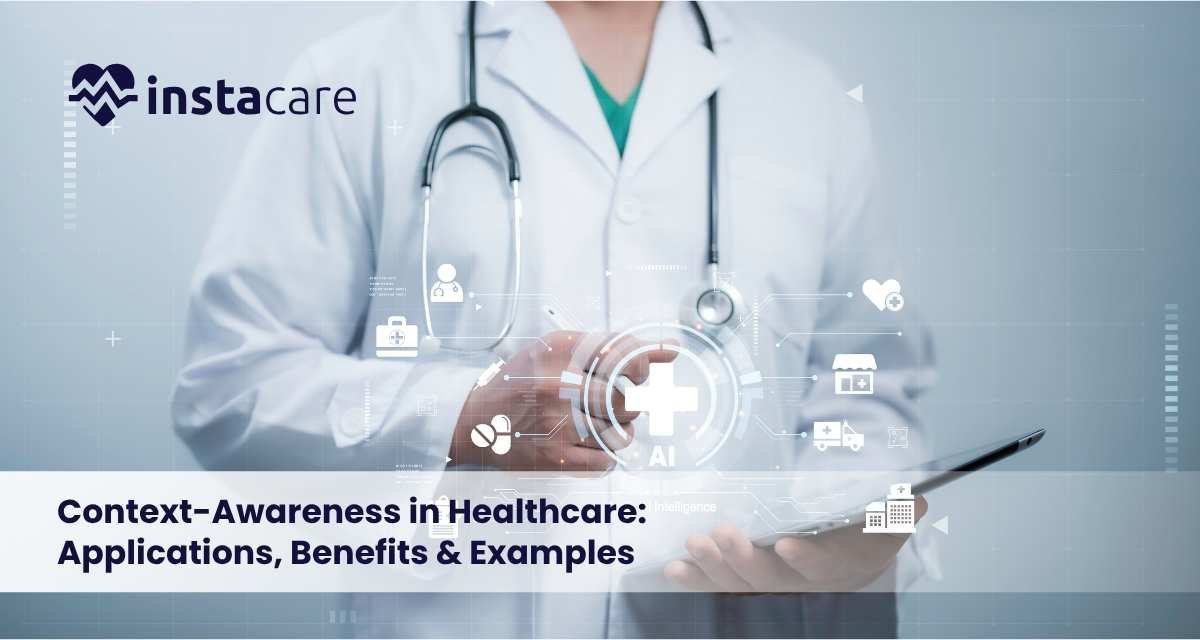
Context-Awareness in Healthcare: Applications, Benefits & Examples Healthcare systems are becoming increasingly personalized and connected, with technology playing a significant role in improving patient care. One of the key elements shaping the future of healthcare is context-awareness in healthcare. Context-aware systems use a patient’s situation, behavior, environment, and health status to provide personalized and timely assistance. Traditional healthcare systems primarily rely on stored patient data to develop treatment plans. In contrast, context-aware systems consider the circumstances surrounding a patient. These circumstances may include the patient’s location, activity level, vital signs, medication schedule, lifestyle, behavior, and surrounding environment. Understanding these factors helps healthcare providers and digital systems make informed decisions, improve patient experiences, and deliver more personalized care. What Is Context-Awareness in Healthcare? Context-awareness in healthcare refers to the ability of a healthcare system, device, or application to collect, combine, and interpret information about a patient’s situation and respond appropriately. Contextual information in healthcare often includes the following: Patient Data: Age, medical history, existing health conditions, allergies, and healthcare plans. Environment: Surrounding conditions, environmental safety, location, and temperature. Activities: Exercise levels, sleep patterns, daily routines, habits, and movement. Time: Medication schedules, healthcare activities, and medical appointments. Health Data: Blood pressure, heart rate, glucose levels, and oxygen saturation. A context-aware healthcare system uses this information to provide relevant recommendations, reminders, and alerts based on a patient’s circumstances. How Does Context-Awareness Work in Healthcare? Most context-aware healthcare systems operate through three primary stages. 1. Data Collection Context-aware healthcare systems collect information from various sources, including wearable devices, electronic health records, mobile applications, sensors, and monitoring equipment. For example, wearable devices can measure physical activity, while healthcare applications can record medication schedules and daily routines. Collecting information from multiple sources allows healthcare systems to develop a more comprehensive understanding of a patient’s condition and circumstances. 2. Data Analysis and Interpretation Once data is collected, the system analyzes it to identify patterns, potential risks, and changes in the patient’s health status. Certain technologies use data analytics and machine learning to identify unusual patterns or changes in health measurements. For example, a monitoring system may identify an unusual change in heart rate and generate an alert for further assessment. 3. Customized System Response Based on the collected context, the system can provide reminders, recommendations, alerts, or notifications to patients and healthcare professionals. For example, if a patient’s health measurements indicate a potentially concerning change, the system may recommend contacting a healthcare provider. Note: Automated alerts and recommendations should support clinical decision-making rather than replace professional medical assessment. Applications of Context-Awareness in Healthcare Context-aware technology has applications across different areas of healthcare, from remote monitoring to preventive care. 1. Remote Patient Monitoring Context-aware remote patient monitoring combines connected devices, health sensors, and digital healthcare tools to support care outside traditional healthcare facilities. These systems analyze health data while also considering daily activities and information collected from the patient’s surroundings. For example, wearable devices can monitor activity levels, while home-based sensors can provide information about movement and daily routines. This information can help healthcare professionals understand changes in a patient’s condition without requiring frequent in-person visits. Remote monitoring may be particularly useful for older adults and people managing chronic health conditions, provided that appropriate clinical oversight and safety measures are in place. 2. Personalized Treatment Plans Patients respond to treatments differently, and their individual circumstances can influence healthcare decisions. Context-aware healthcare systems incorporate relevant patient information to support more personalized care planning. Treatment recommendations may consider: Lifestyle and daily habits Previous health records Current symptoms Daily routines Environmental conditions By considering these factors, healthcare professionals can develop treatment approaches that are more relevant to a patient’s individual needs. Contextual information should complement professional assessment and evidence-based treatment guidelines. 3. Medication Management Taking medication correctly is essential for effective treatment. Pharmacy Management Software can support medication management by organizing prescription records, tracking medication schedules, and improving coordination between healthcare providers and patients. When integrated with context-aware systems, it can help provide medication reminders based on a patient’s schedule and routine. For example, a medication management application may remind a patient to take a scheduled dose or notify them when a dose has been missed. These systems can be particularly helpful for older adults and patients who take multiple medications. However, medication reminders should be designed carefully because missed doses, dosage changes, and medication interactions may require guidance from a healthcare professional. 4. Fall Detection and Elderly Care Older adults may face an increased risk of falls, making safety monitoring an important area of healthcare technology. Context-aware systems can use movement patterns, wearable sensors, and environmental data to identify potential falls or unusual activity. For example, a monitoring device may detect a sudden fall and send an alert to a caregiver or designated emergency contact. Early notifications can help caregivers respond more quickly, although detection systems may produce false alarms or fail to identify certain incidents. 5. Smart Hospitals and Patient Monitoring Context-aware technologies can support patient monitoring and workflow management in smart hospitals. These systems may assist healthcare facilities with: Monitoring patient status Tracking healthcare resources Supporting emergency response Improving communication between healthcare professionals Coordinating patient care activities By integrating relevant information, hospitals can improve coordination and support more efficient healthcare operations. 6. Virtual Healthcare Assistance Virtual healthcare assistants can use contextual information to provide more relevant interactions with patients. For example, a virtual assistant may consider a patient’s symptoms, medical history, and previous interactions when providing general health information. These systems can help patients navigate healthcare services, receive appointment reminders, and access relevant information. However, virtual assistants should not replace qualified healthcare professionals when diagnosis or treatment decisions are required. 7. Preventive Healthcare Context-aware technologies can support preventive healthcare by analyzing current conditions and historical health information. For example, a system may identify changes in activity levels, sleep patterns, or health measurements that could warrant further attention. These insights can encourage patients to monitor their health and seek professional advice when necessary. Context-aware systems can support early

What Is Cold Chain Management? A Complete Guide to Its Importance and Process Cold chain management is the systematic control of temperature during the storage and transportation of temperature-sensitive products. It involves maintaining, controlling, and monitoring appropriate temperature conditions to preserve the quality and safety of goods from their point of origin to their final destination. A significant number of products in the healthcare, food, biotechnology, and agricultural industries are sensitive to temperature changes. These products can lose their quality, effectiveness, freshness, or safety when exposed to conditions outside their required temperature range. Cold chain management helps ensure that temperature-sensitive commodities remain in optimal conditions throughout the supply chain. Understanding the Cold Chain Concept A cold chain is a connected series of processes, facilities, equipment, and procedures designed to keep temperature-sensitive products within a specific temperature range during storage, handling, and transportation. Cold chains are generally more challenging to manage than conventional supply chains because they require specialized equipment, proper handling procedures, and continuous temperature monitoring. Examples of Cold Chain Systems Common components of a cold chain include: Refrigerated storage facilities Temperature-controlled transportation Specialized cold chain packaging Temperature monitoring systems Refrigeration and cooling equipment Trained personnel who handle temperature-sensitive products A failure at any stage of the cold chain can negatively affect the quality, safety, and effectiveness of the products being transported or stored. Why Is Cold Chain Management Important? Temperature-sensitive products rely heavily on stable environmental conditions. Exposure to excessive heat, freezing temperatures, or significant temperature fluctuations can reduce their quality and effectiveness. Cold chain management is important because it helps organizations preserve products, reduce waste, improve safety, and expand their ability to transport goods over long distances. Preserving Product Quality Different products require different temperature ranges to maintain their original quality, form, and functionality. Maintaining the appropriate temperature throughout the supply chain helps prevent product deterioration. Reducing Product Waste Poor temperature control can cause products to become unusable and require disposal. Effective cold chain management helps reduce avoidable waste by maintaining products under suitable conditions during storage and transportation. Enhancing Product Safety For products that directly affect health and wellness, maintaining safety and integrity is essential. A properly managed cold chain helps ensure that products remain in the condition intended by the manufacturer. Supporting International Trade Cold chain logistics allows temperature-sensitive products to be transported safely across long distances. This makes it possible for goods manufactured in one country to reach consumers and businesses in other parts of the world without compromising their quality. Key Components of Cold Chain Management Cold chain management depends on several interconnected systems and processes. Each component plays an important role in maintaining the required temperature throughout the supply chain. Temperature-Controlled Storage Storage is one of the most important components of a cold chain. Temperature-controlled storage facilities are designed to maintain stable conditions and minimize the impact of environmental fluctuations. These facilities may include: Refrigerated rooms Freezers Temperature-controlled warehouses Cold storage units Specialized temperature-controlled containers Proper product placement inside storage facilities is also important. Products should be positioned to allow sufficient air circulation and easy temperature monitoring. Temperature-Controlled Transportation Transportation equipment must maintain the required temperature throughout the journey. Changes in external weather conditions, loading and unloading activities, equipment problems, and transportation delays can create risks for temperature-sensitive goods. Cold chain transportation can be particularly challenging because products may travel long distances through different climates. Goods may also need to be loaded and unloaded multiple times while delivery schedules remain time-sensitive. Temperature Monitoring Continuous temperature monitoring is essential for effective cold chain management. Pharmacy Management Software can help healthcare organizations manage temperature-sensitive medicines while monitoring relevant storage information and ensuring products remain within their required conditions. If the required temperature range is exceeded, the products may be at risk. Continuous monitoring allows organizations to detect temperature deviations quickly and take corrective action. Proper Packaging Packaging is another critical component of cold chain logistics. Packaging must help maintain the required temperature of the products throughout transportation. Effective cold chain packaging should minimize temperature fluctuations while also protecting products from physical damage during handling and transportation. Industries That Depend on Cold Chain Management Cold chain systems are used across several industries where products require controlled temperatures to maintain their quality, safety, or effectiveness. Healthcare and Medical Products Many healthcare and medical products require consistent temperature conditions. Cold chain management helps preserve these products during storage and protects them from temperature-related damage during transportation. Food and Beverage Industry Perishable foods and beverages can deteriorate quickly when exposed to unsuitable temperatures. Cold chain systems help preserve freshness, quality, and safety throughout storage and transportation. Biotechnology and Research Biological materials, laboratory products, and research-related products can be highly sensitive to temperature changes. Maintaining appropriate temperature conditions helps preserve their quality and usability. Agriculture Agricultural and perishable products often require temperature-controlled logistics to maintain freshness and quality after harvesting. Cold chain systems can help protect products as they move from farms and processing facilities to markets and consumers. Book Your Free Marketing Consultation Common Problems With Cold Chain Systems Although cold chain systems provide significant benefits, organizations can face several challenges when managing them. Temperatures Going Outside the Required Range When a product is exposed to temperatures outside its specified operating range, it can result in a temperature excursion or temperature break. This can happen because of long transportation times, equipment failure, poor handling, power interruptions, or inadequate monitoring. High Operating Costs Cold chain operations can be expensive. Organizations may need to invest in specialized storage facilities, refrigerated vehicles, refrigeration equipment, packaging, monitoring systems, maintenance, and trained personnel. Difficulties in Transporting Goods Transportation can present several challenges for cold chain operations. Bad weather, inadequate infrastructure, traffic delays, equipment problems, and unexpected transportation issues can make it difficult to deliver temperature-sensitive products safely and on time. Human Error Human error can affect every stage of the cold chain. Poor documentation, improper loading and unloading, insufficient employee training, and mistakes in handling temperature-sensitive products can result in temperature deviations and
Medication Adherence: Importance, Challenges, and Tips for Better Health Management Medication adherence plays an important role in achieving successful health outcomes. Medicines can help manage symptoms, control chronic conditions, support recovery, and prevent complications. However, even the most appropriate medication may not provide the intended benefits if it is not taken correctly. Medication adherence refers to how closely a patient follows a healthcare professional’s instructions regarding their medication. This includes taking the correct medicine, following the prescribed dosage, taking it at the recommended times, and continuing treatment for the recommended duration. Missing doses, changing the dosage without professional guidance, or stopping treatment early can reduce the effectiveness of therapy and may sometimes contribute to worsening health conditions. Understanding the importance of medication adherence and identifying common barriers can help patients manage their treatment more effectively. What Is Medication Adherence? Medication adherence means taking medicines according to the instructions provided by a doctor, pharmacist, or other qualified healthcare professional. It involves more than simply remembering to take a pill. Proper medication adherence may include: Taking the prescribed medication correctly Following the recommended dosage Taking medicine at the appropriate time Following the recommended duration of treatment Taking medication with or without food as instructed Following specific instructions about fluids, activity, or other precautions Understanding what to do if a dose is missed There is an important difference between remembering to take medication and fully adhering to a treatment plan. A patient may remember to take a medicine but still take the wrong dose or stop treatment too early. Understanding why a medicine is prescribed can also help patients feel more confident about following their treatment plan. Why Is Medication Adherence Important? Following a medication plan correctly can contribute to better management of health conditions and improve the chances of achieving the intended treatment goals. Helps Control Health Conditions Many chronic conditions require medications to be taken regularly. Conditions such as high blood pressure, diabetes, asthma, and other long-term illnesses may require ongoing treatment. Taking medication as prescribed can help maintain better control of symptoms and reduce the risk of problems associated with poorly managed conditions. Supports Recovery Some medications are prescribed for a specific period to help the body recover from an illness or infection. Completing treatment as directed can support recovery and reduce the possibility of treatment failure. Patients should follow the instructions provided by their healthcare professional rather than deciding independently when treatment should end. Helps Reduce Health Complications Poor medication adherence can contribute to inadequate treatment and worsening symptoms. In some situations, it may also increase the risk of complications or additional healthcare needs. Taking medicines correctly can help ensure that the treatment has the best opportunity to work as intended. Improves Quality of Life Effective management of health conditions can make it easier for people to perform everyday activities and maintain their overall well-being. For individuals managing chronic conditions, consistent medication use may help control symptoms and support a more stable daily routine. Common Reasons People Miss Their Medications Medication non-adherence does not always happen because a person intentionally ignores medical advice. Several practical, financial, physical, and emotional factors can make medication management difficult. Forgetfulness Busy schedules, travel, changes in daily routines, or memory difficulties can cause people to forget a dose. This can be particularly challenging for individuals who take medication several times throughout the day. Complex Medication Schedules People taking multiple medications may have difficulty remembering different doses, timings, and instructions. Managing several prescriptions can become confusing, particularly when some medicines need to be taken with food while others need to be taken at different times. Medication Side Effects Some medicines can cause unwanted side effects. When these effects become uncomfortable, patients may be tempted to reduce their dosage or stop taking the medicine without consulting a healthcare professional. Discussing side effects with a doctor or pharmacist can help determine whether adjustments or alternative treatment options are appropriate. Lack of Understanding Patients may be less likely to follow a treatment plan when they do not understand why a medication has been prescribed. Knowing the purpose of a medicine, how it should be taken, and what to expect from treatment can improve confidence and adherence. Cost and Access Issues The cost of medication can become a barrier for some patients. Difficulty accessing pharmacies, transportation problems, limited availability, or financial challenges may also interrupt treatment. Patients experiencing these difficulties should discuss them with their healthcare provider, who may be able to suggest practical alternatives. Feeling Better Some people stop taking their medication once their symptoms improve. However, feeling better does not necessarily mean that treatment should be discontinued. Whether medication should be continued depends on the specific medicine and health condition, so patients should speak with their healthcare professional before making changes. Types of Medication Adherence Challenges Medication adherence challenges can occur at different stages of treatment. Recognizing these challenges can help patients and healthcare professionals develop more practical solutions. Starting Treatment Some patients delay starting a new medication because of concerns about side effects, uncertainty about the treatment, or a lack of understanding about why it is needed. Clear communication with healthcare professionals can help address these concerns before treatment begins. Taking Medication Consistently Once treatment has started, maintaining a regular schedule can be difficult. Missed doses, inconsistent timing, and accidental double dosing can all create medication-management problems. Establishing a consistent routine and using reminders can make regular medication use easier. Managing Long-Term Treatment Long-term treatment can be particularly challenging because it requires patients to maintain the same routine for months or years. People managing chronic conditions may benefit from regular medication reviews, simplified routines, reminders, and ongoing communication with healthcare professionals. Tips to Improve Medication Adherence Developing simple and consistent habits can make medication management easier. Create a Daily Schedule Around Your Doses Try connecting medication times with regular daily activities, such as eating breakfast, brushing your teeth, or going to bed. Creating these associations can make medication-taking part of an established routine and reduce
Medication Safety: Guidelines, Best Practices, Errors & Prevention Medicines have many uses, including treating diseases and illnesses, relieving pain, and managing symptoms of chronic conditions to improve or maintain quality of life. However, medicines can also cause adverse consequences when they are not used correctly. These consequences may range from worsening symptoms to causing further health complications. Medication safety helps prevent medicines from being prescribed, dispensed, administered, or taken incorrectly. Errors can occur at several stages of the medication-use process, including prescribing, dispensing, administering, and taking medicines. With simple habits, proper communication, and attention to safety practices, many medication errors can be prevented. Whether a person takes a single medicine occasionally or multiple medicines every day, understanding medication safety practices can help protect their health and well-being. What Is Medication Safety? Medication safety refers to the proper and careful use of medicines to reduce the risk of medication errors, harmful interactions, and adverse effects. When medicines are taken correctly, they are more likely to produce the desired health outcome. Safe medication use depends on several important factors, including: Taking the right medicine Using the correct dosage Taking medicine at the correct time Following the prescribed instructions Monitoring for potential side effects Storing medications safely Medication safety is a shared responsibility among patients, caregivers, pharmacists, doctors, nurses, and other healthcare professionals. Good communication between everyone involved can significantly reduce the risk of errors. Why Is Medication Safety Important? Medicines are designed to promote health, treat medical conditions, and manage symptoms. However, incorrect medication use can increase the risk of adverse effects and other complications. Using medicines incorrectly may result in: Accidental overdose Missed doses Reduced treatment effectiveness Harmful drug interactions Allergic reactions Unnecessary hospital visits Safe medication practices help patients avoid preventable mistakes and improve the likelihood that their treatment will work as intended. Common Medication Errors Medication errors can occur for many reasons. Understanding the most common mistakes can help patients, caregivers, and healthcare professionals identify potential risks and take steps to prevent them. Taking the Wrong Medicine Taking the wrong medicine can happen when medication packaging looks similar or when different medicines are stored together without proper labeling. Confusing similarly named medicines can also contribute to errors. Always check the medication name before taking or administering it. Taking the Wrong Dose Taking too much or too little medicine can have serious consequences, particularly when a medication requires a specific dosage. Patients should not increase, decrease, or change their prescribed dose without consulting a healthcare professional. Missing Doses Missing doses can reduce the effectiveness of some treatments, especially when maintaining a consistent level of medicine in the body is important. Using reminders, medication schedules, or pill organizers can help patients remember to take their medicines as directed. Taking Medicines at the Wrong Time Some medicines need to be taken at specific times of the day or in relation to meals. Taking a medicine at the wrong time may affect how well it works or increase the risk of side effects. Patients should carefully follow the timing instructions provided by their healthcare professional or medication label. Taking Medicines That Should Not Be Combined Drug interactions can occur when certain medicines are taken together. Interactions can involve prescription medicines, over-the-counter products, vitamins, supplements, and herbal products. Patients should inform their healthcare professionals about everything they take before starting a new medicine. Using Medicines Beyond Their Expiry Date Expired medicines may lose their effectiveness and, depending on the product, may not be safe to use. Always check the expiry date before taking medication and dispose of expired medicines according to appropriate disposal guidance. Best Practices for Medication Safety Following a few simple habits can make medication use safer and help reduce preventable errors. Keep Your Medication List Current Maintain an up-to-date list of all medicines and health products you use. This list should include: Prescription medicines Over-the-counter medicines Vitamins Supplements Known allergies Previous reactions to medicines Keeping this information available can help healthcare professionals make better-informed decisions during routine appointments and urgent situations. Check Medication Labels Always check the medication label before taking a medicine. Pay attention to: Medication name Strength Dosage instructions Timing instructions Expiry date Storage requirements Checking the label is particularly important for people who take several medicines. Follow Instructions Exactly Take medicines according to the instructions provided by your healthcare professional or medication label. Do not change the dose, take additional doses, or stop treatment on your own unless you have been advised to do so. Even if symptoms improve, some treatments need to be continued for a specific period. If you are unsure about how or when to take a medicine, ask a healthcare professional. Use One Reliable System to Organize Medicines Organizing medicines can be particularly useful for people who take multiple medications. Helpful strategies include: Keeping medicines in clearly labeled containers Setting reminders or creating a medication schedule Separating medicines that look similar Checking medication supplies regularly Keeping instructions easily accessible A consistent system can reduce confusion and help prevent skipped or repeated doses. Store Medicines Properly Improper storage can affect the quality and effectiveness of some medicines. General medication storage practices include: Keeping medicines in a safe location Protecting medicines from excessive heat and moisture Keeping medicines out of children’s reach Storing medicines in their original containers Following any special storage instructions Because storage requirements can vary between medicines, always follow the instructions provided for the specific product. Medication Safety for Older Adults Older adults may take several medications to manage different health conditions. Taking multiple medicines can increase the possibility of medication errors, interactions, and side effects. Age-related changes in the body can also affect how certain medicines work. Potential medication-related challenges for older adults include: Changes to medication routines Increased risk of side effects Confusion about instructions Communication problems between healthcare professionals Increased risk of interactions between medicines Caregivers can support medication safety by maintaining an updated medication list, helping organize schedules, and confirming instructions with healthcare professionals when necessary. Book Your

What Is AI Recruitment? A Complete Guide to Artificial Intelligence in Hiring As technology continues to evolve, the recruitment process is changing as well. Traditional recruitment often required hiring teams to manually review applications, schedule interviews, communicate with candidates, and manage large amounts of hiring data. These tasks could consume significant time and resources. AI recruitment uses artificial intelligence to automate and improve different stages of the hiring process. From finding suitable candidates and screening resumes to scheduling interviews and analyzing recruitment data, AI-powered tools can help organizations make hiring faster and more organized. However, recruitment involves more than reviewing resumes and matching skills with job descriptions. Understanding a candidate’s personality, motivations, communication style, and cultural fit remains important. Therefore, AI works best when combined with human experience and professional judgment. What Is AI Recruitment? AI recruitment refers to the use of artificial intelligence technologies to support and automate hiring activities. These systems use technologies such as machine learning, natural language processing, data analytics, and automation to process recruitment information and assist hiring teams. Rather than completely replacing recruiters, AI recruitment tools are primarily designed to reduce repetitive administrative work and provide useful insights. This allows recruiters to spend more time on candidate relationships, interviews, and strategic hiring decisions. What Can AI Recruitment Tools Do? AI-powered recruitment systems can assist with several important hiring activities, including: Finding potential job candidates Screening and reviewing resumes Matching candidate skills with job requirements Scheduling interviews Communicating with applicants Analyzing recruitment data Supporting candidate assessments Improving the overall candidate experience By handling repetitive tasks, AI can help recruitment teams work more efficiently while maintaining a structured hiring process. How Does AI Recruitment Work? AI recruitment systems analyze large amounts of candidate and recruitment data to identify patterns, match applicants with job requirements, and support hiring decisions. The exact process varies depending on the technology used, but AI recruitment commonly involves several stages. Candidate Search Finding qualified candidates can be one of the most time-consuming parts of recruitment. AI-powered systems can search through large databases of applications and candidate profiles to identify people whose qualifications match specific job requirements. This can help recruiters discover suitable candidates more quickly and potentially identify talent that might otherwise be overlooked. Resume Screening and Filtering Recruiters may receive hundreds or even thousands of applications for a single position. Reviewing every resume manually can take considerable time. AI recruitment software can scan resumes and extract relevant information such as education, experience, skills, certifications, and previous job roles. The system can then help organize candidates according to how closely their qualifications match the requirements of a position. Candidate Matching and Selection AI systems can compare information from candidate profiles with the requirements included in a job description. Based on predefined criteria, the technology can identify candidates who appear to have the most relevant qualifications. This allows recruiters to focus their attention on promising applicants instead of manually reviewing every application from the beginning. Automated Candidate Communication Communication is another area where AI can support recruitment teams. AI-powered chatbots and automated systems can answer frequently asked questions, provide application updates, confirm interview details, and send notifications. Automating routine communication can reduce delays and give candidates a more consistent experience throughout the recruitment process. Interview Scheduling and Guidance Scheduling interviews often involves multiple emails and coordination between recruiters and candidates. AI-powered tools can simplify this process by helping candidates select available time slots and automatically updating recruitment calendars. Some AI systems can also provide recruiters with interview-related information, suggested questions, or candidate insights. However, recruiters should still make final judgments based on the complete hiring context. Benefits of AI Recruitment AI recruitment can provide several advantages for organizations when implemented correctly. By automating repetitive tasks and analyzing recruitment data, AI can make hiring processes more efficient and organized. Faster Hiring Process Speed is one of the major advantages of AI recruitment. Tasks that previously required hours of manual work can often be completed much faster with automated systems. AI can help screen applications, identify potential candidates, schedule interviews, and manage communication, reducing unnecessary delays in the hiring process. Improved Recruiter Efficiency Recruiters spend considerable time performing administrative tasks. AI can automate many repetitive activities, allowing recruitment professionals to focus on more strategic responsibilities. Instead of spending most of their time sorting resumes or sending routine emails, recruiters can dedicate more time to interviewing candidates, building relationships, and making informed hiring decisions. Better Candidate Experience Candidates generally expect recruitment processes to be clear, responsive, and efficient. Delayed communication or lengthy application processes can negatively affect their experience. AI can provide faster application updates, automated responses, and simplified interview scheduling. These capabilities can make the recruitment journey more convenient for applicants. Data-Driven Hiring Decisions Recruitment generates large amounts of data, including application numbers, candidate sources, interview results, hiring times, and recruitment costs. AI can analyze this information to help organizations identify recruitment trends and evaluate the effectiveness of their hiring strategies. Improved Candidate Matching AI can compare candidate qualifications with job requirements and identify applicants who have relevant skills and experience. Although AI-generated matches should not be treated as final hiring decisions, they can help recruiters prioritize candidates and reduce the time required for initial screening. Book Your Free Marketing Consultation Challenges and Limitations of AI Recruitment Despite its benefits, AI recruitment also comes with challenges. Organizations need to understand these limitations before relying heavily on artificial intelligence during hiring. Potential Bias in AI Systems AI systems learn from data, and biased or incomplete data can influence their results. If historical recruitment data contains unfair patterns, an AI system may reproduce or reinforce those patterns. Organizations should regularly evaluate recruitment technologies to identify potential bias and promote fair and inclusive hiring practices. Lack of Human Understanding AI can analyze information, but it does not understand people in the same way human recruiters do. Qualities such as creativity, emotional intelligence, motivation, communication style, personal values, and long-term potential can be difficult to evaluate through automated

Telepharmacy: What It Is, How It Works, Benefits & Services Digital technology is advancing rapidly. For the healthcare industry this means an increased ability to deliver caring services. One example is the innovation of services that pharmacies can now provide directly to their patients. Telepharmacy is a way to provide pharmacy services to patients while enabling them to avoid the in-person visit to a pharmacy. Telepharmacy utilizes technology to connect the patient to a pharmacy and the pharmacy’s team members regardless of their locations. The advantage of telepharmacy is the flexibility that it brings to patients to obtain their medications and consult with a pharmacy professional for the reasons that include being in a remote location, being physically challenged or having the need for a more convenient way to access care. Remotely working pharmacy professionals provide an important role of patient consultation and medication assessment. Through the use of telepharmacy, pharmacy professionals can provide a service to fill care gaps, even when a location does not have a physical pharmacy. What Is Telepharmacy? Telepharmacy is the practice of practicing pharmacy remotely. It uses both digital and telecommunication technologies. Pharmacists have the ability to utilize the various digital and telecommunication technologies, including consultations, phone calls, or system messaging, to deliver care to patients. In contrast to telepharmacy, traditional pharmacy requires the patient to present to the pharmacy and have a face-to-face interaction with a pharmacist. By providing this service, patients are no longer forced to live with the burden of geographic barriers to care. Common services provided by telepharmacy include: Delivering interventions related to the safety of medication and confirming the correctness of the orders Reviewing prescriptions Delivering patient counseling on medications Providing support for medication orders Supplying patients with drug information Monitoring progress of patients Supporting healthcare services whose pharmacy services are lacking. How Does Telepharmacy Work? Telepharmacy combines traditional pharmacy operations with digital technologies. The process will be slightly different for each provider and regulated by local laws; nevertheless, each will involve specific steps. Patient Consultation A patient conducts a consultation with a pharmacist through a digital interface, phone call, or video call. The pharmacist will describe the patient’s: Medicines Medicine-related problems Side effects Incorrect use of medicines Concerns with prescriptions Consultations offer an opportunity for advising patients and prevent unnecessary travel by patients. Prescription Review A pharmacist assesses an order for a medicine or prescription. This assessment will focus on the following: If the correct dosage was ordered Assessment of potential harmful effects of the interaction of the medicine with other medicines Allergies Correct directions for use of a medicine Review of a prescription conducted remotely supports safety of the patient and the prescriber in the management of the best possible treatment. Medication Dispensing Support For some telepharmacy systems, medications can be prepared through a remote process with oversight and safety measures. Authorized staff at a location can assist, and a pharmacist can provide remote verification, based on local laws. Follow-Up and Monitoring Telepharmacy offers several solutions for the ongoing management of a patient with compliance, control of symptoms, emergence of side effects, and need for further direction. Benefits of Telepharmacy There are many advantages that telepharmacy possesses for patients, healthcare facilities, and communities. Some of the advantages are listed below. Increased Access to Care There are rural and underserved communities that have difficult drawn access to medication. One component of telepharmacy is delivering healthcare services to medicines and pharmacy support that these communities previously lacked. Increased Convenience For patients that have time constraints, that are limited or inhibited in their travel, telepharmacy can provide needed support at a location convenient to the patient, including their place of residence. Increased Knowledge and Understanding of Medications Patients that have several questions about their medications, that are unclear about the instructions, including timing and storage of medication, or the potential side effects of the medications, will benefit from the telepharmacy consultation. Managing Chronic Conditions/Diseases Frequent monitoring of medications for patients with chronic conditions and/or diseases is necessary for the pharmacist to perform ongoing support to the patient. Telepharmacy provides this level of support to the patient. Decreased Travel The older population, or patients that are limited in their ability to travel, will appreciate pharmacy services done remotely Support for Healthcare Facilities Healthcare facilities that do not have a pharmacist, including hospitals and/or care units, can utilize telepharmacy to provide pharmacy support for their patients. This aid includes safety reviews and support as well as professional consultative support. Book Your Free Marketing Consultation Common Telepharmacy Services The services telepharmacy offers are expansive and include the following: Medication Counseling Pharmacists provide instruction and are available to respond to questions about the correct usage of medicines. Placement of Verification Calls Pharmacists verify the completeness and accuracy of prescriptions and illness safety concerns. Review of Medications Therapy A pharmacist reviews the therapy ordered and assesses problems such as therapy duplications and medication excess, incorrect therapy and medication use, and safety issues due to therapy interactions. Assist with Refill Requests A pharmacist reviews a patient’s request for a prescription refill and verifies the medication is scheduled for use. Education Healthcare staff can receive medication safety education, as well as education on lifestyle and disease management. Remote Professional Oversight Healthcare locations that do not have full time pharmacy staff can provide professional oversight for pharmacy practice through the service of remote pharmacists. Who Can Benefit From Telepharmacy? Telepharmacy can help: People living in remote areas Elderly patients without transportation Patients with multiple prescriptions Patients needing frequent medication assessments Patients with limited mobility Healthcare systems needing extra pharmacy services Healthcare facilities needing extra pharmacy support Challenges of Telepharmacy Even with the advantages it poses, telepharmacy has its challenges. Technology First, patients must have proper digital devices and consistent internet or communication service. Digital technology can be difficult for some people to use. Privacy and Security With the nature of telepharmacy services, privacy measures and secure communication systems are essential for the sharing of health information