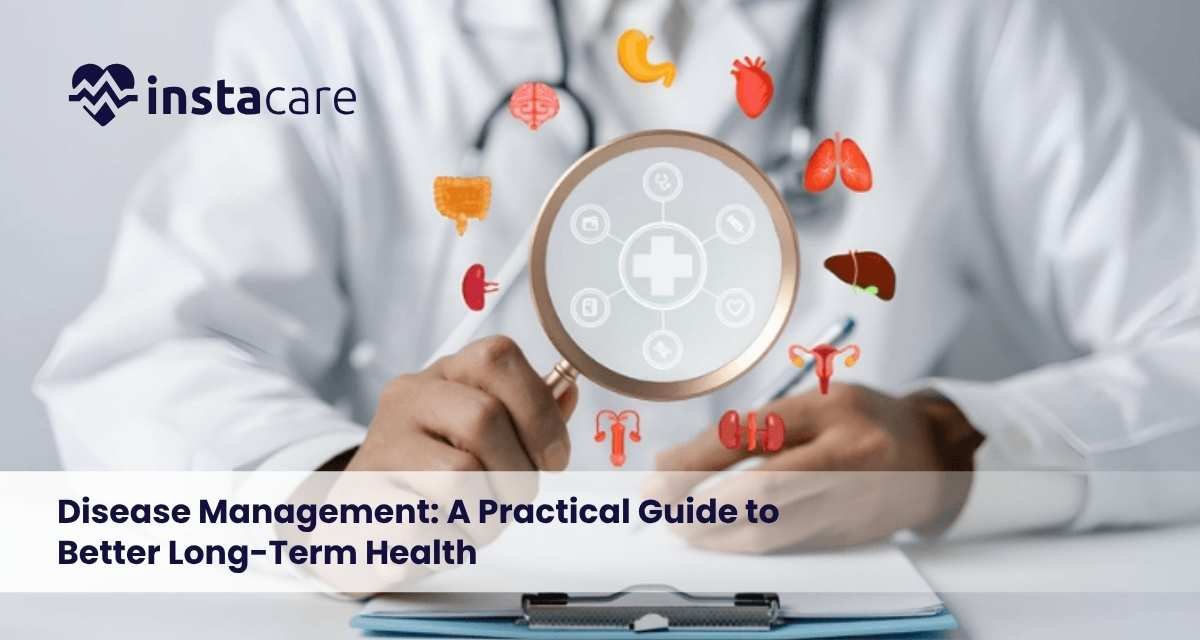
Disease Management: A Practical Guide to Better Long-Term Health Managing a chronic health condition requires more than just taking medication when you begin to feel the symptoms. For many conditions, there is a need for routine checks, adaptable lifestyles, medication management, appointments, and an understanding of how each decision you make affects your health. This approach is often referred to as disease management. Disease management seeks to promote a better quality of life while mitigating the symptoms, avoiding the complications, and allowing you to delicately control your health. This especially applies to health conditions that require many months or years of continuous medical care. What is Disease Management? Disease management is a procedure focused on caring for health conditions with the goal of avoiding the worsening of complications, control of symptoms and improvement of the quality of life. A disease management plan typically includes: Compliance with prescribed medications Attending medical visits Recording symptoms Record keeping of activity and health measurements Balance Physical activity Staying aware of stress Going to sleep and waking up Avoiding bad habits Being responsive to signals Reflection to learn more about the condition The management plan in this case is likely different for different people, but the severity of the condition and the individual treatment goals will play a role. Why is Disease Management Important? There are many health conditions that despite care, the symptoms can never be completely eliminated and will require a lifetime of prevention of worsening symptoms. It can also minimize some of the life threatening complications associated with the health condition. Effective disease management helps patients engage in when they are taught to actively manage their symptoms, treatments, and the nutrition, physical activity, sleep, and stress components. This engagement may help patients support healthcare management of the disease. Self-management is the next step to making informed choices to improve their quality of life. Often, the goal of treatment is not to cure a patient, but to manage the disease, how it affects the patient, and how it progresses, including the prevention of complications and the ability for the patient to carry out their daily activities with ease. Which Diseases Require Management? Chronic or recurring illnesses and/or diseases are the focus of disease management. Examples include: Diabetes High blood pressure Heart disease Asthma Arthritis Chronic respiratory problems Kidney disease Digestive issues Neurological problems Long standing mental health issues Patients with multiple chronic health conditions have to have a coordinated treatment approach since their symptoms, medications and lifestyle recommendations are often interwoven. What Characterizes Disease Management? Successful management of a disease requires integration of several separate components, and cannot rely on a single factor. Understanding the Condition Knowledge of a health condition is the foundation of its management. A patient should understand what the condition is, what the associated symptoms may be, what the triggers may be, the various treatment alternatives, the potential risks and complications of the condition, and when to seek medical assistance. Patients should also be educated to perform daily activities and manage other self-care activities that are related to medication to facilitate their active participation in the treatment process. Medication Management The prescription of multiple medicines and the subsequent adherence to the proper regimen can often be challenging. Taking the prescribed dose on a consistent basis is a key aspect to the effectiveness of a medication. Managing medications can include: Knowledge of the reason each medication is prescribed Proper dose of each medication Prescribed timing Reduction or elimination of missed doses Possible side effects of each medication Possible effects of medication interaction Ordering and maintaining the appropriate supply of each medication Long term management of a chronic condition becomes more challenging due to an increase in the complexity of daily management and from the lack of recognizable signs and symptoms. Poor adherence to treatment may worsen the health condition as a whole. Medications should not be stopped, increased or decreased without proper and timely advice. Regular Health Monitoring It is essential to be aware of any changes in the body. Depending on the condition, certain measurements may need to be tracked and reported to the health care professional, such as: Blood pressure Blood sugar Weight Pulse Symptoms of breathing and pain Sleep and rest Side effects of medications Patterns can be seen when simple record keeping (paper or digital) is practiced. It can help recognize situations, such as changing diet, levels of stress, sleep, and missed doses of medications, that can affect the worsening of condition. Healthy Eating Diet can be highly effective along with other therapies in the management of a disease. Modifying food intake can mean incorporating fresh and healthy food in adequate amounts and restricting food intake and foods that can worsen the disease condition. There are varying health needs. Persons with high blood pressure will likely have different requirements than persons with diabetes, digestion problems, or kidney problems. Rather than taking extreme diets as advice, persons with long-term conditions should focus on dietary adjustments that are applicable to their condition. Physical Activity There are various health benefits to having an active lifestyle and this is applicable in counteracting or lessening some chronic conditions. Regular physical activity supports: Heart and lung health Muscle and joint strength Optimal movement and flexibility Weight control and support Energy levels throughout the day Sleep Emotional wellbeing Though this is the case, for some individuals, particular types or intensities of physical activity may not be appropriate. People experiencing significant medical issues such as heart disease, pain, breathing problems, severe joint issues, or other conditions that have a significant impact on their health, may need to modify or develop new exercises with the guidance of a health expert. Book Your Free Marketing Consultation Symptom management Many chronic conditions include variable symptoms. Learning to best respond to these symptoms can help with the overall management of the condition. Pain symptoms can be fatigue, breathing issues, or dizziness, digestive symptoms, sleep issues, or emotional stress. A management plan usually describes what symptoms can
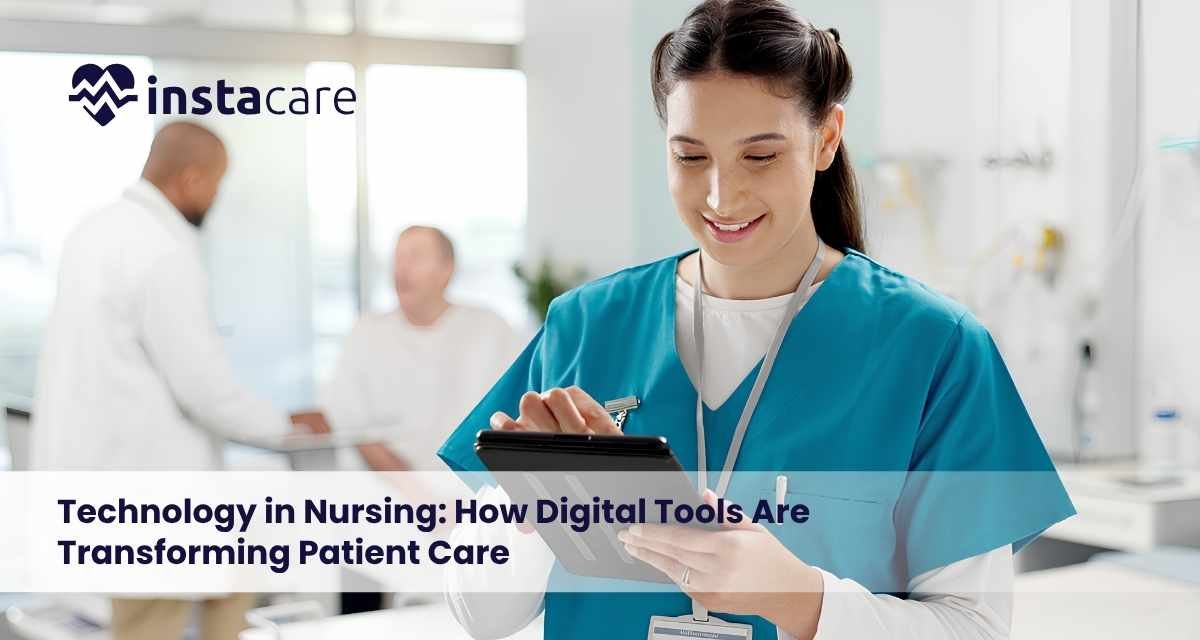
Modern nursing cannot exist without technology. Nurses use technology to aid in the delivery of safer, more efficient, and more effective patient care. Technology also aids in healthcare communication and documentation, education, and decision making. Nursing combines a simple logic with a sense of touch and humanity. Technology enhances the practice of nursing. It expands the capacity of the nursing staff in the face of the changing and complex healthcare system. Healthcare technology is advancing and nurses must be prepared to keep up and stay patient centered. What is Technology in Nursing? Technology in nursing is facility based or mobile based equipment or systems that assist in patient care optimization and the operation of the healthcare system. Systems of this nature can be found in hospitals or clinics or in any care environment. Some systems are designed to capture patient information, while others collect data on vital signs or assist in the administration of medication, or provide a means of interfacility communication or healthcare consults. These systems also help as supports for continuing education and professional development of the nurse. Electronic Health Records These are a type of technology that is used extensively in nursing. These systems allow the storage and retrieval of patient data from a computer. Nurses may use electronic records to formulate data on: Patient symptoms Vital signs Medication administration Nursing assessments Treatment responses Care plans Patient progress Discharge information Digital records can make the organization and distribution of information to authorized members of the healthcare team easier. Accurate documentation is vital to nursing because it forms a valuable record of the care offered to the patient and makes the patient’s condition understandable to the other members of the healthcare team. Electronic recording also requires accuracy, confidentiality, and data security. Digital Patient Monitoring Patient monitoring technologies enable nursing teams to record important health measurements more efficiently. Monitoring systems may capture data on: Heart rate Blood pressure Oxygen levels Body temperature Breathing rate Heart rhythm Some technologies provide continuous monitoring and alert staff if the measurements move outside the safe control limits. Such alerts allow nurses to recognize changes in the patient status more quickly. However, technology must be used as a supplement to clinical judgment. Nurses are required to perform nursing assessments, then decide on a course of action that considers the entire patient (their symptoms and behavior) and integrates their medical record and history. Accurate patient information is also essential for effective nursing coordination. Using the patient management software can help healthcare facilities organize patient details, maintain updated records, and improve access to relevant information across departments. Medication Management Technology Medication administration is an integral part of nursing. Technology can help promote best practices in medication administration. Technology is able to provide nursing staff with patient identification and medication verification and also remind staff of the correct dose and administration time. Digital medication administration systems may be able to reduce documentation errors and provide reminders of the time of medication administration. Some of these systems incorporate the use of barcode identification to confirm the identity of the patient and the correct medication prior to administration. Even with digital support, nurses must continue to follow safety precautions. Some risks that technology can reduce will always remain under the responsibility of the nurse. Telehealth and Remote Nursing Using telehealth, nurses can communicate and support patients in new ways. Video consults, phone calls and secure messages are just some of the ways that nurses can support patients all while working remotely. There are multiple types of nursing that can be conducted remotely. These include: Checking symptoms Monitoring conditions Giving instructions Instruction and support following a course of treatment Offering health education Answering queries Supporting patients following a course of treatment Remote nursing is particularly effective for the treatment of those who are: Mobility restricted Far from health care services Require frequent monitoring There are some health issues that still require hands-on care, and some that require a health care worker to perform a physical examination, and some that require a health care worker to perform a diagnostic test or respond to a call for help. Mobile Technology in Nursing iPads, smart phones, mobile app technology, and other electronic health technology are tools that are commonly used by nurses in a variety of settings. Nurses are able to use mobile technology to check on patients, contact colleagues, or document care after accessing electronic medical records, or after receiving notifications. Some individuals are able to use technology to help them manage and monitor their health (blood pressure, glucose level, physical activity, scheduling). Nurses can help patients use the digital health technologies appropriately and safely. Technology in Nursing Education Technology has impacted nursing education.Domain specific resources can be used for education and training at multiple sites. This includes assessments and lectures. Nursing students and professionals can access the resources from different locations. Technology-based simulation training is highly effective in nursing education. The real risk to patients is eliminated with simulated clinical experiences. Virtual simulations are useful in developing skills related to: Assessing patients Responding to emergency situations Making decisions in a clinical setting Effective communication Proper administration of medication Effective collaboration within a nursing team Although it cannot fully substitute for real clinical experience, simulation training is extremely valuable in preparing novice nurses for the realities of clinical practice. Book Your Free Marketing Consultation AI in Nursing AI has the ability to analyze millions of patient records to pinpoint and interpret patterns which suggest troubling or concerning clinical deterioration. Many digital systems are adept at both recognizing and interpreting clinical patterns which may include deteriorating patients, concerning medications, and even vital sign changes. Automating the nursing process may provide many benefits such as increased documentation efficiency, improved scheduling, and better information management. However, it is the responsibility of the nurse to integrate and interpret information in the context of the broader clinical situation. Automated suggestions may not be a substitute for clinical judgment, patient assessment, and/or the communication with other
Speech Recognition Technology in Healthcare Voice interfaces are modifying how clinicians engage with applications and the way they manage and manipulate data. As opposed to entering the comments or records manually, clinicians can verbally enter report data, search queries, and even document the data entry. In tandem with the digitization of healthcare, speech recognition offers a means of reducing clinical administrative work and increasing the efficiency of workflows. It can also offer inclusive digital interfaces for individuals for whom keyboard/digital interface use is challenging. Despite these benefits, the effective use of speech recognition technology necessitates a few concerns. These include system accuracy, adequate security protocols, and a manageable level of oversight. What Is Speech Recognition Technology? Speech recognition technology enables digital and computer systems to interpret what is said and convert it to written word or interpreted commands. Modern day speech recognition systems are capable of understanding complex, natural speech, different accents, and even medical terminology. Used in conjunction with healthcare, the technology is adaptable with and can be implemented on computers, smartphones and tablets, or dedicated devices. From there, a clinician can verbally reference any patient information and have it converted to digitized, editable text. Unlike standard voice to text tools, speech recognition technology for healthcare use can be adapted to directly understand medical terminologies, abbreviated words, and standard medical phrases. How Does Speech Recognition Work in Healthcare? In this context, the process is initiated with a clinician stating the information in a digitally compatible device equipped with a microphone. The system is then able to interpret the audio and process the words. Tech converts digital sounds to text, word by word. This recognition can boost with added context to help identify sentence structure and interpret complex language. The drafted text can be modified, checked for accuracy, and added to its final position on an electronic document. Perfection in this technology isn’t guaranteed which still justifies human review. Imperfections can still arise from a plethora of sources like surrounding noise, poor word pronunciation, word similarities, and complex language using unusual words. Healthcare Applications Medical Documentation A key application of this technology in healthcare is assisting medical personnel with dictating and documenting patient care. This technology allows healthcare personnel to complete documentation with reduced time spent on typing. This technology empowers medical personnel to document patient care with improved focus. Patient Records This technology can assist users with documentation in patient records. Users can dictate data, which, once checked for accuracy, can be incorporated in the patient records. For accurate documentation, the dictated data must be verified. Clinical Notes and Reports Healthcare personnel are often required to draft and document lengthy reports. This technology can aid in drafting reports with the spoken text converted to written form.This technology can aid this documentation process. Administrative Tasks This technology can be used in other administrative tasks with voice commands to create digital content, dictate digital searches, or direct movement in controlled digital environments. Improving workflow means eliminating unnecessary, repetitive tasks. Accessibility Voice technology can improve usability of digital systems for the healthcare professional with temporary or permanent physical limitations. Voice technology can be designed to allow the users to interact with the systems by speaking. Voice-enabled digital systems can be designed to allow patients to interact with the digital systems when appropriate. Benefits of Speech Recognition Technology Saves Time Lengthy notes require a long time to enter. Dictation of long reports can improve documentation. This can be especially beneficial for professionals whose speaking speed is higher than their typing speed. Reduces Repetitive Work Dispensing care services require significant time for data entry. Speech recognition can be used to reduce some data entry work. Improves Workflow Easier documentation can be used to improve productivity of the services and the overall workflow, and to devote more time to other important issues like caring for the patients. Supports Better Accessibility Digital systems that can be operated by voice can be more accessible for many users who are limited by their inability to use traditional keyboard and/or mouse input methods. Allows Hands-Free Interaction When healthcare professionals need to use their hands for other activities, speech recognition can be of great help. Book Your Free Marketing Consultation Challenges of Speech Recognition in Healthcare One of the greatest challenges of using speech recognition technology is the difference in how spoken words are understood as compared to the typed words. Accuracy Issues Due to the nature of the spoken words / names, speech recognition systems can misunderstand the pronunciations of words. Complex terminology or slang that is not used often can be mistakenly omitted. Healthcare professionals should always review speech recognized texts. Background Noise Healthcare facilities can be chaotic and noisy, which affects accuracy when recognizing background noises. The use of the appropriate microphones, as well as quieter surroundings, can yield better results. Privacy and Security The private nature of healthcare data makes it imperative that speech recognition systems have related privacy and security procedures. Organizations must be diligent in how voice data and the resulting text/data are collected, processed, stored, and used. Training Requirements It may take the healthcare workers some time to adjust to voice interaction systems. This can be mitigated through appropriate training. This training will help staff understand how to speak effectively and use the available commands and prompts to minimize errors. Speech Recognition and Patient Communication Care delivery is an interactive process. Digital solutions should be designed to support the delivery of healthcare services rather than substituting the processes of engagement and communication. Tech solutions should support effective engagement while healthcare professionals should be active participants in the therapeutic process. The Future of Speech Recognition in Healthcare Improved voice-processing systems will have the ability to differentiate between various phrases and/or commands, support voice-activated command systems, and address the needs of peripheral, hard-to-reach communities with more capability to support language and social user nuances. The ability to support data capture with voice prompts may improve the integration of digitally-based, personal healthcare services. The
Healthcare Disaster Recovery: Importance, Strategies, and Best Practices To deliver patient care safely and effectively, healthcare organizations need various resources, such as technology, data, medical supplies, and communication systems. Natural disasters, cyber threats, equipment malfunctions, power outages, and system disruptions can pose threats to healthcare operations and to the safety of patients. Healthcare disaster recovery encompasses the mechanisms, systems, and protocols that are used to restore healthcare services and safeguard vital data in order to uphold the integrity of healthcare service delivery and to mitigate the impact of disruptions in the healthcare environment. Unlike standard business recovery plans, healthcare disaster recovery plans prioritize the safety of patients, the availability of medical data, and the uninterrupted delivery of healthcare services during critical situations. What Is Healthcare Disaster Recovery? Healthcare disaster recovery is a formal framework that enables healthcare providers to plan for, respond to, and recover from unanticipated incidents that disrupt normal day-to-day operations in a healthcare environment. Disaster recovery plans are especially important to: Protect patient safety Recover and preserve healthcare operational systems Restore medical data Facilitate healthcare emergency operations Ensure uninterrupted healthcare services Mitigate downtime by allowing healthcare providers to resume normal operations. Why Is Disaster Recovery Important in Healthcare? Healthcare systems operate and manage vital services and data where delays can have dire consequences. Recovery from a disaster protects patient safety because: Healthcare professionals have access to critical patient data, such as history, previous medical tests, treatments, and current and past medications, which enables them to make timely and informed decisions about patient care. Maintain Healthcare Operations It is not an option for hospitals and other healthcare facilities to completely cease operations during a disaster. This includes not just emergency departments and their operations, but also patient monitoring systems, communication systems and medical operations. Disaster recovery strategies are designed to reduce service disruptions and implement the strategy for the most critical services. Protect Sensitive Healthcare Data Healthcare providers keep a lot of confidential data. Patient records, medical reports and personal data need to be protected from loss and damage and protected from prying hands. Recovery plans ensure data is safeguarded and is able to be brought back if it is lost. Reduce Downtime System downtime, even for a minute, negatively impacts the efficiency of the healthcare system. Disaster recovery enables the system to be recovered and the negative consequences of the disruption to be minimized. Common Healthcare Disasters and Threats There are a number of disasters that could be experienced by a healthcare provider that could adversely affect their operations. Cybersecurity Incidents One of the biggest threats to a digital service is cyberattacks. In a digital healthcare system they are a service disruption and a data breach. The best recovery plan provides the system to be recovered and the data to be protected. Natural Disasters There are numerous natural disasters that could damage a healthcare provider’s infrastructure and adversely impact the delivery of their services. Disaster delivery of healthcare services and the protection of healthcare equipment must be planned. Power Failures Healthcare relies on electricity for all equipment, systems, communications and even lighting. To continue vital operations, backup plans and emergency procedures must be in place. Hardware and System Failures Healthcare services are interrupted by system and equipment communication failures. The impact of equipment failures is minimized by backup and recovery plans and maintenance plans. The Impact of Human Error Information can be lost, and systems and operations can be disrupted through human error. Although it is impossible to eliminate human error, the impact can be minimized through proper training and standard operating procedures. Essential Elements of Healthcare Disaster Recovery The successful execution of a healthcare disaster recovery plan consists of several key components outlined below. Risk Assessment This step centers around the identification of the potential threats and the disruption to the operations of healthcare that may be caused by each potential threat. Conducting risk assessment provides the following information to the organization: Critical systems and data Key recovery requirements Potential gaps Risk exposure Risk assessment helps the organization determine what issues the organization is willing to accept and what issues the organization is not willing to accept. Data Backup and Recovery Backup of data is one of the key components of effective recovery from a disaster. Data security on a backup results in data being available for recovery after a disaster. Backup of data can be accomplished through a: Data backup plan Data backup security plan Data backup recovery and restoration plan Data backup and restoration plans ensure that data, especially critical and sensitive data, is not lost. Emergency Response Plan An emergency response plan outlines the procedures to be followed in the event an emergency occurs. An emergency response plan contains the following: Emergency procedures Responsibilities of personnel Emergency contacts Recovery steps Emergency communication and information procedures System Recovery Procedures Restoration of critical systems requires the procedures to be documented. System recovery procedures may include the following: Recovery of communications systems Recovery and restoration of digital records Restoration and recovery of applications Recovery and restoration of the functionality of systems Recovery and restoration of systems and services minimizes disruptions caused by emergencies. Communication Planning A disaster recovery plan must have a backup plan for communication because effective communication is necessary to provide healthcare to staff and to inform patients and provide vital accurate information to emergency response personnel. Staff Training and Preparedness The right technology is essential, but it isn’t the only thing needed for a successful recovery. Employees in the healthcare profession must also be trained in what their roles are in the case of an emergency. Consistent training: Enables employees to act in an appropriate time frame Allows employees to carry out the recovery process Ensures employees uphold the integrity of the patient’s information Assists employees in carrying out the necessary functions of the emergency Book Your Free Marketing Consultation Healthcare Disaster Recovery Best Practices There are a few best practices that can increase disaster preparedness in healthcare. Recovery Plans are
What Is Connected Care? A Complete Guide to the Future of Integrated Healthcare The evolution of technology is pushing the boundaries of healthcare by making it more convenient, individualized, and digitized. One of the distinct features of this paradigm shift is connected care, a method that integrates patients, healthcare providers, medical apparatus, and health information systems. Connected care promotes the active, safe, and unbounded sharing of health information and the provision of support beyond the traditional hälsocentralen or hospital visit. Connected care provides patients the support, guidance, and supervision they need no matter where they are. The combination of remote monitoring, data sharing, integrated digital technologies, and patient-centered care allows connected care to build a system that is more efficient, individualized, and proactive. Understanding Connected Care Connected care is the digitization of the different, previously disparate components of the healthcare system. It enables the secure digital exchange and coordination of care for patients, doctors, nurses, and caregivers via healthcare systems. Connected care resolves all the problems and enables the system and healthcare providers to be truly proactive by facilitating the constant, real time sharing of health information. The connected care system of healthcare providers is able to assess the health of patients, analyze medical data, and offer recommendations without the need for a face to face consultation. For example, a patient with a chronic illness may use a measuring device that is part of a connected health system. The data is accessible to the patient’s doctor, who can monitor the doctor and offer help when the doctor notices a change. How Does Connected Care Work? Combining multiple components of digital health care and telecommunications systems makes connected care possible. The steps are typically: Data Collection Health data can be obtained from: Health devices that are worn Smart medical devices Mobile health apps Electronic health records Remote monitoring systems These various tools can capture data such as levels of activity, vital signs, medication schedules, and trending health data. Data Sharing Health care data can only be shared with authorized personnel within a secure environment. This helps doctors and care teams gain a more complete picture of the current state of a patient. In addition to the data obtained during health care encounters, health care teams can now access a patient’s real-time health data. Analysis and Decision-Making Data can be assessed to identify trends, and define the best course of treatment. Sophisticated digital systems can even identify evolving threats to a patient’s health and signal the need for critical intervention. Continuous Support Connected care makes it possible to maintain an open line of communication with a patient, and, as necessary, reinforce health care management through ongoing coaching and supportive check-ins that don’t require a trip to a health care facility. Key Technologies Behind Connected Care Connected care builds a networked health care system on a variety of foundational technologies. Internet of Things (IoT) in Healthcare In health care, the Internet of Things refers to the use of digital telecommunications to connect medical devices and health care tools. Examples include: Smart monitoring devices Connected medical equipment Wearable health trackers Remote patient monitoring tools Healthcare professionals understand patient conditions better through tools that collect information in real time. Electronic Health Records Electronic health records are a modern and organized way to keep and look up patient information. They may include: Medical history Previous treatments Test results Medication details Allergies Health Reports Healthcare professionals have faster means to coordinate care and close communications gaps through connected health systems. Telehealth and Virtual Care Telehealth is a way for patients to conduct remote communications with healthcare professionals, and it may include: Remote visits Follow up appointments Health check ins Health and medical advice Virtual care is especially useful to those who have challenges with making the visit to a healthcare facility, or to those who need regular health check ins. Artificial Intelligence and Data Analytics Health information systems enhanced with artificial intelligence and data analytics help to sift through the large volumes of health information to identify information that may be of value. These systems may be used for: Identifying risk earlier Planning interventions Monitoring patients Making health care decisions These systems act as information management aids. Benefits of Connected Care There are many benefits to connected care for patients, healthcare professionals, and the healthcare system. Improved Patient Experience Connected care leads to more patient centered and accessible health care. Patients are empowered to communicate with health care professionals, receive reminders, and manage their health information. Healthcare professionals are in a better position to guide and support patients, which enables patients to avoid reaching a point of a health crisis and needing more intensive care. Better Disease Management Connected care is very effective for the management of health conditions that are chronic in nature. Healthcare professionals can adjust care as needed based on the information readily available through regular monitoring. This can help: Achieve better outcomes after treatments Minimize health complications Help people make positive health choices Improve engagement Accelerate Healthcare Choices Healthcare providers can make better choices more quickly when they have the most current information about the patient. Real-time data helps find critical problems and helps support the most important response. Less Healthcare Strain Connected care helps prevent hospital visits and helps make the best use of available resources. Using remote care and virtual visits helps reach and care for more people and helps relieve some of the burden on healthcare facilities. Focused Healthcare Every person has different healthcare needs, and connected care helps create different pathways to care. More focused choices of treatment can be made by considering a patient’s specific condition and their lifestyle and health habits. Book Your Free Marketing Consultation How is Connected Care Used in Healthcare? There are many uses of connected care in different areas of healthcare. Remote Care People are able to use connected devices to monitor their health at home. Healthcare teams are able to view the data and offer support. Smart Systems for Medications