


Business Process Automation: Benefits, Examples & Guide Currently, businesses are expected to perform at a higher level than ever before in terms of speed, customer service, cost reduction, and demand management. Concurrently, many fail to innovate and continue to employ their employees to carry out repetitive manual work involving data entry, email sending, invoice processing, document management, request approvals, and record updates. What Is Business Process Automation? Business Process Automation revolves around the use of technology to eliminate repetitive tasks within a business process. Automated systems perform tasks which employees of the business previously had to complete manually. Systems are designed to execute predetermined tasks based on precise criteria. Through Business Process Automation, businesses can reduce the time it takes them to execute tasks, reduce the number of errors which occur, increase the efficiency of their operations and increase employee satisfaction. Automation does not replace business operations; rather, it allows employees to work on tasks involving a higher level of business acumen and interpersonal skills, rather than repetitive tasks involving a low level of business acumen. How Does Business Process Automation Work? A business operation is analyzed for repetitive and time-consuming tasks and a business process is selected for automation. The task is then broken down step by step and automation is employed where it will improve the overall efficiency of the process. Example of Business Process Automation For example, an employee sends a request for leave to his/her manager. The manager manually approves the request. An HR employee makes the necessary changes to HR records. Lastly, an employee makes a change to the attendance system. The automation of employee requests eliminates the need for multiple steps in the request process. With automation, requests can be digitized, sent to the appropriate manager, marked as complete by HR once approval is received, and files updated. Automation can also confirm request completion to the employee. Automation also streamlines the request process by eliminating redundant communication. Why Is Business Process Automation Important? The importance of using automation for business processes becomes evident at the scale of large enterprises. Business processes become even more challenging when there are more customers, employees, transactions, documents, and requests. Sooner or later, the volume of administrative work associated with business processes becomes unwieldy, and delays and mistakes start to occur. One of the main workflow automation goals for a business is facilitating the consistent, task-based movement of information within and between various activities and people. Automation of business processes also facilitates the monitoring of task-based activities. Managers can identify gaps in workflow and ascertain how and where business processes can be improved. Benefits of Business Process Automation There are numerous advantages of workflow automation. Business process management has a new time advantage associated with it. Saves Time Before, employees would waste time on tasks that could be done automatically, like sending reminders. Now, automated systems do this at the appropriate time without employee intervention. Reduces Human Errors There are automation benefits that assist employees and businesses in reducing errors. Automation and the rules associated with it eliminate the need for employees to do manual data entry. Less time is spent correcting information, repeating tasks, or fixing problems when there are fewer mistakes. Increases Productivity Automation with fewer repeated tasks allows employees to spend more time on tasks that can contribute to the growth of the business. For example, sales teams can focus on sales, managers can focus on management, and administrative staff can focus on other important tasks. Decreases Operational Costs When a business allocates fewer resources to repeated tasks, it can automate workflows and reduce operational costs. Creates Consistent Processes There is greater consistency in the quality of one’s work and in process management when the steps that make up a process are standardized. Enhances Customer Service Automation has the potential to enhance the speed and reliability of communication with customers. Improves Business Visibility Automated workflows can enable managers to have greater visibility into completed tasks, tasks in progress, and tasks where there is a breakdown in the workflow. Common Examples of Business Process Automation Process Automation can support almost every business function. Business Process Automation in Human Resources HR departments can use products to automate employee onboarding, leave requests, personnel document collections, training, attendance, and notifications. As an example, to automate the onboarding process, a workflow can be created to notify different departments and generate task checklists for the new employee. Business Process Automation in Finance and Accounting Automation can be used to process invoices, approve expenses, send payment reminders, generate financial reports, and manage financial documents. This will reduce the volume of required paperwork and improve the organization’s financial information flow. Business Process Automation in Sales Leads can be assigned to sales personnel along with follow-up task generation when a new sales inquiry is received. Additionally, sales notifications and reminders, quotation requests, and sales updates can be automated. Business Process Automation in Customer Service Automation can be used for ticket assignments, message acknowledgments, reminders, escalations, and updates on the status of service requests. Customer service employees spend less time on administrative tasks, allowing them to spend more time getting the task done. Business Process Automation in Marketing Marketing departments can use automation tools for campaigns, customer messaging, approval workflows for marketing, content, and activity reporting. Automation can ensure marketing tasks are done consistently and meet deadlines. Business Process Automation in Document Management There are many documents created and handled by organizations daily. Document collection, approval, organization, storage, and notifications can be automated. This will make finding important documents easier and decrease the risk of losing documents. Book Your Free Marketing Consultation Business Process Automation vs. Manual Processes The main difference between automated and manual processes is the method of performing the processes. Manual Business Processes Users must do each step in a manual process. This step can consist of emails, spreadsheets, documentation, phone calls, and even entering the same data over numerous steps. Automated Business Processes In an automated process, a software program

What Are Medication Errors? Causes, Types, Prevention, and Safe Medication Use Medicines play an essential role in treating, managing, and preventing illnesses while helping relieve symptoms such as pain and discomfort. However, mistakes can occur at different stages of the medication process. These mistakes are known as medication errors and can sometimes affect a patient’s health and recovery. Medication errors can happen while prescribing, preparing, dispensing, administering, or taking medicines. They may involve the wrong medication, incorrect dosage, improper timing, incorrect administration methods, or misunderstanding medication instructions. These errors can occur in hospitals, clinics, pharmacies, and even at home. Understanding what medication errors are, what causes them, and how they can be prevented can help patients, caregivers, nurses, and other healthcare professionals promote safer medication use. What Is a Medication Error? A medication error is an unintentional mistake that occurs during any stage of the medication-use process. It can happen when a medicine is prescribed, prepared, dispensed, administered, or taken incorrectly. Medication errors do not always cause harm. However, some mistakes can result in ineffective treatment, adverse reactions, complications, or worsening of a patient’s condition. Careful communication and attention at every stage of medication use can significantly reduce these risks. Common Types of Medication Errors Medication errors can occur in several forms. Understanding the most common types can help patients and caregivers identify potential risks. Wrong Medication A wrong medication error occurs when a person receives or takes a medicine that was not intended for them or is inappropriate for their condition. For example, medicines with similar names or packaging may be confused. Poor storage and labeling can also increase the risk of taking the wrong medication. Wrong Dosage Error A dosage error occurs when a patient takes more or less medicine than prescribed. Taking too much of a medication can increase the risk of adverse effects or toxicity, while taking too little may make the treatment less effective. Wrong Timing Error Some medications need to be taken at specific times or at particular intervals to work effectively. Taking a medicine too early, too late, or missing a scheduled dose can affect treatment. Patients should follow the timing instructions provided by their healthcare professional or pharmacist. Wrong Patient Error A wrong patient error occurs when medication intended for one person is given to another person. This may happen because of poor identification procedures, incorrect labeling, communication problems, or confusion between patients. Incorrect Method of Administration Some medicines must be administered in a specific way. For example, certain medications may need to be taken with food, while others may need to be taken on an empty stomach. Using the wrong administration method can reduce the effectiveness of a medicine or increase the risk of unwanted effects. Missed Medication Doses Forgetting to take a prescribed medicine is another common medication error. Repeatedly missing doses may reduce the effectiveness of treatment and can potentially delay recovery. Medication reminders, organized routines, and caregiver assistance can help patients stay on schedule. What Causes Medication Errors? Medication errors can have several causes. Many are preventable when appropriate safety measures and communication practices are followed. Lack of Proper Information Patients may make mistakes when they do not fully understand their medication instructions. Healthcare professionals should clearly explain the medication name, dosage, timing, duration, and method of administration. Patients should also ask questions if any instructions are unclear. Similar Medicine Names or Packaging Some medicines have similar names or packaging, which can increase the possibility of confusion. Proper labeling, organized storage, and carefully checking the medicine before administration can help reduce this risk. Poor Medication Management People who take multiple medications may find it difficult to remember different doses and schedules. Keeping an updated medication list and using a structured medication routine can make medication management easier. Communication Problems Poor communication between patients, caregivers, doctors, nurses, and pharmacists can contribute to medication errors. Important information such as allergies, existing health conditions, current medications, and dosage instructions should be communicated accurately. Distraction and Carelessness Distractions, fatigue, workload, time pressure, and inadequate attention can contribute to mistakes during medication preparation or administration. Following standardized procedures and taking time to verify medication details can help reduce avoidable errors. Inadequate Instructions Patients may incorrectly use a medicine when they do not understand its purpose or how it should be taken. Clear instructions and appropriate patient education are important parts of safe medication use. Who Is More at Risk of Medication Errors? Although medication errors can affect anyone, certain groups may face a higher risk because of complex treatment plans or difficulties managing medicines independently. Older Adults Older adults may take several medications to manage multiple health conditions. Managing different medicines, doses, and schedules can increase the risk of confusion. People With Multiple Health Conditions Individuals with several health conditions may require multiple medications. A complex medication schedule can make it harder to maintain accurate medication routines. Children Children often require carefully calculated medication doses based on factors such as their age, weight, and medical condition. Even a small dosing mistake can potentially cause problems. People With Memory Problems Individuals experiencing memory difficulties may forget medication schedules, take a dose more than once, or accidentally miss doses. They may benefit from reminders, organized medication systems, and assistance from caregivers. What Are the Consequences of Medication Errors? The consequences of medication errors depend on the type of error, the medicine involved, and the patient’s health condition. Potential consequences can include: Ineffective treatment Delayed recovery Unwanted or adverse effects Allergic reactions Worsening of an existing condition Additional healthcare requirements Increased risk of complications Because the consequences can vary significantly, suspected medication errors should be addressed promptly by an appropriate healthcare professional. Book Your Free Marketing Consultation How Can Medication Errors Be Prevented? Many medication errors can be reduced through simple and consistent safety practices. Keep an Updated Medication List Maintain a current list of all medications being taken. Include: Medication names Dosages Frequency Instructions Relevant allergies or medication-related information An updated medication list
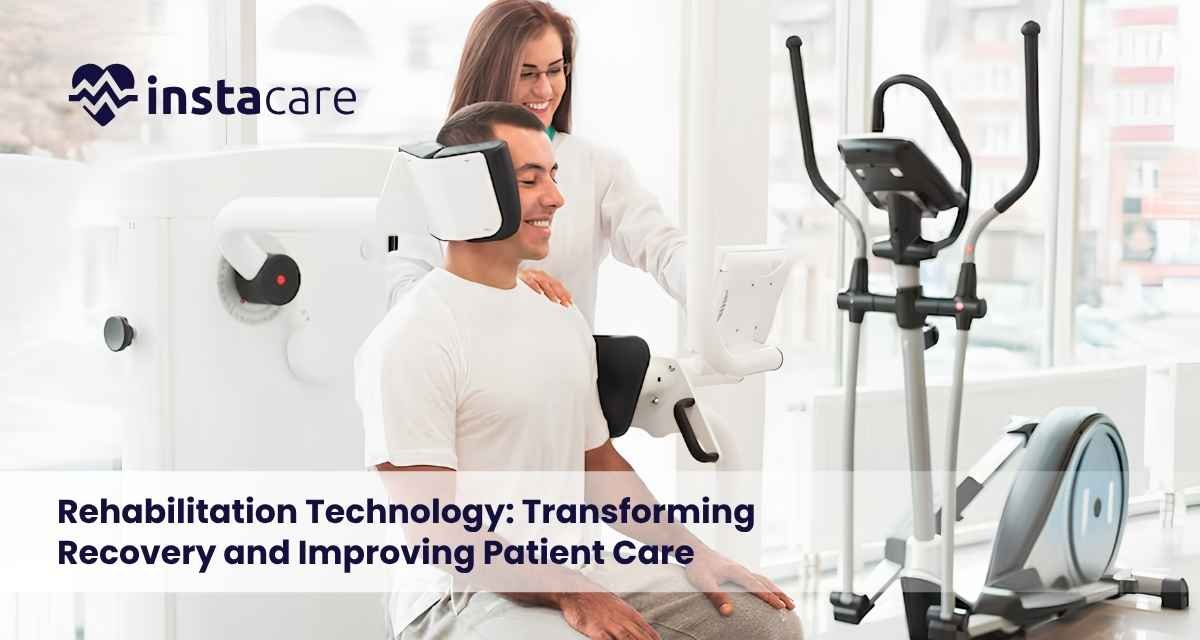
Rehabilitation Technology: Transforming Recovery and Improving Patient Care Rehabilitation technologies design personalized solutions for patients to recover from injuries, surgeries, disabilities or health conditions that require long-term recovery. Technology with tools, equipment, and digital solutions, supports patients to regain movement and enhances their life. Healthcare professionals can better assist patients during their recovery with the help of rehabilitation devices and technology. The solutions enable the patients to recover on their own. Technology helps bridge the gap between the physical therapy and active recovery of patients. What Is Rehabilitation Technology? “Rehabilitation technology” applies to the use of machinery, equipment, digital systems, and similar devices in the restoration of physical, cognitive, and other functional abilities of individuals following illness, injury, or impairment. Rehabilitation technology is utilized in physical and occupational therapy, as well as neurological rehabilitation and home-based recovery. These technologies assist patients in restoration of strength, coordination, balance, mobility, and the basic activities of daily living. Rehabilitation technology strives to treat physical limitations and address the individual’s need for greater independence in everyday activities. Importance of Rehabilitation Technology Although rehabilitation has not changed significantly in terms of the end-goal, technology has allowed for the methods to get there to advance at an unprecedented rate. With the use of technology, rehabilitation can be catered for each patient. A few ways that rehabilitation technology is advancing the field: Customized rehabilitation plans Progress assessment Motivating therapy Monitoring of recovery Support for less mobile patients Express Therapy at home Technology has also made rehabilitation more accessible by supporting patients in their recovery process beyond the clinic. Types of Rehabilitation Technology Robotic Rehabilitation Devices Mechanical aids known as robotic rehabilitation systems are used alongside therapy and exercise to facilitate movement of patients with limited mobility due to trauma or injury and neurological conditions. These systems help therapists support patients as they practice repetitive exercise movements that aid brain-retraining of patients. Virtual Reality (VR) Rehabilitation Technology and programming can help design user-controlled environments to facilitate therapeutic exercises that can be used in duplicating movements and balancing. This can improve engagement and participation in therapy. Wearable Rehabilitation Devices Wearable devices can help healthcare professionals collect necessary data, analyze movements, and provide feedback to patients and their therapists on improvements made. Assistive Mobility Technology These technologies are used to ensure the safety and autonomy of people with injuries and disabilities or even the elderly. Tele-Rehabilitation Technology This technology allows professionals to offer therapy sessions without frequent travel. Convenient access to therapy during the recovery process is achieved through house calls or therapy sessions conducted virtually. This recovery process also includes the support of a professional to provide assistance and stimulation during the recovery process. It includes the development of a rehabilitation home program. The body of this essay continues by stating three benefits of virtual rehabilitation. They include: the journey to therapy is reduced, convenience of therapy access, and job support is increased. Rehabilitation Technology in Home Care More and more patients recover at home because they prefer that option. Home-based rehabilitation is further reinforced by technology that delineates responses and tracks patient progress when therapy is carried out at home. Technology that supports home-based rehabilitation includes: Tools that track and monitor exercise performance Devices or systems that aid movement Applications or devices that deliver therapy Devices that support remote consultation Technology that supports patient recovery tracking These support home-based rehabilitation because patients are still close to their family members and are more likely to be consistent in their therapy. Book Your Free Marketing Consultation How Rehabilitation Technology Helps Different Patients? Post-Surgery Patients Surgery requires the body to recover and build strength and flexibility through exercise and the gradual progression of movements. Technology for rehabilitation provides insight and control during the recovery process. Elderly Individuals The symptoms of aging may include increased falling risk due to balance issues and diminished mobility and muscle weakness. Falling is amplified when unassisted and technology-enhanced rehabilitation can address independence and balance. Neurological Rehabilitation Patients The effects of brain and nervous system injuries may warrant the use of specialized therapies during rehabilitation. Movement and the aid of technology during rehabilitation increase the frequency of practice and enhance movement. Injury Recovery Patients Athletes and others with traumatic injuries can use rehabilitation to regain functional strength and coordination using technology to assist movement. Future of Rehabilitation Technology The emergence of artificial intelligence, smart devices, and digital health seems to shape the future of rehabilitation. With AI, smart devices, and digital health, these modalities may learn how to better achieve personalized rehabilitation based on patient trajectory and design tailored exercise progression automatically. The combination of AI-based assessments, advanced robotic technologies, and smart devices is going to change rehabilitation for the better, making it more accessible and more effective. Rehabilitation will become more accessible to more people. As technology advances, more health care systems will offer quality rehabilitation services both in clinics and remotely. Conclusion The use of technology is helping the healthcare field heal people in a better, faster way. This technology can help patients heal on their own and has the potential to revolutionize the field. Technology includes everything from therapy-focused video games to smart, automated therapy equipment. In the future, rehabilitative technology will help individuals recover from trauma, control their disabilities, and gain a better quality of life than before. FAQs What is rehabilitation technology used for? It is used to help patients recover movement, strength, balance, and independence after injuries, surgeries, disabilities, or medical conditions. Can rehabilitation technology be used at home? Yes, there are rehabilitation technologies that are designed with the home user in mind. These technologies enable patients to continue to conduct their exercises and participate in their recovery programs outside of the hospital. Who can benefit from rehabilitation technology? Technology designed for rehabilitation can help post surgical, injury, neurological, and age related, physical, mobility issues.

What Is Antimicrobial Stewardship? Principles, Benefits, and Examples Antimicrobial stewardship promotes optimal use of antimicrobial drugs to enhance patient outcomes. Someone of elevated proficiency in antimicrobial prescribing tailors all prescriptions to the individual patient for the duration, and at the dosage and route recommended for that patient. Stewardship also seeks to limit unnecessary or suboptimal use of antimicrobial agents. The term “antimicrobial” refers to medicines that kill or inhibit the growth of microorganisms. Some antimicrobial medicines are reserved for use against bacterial infections, and are therefore called “antibiotics.” Inappropriate use of these medicines leads to the development of bacterial resistance, making infections difficult to treat. Current health care systems across the globe have a strong focus on antimicrobial stewardship due to the emergence of antimicrobial resistance (AMR). If health care personnel continue to use antimicrobial agents with great responsibility, these agents will continue to work to treat and eradicate infections in subsequent generations. Understanding Antimicrobial Stewardship Antimicrobial Stewardship refers to the way various healthcare professionals including clinicians, pharmacists, nurses, and members of the infection control teams work harmoniously to achieve the best outcome and minimize the negative consequences of the use of antimicrobials. The goal of antimicrobial stewardship includes: The selection of the optimal antimicrobial Determining if an infection is likely to benefit from treatment with an antimicrobial Appropriate dose and duration of treatment Assessing the patient and if needed, change or stop the treatment. The purpose is not to limit access to essential medicine, but to ensure their optimal and effective use. Why Is Antimicrobial Stewardship Important? Using antimicrobial medicines inappropriately creates numerous challenges to public health. The biggest of these challenges is antimicrobial resistance. Antimicrobial resistance occurs when bacteria or other microorganisms develop resistance to available medicines. The most pertinent example of antimicrobial resistance is the use of antibiotics to treat viral infections. Bacteria develop resistance to antibiotics and future bacterial infections become difficult and expensive to treat. Antimicrobial stewardship includes the following: Minimizing the use of unnecessary antibiotics Prevention of resistant infections Improvement in patient safety Decreasing the cost of providing care Retaining the effectiveness of currently available medicines Principles of Antimicrobial Stewardship Effective antimicrobial stewardship programs employ numerous strategies; however, for the purpose of simplicity, we can identify five principles. Right Diagnosis Before Treatment Healthcare providers must determine whether an infection is truly present and, if it is, what is causing the infection. Not every febrile or infection-like symptom requires antibiotics. Healthcare providers use the following: History Exam Lab work Microbiology reports to determine if treatment with antimicrobials is warranted. Right Antimicrobial Selection A number of factors are considered to choose the most appropriate treatment. These may include: Nature of the infection Location of the infection Patient’s age and health Patient’s history Local resistance patterns Broad spectrum antibiotics should not be used if a narrow spectrum antibiotic would be more appropriate. Correct Dose and Administration Dosing must be determined with consideration for the age, weight, health status, kidney function, and the severity of the infection of the patient. Incorrect dosing results in treatment failure and resistance. Treatment for the Appropriate Duration Using antibiotics longer than considered necessary increases the risks of side effects and the development of resistance. Stewardship promotes the prescribing of the shortest treatment duration that is effective based on evidence, the patient, and the prevailing situation. Monitoring and Review Patients receiving antimicrobials should be monitored for: Signs and symptoms Lab work Adverse effects Need for continuation, change, or discontinuation of treatment This ensures appropriate, safe and effective treatment. Education and Awareness Teaching healthcare professionals and patients to appreciate the importance of judicious prescription and completion of antimicrobial therapy is a key pillar of antimicrobial stewardship. The reasons for the judicious prescription of antibiotics include: Understanding when to prescribe antibiotics Understanding the completion of the full course of therapy is critical for the intended outcome Sharing of antibiotics is unsafe Self medication should be avoided Benefits of Antimicrobial Stewardship Antimicrobial stewardship offers benefits for the healthcare system, the communities they serve, and, in turn, their patients. Resistant Microbe Management The principal benefit of stewardship is the decreased development and spread of resistance. The continued effectiveness of existing treatments is dependent on the rational use of antimicrobial agents. Positive Patient Outcomes Correct use of antimicrobials leads to the patient having improved positive treatment outcomes of faster recovery time with fewer complications. Limiting Side Effects The use of antimicrobial agents causes side effects beyond the intended treatment outcomes. These can include both systemic and local effects that complicate the patient’s recovery. Reduced Resource Overutilization Correct use of therapeutics leads to a reduction in ancillary and extended treatment and recovery times. Preserving Therapeutic Options The rational use of antimicrobials preserves therapeutic options for future patients. Book Your Free Marketing Consultation Antimicrobial Stewardship at Different Levels Antimicrobial stewardship has applications in hospitals, clinics, and community healthcare settings. Example 1: Avoiding Unnecessary Antibiotics A patient comes down with a cold and visits a doctor hoping for a prescription of antibiotics. The doctor doesn’t prescribe antibiotics because the cold is a viral infection and a doctor’s visit is unnecessary. Example 2: Using a Narrower Spectrum Antibiotic A patient was prescribed broad spectrum antibiotics for serious infection. Upon further testing, the doctors discovered the bacteria clinical isolate and prescribed a targeted antibiotic. Example 3: Changing Antibiotic Therapy Based on Response An antibiotic therapy review process is conducted daily by hospital teams for all patients who are hospitalized receiving antibiotic therapy. If the patient’s clinical status improves and is no longer indicated, the antibiotic therapy is altered in accordance with therapeutic guidelines. Example 4: Counseling Against Self-Medication Programs that deliver healthcare education promote the importance of avoiding the use of antibiotics that are leftover from previous patient’s therapy, and the unadvised use of antibiotics. Role of Healthcare Professionals in Antimicrobial Stewardship Several healthcare professionals contribute to successful stewardship programs. Doctors Doctors must correctly diagnose their patients and select the best treatment, as well as occasionally review treatment plans. Pharmacists Pharmacists
mHealth vs Telehealth: What’s the Difference? Digital technology has transformed healthcare in significant ways. Now, people can find health information, message health professionals, manage health conditions, and even track their personal health and wellness goals using technology. These types of technologies have led to the development of two concepts: mHealth and telehealth. These phrases are often used to mean the same thing, but they are technically different. Understanding the differences shows how the development of digital solutions leads to increased access, improved convenience, and greater consumer engagement in healthcare systems. What is mHealth? mHealth is the use of mobile and wireless technologies to support healthcare and wellness. It specifically concerns mobile equipment and software that enable consumers to monitor, manage, and track health and wellness. The purpose of mHealth technologies is to improve wellness and health self-management by making it easier to access health information and resources. mHealth technologies include: Software that can monitor your exercise and nutrition and help you manage sleep habits. Software that sends medication reminders. Tools that collect daily health self-report data. Devices that collect health data. Software that provides health education and support. The primary aim of mHealth technologies is to support health and enhance wellness. It empowers the user to make informed choices about their health. As an example, a person may use a mobile application to track their daily activity, record their symptoms, and track their medication. These technologies enhance the consumer’s engagement in health management. What Is Telehealth? Telehealth describes health care services delivered electronically, beyond traditional in-person care. It supports communication between patients and health care workers. Telehealth employs digital technologies including video, phone, online messaging, and remote physiological monitoring to enhance delivery of health care services. Examples of telehealth include: Virtual health care consultations Follow up care remotely Digital health education Improving health delivery; using telehealth is convenient for patients to receive health care without traveling to health care facilities. Main Differences Between mHealth and Telehealth mHealth is primarily concerned with the use of mobile devices to manage personal health information. Telehealth, however, is concerned with delivery of health care across distances. mHealth is typically personal, e.g. mobile devices assist users to record health data, measure, monitor and encourage, through digital technology, daily wellness activities. Telehealth is concerned with the communication between the patient and the health care worker. For example: Telehealth is the sending of the recorded blood pressure data from the smartphone application to your health care professional. In most cases, to ensure that the right health care is delivered, mHealth ecosystems and telehealth are integrated. A mobile application may collect some health data; however, telehealth may be needed for a health care provider to review the data and provide the right care needed. How mHealth Contributes to Modern Healthcare? mHealth technology empowers management of personal wellness and preventative healthcare. Instead of waiting for illness to strike, people can proactively manage their health. Promotes the Use of Preventive Health Strategies mHealth technology motivates the development of healthy behaviors through the tracking of physical activity, eating, sleeping, and the overall lifestyle. Increases Health Self-Awareness mHealth technology gives people the information they need to understand and grasp trends they can use to motivate the adoption of positive changes in the management of their health. Supports Health Condition Management Technology strategies used to manage a chronic health condition include tracking of symptoms, the monitoring of trends, and maintaining a routine. Ensures Service Convenience The use of technology is convenient since everyone has a mobile device. Book Your Free Marketing Consultation How Telehealth Impacts Healthcare Delivery? Telehealth offers the ability to overcome barriers and provide healthcare services to the people who need them the most. It provides a way for people to communicate with their healthcare practitioners no matter where they are located. Improved Healthcare Availability Healthcare is now more accessible for people from remote areas and for those who are unable to easily travel. Decreased Travel Time and Increased Convenience Now, instead of having to travel to see a healthcare practitioner, a healthcare appointment is available without the need for travel. Easily Facilitates Follow-Up Communications New ways to conveniently manage follow-up care are made possible with telehealth. Increased Quality and Frequency of Communications New avenues to answer questions and solve health care related concerns are made possible with communications that are no longer restricted to in-person visits. Similarities Between mHealth and Telehealth Though they are different medical technologies, there are similarities between mHealth and telehealth. Both: Improve healthcare with technology. Increase the accessibility of health services. Improve the ability to communicate and share information. Increase the involvement of patients. Address certain burdens of standard healthcare delivery. Both are necessary components to the growing digital healthcare ecosystem. Limitations of mHealth and Telehealth Though digital healthcare possesses an abundance of advantages, there are also disadvantages. The use of mHealth is dependent on the availability of accurate mobile devices, internet, and technology. Some tools may have limited utility and should not be a substitute for seeking care. Telehealth may not always be appropriate for healthcare delivery. With others, it may be necessary to conduct a physical examination, order diagnostic tests, or perform a procedure that can not be done remotely. Security and the protection of privacy are vital concerns as well. Trust is diminished when the digital systems of healthcare lack adequate protection. Which Is More Useful: mHealth or Telehealth? It depends on the situation. mHealth is more appropriate for: Record keeping for personal health info Developing and maintaining healthier behaviors Tools for monitoring wellness Self-management Telehealth is more appropriate for: Consultations given remotely Methods of communication in healthcare Offering guidance Using both together is more useful. Conclusion The rising trend of using digital assets will continue. More tools for personalized care will be available with the increasing availability of mobile devices, more advanced wearables, and better remote monitoring and communication. mHealth and telehealth technologies represent progressive steps in the industry. mHealth will advance health ownership and telehealth will improve the connection
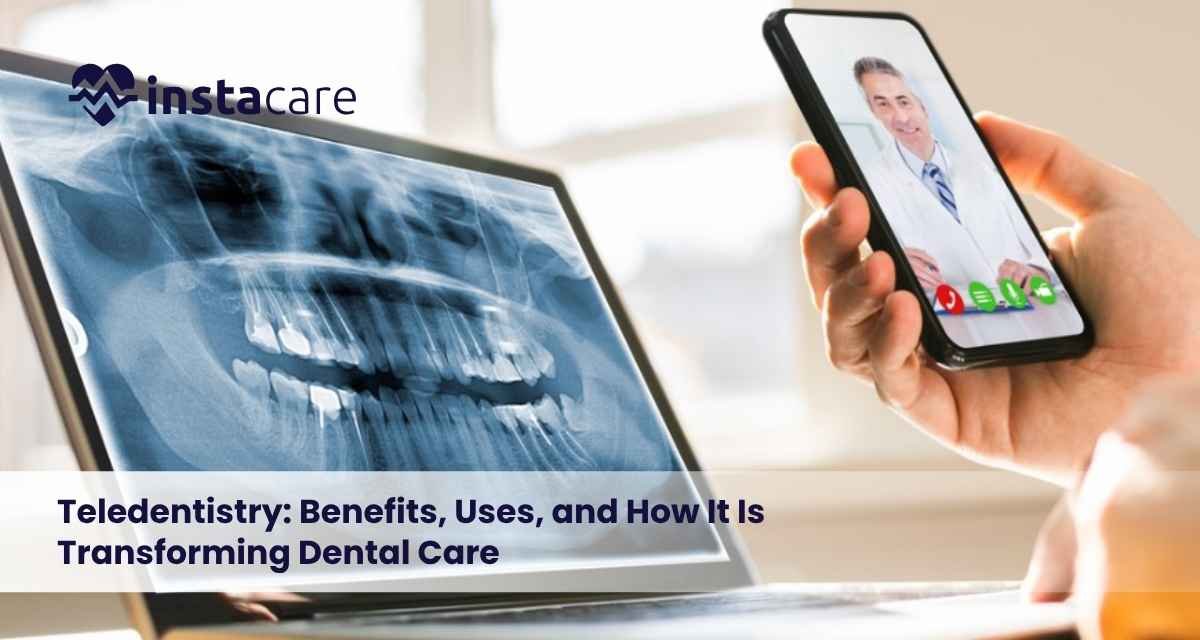
Teledentistry: Benefits, Uses, and How It Is Transforming Dental Care Digital innovations in healthcare have made medical support easier to access and more convenient. Like other healthcare services, dentistry has adopted digital approaches like teledentistry. With teledentistry, patients can receive consultations and dental care support without physically being present at the clinic. Patients have the convenience of carrying out consultations, providing the required clinical record, and receiving advice from dental professionals, all from the comfort of their homes. Teledentistry makes it easier for patients who have issues accessing dental care due to various factors such as remoteness, mobility, difficulty in accessing care, and for those who require immediate professional advice before personally attending the clinic. What is Teledentistry? Teledentistry is using digital innovations to make remote delivery of dental care services possible. Dental care providers and patients can use video consultations, chat, or share digital x-rays and images. Dental care professionals can assess presented symptoms, advise, and offer preliminary consultations to patients, discuss treatment options, and guide the patient to enhance their oral health. Teledentistry is a supplementary service to in-clinic dental care, with the added benefits of convenience, access, and time. How does Teledentistry work? The service offered by teledentistry is simple and convenient to the patient. Dental care professionals can offer their services through video consultations, digital x-ray, dental images, or online consultations. A dentist during a remote consultation may inquire about symptoms, pain levels, dental history, and concern regarding oral health. Patients are able to show the dentist pictures or videos of their oral health concerns. With this information, the dentist is able to recommend a course of action along with at-home oral hygiene practices, determine if an in-person appointment is necessary, or suggest the next steps. Common Teledentistry Applications Teledentistry can be utilized for a variety of dental needs, including the delivery of basic dental consultations and the post service review of dental work. Dental Consultations The service delivery of teledentistry includes dental consultations. Patients can report concerns related to pain in teeth, pain in gums, oral hygiene, and sensitivity. Emergency Dental Advice As the name suggests, this service functions to provide advice to patients experiencing a dental emergency. The dentist will provide advice for pain management, sign, and symptom control, and will decide if the situation necessitates an emergency physical visit. Follow-Up Consultations These consultations are designed to provide the dentist with a means to evaluate the progress and provide advice to the patient regarding the recovery and address any questions. This is commonly employed for patients that are undertaking a prolonged dental procedure. Education of Oral Health This service provides the patient tutorials and advice for proper oral hygiene and dietary habits. Treatment Planning Dentists’ remote consultations provide an avenue to the patient to understand the treatment process and what to expect before a face to face encounter. Teledentistry Promotes Equitable Access to Dental Services Distributed Workforce The biggest advantage of teledentistry is that it meets the dental advice needs of people living in areas with insufficient dental services. Financial and Time Hurdles Eliminated Much of the time and cost savings from the use of remote technology and communication is attributed to the fact that a lot of dental issues do not require an immediate in-person examination. Early Detection of Dental Problems Remote technology and communication can further be used to provide advice and bring problems to the attention of the service provider at earlier more manageable stages. Better Patient Education Teledentistry also makes it convenient for dentists to give advice to patients on how to prevent dental problems and improve and maintain good oral hygiene. Recovery Support Teledentistry also facilitates post-operative care for patients on recovery. Limitations of Teledentistry Though teledentistry has many advantages, it has its limitations too. Restricted Physical Examination While a lot can be done remotely, it is not possible for dentists to do a complete physical examination of the patient remotely. Technology and Infrastructure Limitations Many people do not have access to the technology or easy means to connect to the internet and thereby, will face major challenges in using the services. Not Equipped to Deal with All Dental Concerns Teledentistry cannot replace a physical visit to the dentist for dental problems that are serious, surgical, with infections of high severity, or require hands-on intervention. Book Your Free Marketing Consultation Teledentistry in Pakistan Pakistan’s healthcare system is constrained by a growing population and widespread poverty. Due to these inadequacies, healthcare in rural Pakistan is poorly organized. Remote dental care can help alleviate these issues by providing dental services via electronic communications. Teledentistry aids initial consultations, distribution of preventive dental advice, delivery of follow-up support, and directing of patients in need of professional dental care. Digital healthcare is becoming more prevalent and reliable around the world as broadband technology is improving. This creates a great opportunity for teledentistry to be a key element of contemporary dental healthcare. How to Prepare for a Teledentistry Appointment? Prior to each appointment, patients should digitally prepare some basic data about themselves. They should record their symptoms, describe the pain or discomfort, and keep a record of their previous treatments and medications. The patients should also take clear photographs or make short videos of their problem area. Patients should ensure that they have a strong and reliable internet connection for the duration of the appointment and be in a quiet place. Is Teledentistry Safe and Reliable? Teledentistry is a safe means to obtain dental advice and develop an understanding of your dental concerns to better understand the options and implications of treatment. Teledentistry should not replace routine dental examinations. There are still many treatments that require direct contact that cannot be done remotely. Conclusion Teledentistry brings a new level of convenience and accessibility to dental healthcare. Dental patients now have the opportunity to gain remote access to a dental healthcare professional for quick consultations and assessments that will help improve dental healthcare overall and aid in the development of informed and effective treatment
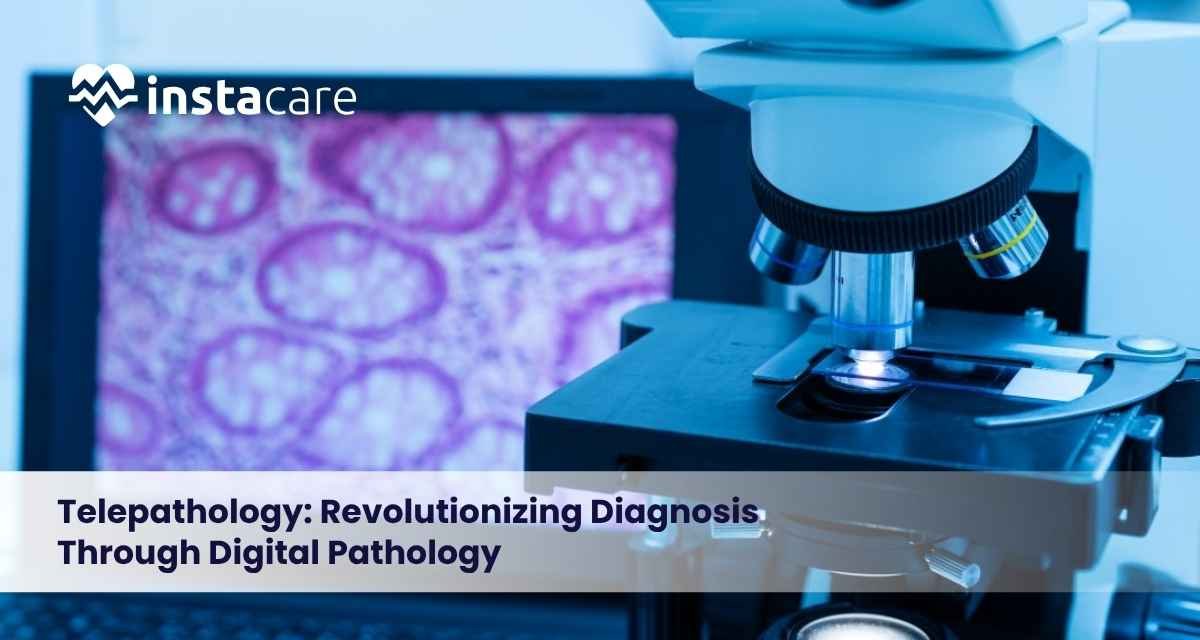
Telepathology: Revolutionizing Diagnosis Through Digital Pathology Telepathology is the use of electronic pathology to digitize tissue samples and pathology slide images to enable pathologist remote diagnostic quantity and interpretation. A remotely located pathologist does not need to be in the same location as the microscope and specimen. With the use of secure digital pathology systems, telepathology supports diagnostic consultations, teaching and research. The digital healthcare ecosystem has increasingly embraced telepathology as a new specialty in pathology. This expanding field is changing the delivery of specialized healthcare services in remote locations. What is Telepathology? Telepathology is the use of digital technologies to transmit images of pathology samples, cells or slides from one location to the other for diagnosis and interpretation. In traditional pathology, a pathologist views glass slides in a microscope. In telepathology, the slides are scanned into high resolution images, and the images are uploaded in a computer-based cloud system. The pathologist reviews the samples, provides their diagnosis and expertise, from their remote location. How Does Telepathology Work? The first step in telepathology is the preparation of tissue samples. The samples are collected via surgical procedures and biopsy. The samples are then processed and placed on glass slides in the laboratory. Digital Slide Scanning A user-specific scanner can transform a glass slide into a high-quality digital file. These files contain a wealth of detail that can be enlarged by a computer for easier analysis. Secure Image Sharing secure networks can transmit the digital files of the slides to pathologists or medical sub-specialists that are located off-site. These users can access and analyze the digital files using a computer software program. Diagnosis and Consultation After reviewing the digital slides, a pathologist can provide a diagnosis and report the findings to the healthcare team involved. This system can also support a case review for consultations by multiple pathologists. Types of Telepathology Telepathology can be described using several techniques based on the manner in which the images are captured and reviewed. Static Telepathology Using this technique, selected images of specified regions of interest on a slide are captured and transmitted for review. This technique can be utilized for limited consultation or teaching. However, the user does not see the slide in its entirety. Dynamic Telepathology In dynamic telepathology, a pathologist controls a remote microscope, and/or views live images. This technique allows real time interaction and diagnostic consultations. Whole Slide Imaging (WSI) This technique involves digitization of the entire slide, preserving all the information. Whole slide imaging has had a profound effect on the practice of pathology. Benefits of Telepathology Access to Specialists First and foremost, telepathology enables far-flung healthcare facilities to gain direct access to pathologists, rather than having to send slides through often long and tedious processes. Optimized Workflow and Diagnostics Beyond improving the workflow, this technology reduces the time a pathology report takes to reach its desired destination. Complex Cases This technology enables multiple pathology specialists to view the same digital slides and collaborate on the same report to provide the most accurate diagnosis. Effective Use of Digital Resources Digital slides can be easily stored, organized and accessed. This can lead to the development of a better pathology record maintenance system and enables users to retrieve past slides that can aid in the comparison of various observations and findings. Cost-Effective Use of Slides Digital slides can also be used to teach both pathology and non-pathology students. AI Telepathology Digital pathology services involving artificial intelligence (AI) are just starting and may help reduce the workload on pathologists. Efficient Services Although it is limited in its current form, AI technology can aid pathologists in recognizing and analyzing pathology images. It is also worth noting that AI will not be able to offer diagnostics in the absence of experienced staff. Future of Pathology The combination of AI and digital imaging holds the promise of revolutionary changes in pathology services for the better in the coming years. Book Your Free Marketing Consultation Applications and Challenges of Telepathology Telepathology is an approach to healthcare that has many applications, including: Diagnosing Cancer Many kinds of cancer can be diagnosed with an examination of tissue done by a pathologist. Telepathology means that pathologists can examine samples and provide their evaluations from a distance. Remote Guidance for Surgeons The pathology assessment for certain surgeries may require rapid evaluations. This means that a pathologist may guide the surgeon from a distance. Receiving a Second Opinion For complicated diagnoses, patients or their care team may decide to seek additional evaluations. Telepathology can help them. Digital pathology databases can help researchers and educators conduct studies and enhance their practice. Although there are many advantages of telepathology, some challenges remain. Higher Technology High quality digital pathology requires excellent scanners and secure data systems, as well as a fast and reliable internet connection. Data Security Diagnostic images store sensitive data. Strong control measures must be in place to secure patient confidentiality. Uniformity Different laboratories may have different appliances and procedures. Uniformity in systems and rules helps guarantee the quality of services. Training Pathologists and lab assistants may need to have additional training to fully optimize use of digital pathology. Telepathology in the Future Accessibility of technology, digital changes, cloud based technologies, and artificial intelligence may allow telepathology to offer diagnostic services to more people no matter where they are located. There may be many more pathology experts available to patients in less developed regions, telepathology networks may help connect with specialists. New technologies, in combination with pathology expertise, may help provide better diagnostic services in the future. Conclusion The combination of pathology and digital technology in telepathology provides the ability to conduct consultations, collaborate, and provide advanced specialty medicine to a wider audience. Despite the security, technology, and standardization challenges, telepathology has the ability to change the way pathology services are delivered. Innovation and development of telepathology is anticipated to increase the significance of telepathology throughout the globe in the future. FAQs What is the main purpose of telepathology? Telepathology’s main purpose
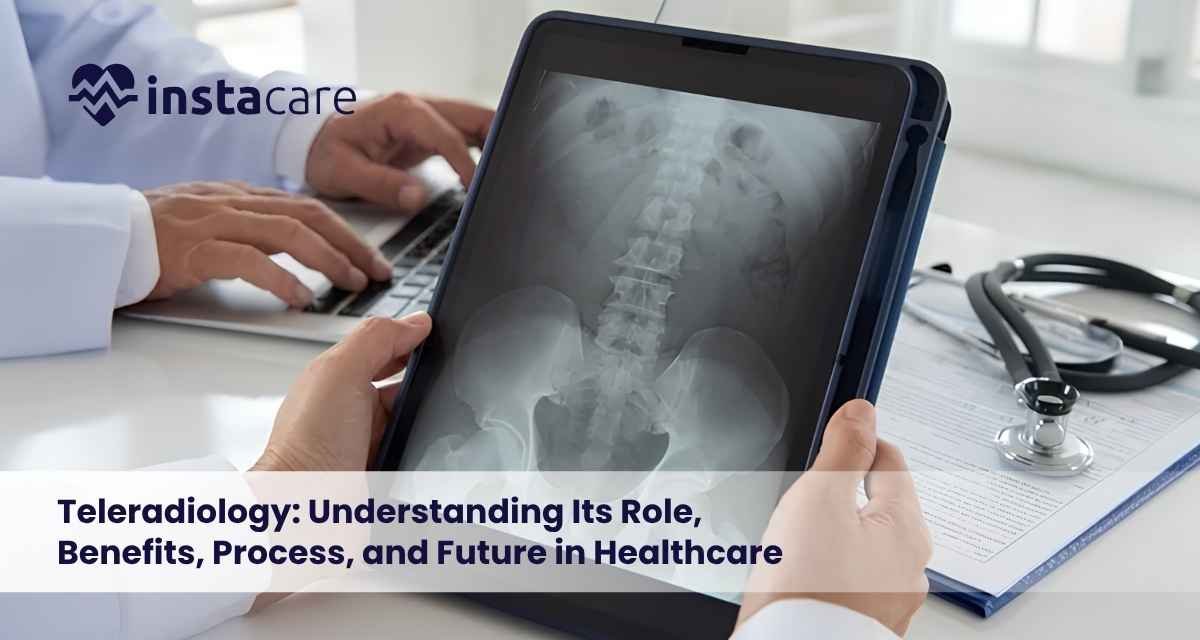
Teleradiology: Understanding Its Role, Benefits, Process, and Future in Healthcare Teleradiology uses telemedicine to send radiology images for interpretation and report generation by radiologists from remote locations. This technology enables the electronic delivery of radiology images to a remote specialist, eliminating the radiologist’s physical presence at the site of the patient. Teleradiology has gained great significance in medicine and healthcare due to the rapid growth of digital imaging, the internet, and secure information technology infrastructure. It improves the availability and timeliness of specialty diagnostic evaluations and expertise in areas lacking availability of healthcare personnel. Teleradiology supports the delivery of timely diagnostic results for image evaluations performed as part of routine or emergency care. It has many beneficial impacts on care delivery. What Is Teleradiology? Teleradiology includes the transmission of an image such as an X-ray or CT scan, to a radiologist via the Internet or another information technology platform for interpretation. Previously, radiologists had to be located in a hospital or an imaging clinic for the purpose of interpreting patient scans. With teleradiology, images can be sent for interpretation by a specialist in a secure manner to a remote location. A radiologist is able to prepare a diagnostic report containing findings and interpretations of the images without being in the same location as the patient. This is a valuable service in cases where the immediate interpretation of an image is needed or when the radiology specialist is not available locally. What is Included in Imaging Reviews Through Teleradiology? Medical Imaging types that can be reviewed through this system include: X-rays: Used to locate breaks or infections and assist in diagnosis of other health conditions in the chest. CT: A scan that creates detailed images of body sections and is used to identify injuries and other health conditions. MRI: Used to scan soft tissues in various body sections. Ultrasound: Used to scan blood flow and check on the health of various organs and pregnant women Why is Teleradiology Needed? With this technology, healthcare providers can clear many obstacles or challenges that are faced in the healthcare system such as: Improved Access To Specialists Smaller community hospitals often lack access to specialty radiologists. Teleradiology provides smaller community hospitals access to radiology subspecialty expertise remotely. Faster Diagnosis Time is a critical factor in emergency situations. Access to radiology specialty expertise rapidly streamlines decision making by healthcare providers. 24-Hour Radiology Support Given that remote reviews of images are possible, teleradiology enables radiology support beyond the typical scope of the traditional work day. Better Collaboration Teleradiology incorporates healthcare workers from disparate locations, supports the review of images, and aids in the diagnostic process. Book Your Free Marketing Consultation Benefits Of Teleradiology Increased Efficiency Digital media transfers remove delays caused by waiting for a specialist to be available and erases delays caused from the transportation of physical films. Support for Emergency Care Urgent and critical care cases, such as time-sensitive trauma and unstable and critically ill patients, can be rapidly reviewed by qualified radiologists. Reduced Geographic Limitations Patients are no longer constrained to the local medical care resources when specialized medical care is needed. Improved Use of Medical Expertise Radiology subspecialists can provide care and perform a critical role across multiple healthcare facilities to reduce specialty care disparities. Challenges Of Teleradiology While advances in technology have made many things easier, including teleradiology, there are still some challenges to this evolving technology. Data Security and Privacy Privacy and security of patient information is of utmost importance with medical images and needs to be addressed for teleradiology services. Technology Requirements Secure communication, reliable high speed internet, and appropriate specialty radiology imaging equipment are requisite for high quality teleradiology service. Communication Between Healthcare Teams A report can only be considered a findings report when the radiologist has effectively communicated the findings and ensured the treating clinician has a full understanding of the report. Maintaining Consistent Reporting Standards Consistent reporting standards allow radiologists to practice in different locations and with different healthcare systems. Artificial Intelligence and Teleradiology AI-based technology in medical imaging is gradually developing and may assist radiologists by suggesting patterns, showing possible abnormalities, and prioritizing emergencies. AI was developed to assist and not replace physicians. Complex cases require multiple factors and patient history to be fully appreciated, which is a task exclusive to physicians. The advancement of technology and the addition of specialized knowledge may continuously improve diagnostic imaging. Future of Teleradiology Increased demand for fast accessible healthcare services will likely lead to advancements in teleradiology. These advancements will likely be: Better digital imaging tools More AI-based tools Smarter remote collaboration systems Faster communication between healthcare professionals Increased remote availability of specialized healthcare professionals Within the expanding framework of interconnected healthcare, teleradiology will likely continue to be a premier diagnostic tool. Conclusion Teleradiology has been highly beneficial to the practice of medicine by allowing radiologists to offer their services remotely. It improves access to specialized services and enables a speedy diagnostic process, which leads to improved healthcare.Managing the challenges of teleradiology (i.e. security, technology, and communication) will be worth the benefits. Through increased digital and medical technologies, teleradiology will continue enhancing diagnostic systems and services. FAQs What is teleradiology? Teleradiology is the ability to review and interpret medical images remotely by radiologists to improve access to diagnostics and timely reports. What types of studies can be interpreted using teleradiology? Teleradiology assists in the interpretations of many types of diagnostic images including X-rays, CT scans, MRIs, ultrasound images and others. Does teleradiology eliminate the need for radiologist? No. Teleradiology helps radiologists work from a remote site, and use technology to aid in the delivery of diagnostic services.
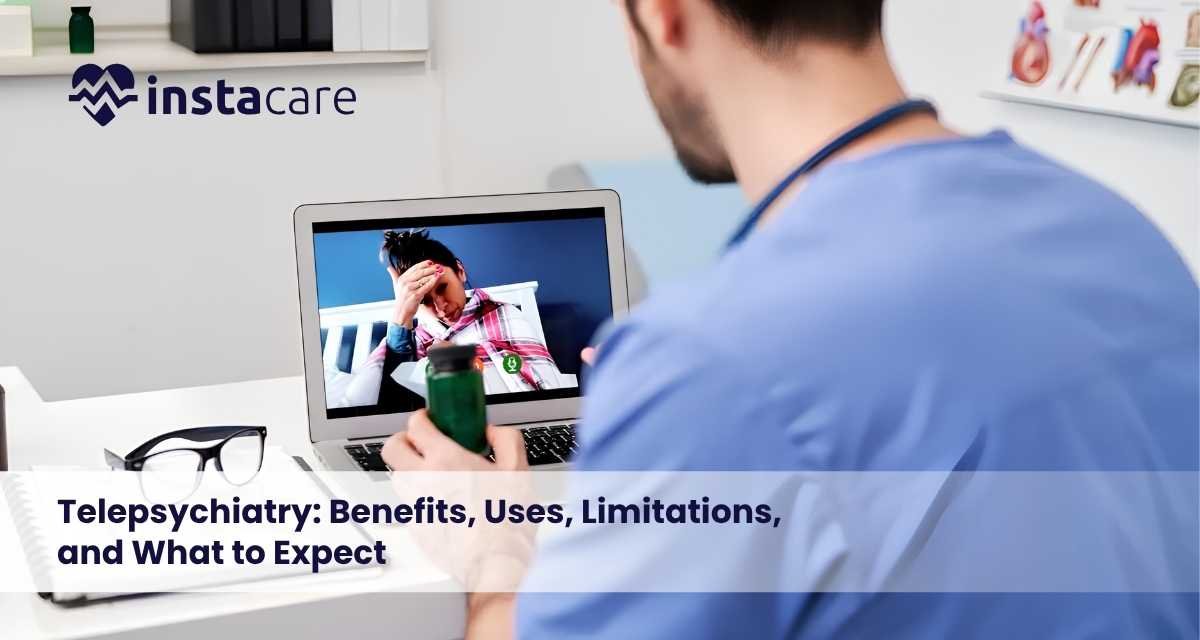
Telepsychiatry: Benefits, Uses, Limitations, and What to Expect Telepsychiatry is one type of mental health service that reaches the patient by using technology, as opposed to physically bringing a patient to a clinic for a face-to-face meeting. Safely using video communication, telephone calls, and digital messages, patients and service providers are able to communicate. Telepsychiatry is a type of telehealth and can consist of many psychiatric services, including evaluations, therapies, assessments, ongoing support, medication management and many more. For many there are obvious benefits to receiving mental health support with the convenience of a reduced time commitment and a reduced need to travel. However, it should be noted not every psychiatric service can and should be completed using this method. Service delivery must consider the patient’s needs, the technology available to the patient, and the clinical situation. What is Telepsychiatry? Telepsychiatry is defined as a service provided by a mental health professional who is not in the same location as the patient. This service can be provided on a video-based call, by phone, or other secure communication methods. In a telepsychiatry appointment the service provider should follow the same processes that are used in traditional, or face-to-face, psychiatric services. Telepsychiatry can include: Evaluations Consultations Individual Therapy, Family Therapy Group Therapy Management and review of medication Process of Prescribing and managing medication Follow-up Consultation Education of patient Progress of Psychiatric Symptoms and Treatment Telepsychiatry creates a way to receive mental healthcare, even when traveling to a clinic-based service would not meet the patient’s clinical needs. Instructions to the patient before the appointment should describe how to access the virtual appointment. The patient will likely need a device with internet, such as a computer, tablet, or smartphone, to access a video appointment. During the consultation, the mental health practitioner will ask about the patient’s symptoms, feelings, relationships, functioning, sleep, mood, medications, and the patient’s medical history and may ask other relevant questions. If the patient is taking medication, the clinician will assess the effectiveness of the medication and if the patient is experiencing medication side effects. Follow-up sessions can be done remotely as well to monitor the patient’s progress and adjust the treatment plan accordingly. Conditions That May Be Managed Through Telepsychiatry Telepsychiatry is one of the ways to take care of many common mental health concerns. Depending on the situation, remote psychiatric services may be appropriate for individuals with: Anxiety Disorders People with ongoing anxiety and worry or people with panic symptoms and certain phobias may be able to have assessments and therapy and follow-up sessions remotely. Depression Remote psychiatric services may be able to assess and manage depression and look at the reasons for the changes in mood, sleep, and functioning and if the daily activities and treatment are being done. Attention and Concentration Difficulties Some assessments and follow-up sessions may be able to be done remotely and appropriately for symptoms of attention and concentration difficulties and impulsivity. Mood Disorders People being treated for mood-related problems may be able to have remote sessions for the assessment of the mood and symptoms, check issues with their treatment, and consider the problems with mood and daily functioning. Book Your Free Marketing Consultation Trauma-Related and Stress-Related Conditions It can also assist people with trauma-related symptoms, ongoing stress, or difficulty with the adjustment process. Telepsychiatry can be tailored to the individual rather than to the diagnosis. There are patients that may need both virtual and in-person appointments. Telepsychiatry The greatest aspect of telepsychiatry is the extension of mental health services. More Services People that live far from psychiatric care or mental health services may have more limited access to mental health care. Psychiatric assessment and care may be more accessible if long distance travel is not required. Easier care People may be able to meet work and other responsibilities that tend to affect the ability to get care such as time off for child care or other appointments. People may be relieved to get care that requires minimal travel. Mobility Issues It can be especially beneficial for people whose chronic issues or disabilities make it difficult to travel and may provide a needed alternative to in-person care. Concerns around Stigma Some people would be able to get care that is more private due to being in their own homes instead of a mental health service. It can provide much needed stabilization of care during transport difficulties and during times of relocation since it makes care services more accessible. Adherence to follow-up is the most important when either the symptoms or the meds undergo changes which require constant monitoring. What Are the Limitations of Telepsychiatry? Though telepsychiatry offers many benefits, it also has its limitations. Technology There are many factors that come into play including a good internet connection, an adequate device, camera, microphone, and basic digital skills. Poor internet connection may result in interrupted conversations or delays that can result in an ineffective conversation between the clinician and the patient. Poor internet connection and a lack of proper technology may result in a barrier to remote mental health care. Limited Physical Assessment In a virtual encounter, there is a big difference from what one can do with a physical assessment compared to what one can do in a face to face encounter. If a physical assessment, lab work, or medical evaluation is going to be done, then a face to face visit would be required. Privacy Concerns Mental health situations often contain sensitive information about the patient, therefore, the patient should be in a private space. Additionally, remote services need to create a privacy and security protection zone because of the nature of the remote services that handle sensitive health information. Communication Difficulties Some visual, behavioral and interpersonal cues that are important in clinical communication may not be identifiable when communicating virtually. Low quality audio, lighting, camera positioning, etc. can impede clinical communication. Is Telepsychiatry Useful for Emergencies? Telepsychiatry can help manage a patient with worsening psychiatric symptoms, but telepsychiatry should not

Teledermatology: How Online Skin Care Works, Benefits, Limitations, and Uses Digital healthcare enables patients to get medical advice and guidance for many health concerns without the need to go to a healthcare facility. One of these is teledermatology. This is the use of photographs and video conferencing coupled with secure messages to assess, diagnose and treat dermatological conditions. Compared to other fields in medicine, dermatology is more amenable to remote care, because many skin conditions can be observed and diagnosed with a simple video assessment. Teledermatology can be used to improve services to patients, reduce unnecessary travel and allay the need for some patients to see a dermatologist for a follow-up. However, there are many skin conditions which still require an in-person visit for examination and assessment, as well as other procedures for an accurate determination of the condition. What Is Teledermatology? Teledermatology is the extension of dermatological care through available telecommunication technologies. Rather than having a face to face meeting with a dermatologist, a patient may submit photographs, provide a description of their symptoms and history to a healthcare professional for assessment. There are two primary approaches to teledermatology, real-time video consultations and store-and-forward communications. Store-and-forward teledermatology is a telemedicine approach in which the patient photographs their skin condition of concern and submits the photographs, along with relevant medical information, for the healthcare professional to assess at their convenience. The specific approach in a teledermatology encounter is dependent on the patient’s symptoms, available technologies, and the need for additional diagnostic tests or in-person assessments. How Does Teledermatology Work? A typical teledermatology encounter begins with the patient describing their skin concern. A teledermatology consultation typically begins with the patient explaining their skin concern. When assessing the patient, information may be collected on the following: The onset of the skin problem Developments or changes in the skin problem (size, shape, color) Symptoms relating to the skin problem (pain, itching, burning, sensitivity) Current medications Previous skin problems Allergies The patient’s efforts to treat the skin problem The patient’s other medical issues Clear photos can then be submitted through a secure site. In other cases, patients and healthcare professionals have a live video appointment. Healthcare professionals must rely on what they can see and hear as well as ask many questions about symptoms and medical history during online consultations. Based on the information, the healthcare professional may suggest a treatment, advise that no treatment is necessary for the time being, request more photos, or advise that the patient be examined in person by a dermatologist. Types of Teledermatology Live Video Teledermatology For live video teledermatology, the patient and the healthcare professional connect using a live video service. The patient is then able to show the healthcare professional the problem area and verbalize their symptoms. The healthcare professional can then ask the patient to change the lighting, move the camera, or show them a closer view of the problem. This method of communication also allows for a real time client-to-caregiver dialogue, and a client is easily able to ask questions during the consultation. Store and Forward Teledermatology Store and forward teledermatology is an electronic capture and submission of photos and medical data for the dermatologist to review at a later time. The dermatologist does not have to be available to the patient at the same time. This may be a more convenient option for people in remote and rural locations where specialist appointments are a long distance away. The quality of the images is very important because poor images can compromise an accurate assessment. What Dermatological Concerns Can Teledermatology Help With? Teledermatology can assist with the evaluation and monitoring of various concerning visible skin conditions. Acne Patients can interact with health care professionals (HCP’s) to discuss breakouts, skin irritations, treatment history and progress. HCP’s can monitor advancements in skin condition and treatment response. Eczema and Dermatitis Certain cases with symptoms presenting as itchiness, dryness, or inflammation, may be assessed through teledermatology. The symptoms and any photographs provided can provide sufficient information. Psoriasis Psoriasis patients can use teledermatology for reviewing the progress of their case, treatment, and medication with health care professionals. Rashes Sometimes photographs or videos are sufficient to review certain rashes. Other rashes can have various causes such as infection, an allergic or a medication-related reaction, or an underlying systemic issue. Hair and Scalp Concerns Certain scalp conditions, hair loss, dandruff or other scalp inflammations and visible changes can be assessed through teledermatology. Nail Concerns Evaluation of changes in the texture of the nail can be done through teledermatology. Skin Lesions Through remote assessment, concerns such as appearance of new moles and spots (“lesions”) can also be reviewed. Teledermatology, however, should not replace a physical examination to rule out other serious concerns. Remote assessments should not replace an in-person examination when examining patients with skin cancer or other concerning conditions. Evaluating various types of skin lesions through remote and in-person examinations has shown that the accuracy of a direct examination is often superior to remote evaluation for some skin lesions. Book Your Free Marketing Consultation Benefits of Teledermatology Teledermatology provides benefits that make this service practical and accessible to individuals that previously did not have access to specialty care. Easier Access Teledermatology makes it possible for those living in rural communities without easy access to specialty care to receive an initial assessment without traveling for great distances. Teledermatology can assist healthcare systems to determine which cases warrant an immediate in-person assessment. Convenience With virtual consultations, there is less time traveling, less time waiting in clinics, and less disruption to the patient’s normal daily activities. For patients that require many follow-up consultations, managing ongoing care may now be easier. Faster Initial Assessments Digital images can be reviewed in a timely manner to assist in determining if a patient can be treated remotely or if an in-person appointment is necessary. In some healthcare systems, teledermatology has been used to assess and provide treatments in a shorter timeframe from the diagnosis to the initiation