

Healthcare Cost Management: Strategies, Benefits, and Best Practices for Reducing Medical Expenses Managing healthcare costs is essential for maintaining financial sustainability while delivering high-quality patient care. As medical expenses continue to rise, healthcare organizations must find effective ways to control spending without compromising patient safety or treatment outcomes. Healthcare cost management involves analyzing expenses, allocating resources efficiently, improving operational workflows, and reducing unnecessary spending. The goal is not simply to minimize costs but to balance financial performance with quality healthcare delivery. Understanding its key principles, challenges, and strategies can help healthcare organizations make informed financial decisions and improve long-term efficiency. What Is Healthcare Cost Management? Healthcare cost management is the process of monitoring, analyzing, and optimizing the expenses associated with delivering healthcare services. These expenses include administrative operations, medical supplies, staffing, technology investments, equipment maintenance, and patient treatment. The primary objective is to ensure that healthcare facilities operate efficiently while maintaining patient safety and quality standards. Key components of healthcare cost management include: Operating costs: Managing the day-to-day expenses of healthcare facilities. Staffing costs: Optimizing workforce planning, scheduling, and employee productivity. Medical supply costs: Controlling purchasing, inventory, and equipment expenses. Administrative costs: Reducing unnecessary documentation and inefficient processes. Patient care costs: Delivering effective treatment while avoiding unnecessary expenses. Budgeting and financial planning: Establishing budgets, tracking spending, and forecasting future expenses. An effective cost management approach helps healthcare organizations maintain financial stability and use available resources responsibly. Why Is Healthcare Cost Management Important? Healthcare cost management plays an important role in maintaining the financial health of hospitals, clinics, laboratories, and other healthcare facilities. A well-planned approach helps organizations control expenses while continuing to provide reliable services. 1. Promotes Financial Stability Controlling unnecessary expenses helps healthcare organizations use their budgets more effectively. Accurate financial planning also supports stable operations and prepares facilities for unexpected costs, such as equipment repairs, emergency purchases, and fluctuations in supply prices. 2. Maintains Quality Healthcare Effective cost management helps organizations allocate sufficient resources to essential medical services, qualified staff, and appropriate equipment. The objective is to eliminate waste and unnecessary spending without reducing the quality or safety of patient care. 3. Improves Operational Efficiency Healthcare facilities can identify duplicate procedures, inefficient workflows, excessive paperwork, and avoidable delays. Improving these processes can reduce administrative expenses and help employees use their time more effectively. 4. Optimizes Resource Utilization Proper financial management helps ensure that personnel, medical supplies, equipment, and facilities are available where they are needed most. Better resource allocation can reduce shortages, prevent unnecessary purchases, and improve operational performance. 5. Supports Long-Term Growth Healthcare organizations with effective cost management practices are better positioned to invest in infrastructure, staff development, digital technologies, and service expansion. Sustainable financial planning supports future growth without creating unnecessary financial pressure. Major Factors Affecting Healthcare Costs Healthcare expenses are influenced by several operational, technological, and economic factors. Identifying these cost drivers helps organizations develop more effective financial management strategies. 1. Medical Technology and Equipment Advanced medical equipment and digital healthcare systems can improve diagnosis, treatment, and operational efficiency. However, purchasing, installing, maintaining, and upgrading these technologies can require substantial investment. Healthcare organizations should evaluate the expected benefits, ongoing maintenance expenses, training requirements, and total cost of ownership before making technology investments. 2. Workforce and Staffing Costs Healthcare facilities depend on skilled medical professionals, nurses, laboratory personnel, technicians, and administrative employees. Salaries, overtime, recruitment, training, and employee benefits contribute significantly to overall operating expenses. Poor workforce planning can increase costs through understaffing, excessive overtime, and inefficient scheduling. 3. Medicines and Medical Supplies Pharmaceuticals, disposable instruments, surgical supplies, diagnostic materials, and protective equipment can place considerable pressure on healthcare budgets. Inaccurate demand forecasting, overstocking, expired products, and inefficient purchasing practices can increase supply-related expenses. 4. Administrative and Billing Expenses Patient registration, appointment scheduling, billing, claims processing, record management, and reporting all require time and resources. Manual processes and repeated data entry can increase administrative costs and lead to errors. 5. Increasing Patient Demand Population growth, chronic diseases, aging populations, and greater demand for specialized treatments can increase healthcare expenditure. Facilities must manage changing patient volumes while maintaining sufficient staffing, equipment, and supplies. Understanding these factors enables healthcare organizations to identify the areas where cost control can have the greatest impact. Effective Healthcare Cost Management Strategies Healthcare organizations can adopt several strategies to control expenses, improve efficiency, and maintain high standards of patient care. 1. Implement Effective Financial Planning and Budgeting A well-defined budget helps healthcare organizations estimate expenses, allocate funds, and monitor financial performance. Regular budget reviews can reveal differences between projected and actual spending. Effective budgeting practices include: Establishing realistic departmental budgets. Monitoring expenses against financial targets. Forecasting staffing, equipment, and supply requirements. Preparing for emergencies and unexpected maintenance costs. Reviewing financial reports to identify spending patterns. Regular financial assessments help management make timely adjustments and prevent avoidable budget overruns. 2. Optimize Workforce Management and Staffing Workforce management is one of the most important aspects of healthcare cost control. Facilities can improve staffing efficiency by matching employee schedules with patient demand, reducing unnecessary overtime, and balancing workloads across departments. Additional measures include improving employee training, monitoring productivity, and reviewing recruitment and retention practices. Staffing decisions must always maintain appropriate coverage, employee well-being, and patient safety. Reducing labor expenses should not result in unsafe workloads or inadequate care. 3. Improve Medical Supplies and Inventory Management Poor inventory management can lead to expired medicines, wasted supplies, unnecessary purchases, and higher storage expenses. Healthcare organizations can improve inventory control by: Conducting regular inventory audits. Forecasting demand using historical consumption data. Monitoring expiry dates and product usage. Establishing standardized purchasing procedures. Setting appropriate minimum and maximum stock levels. Reviewing supplier performance and purchasing costs. Maintaining the right quantities of essential supplies reduces waste while ensuring that necessary materials remain available. 4. Use Digital Healthcare Solutions Effectively Digital healthcare technologies can help reduce administrative workloads, improve financial visibility, and streamline resource management. Electronic health records (EHRs), clinic management systems, hospital management systems, automated billing tools, appointment scheduling platforms, and

A Practical Guide to Accurate OB/GYN Billing in Kentucky Accurate billing is crucial for OB/GYN practices as reproductive and female healthcare covers a broad range of services, from routine investigations, and prenatal care on deliveries, processes, diagnostic testing and postpartum visits. Each service must be properly documented and coded to enable processing of claims without unnecessary delays. The practices should also take into account the specific requirements of the payer and Medicaid billing rules, in order to maintain a consistent revenue cycle in Kentucky. Understanding the OB/GYN Billing Process With accurate information about patients and insurance companies, the billing for OB/GYN begins. Before a service is provided, staff should verify eligibility, confirm coverage, and determine whether authorization or referrals are required. These steps are particularly important for practices to be used by patients with various commercial insurance plans, Medicare, Kentucky Medicaid and managed care organizations. For practices involving a high level of claims, ob/gyn medical billing services in kentucky may assist organize credit evaluation, coding testing, submission of applications, payment posts and follow-up. A structured process decreases administrative errors and enhances visibility of providers in unpaid or rejected claims. Kentucky Medicaid makes a distinction between claims for services and those for managed care and it is therefore important to understand which organization is responsible for addressing each claim. Verify Patient Eligibility Before Services The verification of eligibility should be seen as a routine part of the billing activity instead of an occasional administrative task. The coverage may change between appointments and a patient may receive various benefits for prenatal care, diagnostic services, procedures, or hospital-based treatment. Kentucky Medicaid advises providers of verify eligibility via KYHealth-Net or the automated qualification system. The practice should confirm identification data, coverage status, payer’s benefits and the appropriate benefit to the patient before filing claims. In OB/GYN it should also be taken into consideration in order to verify whether the service provider was correctly included in the patient’s plan, and whether there was a specific prior authorization service required. Kentucky Medicaid claims that each administered care organisation should handles prior authorization for its beneficiaries, while Gainwell Technologies handles prior authorization for the fees-to-service beneficiary. Maintain Complete Clinical Documentation Documentation supports almost every phase of the billing process. A claim should accurately shall reflect the service supplied and the clinical rationale behind that service. The ability to support procedure codes, diagnosis codes, modifiers or medical needs can be hampered by lack of or inconsistent documentation. OB/GYN practices should gives clear reporting of prenatal meetings, ultrasounds, laboratory services, procedures, labour, postoperative care and subsequent visits. The documentation should also clearly distinguish between separate services when different services are performed during same encounter. The establishment of standards of documentation for suppliers and clinical staff is a useful approach. This can help to ensure consistent gathering of important information before reaching a billing team’s meeting. Use Accurate Diagnosis and Procedure Codes Accuracy of coding is a critical component of the success of OB/GYN billing. Diagnosis codes should accurately describes the status or cause of the treatment of the patient, while procedure codes should match the actual service. Kentucky Medicaid requires the use of the codes CPT, HCPCS and ICD-10-CM of applicable claims. The program also applies National Correct Coding Initiative Edits, medically unlikely edits and other claim checker systems to identify possible wrong or conflicting codes. OB/GYN practices should therefore revised its coding prior to filing claims. Particular attention should be paid to procedures which were performed during and same encounter, international maternity services, separate reportable services and applicable modifiers. The coding of staff must be updated on an annual basis with changes in the code set and a specific billing policy for the payer. Pay Attention to Provider Information Another important part of the clean claims is the precise provider information. In accordance with enrollment records, National Provider Identifier information, taxonomy details, invoicing provider information and rendering provider information shall be. Just like Kentucky’s current billing instructions, situations that would require taxonomic information may be identified, particularly when NPI corresponds to more than one Kentucky Medicaid supplier number. Practically, the provider should regularly review the enrollment records and update the information when doctors join, leave or change their practice arrangements. Keeping those details can help to keep avoidable claim rejections from happening. Submit Clean Claims and Monitor Rejections Claims should be assessed in relation to demographic, insurance, coding, licensing and documentation errors before submission. Automatic claim scrubbing tools can help identify a number of problems but human evaluation remains valuable for complex OB/GYN encounters. While each managed care organization handle its own claims, Kentucky Medicaid provider information confirms that fee-for-service claims is processed via Gainwell Technologies. In the event of a claim being rejected or rejected, the billing team must identify the exact reason and not simply demonstrate the claim again. Common problems might include incorrect patient information, conflict of codes, lack of approval, issues of admissibility, or incomplete areas of claims. Track Denials and Payment Trends Denial management must be a continuous process. OB/GYN practices may categorise denials by cause and identify recurring issues. Thus, recurrent refusals of eligibility may indicate weaknesses in the front of Desk verification, while coding-related denials could indicate a need for additional documentation or coding evaluation. Tracking denial rates, days received in billing, clean claim rates, pay turnaround. Outstanding balances provide practitioners with useful information about financial performance. While the suppliers contesting the managed care claim address the applicable MCO, Kentucky Medicaid also provides formal procedures to appeal the rejection of fee-for-service claims. Keep Staff Updated on Payer Requirements Insurance requirements may change, and accurate billing therefore requires continued education. Staff should monitor updates to the Payer, billing manuals, Fees Plans, authorization requirements and coding changes. Kentucky Medicaid maintains providers’ resources that contain the billing manuals, rate, fee, provider letters, forms, and other billing information. You can simplify the management of such requirements by creating an easy internal checklist for approval, authorization, documentation, coding, claim submission and follow-up. Conclusion Accurate OB/GYN

Predictive vs. Prescriptive Analytics: Understanding the Difference and Business Impact Companies collect reams of data. But only by identifying patterns and nuances can companies extract real value from that data. There are numerous opportunities for businesses to use analytics and improve their products and services. One such opportunity is the use of advanced analytics, such as predictive and prescriptive analytics. Predictive analytics allows businesses to look into the future and consider possible and probable outcomes. Prescriptive analytics, however, points to paths businesses should consider. When a business understands the subtleties and distinctions between predictive and prescriptive analytics, it can maximize its resources and minimize its risks and liabilities. These distinctions also help craft and implement policies and procedures that improve and optimize business operations and profitability. What Is Predictive Analytics? Predictive analytics is the use of data and analysis to predict future events. This technique focuses on answering the question, “What will happen in the future?” This differs from historical or traditional analysis, which focuses on answering questions such as: What happened in the past? What is happening now? Predictive analytics focuses on determining what the future may hold based on historical patterns. When performing predictive analysis, there is always the possibility of unexpected outcomes. The goal is to equip organizations with the tools they need to prepare for potential situations. How Predictive Analytics Helps Businesses Predictive analytics helps organizations: Anticipate likely demand for their products and services. Predict customer interests and purchasing behavior. Identify and resolve potential high-impact operational problems. Determine where the organization’s money is likely to go. Recognize abnormalities in structures or patterns that could lead to negative consequences. The objective is to develop and strengthen an organization’s ability to proactively address probable situations. What Is Prescriptive Analytics? Prescriptive analytics tells an organization what actions should be taken based on insights from data. In short, this form of analytics answers the question, “What should be done?” To thrive in today’s business environment, organizations need to be proactive. Predicting what will happen is not enough. The focus should also be on determining what steps should be taken to improve a situation. Prescriptive analytics helps organize and simplify complex situations for management by providing actionable recommendations. How Prescriptive Analytics Helps Businesses Prescriptive analytics helps organizations: Make the best use of company resources. Minimize company expenses. Incorporate strategies for achieving business goals. Address challenges in decision-making. This type of analysis takes into account an organization’s core knowledge and sophisticated computational analysis. Key Differences Between Predictive and Prescriptive Analytics Although both methods rely on data, their objectives and outcomes are different. 1. Purpose Predictive Analytics Predictive analytics draws from historical data and identifies patterns to estimate what may happen in the future. This analysis typically takes the form of probability distributions and assists in planning for various possible future scenarios. Prescriptive Analytics Prescriptive analytics builds upon predictive analytics to recommend potential actions that can help achieve a desired outcome. While recommendations do not guarantee that the desired outcome will be achieved, prescriptive analytics provides a more action-oriented level of analysis. 2. Main Question Answered Predictive Analytics Predictive analytics provides insights into the future by identifying likely scenarios. Answers to questions about the future are often estimates based on available historical data and trends. Prescriptive Analytics Prescriptive analytics focuses on determining how to achieve or resolve something. It provides recommendations to stakeholders to help achieve a desired outcome. 3. Level of Decision Support Predictive Analytics Predictive analytics helps organizations project possible future events. This supports planning by providing different scenarios and helping explain the potential reasons behind those events. Prescriptive Analytics Prescriptive analytics focuses on providing recommendations for potential actions. It helps organizations identify possible solutions to different business scenarios. 4. Complexity Predictive Analytics Predictive analytics focuses on projecting possible events and trends based on available information. Prescriptive Analytics Prescriptive analytics focuses on identifying potential solutions to business problems and challenges. It considers more complex decision-making frameworks than predictive analytics. 5. Business Value Predictive Analytics Predictive analytics adds value to an organization by extending its ability to anticipate future events. It helps businesses prepare for various possible outcomes. Prescriptive Analytics Prescriptive analytics adds value by extending an organization’s foresight and enabling it to proactively consider and select potential options for different future scenarios. Book Your Free Marketing Consultation How Do Predictive and Prescriptive Analytics Work Together? Predictive and prescriptive analytics do not conflict. In fact, integrating both approaches can help organizations make more informed decisions. Generally, predictive analytics comes first. Through analysis, patterns and trends can reveal possible outcomes. Prescriptive analytics then uses these insights to identify potential solutions and recommendations. Example of Predictive and Prescriptive Analytics Consider the following scenario: Predictive Analytics: Predictive analysis may show that customer demand is likely to increase. Prescriptive Analytics: Prescriptive analysis may recommend adjusting inventory or production levels. It may also suggest changes to marketing or sales activities. The overall process of integrating both types of analytics can be represented as: Data → Predict → Identify Possible Solutions → Recommend Actions Organizations can no longer be satisfied with simply understanding and interpreting data. Instead, they must strategically act upon data to improve business processes and outcomes. Benefits of Predictive Analytics Predictive analytics can help organizations improve their operations and planning in several ways. 1. Improve Business Planning Anticipating future changes allows businesses to create plans that address upcoming issues rather than responding to problems after they occur. 2. Better Identify Risks When focused on a particular issue, predictive models can help identify potential risks and support proactive risk management. 3. Enhance Customer Relationships Recognizing and understanding customer behavior can help businesses modify their offerings and create a better customer experience. 4. Better Manage Business Activities Predictive analytics can help businesses plan and optimize resource utilization based on expected demand. Benefits of Prescriptive Analytics Prescriptive analytics focuses not only on what may happen next but also on what actions should be taken in response. 1. Smarter Decisions Instead of simply projecting different scenarios, prescriptive
Context-Awareness in Healthcare: Applications, Benefits & Examples Healthcare systems are becoming increasingly personalized and connected, with technology playing a significant role in improving patient care. One of the key elements shaping the future of healthcare is context-awareness in healthcare. Context-aware systems use a patient’s situation, behavior, environment, and health status to provide personalized and timely assistance. Traditional healthcare systems primarily rely on stored patient data to develop treatment plans. In contrast, context-aware systems consider the circumstances surrounding a patient. These circumstances may include the patient’s location, activity level, vital signs, medication schedule, lifestyle, behavior, and surrounding environment. Understanding these factors helps healthcare providers and digital systems make informed decisions, improve patient experiences, and deliver more personalized care. What Is Context-Awareness in Healthcare? Context-awareness in healthcare refers to the ability of a healthcare system, device, or application to collect, combine, and interpret information about a patient’s situation and respond appropriately. Contextual information in healthcare often includes the following: Patient Data: Age, medical history, existing health conditions, allergies, and healthcare plans. Environment: Surrounding conditions, environmental safety, location, and temperature. Activities: Exercise levels, sleep patterns, daily routines, habits, and movement. Time: Medication schedules, healthcare activities, and medical appointments. Health Data: Blood pressure, heart rate, glucose levels, and oxygen saturation. A context-aware healthcare system uses this information to provide relevant recommendations, reminders, and alerts based on a patient’s circumstances. How Does Context-Awareness Work in Healthcare? Most context-aware healthcare systems operate through three primary stages. 1. Data Collection Context-aware healthcare systems collect information from various sources, including wearable devices, electronic health records, mobile applications, sensors, and monitoring equipment. For example, wearable devices can measure physical activity, while healthcare applications can record medication schedules and daily routines. Collecting information from multiple sources allows healthcare systems to develop a more comprehensive understanding of a patient’s condition and circumstances. 2. Data Analysis and Interpretation Once data is collected, the system analyzes it to identify patterns, potential risks, and changes in the patient’s health status. Certain technologies use data analytics and machine learning to identify unusual patterns or changes in health measurements. For example, a monitoring system may identify an unusual change in heart rate and generate an alert for further assessment. 3. Customized System Response Based on the collected context, the system can provide reminders, recommendations, alerts, or notifications to patients and healthcare professionals. For example, if a patient’s health measurements indicate a potentially concerning change, the system may recommend contacting a healthcare provider. Note: Automated alerts and recommendations should support clinical decision-making rather than replace professional medical assessment. Applications of Context-Awareness in Healthcare Context-aware technology has applications across different areas of healthcare, from remote monitoring to preventive care. 1. Remote Patient Monitoring Context-aware remote patient monitoring combines connected devices, health sensors, and digital healthcare tools to support care outside traditional healthcare facilities. These systems analyze health data while also considering daily activities and information collected from the patient’s surroundings. For example, wearable devices can monitor activity levels, while home-based sensors can provide information about movement and daily routines. This information can help healthcare professionals understand changes in a patient’s condition without requiring frequent in-person visits. Remote monitoring may be particularly useful for older adults and people managing chronic health conditions, provided that appropriate clinical oversight and safety measures are in place. 2. Personalized Treatment Plans Patients respond to treatments differently, and their individual circumstances can influence healthcare decisions. Context-aware healthcare systems incorporate relevant patient information to support more personalized care planning. Treatment recommendations may consider: Lifestyle and daily habits Previous health records Current symptoms Daily routines Environmental conditions By considering these factors, healthcare professionals can develop treatment approaches that are more relevant to a patient’s individual needs. Contextual information should complement professional assessment and evidence-based treatment guidelines. 3. Medication Management Taking medication correctly is essential for effective treatment. Pharmacy Management Software can support medication management by organizing prescription records, tracking medication schedules, and improving coordination between healthcare providers and patients. When integrated with context-aware systems, it can help provide medication reminders based on a patient’s schedule and routine. For example, a medication management application may remind a patient to take a scheduled dose or notify them when a dose has been missed. These systems can be particularly helpful for older adults and patients who take multiple medications. However, medication reminders should be designed carefully because missed doses, dosage changes, and medication interactions may require guidance from a healthcare professional. 4. Fall Detection and Elderly Care Older adults may face an increased risk of falls, making safety monitoring an important area of healthcare technology. Context-aware systems can use movement patterns, wearable sensors, and environmental data to identify potential falls or unusual activity. For example, a monitoring device may detect a sudden fall and send an alert to a caregiver or designated emergency contact. Early notifications can help caregivers respond more quickly, although detection systems may produce false alarms or fail to identify certain incidents. 5. Smart Hospitals and Patient Monitoring Context-aware technologies can support patient monitoring and workflow management in smart hospitals. These systems may assist healthcare facilities with: Monitoring patient status Tracking healthcare resources Supporting emergency response Improving communication between healthcare professionals Coordinating patient care activities By integrating relevant information, hospitals can improve coordination and support more efficient healthcare operations. 6. Virtual Healthcare Assistance Virtual healthcare assistants can use contextual information to provide more relevant interactions with patients. For example, a virtual assistant may consider a patient’s symptoms, medical history, and previous interactions when providing general health information. These systems can help patients navigate healthcare services, receive appointment reminders, and access relevant information. However, virtual assistants should not replace qualified healthcare professionals when diagnosis or treatment decisions are required. 7. Preventive Healthcare Context-aware technologies can support preventive healthcare by analyzing current conditions and historical health information. For example, a system may identify changes in activity levels, sleep patterns, or health measurements that could warrant further attention. These insights can encourage patients to monitor their health and seek professional advice when necessary. Context-aware systems can support early
Medication Adherence: Importance, Challenges, and Tips for Better Health Management Medication adherence plays an important role in achieving successful health outcomes. Medicines can help manage symptoms, control chronic conditions, support recovery, and prevent complications. However, even the most appropriate medication may not provide the intended benefits if it is not taken correctly. Medication adherence refers to how closely a patient follows a healthcare professional’s instructions regarding their medication. This includes taking the correct medicine, following the prescribed dosage, taking it at the recommended times, and continuing treatment for the recommended duration. Missing doses, changing the dosage without professional guidance, or stopping treatment early can reduce the effectiveness of therapy and may sometimes contribute to worsening health conditions. Understanding the importance of medication adherence and identifying common barriers can help patients manage their treatment more effectively. What Is Medication Adherence? Medication adherence means taking medicines according to the instructions provided by a doctor, pharmacist, or other qualified healthcare professional. It involves more than simply remembering to take a pill. Proper medication adherence may include: Taking the prescribed medication correctly Following the recommended dosage Taking medicine at the appropriate time Following the recommended duration of treatment Taking medication with or without food as instructed Following specific instructions about fluids, activity, or other precautions Understanding what to do if a dose is missed There is an important difference between remembering to take medication and fully adhering to a treatment plan. A patient may remember to take a medicine but still take the wrong dose or stop treatment too early. Understanding why a medicine is prescribed can also help patients feel more confident about following their treatment plan. Why Is Medication Adherence Important? Following a medication plan correctly can contribute to better management of health conditions and improve the chances of achieving the intended treatment goals. Helps Control Health Conditions Many chronic conditions require medications to be taken regularly. Conditions such as high blood pressure, diabetes, asthma, and other long-term illnesses may require ongoing treatment. Taking medication as prescribed can help maintain better control of symptoms and reduce the risk of problems associated with poorly managed conditions. Supports Recovery Some medications are prescribed for a specific period to help the body recover from an illness or infection. Completing treatment as directed can support recovery and reduce the possibility of treatment failure. Patients should follow the instructions provided by their healthcare professional rather than deciding independently when treatment should end. Helps Reduce Health Complications Poor medication adherence can contribute to inadequate treatment and worsening symptoms. In some situations, it may also increase the risk of complications or additional healthcare needs. Taking medicines correctly can help ensure that the treatment has the best opportunity to work as intended. Improves Quality of Life Effective management of health conditions can make it easier for people to perform everyday activities and maintain their overall well-being. For individuals managing chronic conditions, consistent medication use may help control symptoms and support a more stable daily routine. Common Reasons People Miss Their Medications Medication non-adherence does not always happen because a person intentionally ignores medical advice. Several practical, financial, physical, and emotional factors can make medication management difficult. Forgetfulness Busy schedules, travel, changes in daily routines, or memory difficulties can cause people to forget a dose. This can be particularly challenging for individuals who take medication several times throughout the day. Complex Medication Schedules People taking multiple medications may have difficulty remembering different doses, timings, and instructions. Managing several prescriptions can become confusing, particularly when some medicines need to be taken with food while others need to be taken at different times. Medication Side Effects Some medicines can cause unwanted side effects. When these effects become uncomfortable, patients may be tempted to reduce their dosage or stop taking the medicine without consulting a healthcare professional. Discussing side effects with a doctor or pharmacist can help determine whether adjustments or alternative treatment options are appropriate. Lack of Understanding Patients may be less likely to follow a treatment plan when they do not understand why a medication has been prescribed. Knowing the purpose of a medicine, how it should be taken, and what to expect from treatment can improve confidence and adherence. Cost and Access Issues The cost of medication can become a barrier for some patients. Difficulty accessing pharmacies, transportation problems, limited availability, or financial challenges may also interrupt treatment. Patients experiencing these difficulties should discuss them with their healthcare provider, who may be able to suggest practical alternatives. Feeling Better Some people stop taking their medication once their symptoms improve. However, feeling better does not necessarily mean that treatment should be discontinued. Whether medication should be continued depends on the specific medicine and health condition, so patients should speak with their healthcare professional before making changes. Types of Medication Adherence Challenges Medication adherence challenges can occur at different stages of treatment. Recognizing these challenges can help patients and healthcare professionals develop more practical solutions. Starting Treatment Some patients delay starting a new medication because of concerns about side effects, uncertainty about the treatment, or a lack of understanding about why it is needed. Clear communication with healthcare professionals can help address these concerns before treatment begins. Taking Medication Consistently Once treatment has started, maintaining a regular schedule can be difficult. Missed doses, inconsistent timing, and accidental double dosing can all create medication-management problems. Establishing a consistent routine and using reminders can make regular medication use easier. Managing Long-Term Treatment Long-term treatment can be particularly challenging because it requires patients to maintain the same routine for months or years. People managing chronic conditions may benefit from regular medication reviews, simplified routines, reminders, and ongoing communication with healthcare professionals. Tips to Improve Medication Adherence Developing simple and consistent habits can make medication management easier. Create a Daily Schedule Around Your Doses Try connecting medication times with regular daily activities, such as eating breakfast, brushing your teeth, or going to bed. Creating these associations can make medication-taking part of an established routine and reduce
Telepharmacy: What It Is, How It Works, Benefits & Services Digital technology is advancing rapidly. For the healthcare industry this means an increased ability to deliver caring services. One example is the innovation of services that pharmacies can now provide directly to their patients. Telepharmacy is a way to provide pharmacy services to patients while enabling them to avoid the in-person visit to a pharmacy. Telepharmacy utilizes technology to connect the patient to a pharmacy and the pharmacy’s team members regardless of their locations. The advantage of telepharmacy is the flexibility that it brings to patients to obtain their medications and consult with a pharmacy professional for the reasons that include being in a remote location, being physically challenged or having the need for a more convenient way to access care. Remotely working pharmacy professionals provide an important role of patient consultation and medication assessment. Through the use of telepharmacy, pharmacy professionals can provide a service to fill care gaps, even when a location does not have a physical pharmacy. What Is Telepharmacy? Telepharmacy is the practice of practicing pharmacy remotely. It uses both digital and telecommunication technologies. Pharmacists have the ability to utilize the various digital and telecommunication technologies, including consultations, phone calls, or system messaging, to deliver care to patients. In contrast to telepharmacy, traditional pharmacy requires the patient to present to the pharmacy and have a face-to-face interaction with a pharmacist. By providing this service, patients are no longer forced to live with the burden of geographic barriers to care. Common services provided by telepharmacy include: Delivering interventions related to the safety of medication and confirming the correctness of the orders Reviewing prescriptions Delivering patient counseling on medications Providing support for medication orders Supplying patients with drug information Monitoring progress of patients Supporting healthcare services whose pharmacy services are lacking. How Does Telepharmacy Work? Telepharmacy combines traditional pharmacy operations with digital technologies. The process will be slightly different for each provider and regulated by local laws; nevertheless, each will involve specific steps. Patient Consultation A patient conducts a consultation with a pharmacist through a digital interface, phone call, or video call. The pharmacist will describe the patient’s: Medicines Medicine-related problems Side effects Incorrect use of medicines Concerns with prescriptions Consultations offer an opportunity for advising patients and prevent unnecessary travel by patients. Prescription Review A pharmacist assesses an order for a medicine or prescription. This assessment will focus on the following: If the correct dosage was ordered Assessment of potential harmful effects of the interaction of the medicine with other medicines Allergies Correct directions for use of a medicine Review of a prescription conducted remotely supports safety of the patient and the prescriber in the management of the best possible treatment. Medication Dispensing Support For some telepharmacy systems, medications can be prepared through a remote process with oversight and safety measures. Authorized staff at a location can assist, and a pharmacist can provide remote verification, based on local laws. Follow-Up and Monitoring Telepharmacy offers several solutions for the ongoing management of a patient with compliance, control of symptoms, emergence of side effects, and need for further direction. Benefits of Telepharmacy There are many advantages that telepharmacy possesses for patients, healthcare facilities, and communities. Some of the advantages are listed below. Increased Access to Care There are rural and underserved communities that have difficult drawn access to medication. One component of telepharmacy is delivering healthcare services to medicines and pharmacy support that these communities previously lacked. Increased Convenience For patients that have time constraints, that are limited or inhibited in their travel, telepharmacy can provide needed support at a location convenient to the patient, including their place of residence. Increased Knowledge and Understanding of Medications Patients that have several questions about their medications, that are unclear about the instructions, including timing and storage of medication, or the potential side effects of the medications, will benefit from the telepharmacy consultation. Managing Chronic Conditions/Diseases Frequent monitoring of medications for patients with chronic conditions and/or diseases is necessary for the pharmacist to perform ongoing support to the patient. Telepharmacy provides this level of support to the patient. Decreased Travel The older population, or patients that are limited in their ability to travel, will appreciate pharmacy services done remotely Support for Healthcare Facilities Healthcare facilities that do not have a pharmacist, including hospitals and/or care units, can utilize telepharmacy to provide pharmacy support for their patients. This aid includes safety reviews and support as well as professional consultative support. Book Your Free Marketing Consultation Common Telepharmacy Services The services telepharmacy offers are expansive and include the following: Medication Counseling Pharmacists provide instruction and are available to respond to questions about the correct usage of medicines. Placement of Verification Calls Pharmacists verify the completeness and accuracy of prescriptions and illness safety concerns. Review of Medications Therapy A pharmacist reviews the therapy ordered and assesses problems such as therapy duplications and medication excess, incorrect therapy and medication use, and safety issues due to therapy interactions. Assist with Refill Requests A pharmacist reviews a patient’s request for a prescription refill and verifies the medication is scheduled for use. Education Healthcare staff can receive medication safety education, as well as education on lifestyle and disease management. Remote Professional Oversight Healthcare locations that do not have full time pharmacy staff can provide professional oversight for pharmacy practice through the service of remote pharmacists. Who Can Benefit From Telepharmacy? Telepharmacy can help: People living in remote areas Elderly patients without transportation Patients with multiple prescriptions Patients needing frequent medication assessments Patients with limited mobility Healthcare systems needing extra pharmacy services Healthcare facilities needing extra pharmacy support Challenges of Telepharmacy Even with the advantages it poses, telepharmacy has its challenges. Technology First, patients must have proper digital devices and consistent internet or communication service. Digital technology can be difficult for some people to use. Privacy and Security With the nature of telepharmacy services, privacy measures and secure communication systems are essential for the sharing of health information
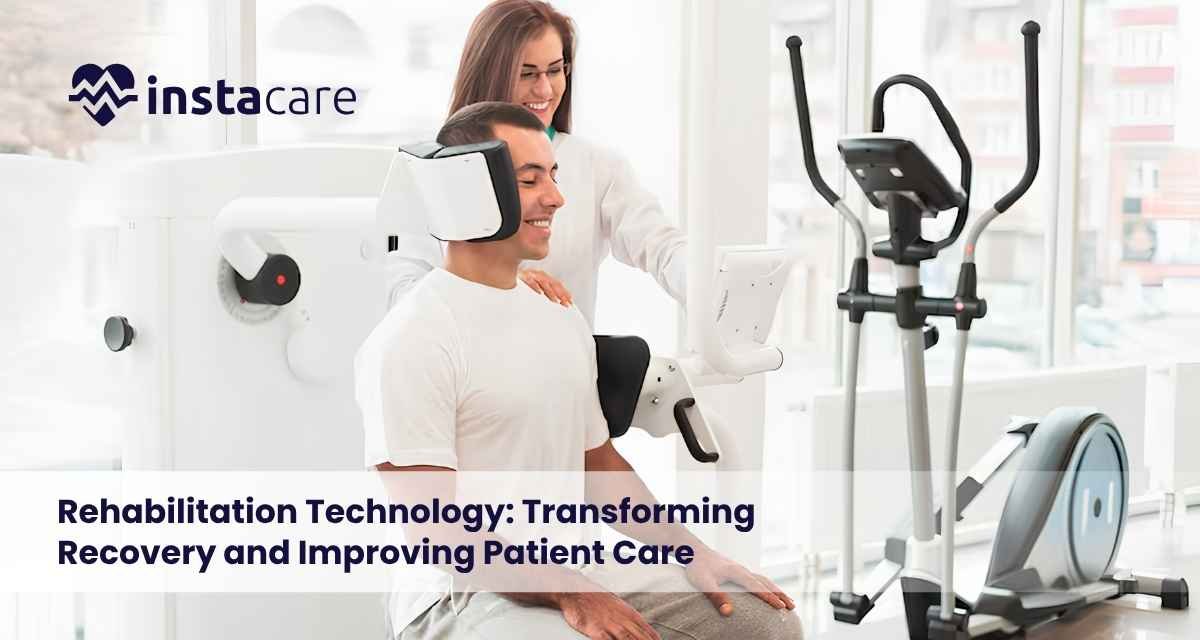
Rehabilitation Technology: Transforming Recovery and Improving Patient Care Rehabilitation technologies design personalized solutions for patients to recover from injuries, surgeries, disabilities or health conditions that require long-term recovery. Technology with tools, equipment, and digital solutions, supports patients to regain movement and enhances their life. Healthcare professionals can better assist patients during their recovery with the help of rehabilitation devices and technology. The solutions enable the patients to recover on their own. Technology helps bridge the gap between the physical therapy and active recovery of patients. What Is Rehabilitation Technology? “Rehabilitation technology” applies to the use of machinery, equipment, digital systems, and similar devices in the restoration of physical, cognitive, and other functional abilities of individuals following illness, injury, or impairment. Rehabilitation technology is utilized in physical and occupational therapy, as well as neurological rehabilitation and home-based recovery. These technologies assist patients in restoration of strength, coordination, balance, mobility, and the basic activities of daily living. Rehabilitation technology strives to treat physical limitations and address the individual’s need for greater independence in everyday activities. Importance of Rehabilitation Technology Although rehabilitation has not changed significantly in terms of the end-goal, technology has allowed for the methods to get there to advance at an unprecedented rate. With the use of technology, rehabilitation can be catered for each patient. A few ways that rehabilitation technology is advancing the field: Customized rehabilitation plans Progress assessment Motivating therapy Monitoring of recovery Support for less mobile patients Express Therapy at home Technology has also made rehabilitation more accessible by supporting patients in their recovery process beyond the clinic. Types of Rehabilitation Technology Robotic Rehabilitation Devices Mechanical aids known as robotic rehabilitation systems are used alongside therapy and exercise to facilitate movement of patients with limited mobility due to trauma or injury and neurological conditions. These systems help therapists support patients as they practice repetitive exercise movements that aid brain-retraining of patients. Virtual Reality (VR) Rehabilitation Technology and programming can help design user-controlled environments to facilitate therapeutic exercises that can be used in duplicating movements and balancing. This can improve engagement and participation in therapy. Wearable Rehabilitation Devices Wearable devices can help healthcare professionals collect necessary data, analyze movements, and provide feedback to patients and their therapists on improvements made. Assistive Mobility Technology These technologies are used to ensure the safety and autonomy of people with injuries and disabilities or even the elderly. Tele-Rehabilitation Technology This technology allows professionals to offer therapy sessions without frequent travel. Convenient access to therapy during the recovery process is achieved through house calls or therapy sessions conducted virtually. This recovery process also includes the support of a professional to provide assistance and stimulation during the recovery process. It includes the development of a rehabilitation home program. The body of this essay continues by stating three benefits of virtual rehabilitation. They include: the journey to therapy is reduced, convenience of therapy access, and job support is increased. Rehabilitation Technology in Home Care More and more patients recover at home because they prefer that option. Home-based rehabilitation is further reinforced by technology that delineates responses and tracks patient progress when therapy is carried out at home. Technology that supports home-based rehabilitation includes: Tools that track and monitor exercise performance Devices or systems that aid movement Applications or devices that deliver therapy Devices that support remote consultation Technology that supports patient recovery tracking These support home-based rehabilitation because patients are still close to their family members and are more likely to be consistent in their therapy. Book Your Free Marketing Consultation How Rehabilitation Technology Helps Different Patients? Post-Surgery Patients Surgery requires the body to recover and build strength and flexibility through exercise and the gradual progression of movements. Technology for rehabilitation provides insight and control during the recovery process. Elderly Individuals The symptoms of aging may include increased falling risk due to balance issues and diminished mobility and muscle weakness. Falling is amplified when unassisted and technology-enhanced rehabilitation can address independence and balance. Neurological Rehabilitation Patients The effects of brain and nervous system injuries may warrant the use of specialized therapies during rehabilitation. Movement and the aid of technology during rehabilitation increase the frequency of practice and enhance movement. Injury Recovery Patients Athletes and others with traumatic injuries can use rehabilitation to regain functional strength and coordination using technology to assist movement. Future of Rehabilitation Technology The emergence of artificial intelligence, smart devices, and digital health seems to shape the future of rehabilitation. With AI, smart devices, and digital health, these modalities may learn how to better achieve personalized rehabilitation based on patient trajectory and design tailored exercise progression automatically. The combination of AI-based assessments, advanced robotic technologies, and smart devices is going to change rehabilitation for the better, making it more accessible and more effective. Rehabilitation will become more accessible to more people. As technology advances, more health care systems will offer quality rehabilitation services both in clinics and remotely. Conclusion The use of technology is helping the healthcare field heal people in a better, faster way. This technology can help patients heal on their own and has the potential to revolutionize the field. Technology includes everything from therapy-focused video games to smart, automated therapy equipment. In the future, rehabilitative technology will help individuals recover from trauma, control their disabilities, and gain a better quality of life than before. FAQs What is rehabilitation technology used for? It is used to help patients recover movement, strength, balance, and independence after injuries, surgeries, disabilities, or medical conditions. Can rehabilitation technology be used at home? Yes, there are rehabilitation technologies that are designed with the home user in mind. These technologies enable patients to continue to conduct their exercises and participate in their recovery programs outside of the hospital. Who can benefit from rehabilitation technology? Technology designed for rehabilitation can help post surgical, injury, neurological, and age related, physical, mobility issues.
mHealth vs Telehealth: What’s the Difference? Digital technology has transformed healthcare in significant ways. Now, people can find health information, message health professionals, manage health conditions, and even track their personal health and wellness goals using technology. These types of technologies have led to the development of two concepts: mHealth and telehealth. These phrases are often used to mean the same thing, but they are technically different. Understanding the differences shows how the development of digital solutions leads to increased access, improved convenience, and greater consumer engagement in healthcare systems. What is mHealth? mHealth is the use of mobile and wireless technologies to support healthcare and wellness. It specifically concerns mobile equipment and software that enable consumers to monitor, manage, and track health and wellness. The purpose of mHealth technologies is to improve wellness and health self-management by making it easier to access health information and resources. mHealth technologies include: Software that can monitor your exercise and nutrition and help you manage sleep habits. Software that sends medication reminders. Tools that collect daily health self-report data. Devices that collect health data. Software that provides health education and support. The primary aim of mHealth technologies is to support health and enhance wellness. It empowers the user to make informed choices about their health. As an example, a person may use a mobile application to track their daily activity, record their symptoms, and track their medication. These technologies enhance the consumer’s engagement in health management. What Is Telehealth? Telehealth describes health care services delivered electronically, beyond traditional in-person care. It supports communication between patients and health care workers. Telehealth employs digital technologies including video, phone, online messaging, and remote physiological monitoring to enhance delivery of health care services. Examples of telehealth include: Virtual health care consultations Follow up care remotely Digital health education Improving health delivery; using telehealth is convenient for patients to receive health care without traveling to health care facilities. Main Differences Between mHealth and Telehealth mHealth is primarily concerned with the use of mobile devices to manage personal health information. Telehealth, however, is concerned with delivery of health care across distances. mHealth is typically personal, e.g. mobile devices assist users to record health data, measure, monitor and encourage, through digital technology, daily wellness activities. Telehealth is concerned with the communication between the patient and the health care worker. For example: Telehealth is the sending of the recorded blood pressure data from the smartphone application to your health care professional. In most cases, to ensure that the right health care is delivered, mHealth ecosystems and telehealth are integrated. A mobile application may collect some health data; however, telehealth may be needed for a health care provider to review the data and provide the right care needed. How mHealth Contributes to Modern Healthcare? mHealth technology empowers management of personal wellness and preventative healthcare. Instead of waiting for illness to strike, people can proactively manage their health. Promotes the Use of Preventive Health Strategies mHealth technology motivates the development of healthy behaviors through the tracking of physical activity, eating, sleeping, and the overall lifestyle. Increases Health Self-Awareness mHealth technology gives people the information they need to understand and grasp trends they can use to motivate the adoption of positive changes in the management of their health. Supports Health Condition Management Technology strategies used to manage a chronic health condition include tracking of symptoms, the monitoring of trends, and maintaining a routine. Ensures Service Convenience The use of technology is convenient since everyone has a mobile device. Book Your Free Marketing Consultation How Telehealth Impacts Healthcare Delivery? Telehealth offers the ability to overcome barriers and provide healthcare services to the people who need them the most. It provides a way for people to communicate with their healthcare practitioners no matter where they are located. Improved Healthcare Availability Healthcare is now more accessible for people from remote areas and for those who are unable to easily travel. Decreased Travel Time and Increased Convenience Now, instead of having to travel to see a healthcare practitioner, a healthcare appointment is available without the need for travel. Easily Facilitates Follow-Up Communications New ways to conveniently manage follow-up care are made possible with telehealth. Increased Quality and Frequency of Communications New avenues to answer questions and solve health care related concerns are made possible with communications that are no longer restricted to in-person visits. Similarities Between mHealth and Telehealth Though they are different medical technologies, there are similarities between mHealth and telehealth. Both: Improve healthcare with technology. Increase the accessibility of health services. Improve the ability to communicate and share information. Increase the involvement of patients. Address certain burdens of standard healthcare delivery. Both are necessary components to the growing digital healthcare ecosystem. Limitations of mHealth and Telehealth Though digital healthcare possesses an abundance of advantages, there are also disadvantages. The use of mHealth is dependent on the availability of accurate mobile devices, internet, and technology. Some tools may have limited utility and should not be a substitute for seeking care. Telehealth may not always be appropriate for healthcare delivery. With others, it may be necessary to conduct a physical examination, order diagnostic tests, or perform a procedure that can not be done remotely. Security and the protection of privacy are vital concerns as well. Trust is diminished when the digital systems of healthcare lack adequate protection. Which Is More Useful: mHealth or Telehealth? It depends on the situation. mHealth is more appropriate for: Record keeping for personal health info Developing and maintaining healthier behaviors Tools for monitoring wellness Self-management Telehealth is more appropriate for: Consultations given remotely Methods of communication in healthcare Offering guidance Using both together is more useful. Conclusion The rising trend of using digital assets will continue. More tools for personalized care will be available with the increasing availability of mobile devices, more advanced wearables, and better remote monitoring and communication. mHealth and telehealth technologies represent progressive steps in the industry. mHealth will advance health ownership and telehealth will improve the connection
Telenursing: What It Is, How It Works, Benefits, and Examples Healthcare has transformed traditional methods of delivering care. Technology creates new opportunities for patients to receive support outside of healthcare facilities. One of the most significant changes to modern healthcare is the development of telenursing. Telenursing is the ability for nurses to provide care and support via communication technology. Telenursing uses phone, video, messaging, and other digital communication tools to provide remote health services and support patients that are unable to travel to a healthcare facility or require ongoing health support. This approach of healthcare delivery has proven to be useful for patients who have chronic health conditions, require health education, and need routine check-ups and support. What is Telenursing? Telenursing is the delivery of nursing services via telecommunication. Nurses use telecommunication in other ways than in-person visits to deliver healthcare services to patients which includes evaluating, giving advice to patients, monitoring patients, and offering extended services. Telenursing is not a substitute for face to face healthcare. Telenursing is an added healthcare support service that improves care, convenience, and connectivity. Telenursing allows patients to connect with nurses and receive much needed healthcare via telecommunication rather than requiring the patient to travel unnecessarily. How Does Telenursing Function? Telenursing allows patients to receive ongoing health support and connects patients to a nurse via any communication tool. The service is activated when a patient requires healthcare support or a follow up appointment. Prior to interacting with a patient via a secure communication tool, the nurse has been previously briefed to support the patient. A Typical Telenursing Process Includes Initial Assessment A Talennurse collects the patient’s health concerns, symptoms, medical history, medications, and current needs over a phone call or video, or using a communication tool of their preference. The telenurse may ask about pain levels, habits, and recovery progress. They may also ask about newly developed symptoms. Health Monitoring There are several health conditions that, once diagnosed, can be managed by a telenurse. Patients can send telenurses updates on their progress, relief, symptoms, or even changes in medications and recovery status. This provides a nurse with key information that allows them to make an early assessment and encourage development of healthy routines. Education and Guidance One of the main roles of telenursing is to educate the patient about their condition. This can include education for the safe and effective use of medication and management of symptoms. In some cases this will also involve patient education for the management of wounds, prevention of lifestyle disease, and detection of emergency changes. Information will empower patients to make informed decisions regarding their health. Follow-Up Support Of the main aspects of telenursing, follow-up support is the longest of these. Most healthcare scenarios involve a prolonged period of time before the desired goal is reached. Telenursing is ideal support for this period as it enables the telenurse to progress assessments, provide support, and ensure constant adherence to the recovery goal. Common Examples of Telenursing Telenursing has uses across the entire spectrum of health care. Some of the more common examples of this are: Chronic Disease Management Healthcare conditions that have ‘high-risk’ patient groups, like diabetes, high blood pressure and cardiovascular cases, require chronic disease management. Telenursing is invaluable for the management of these patients, allowing the nurse to assist with the routine of symptoms, the routine of medications and the self-management of a healthier choice. Post-Surgery Follow-Up Care Patients typically have lots of questions about surgery recovery, wound care, how and when to take prescribed medication, the types of activities they can engage in, and how to differentiate between normal vs. abnormal symptoms. Through the process of telenursing, recovery progress can be assessed to offer guidance and/or determine if there are concerns that warrant medical attention. Medication Management Adults and seniors, in particular, can have difficulty with the management of multiple medications. Nurses can give medication reminders, as well as simple instructions and explain any medication concerns. Elder Care Support Older adults’ health status can be monitored and daily health needs managed. Telenursing can offer more support to older adults who wish to have care delivered at home and who are unable to leave their homes. Mental Health Support and Health Education Nurses can offer health education, emotional support and guidance to those with stress and lifestyle changes and those with health-related concerns. Telenursing is unable to provide substitute therapy and counseling. It can offer employees emotional support and a temporary sense of peace. Book Your Free Marketing Consultation Advantages of Telenursing Increased Accessibility to Care Telenursing enables nurses to reach clients who would otherwise be inaccessible due to distance, physical limitations, or lack of mobility. This helps remove some of the barriers that prevent some individuals from seeking health care services. Added Convenience Telenursing minimizes the trips that patients might have to take to health facilities for routine and needed care. Patients can communicate with the nurse and receive care from the convenience of their homes. Enhanced Continuity Telenursing, through routine contact with the nurse, creates a connection that helps patients feel supported and helps the nurses to understand the needs of the patient at that moment. Prevention and Assessment of Health Concerns Telenursing can help actually identify an issue as it is developing by helping patients to recognize symptoms. Improved Health Literacy Patients must understand their conditions and the role they must play in order to attain their goals for health. Family Caregiver Support Family members of patients who are not healthcare providers must also be supported and educated about basic healthcare, especially for the elderly and those who need additional time to recover. Challenges Associated with Telenursing While the advantages of telenursing are numerous, there are areas of concern that need to be taken into account. Technology Access Use of some of the telenursing services requires the patient to have an internet connection, a device, and be able to make a call. Some individuals may lack one or all of these. Communication There
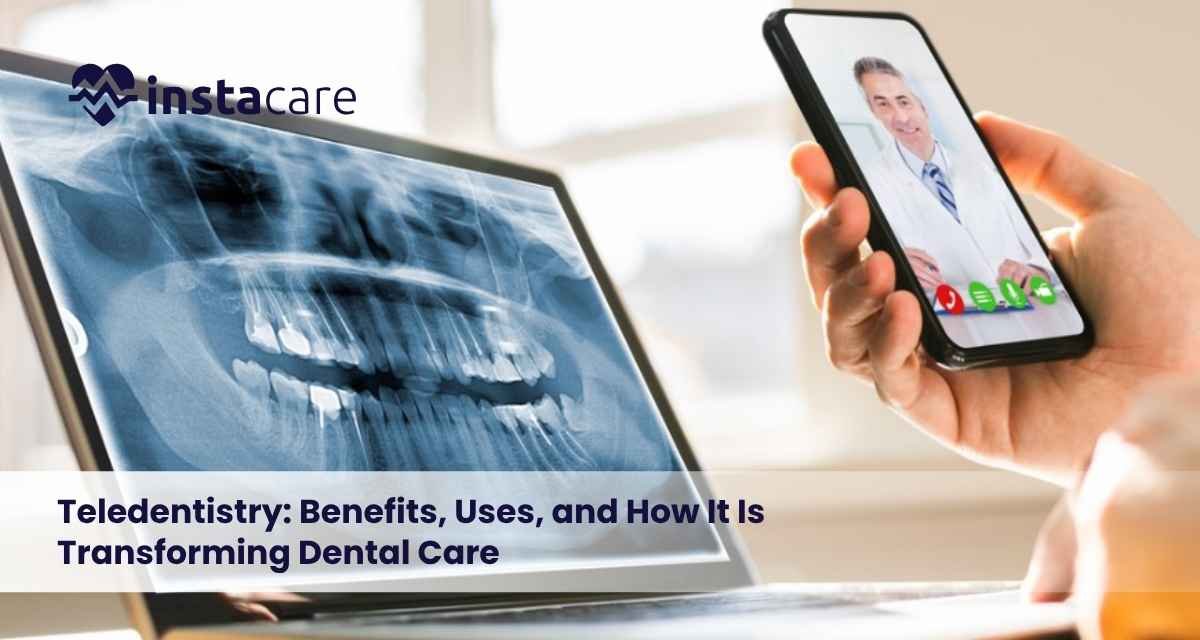
Teledentistry: Benefits, Uses, and How It Is Transforming Dental Care Digital innovations in healthcare have made medical support easier to access and more convenient. Like other healthcare services, dentistry has adopted digital approaches like teledentistry. With teledentistry, patients can receive consultations and dental care support without physically being present at the clinic. Patients have the convenience of carrying out consultations, providing the required clinical record, and receiving advice from dental professionals, all from the comfort of their homes. Teledentistry makes it easier for patients who have issues accessing dental care due to various factors such as remoteness, mobility, difficulty in accessing care, and for those who require immediate professional advice before personally attending the clinic. What is Teledentistry? Teledentistry is using digital innovations to make remote delivery of dental care services possible. Dental care providers and patients can use video consultations, chat, or share digital x-rays and images. Dental care professionals can assess presented symptoms, advise, and offer preliminary consultations to patients, discuss treatment options, and guide the patient to enhance their oral health. Teledentistry is a supplementary service to in-clinic dental care, with the added benefits of convenience, access, and time. How does Teledentistry work? The service offered by teledentistry is simple and convenient to the patient. Dental care professionals can offer their services through video consultations, digital x-ray, dental images, or online consultations. A dentist during a remote consultation may inquire about symptoms, pain levels, dental history, and concern regarding oral health. Patients are able to show the dentist pictures or videos of their oral health concerns. With this information, the dentist is able to recommend a course of action along with at-home oral hygiene practices, determine if an in-person appointment is necessary, or suggest the next steps. Common Teledentistry Applications Teledentistry can be utilized for a variety of dental needs, including the delivery of basic dental consultations and the post service review of dental work. Dental Consultations The service delivery of teledentistry includes dental consultations. Patients can report concerns related to pain in teeth, pain in gums, oral hygiene, and sensitivity. Emergency Dental Advice As the name suggests, this service functions to provide advice to patients experiencing a dental emergency. The dentist will provide advice for pain management, sign, and symptom control, and will decide if the situation necessitates an emergency physical visit. Follow-Up Consultations These consultations are designed to provide the dentist with a means to evaluate the progress and provide advice to the patient regarding the recovery and address any questions. This is commonly employed for patients that are undertaking a prolonged dental procedure. Education of Oral Health This service provides the patient tutorials and advice for proper oral hygiene and dietary habits. Treatment Planning Dentists’ remote consultations provide an avenue to the patient to understand the treatment process and what to expect before a face to face encounter. Teledentistry Promotes Equitable Access to Dental Services Distributed Workforce The biggest advantage of teledentistry is that it meets the dental advice needs of people living in areas with insufficient dental services. Financial and Time Hurdles Eliminated Much of the time and cost savings from the use of remote technology and communication is attributed to the fact that a lot of dental issues do not require an immediate in-person examination. Early Detection of Dental Problems Remote technology and communication can further be used to provide advice and bring problems to the attention of the service provider at earlier more manageable stages. Better Patient Education Teledentistry also makes it convenient for dentists to give advice to patients on how to prevent dental problems and improve and maintain good oral hygiene. Recovery Support Teledentistry also facilitates post-operative care for patients on recovery. Limitations of Teledentistry Though teledentistry has many advantages, it has its limitations too. Restricted Physical Examination While a lot can be done remotely, it is not possible for dentists to do a complete physical examination of the patient remotely. Technology and Infrastructure Limitations Many people do not have access to the technology or easy means to connect to the internet and thereby, will face major challenges in using the services. Not Equipped to Deal with All Dental Concerns Teledentistry cannot replace a physical visit to the dentist for dental problems that are serious, surgical, with infections of high severity, or require hands-on intervention. Book Your Free Marketing Consultation Teledentistry in Pakistan Pakistan’s healthcare system is constrained by a growing population and widespread poverty. Due to these inadequacies, healthcare in rural Pakistan is poorly organized. Remote dental care can help alleviate these issues by providing dental services via electronic communications. Teledentistry aids initial consultations, distribution of preventive dental advice, delivery of follow-up support, and directing of patients in need of professional dental care. Digital healthcare is becoming more prevalent and reliable around the world as broadband technology is improving. This creates a great opportunity for teledentistry to be a key element of contemporary dental healthcare. How to Prepare for a Teledentistry Appointment? Prior to each appointment, patients should digitally prepare some basic data about themselves. They should record their symptoms, describe the pain or discomfort, and keep a record of their previous treatments and medications. The patients should also take clear photographs or make short videos of their problem area. Patients should ensure that they have a strong and reliable internet connection for the duration of the appointment and be in a quiet place. Is Teledentistry Safe and Reliable? Teledentistry is a safe means to obtain dental advice and develop an understanding of your dental concerns to better understand the options and implications of treatment. Teledentistry should not replace routine dental examinations. There are still many treatments that require direct contact that cannot be done remotely. Conclusion Teledentistry brings a new level of convenience and accessibility to dental healthcare. Dental patients now have the opportunity to gain remote access to a dental healthcare professional for quick consultations and assessments that will help improve dental healthcare overall and aid in the development of informed and effective treatment