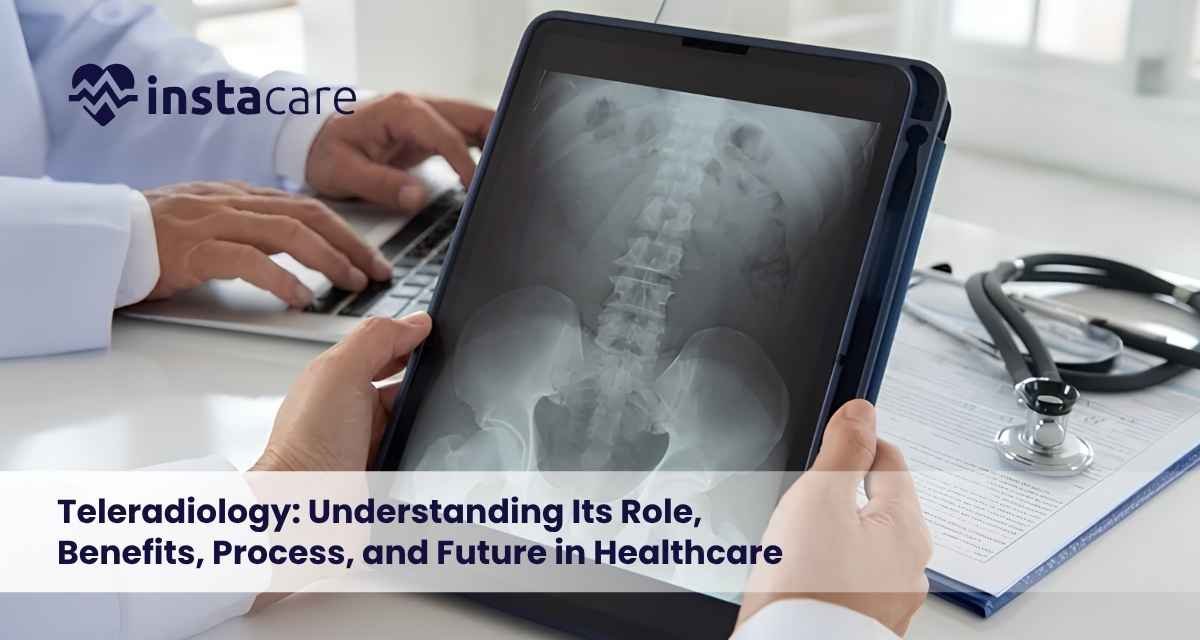
Teleradiology: Understanding Its Role, Benefits, Process, and Future in Healthcare Teleradiology uses telemedicine to send radiology images for interpretation and report generation by radiologists from remote locations. This technology enables the electronic delivery of radiology images to a remote specialist, eliminating the radiologist’s physical presence at the site of the patient. Teleradiology has gained great significance in medicine and healthcare due to the rapid growth of digital imaging, the internet, and secure information technology infrastructure. It improves the availability and timeliness of specialty diagnostic evaluations and expertise in areas lacking availability of healthcare personnel. Teleradiology supports the delivery of timely diagnostic results for image evaluations performed as part of routine or emergency care. It has many beneficial impacts on care delivery. What Is Teleradiology? Teleradiology includes the transmission of an image such as an X-ray or CT scan, to a radiologist via the Internet or another information technology platform for interpretation. Previously, radiologists had to be located in a hospital or an imaging clinic for the purpose of interpreting patient scans. With teleradiology, images can be sent for interpretation by a specialist in a secure manner to a remote location. A radiologist is able to prepare a diagnostic report containing findings and interpretations of the images without being in the same location as the patient. This is a valuable service in cases where the immediate interpretation of an image is needed or when the radiology specialist is not available locally. What is Included in Imaging Reviews Through Teleradiology? Medical Imaging types that can be reviewed through this system include: X-rays: Used to locate breaks or infections and assist in diagnosis of other health conditions in the chest. CT: A scan that creates detailed images of body sections and is used to identify injuries and other health conditions. MRI: Used to scan soft tissues in various body sections. Ultrasound: Used to scan blood flow and check on the health of various organs and pregnant women Why is Teleradiology Needed? With this technology, healthcare providers can clear many obstacles or challenges that are faced in the healthcare system such as: Improved Access To Specialists Smaller community hospitals often lack access to specialty radiologists. Teleradiology provides smaller community hospitals access to radiology subspecialty expertise remotely. Faster Diagnosis Time is a critical factor in emergency situations. Access to radiology specialty expertise rapidly streamlines decision making by healthcare providers. 24-Hour Radiology Support Given that remote reviews of images are possible, teleradiology enables radiology support beyond the typical scope of the traditional work day. Better Collaboration Teleradiology incorporates healthcare workers from disparate locations, supports the review of images, and aids in the diagnostic process. Book Your Free Marketing Consultation Benefits Of Teleradiology Increased Efficiency Digital media transfers remove delays caused by waiting for a specialist to be available and erases delays caused from the transportation of physical films. Support for Emergency Care Urgent and critical care cases, such as time-sensitive trauma and unstable and critically ill patients, can be rapidly reviewed by qualified radiologists. Reduced Geographic Limitations Patients are no longer constrained to the local medical care resources when specialized medical care is needed. Improved Use of Medical Expertise Radiology subspecialists can provide care and perform a critical role across multiple healthcare facilities to reduce specialty care disparities. Challenges Of Teleradiology While advances in technology have made many things easier, including teleradiology, there are still some challenges to this evolving technology. Data Security and Privacy Privacy and security of patient information is of utmost importance with medical images and needs to be addressed for teleradiology services. Technology Requirements Secure communication, reliable high speed internet, and appropriate specialty radiology imaging equipment are requisite for high quality teleradiology service. Communication Between Healthcare Teams A report can only be considered a findings report when the radiologist has effectively communicated the findings and ensured the treating clinician has a full understanding of the report. Maintaining Consistent Reporting Standards Consistent reporting standards allow radiologists to practice in different locations and with different healthcare systems. Artificial Intelligence and Teleradiology AI-based technology in medical imaging is gradually developing and may assist radiologists by suggesting patterns, showing possible abnormalities, and prioritizing emergencies. AI was developed to assist and not replace physicians. Complex cases require multiple factors and patient history to be fully appreciated, which is a task exclusive to physicians. The advancement of technology and the addition of specialized knowledge may continuously improve diagnostic imaging. Future of Teleradiology Increased demand for fast accessible healthcare services will likely lead to advancements in teleradiology. These advancements will likely be: Better digital imaging tools More AI-based tools Smarter remote collaboration systems Faster communication between healthcare professionals Increased remote availability of specialized healthcare professionals Within the expanding framework of interconnected healthcare, teleradiology will likely continue to be a premier diagnostic tool. Conclusion Teleradiology has been highly beneficial to the practice of medicine by allowing radiologists to offer their services remotely. It improves access to specialized services and enables a speedy diagnostic process, which leads to improved healthcare.Managing the challenges of teleradiology (i.e. security, technology, and communication) will be worth the benefits. Through increased digital and medical technologies, teleradiology will continue enhancing diagnostic systems and services. FAQs What is teleradiology? Teleradiology is the ability to review and interpret medical images remotely by radiologists to improve access to diagnostics and timely reports. What types of studies can be interpreted using teleradiology? Teleradiology assists in the interpretations of many types of diagnostic images including X-rays, CT scans, MRIs, ultrasound images and others. Does teleradiology eliminate the need for radiologist? No. Teleradiology helps radiologists work from a remote site, and use technology to aid in the delivery of diagnostic services.
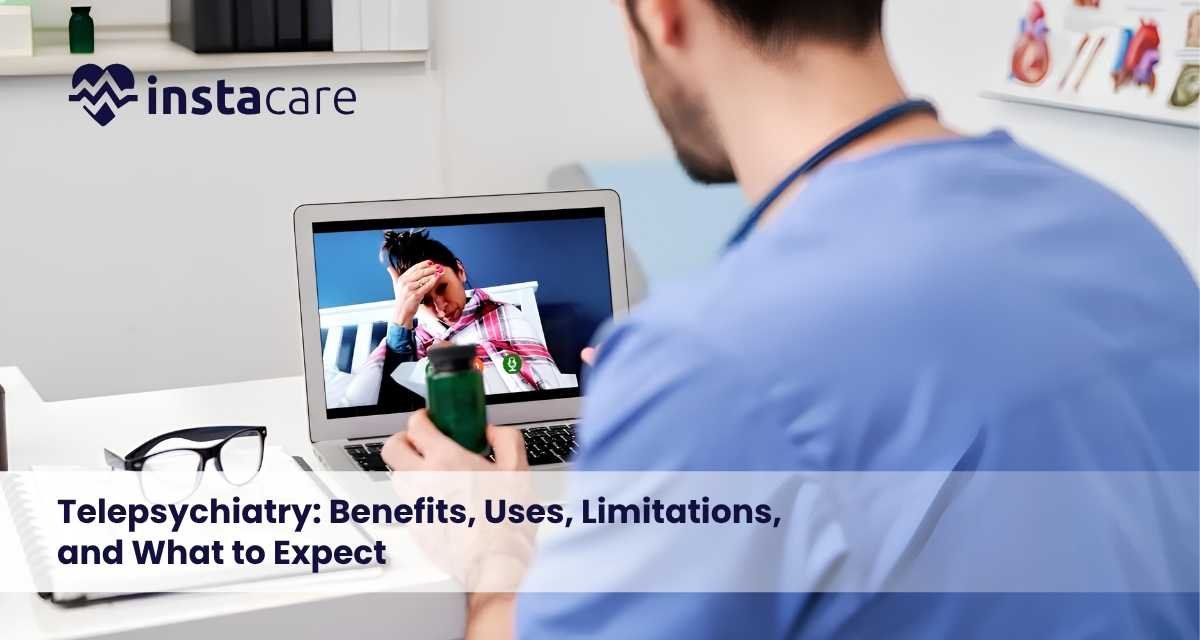
Telepsychiatry: Benefits, Uses, Limitations, and What to Expect Telepsychiatry is one type of mental health service that reaches the patient by using technology, as opposed to physically bringing a patient to a clinic for a face-to-face meeting. Safely using video communication, telephone calls, and digital messages, patients and service providers are able to communicate. Telepsychiatry is a type of telehealth and can consist of many psychiatric services, including evaluations, therapies, assessments, ongoing support, medication management and many more. For many there are obvious benefits to receiving mental health support with the convenience of a reduced time commitment and a reduced need to travel. However, it should be noted not every psychiatric service can and should be completed using this method. Service delivery must consider the patient’s needs, the technology available to the patient, and the clinical situation. What is Telepsychiatry? Telepsychiatry is defined as a service provided by a mental health professional who is not in the same location as the patient. This service can be provided on a video-based call, by phone, or other secure communication methods. In a telepsychiatry appointment the service provider should follow the same processes that are used in traditional, or face-to-face, psychiatric services. Telepsychiatry can include: Evaluations Consultations Individual Therapy, Family Therapy Group Therapy Management and review of medication Process of Prescribing and managing medication Follow-up Consultation Education of patient Progress of Psychiatric Symptoms and Treatment Telepsychiatry creates a way to receive mental healthcare, even when traveling to a clinic-based service would not meet the patient’s clinical needs. Instructions to the patient before the appointment should describe how to access the virtual appointment. The patient will likely need a device with internet, such as a computer, tablet, or smartphone, to access a video appointment. During the consultation, the mental health practitioner will ask about the patient’s symptoms, feelings, relationships, functioning, sleep, mood, medications, and the patient’s medical history and may ask other relevant questions. If the patient is taking medication, the clinician will assess the effectiveness of the medication and if the patient is experiencing medication side effects. Follow-up sessions can be done remotely as well to monitor the patient’s progress and adjust the treatment plan accordingly. Conditions That May Be Managed Through Telepsychiatry Telepsychiatry is one of the ways to take care of many common mental health concerns. Depending on the situation, remote psychiatric services may be appropriate for individuals with: Anxiety Disorders People with ongoing anxiety and worry or people with panic symptoms and certain phobias may be able to have assessments and therapy and follow-up sessions remotely. Depression Remote psychiatric services may be able to assess and manage depression and look at the reasons for the changes in mood, sleep, and functioning and if the daily activities and treatment are being done. Attention and Concentration Difficulties Some assessments and follow-up sessions may be able to be done remotely and appropriately for symptoms of attention and concentration difficulties and impulsivity. Mood Disorders People being treated for mood-related problems may be able to have remote sessions for the assessment of the mood and symptoms, check issues with their treatment, and consider the problems with mood and daily functioning. Book Your Free Marketing Consultation Trauma-Related and Stress-Related Conditions It can also assist people with trauma-related symptoms, ongoing stress, or difficulty with the adjustment process. Telepsychiatry can be tailored to the individual rather than to the diagnosis. There are patients that may need both virtual and in-person appointments. Telepsychiatry The greatest aspect of telepsychiatry is the extension of mental health services. More Services People that live far from psychiatric care or mental health services may have more limited access to mental health care. Psychiatric assessment and care may be more accessible if long distance travel is not required. Easier care People may be able to meet work and other responsibilities that tend to affect the ability to get care such as time off for child care or other appointments. People may be relieved to get care that requires minimal travel. Mobility Issues It can be especially beneficial for people whose chronic issues or disabilities make it difficult to travel and may provide a needed alternative to in-person care. Concerns around Stigma Some people would be able to get care that is more private due to being in their own homes instead of a mental health service. It can provide much needed stabilization of care during transport difficulties and during times of relocation since it makes care services more accessible. Adherence to follow-up is the most important when either the symptoms or the meds undergo changes which require constant monitoring. What Are the Limitations of Telepsychiatry? Though telepsychiatry offers many benefits, it also has its limitations. Technology There are many factors that come into play including a good internet connection, an adequate device, camera, microphone, and basic digital skills. Poor internet connection may result in interrupted conversations or delays that can result in an ineffective conversation between the clinician and the patient. Poor internet connection and a lack of proper technology may result in a barrier to remote mental health care. Limited Physical Assessment In a virtual encounter, there is a big difference from what one can do with a physical assessment compared to what one can do in a face to face encounter. If a physical assessment, lab work, or medical evaluation is going to be done, then a face to face visit would be required. Privacy Concerns Mental health situations often contain sensitive information about the patient, therefore, the patient should be in a private space. Additionally, remote services need to create a privacy and security protection zone because of the nature of the remote services that handle sensitive health information. Communication Difficulties Some visual, behavioral and interpersonal cues that are important in clinical communication may not be identifiable when communicating virtually. Low quality audio, lighting, camera positioning, etc. can impede clinical communication. Is Telepsychiatry Useful for Emergencies? Telepsychiatry can help manage a patient with worsening psychiatric symptoms, but telepsychiatry should not
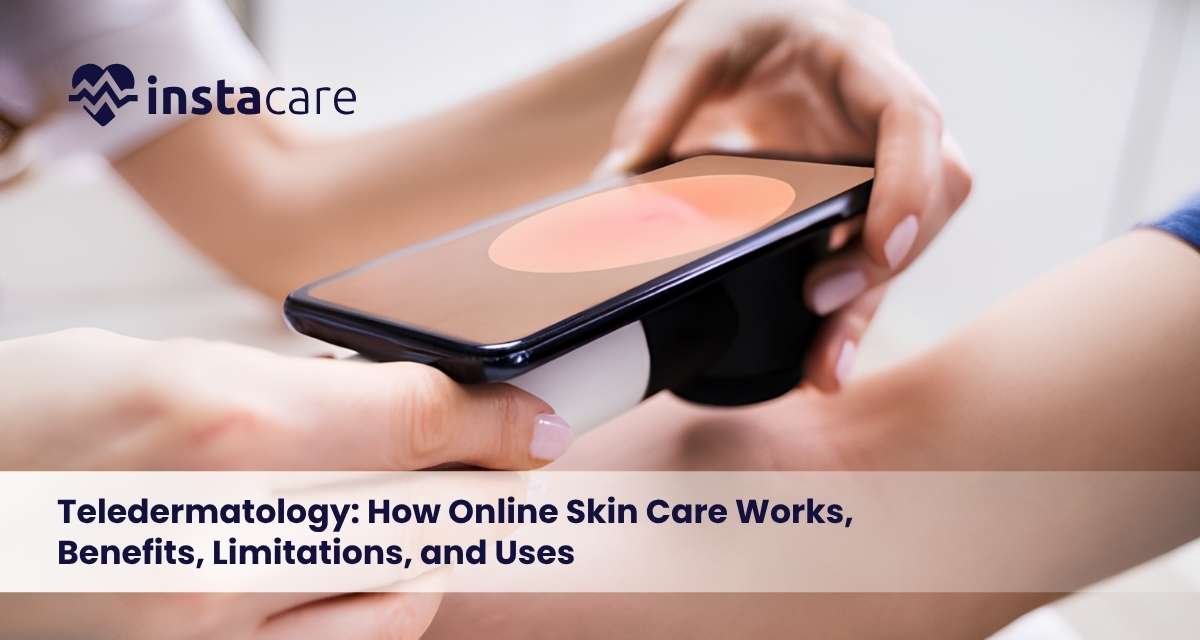
Teledermatology: How Online Skin Care Works, Benefits, Limitations, and Uses Digital healthcare enables patients to get medical advice and guidance for many health concerns without the need to go to a healthcare facility. One of these is teledermatology. This is the use of photographs and video conferencing coupled with secure messages to assess, diagnose and treat dermatological conditions. Compared to other fields in medicine, dermatology is more amenable to remote care, because many skin conditions can be observed and diagnosed with a simple video assessment. Teledermatology can be used to improve services to patients, reduce unnecessary travel and allay the need for some patients to see a dermatologist for a follow-up. However, there are many skin conditions which still require an in-person visit for examination and assessment, as well as other procedures for an accurate determination of the condition. What Is Teledermatology? Teledermatology is the extension of dermatological care through available telecommunication technologies. Rather than having a face to face meeting with a dermatologist, a patient may submit photographs, provide a description of their symptoms and history to a healthcare professional for assessment. There are two primary approaches to teledermatology, real-time video consultations and store-and-forward communications. Store-and-forward teledermatology is a telemedicine approach in which the patient photographs their skin condition of concern and submits the photographs, along with relevant medical information, for the healthcare professional to assess at their convenience. The specific approach in a teledermatology encounter is dependent on the patient’s symptoms, available technologies, and the need for additional diagnostic tests or in-person assessments. How Does Teledermatology Work? A typical teledermatology encounter begins with the patient describing their skin concern. A teledermatology consultation typically begins with the patient explaining their skin concern. When assessing the patient, information may be collected on the following: The onset of the skin problem Developments or changes in the skin problem (size, shape, color) Symptoms relating to the skin problem (pain, itching, burning, sensitivity) Current medications Previous skin problems Allergies The patient’s efforts to treat the skin problem The patient’s other medical issues Clear photos can then be submitted through a secure site. In other cases, patients and healthcare professionals have a live video appointment. Healthcare professionals must rely on what they can see and hear as well as ask many questions about symptoms and medical history during online consultations. Based on the information, the healthcare professional may suggest a treatment, advise that no treatment is necessary for the time being, request more photos, or advise that the patient be examined in person by a dermatologist. Types of Teledermatology Live Video Teledermatology For live video teledermatology, the patient and the healthcare professional connect using a live video service. The patient is then able to show the healthcare professional the problem area and verbalize their symptoms. The healthcare professional can then ask the patient to change the lighting, move the camera, or show them a closer view of the problem. This method of communication also allows for a real time client-to-caregiver dialogue, and a client is easily able to ask questions during the consultation. Store and Forward Teledermatology Store and forward teledermatology is an electronic capture and submission of photos and medical data for the dermatologist to review at a later time. The dermatologist does not have to be available to the patient at the same time. This may be a more convenient option for people in remote and rural locations where specialist appointments are a long distance away. The quality of the images is very important because poor images can compromise an accurate assessment. What Dermatological Concerns Can Teledermatology Help With? Teledermatology can assist with the evaluation and monitoring of various concerning visible skin conditions. Acne Patients can interact with health care professionals (HCP’s) to discuss breakouts, skin irritations, treatment history and progress. HCP’s can monitor advancements in skin condition and treatment response. Eczema and Dermatitis Certain cases with symptoms presenting as itchiness, dryness, or inflammation, may be assessed through teledermatology. The symptoms and any photographs provided can provide sufficient information. Psoriasis Psoriasis patients can use teledermatology for reviewing the progress of their case, treatment, and medication with health care professionals. Rashes Sometimes photographs or videos are sufficient to review certain rashes. Other rashes can have various causes such as infection, an allergic or a medication-related reaction, or an underlying systemic issue. Hair and Scalp Concerns Certain scalp conditions, hair loss, dandruff or other scalp inflammations and visible changes can be assessed through teledermatology. Nail Concerns Evaluation of changes in the texture of the nail can be done through teledermatology. Skin Lesions Through remote assessment, concerns such as appearance of new moles and spots (“lesions”) can also be reviewed. Teledermatology, however, should not replace a physical examination to rule out other serious concerns. Remote assessments should not replace an in-person examination when examining patients with skin cancer or other concerning conditions. Evaluating various types of skin lesions through remote and in-person examinations has shown that the accuracy of a direct examination is often superior to remote evaluation for some skin lesions. Book Your Free Marketing Consultation Benefits of Teledermatology Teledermatology provides benefits that make this service practical and accessible to individuals that previously did not have access to specialty care. Easier Access Teledermatology makes it possible for those living in rural communities without easy access to specialty care to receive an initial assessment without traveling for great distances. Teledermatology can assist healthcare systems to determine which cases warrant an immediate in-person assessment. Convenience With virtual consultations, there is less time traveling, less time waiting in clinics, and less disruption to the patient’s normal daily activities. For patients that require many follow-up consultations, managing ongoing care may now be easier. Faster Initial Assessments Digital images can be reviewed in a timely manner to assist in determining if a patient can be treated remotely or if an in-person appointment is necessary. In some healthcare systems, teledermatology has been used to assess and provide treatments in a shorter timeframe from the diagnosis to the initiation
Speech Recognition Technology in Healthcare Voice interfaces are modifying how clinicians engage with applications and the way they manage and manipulate data. As opposed to entering the comments or records manually, clinicians can verbally enter report data, search queries, and even document the data entry. In tandem with the digitization of healthcare, speech recognition offers a means of reducing clinical administrative work and increasing the efficiency of workflows. It can also offer inclusive digital interfaces for individuals for whom keyboard/digital interface use is challenging. Despite these benefits, the effective use of speech recognition technology necessitates a few concerns. These include system accuracy, adequate security protocols, and a manageable level of oversight. What Is Speech Recognition Technology? Speech recognition technology enables digital and computer systems to interpret what is said and convert it to written word or interpreted commands. Modern day speech recognition systems are capable of understanding complex, natural speech, different accents, and even medical terminology. Used in conjunction with healthcare, the technology is adaptable with and can be implemented on computers, smartphones and tablets, or dedicated devices. From there, a clinician can verbally reference any patient information and have it converted to digitized, editable text. Unlike standard voice to text tools, speech recognition technology for healthcare use can be adapted to directly understand medical terminologies, abbreviated words, and standard medical phrases. How Does Speech Recognition Work in Healthcare? In this context, the process is initiated with a clinician stating the information in a digitally compatible device equipped with a microphone. The system is then able to interpret the audio and process the words. Tech converts digital sounds to text, word by word. This recognition can boost with added context to help identify sentence structure and interpret complex language. The drafted text can be modified, checked for accuracy, and added to its final position on an electronic document. Perfection in this technology isn’t guaranteed which still justifies human review. Imperfections can still arise from a plethora of sources like surrounding noise, poor word pronunciation, word similarities, and complex language using unusual words. Healthcare Applications Medical Documentation A key application of this technology in healthcare is assisting medical personnel with dictating and documenting patient care. This technology allows healthcare personnel to complete documentation with reduced time spent on typing. This technology empowers medical personnel to document patient care with improved focus. Patient Records This technology can assist users with documentation in patient records. Users can dictate data, which, once checked for accuracy, can be incorporated in the patient records. For accurate documentation, the dictated data must be verified. Clinical Notes and Reports Healthcare personnel are often required to draft and document lengthy reports. This technology can aid in drafting reports with the spoken text converted to written form.This technology can aid this documentation process. Administrative Tasks This technology can be used in other administrative tasks with voice commands to create digital content, dictate digital searches, or direct movement in controlled digital environments. Improving workflow means eliminating unnecessary, repetitive tasks. Accessibility Voice technology can improve usability of digital systems for the healthcare professional with temporary or permanent physical limitations. Voice technology can be designed to allow the users to interact with the systems by speaking. Voice-enabled digital systems can be designed to allow patients to interact with the digital systems when appropriate. Benefits of Speech Recognition Technology Saves Time Lengthy notes require a long time to enter. Dictation of long reports can improve documentation. This can be especially beneficial for professionals whose speaking speed is higher than their typing speed. Reduces Repetitive Work Dispensing care services require significant time for data entry. Speech recognition can be used to reduce some data entry work. Improves Workflow Easier documentation can be used to improve productivity of the services and the overall workflow, and to devote more time to other important issues like caring for the patients. Supports Better Accessibility Digital systems that can be operated by voice can be more accessible for many users who are limited by their inability to use traditional keyboard and/or mouse input methods. Allows Hands-Free Interaction When healthcare professionals need to use their hands for other activities, speech recognition can be of great help. Book Your Free Marketing Consultation Challenges of Speech Recognition in Healthcare One of the greatest challenges of using speech recognition technology is the difference in how spoken words are understood as compared to the typed words. Accuracy Issues Due to the nature of the spoken words / names, speech recognition systems can misunderstand the pronunciations of words. Complex terminology or slang that is not used often can be mistakenly omitted. Healthcare professionals should always review speech recognized texts. Background Noise Healthcare facilities can be chaotic and noisy, which affects accuracy when recognizing background noises. The use of the appropriate microphones, as well as quieter surroundings, can yield better results. Privacy and Security The private nature of healthcare data makes it imperative that speech recognition systems have related privacy and security procedures. Organizations must be diligent in how voice data and the resulting text/data are collected, processed, stored, and used. Training Requirements It may take the healthcare workers some time to adjust to voice interaction systems. This can be mitigated through appropriate training. This training will help staff understand how to speak effectively and use the available commands and prompts to minimize errors. Speech Recognition and Patient Communication Care delivery is an interactive process. Digital solutions should be designed to support the delivery of healthcare services rather than substituting the processes of engagement and communication. Tech solutions should support effective engagement while healthcare professionals should be active participants in the therapeutic process. The Future of Speech Recognition in Healthcare Improved voice-processing systems will have the ability to differentiate between various phrases and/or commands, support voice-activated command systems, and address the needs of peripheral, hard-to-reach communities with more capability to support language and social user nuances. The ability to support data capture with voice prompts may improve the integration of digitally-based, personal healthcare services. The
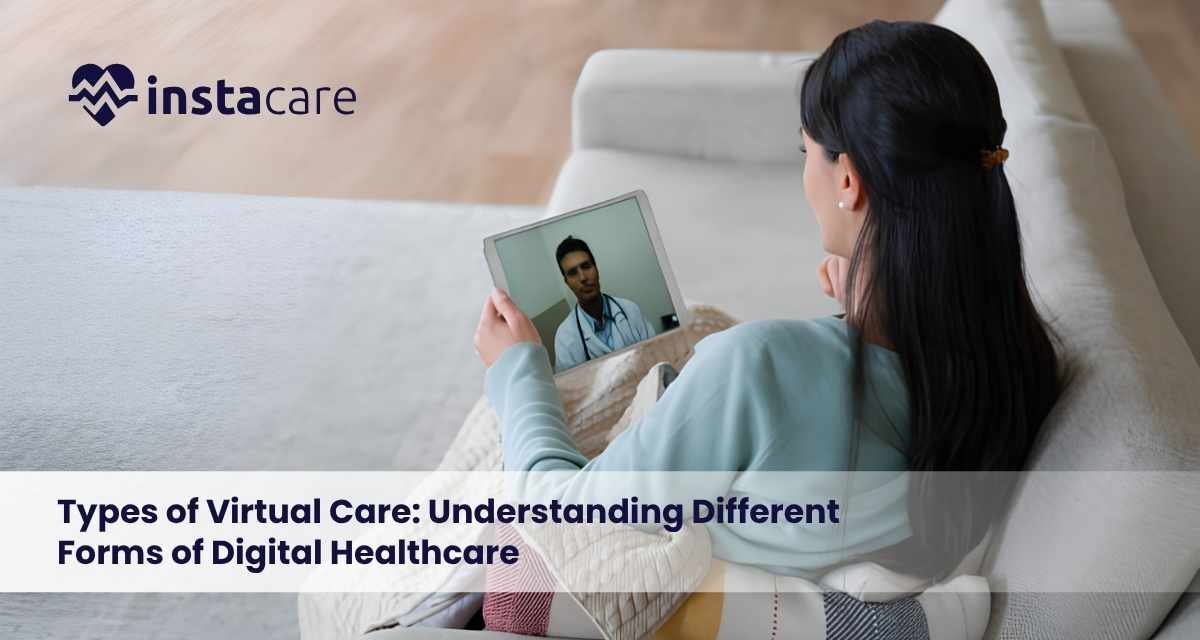
Types of Virtual Care: Understanding Different Forms of Digital Healthcare Virtual care has been a game changer by allowing the public and healthcare practitioners to meet via the internet. Rather than having to visit a healthcare institution many times, people can be given advice, carried out consultations, and even have their health monitored and supported from the comfort of their homes using video calls, phone calls, and even healthcare apps and websites. Virtual care offers ease of access to healthcare services especially for people residing in hard to reach places. This type of care is also very beneficial for people with chronic illnesses. There are many variations of virtual care. What Is Virtual Care? This type of care is healthcare service that is given remotely, beyond the four walls of a healthcare institution. Virtual care is made possible when healthcare practitioners are able to assess conditions, give advice and monitor health, without the patient being physically present. Virtual care employs many forms of technology, some of them are: Video calls Telephone calls Health apps Monitoring device Message systems Health platforms Virtual care cannot meet the demand for all type of healthcare services, however, it is an excellent alternative for many services, such as consultations, health teaching, follow-up visits, and management of health conditions. Types of Virtual Care Telemedicine Of all the forms of virtual care, this is the most popular. This service is the remote provision of healthcare via the internet. Telemedicine is most frequently adopted for accessibility and convenience drives the popularity of these services. Video Consultations Video Consultations are secure, video-based, virtual communication that connects patients and healthcare providers. Routine checkups, specialist appointments, and follow up visits are examples of healthcare services that are made easier and more personal when video communication is used, compared to voice only phone calls. Telephone Based Care Telephone Based Care is the most traditional and basic form of virtual care. It simply involves the healthcare provider and patient communicating via voice call. Discussions about symptoms, advice and next steps for treatment, and questions about prescriptions are all examples of phone based healthcare services. Telephone based care is the most accessible and least sophisticated form of virtual care. Remote Patient Monitoring Remote Patient Monitoring involves the use of virtual care technology that allows healthcare providers to track and monitor the patient’s health from a distance. This technology is used to monitor and collect healthcare data such as, but not limited to, blood pressure, heart rate, blood sugar levels, and weight. Virtual care is particularly useful for patients with chronic illnesses that require constant monitoring. Mobile Health Applications Mobile health applications are software that can be downloaded to a user’s smartphone or tablet and provide features that assist users in managing their health. These applications may allow users to do the following: Log Symptoms Document Health Records Book Appointments Get Reminders for Medications Read Health Literature Set and Monitor Health and Wellness Goals Mobile health applications empower health management. Store-and-Forward Care Store-and-forward care is the process of digitally sending health information to a health care professional to be reviewed at a future time. This may include: Digital Images Laboratory Results Health Records Health care professionals may view, analyze, and make recommendations based on the information, all without the need for a scheduled appointment. This method of virtual care describes the absence of a need for real time communicative interaction. Online Patient Portals Online patient portals are secure websites that house patient health care information and allow for health care communication. These portals may allow patients to do the following: Check Health Records Check Laboratory Results Schedule Appointments Message Health Care Team Members Read Descriptions of Treatments Patient portals increase the ease of health care communication and access to health care information. Virtual Mental Health Care Virtual mental health care is the provision of mental health care via a digital platform. This may include, but is not limited to, the following: Therapy Video Calls Therapy Text Messages Therapy Phone Calls Virtual mental health care is an effective way to reach mental health care for people who cannot access traditional mental health care. Digital Health Coaching Digital health coaching is the provision of health coaching in a digital format. Health coaches may guide clients with regard to: Nutrition Exercise Stress management Sleep Wellness Digital coaching tools can help individuals remain inspired and keep track of their progress. Virtual Second Opinions A Virtual Second Opinion service gives patients the option to receive more medical counsel without an in-person visit. This service is often used by patients who want to: Confirm a diagnosis Learn about other treatment options Obtain an expert opinion before a healthcare decision Virtual Second Opinions gives patients more medical options to consider without an extensive travel requirement. Book Your Free Marketing Consultation Benefits of Virtual Care There are several benefits of Virtual Care that impact patients as well as the healthcare system. Greater Access Virtual Care allows people to receive healthcare support regardless of their location, and is extremely beneficial to people who live in areas that lack adequate healthcare. More Convenience Patients can attend a consultation from their own home, which eliminates travel and wait time. Better Management of Chronic Conditions Remote care, as well as Virtual Care, allows patients to manage their chronic conditions better. Fewer Healthcare Barriers Virtual Care may improve access for people who have difficulty with transportation, mobility, or time. Ongoing Health Support Virtual Care allows communication and monitoring between support sessions. Limitations of Virtual Care Some Virtual Care benefits come at a cost. Some of the cost may be: The inability perform a physical exam Technology Issues Concerns regarding the Internet Health Privacy Concerns Situations that require an immediate or emergency response Some conditions require a physical examination, and/or laboratory testing. The Future of Virtual Care Given the right circumstances, alongside facilitating supportive policies, the development of telemedicine, eHealth, mHealth, virtual care, and integrated health systems will continue to change the healthcare system as we know
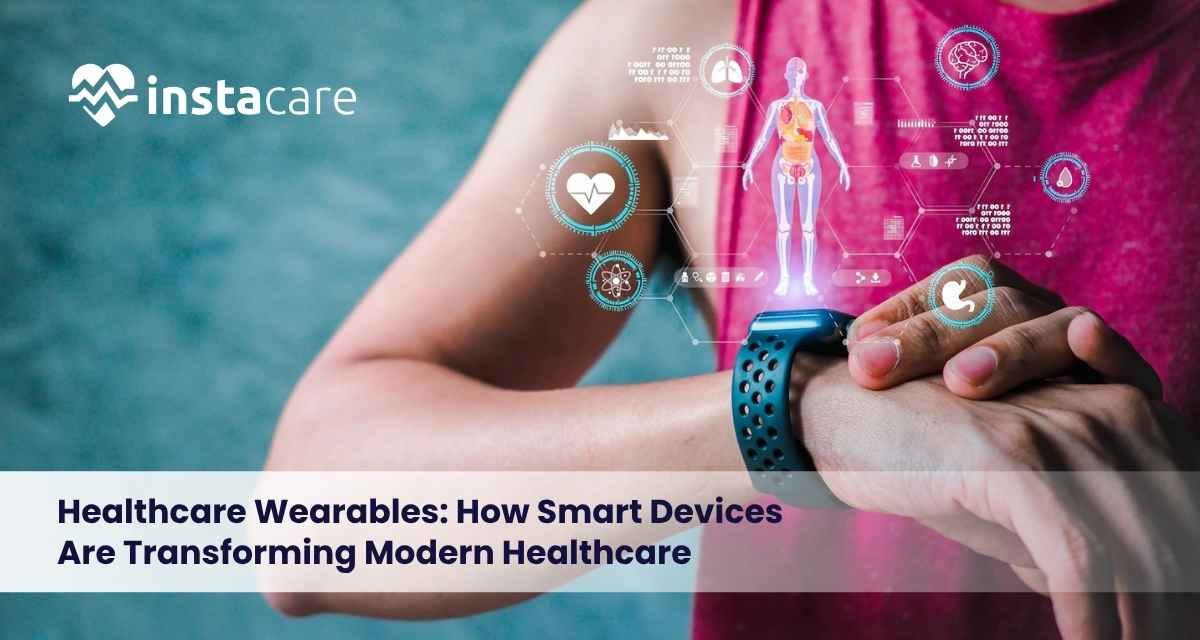
Healthcare Wearables: How Smart Devices Are Transforming Modern Healthcare An important innovation in healthcare is the development of health tech wearables. These devices have the potential to transform how the public coordinates with healthcare providers. They can track, manage, and analyze health data in real-time and provide useful information on the data collected. Traditional healthcare devices are used during clinical testing and are not designed for real-time monitoring; health tech wearables allow the user to monitor data continuously. Wearable health tech is revolutionary in the management of wellness and chronic conditions. Tracking sleep patterns, physical activity, heart rate, and blood oxygen levels are subsets of data that transform how care is accessed and administered. The advancement of personalized care and proactive health management is the future focus of the healthcare industry, and wearable technology is at the forefront of this evolution. What’s a Healthcare Wearable? Similar to other consumer electronics, healthcare wearables are designed with the capability to gather and transmit health data. They contain sensors that capture health data in the form of physical or biological signals. Healthcare wearables can be smart watches, fitness trackers, smart textiles, medical patches, or other monitoring devices. They contain sensors and assistive technologies that aid the consumer in the management of their health. Healthcare wearables are designed to transform the monitoring of health from a reactive measure to a proactive one. They allow the user to monitor their health continuously even before symptoms or data concerning their health is alarming. Mechanism of Healthcare Wearables Wearables in healthcare incorporate sensors and frameworks for data storage and digital connectivity. Sensors collect data on a user’s physiology or their movements. This data is processed in the device and is frequently transferred to user connected apps. A wearable may capture the rate of an individual’s heart after a workout or capture patterns in the individual’s movements in a day. This data allows individuals to gain an understanding of their activity levels, behavioral patterns, and health. Incorporating advanced data analytics and artificial intelligence, healthcare wearables can identify patterns and offer tailored suggestions. Implications of these technologies make devices easier to manage and more effective for health in the long run. The Advantage of Healthcare Wearables Ongoing Health Assessment An advantage of healthcare wearables is the continuous health tracking. Traditional healthcare often requires scheduled appointments that occur at intervals; health data can be collected continuously with wearables. This continuous health assessment can signal the user of issues that can be harmful to their health in a timely manner. This is especially beneficial for individuals with healthcare concerns that require constant monitoring of specific health parameters. In healthcare, prevention is more effective than treatment. Monitoring specific body parameters can signal users to healthcare concerns sooner. Irregular heart activity, and even abnormal movement patterns, can indicate that a user should seek further assistance and be evaluated. This can prevent larger health concerns from occurring. Improved Management of Chronic Illnesses For people managing long-term health issues, healthcare technology that is wearable has the potential to bring significant improvement. These devices have the ability to collect important data and provide feedback that supports every day management of the condition. People managing a long-term health condition that is chronic can have a much better understanding of the implications of their health condition when they have access to the data in a timely manner. This data has the potential to impact their condition and provide great insight into the implications of their medication, daily activities, and the choices they make. Promoting Positive Health Behavior Changes Healthcare wearables can support the adoption of positive health behaviors by providing the ability to track physical activity, movement, sleep, and other factors that comprise one’s lifestyle. In addition, health technology wearables can have a significant impact by providing constant reminders that will maintain a health behavior and track progress. Wearable technology can enhance health goals by offering feedback on stress management, sleep health, and physical fitness. Book Your Free Marketing Consultation Most Common Healthcare Technology Wearables Fitness and Activity Trackers Healthcare technology wearables that have the ability to track activity, exercise, and movement are the most common devices that are wearable. They can track steps. These devices promote an active lifestyle and make the user aware of their daily habits and the effect on wellness. Smart Health Monitoring Devices Wearable technology that is smart and focuses on the monitoring of health has the ability to track a number of health indicators. These technology devices can monitor heart activity and body functions. These technology devices are great for people who need to have health monitoring frequently conducted. Smart Clothing and Medical Sensors Smart clothing is clothing that has woven sensors that can monitor movement, posture, and other health-related measurements. Medical sensors can be placed on the skin to gather a constant data set of health measures. These innovations are great for personalized healthcare and monitoring on the spot and at a distance. Importance of Health Wearables in Remote Patient Care The need for remote care services is continually growing, and health wearables are offering solutions by eliminating the need for health professionals to travel to their patients and increasing the value of the service. Remote monitoring of patients is particularly useful for senior citizens, patients recovering from a procedure, or patients with a chronic illness. The data is available in real time, allowing the provider to make informed clinical decisions. Ultimately, the patient is more comfortable, and the health care system is more productive. Challenges of Healthcare Wearables The services of health care wearables come with a price. Data Protection and Security The protection of data is crucial because the devices are collecting sensitive medical data. Security and protection of personal health data warrant the use of elaborate security measures. Accuracy of Data The measurement of data is only as good as the quality of the device and its sensors. Care should be taken to not rely solely on data collected by wearables, and a medical professional should
What Is Connected Care? A Complete Guide to the Future of Integrated Healthcare The evolution of technology is pushing the boundaries of healthcare by making it more convenient, individualized, and digitized. One of the distinct features of this paradigm shift is connected care, a method that integrates patients, healthcare providers, medical apparatus, and health information systems. Connected care promotes the active, safe, and unbounded sharing of health information and the provision of support beyond the traditional hälsocentralen or hospital visit. Connected care provides patients the support, guidance, and supervision they need no matter where they are. The combination of remote monitoring, data sharing, integrated digital technologies, and patient-centered care allows connected care to build a system that is more efficient, individualized, and proactive. Understanding Connected Care Connected care is the digitization of the different, previously disparate components of the healthcare system. It enables the secure digital exchange and coordination of care for patients, doctors, nurses, and caregivers via healthcare systems. Connected care resolves all the problems and enables the system and healthcare providers to be truly proactive by facilitating the constant, real time sharing of health information. The connected care system of healthcare providers is able to assess the health of patients, analyze medical data, and offer recommendations without the need for a face to face consultation. For example, a patient with a chronic illness may use a measuring device that is part of a connected health system. The data is accessible to the patient’s doctor, who can monitor the doctor and offer help when the doctor notices a change. How Does Connected Care Work? Combining multiple components of digital health care and telecommunications systems makes connected care possible. The steps are typically: Data Collection Health data can be obtained from: Health devices that are worn Smart medical devices Mobile health apps Electronic health records Remote monitoring systems These various tools can capture data such as levels of activity, vital signs, medication schedules, and trending health data. Data Sharing Health care data can only be shared with authorized personnel within a secure environment. This helps doctors and care teams gain a more complete picture of the current state of a patient. In addition to the data obtained during health care encounters, health care teams can now access a patient’s real-time health data. Analysis and Decision-Making Data can be assessed to identify trends, and define the best course of treatment. Sophisticated digital systems can even identify evolving threats to a patient’s health and signal the need for critical intervention. Continuous Support Connected care makes it possible to maintain an open line of communication with a patient, and, as necessary, reinforce health care management through ongoing coaching and supportive check-ins that don’t require a trip to a health care facility. Key Technologies Behind Connected Care Connected care builds a networked health care system on a variety of foundational technologies. Internet of Things (IoT) in Healthcare In health care, the Internet of Things refers to the use of digital telecommunications to connect medical devices and health care tools. Examples include: Smart monitoring devices Connected medical equipment Wearable health trackers Remote patient monitoring tools Healthcare professionals understand patient conditions better through tools that collect information in real time. Electronic Health Records Electronic health records are a modern and organized way to keep and look up patient information. They may include: Medical history Previous treatments Test results Medication details Allergies Health Reports Healthcare professionals have faster means to coordinate care and close communications gaps through connected health systems. Telehealth and Virtual Care Telehealth is a way for patients to conduct remote communications with healthcare professionals, and it may include: Remote visits Follow up appointments Health check ins Health and medical advice Virtual care is especially useful to those who have challenges with making the visit to a healthcare facility, or to those who need regular health check ins. Artificial Intelligence and Data Analytics Health information systems enhanced with artificial intelligence and data analytics help to sift through the large volumes of health information to identify information that may be of value. These systems may be used for: Identifying risk earlier Planning interventions Monitoring patients Making health care decisions These systems act as information management aids. Benefits of Connected Care There are many benefits to connected care for patients, healthcare professionals, and the healthcare system. Improved Patient Experience Connected care leads to more patient centered and accessible health care. Patients are empowered to communicate with health care professionals, receive reminders, and manage their health information. Healthcare professionals are in a better position to guide and support patients, which enables patients to avoid reaching a point of a health crisis and needing more intensive care. Better Disease Management Connected care is very effective for the management of health conditions that are chronic in nature. Healthcare professionals can adjust care as needed based on the information readily available through regular monitoring. This can help: Achieve better outcomes after treatments Minimize health complications Help people make positive health choices Improve engagement Accelerate Healthcare Choices Healthcare providers can make better choices more quickly when they have the most current information about the patient. Real-time data helps find critical problems and helps support the most important response. Less Healthcare Strain Connected care helps prevent hospital visits and helps make the best use of available resources. Using remote care and virtual visits helps reach and care for more people and helps relieve some of the burden on healthcare facilities. Focused Healthcare Every person has different healthcare needs, and connected care helps create different pathways to care. More focused choices of treatment can be made by considering a patient’s specific condition and their lifestyle and health habits. Book Your Free Marketing Consultation How is Connected Care Used in Healthcare? There are many uses of connected care in different areas of healthcare. Remote Care People are able to use connected devices to monitor their health at home. Healthcare teams are able to view the data and offer support. Smart Systems for Medications
EMR Cloud Migration: Benefits, Process, Challenges, and Best Practices Electronic medical record systems keep track of patient histories, diagnoses, prescriptions, test results, and billing. Traditionally, healthcare organisations have kept electronic medical records on local servers. Many concerns, including cybersecurity, have prompted further interest in EMR cloud migration. EMR cloud migration is the transfer of cloud-based electronic medical record applications, databases, and associated services from local infrastructures to the cloud. This process involves much more than the technical transfer of data. Some of the main areas that need to be considered and monitored after the migration process include data protection during the migration process, thorough testing and analysis of the workflows and staff training on the system, and the migration should be done in phases. What Is EMR Cloud Migration? EMR cloud Migration refers to the transfer of hosted electronic medical records from local servers to cloud infrastructures.The migration process may include the transfer of a number of electronic medical records, including but not limited to: patient demographics, histories and progress notes, lab reports and images, medications and allergies, appointments and logs, insurances and billing records, users and their permissions, clinical templates and forms, and clinical workflows and integrations with other external systems in health care, as well as all other archived records and documents. Electronic medical record systems can be locally or cloud hosted. Cloud hosted systems are those that are hosted over the internet. Why Are Healthcare Organisations Moving EMRs to the Cloud? Healthcare organisations need systems that provide secure access, support growing data and seamless interoperability, and ensure active business continuity. Self-hosted systems can require a large capital investment into servers and storage, as well as security and maintenance staff, and ongoing software and security updates. Cloud migration offers a solution to old hardware by flexibly enabling clinical operations. Easily Scalable Healthcare data storage needs grow with each new patient and each new report, image, prescription, and clinical note. Cloud infrastructure is easily expandable, allowing storage and processing needs to grow without the need to purchase new physical servers. Remote and Secure Cloud-based EMR systems allow secure access of authorized personnel from selected locations and devices. It supports clinical personnel that work in multiple locations, remote personnel, and authorized access during a critical situation. Remote access is only useful when supported by strong character authentication, access controls, data encryption, and a constant evaluation of systems. Improved Business Continuity Local systems can be damaged by degraded or failing hardware, fire, flooding, power loss, cyber systems attack, and damage by personnel and still become unavailable. A properly built cloud environment provides less risk for system backup and business continuity. Even though the risk is mitigated, the organization is still responsible for ensuring that backup systems function, and data is available and uncorrupted. Book Your Free Marketing Consultation Key Steps to EMR Cloud Migration A planned and structured migration process improves the likelihood of uninterrupted and secured records with minimal downtime and disruption of your normal workflow. Assess the Existing Environment Establishing a baseline inventory for the systems, data, and accounts, as well as the infrastructure and user access and service storage, is the first step. These details help assess: The nature and quantity of data What records are incomplete or duplicated Security vulnerabilities What laboratory and billing systems are in use Requirements for Internet and other networks What records are required by retention schedules What current backup processes are in place What important clinical workflows are in place This assessment helps the initial planning for migration. Define Migration Goals Healthcare entities have a variety of migration goals. Improved remote access, reduced hardware expenditures, improved resiliency and speed of the system, and the ability to accommodate the growth of the organization are a few of the migration goals. Migration goals also help assess the migration’s success. Develop a Data Migration Plan Not all files should be moved. This may include files that are old, duplicated, corrupted, or not useful, as these may strain the storage and the manageability of the new system.Data should be scrubs, reorganized, and categorized and data should be placed in a structure prior to the migration. During all of these activities, the quality of clinical data must be preserved. Plan Security and Compliance Given that medical records contain sensitive data that must remain private, the protection of data must be incorporated in each of the phases of migration. Cloud security planning must consider these aspects: Encryption during transfer and storage Multi-factor authentication Role-based access control Audit logs Secure backup systems Continuous threat monitoring Incident response procedures Data retention and deletion rules Employee security training Regular vulnerability assessments Cloud services must still address the threats and vulnerabilities to the security of electronic health information in health care organizations. Test Before Full Migration All records should not be migrated before one small pilot migration is done. This migration helps flag errors for inconsistent formats, slow integration, missing fields, access issues, and workflow interference. Testing should confirm the following: Completeness of patient records Correct dates and codes Validating that attachments open User permissions Accuracy of reports Integrated systems Restoration of backups Integrated systems Migration meets the operational performance All errors should be rectified before proceeding to the full migration. Train Employees A technically correct migration can still “fail” if employees are not versed in the new system. Different employees from the clinics, nursing, and administration may require different training. Training should include access to system logs, privacy and security procedures, and how to report issues during system downtime. Training employees using a “live” system with clear guides will reduce “surprises” after the system launch. Complete the Migration The full migration should be done when it will have the least impact. A phased approach is to migrate one department at a time or one data set at a time. An alternative is to set the migration date and time, after which all systems are switched over. There should be procedures for managing temporary service disruptions to ensure that staff
Health Information System (HIS): Transforming Modern Healthcare Management Healthcare creates a lot of data every day – from patient files to lab reports to medical prescriptions to images to bills, and even appointment lists. All this data may be cumbersome to manage manually and may even lead to data loss. A Health Information System, or HIS, is designed to help healthcare organizations collect, manage, and efficiently store and transmit healthcare data. Well-implemented Health Information Systems greatly facilitate collaboration and communication among healthcare staff, help improve the quality of care, and reduce healthcare staff loads. HIS is used across hospitals, and even clinics, labs, pharmacies, diagnostic centers, and public health services. What Is a Health Information System? A Health Information System is a digital medical data and activity management system. It integrates the various departments of a healthcare organization and provides authorized personnel access to patient medical data as and when required. This System may include patient data such as his/her demographic information, medical history, lab tests and results, illness and treatment history, and even the discharge summary and payment. Unlike the traditional method of keeping numerous medical files in paper format, HIS electronically secures and simplifies the storage of medical data. Health Information Systems have clinical and administrative functions. The clinical functions include patient care-related activities and the administrative functions cover billing, personnel and inventory management, schedules and appointments, and even reports. Main Components of a Health Information System Typically, a Health Information System consists of several modules that are integrated to each perform a specific task. Electronic Health Records EHRs are digital versions of patient health information. They contain data on medical history and treatments, as well as, results of lab tests, and other pertinent information. EHRs are extremely useful for clinicians when evaluating the health and medical needs of patients. Patient Registration & Appointment Management This module keeps track of patient information and appointments. This module helps eliminate congestion in the reception area, and improves the management of patient appointments. Automated appointment notifications help eliminate no-shows. Laboratory Information Management This type of module helps with the management of test orders, tracking of test samples, and the entry and delivery of test results. Laboratory results delivered through this system help facilitate the speed of diagnosis and the initiation of treatment. Pharmacy Management Pharmacy Management Software help manage the records of dispensed prescriptions and track pharmacy stock. These modules also help clinicians manage and monitor pharmacy stock and dispensed medications. These modules also help clinicians manage and monitor pharmacy stock and dispensed medications. These modules also help clinicians manage and monitor pharmacy stock and dispensed medications. Billing and Insurance Management This module helps manage billing, payments and charges, and insurance claims. This module also helps manage billing, payments and charges, and insurance claims. Medical Imaging Management Modules for medical imaging help capture and store images for health assessments. Modules for medical imaging help capture and store images for health assessments. These images and health assessments may be viewed and evaluated by clinicians with the appropriate digital access. Inventory and Resource Management An HIS aids the management of inventories of supplies and aids, and notifies staff when inventory levels reach the re-order point. Benefits of a Health Information System This led to better accessibility of patients’ health information. Healthcare professionals can take quick views at all previous health records, treatments, and medications. This leads to better workflows and even reduces redundant and unnecessary tests. An HIS can even limit many administrative and healthcare errors. A very common example is legibility. Automated and clear prescriptions will limit legibility issues from unclear handwriting. Automated systems can help to deliver medications appropriately and avoid potential adverse drug interactions. Health Information Systems help operational workflows and effective resource allotment. Automated systems can help with bookings, billing, and reporting and help staff to spend precious time more efficiently and care for more patients. It also leads to improved workflows, especially due to better and more automated communications. Having one central system increases communications and helps to lessen the lag in growing and successfully integrating different departments. A HIS also allows for better assessment and planning for healthcare and gives administrators the ability to perform more flexible resource allotment. Role of HIS in Patient Care His lead to better planning of patient care. During patient registration, a patient health record is either created or pulled from an existing record. During the visit, a physician can more easily document the visit and the other vital information. When laboratory testing is necessary, an electronic request can be sent. Completed laboratory results can then be integrated into a patient’s electronic record. Prescriptions can also be sent electronically to the pharmacy. Because the process is interrelated, there is less paperwork, and the healthcare delivery system is more efficient and effective. Patients are likely to experience a decrease in waiting time, laboratory results are delivered faster, and patient care is more timely and better organized. Some systems include patient portals. Through these secure portals, patients can view their appointments, prescriptions, laboratory results, and discharge instructions, and make payments. This leads to greater patient involvement. Book Your Free Marketing Consultation Data Security and Patient Privacy Sensitive health information needs protection from unauthorized access. A quality Health Information System (HIS) incorporates several security measures such as user authentication, role-based access, data encryption, secure backups, and an audit trail. With role-based access, only information pertinent to a user’s role is available. A billing employee, for example, may view payment information, but does not need access to clinical notes. HISs require a commitment to regularly update the system, employee training, strong password protection, and a focus on cybersecurity. Healthcare organizations need to establish policies to ensure the protection of patient information during collection, storage, and disposal. The trust of patients is difficult to earn and is easily lost. Service disruption due to a data security breach is also a risk. Because of the potential damage caused by a data security breach of the system,
Healthcare Cloud Migration: Benefits, Challenges, Process, and Best Practices Healthcare cloud migration involves relocating healthcare applications, patient records, and IT systems from data centers to the cloud. Digital transformations in healthcare help achieve greater scalability, data accessibility, collaboration, and operational effectiveness. After the careful design of the migration, the cloud can provide safe storage of data and aid the healthcare industry in speeding up the delivery of patient care. What is Healthcare Cloud Migration? The migration of healthcare data, applications, storage, and workloads to cloud systems from on-premises servers is called healthcare cloud migration. Healthcare providers can choose public, private, hybrid, or multi-cloud systems based on their needs. Cloud migration can be defined as the relocation of data and the enhancement of application and system performance, the level of security, and compliance with healthcare regulations. Why Are Healthcare Organizations Moving to the Cloud? The healthcare cloud migration can help accommodate the massive amount of data generated by the healthcare industry on a daily basis. This data includes electronic patient records, images, lab results, prescriptions, insurance, and patient interactions. Healthcare cloud migration can also facilitate the care of patients at a distance and the use of health services and telemedicine offered by digital technologies. Types of Healthcare Cloud Migration Public Cloud A public cloud is a third-party managed, scalable, and flexible cloud system. It is an excellent choice for organizations with cost and time constraints. Private Cloud Private Cloud is for a single healthcare organization. More control over infrastructure and security and about sensitive patient information. Hybrid Cloud Hybrid Cloud is a mix of having some infrastructure on-site and some in the cloud. Sensitive information can stay in the Private environment while less important work can go to the Public cloud. Multi-Cloud Multi-cloud is a strategy that utilizes different clouds to improve flexibility, reliability, and business continuity. Benefits of Healthcare Cloud Migration Better Data Accessibility With the ability to access patient information at the required locations, collaborative and timely clinical decisions can be made. Better Scalability Healthcare organizations can make better use of cloud computing, having the ability to scale up as necessary using external infrastructure. Better Security Using cloud computing and the internet, sensitive healthcare information can be protected using a variety of security techniques such as encryption and automated constant security. Better Disaster Recovery Using cloud computing, information can be restored faster after an unforeseen event. Lower Infrastructure Costs Using cloud computing, the costs of using and maintaining physical infrastructure is reduced. Better Collaboration Healthcare providers can collaborate more efficiently with access to real time information. Better Supported Telemedicine Using cloud computing, the full spectrum of healthcare services is better supported. Faster Innovation New technologies such as artificial intelligence (AI), machine learning (ML), predictive analytics, and Internet of Medical Things (IoMT) are becoming easier to implement within healthcare organizations after migrating to the cloud. Applications of Cloud Migration in Healthcare The healthcare cloud migration process enhances many different digital healthcare services including: Electronic Health Records (EHR) Medical Management Information Systems (MMIS) Image Management Systems (IMS) Laboratory Information Systems (LIS) Telehealth Solutions Appointment Booking Systems Pharmacy Management Systems Health Analytics Solutions Remote Patient Monitoring (RPM) Medical Billing Systems Insurance Claims Processing Systems Common Challenges of Healthcare Cloud Migration Data Security Patient data is sensitive and protecting it during the migration process is paramount. Regulatory Compliance Cloud healthcare systems must comply with certain privacy, security, and data protection regulations. Legacy System Integration Older healthcare systems may need to modernize in order to integrate with the new cloud systems. Downtime Poorly planned migration projects that integrate new systems may bring healthcare operations to a standstill. Data Migration Healthcare systems contain a plethora of both structured and unstructured data that system migrations need to capture accurately. Staff Training Healthcare and Information Technology (IT) staff may need to learn how to properly and securely use the new cloud systems. Book Your Free Marketing Consultation Healthcare Cloud Migration Process Assessment and Planning An organization’s infrastructure, applications, and workloads, as well as security and migration requirements, are assessed prior to cloud migration frameworks being designed. Prepare the Infrastructure Cloud environments are designed with the appropriate storage, networking, security controls, backup systems, and access management policies. Data Migration We facilitate the secure transfer of patient records, applications, databases, and entire healthcare systems to the cloud with minimal impact to ongoing healthcare services. Application Testing Health applications undergo migration testing to assess their functionality, performance, security, and compatibility. Security Validation We maintain patient information protection throughout the cloud environment by validating security controls. Staff Training and Deployment Cloud systems become fully operational to healthcare teams when training for staff cloud system deployment is completed. Continuous Monitoring To enhance cloud system operations, organizations assess the effective delivery of services with an emphasis on system performance, security, expense, and compliance. Best Practices for Healthcare Cloud Migration Careful planning with the following best practices is essential for effective healthcare cloud migration. A migration roadmap is created. Data security is protected for patients. Security risks are assessed. Healthcare information is encrypted. Access is limited by user role. Backup and recovery plans are established. Systems are validated and deployed. Healthcare staff are trained. Cloud services are monitored. Security and compliance assessments are conducted. Future Trends in Healthcare Cloud Migration Developing and adopting new technologies bring valuable trends to healthcare cloud migration. Artificial intelligence Predictive healthcare The Internet of Medical Things (IoMT) Hybrid cloud computing The use of multiple clouds Edge computing Cloud-based healthcare applications Streamlining administrative tasks with greater security. Data Analytics and advanced security. These trends focus on the customization of patient care and the development of efficient workflows. Conclusion Healthcare cloud migration is one of the initial steps focused on modernizing healthcare systems to make them more connected and efficient. Moving applications and data to safe healthcare cloud systems enables organizations to make services more accessible and improve collaboration within the system, all while reducing operational costs and providing innovative digital healthcare services. Healthcare cloud migration is certainly challenged